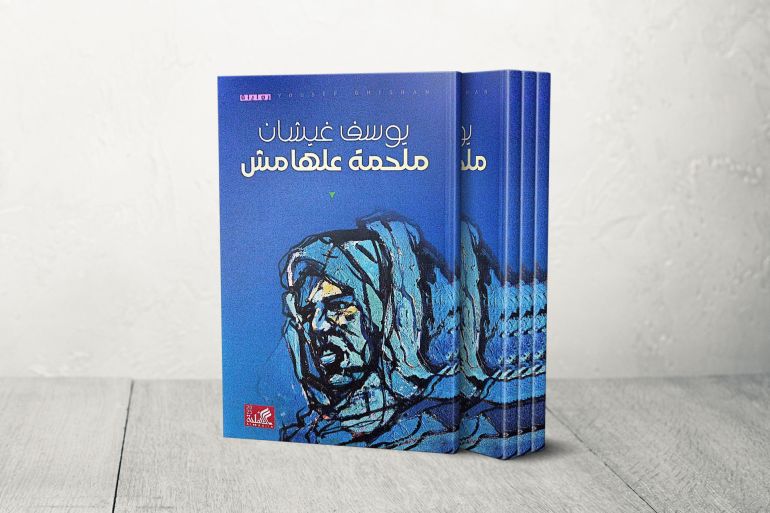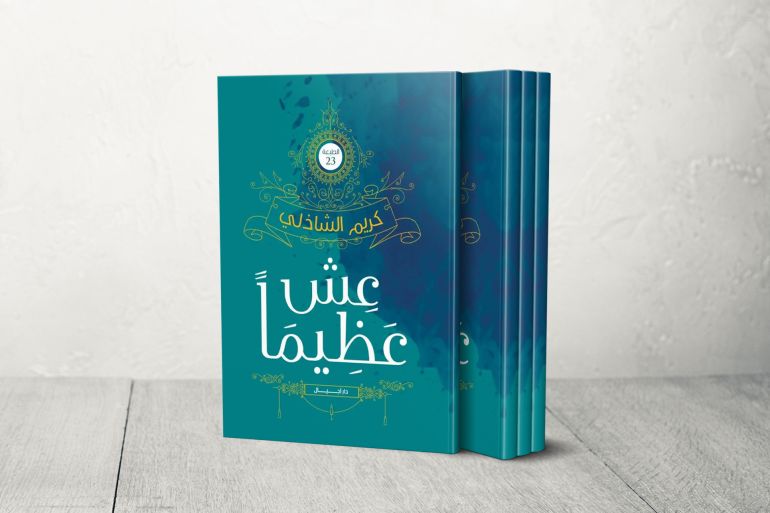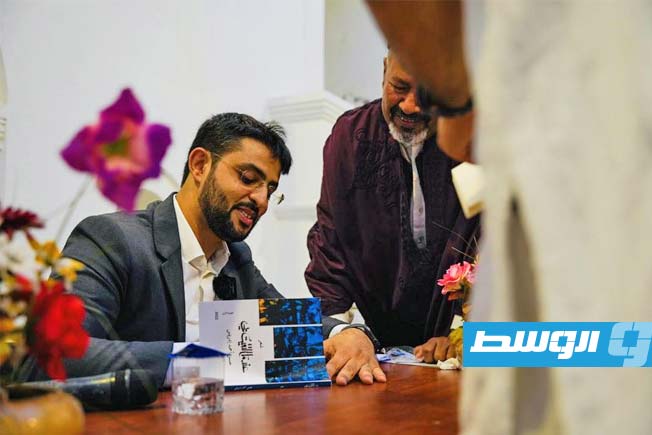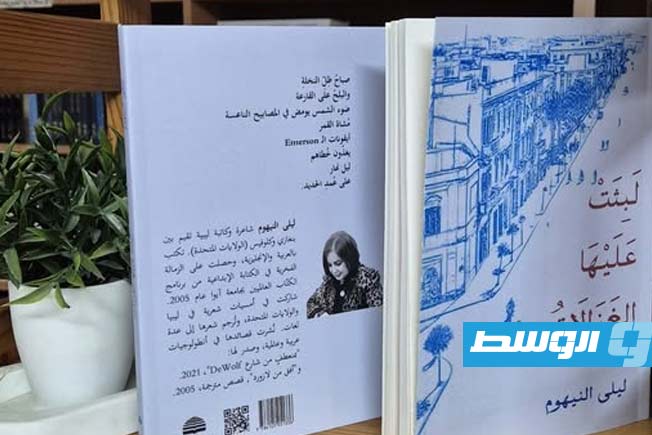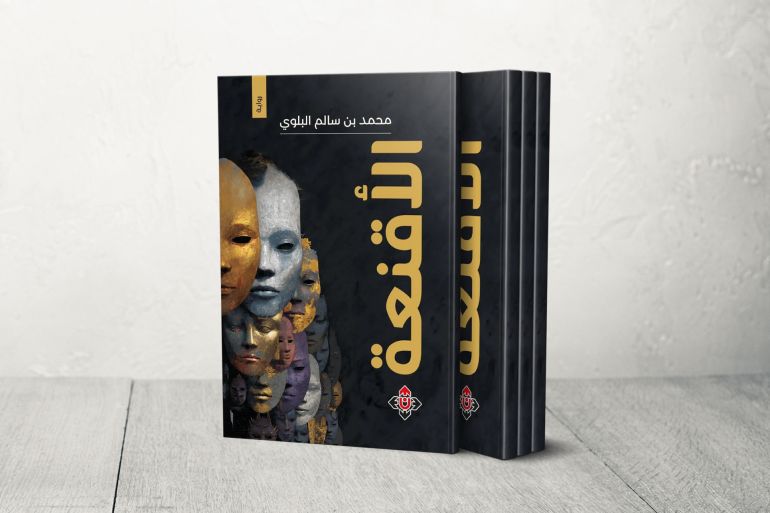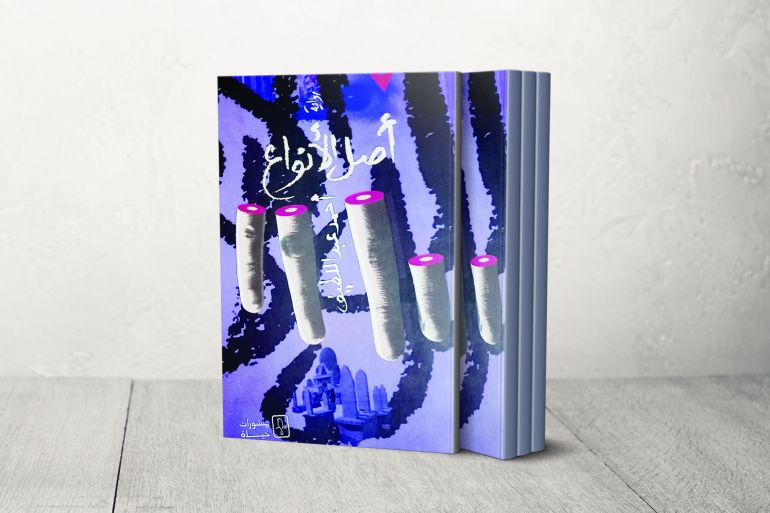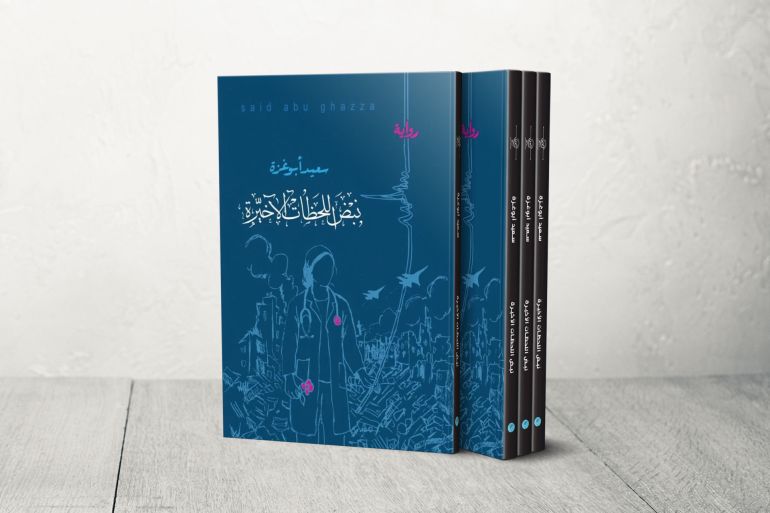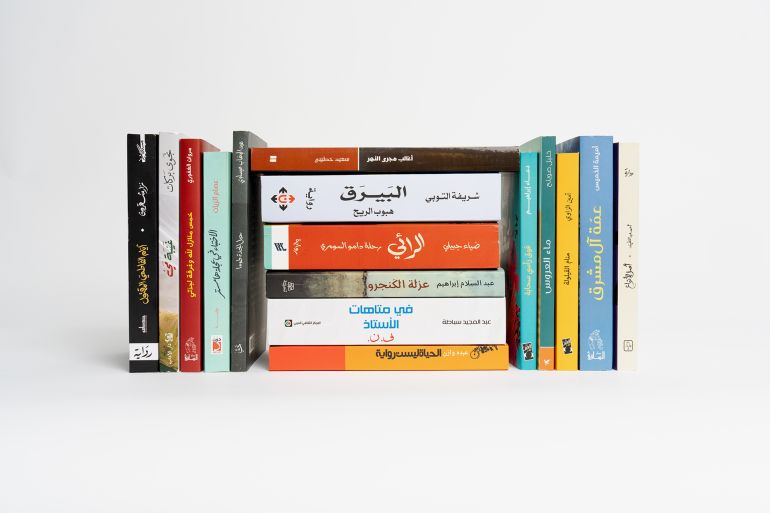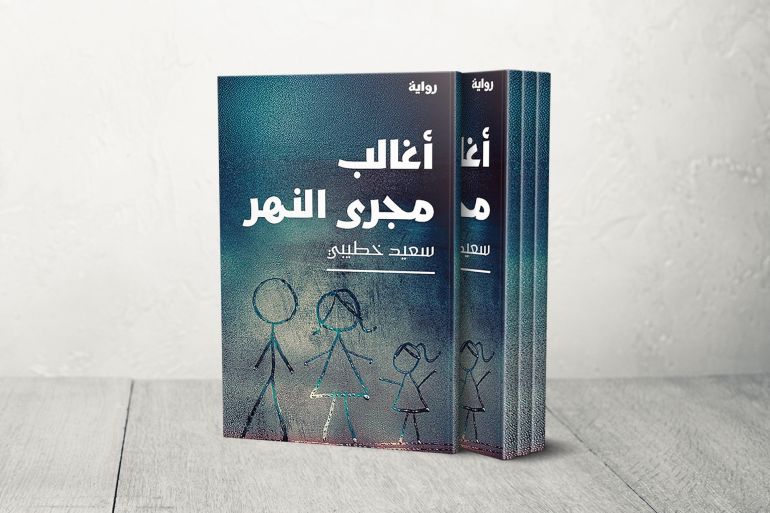
The novel “Overcoming the River’s Flow” seeks to deconstruct national memory and reinterpret it from a cultural and social perspective.
It presents a text that does not merely recover the past but interrogates Algerian identity on the eve of its major transformations in the early 1990s, a period marked as the “Black Decade.” This encapsulates the author’s primary focus: working on the duality of history and memory.
The novel begins by constructing a narrative space that does not just remind us of the specter of the “Decade” as a historical event but uses it as a cultural laboratory to understand how identity forms in moments of rupture.
The title itself presents us with a major existential metaphor; the “river’s flow” is the inevitability of history, and “overcoming” is the act of the intellectual, the novelist, and the marginal character in a desperate attempt to reclaim “meaning” from amidst the rubble.
This is not a novel about war, but rather it internalizes the spirit of the country on the eve of explosion. It is a novel about the implicit culture of war and how it infiltrates language, the body, architecture, and official records.
The novel does not merely recover the past but interrogates Algerian identity on the eve of its major transformations in the early 1990s.
It is not written about the war, but about the fear preceding it as a necessary prelude to the storm.
In this text, we find ourselves before an aesthetic chronicle of Algeria in the early 1990s; a period that was shaking under the feet of its inhabitants, where the “river’s flow” transforms from a mere geographical landmark into a sweeping historical destiny threatening to uproot everyone.
At its core, the novel is a dissection of the Algerian self as it stands on the edge of the abyss. Here, fear is a cultural pattern that began to permeate the structure.
With the skill of an anthropological analyst, the narrative delves into the details of the “pre-explosion,” where characters like “Azzouz,” “Aqila,” and “Yaqut” become witnesses to the transformation of values. They attempt to overcome a sweeping current of social and ideological changes that began to engulf the public sphere.
Fear in this novel is a silent protagonist, pulling the strings from behind the curtain, turning the search for truth into a journey of wandering amidst the clouds of the coming storm.
The novel – published in 2025 – begins with elusive “detective” features, but it soon sheds its outer shell to become an ontological investigation. The detective mask is used to lure the reader into the labyrinth, but once inside, they find themselves before a cultural and existential dissection of society.
It does not investigate an individual murder, but investigates the “crime of infanticide” of a nation and an identity. This is the essence of the ontological work in the modern novel; where the text becomes an excavation into human existence and its major conflicts.
Story Summary: What Does It Tell?
The novel revolves around an ophthalmologist named Aqila Tummi, who lives a seemingly stable life. She is married, has a young daughter, and a successful professional career. However, this life suddenly opens onto the nightmare of interrogation when she is summoned to a police station as a suspect in a criminal case linked to her husband, a forensic doctor.
The story begins from the moment of detention, as Aqila is led to a cell and subjected to psychologically harsh search and interrogation procedures that last for hours and days, without being informed of a clear charge.
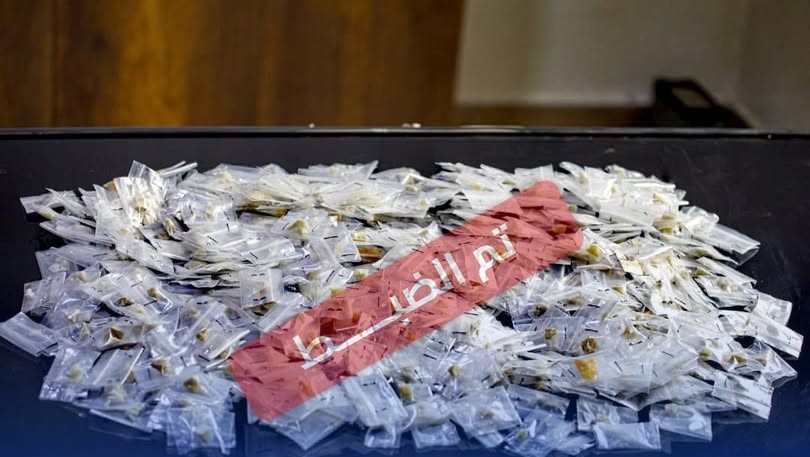
During the investigation, it gradually becomes clear that her husband, Makhlouf, is involved in an illegal network related to human organ trafficking, exploiting his work in the morgue, and a long silence he imposed both inside and outside the home.
Between interrogation sessions, the narrative goes back in time, revealing details of Aqila’s life: a marriage based more on fear than affection, silent domestic violence, motherhood burdened with anxiety, and a complex relationship with a father who himself carries a personal history with authority, colonialism, and war.