Al-Fazzani: Material and Non-Material Heritage is a Developmental and Economic Responsibility and Represents a Fundamental Pillar for Supporting Tourism
libyawire.org > News > Culture > Al-Fazzani: Material and Non-Material Heritage is a Developmental and Economic Responsibility and Represents a Fundamental Pillar for Supporting Tourism
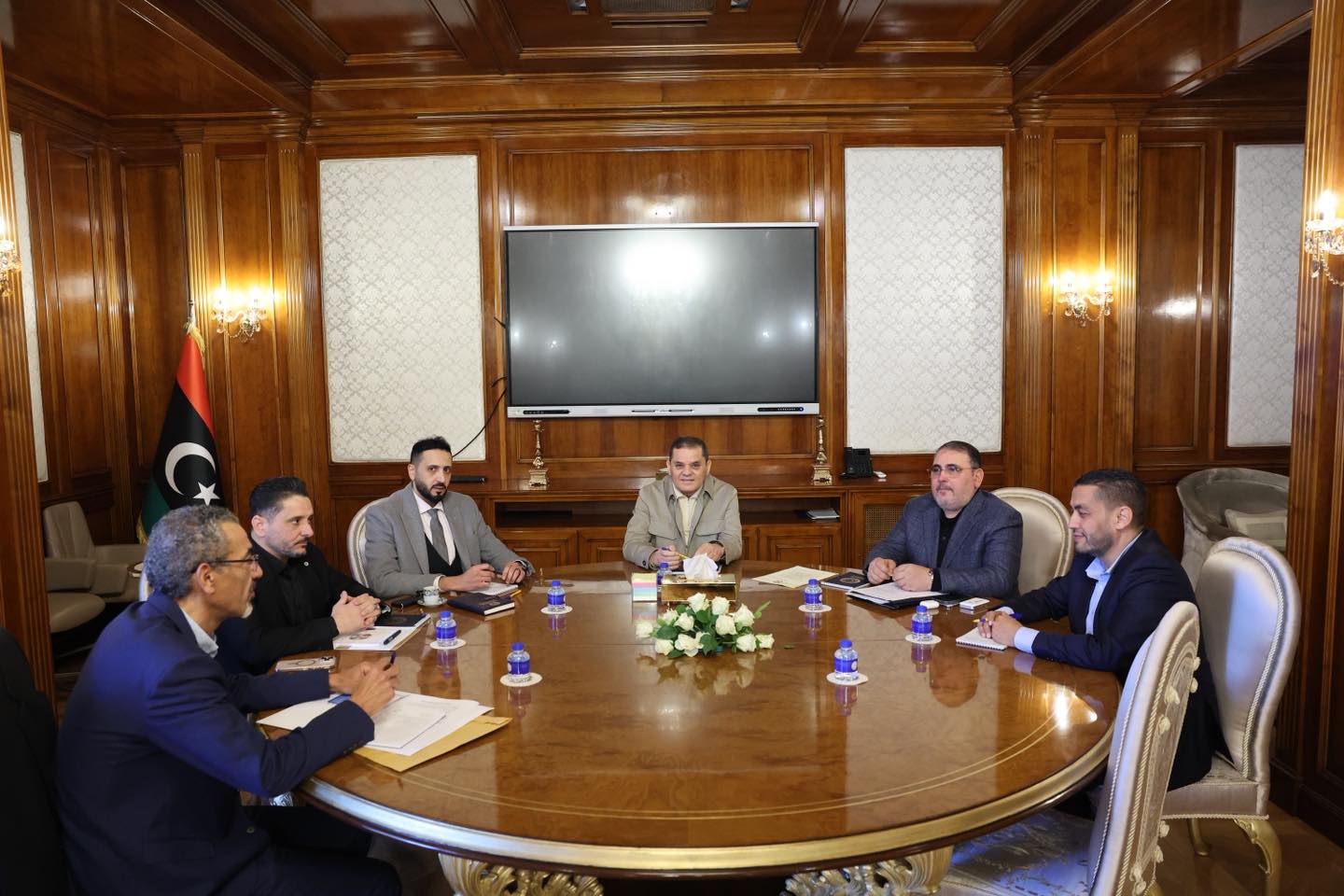
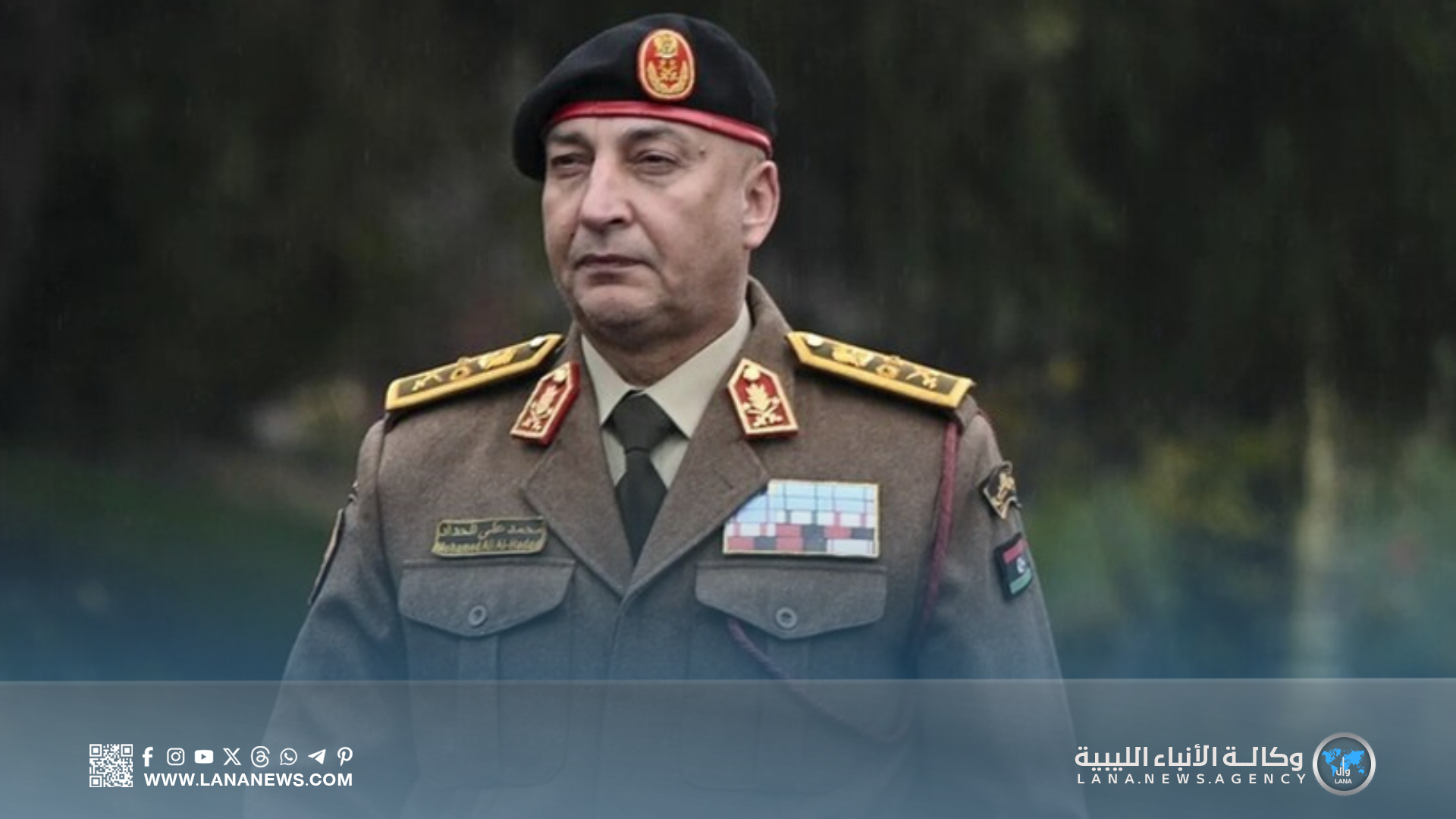
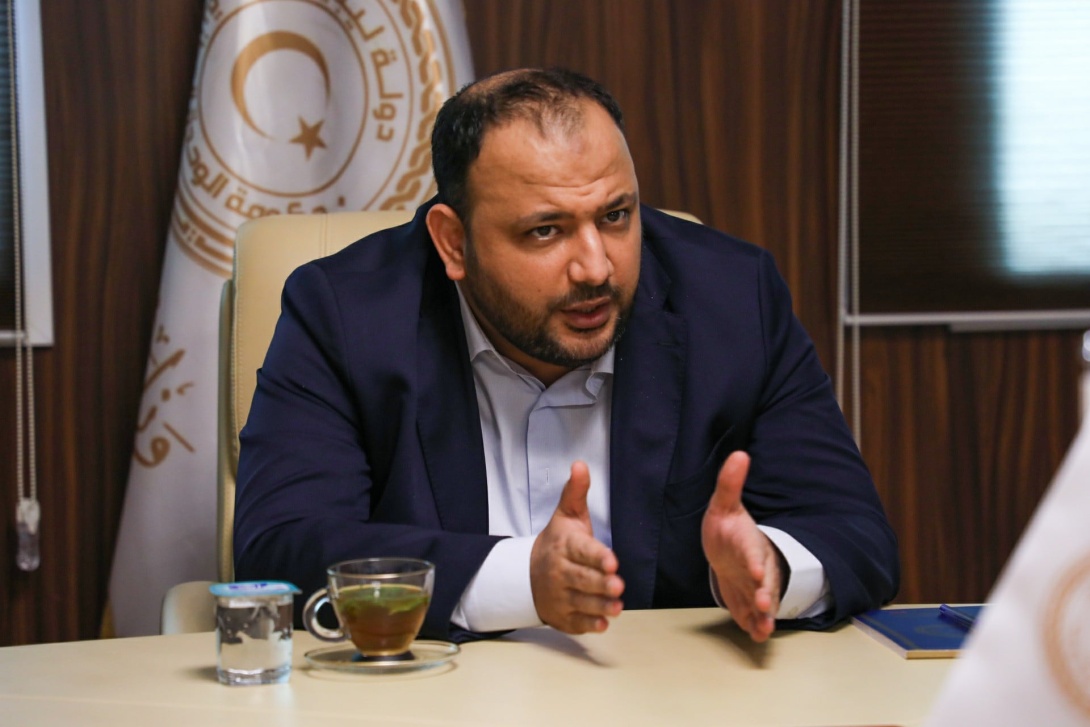
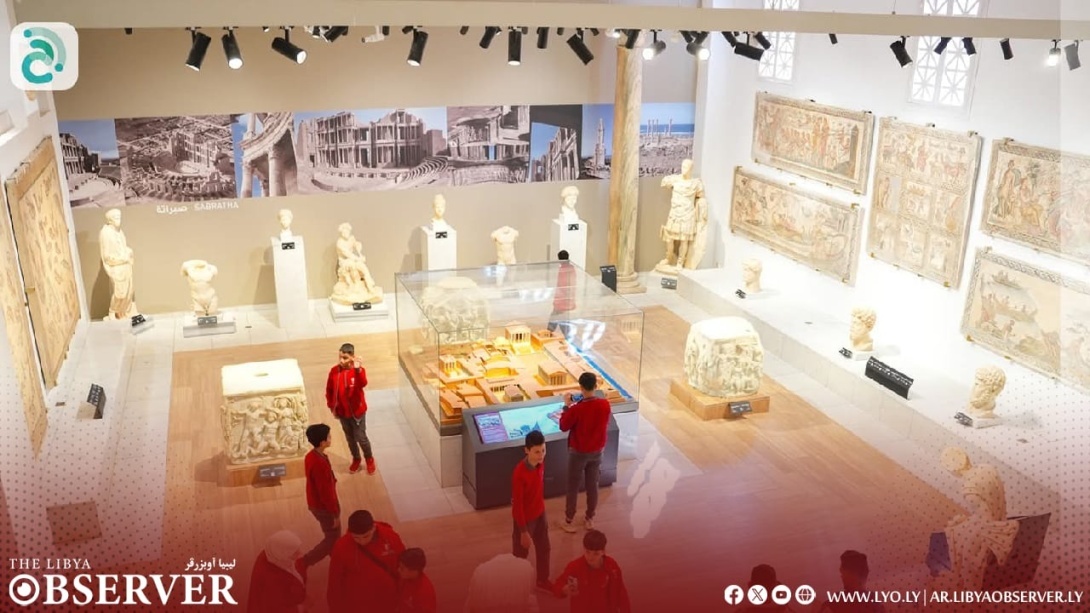
Tripoli, January 21, 2026 – The Minister of Tourism and Traditional Industries of the Government of National Unity confirmed that the preservation and safeguarding of tangible and intangible heritage is a developmental and economic responsibility and represents a fundamental pillar for supporting sustainable tourism and diversifying the national economy.
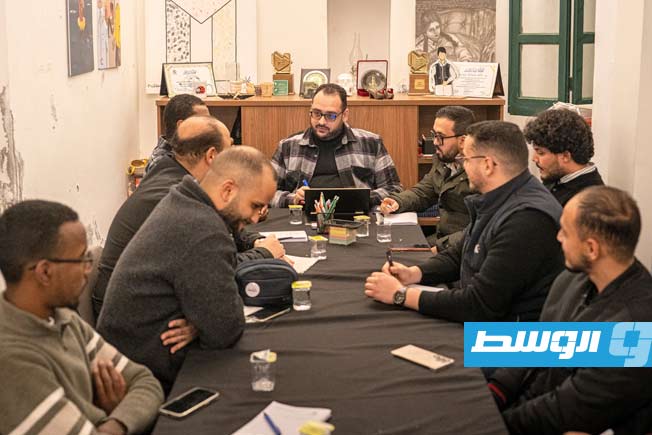
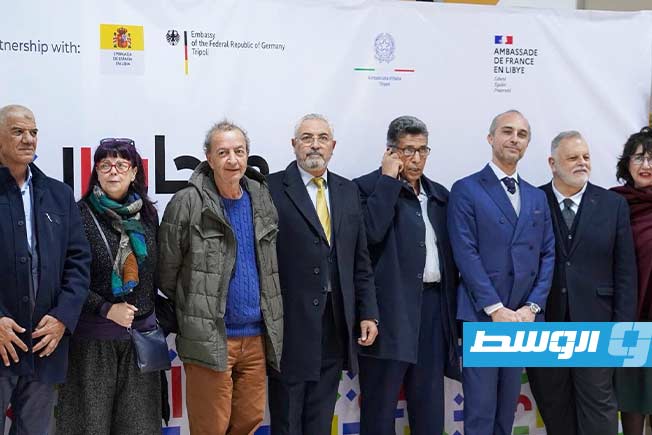
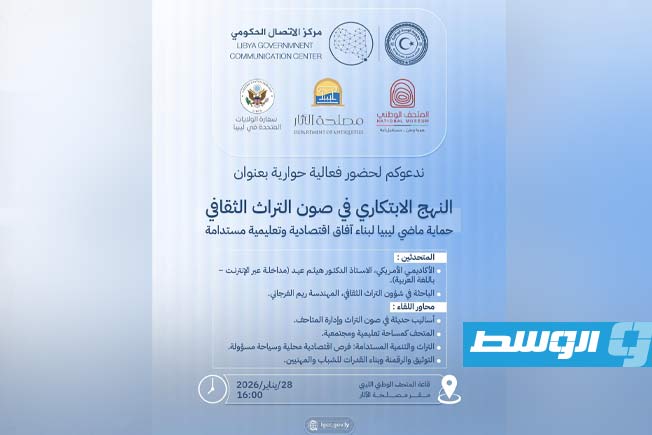
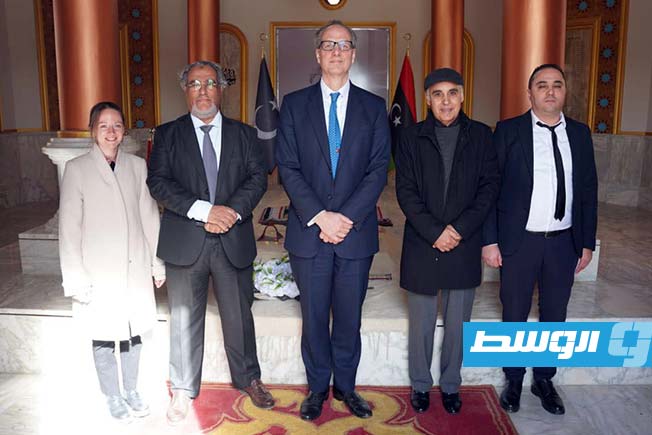
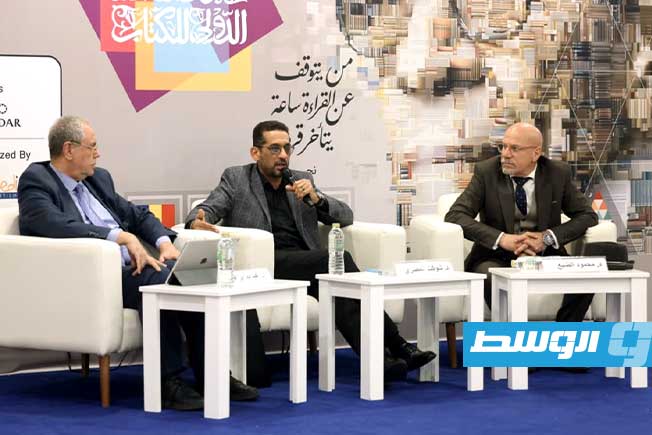
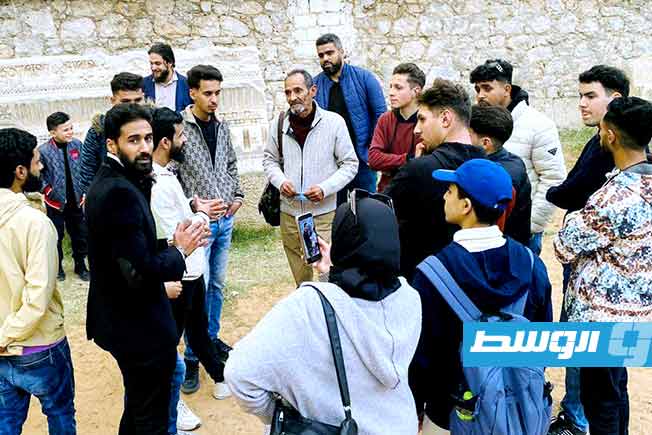
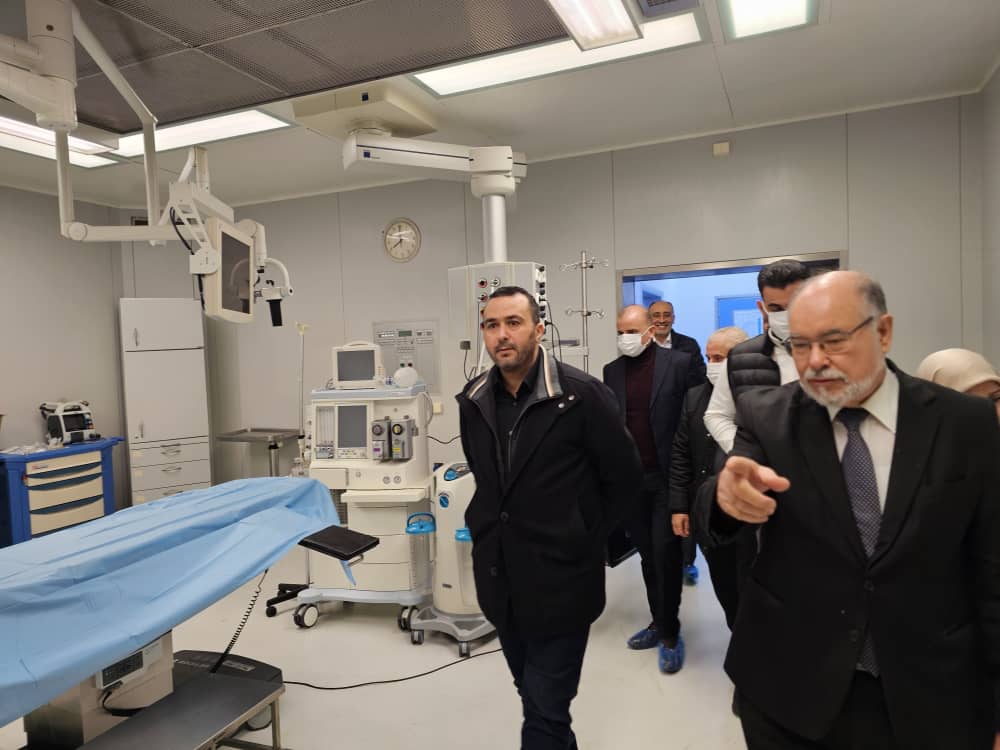
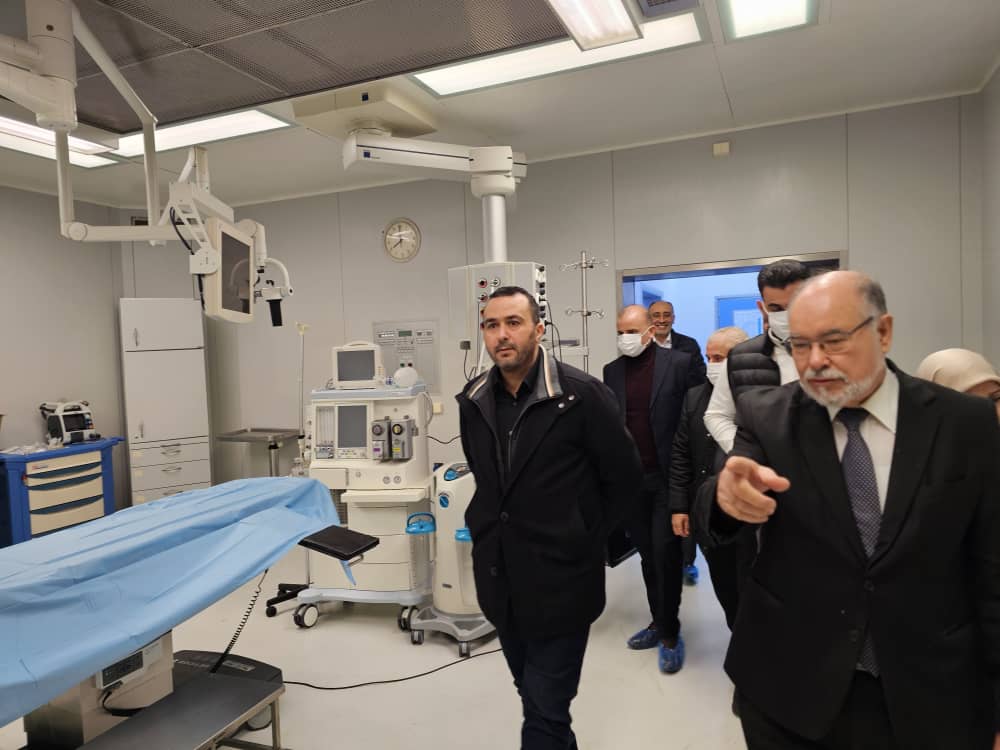
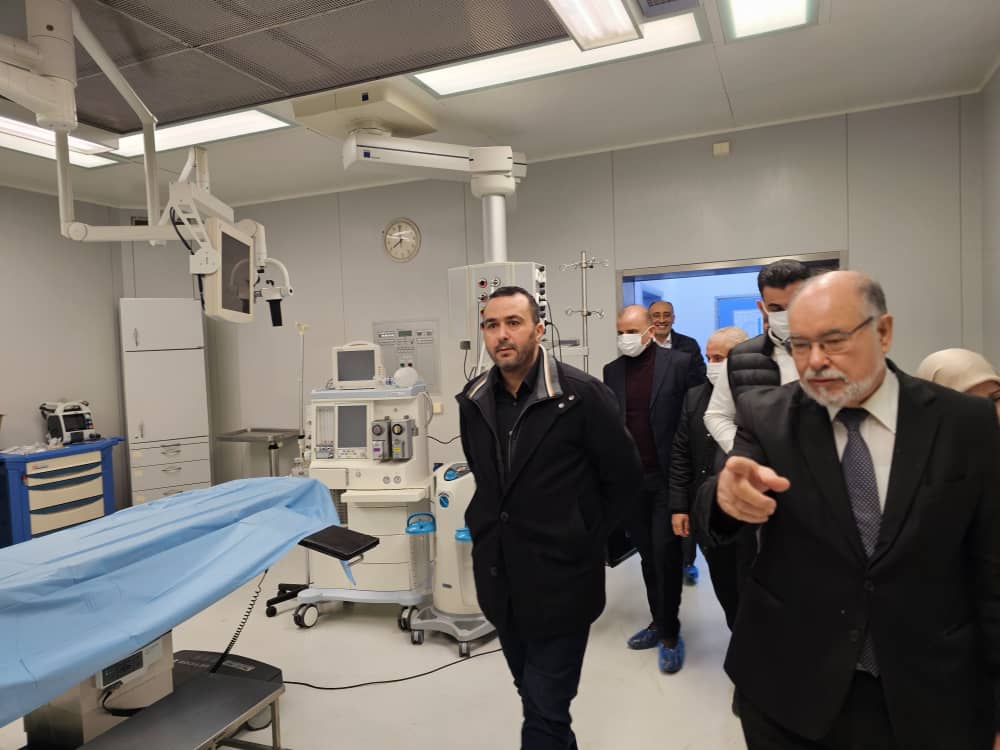
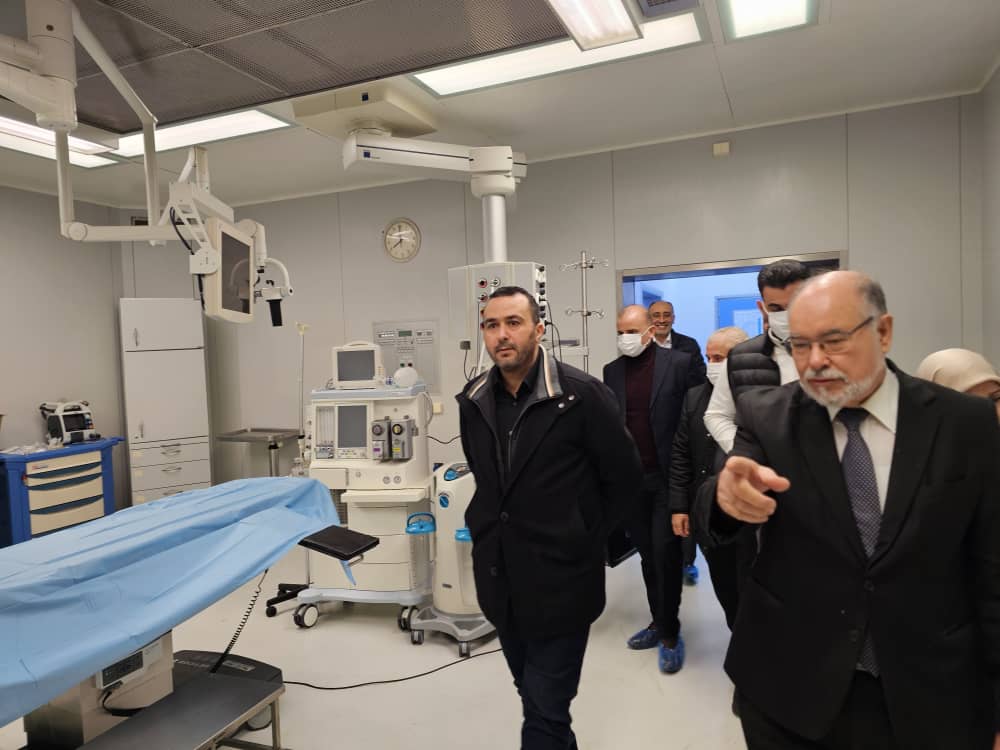
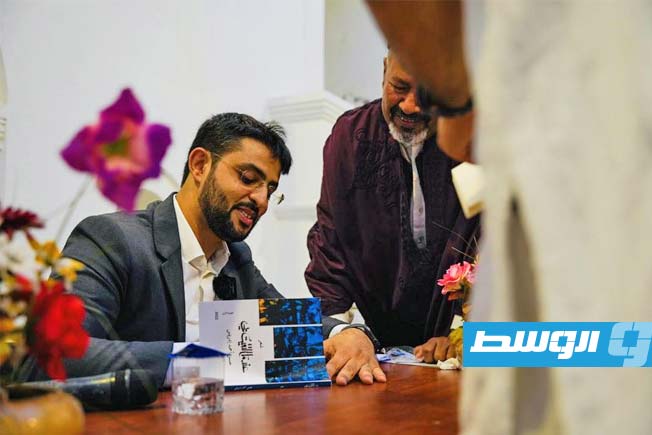
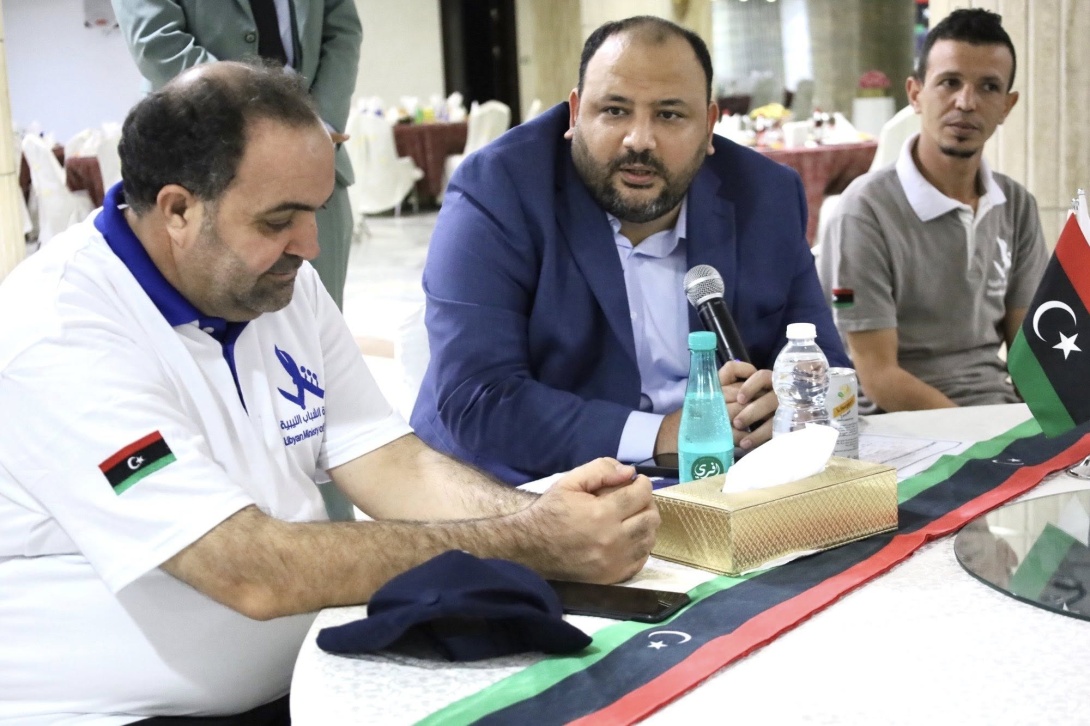
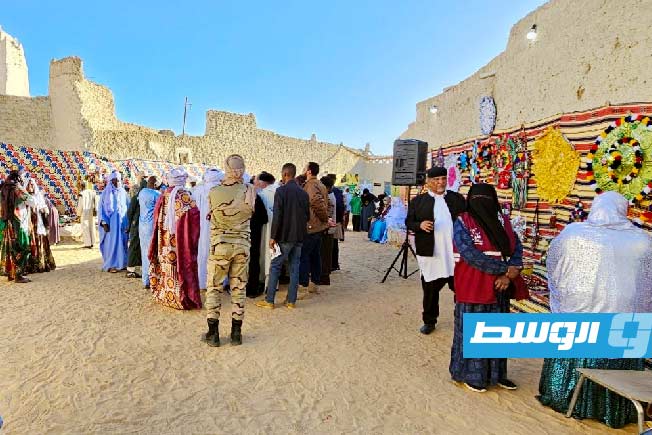
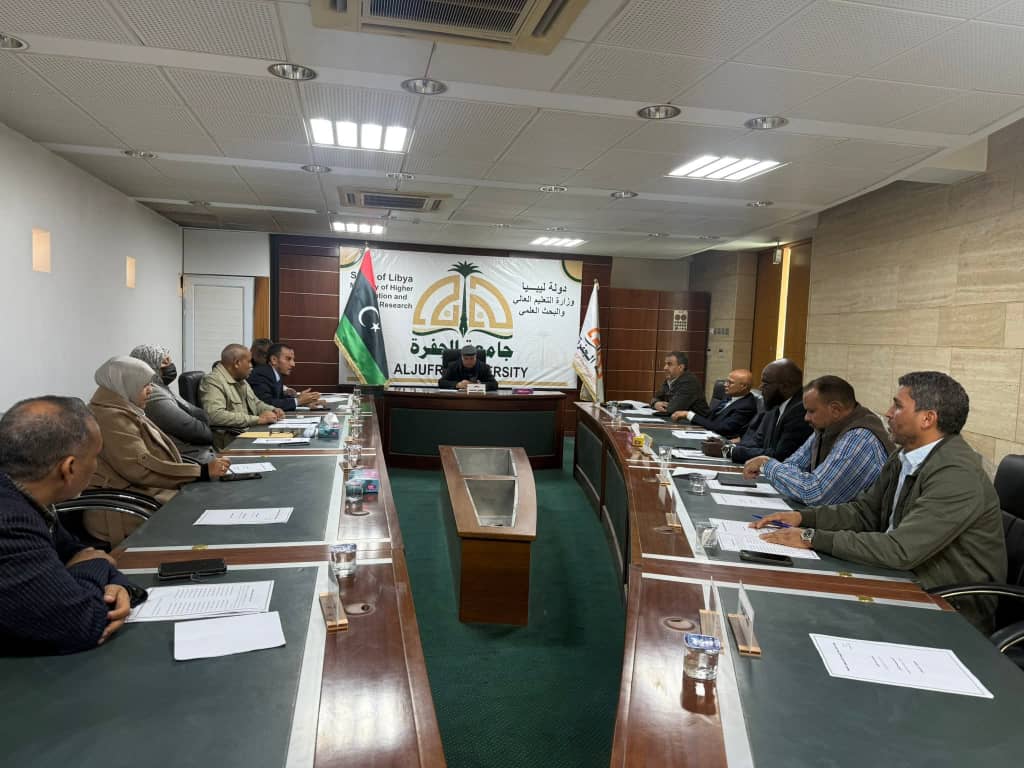
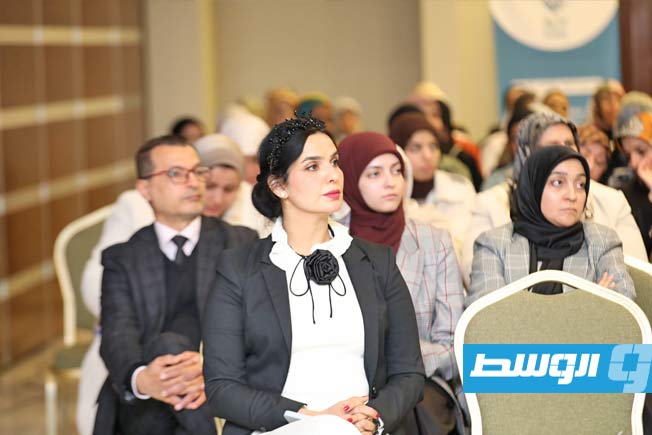
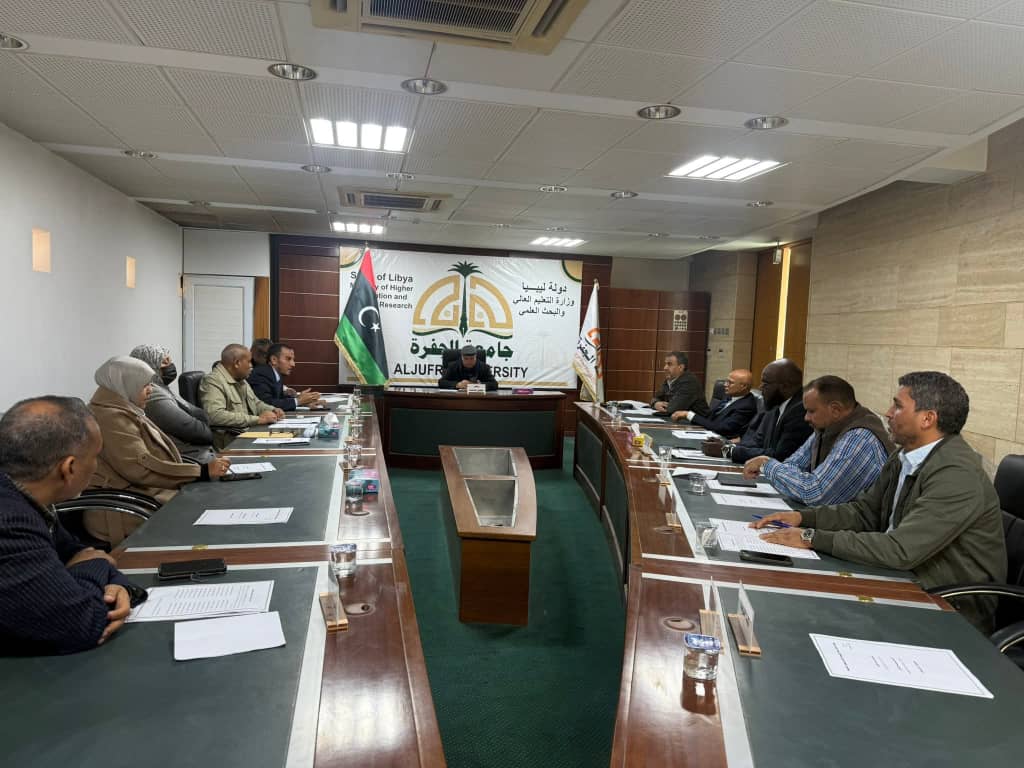
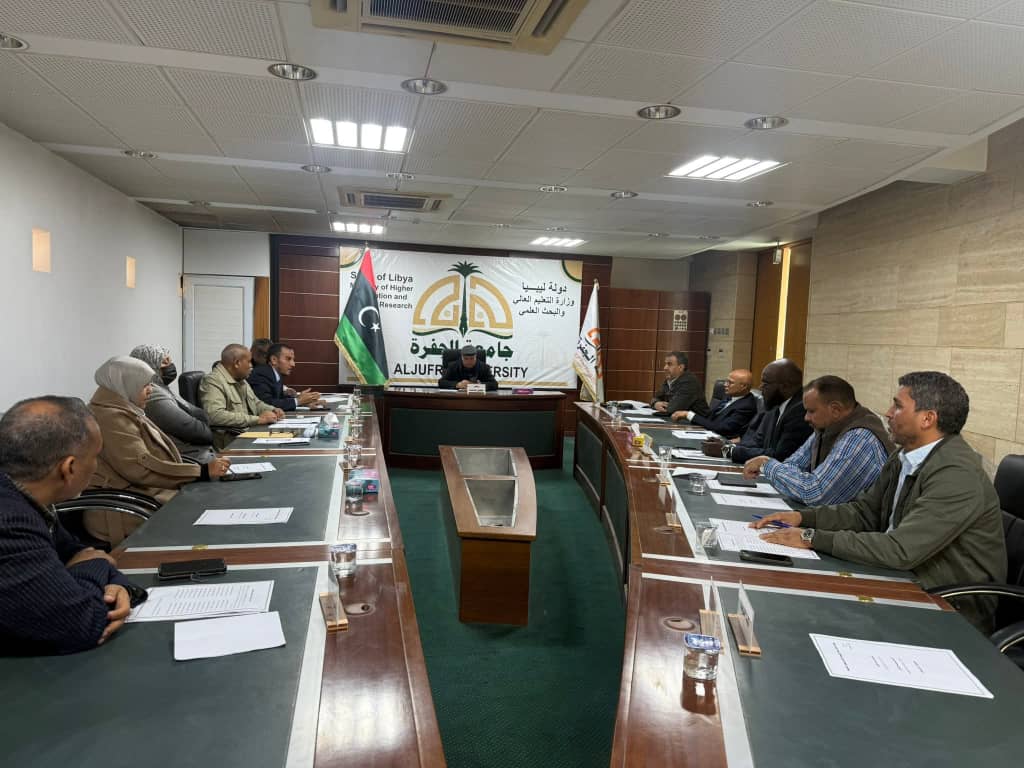
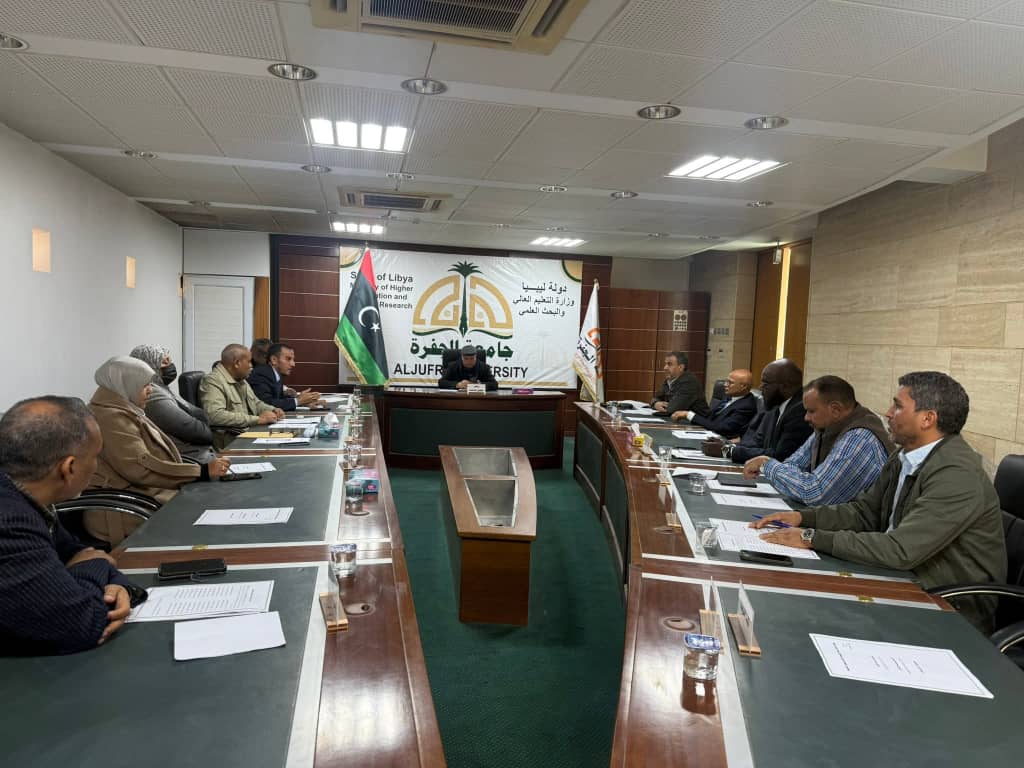
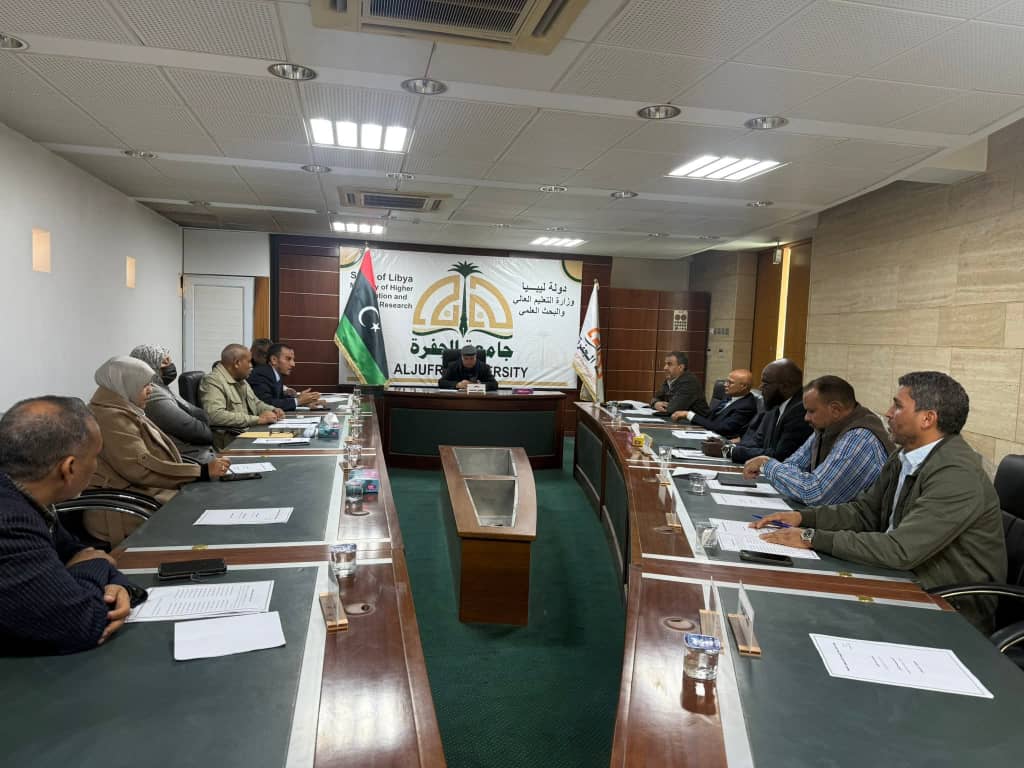
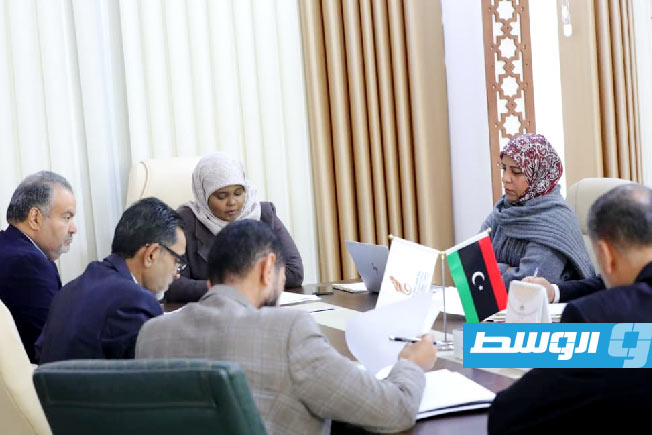
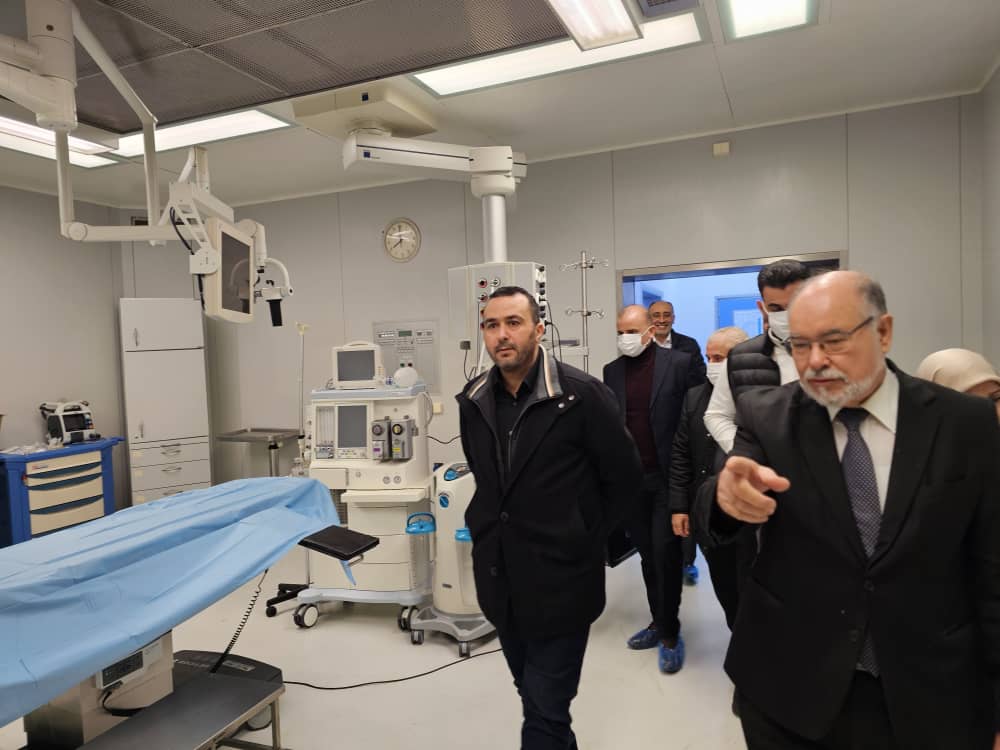
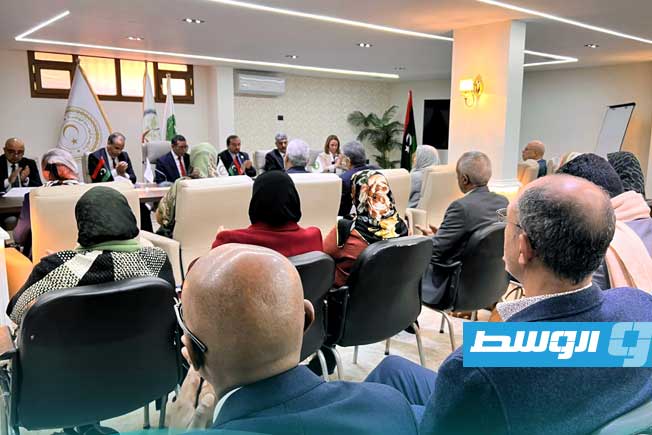
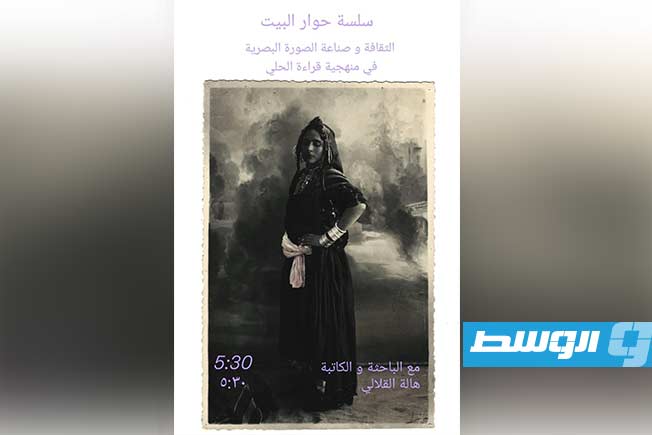
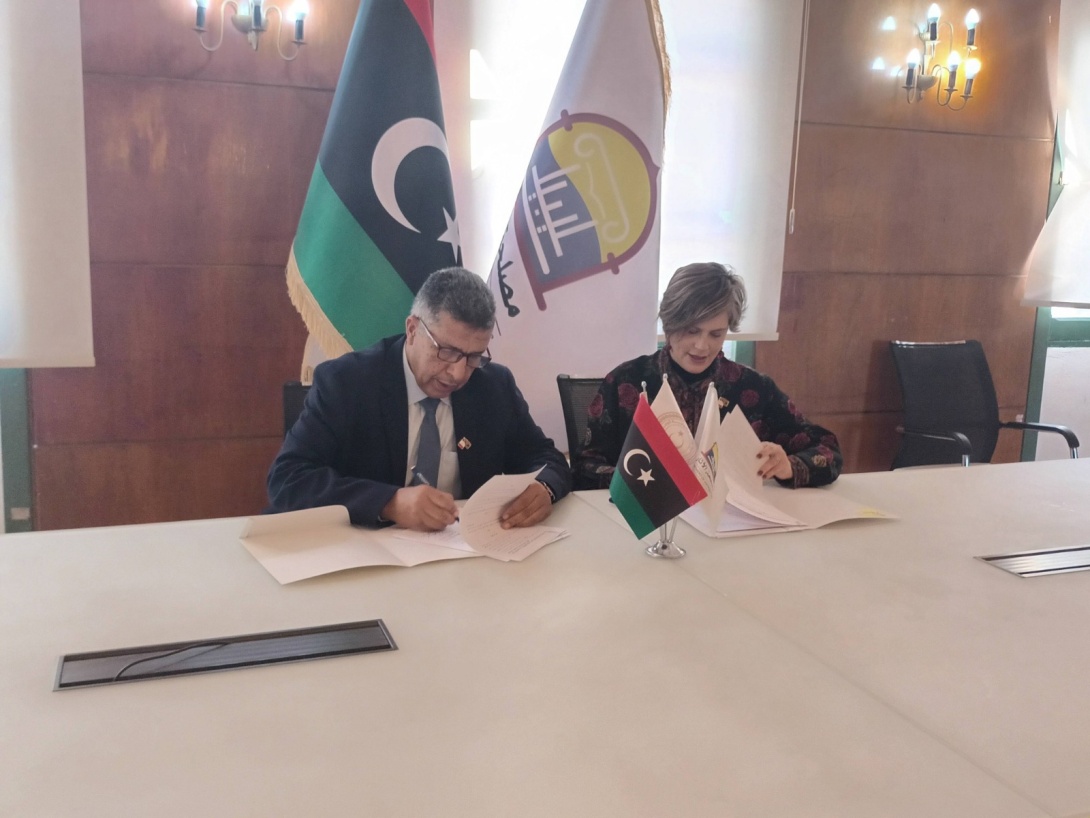
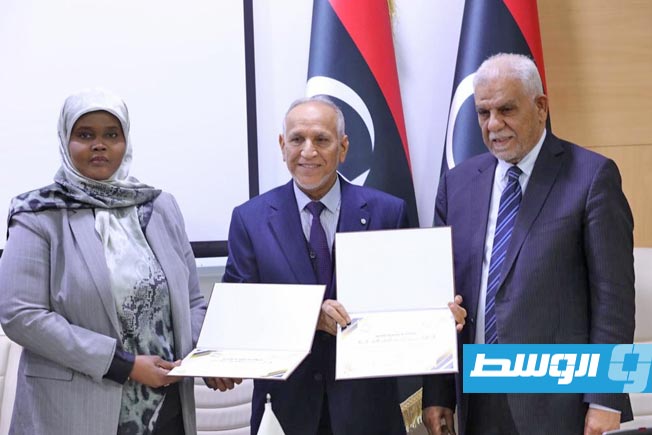
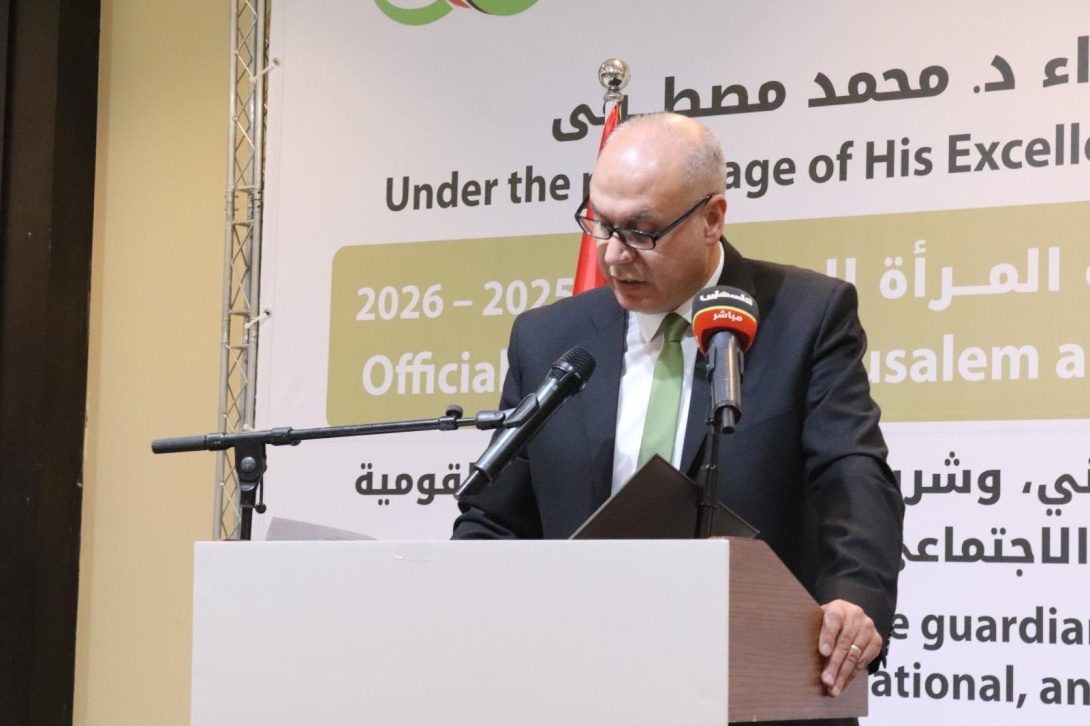
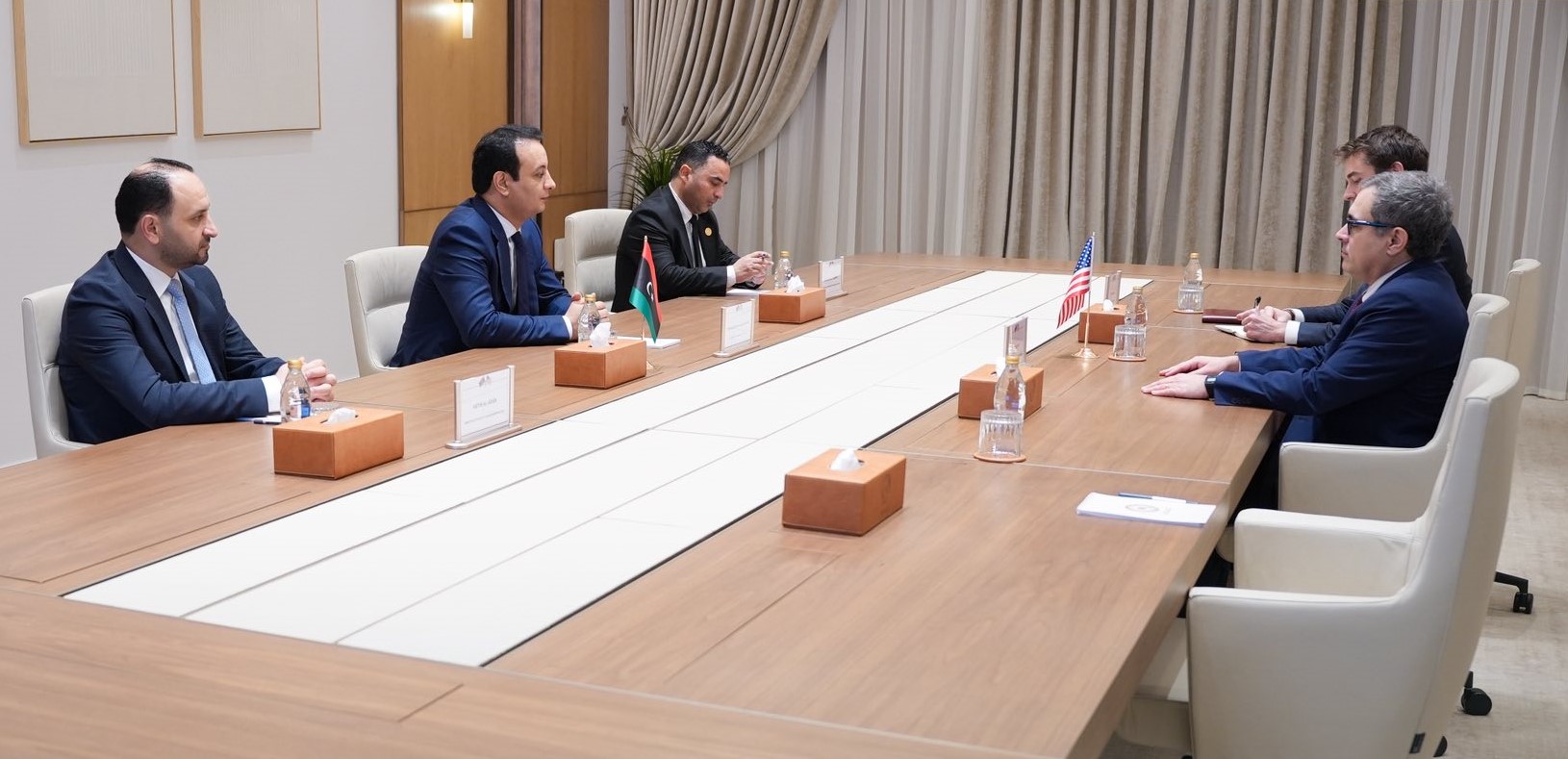
This came in his speech during the scientific dialogue organized by the Ministry of Tourism and Traditional Industries on Wednesday in Tripoli under the title “Preserving and Safeguarding Tangible and Intangible Heritage and Its Role in Cultural and Tourism Development,” in the presence of a number of officials and those interested in cultural and heritage affairs.
He stated that Libyan heritage forms an integral part of the national identity and historical memory of the Libyan people, noting that the tourism sector is one of the vital sectors capable of transforming heritage into real added value by integrating it into cultural and heritage tourism routes. This contributes to supporting the local economy and creating job opportunities, especially in areas of historical character. He pointed out that the vision of the Government of National Unity is based on diversifying income sources and reducing reliance on oil.
The Minister explained that the tourism sector witnessed a gradual recovery and growth during 2024 and 2025, as domestic tourism movement recorded growth rates ranging between 20 and 30 percent. Accommodation facilities received more than 400,000 guests during the 2025 tourism season, with revenues exceeding one billion Libyan dinars, in addition to a noticeable increase in the number of visitors to archaeological sites and cities.
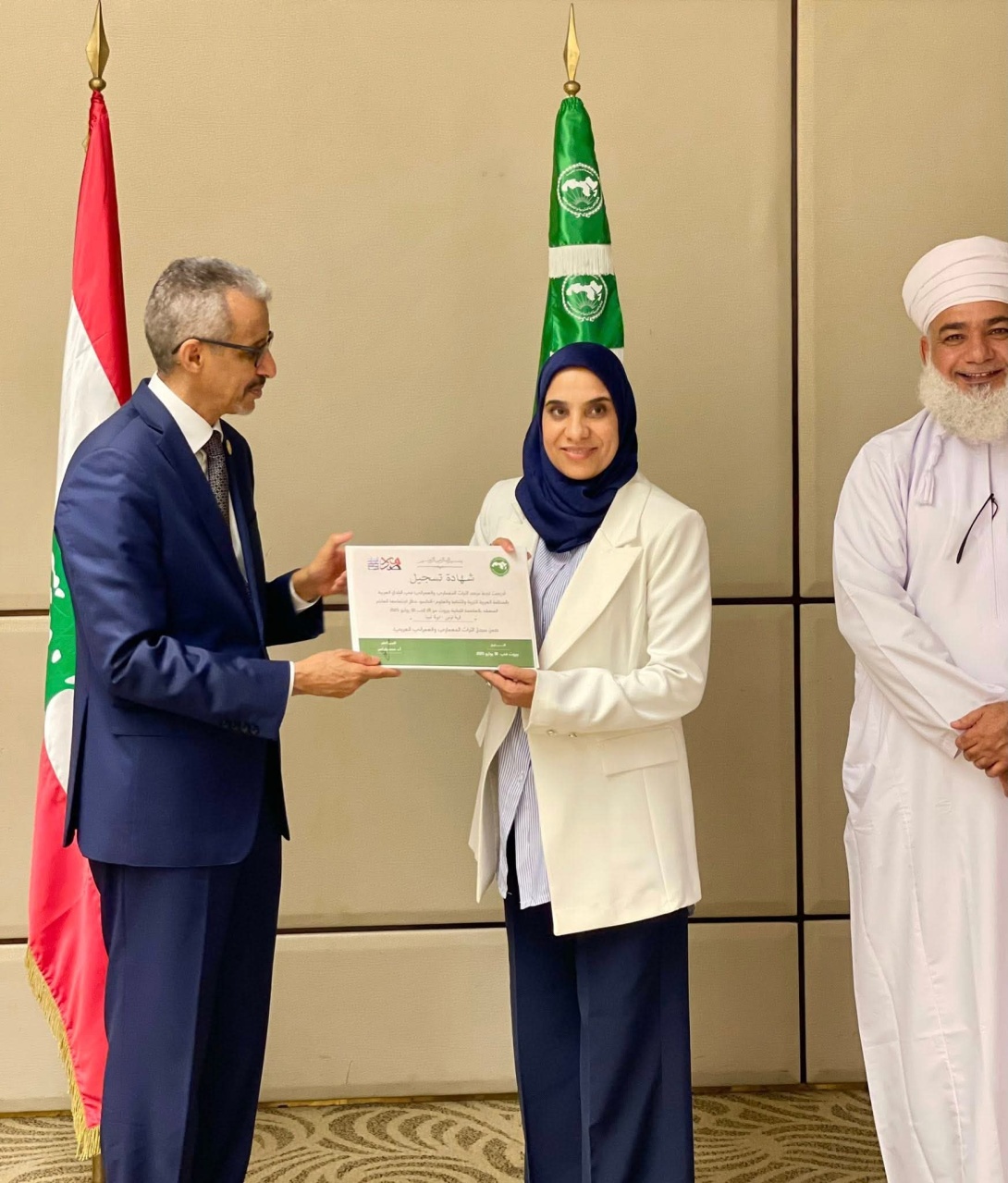
During the dialogue, a heritage expert at the Ministry of Tourism and Traditional Industries announced the launch of the National Register for Tangible and Intangible Heritage, explaining that national registers are a fundamental tool for protecting cultural identity and safeguarding collective memory by documenting and systematically recording heritage elements to ensure their preservation for future generations.
She confirmed that the registers project aims to inventory and classify heritage elements across the country, provide a comprehensive national database for researchers and interested parties, enhance community participation in cooperation with relevant entities, support heritage as a tourism and development attraction, and pave the way for its registration with regional and international organizations.
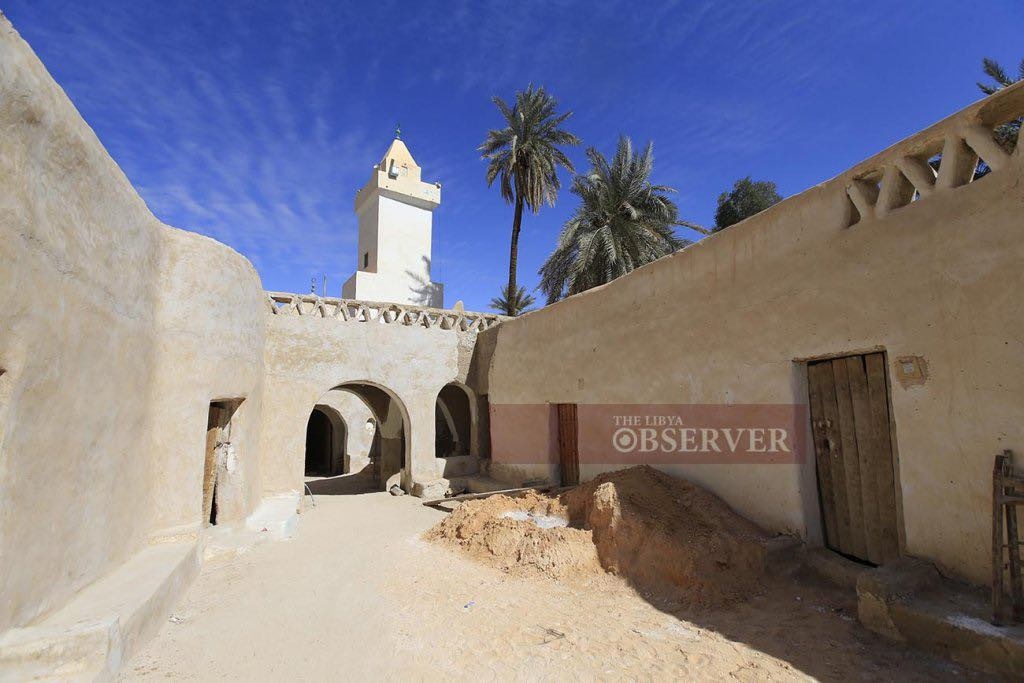
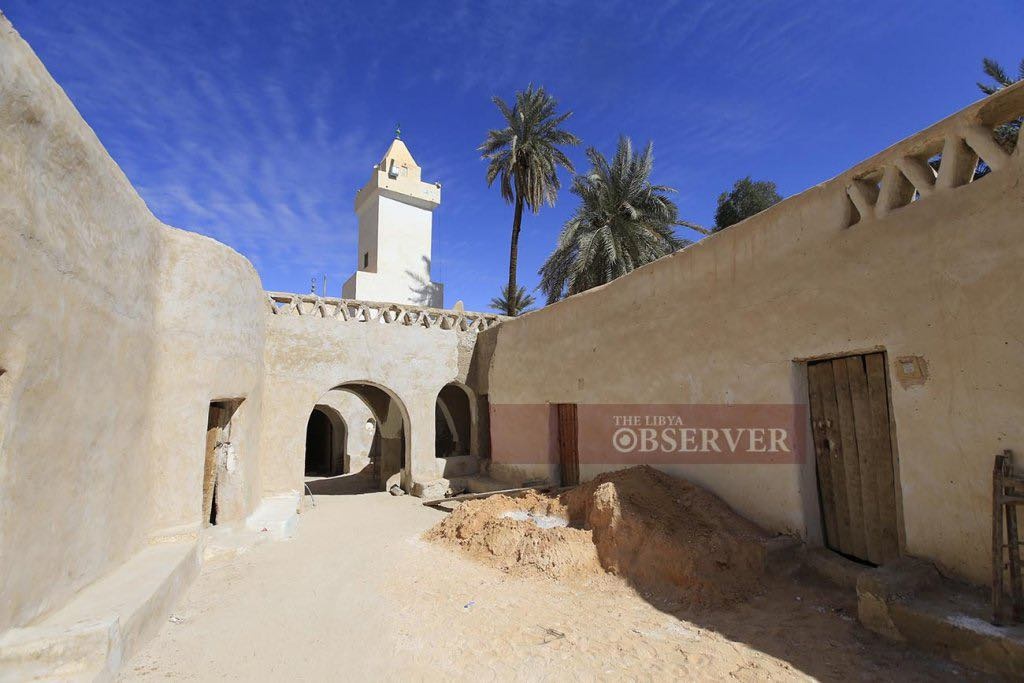
The expert revealed the registration of Tounin village in the city of Ghadames in the register of architectural, urban, and tourism heritage, in addition to registering a number of landmarks including Al-Farjani Zawiya in the city of Khoms, Housh Al-Qadi, and the Clock Tower in the Old City of Tripoli. A number of intangible heritage elements were also registered, including Arabic Kohl and some traditional games, with work continuing on other files such as traditional pottery and couscous.
A presentation was given on the national registers project, clarifying that the project aims to inventory and classify heritage elements across the country, provide a comprehensive national database for researchers and interested parties, enhance community participation, and support heritage as a tourism and development attraction.
For his part, the former head of the General Tourism Authority emphasized in a statement the importance of the dialogue in introducing Libyan tangible and intangible heritage and the necessity of registering it locally, nationally, and internationally, pointing to the role of these efforts in preserving cultural heritage and transmitting it to future generations.
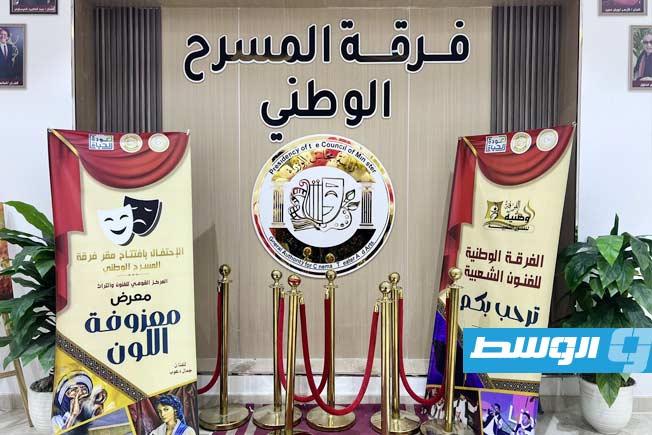
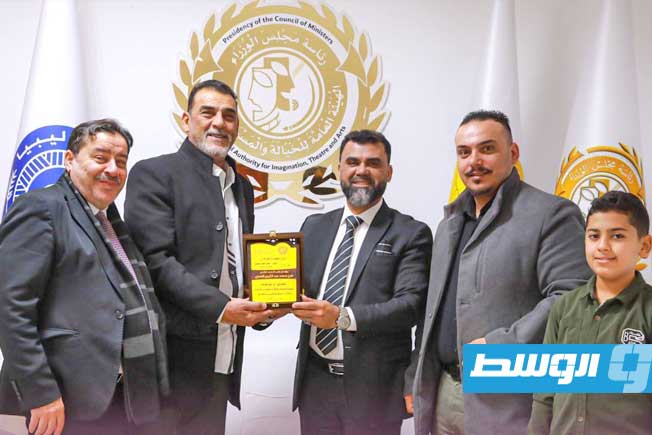
In turn, the head of the General Authority for Cinema, Theater, and Arts stated in a statement that the launch of the tangible and intangible heritage registers is an unprecedented achievement, explaining that these registers will contribute to documenting cities, sites, and historical landmarks, in addition to customs, traditions, and arts, which enhances efforts to register them at the regional and international levels.
The Director of the Media and Communication Office at the Ministry of Tourism and Traditional Industries explained that the launch of the National Register represents a pivotal step in documenting heritage elements, supporting cultural tourism, creating sustainable economic development opportunities, supporting artisans, and showcasing national and international experiences in this field.
The dialogue concluded by emphasizing the importance of producing practical, implementable recommendations that contribute to supporting efforts to protect and preserve Libyan heritage, enhance its role in tourism and cultural development, and achieve economic diversification.
Tripoli
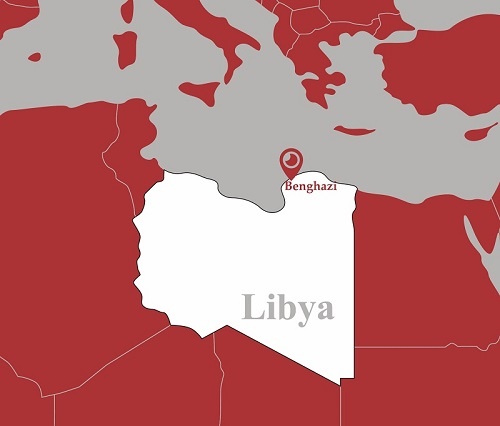
Tripoli is the capital and largest city of Libya, located on the country’s Mediterranean coast. Historically, it was founded by the Phoenicians in the 7th century BC and has since been ruled by the Romans, Arabs, Ottomans, and Italians, which is reflected in its diverse architecture like the ancient Red Castle (Assaraya al-Hamra).
Government of National Unity
The Government of National Unity (GNU) is a term most notably associated with the post-apartheid transitional government in South Africa, formed in 1994 following the country’s first multiracial elections. It was a coalition government led by Nelson Mandela’s African National Congress (ANC) and included its former political rivals, the National Party and the Inkatha Freedom Party, to foster reconciliation and stability during the democratic transition.
Tounin village
Tounin village is a historic settlement located in the mountainous region of Shikoku, Japan, known for its traditional thatched-roof houses called “gassho-zukuri.” It was established centuries ago as a secluded community, with its architecture specifically designed to withstand heavy snowfall. Today, it is preserved as an important cultural site, offering insight into Japan’s rural heritage and architectural ingenuity.
Ghadames
Ghadames is an ancient oasis town in western Libya, known as the “Pearl of the Desert,” with a history of settlement dating back over two millennia. Its unique, pre-Saharan architecture features multi-story mud-brick houses and a network of covered alleyways designed for community life and protection from the desert heat. Recognized for its cultural significance, the old town was inscribed as a UNESCO World Heritage Site in 1986.
Al-Farjani Zawiya
The Al-Farjani Zawiya is a historic Islamic religious school and spiritual center located in Libya, traditionally associated with the teachings of Sufism. It was established by the Al-Farjani family, a prominent scholarly lineage, and served for centuries as a hub for religious education, community gatherings, and the preservation of local Islamic culture.
Khoms
Khoms is a coastal city in northwestern Libya, historically known as Leptis Magna during the Roman era. It is renowned for the nearby UNESCO World Heritage site of Leptis Magna, which contains some of the most extensive and well-preserved Roman ruins in the Mediterranean. The city itself served as a major port in antiquity and remains an important economic center in modern Libya.
Housh Al-Qadi
Housh Al-Qadi is a traditional courtyard house located in the historic Al-Darb Al-Ahmar district of Cairo, Egypt. It dates back to the Mamluk era, specifically the 14th century, and exemplifies the architectural style of homes built for the era’s elite, centered around a private inner courtyard. The site has been restored and now operates as a cultural center, offering insight into medieval Islamic domestic life.
Clock Tower
The Clock Tower, often called Big Ben (though this name specifically refers to its Great Bell), is a landmark at the north end of the Palace of Westminster in London. Completed in 1859, it was built as part of the reconstruction of the palace following a devastating fire in 1834.
Old City of Tripoli
The Old City of Tripoli, Lebanon, is a historic urban core dating back to the Phoenician era, with its most significant development occurring during the Mamluk period from the 13th to 16th centuries. It is renowned for its well-preserved medieval architecture, including the iconic Citadel of Raymond de Saint-Gilles, numerous mosques, madrasas, and a sprawling souk. This area remains a vibrant center of commerce and culture, reflecting centuries of layered history.
Arabic Kohl
Arabic Kohl is a traditional cosmetic powder, historically used across the Middle East and North Africa for its believed medicinal and protective properties, as well as for enhancing the eyes. Its use dates back to ancient Egypt and Mesopotamia, where it was made from ingredients like galena and antimony. This cultural practice remains a significant part of beauty rituals and heritage in many Arab societies today.
General Tourism Authority
The General Tourism Authority is a governmental body responsible for regulating and promoting tourism within a country. Its history typically involves being established to develop tourism infrastructure, attract visitors, and manage the sector’s economic impact. The specific founding date and historical milestones vary by nation.
General Authority for Cinema, Theater, and Arts
The General Authority for Cinema, Theater, and Arts is a Saudi Arabian government body established in 2020 to oversee and develop the nation’s cultural and entertainment sectors. It was formed as part of the Vision 2030 reform program to promote cultural production, regulate media content, and support the growth of the local arts industry.
Media and Communication Office
The Media and Communication Office is a modern administrative unit typically found within governments, institutions, or large organizations, responsible for managing public relations and information dissemination. Its history is tied to the 20th-century rise of mass media and the growing need for entities to professionally shape their public image and communicate strategically with the press and the public.