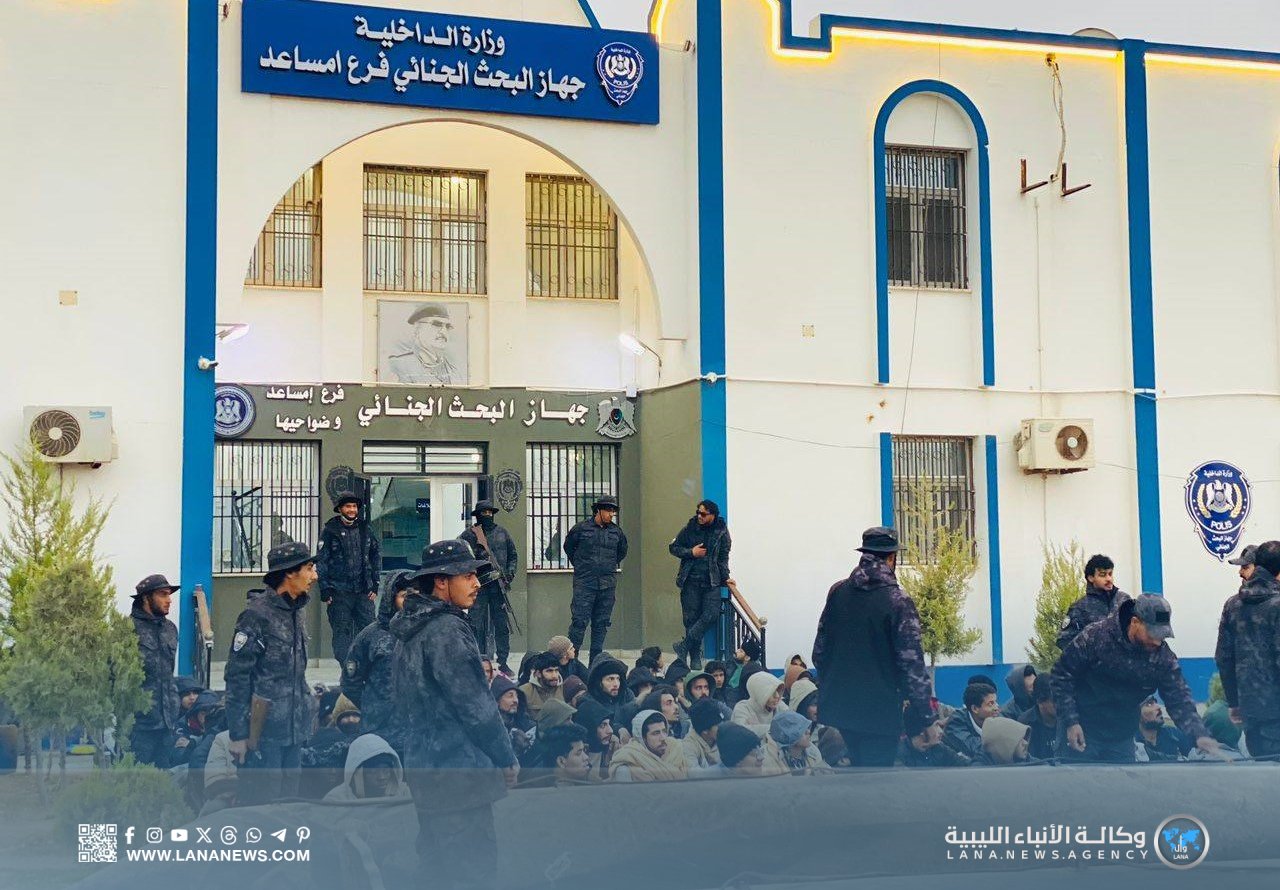
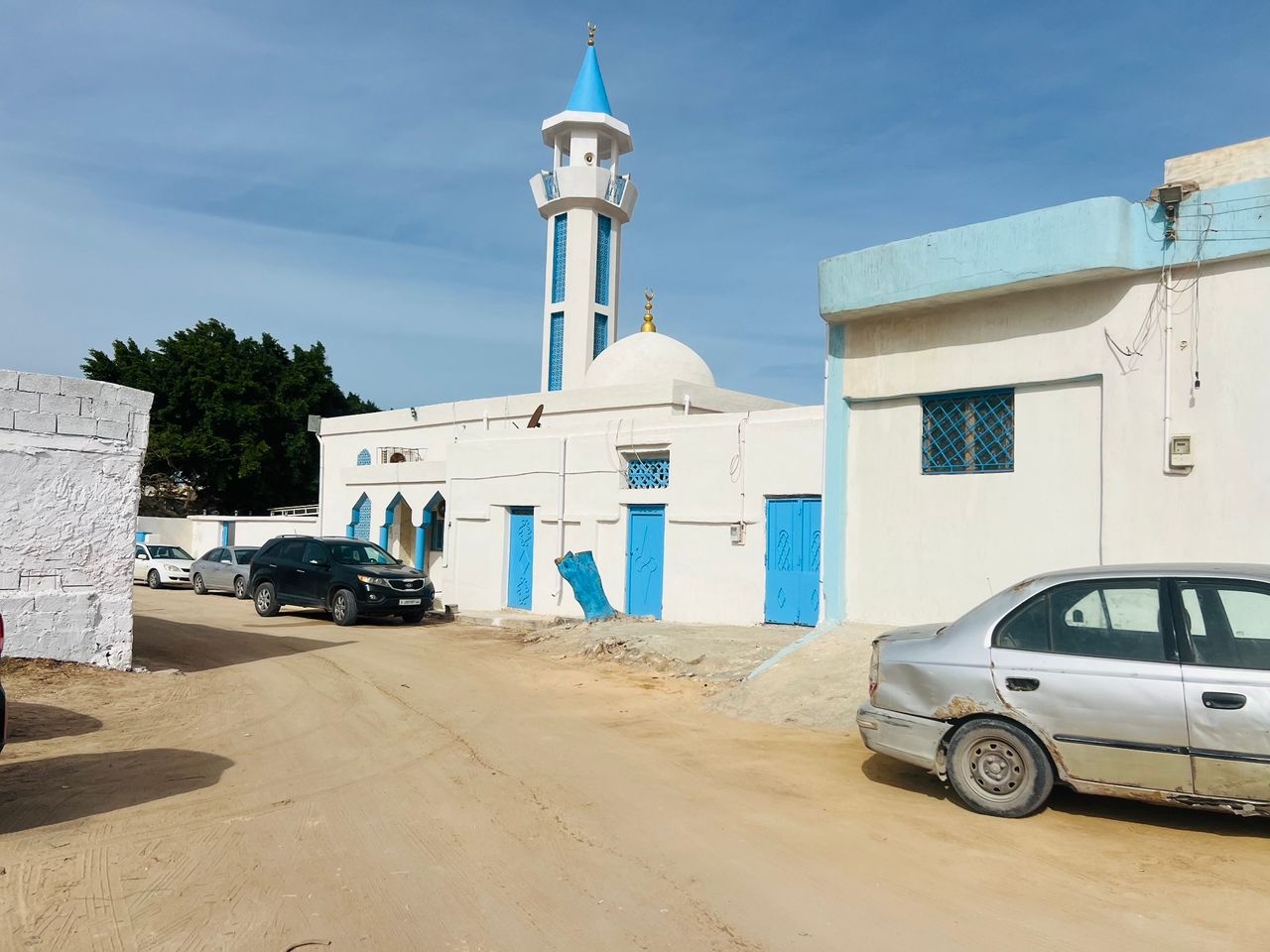
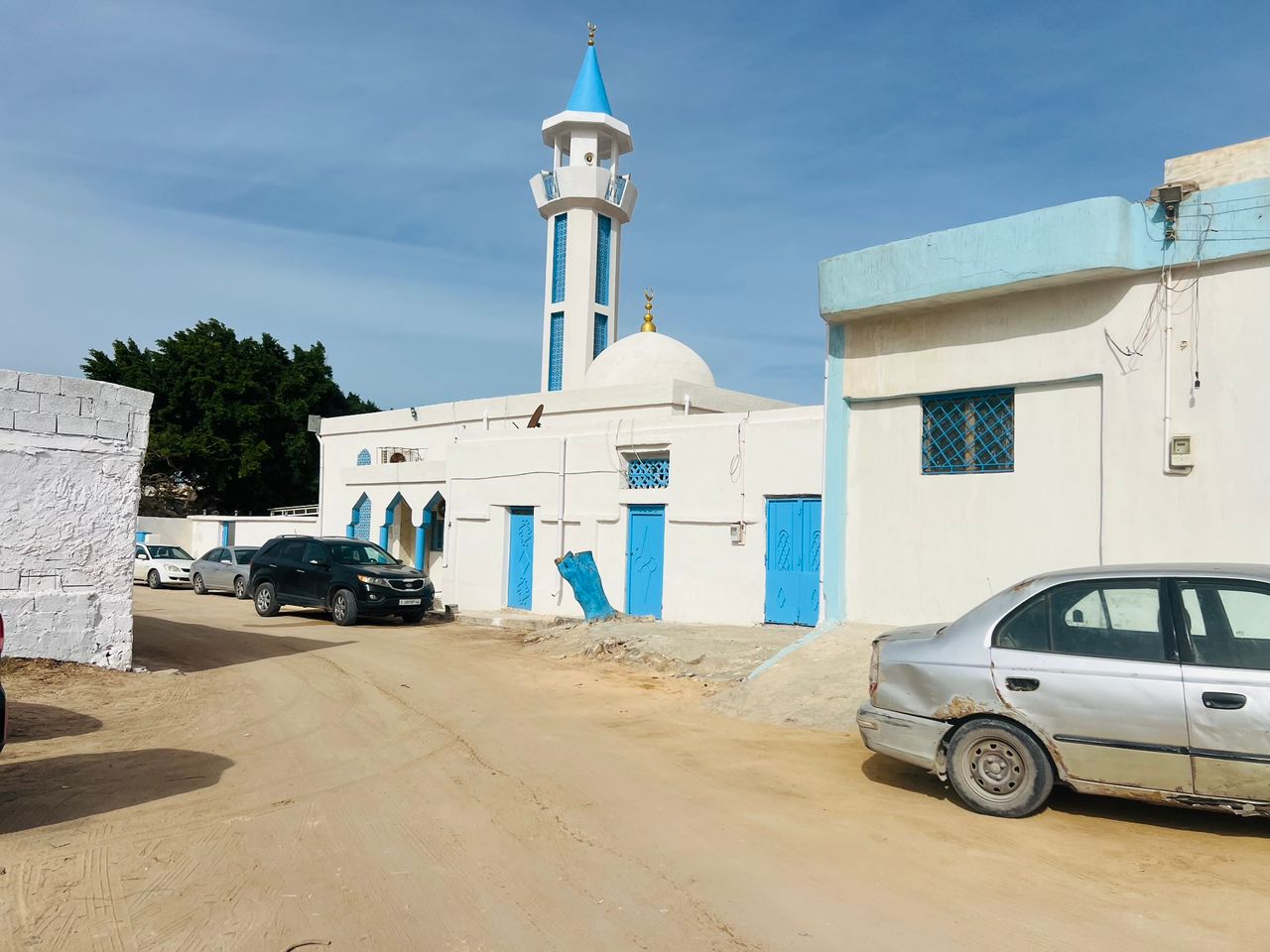
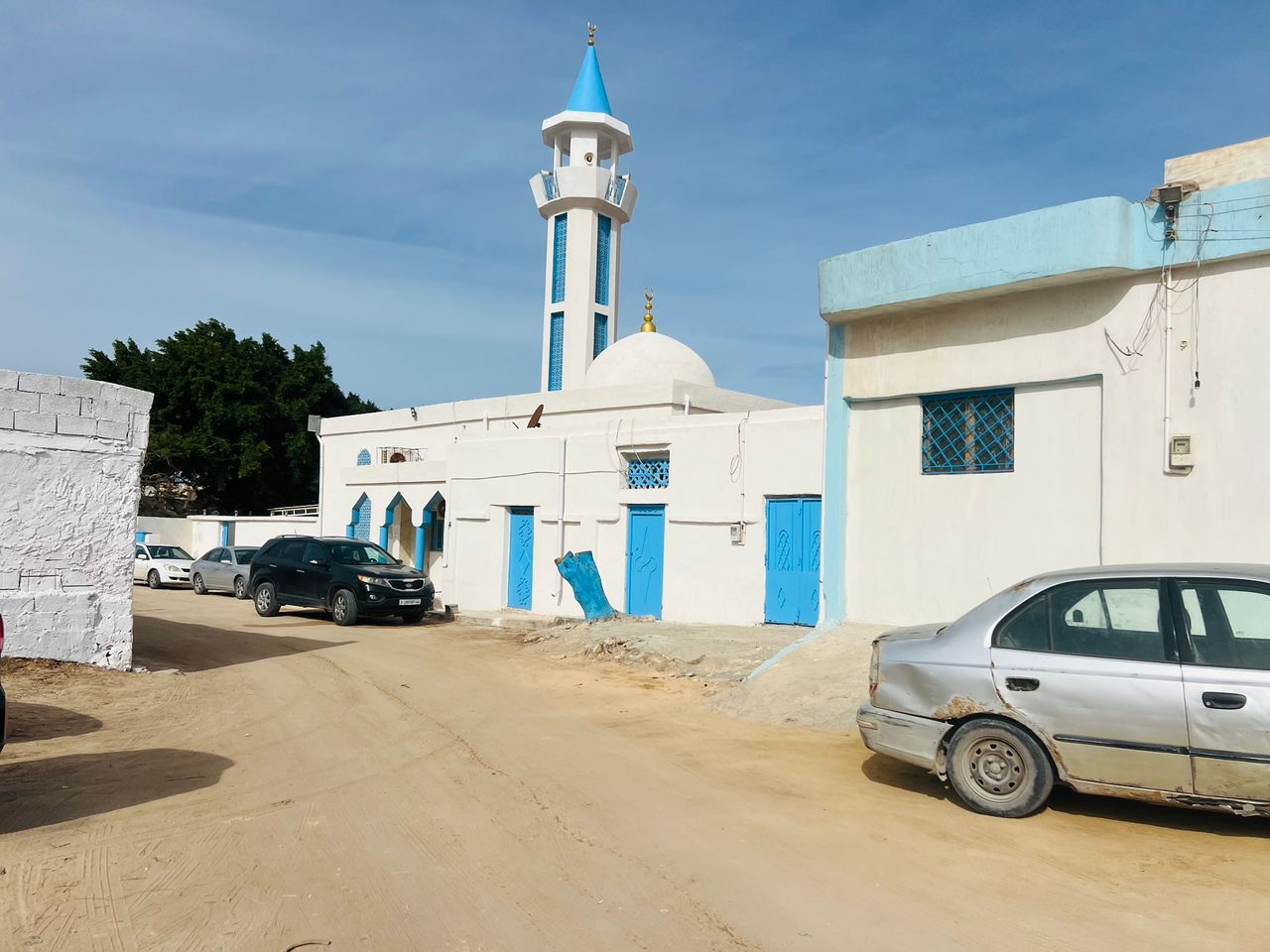
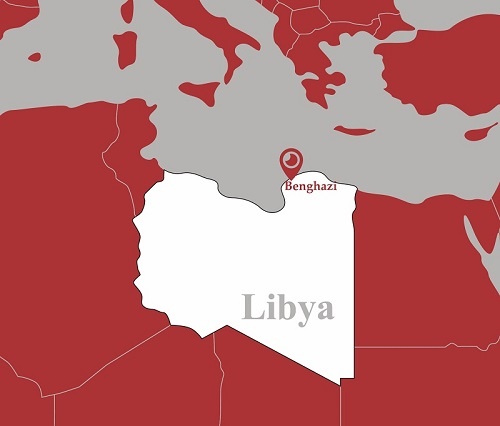
Benghazi, January 22, 2026 – A branch of the Criminal Investigation Department in the city of Amsaad, in the far eastern regions of Libya, announced the successful execution of a security raid on a warehouse in the Bir al-Ashhab area that was being used to detain illegal migrants.
The raid followed the preparation of a precise security plan, which resulted in the arrest of a criminal gang overseeing the process of smuggling migrants by sea to European shores.
Security forces found approximately 76 illegal migrants of Egyptian, Sudanese, and Bangladeshi nationalities during the raid. The migrants, who had been detained for over two months, were freed, transported to the branch headquarters, and provided with initial medical assistance.
During the operation, security forces also discovered an inflatable boat prepared to transport the migrants by sea to the shores of Greece.
Benghazi
Benghazi is a major city in eastern Libya, historically significant as a center of trade and culture since its founding as the Greek colony of Euesperides. It played a pivotal role in Libya’s modern history, serving as a co-capital and a focal point during the 2011 revolution.
Criminal Investigation Department
The Criminal Investigation Department (CID) is a specialized branch of police forces in many countries, most famously established in London in 1878 as the detective branch of the Metropolitan Police. Its primary function is to investigate serious and complex crimes, such as murder, fraud, and organized crime, using forensic and investigative techniques.
Amsaad
Amsaad is a coastal town in northeastern Qatar, historically known as a pearling and fishing village. Its history is tied to the traditional maritime economy of the Persian Gulf, and it remains a site of archaeological interest for early human settlement in the region.
Libya
Libya is a North African country with a rich history rooted in ancient civilizations like the Phoenicians and Romans, followed by centuries of Arab and Ottoman influence. In the modern era, it was an Italian colony before gaining independence in 1951, later becoming known for Muammar Gaddafi’s lengthy rule from 1969 until the 2011 revolution. The country is home to UNESCO World Heritage sites, such as the ancient Greek city of Cyrene and the Roman ruins of Leptis Magna.
Bir al-Ashhab
Bir al-Ashhab, located in the city of Sidon, Lebanon, is a historic public fountain and water source that dates back to the 17th century during the Ottoman era. It is notable for its distinctive black-and-white striped stonework, which gives the site its name meaning “the stone of the grey one” or “the speckled stone.”
Egyptian
The term “Egyptian” broadly refers to the culture and civilization of Egypt, one of the world’s oldest, which emerged over 5,000 years ago along the Nile River. This ancient civilization is renowned for its monumental architecture, such as the pyramids and Sphinx, its system of writing (hieroglyphs), and its complex religious and social structures that have profoundly influenced world history.
Sudanese
Sudan is a country in Northeast Africa with a rich history as the home of ancient Nubian civilizations, such as the Kingdom of Kush, which once ruled Egypt. It later became a major center for trade and Islamic scholarship, and in the modern era, it gained independence from Anglo-Egyptian rule in 1956. The nation is culturally diverse, with numerous ethnic groups and languages, and is known for archaeological sites like the pyramids of Meroë.
Bangladeshi
Bangladesh is a South Asian country with a rich cultural heritage shaped by its history as part of ancient Bengal and its 1971 Liberation War, which led to its independence from Pakistan. Notable cultural sites include the historic Mosque City of Bagerhat and the ruins of the Buddhist Vihara at Paharpur, both UNESCO World Heritage Sites.
Greece
Greece is a southeastern European country widely regarded as the cradle of Western civilization, being the birthplace of democracy, philosophy, and the Olympic Games. Its rich history spans from the advanced Minoan and Mycenaean civilizations to the Classical Age of city-states like Athens and Sparta, followed by periods under Roman, Byzantine, and Ottoman rule before gaining independence in the 19th century. The country is famed for its profound cultural legacy and numerous archaeological sites, including the Acropolis in Athens and the sanctuary of Delphi.