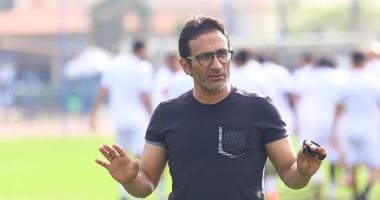
The Supreme Council for Media Regulation in Egypt has decided to temporarily suspend the media appearances of former Egyptian national team player Ahmed Hossam Mido across all media outlets subject to Egyptian law. This suspension is pending the conclusion of investigations into statements he made that sparked widespread controversy within the Egyptian sports community.
The decision came after Mido appeared on a podcast hosted via digital platforms, where he discussed behind-the-scenes events within the Egyptian national team camp during the tenure of the team’s former coach, Hassan Shehata. He pointed to practices he described as unusual, including the involvement of certain religious figures during tournaments and training camps, and linking some technical decisions to non-sporting factors.
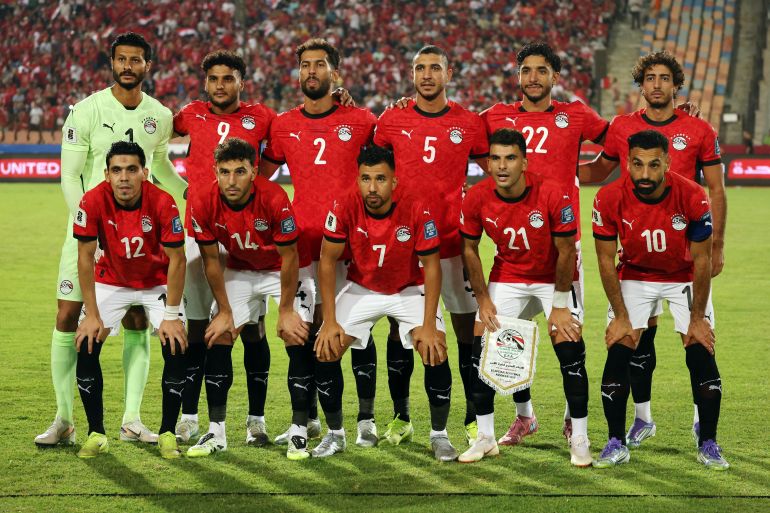
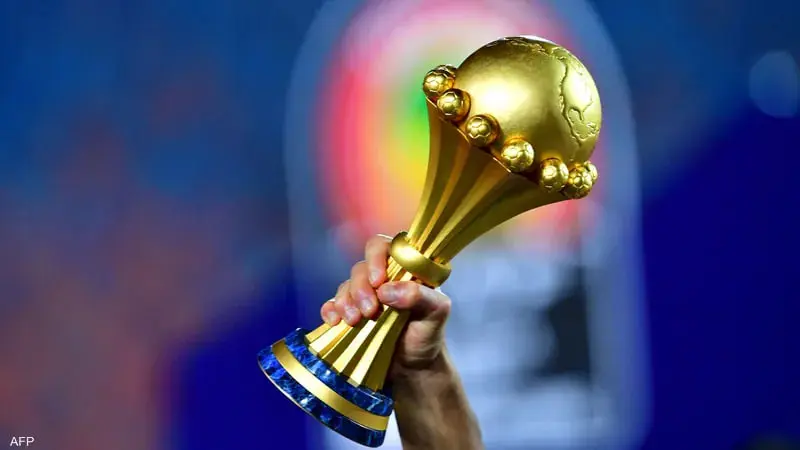
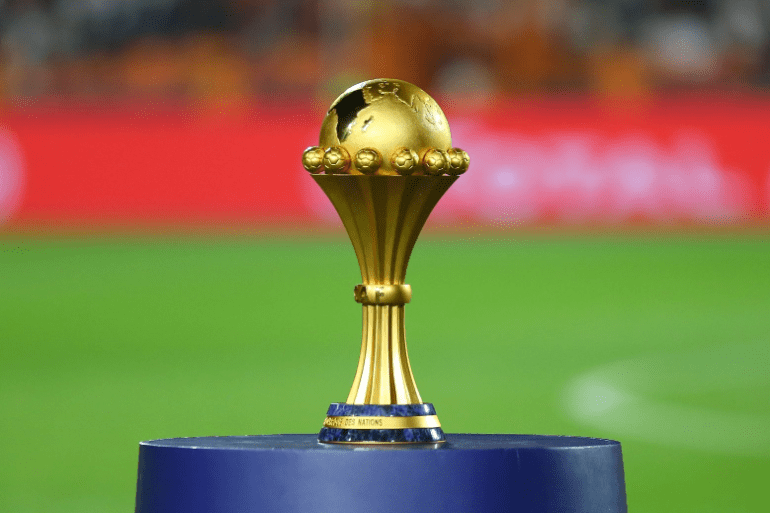
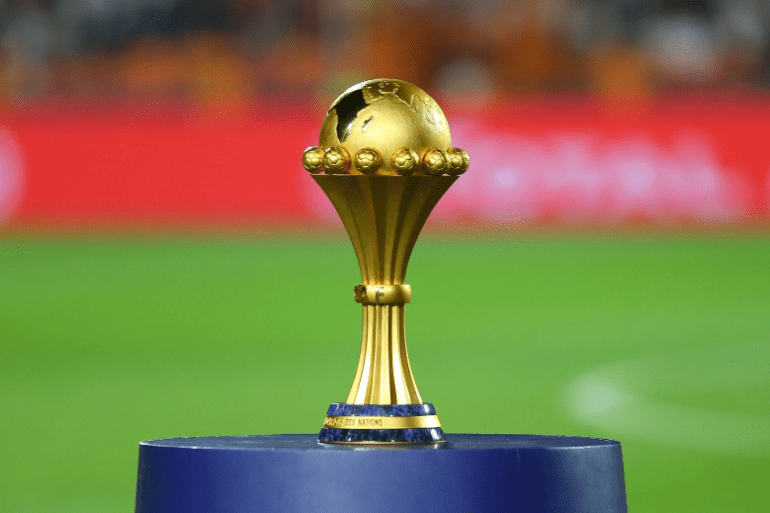
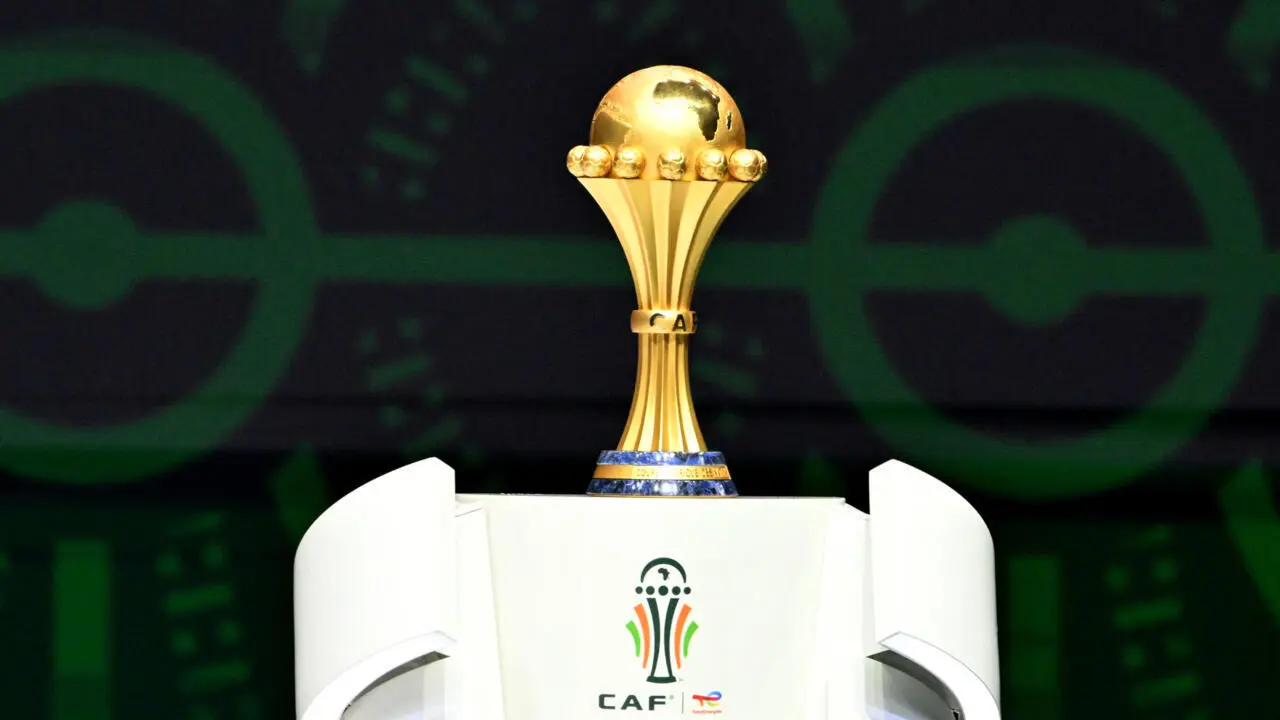
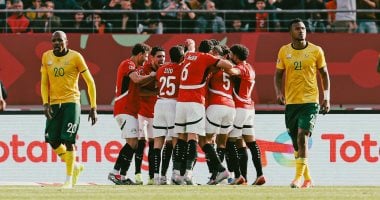
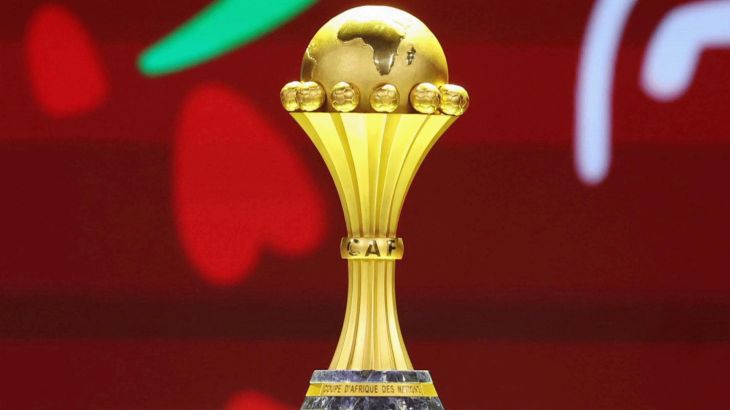
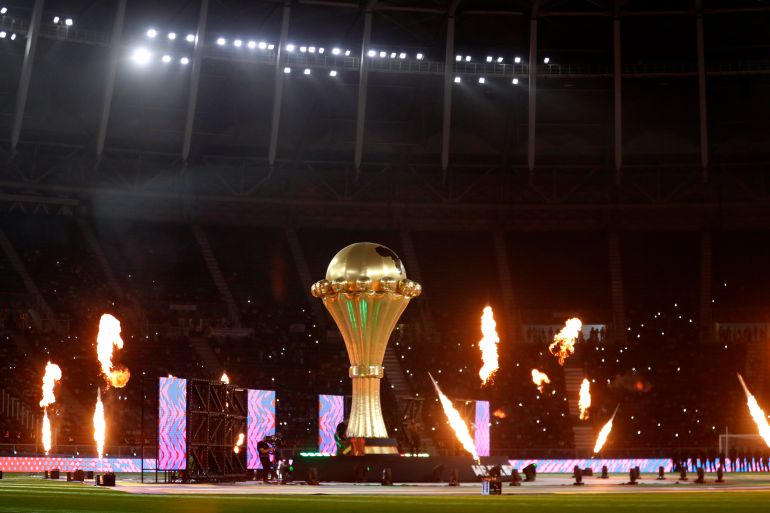
In an official statement, the Supreme Council for Media Regulation confirmed that Mido’s statements contained insults and cast doubt on the historic achievements of the Egyptian national team between 2006 and 2010. This period saw the Pharaohs crowned with three consecutive Africa Cup of Nations titles, an achievement considered the most prominent in modern African football history.
The statement indicated that the suspension decision was issued based on monitoring by the Council’s General Monitoring Department, in addition to recommendations from the Complaints and Sports Media Performance Control committees. It emphasized the obligation of all media outlets to implement the decision in accordance with the provisions of Law No. 180 of 2018.
In his statements, Mido linked his exclusion from the national team squad participating in the 2010 Africa Cup of Nations to what he described as a decision issued by a religious figure. He confirmed he was in his best technical form at the time and spoke about disputes that arose between him and the technical staff over jersey numbers and some rituals imposed before matches.
Mido explained that these practices were a direct cause of the tension in his relationship with the technical staff, and that he refused to comply with some instructions he saw as illogical. He considered that this atmosphere affected his international career, despite his previous contribution to achieving continental successes with the national team.
The Complaints Committee is expected to hold a hearing for Ahmed Hossam Mido in the coming period, in preparation for submitting its final recommendations to the Supreme Council for Media Regulation to decide on potential penalties or to end the suspension.
This decision reflects the sensitivity of the phase Egyptian sports media is going through, as regulatory bodies seek to control media discourse and prevent any questioning of achievements considered part of the national sports memory, especially when statements come from figures with a history and wide public influence.
This crisis comes at a time when the Egyptian sports scene is witnessing renewed debate about periods of success and failure for the national team, amid increasing demands for transparency and accountability. This contrasts with official institutions’ keenness to protect the symbols and achievements realized during pivotal stages in the history of Egyptian football.
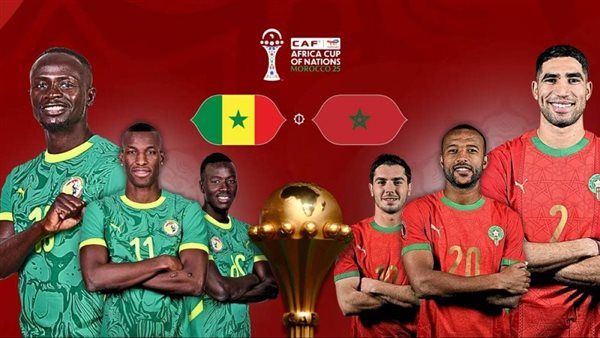
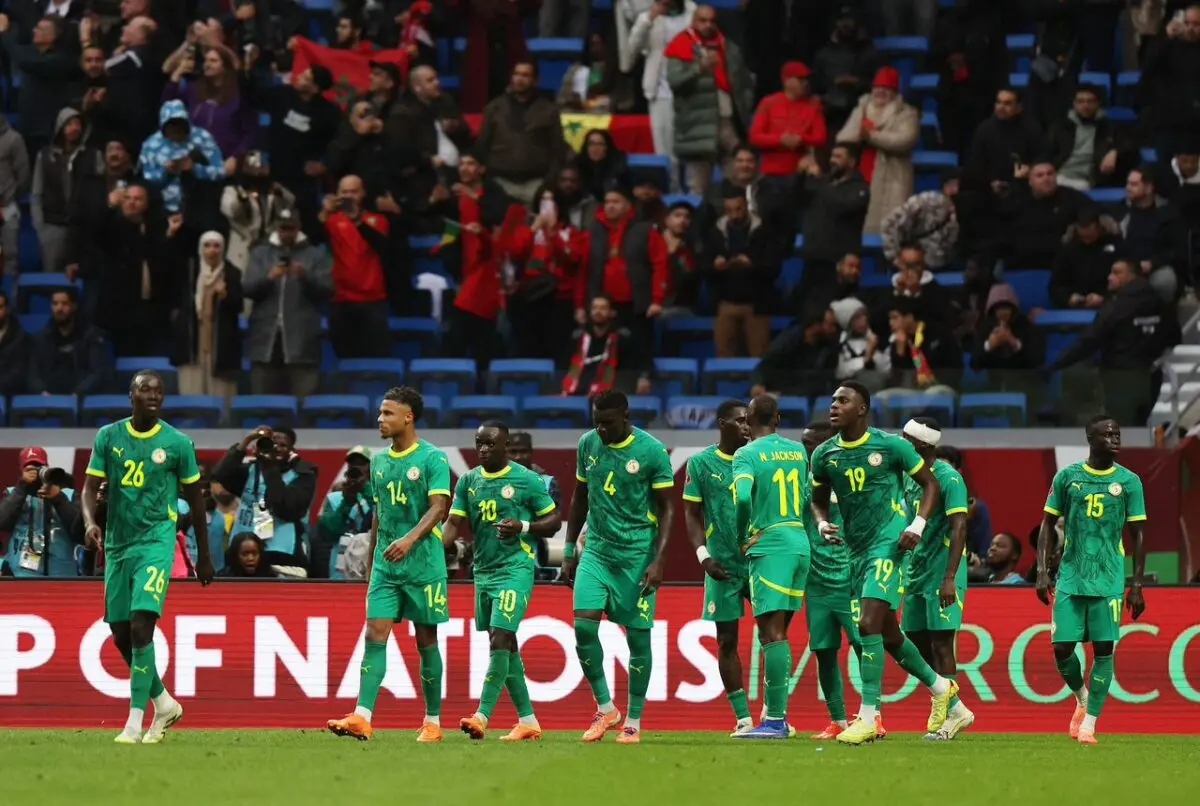
The Egyptian national team achieved three consecutive Africa Cup of Nations titles from 2006 to 2010 under the leadership of technical director Hassan Shehata, an unprecedented achievement in the tournament’s history. Ahmed Hossam Mido participated in winning the 2006 title before his relationship with the technical staff saw noticeable tension, which peaked following a famous dispute during the semi-final of the tournament against the Senegal national team.
Suggest a correction