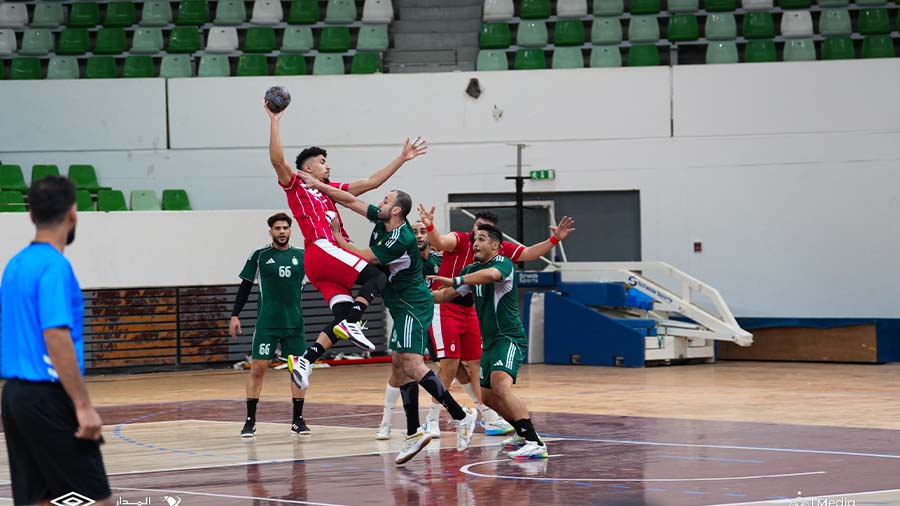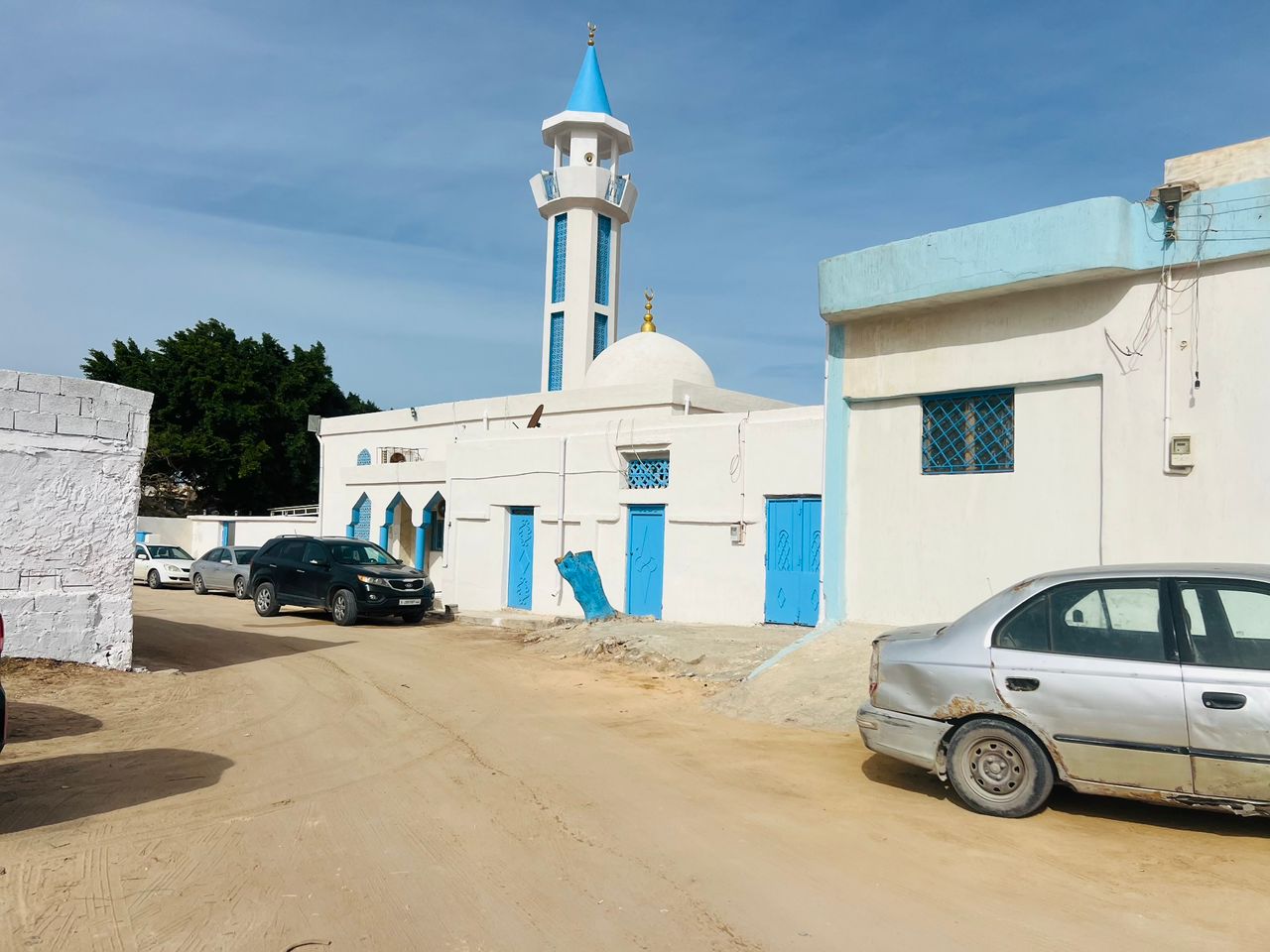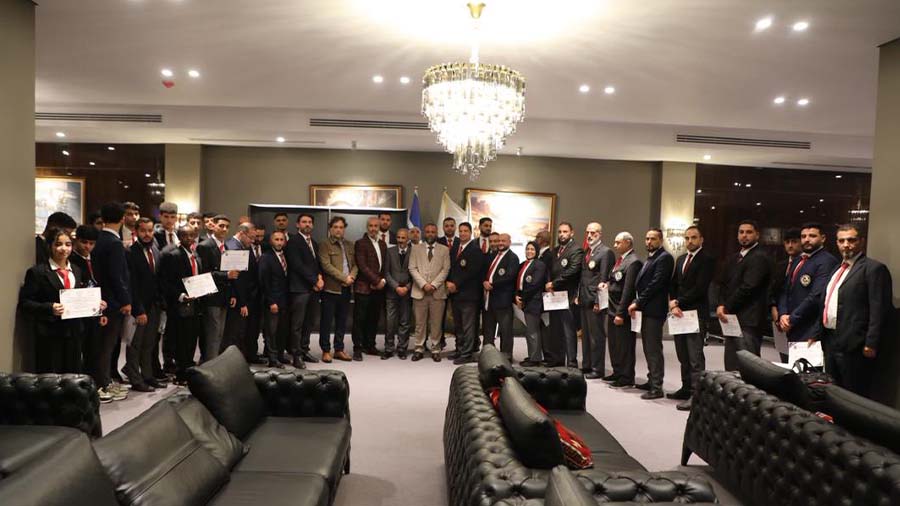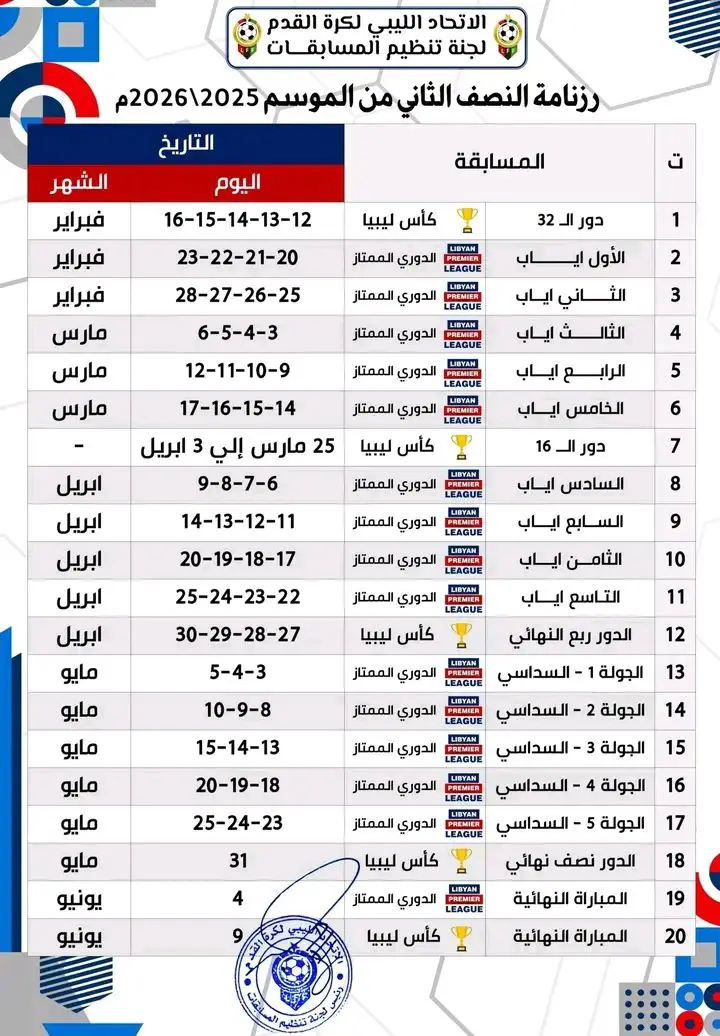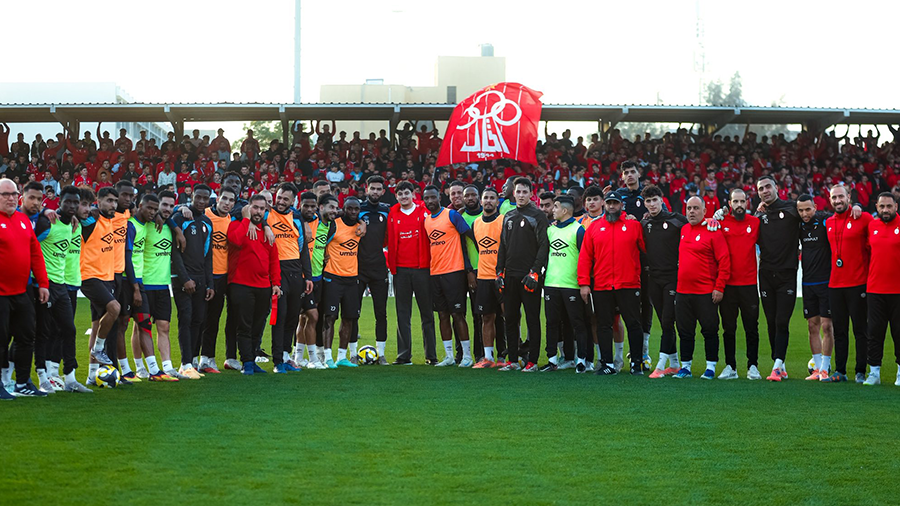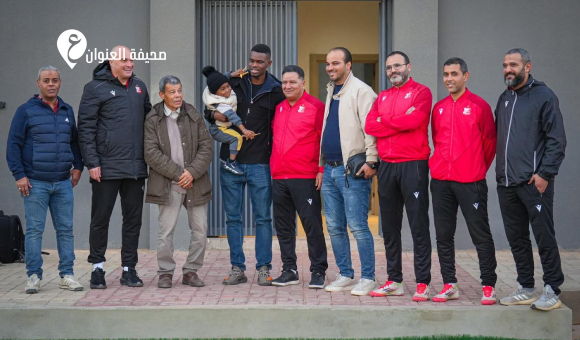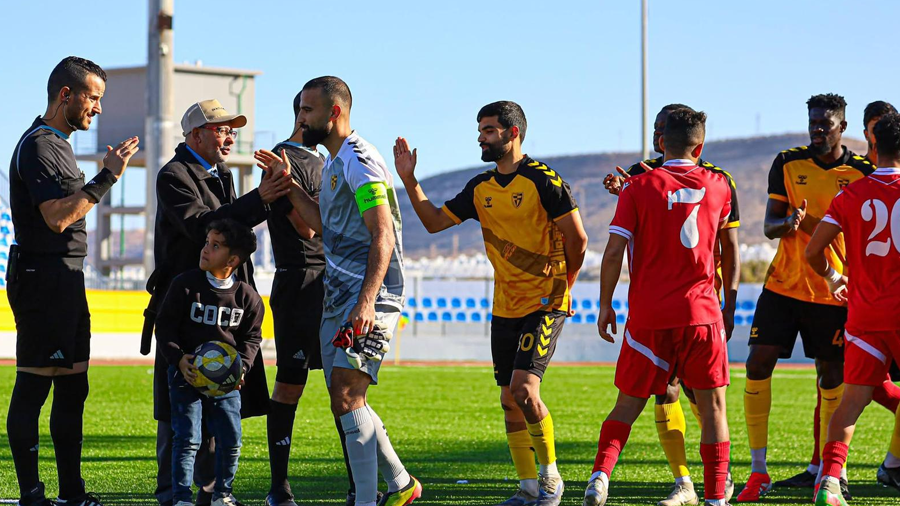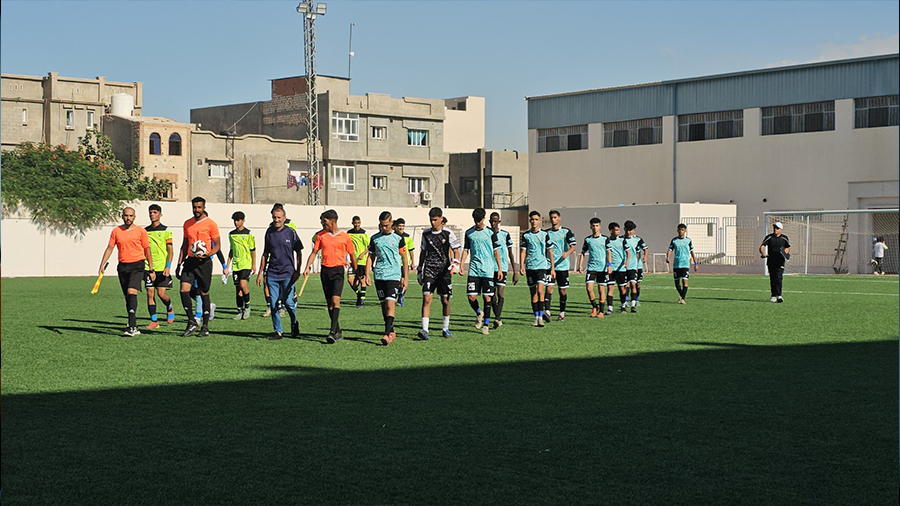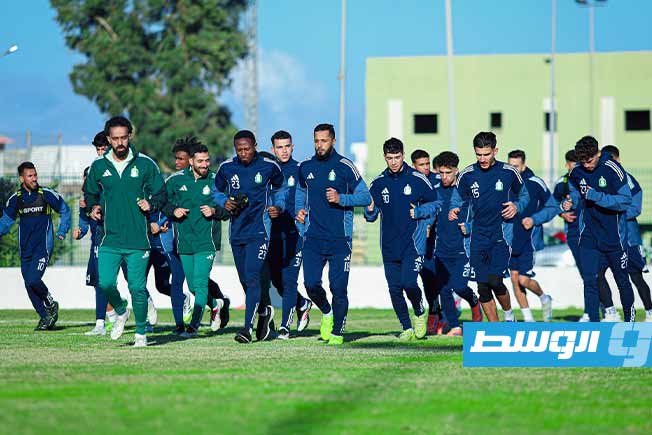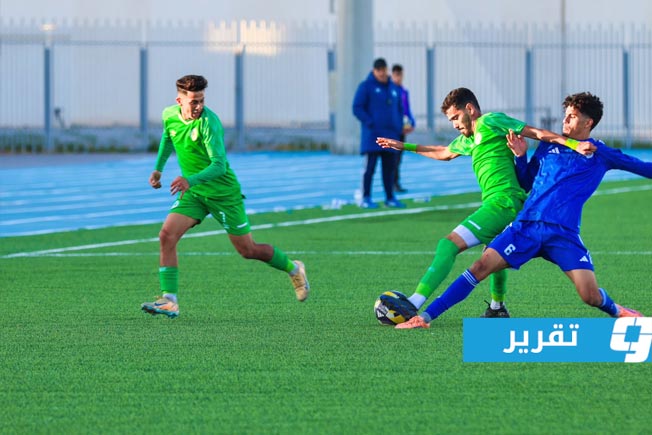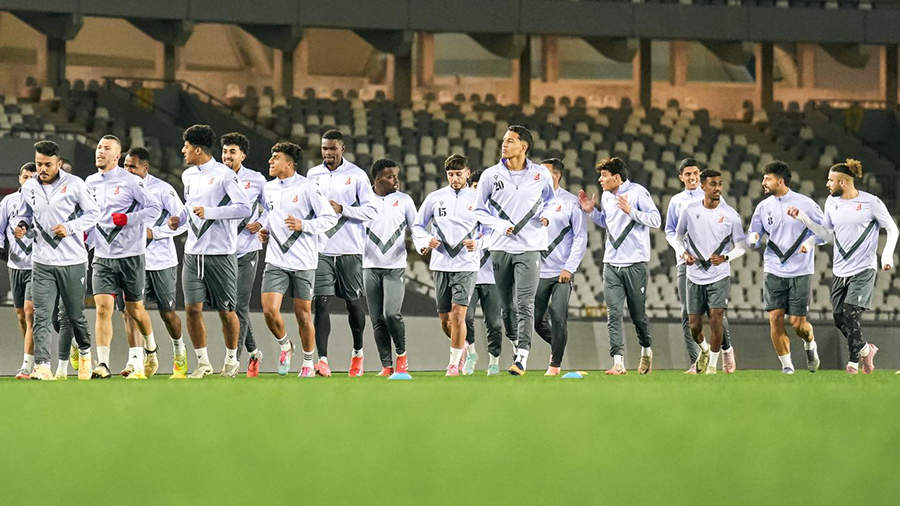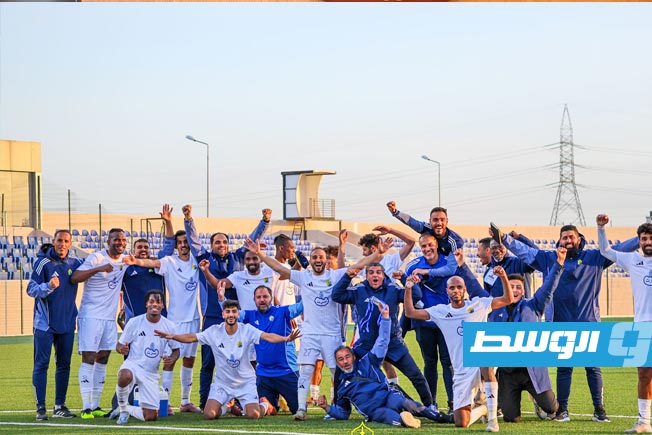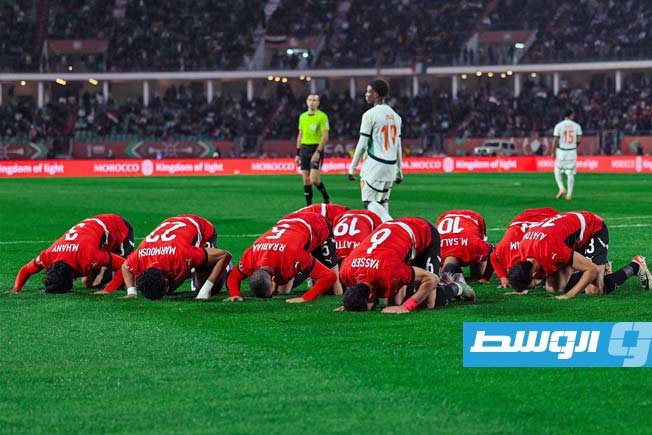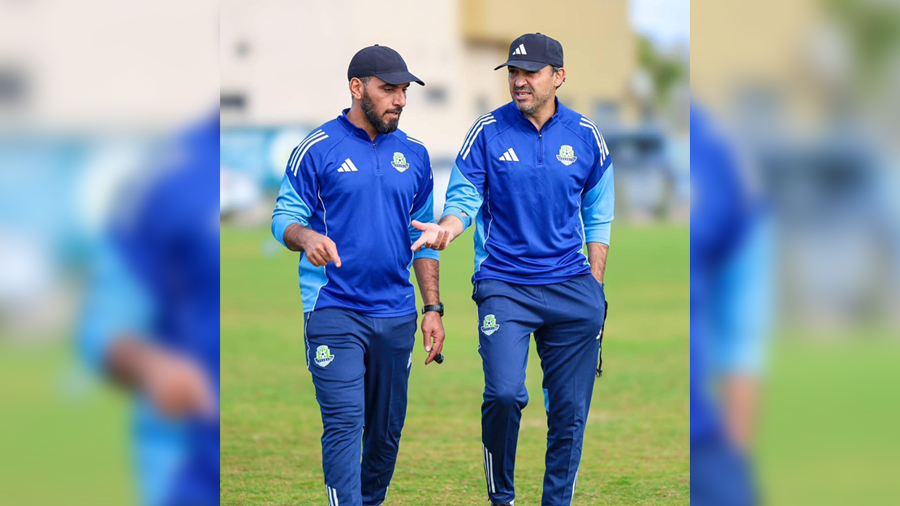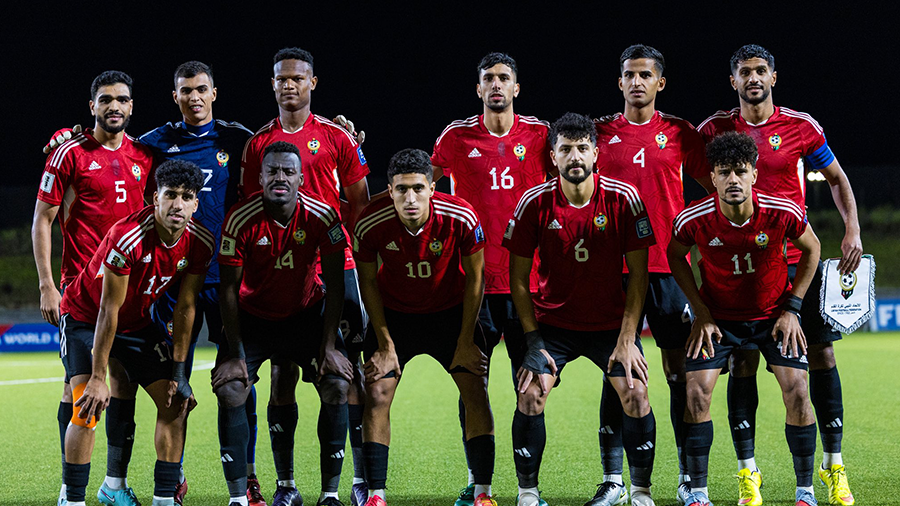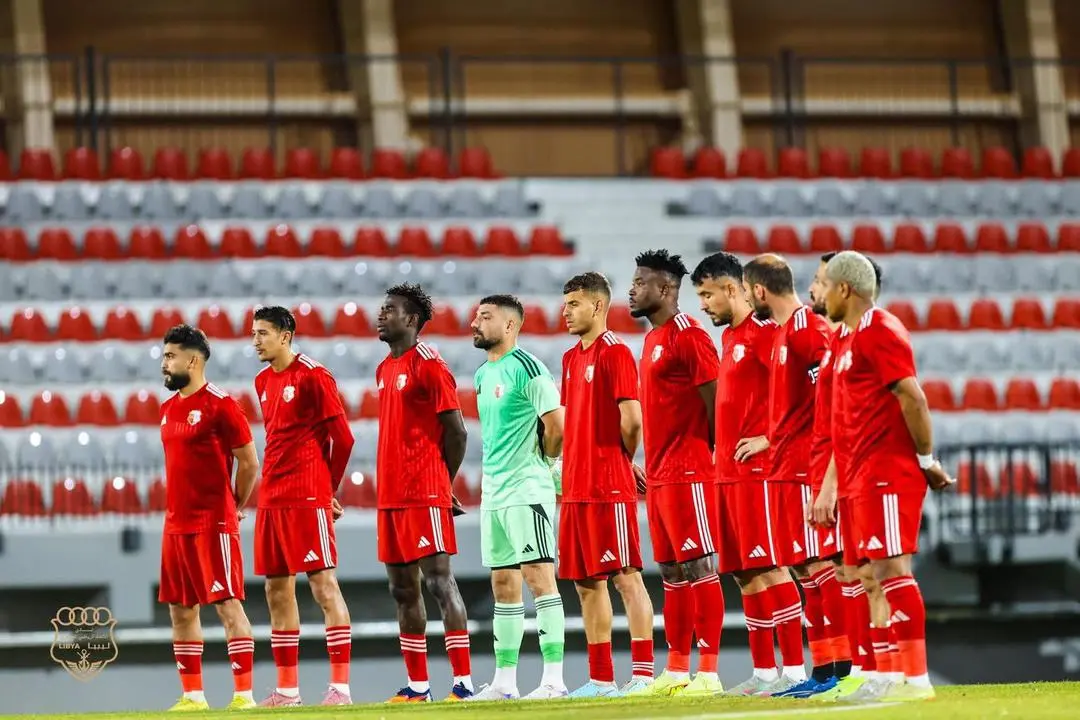
The matches of the fifth round will conclude next Thursday and Friday with the games of the fourth group.
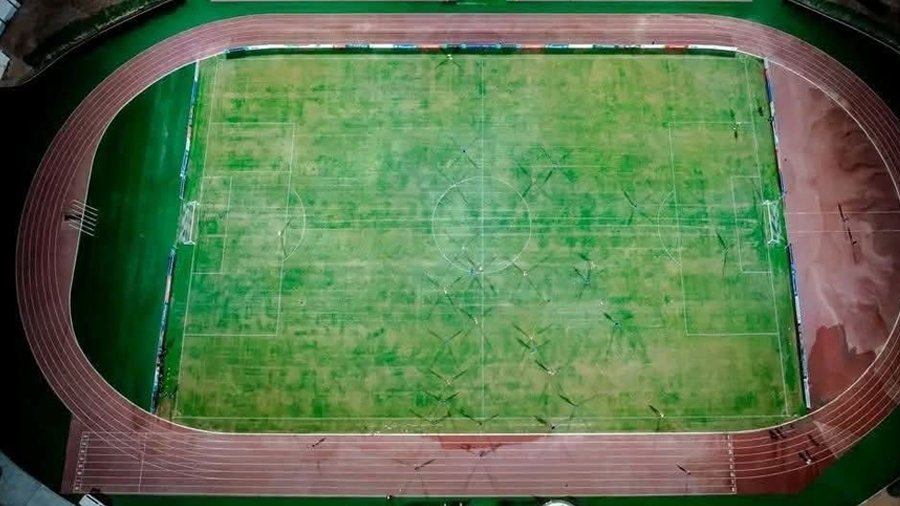
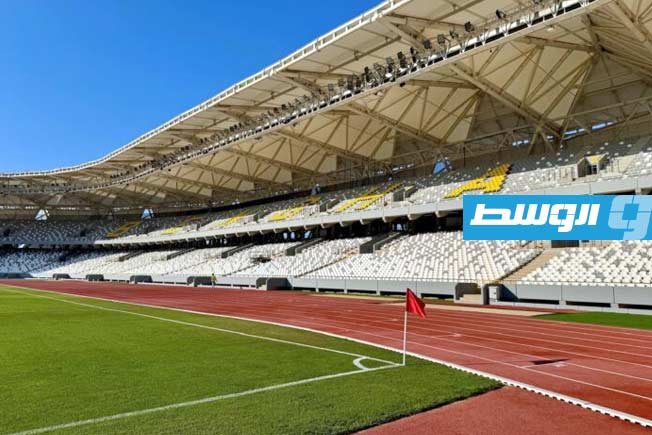
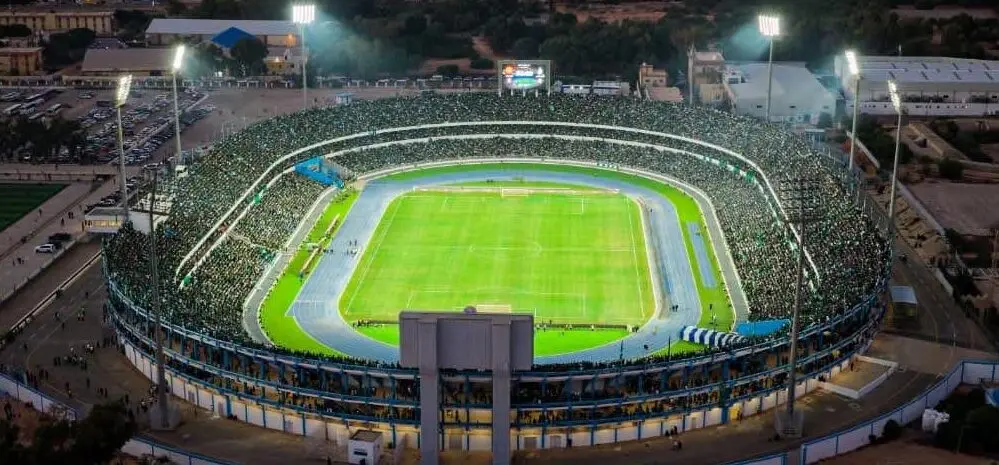
The conclusion of the round’s matches begins next Thursday, with two matches being held. The Bashir Jouda Stadium in the city of Al-Marj will host the match between Al-Murooj and their guest Al-Tahaddy in the first game, while Al-Nasr will host their guest Wefaq Ajdabiya on the pitch of the Benghazi International Stadium in the second match.
The round’s matches will then conclude next Friday with two matches. The first brings together Khalij Sirt and Al-Afriqi, while Al-Akhdar will face their guest Al-Andalus.
Bashir Jouda Stadium
Bashir Jouda Stadium is a multi-purpose stadium located in Oran, Algeria, primarily used for football matches. It was inaugurated in 2018 and named in honor of Bashir Jouda, a prominent figure in the Algerian War of Independence. The stadium was a key venue for the 2022 African Nations Championship.
Al-Marj
Al-Marj is a city in northeastern Libya, historically significant as the site of the ancient Greek colony of Barca, which was founded around 560 BCE. It later became an important agricultural and administrative center under various regional powers, including the Romans and Ottomans. The modern city was largely rebuilt after a devastating earthquake in 1963.
Al-Murooj
Al-Murooj is a modern residential and commercial district located in Riyadh, Saudi Arabia, developed as part of the city’s rapid urban expansion in recent decades. The area is known for its contemporary architecture, shopping malls, and green spaces, representing the kingdom’s modern economic and social development.
Al-Tahaddy
Al-Tahaddy is a major sports stadium located in Benghazi, Libya, primarily used for football matches. It was inaugurated in the 1960s and has historically served as the home ground for the prominent local club Al-Ahly Benghazi. The stadium has been a central venue for sporting and cultural events in the city for decades.
Al-Nasr
Al-Nasr is a common Arabic name meaning “The Victory,” often used for monuments, neighborhoods, or sports clubs in the Arab world. For instance, Al-Nasr Sports Club is a famous football club in Saudi Arabia founded in 1955. Without a specific location, the term generally symbolizes triumph and is frequently associated with modern institutions or sites commemorating historical successes.
Wefaq Ajdabiya
Wefaq Ajdabiya is a cultural and social organization based in the city of Ajdabiya, Libya. It is historically known for its role in fostering local community development and preserving regional heritage, particularly following the 2011 Libyan revolution. The group has been involved in various civic initiatives aimed at promoting unity and cultural identity in the region.
Benghazi International Stadium
Benghazi International Stadium is a major sports venue in Benghazi, Libya, originally opened in the 1960s. It has hosted significant national and international football matches but has suffered damage during periods of conflict in the country, including the 2011 Libyan Civil War.
Khalij Sirt
Khalij Sirt, also known as the Gulf of Sirte, is a large body of water on the coast of Libya in the Mediterranean Sea. It has historically been a significant maritime region, notably serving as the site of the World War II Battle of Sirte. The gulf’s name is derived from the nearby city of Sirte, which was also the birthplace of former Libyan leader Muammar Gaddafi.
Al-Afriqi
“Al-Afriqi” is a historical mosque located in Cairo, Egypt, originally built in the 10th century during the Fatimid Caliphate. It is also known as the Mosque of al-Hakim, named after the sixth Fatimid caliph, Al-Hakim bi-Amr Allah, and has served as a significant religious and architectural landmark throughout Islamic history.
Al-Akhdar
Al-Akhdar, also known as the Green Mountain, is a prominent mountainous region in eastern Libya, historically significant as a natural fortress and a center for resistance. It served as a key stronghold for Libyan forces during the Italian colonization in the early 20th century. The area is also noted for its unique Mediterranean forest ecosystem and ancient archaeological sites.
Al-Andalus
Al-Andalus refers to the Muslim-ruled territories on the Iberian Peninsula from the 8th to the 15th centuries, encompassing much of modern-day Spain and Portugal. This period was marked by significant advances in science, philosophy, and architecture, as well as a notable degree of religious coexistence among Muslims, Christians, and Jews. It ended with the completion of the Christian Reconquista in 1492.