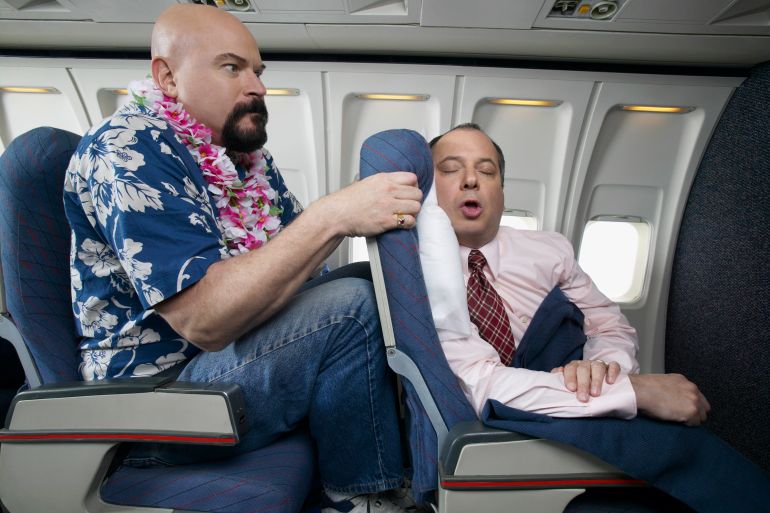
In recent years, many travelers have felt that the flying experience has become more expensive, less comfortable, and lower in service quality. While part of this decline is linked to rising fuel and labor costs and supply chain disruptions, a fundamental part of the story lies in the market’s own behavior. The widespread complaints have not translated into actual pressure that changes purchasing decisions or travel patterns.
As a result, airlines have tested the limits of what they can impose on passengers and then solidified this model: reducing what is included in the base price, expanding the list of fees for the smallest details, and shrinking space in economy class in favor of higher-margin products and services.
-
Load Factor is the Passenger’s Real “Voice”
Airlines do not rely on the number of complaints or angry comments to assess passenger satisfaction, but on actual demand indicators, primarily aircraft load factors and revenue volume.
The International Air Transport Association (IATA) expects the global average flight load factor in 2025 to reach about 84 percent, the highest level ever recorded.
When planes are this full, the message from the airlines’ perspective is clear: passengers are still paying and traveling, so there is no strong economic incentive to restore free services or expand space within economy class cabins.
-
“Unbundling the Fare”: How Did the Ticket Become a Collection of Fees?
The most significant benefit airlines have gained from consumer silence is “ancillary fees.” Instead of directly raising ticket prices, fares have been unbundled into a seemingly low base price, surrounded by a growing list of separate payments, including seat selection, baggage, food, and some in-flight entertainment services.
The International Air Transport Association expects global ancillary service revenue to reach about $144 billion in 2025, revenue that contributes to supporting record levels of airline income.
In the United States, a majority report from the Senate’s Permanent Subcommittee on Investigations described these practices as “unjustified hidden fees” (Junk fees), noting that 5 major airlines collected about $12.4 billion in seat fees between 2018 and 2023, with seat fees alone exceeding $3 billion in 2023.
Specialized data and reports show that these fees now represent about 15 percent of global airline revenues, compared to only about 5 percent in 2010, with hundreds of billions of dollars in revenue from this type of income expected by 2025.
This shift reflects a fundamental change in the airlines’ business model and their view of what are known as basic services. The standard seat, food, and baggage, which were once considered a natural part of the ticket price, are now treated as independent profit sources. As a result, the quality of services included in the base price has declined, while passengers pay higher amounts for options that were once an integral part of the air travel experience.
-
Baggage: A Stark Example of Profit in Fees, Not Tickets
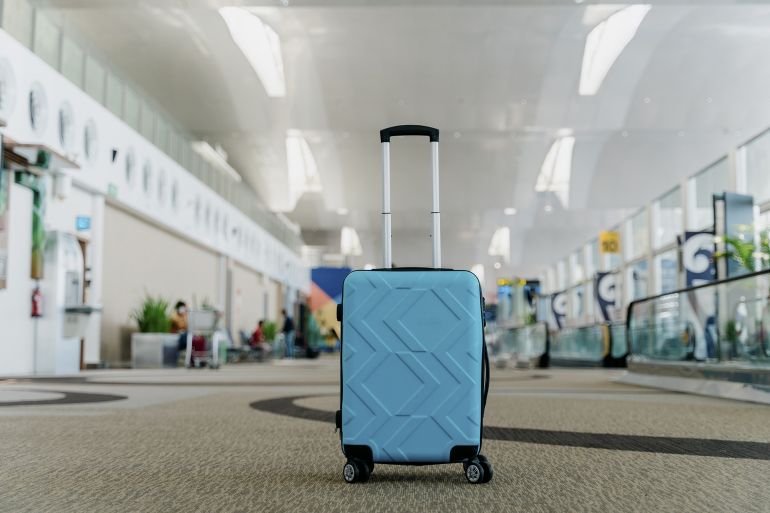
Baggage fees represent the clearest model of airlines’ shift towards maximizing income through ancillary services. According to estimates from IdeaWorksCompany in collaboration with CarTrawler, global baggage fee revenue reached about $33.3 billion in 2023, an increase of nearly 15 percent compared to 2022.
As checked baggage, pre-selected seats, and even some in-flight services become independent profit sources, it becomes logical from a commercial perspective that the services included in the base ticket price shrink, while the list of additional fees borne by the passenger, especially in economy