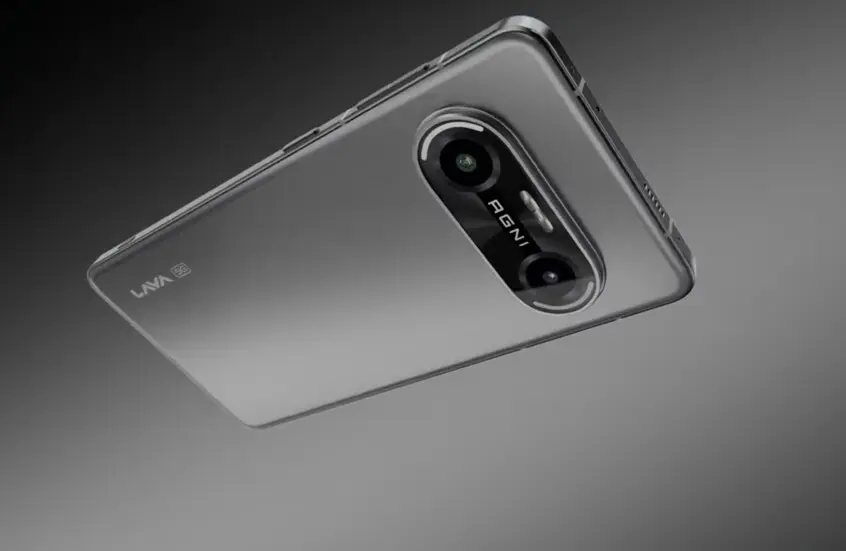
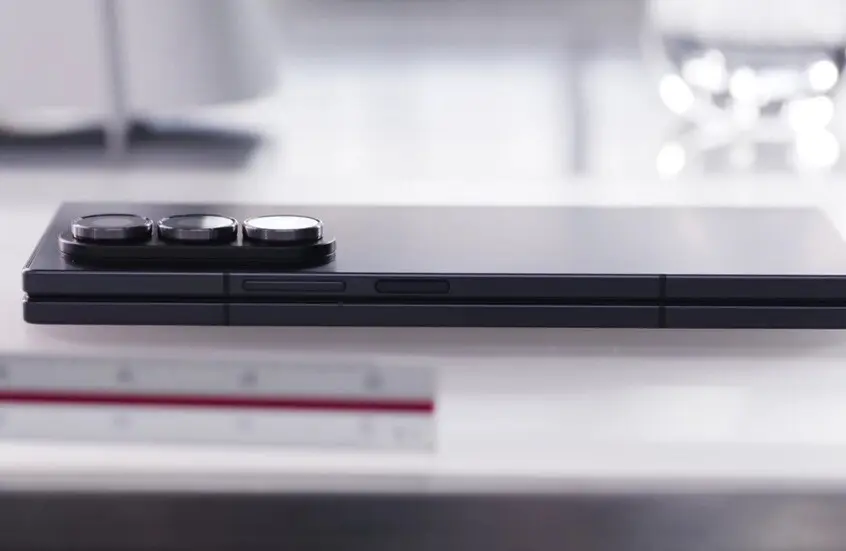
Indian company Lava has announced the launch of its new Blaze Duo 3 phone, featuring dual screens and advanced specifications, positioning it as a strong competitor in the Android market by combining elegant design with high performance.
The phone features a water and dust-resistant body with an IP64 rating. It weighs 181 grams with dimensions of 163.2 × 76.1 × 6.7 mm, giving it a slim and modern appearance.
The main display is a 6.67-inch AMOLED screen with a resolution of 1080 × 2400 pixels, a 120Hz refresh rate, and a pixel density of approximately 395 PPI. The secondary rear display is smaller, measuring 1.6 inches with a resolution of 320 × 360 pixels, allowing users to view notifications and control some functions without opening the phone.
The phone runs on the updatable Android 15 operating system and is powered by the Mediatek Dimensity 7060 processor and the IMG BXM-8-256 graphics processor. It comes with 6GB of RAM and 128GB of internal storage, expandable via microSDXC cards.
The Blaze Duo 3 features a 50-megapixel rear camera capable of recording 1440p video at 30 frames per second, and an 8-megapixel front camera.
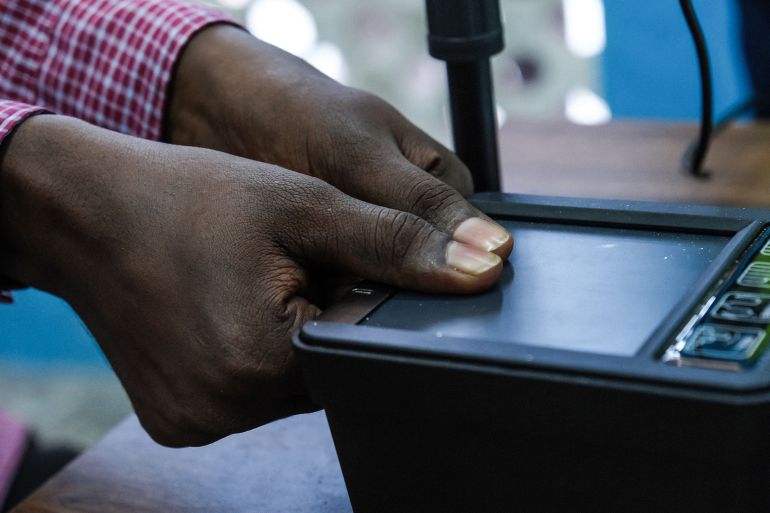
The phone is also equipped with dual SIM card slots, a USB Type-C 2.0 port, an in-display fingerprint scanner, Infrared technology for remote control of electronic devices, and a 5000 mAh battery supporting 33W fast charging.
Lava
Lava is molten rock expelled during volcanic eruptions, which cools to form igneous landforms like basalt flows and shield volcanoes. Its history is tied to Earth’s geologic activity over billions of years, shaping landscapes and creating new land, such as the Hawaiian Islands. The study of lava provides insight into planetary formation and volcanic processes.
Blaze Duo 3
“Blaze Duo 3” does not refer to a recognized historical place or cultural site. It appears to be a model name for a product, such as a speaker or electronic device, rather than a location with a documented history. Therefore, no historical or cultural summary for a physical site can be provided.
Android
Android is an open-source mobile operating system developed by Google, originally founded by Android Inc. in 2003 before being acquired by Google in 2005. It was designed primarily for touchscreen devices like smartphones and tablets, with its first commercial version released in 2008, and has since become the world’s most widely used OS for mobile devices.
IP64
“IP64” is a rating from the Ingress Protection (IP) code system, not a physical place or cultural site. It classifies the degree of protection provided by an enclosure against solid objects (like dust) and water. Specifically, “6” indicates dust-tight protection, and “4” means protection against water splashes from any direction.
AMOLED
AMOLED is a display technology, not a physical place or cultural site. It stands for Active-Matrix Organic Light-Emitting Diode and was developed as an advancement over earlier OLED screens, with its commercialization growing significantly in the late 2000s for smartphones and televisions.
Android 15
Android 15 is the upcoming major release of Google’s Android mobile operating system, which is currently in development and expected to be publicly released later in 2024. Historically, each annual Android version introduces new features, security enhancements, and performance improvements, building upon the platform’s evolution since its initial launch in 2008.
Mediatek Dimensity 7060
The MediaTek Dimensity 7060 is not a physical place or cultural site, but a system-on-chip (SoC) designed for mobile devices. It was announced in 2023 as a mid-range processor built on a 6nm manufacturing process, focusing on providing capable performance and 5G connectivity for smartphones.
IMG BXM-8-256
“IMG BXM-8-256” is not a recognized historical place or cultural site; it appears to be a model or serial number, potentially for a piece of technology or hardware. Without additional context, there is no known cultural history or significance to summarize.
microSDXC
“microSDXC” is not a place or cultural site but a technical specification for a type of removable flash memory card used in electronic devices. It stands for micro Secure Digital eXtended Capacity and was introduced as an evolution of the microSDHC format to support storage capacities above 32GB, up to 2TB in theory.
USB Type-C 2.0
USB Type-C 2.0 is a technical specification for a small, reversible-plug connector and cable primarily used for data transfer and charging electronic devices. It was developed by the USB Implementers Forum and standardized in 2014, succeeding earlier USB types to create a universal, more user-friendly port. The “2.0” designation refers to the USB 2.0 data protocol it can support, offering speeds up to 480 Mbps, while the physical Type-C connector can also carry faster protocols like USB 3.2 or USB4.