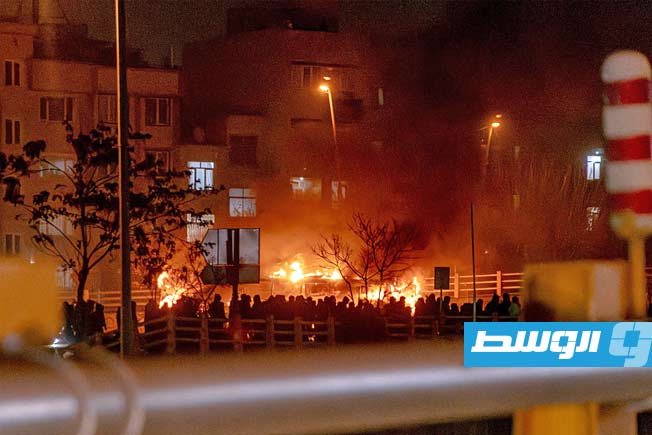
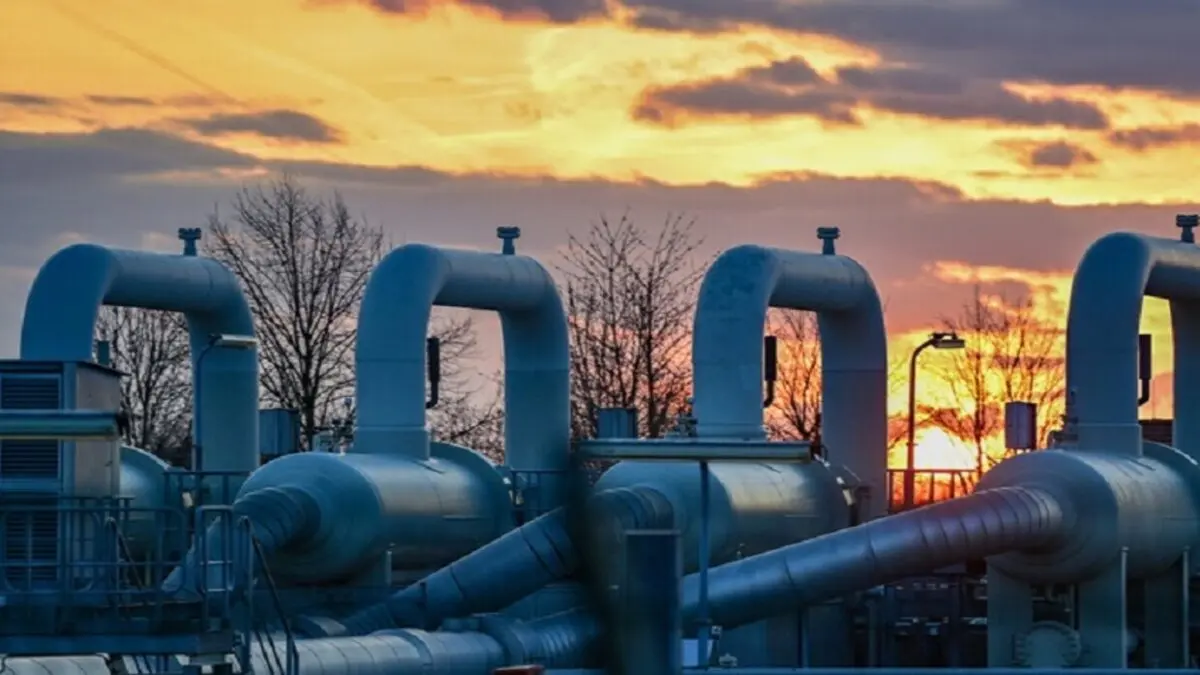
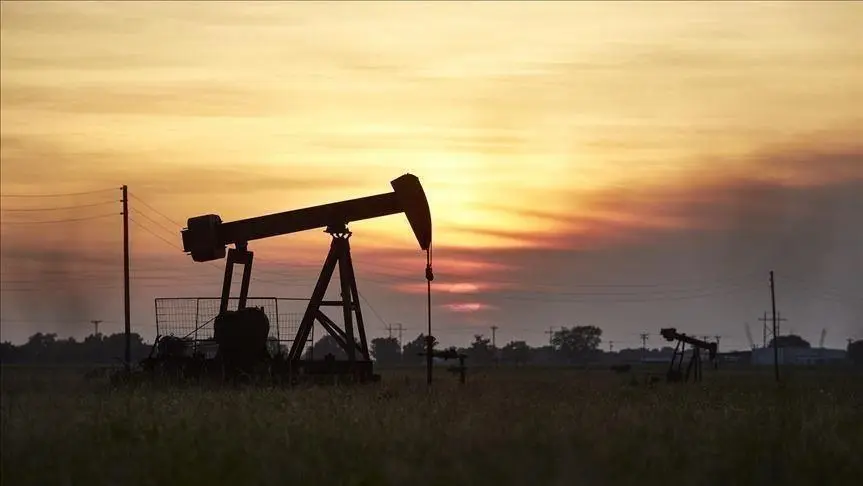
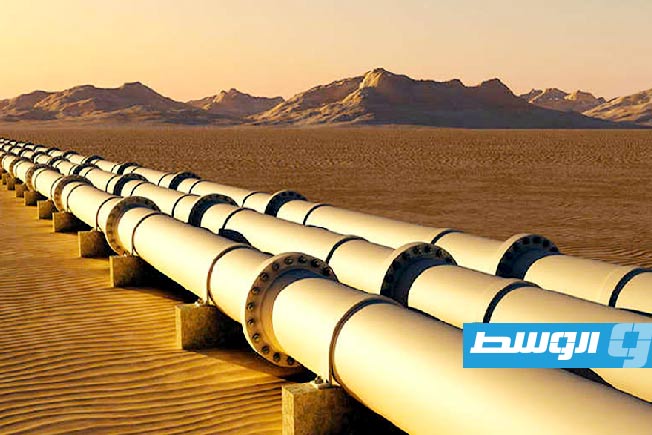
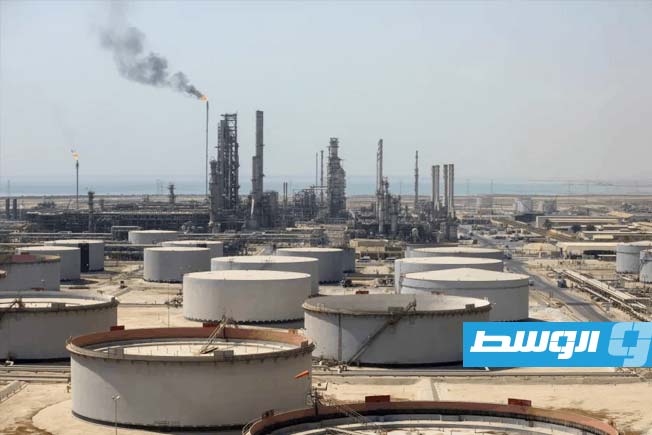
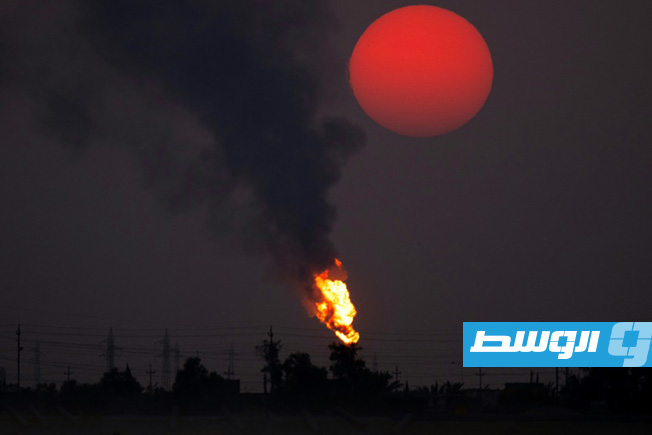
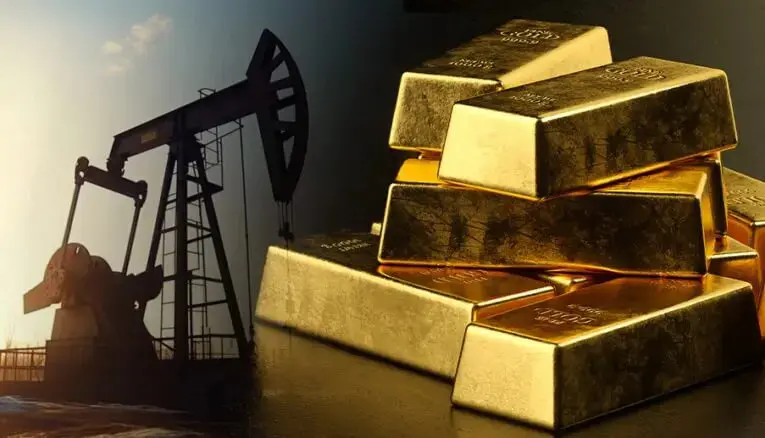
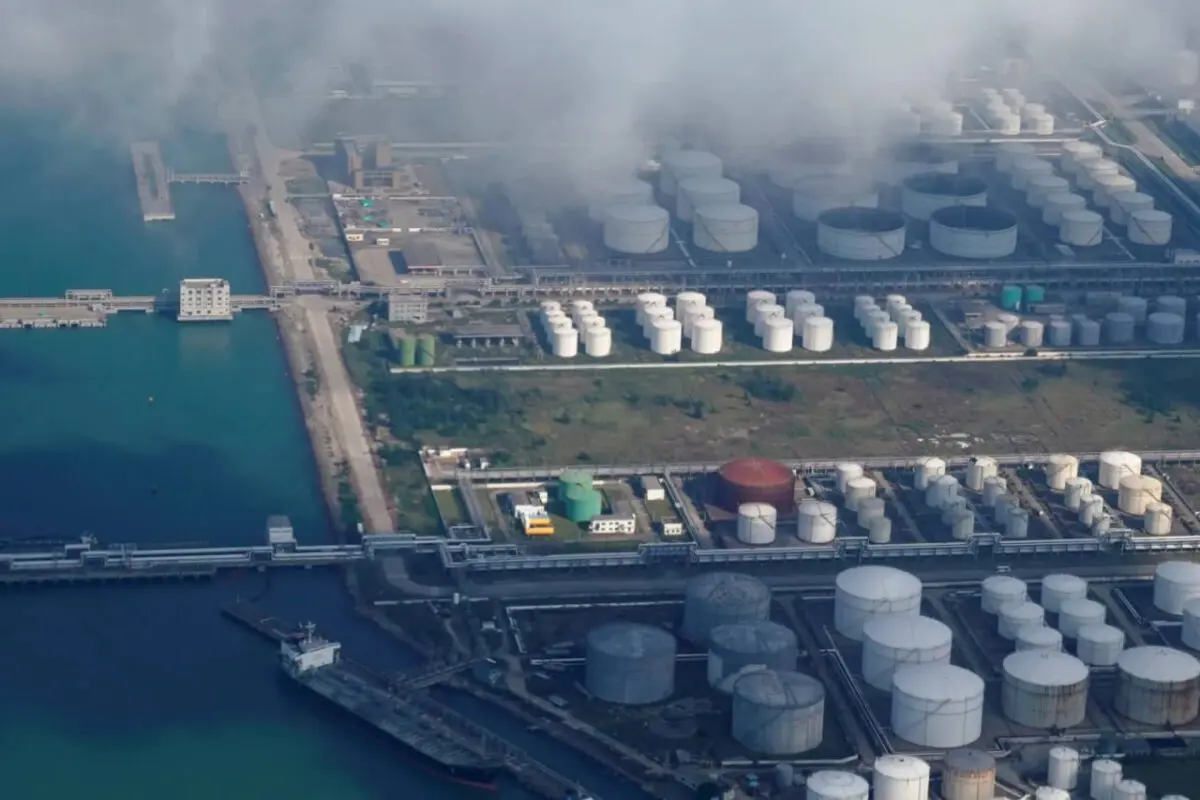
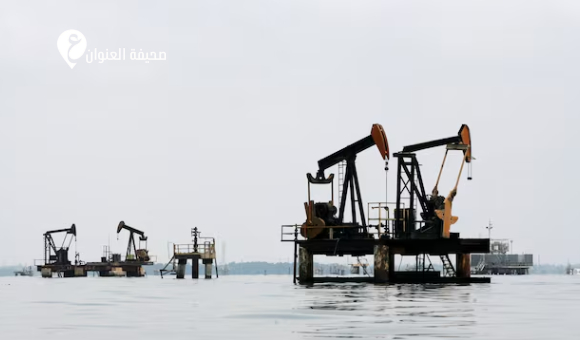
The Syrian government has regained full control over oil and gas fields in Deir ez-Zor province and strategic areas in Raqqa, a move representing a historic turning point for the Syrian economy after more than 14 years of conflict that devastated the energy sector and the country’s infrastructure.
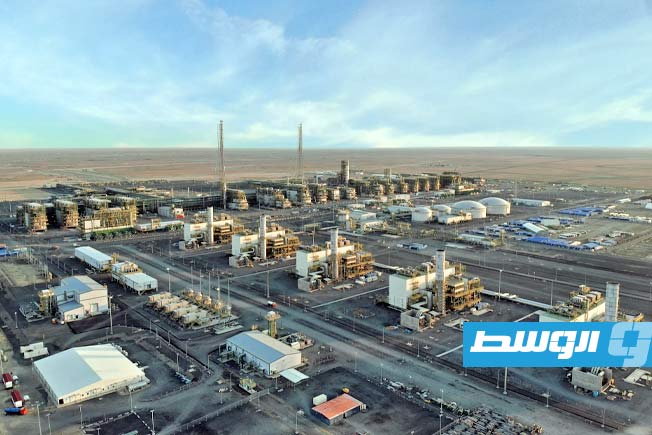
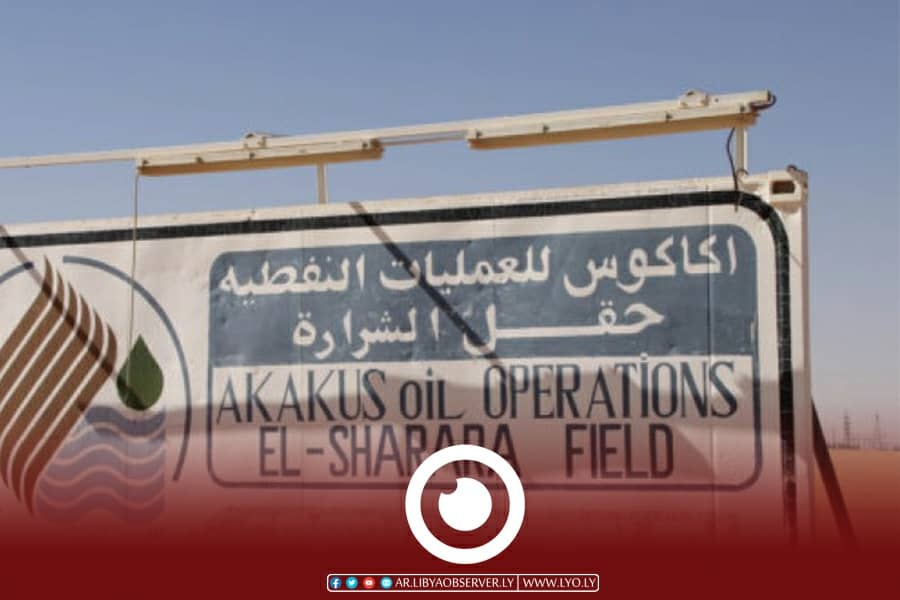
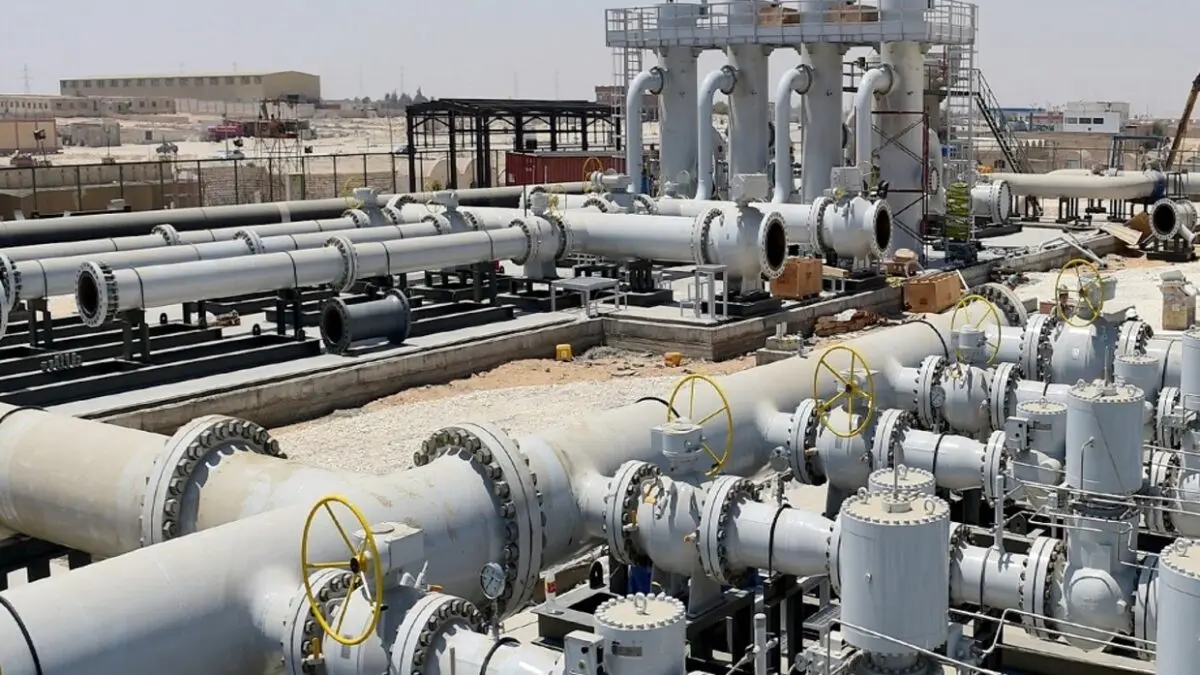
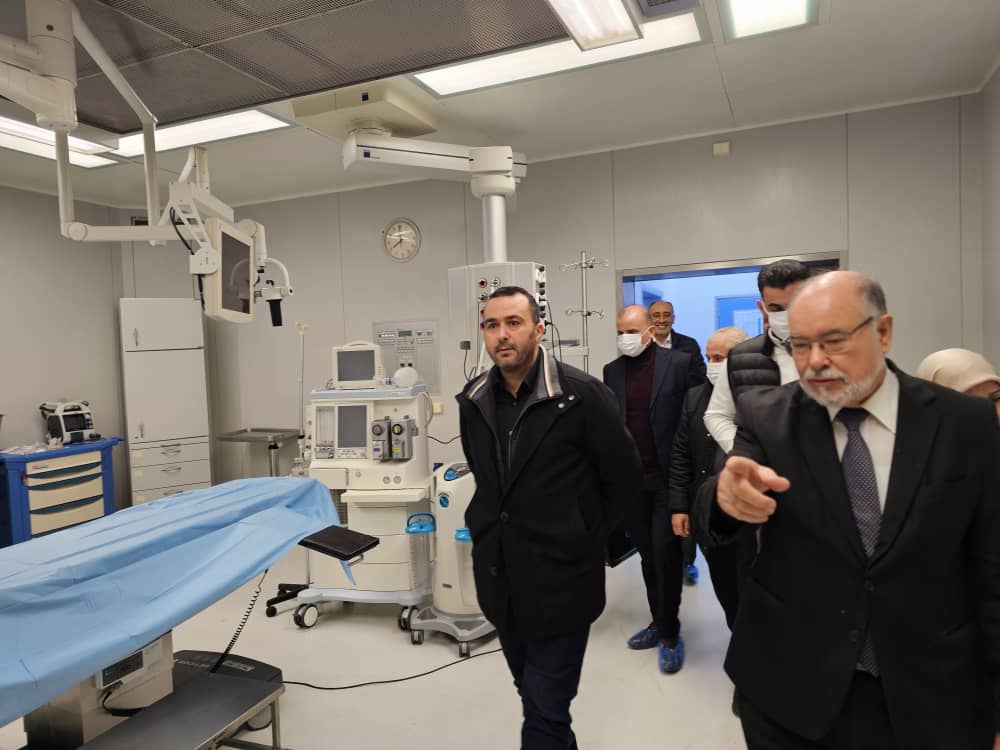
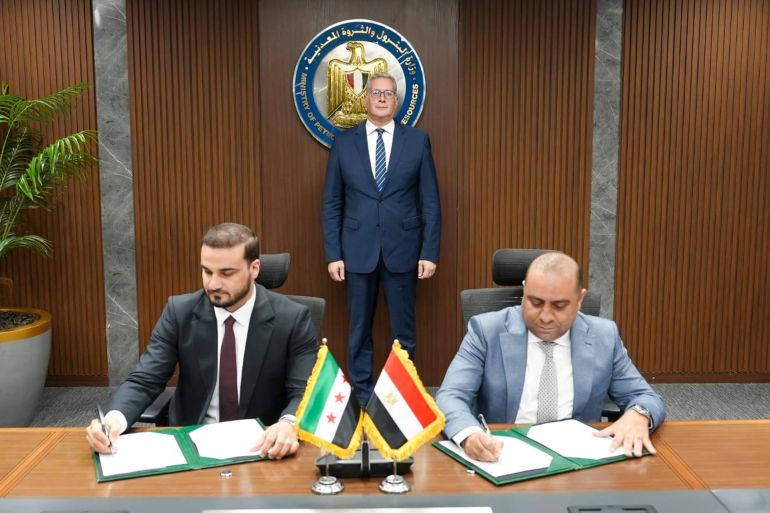
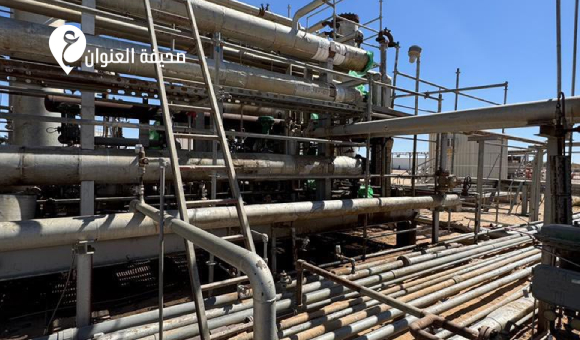
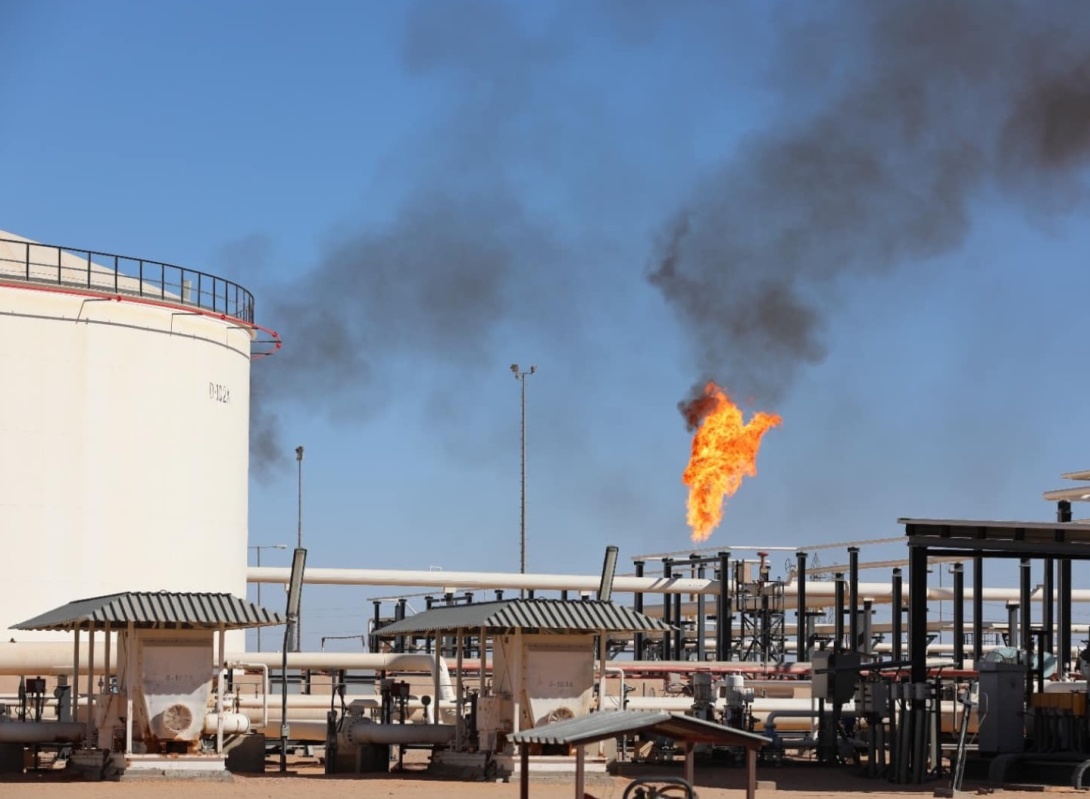
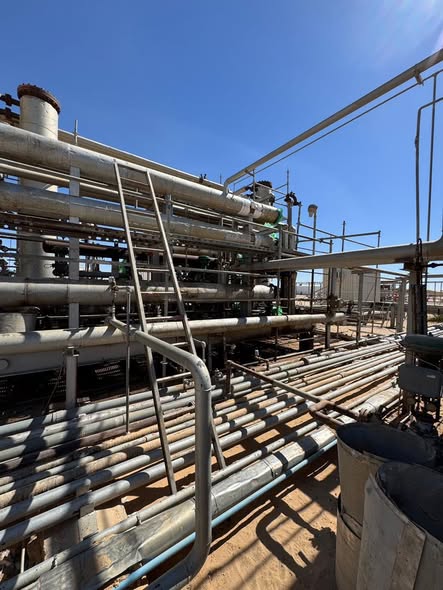
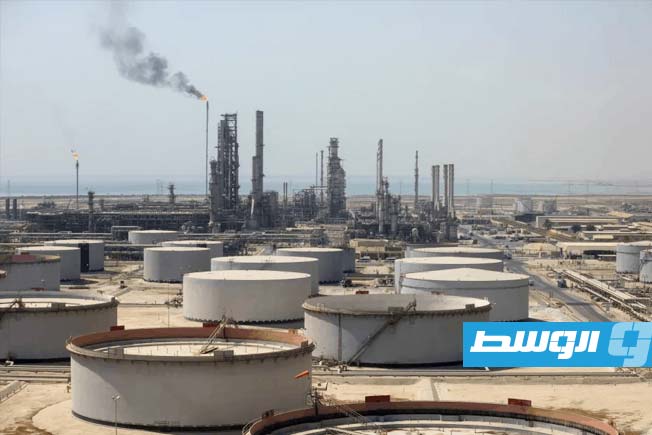
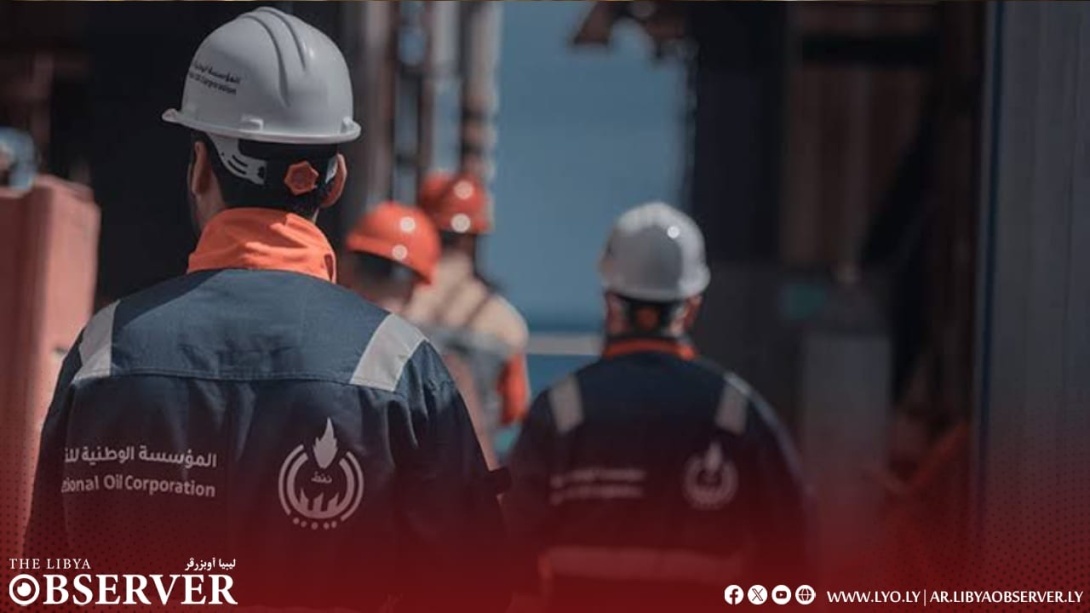
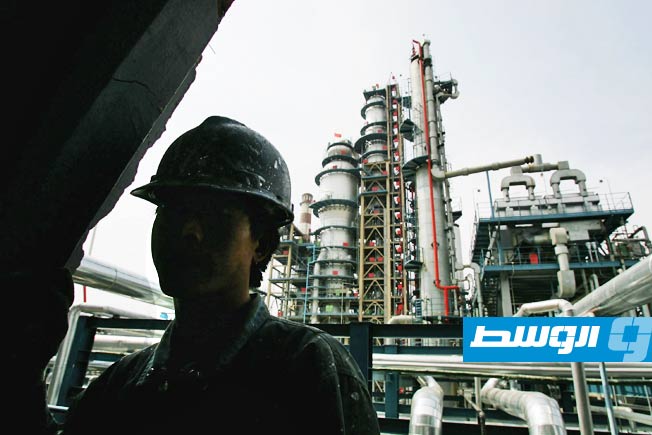
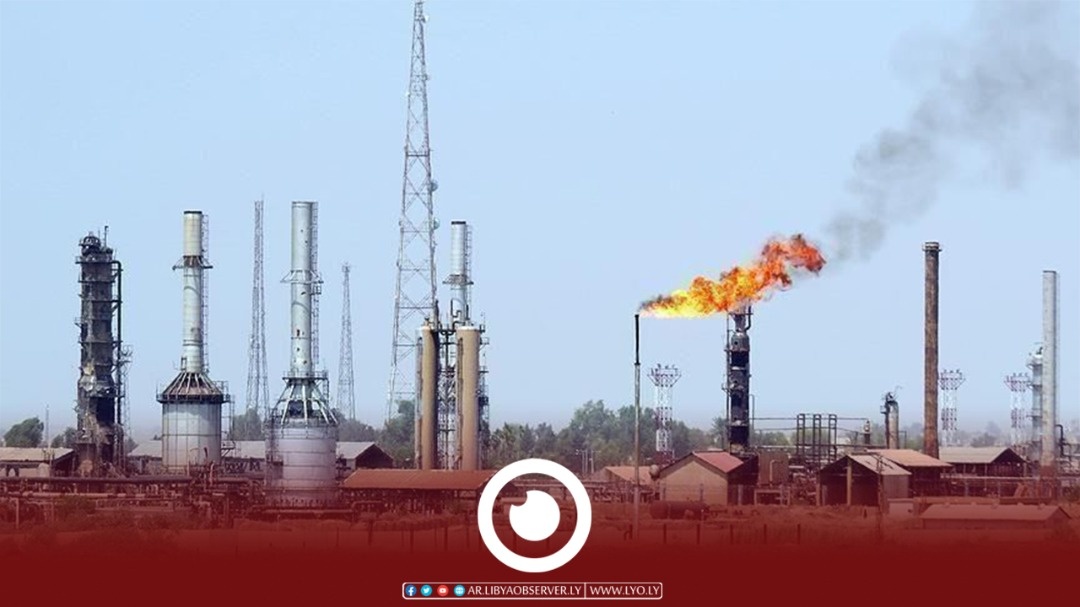
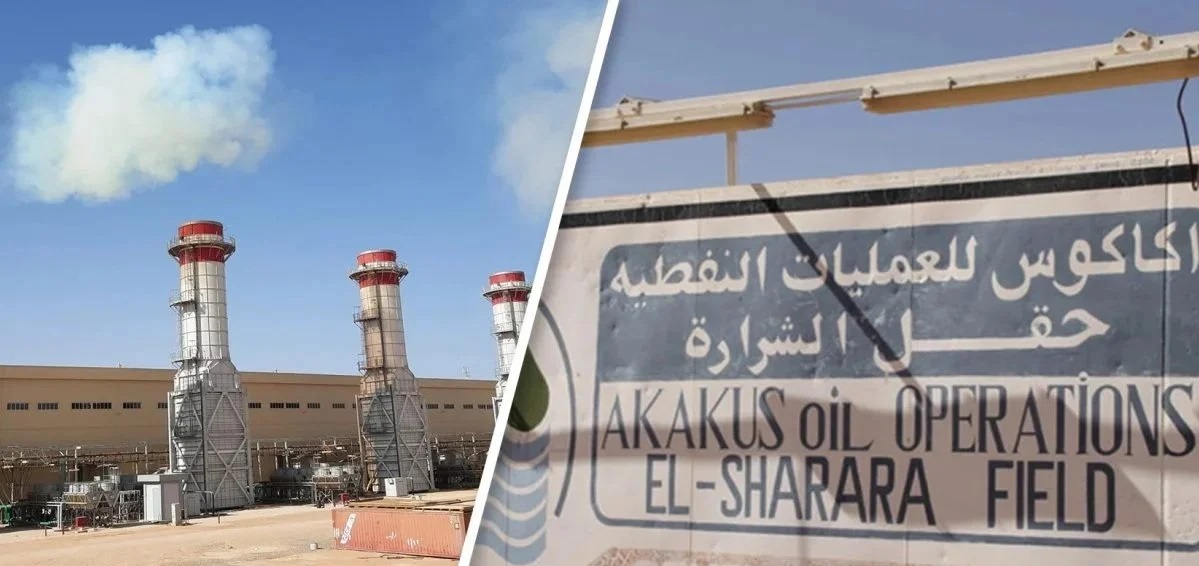
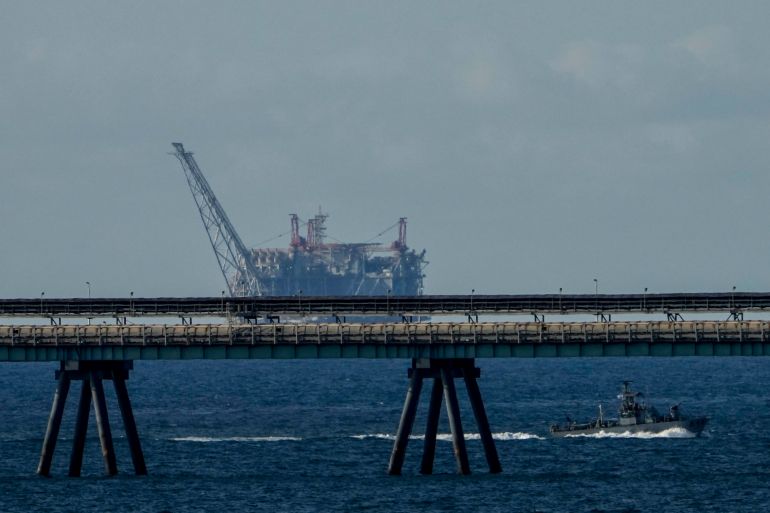
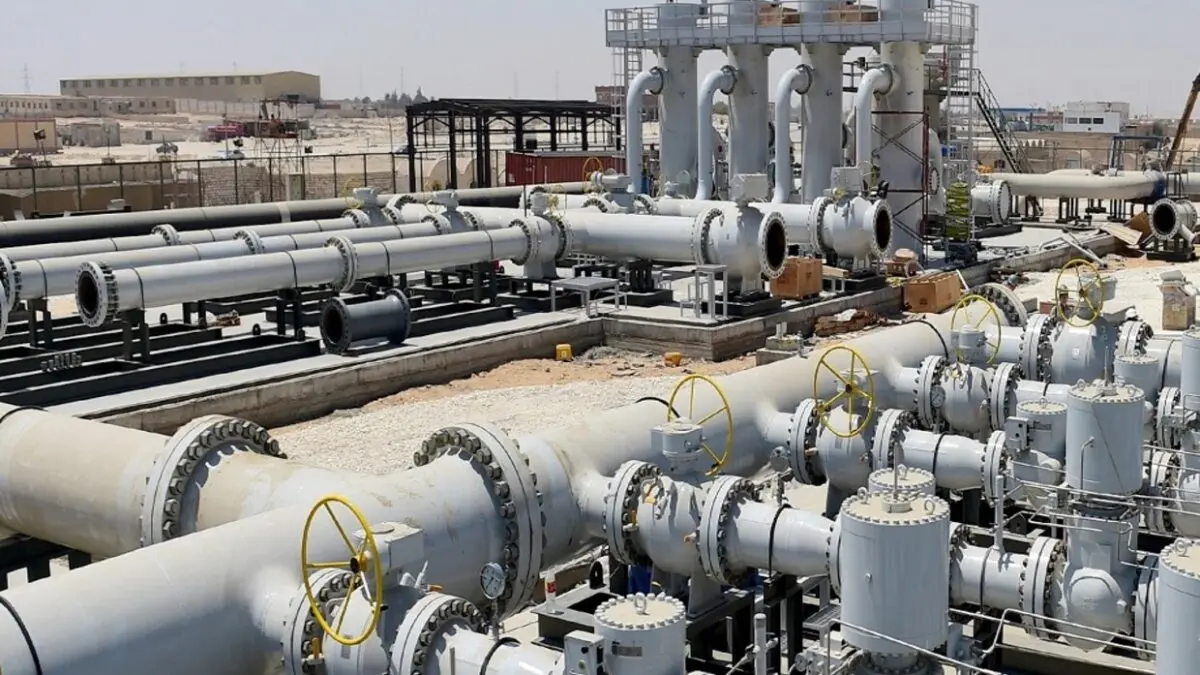
Immediately upon regaining control, a specialized team from the Syrian Ministry of Oil began conducting a comprehensive assessment of all major oil fields, including the “Conoco” gas field, aiming to develop plans in cooperation with foreign companies holding investment rights. This includes companies that ceased operations since the outbreak of the conflict in 2011, reflecting the government’s desire to resume production and maximize the economic return from vital resources.
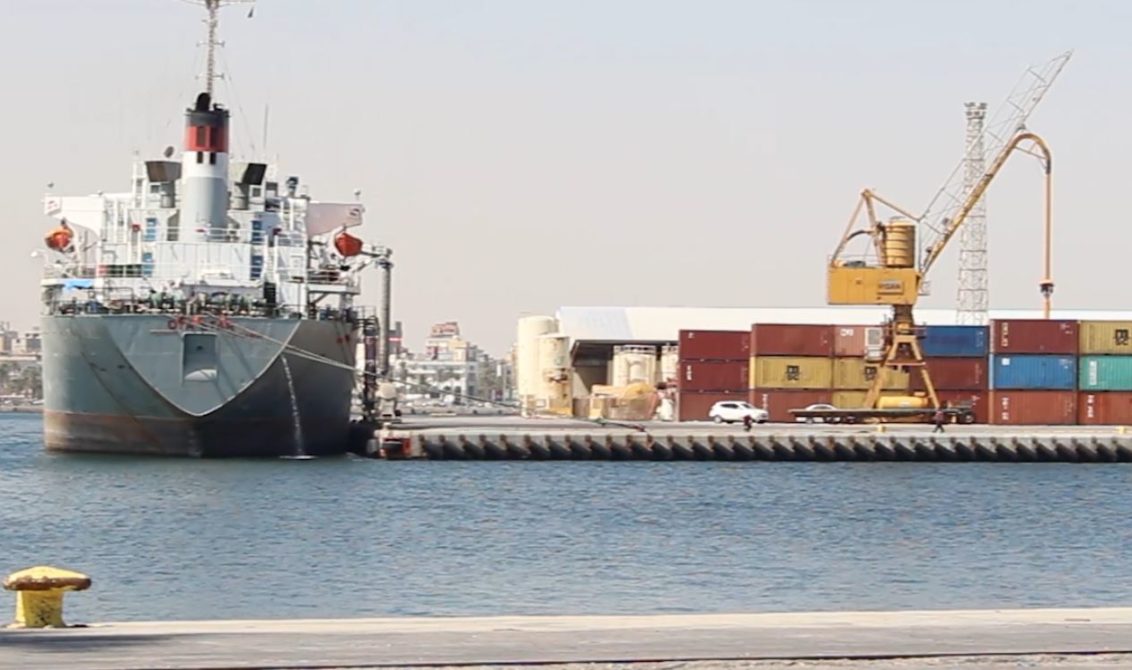
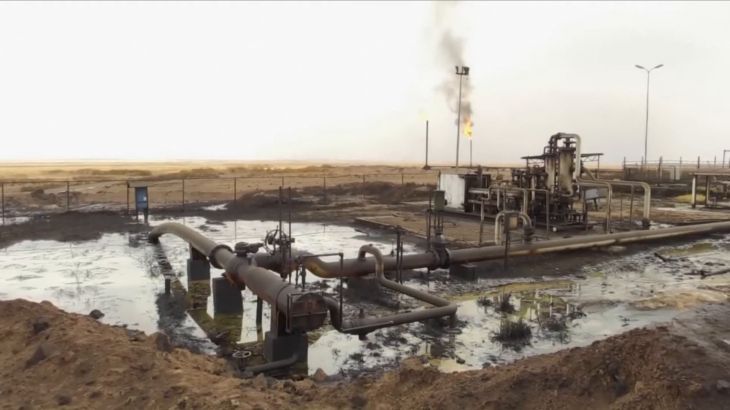
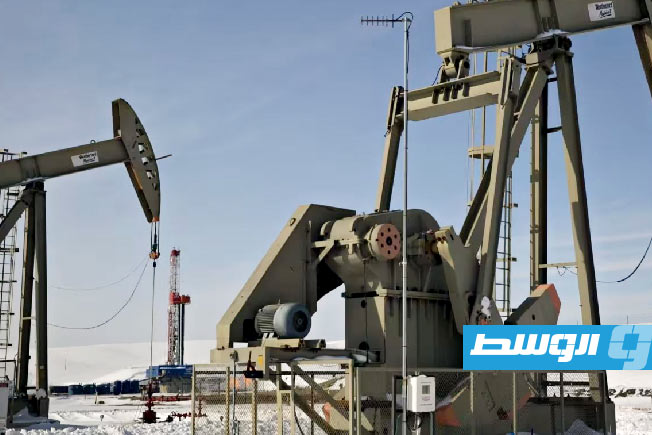
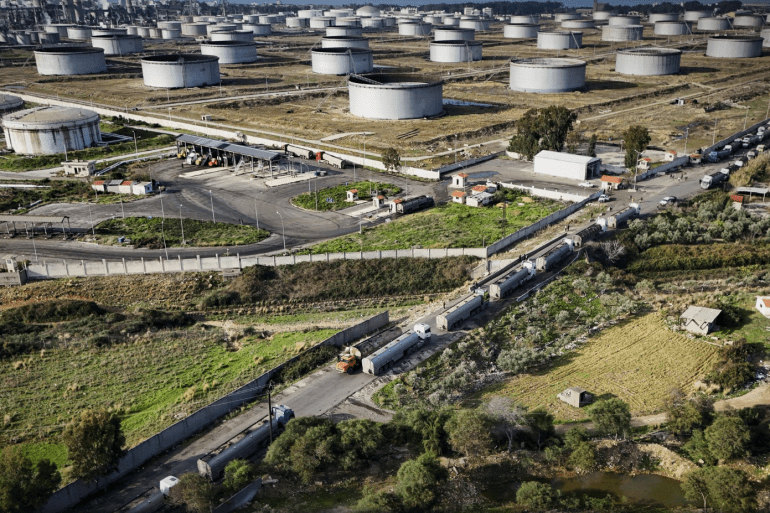
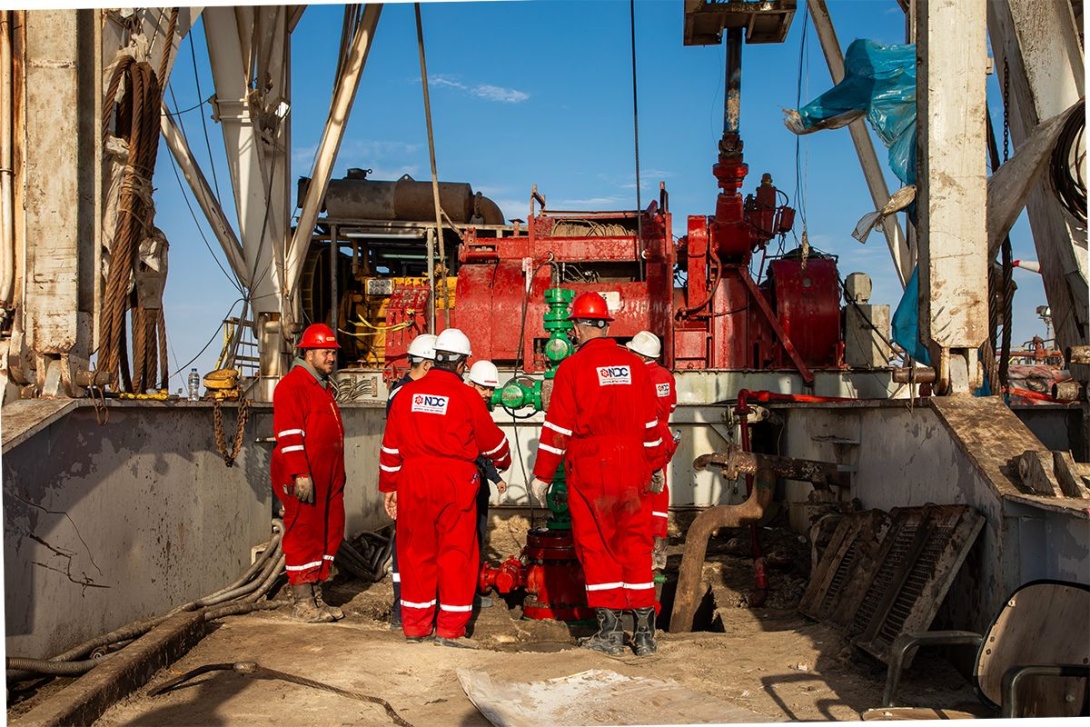
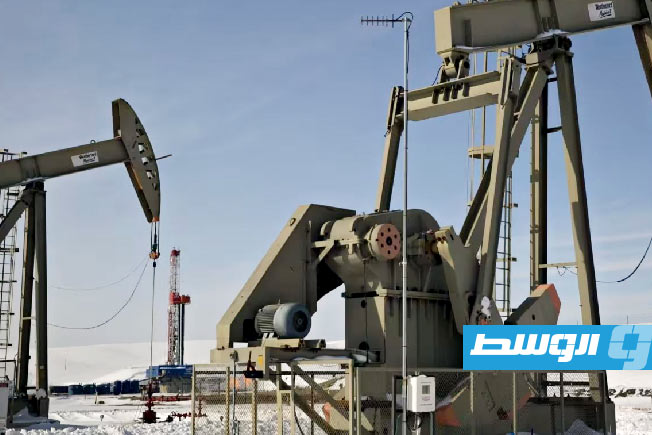
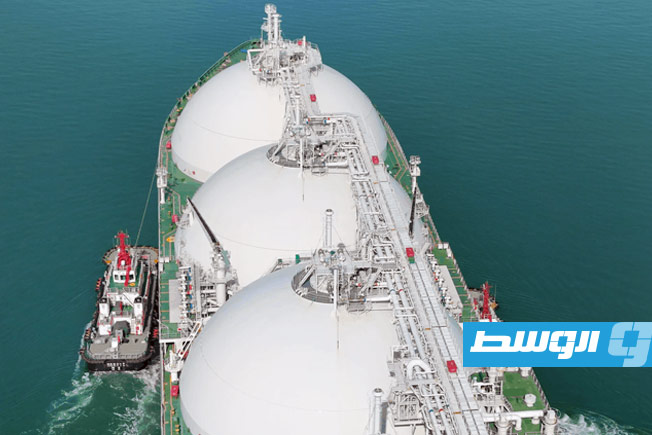
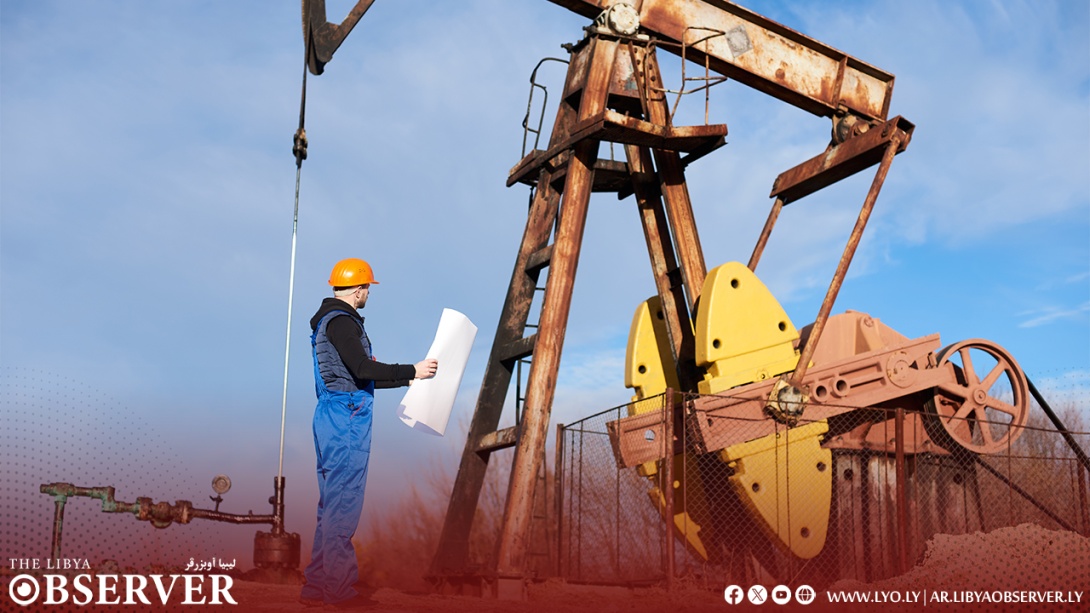
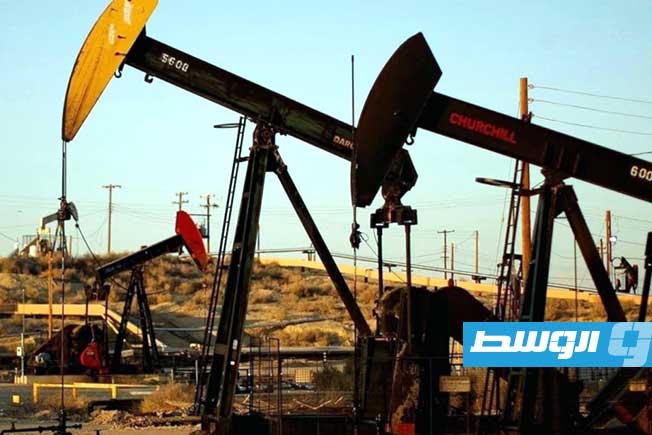
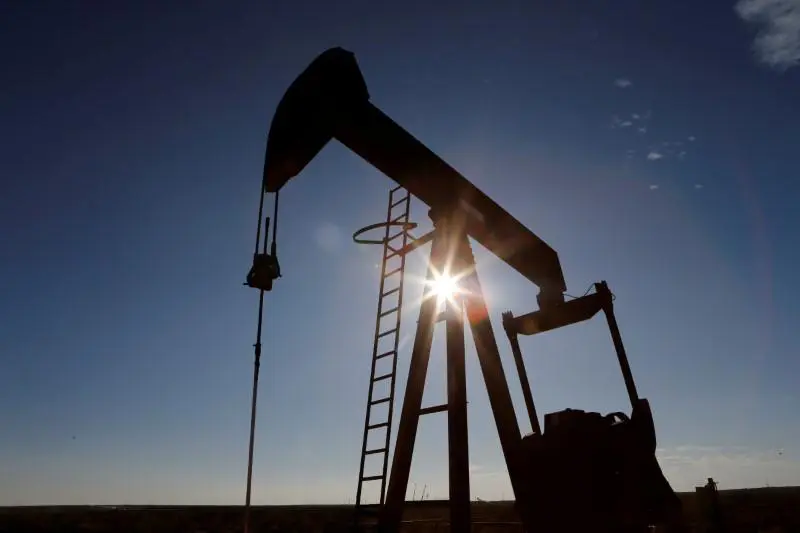
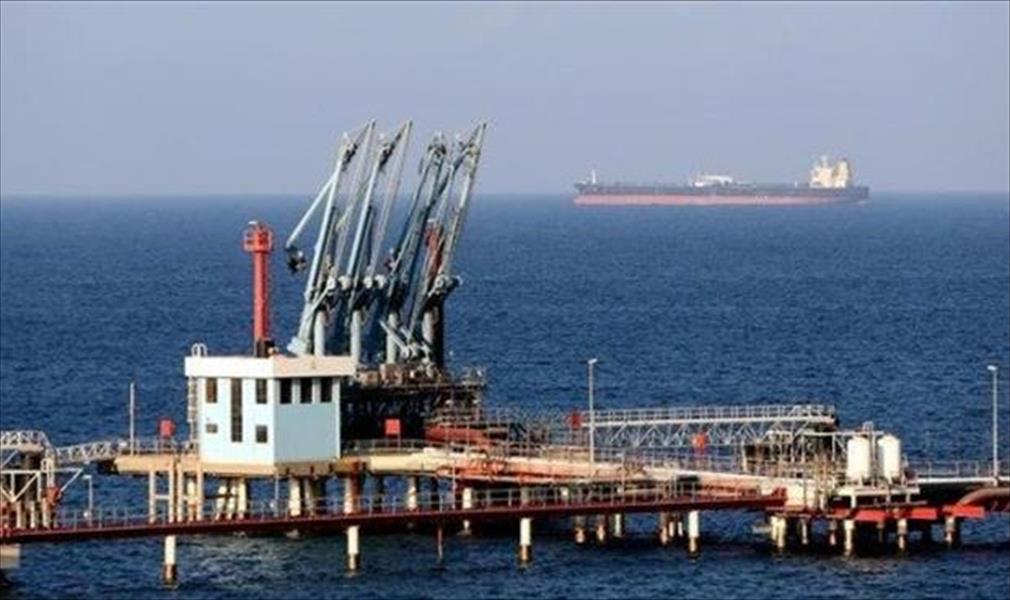
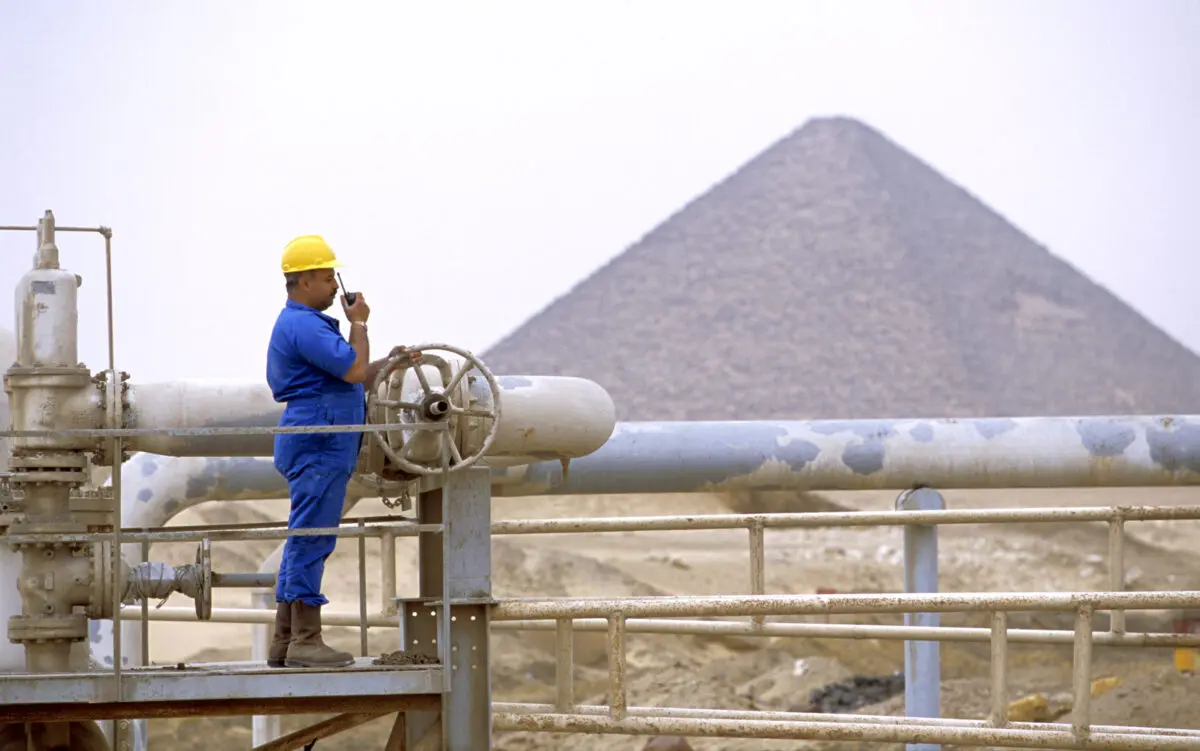
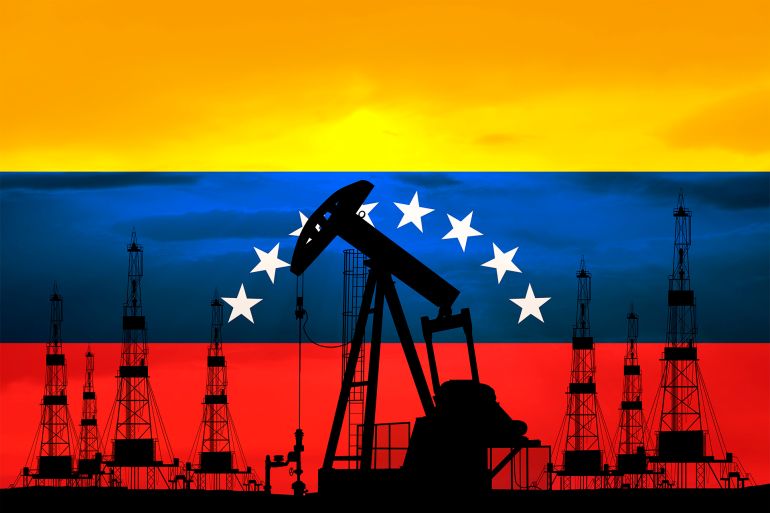
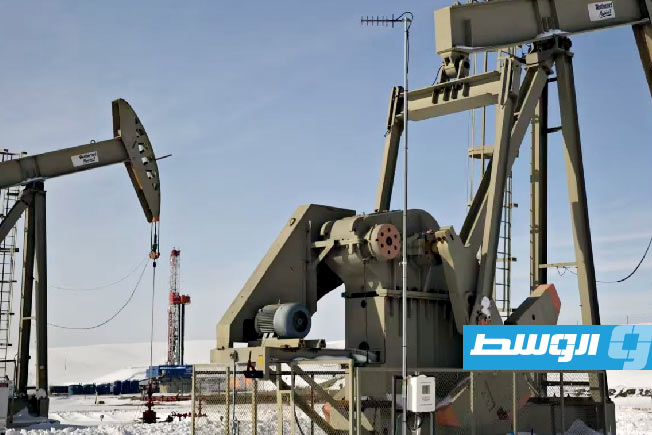
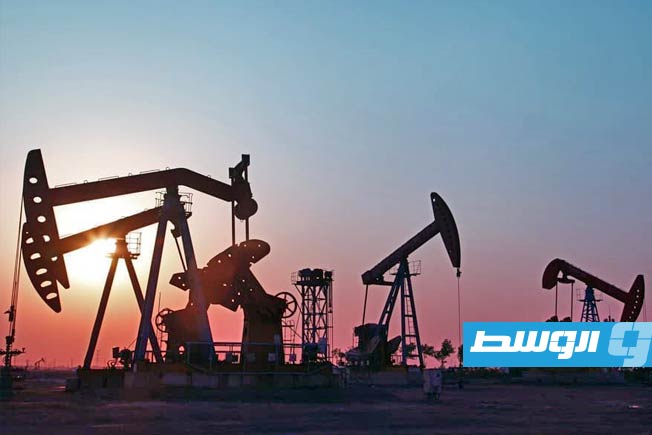
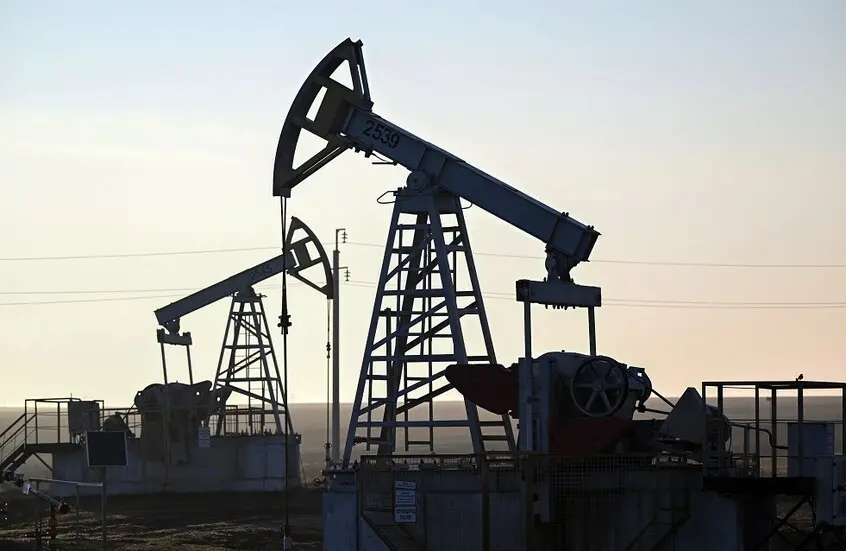
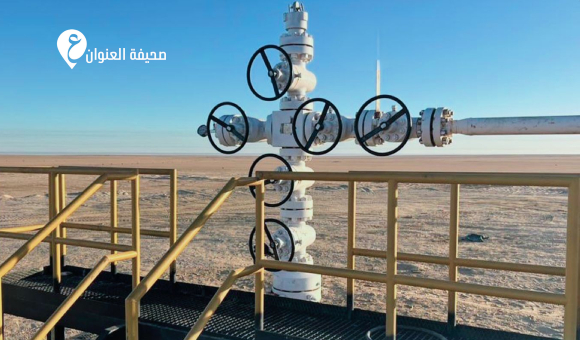
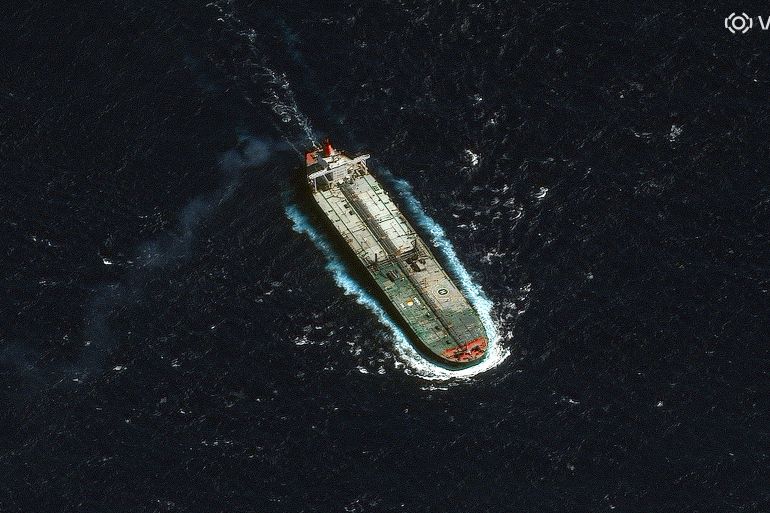
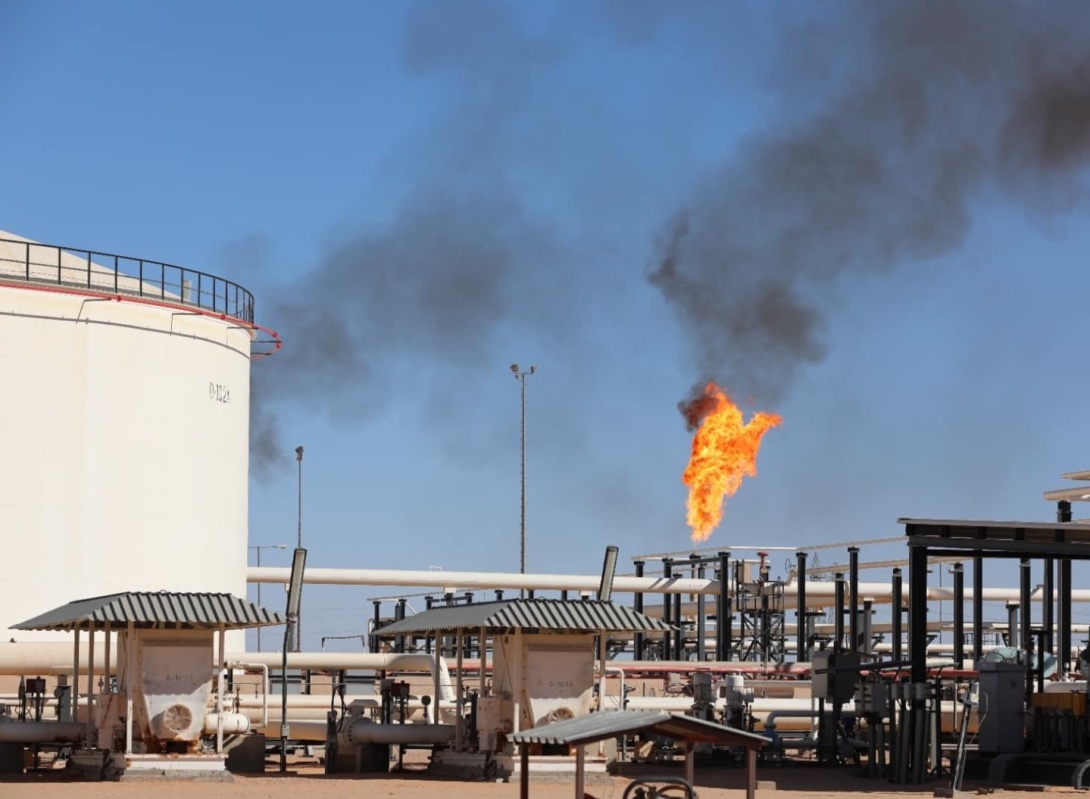
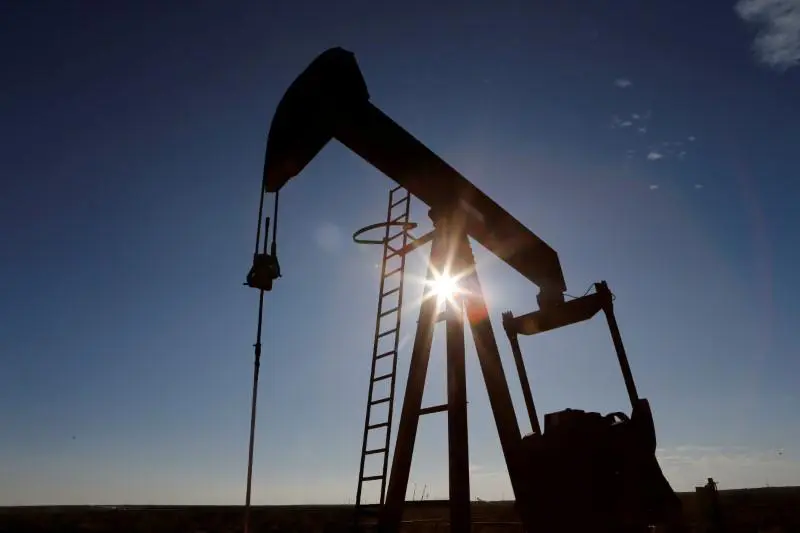
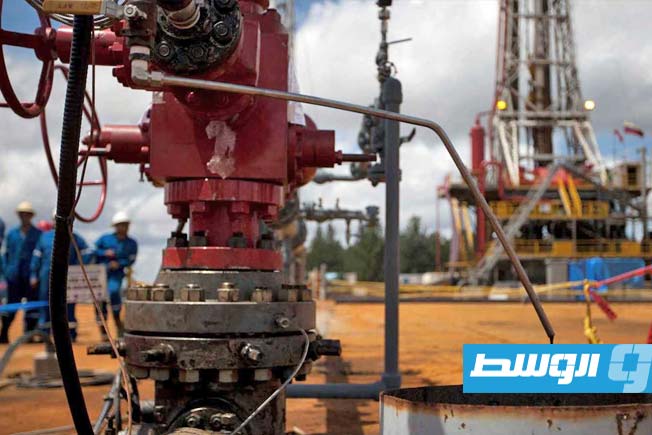
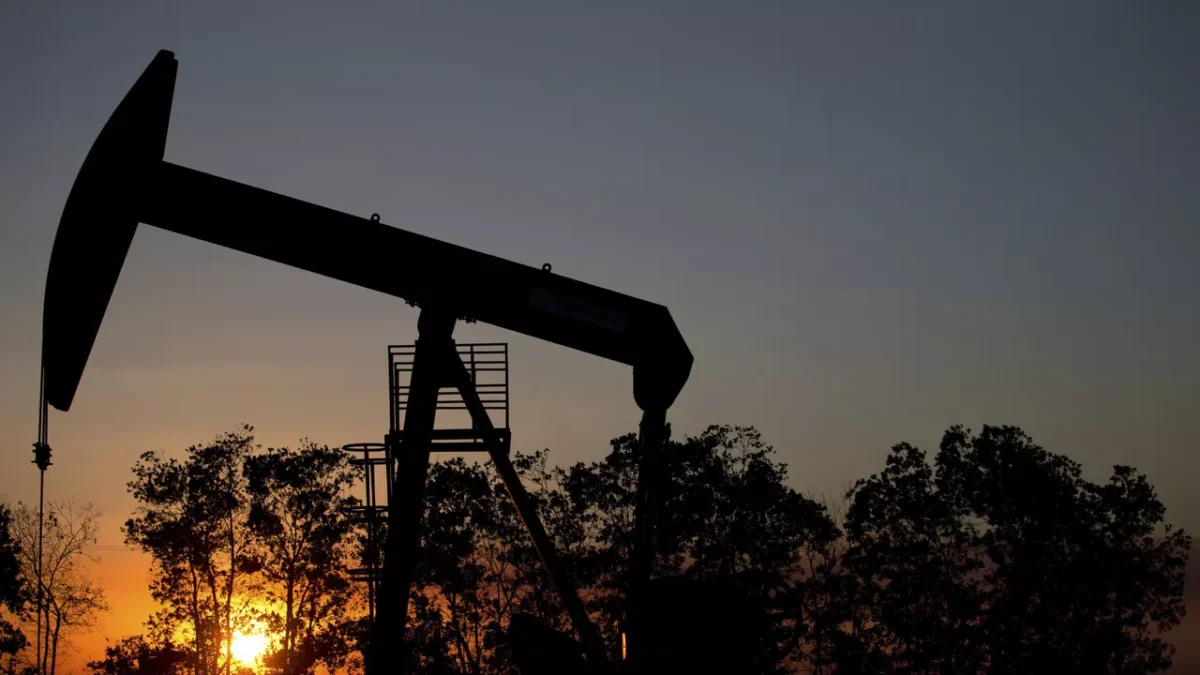
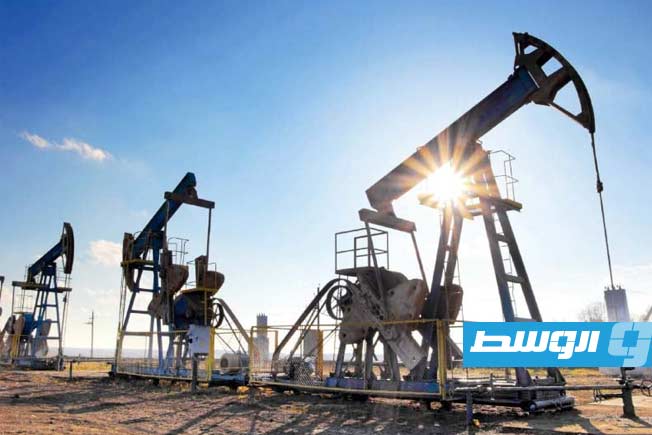
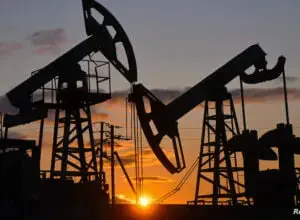
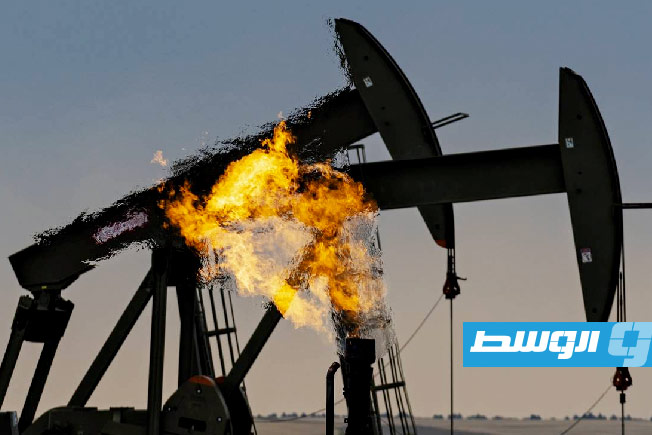
The Syrian Petroleum Company announced its readiness to resume oil exports from the Al-Omar oil field in Deir ez-Zor province, which contains approximately 900 wells.
It was confirmed that the field previously produced about 50,000 barrels per day, while its current production does not exceed 5,000 barrels. The company is working to restore full production within a short period.
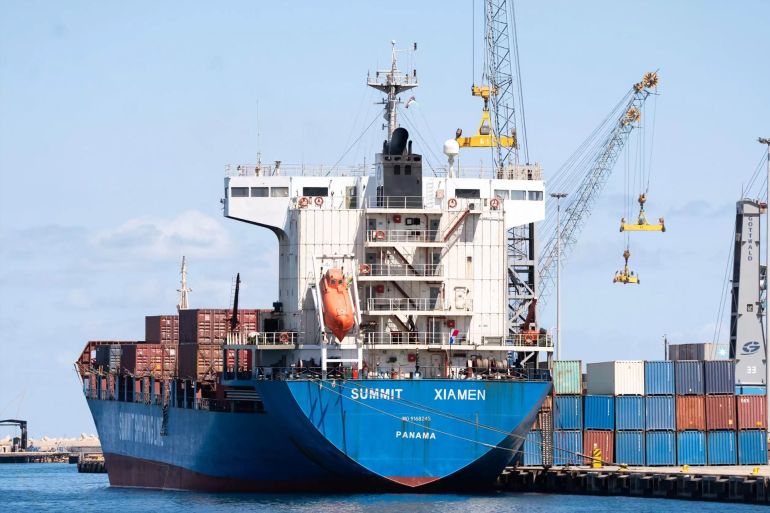
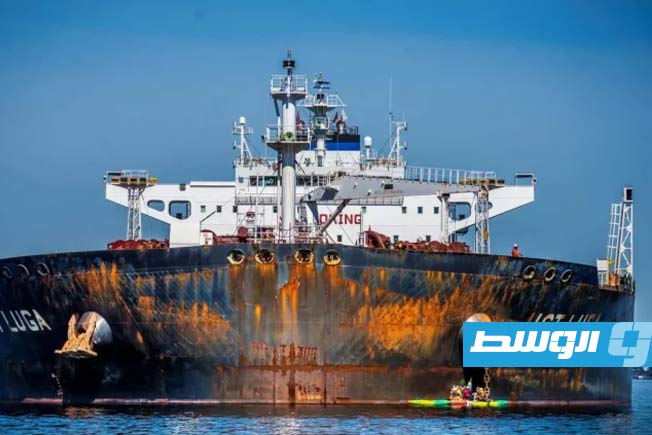
It was noted during a press conference held at the field that the company plans to boost production and resume exports, in addition to studying reconstruction and infrastructure rehabilitation projects in coordination with local authorities.
The company’s plan includes taking over all oil wells in the country and rehabilitating them relying on national personnel, in coordination with the Syrian army to secure the oil fields.
It was also mentioned that the company seeks to achieve a qualitative leap in the oil and gas sectors by enhancing partnerships with local and foreign companies, noting new American companies’ interest in investing in gas fields in Al-Hasakah province.
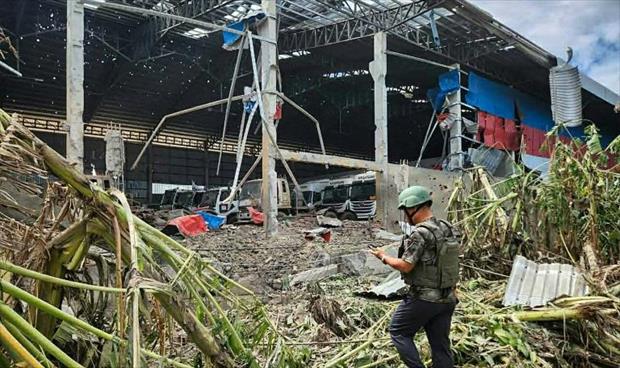
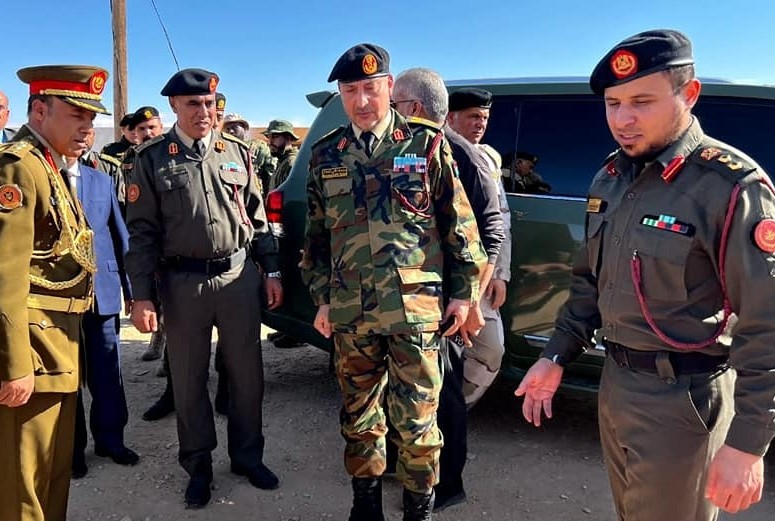
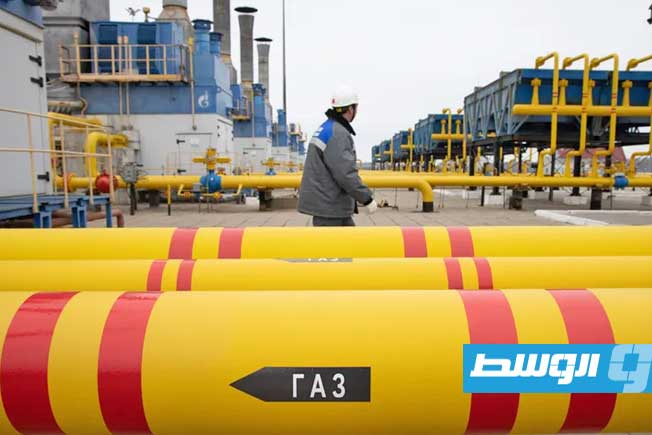
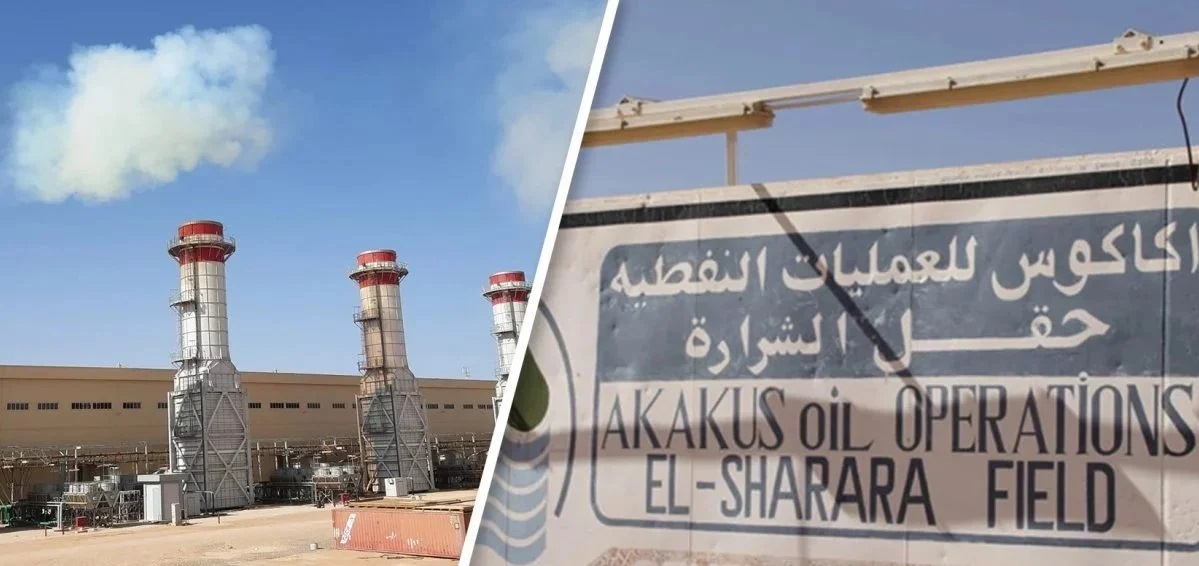
These moves come after the Syrian army established control over strategic oil fields, most notably the Al-Omar, Al-Tanak, Conoco, Al-Jafra, Al-Azaba, and Tayyana fields, along with the “Al-Thawra” oil complex in the southwestern countryside of Raqqa province. This complex is a cornerstone of Syria’s energy infrastructure, securing refining, transportation operations, and connecting local production to the national grid.
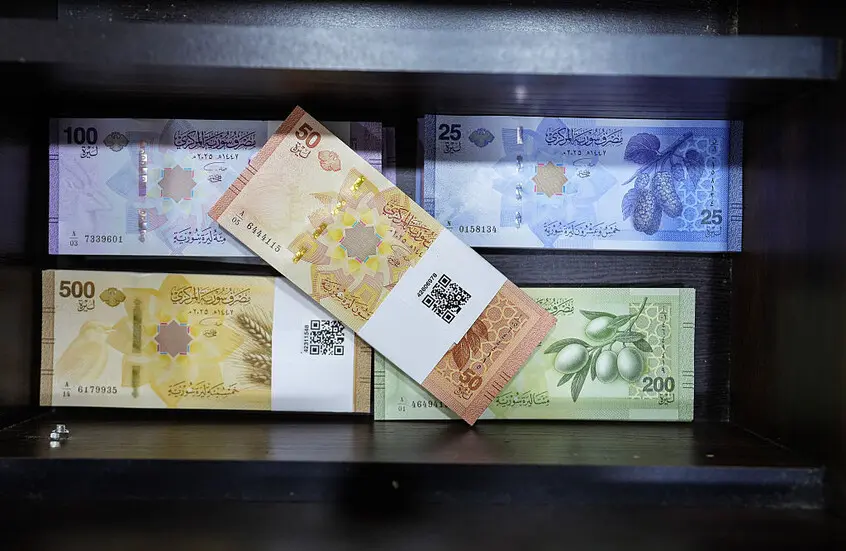
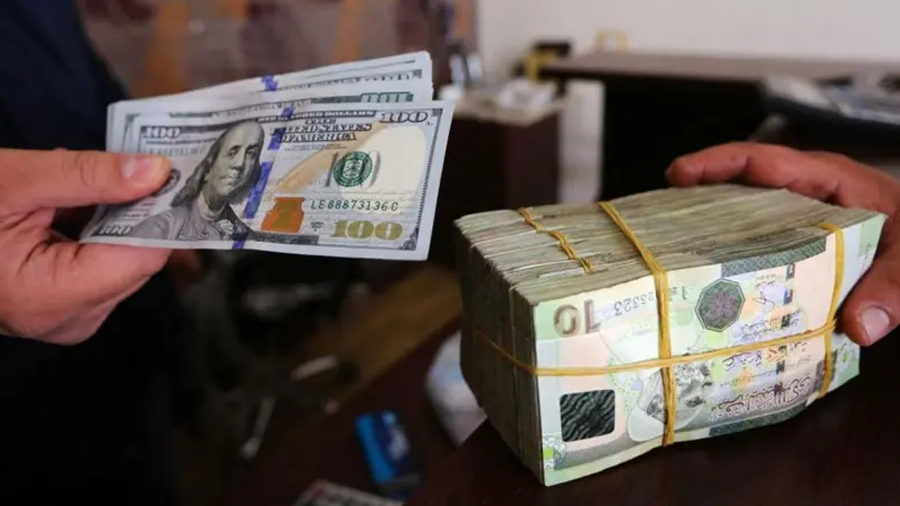
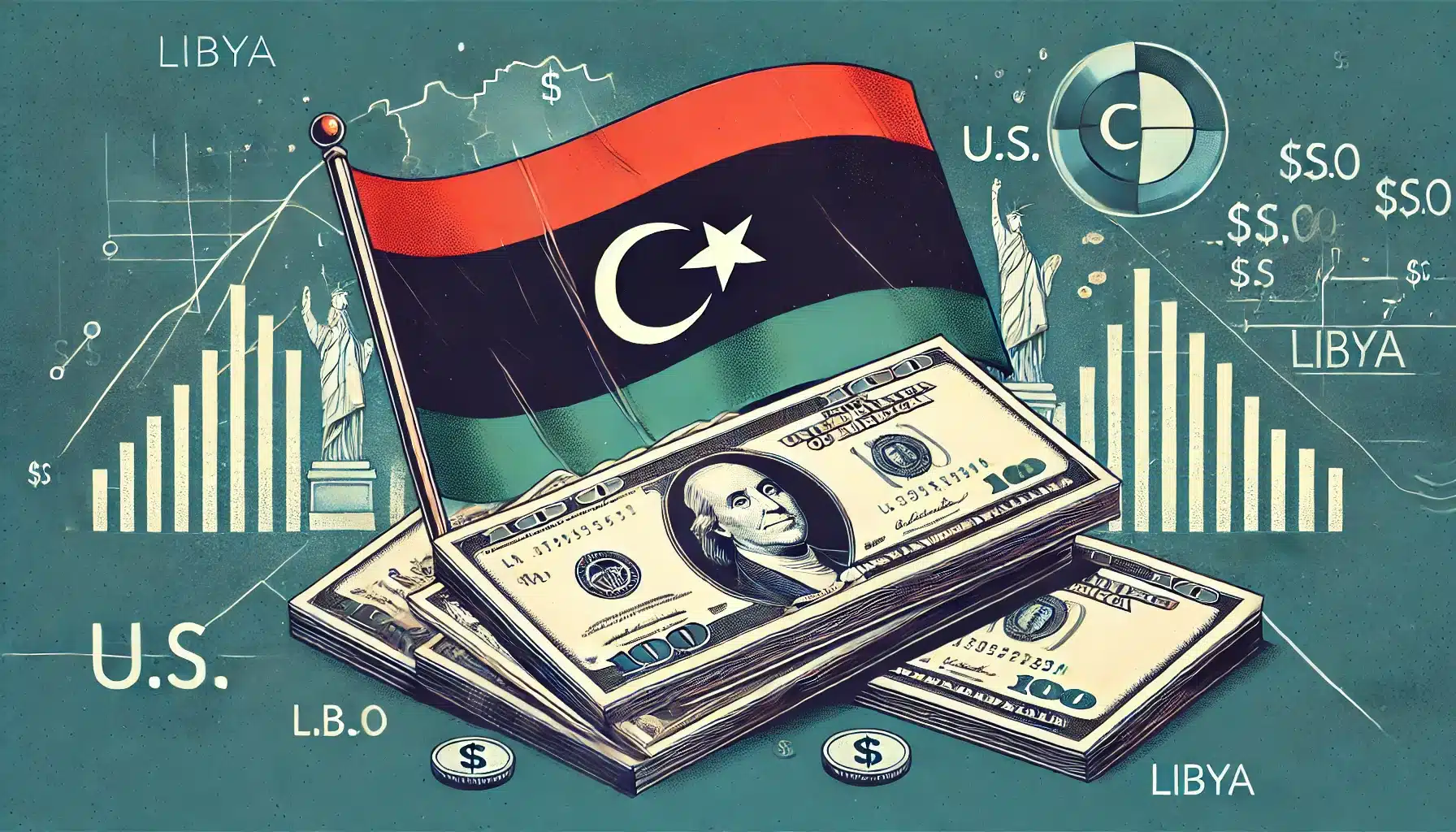
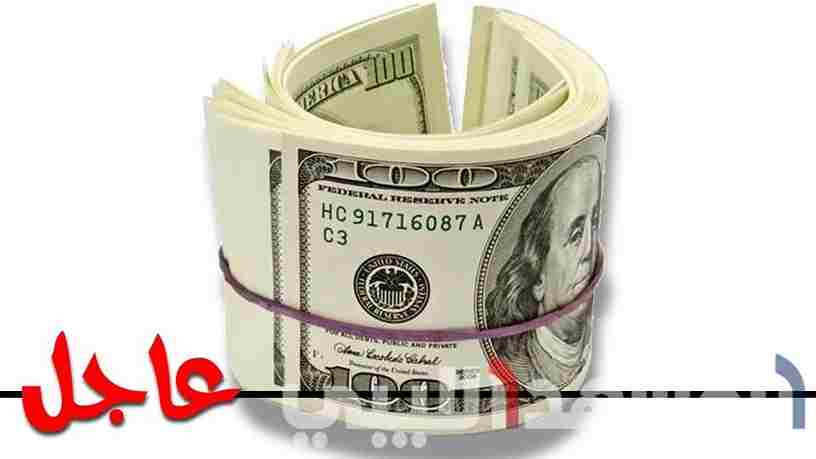
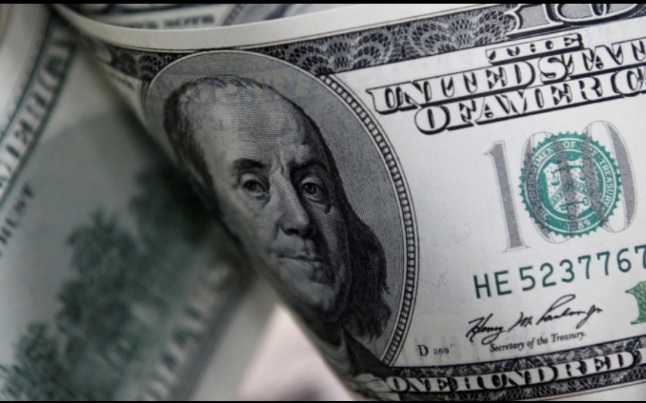
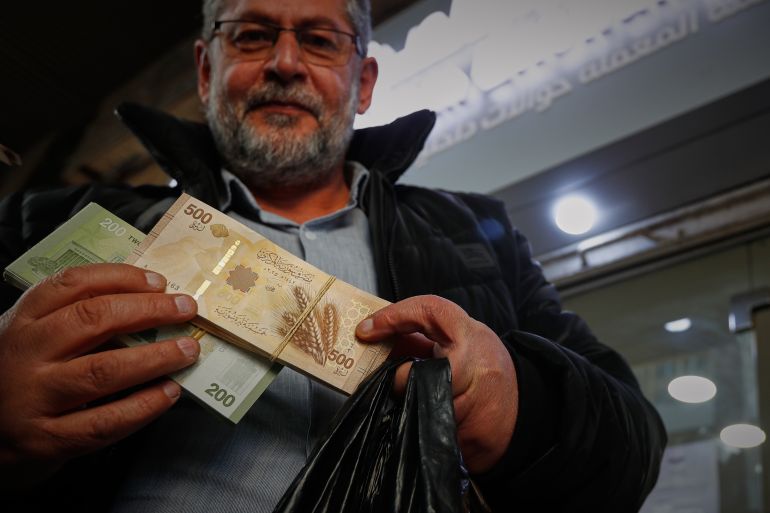
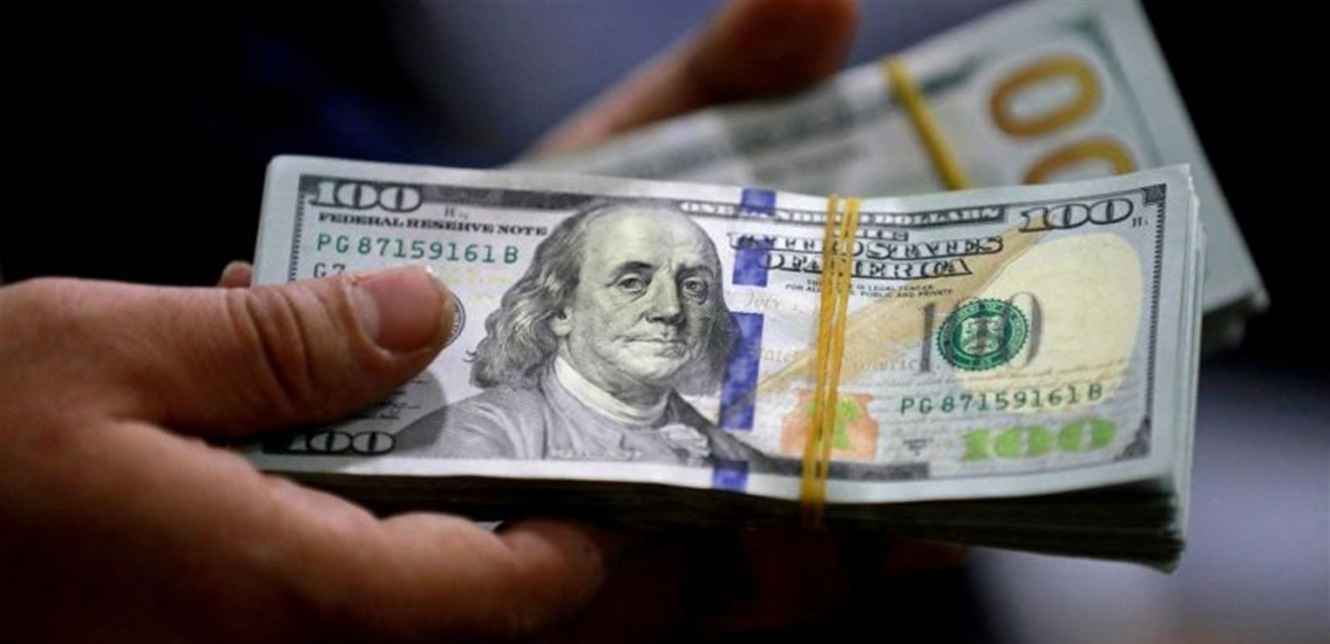
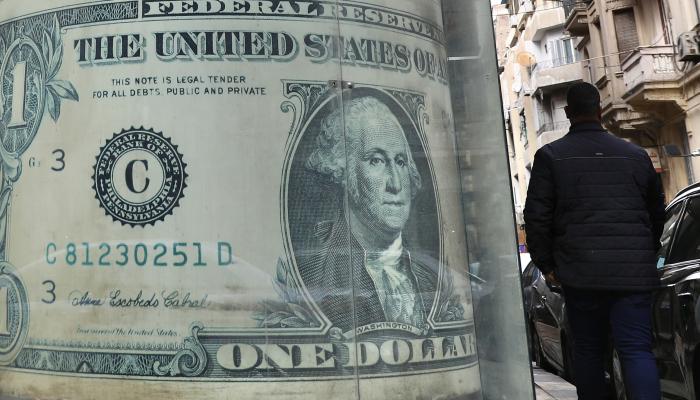
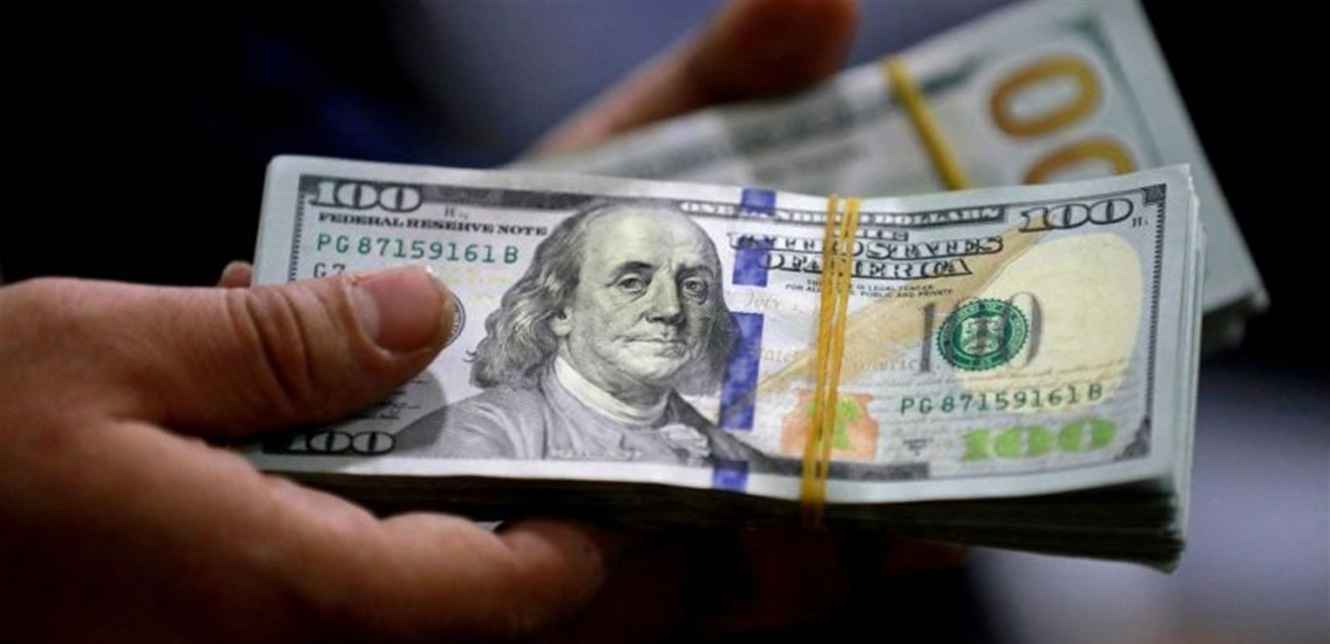
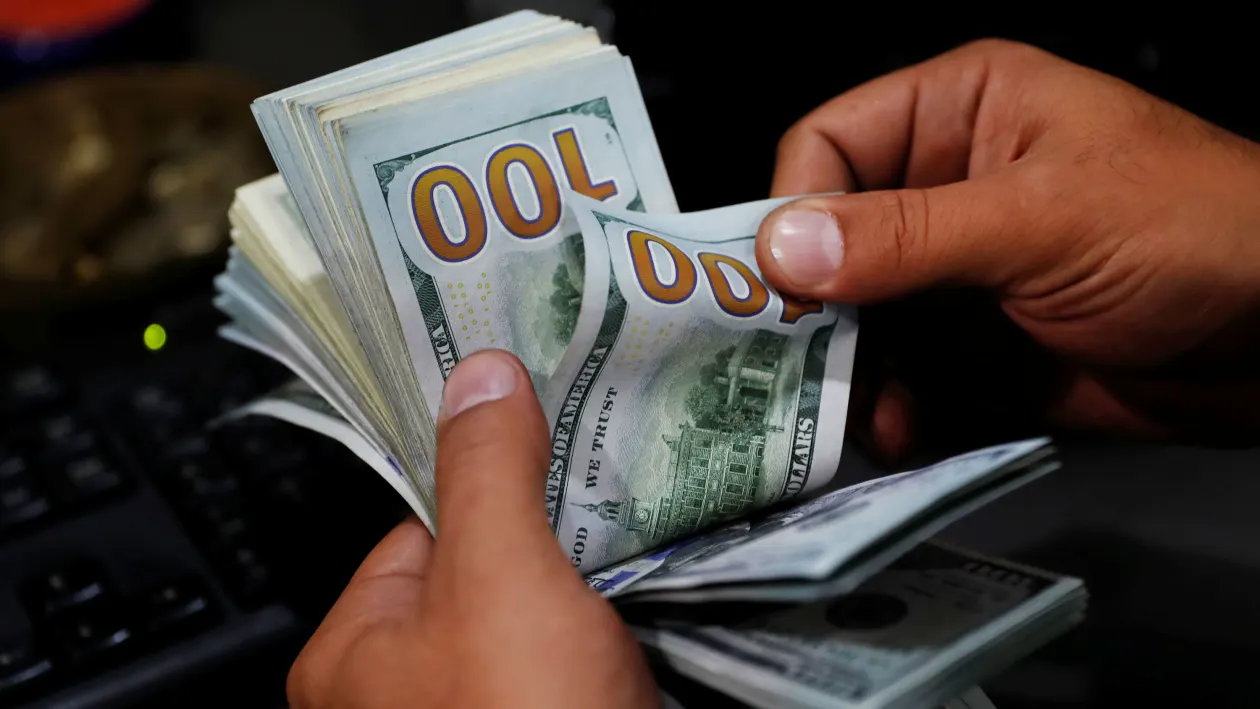
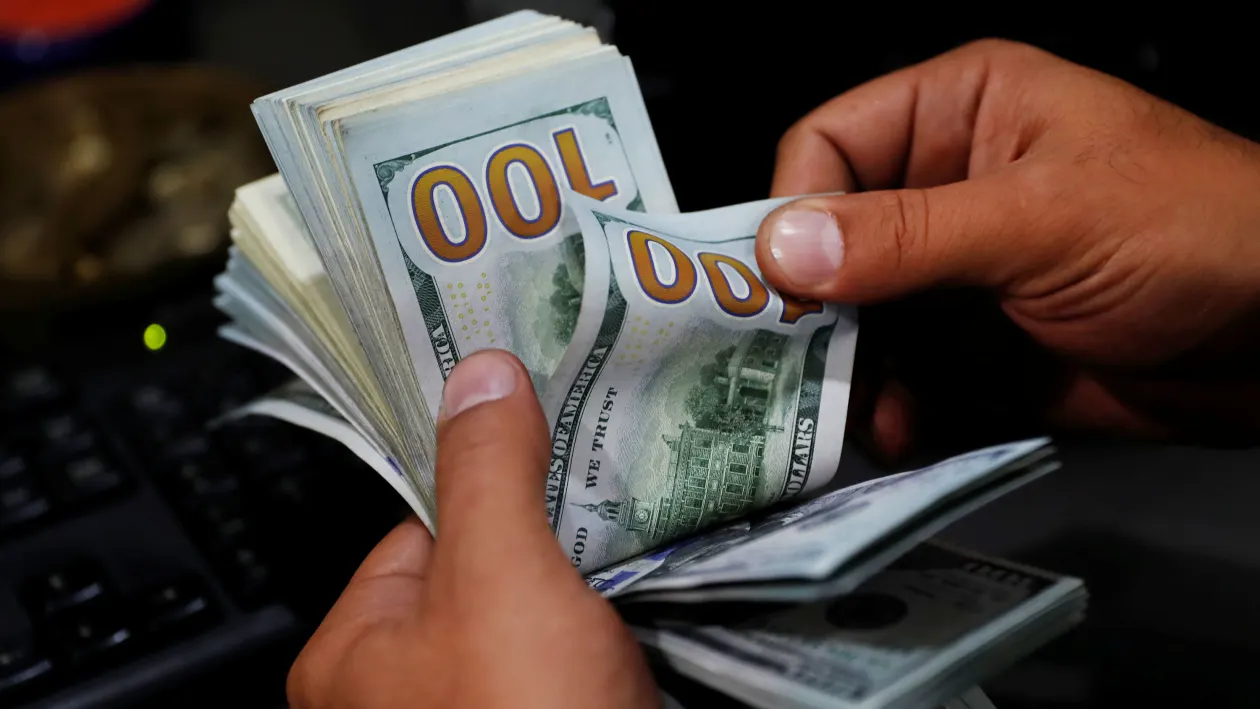
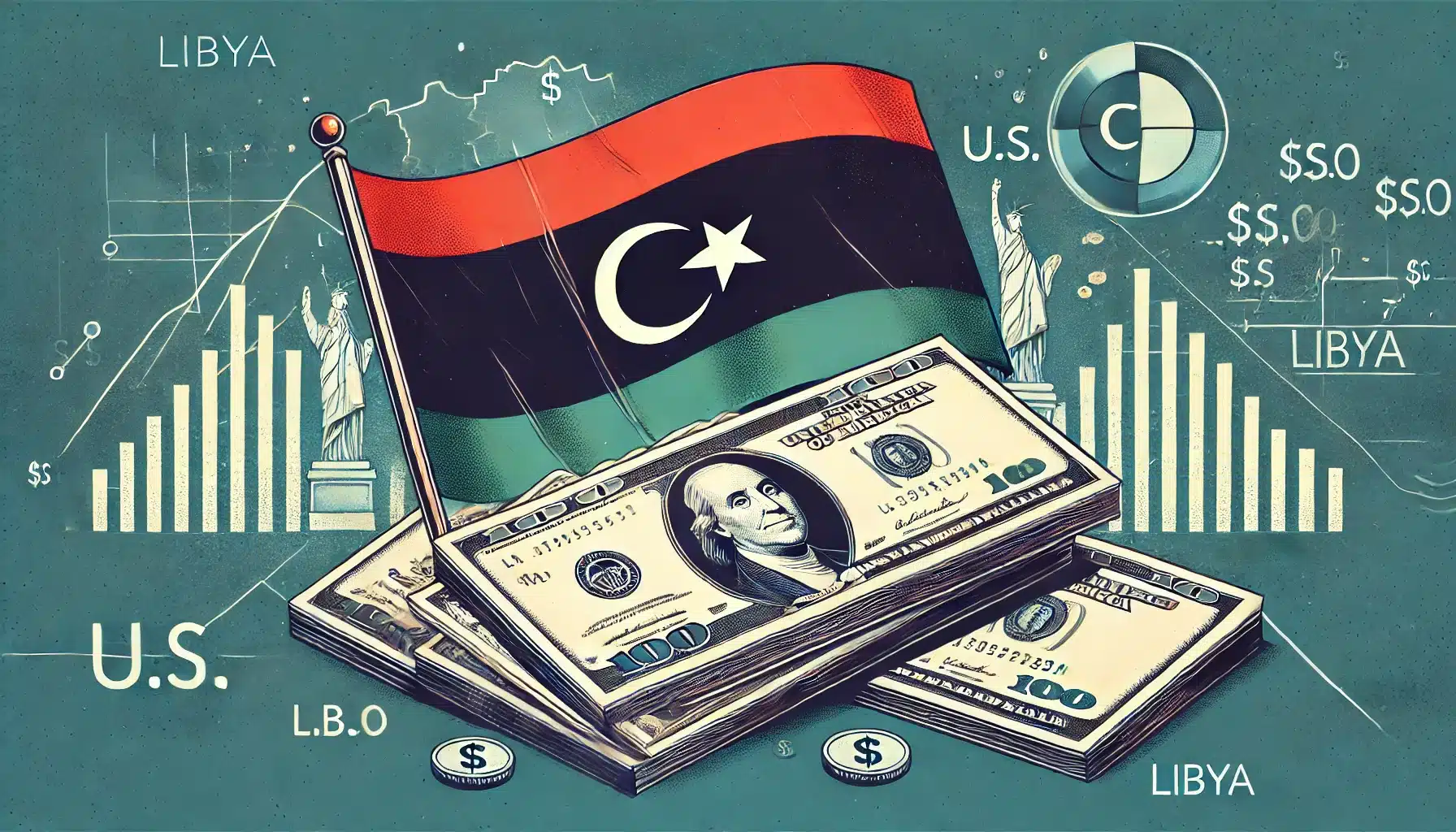
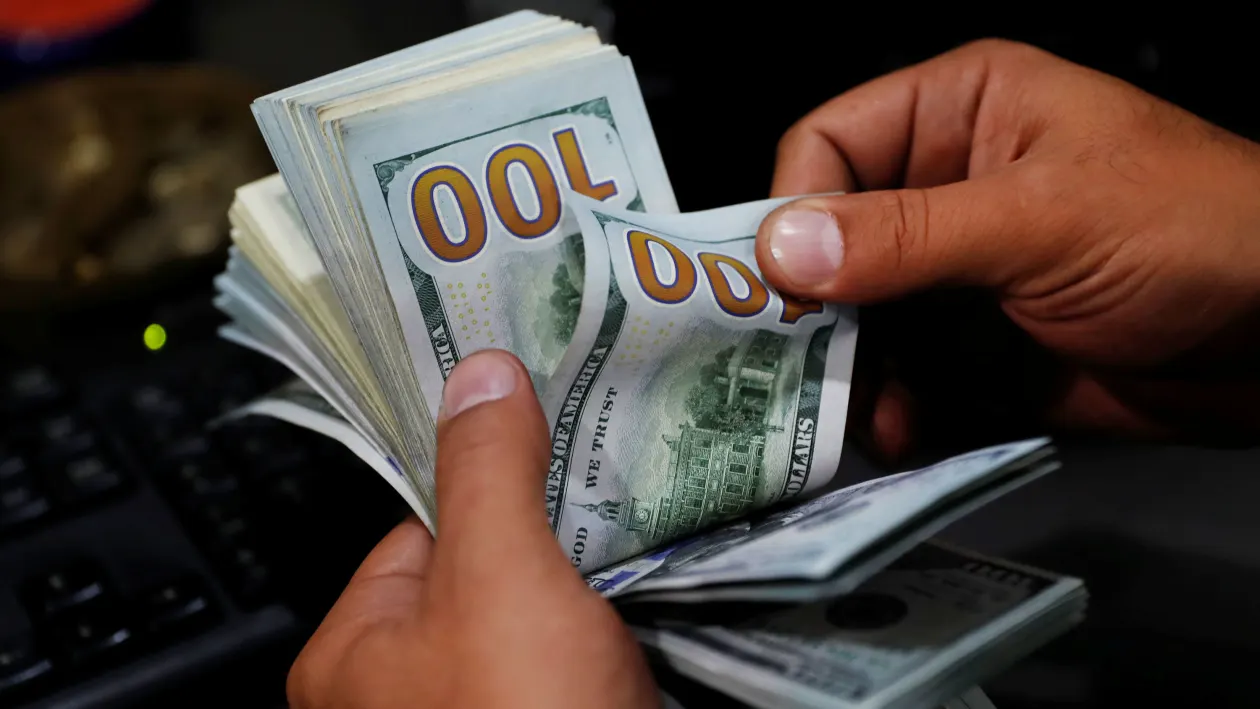
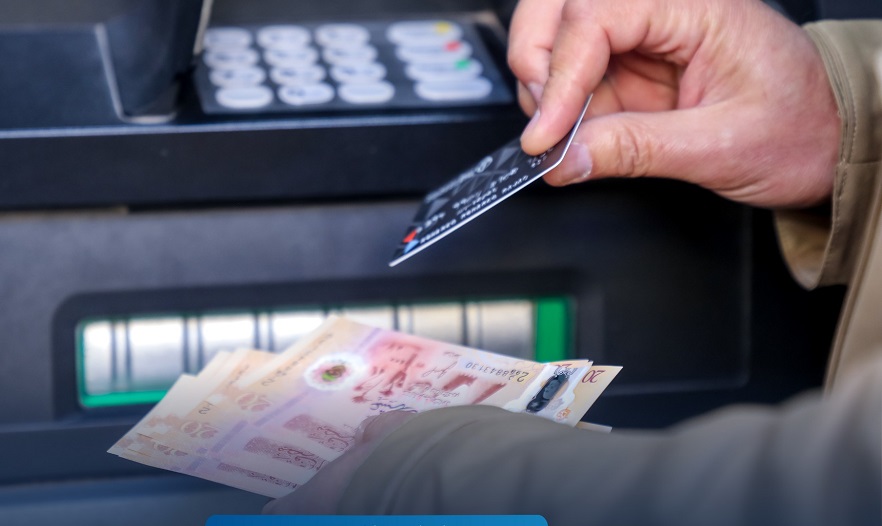
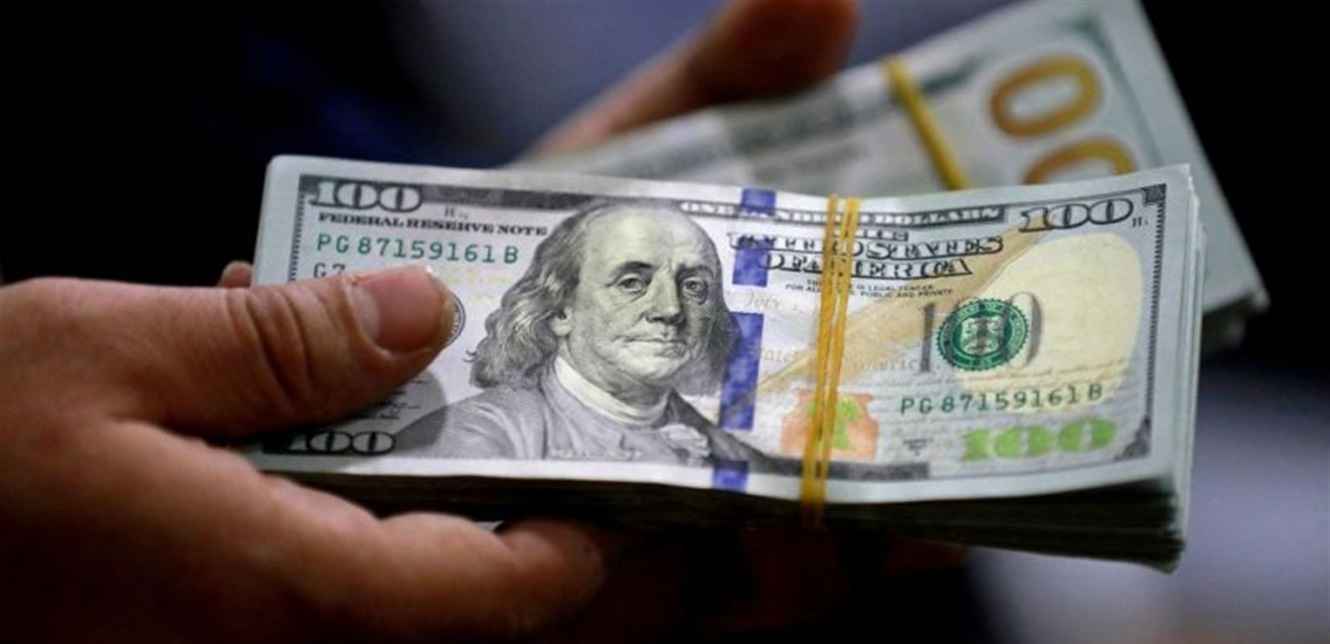
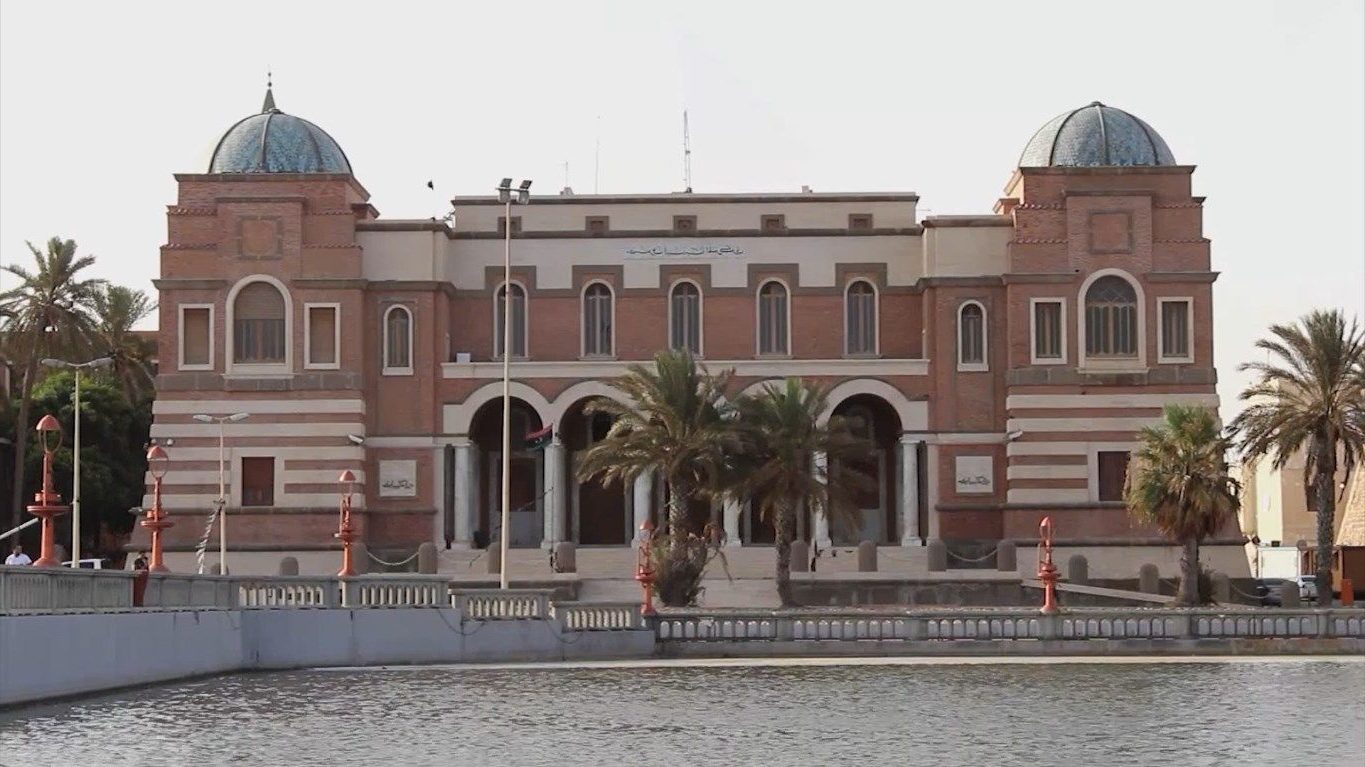
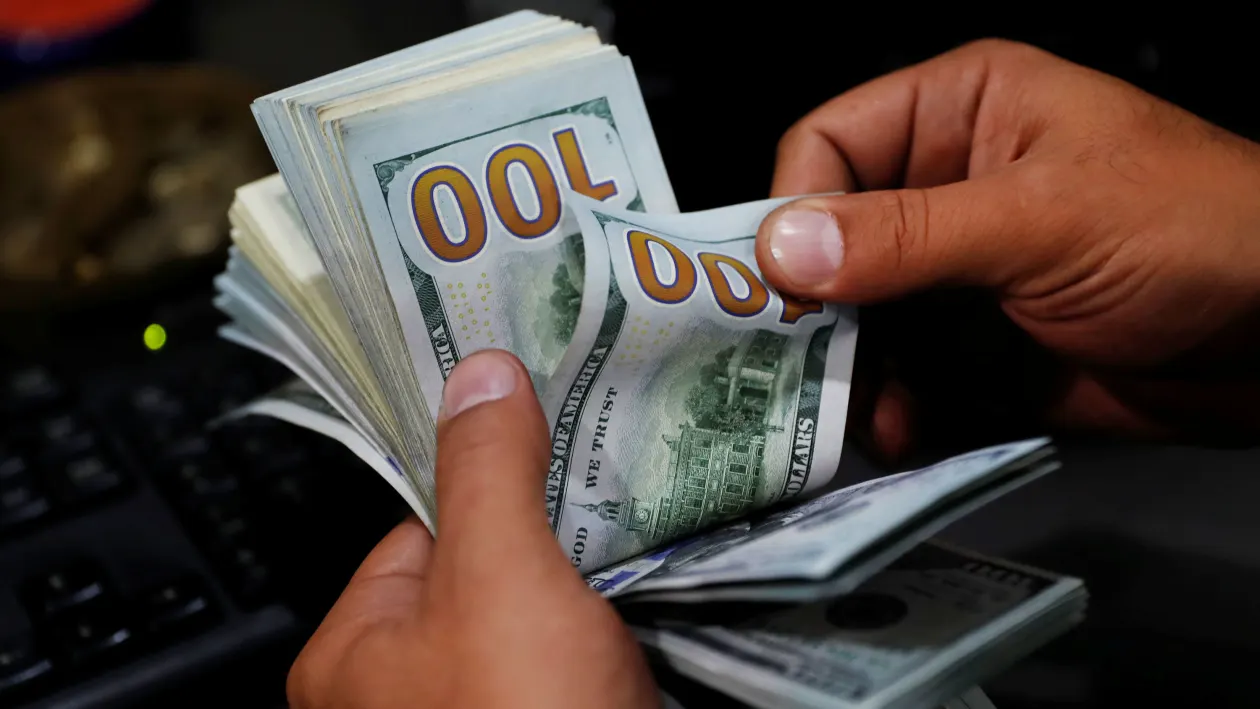
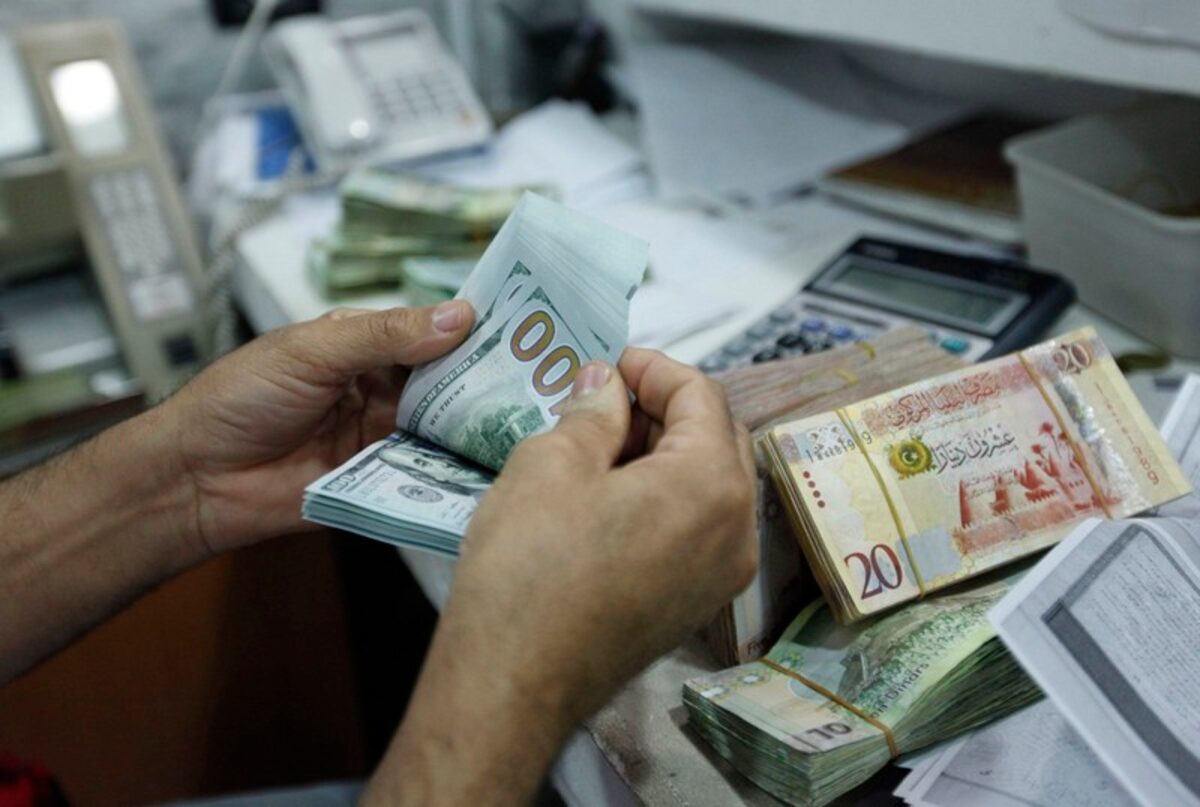
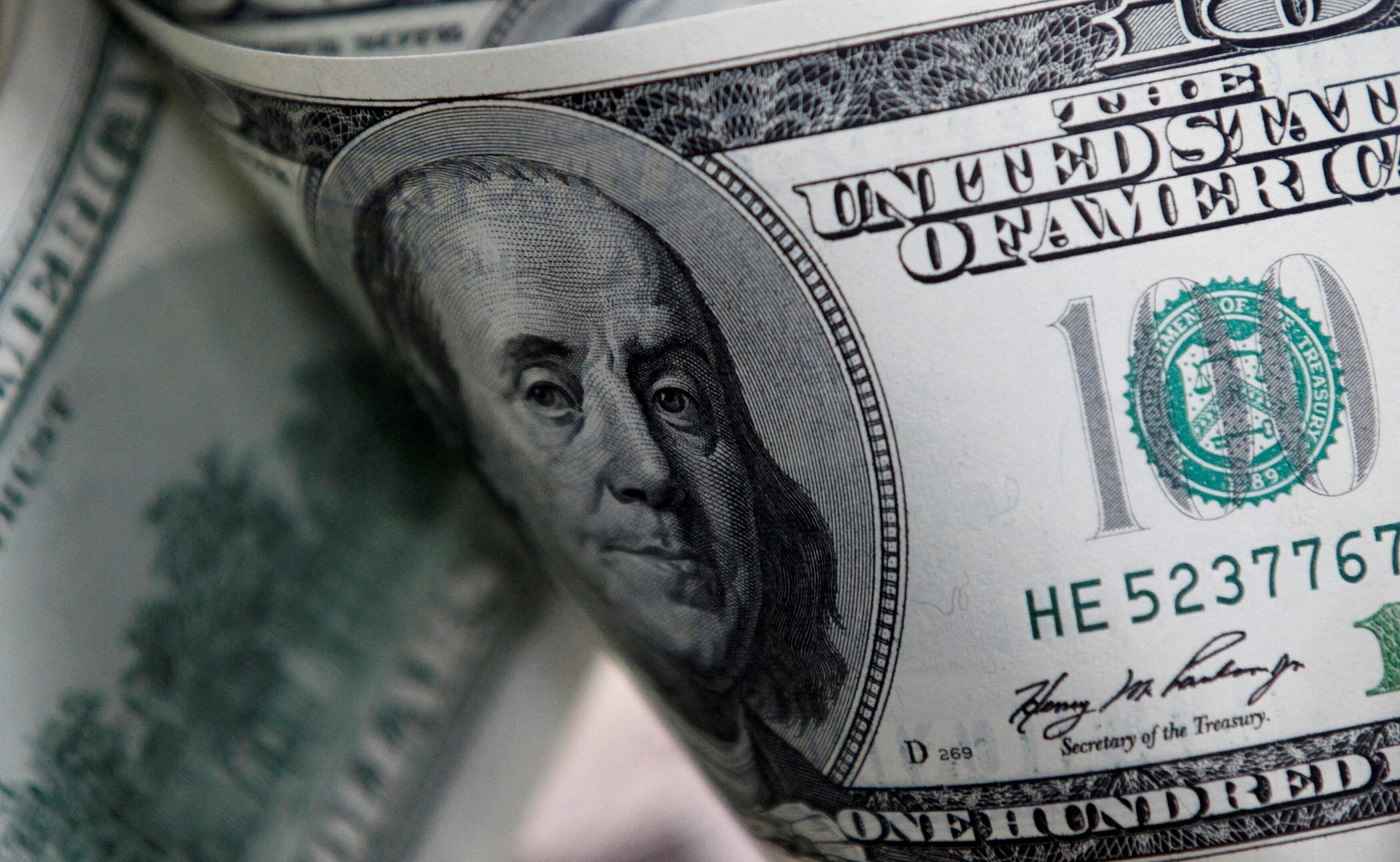
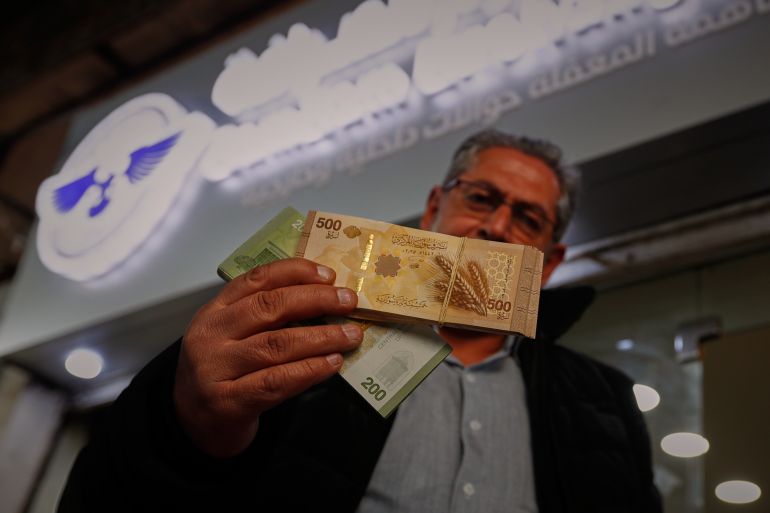
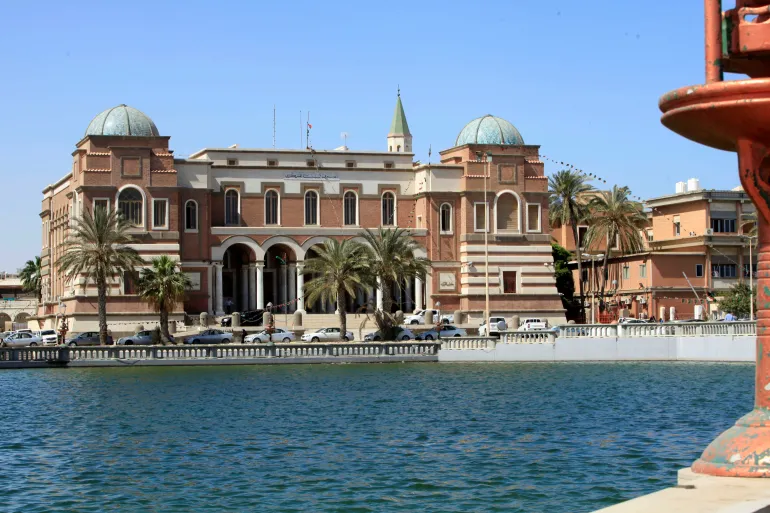
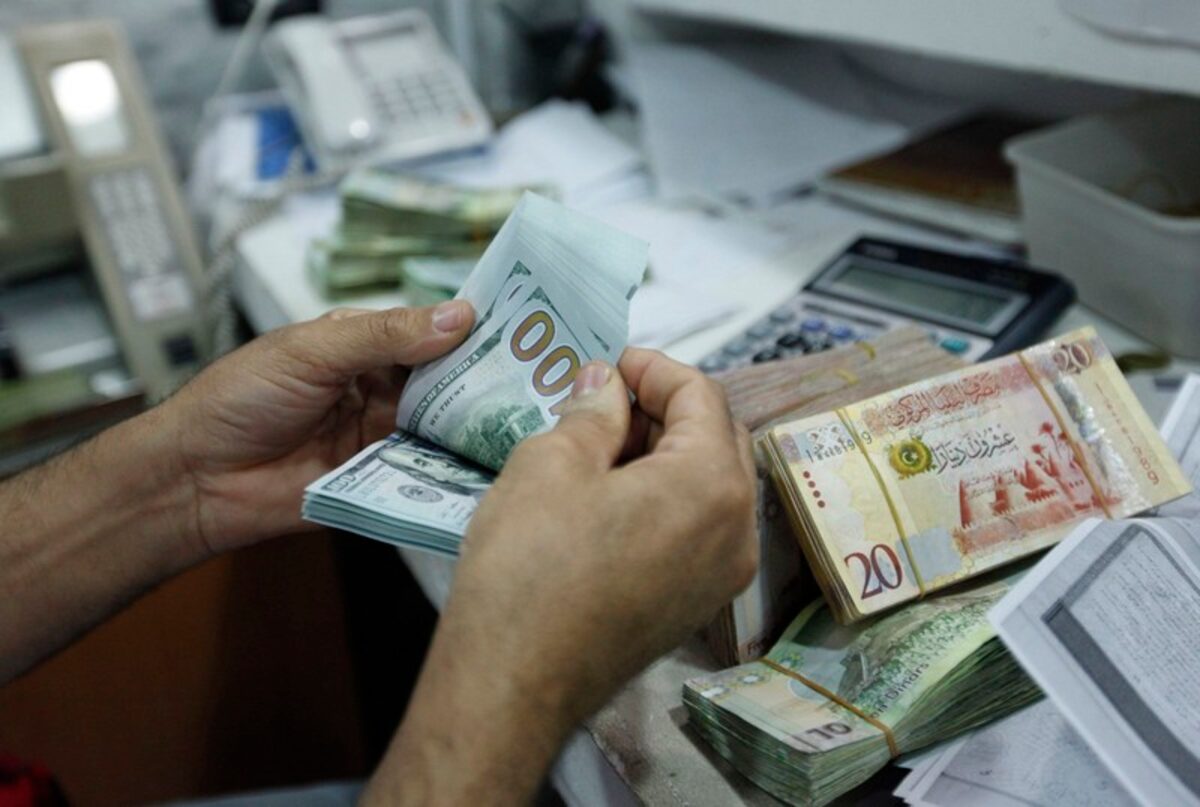
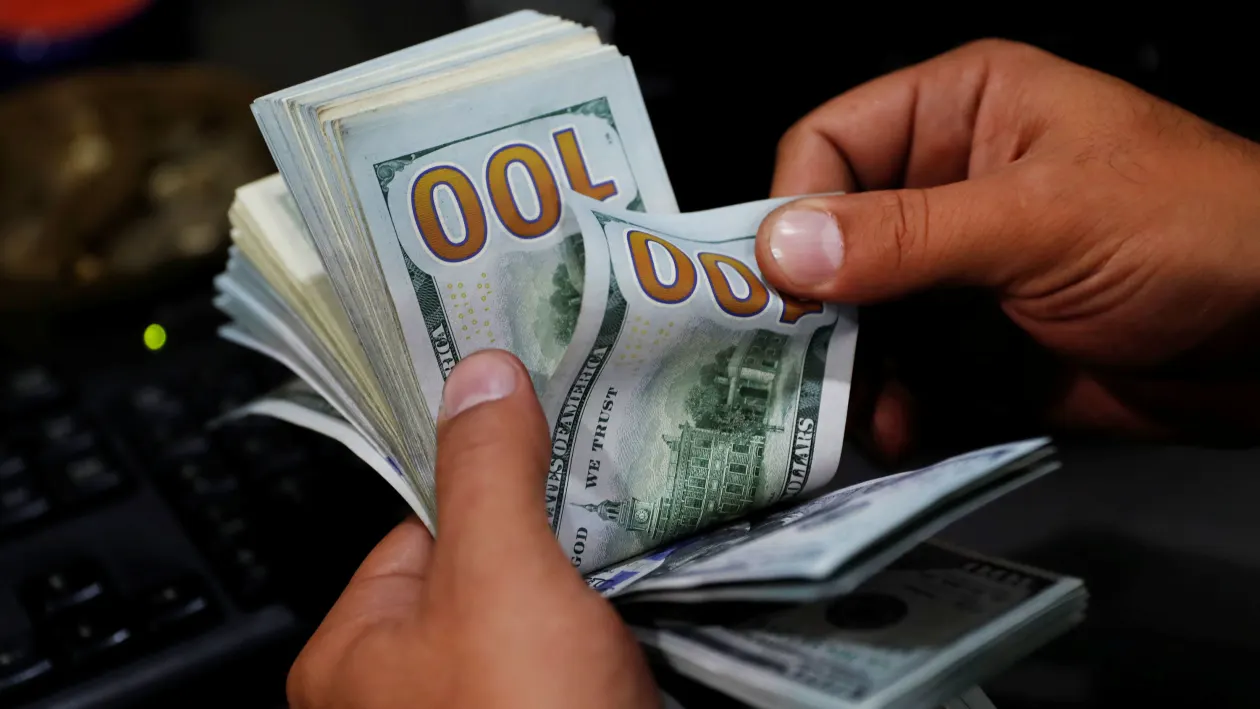
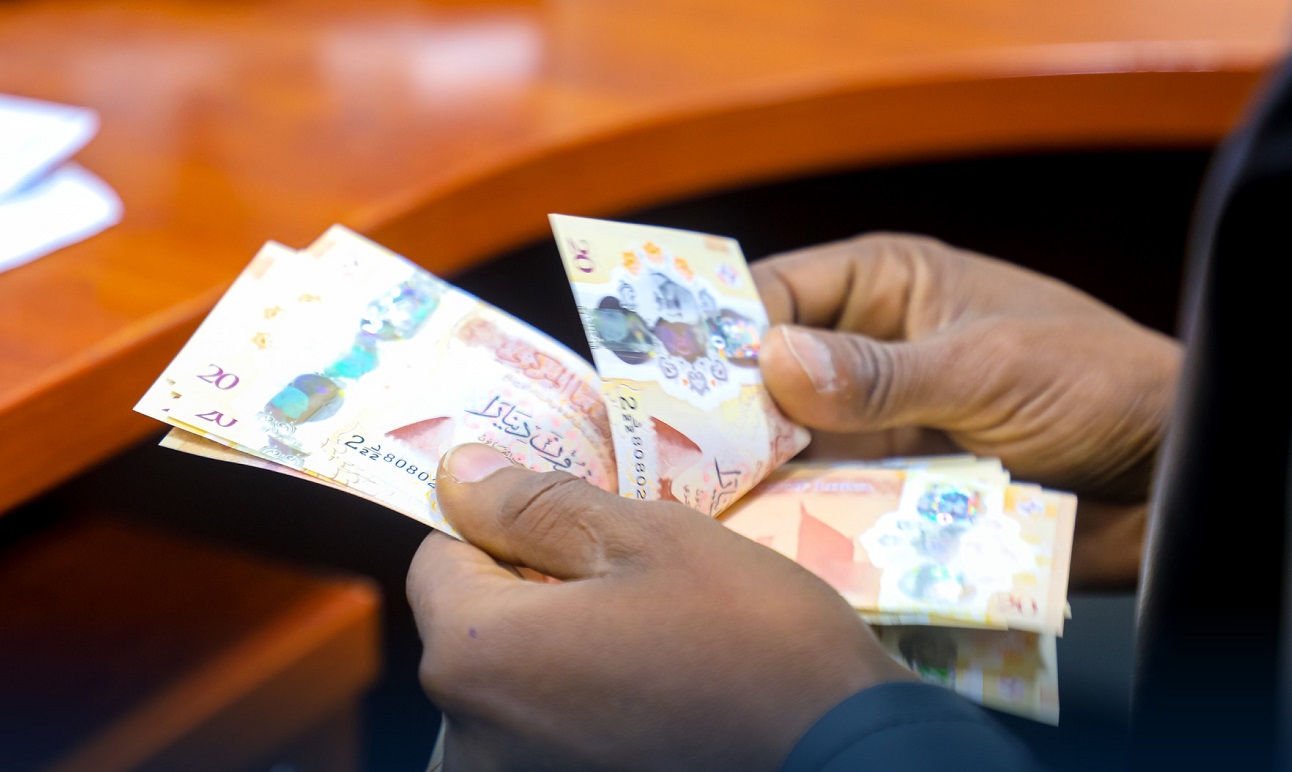
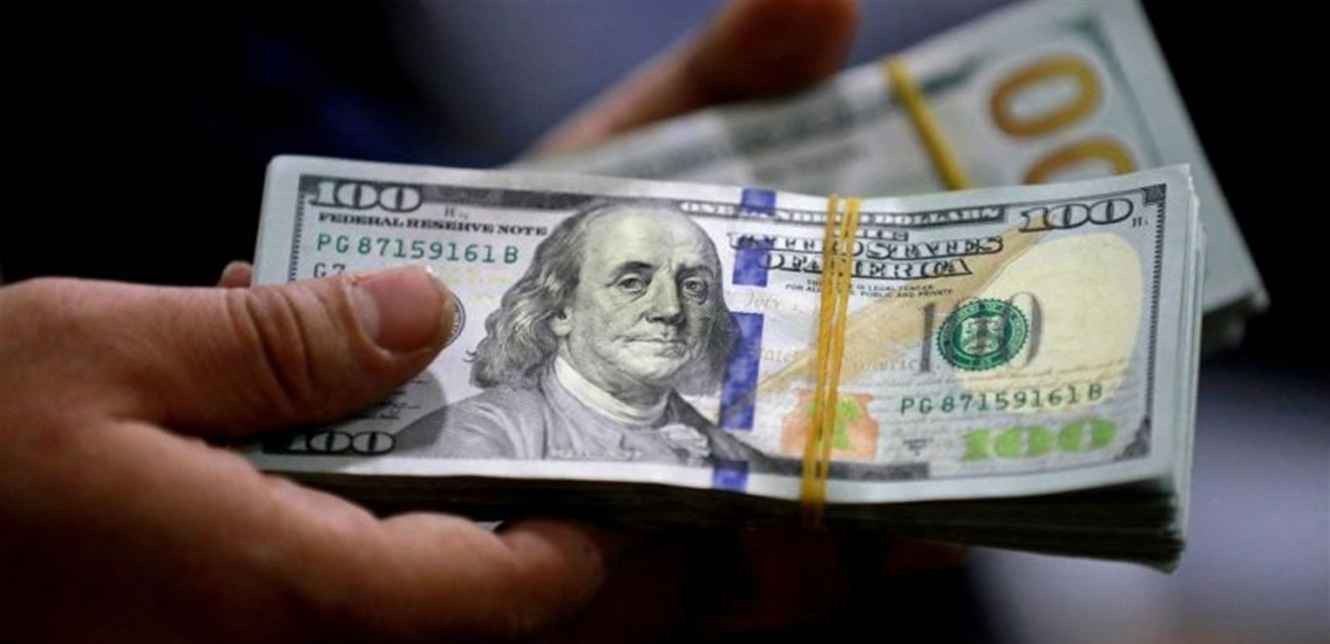
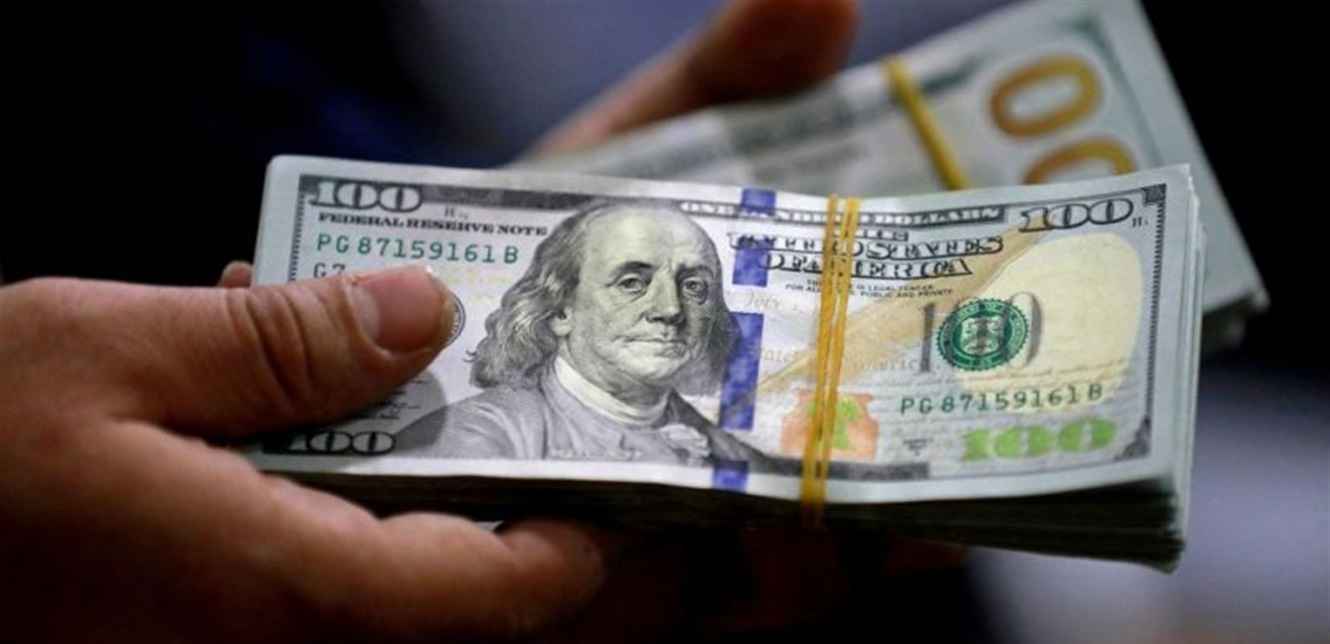
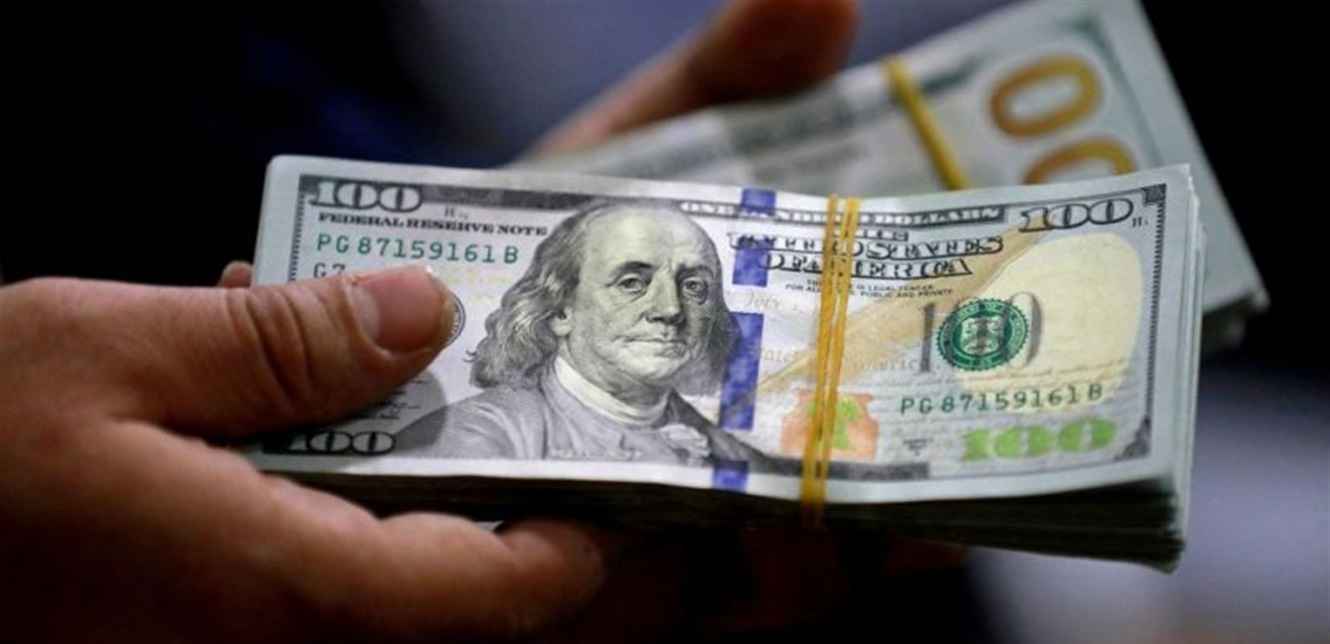
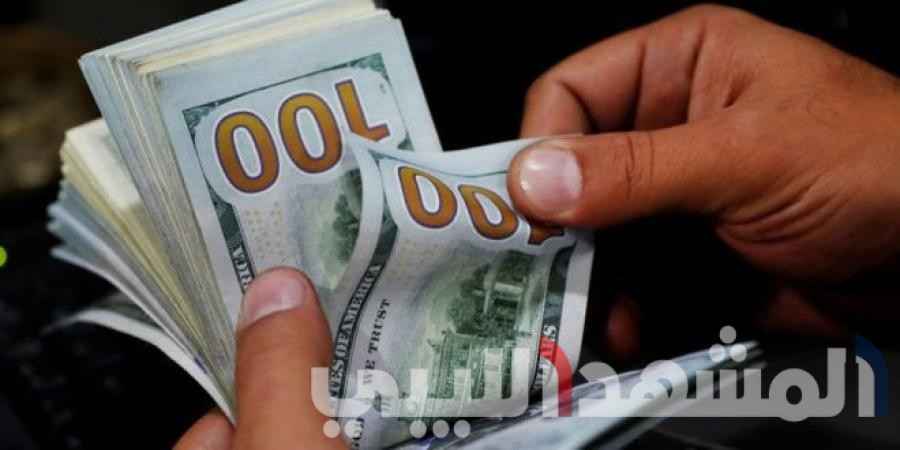
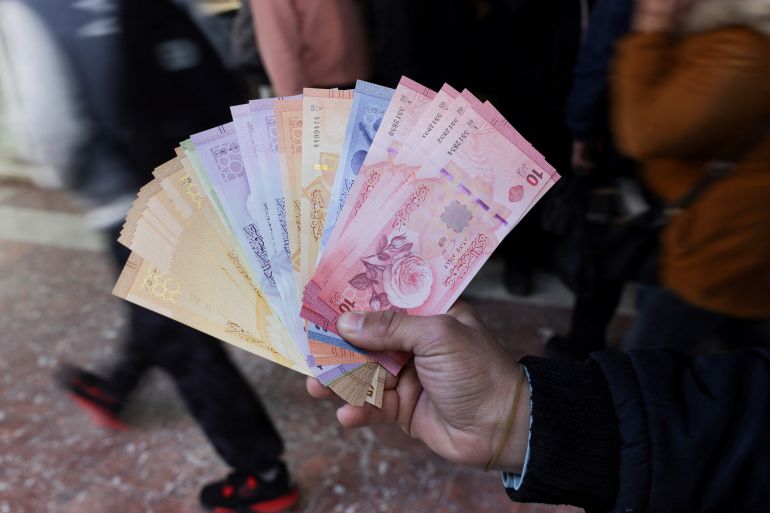
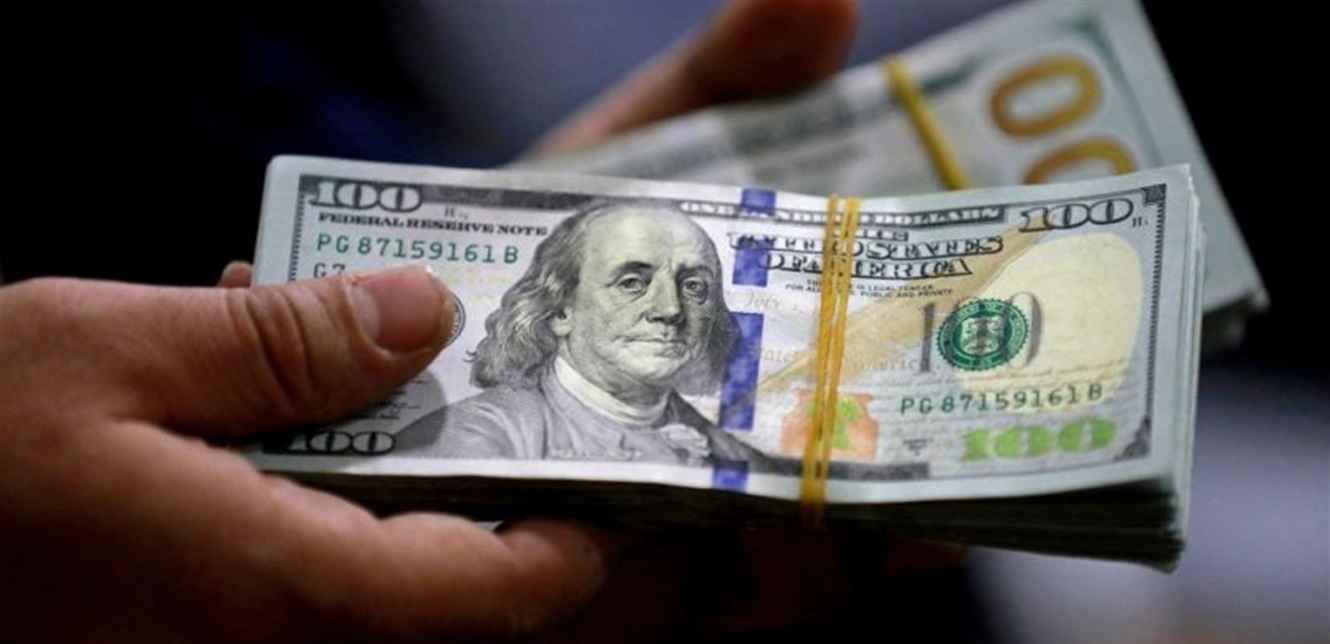
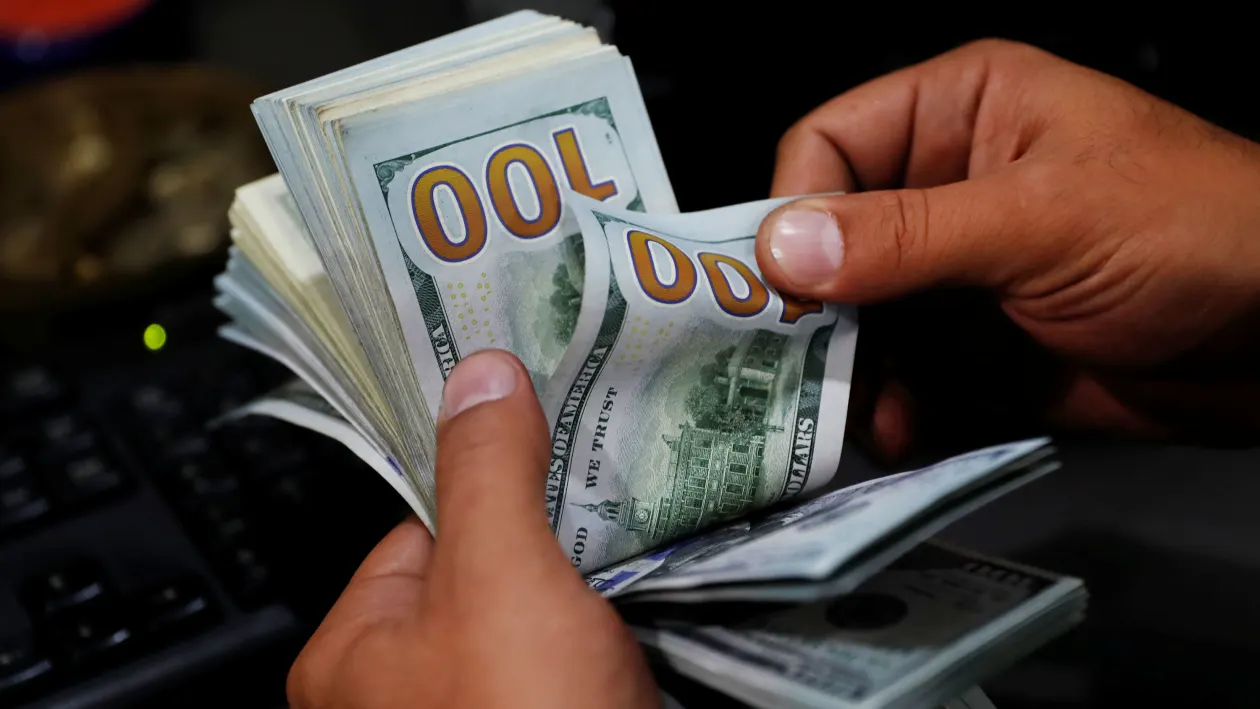
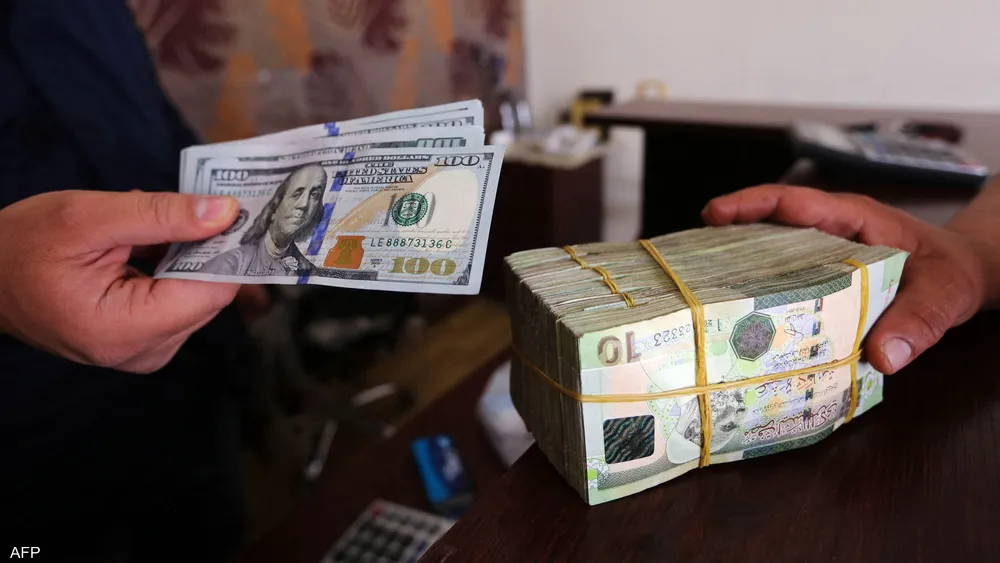
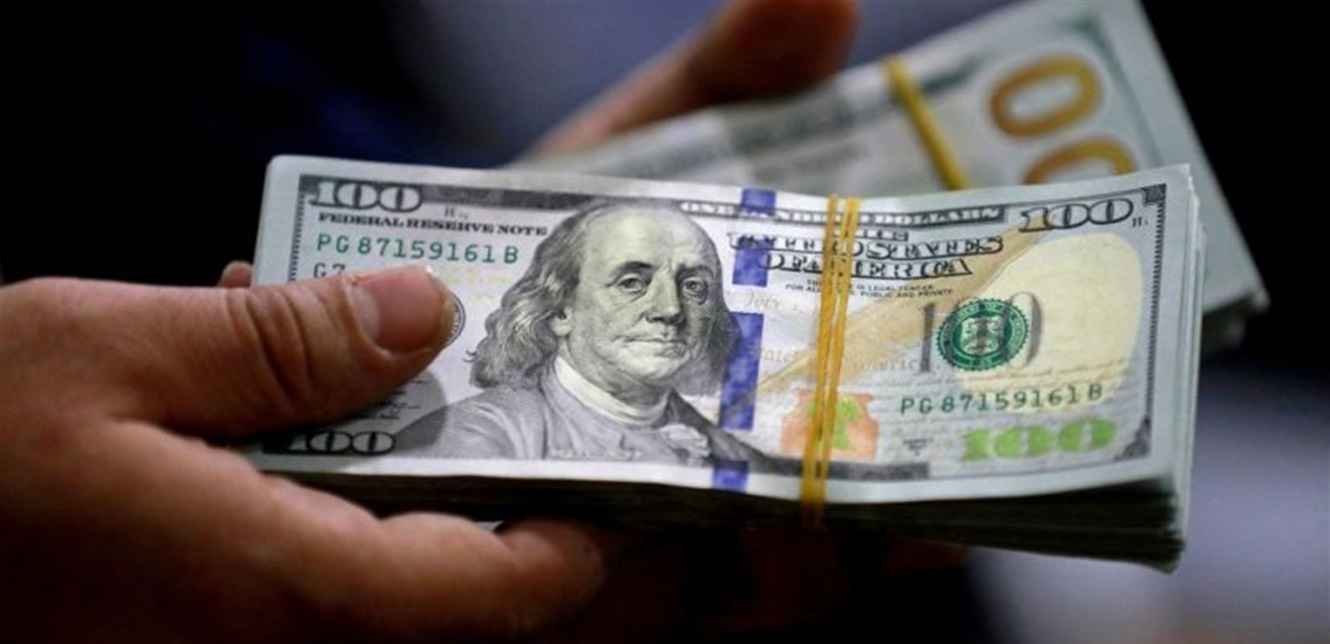
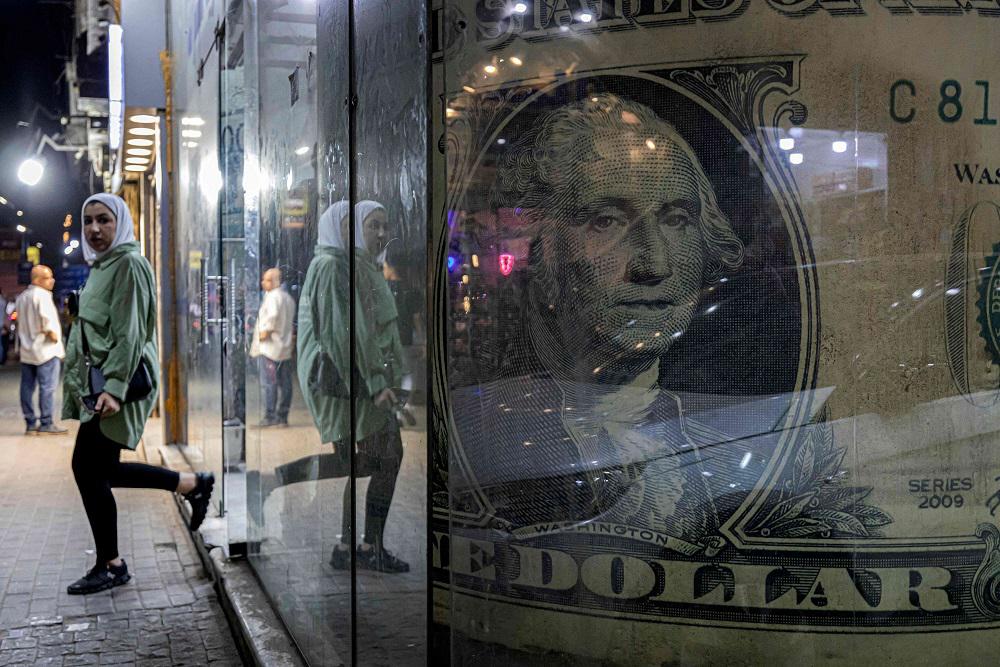
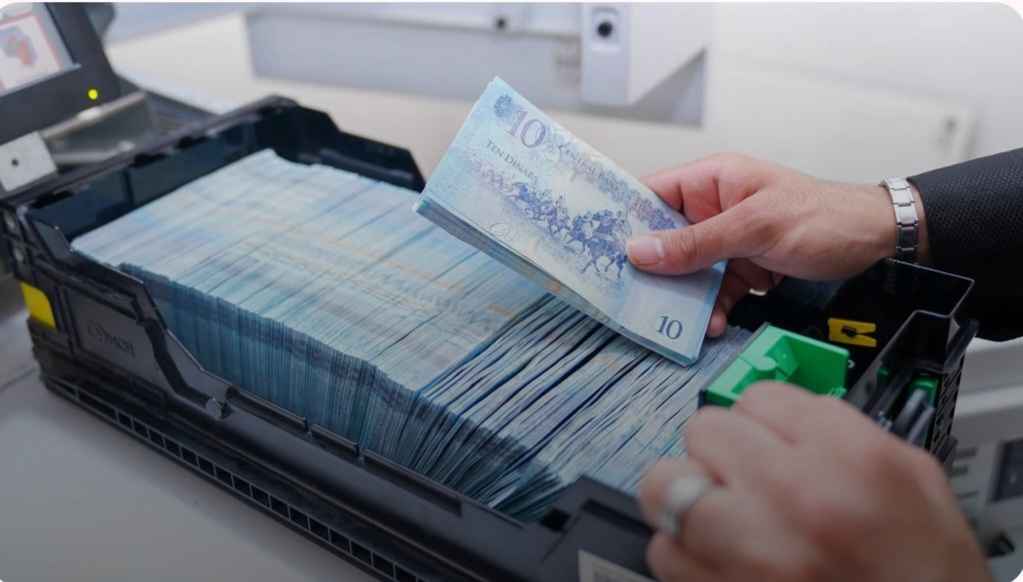
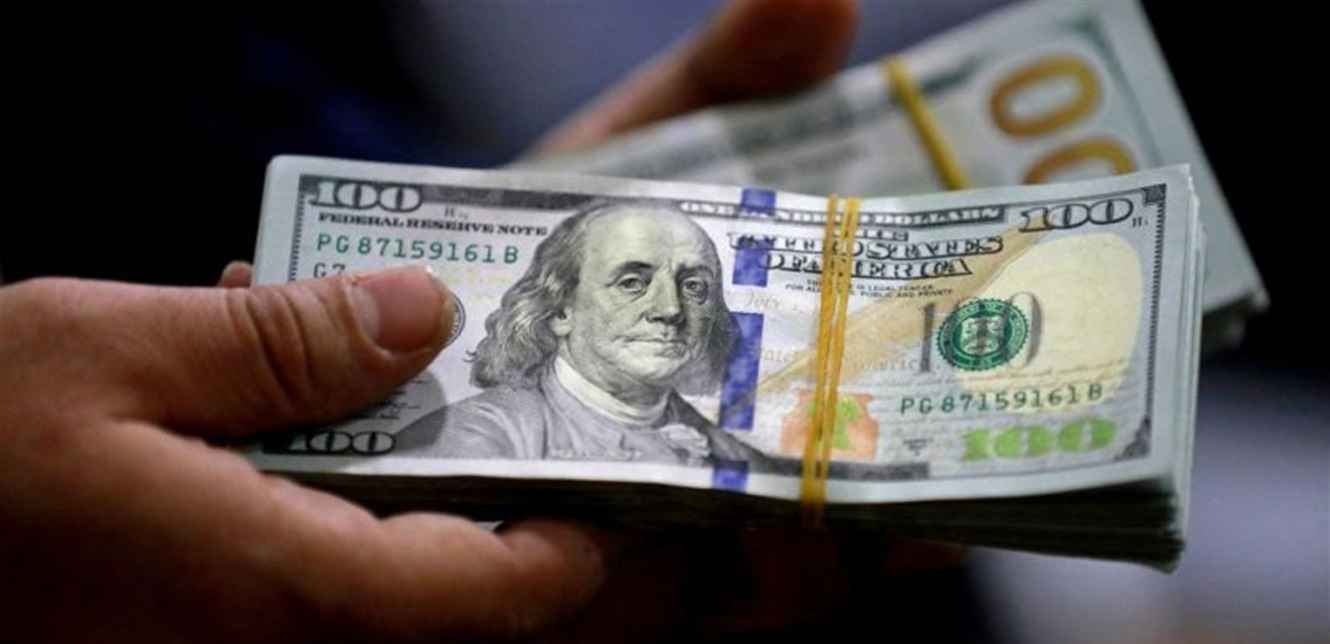
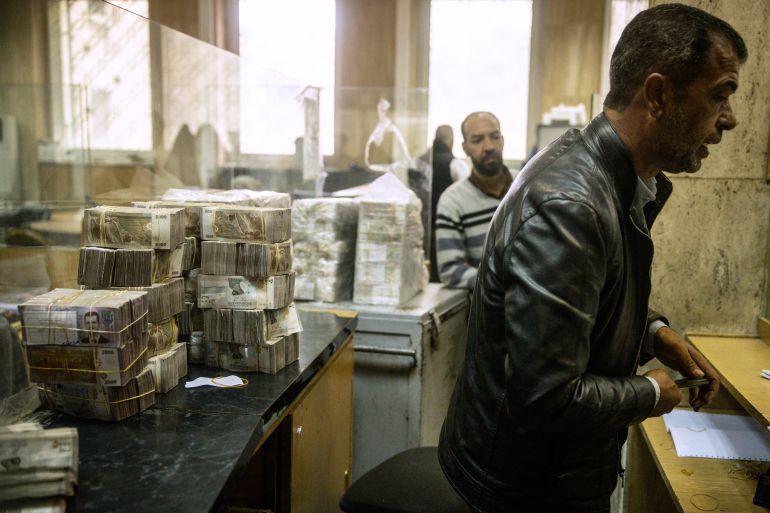
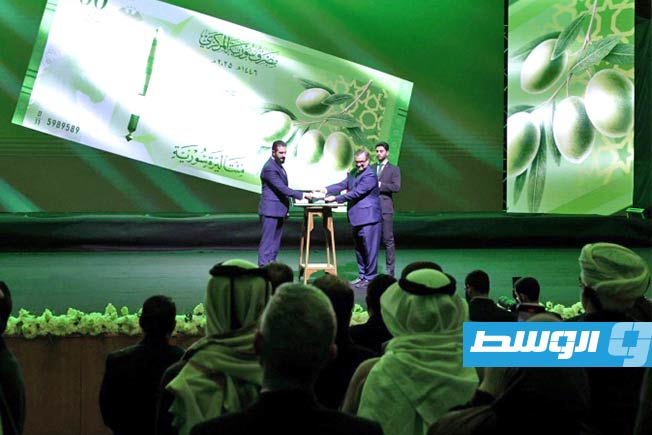
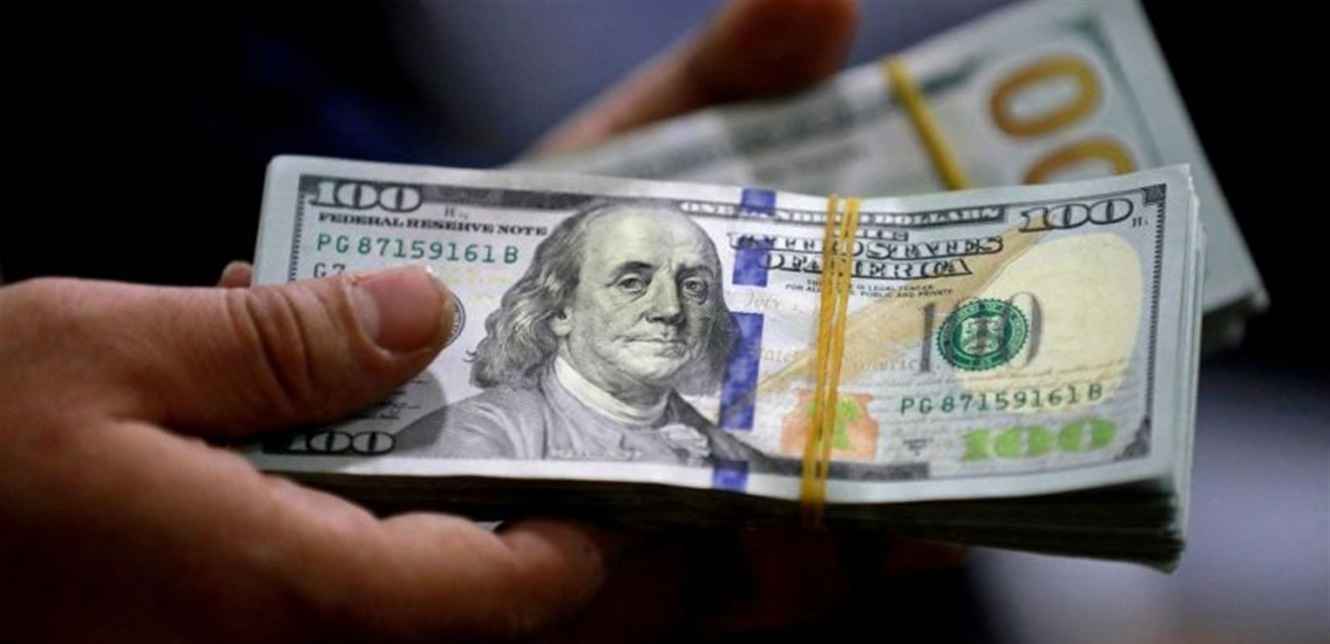
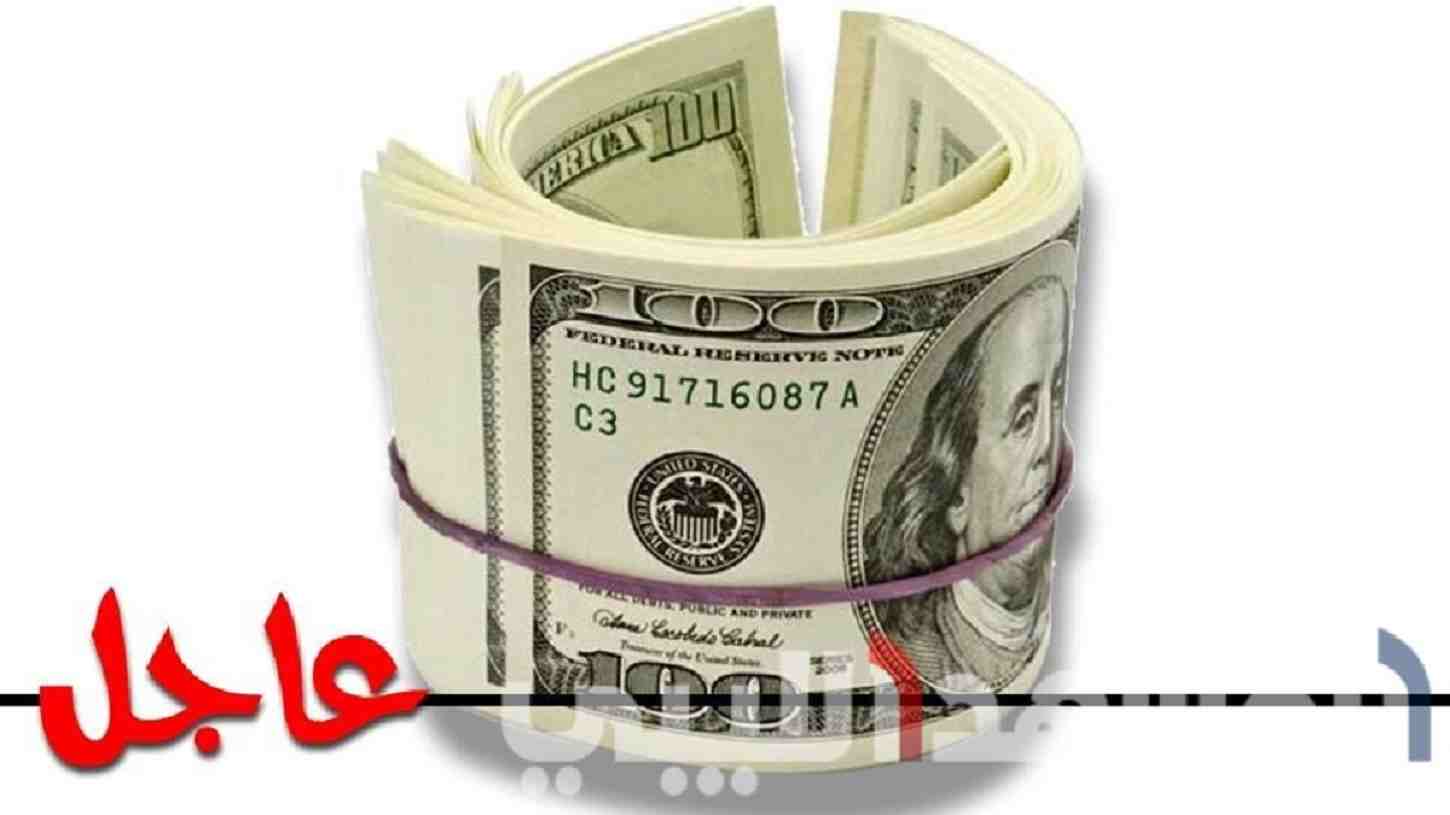
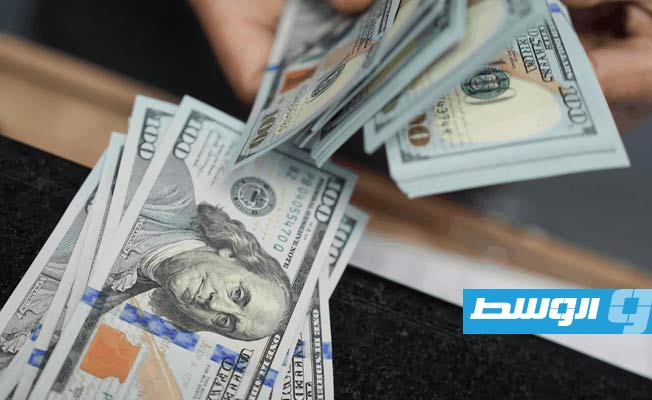
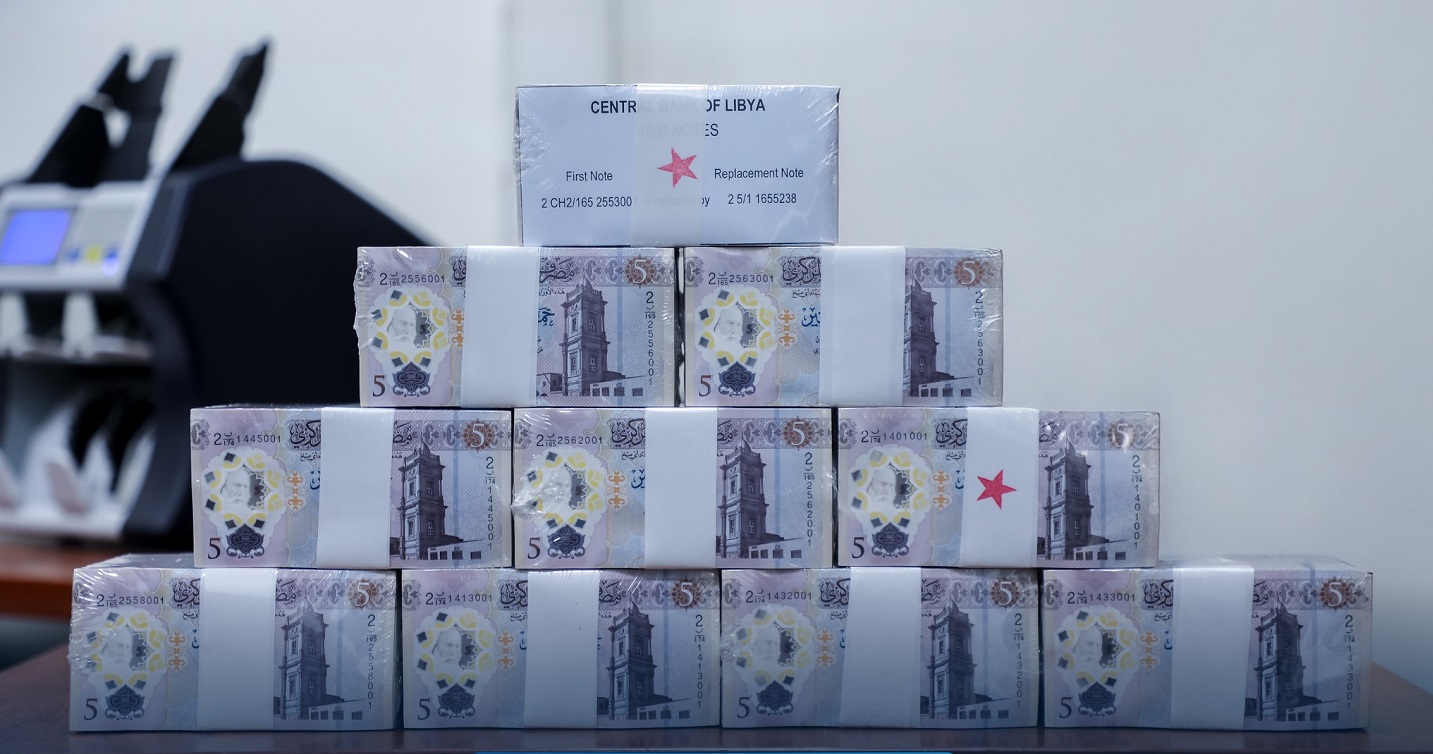
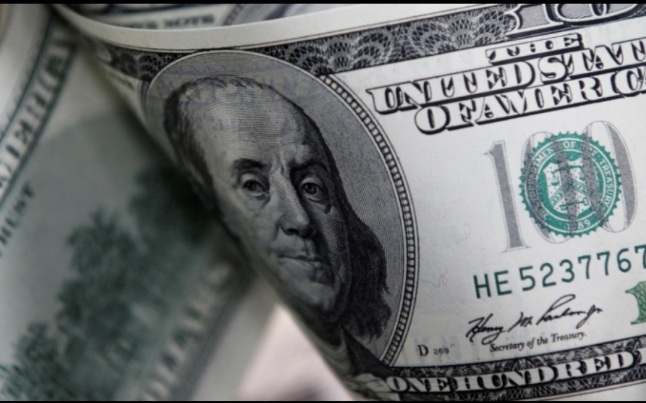
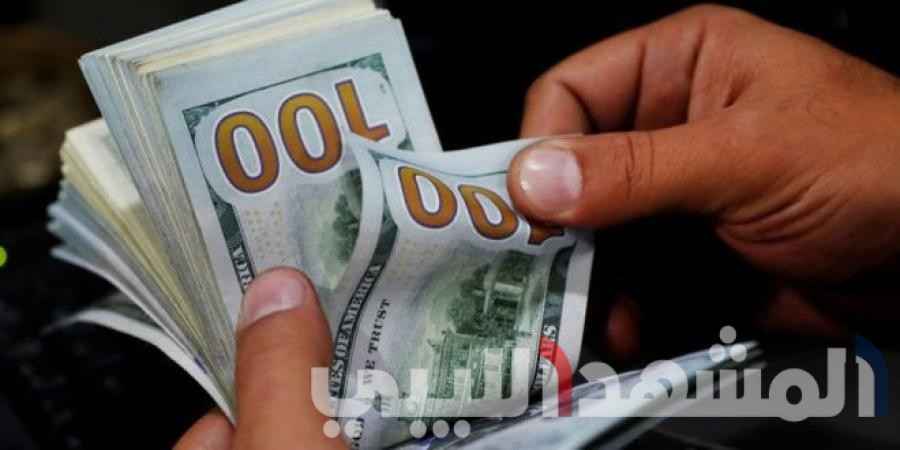
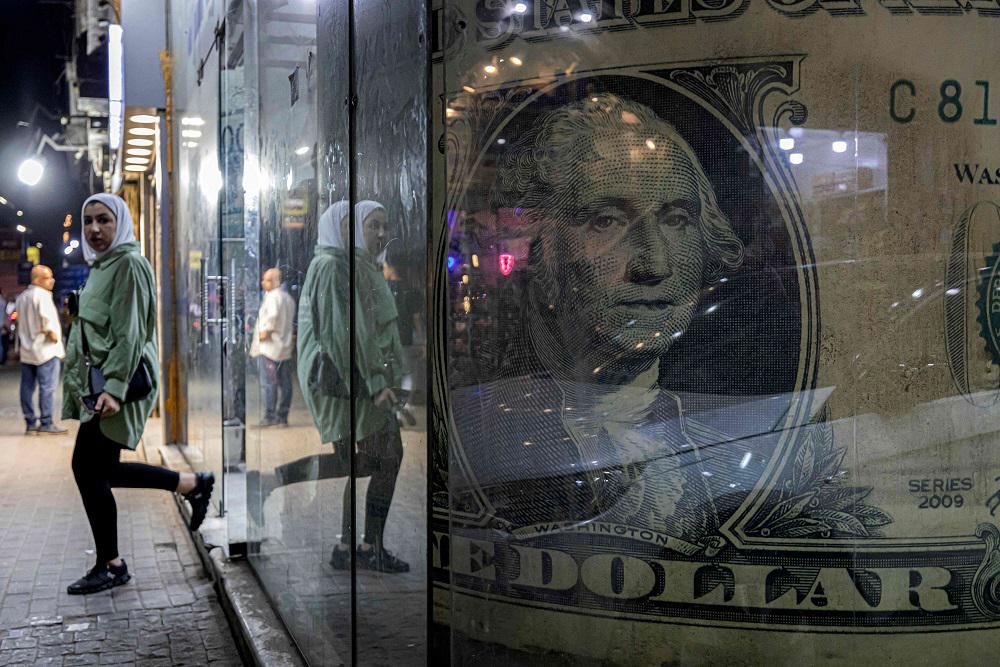
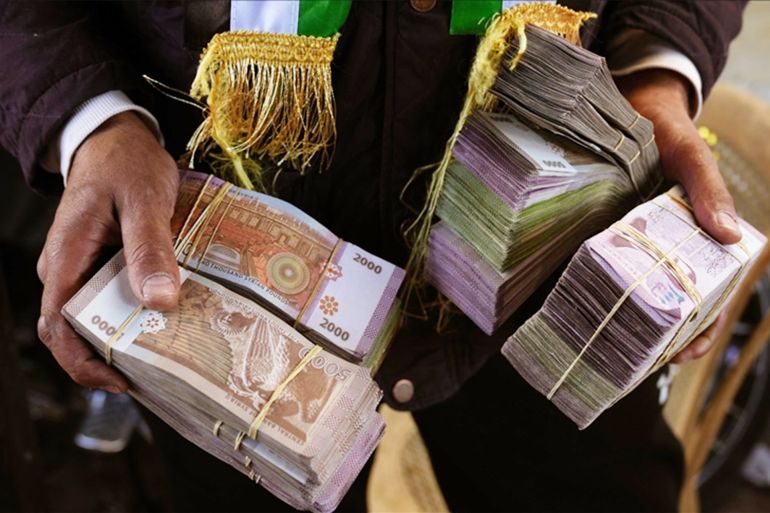
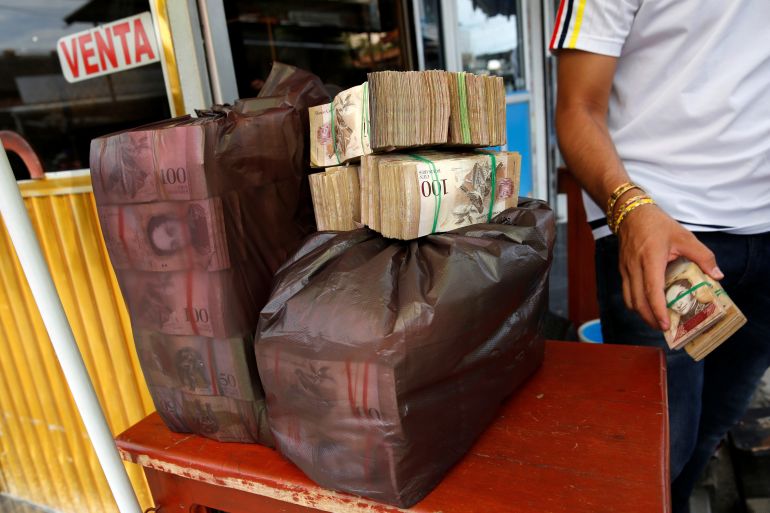
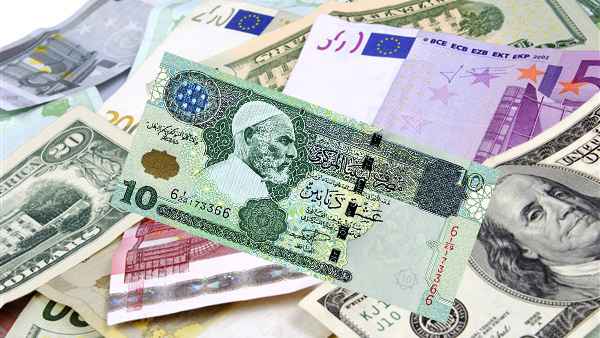
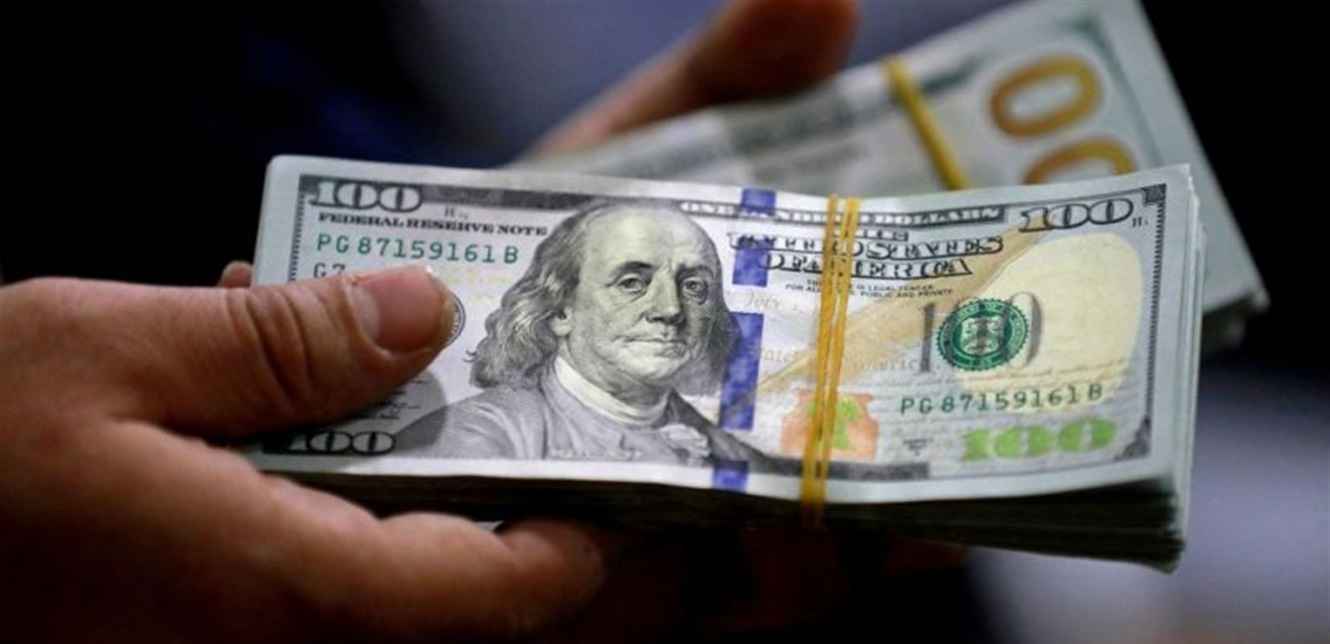
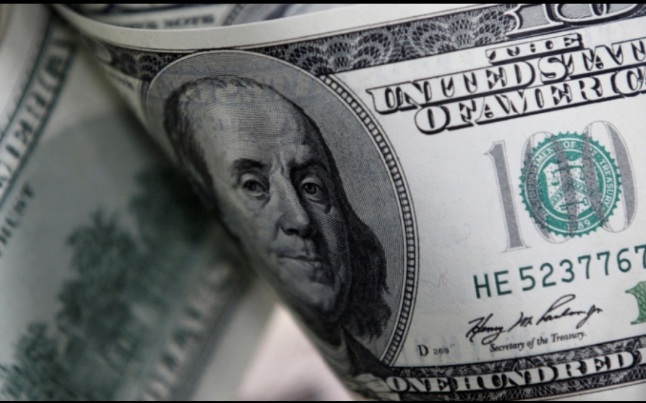
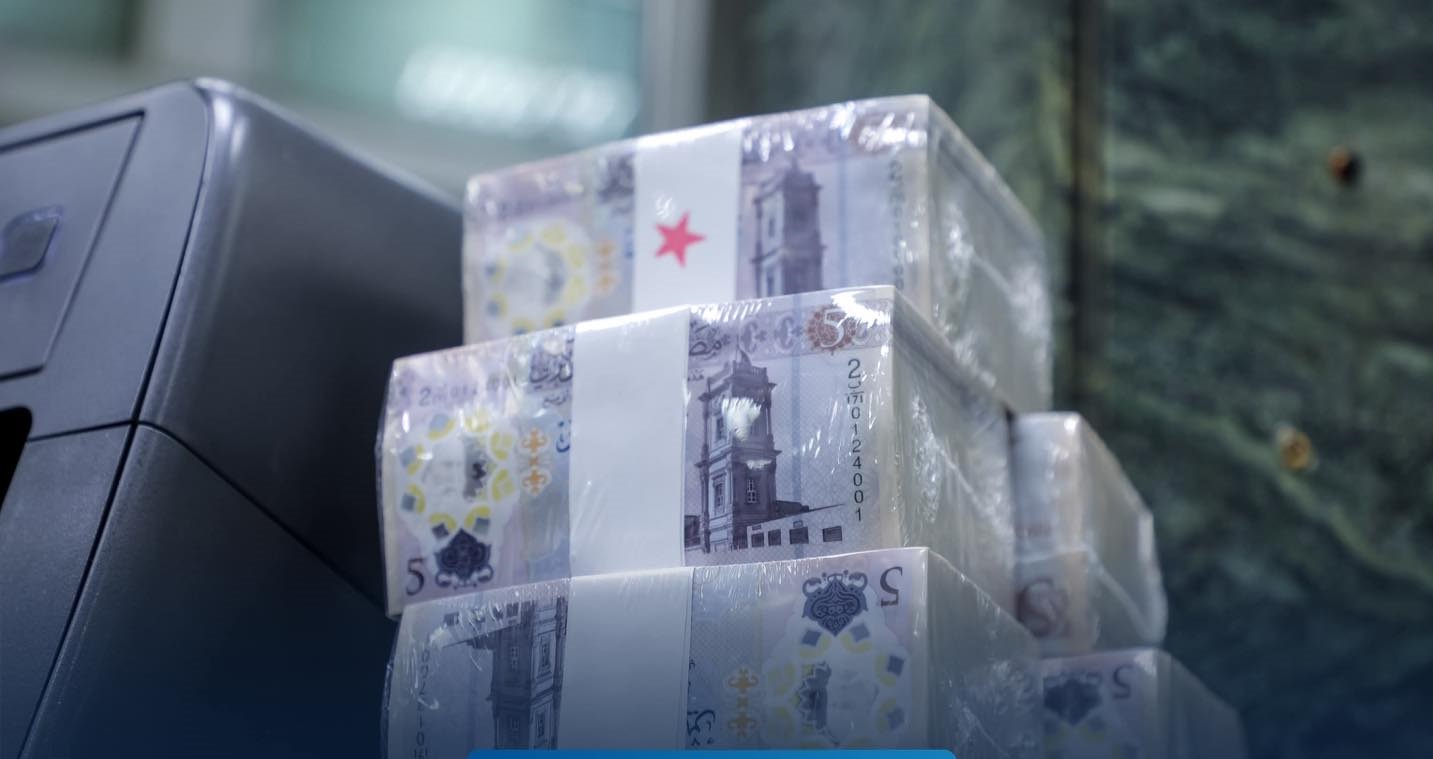
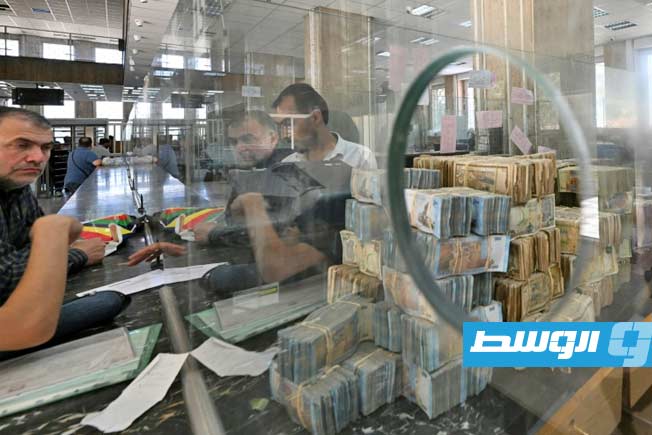
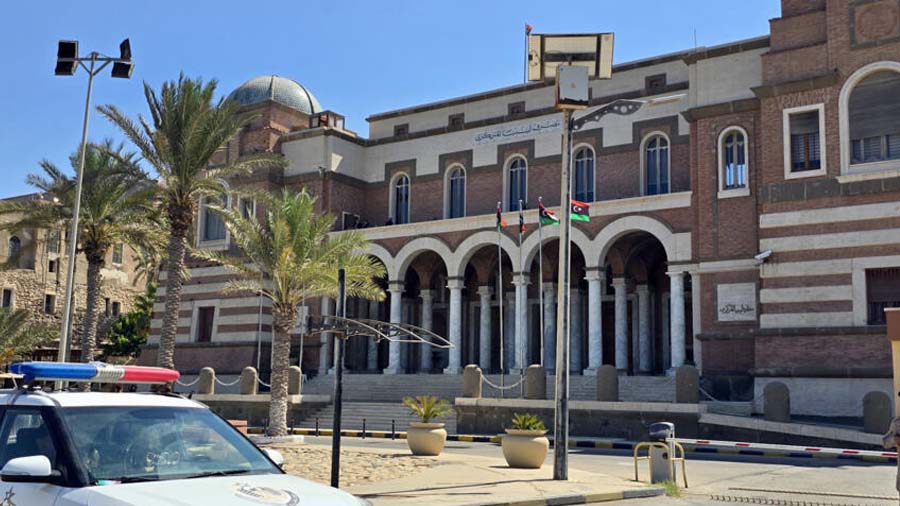
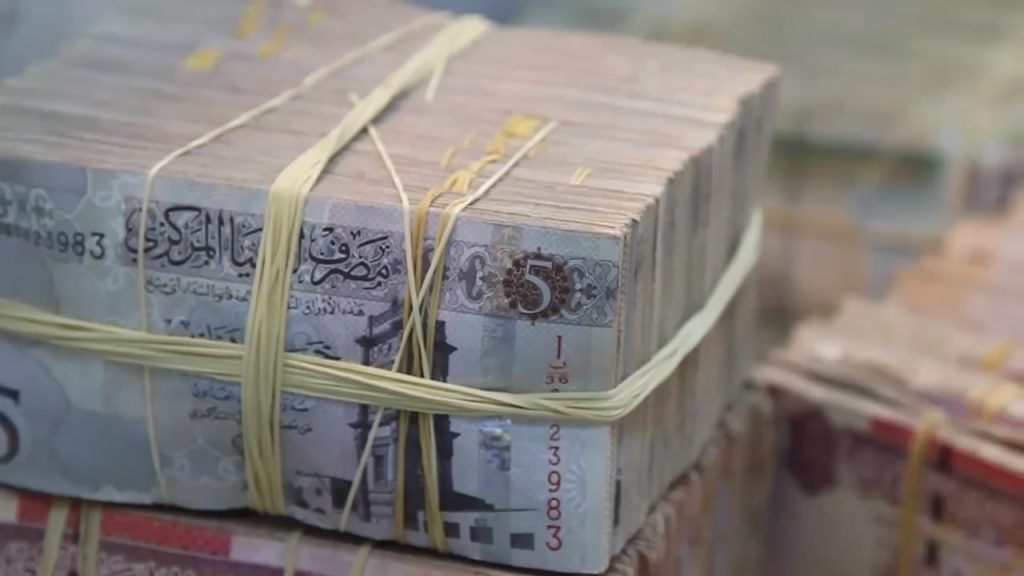
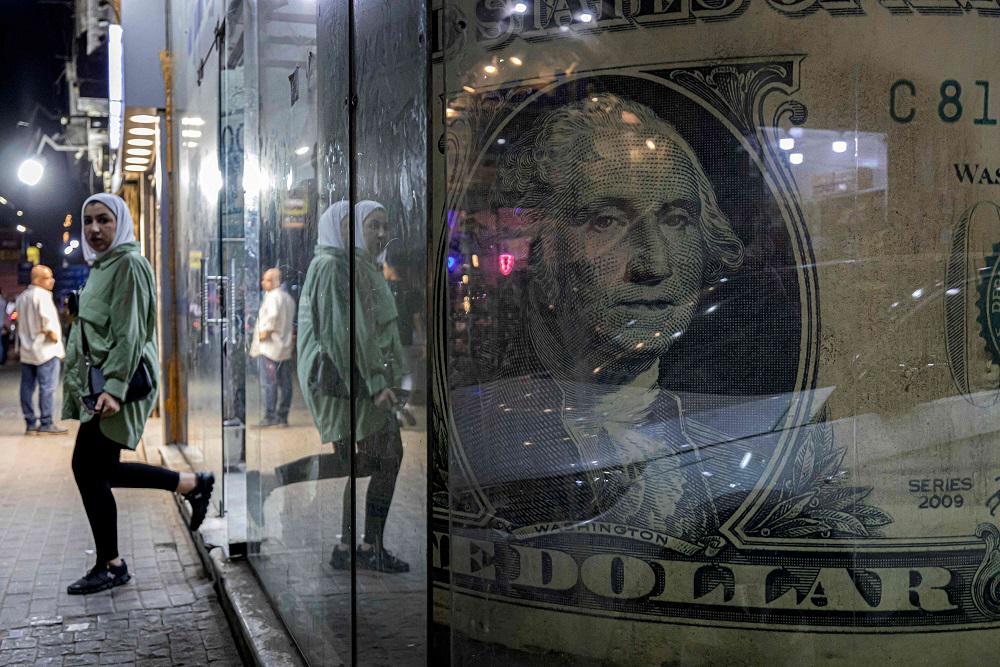
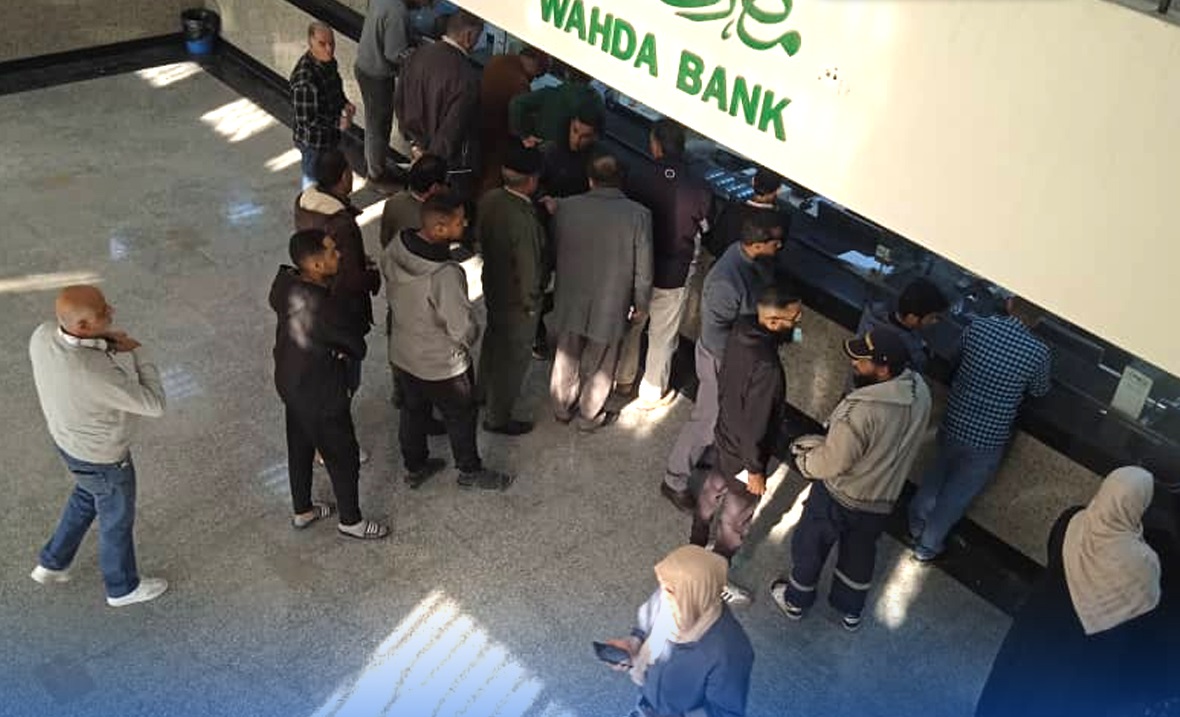
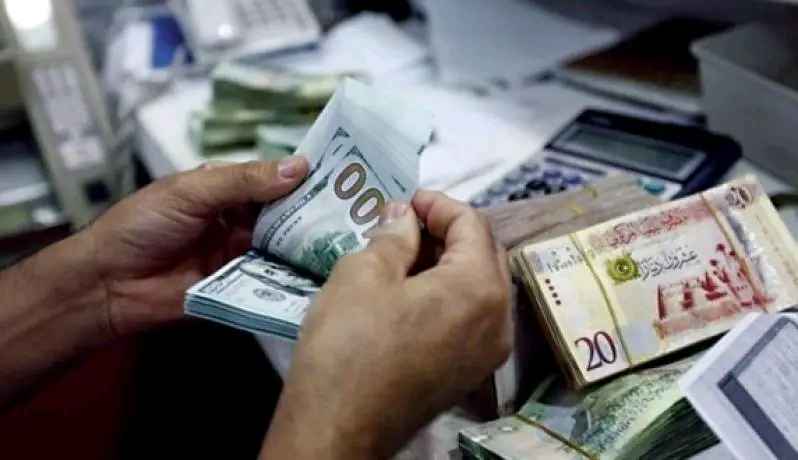
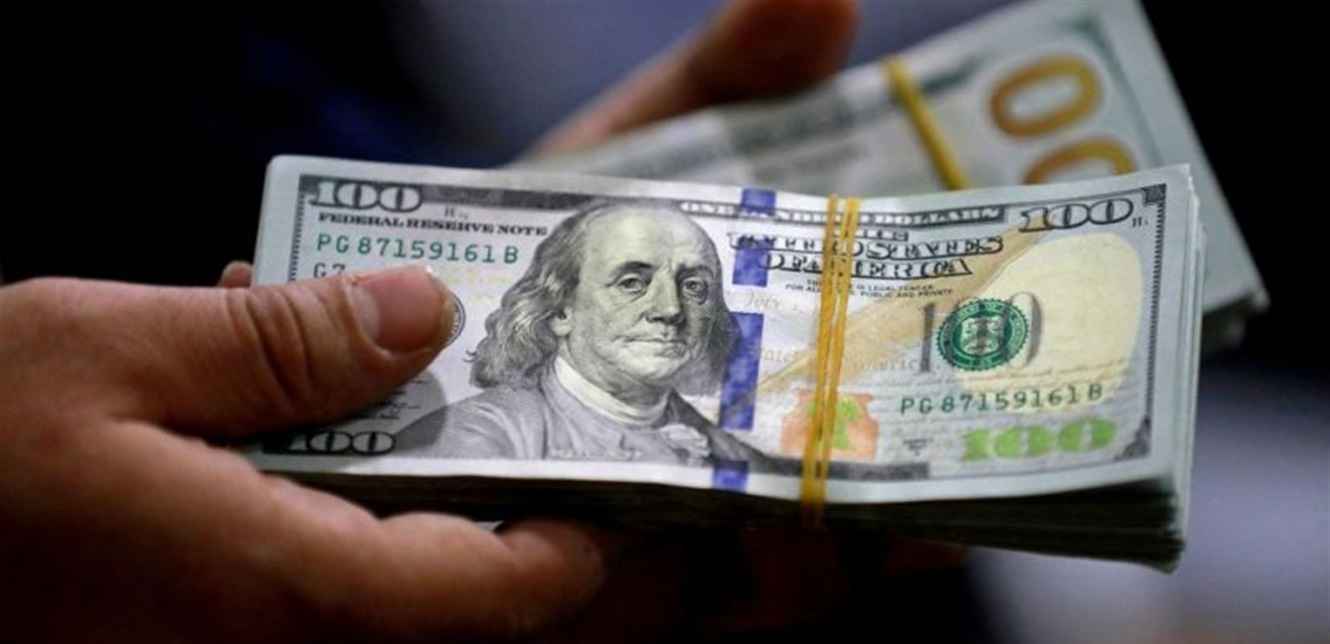
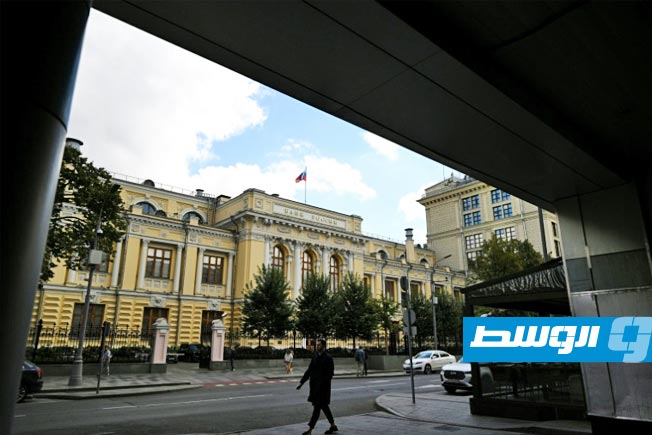
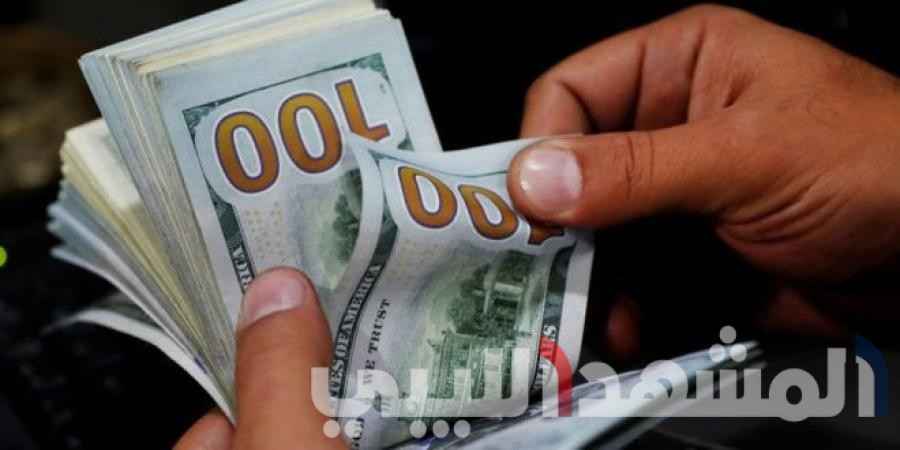
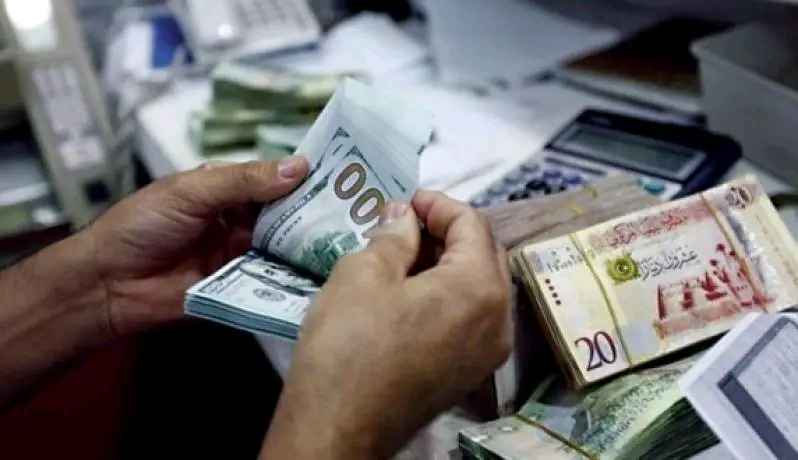
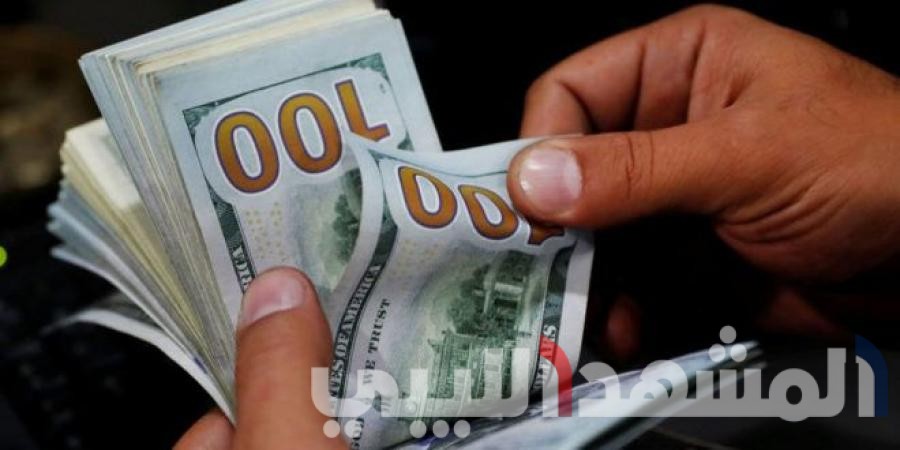
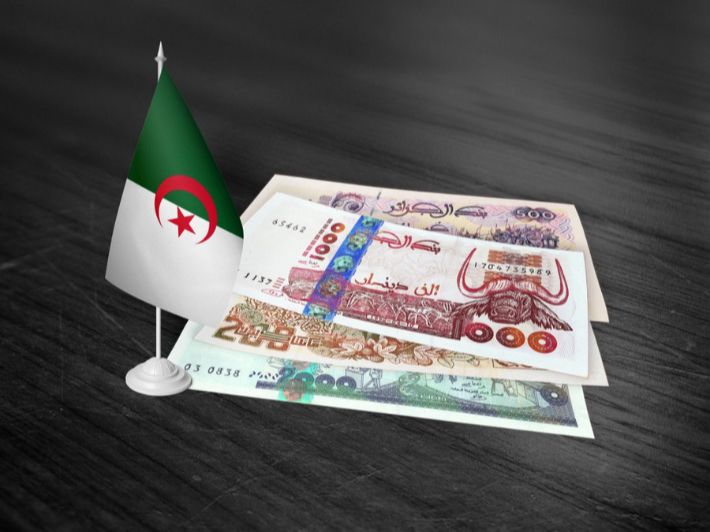
As a result of this control, local markets witnessed a noticeable improvement in the price of the Syrian pound. At the start of today’s trading, the dollar was recorded at 11,200 pounds for buying and 11,300 pounds for selling, after a 6.28% decline in the previous session. This reflects the impact of gaining control over oil and gas resources in restoring confidence to the markets and supporting the stability of the national currency. The Central Bank of Syria confirmed the availability of the new monetary mass in sufficient quantities to meet the needs of all provinces, pointing to addressing any minor logistical challenges to ensure the replacement process continues smoothly and without any burden on citizens.
Experts indicate that gaining control over oil and gas fields is not merely an economic step but carries political and regional dimensions. It restores Damascus to a position of strength in managing its national resources, undermines the economic and political influence of the Syrian Democratic Forces in the northeast of the country, and presents the United States and Turkey with a new reality that necessitates a reassessment of their policies in the region.
It was considered that regaining the oil and gas fields is “an event with deep regional significance,” as it strengthens state centrality, rearranges the internal and regional balance of power, and places Damascus in a position of strength enabling it to fully manage its national resources. This reflects the state’s ability to rebuild the economy after long years of decline in oil and gas production, which before the conflict was about 380,000 barrels per day with an integrated gas network extending approximately 2,600 kilometers.
In addition, control over resources includes the Al-Rasafa and Safiyan fields near the city of Tabqa, enabling the government to secure local energy supplies, reduce dependence on the international
Syrian government
The Syrian government refers to the political authority of the Syrian Arab Republic, currently led by the Ba’ath Party under President Bashar al-Assad. It has been in power since Hafez al-Assad’s coup in 1970, with the ongoing Syrian Civil War, beginning in 2011, representing a major and devastating conflict during its rule.
Deir ez-Zor province
Deir ez-Zor is a province in eastern Syria, historically significant as part of ancient Mesopotamia and a major crossroads for trade routes. In modern history, it gained tragic prominence during the Syrian Civil War and was the site of a genocide against the Yazidi people by the Islamic State. The province is also known for its archaeological sites, such as Dura-Europos, and its location along the Euphrates River.
Raqqa
Raqqa is a city in northern Syria that served as the capital of the Abbasid Caliphate under Caliph Harun al-Rashid in the late 8th century, making it a major historical center of Islamic culture and architecture. In the 21st century, it gained notoriety as the declared capital of the Islamic State (ISIS) from 2014 to 2017, during which it suffered extensive damage.
Syrian Ministry of Oil
The Syrian Ministry of Oil is the government body responsible for managing the country’s petroleum and natural gas resources. It was established in the 20th century following the discovery of oil in Syria, with its role expanding significantly during the nationalization of the industry in the 1960s. The ministry oversees exploration, production, and distribution, though its operations have been severely impacted by the ongoing conflict since 2011.
Conoco gas field
The Conoco gas field is a major natural gas extraction site in northeastern Syria, historically operated by the American energy company ConocoPhillips. It became a focal point of conflict and control during the Syrian Civil War, with various factions vying for its strategic and economic resources.
Syrian Petroleum Company
The Syrian Petroleum Company is a state-owned enterprise established in 1974, responsible for overseeing oil and gas exploration and production in Syria. It has historically been a key contributor to the national economy, though its operations have been significantly disrupted by the ongoing conflict since 2011.
Al-Omar oil field
The Al-Omar oil field is a major oil field located in eastern Syria, within the resource-rich Deir ez-Zor province. It was discovered and developed in the late 20th century and became a critical asset for the Syrian state’s energy sector, though control of the field has been contested during the country’s ongoing conflict.
Al-Hasakah province
Al-Hasakah province is a region in northeastern Syria, historically part of ancient Mesopotamia and home to numerous archaeological tells. It is a culturally diverse area, with significant Assyrian, Kurdish, and Arab populations, and its modern history has been heavily shaped by 20th-century border formations and recent conflicts.
Syrian army
The Syrian Arab Army is the land force branch of the Syrian Armed Forces, founded in 1946 following Syria’s independence from France. It has been a central institution in the modern state, playing a major role in the Arab-Israeli conflicts and, since 2011, the Syrian civil war.
Al-Tanak
Al-Tanak is a historical village located in the Asir Province of southwestern Saudi Arabia, known for its traditional architecture and stone-built houses. It dates back several centuries and reflects the region’s cultural heritage, with structures built using ancient techniques that have been preserved over time.
Al-Jafra
Al-Jafra is a historical oasis settlement located in central Saudi Arabia, known for its ancient wells and palm groves that have supported life for centuries. It served as a crucial stopping point for trade caravans and pilgrims traveling across the Arabian Peninsula, with its history deeply tied to the region’s Bedouin tribes and traditional desert way of life.
Al-Azaba
Al-Azaba is a historic fortress located in the city of Mosul, Iraq. Originally constructed during the Ottoman period, it served as a key military garrison and administrative center for the region. The site has witnessed numerous conflicts throughout its history, including significant damage during the recent battle for Mosul.
Tayyana
Tayyana is not a widely recognized historical or cultural site in available mainstream references, making it difficult to provide a verified summary. It is possible the name refers to a local or lesser-known location. Without more specific context, its history and significance cannot be accurately detailed.
Al-Thawra oil complex
The Al-Thawra oil complex, also known as the Al-Thawra oil field, is a major petroleum production and refining site in Yemen. Historically, it has been a key economic asset for the country, with its development and operations significantly impacted by the ongoing conflict since the mid-2010s. Control over the complex has been contested, leading to disruptions in production and exports.
Central Bank of Syria
The Central Bank of Syria, established in 1953, serves as the country’s primary monetary authority and issuer of the Syrian pound. Its modern history has been heavily defined by its role in managing the national economy through decades of state control, international sanctions, and the severe economic crisis following the Syrian civil war.
Damascus
Damascus is the capital of Syria and one of the oldest continuously inhabited cities in the world, with evidence of settlement dating back to the 3rd millennium BCE. It served as a major cultural and commercial center, notably as the capital of the Umayyad Caliphate in the 7th and 8th centuries, and is home to significant historical sites like the Umayyad Mosque.
Syrian Democratic Forces
The Syrian Democratic Forces (SDF) is a multi-ethnic military alliance established in 2015 during the Syrian Civil War, primarily composed of Kurdish, Arab, and Assyrian militias. It was formed with U.S. support as the principal ground force in the campaign to defeat the Islamic State, playing a key role in the territorial defeat of the group in Syria.
United States
The United States is a federal republic founded in 1776 after declaring independence from Great Britain, with its modern government established by the Constitution in 1789. Its history is marked by westward expansion, industrialization, and its emergence as a global superpower in the 20th century. The nation is defined by its diverse cultural heritage, democratic institutions, and significant economic and political influence worldwide.
Turkey
Turkey is a transcontinental nation straddling Eastern Europe and Western Asia, with a rich history as the heartland of the Byzantine and Ottoman Empires. Its most famous cultural site is Hagia Sophia in Istanbul, originally a 6th-century cathedral, later a mosque, and now a museum that symbolizes the country’s layered historical and religious heritage. Modern Turkey was founded as a republic in 1923 by Mustafa Kemal Atatürk following the collapse of the Ottoman Empire.
Al-Rasafa
Al-Rasafa, also known as Sergiopolis, is an ancient fortified city in the Syrian Desert, northeast of Palmyra. It was originally a Roman military outpost and later flourished as a major pilgrimage center in the Byzantine era, renowned for its association with Saint Sergius and its impressive defensive walls and churches. The site was eventually abandoned after the 13th century following Mongol invasions.
Safiyan
Safiyan is a historic mosque located in the city of Tabriz, Iran, believed to have been constructed in the late 18th century during the Qajar era. It is noted for its intricate brickwork and architectural details, serving as a significant example of religious architecture from that period in the region.
Tabqa
Tabqa is a city in northern Syria, most widely known for the nearby Tabqa Dam on the Euphrates River, which created Lake Assad. The dam, completed in 1973, was a major Soviet-assisted development project aimed at irrigation and hydroelectric power, fundamentally transforming the region’s agriculture and economy. The area has significant historical depth, with the ancient city of Raqqa located just across the river.