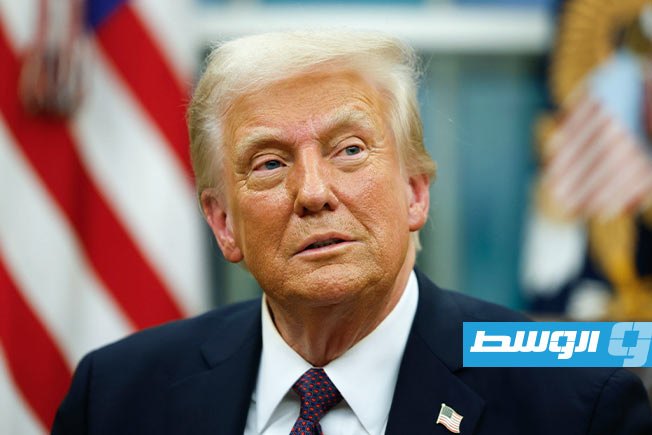
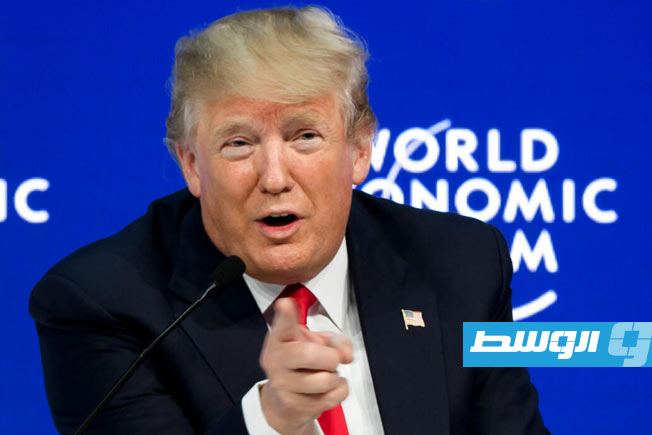
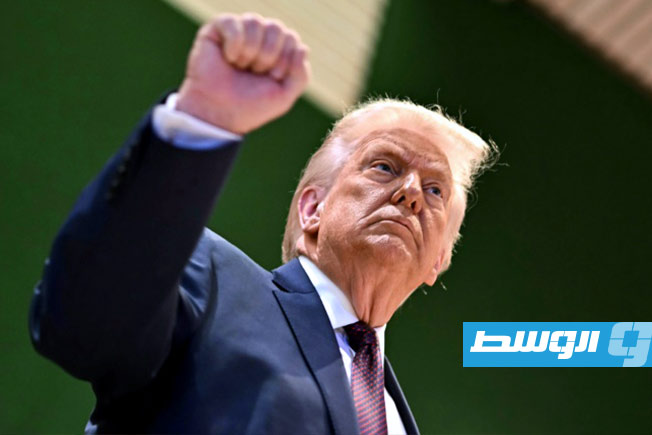
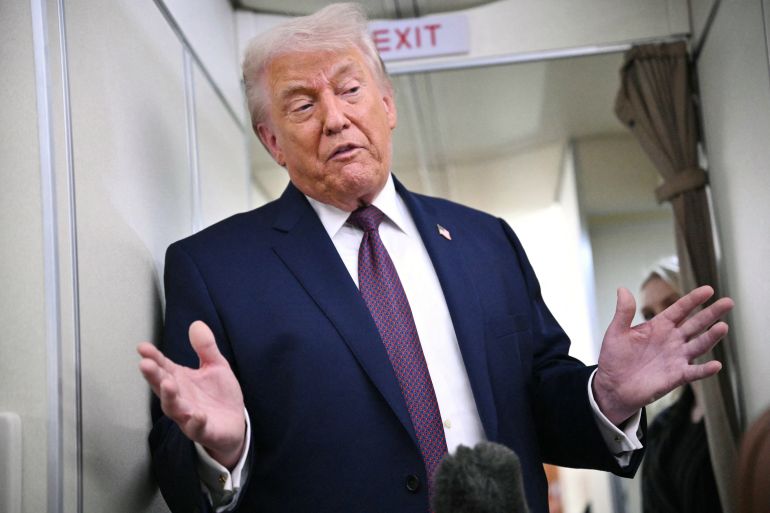
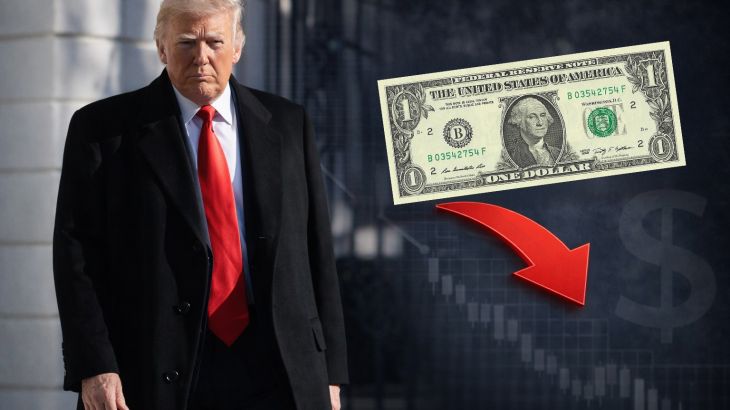
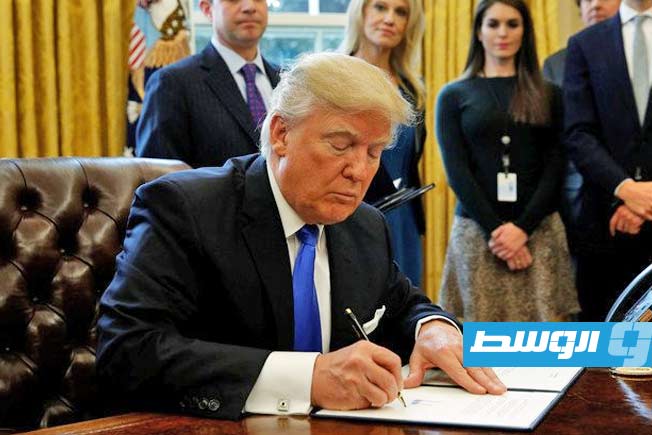
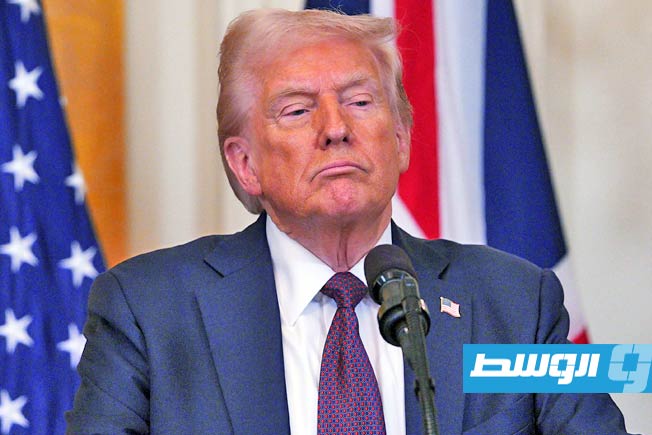
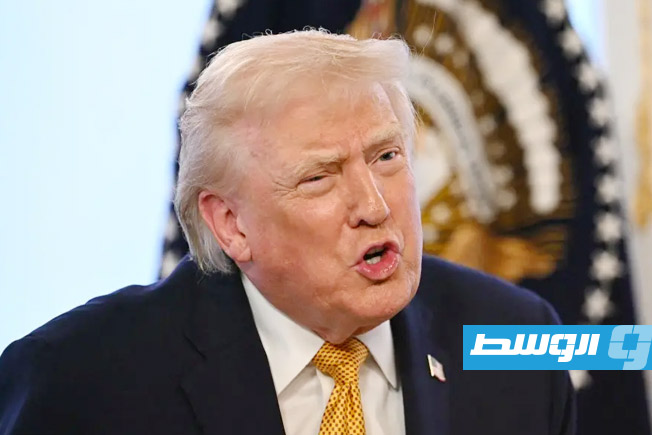
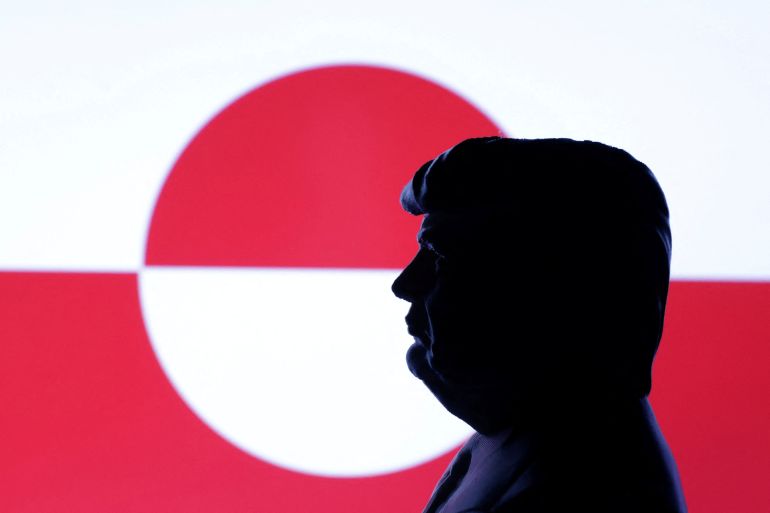
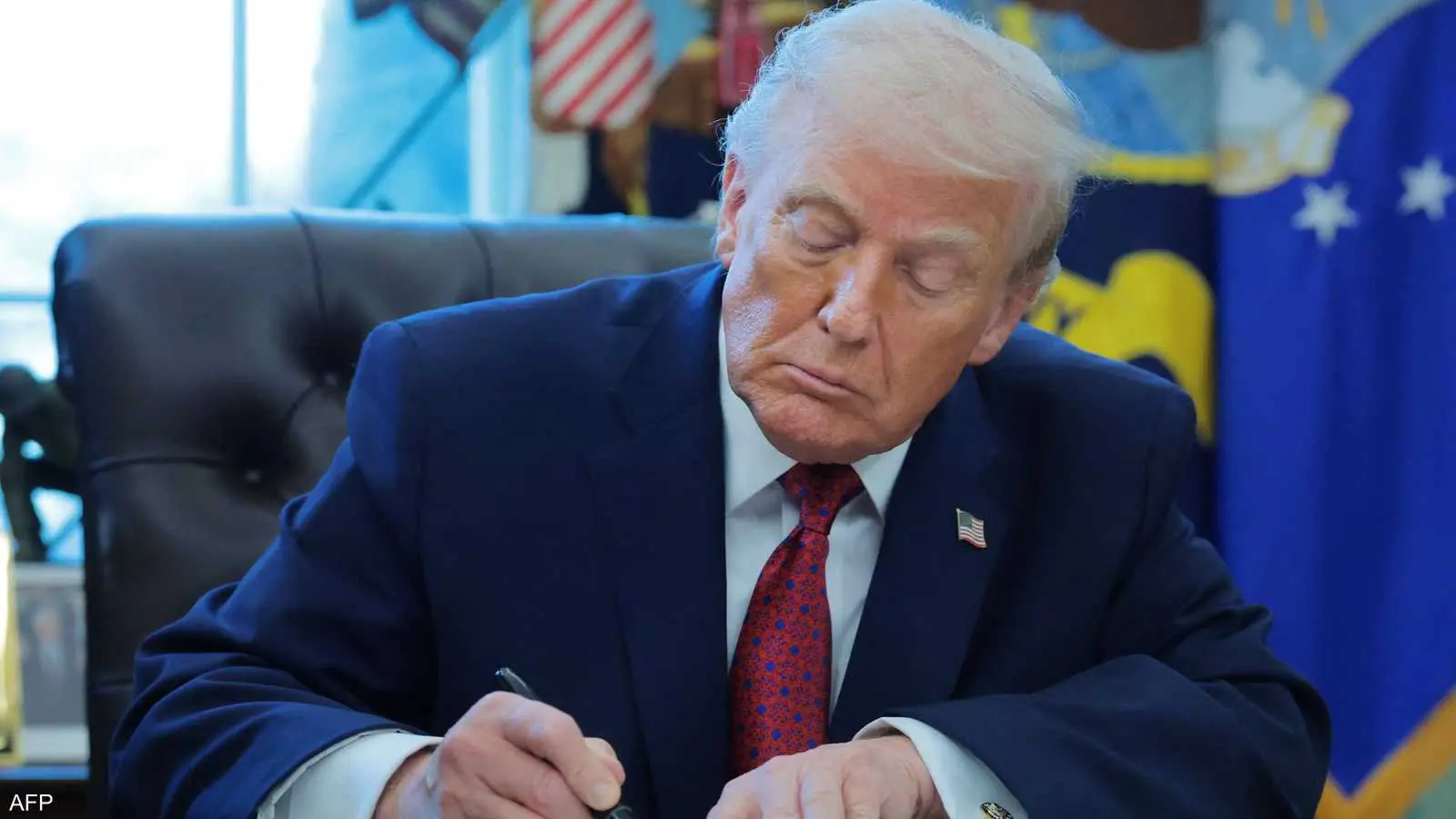
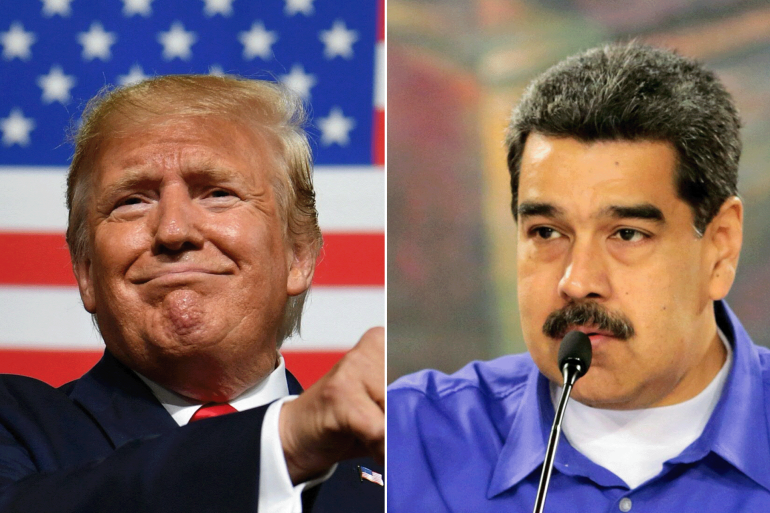
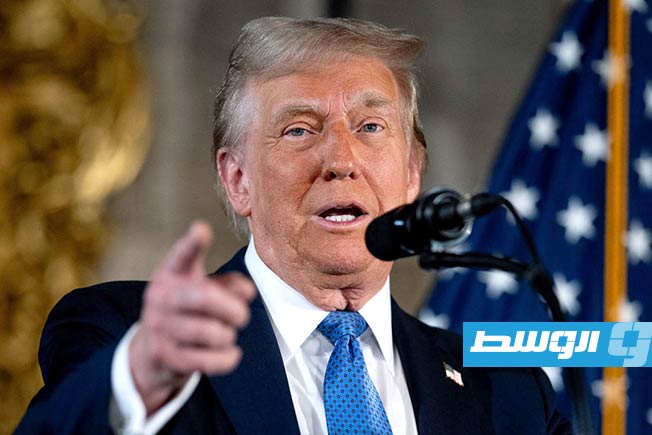
Senior officials and entities in the German industrial sector expressed anger on Sunday over US President Donald Trump’s intention to use tariffs to pressure Denmark into selling Greenland, calling on Europe not to yield to his demands.
They considered that Trump’s threat to impose a wave of escalating tariffs on European allies until the United States is allowed to purchase the strategically important island ends the period of relative calm that had prevailed in the business sector after Brussels and Washington agreed on a trade deal last summer.
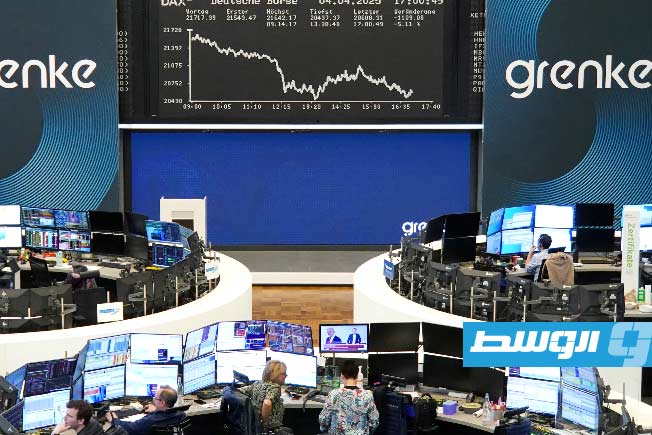
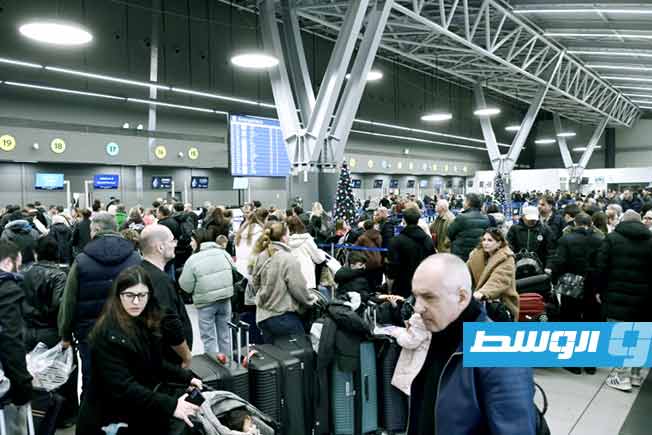
Germany is vulnerable to tariffs due to its export-dependent economy, which is slowly recovering from two years of decline, amid rising global trade tensions that are negatively affecting demand for its goods, such as cars, machinery, and chemicals.
Exporters are looking for a strong response from the European Union
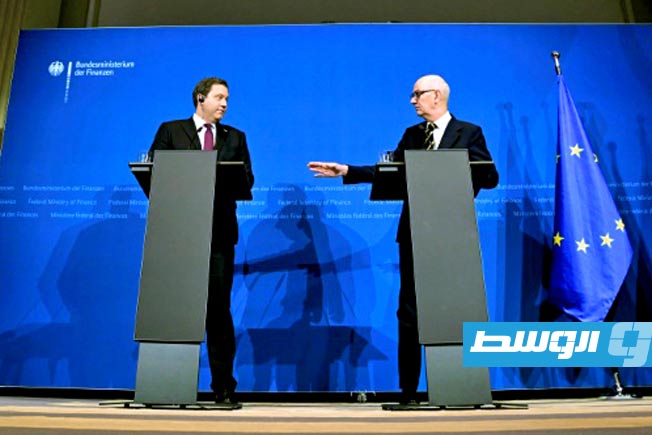
“If the European Union surrenders here, it will encourage the American president to make the next absurd demand and threaten to impose more tariffs,” according to the head of the German Engineers Association.
A foreign trade specialist at the German Chamber of Commerce and Industry added: “Controversial political goals are being linked to economic sanctions in an unacceptable way.”
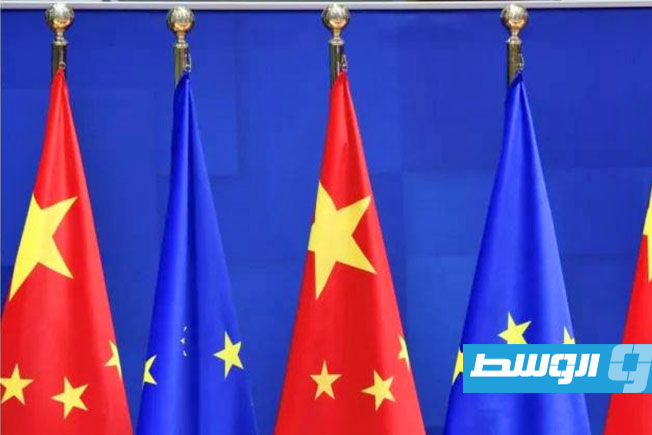
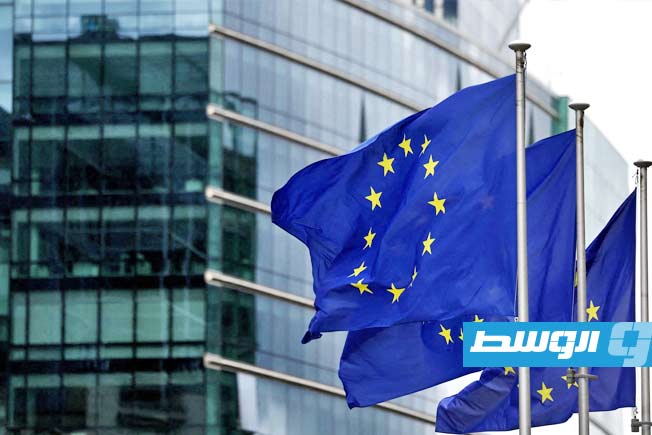
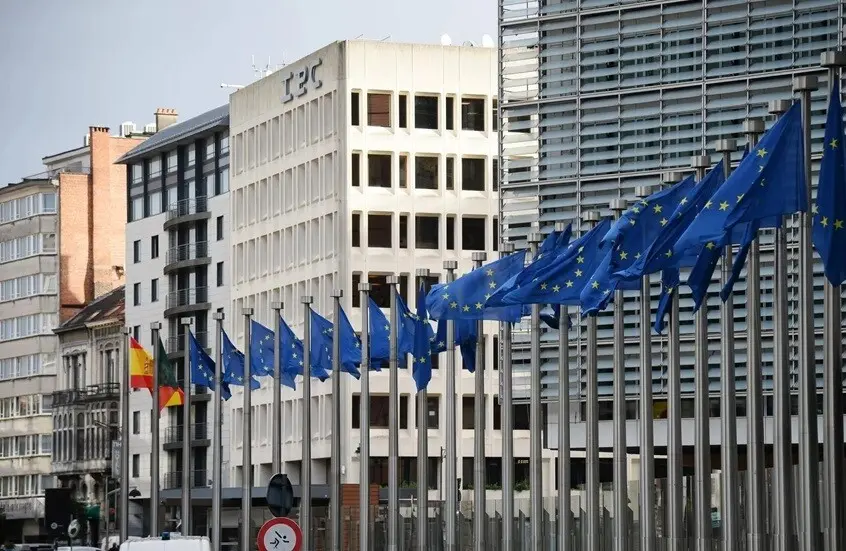
Both called for a unified response from the European Union, joining a similar statement issued by the head of the German Automotive Industry Association on Saturday. This could include the “anti-coercion instrument,” which the EU has never used before, allowing the Union to respond to third countries that exert economic pressure on its members to change their policies.
Obstructing the agreement between Washington and Brussels
Saturday’s threat could derail the preliminary agreements Trump reached last year with the European Union and Britain, which is also a target of the planned tariffs over Greenland.
Both the German Association of Automotive Manufacturers and the German Chamber of Commerce and Industry doubted the likelihood of European legislators voting on the agreement with Washington this month, which primarily involves the removal of many European tariffs on US goods imported into the Union.
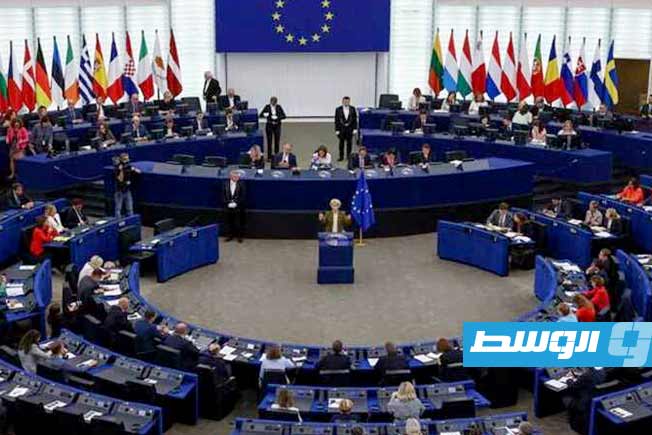
“The European Parliament cannot decide on tariff reductions for the United States next week as long as Washington is pressuring the EU with new punitive tariffs,” said the head of the Engineers Association.
“Volkswagen and Mercedes” bear tariff costs
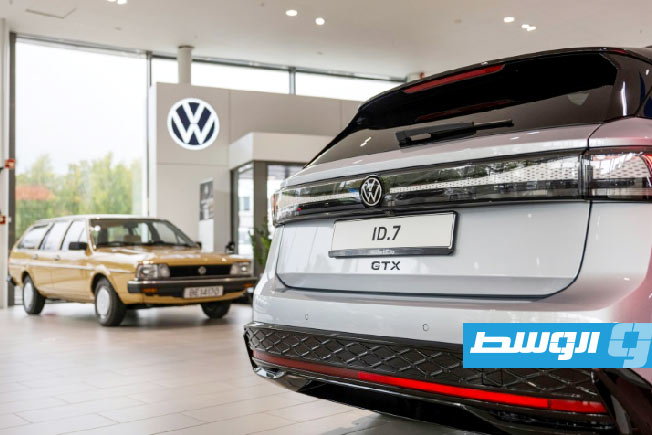
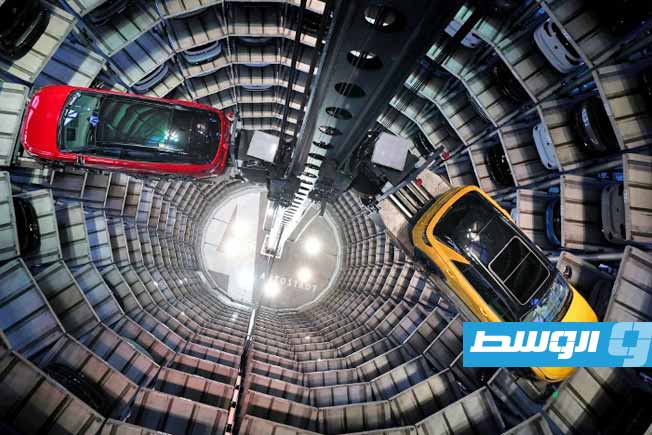
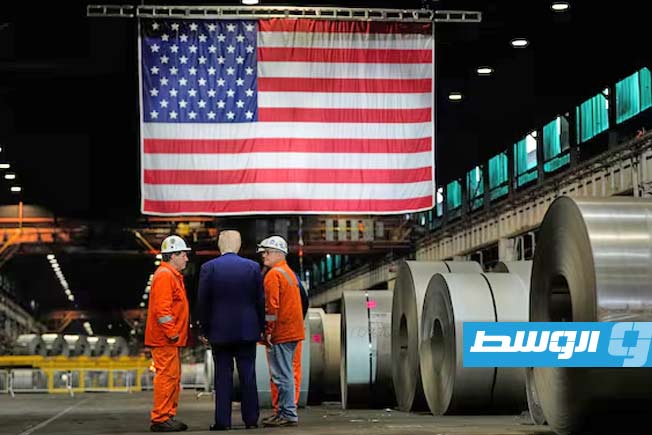
The current tariff system imposed by Trump – which imposes a base rate of 15% under the EU agreement, but higher rates on, for example, steel and aluminum products – has burdened German companies, particularly the automotive industry, the largest in Europe.
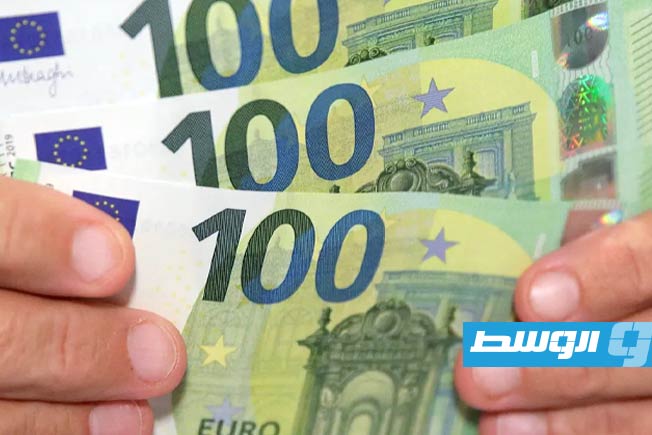
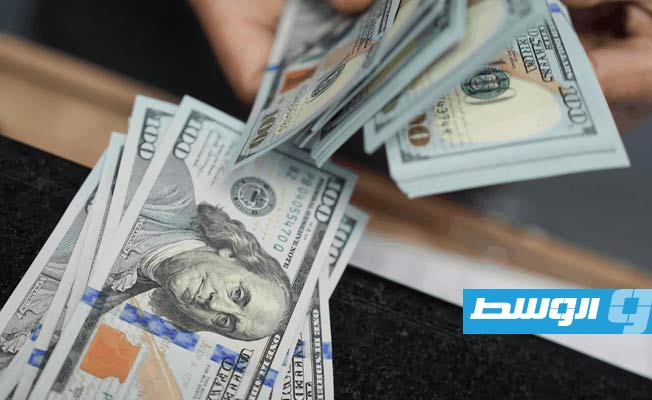
Germany exported goods to the United States worth just over 135 billion euros ($157 billion) between January and November 2025, a 9% decrease from the same period the previous year, although the United States remains Germany’s top export destination.
Volkswagen estimated the cost of tariffs at up to 5 billion euros in 2025. Other automotive companies, Mercedes-Benz and Porsche, as well as the chemical group BASF, have also been affected.
A union leader in the German state of Lower Saxony, where Volkswagen is headquartered, expressed concern, warning that higher tariffs could jeopardize the recovery of Europe’s largest economy amid an industrial slowdown.
“This kind of American trade policy achieves no gains. It harms consumers, employees, and companies alike, on both sides of the Atlantic,” said a representative from the IG Metall union.
Germany
Germany is a country in Central Europe with a rich and complex history, having been a collection of states for centuries before unification in 1871. It was a central power in both World Wars, was divided into East and West Germany during the Cold War, and reunified in 1990. Today, it is a leading economic and political force in the European Union, known for its cultural contributions in philosophy, music, and science.
United States
The United States is a federal republic founded in 1776 after declaring independence from Great Britain, establishing itself through a revolutionary war and the adoption of a constitution in 1787. Its history is marked by westward expansion, industrialization, and its emergence as a global superpower in the 20th century. The nation is defined by its diverse cultural heritage, shaped by immigration and its foundational principles of democracy and individual liberty.
Denmark
Denmark is a Scandinavian country in Northern Europe with a rich history dating back to the Viking Age, when it was a major seafaring power. Its cultural sites include numerous well-preserved medieval castles, such as Kronborg Castle (the setting of Shakespeare’s *Hamlet*), and the historic city center of its capital, Copenhagen.
Greenland
Greenland is the world’s largest non-continental island, located between the Arctic and Atlantic Oceans. It has a long history of Inuit habitation and was later settled by Norse Vikings in the 10th century before becoming a Danish territory, gaining increased self-governance in 1979 and further autonomy in 2009.
Europe
Europe is a continent with a rich and complex history, shaped by ancient civilizations like Greece and Rome, the medieval period, the Renaissance, and transformative events such as the Industrial Revolution and two World Wars. Culturally, it is renowned for its diverse array of artistic, architectural, and philosophical traditions, as well as numerous UNESCO World Heritage sites. Today, it is largely organized politically and economically through the European Union, which promotes cooperation among its member states.
European Union
The European Union (EU) is a political and economic union of 27 European countries, founded after World War II to foster economic cooperation and prevent future conflict. It has evolved from the European Coal and Steel Community in 1951 into a major supranational entity with a single market and a common currency, the euro, used by 20 member states.
Brussels
Brussels is the capital city of Belgium and the de facto administrative center of the European Union. Historically, it grew from a 10th-century fortress town into a major commercial hub during the Middle Ages, later becoming a focal point for European politics and diplomacy in the 20th century. The city is renowned for its Grand Place, a UNESCO World Heritage site showcasing ornate guildhalls and its iconic Town Hall.
Washington
Washington, D.C., the capital of the United States, was founded in 1790 following the Residence Act and named after the first U.S. president, George Washington. It is a planned city, distinct from any state, and is home to iconic national landmarks such as the White House, the U.S. Capitol, and the Washington Monument, which symbolize the nation’s history and federal government.
Britain
Britain is a sovereign island nation in northwestern Europe with a long and influential history, including the Roman occupation, the formation of the medieval kingdoms of England and Scotland, and the expansive British Empire. Its rich cultural heritage is reflected in globally recognized institutions like the British Museum and Westminster Abbey, as well as its constitutional monarchy and parliamentary democracy.
European Parliament
The European Parliament is the directly elected legislative body of the European Union, first established as the Common Assembly of the European Coal and Steel Community in 1952. It gained its current name and increased powers with the Maastricht Treaty in 1993, evolving from a consultative assembly into a co-legislator with the Council of the European Union. Its members are elected every five years by EU citizens to represent their interests.
Lower Saxony
Lower Saxony (Niedersachsen) is a state in northwestern Germany, historically formed in 1946 by the merger of several former territories, including the historic lands of the old Kingdom of Hanover. It is known for its diverse landscapes, from the North Sea coast to the Harz Mountains, and cultural landmarks such as the historic city of Hanover and the UNESCO World Heritage Site of the Goslar Mines.
Atlantic
The Atlantic Ocean is the world’s second-largest ocean, formed over 150 million years ago by the separation of continents during the breakup of the supercontinent Pangaea. It has been a crucial corridor for exploration, trade, and cultural exchange throughout human history, profoundly shaping the development of the civilizations along its shores.
German Engineers Association
The German Engineers Association (VDI) was founded in 1856 as a professional organization for engineers in Germany. It is one of the world’s largest engineering associations, dedicated to advancing technology, setting technical standards, and promoting knowledge exchange.
German Chamber of Commerce and Industry
The German Chamber of Commerce and Industry (DIHK) is the umbrella organization for Germany’s network of local Chambers of Commerce and Industry (IHKs). It was formally established in its modern structure after World War II, though its roots trace back to chambers founded in the 19th century. The DIHK represents the collective interests of German businesses, both domestically and internationally, and provides essential services to its member companies.
German Automotive Industry Association
The German Automotive Industry Association, known as the Verband der Automobilindustrie (VDA), was founded in 1901 and serves as the central interest group for Germany’s car manufacturers, suppliers, and related industries. It plays a key role in shaping national and international automotive policy, technical standards, and economic issues, representing the industry through periods of profound transformation from early motorization to the current shift toward electric and digital mobility.
German Association of Automotive Manufacturers
The German Association of Automotive Manufacturers (VDA) is a key industry group founded in 1901 to represent the interests of Germany’s automobile industry, including car, truck, and bus manufacturers. It plays a central role in shaping industrial policy, setting technical standards, and organizing major international events like the IAA Mobility show.
Volkswagen
Volkswagen is a German automotive manufacturer founded in 1937 by the German Labour Front under the Nazi regime, with its original purpose being to produce an affordable “people’s car” (which became the iconic Beetle). After World War II, it was rebuilt under British oversight and grew into one of the world’s largest and most influential carmakers, headquartered in Wolfsburg, Germany.
Mercedes
Mercedes-Benz is a German automotive brand founded in 1926, though its origins trace back to the late 19th century with Karl Benz’s invention of the first practical automobile. It is globally renowned for its luxury vehicles, pioneering engineering, and motorsport heritage, symbolizing innovation and prestige in automotive culture.
Mercedes-Benz
Mercedes-Benz is a German automotive brand founded in 1926, though its origins trace back to Karl Benz’s invention of the first practical automobile in 1886. It is globally renowned for producing luxury vehicles, commercial vehicles, and pioneering numerous automotive innovations throughout its history.
Porsche
Porsche is a German automotive manufacturer founded in 1931 by Ferdinand Porsche, initially focusing on vehicle design consulting before producing its first branded sports car, the 356, in 1948. The company is globally renowned for its high-performance luxury sports cars, particularly the iconic 911 model introduced in 1963, and has a storied history in motorsport.
BASF
BASF is a German multinational chemical company, founded in 1865 in Ludwigshafen. It is historically significant as the world’s largest chemical producer, pioneering processes like the Haber-Bosch method for ammonia synthesis.
IG Metall
IG Metall is a German trade union representing workers in the metal and electrical industries, founded in 1949. It is one of the largest and most influential industrial unions in the world, historically playing a key role in shaping Germany’s system of co-determination and collective bargaining.