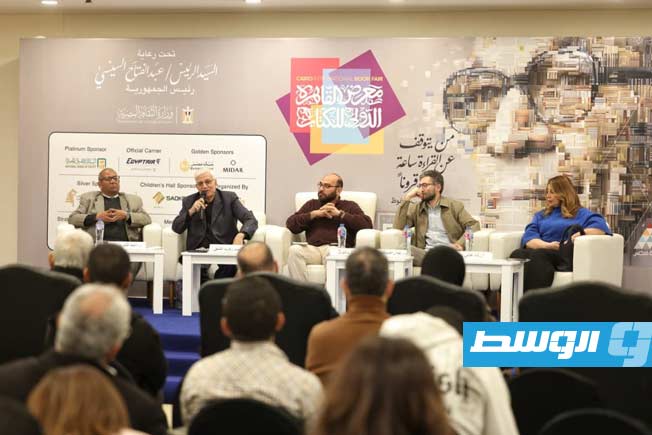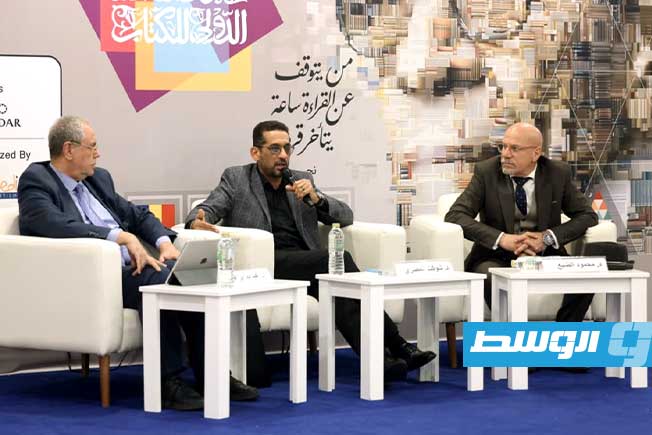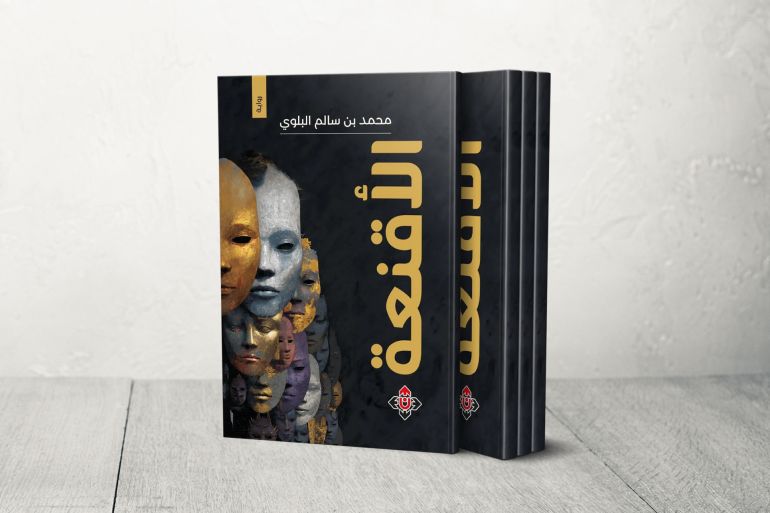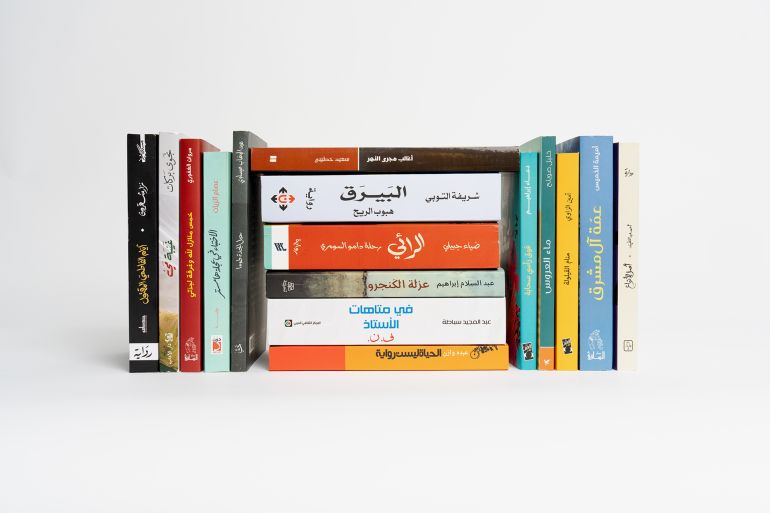
The Arabic novel is currently at the peak of its prosperity, with diverse voices and themes, and has a promising future, provided that quality and depth are maintained amidst the intense publishing activity currently witnessed in the Arab world.
The significant expansion in novel publishing has weakened criticism’s ability to keep up with the enormous number of releases. Criticism remains necessary to sift through works and highlight them, but this requires modern mechanisms and approaches.
Regarding the current widespread popularity of the novel, this is attributed to its interaction with reality, its boldness in raising questions, and its continuous ability to renew its narrative techniques. The novel has become a vital space for free expression today.
The significant expansion in novel publishing has weakened criticism’s ability to keep up with the enormous number of releases.
Rooting Modernity and Drawing Inspiration from Heritage
Regarding the stance on modernist trends in the novel and the necessity of a methodology inspired by heritage, there is support for openness to modern approaches “but without losing our roots.” It is important to have criticism that stems from heritage while simultaneously interacting with global methodologies in a creative spirit.
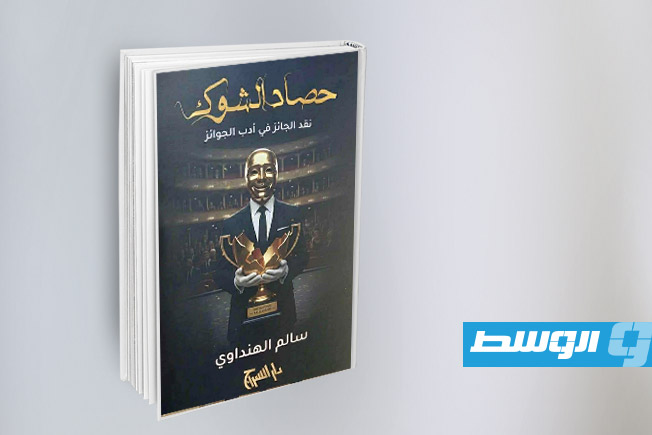
Although it is believed that awards do not create literature, and the true value of any novel lies in its original text, not in the accolades it receives, literary awards have successfully contributed to drawing attention to good novels and supporting their spread.
Concerning the relationship between major Arabic narratives and the modern novel, there are deep connections linking them. The Arabic narrative heritage is rich with storytelling, journeys, and tales, and this heritage is what shaped the collective Arab imagination, remaining a cultural and aesthetic reference that novelists draw inspiration from.
The Arabic narrative heritage is rich with storytelling, journeys, and tales, and it is what shaped the collective Arab imagination.
Drawing inspiration from this heritage enhances “our specificity amidst major global transformations, provided it is employed with a new, non-repetitive spirit.” It is beautiful for authenticity and modernity to meet in a single text.
In response to a question about the stance on historical novels and whether they constitute a form of history, drawing inspiration from history opens wide creative horizons, but it does not turn the novel into a historical document. The historical novel re-reads the past with an artistic spirit, not a documentary one.
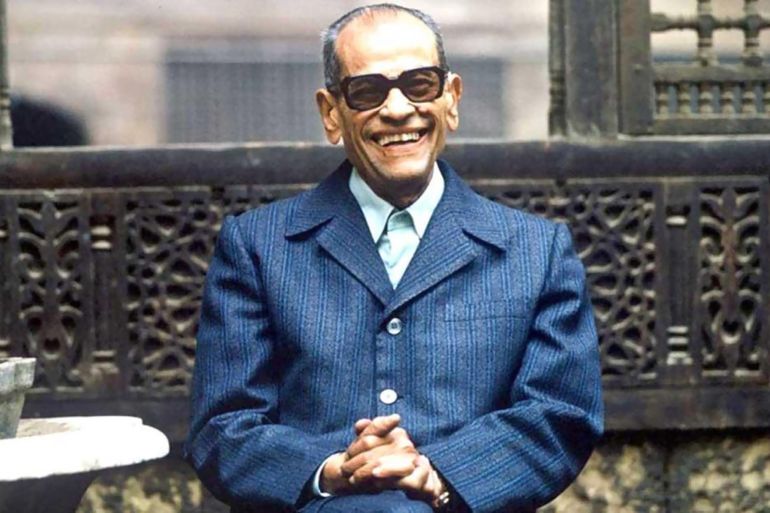
In response to an inquiry about the ability of novelists to surpass Naguib Mahfouz, Mahfouz represents a literary school that cannot be surpassed but rather built upon. Each generation has its contributions and visions. However, this does not negate the value of pioneers who came before, especially a figure of the stature and value of Naguib Mahfouz, who had a complete narrative project that elevated the Arabic novel to global status. He masterfully combined philosophical depth and human realism, and created neighborhoods and characters that became an integral part of the society’s cultural memory. His experience remains a fundamental, unsurpassable reference that inspires future generations.
Naguib Mahfouz had a complete narrative project that elevated the Arabic novel to global status.
The Aesthetics of Language and Narrative Tension
There is no inclination to use colloquial language in writings, preferring Modern Standard Arabic for its aesthetic energy and breadth of expression.
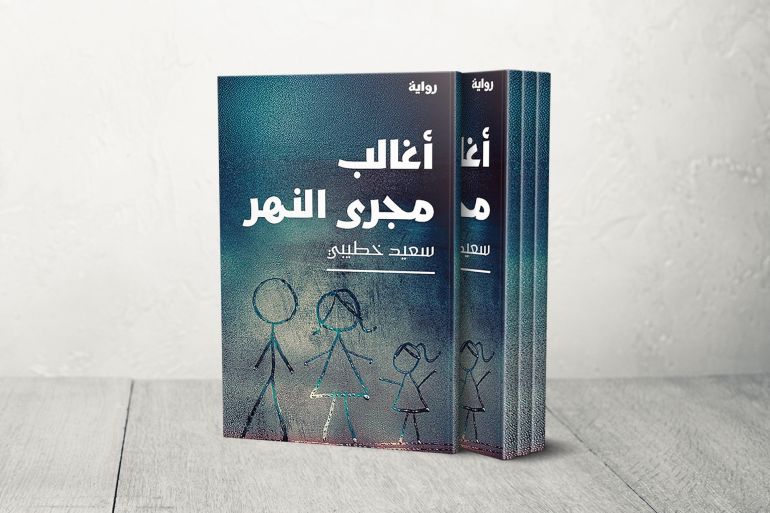
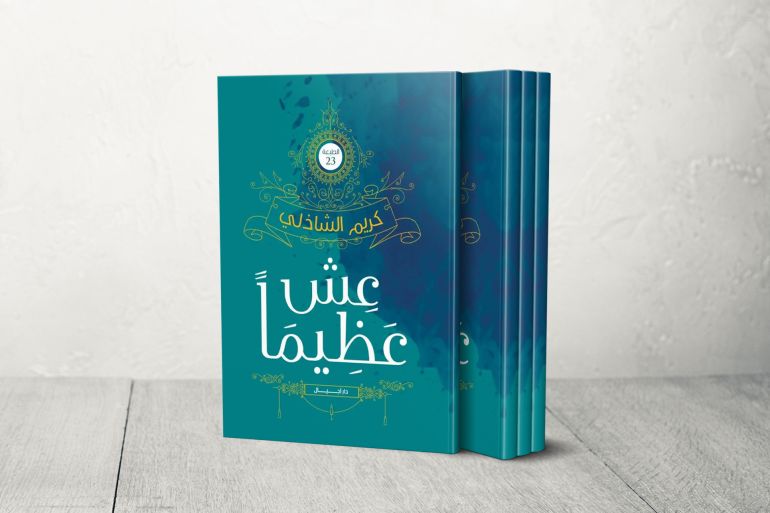
Colloquial language is resorted to only when necessary to add a special popular touch, or when drawing from and employing folk heritage in the text, as evident in the novels “Matryoshka – Cotton Souls” and “The Fall of the Knight of Dreams.” Modern Standard Arabic lends beauty and value to the narrative.
This does not mean the writer must be a grammarian necessarily, but they must be proficient in Modern Standard Arabic and possess a linguistic awareness that enables them to write a coherent and beautiful text.
Regarding the concept of “the poetry of the novel,” it refers to that aesthetic energy that lends depth and rhythm to the narrative, transforming language into an emotional space that gives it impact and wonder, without the novel losing its realism and vitality.
“The
Arabic novel
The Arabic novel emerged in the late 19th century, heavily influenced by European literary forms and the *Nahda* (Arab Renaissance) movement. It developed as a distinct genre through the 20th century, with pioneers like Naguib Mahfouz using the form to explore social, political, and existential themes within Arab societies.Arab world
The Arab world is a cultural and linguistic region spanning 22 countries across the Middle East and North Africa, united by the Arabic language and shared history. Its history is deeply rooted in the rise of Islam in the 7th century, which led to the rapid expansion of the Arab Empire and a golden age of science, philosophy, and art. The modern Arab world was largely shaped by the dissolution of the Ottoman Empire and subsequent European colonialism in the 20th century.Naguib Mahfouz
Naguib Mahfouz was a renowned Egyptian novelist and the first Arabic-language writer to win the Nobel Prize in Literature in 1988. He is best known for his Cairo Trilogy, which depicts life in Cairo across generations in the 20th century. His extensive body of work, deeply rooted in the social and political landscape of Egypt, has made him a central figure in modern Arabic literature.Nobel Prize in Literature
The Nobel Prize in Literature is an annual international award established by the will of Alfred Nobel in 1895, first presented in 1901. It is bestowed by the Swedish Academy upon an author from any country who has produced “the most outstanding work in an ideal direction” in the field of literature.Matryoshka – Cotton Souls
“Matryoshka – Cotton Souls” is an art installation by Russian artist Alexandra Dementieva that reimagines traditional Russian nesting dolls (matryoshkas) using cotton and textiles. It explores themes of identity, memory, and cultural heritage by transforming a classic wooden symbol into soft, layered fabric forms. The work comments on the fragility and inner complexity of cultural symbols and personal history.The Fall of the Knight of Dreams
“The Fall of the Knight of Dreams” is a contemporary sculpture by Spanish artist Jaume Plensa, located in Calgary, Canada. Installed in 2018, it depicts a large, contemplative human head made of stainless steel letters, symbolizing language and shared humanity. The work is part of a series by Plensa exploring text and form in public spaces.