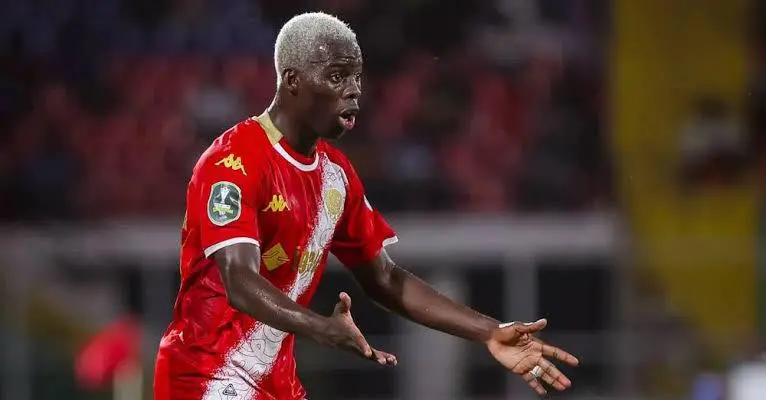
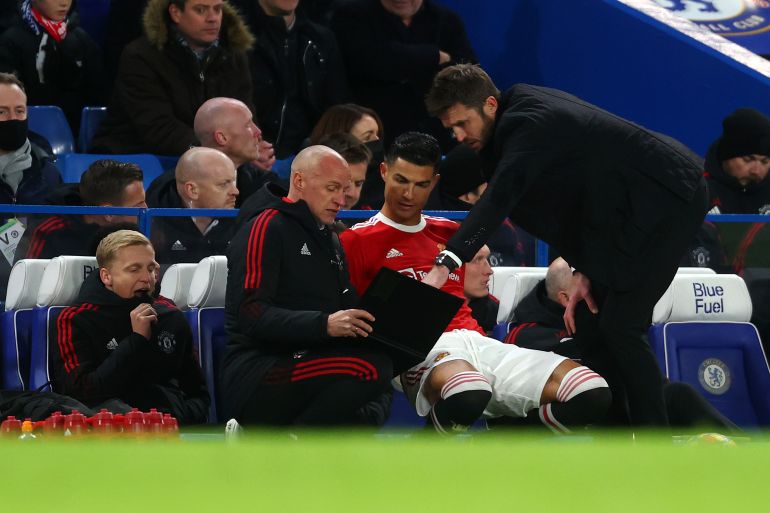
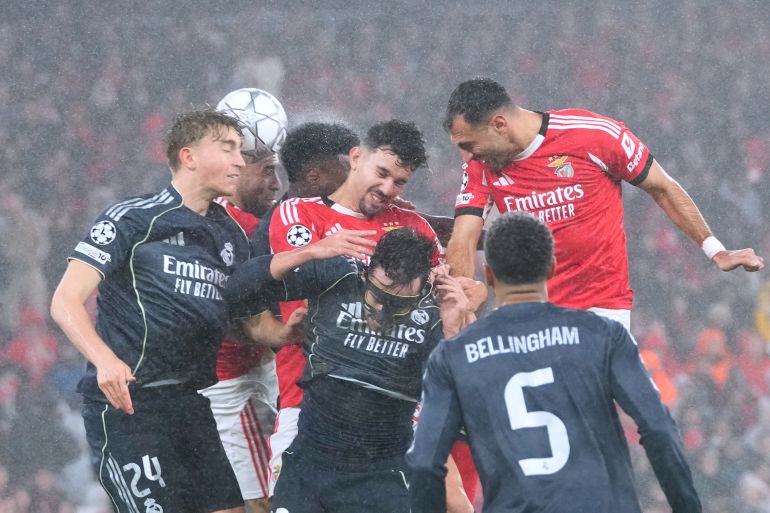
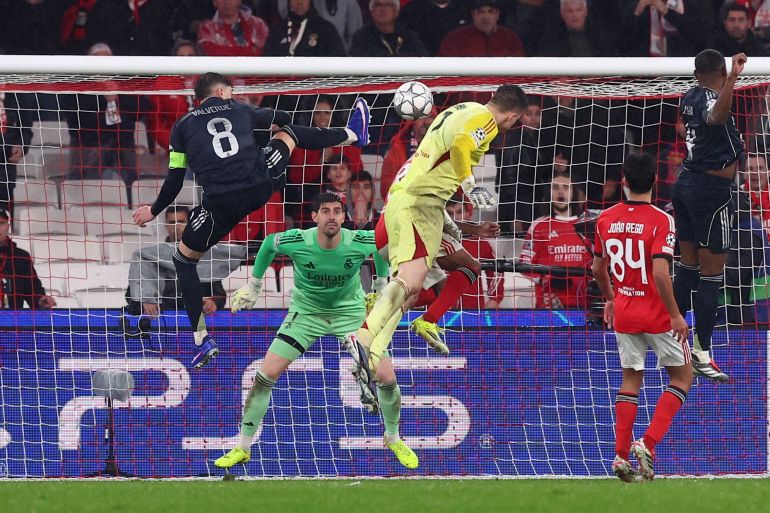
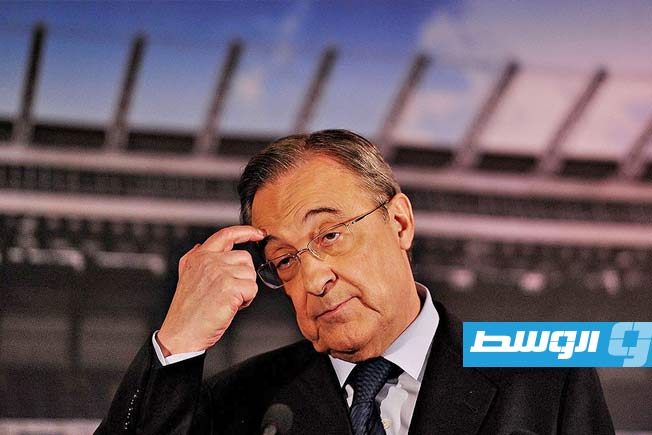
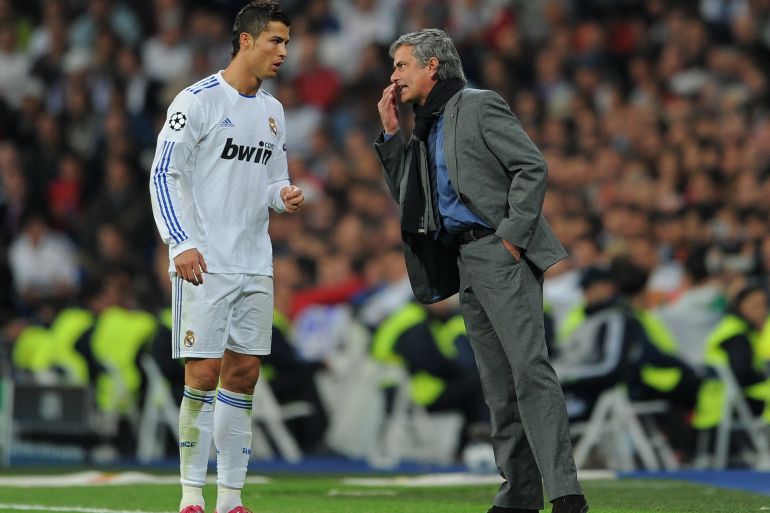
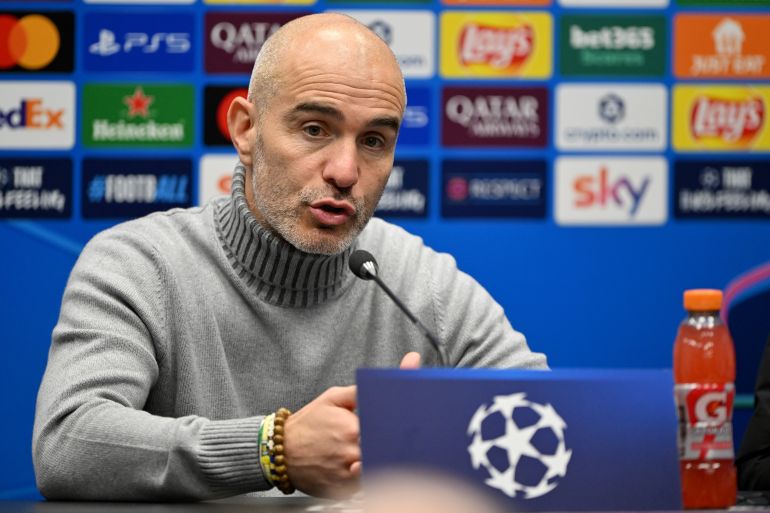
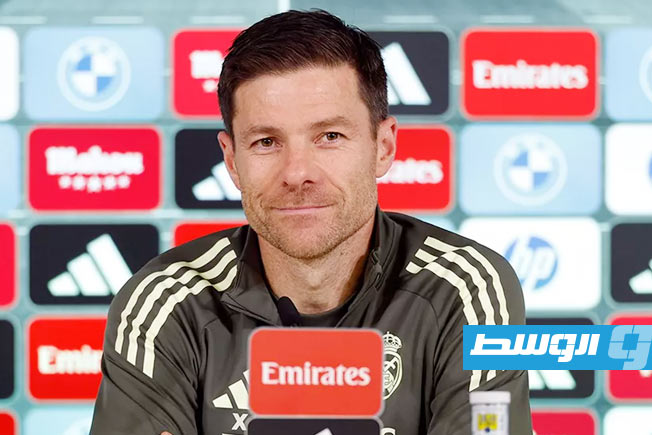
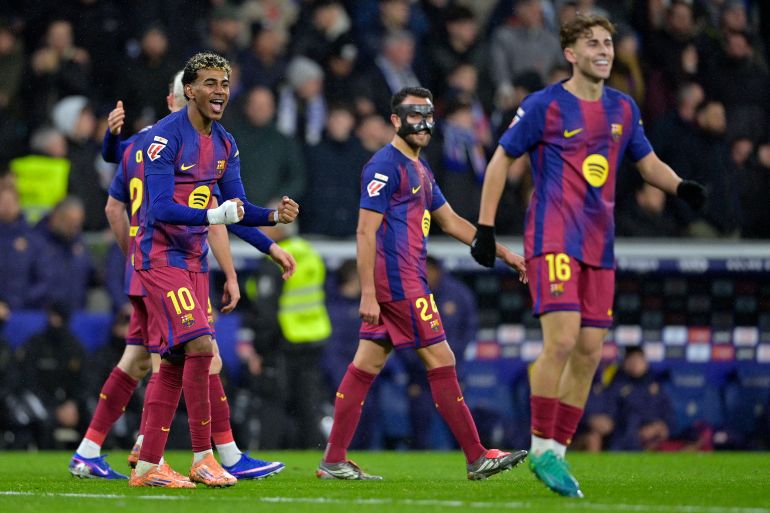
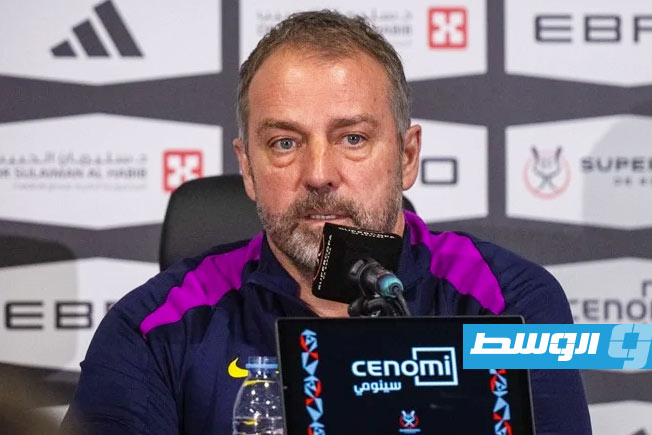
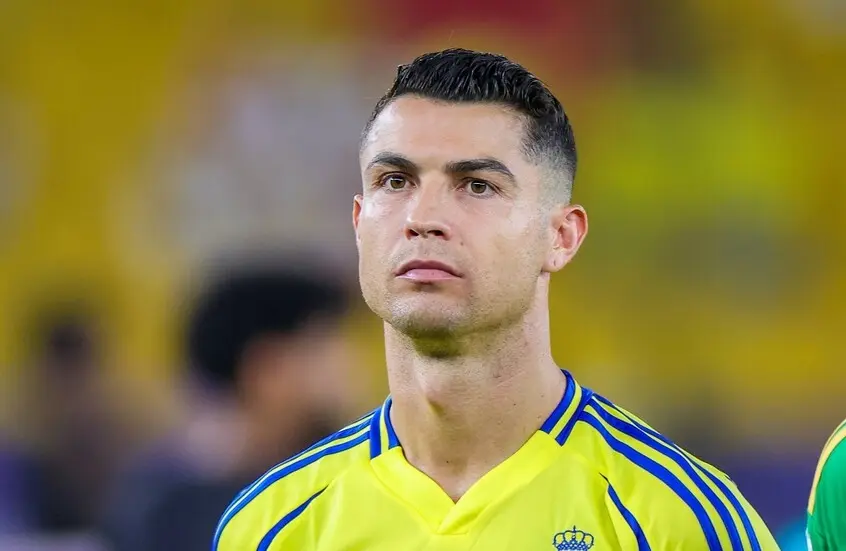
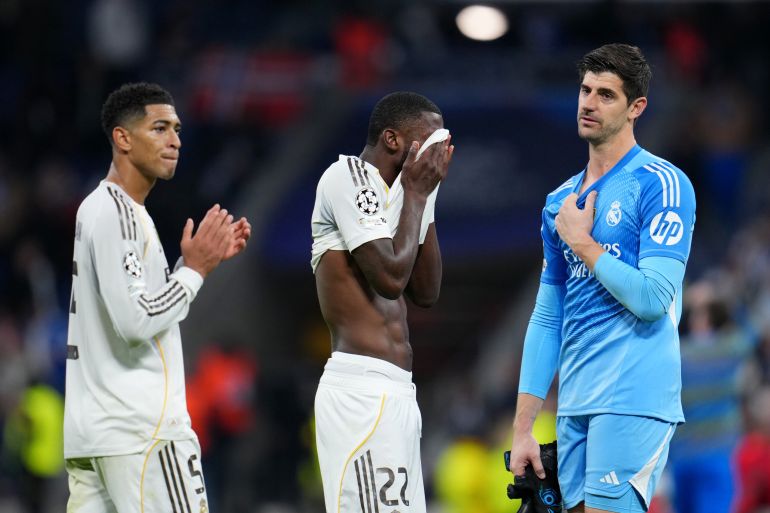
British press reports stated on Sunday that Real Madrid’s management has decided to dismiss a member of the technical staff, a swift move aimed at restoring stability within the “Royal” club.
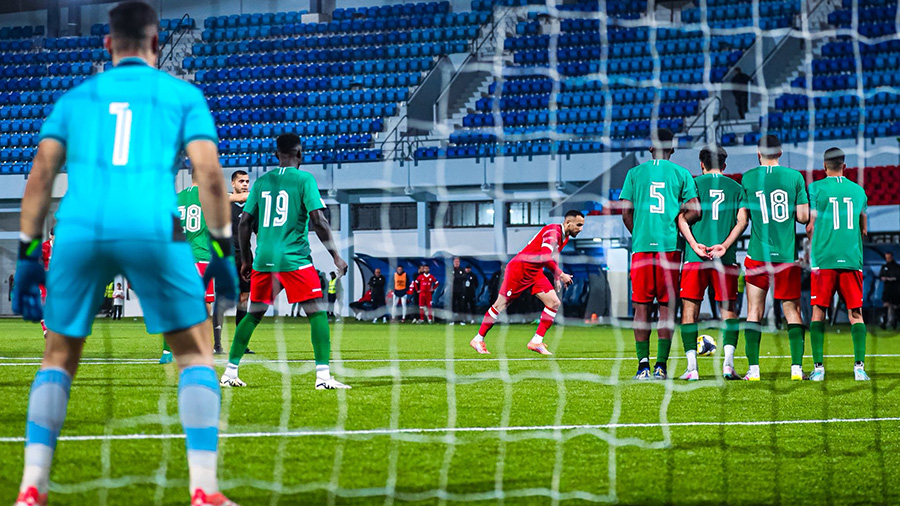
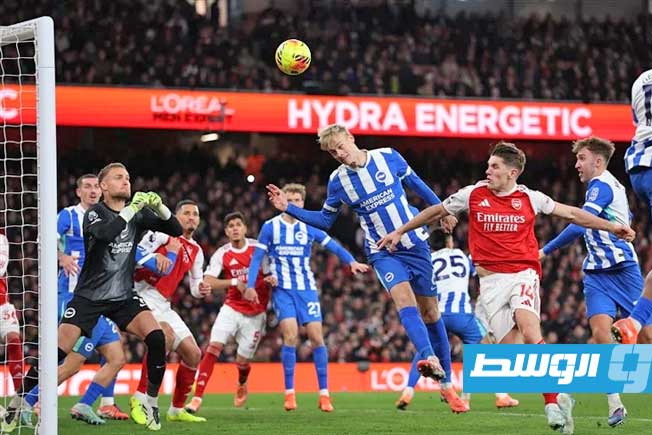
It was reported that Real Madrid has dismissed Jesús Rueda, the specialist in set-pieces, though he continues to work at the club in another role as an assistant technical analyst.
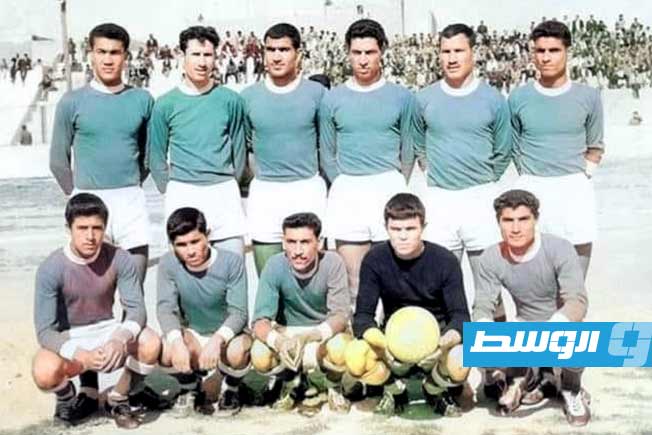
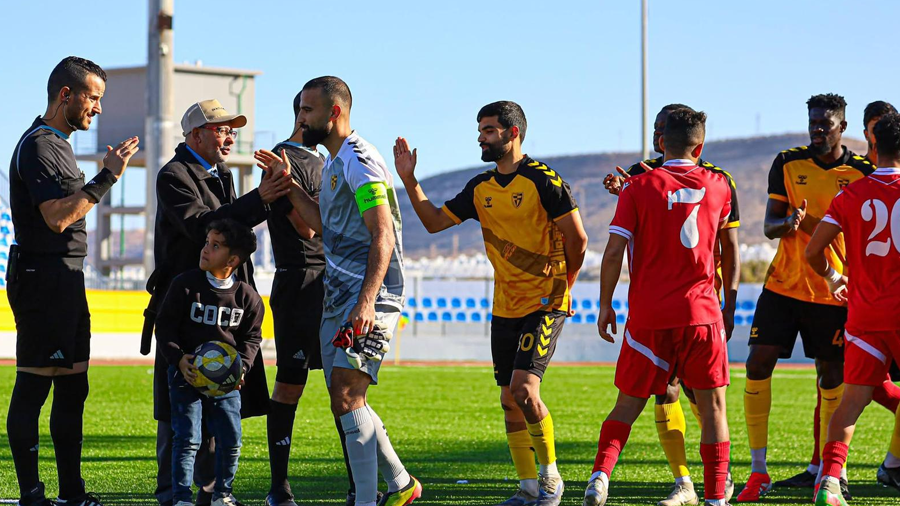
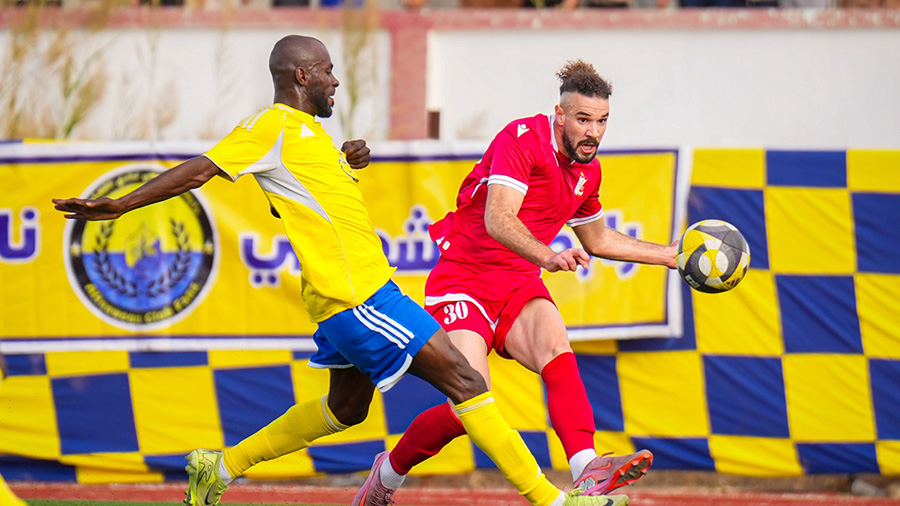
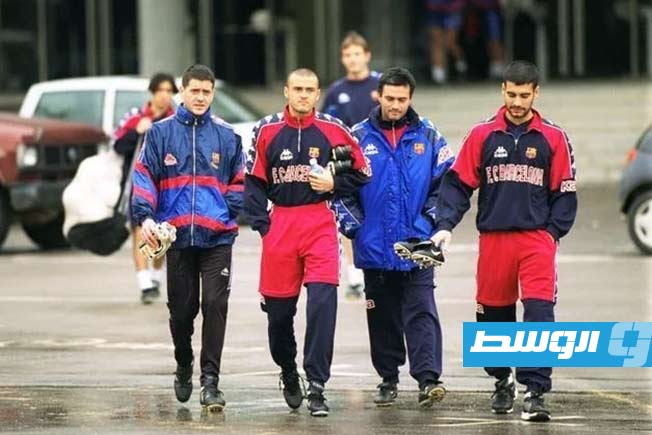
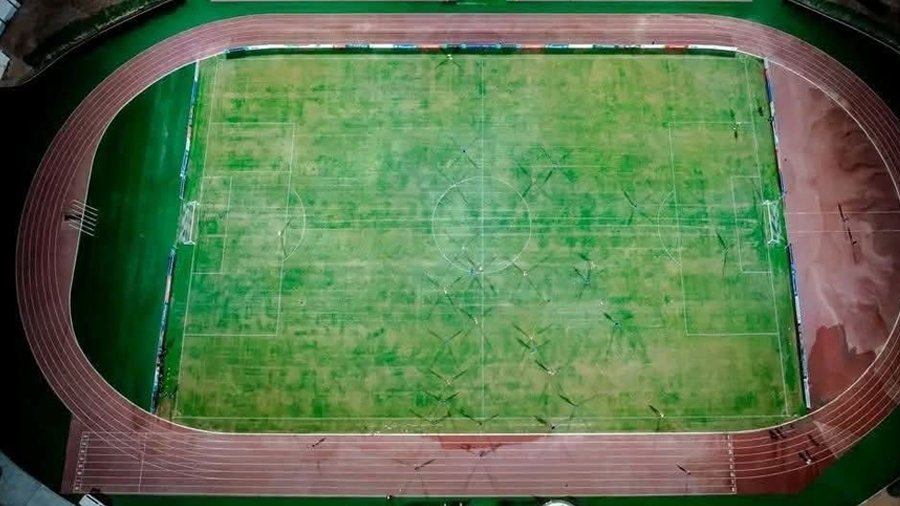
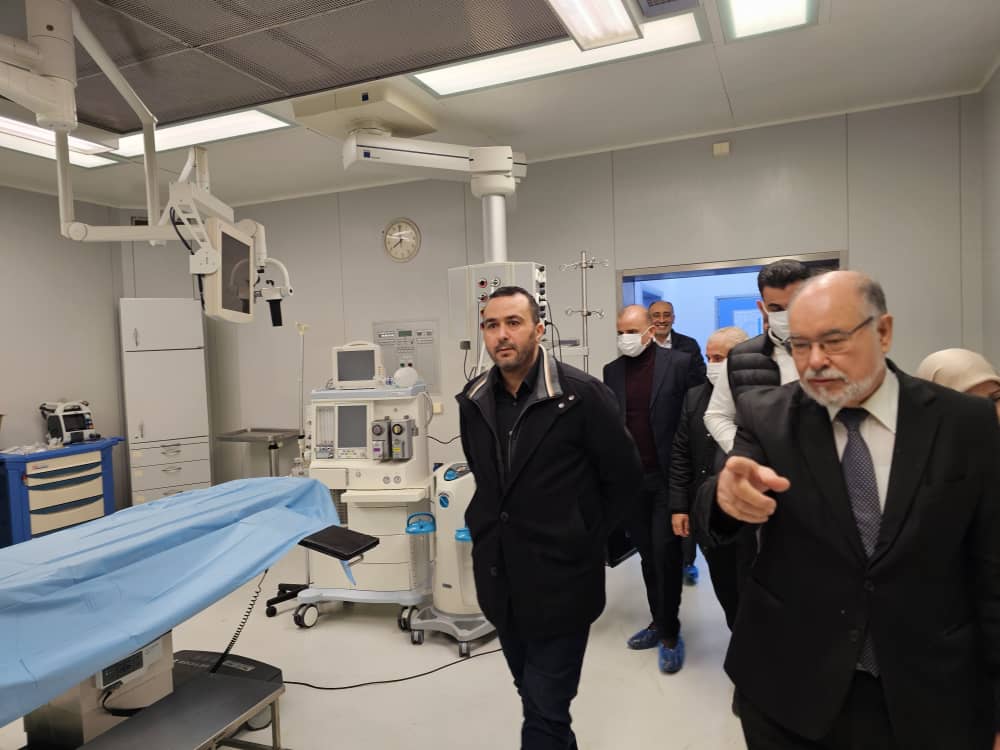
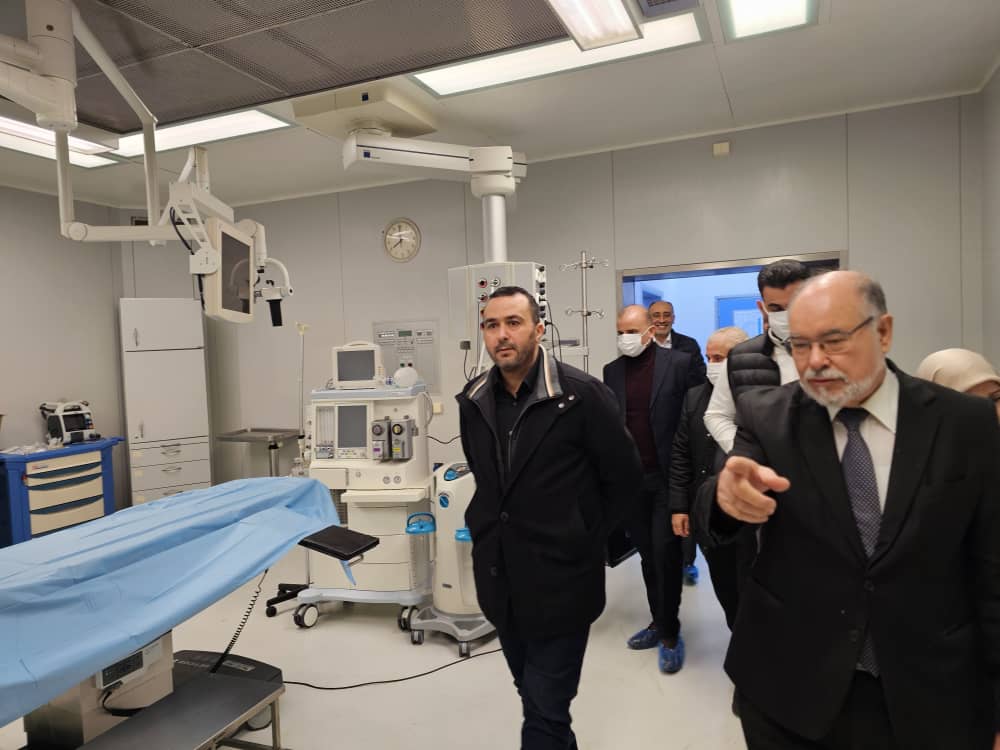
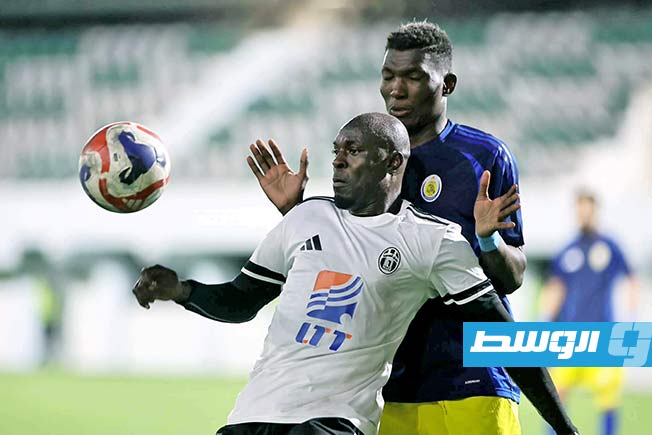
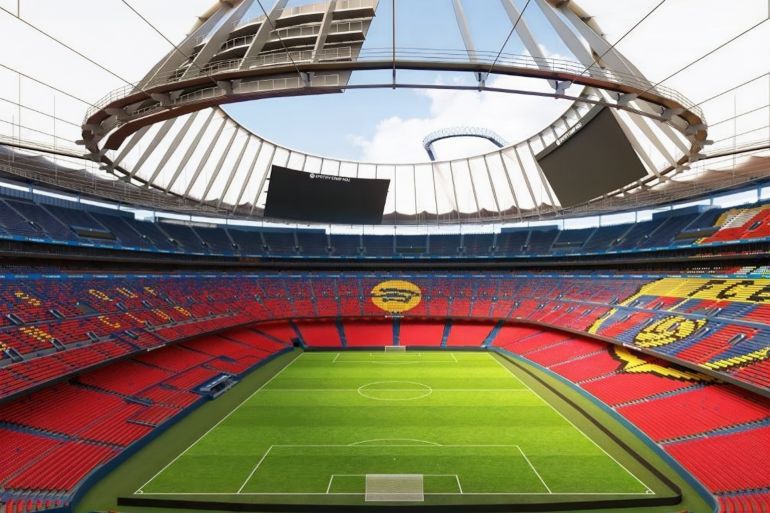
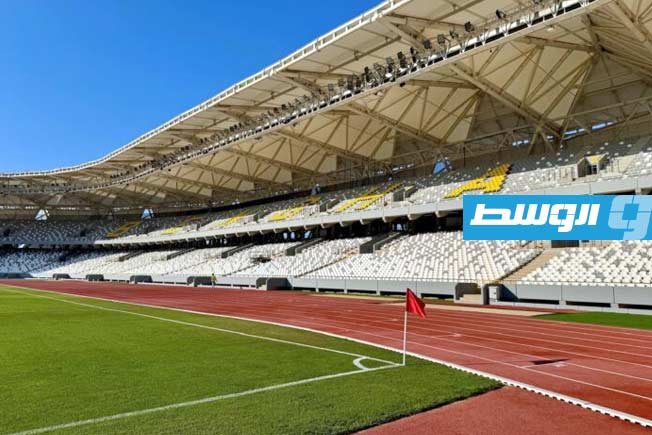
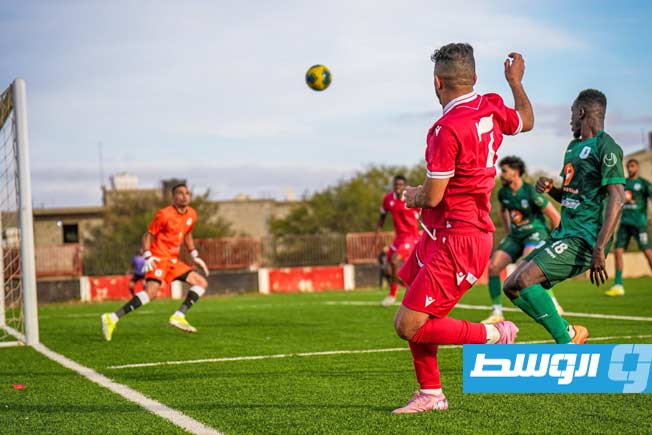
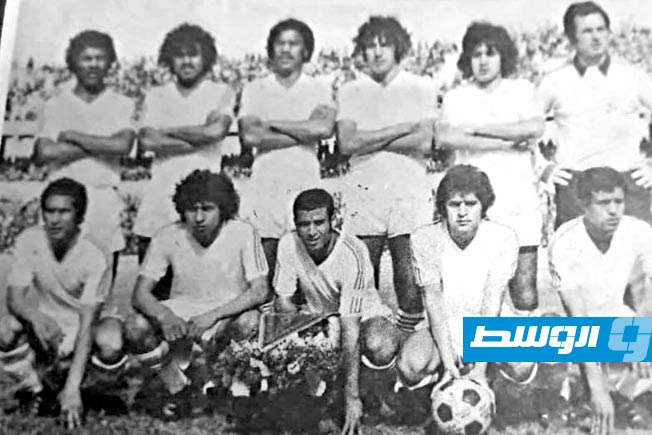
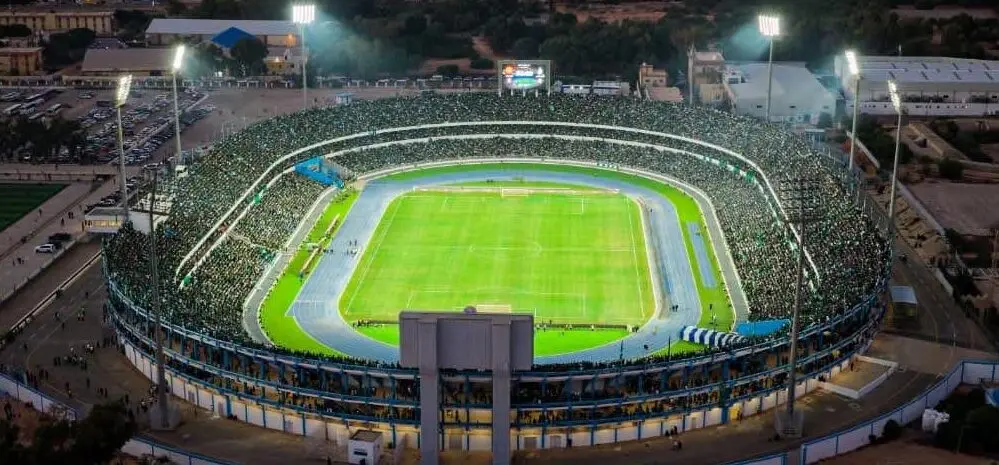
– Watch… “In the Nineties”: Why is there a big difference between Libyan stadiums and the Santiago Bernabéu?
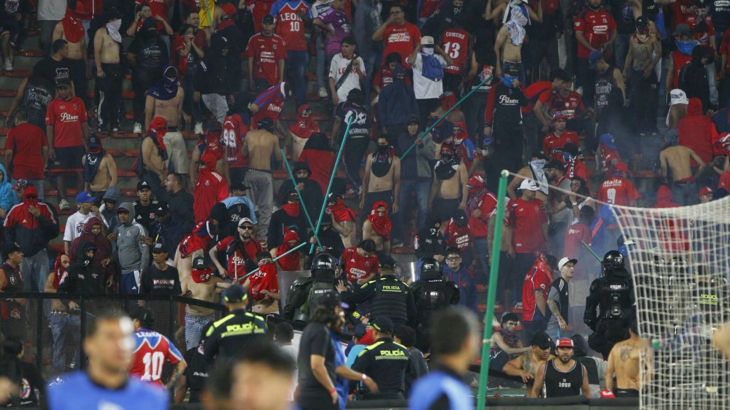
– Real Madrid heads for a direct clash with its fans due to whistles of disapproval
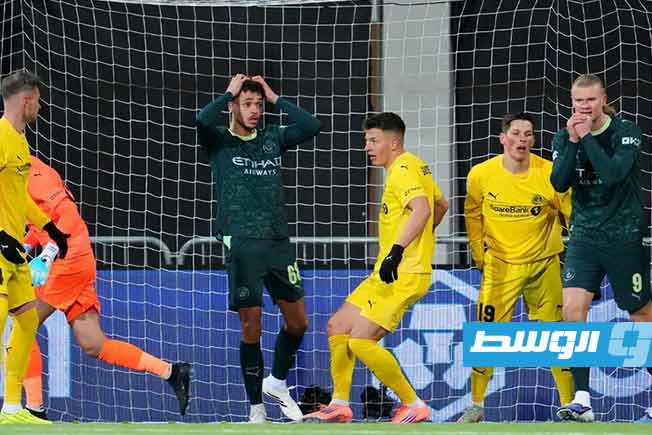
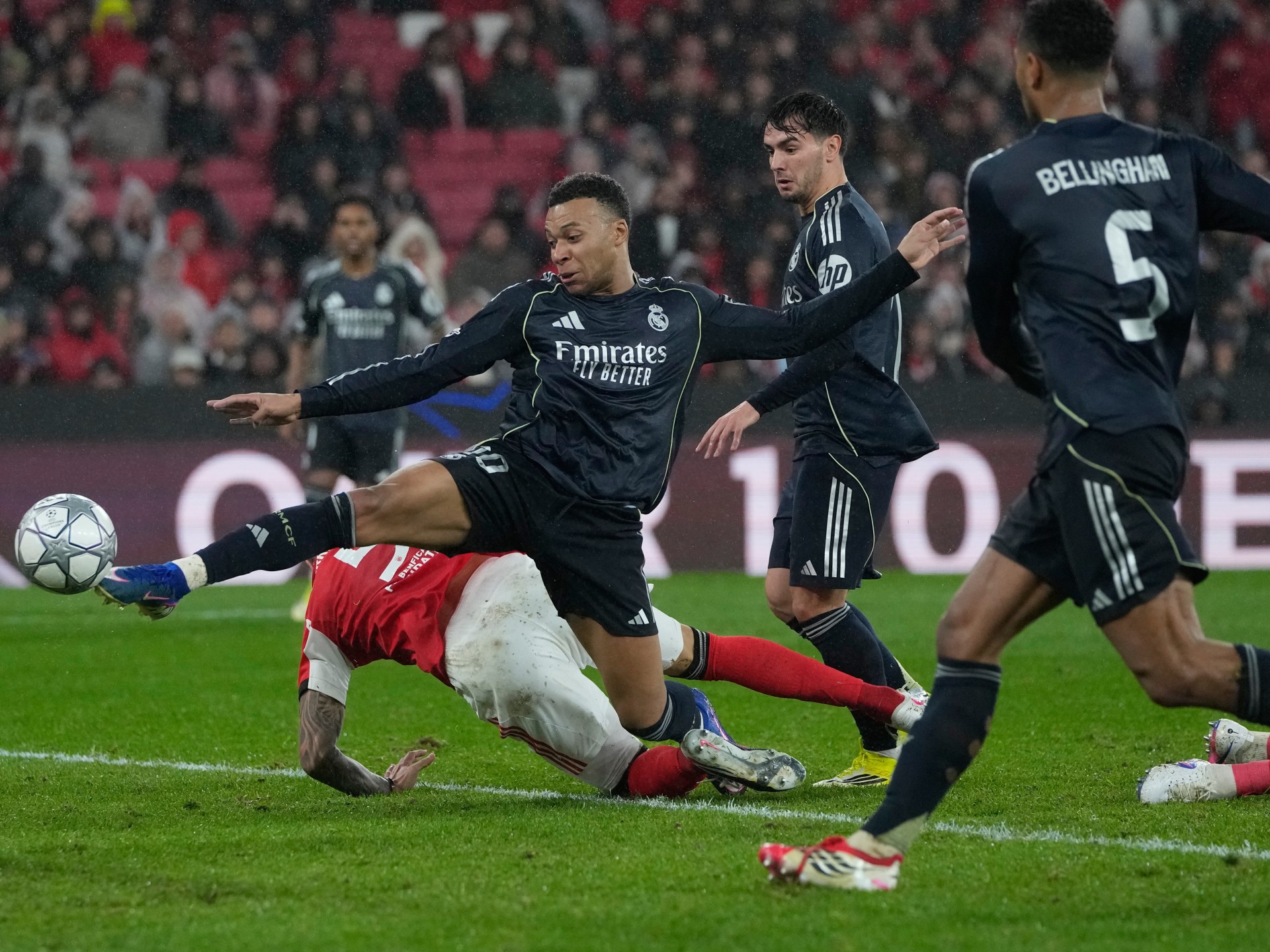
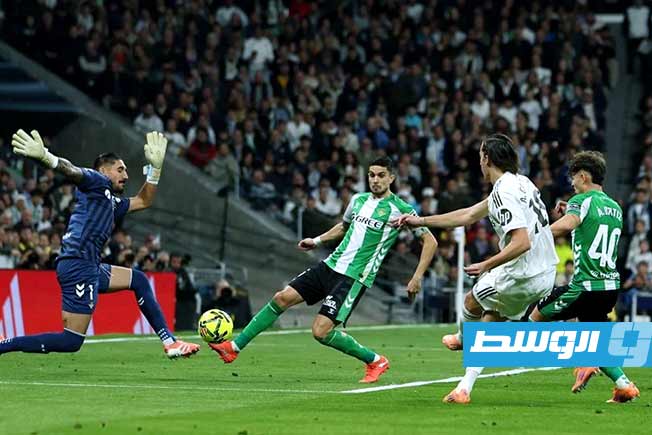
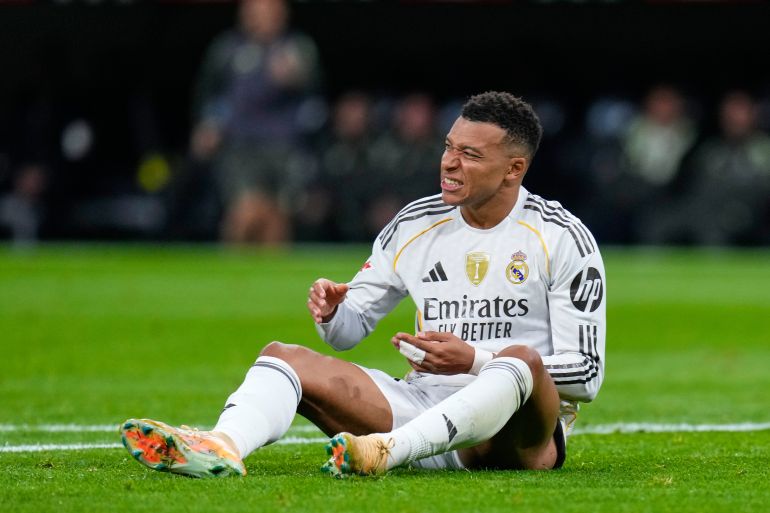
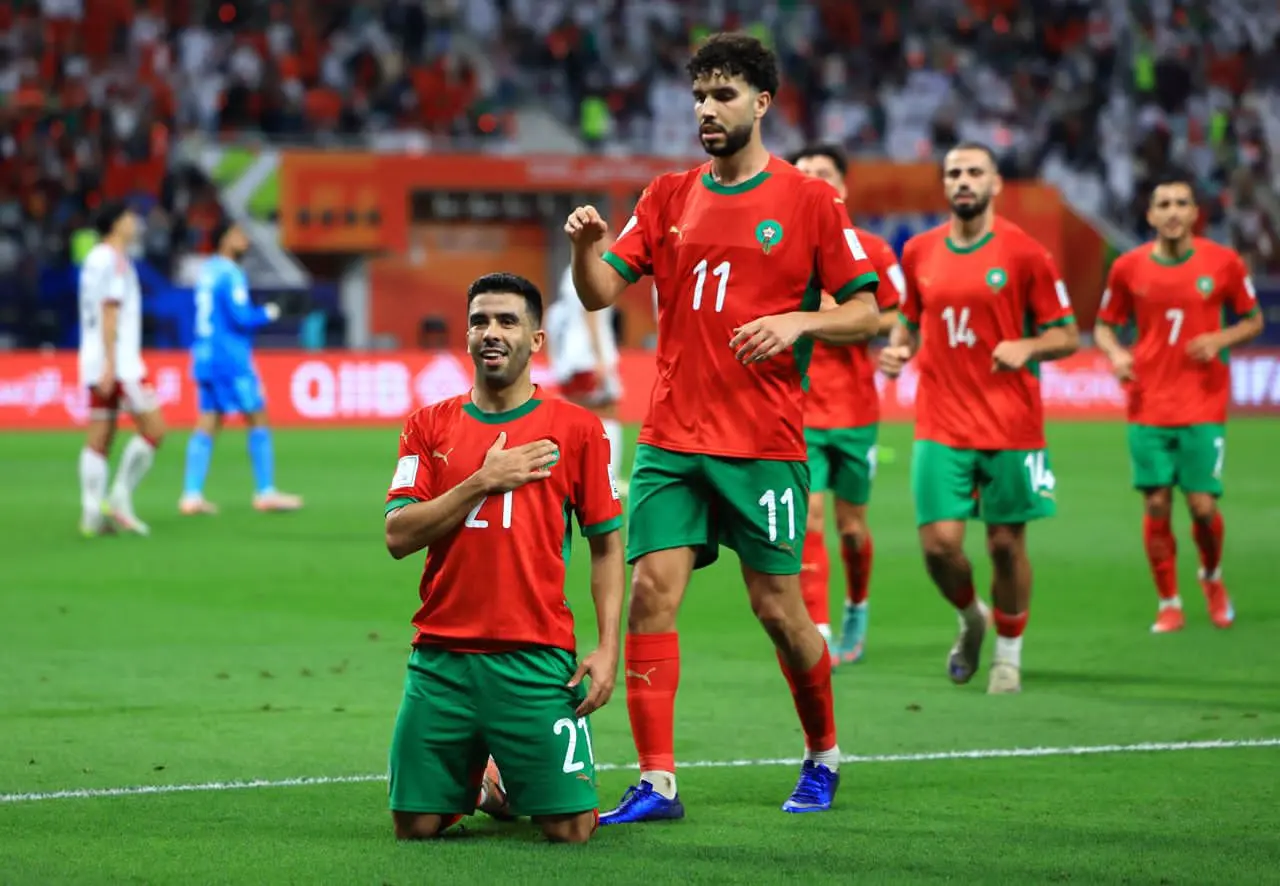
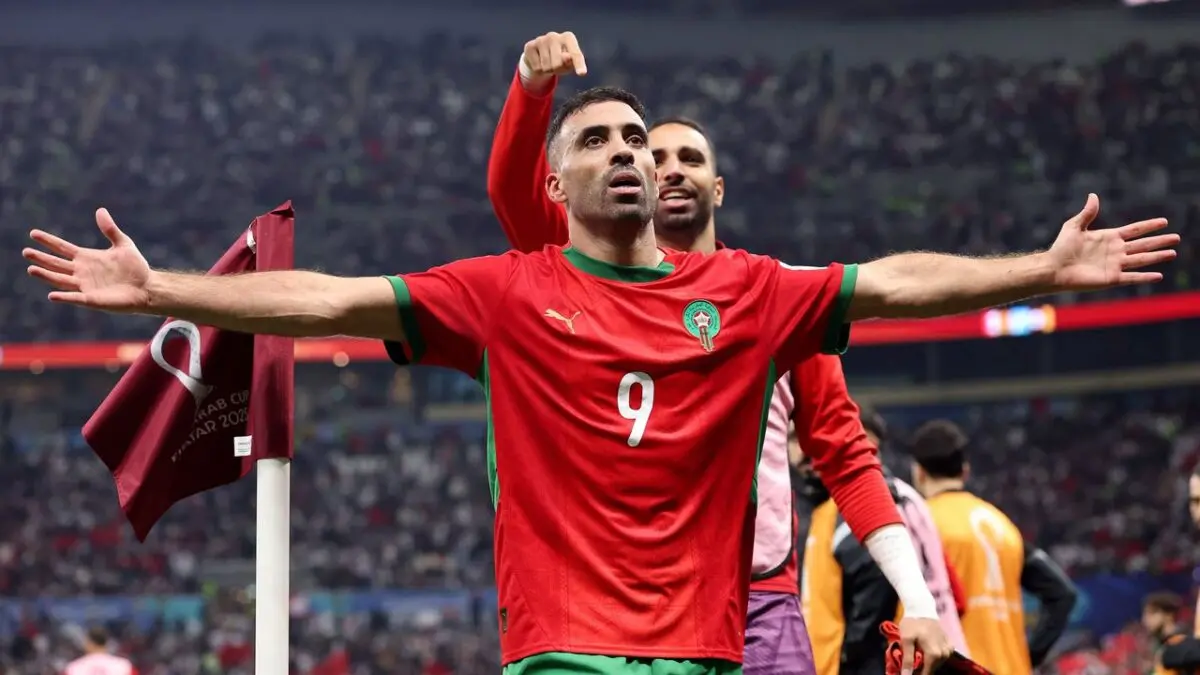
Real Madrid returned to winning ways with a 2-0 victory over its guest Levante on Saturday, thanks to second-half goals from Kylian Mbappé and Raúl Asensio, in Spanish league competition.
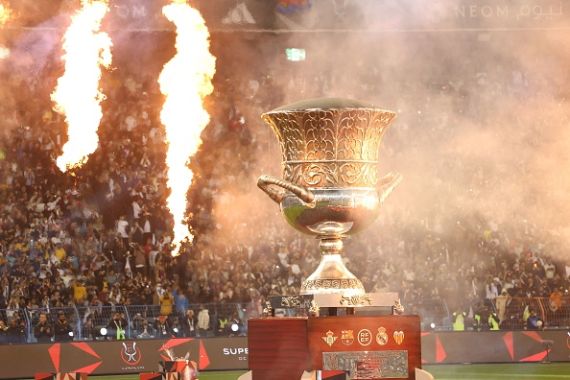
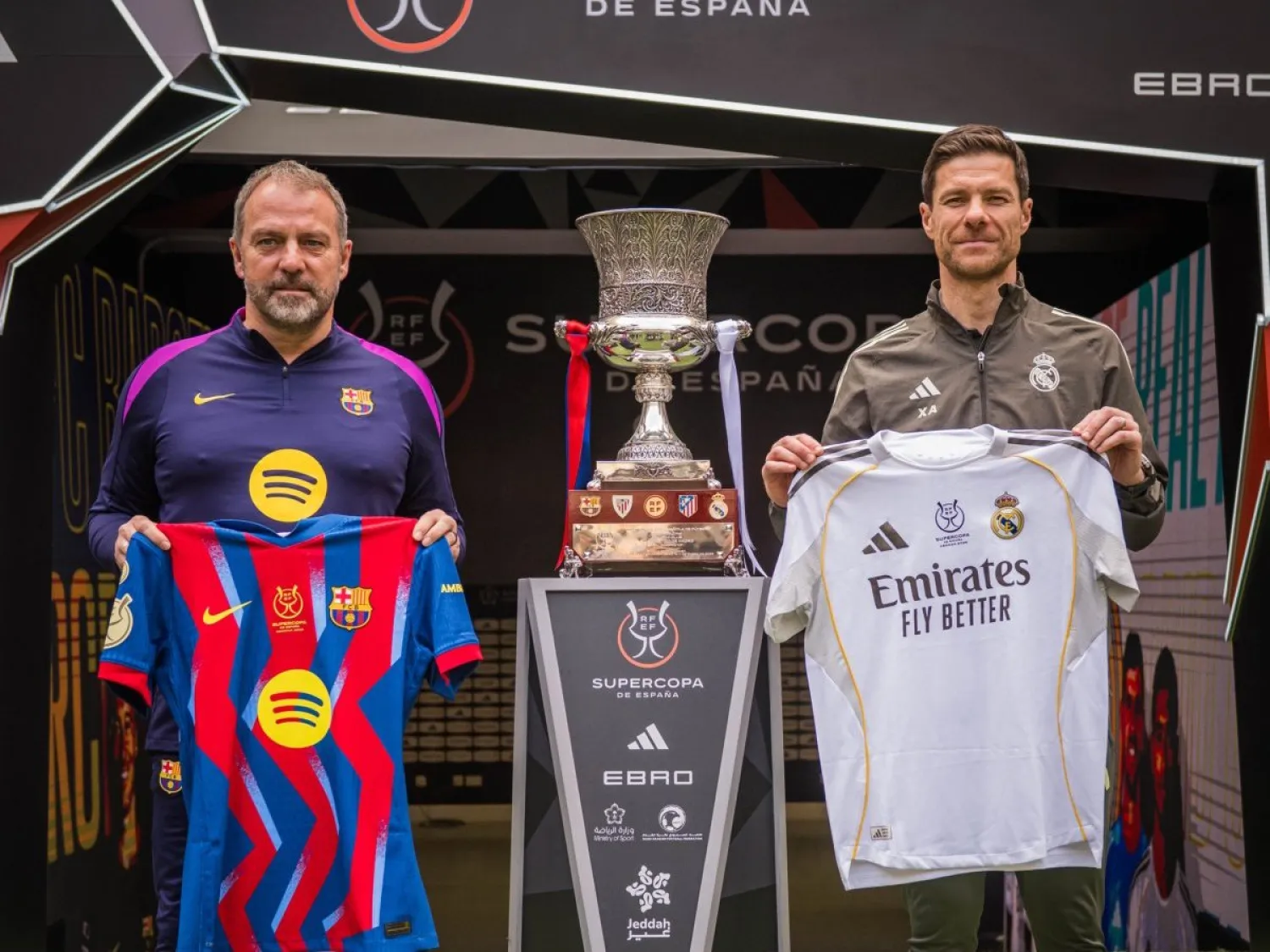
Real Madrid breathed a sigh of relief with this win after a difficult period that began with a 2-3 loss to Barcelona in the Spanish Super Cup, followed by the departure of coach Xabi Alonso, and then the surprising exit from the Copa del Rey with a 2-3 loss to second-division rival Albacete.
Real Madrid
Real Madrid is a professional football club based in Madrid, Spain, founded in 1902. It is one of the world’s most successful and widely supported clubs, renowned for its record number of European Cup/UEFA Champions League titles. The club’s history is deeply intertwined with Spanish culture and its Santiago Bernabéu Stadium is a major sporting landmark.
British press
The British press has a long history dating back to the 17th century, with the first regularly published newspapers emerging after censorship laws lapsed. It is known for its tradition of a free press, influential titles like *The Times* and *The Guardian*, and a competitive market that includes both broadsheet and tabloid publications.
Jesús Rueda
Jesús Rueda is a prominent Spanish composer and conductor, born in 1961, known for his contemporary classical music. He co-founded the “Laboratorio de Interpretación Musical” and has served as the artistic director of the “Festival de Música Española” in Cádiz, significantly influencing modern Spanish musical culture.
Libyan stadiums
Libyan stadiums, such as the iconic 11 June Stadium in Tripoli, have historically served as major venues for football and cultural events, often reflecting the country’s post-independence development. Many were constructed or renovated during the Muammar Gaddafi era, intended to showcase national prestige and foster sports diplomacy. In recent years, these stadiums have faced challenges due to conflict and political instability, impacting their maintenance and use.
Santiago Bernabéu
The Santiago Bernabéu is the iconic home stadium of Real Madrid Football Club in Madrid, Spain. It opened in 1947 and was named after the club’s former president, who was instrumental in its construction and the team’s subsequent success.
Levante
Levante is a historical and cultural region on the eastern coast of Spain, encompassing areas like Valencia and Murcia. Historically, it has been influenced by various civilizations, including the Iberians, Romans, and Moors, which shaped its distinct architecture, language, and traditions. Today, it is renowned for its vibrant festivals, such as Las Fallas, and its fertile agricultural lands known for citrus production.
Kylian Mbappé
Kylian Mbappé is a French professional footballer, not a physical place or cultural site. He rose to prominence at AS Monaco before joining Paris Saint-Germain in 2017, and he was a key player in France’s 2018 FIFA World Cup victory.
Raúl Asensio
Raúl Asensio is a Peruvian sociologist and political analyst known for his research on public opinion, political culture, and social conflict in contemporary Peru. His work often examines the intersection of politics, media, and society, contributing to academic and public debates in the country.
Spanish league
The Spanish league, officially known as LaLiga, is the top professional football division in Spain, founded in 1929. It is globally renowned for its historic clubs, such as Real Madrid and FC Barcelona, whose intense rivalry has shaped much of its sporting and cultural narrative over the decades.
Barcelona
Barcelona is a historic coastal city in northeastern Spain, renowned for its unique blend of Gothic and modernist architecture, most famously exemplified by Antoni Gaudí’s Sagrada Família. Its history dates back over 2,000 years to a Roman settlement, and it later became a major Mediterranean power during the Middle Ages as the capital of the Crown of Aragon.
Spanish Super Cup
The Spanish Super Cup is an annual football competition contested by the winners of La Liga and the Copa del Rey. Originally a two-team fixture played over two legs in Spain, its format was expanded in 2020 to include four teams and is now frequently hosted abroad, notably in Saudi Arabia.
Xabi Alonso
Xabi Alonso is a retired Spanish professional footballer and current manager, best known for his successful playing career at clubs like Real Sociedad, Liverpool, Real Madrid, and Bayern Munich, as well as for the Spanish national team. He was a key midfielder in Spain’s golden generation, winning the 2010 FIFA World Cup and the UEFA European Championships in 2008 and 2012.
Copa del Rey
The Copa del Rey is Spain’s premier annual domestic football (soccer) knockout tournament, first held in 1903. It is one of the oldest football competitions in the world and is open to teams from La Liga and the lower divisions, with the winner earning a place in the UEFA Europa League.
Albacete
Albacete is a city in southeastern Spain, historically known as an important crossroads and trading hub since the Middle Ages. It gained prominence in the 19th century with the arrival of the railway and is now famous for its cutlery industry and as the home of the annual Feria de Albacete.