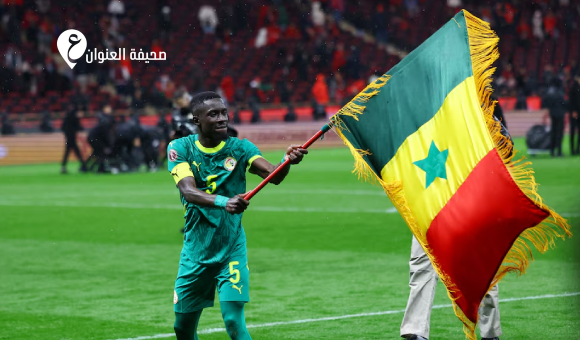
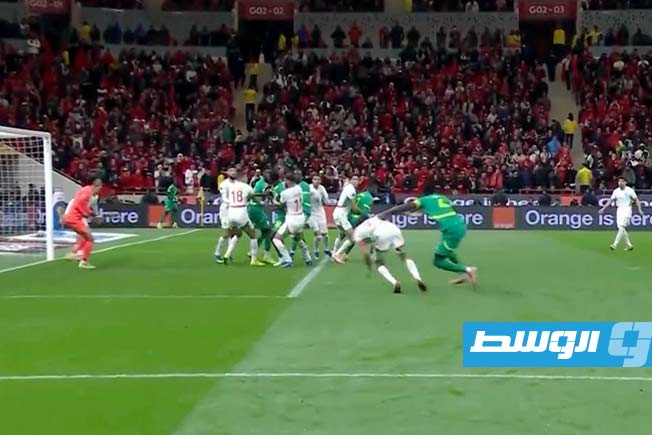
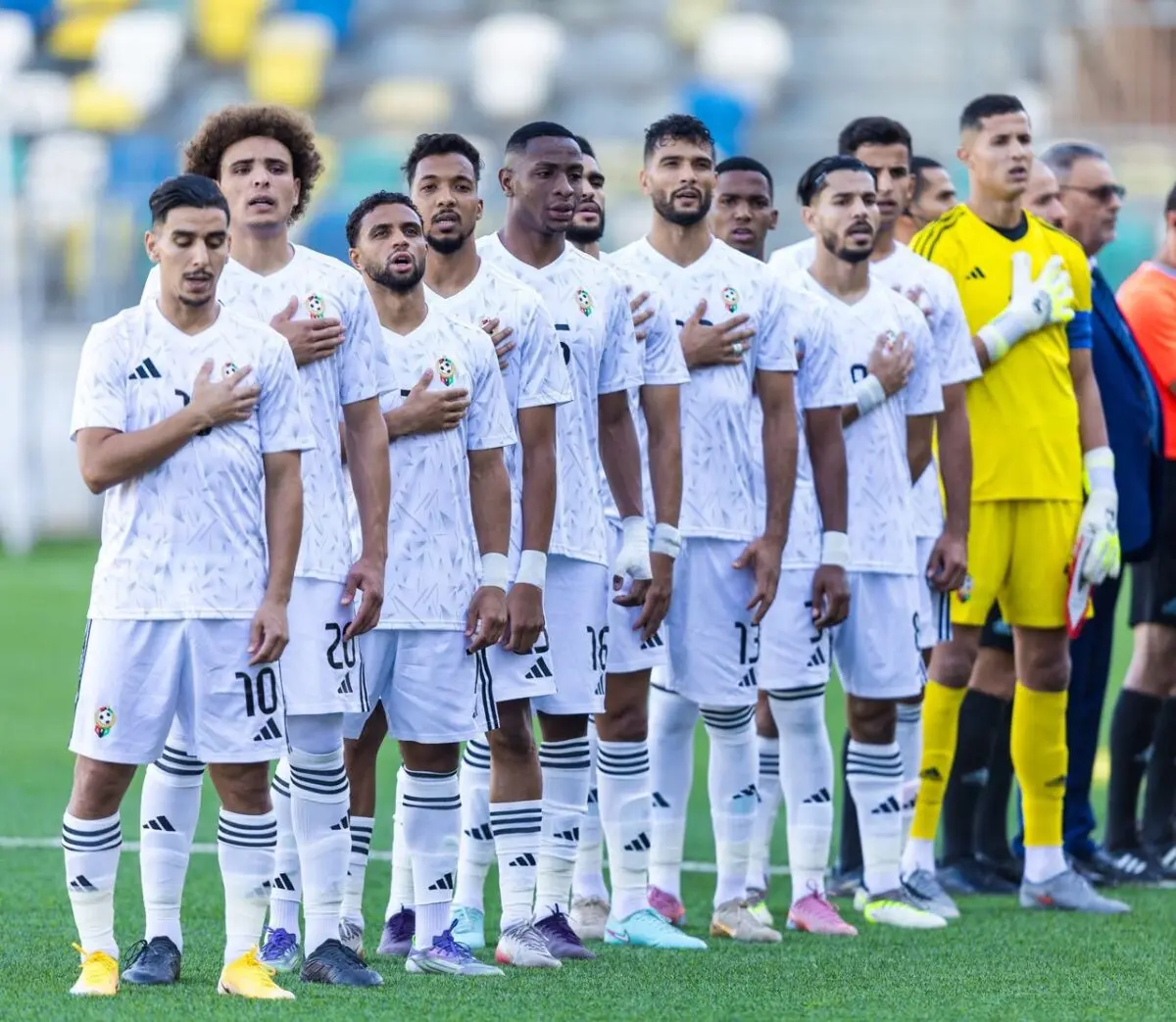
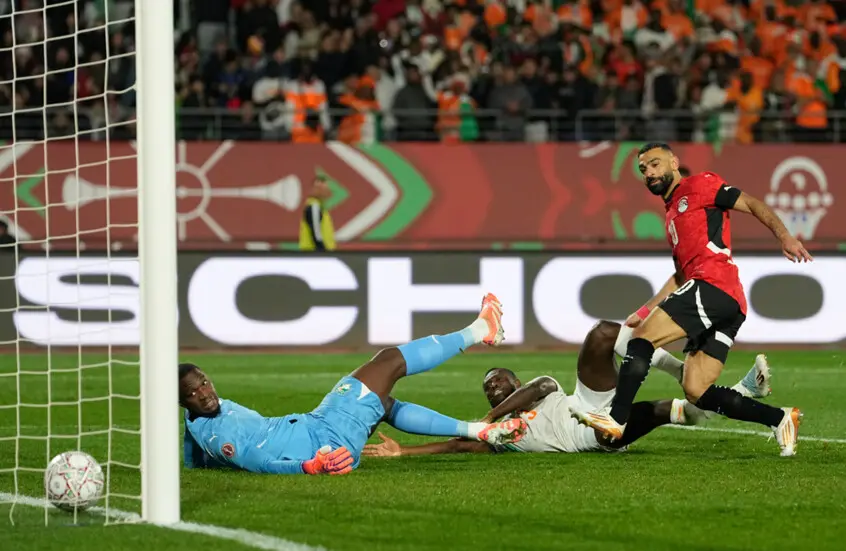
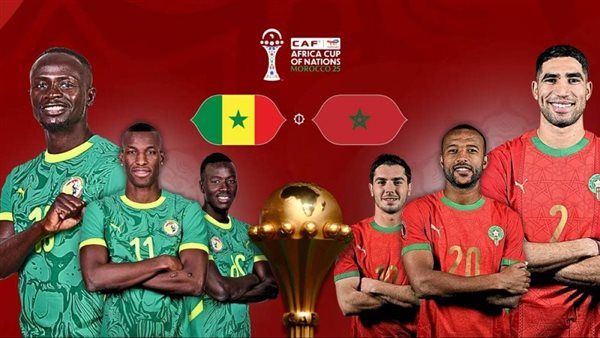
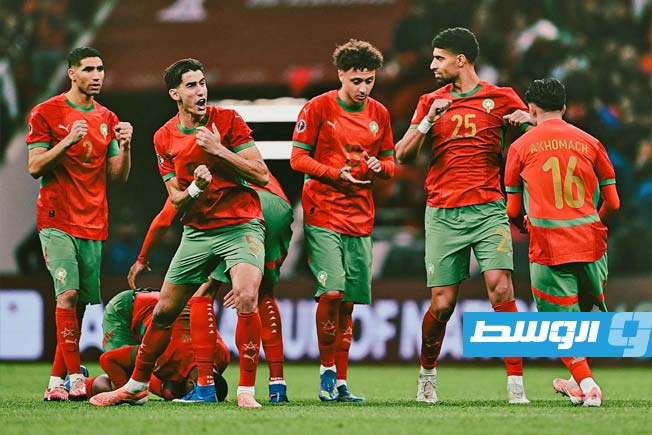
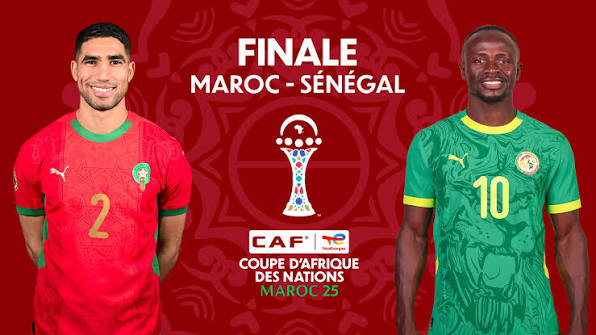
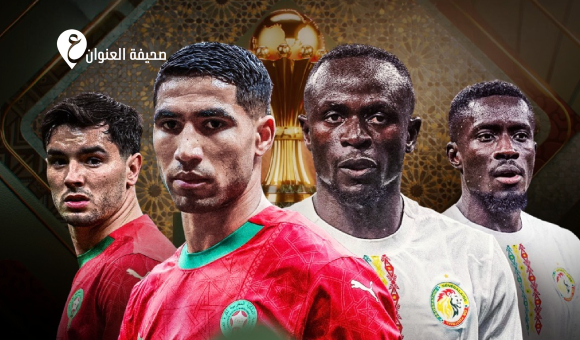
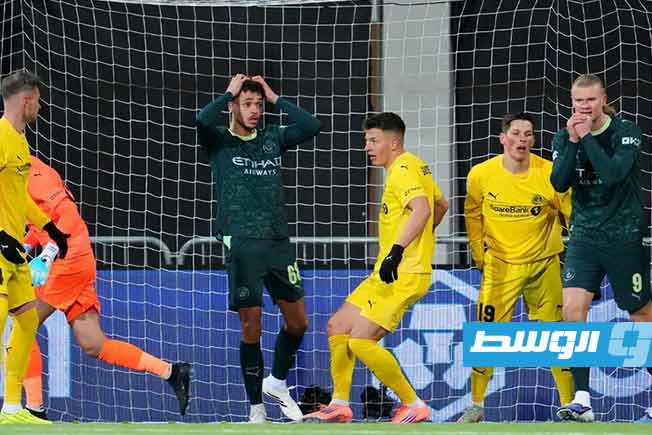
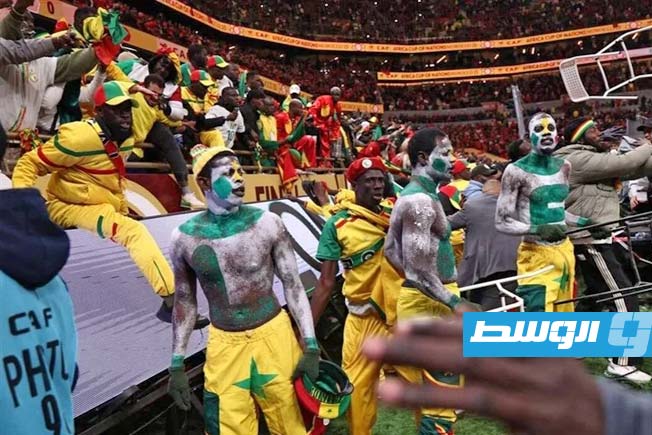
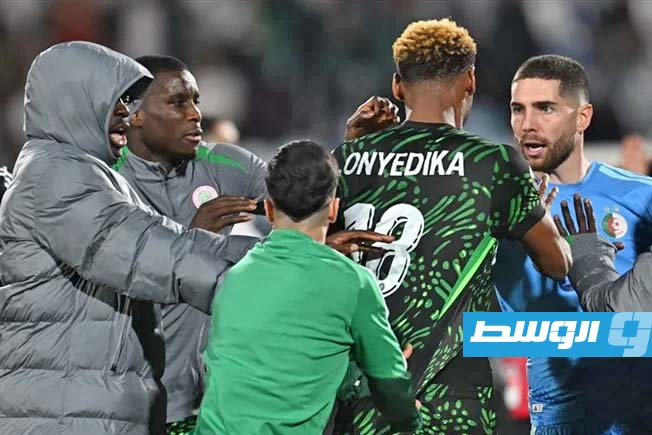
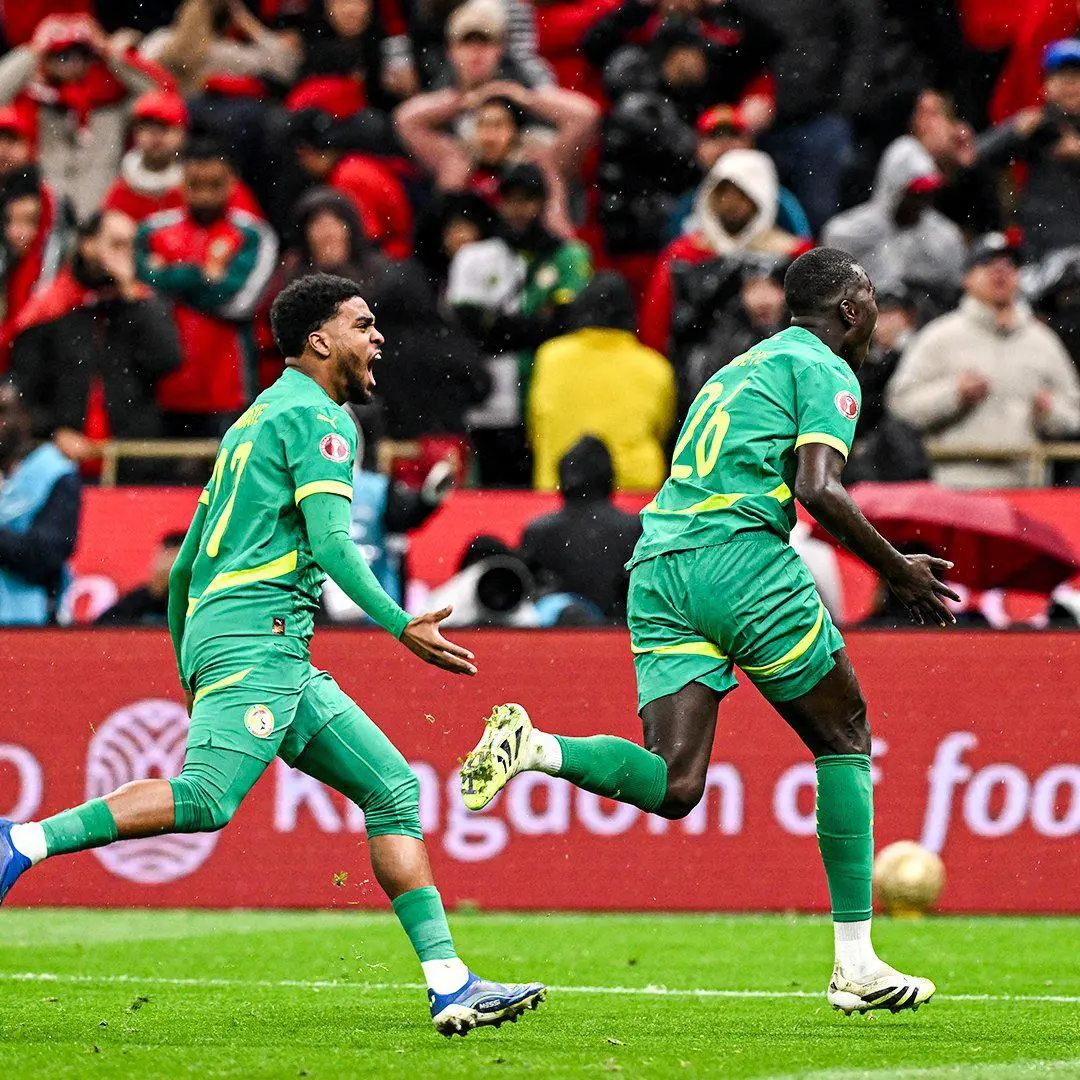
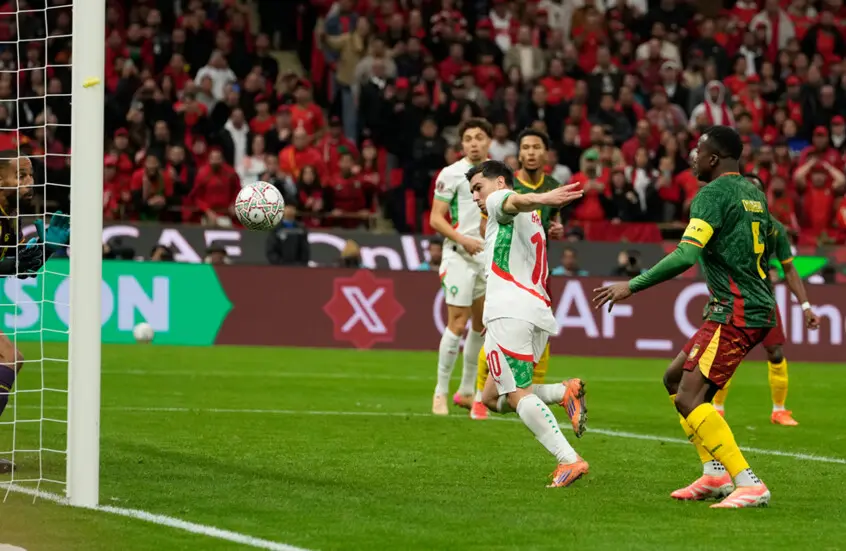
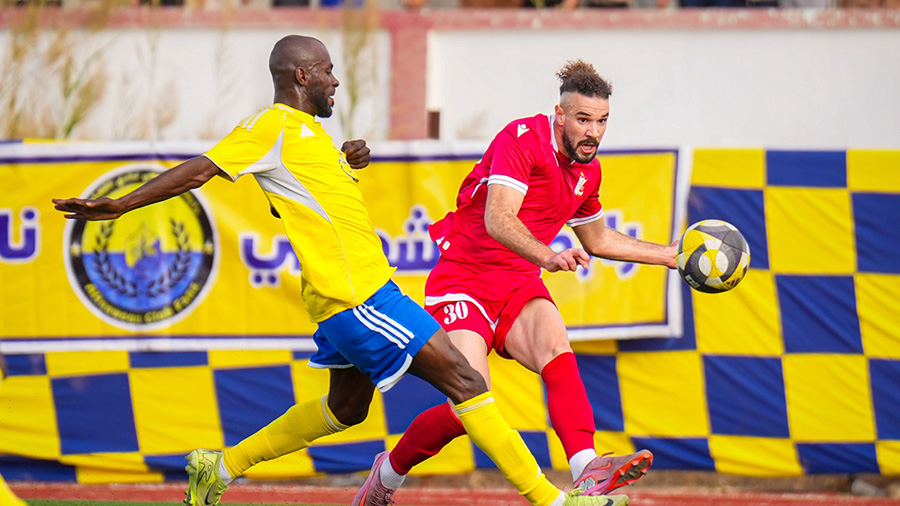
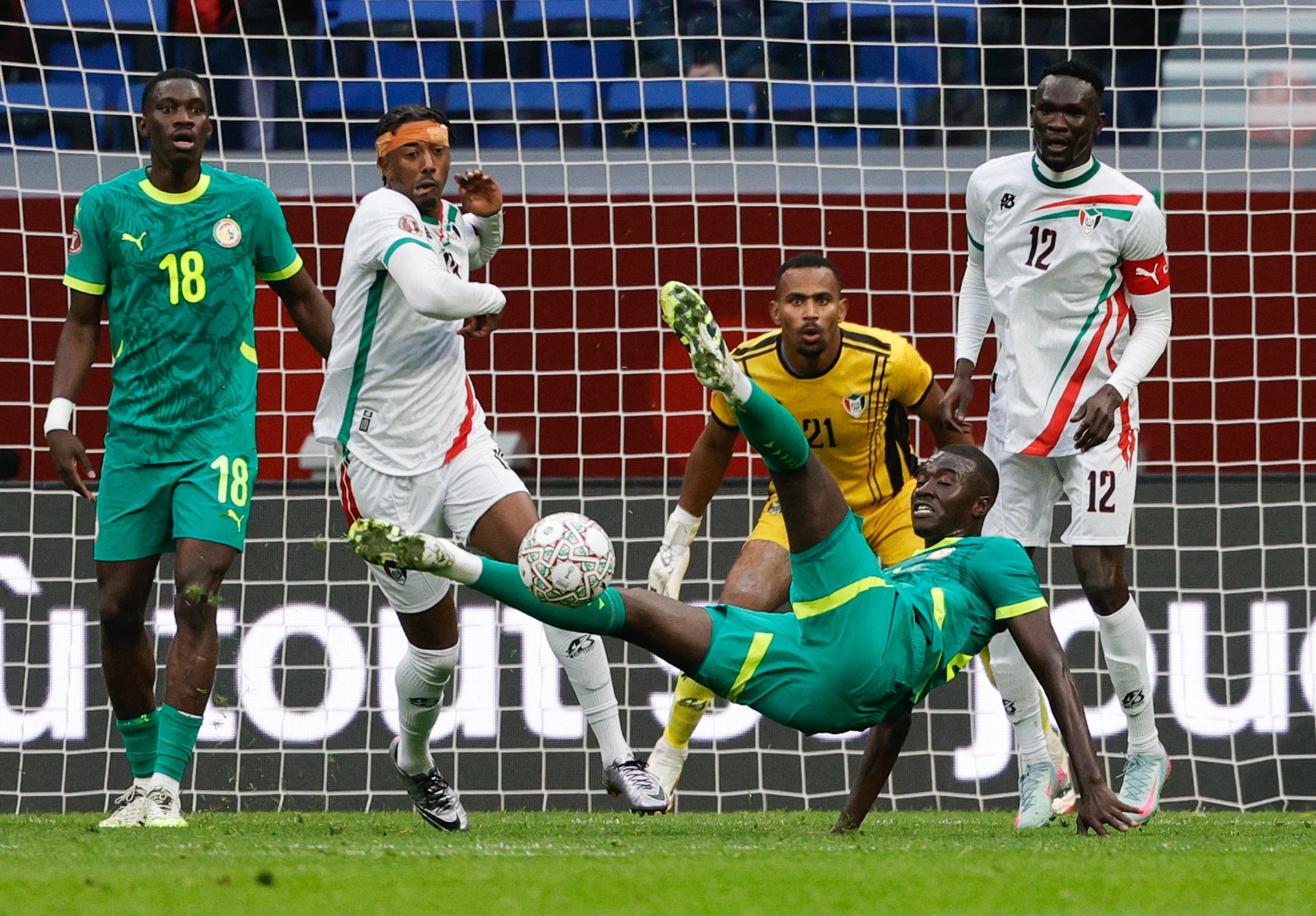
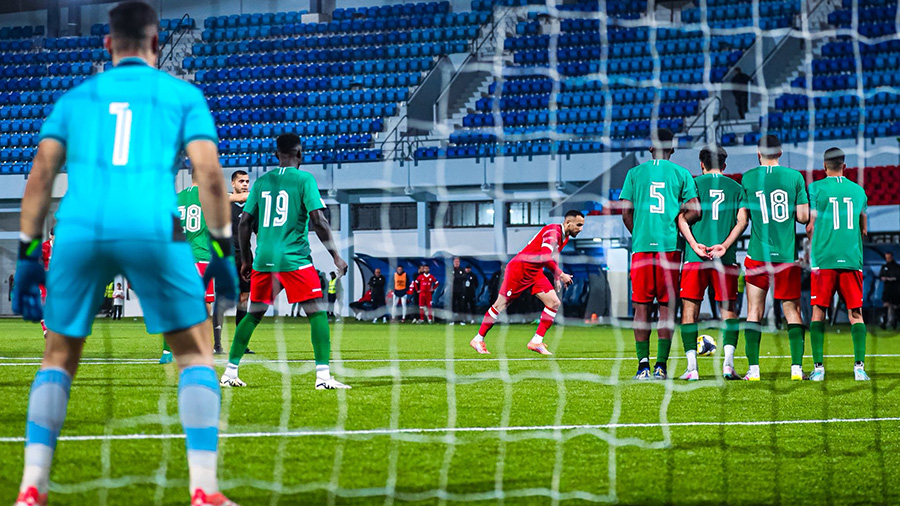
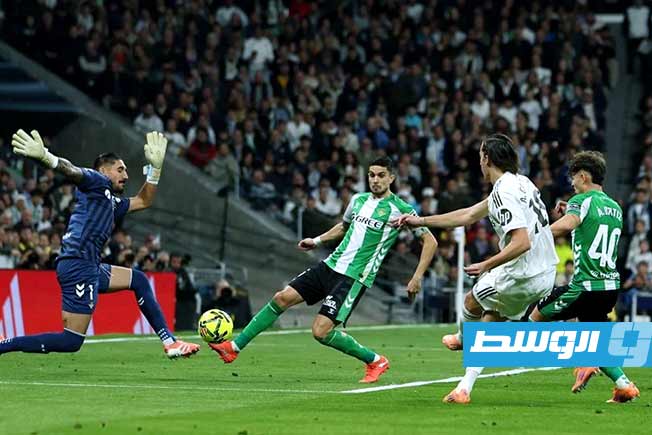
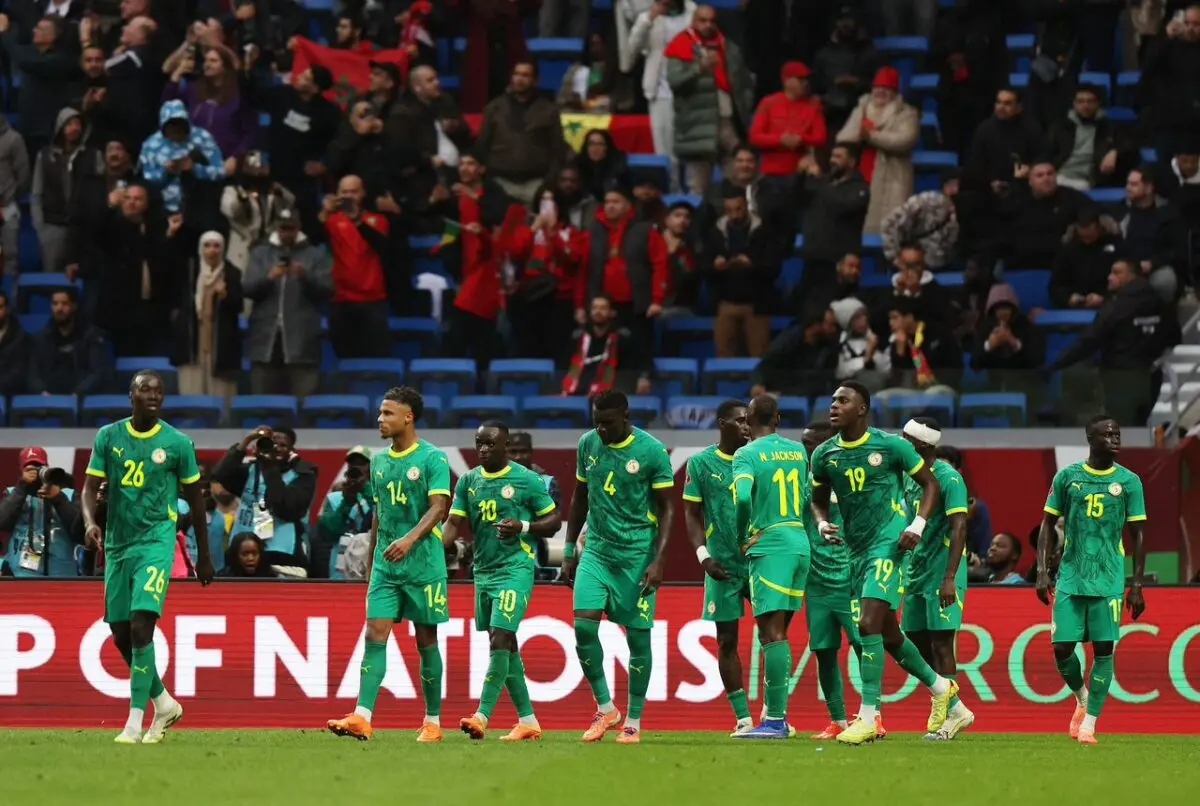
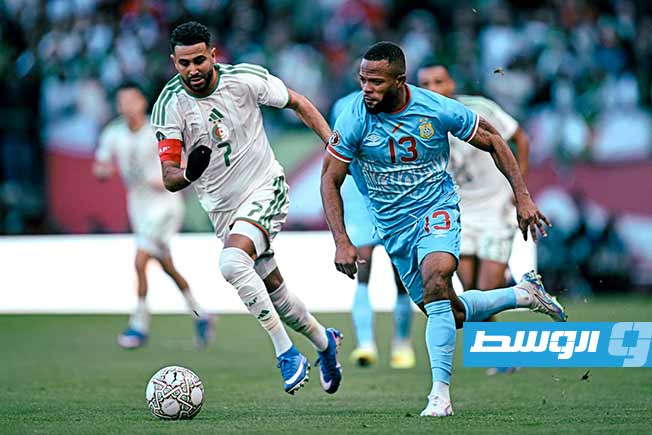
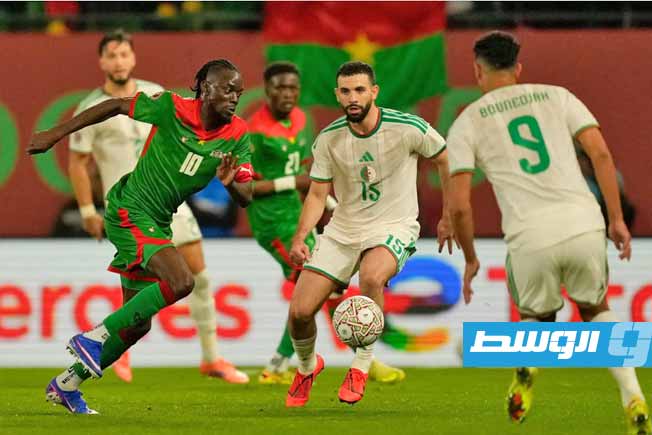
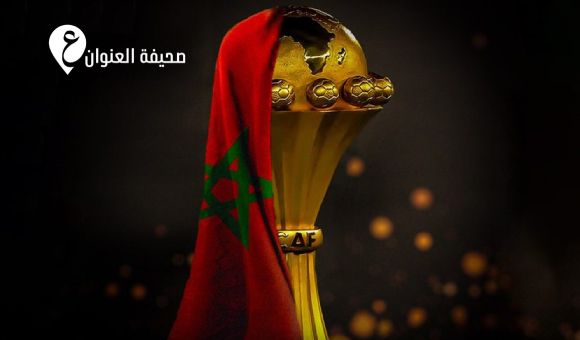
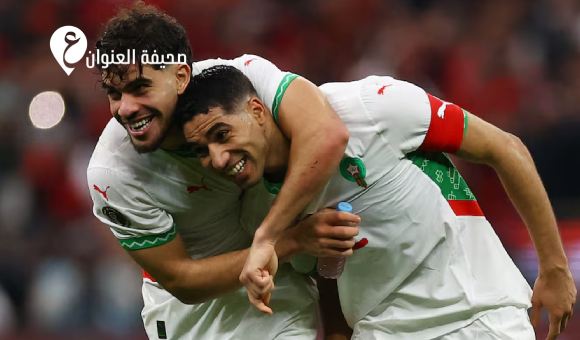
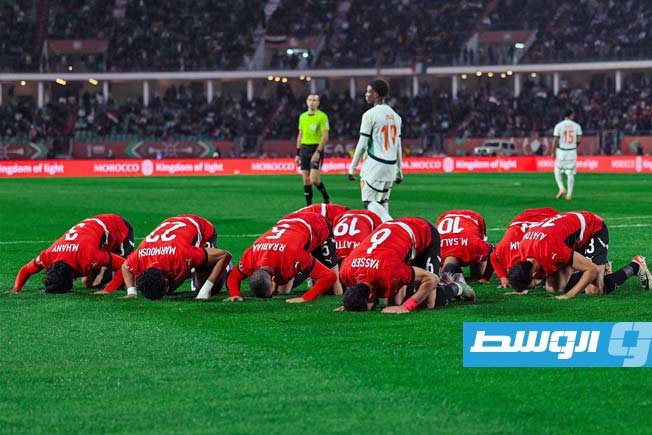
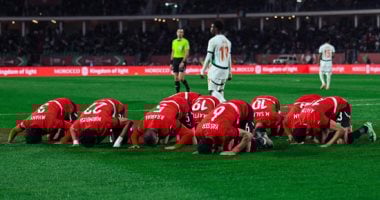
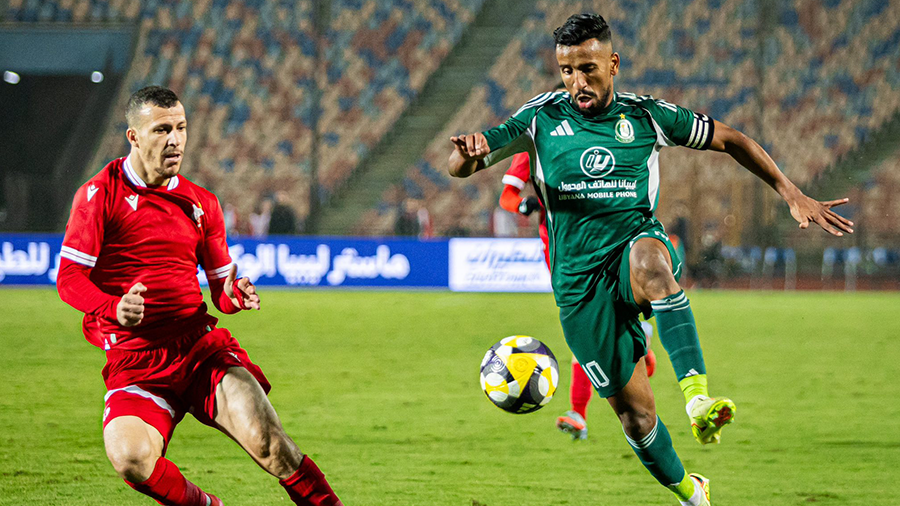
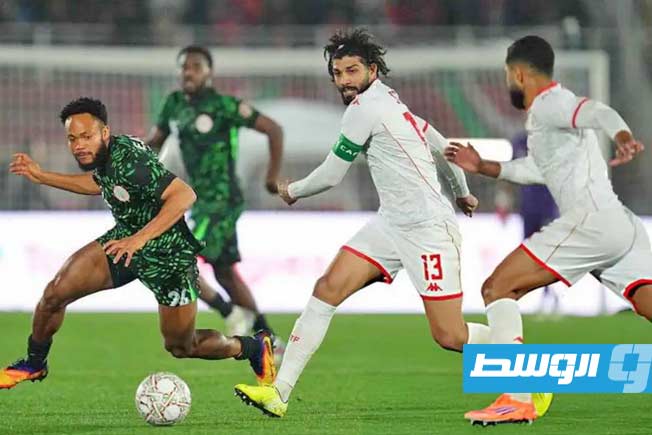
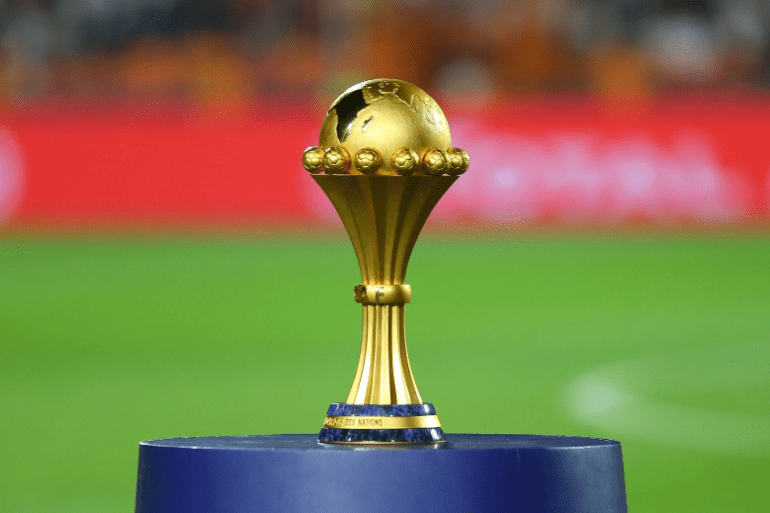
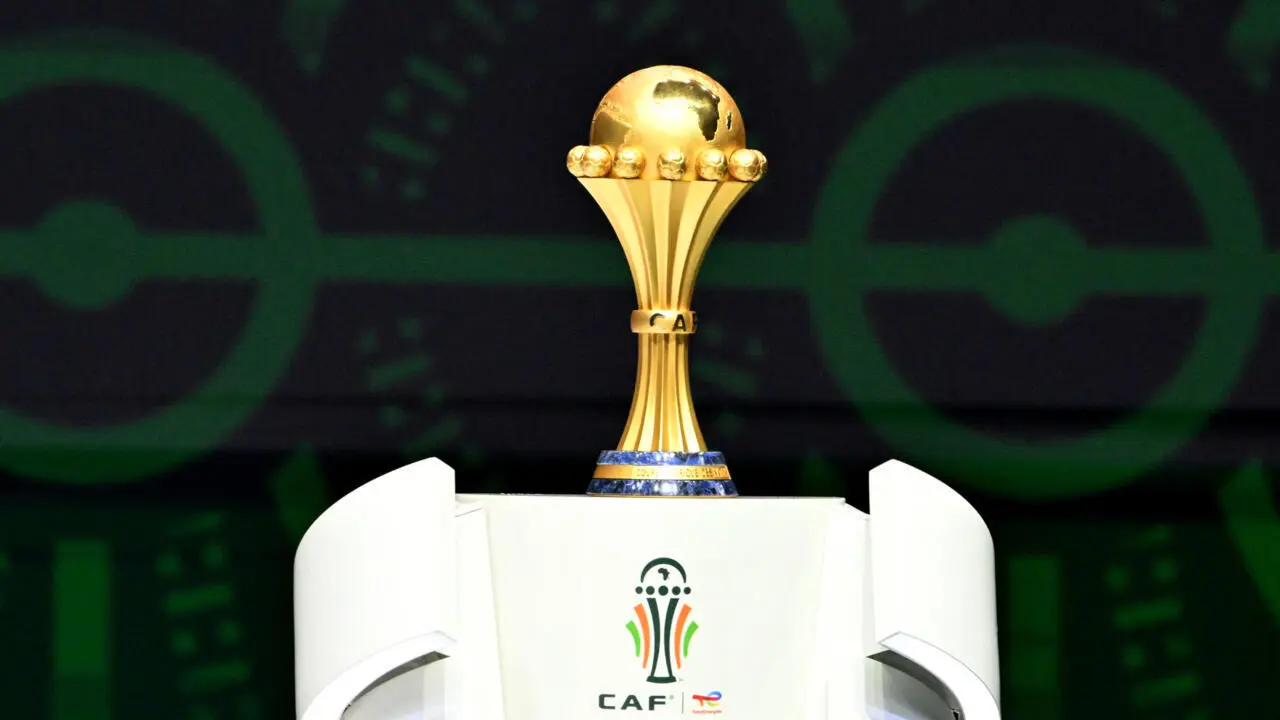
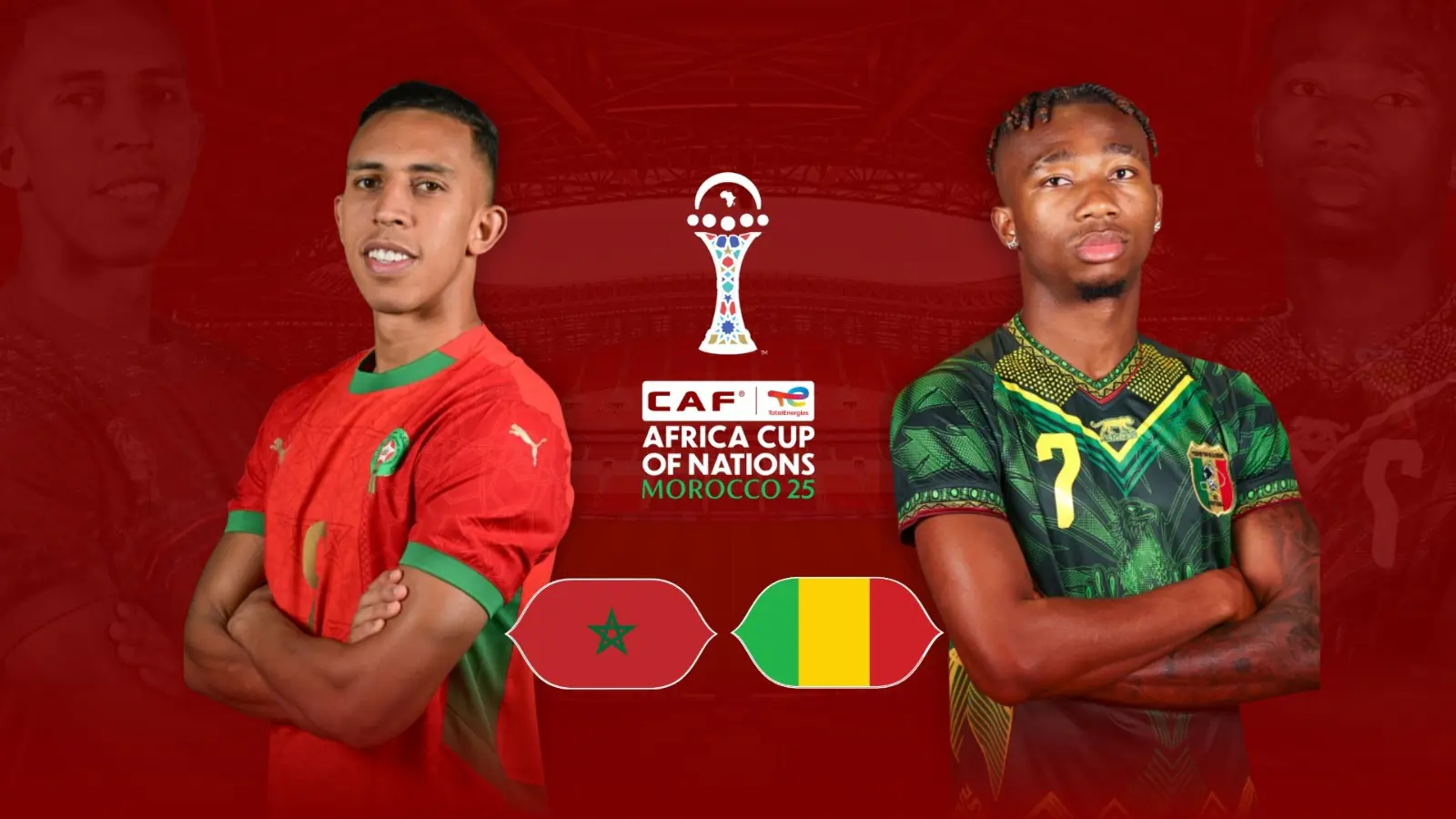
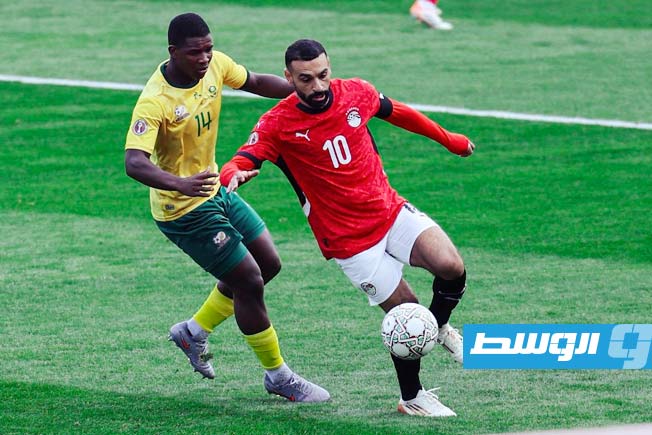
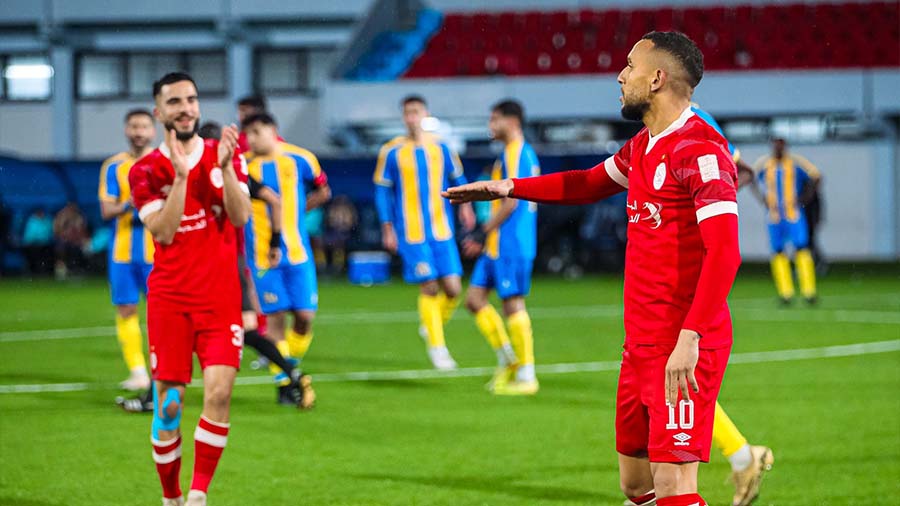
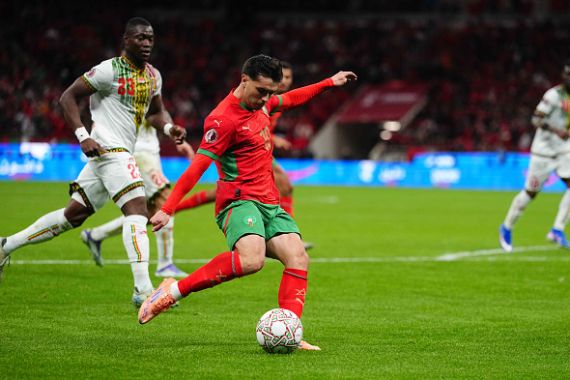
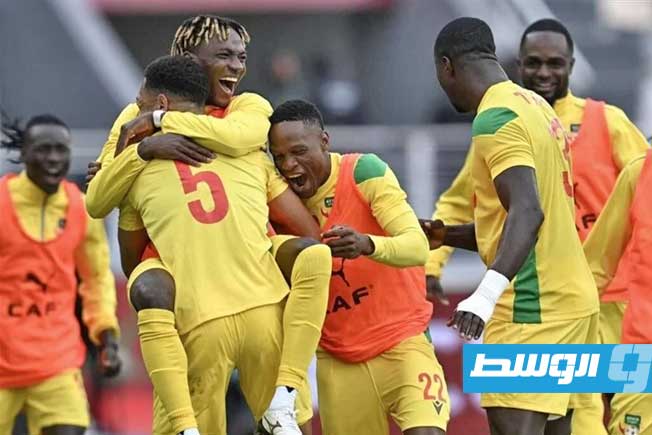
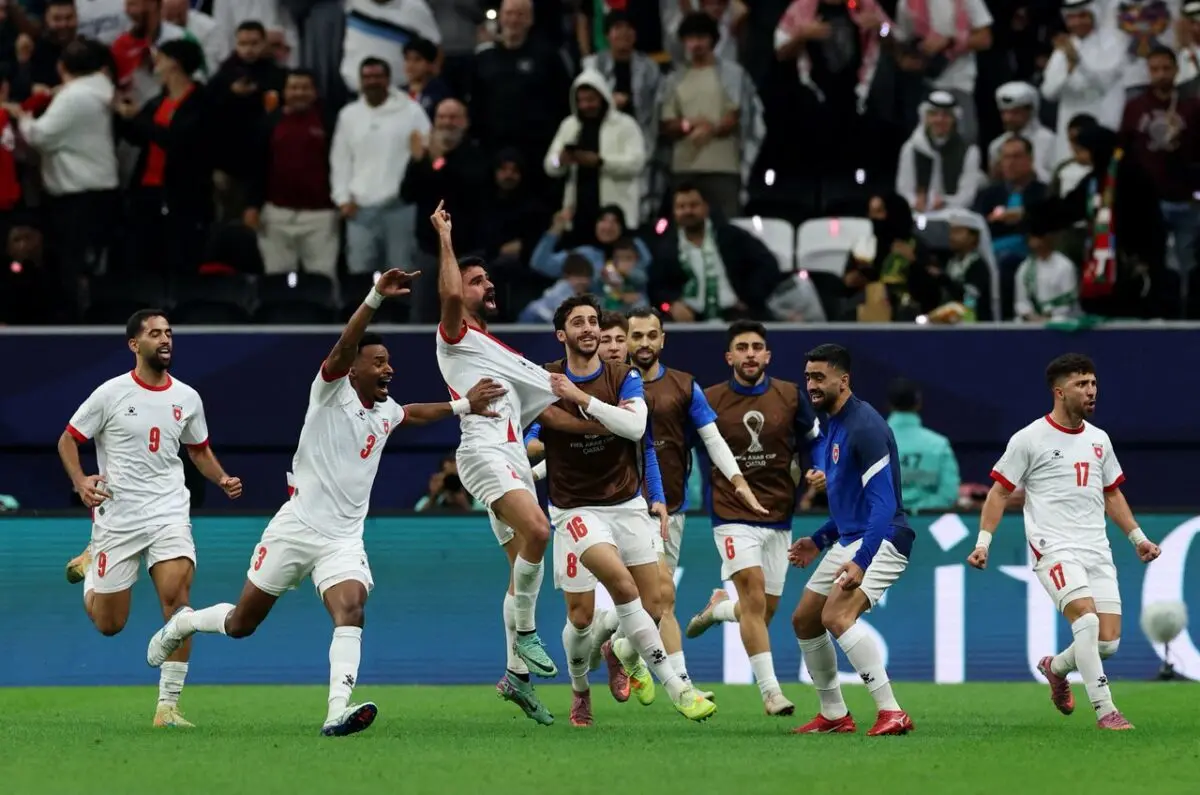
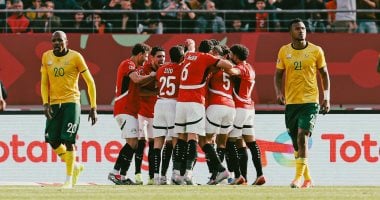
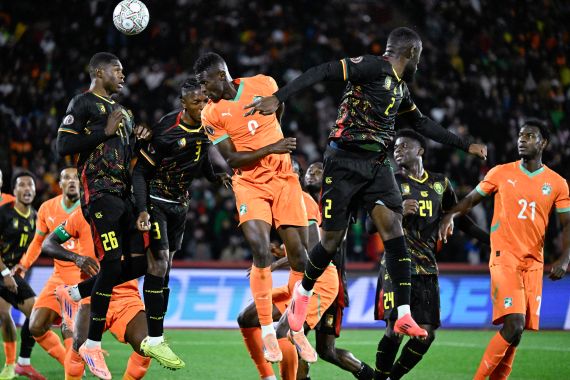
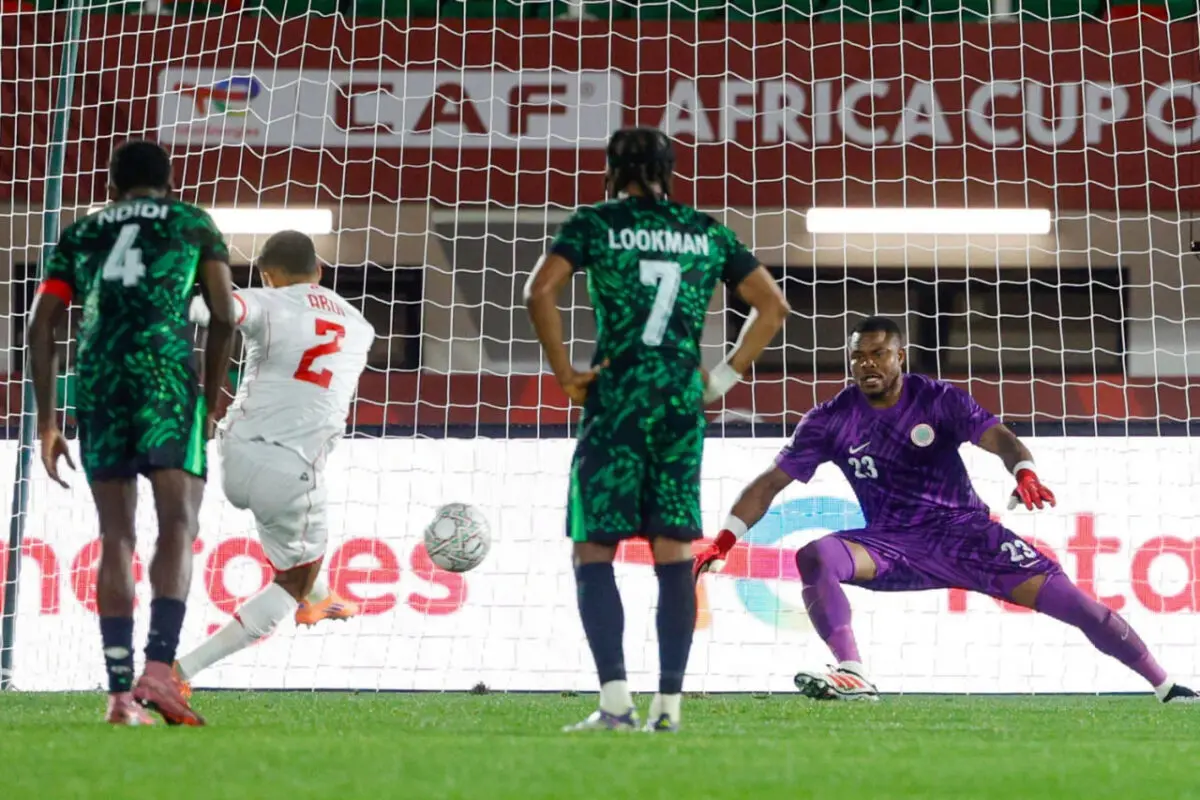
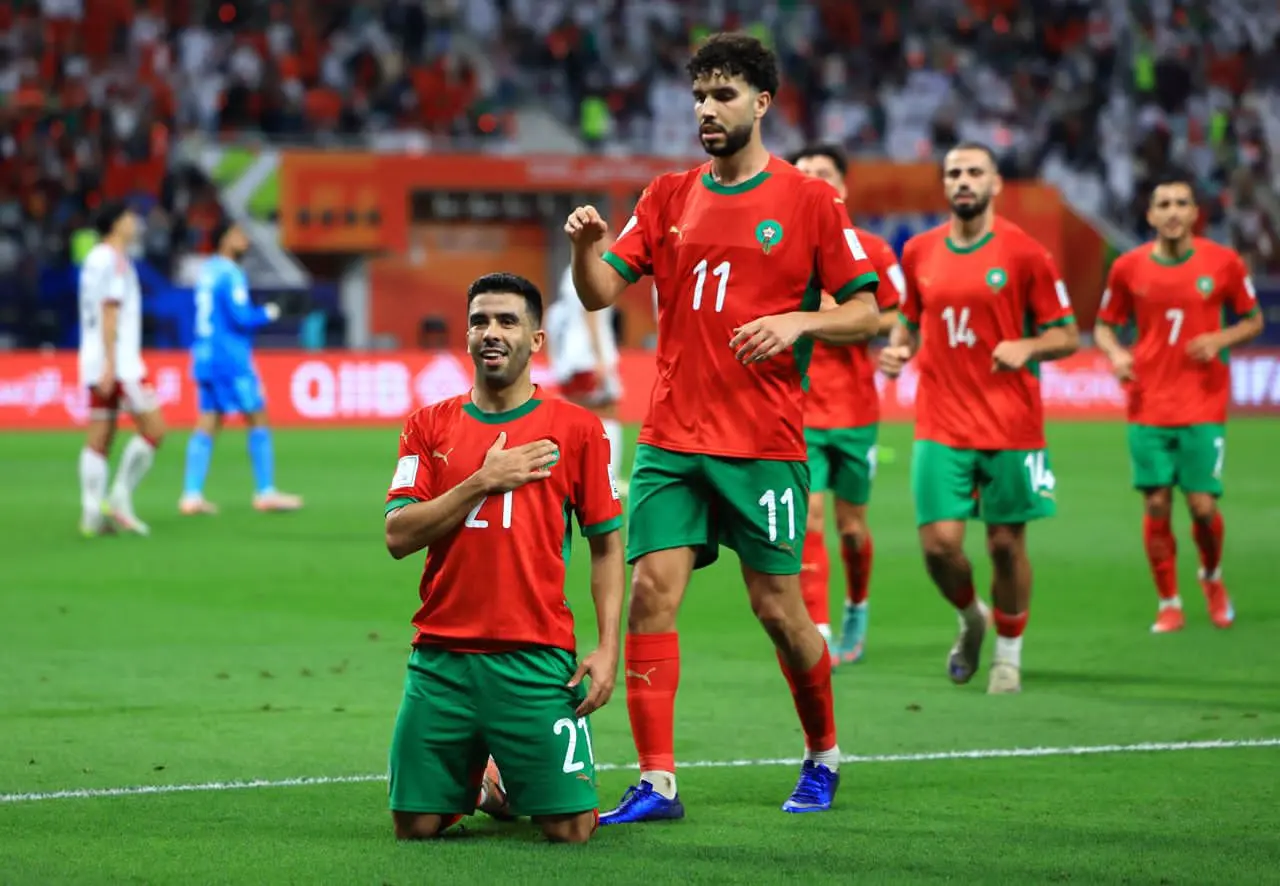
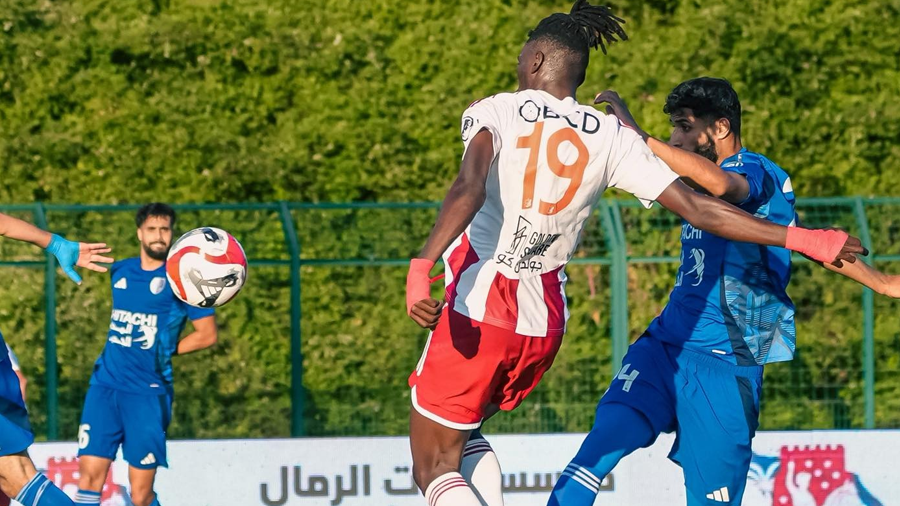
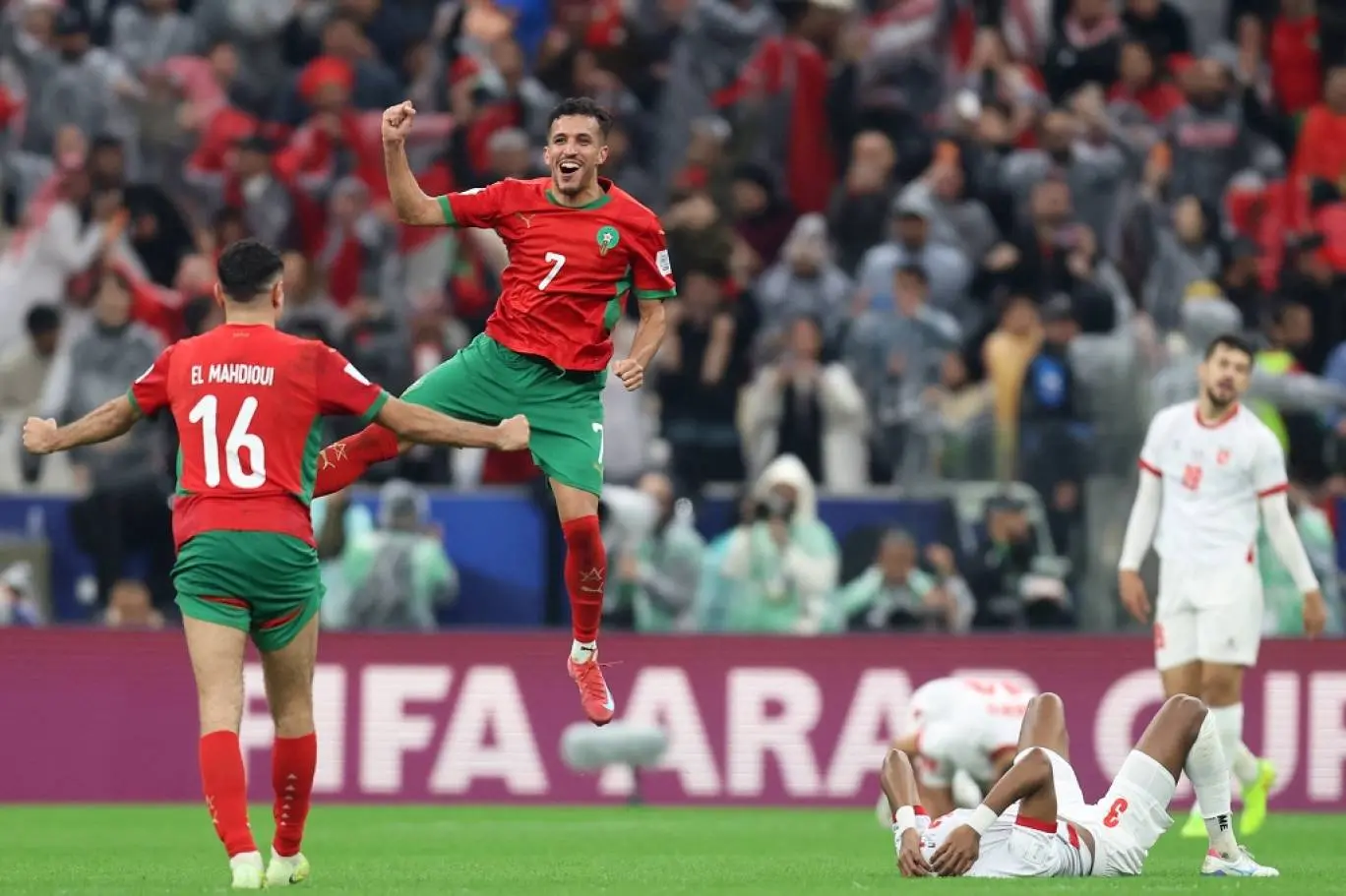
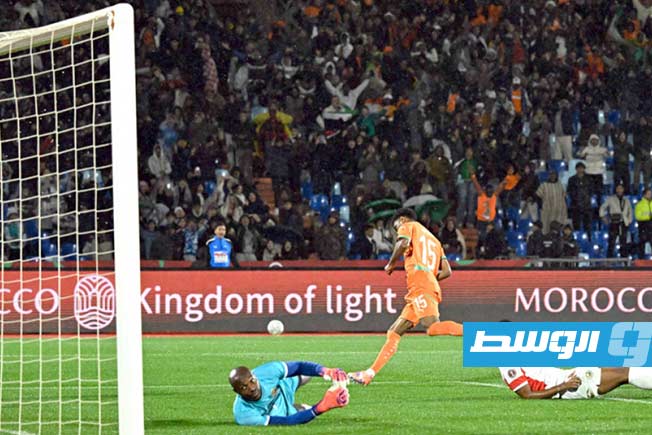
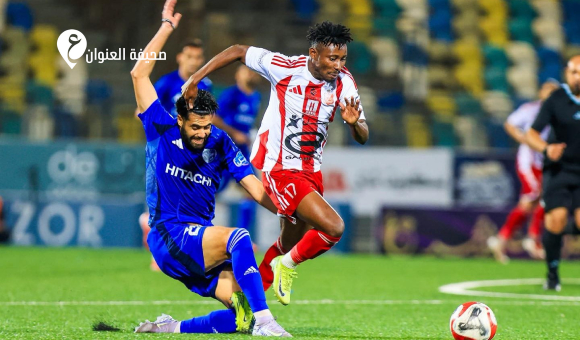
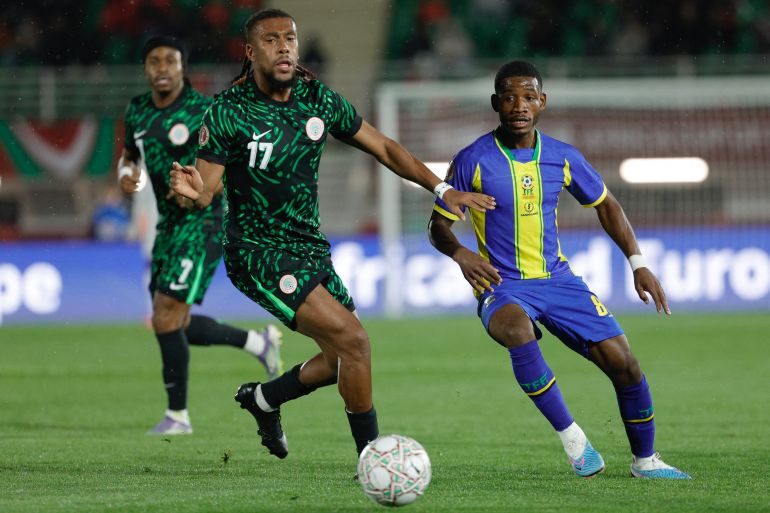
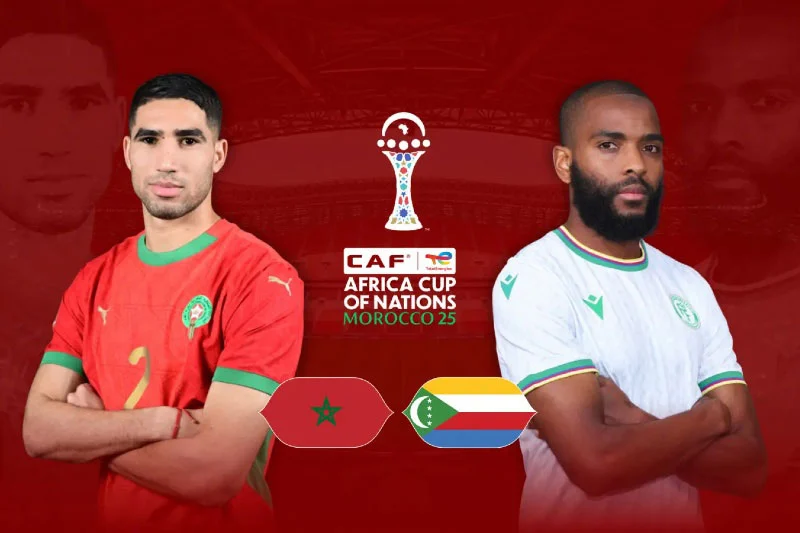
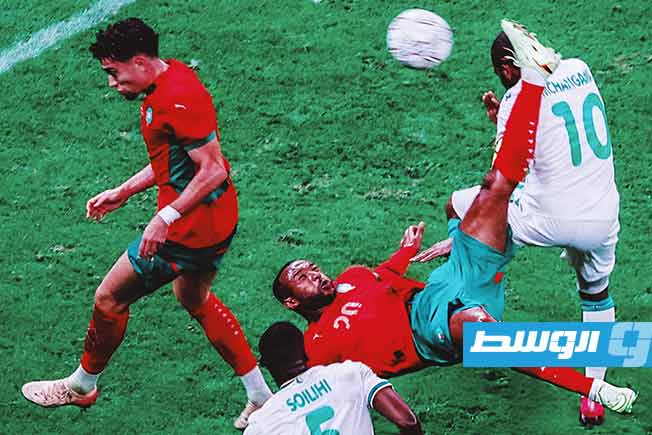
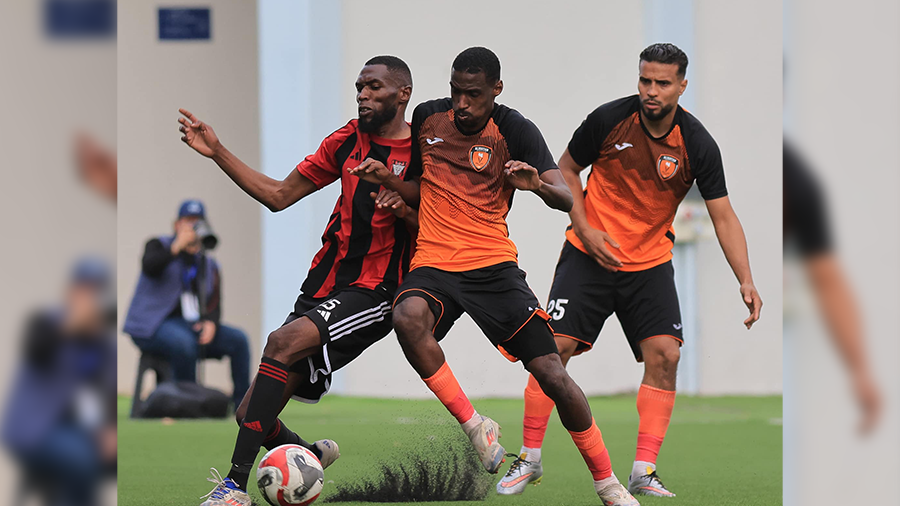
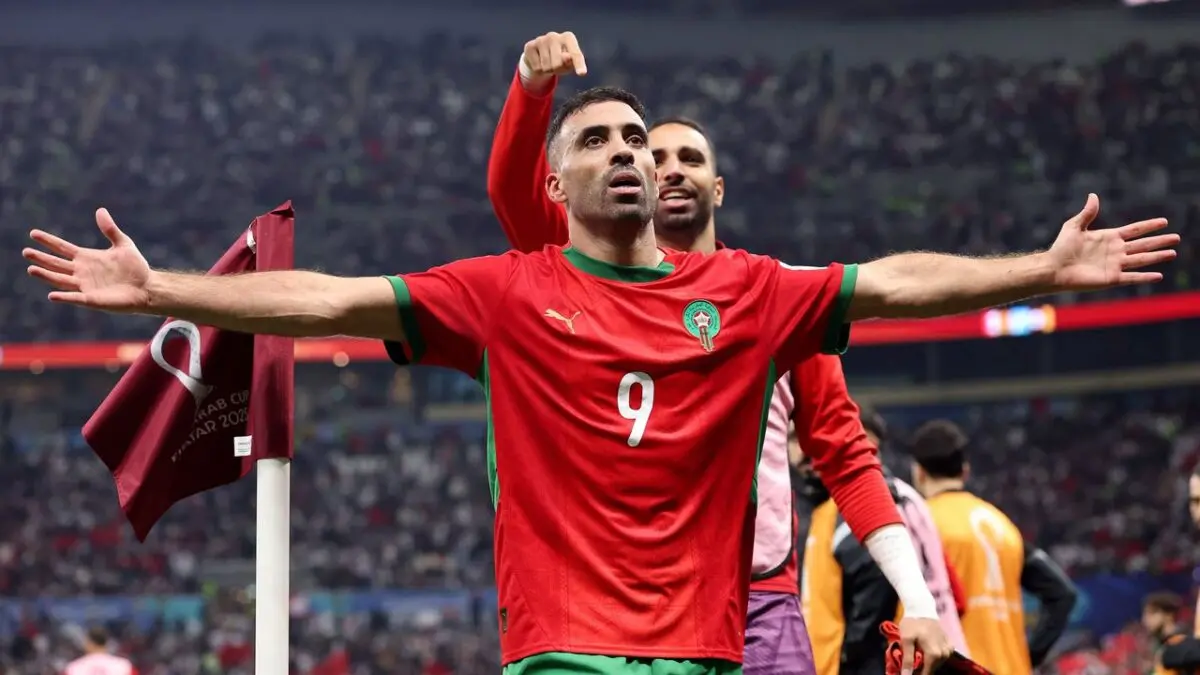
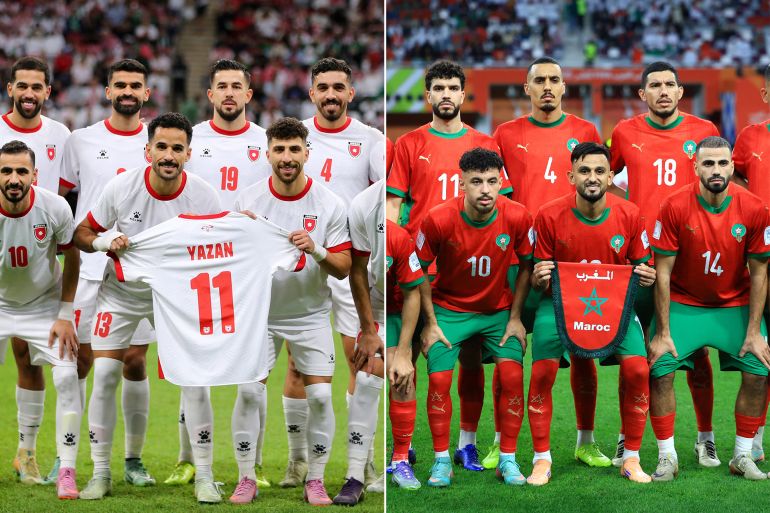
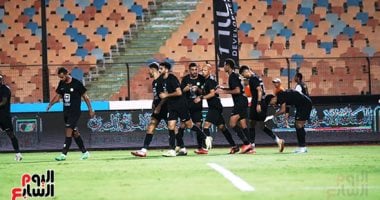
The final match of the Africa Cup of Nations football tournament, being played between the national teams of Morocco and Senegal, was halted due to the Senegalese team threatening to withdraw from the match in protest against the referee’s decision to award a penalty kick in favor of the Moroccan team during stoppage time.
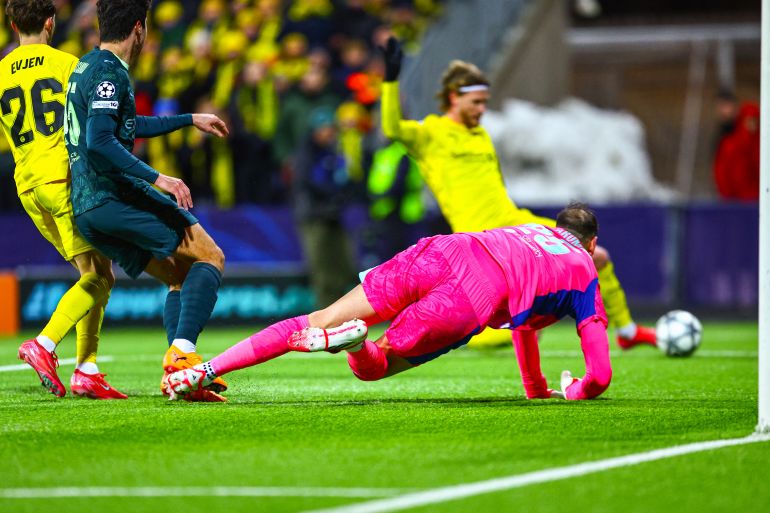
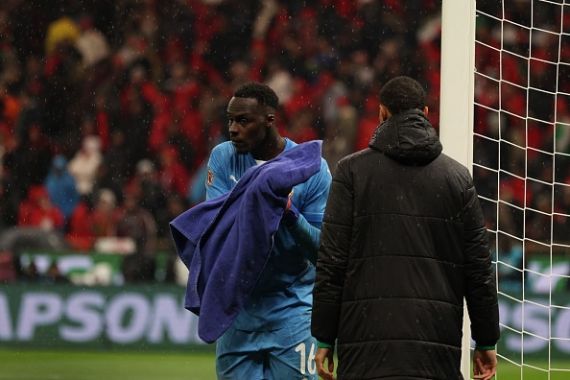
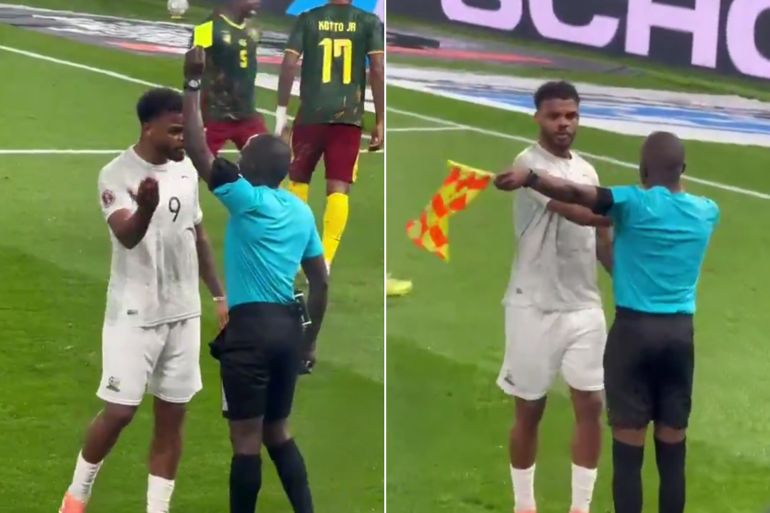
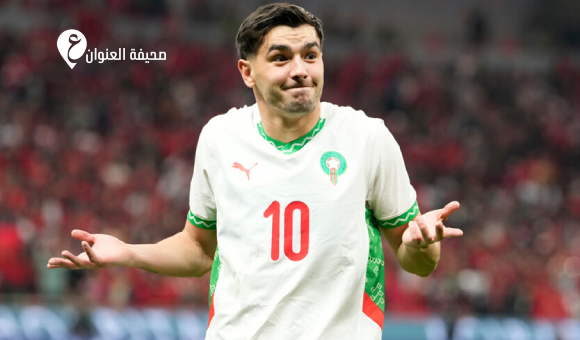
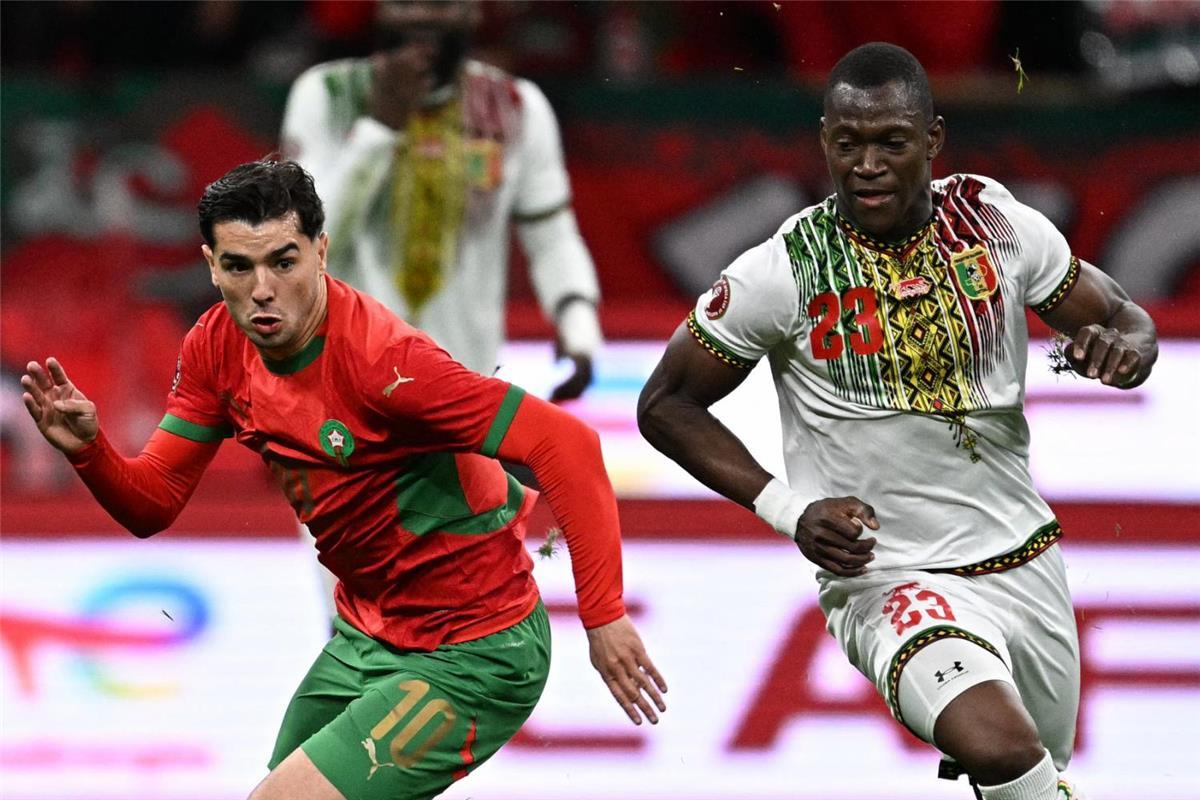
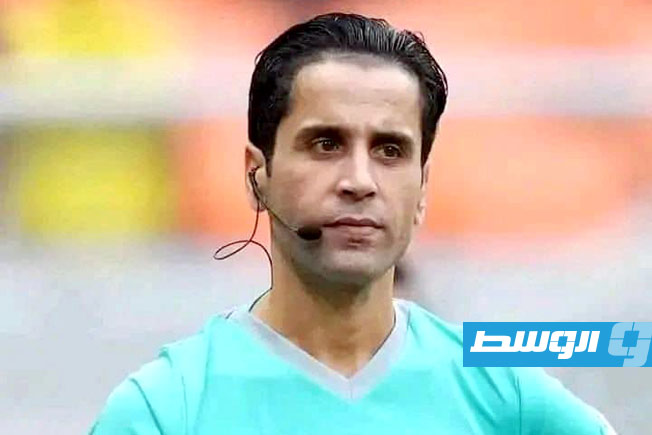
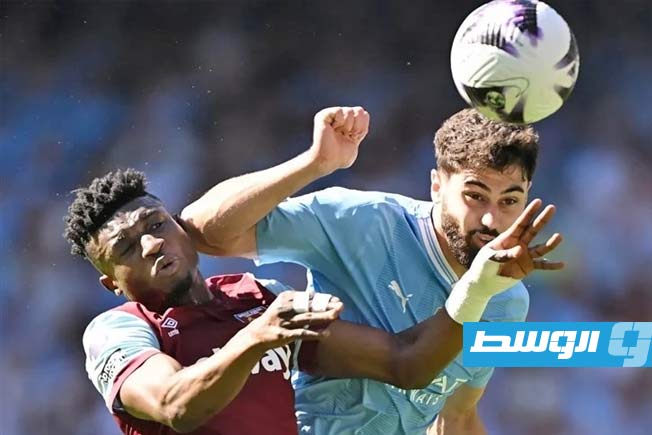
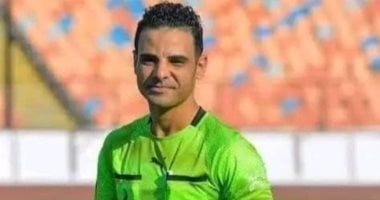
During a corner kick for the Moroccan team, a Senegalese defender pushed Brahim Diaz inside the penalty area, then played the ball with his head, which prompted the Video Assistant Referees (VAR) to ask the referee to stop the match to review the incident. The referee then reviewed the play and indicated a penalty kick should be awarded, sparking protests from the Senegalese national team players. The technical staff also instructed the players to leave the pitch.
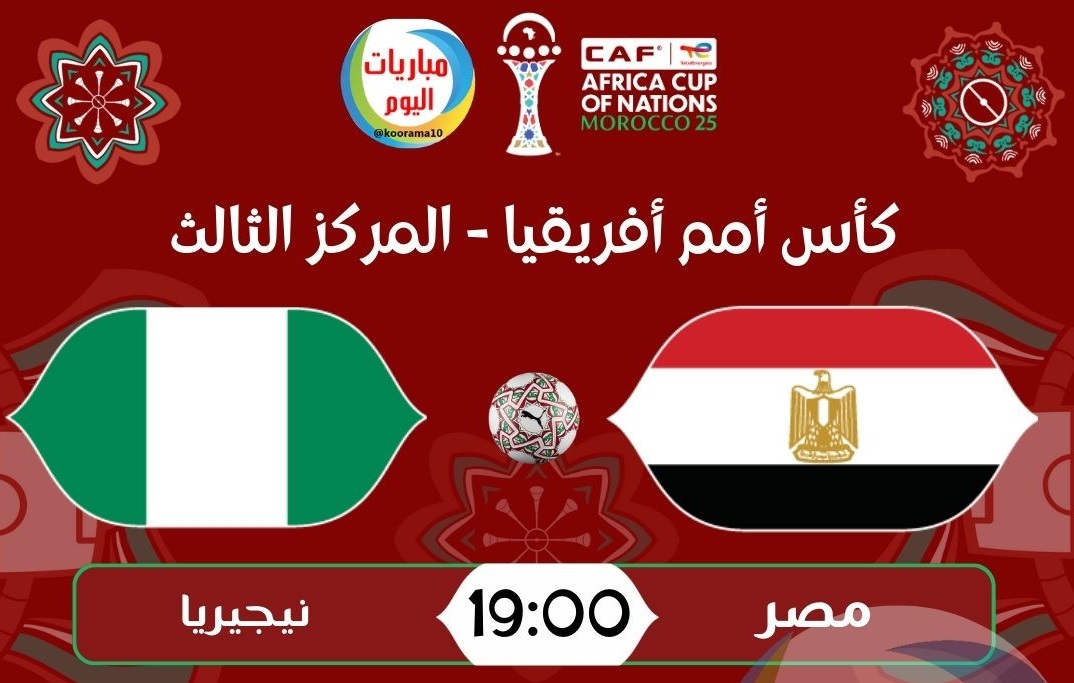
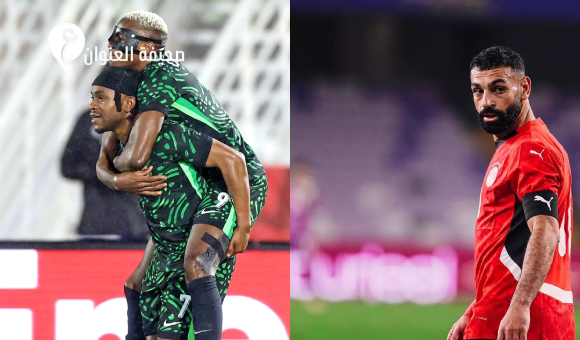
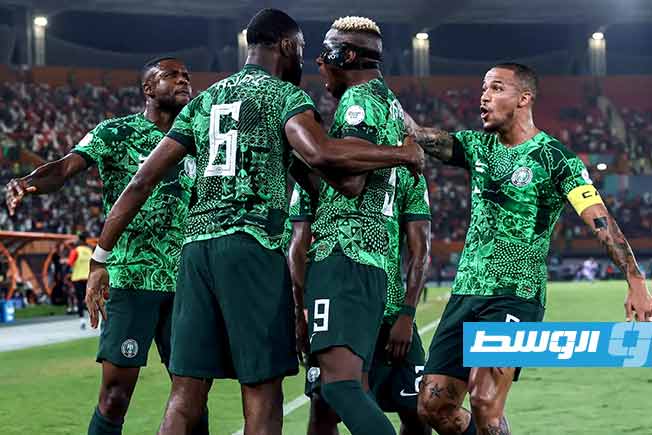
– Nigeria national team finishes third in Africa Cup of Nations
– Motsepe responds to accusations of favoritism towards the Moroccan team, calling them ‘nonsense’
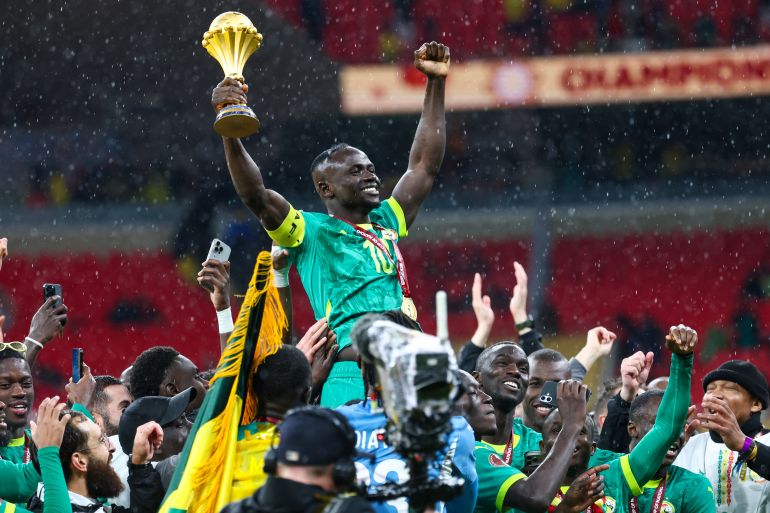
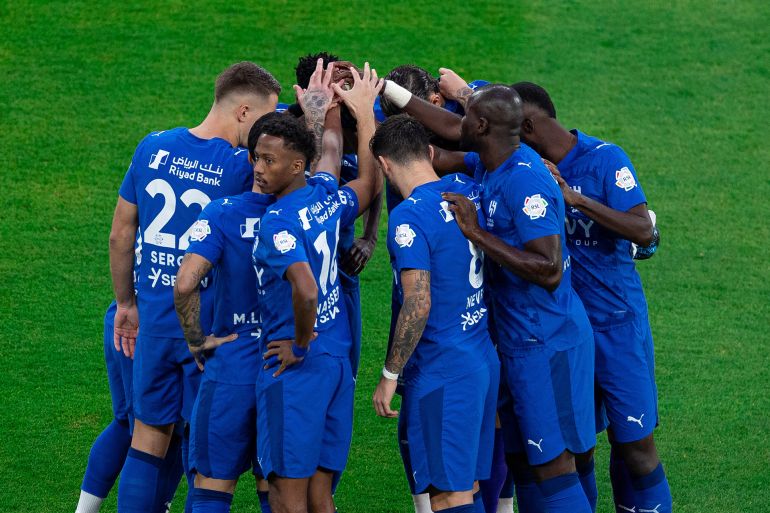
After leaving the pitch, the captain of the Senegalese national team, Sadio Mané, urged his teammates to return to the field.
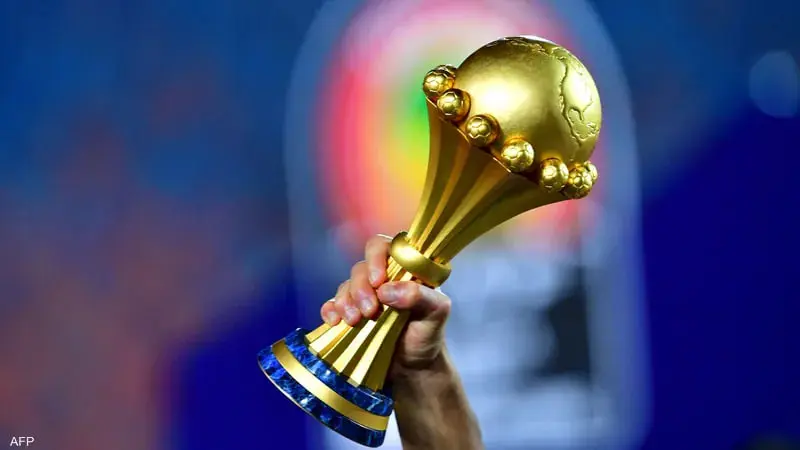
Africa Cup of Nations
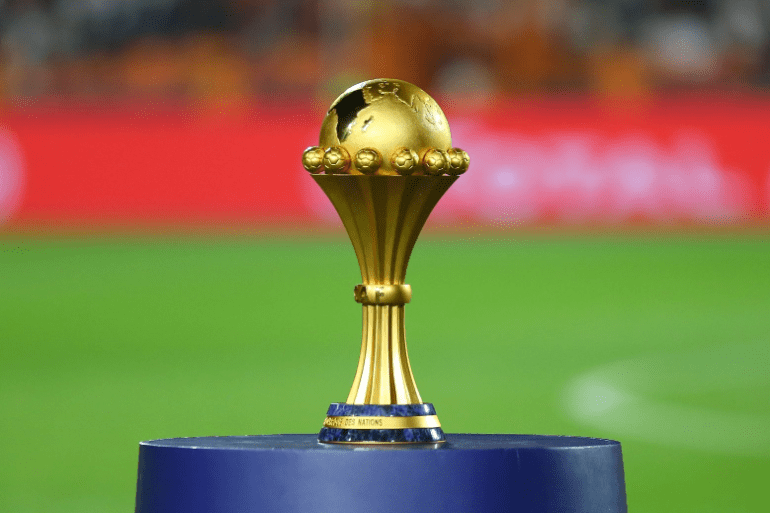
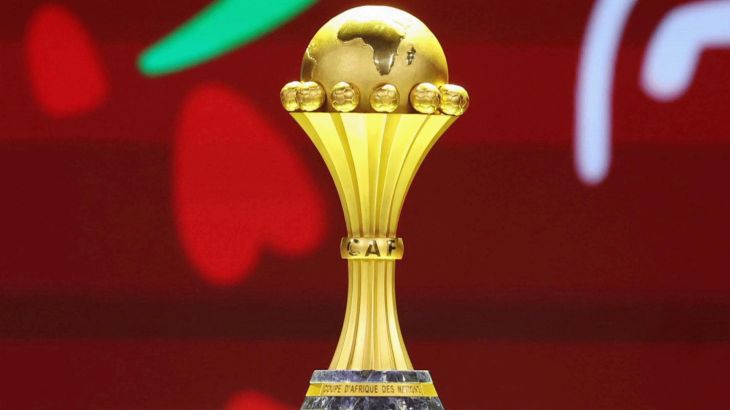
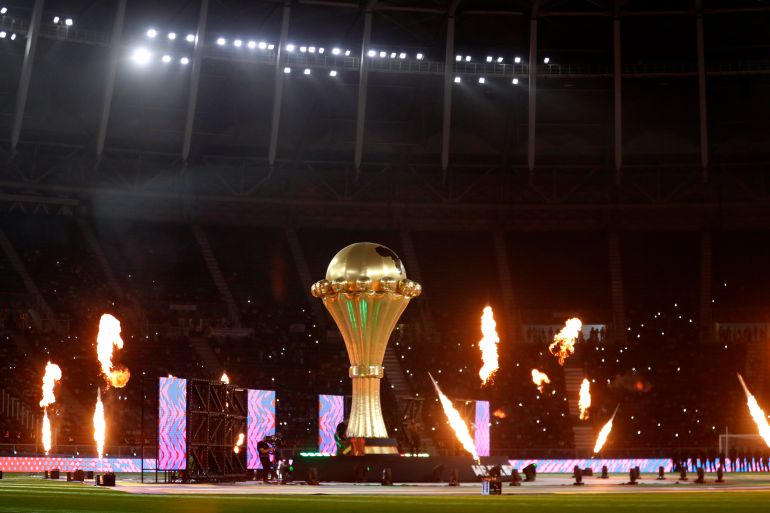
The Africa Cup of Nations (AFCON) is the premier international men’s football competition in Africa, first held in 1957. It was founded by the Confederation of African Football (CAF) to foster unity and showcase the continent’s football talent, with Egypt winning the inaugural tournament.
Morocco
Morocco is a North African country with a rich history shaped by indigenous Amazigh (Berber) cultures, Arab influence from the 7th century, and successive dynasties like the Almoravids and Almohads. Its cultural sites, such as the ancient city of Fez and the Koutoubia Mosque in Marrakech, reflect this blend of Arab, Islamic, and Amazigh heritage. The country’s historic medinas, kasbahs, and varied landscapes from the Sahara Desert to the Atlas Mountains are central to its identity.
Senegal
Senegal is a West African nation with a rich history shaped by powerful pre-colonial empires, French colonization, and its role as a major hub in the transatlantic slave trade. It gained independence in 1960 and is known for its cultural heritage, including the UNESCO-listed Island of Gorée and its vibrant music and arts scene. The country is often celebrated for its stability and the philosophical concept of “Teranga,” meaning hospitality.
Nigeria
Nigeria is a country in West Africa with a rich history shaped by ancient kingdoms like the Nri, Benin, and Oyo, as well as the Sokoto Caliphate. It gained independence from British colonial rule in 1960 and is now Africa’s most populous nation, known for its vibrant cultural diversity, significant oil reserves, and influential music and film industries.
Brahim Diaz
Brahim Díaz is a professional footballer, not a place or cultural site. He currently plays as an attacking midfielder for Real Madrid and the Morocco national team, having begun his senior career at Manchester City before moving to Real Madrid in 2019.
Video Assistant Referees (VAR)
Video Assistant Referees (VAR) is a technological system used in association football to assist on-field referees in making clear and obvious errors related to goals, penalties, red cards, and mistaken identity. It was first trialed in 2016 and formally adopted into the Laws of the Game by the International Football Association Board (IFAB) in 2018.
Sadio Mané
Sadio Mané is a world-renowned Senegalese professional footballer, not a physical place or cultural site. He is celebrated for his exceptional skill on the field and his profound cultural impact off it, notably through his extensive philanthropy in his home village of Bambali and across Senegal. His career, which includes winning major European club trophies and the Africa Cup of Nations with Senegal, has made him a national icon and a symbol of humility and generosity.