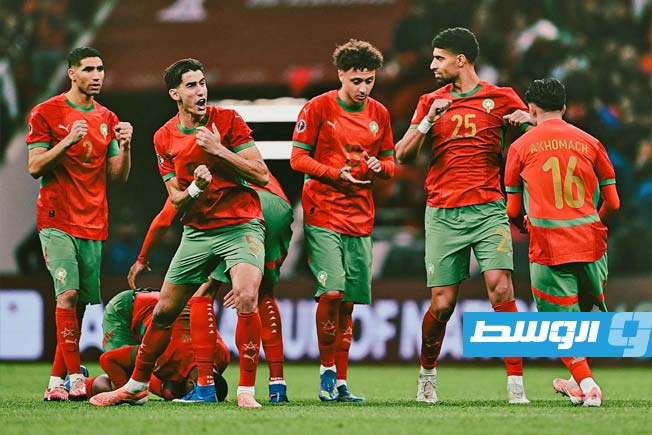
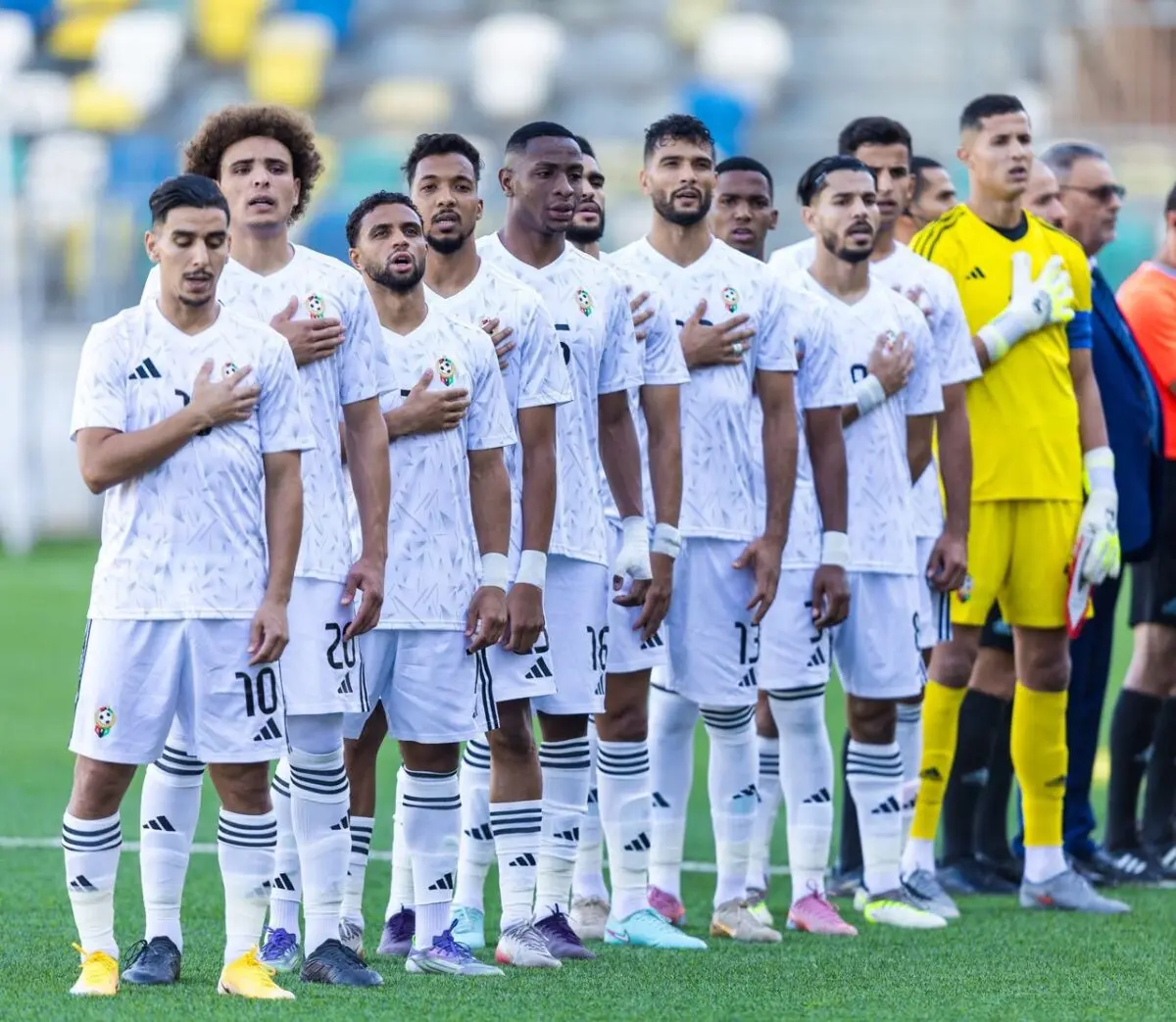
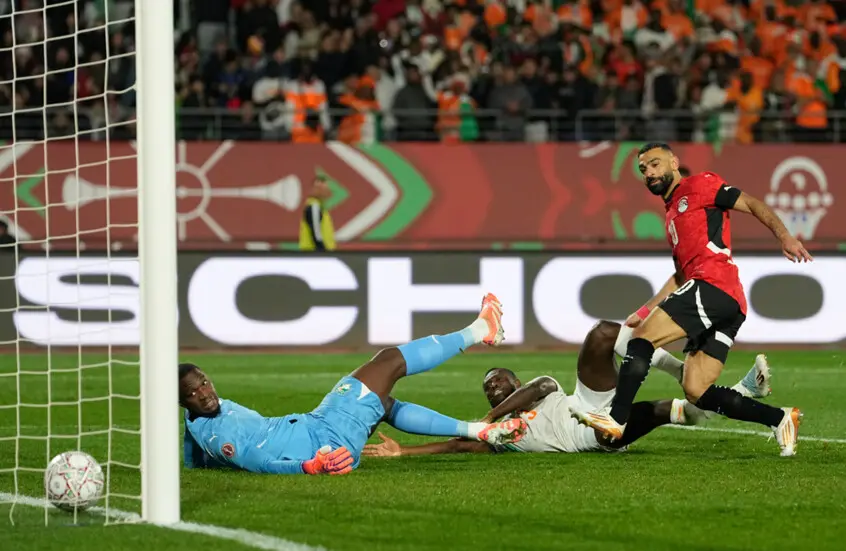
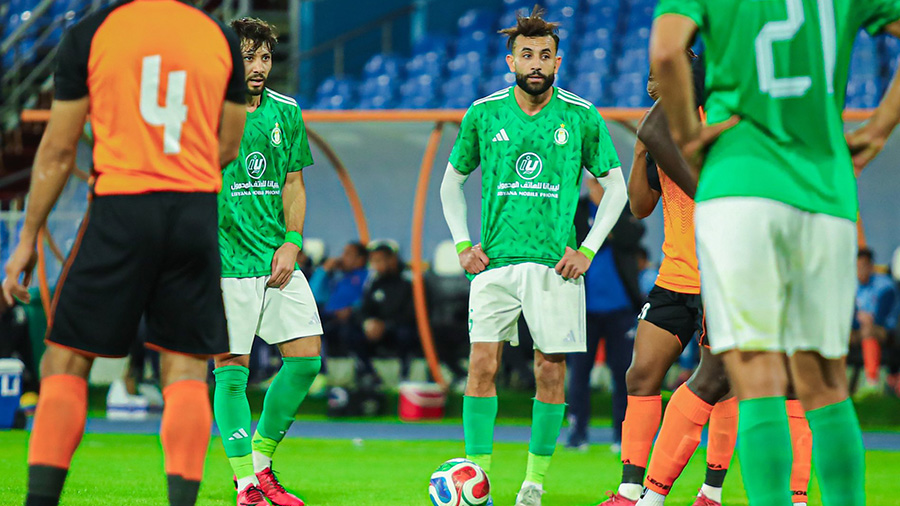
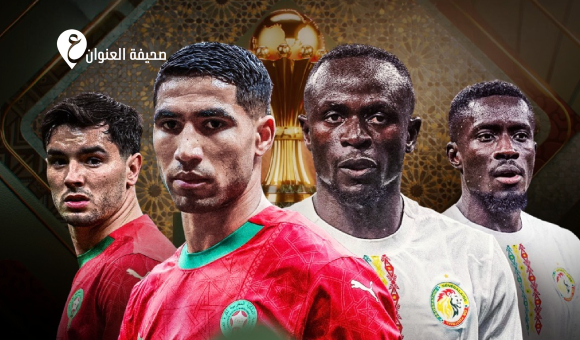
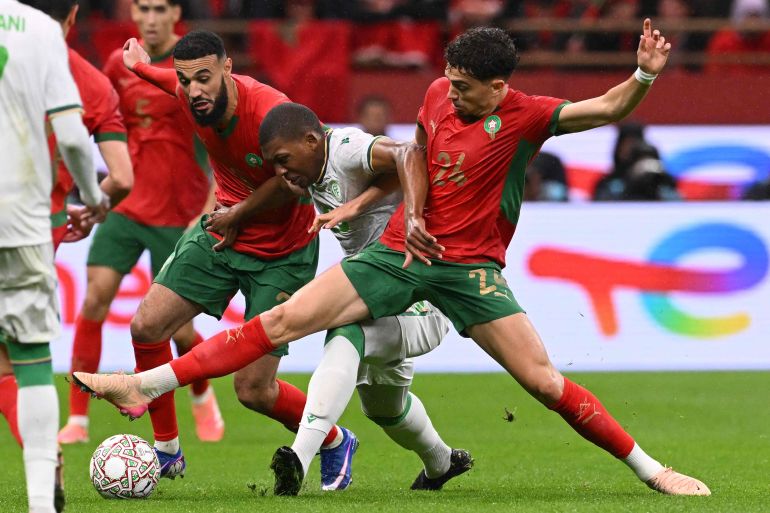
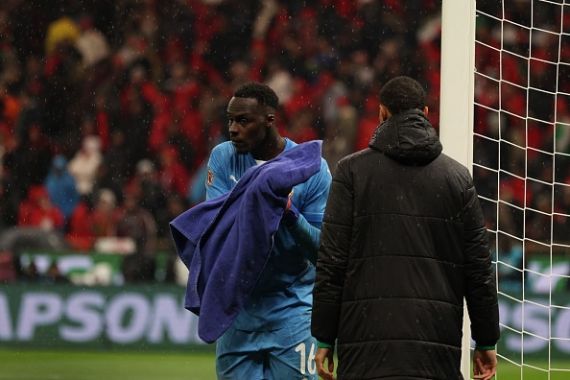
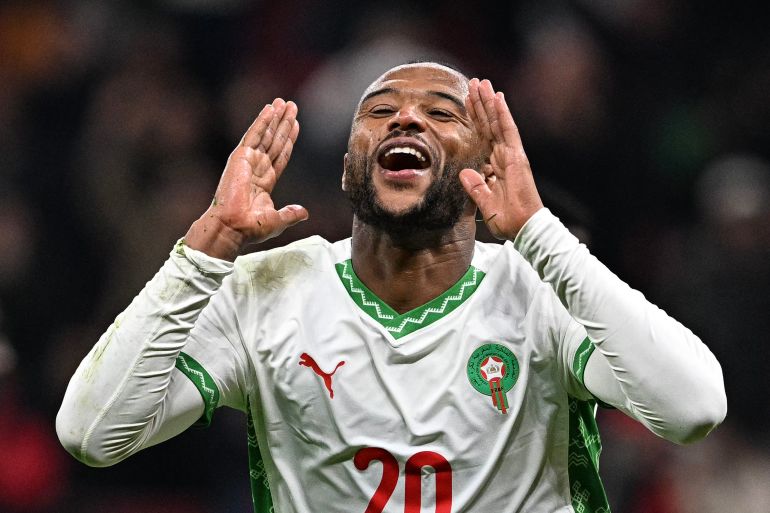
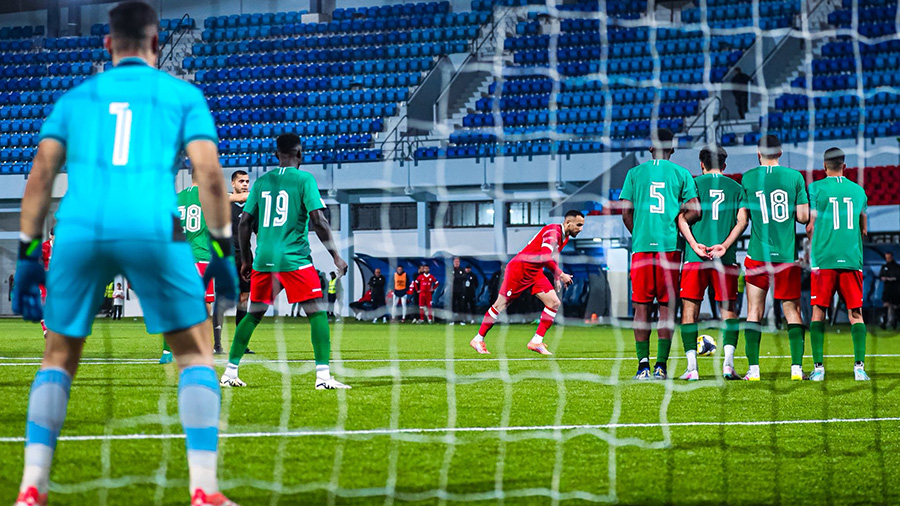
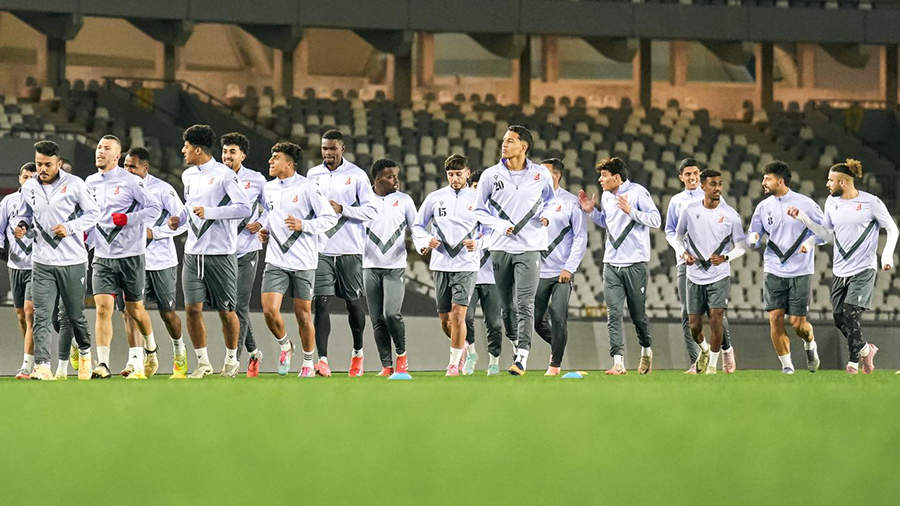
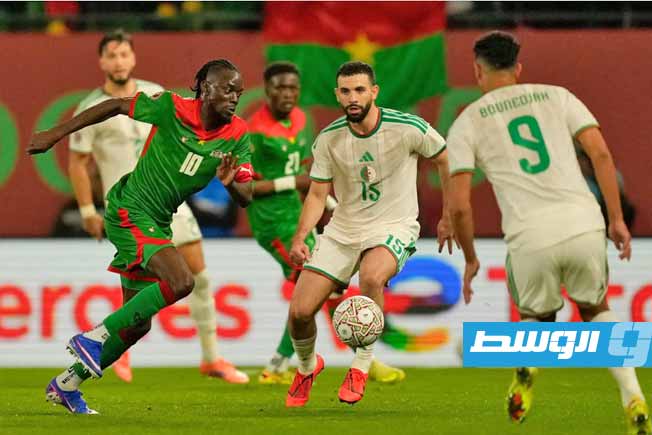
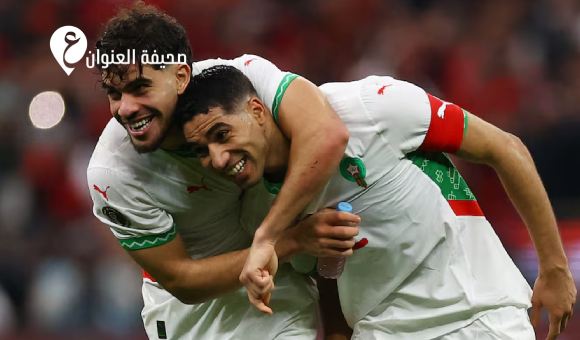
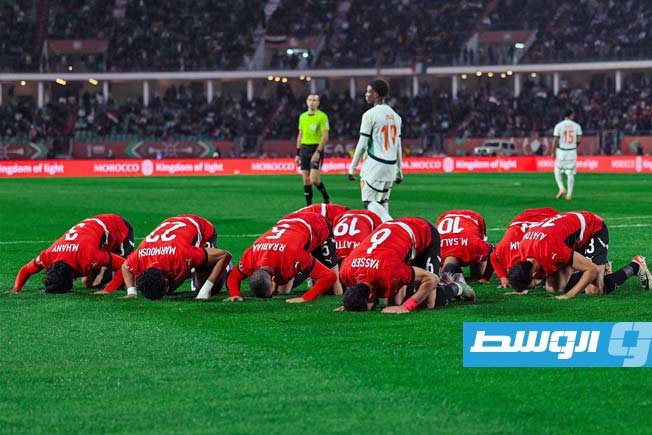
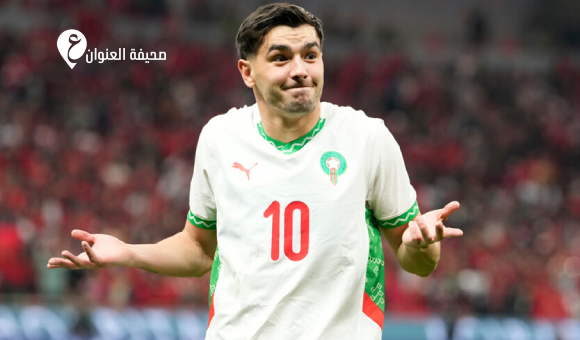
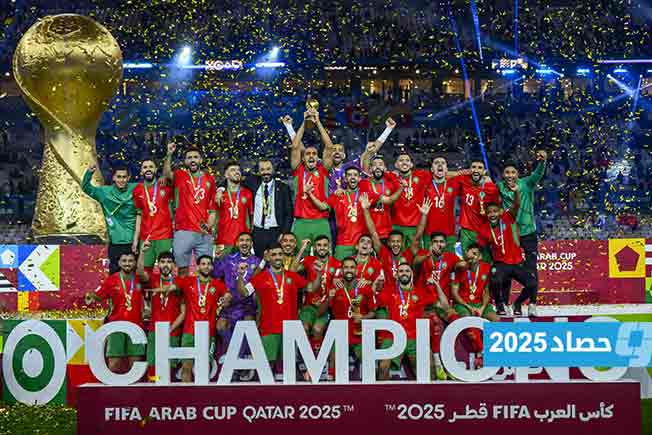
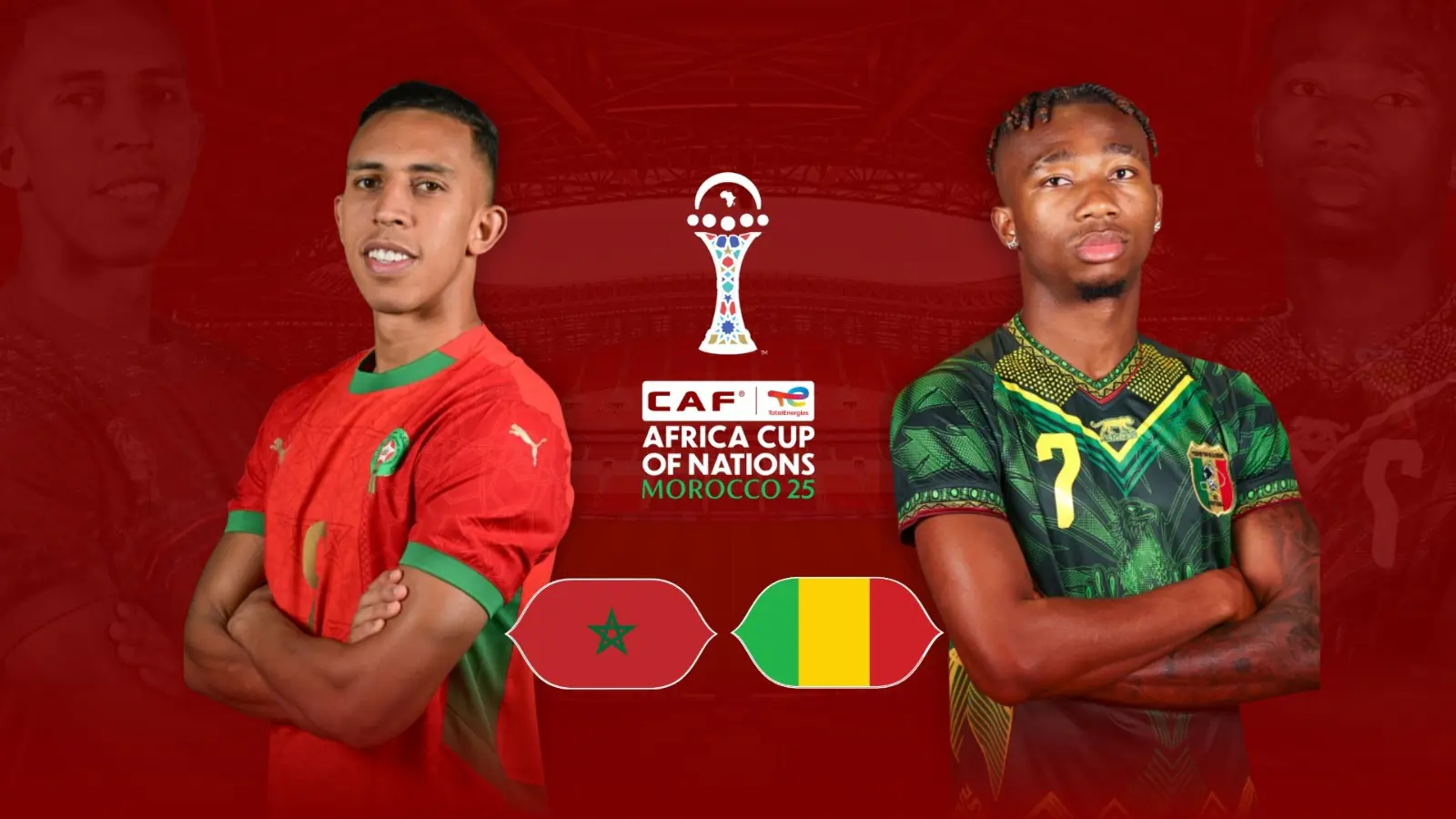
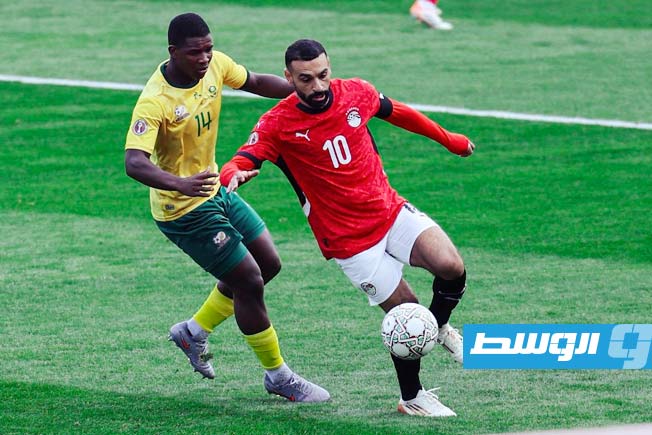
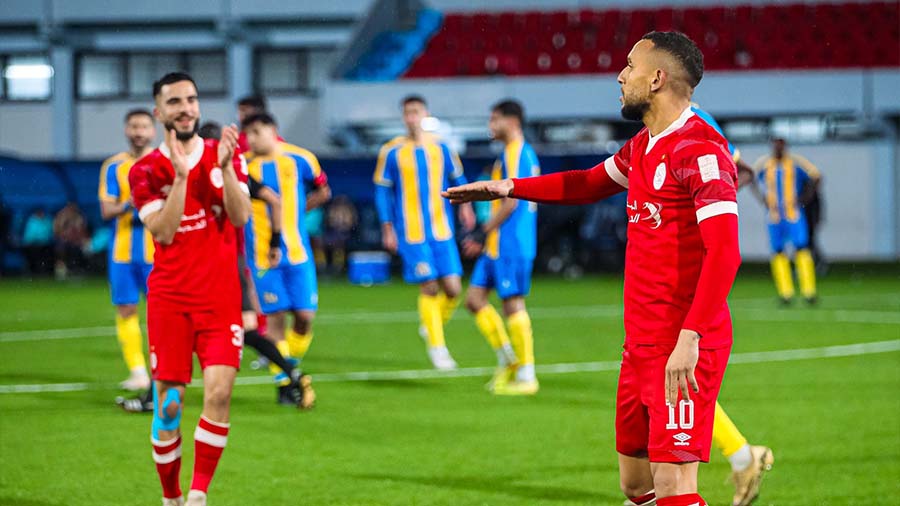
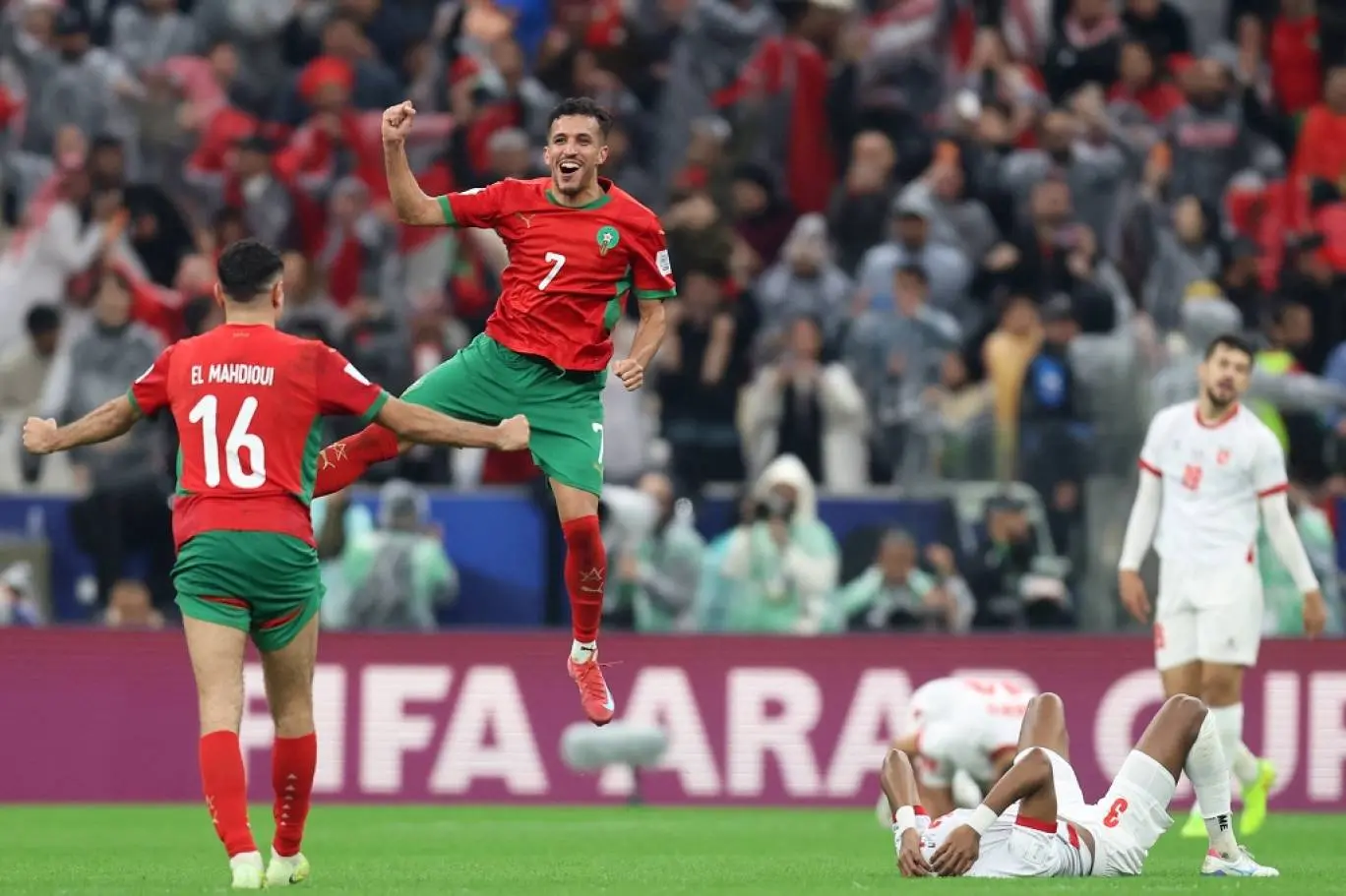
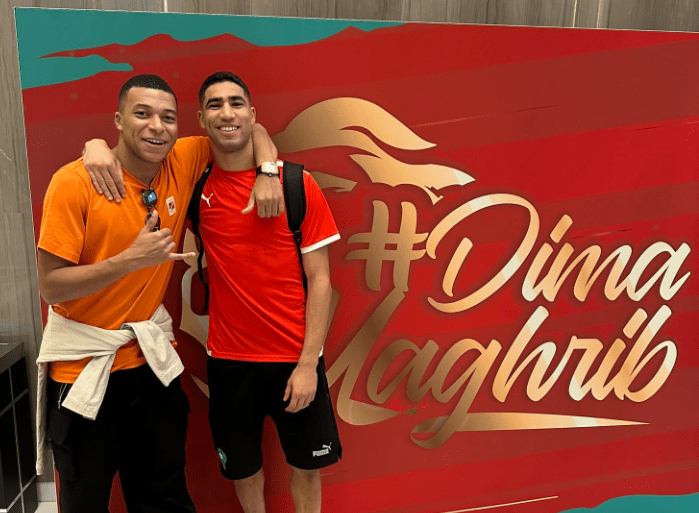
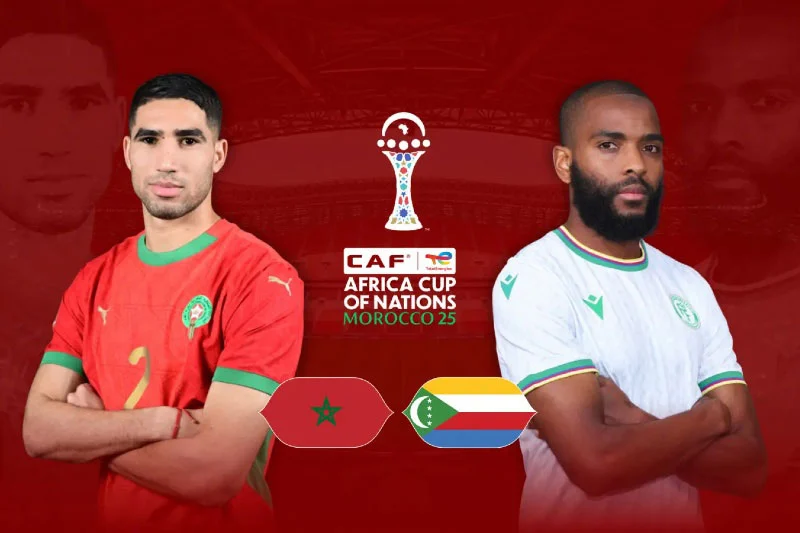
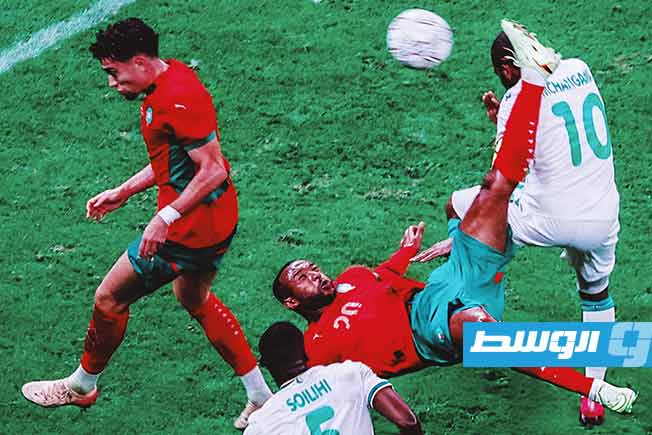
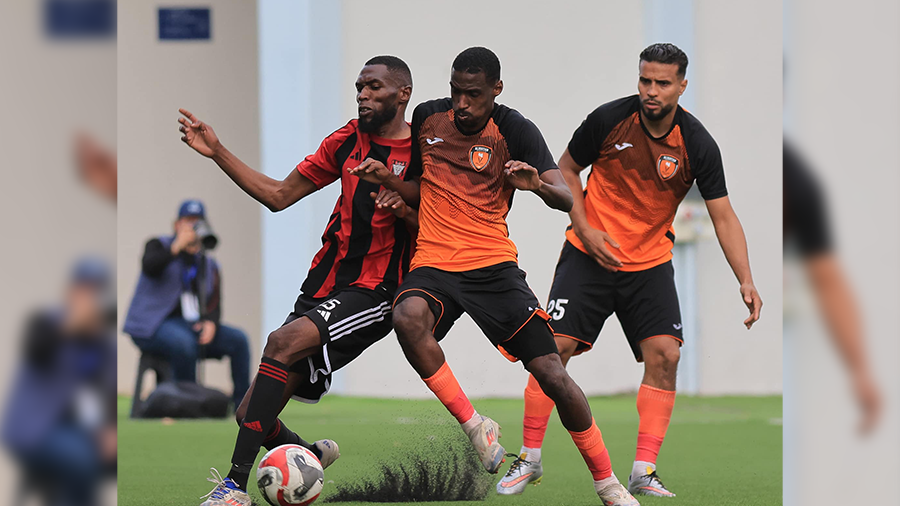
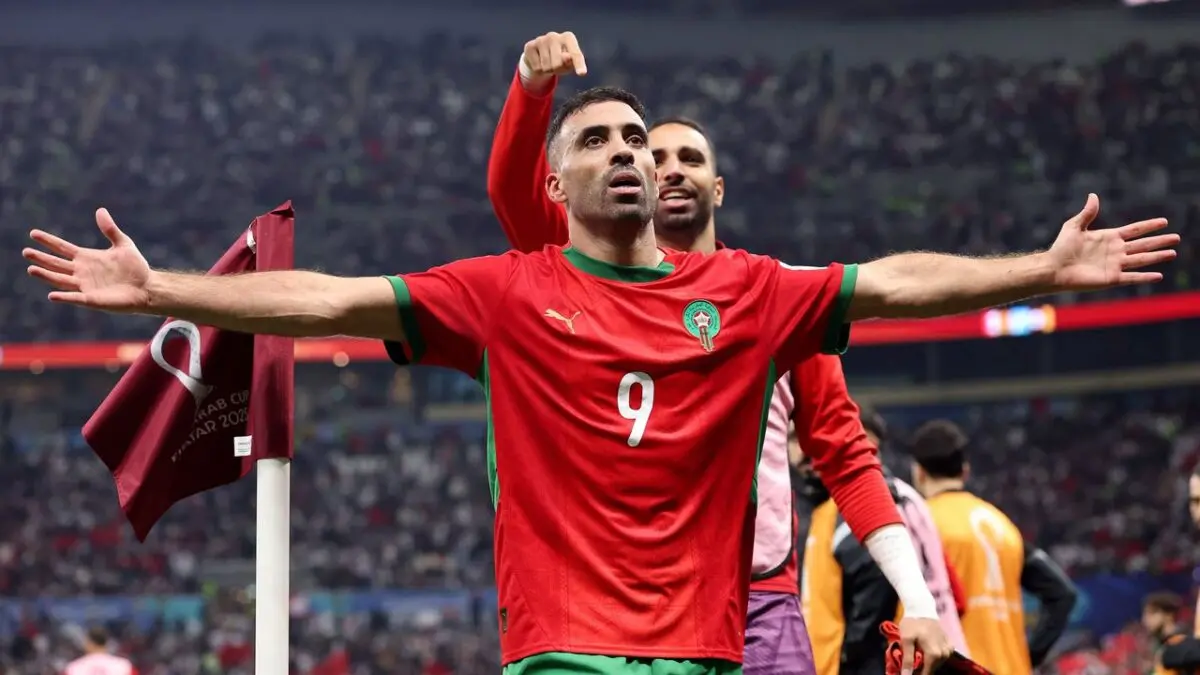
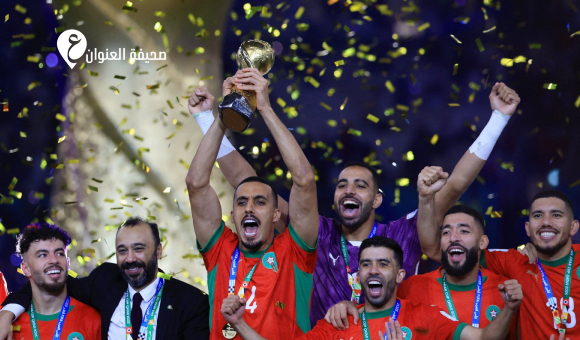
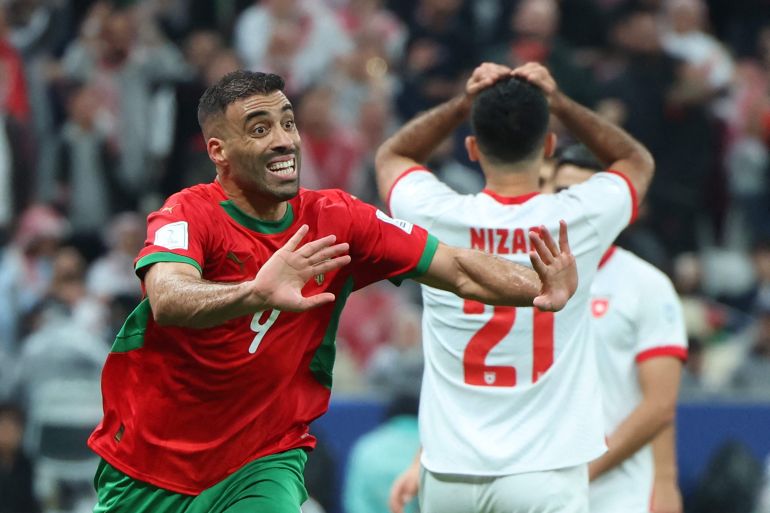
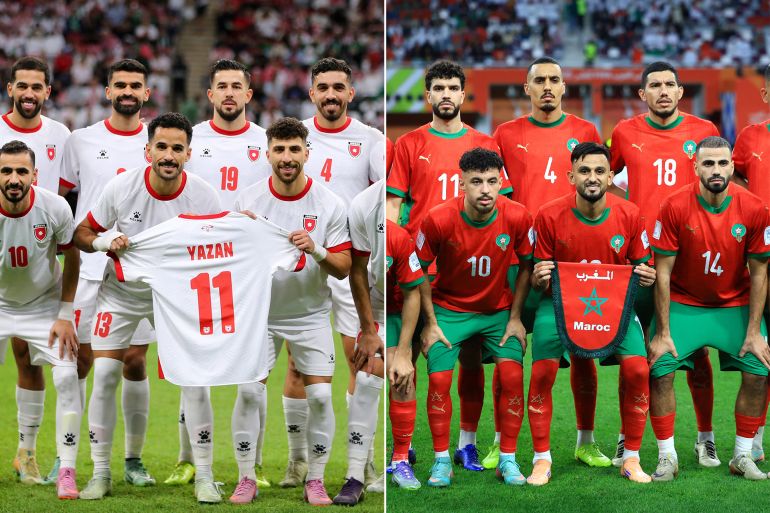
FIFA announced the world ranking for national teams for February 2026 on Monday, which saw a remarkable rise for the Moroccan national team. Morocco achieved its best ranking since the world ranking was launched in 1993, surpassing the historic record of the Egyptian national team.
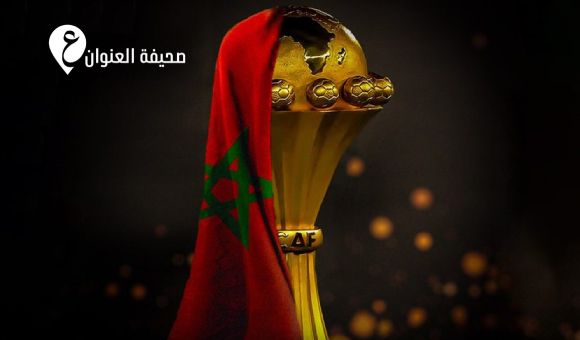
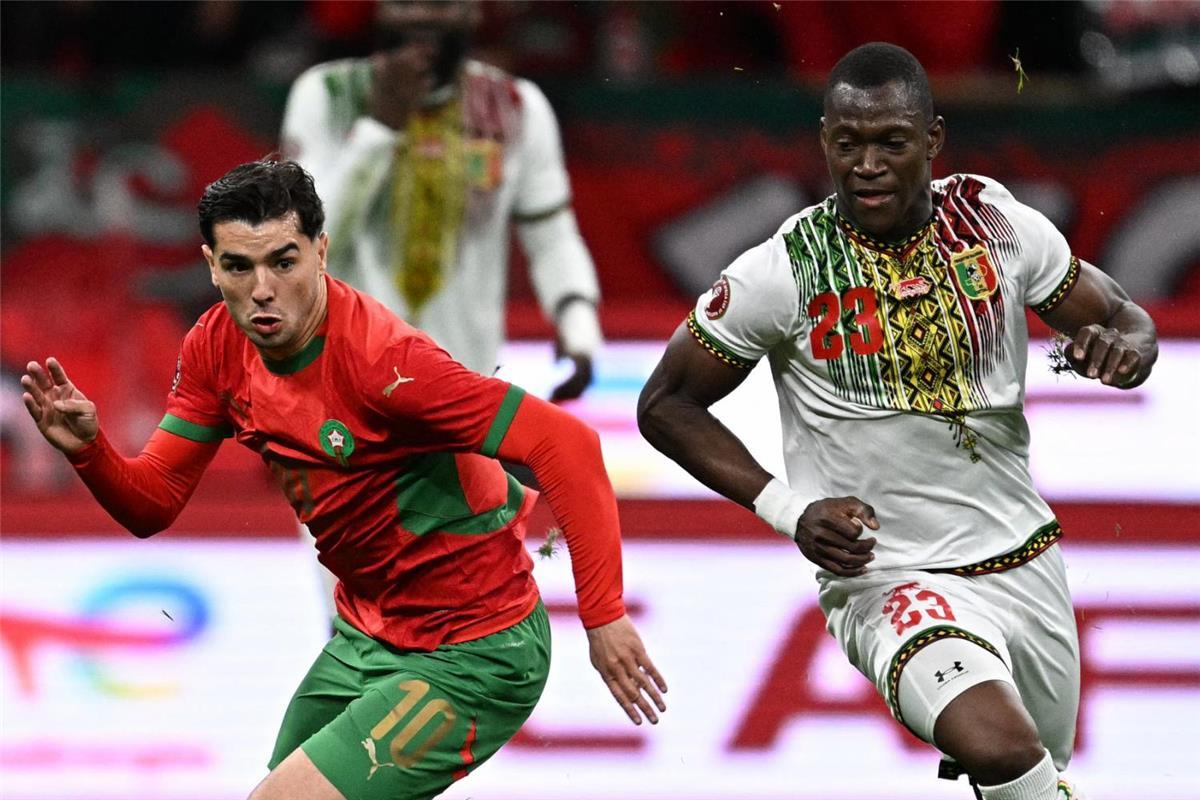
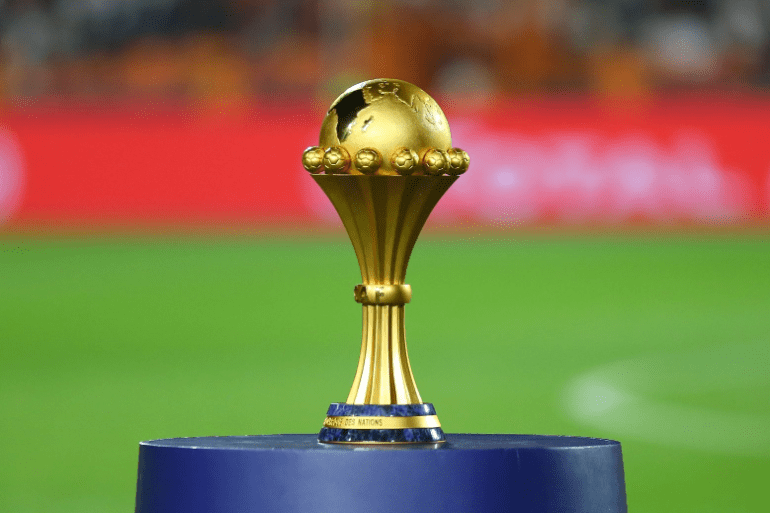
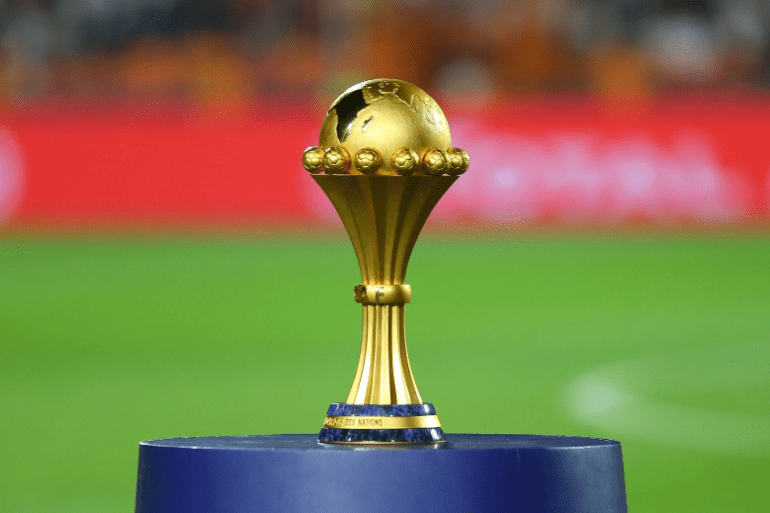
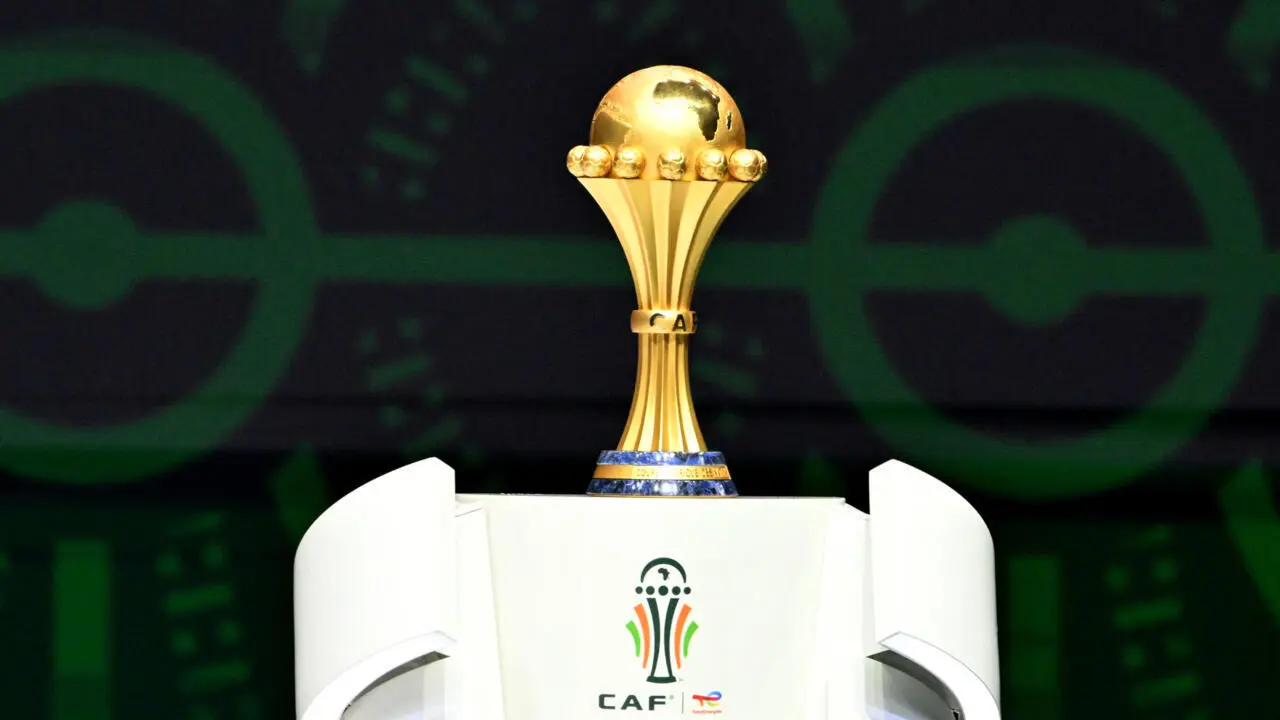
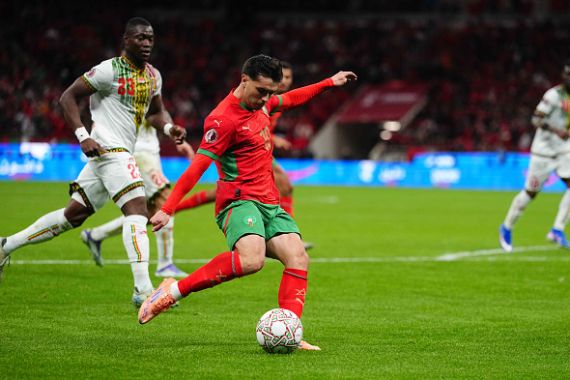
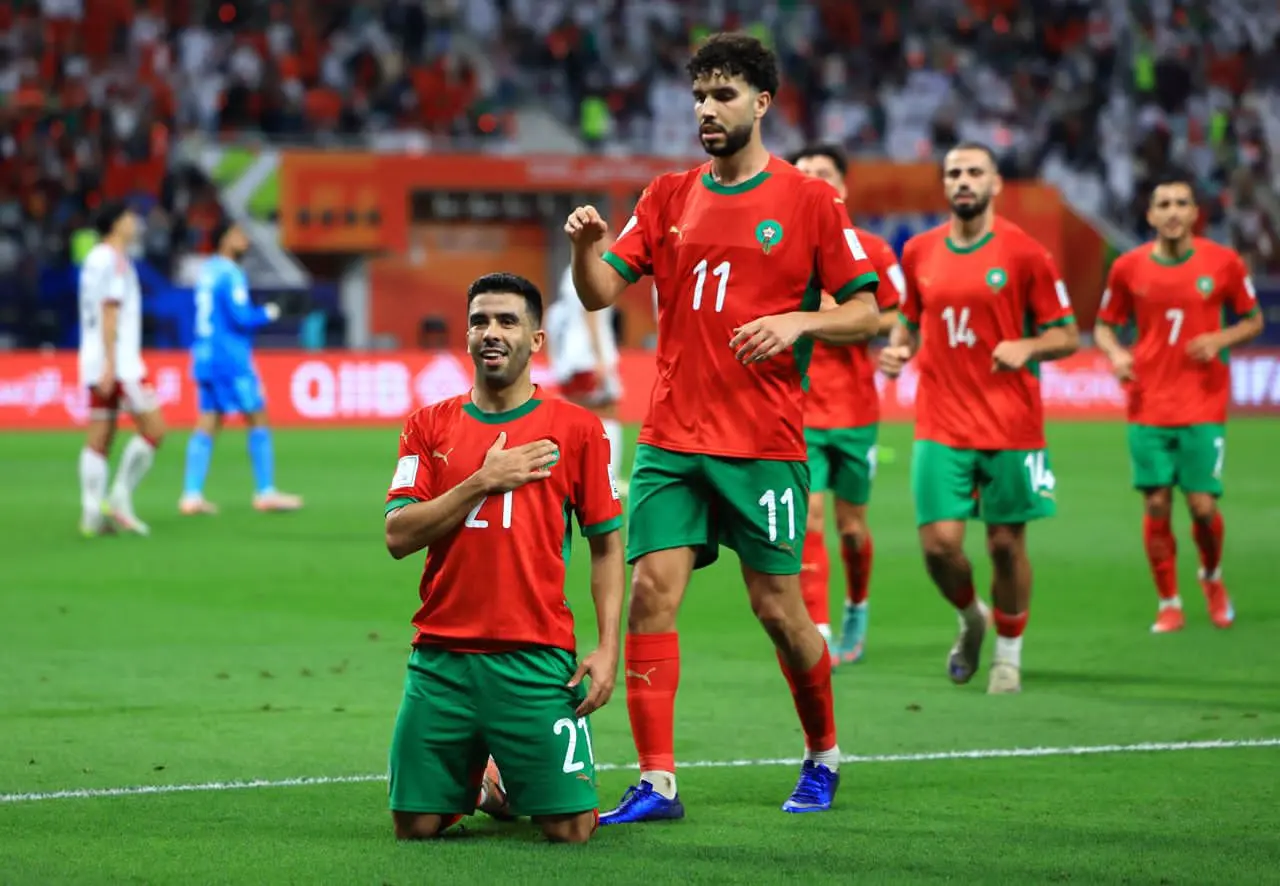
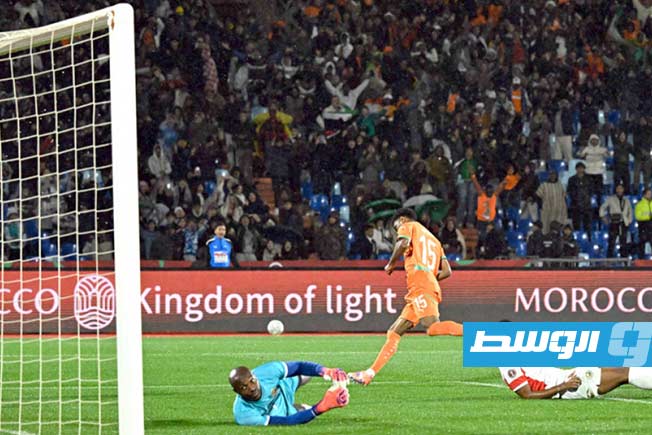
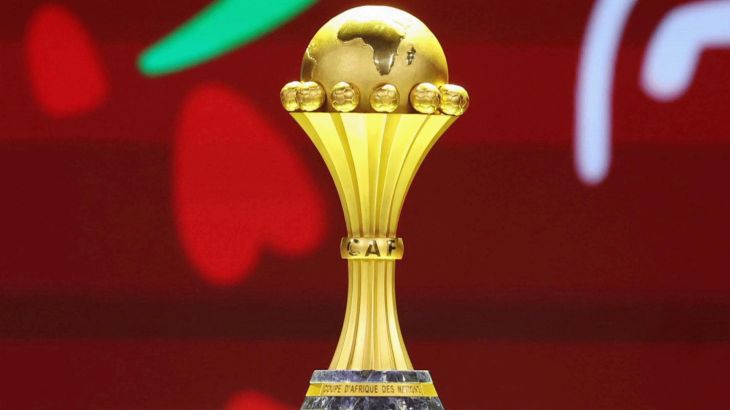
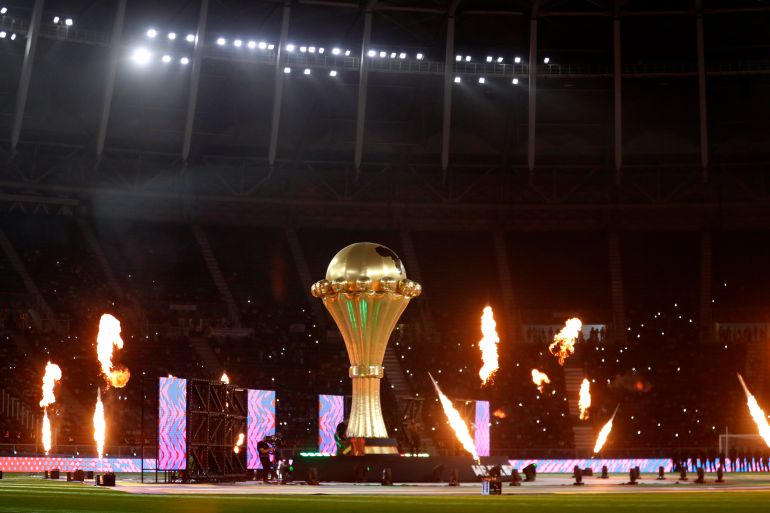
The Moroccan national team rose to eighth place globally for the first time in its history, after collecting 1736.57 points, surpassing the previous record of the Egyptian national team which reached ninth place in 2010. This achievement comes after the strong performance of the Atlas Lions in the 2025 Africa Cup of Nations, where they earned 20.23 points during the tournament.
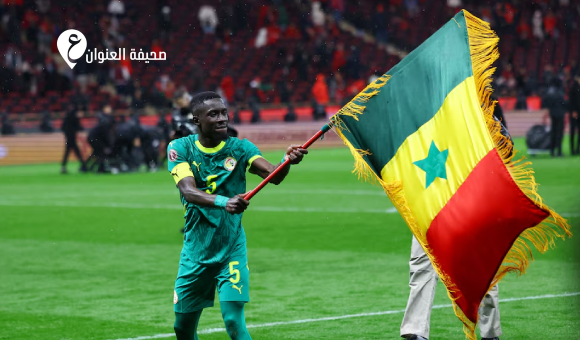
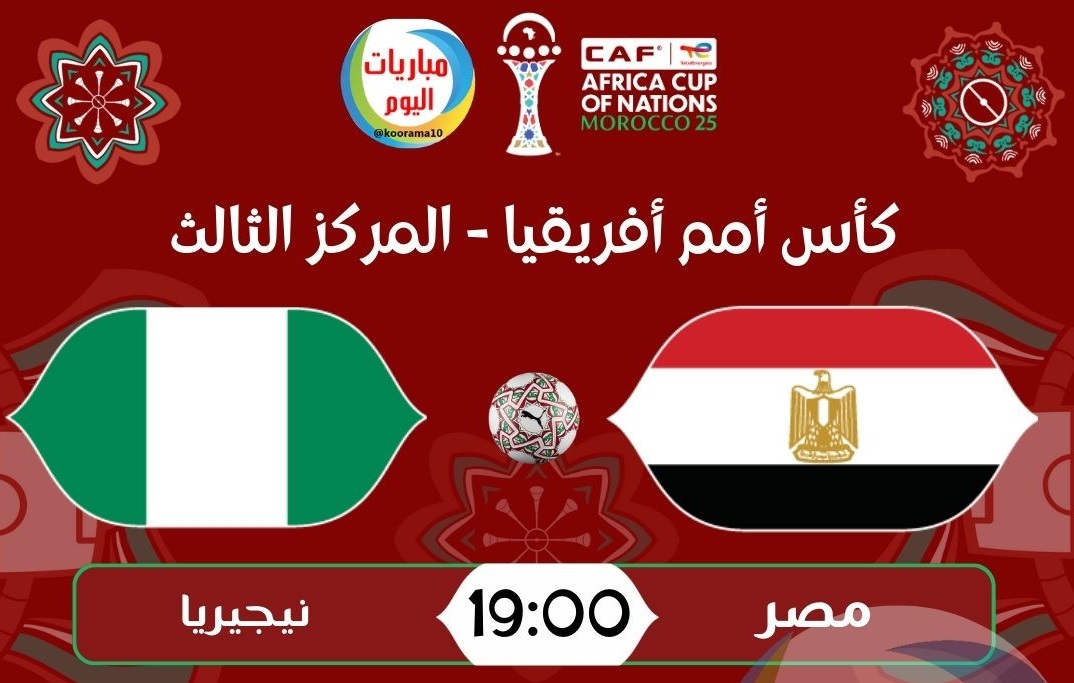
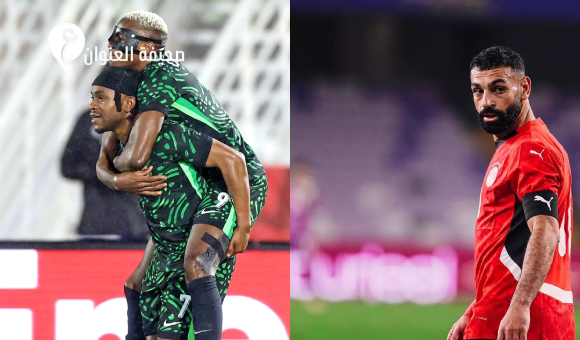
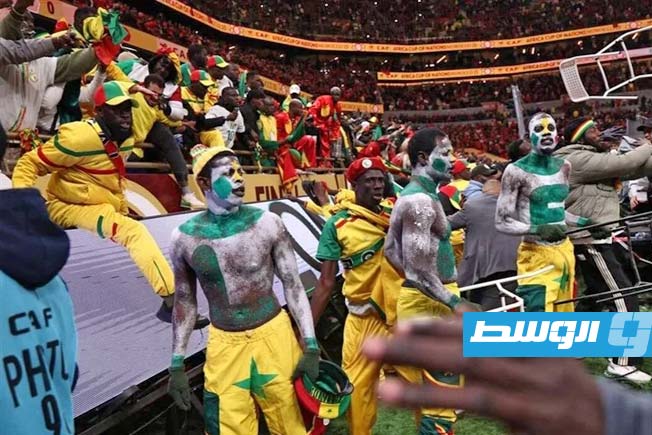
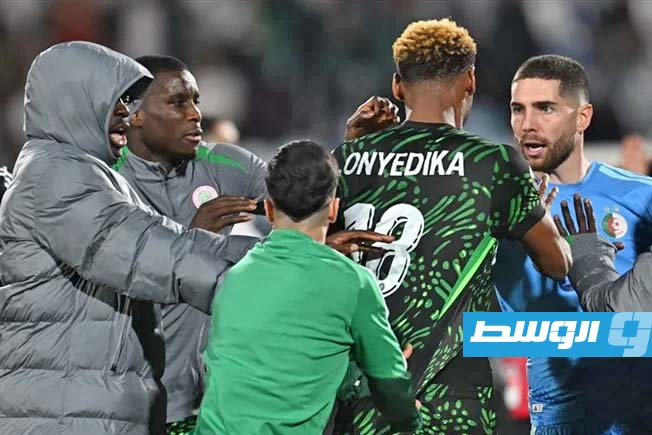
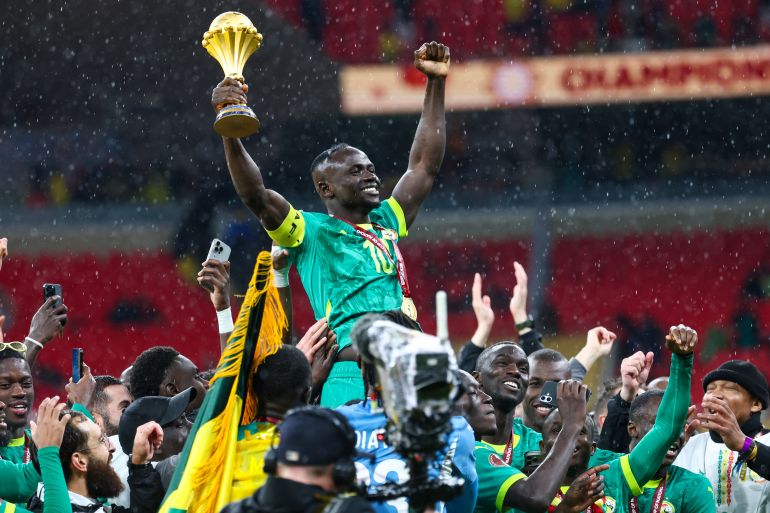
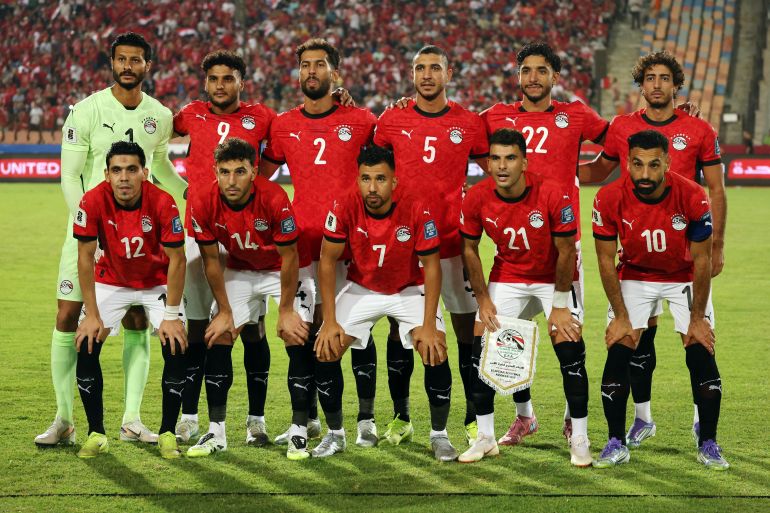
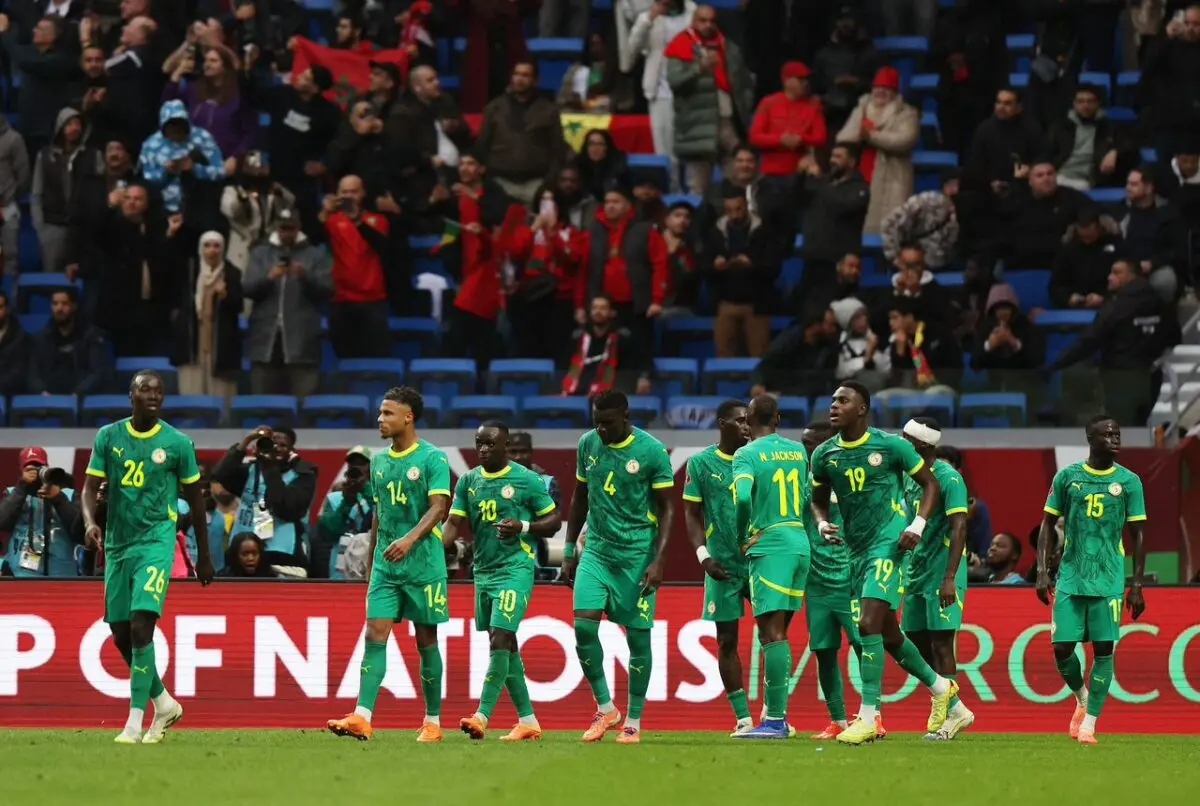
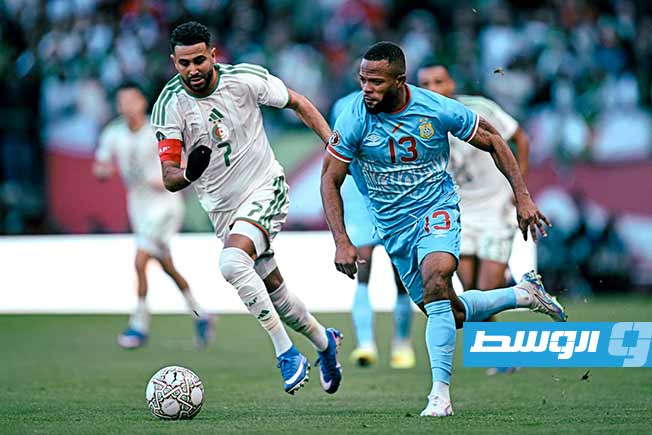
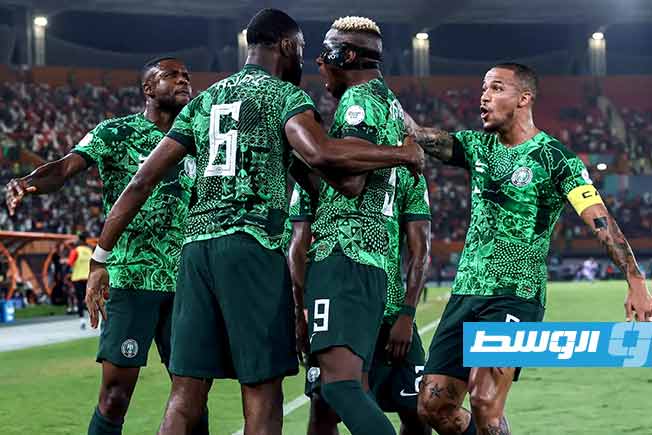
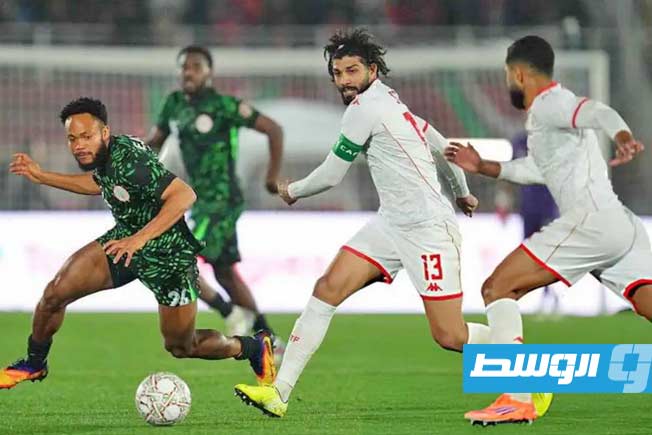
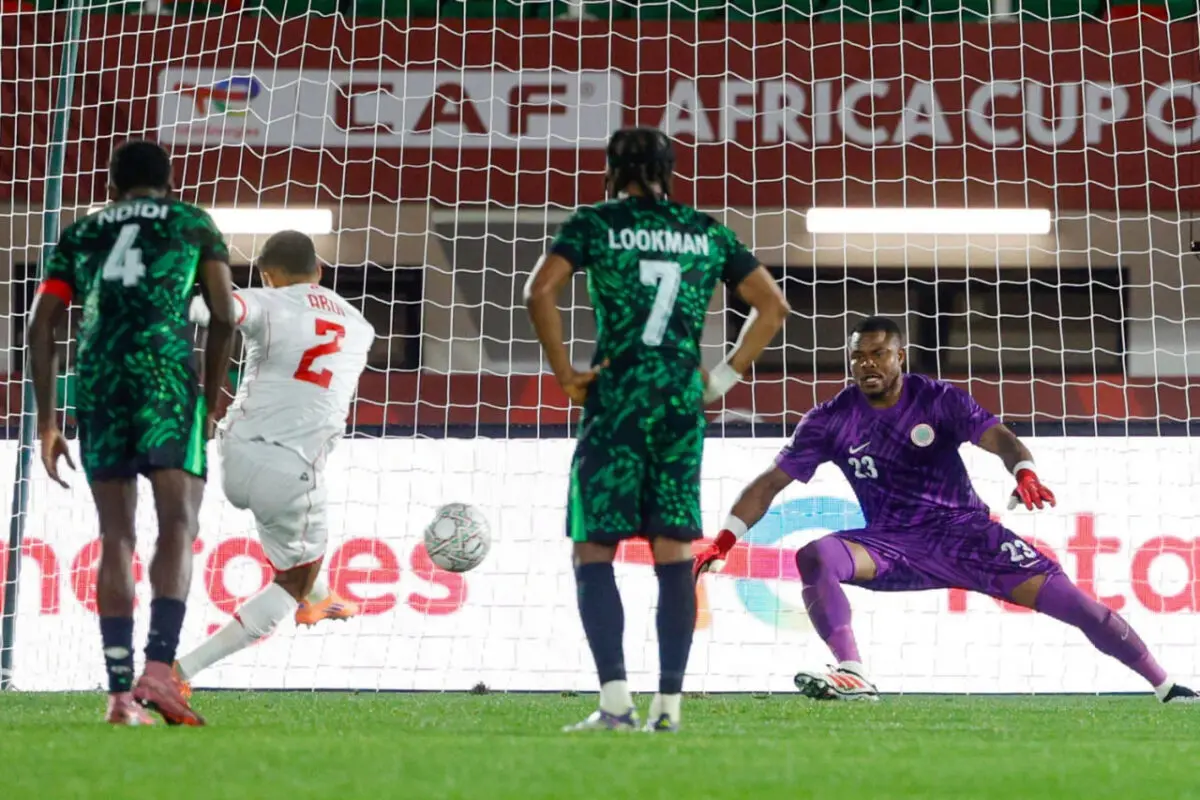
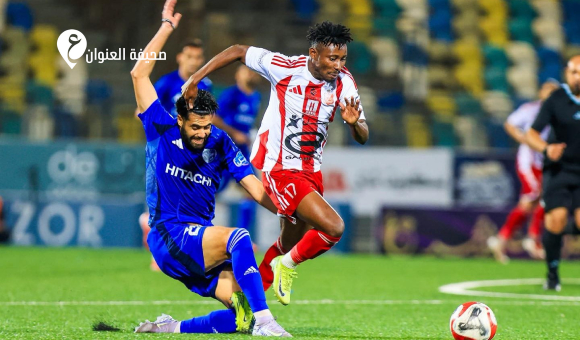
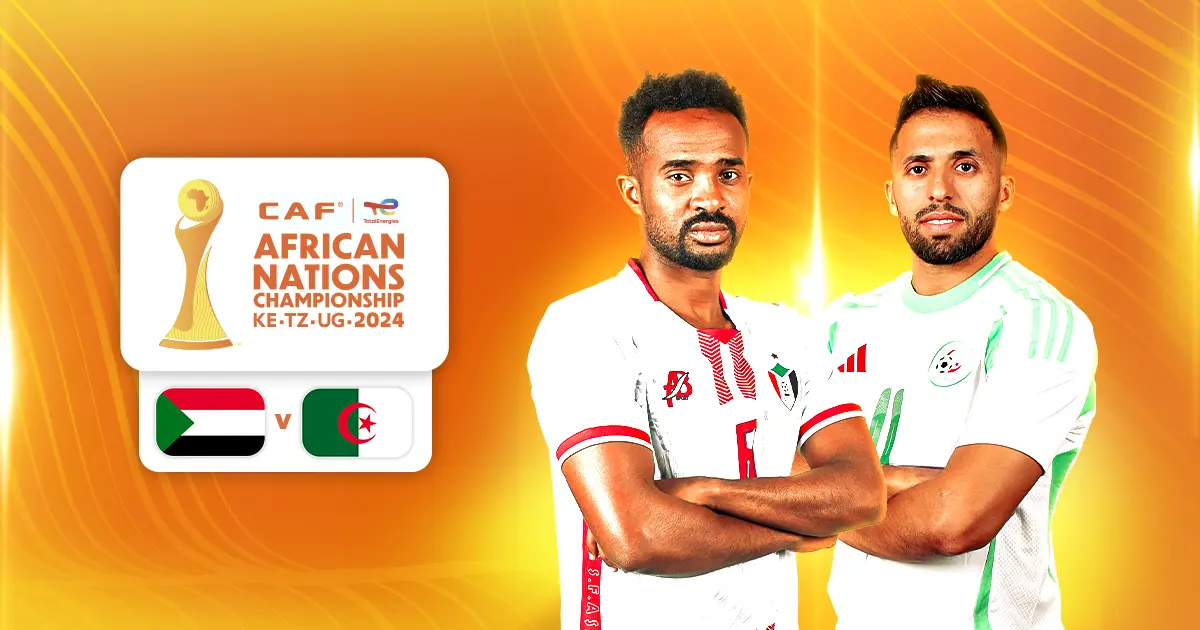
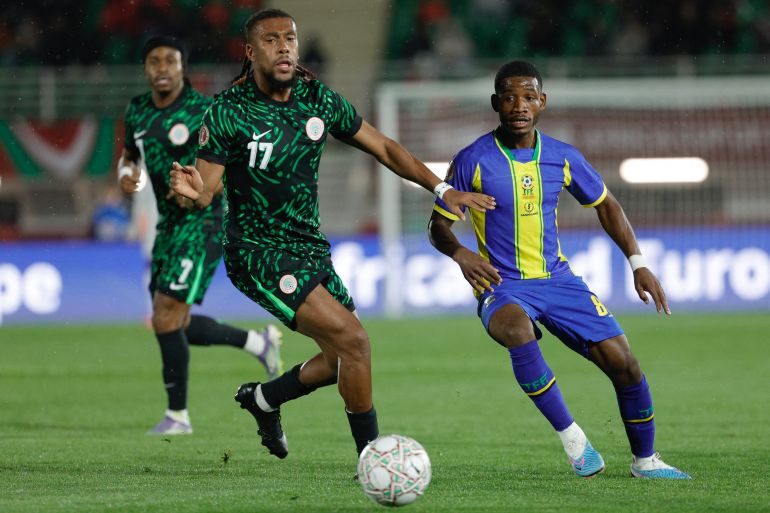
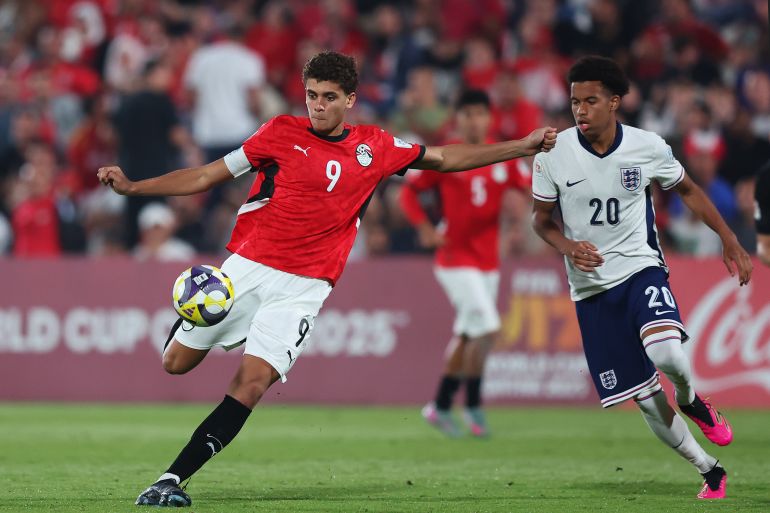
Senegal, the African Cup of Nations champion, came in second in Africa and 12th globally, while Nigeria took third place in Africa and 26th globally, and Algeria fourth in Africa and 28th globally. Thus, the Egyptian national team is in fifth place in Africa and 31st globally after concluding the Africa Cup of Nations with a loss to Nigeria on penalties in the third-place match.
Global Leadership Remains Unchanged
On the global level, Spain maintained the top spot with 1877.18 points, followed by Argentina in second place with 1873.33 points, then France in third, and England fourth. Brazil, Portugal, and the Netherlands came in fifth to seventh places respectively, with no changes in their order.
Arab and African Progress
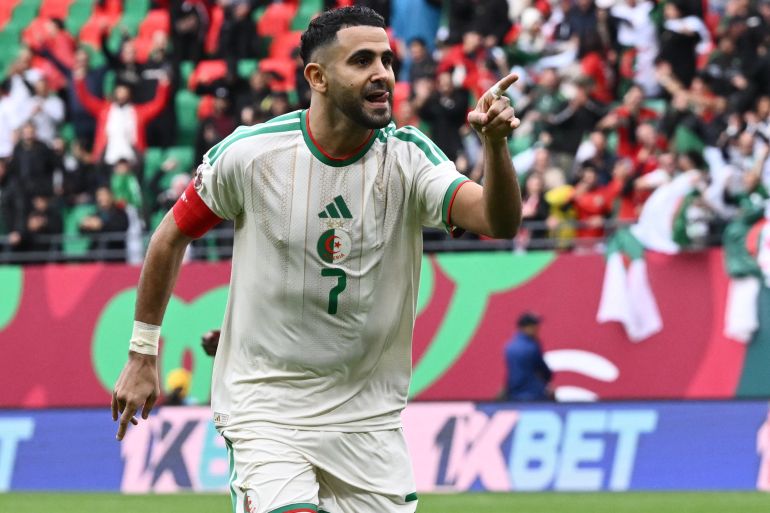
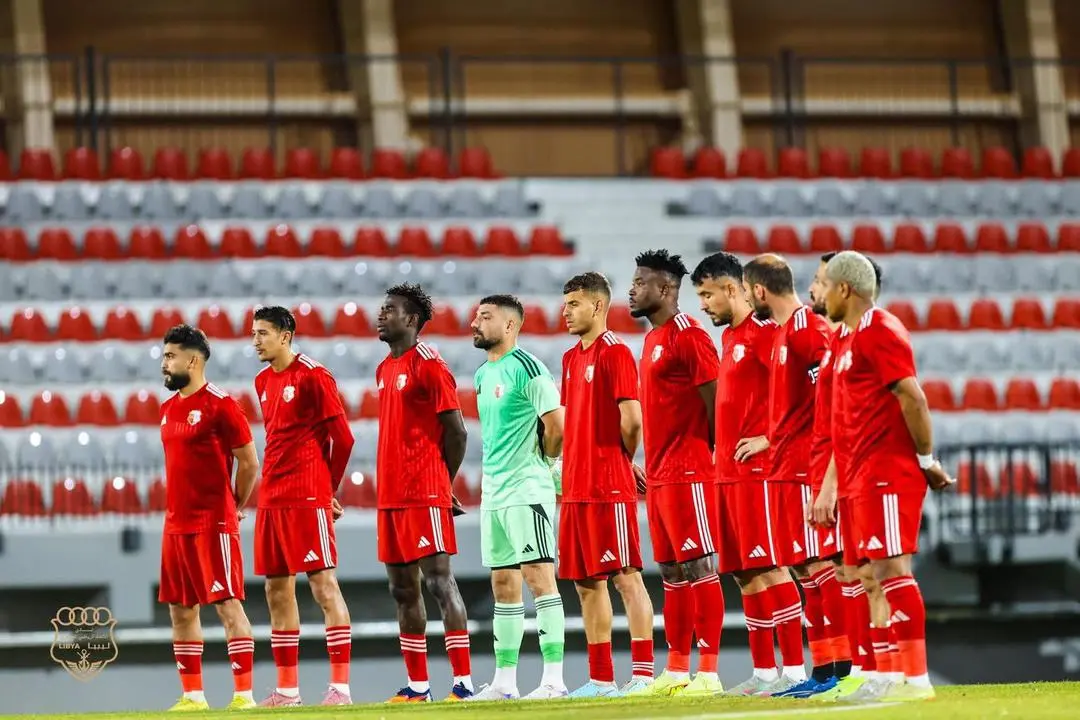
Morocco’s advance to eighth place globally is considered a historic achievement for Arab and African football, as it leads the ranking of Arab national teams, followed by Algeria and then Egypt. This reflects the growing strength of African national teams on the global stage following the latest Africa Cup of Nations.
– –
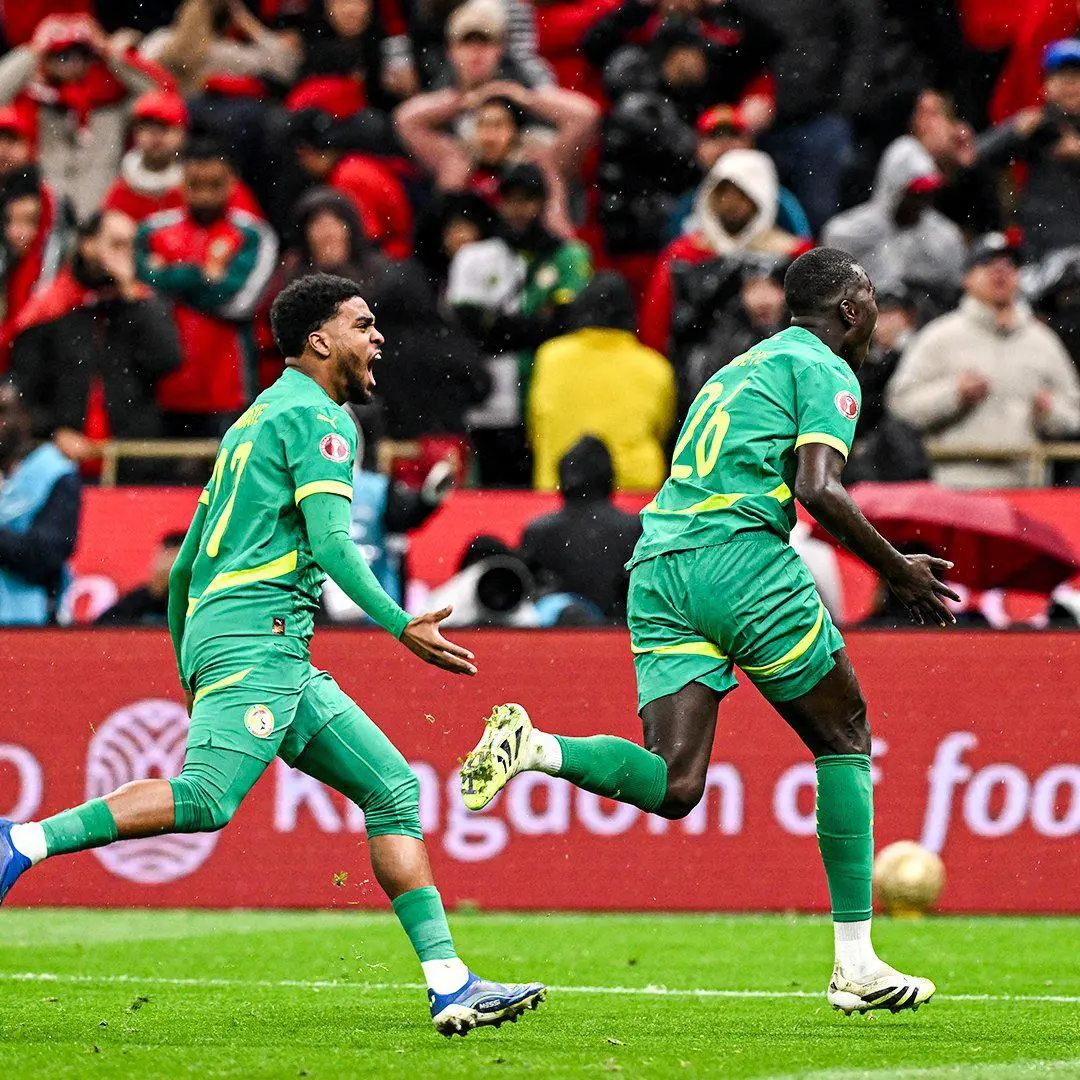
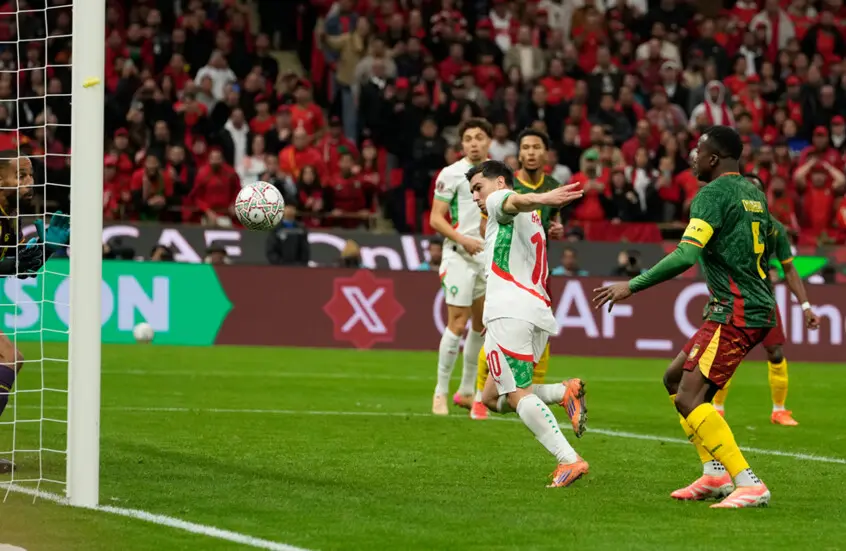
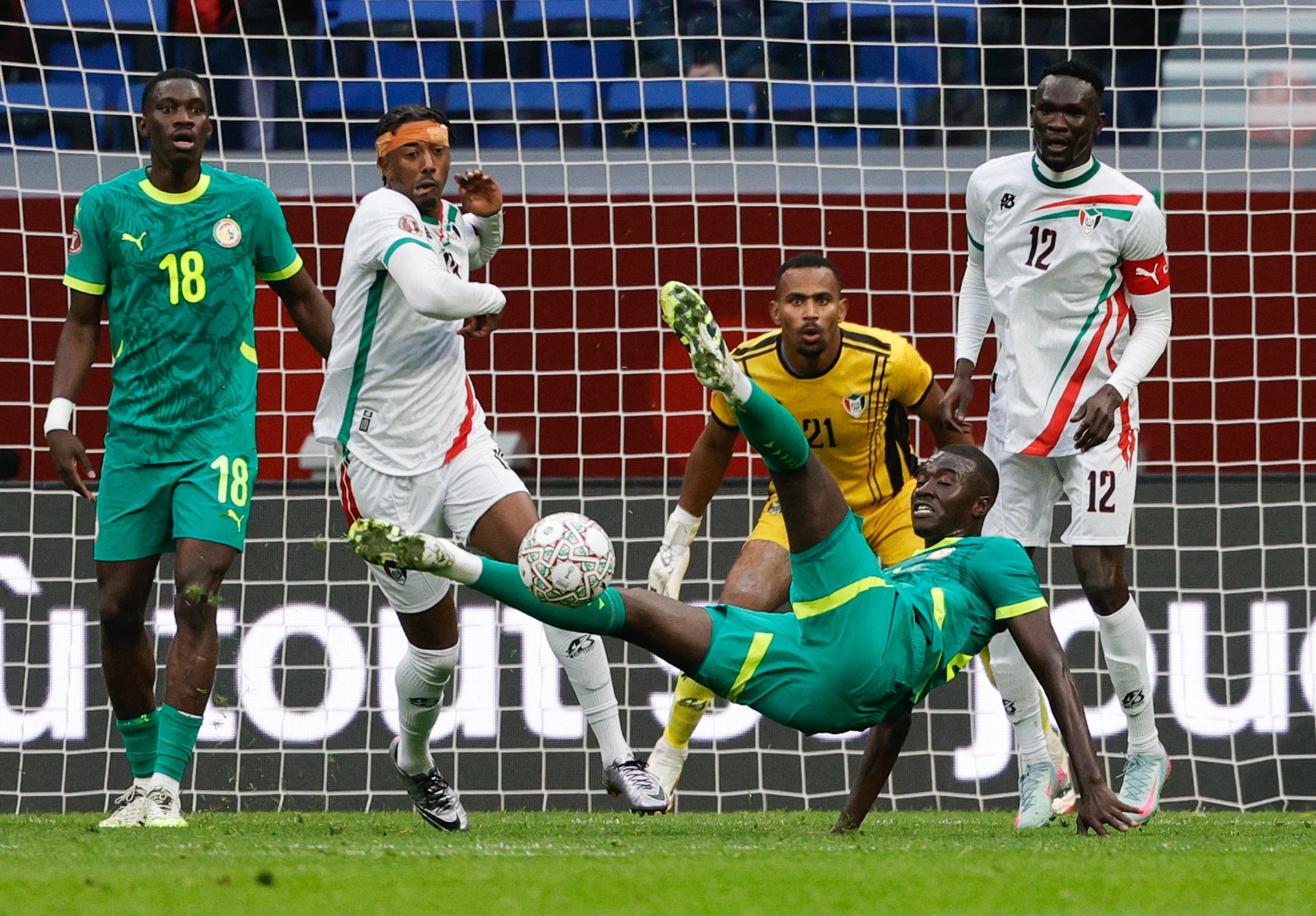
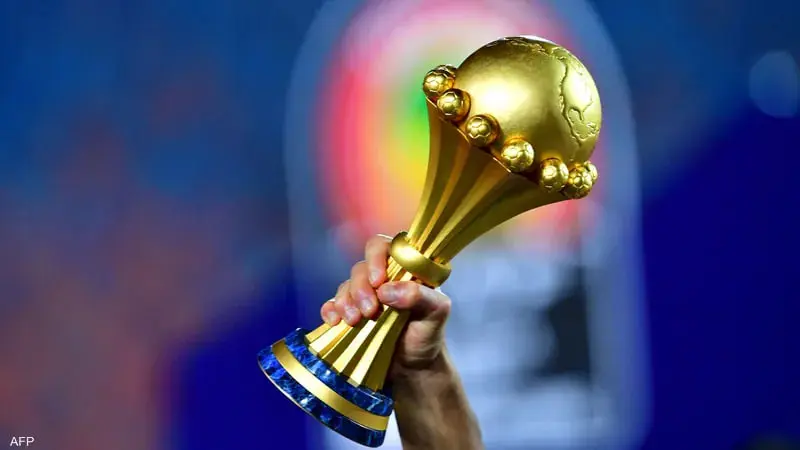
This ranking confirms that Morocco has become an influential global force, following the distinguished performance it presented in the tournament, despite its final loss to Senegal by one goal in a match that extended into extra time. This reflects the rise of the ‘Atlas Lions’ to the ranks of the strongest national teams in the world.
Morocco
Morocco is a North African country with a rich history shaped by indigenous Amazigh (Berber) cultures, Arab influence from the 7th century, and successive dynasties like the Almoravids and Almohads. Its cultural sites, such as the ancient city of Fez and the Koutoubia Mosque in Marrakech, reflect this blend of Arab, Islamic, and Amazigh heritage. The country’s historic medinas, kasbahs, and varied landscapes from the Sahara Desert to the Atlas Mountains are central to its identity.
Egypt
Egypt is home to one of the world’s oldest civilizations, with a recorded history spanning over 5,000 years and famed for its pharaonic monuments like the Pyramids of Giza and the Sphinx. Its rich cultural legacy includes significant contributions to writing, architecture, and religion, later influenced by Hellenistic, Roman, Coptic Christian, and Islamic periods following its conquests. Modern Egypt centers around the Nile River and remains a major cultural and political hub in the Arab world.
FIFA
FIFA, the Fédération Internationale de Football Association, is the international governing body for association football, founded in Paris in 1904. Its primary role is to oversee major international tournaments, most notably the FIFA World Cup, which it first organized in 1930.
Africa Cup of Nations
The Africa Cup of Nations is the premier international men’s football competition in Africa, first held in 1957. It was founded to unite African nations emerging from colonialism and is organized by the Confederation of African Football (CAF).
Senegal
Senegal is a West African nation with a rich history shaped by powerful pre-colonial empires, French colonization, and its role as a major hub in the transatlantic slave trade. It gained independence in 1960 and is known for its cultural heritage, including the UNESCO-listed Island of Gorée and the vibrant city of Dakar. The country is celebrated for its tradition of “Teranga” (hospitality), its influential music and arts scene, and its stable democracy in the region.
Nigeria
Nigeria is a West African country with a rich history shaped by ancient kingdoms like the Nri, Benin, and Oyo, as well as the Sokoto Caliphate. It gained independence from British colonial rule in 1960 and is now Africa’s most populous nation, known for its vibrant cultural diversity, significant oil reserves, and influential music and film industries.
Algeria
Algeria is a North African country with a rich history shaped by ancient Berber kingdoms, Roman rule, and centuries as part of the Ottoman Empire before becoming a French colony in the 19th century. It gained independence in 1962 after a protracted war of liberation, and its cultural heritage includes numerous UNESCO World Heritage sites, such as the Roman ruins of Timgad and the historic Casbah of Algiers.
Spain
Spain is a southwestern European country with a rich and layered history, shaped by Roman, Visigothic, and Islamic rule before the unification of its Christian kingdoms in the late 15th century. Its cultural heritage is globally renowned, from its historic cities and architectural landmarks like the Alhambra to its influential traditions in art, music, and cuisine.
Argentina
Argentina is a South American nation with a rich cultural heritage shaped by indigenous traditions, Spanish colonization, and later waves of European immigration. Its history includes declaring independence from Spain in 1816, followed by periods of economic prosperity, political instability, and the influential Peronist movement. The country is globally renowned for the tango, its passionate football culture, and the vast landscapes of the Pampas and Patagonia.
France
France is a country in Western Europe with a rich cultural and historical legacy, dating back to ancient Gaul and the Roman Empire. It became a major unified kingdom in the Middle Ages and was a central player in the Enlightenment, the French Revolution, and the development of modern republicanism. Today, it is known globally for its influential art, cuisine, philosophy, and landmarks like the Eiffel Tower and the Palace of Versailles.
England
England is a country within the United Kingdom with a rich history dating back to ancient settlements, including Roman occupation and the formation of the Anglo-Saxon kingdoms. It later became a central power in the British Empire and was the birthplace of the Industrial Revolution, leaving a profound global legacy in language, law, and culture. Its landscape is dotted with historic sites from Stonehenge to medieval castles and cathedrals.
Brazil
Brazil is the largest country in South America, known for its vast Amazon rainforest and vibrant cultural exports like samba and football. Its modern history began with Portuguese colonization in 1500, leading to independence as an empire in 1822 and the establishment of a republic in 1889. The nation is characterized by a diverse population and a complex history blending Indigenous, African, and European influences.
Portugal
Portugal is a country in southwestern Europe on the Iberian Peninsula, with a history deeply shaped by maritime exploration. It established a vast colonial empire beginning in the 15th century and was a major global power during the Age of Discovery. Key cultural sites include the Jerónimos Monastery and Tower of Belém in Lisbon, which are UNESCO World Heritage sites commemorating this era.
Netherlands
The Netherlands, a country in Northwestern Europe, is historically known for its innovative water management, including its iconic windmills and extensive polder systems. Its rich cultural heritage is tied to the Dutch Golden Age of the 17th century, a period of immense maritime, economic, and artistic flourishing that produced masters like Rembrandt and Vermeer.