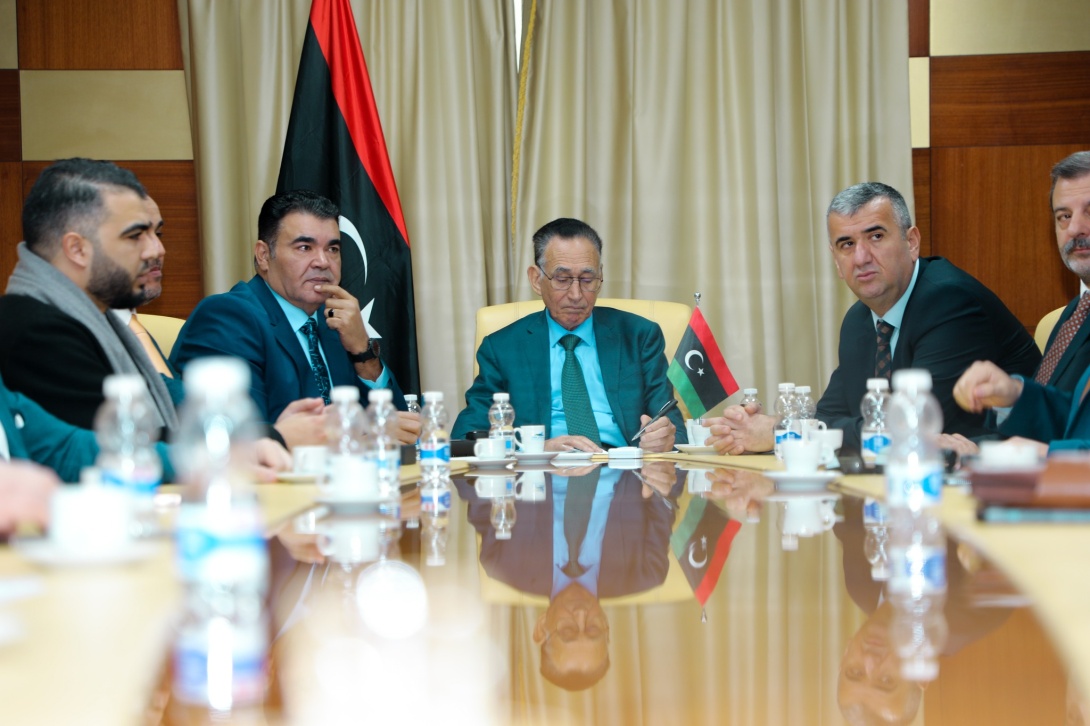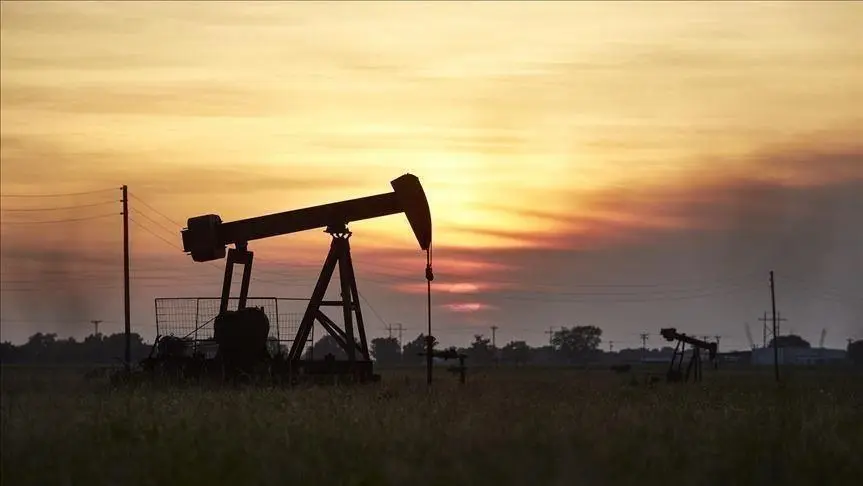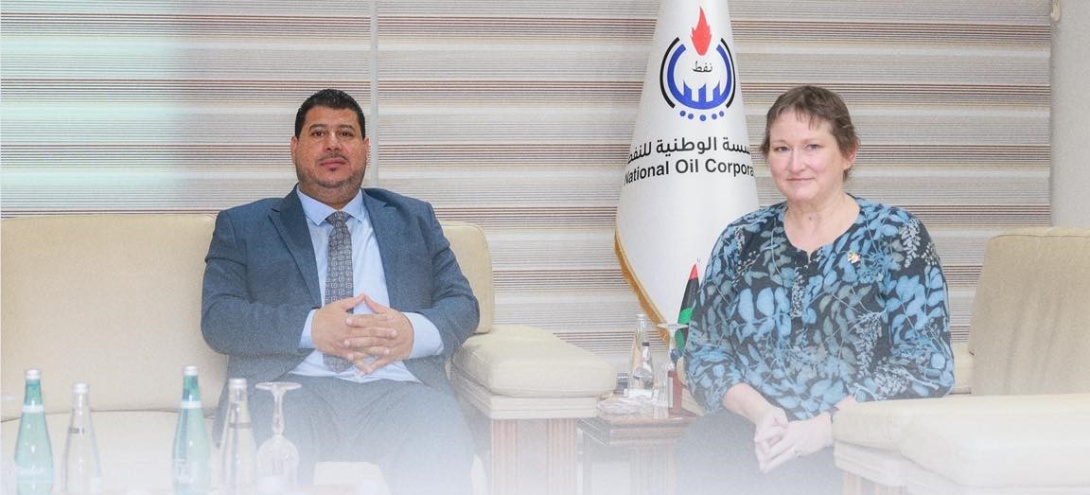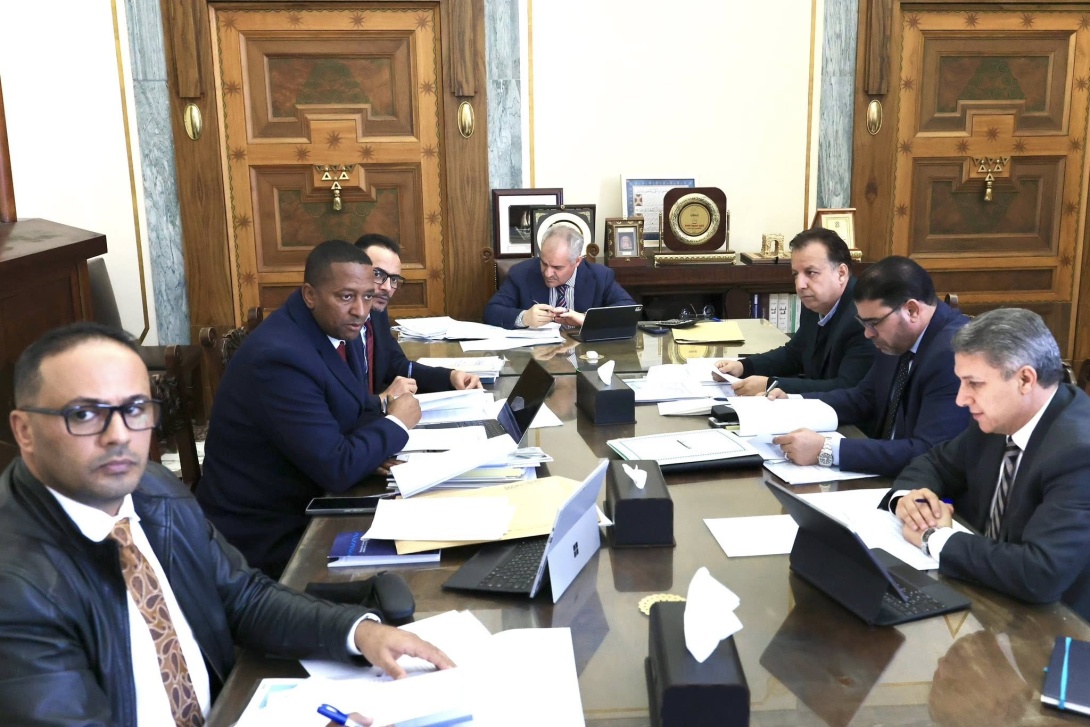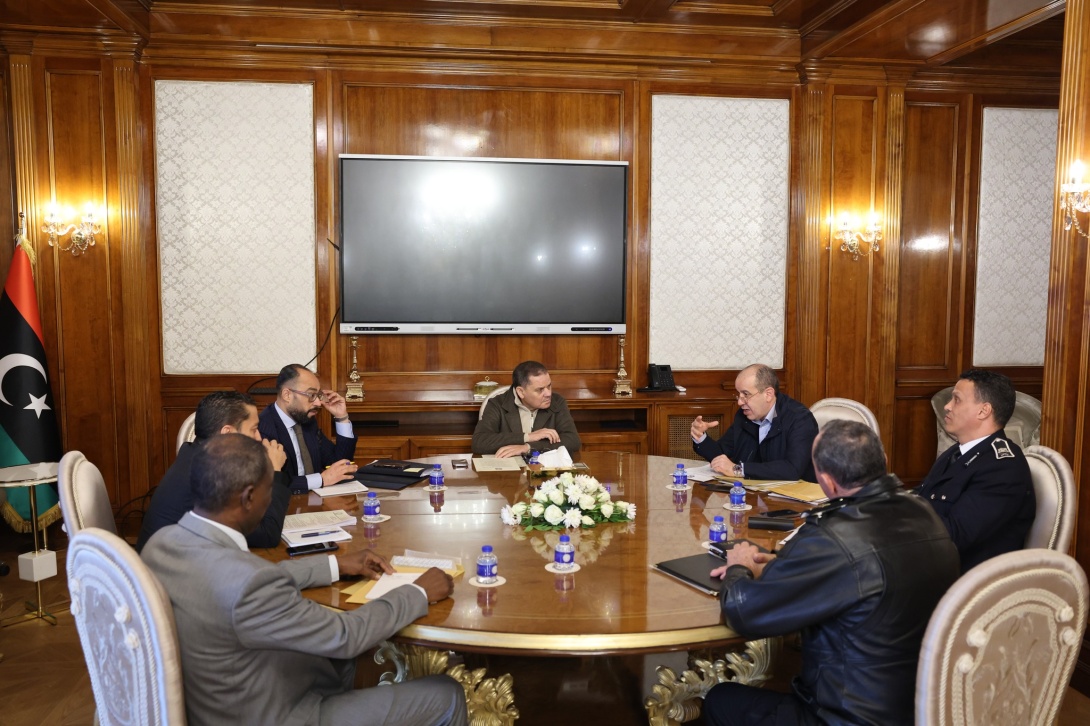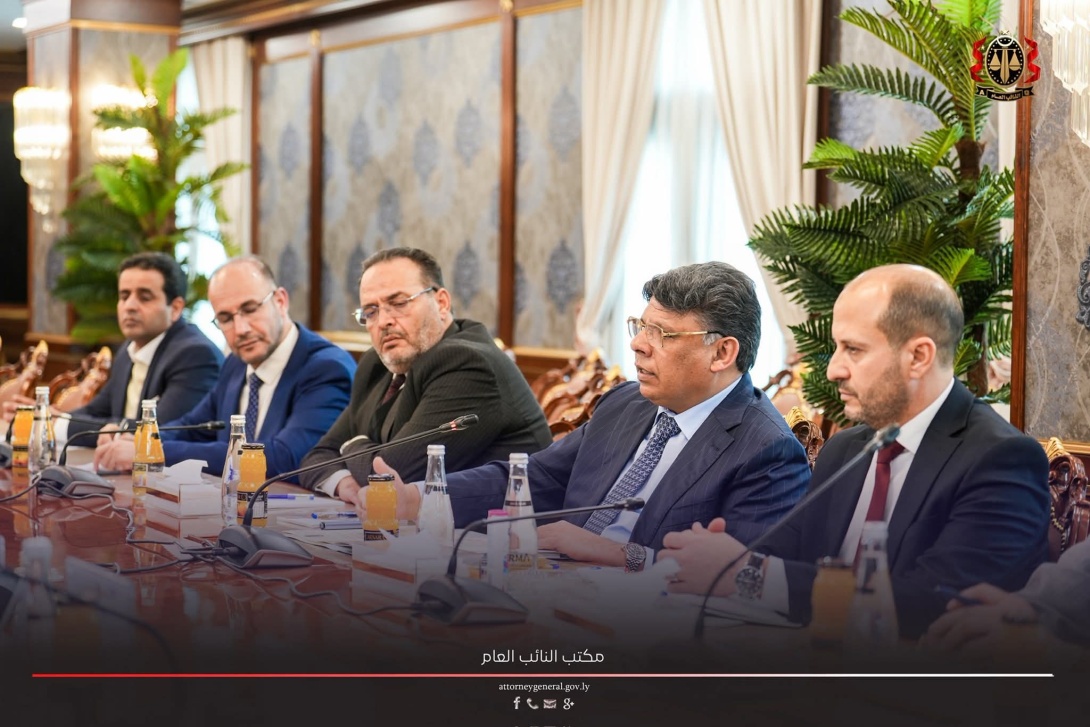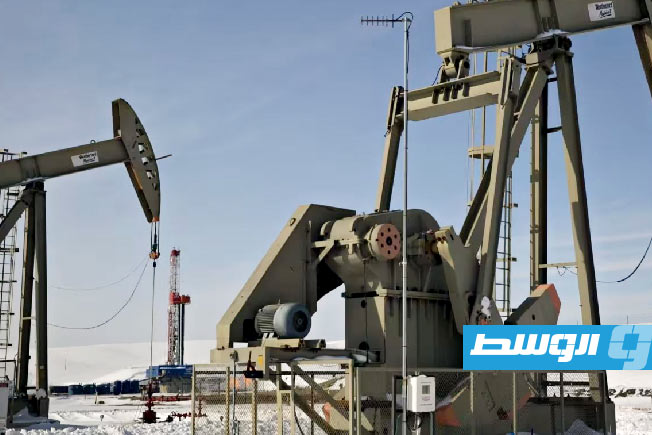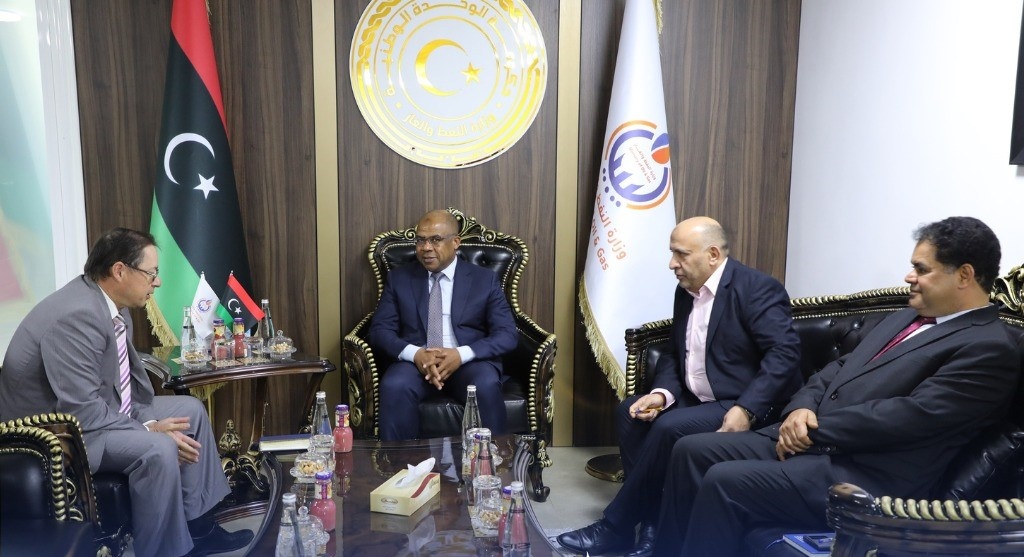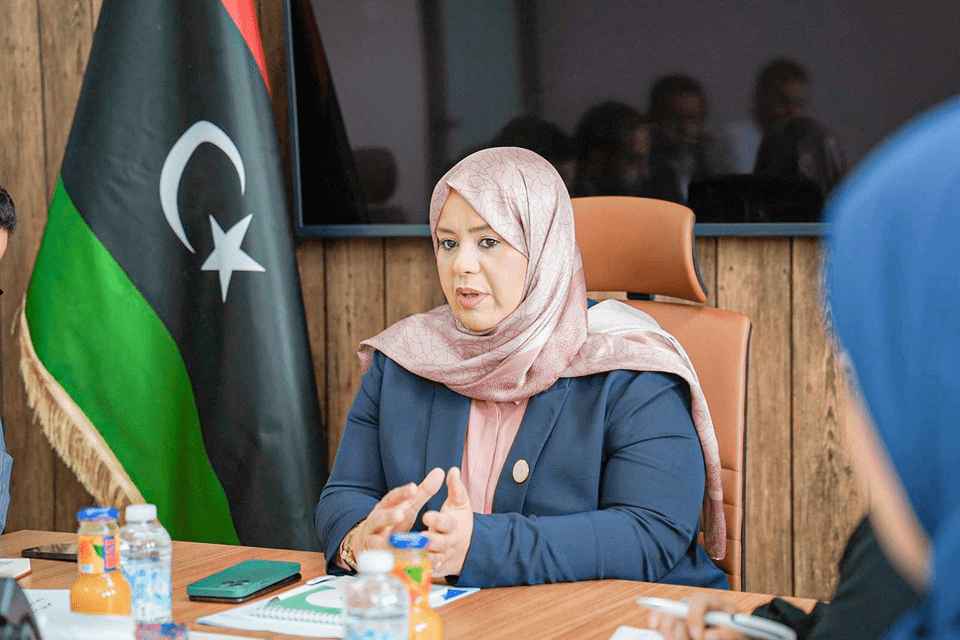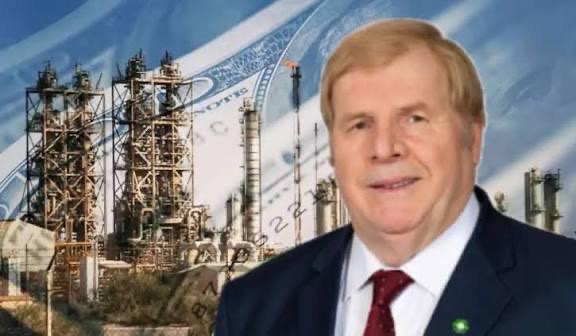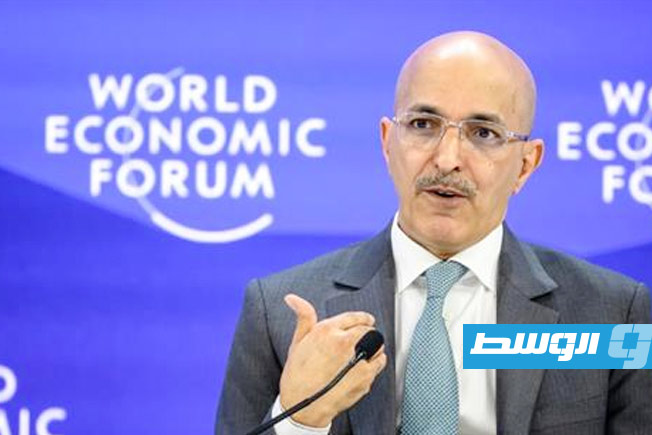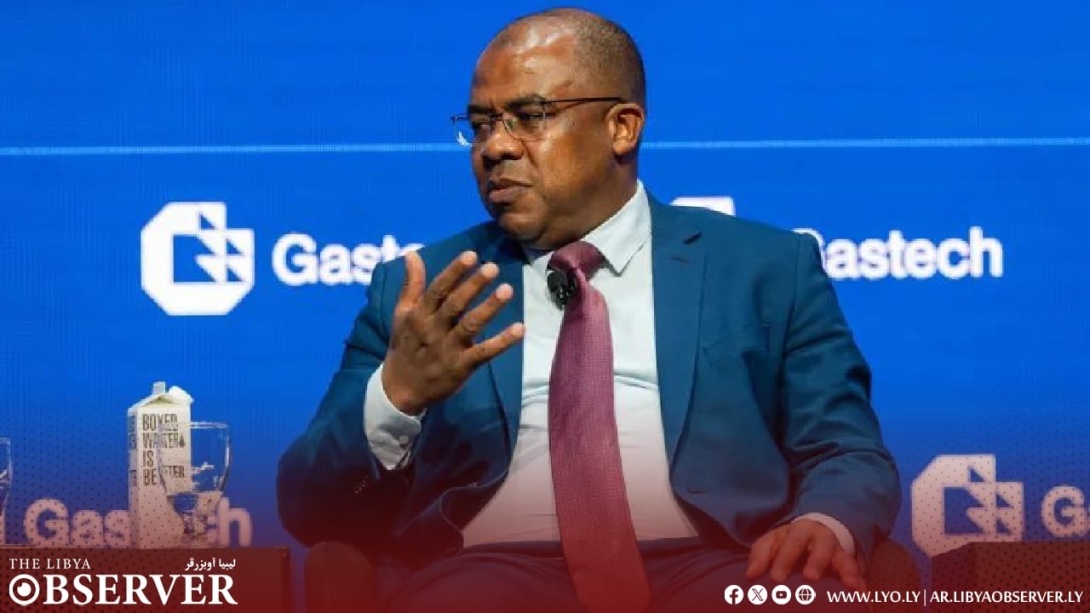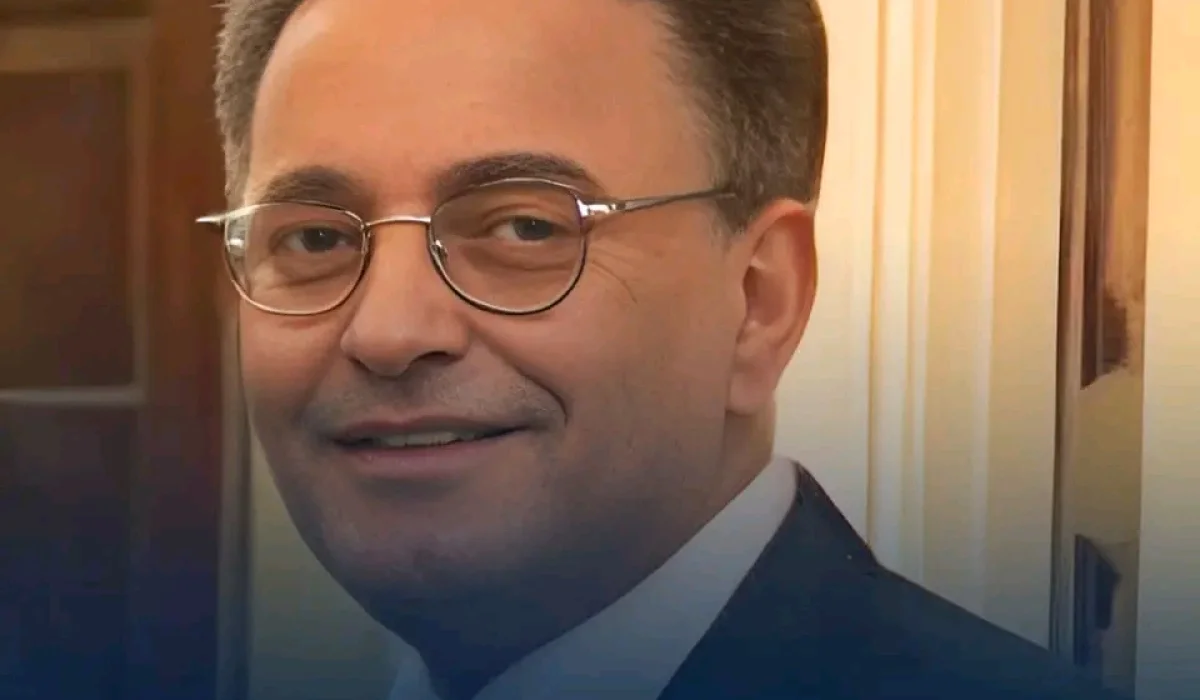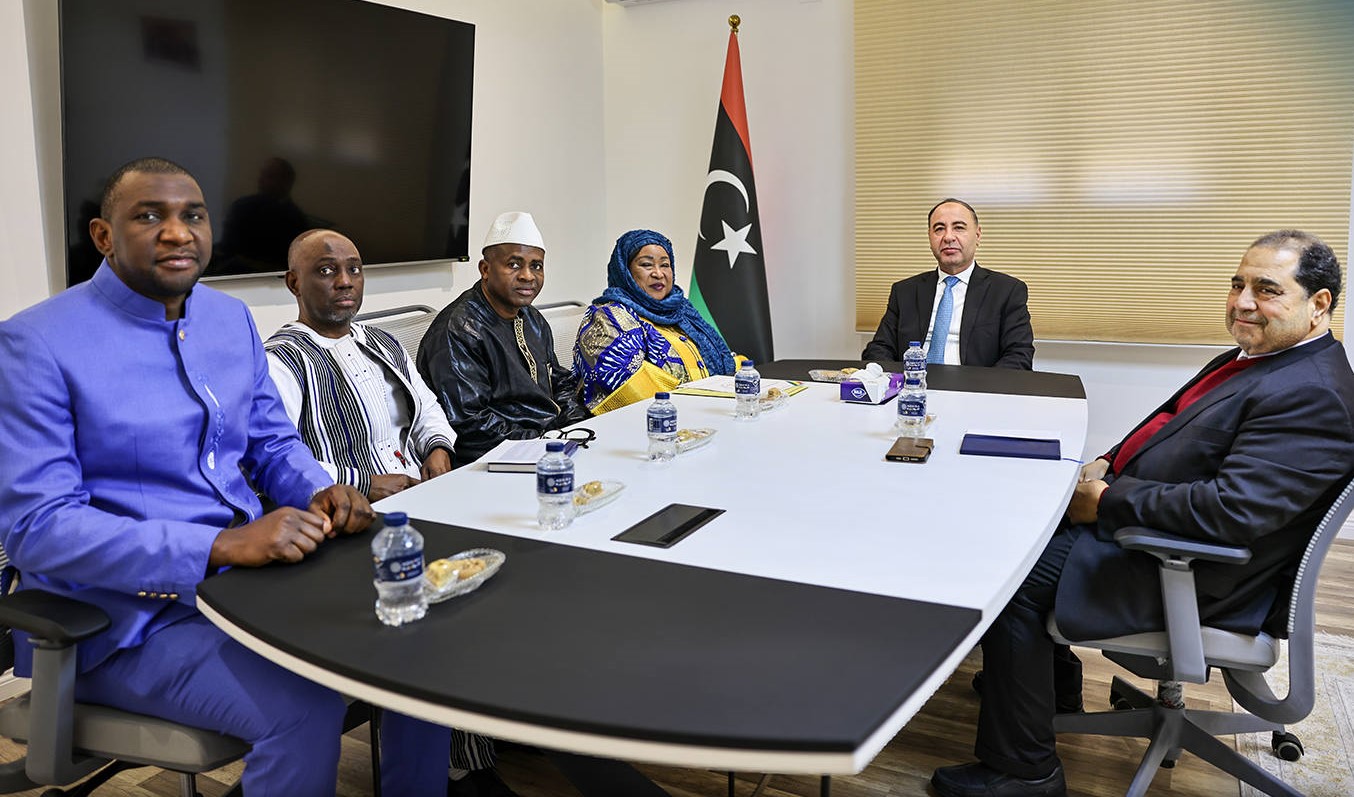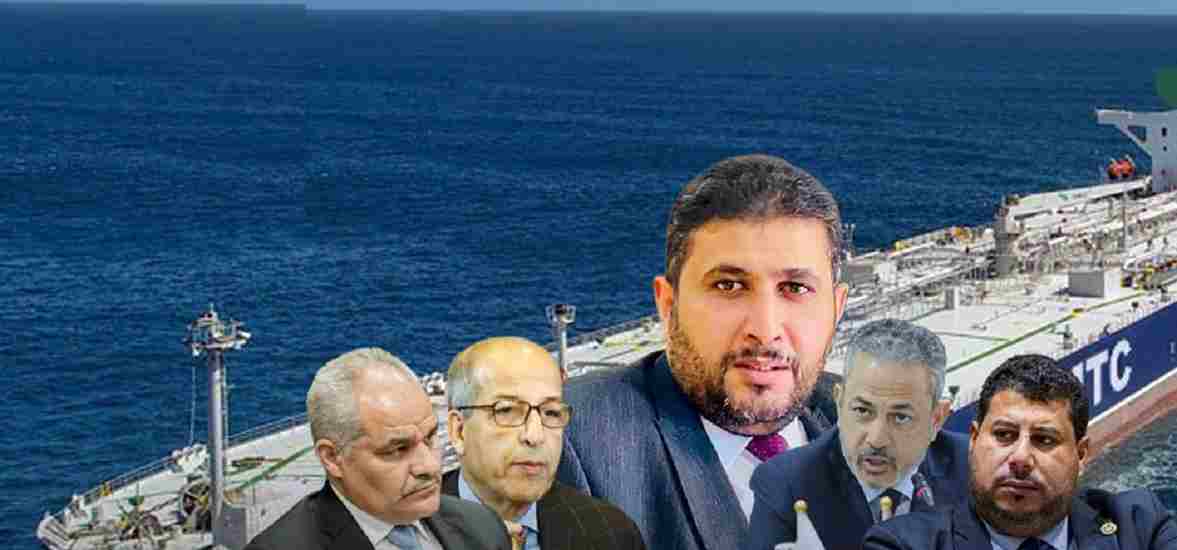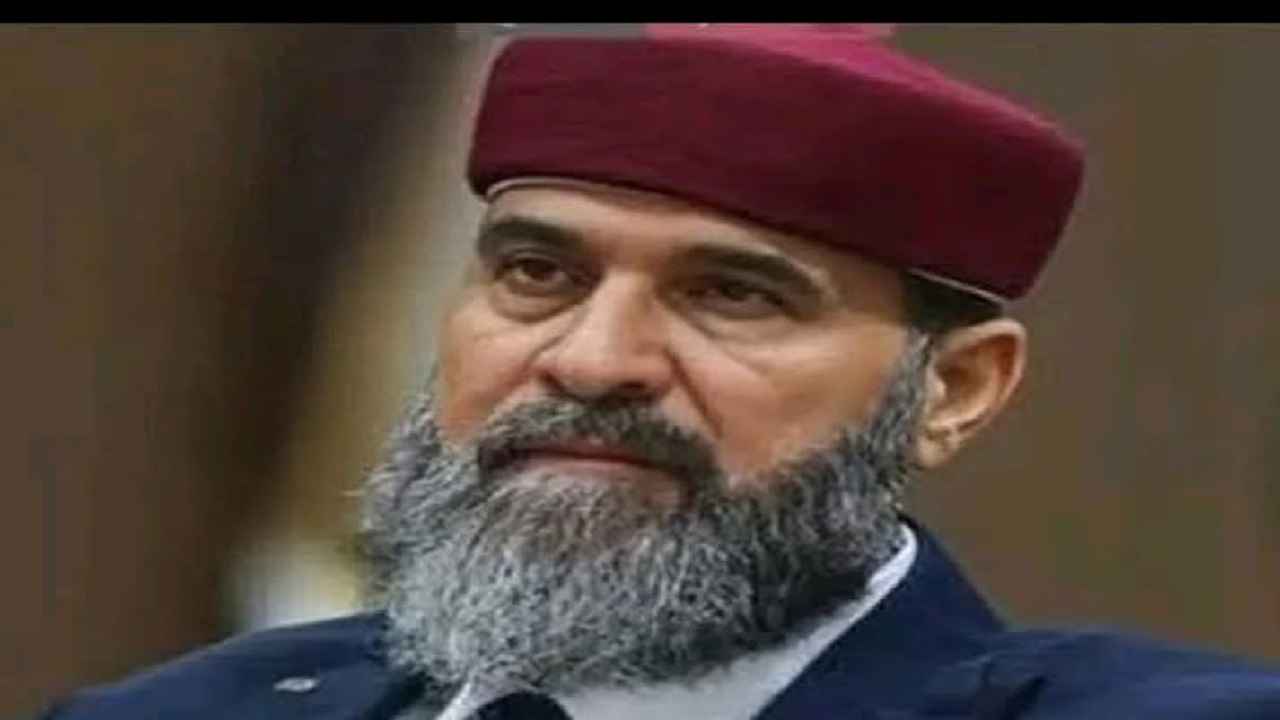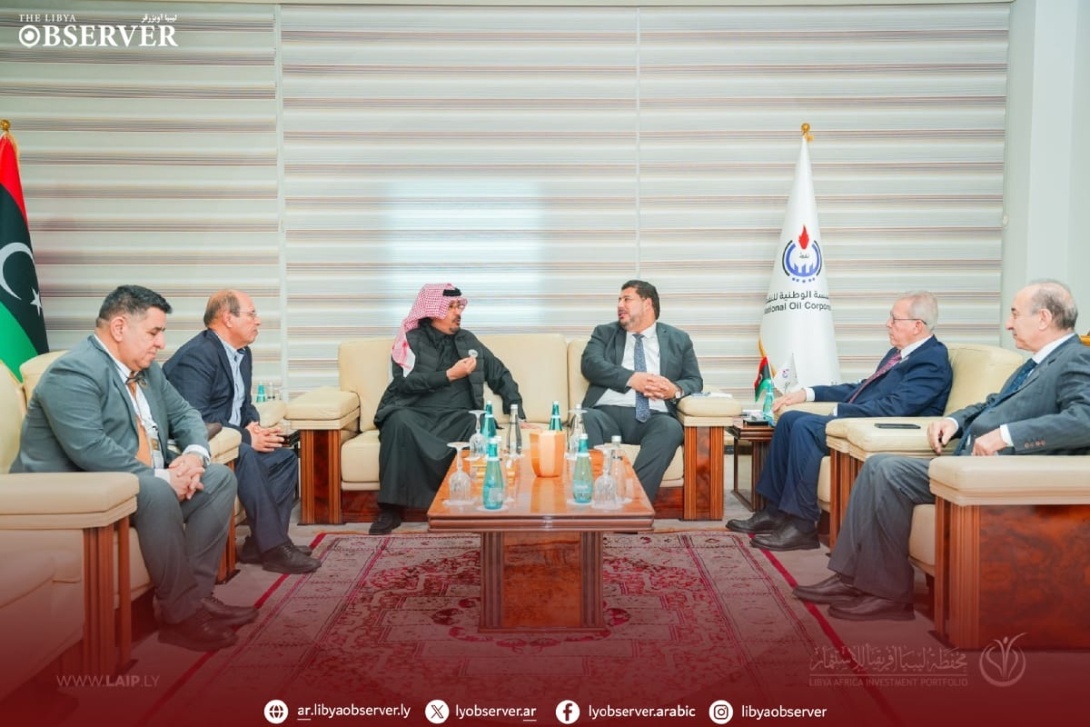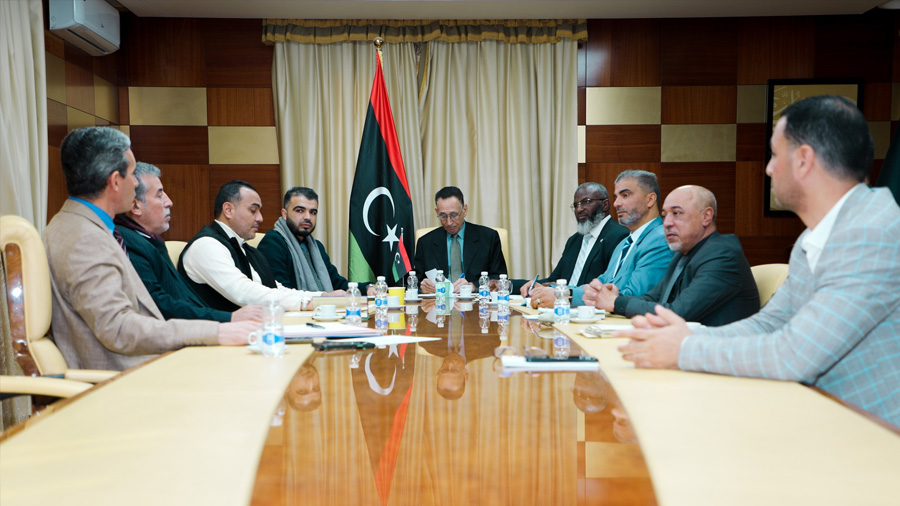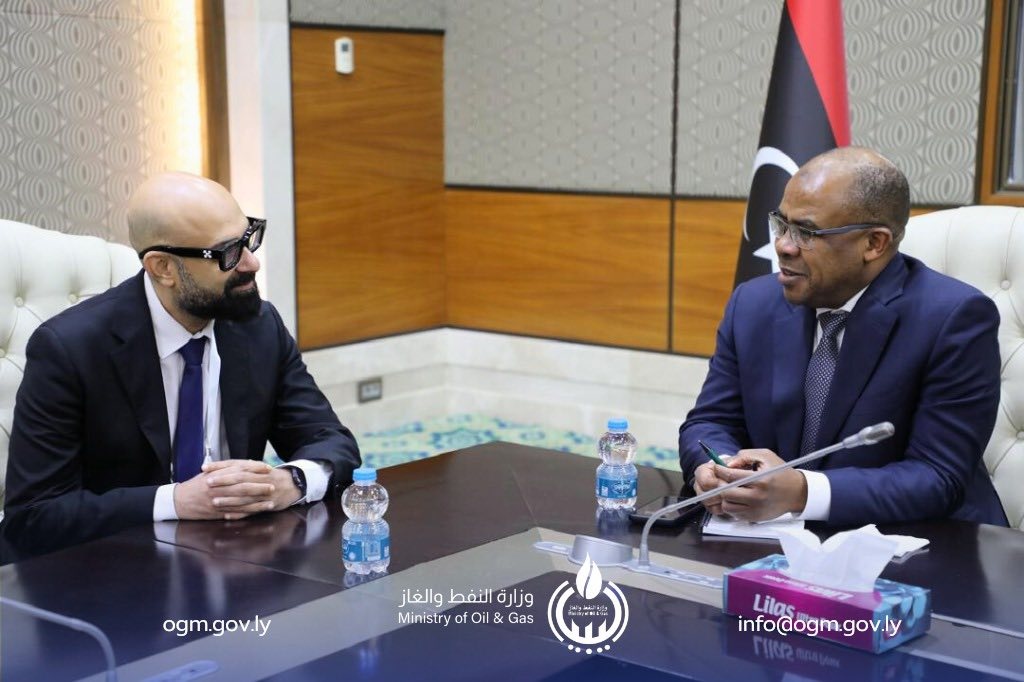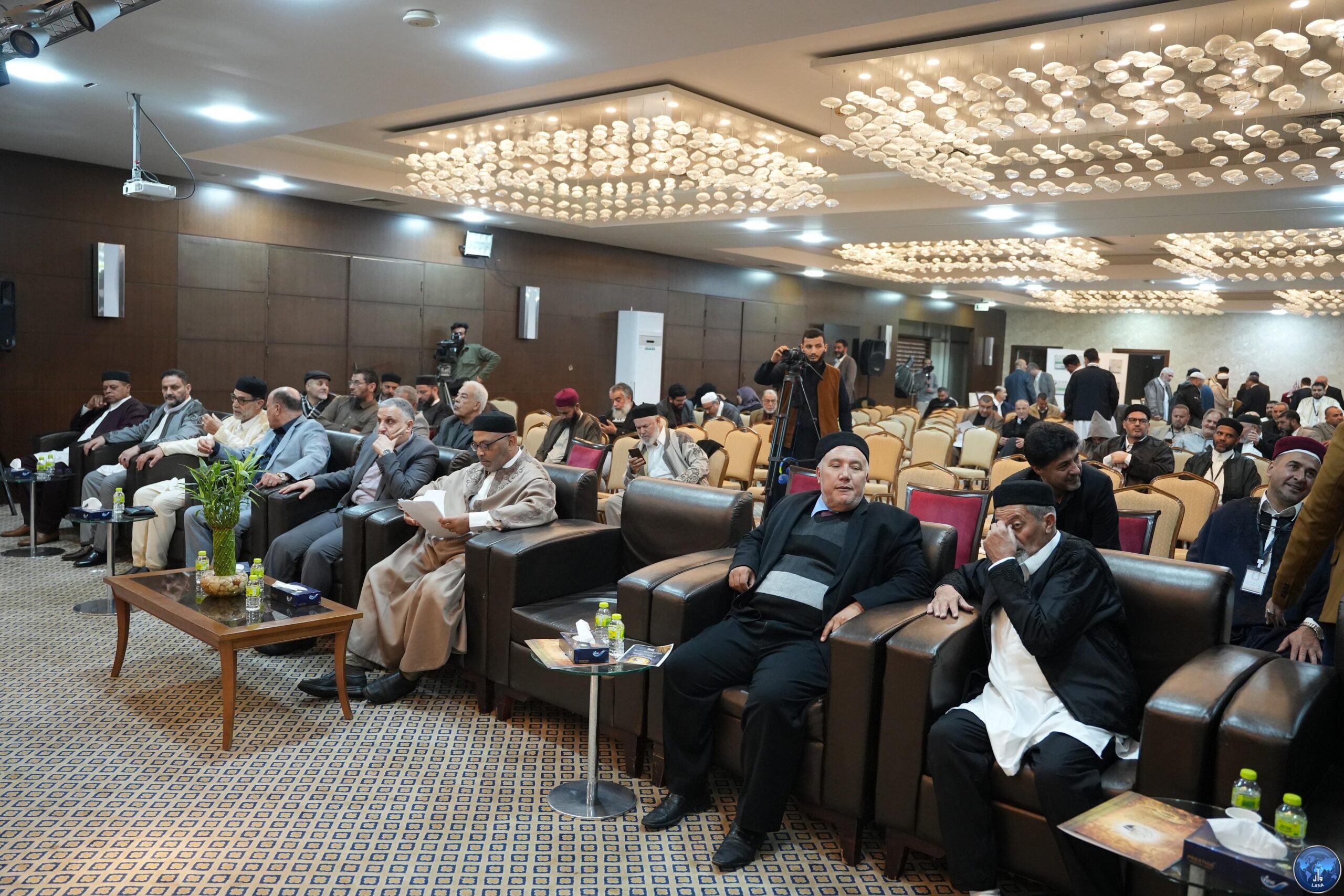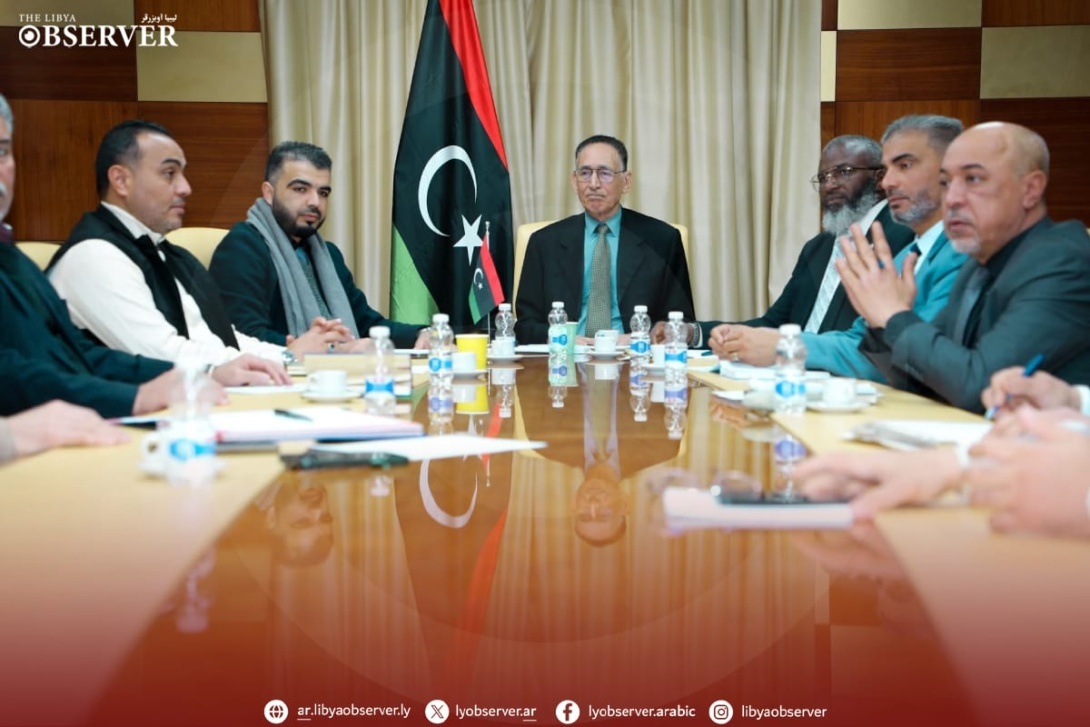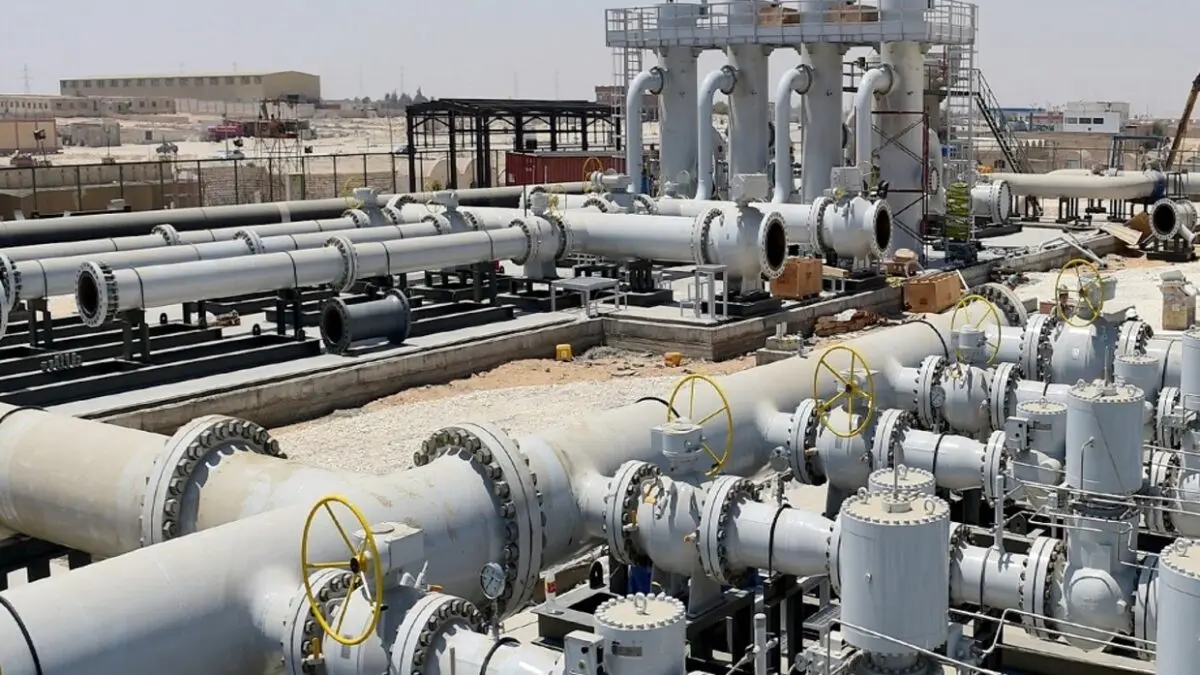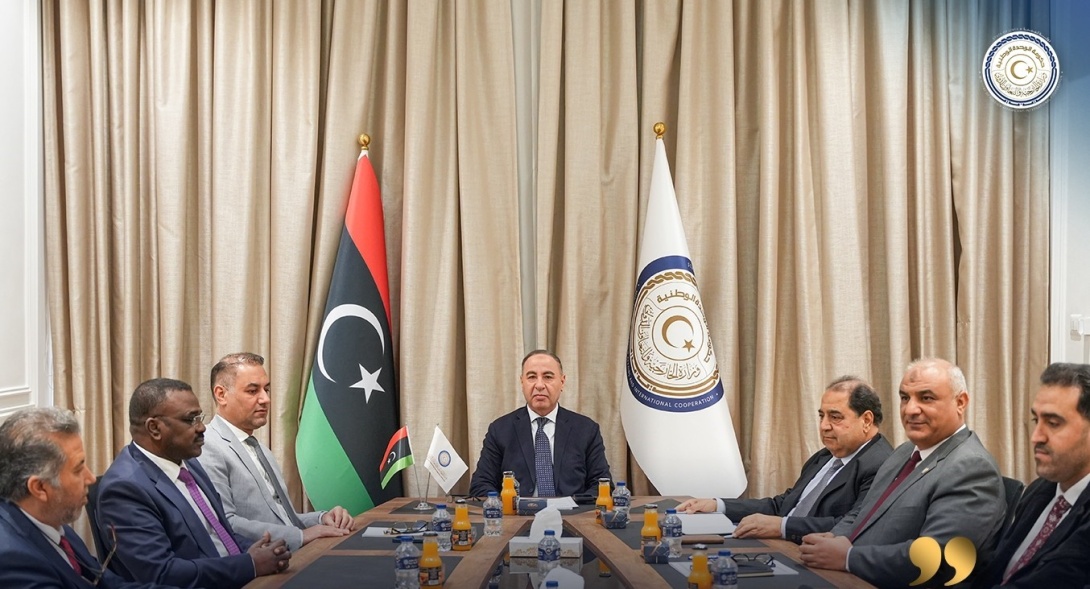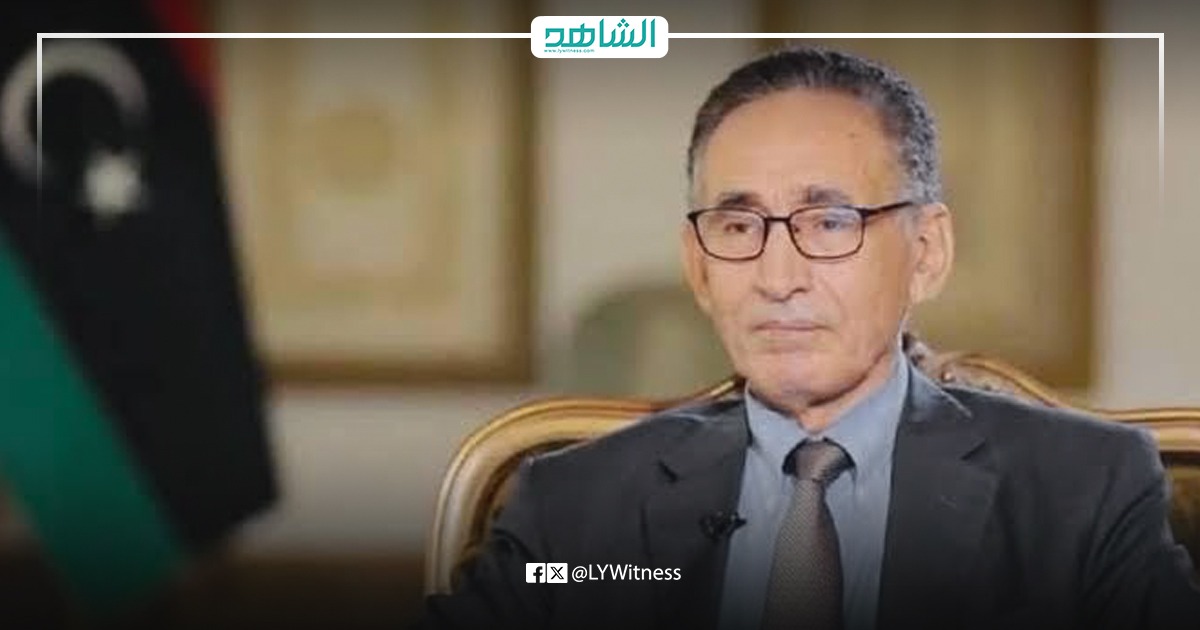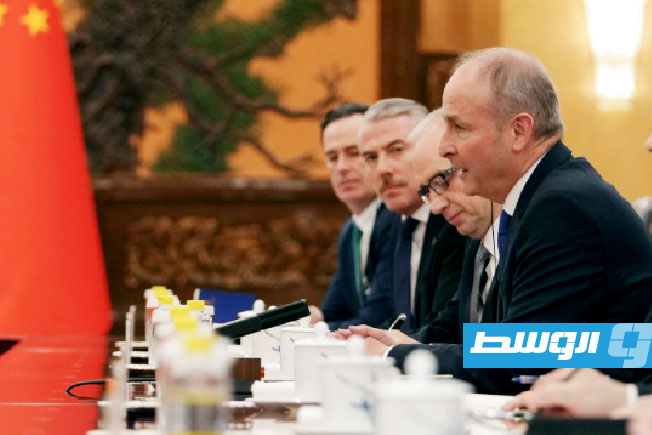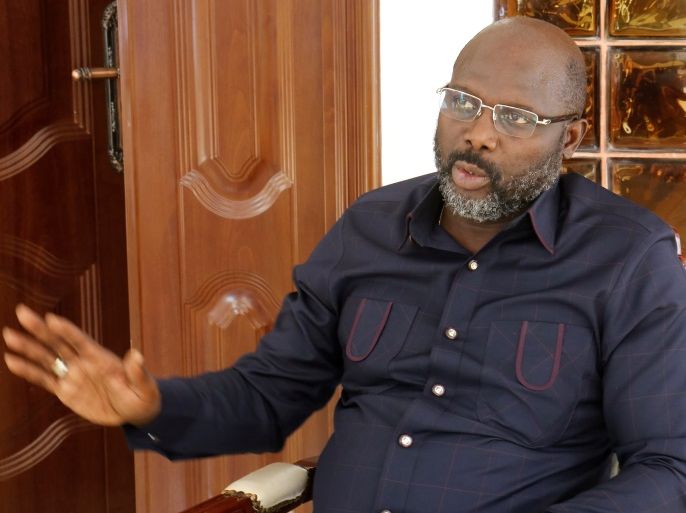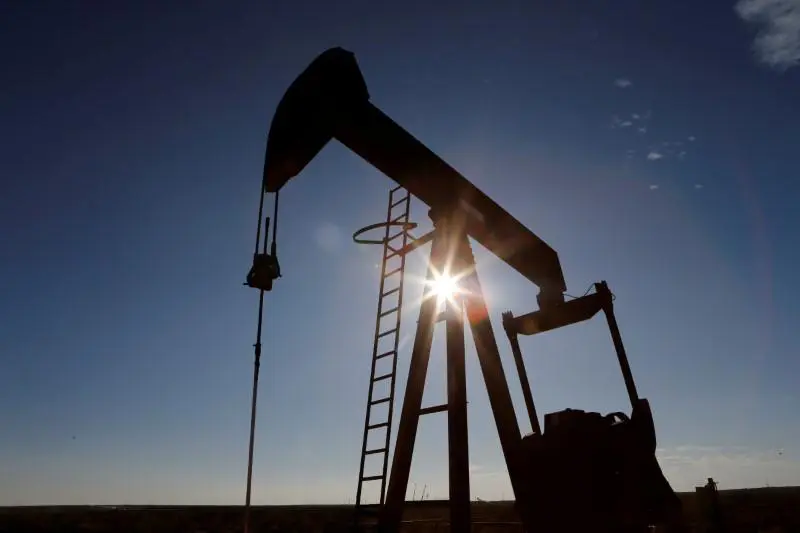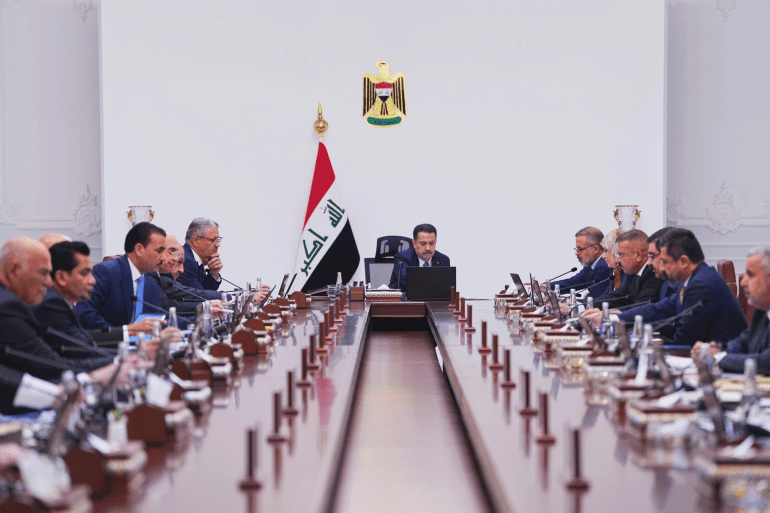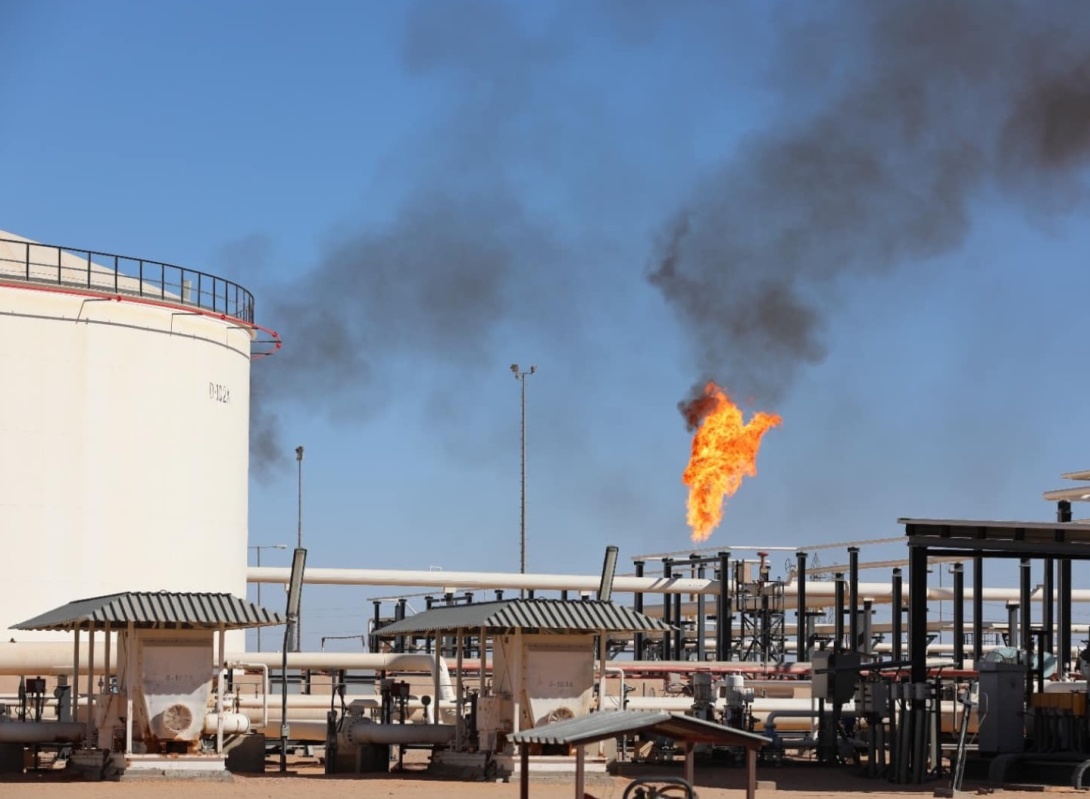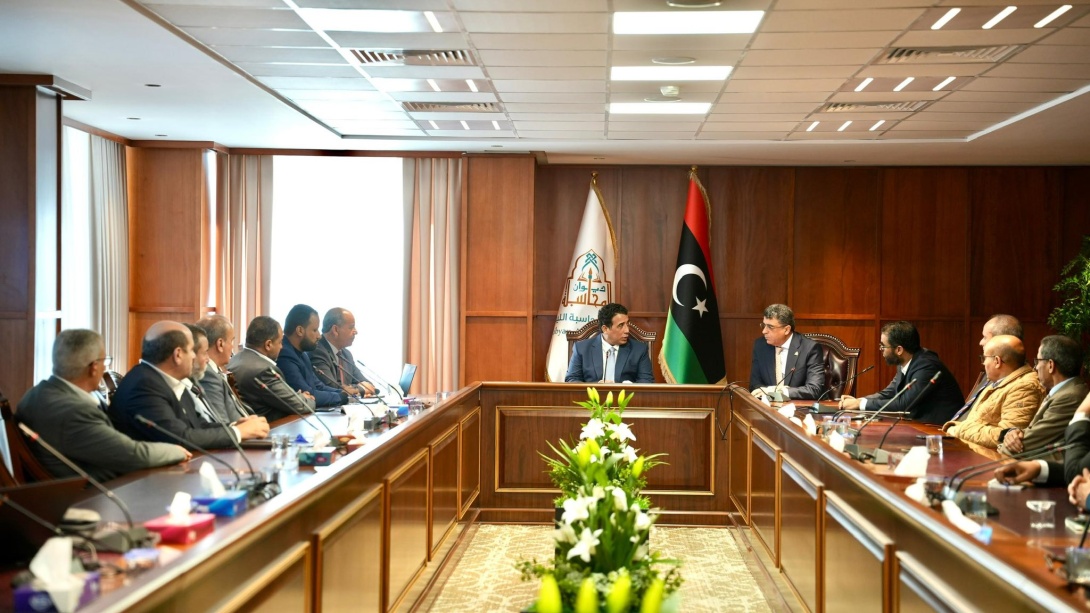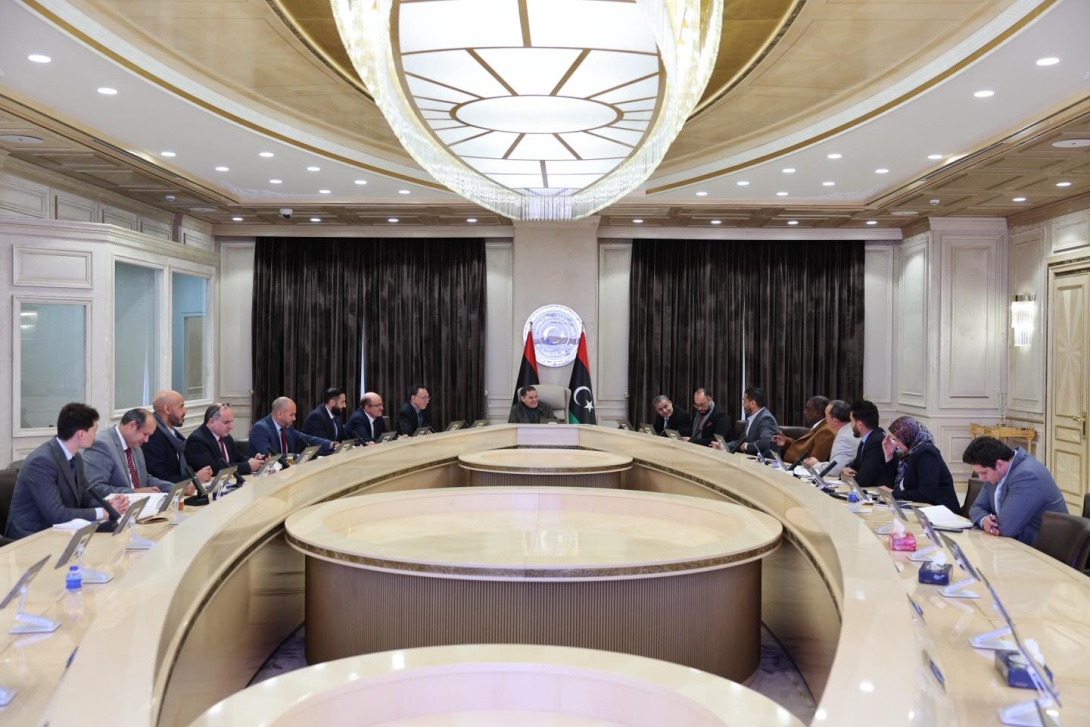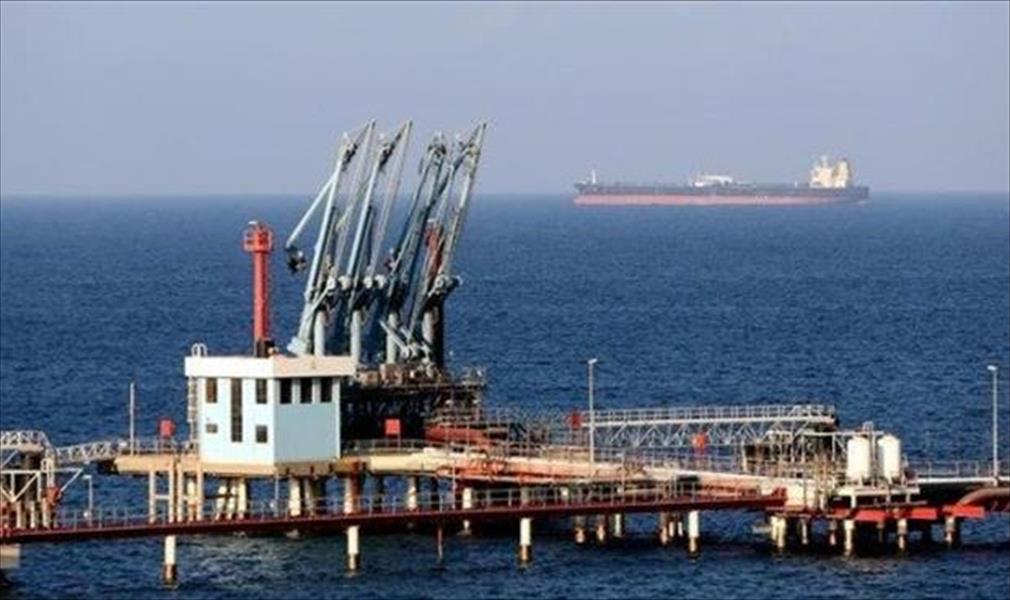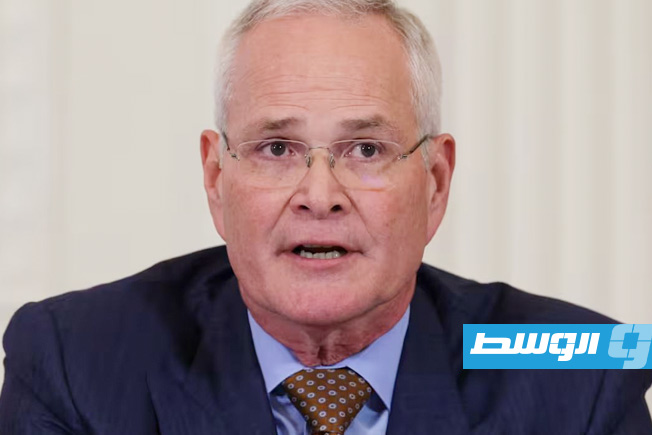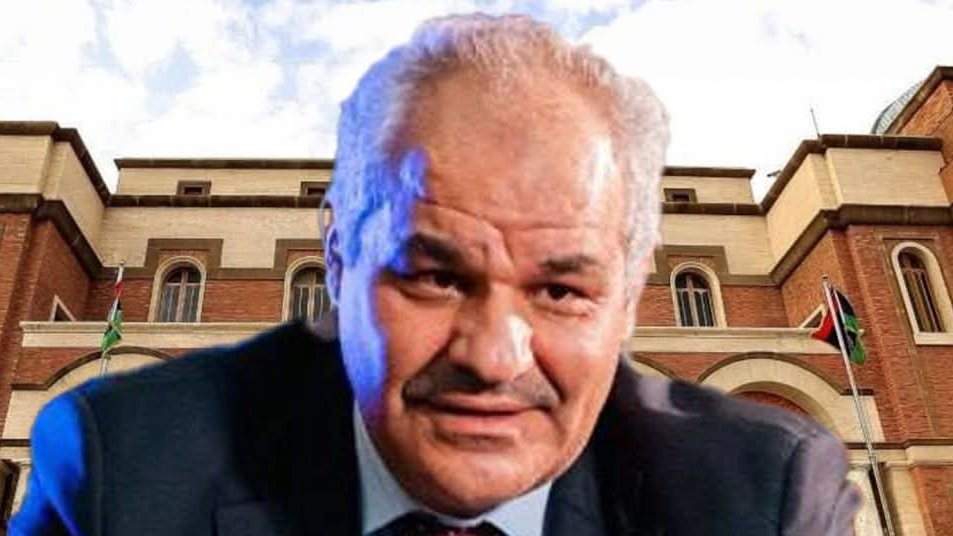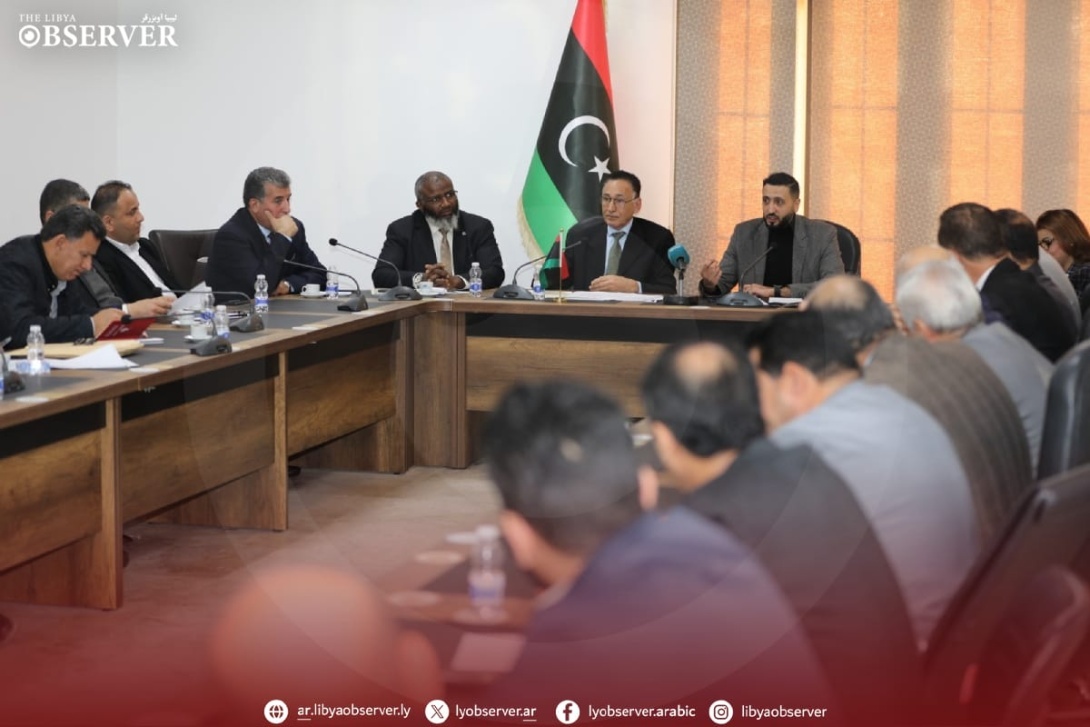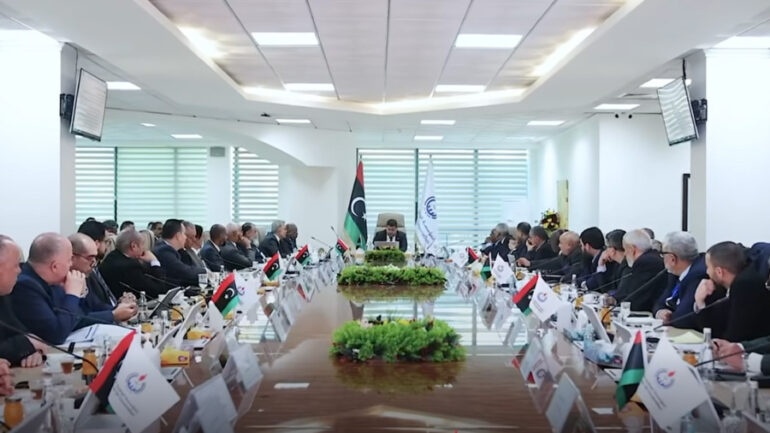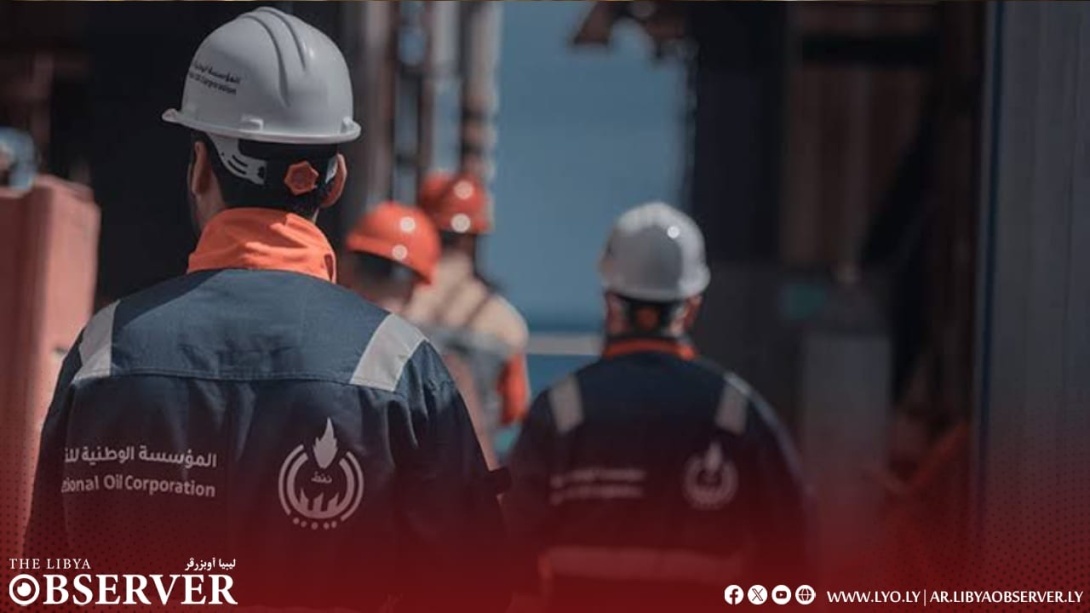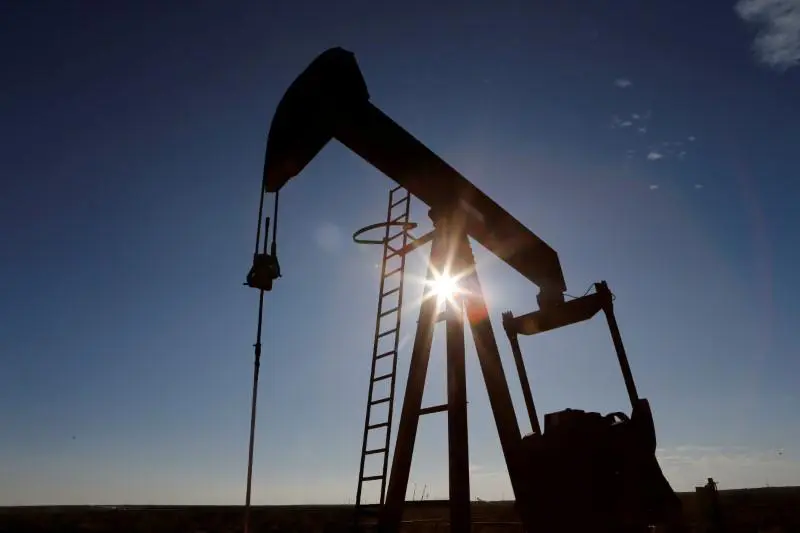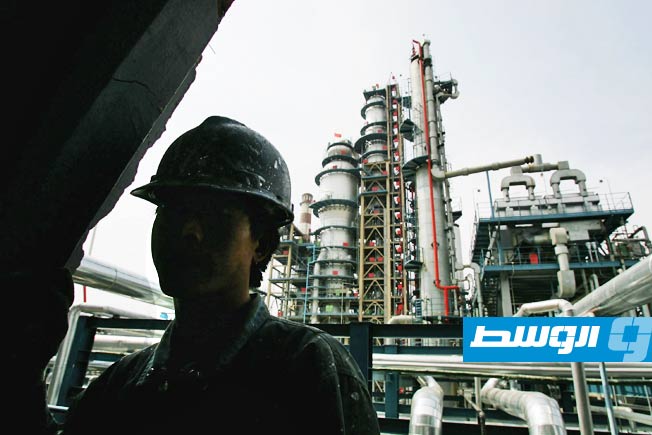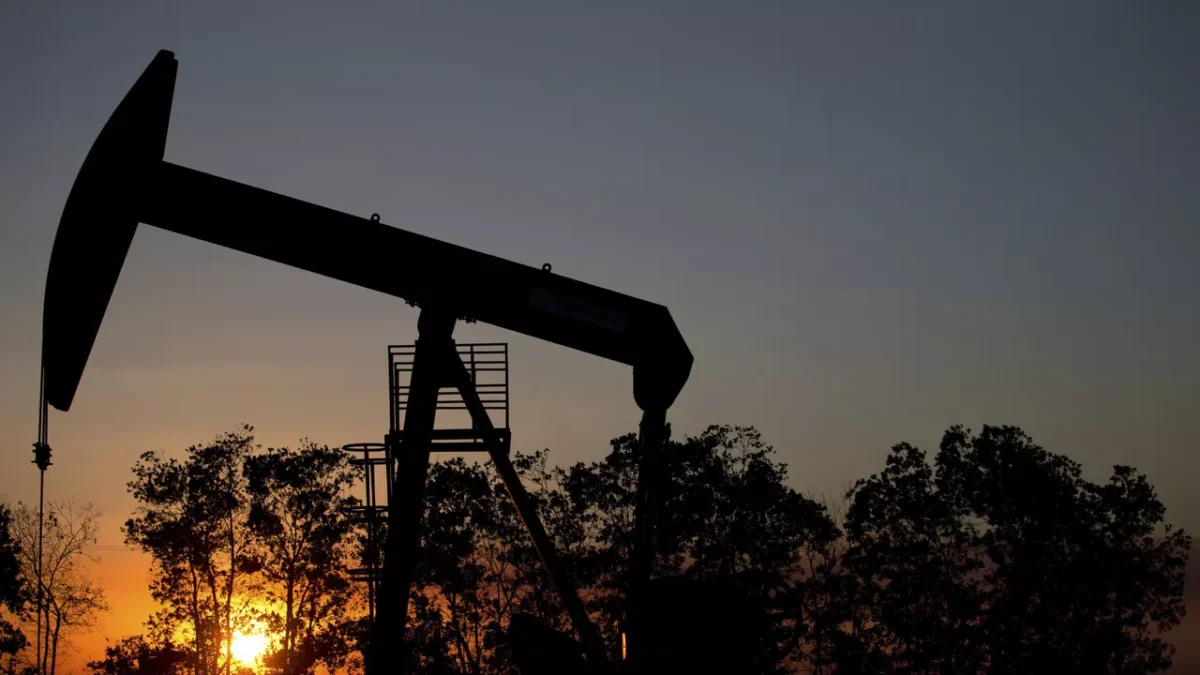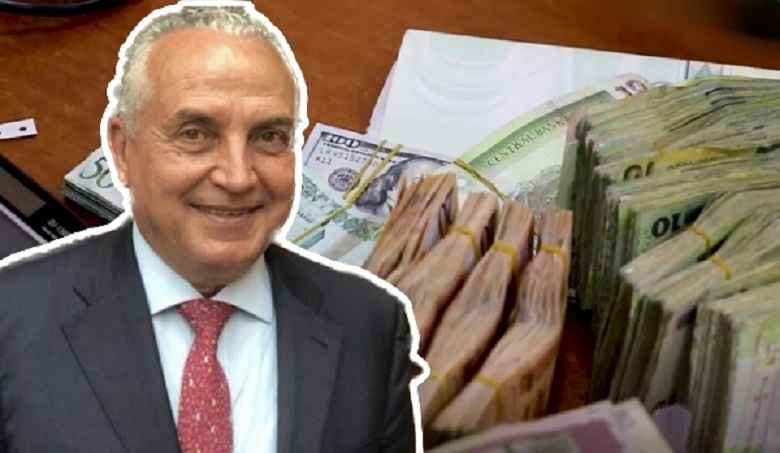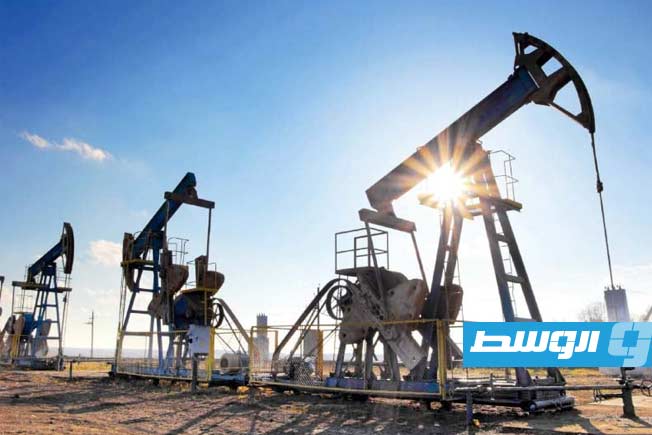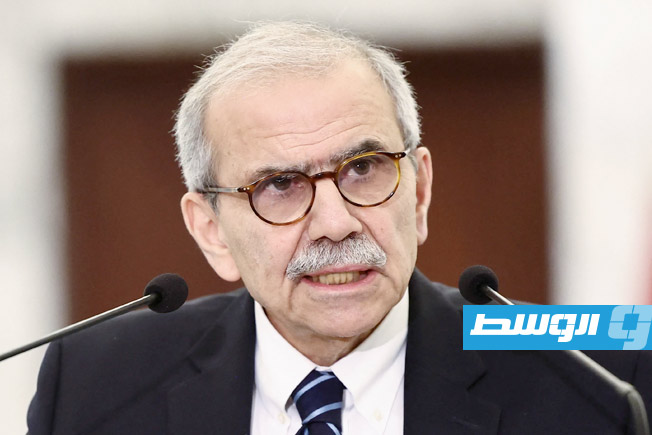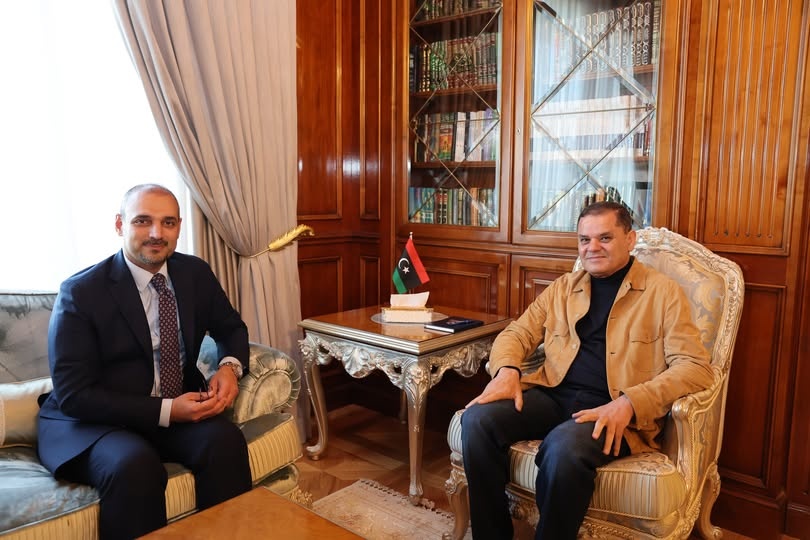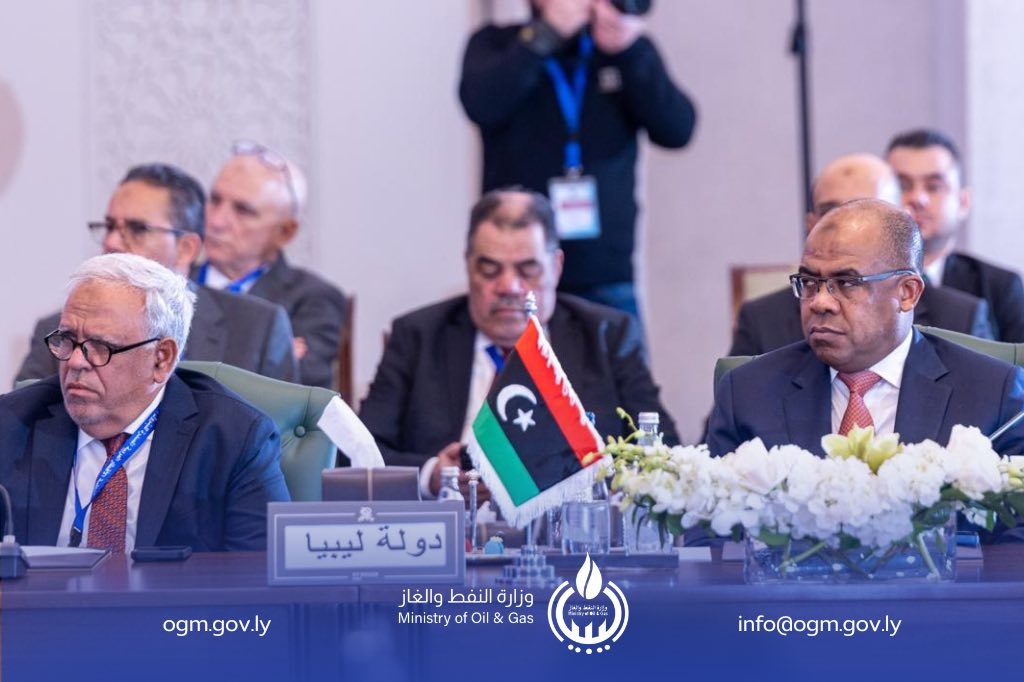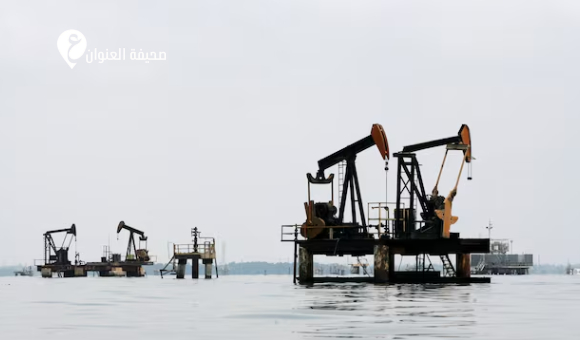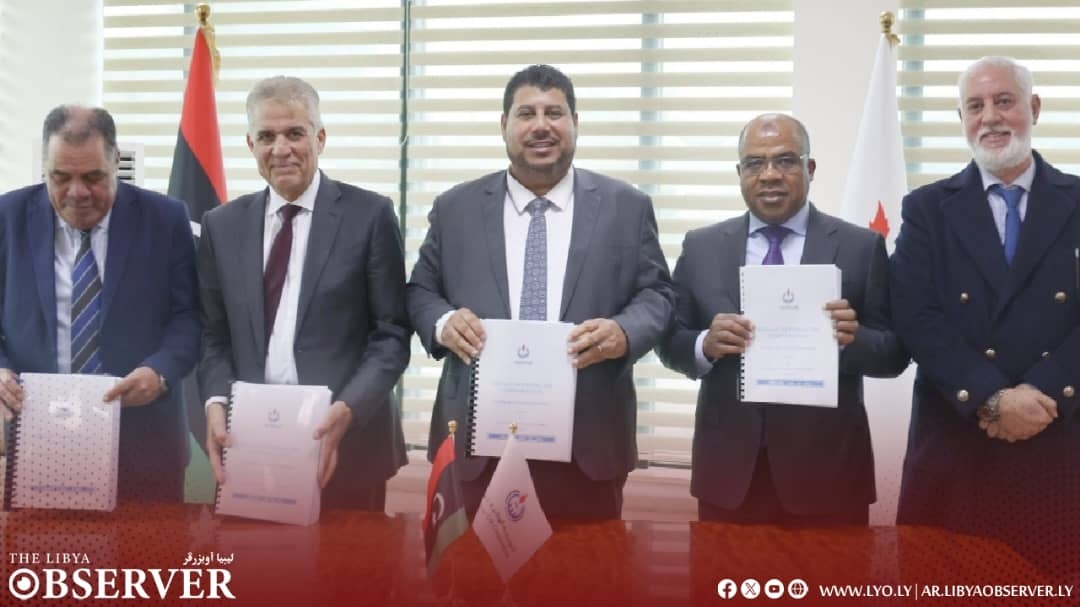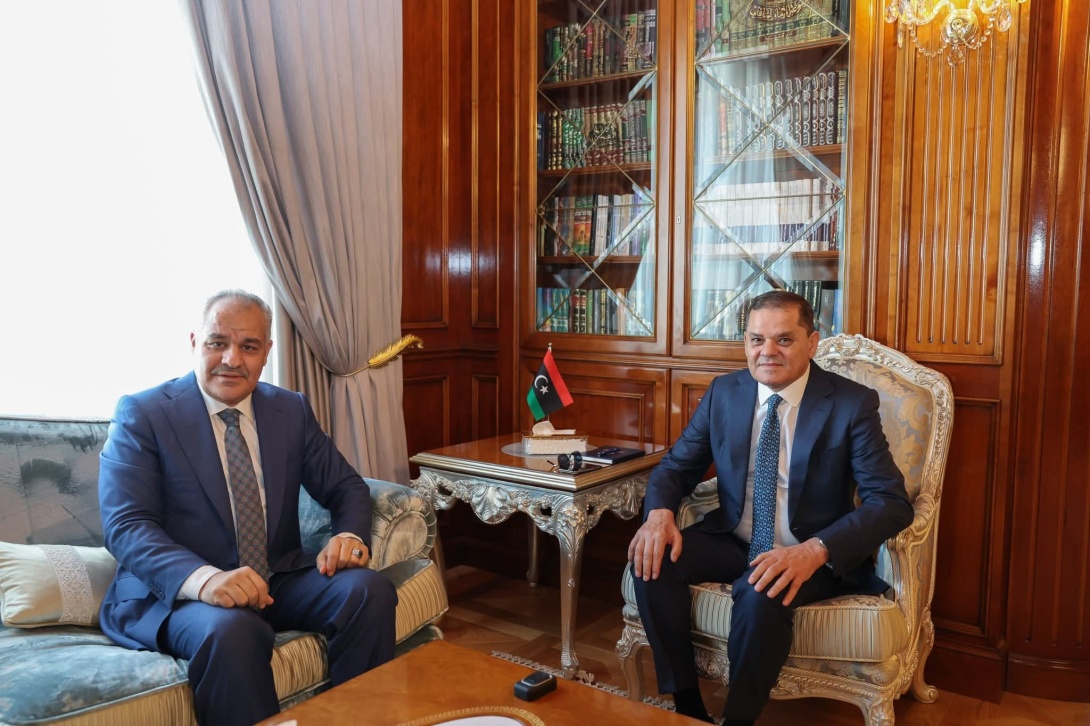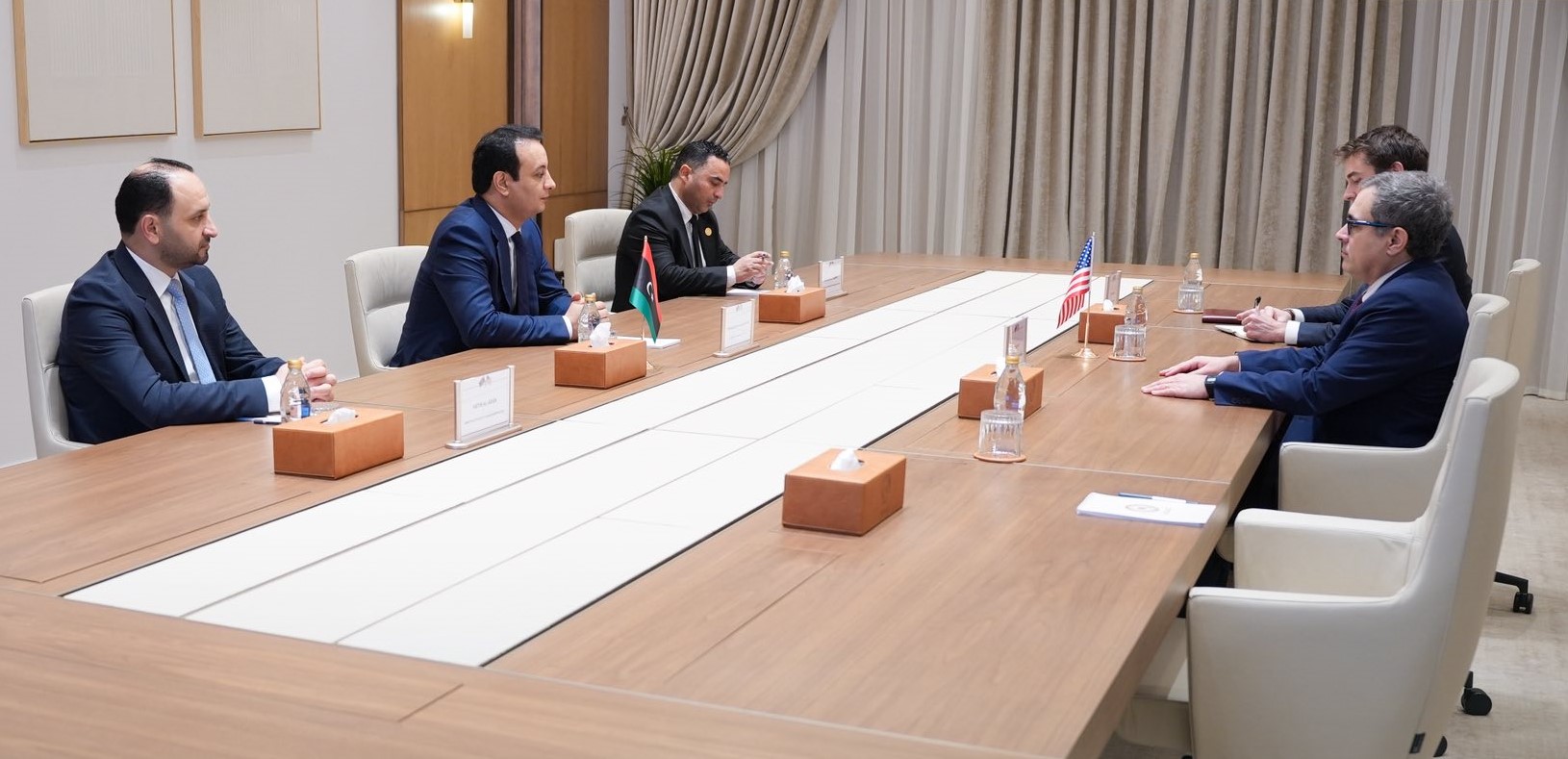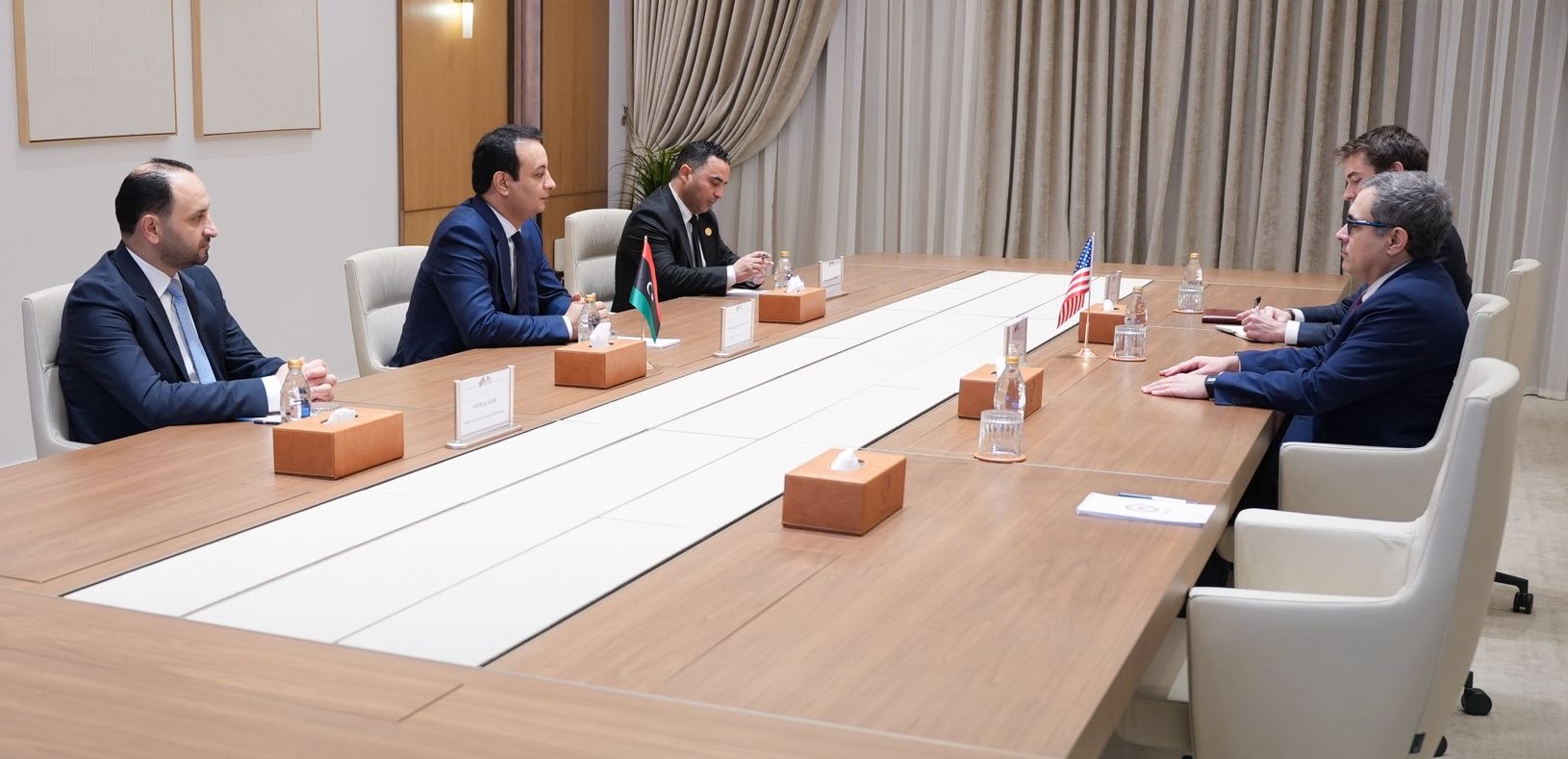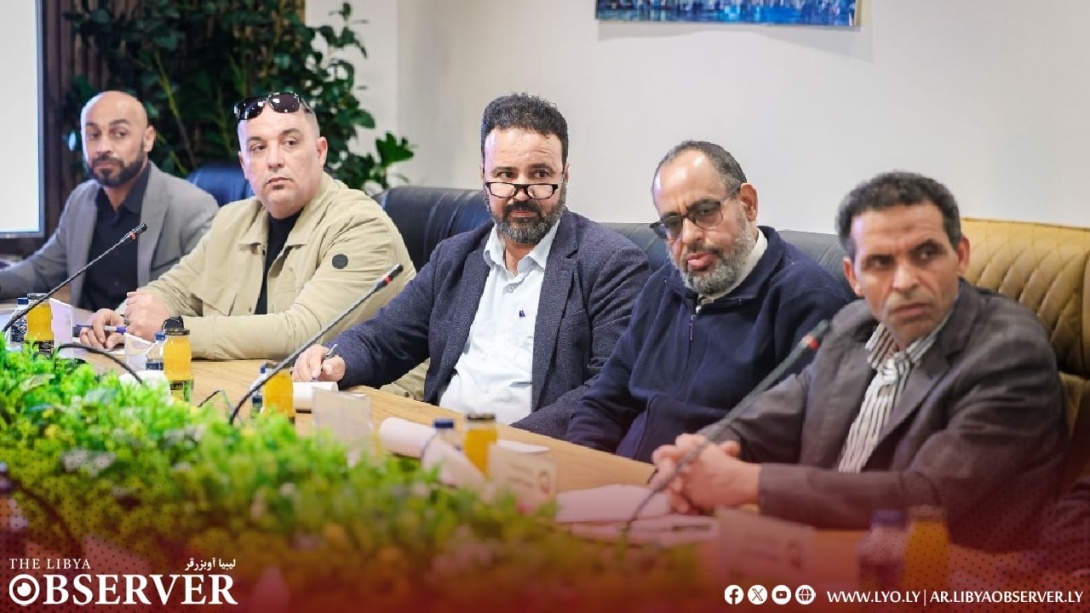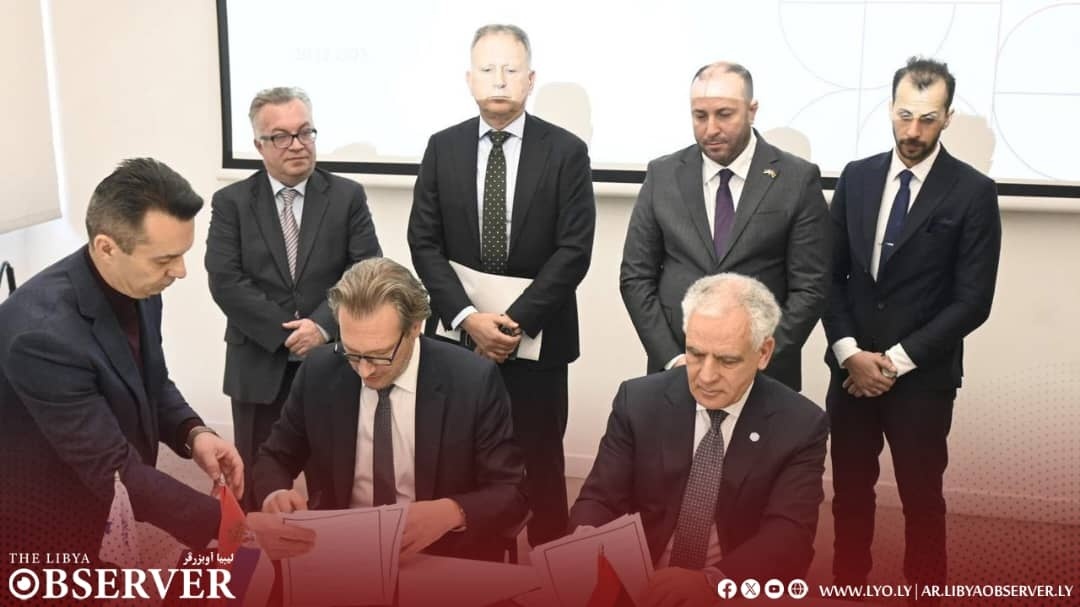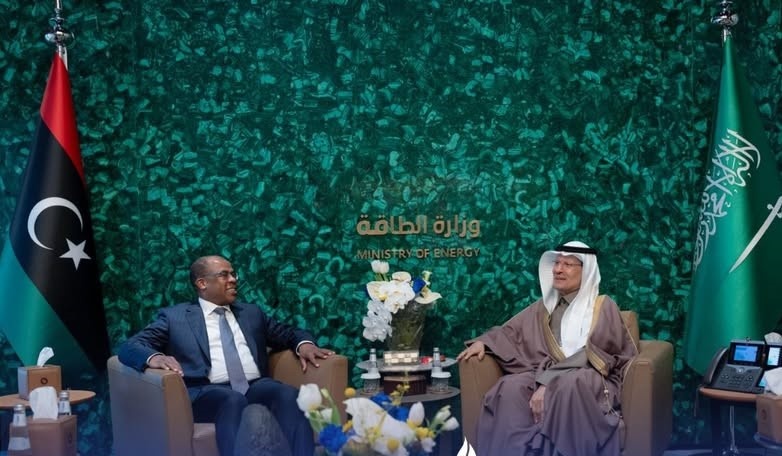
The Minister of Oil and Gas held talks with Saudi Arabia’s Energy Minister on strengthening cooperation across a range of energy sectors, including modern energy technologies and innovative solutions.
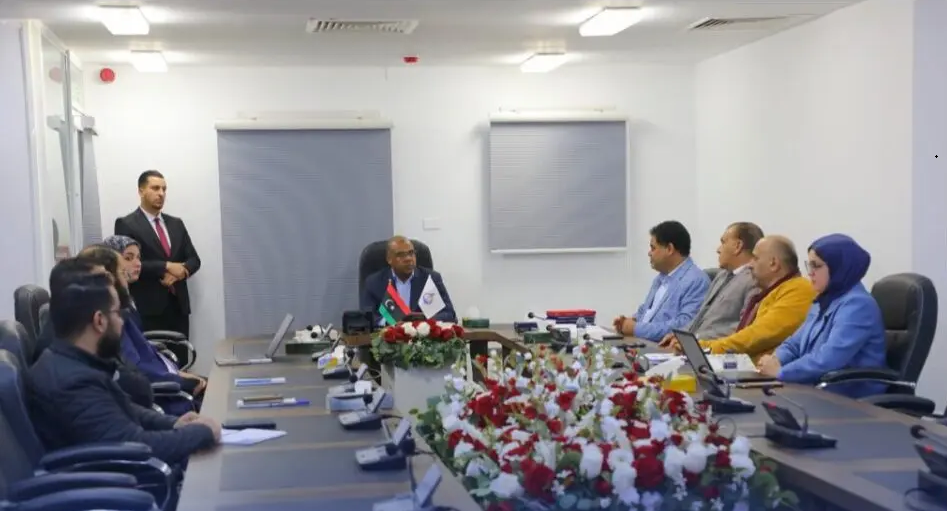
The meeting, which took place in Riyadh, focused on ways to develop joint work in traditional and emerging energy fields.
Discussions also highlighted the importance of exchanging expertise and supporting initiatives that contribute to sustainable energy development in both countries.
The two ministers additionally explored opportunities to increase investment in renewable energy and energy efficiency projects, with the aim of enhancing coordination and deepening bilateral cooperation in these strategic and fast-growing areas.
Minister of Oil and Gas
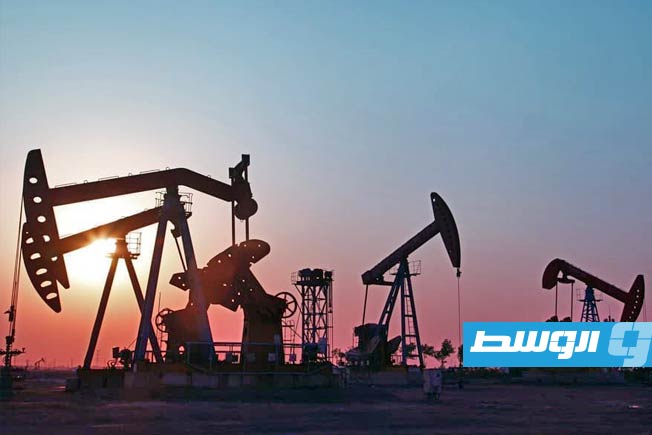
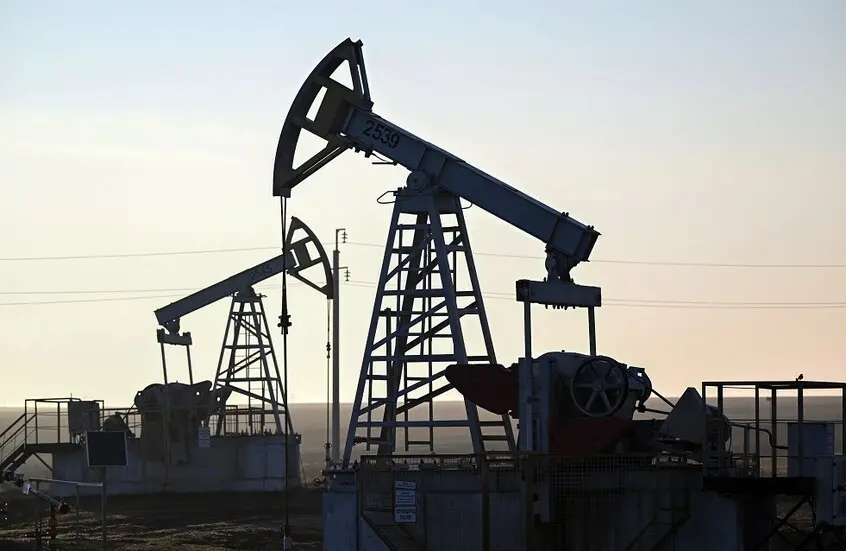
The Minister of Oil and Gas is a high-ranking government official responsible for overseeing a nation’s petroleum and natural gas resources, including exploration, production, and regulation. The specific history of the role varies by country, often established alongside the nationalization or significant development of the hydrocarbon industry to manage this vital economic sector.
Saudi Arabia
Saudi Arabia is a Middle Eastern nation founded in 1932 by King Abdulaziz Al Saud, unifying the regions of Najd and Hejaz. It is the birthplace of Islam, home to the religion’s two holiest cities, Mecca and Medina, which are central to the annual Hajj pilgrimage. The country’s modern history and economy have been profoundly shaped by the discovery of vast petroleum reserves in the 20th century.
Energy Minister
The Energy Minister is a political office responsible for overseeing a nation’s energy policies, resources, and security. The specific history of the role varies by country, but it generally emerged as a distinct cabinet position in many governments during the 20th century, driven by the growing strategic and economic importance of energy supplies like oil, gas, and electricity.
Riyadh
Riyadh is the capital and largest city of Saudi Arabia, historically a walled oasis town and the historic seat of the Al Saud dynasty. Its modern transformation began after it was established as the national capital in 1932, accelerating dramatically with the oil boom of the 20th century into a major global metropolis and financial hub.
Libya
Libya is a North African country with a rich history rooted in ancient civilizations like the Phoenicians and Romans, followed by centuries of Arab and Ottoman influence. In the modern era, it was an Italian colony before gaining independence in 1951, later becoming known for Muammar Gaddafi’s lengthy rule from 1969 until the 2011 revolution. The country is home to UNESCO World Heritage sites, such as the ruins of Leptis Magna, which testify to its significant historical legacy.
Europe
Europe is a continent with a rich and complex history, shaped by ancient civilizations like Greece and Rome, the transformative periods of the Renaissance and the Enlightenment, and the profound impacts of two world wars. Culturally, it is renowned for its diverse artistic heritage, architectural landmarks, and as the birthplace of influential movements in philosophy, science, and politics.