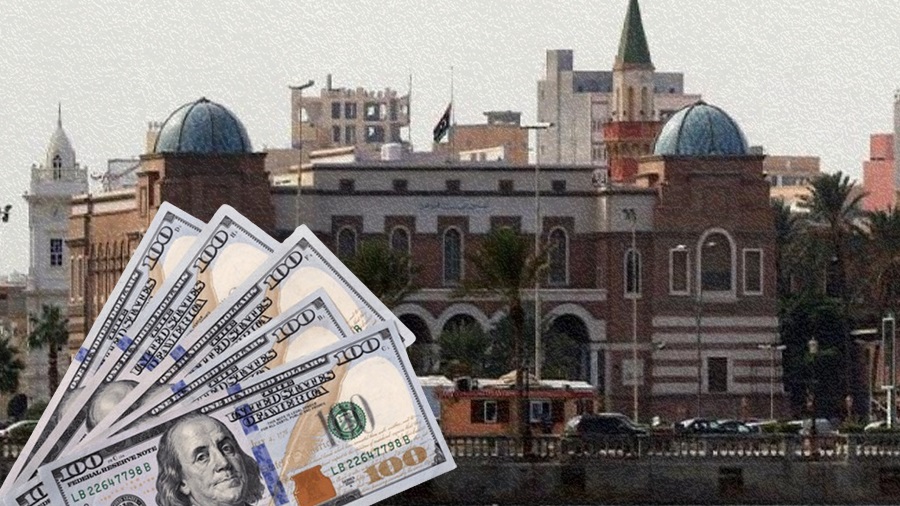
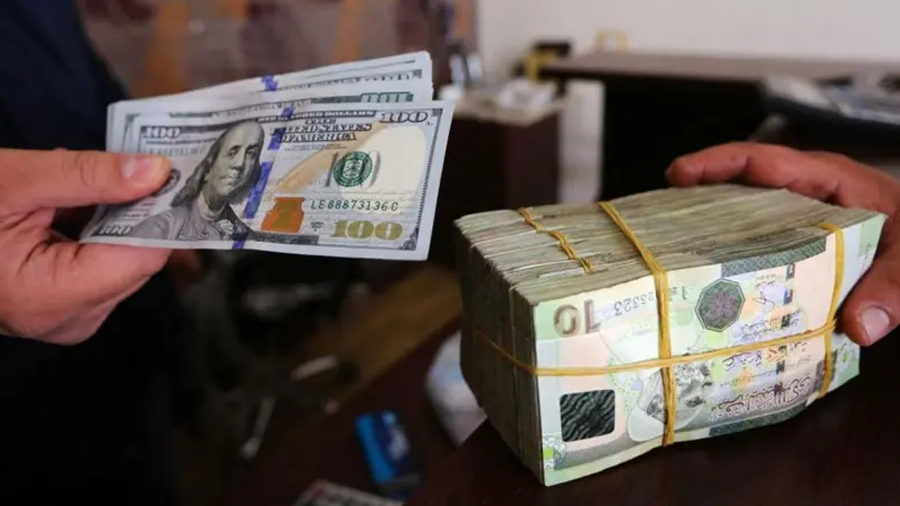
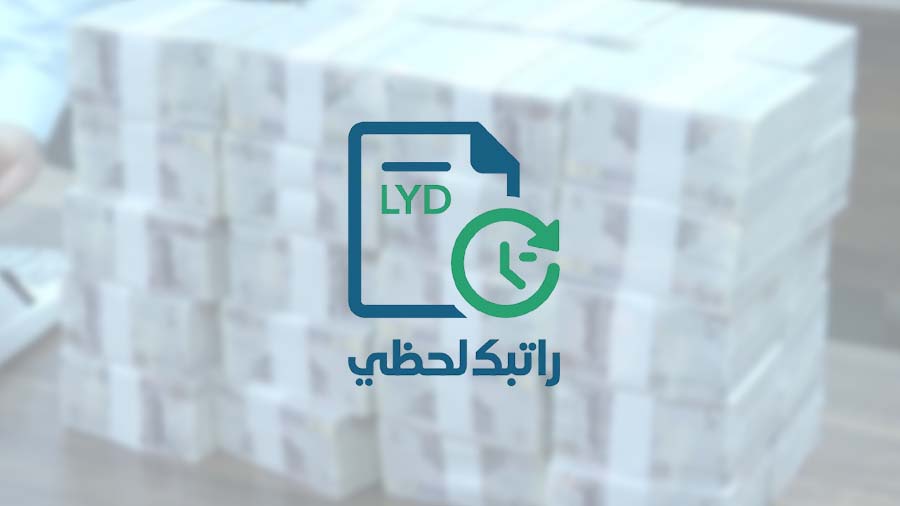
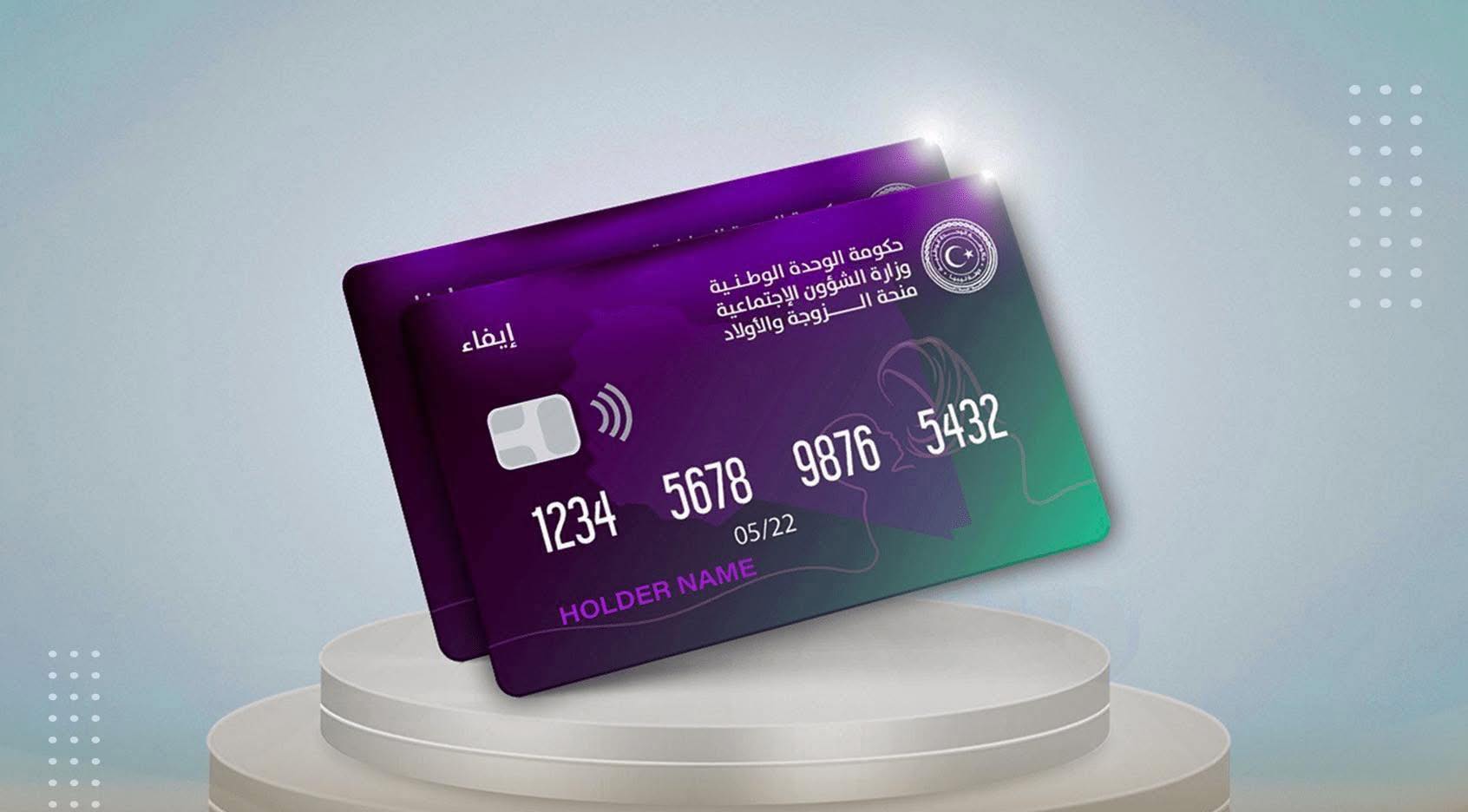
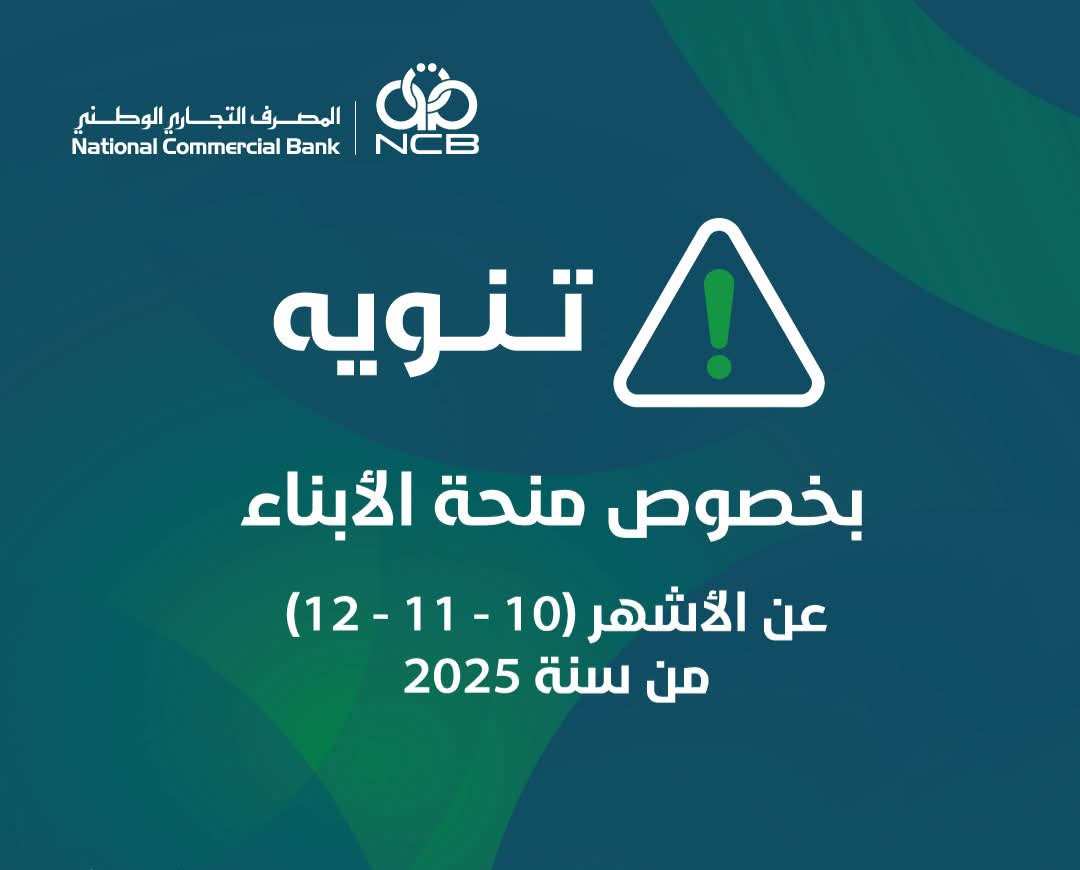
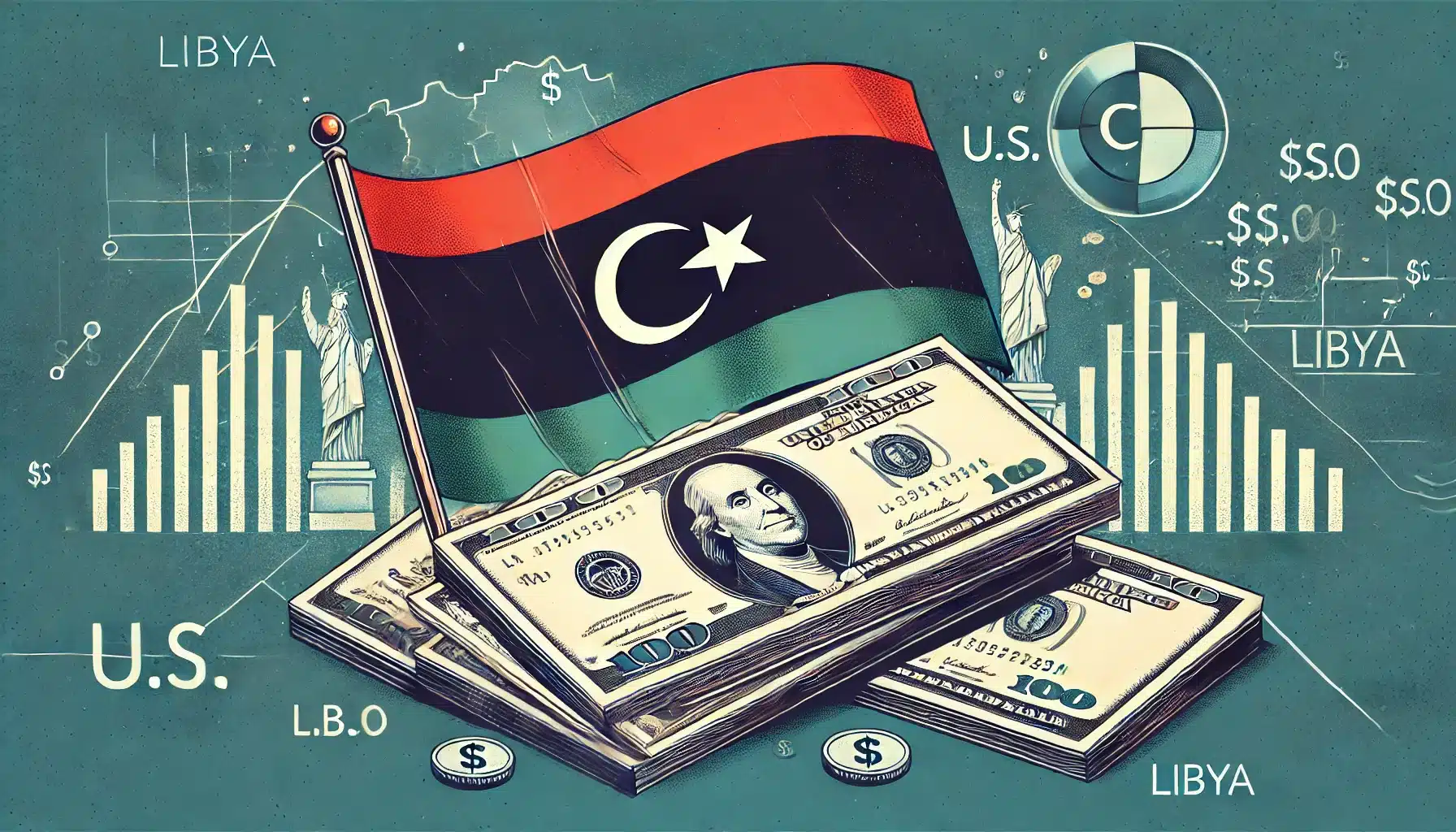
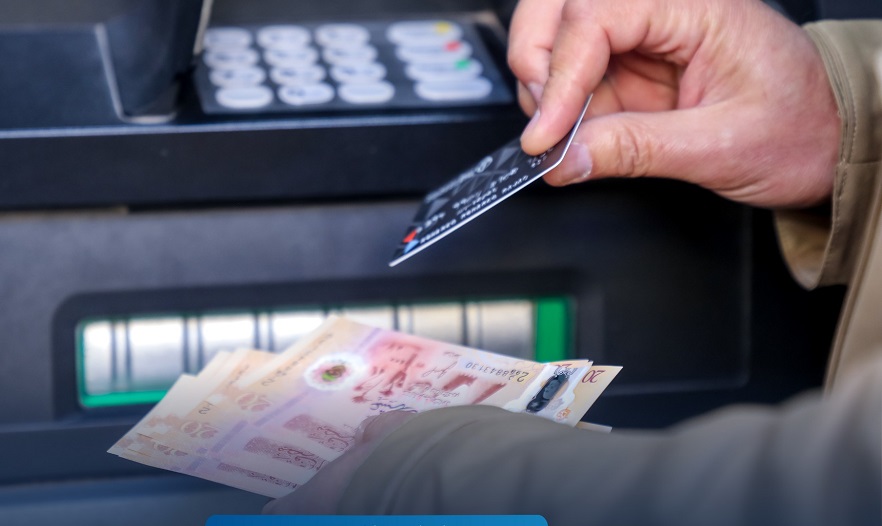
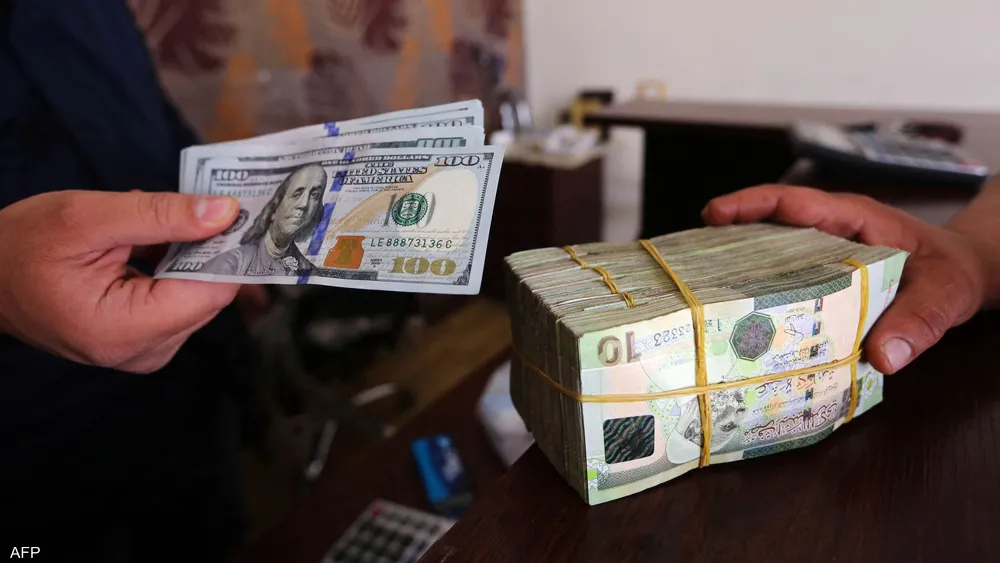
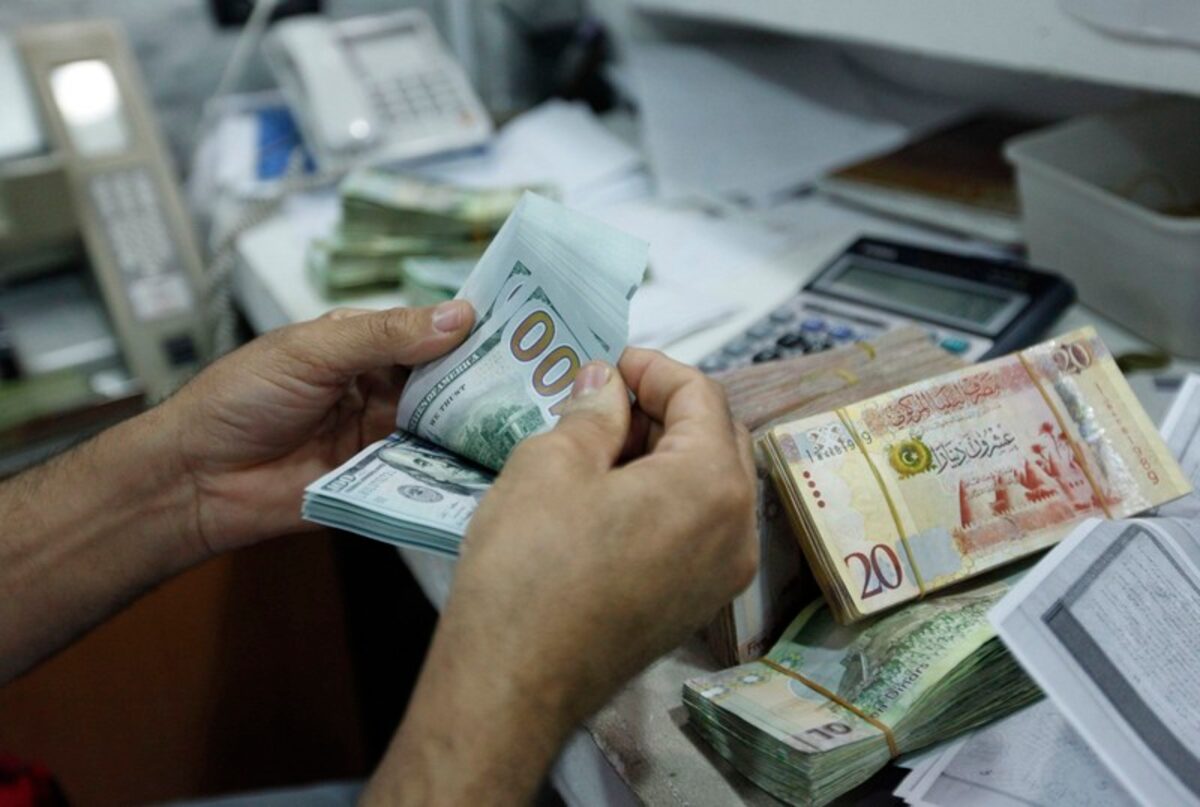
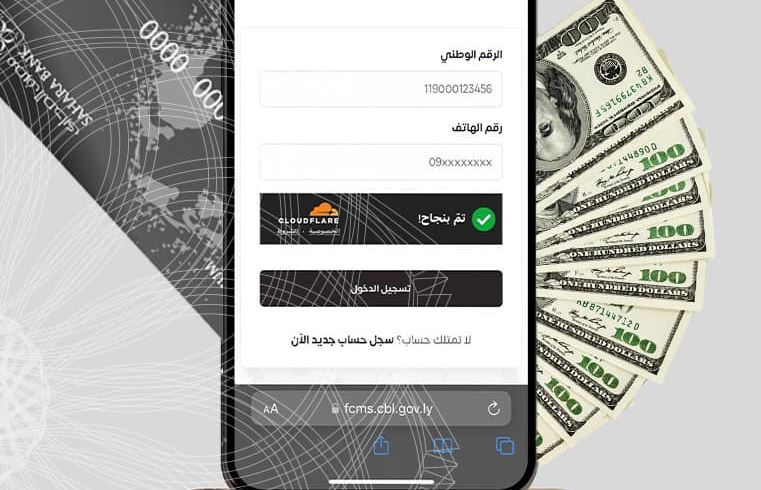
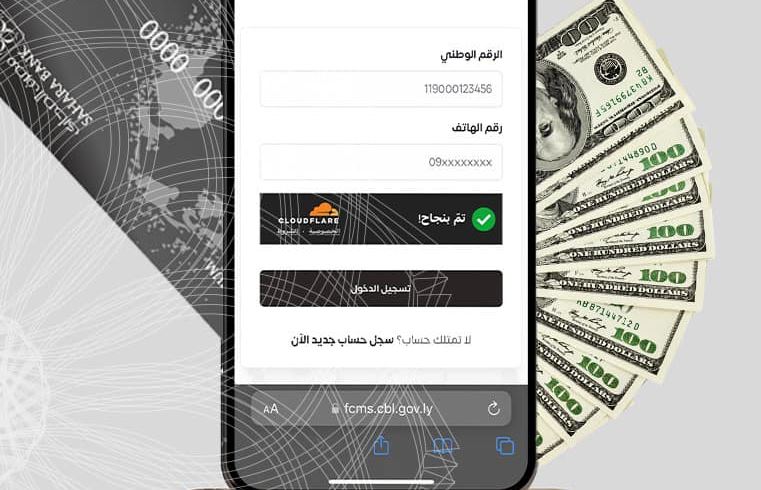
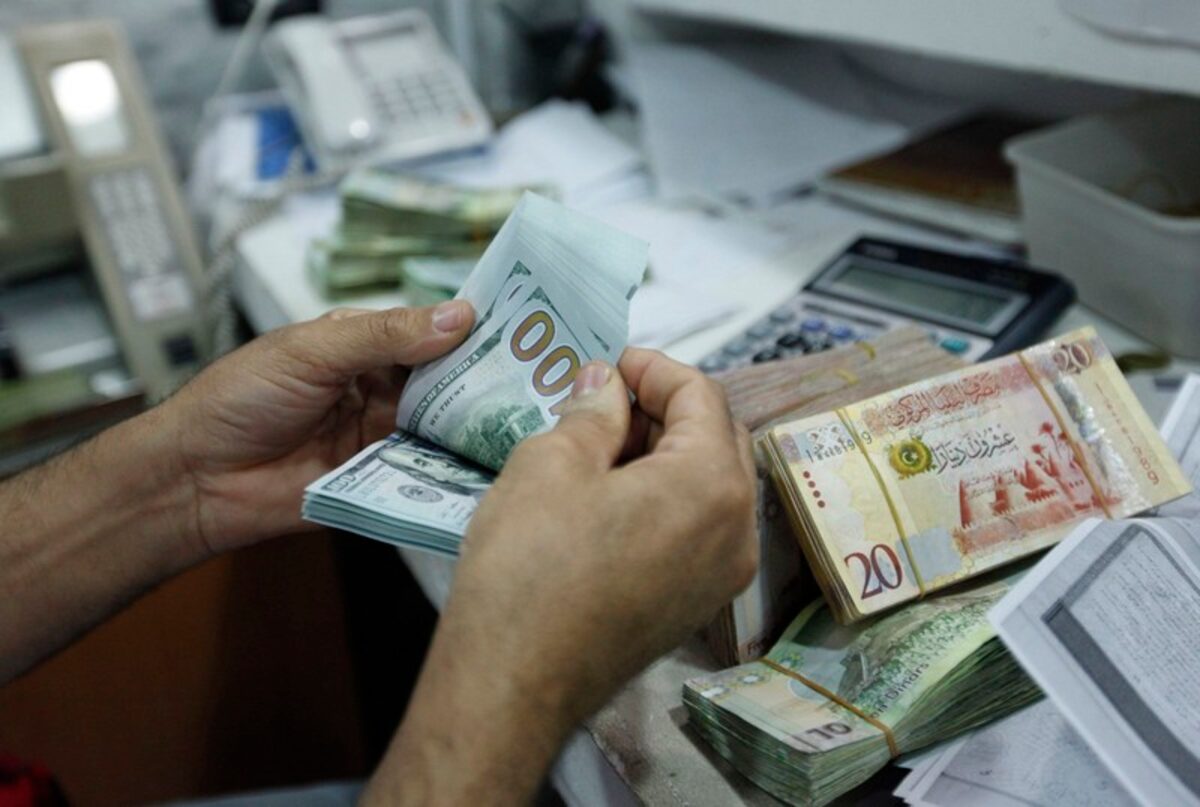
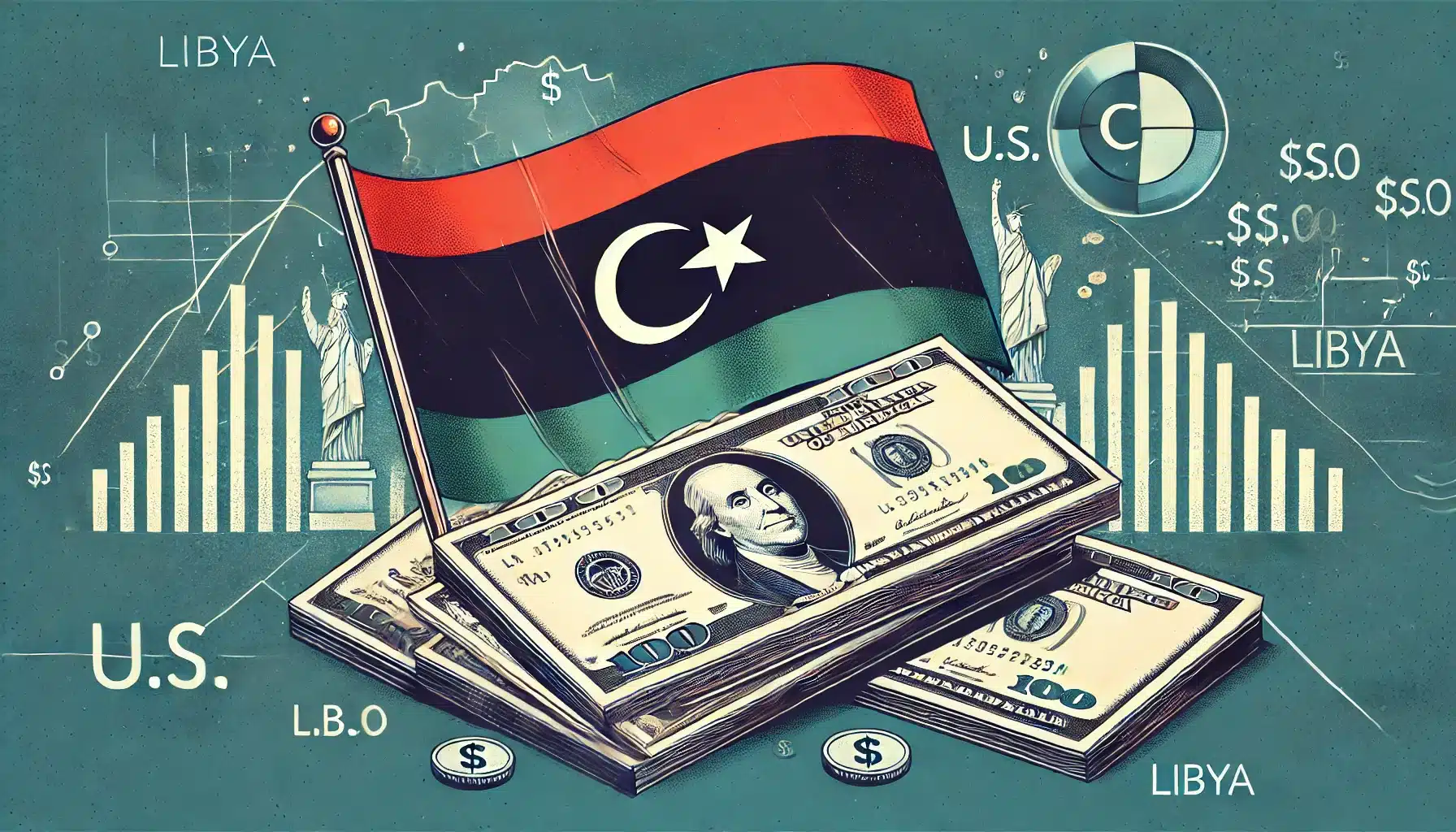
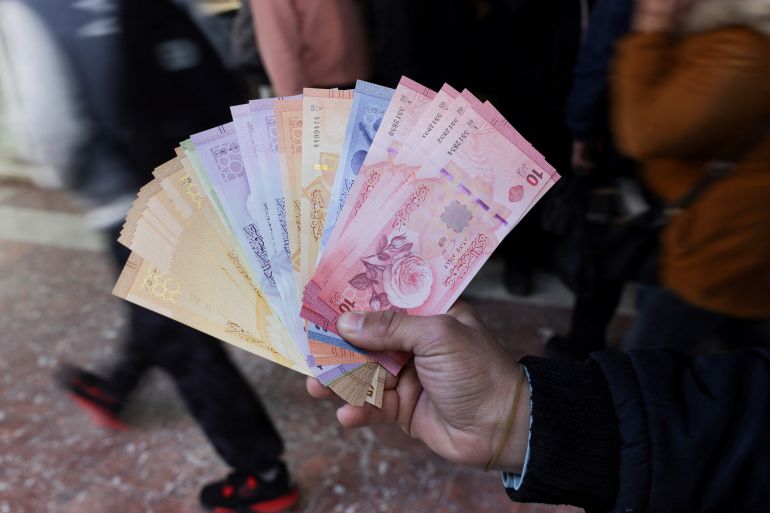
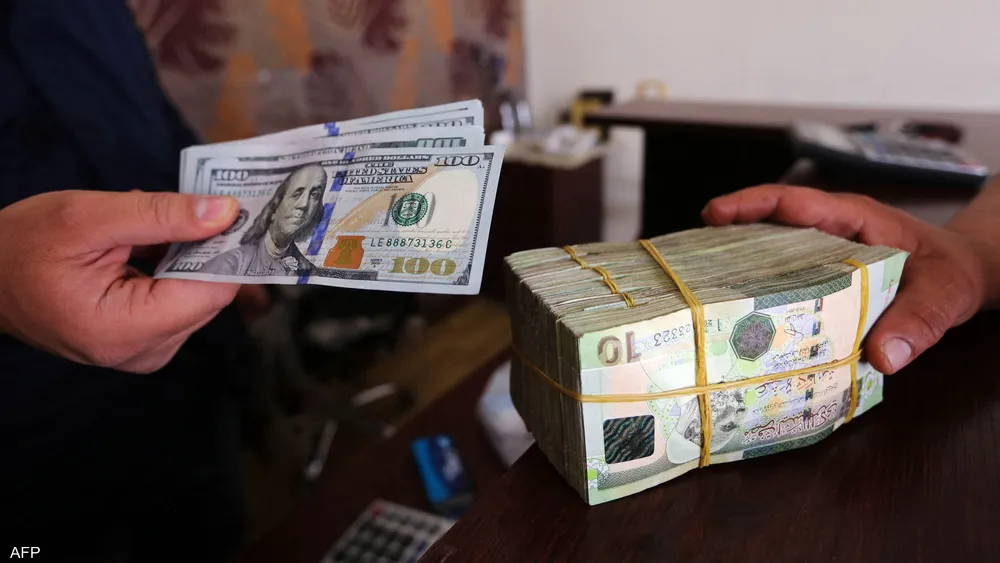
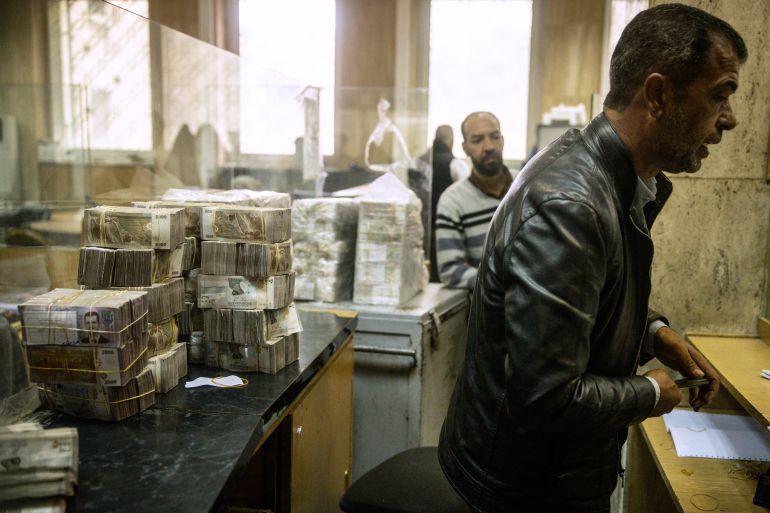
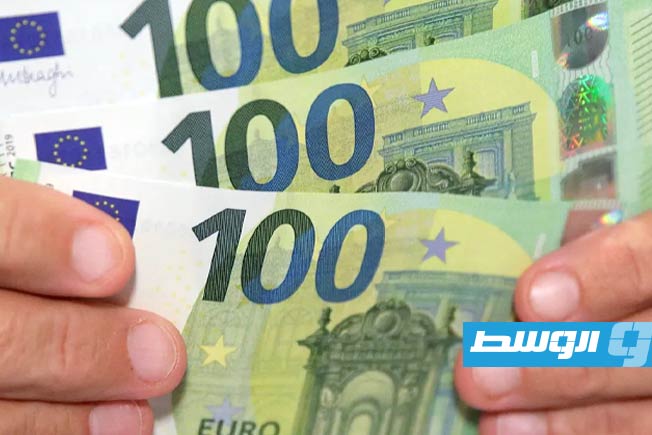
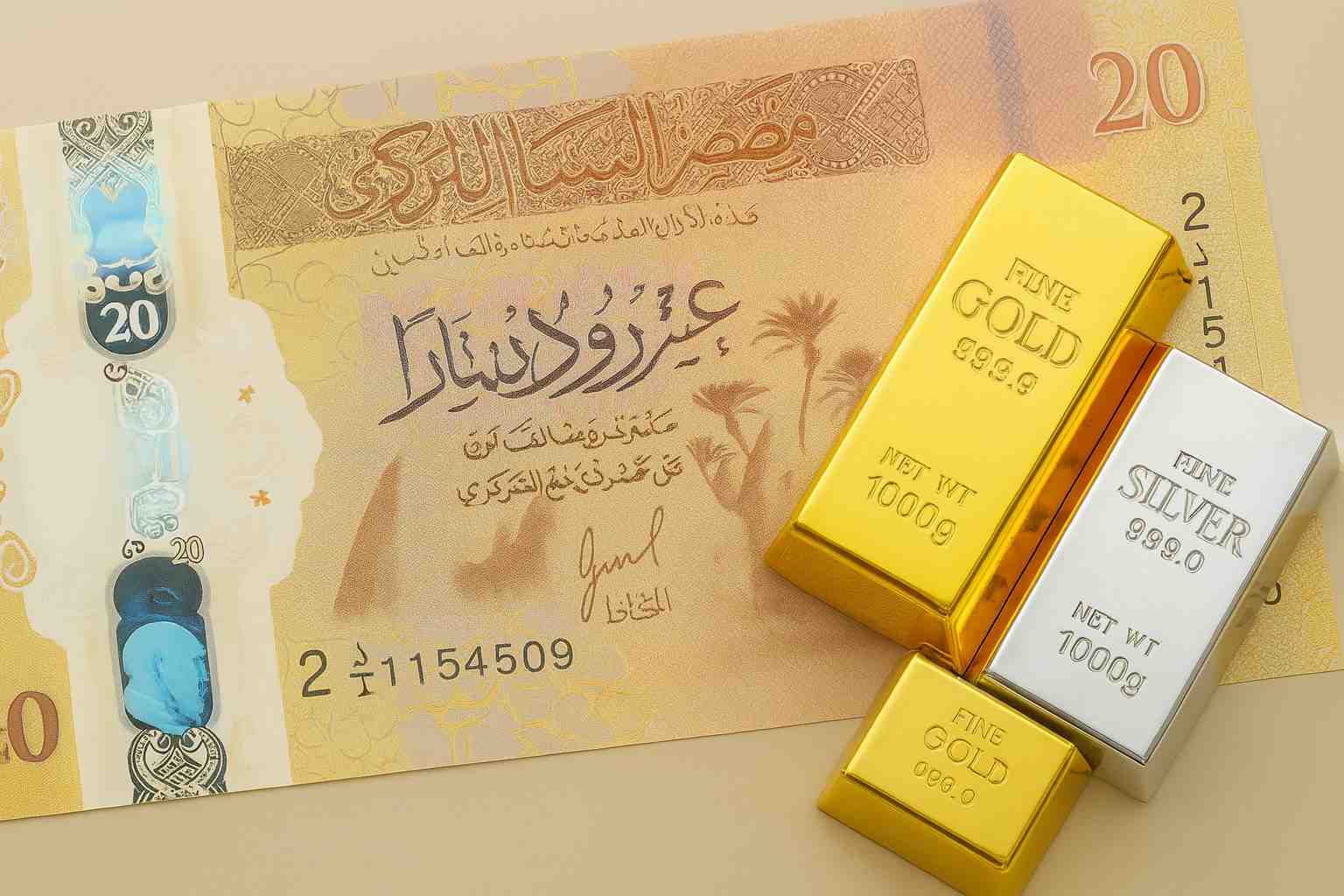
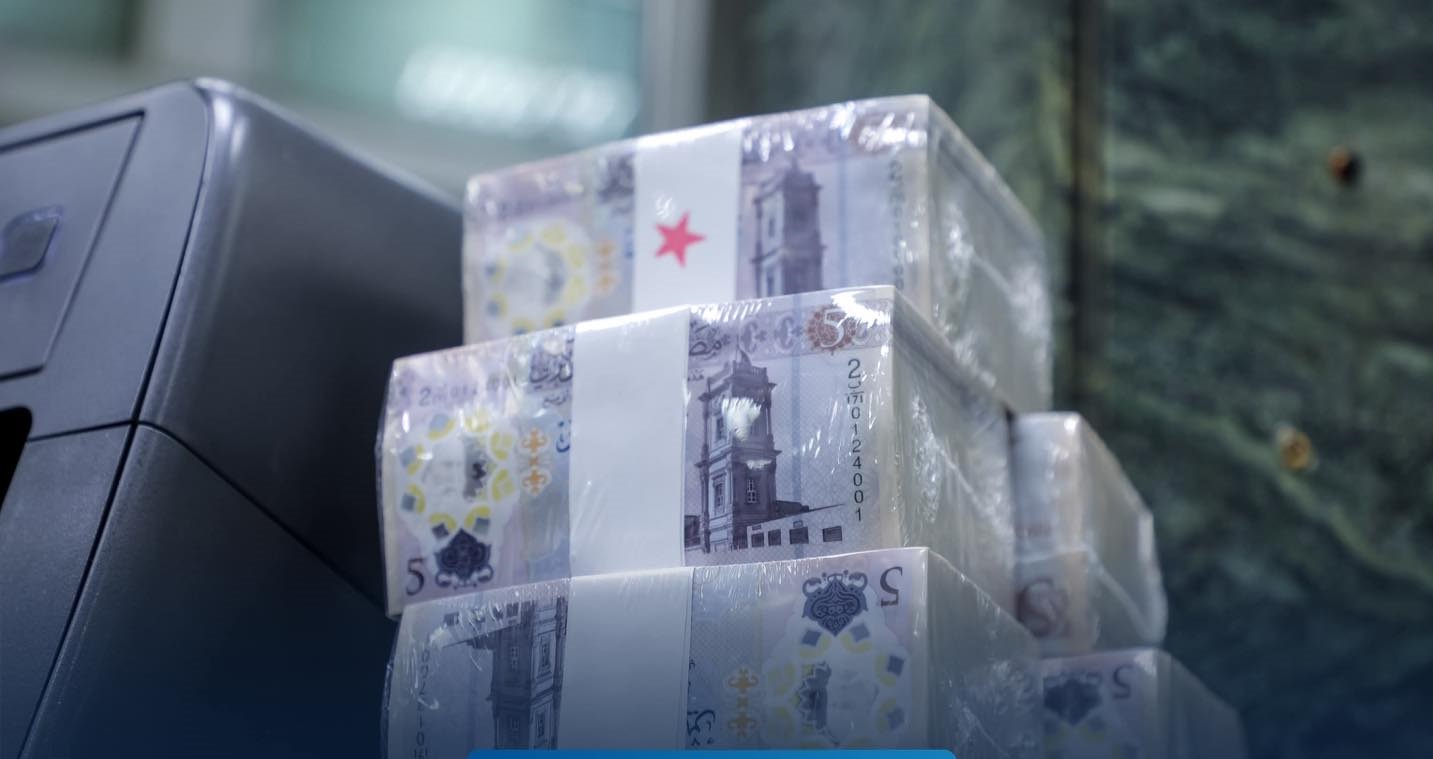
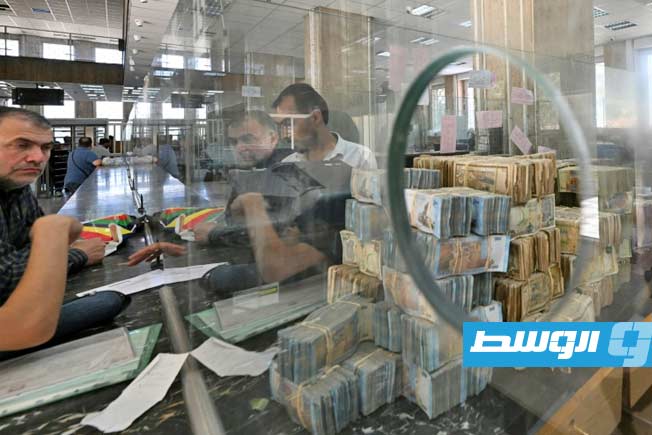
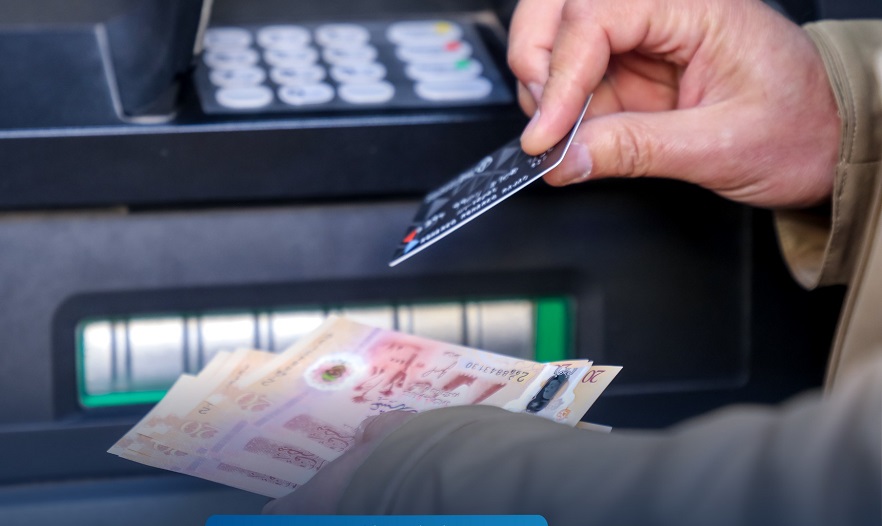
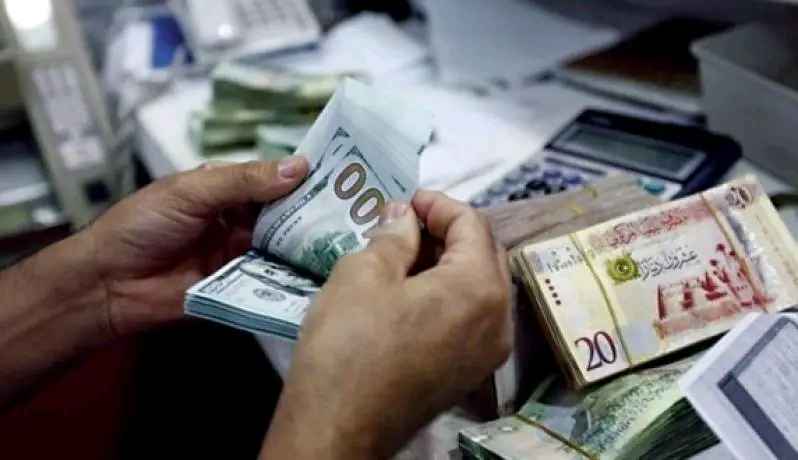
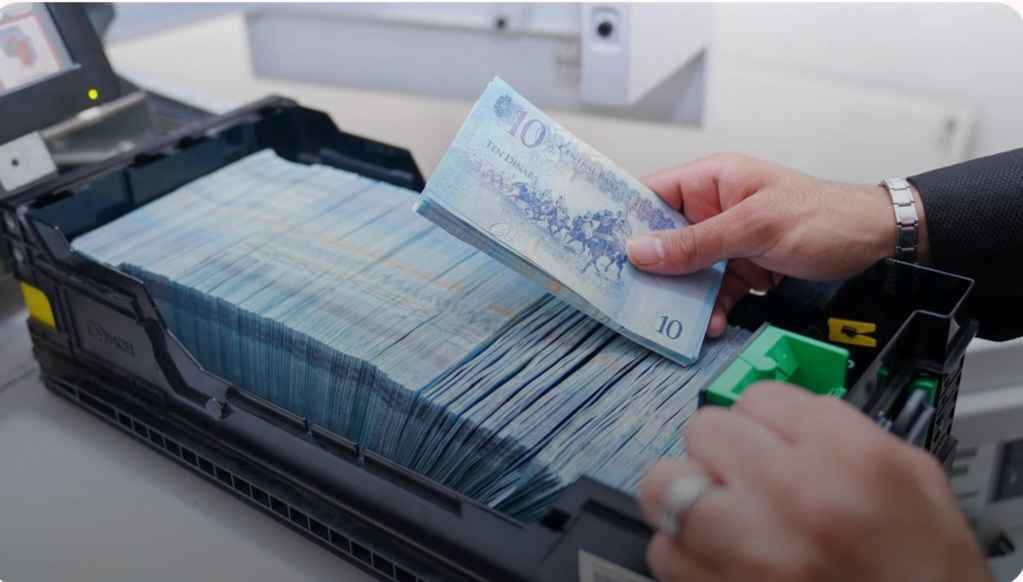
The Libyan scene publishes today, Monday, January 19, 2026, the latest prices for depositing personal purpose cards in Libyan banks, according to what has been circulated on specialized pages on social media sites.
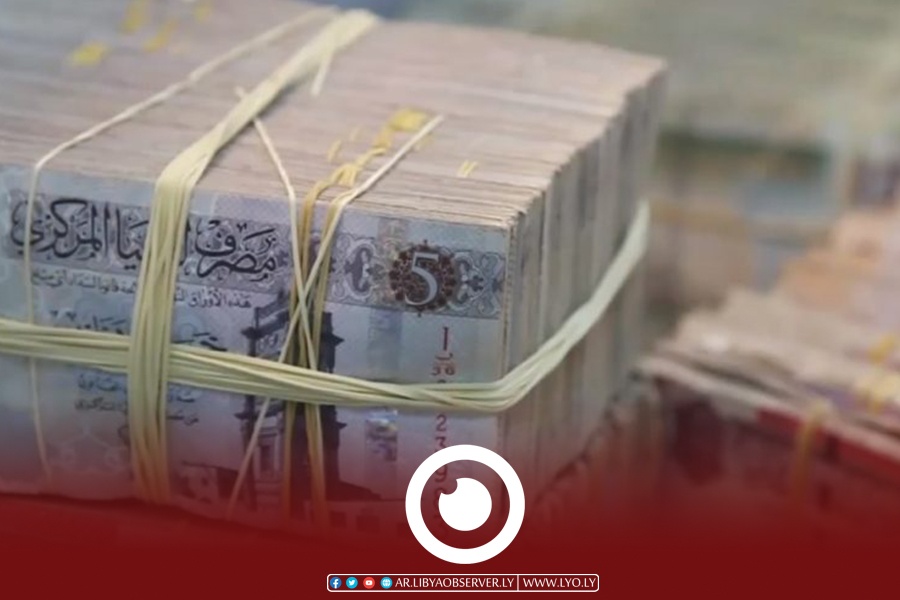
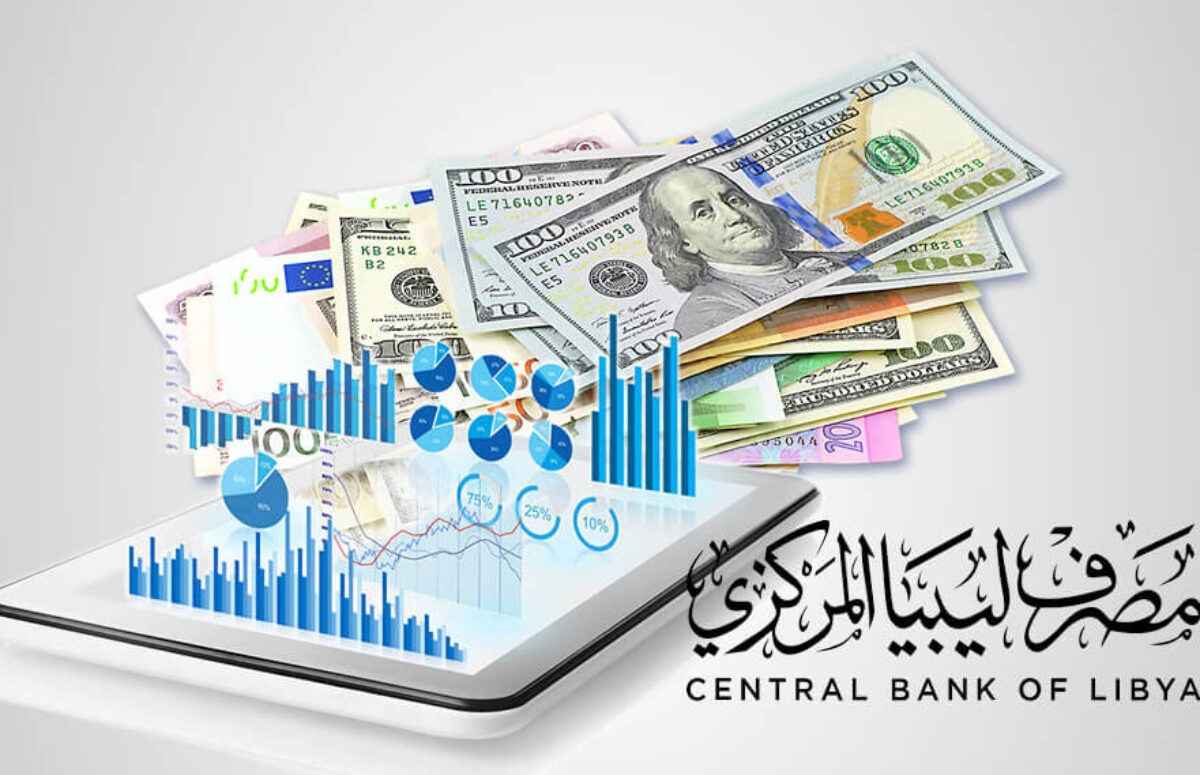
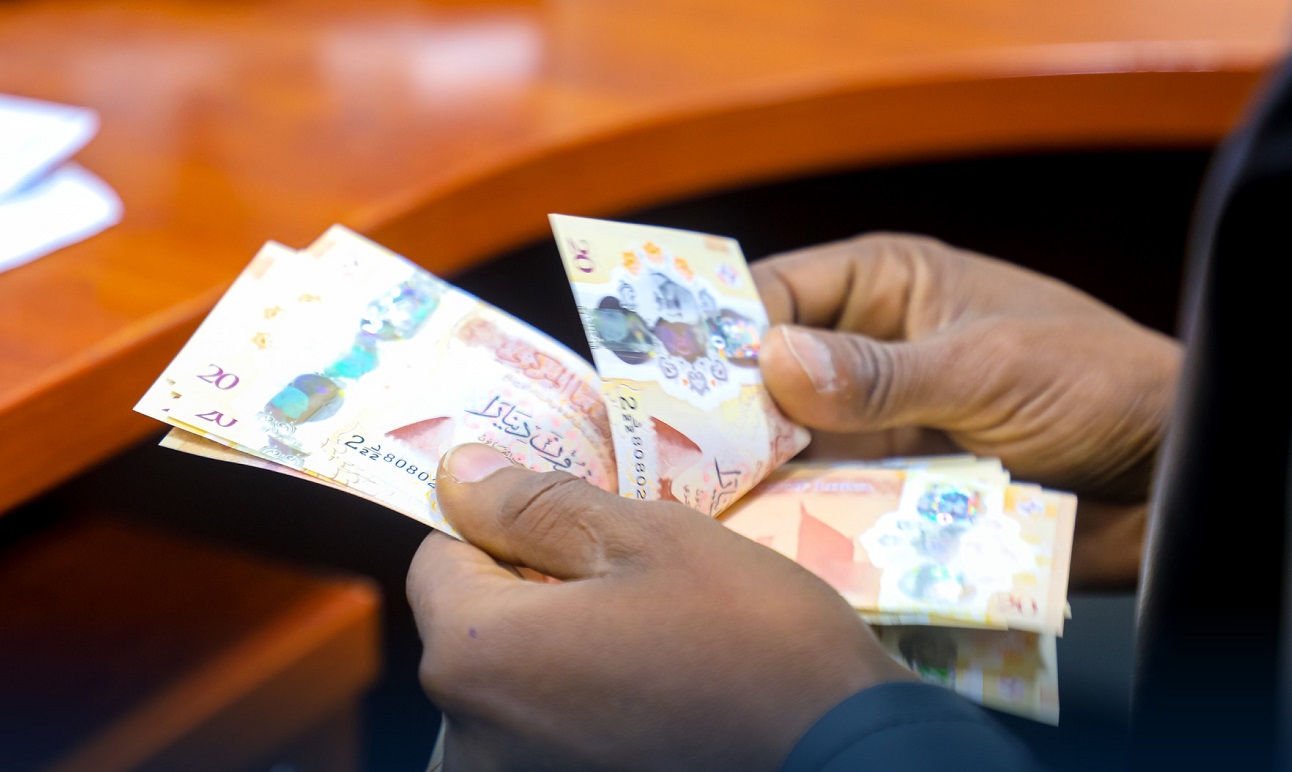
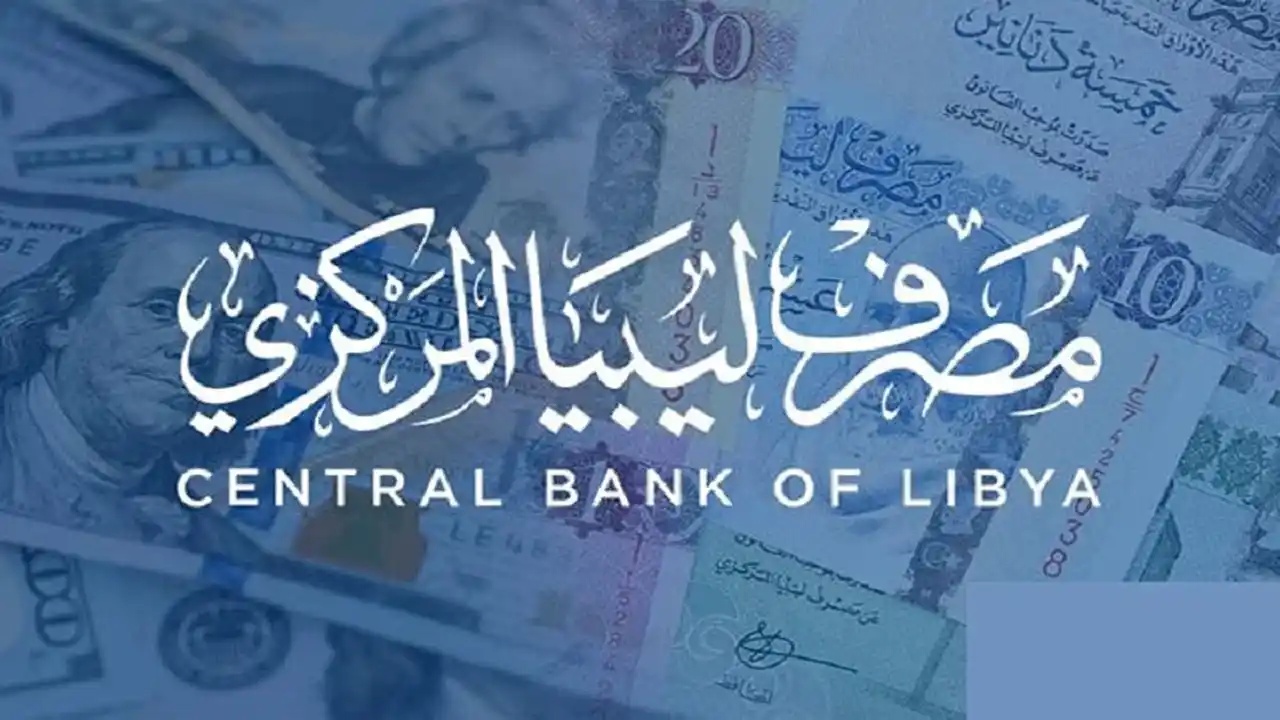
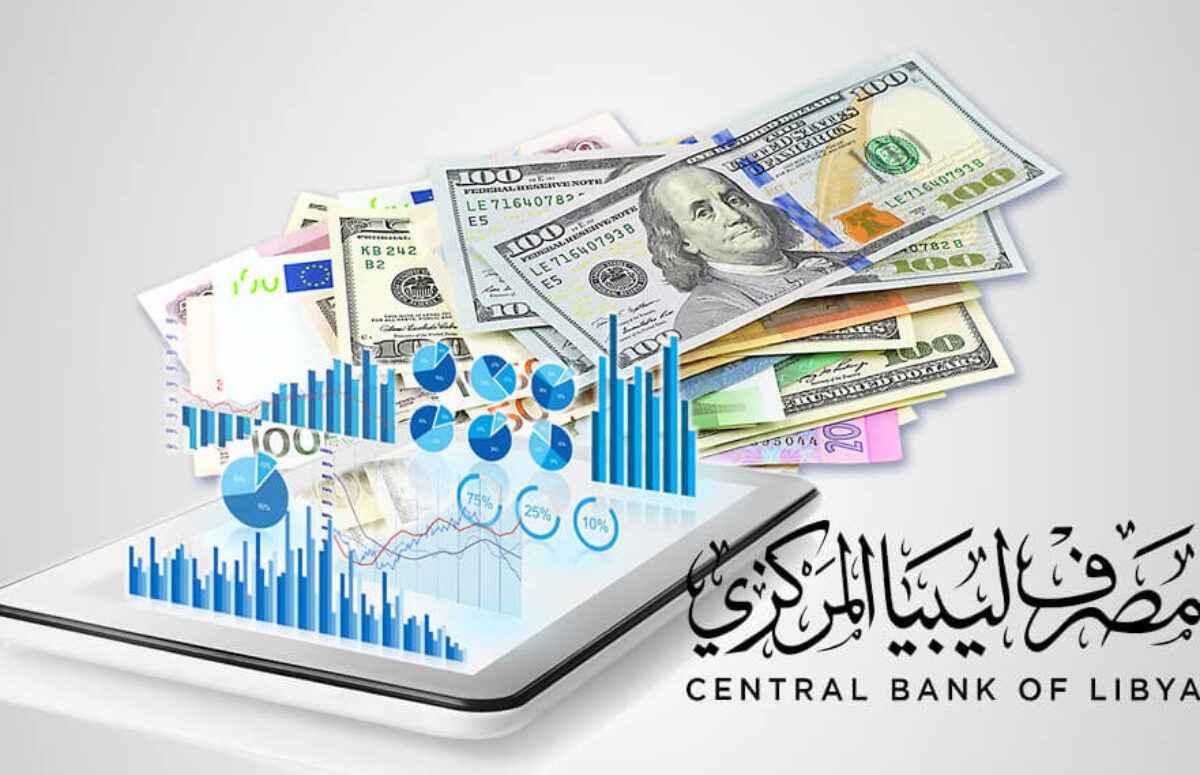
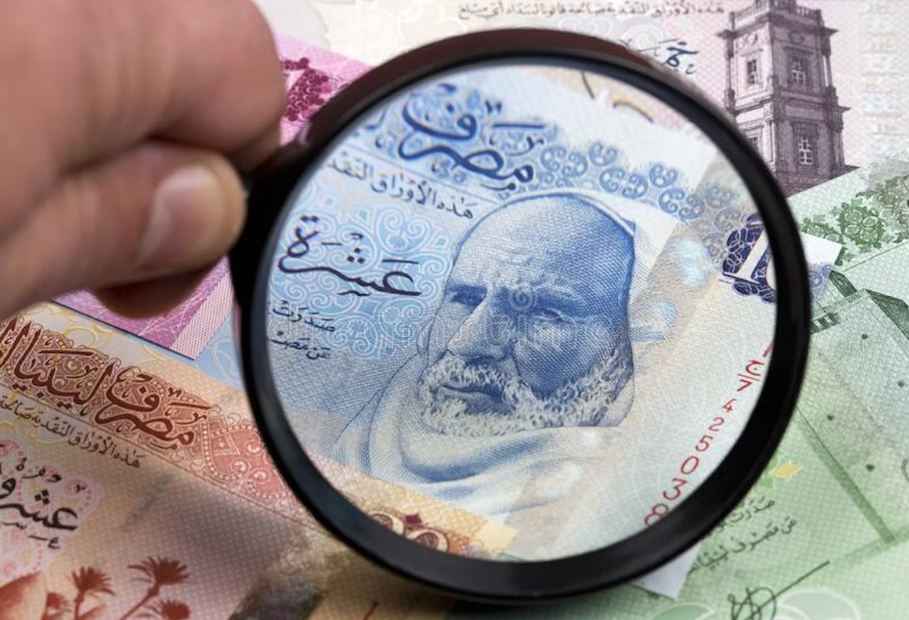
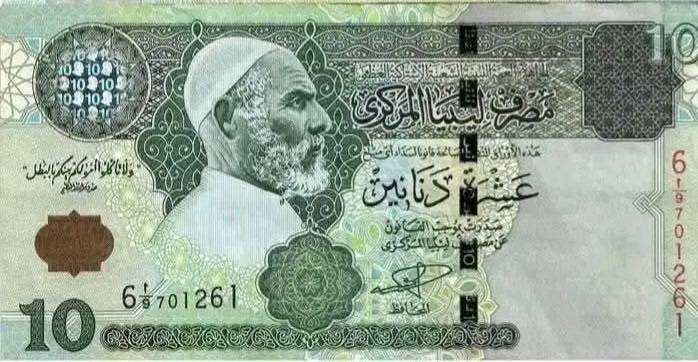
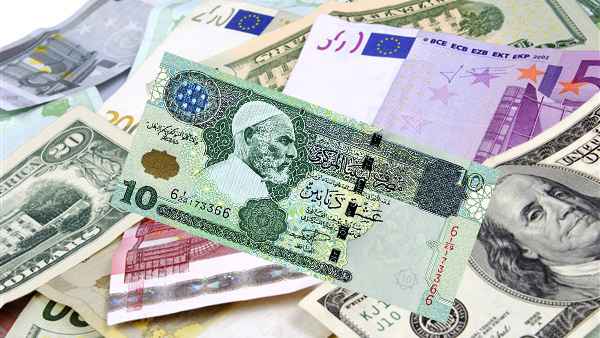
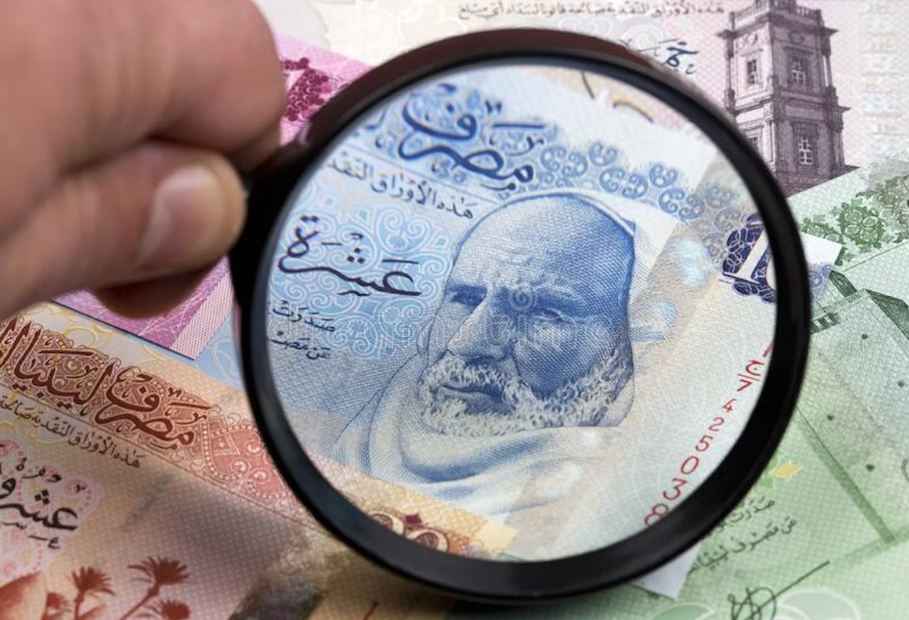
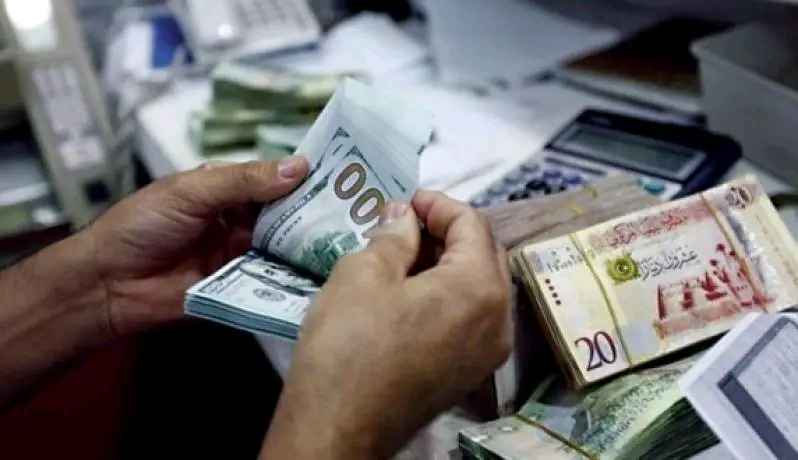
According to the Central Bank of Libya’s bulletin, today’s deposit prices for $2000 recorded an increase, reaching 12,780 dinars, while the value of the added tax for personal purposes was about 1,920 dinars.
–– Commercial Bank = 14,800 dinars including fees
–– Republic Bank = 14,750 dinars including fees
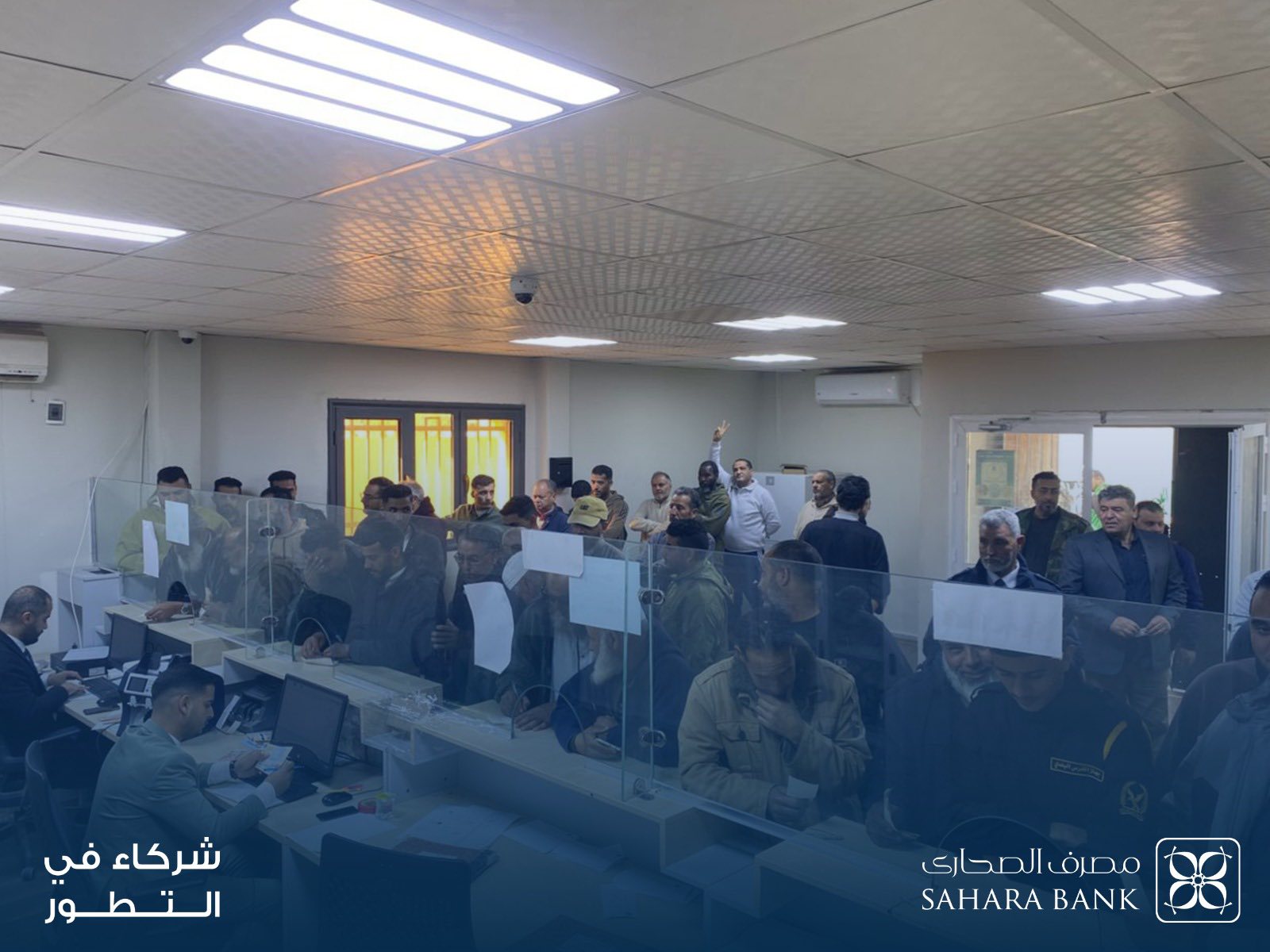
–– Sahara Bank = 14,750 dinars including fees
–– Aman Bank = 14,800 dinars including fees
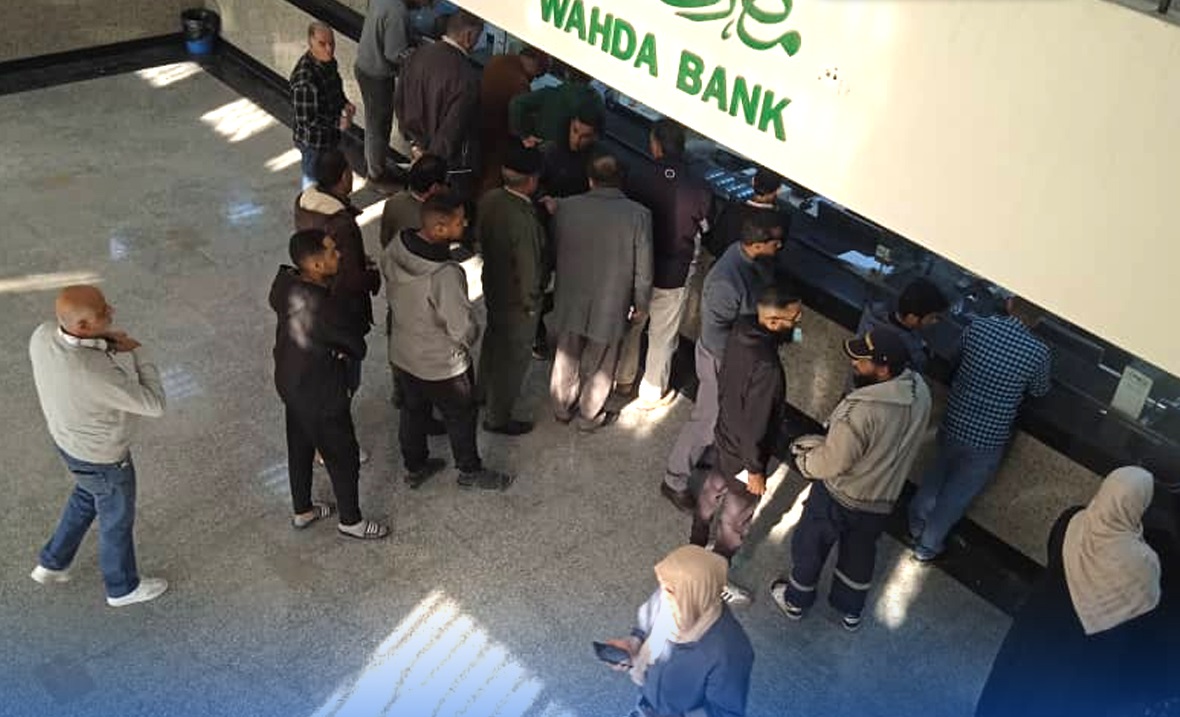
–– Wahda Bank = 14,750 dinars including fees
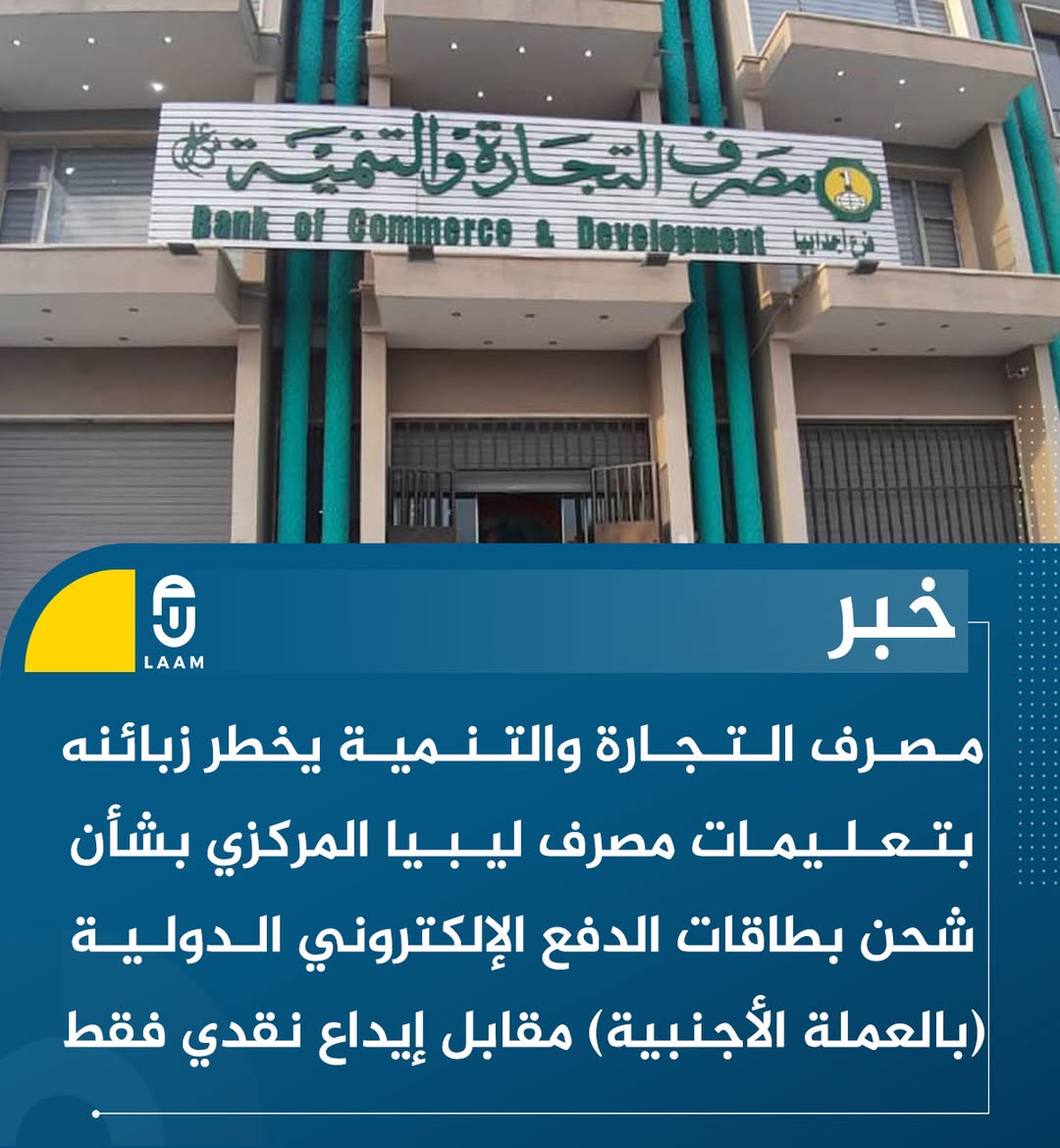
–– Trade and Development Bank = 14,730 dinars including fees
–– North Africa Bank = 14,765 dinars including fees
–– Islamic Bank = 12,790 dinars including fees
–– United Bank = 14,700 dinars including fees.
–– Yaqeen Bank = 14,765 dinars including fees.
–– Nouran Bank = 14,765 dinars including fees.
–– Al-Andalus Bank = 14,800 dinars including fees.
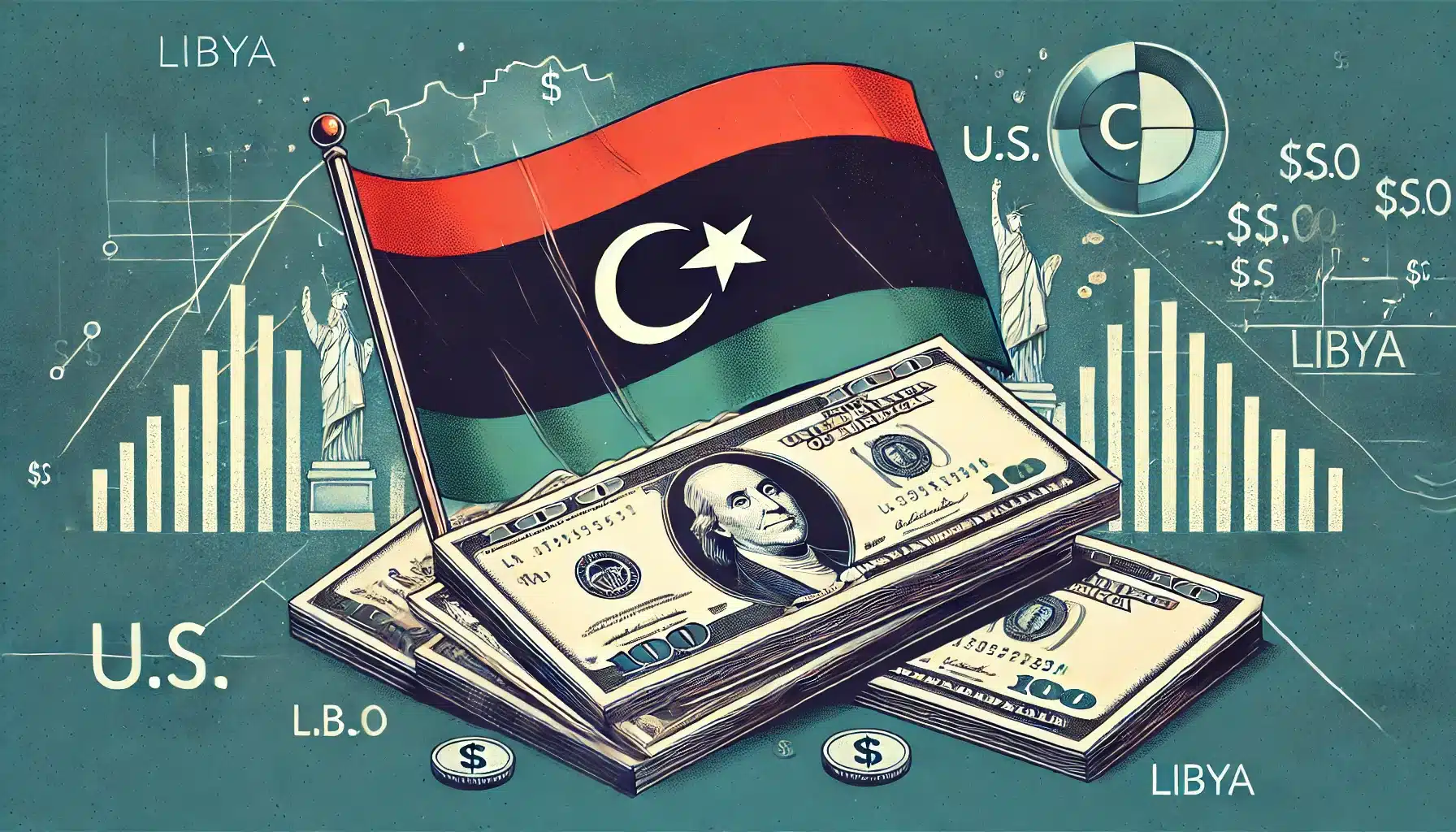
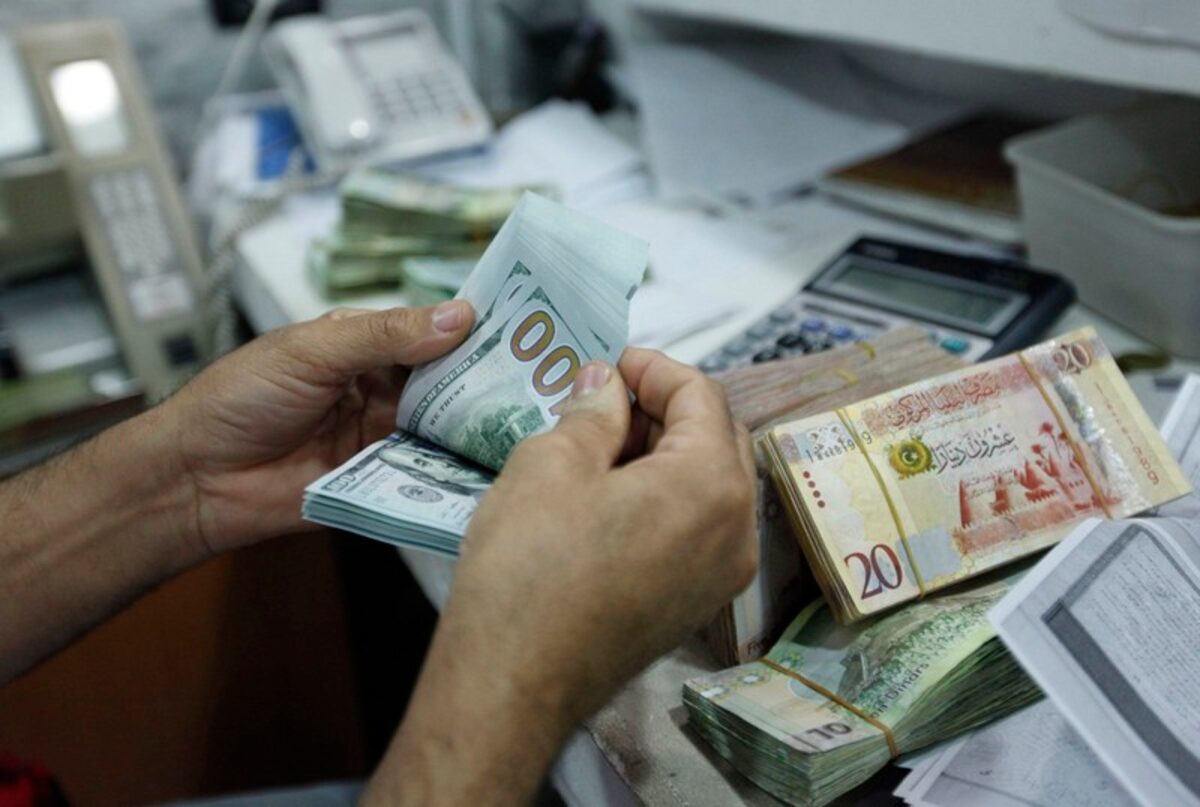
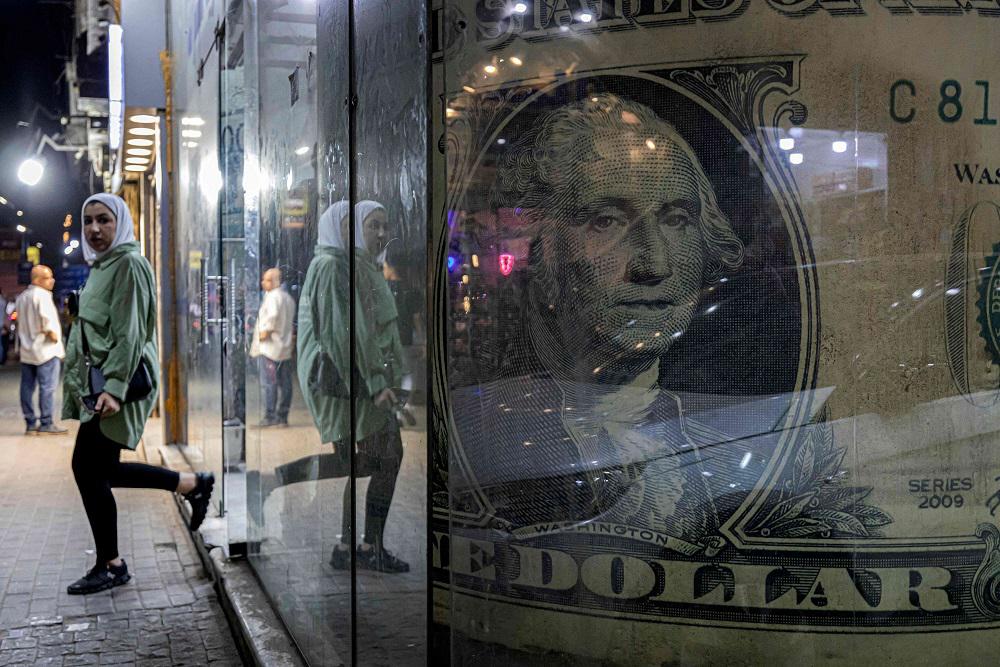
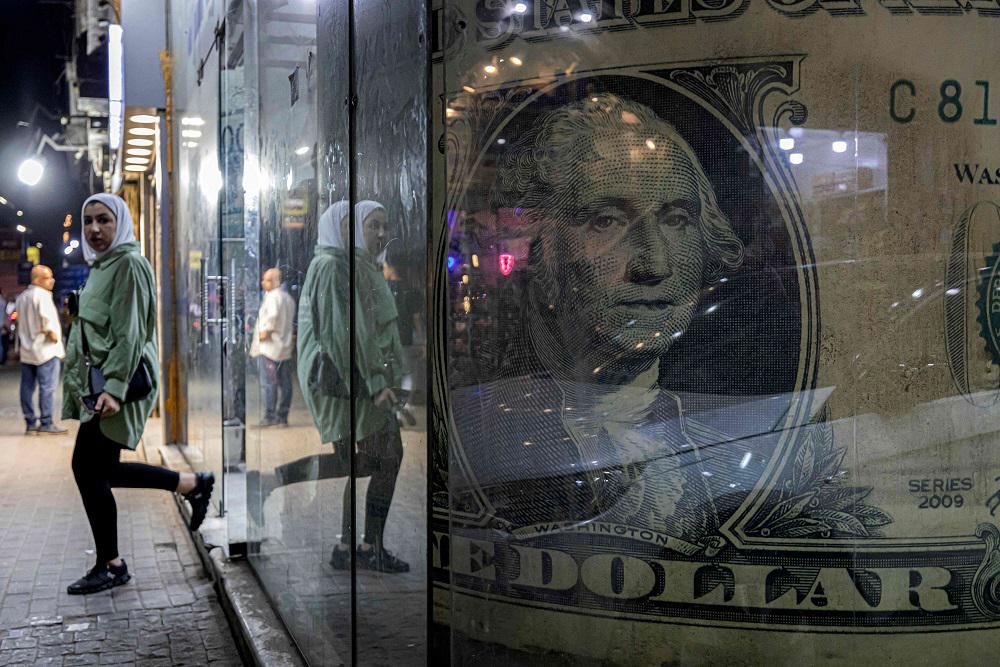
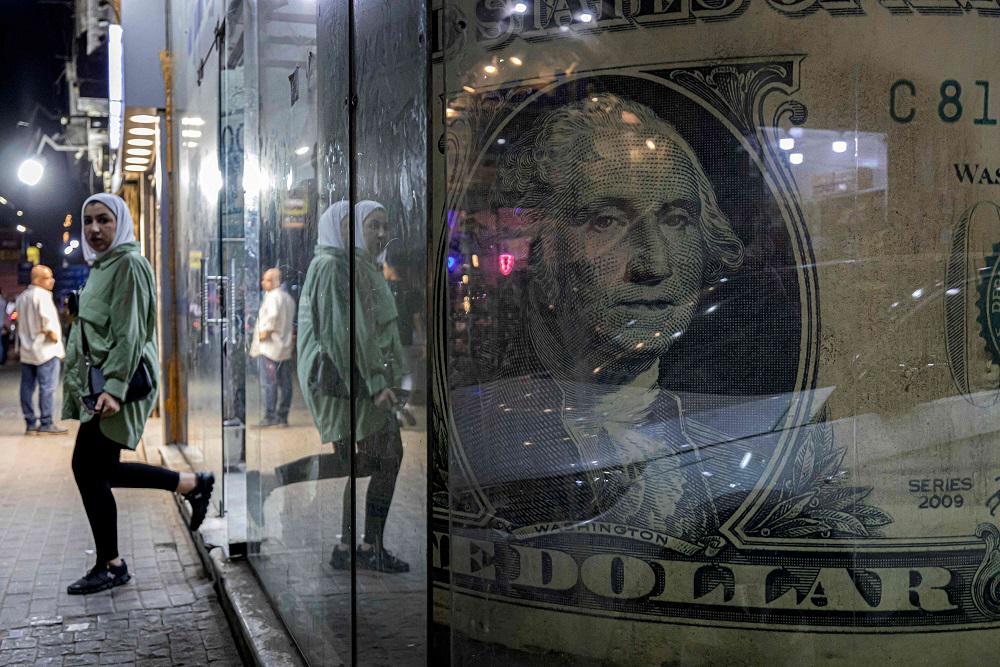
It is noted that the exchange rate of the US dollar, according to the bulletin issued by the Central Bank of Libya today, reached 6.3896 Libyan dinars, and with the addition of a 15% tax on official buying and selling operations, it reaches 7.34804 dinars.
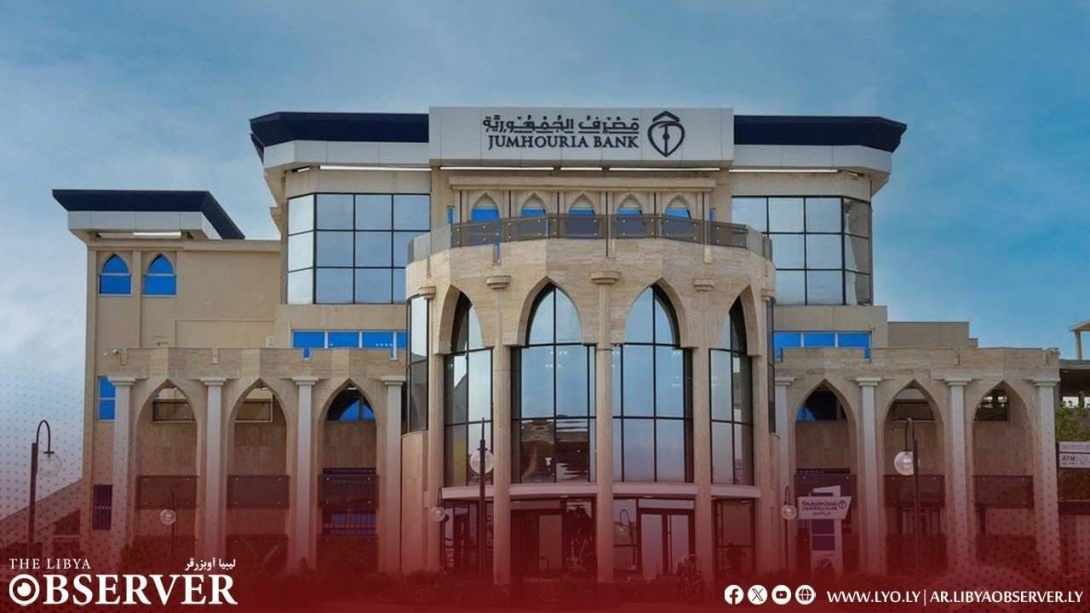
Libyan banks
Libyan banks operate within a financial system historically shaped by the country’s oil wealth and political changes, including nationalization in the 1960s and international sanctions in later decades. The sector is primarily divided between the Central Bank of Libya and several state-owned commercial banks, with ongoing efforts to modernize and stabilize the system following periods of conflict.
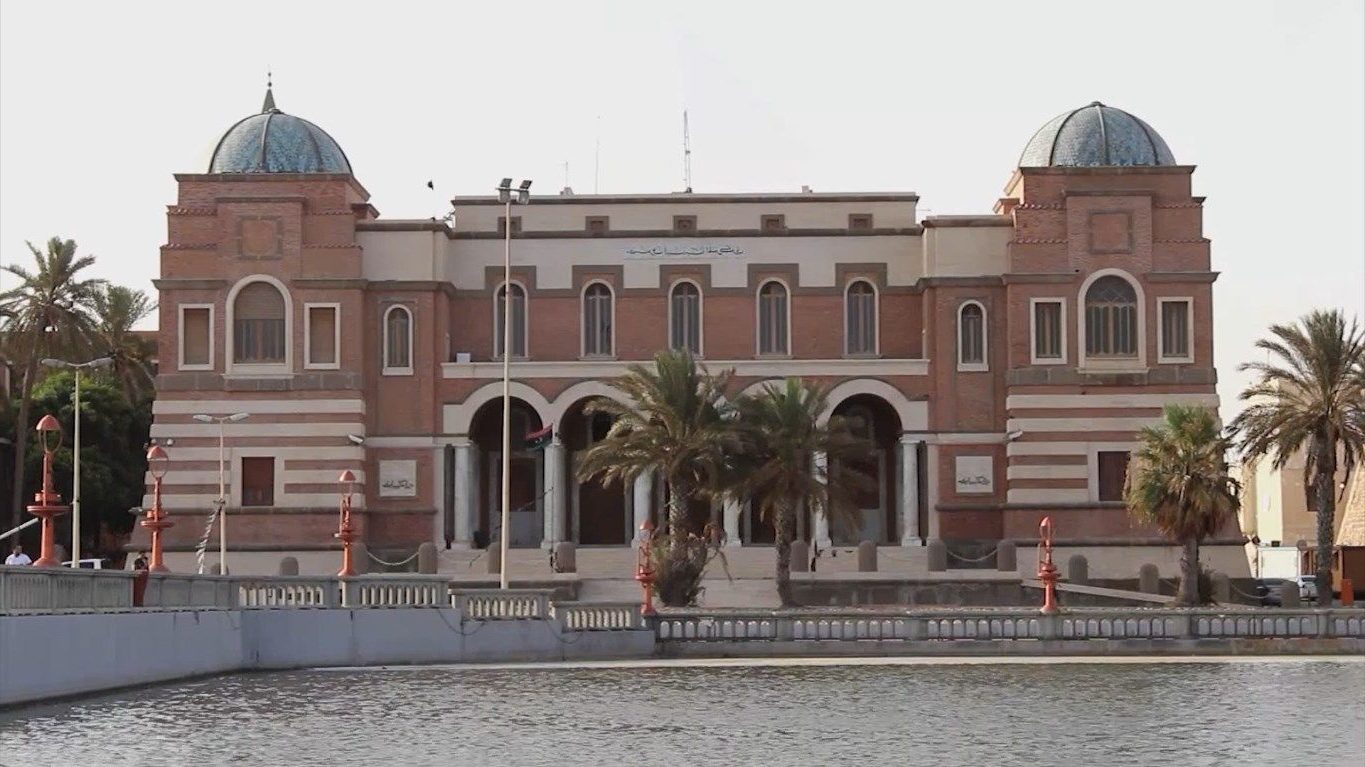
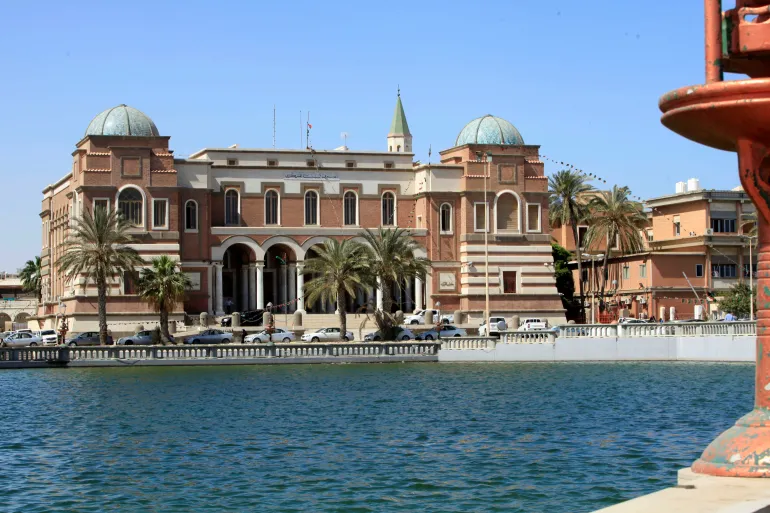
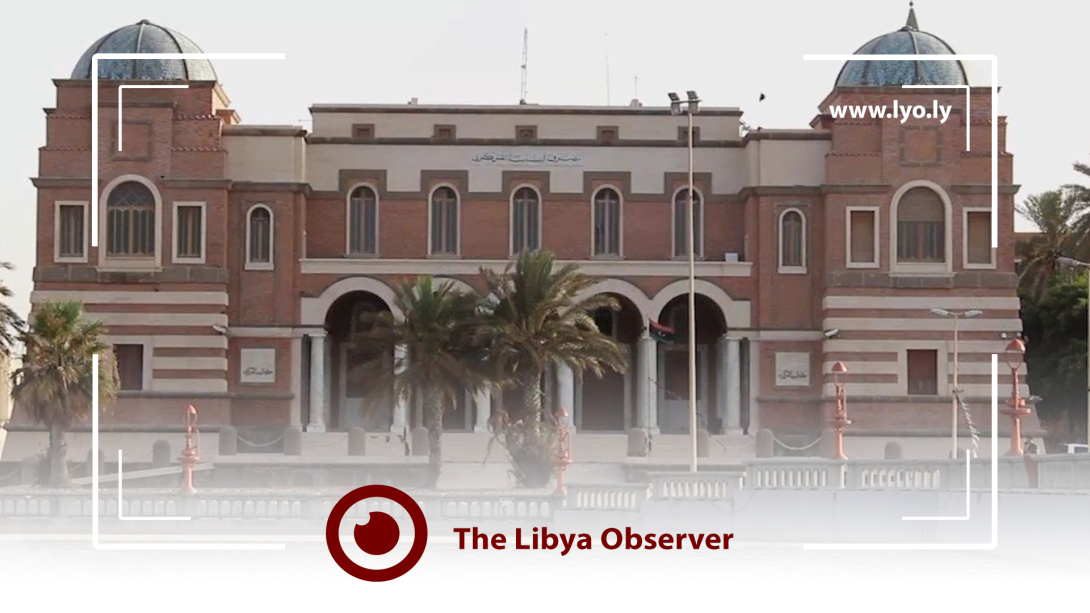
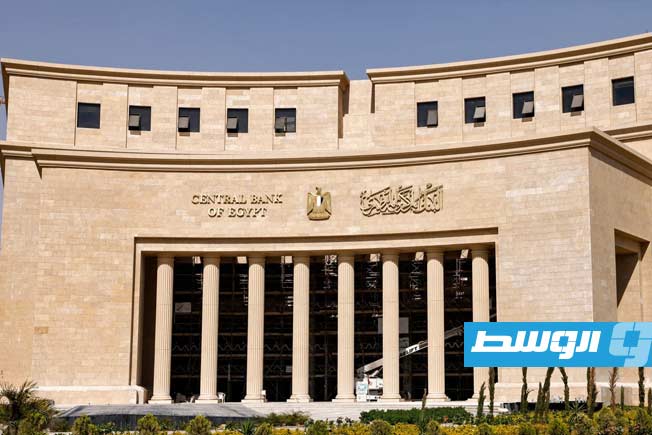
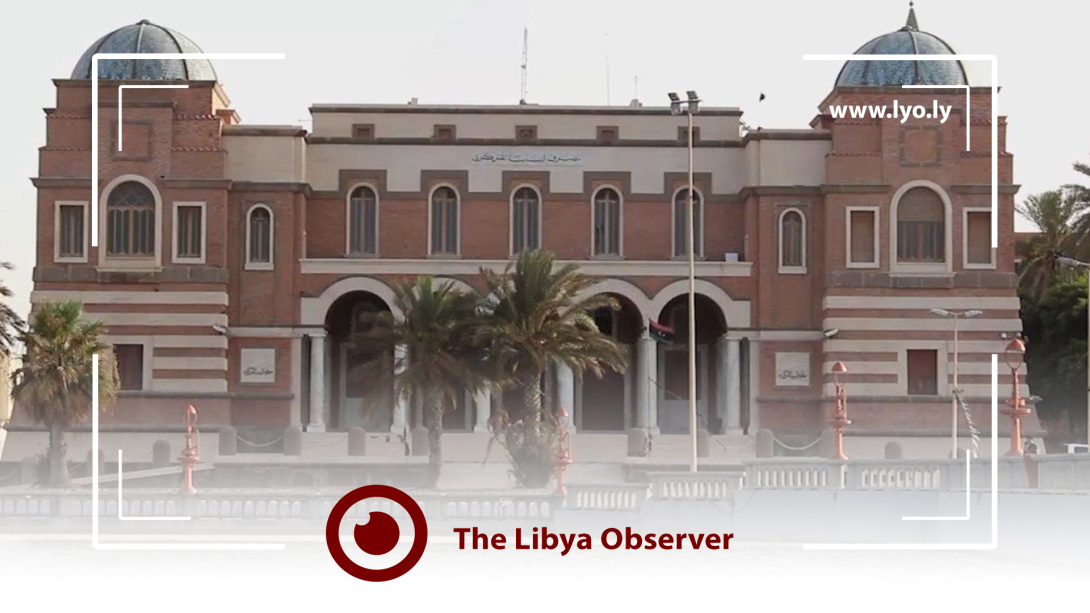
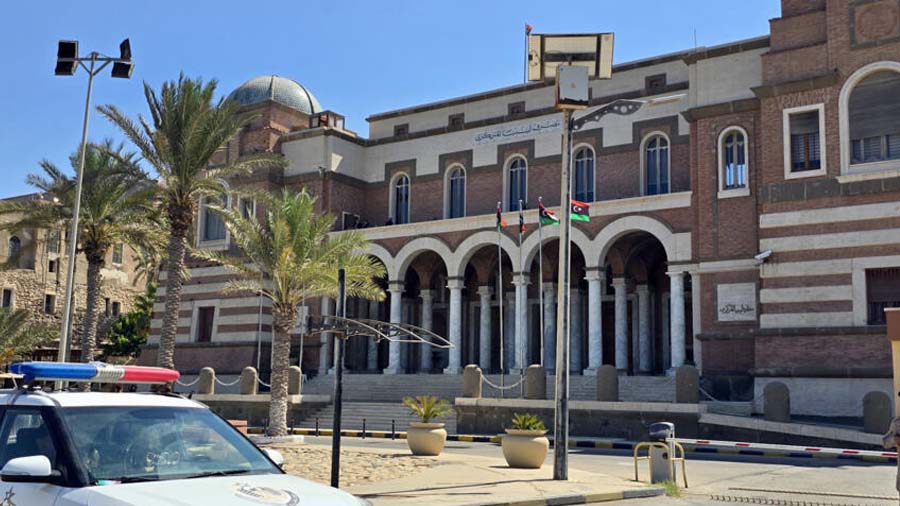
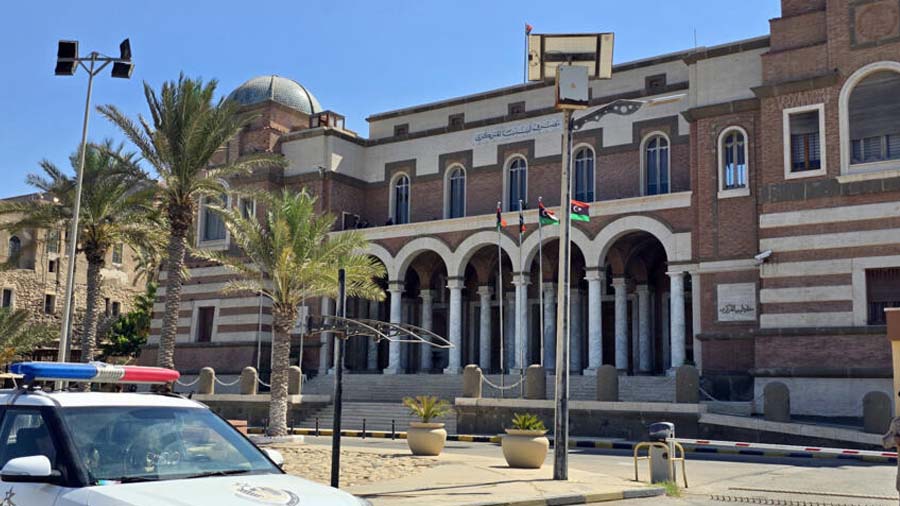
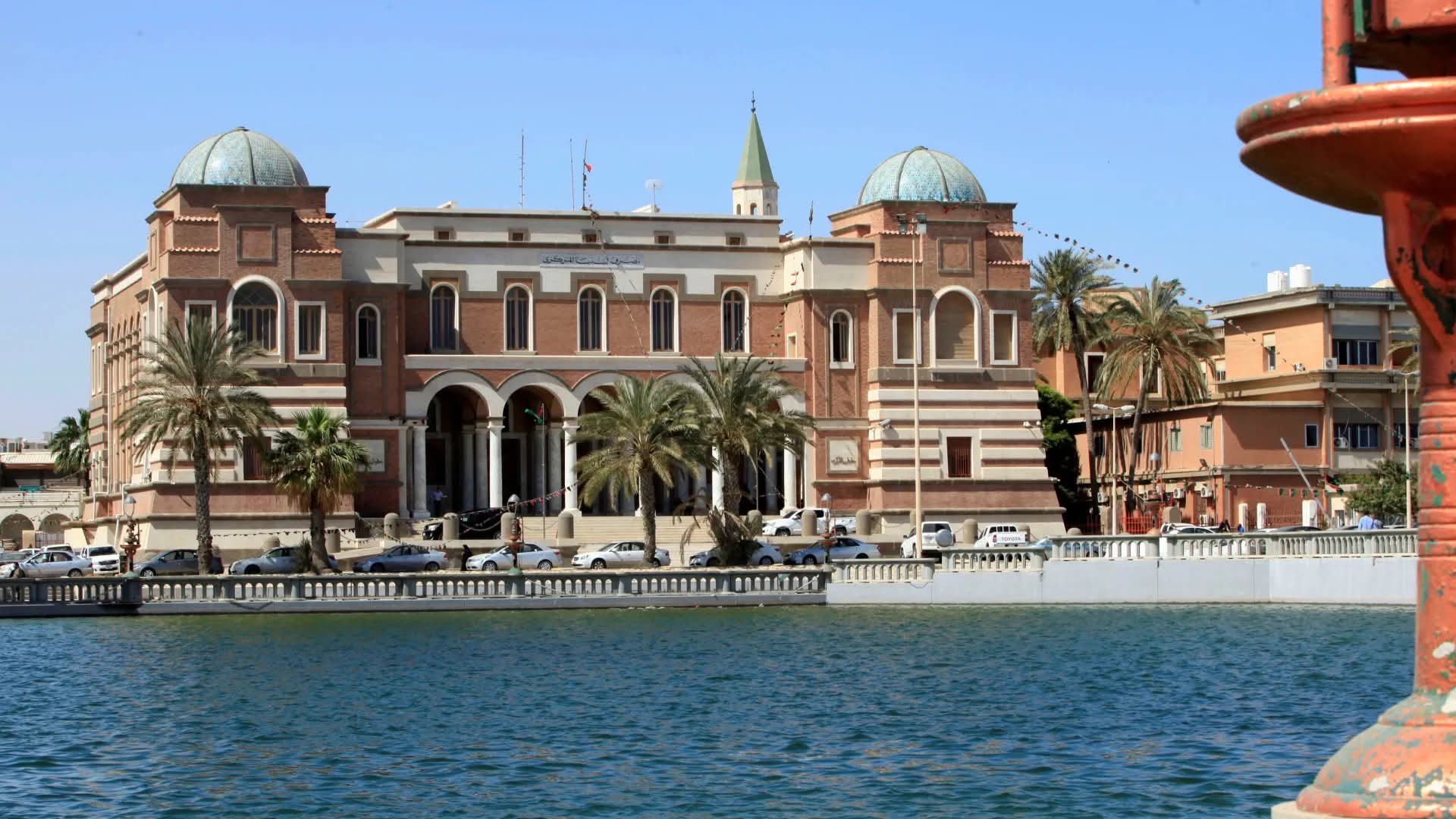
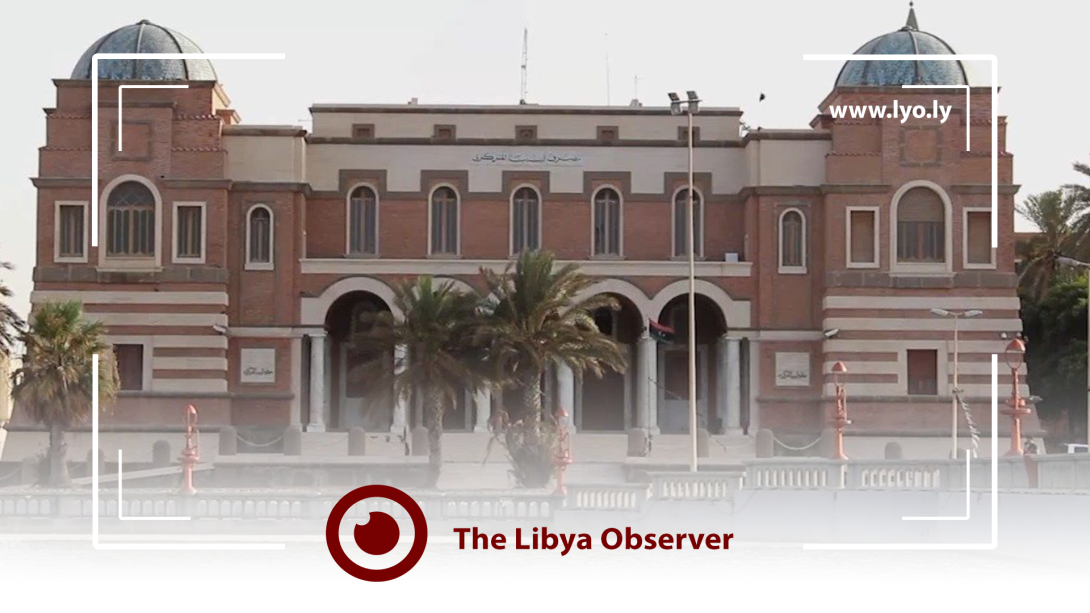
Central Bank of Libya
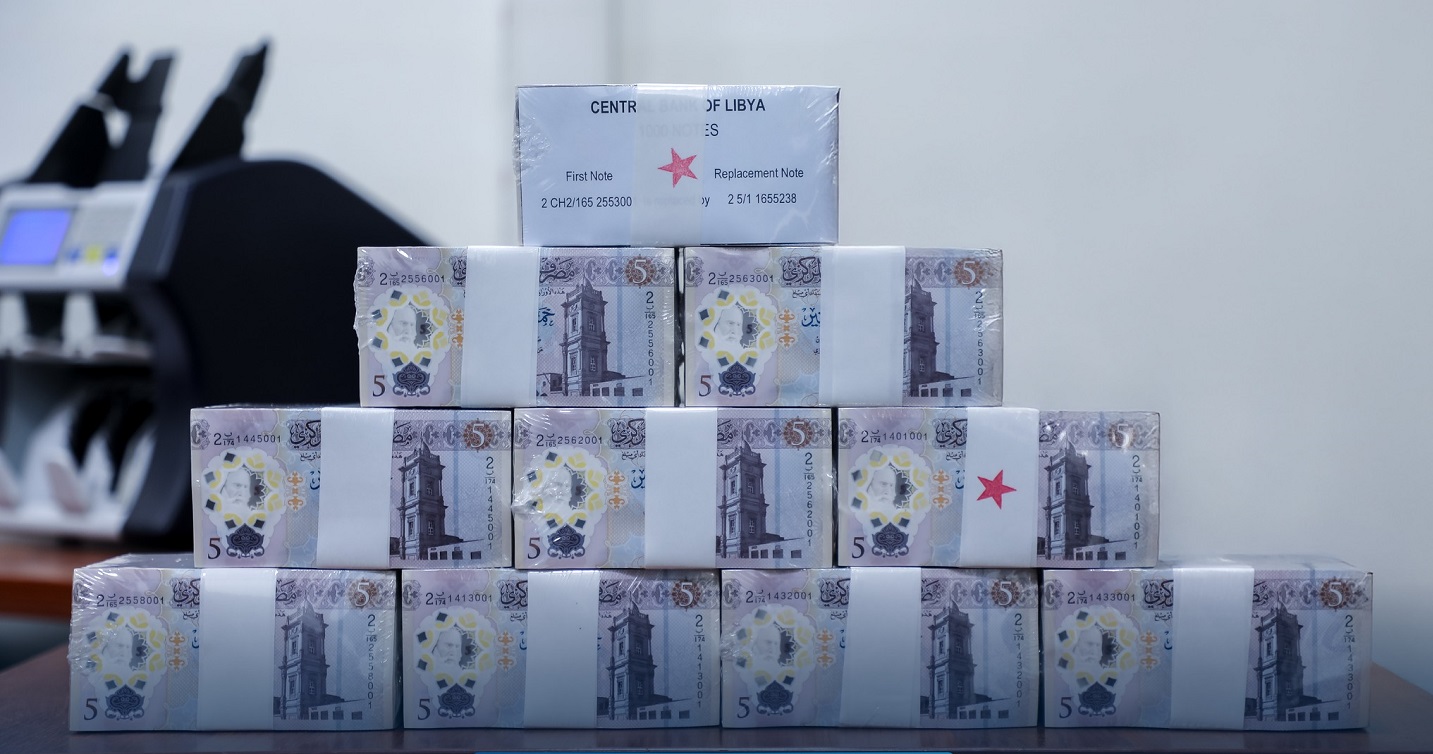
The Central Bank of Libya is the country’s primary monetary authority, established in 1956 to issue currency and manage monetary policy. It has played a critical and often divisive role in Libya’s recent history, notably functioning as a unified financial institution during the post-2011 civil war period despite the country’s political fragmentation.
Commercial Bank
The Commercial Bank is a financial institution that provides services such as deposits, loans, and investments to businesses and individuals. Historically, such banks emerged to support trade and economic growth, often evolving from merchant lending practices into formalized banking systems in the 18th and 19th centuries.
Republic Bank
Republic Bank is a major financial institution in Trinidad and Tobago, originally established in 1837 as the Colonial Bank. It was later renamed Republic Bank after a merger in the early 1990s and has since grown to become one of the leading commercial banks in the Caribbean region.
Sahara Bank
Sahara Bank is a commercial bank founded in Libya in 1969, originally established to support economic development and public sector projects in the country. It is one of the oldest and largest financial institutions in Libya, with its history closely tied to the nation’s modern economic trajectory.
Aman Bank
Aman Bank is a financial institution based in Libya, originally established in 1998. It has played a significant role in the country’s banking sector, focusing on Islamic banking principles and expanding its services through a network of branches across the nation.
Wahda Bank
Wahda Bank is a major commercial bank in Libya, founded in 1970 as part of the country’s efforts to develop its national financial sector. It has since grown to become one of the largest banking institutions in Libya, with a significant branch network and a history of providing a wide range of financial services to both individuals and businesses.
Trade and Development Bank
The Trade and Development Bank (TDB) is a multilateral, treaty-based financial institution established in 1985 to foster trade, regional economic integration, and sustainable development across its member states in Africa. Originally founded as the Eastern and Southern African Trade and Development Bank, it provides financing and advisory services to both governments and private sector entities.
North Africa Bank
The North Africa Bank is a financial institution established to support economic development and integration across North African nations. Its history is tied to regional cooperation efforts, often involving member states like Morocco, Tunisia, and Algeria, to foster investment and stability in the Maghreb region.
Islamic Bank
The Islamic Bank is a financial institution that operates in accordance with Sharia (Islamic law), which prohibits interest (riba) and speculative activities. Its modern history began in the 1970s with the establishment of pioneering institutions like the Islamic Development Bank (1975), aiming to foster economic development in member countries through Sharia-compliant financing models such as profit-sharing and leasing.
United Bank
The United Bank is a financial institution founded in 1959 in Pakistan, originally established to support industrial development and foreign trade in the newly independent nation. It has since grown into one of the country’s largest commercial banks, playing a significant role in its economic history.
Yaqeen Bank
Yaqeen Bank is a financial institution based in Pakistan, established to provide Sharia-compliant banking services in accordance with Islamic principles. It was founded as part of a broader movement to offer ethical and interest-free financial alternatives in the country’s growing Islamic finance sector.
Nouran Bank
Nouran Bank is a financial institution based in Iran, established in 2010 as part of the country’s private banking sector. It provides a range of banking services and has expanded its branch network domestically since its founding.
Al-Andalus Bank
Al-Andalus Bank is a modern financial institution based in Saudi Arabia, established in 2007. Its name references the historical region of Al-Andalus, the period of Muslim rule in medieval Iberia, evoking a legacy of cultural and intellectual flourishing.