The European Union has announced the removal of South Africa and five other African nations from its list of countries classified as “high-risk” in the financial domain. This comes after they were automatically placed on the Financial Action Task Force’s “grey list” in 2023.
The decision followed an assessment of the reforms implemented by Pretoria to strengthen its anti-money laundering and counter-terrorist financing systems. This is considered international recognition of the seriousness of the steps taken by the government.
The decision was not limited to South Africa; it also included Burkina Faso, Mali, Mozambique, and Tanzania. These countries were on the grey list before successfully improving their supervisory systems during 2025, allowing them to exit the enhanced monitoring circle and join the list of countries trusted by international financial institutions.
This decision opens the door for attracting foreign investment to African countries that were hesitant due to restrictions associated with blacklists. It also facilitates trade and financial transfers with the European Union, one of the continent’s largest trading partners. Experts believe this step will positively impact growth rates and capital flows in the region.
Broader Context
Inclusion on risk lists limits countries’ financial dealings and places them under enhanced scrutiny, negatively impacting their economies. Conversely, removal from these lists serves as an international vote of confidence in their reforms and provides a strong boost to economies facing internal and external pressures. The European move comes after the Financial Action Task Force and British authorities removed these countries from their lists in October 2025, reflecting an international consensus to recognize their reform efforts.
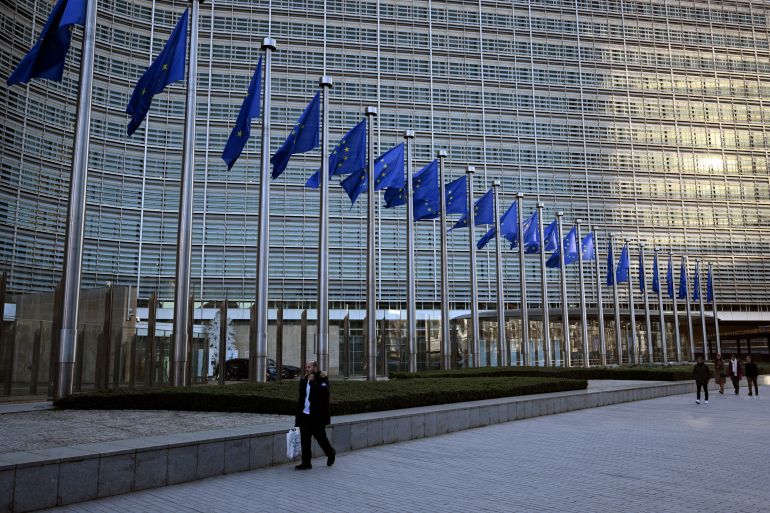
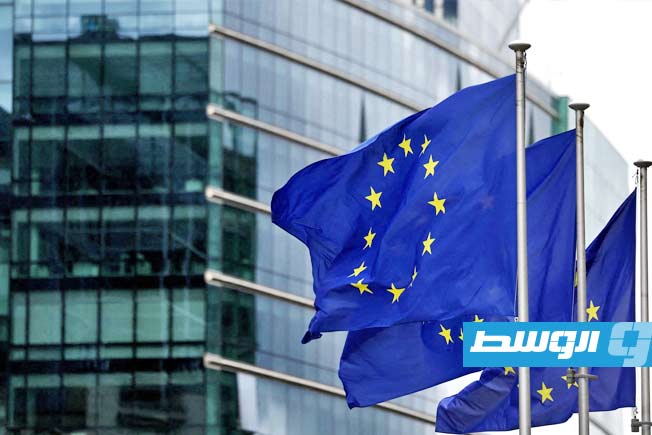
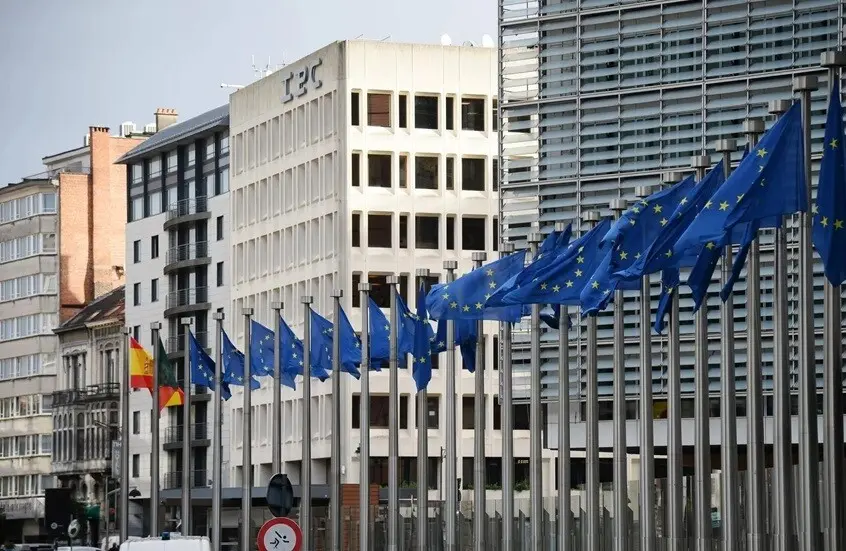
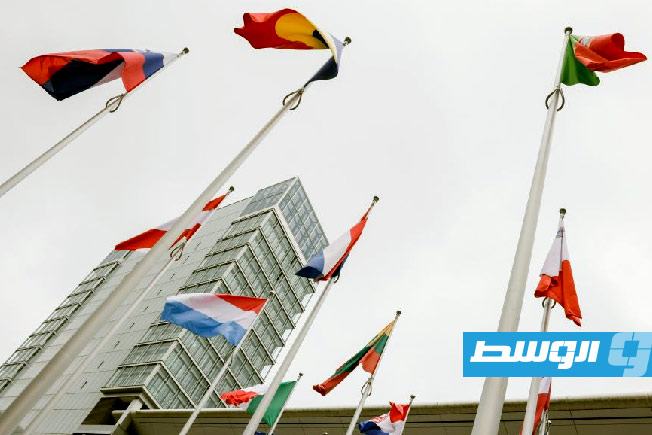
Berlaymont building
The Berlaymont building in Brussels is the headquarters of the European Commission, the European Union’s executive branch. Originally constructed in the 1960s, it was extensively renovated between 2004 and 2005 to remove asbestos and modernize its facilities.
European Union Commission headquarters
The European Commission headquarters, known as the Berlaymont building, is the central administrative hub of the European Union’s executive branch in Brussels. Originally completed in 1969 and extensively renovated in the 1990s, it has become an iconic symbol of the EU’s governance and decision-making processes.
Brussels
Brussels is the capital city of Belgium and the de facto administrative capital of the European Union. Its history dates back to a 10th-century fortress settlement, and it grew into a major commercial centre during the medieval period, later becoming a hub for international politics and diplomacy in the 20th century. The city is renowned for its Grand Place, a UNESCO World Heritage site, and its role as a meeting point of Flemish and French cultures.
European Union
The European Union (EU) is a political and economic union of 27 European countries, founded after World War II to foster economic cooperation and prevent future conflict. It has evolved from the European Coal and Steel Community in 1951 into a major supranational entity with its own currency (the euro, used by 20 members) and institutions that govern common policies on trade, agriculture, and regional development.
South Africa
South Africa is a country located at the southern tip of the African continent, known for its diverse cultures and complex history of colonialism and apartheid. Its modern democratic state was founded in 1994 after the end of institutionalized racial segregation, with Nelson Mandela becoming its first Black president. The nation is renowned for landmarks like Robben Island and Table Mountain, which symbolize its journey and natural beauty.
Financial Action Task Force
The Financial Action Task Force (FATF) is an intergovernmental organization founded in 1989 by the G7 to combat money laundering. It later expanded its mandate to include countering the financing of terrorism and proliferation financing, setting international standards known as the FATF Recommendations.
Pretoria
Pretoria is the administrative capital of South Africa, founded in 1855 and named after Afrikaner leader Andries Pretorius. It is known for its historical significance in the Afrikaner community and its iconic jacaranda trees, with key landmarks including the Union Buildings and the Voortrekker Monument.
Burkina Faso
Burkina Faso is a landlocked West African nation whose modern borders were established during French colonial rule, gaining independence in 1960. It is historically rooted in the Mossi kingdoms, which date back to the 11th century, and is culturally known for its diverse ethnic groups and vibrant traditions in music and art.
Mali
Mali is a landlocked West African nation historically renowned as the seat of several powerful empires, most notably the Mali Empire, which flourished from the 13th to 16th centuries and was famed for its wealth, scholarship, and the city of Timbuktu. Today, it is home to significant UNESCO World Heritage sites, including the ancient trading centers of Timbuktu and Djenné, though many of its cultural treasures face threats from conflict and environmental degradation.
Mozambique
Mozambique is a country in Southeast Africa with a rich history shaped by Bantu-speaking peoples, Arab trade, and Portuguese colonization, which lasted nearly five centuries until independence in 1975. It is known for its diverse cultural heritage, extensive Indian Ocean coastline, and notable sites like the Island of Mozambique, a UNESCO World Heritage site that was the former Portuguese colonial capital.
Tanzania
Tanzania is an East African nation home to significant cultural and natural sites, most notably the island of Zanzibar with its historic Stone Town—a UNESCO World Heritage site reflecting Swahili and Arab influences—and the Serengeti National Park, known for its ancient annual wildlife migration. The mainland, historically comprising Tanganyika and Zanzibar, merged in 1964 after Tanganyika’s independence from British administration in 1961.