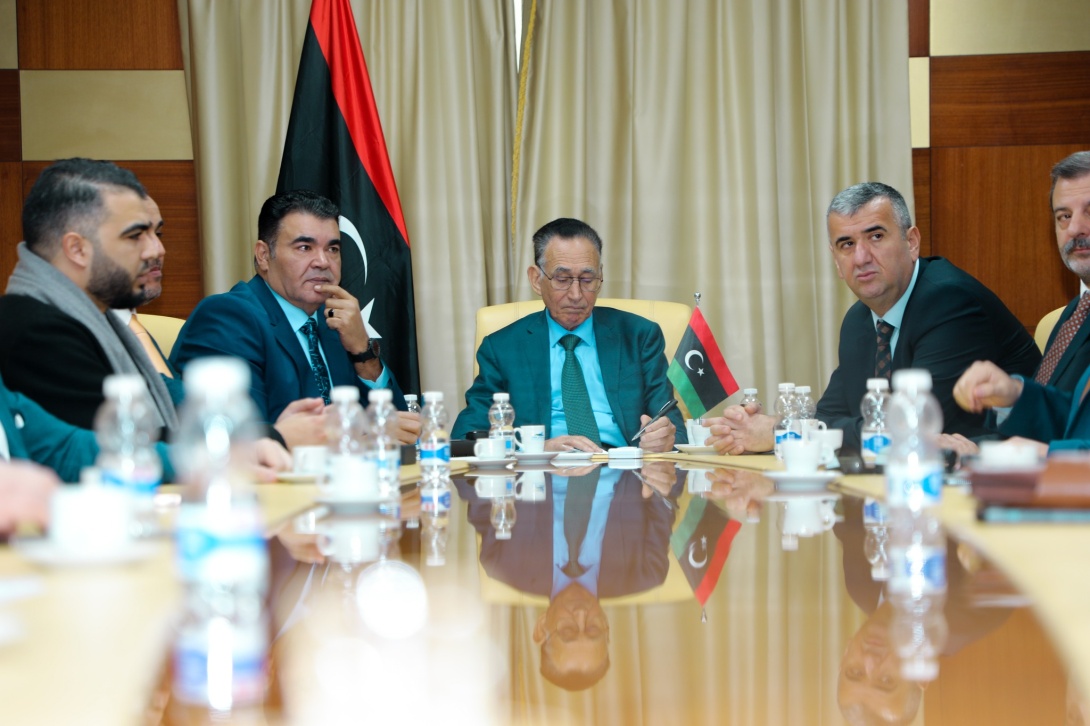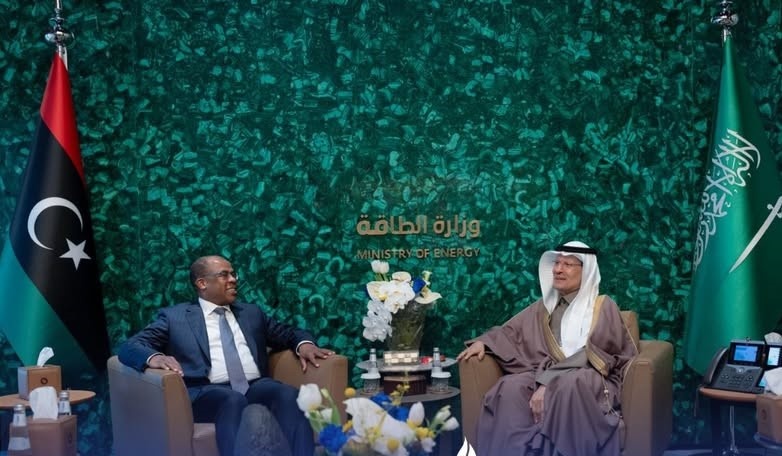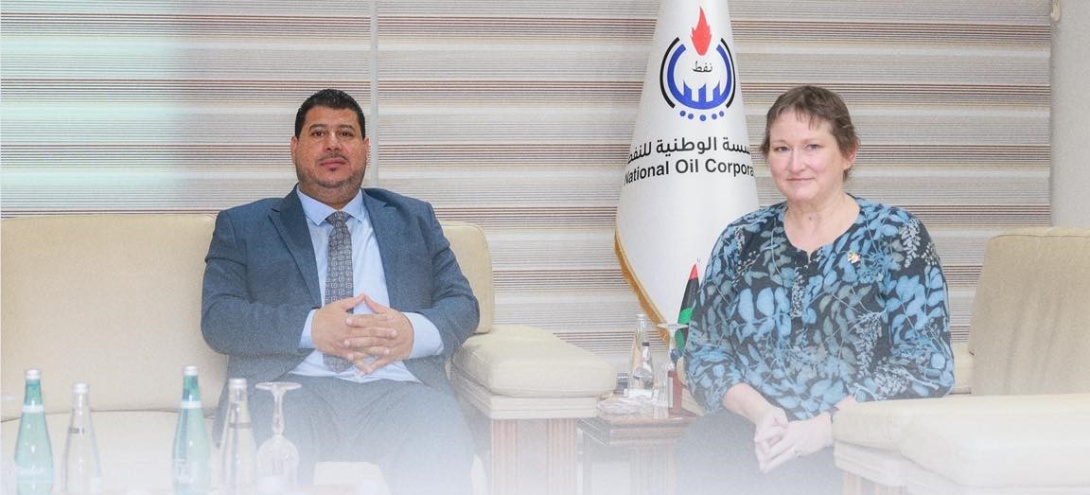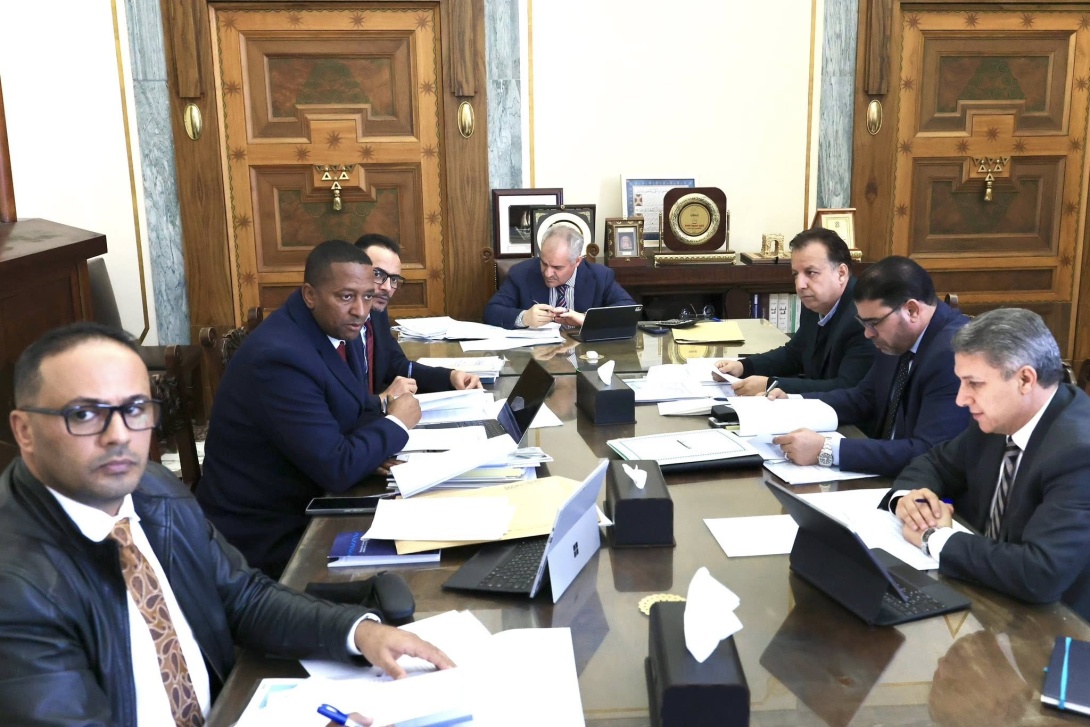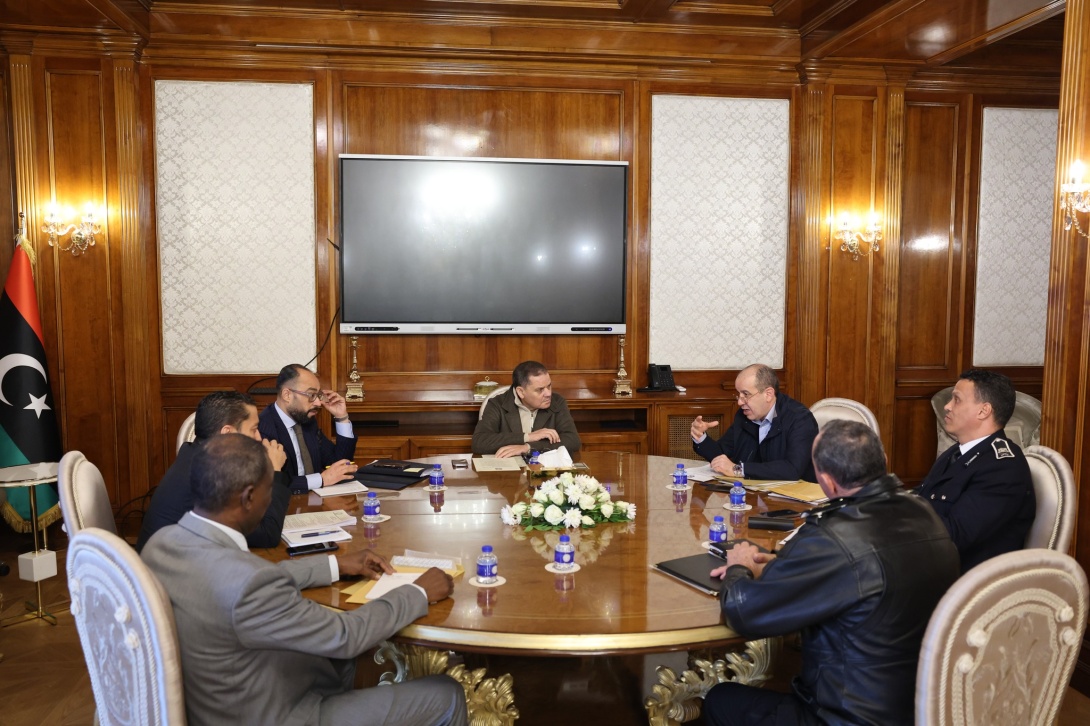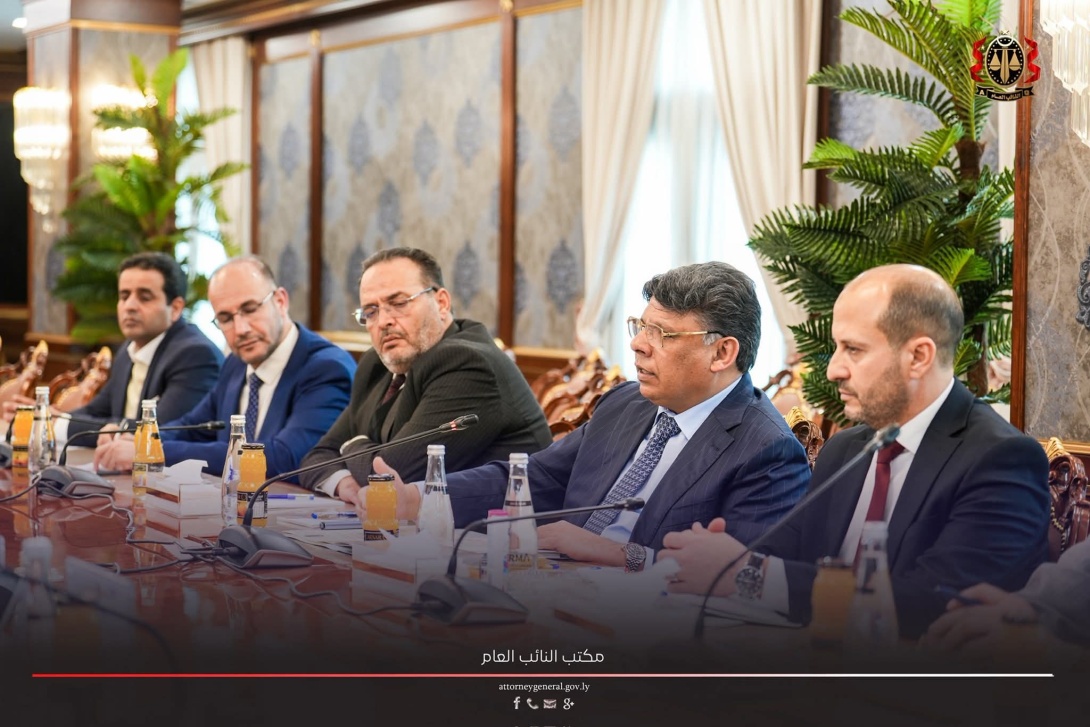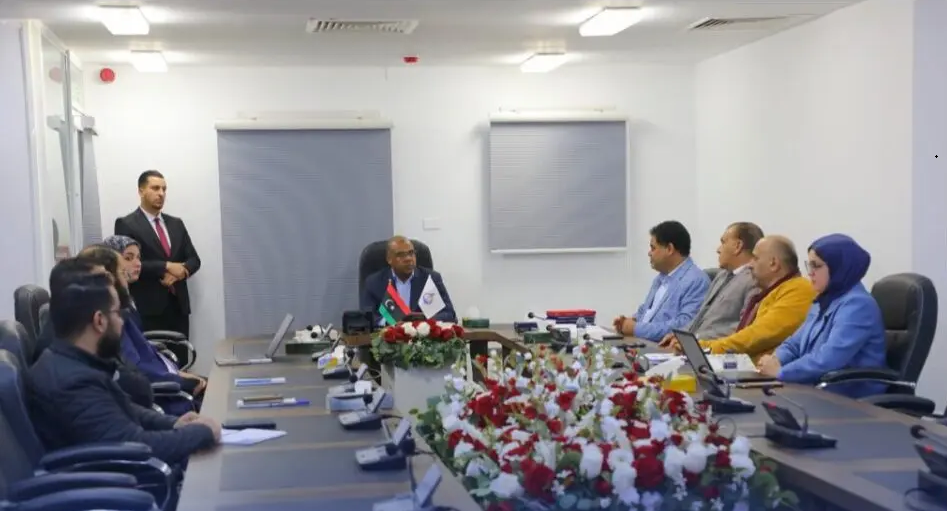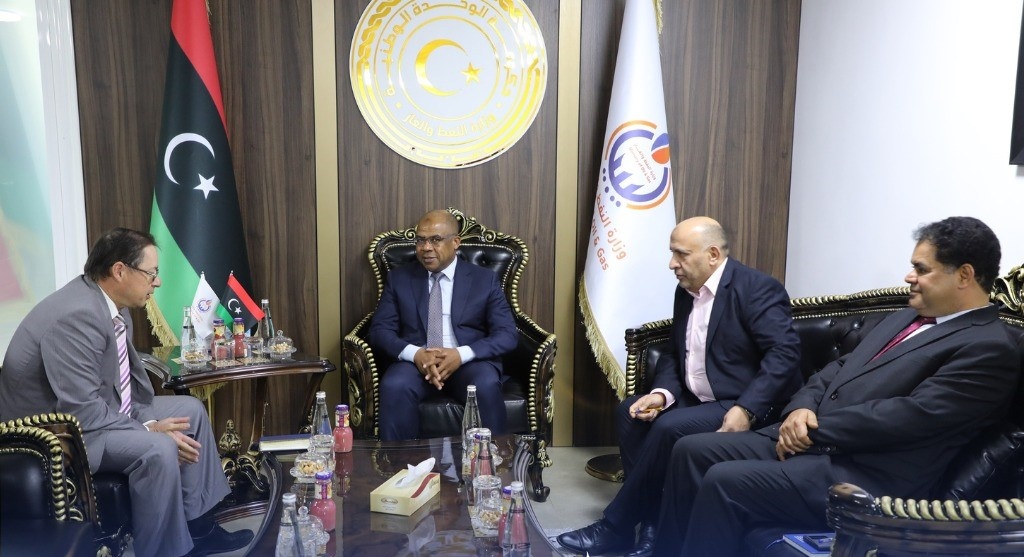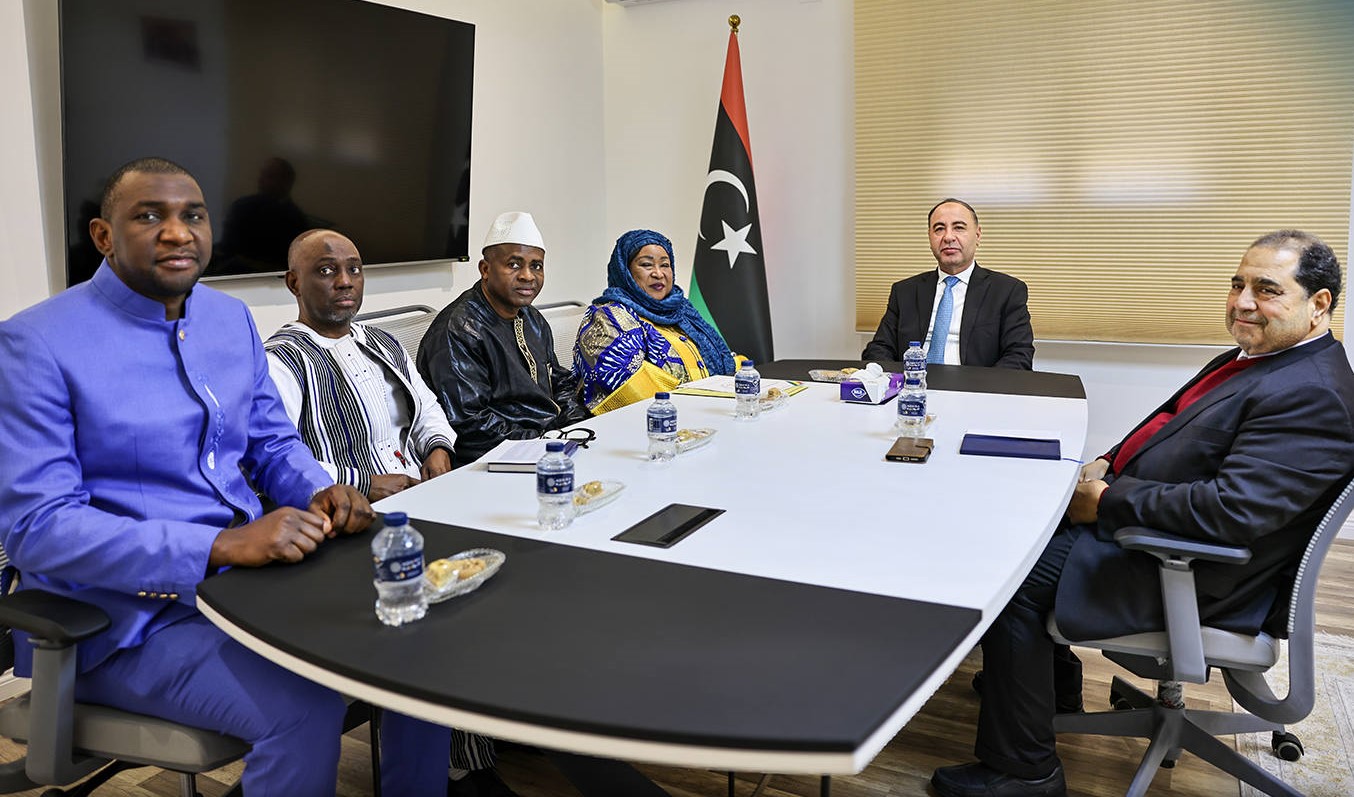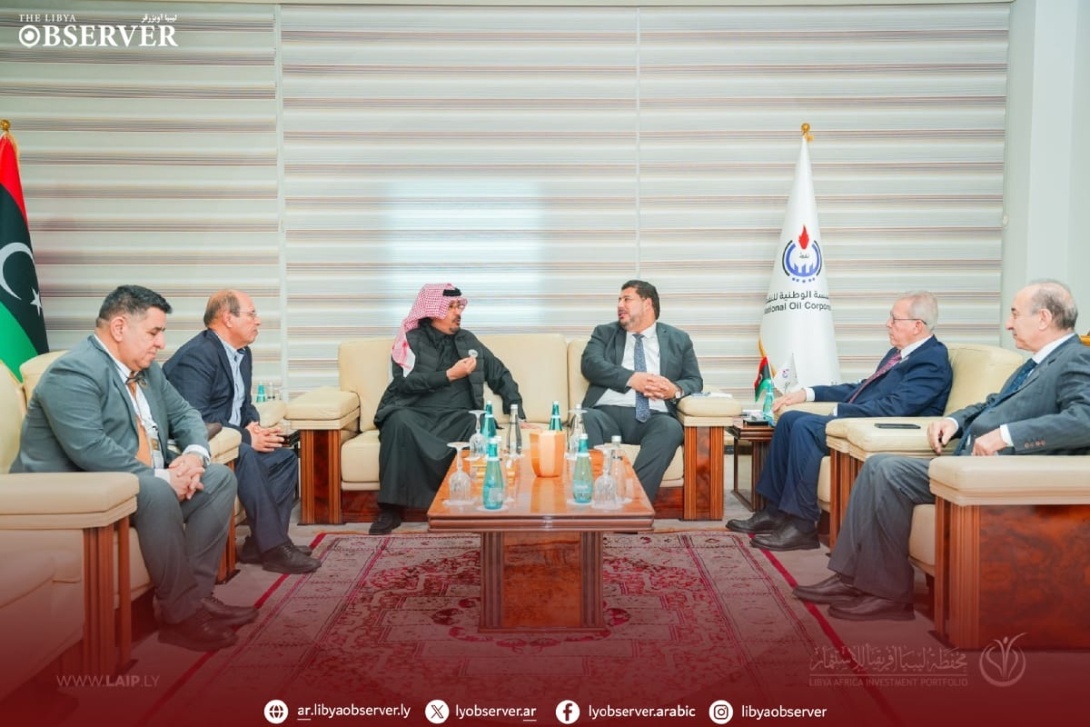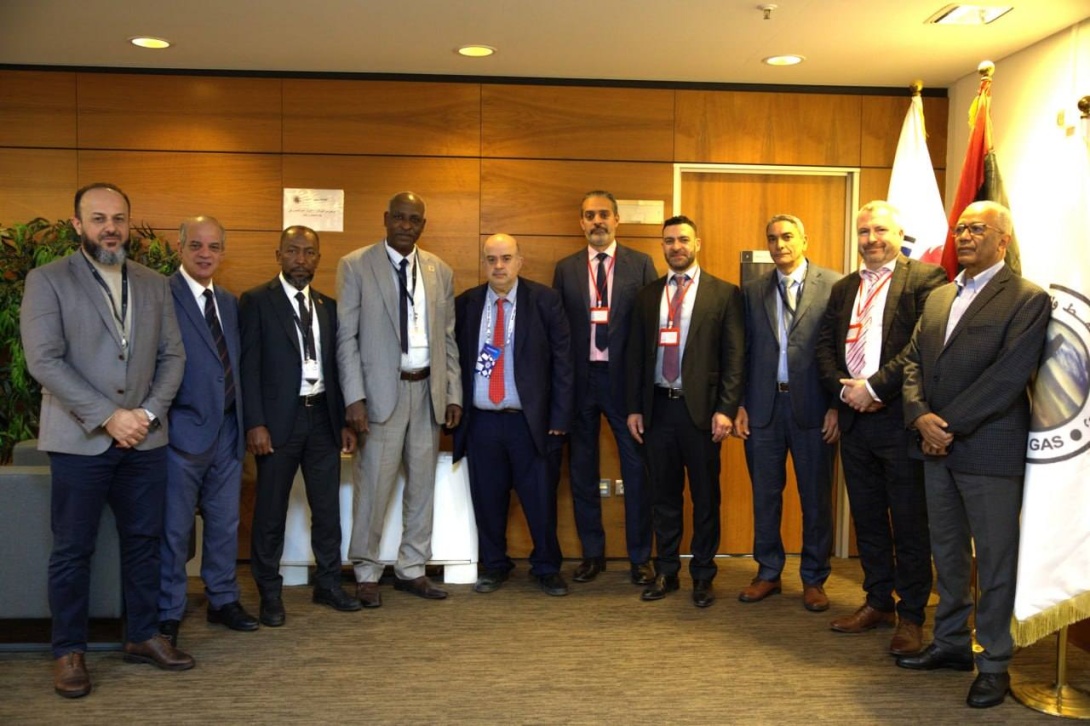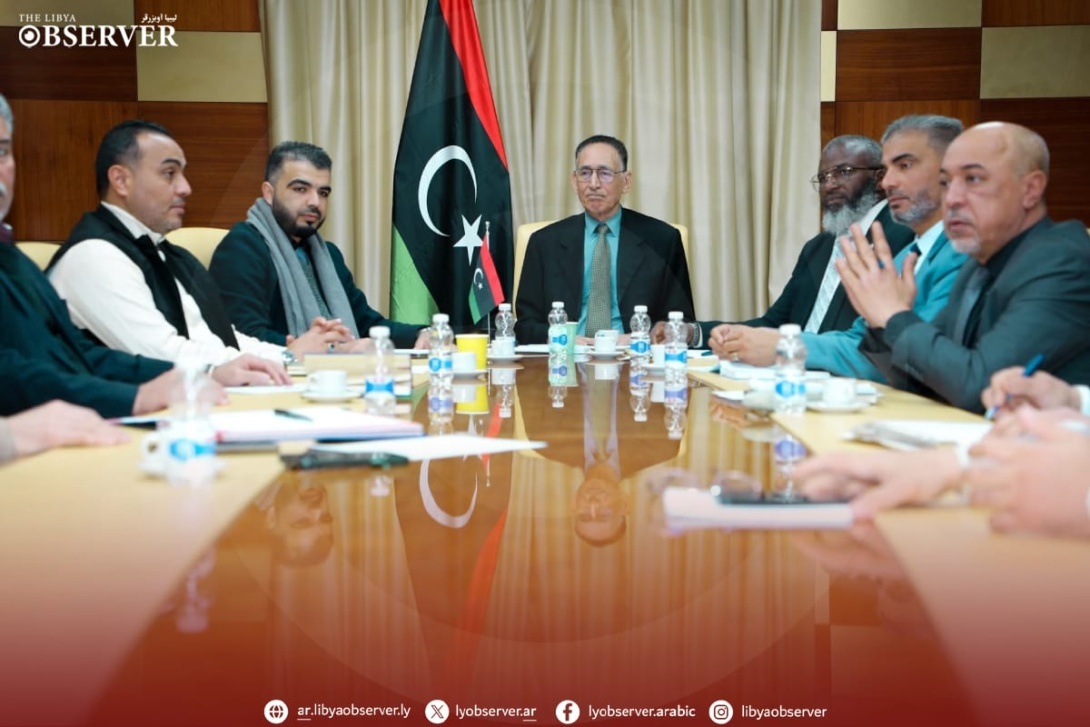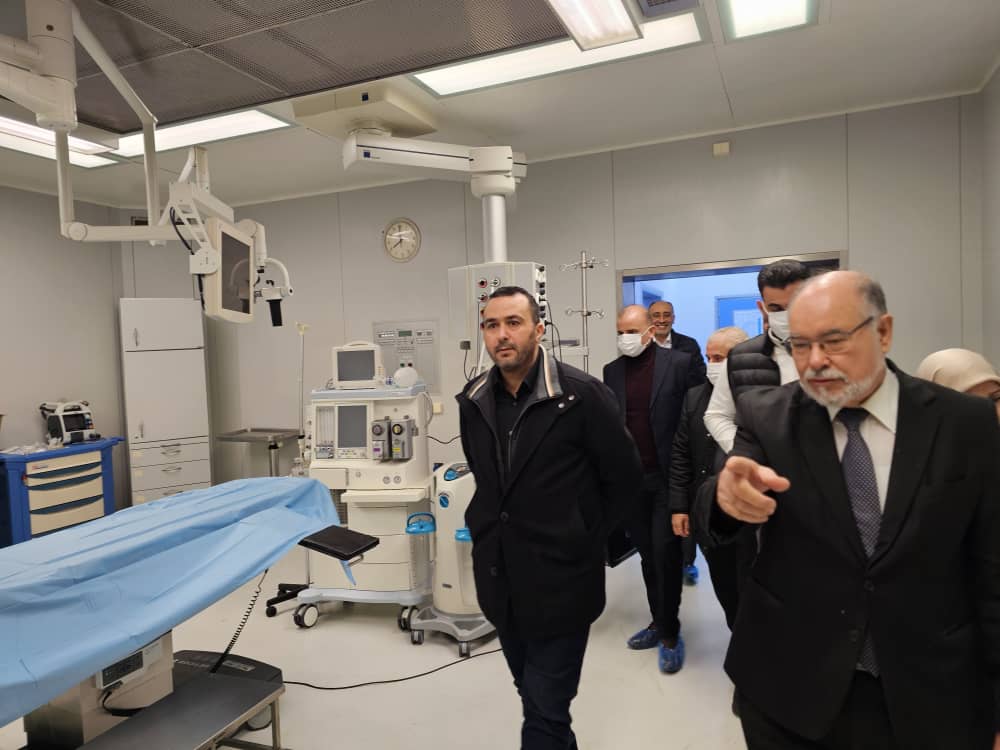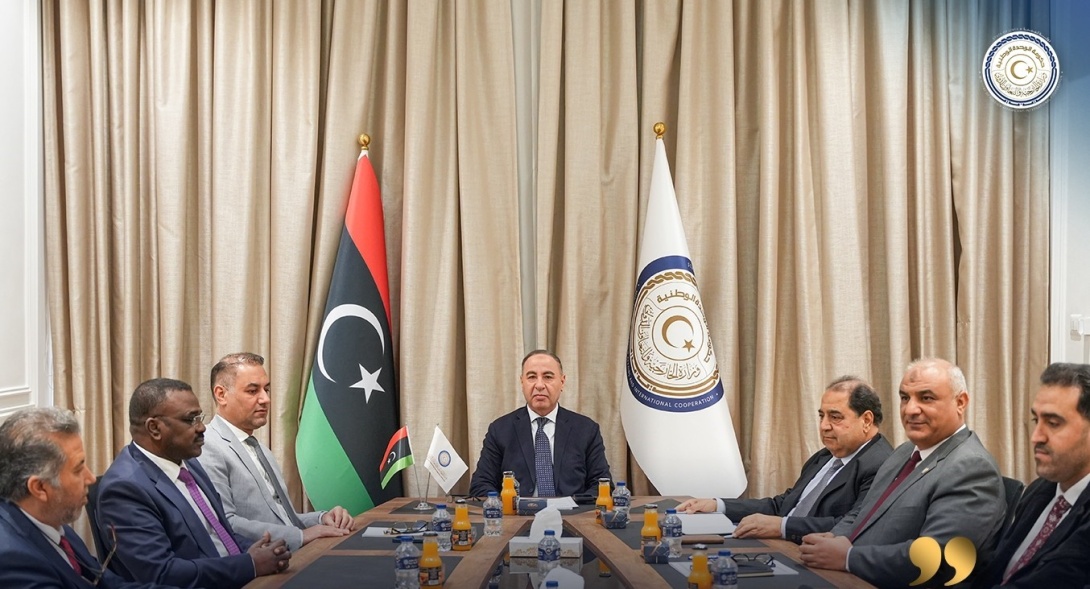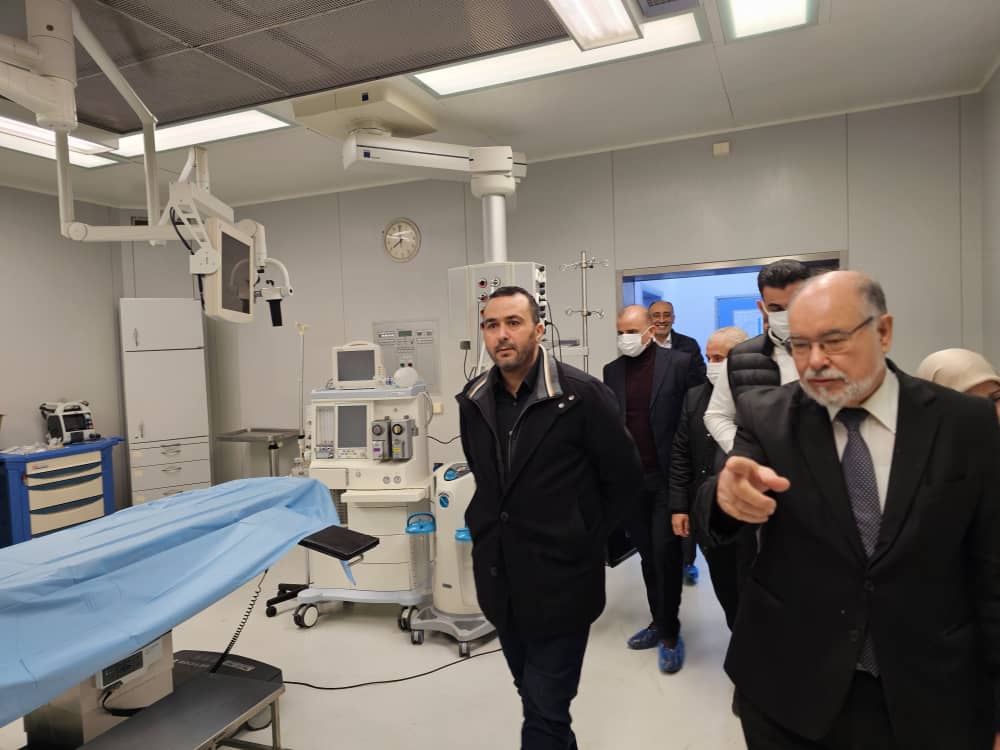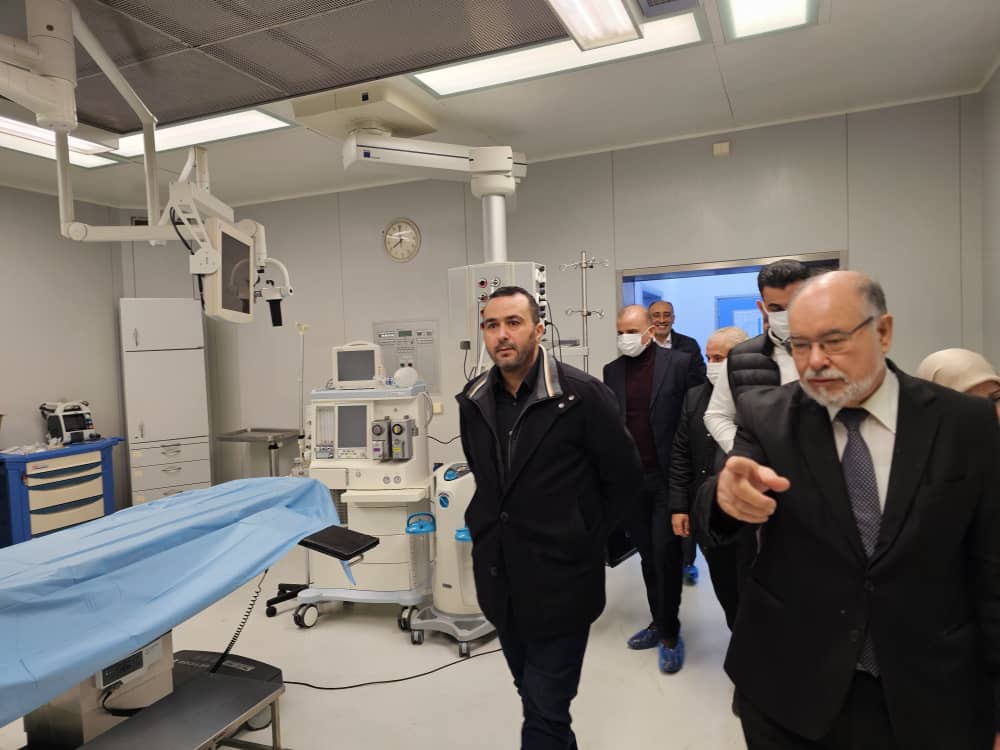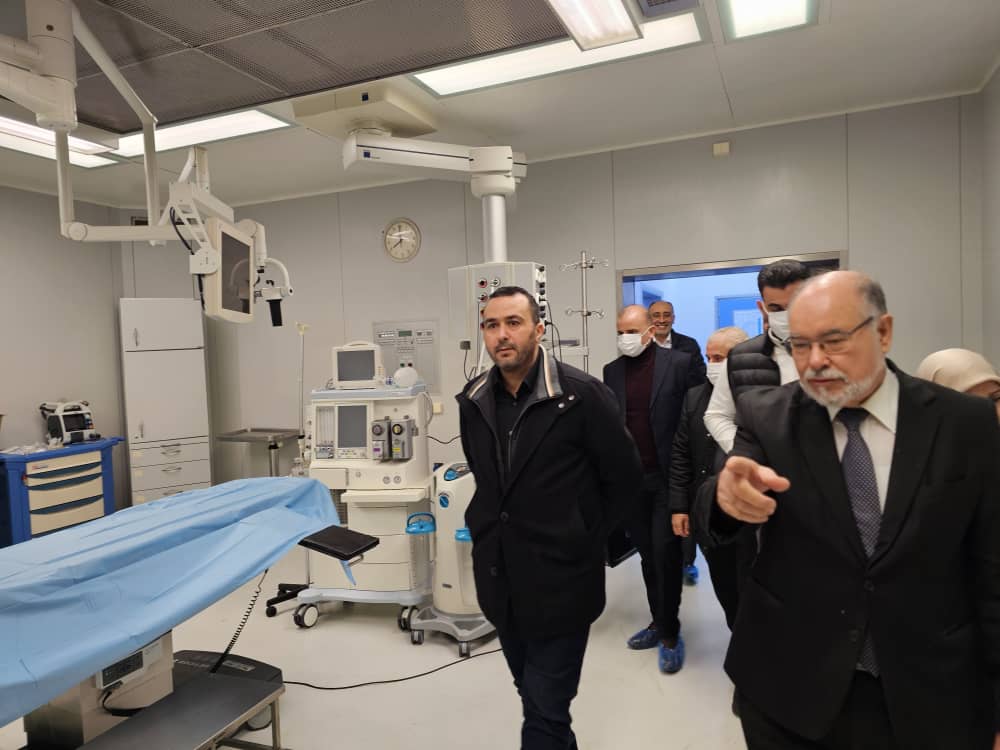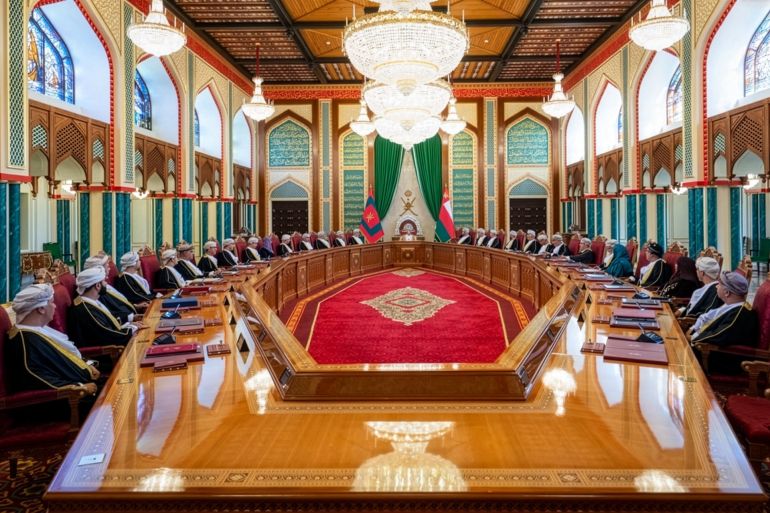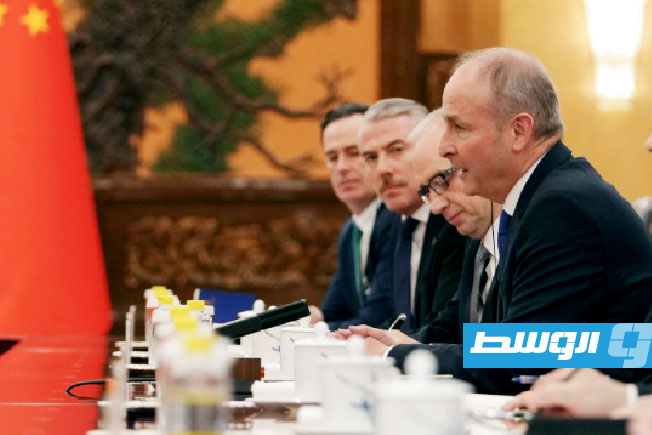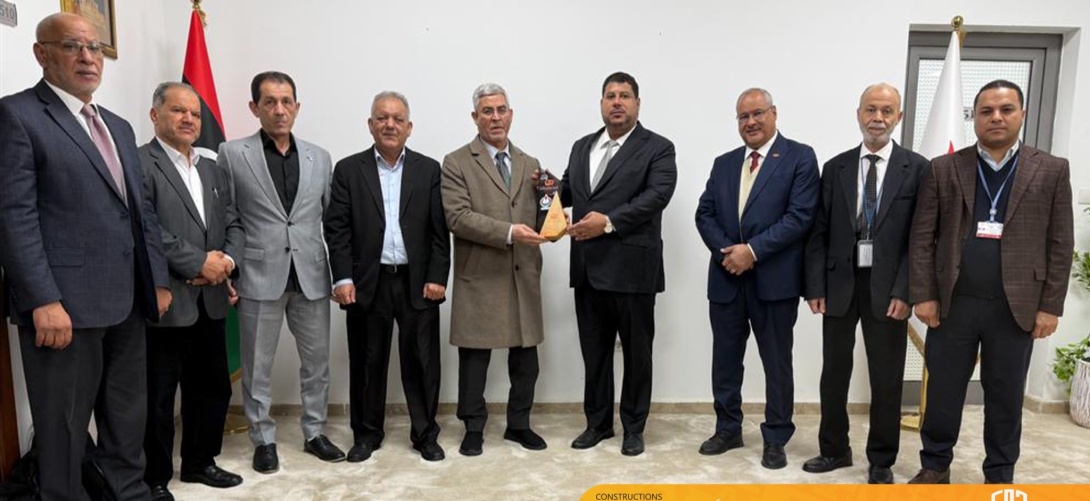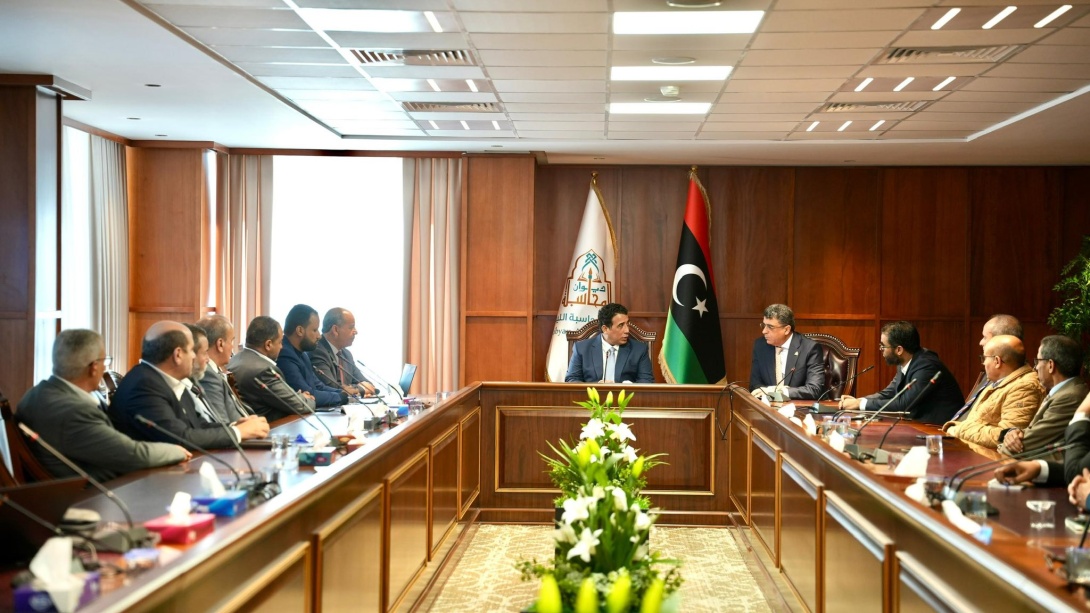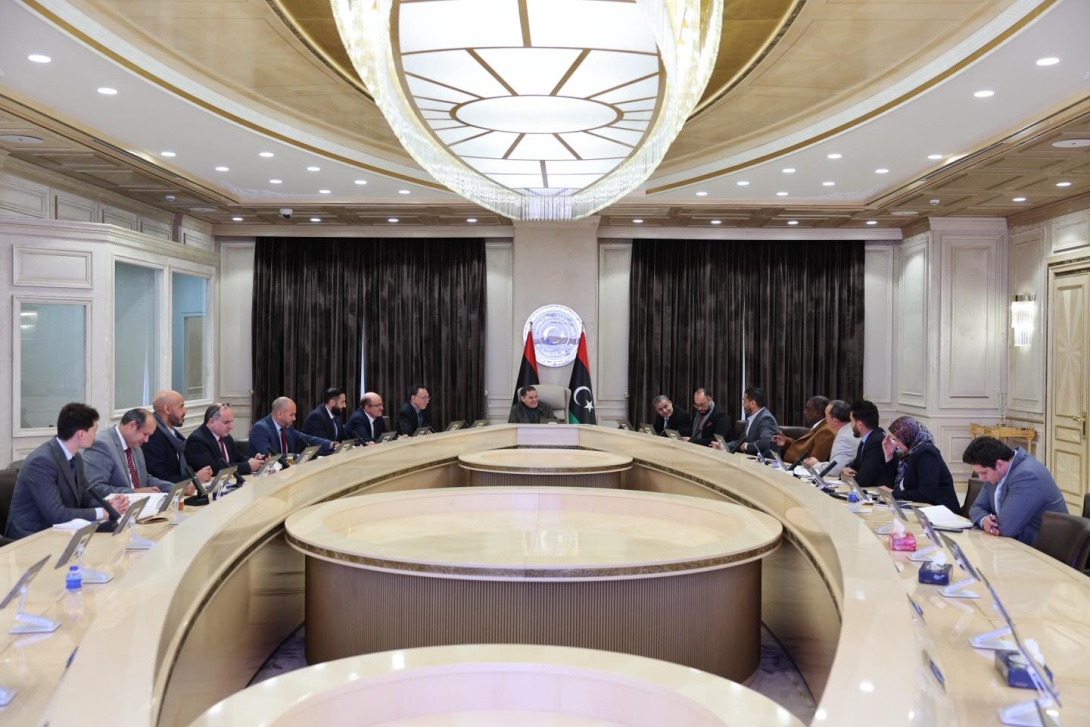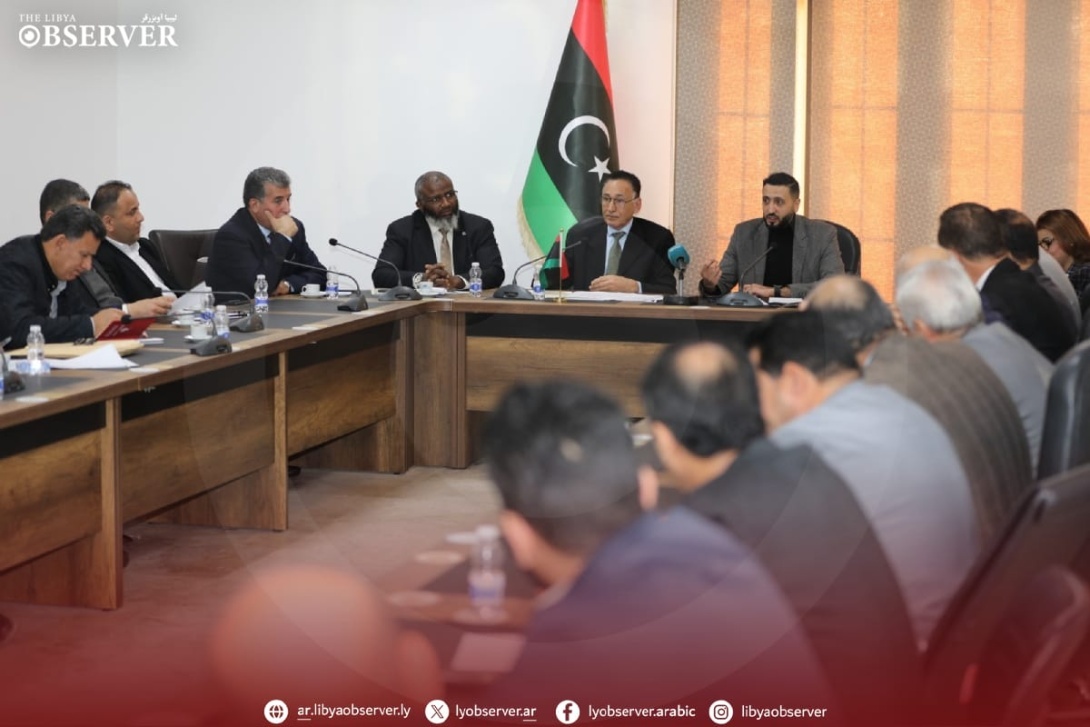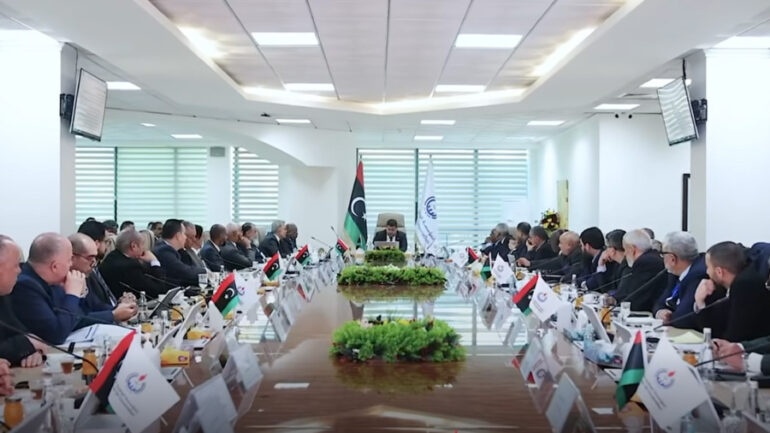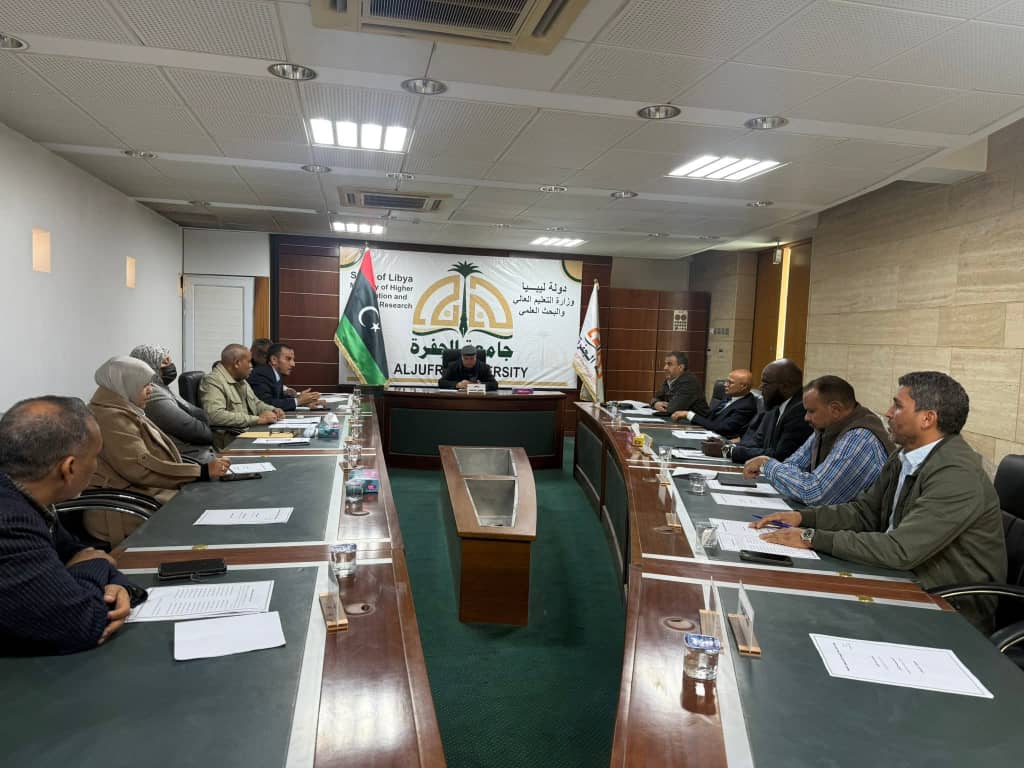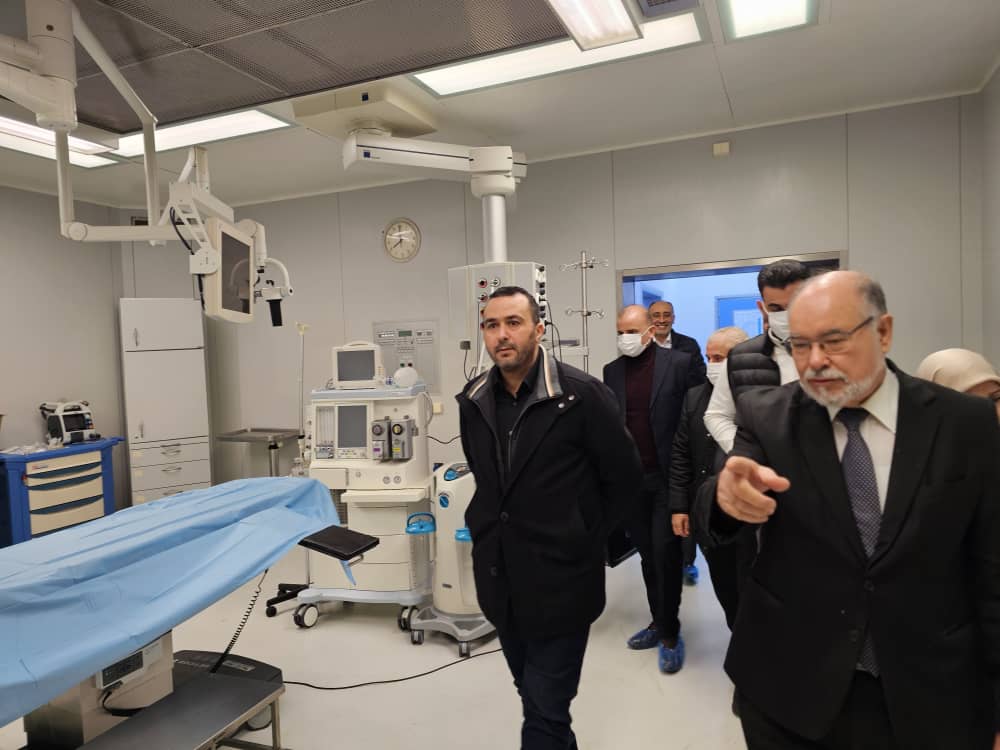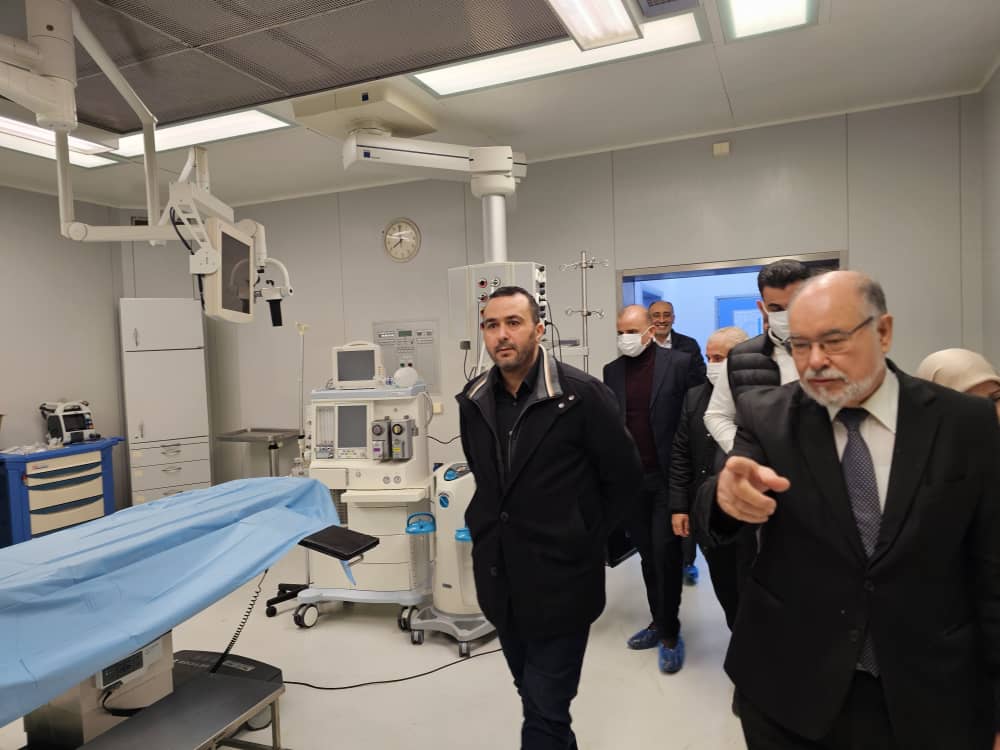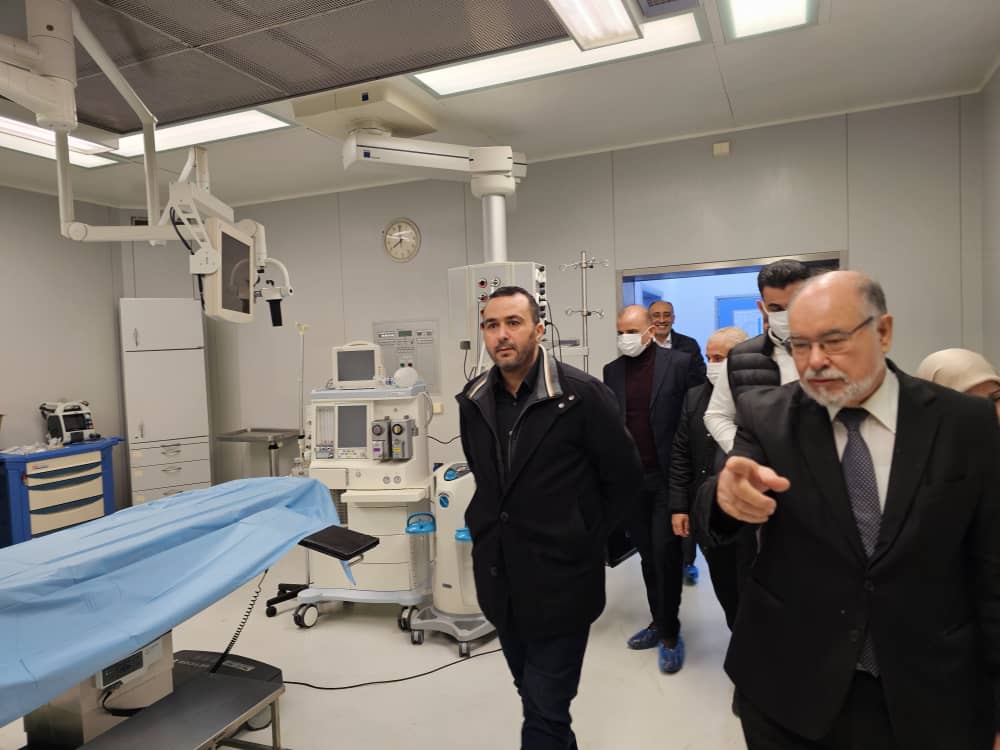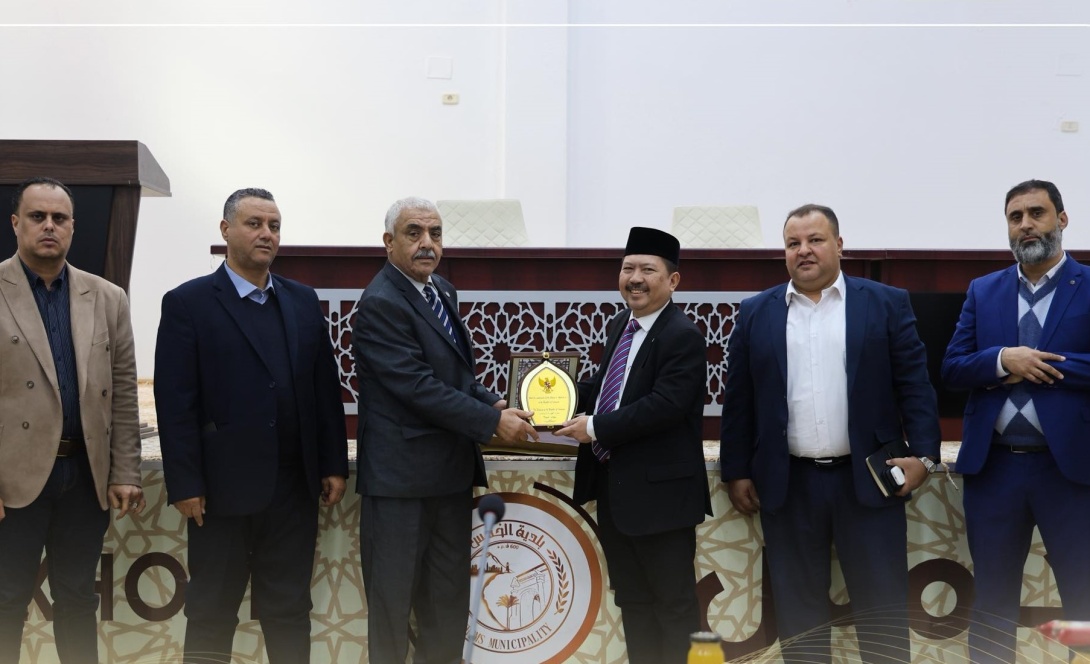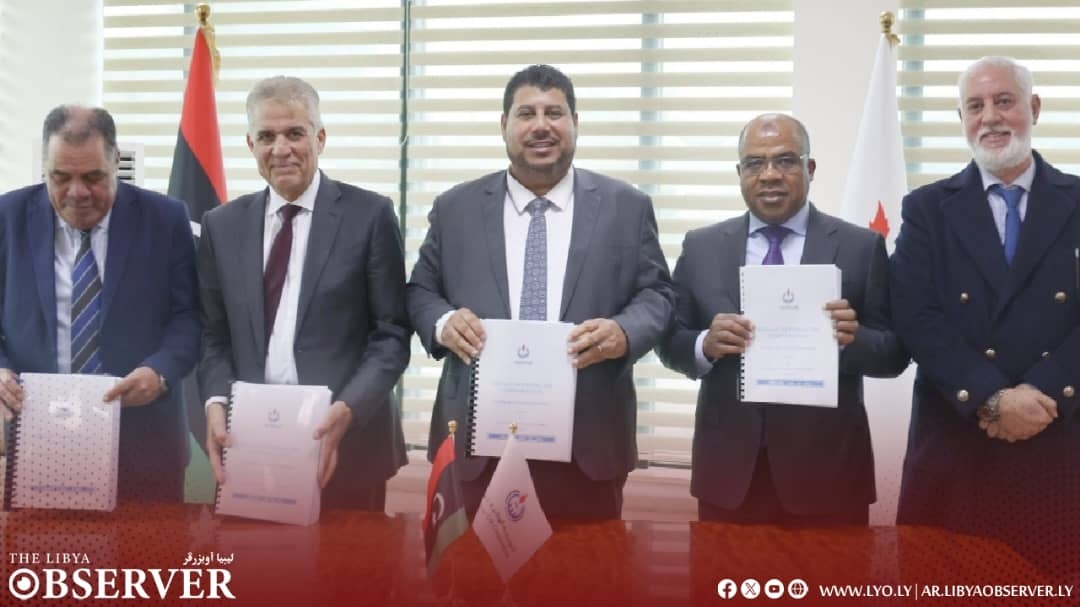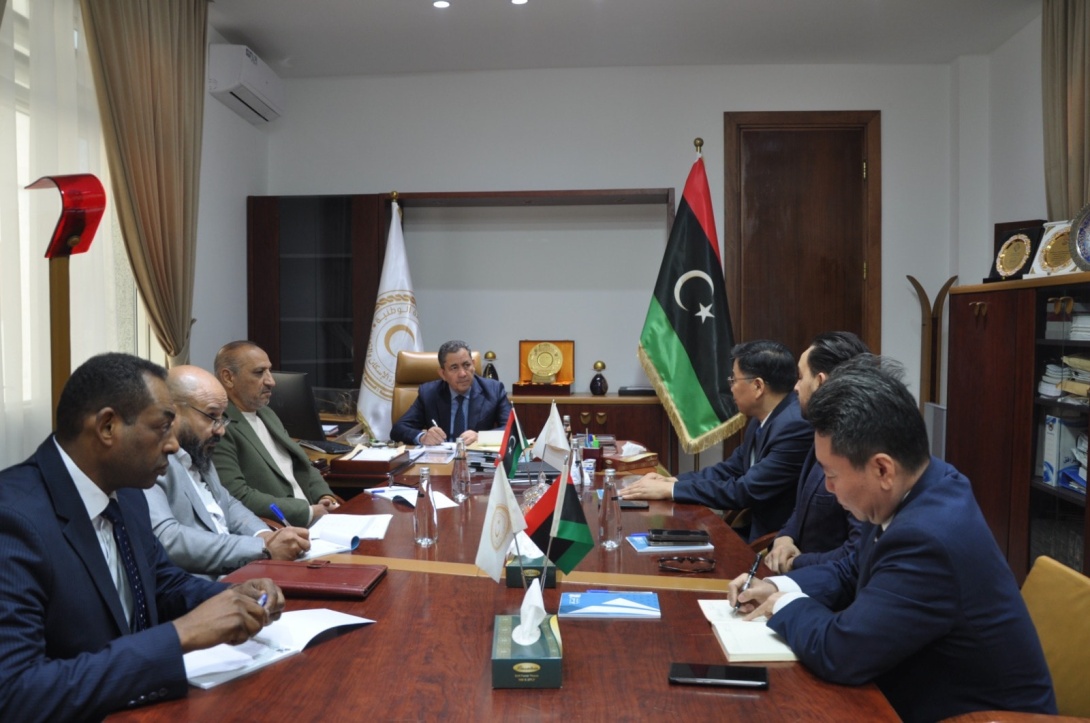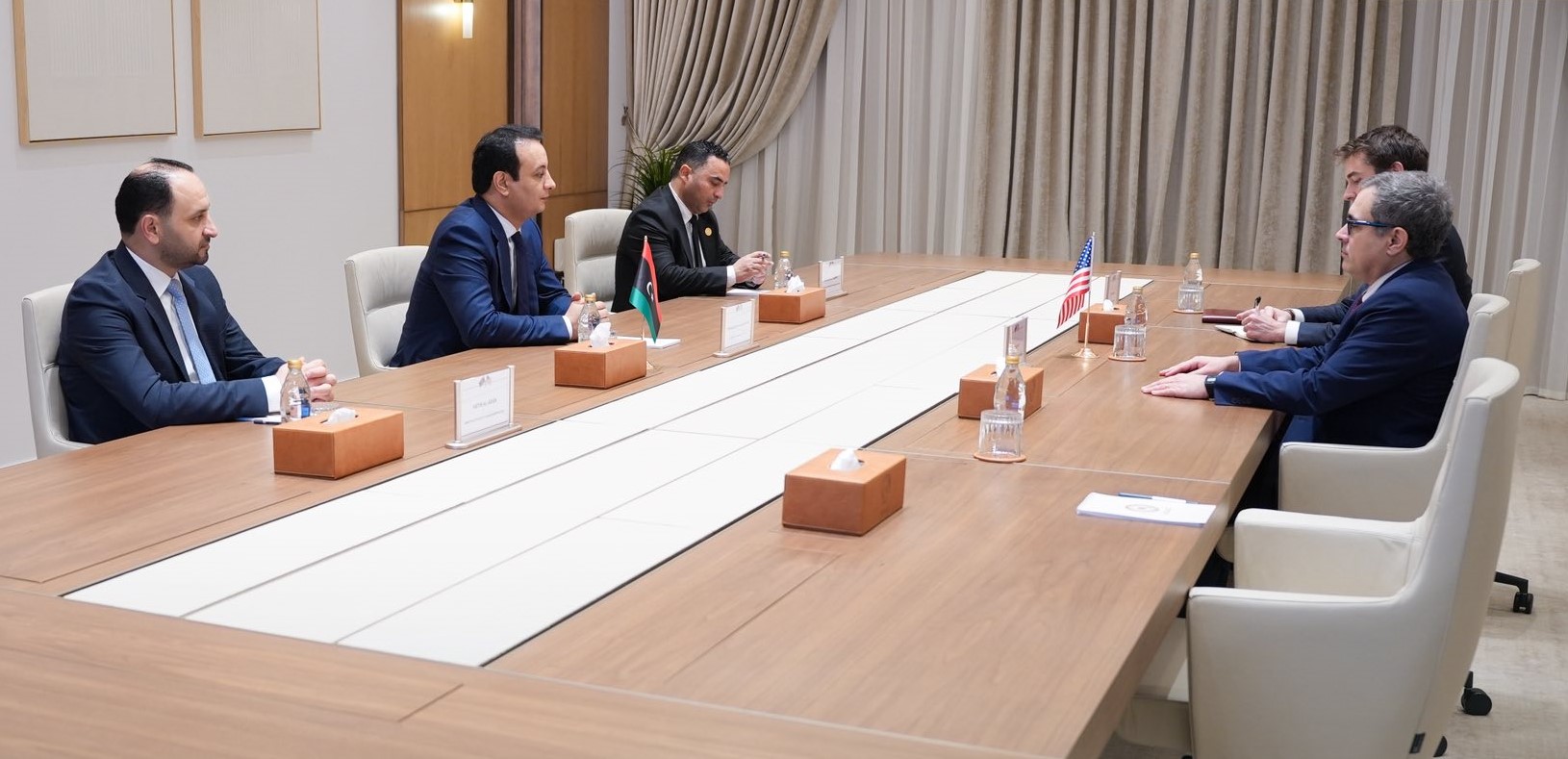
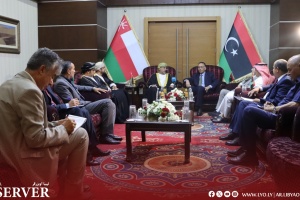
A high-level investment delegation from Oman has held talks in Libya on expanding economic cooperation.
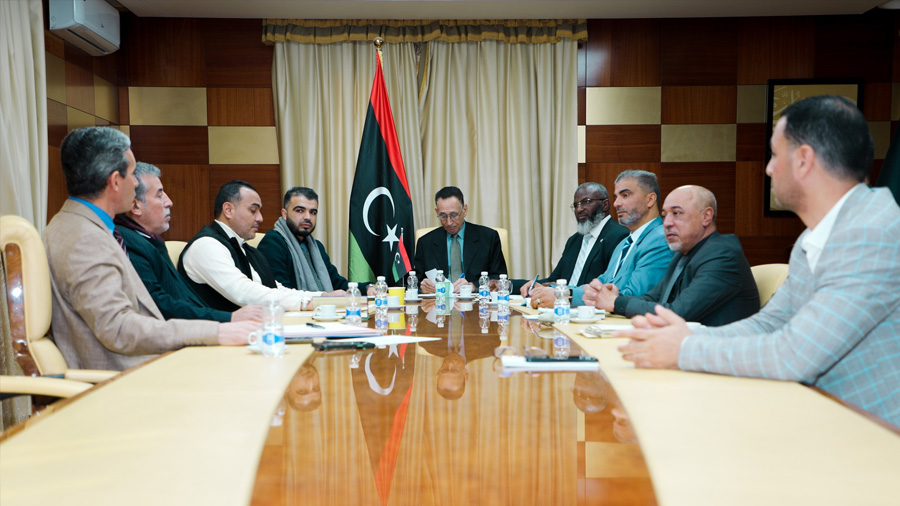
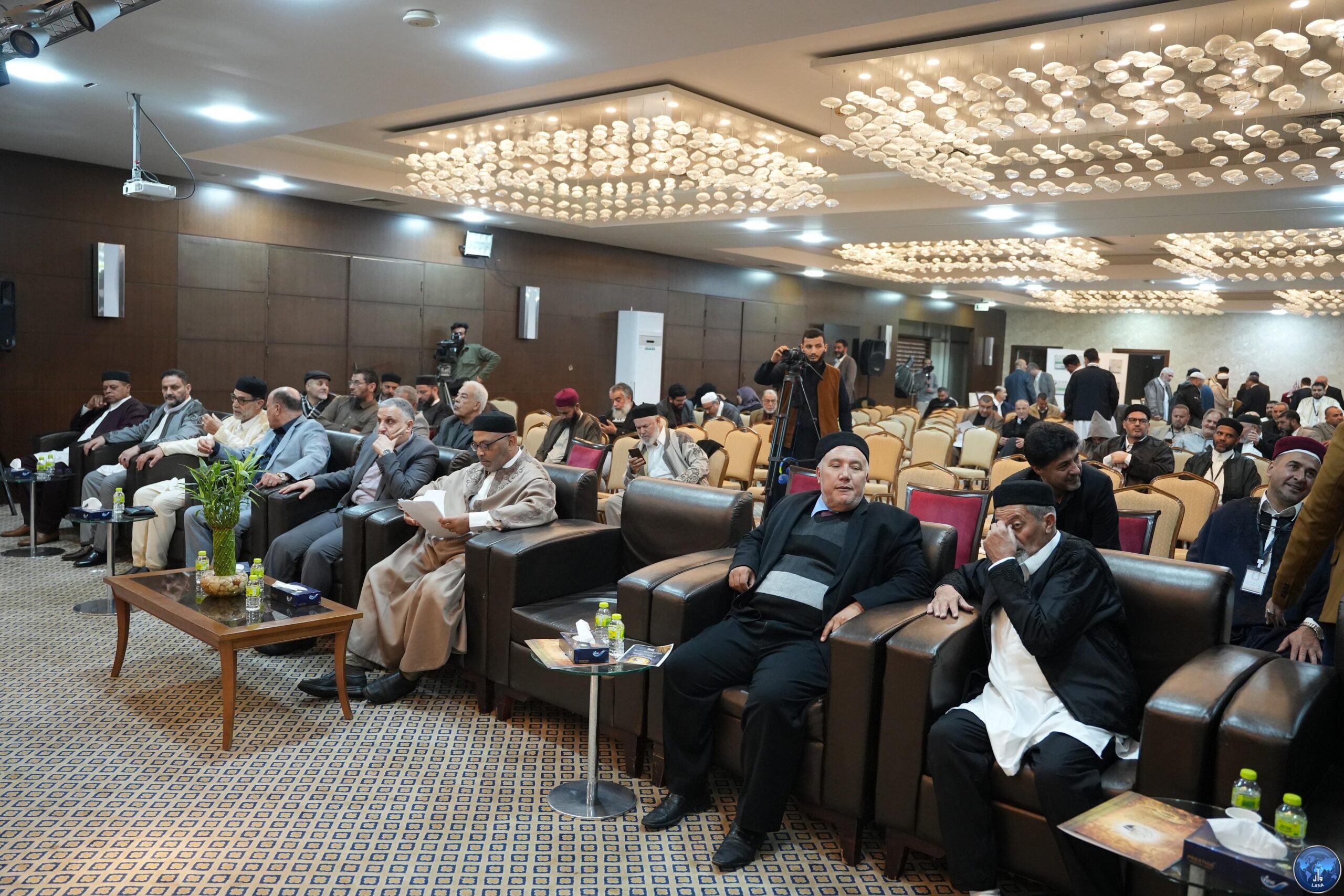
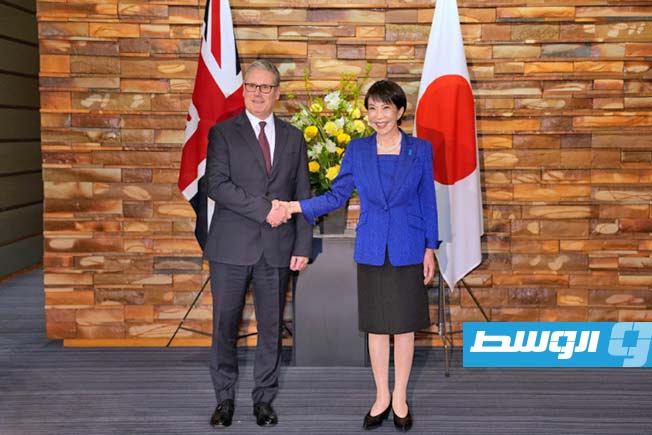
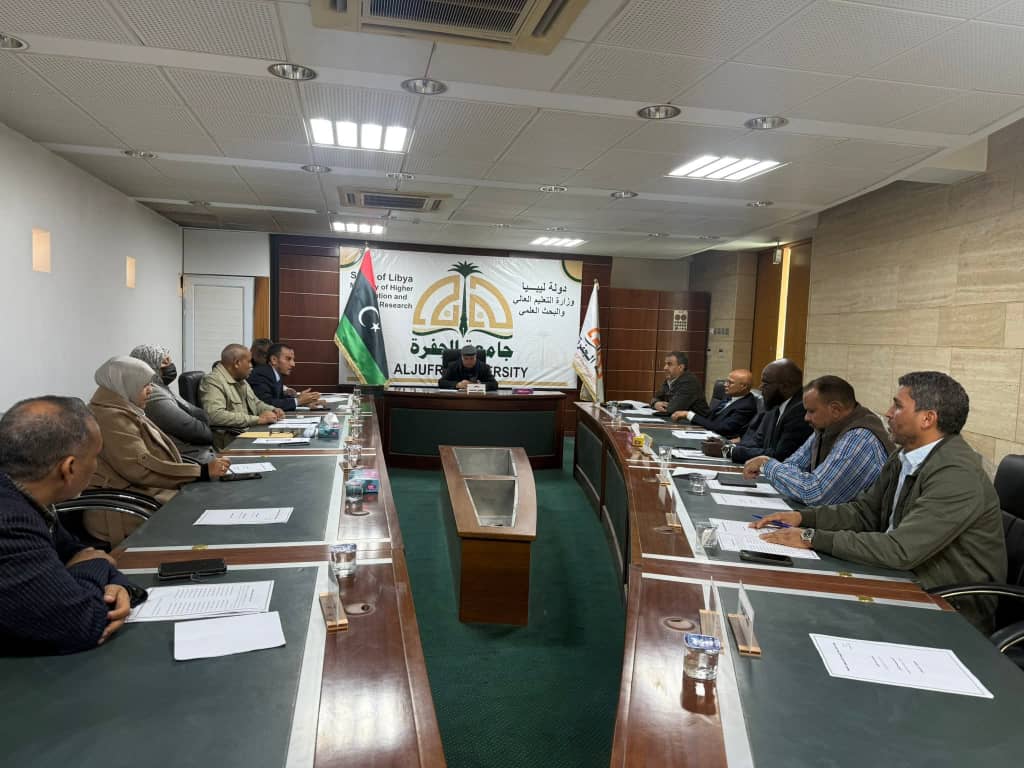
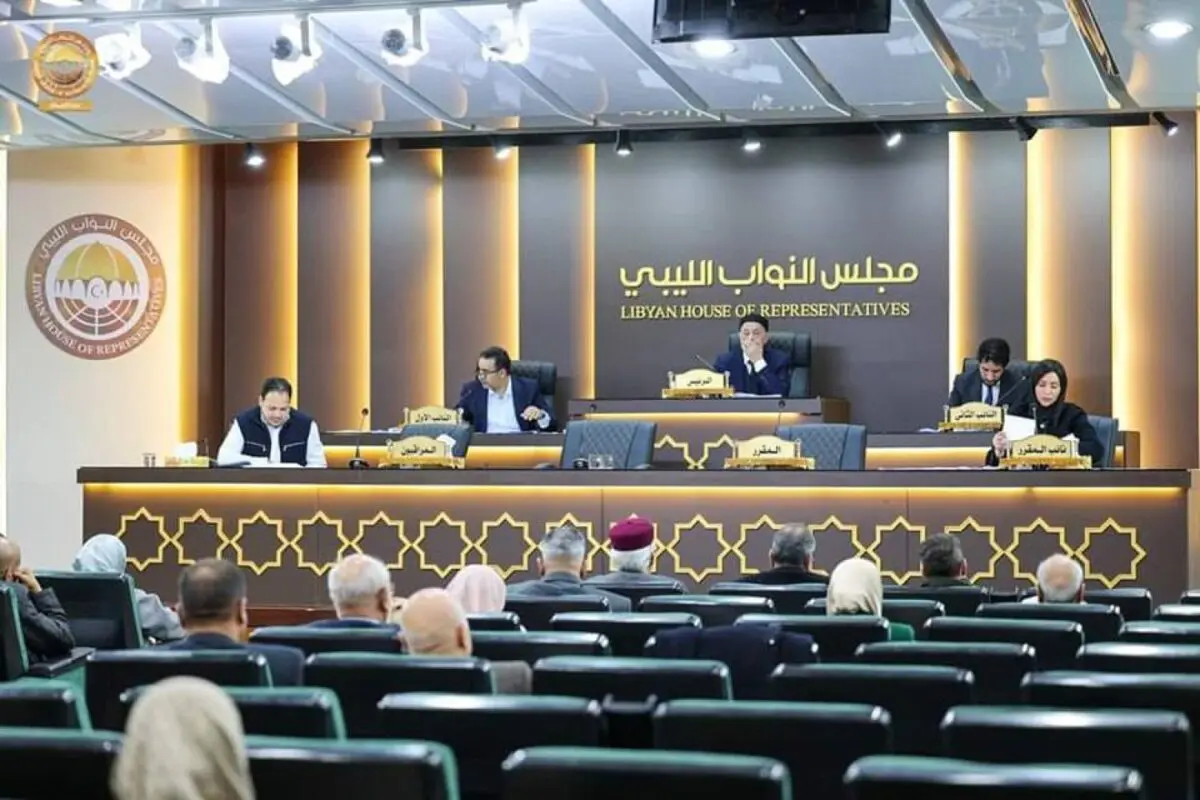
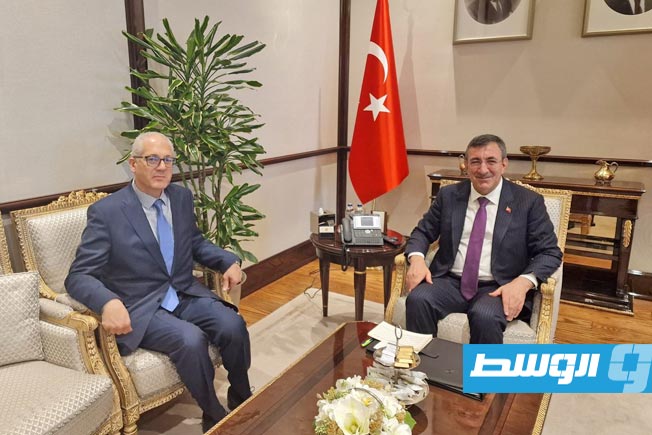
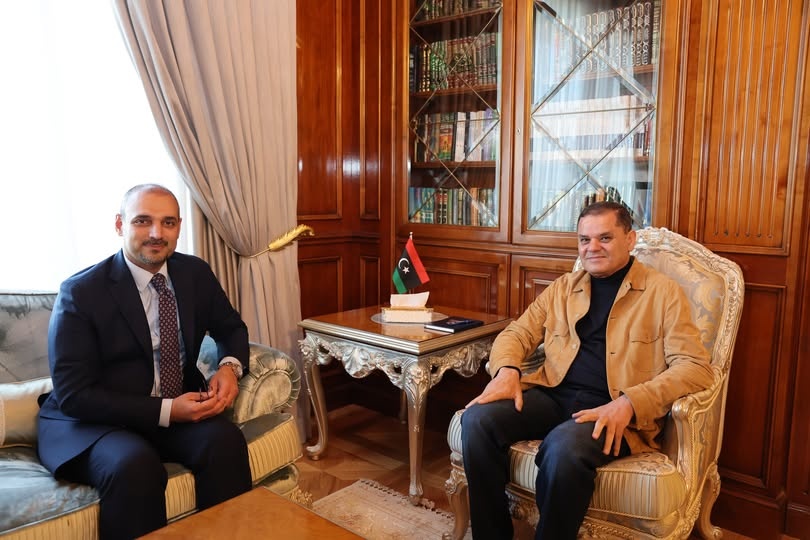
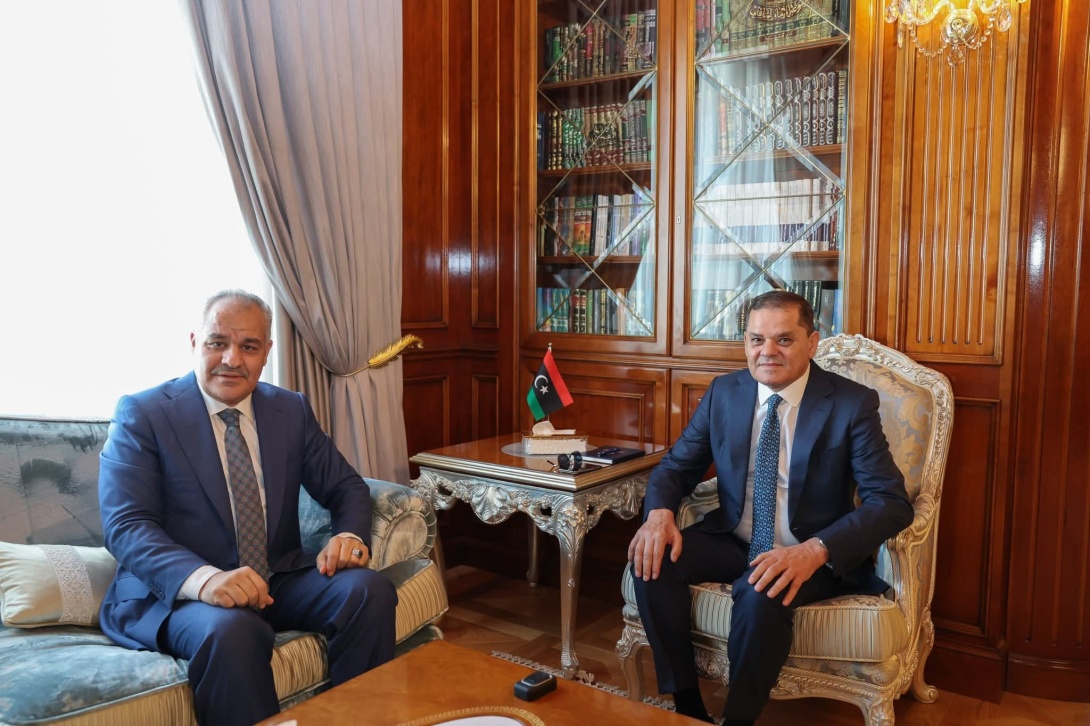
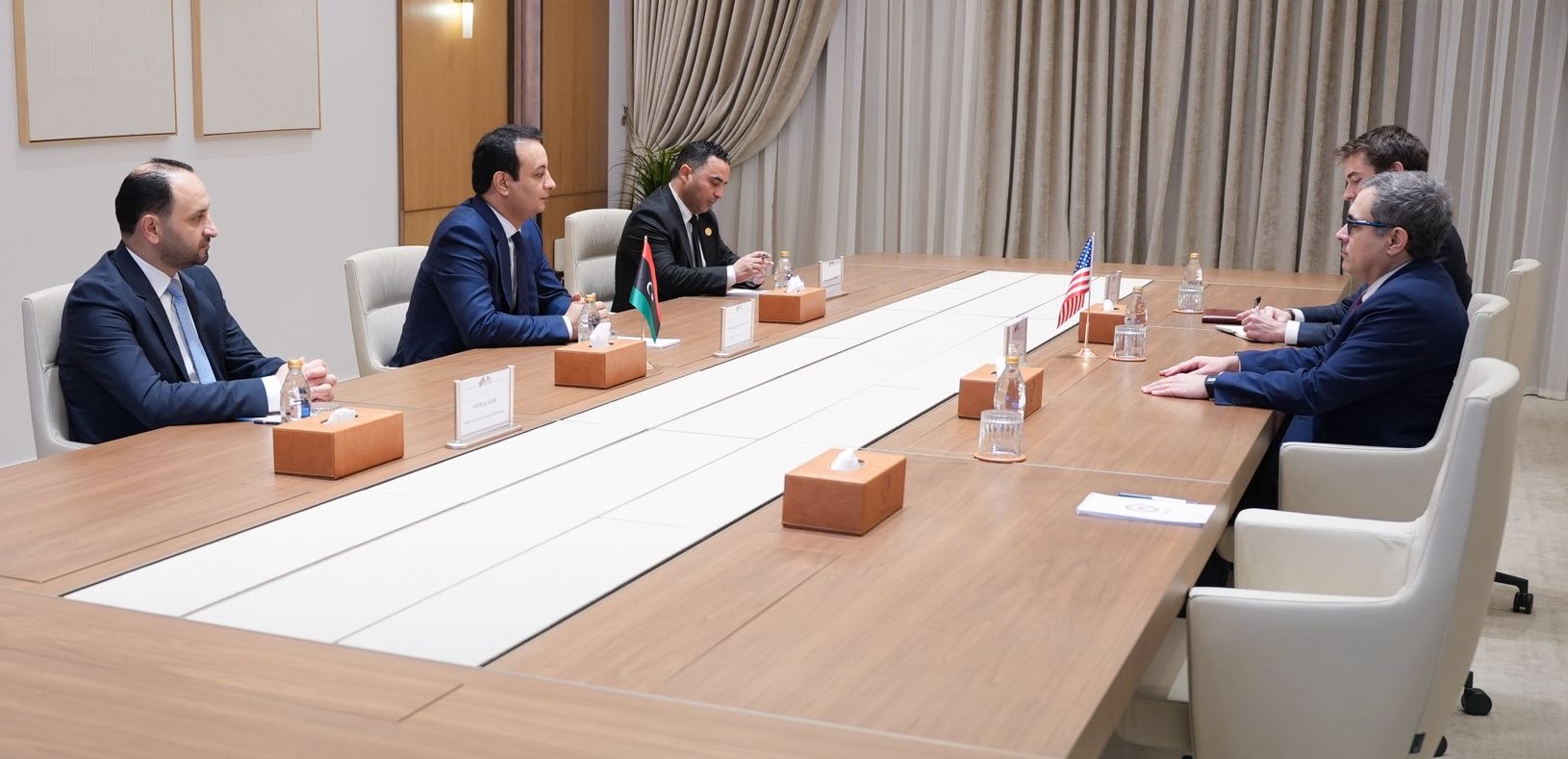
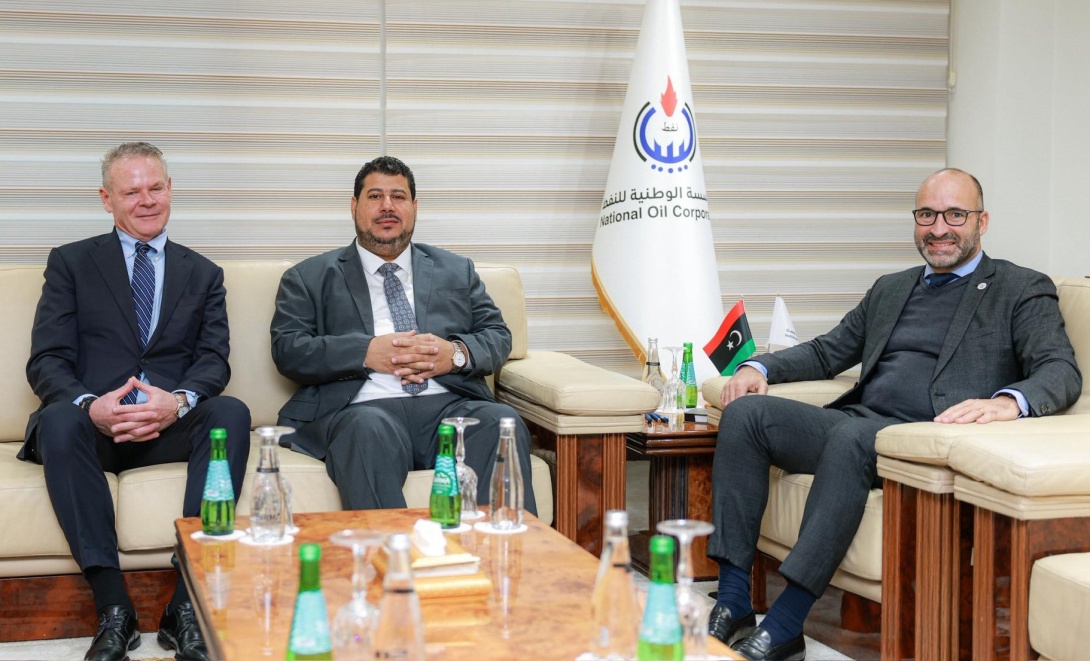
The delegation, which included representatives of the Oman Investment Authority and several Omani companies, was received by Libya’s National Development Agency.
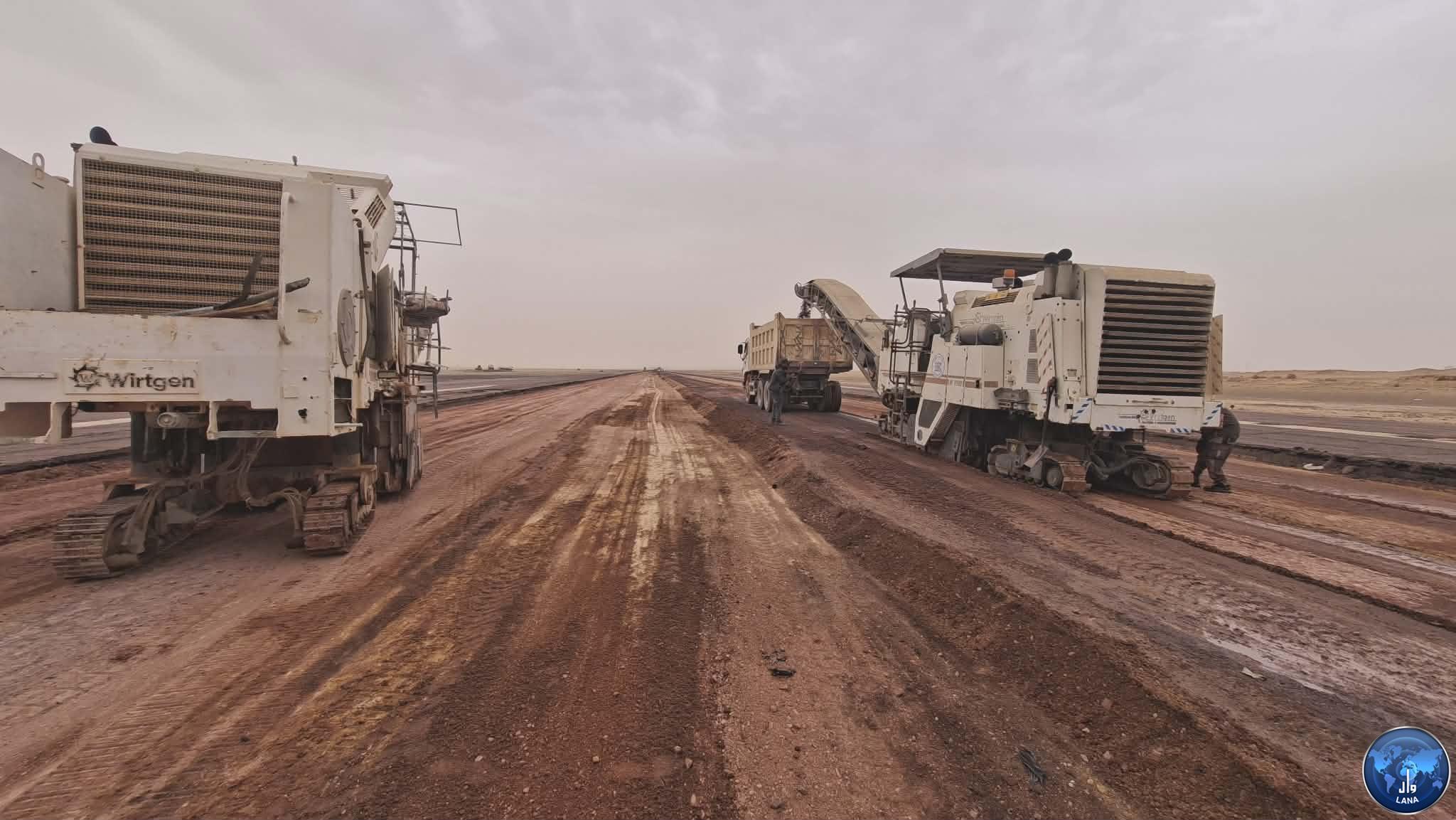
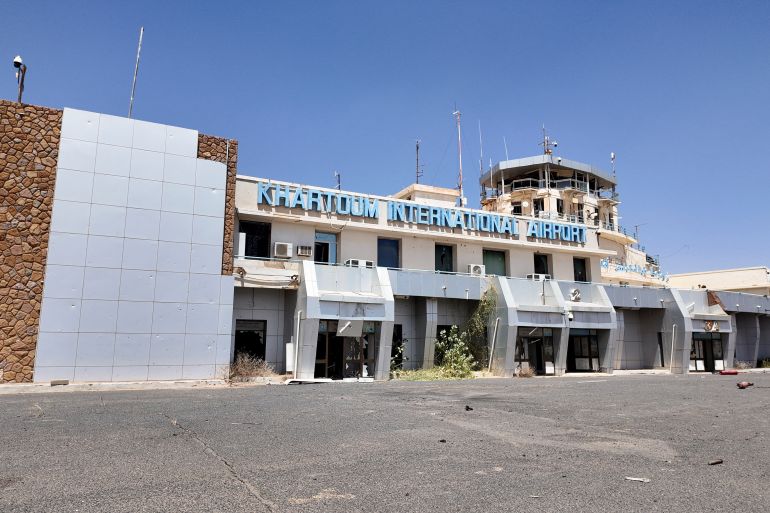
According to the agency, discussions focused on strategic investment opportunities in sectors including aviation, airport management, cement production, urban management and digital transformation.
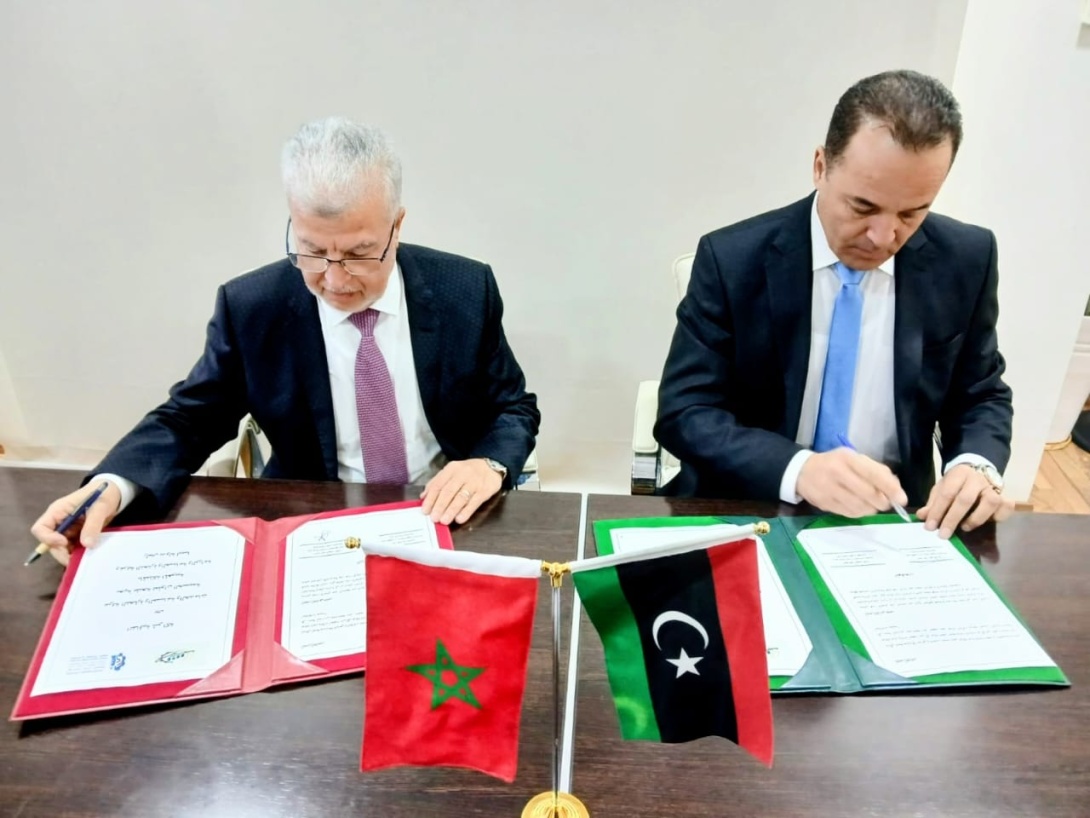
Both sides agreed to form joint working groups to study the proposals and move towards implementing investment projects on the ground.
Oman
Oman is a country on the southeastern coast of the Arabian Peninsula with a rich maritime history as a powerful trading empire. Its historical and cultural identity is deeply tied to its role in the frankincense trade and its legacy of seafaring, which is showcased at sites like the ancient port of Samharam and the Bahla Fort, a UNESCO World Heritage site. The nation is also defined by its traditional Ibadi Islamic heritage and its modern renaissance under the late Sultan Qaboos bin Said.
Libya
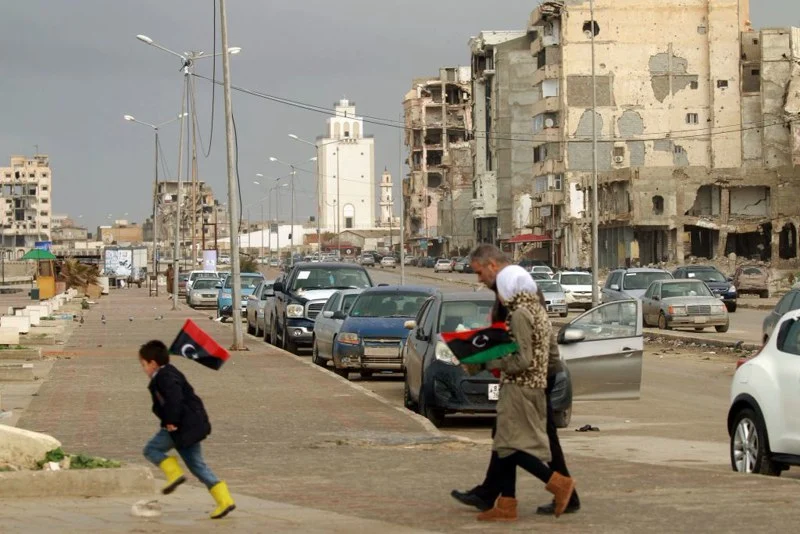
Libya is a North African country with a rich history that includes ancient Phoenician and Greek settlements, most notably at Cyrene, and later Roman rule. It was a central part of the Islamic caliphates after the 7th century and formed part of the Ottoman Empire before Italian colonization in the early 20th century. The modern state gained independence in 1951 and was ruled by Muammar Gaddafi from 1969 until the 2011 revolution.
Oman Investment Authority
The Oman Investment Authority (OIA) is the sovereign wealth fund of the Sultanate of Oman, established in 2020 to manage state-owned assets and investments. It was formed by merging the State General Reserve Fund and the Oman Investment Fund to enhance fiscal sustainability and support the nation’s economic diversification goals.
National Development Agency
The National Development Agency is a governmental body established to coordinate and implement socio-economic development programs, often focusing on infrastructure, poverty reduction, and regional growth. Its history is typically tied to a country’s efforts to centralize planning and efficiently allocate resources for national progress.