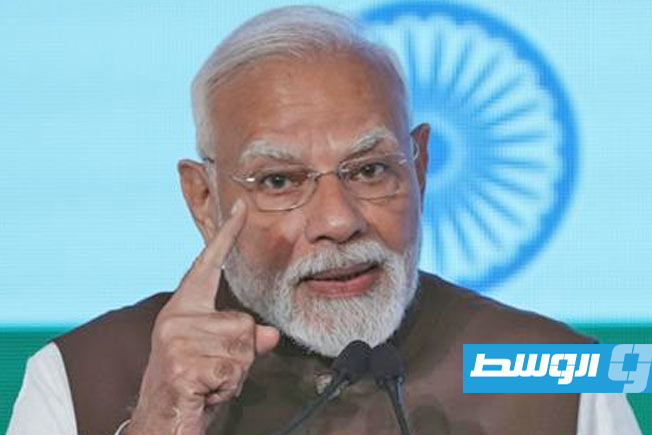
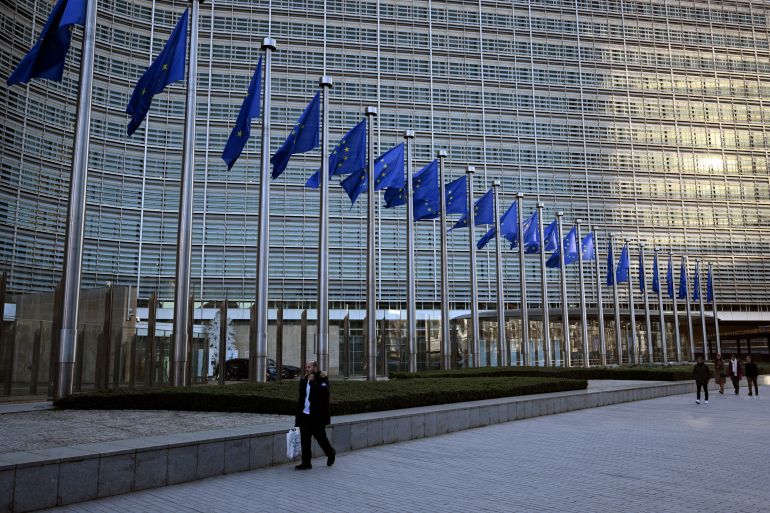
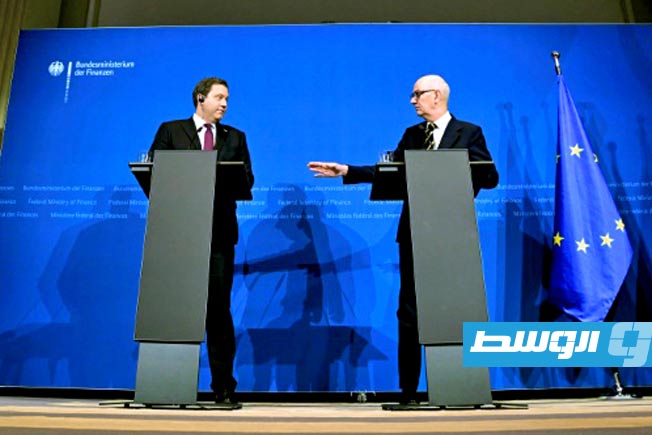
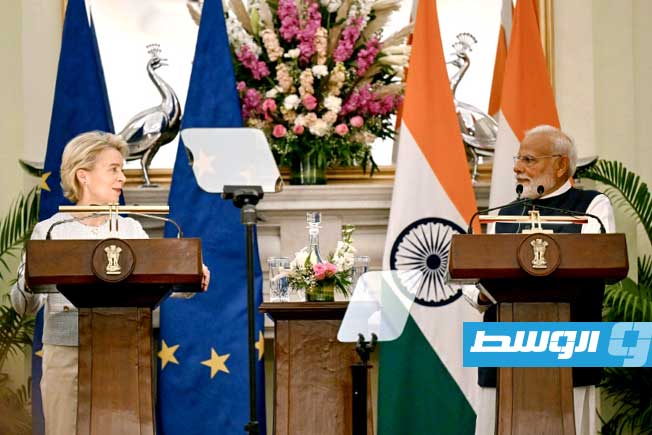
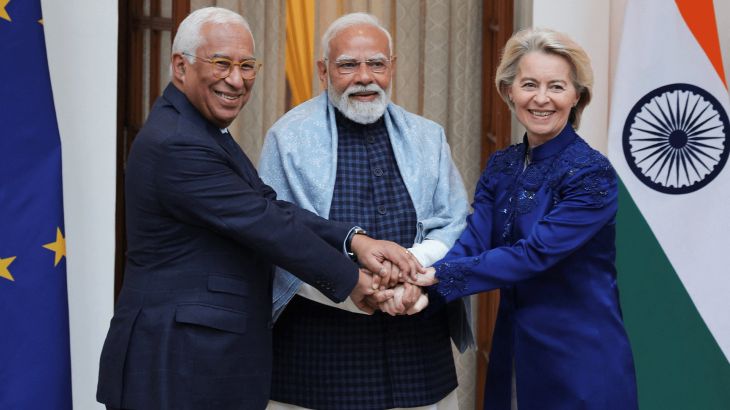
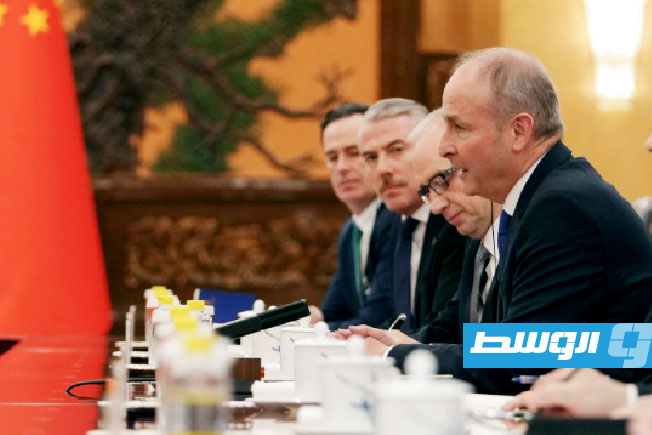
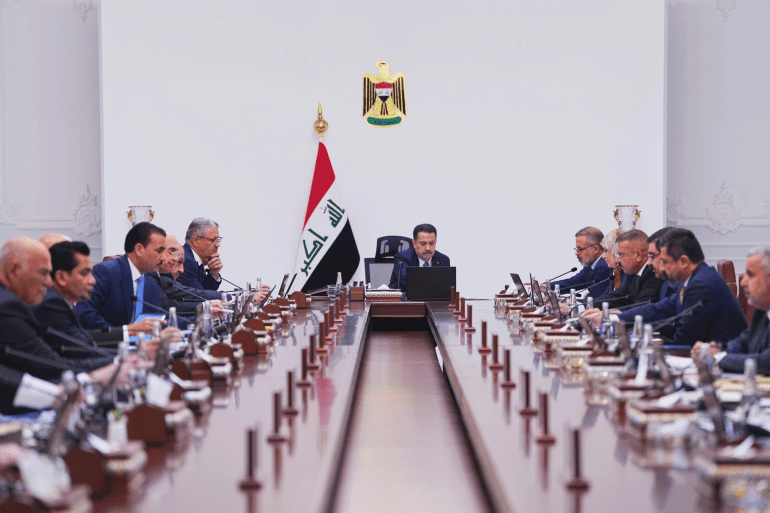
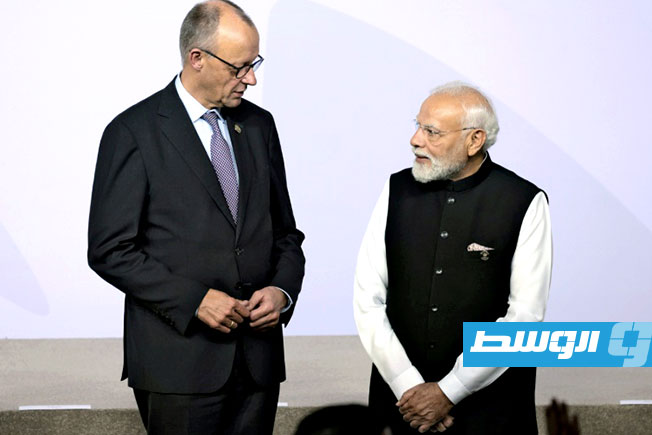
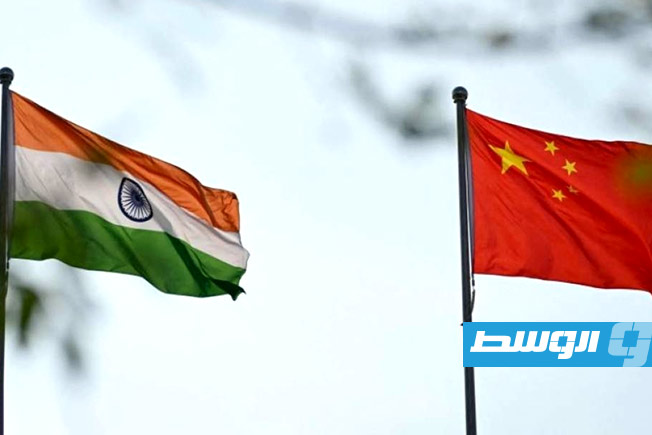
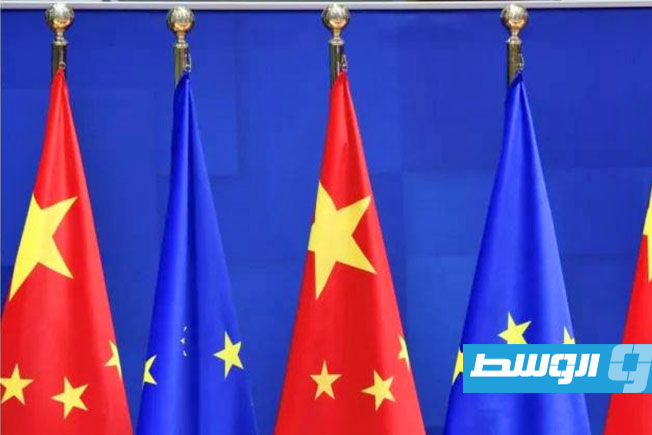
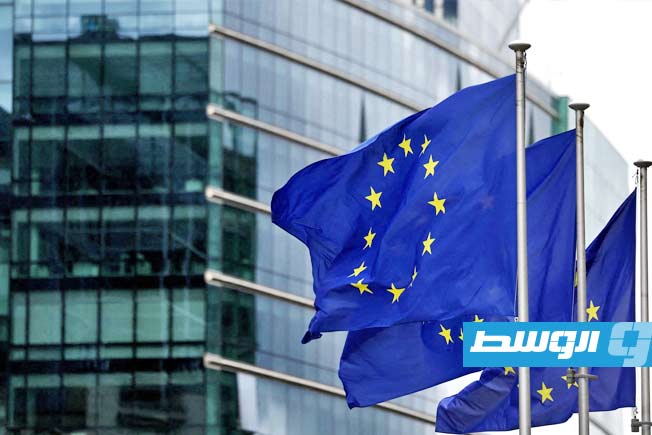
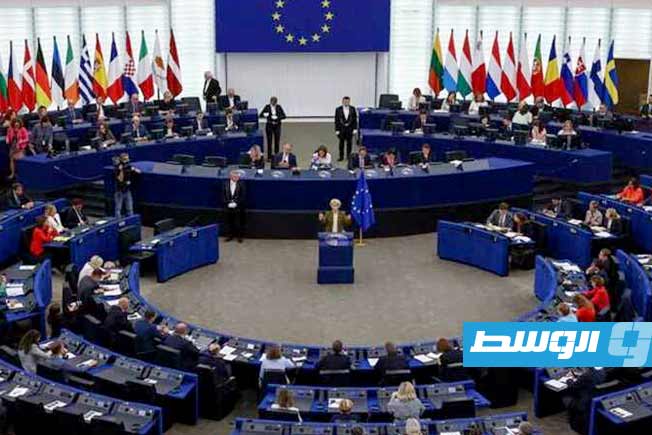
India’s Commerce Minister said on Friday that a trade agreement between India and the European Union would be “the most significant agreement ever,” as both sides seek to overcome the final sticking points.
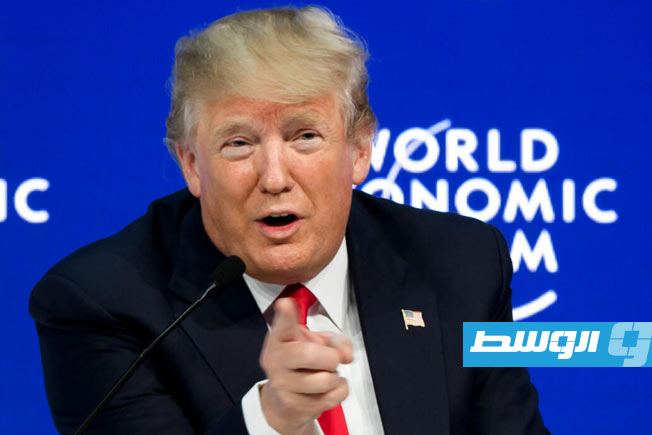
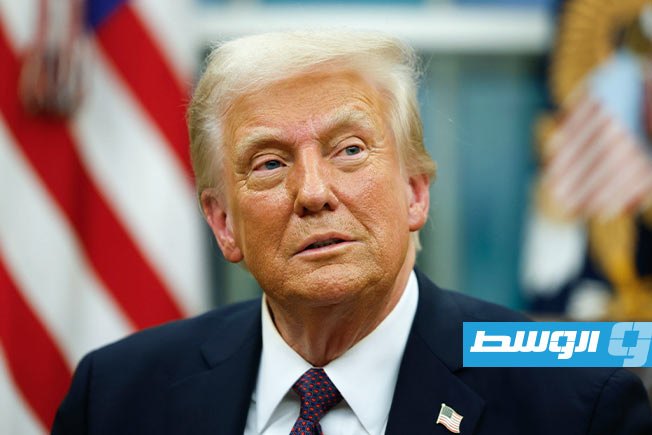
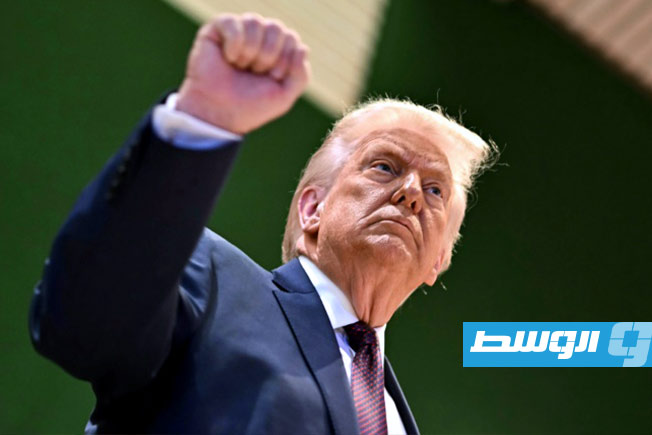
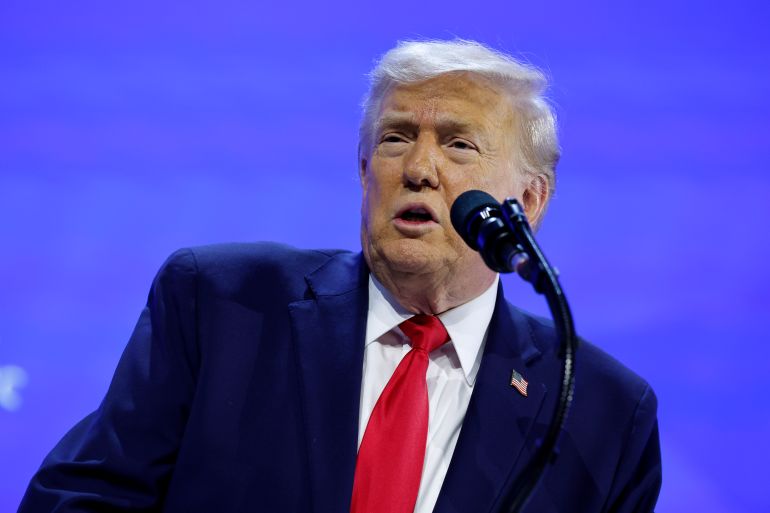
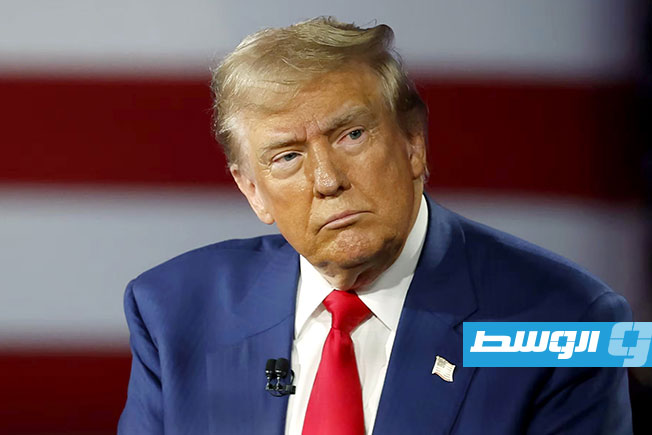
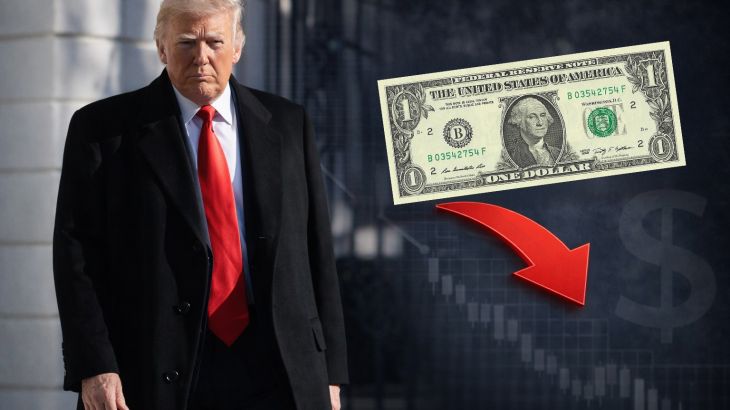
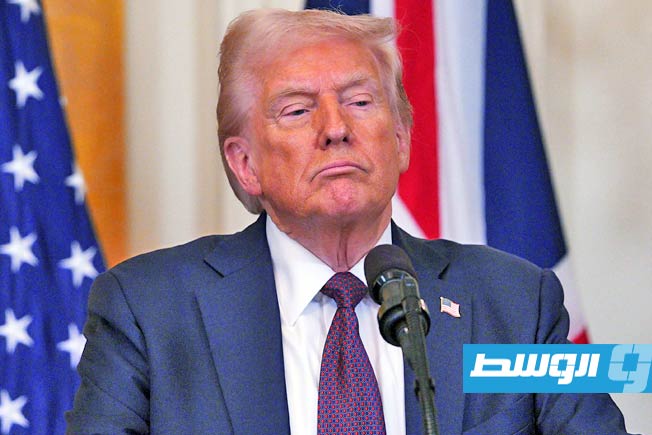
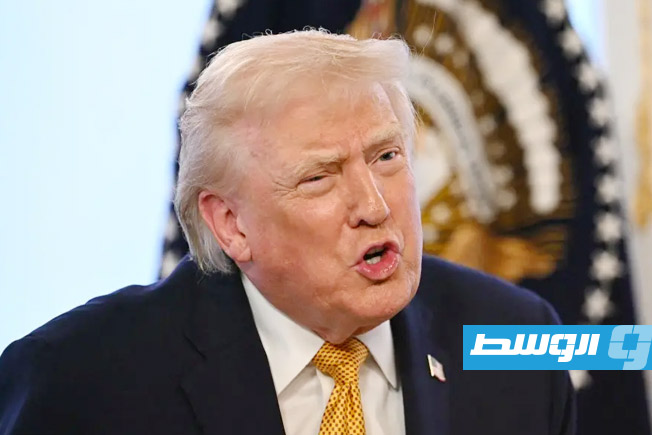
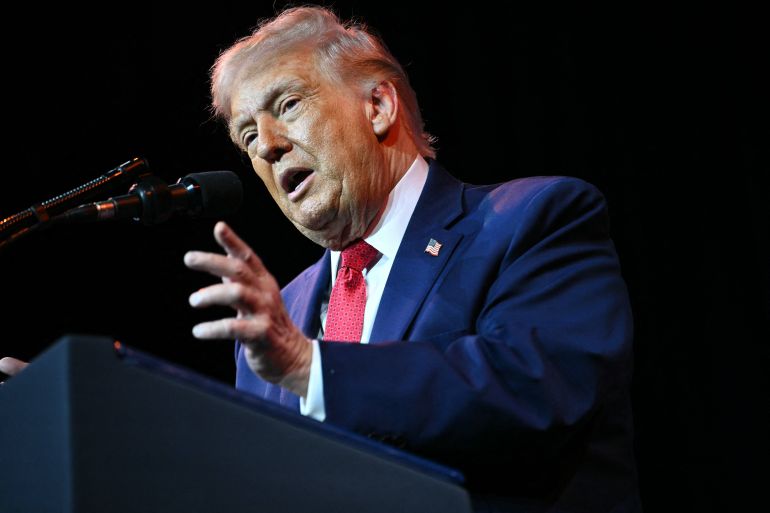
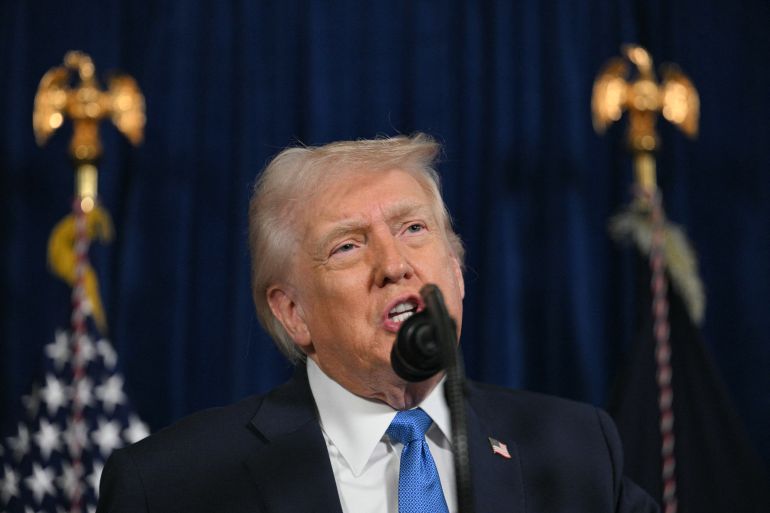
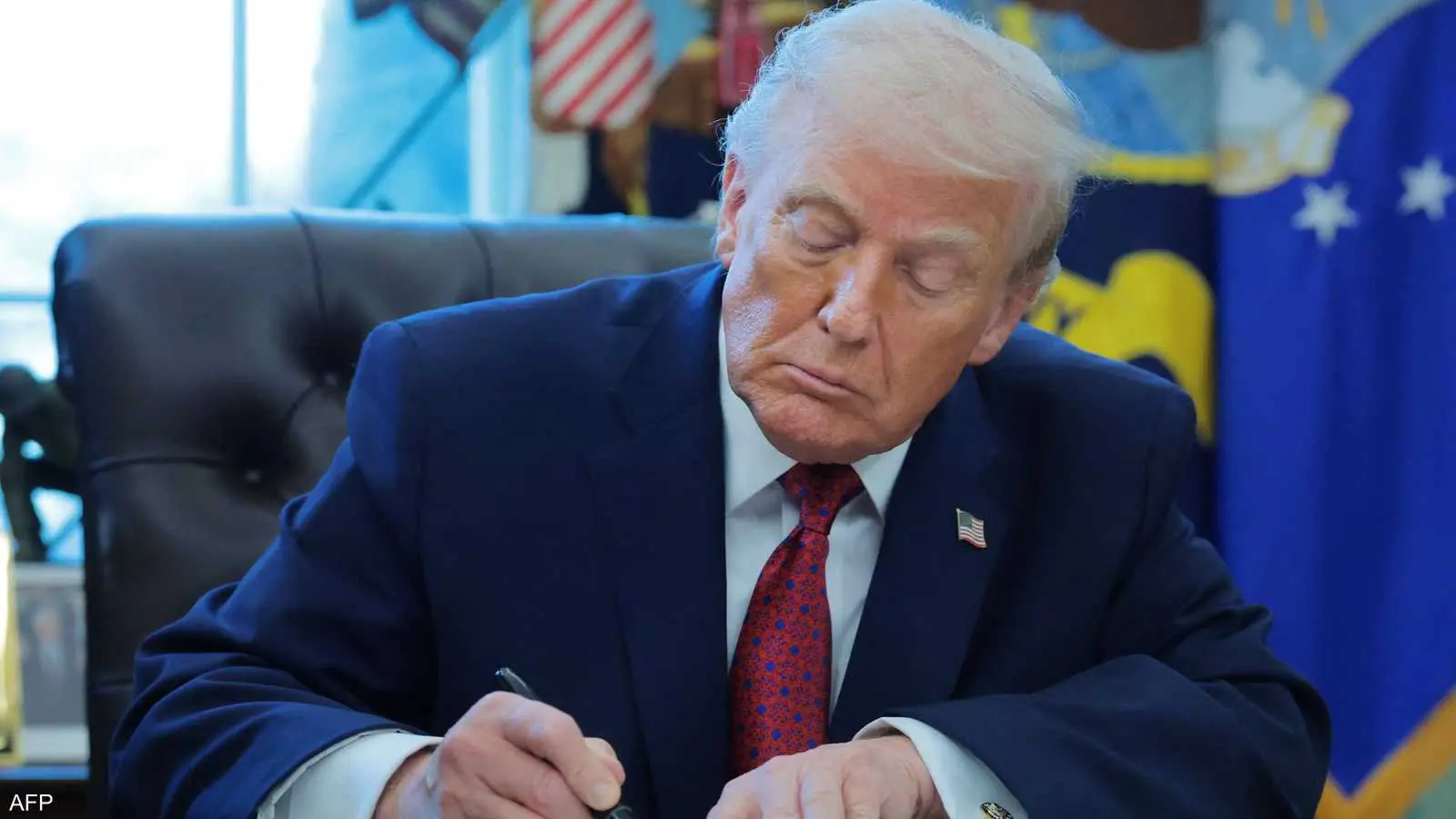
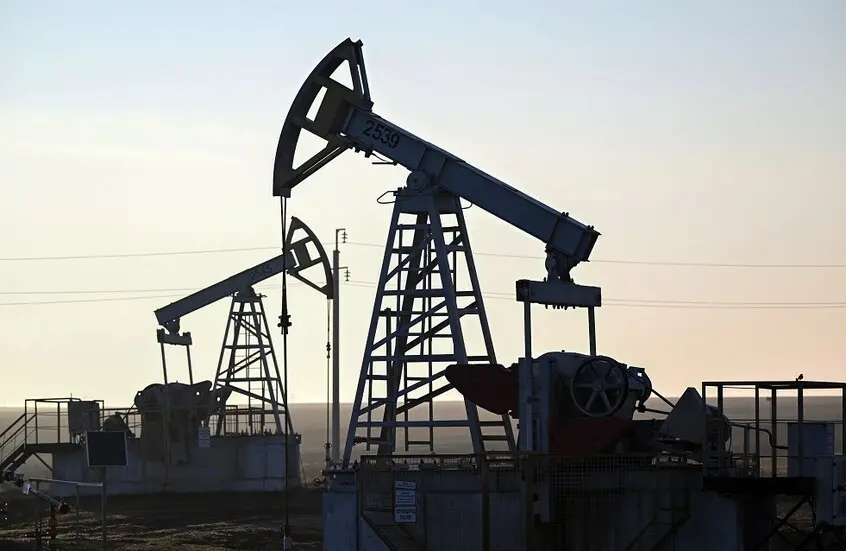
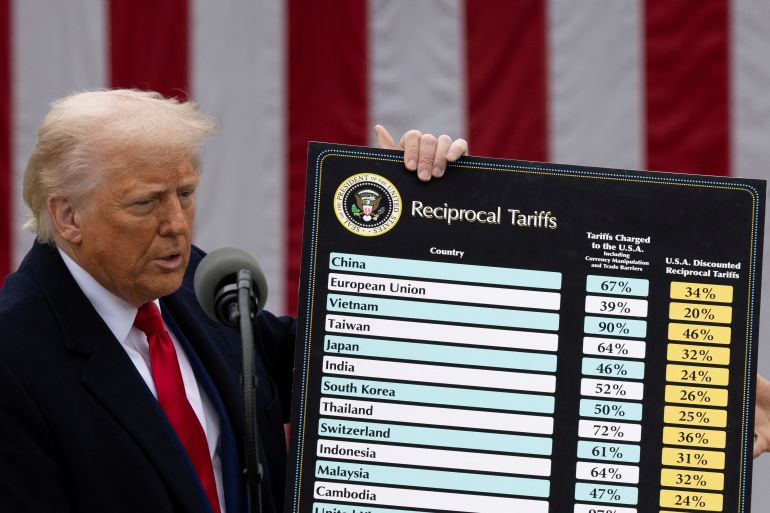
This agreement comes amid strained relations between New Delhi and Washington following the imposition of high tariffs by the US President, aimed at pressuring India to halt its purchases of Russian oil.
EU and Indian trade officials announced last week that they were close to reaching a deal after days of talks in Brussels. The Commerce Minister stated, “This agreement will be the most significant agreement ever.”
An India-EU summit is expected by the end of January.
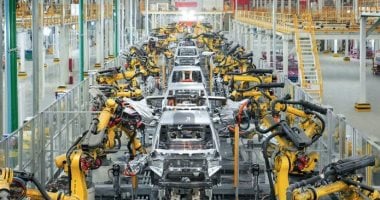
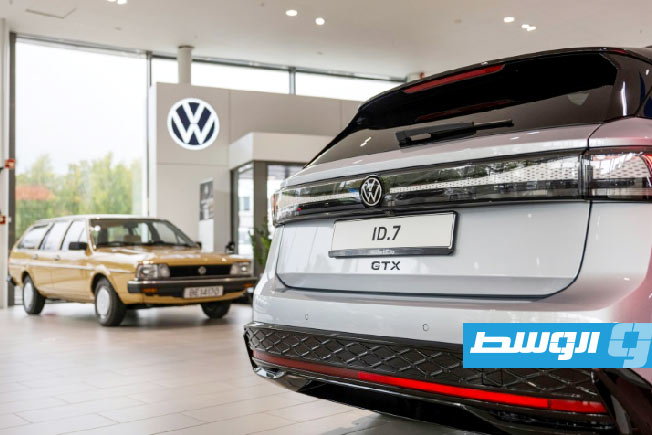
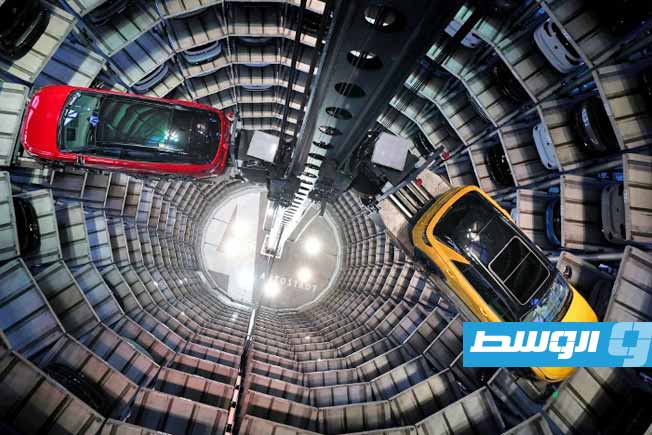
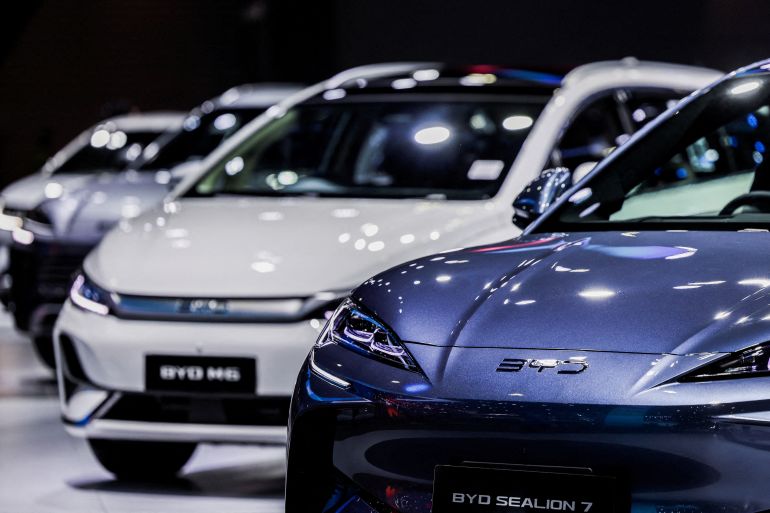
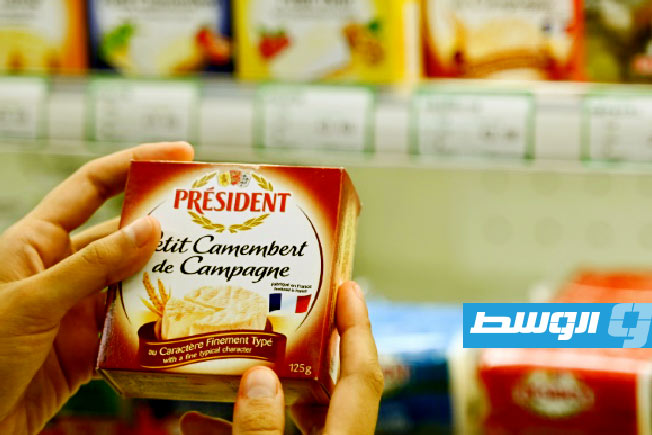
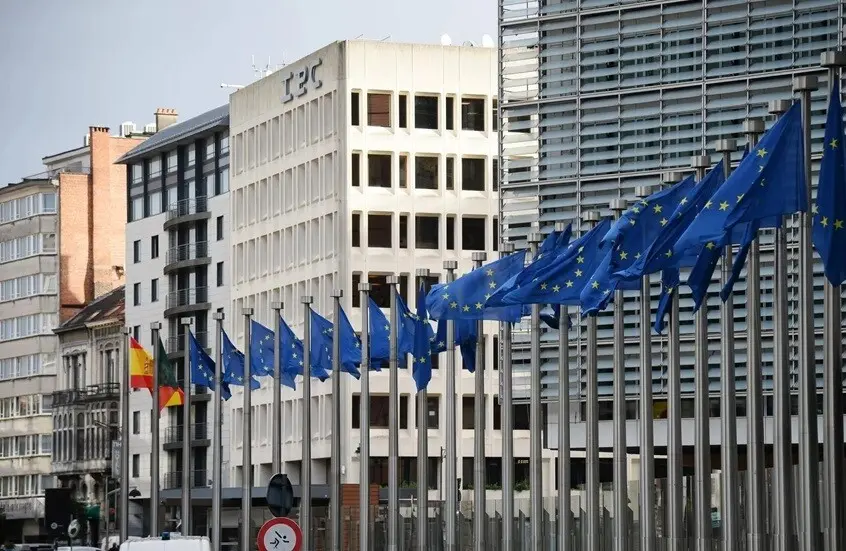
The 27-nation bloc seeks a trade deal that would strengthen intellectual property laws and reduce barriers for its exports, including cars, spirits, and wine, to enter India.
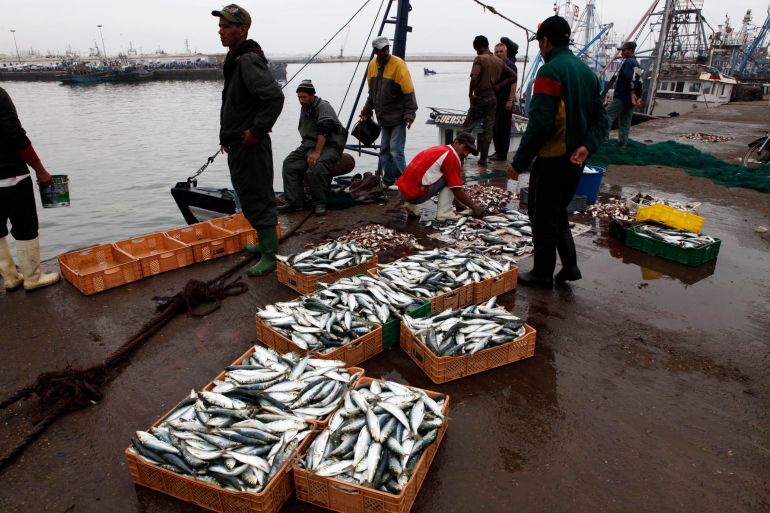
For its part, New Delhi seeks to improve the mobility of skilled labor and facilitate access for its products, such as textiles and pharmaceuticals, to European markets.
EU and Indian leaders are expected to hold a summit at the end of January, with both sides making intensive efforts to conclude negotiations in preparation for this event. An official from India’s Commerce Ministry stated on Thursday that negotiating teams were “very close” to reaching an agreement and had “completed 20 out of 24 chapters.”
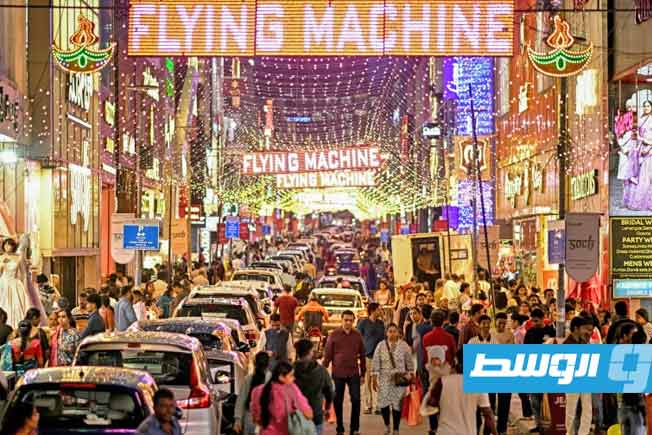
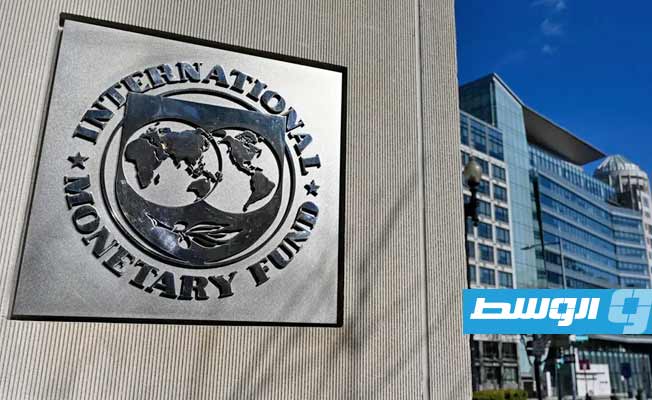
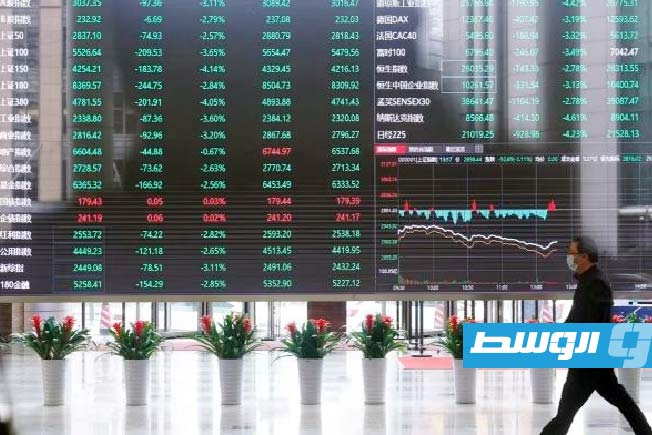
India, the world’s most populous country with 1.4 billion people, is projected to become the world’s fourth-largest economy this year, according to the International Monetary Fund.
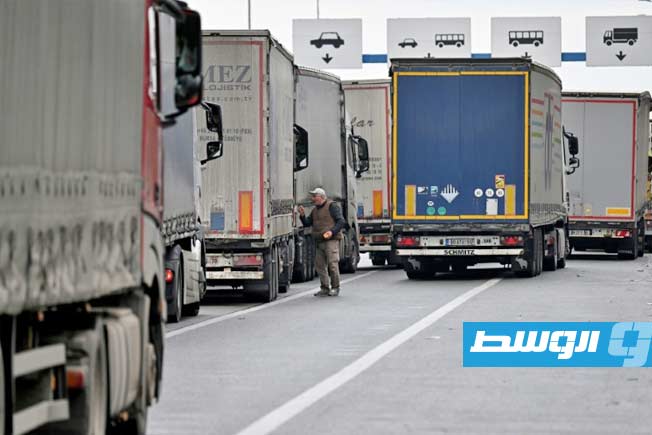
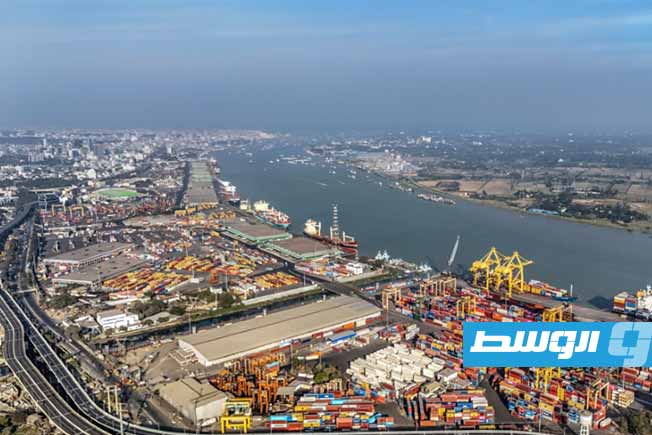
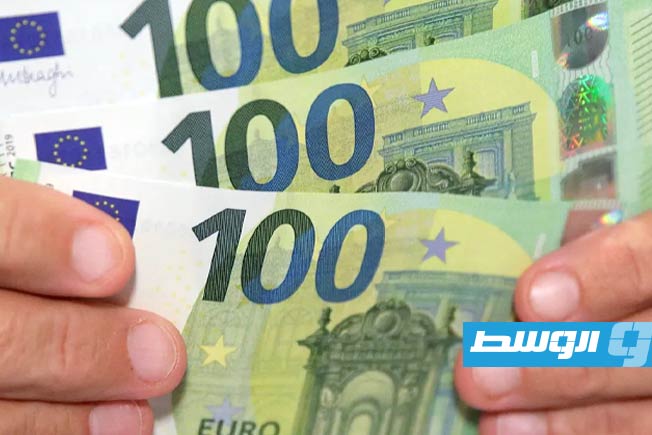
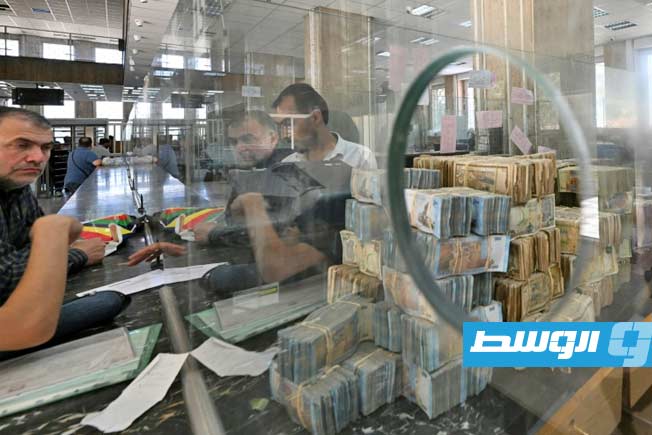
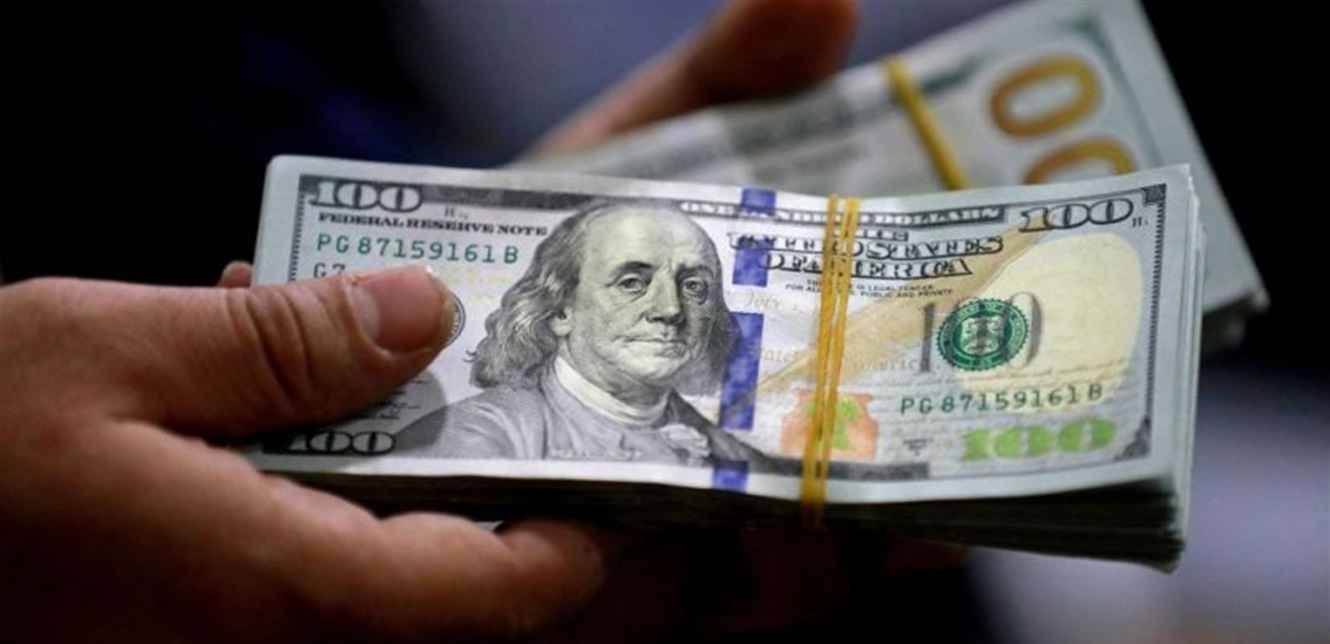
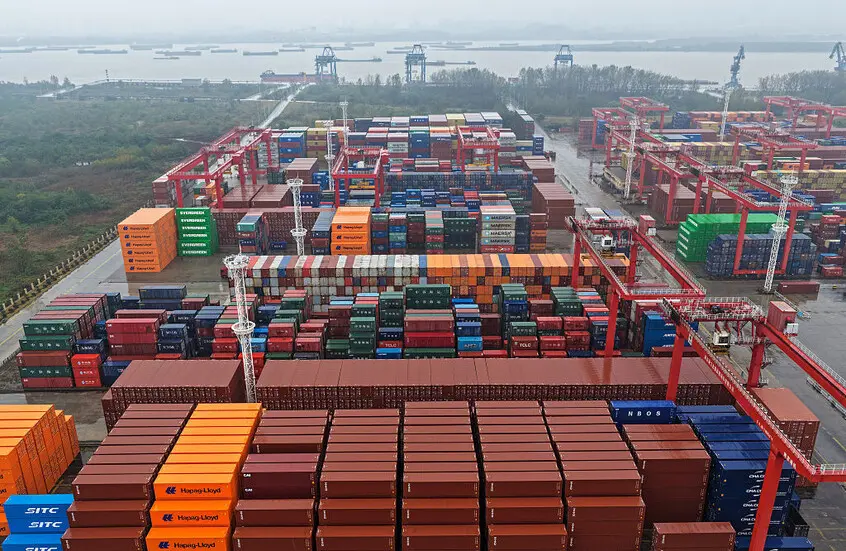
Bilateral trade in goods reached 120 billion euros ($139 billion) in 2024, an increase of nearly 90% over the past decade, according to EU statistics, in addition to 60 billion euros ($69 billion) in services trade.
Agriculture is believed to be a major point of contention for India, which seeks to protect its dairy and grain sectors. New Delhi has also pointed to the EU’s carbon tax and its impact on exports such as iron, steel, and aluminum.
India
India is a South Asian nation with a rich, ancient history spanning over five millennia, marked by the rise of the Indus Valley Civilization, numerous kingdoms, and major world religions. It gained independence from British colonial rule in 1947 and is now the world’s largest democracy, renowned for its vast cultural, linguistic, and religious diversity.
European Union
The European Union (EU) is a political and economic union of 27 European countries, founded after World War II to foster economic cooperation and prevent future conflict. It has evolved from the European Coal and Steel Community in 1951 into a major supranational entity with its own currency, the euro, and institutions that govern a single market.
New Delhi
New Delhi is the capital of India, officially inaugurated in 1931 as the seat of the British Indian government, replacing Calcutta. It was designed by architects Edwin Lutyens and Herbert Baker and is known for its wide boulevards, government buildings like the Rashtrapati Bhavan, and monuments such as India Gate. The city continues to serve as the political and administrative heart of independent India.
Washington
Washington, D.C., the capital of the United States, was founded in 1790 to serve as the nation’s permanent seat of government. Its design, largely planned by Pierre L’Enfant, features iconic monuments and federal buildings, including the White House and U.S. Capitol, which house the executive and legislative branches.
US
The United States of America is a federal republic founded in 1776 after declaring independence from Great Britain. It grew from thirteen original colonies into a global superpower, with a history shaped by westward expansion, industrialization, and a civil war over slavery. Its culture is a diverse blend of indigenous, European, African, and global influences.
Russian
The term “Russian” broadly refers to the culture, people, and history of Russia, a nation with origins in the medieval state of Kievan Rus’. Its rich cultural heritage includes iconic sites like the Kremlin and Red Square in Moscow, which have served as political and spiritual centers for centuries, reflecting the country’s evolution from a tsardom to a superpower and modern federation.
Brussels
Brussels is the capital city of Belgium and the de facto administrative capital of the European Union. Its history dates back to a 10th-century fortress settlement, and it grew into a major commercial center during the medieval period, later becoming a hub for international politics and diplomacy in the 20th century. The city is renowned for its Grand Place, a UNESCO World Heritage site, and its mix of Gothic and Art Nouveau architecture.
International Monetary Fund
The International Monetary Fund (IMF) is an international financial institution established in 1944 at the Bretton Woods Conference to foster global monetary cooperation and financial stability. Its primary roles include providing policy advice, financial assistance to member countries facing balance of payments problems, and promoting exchange rate stability.