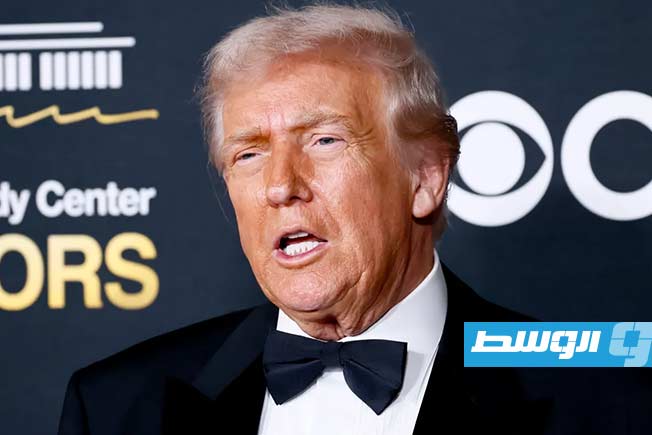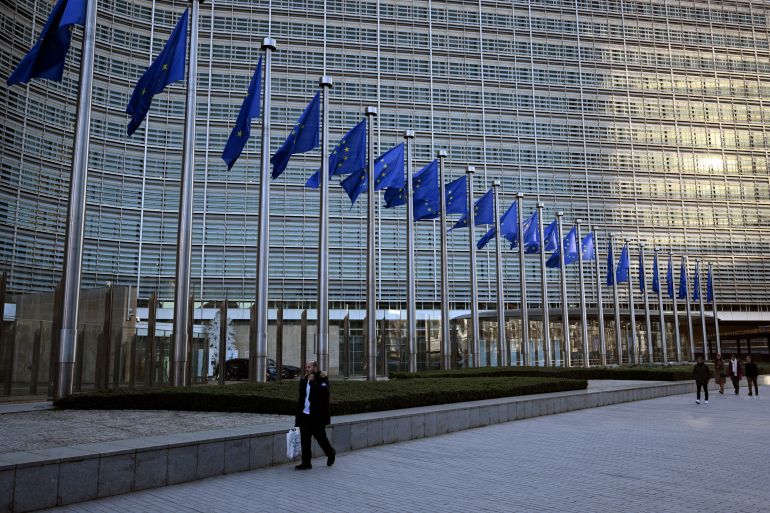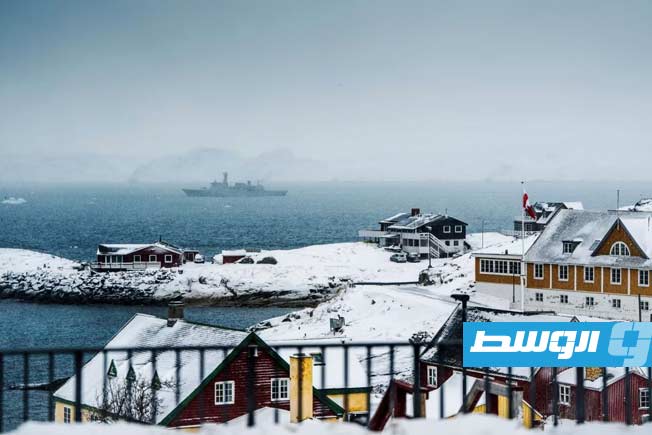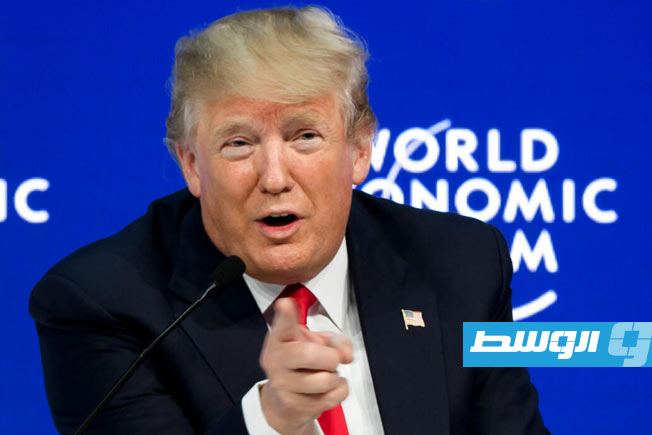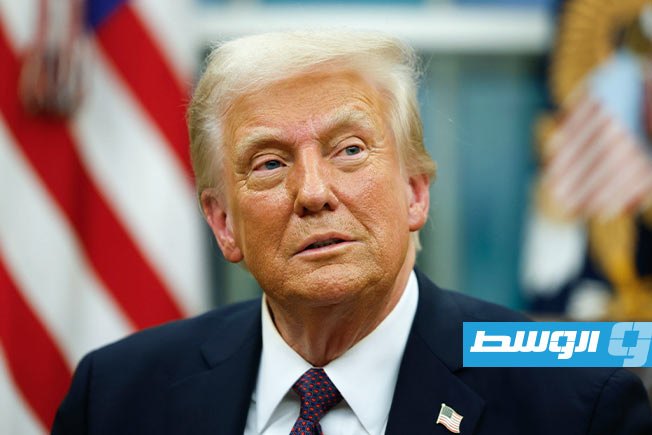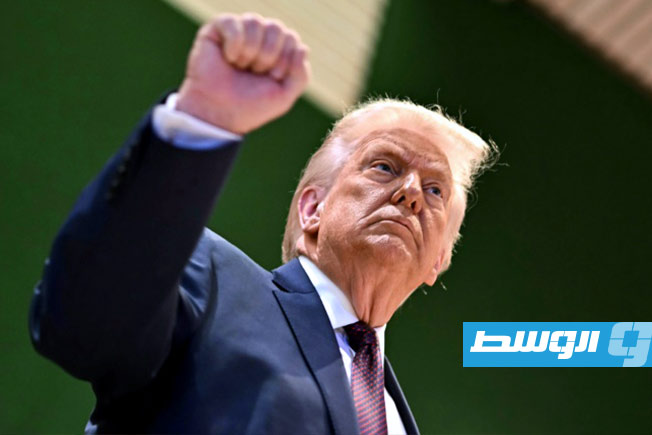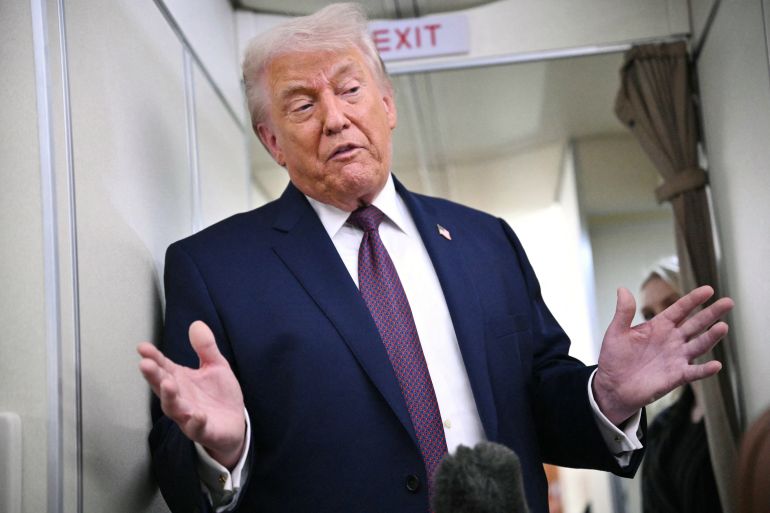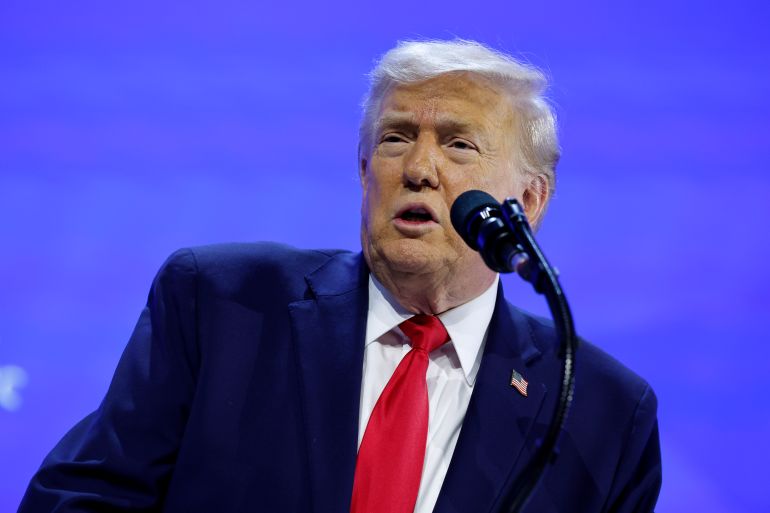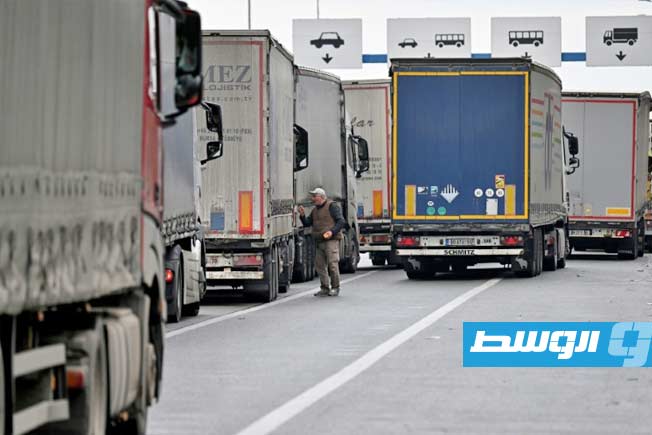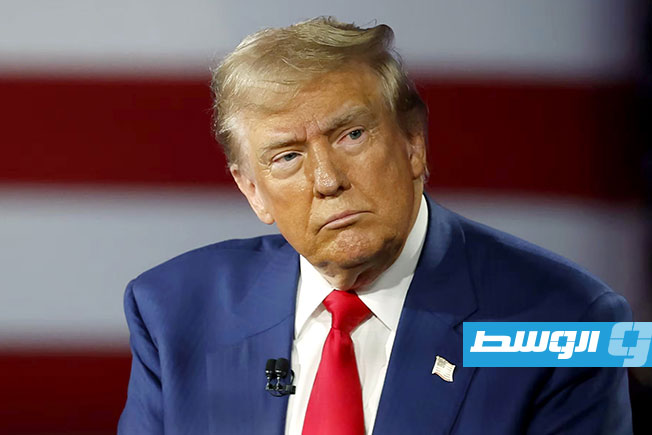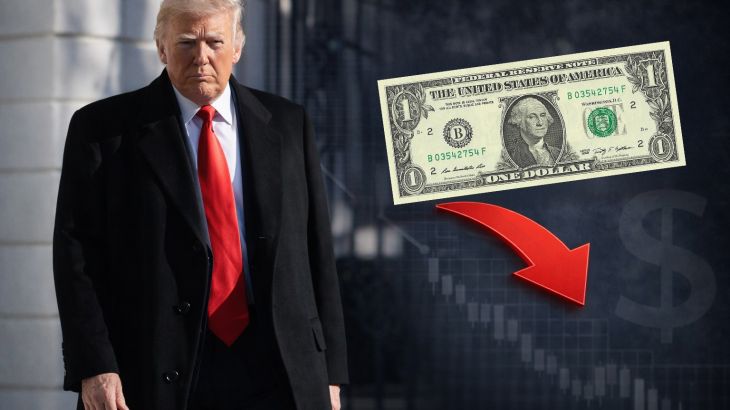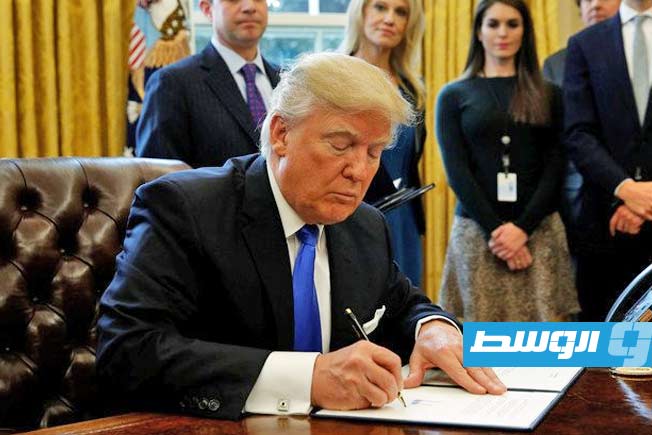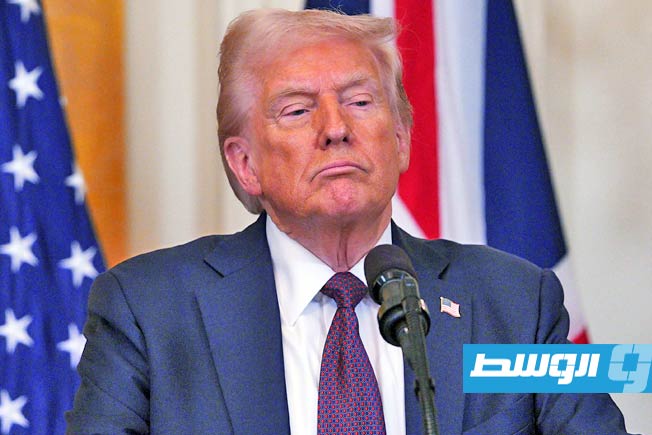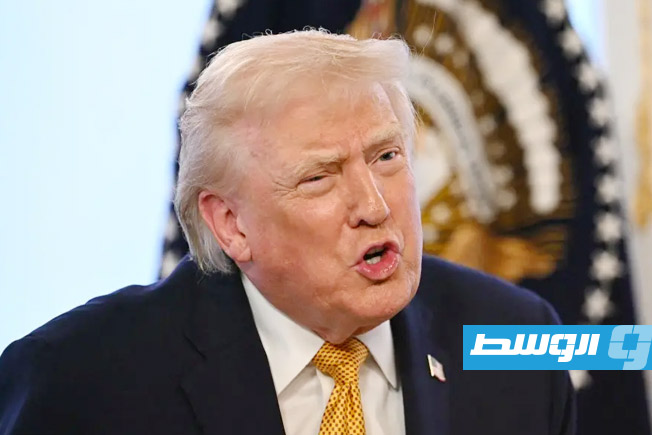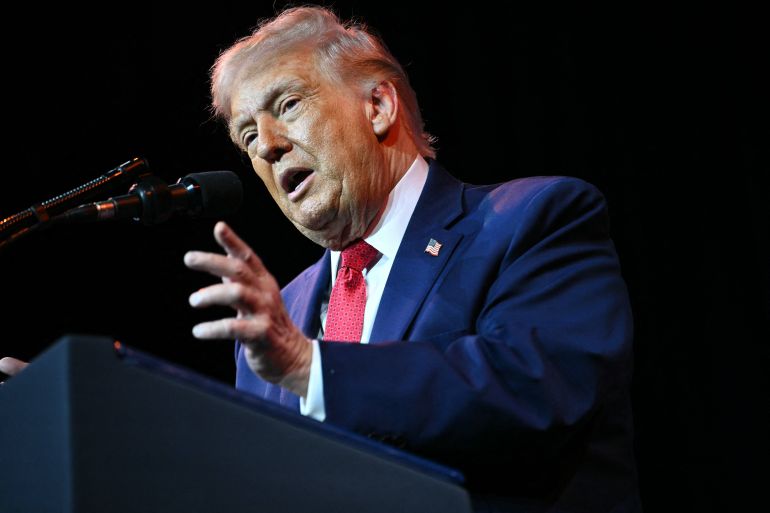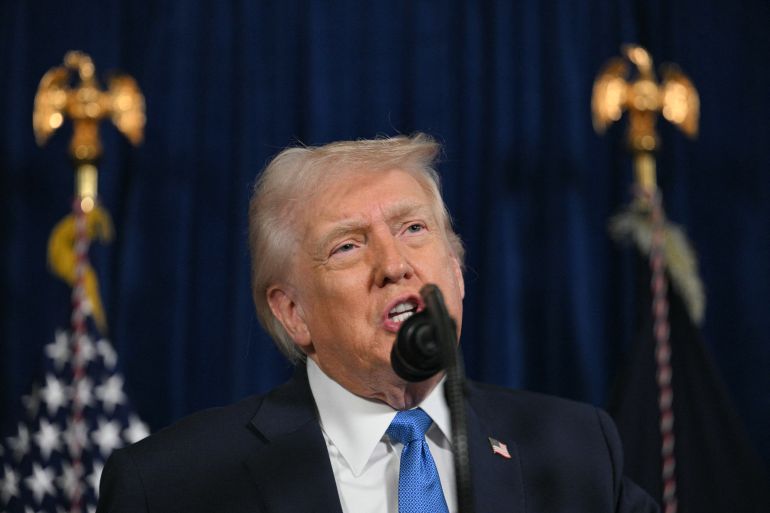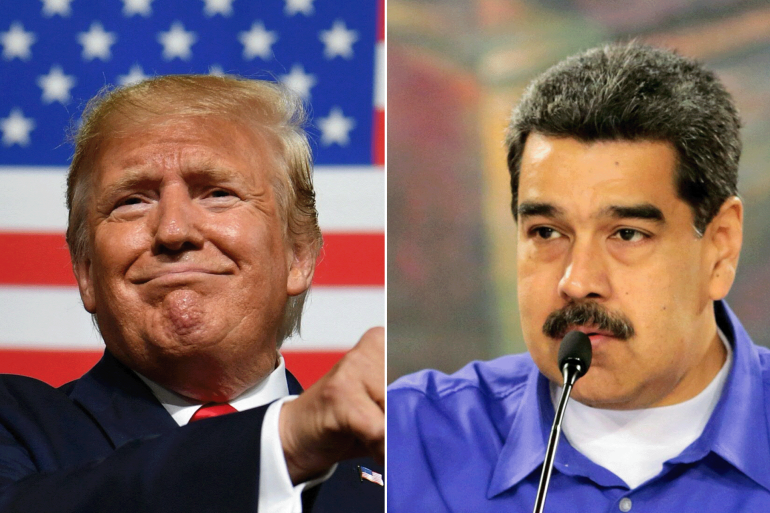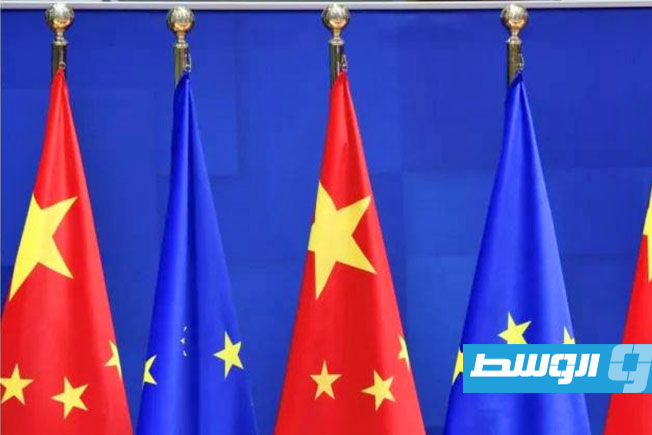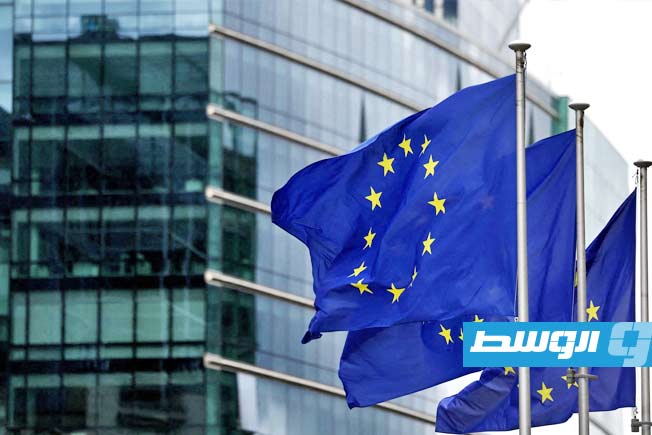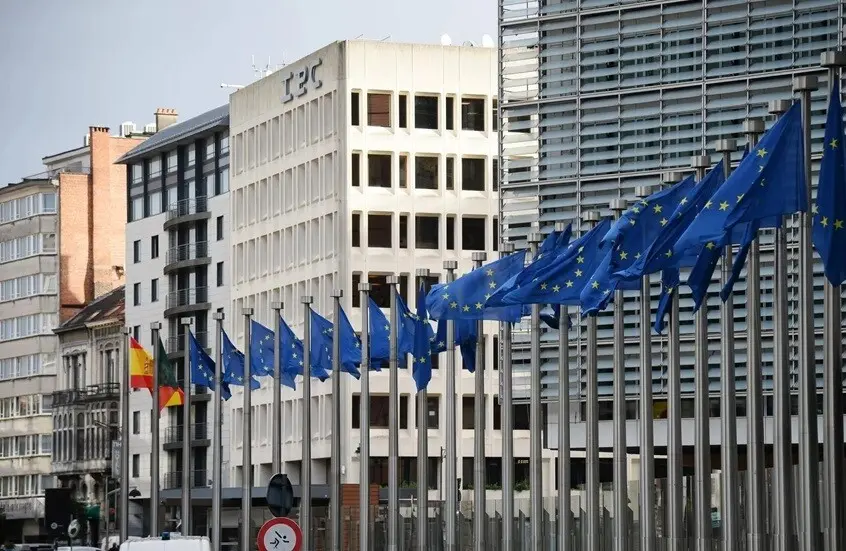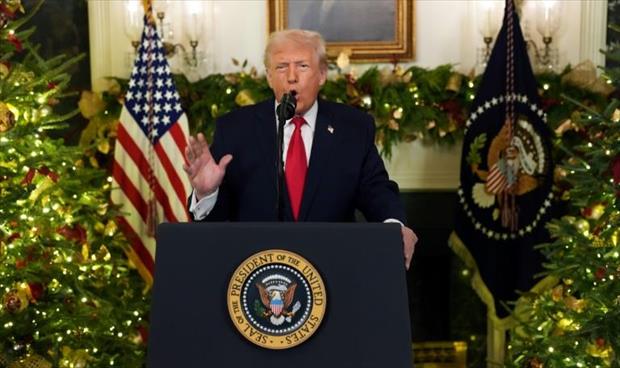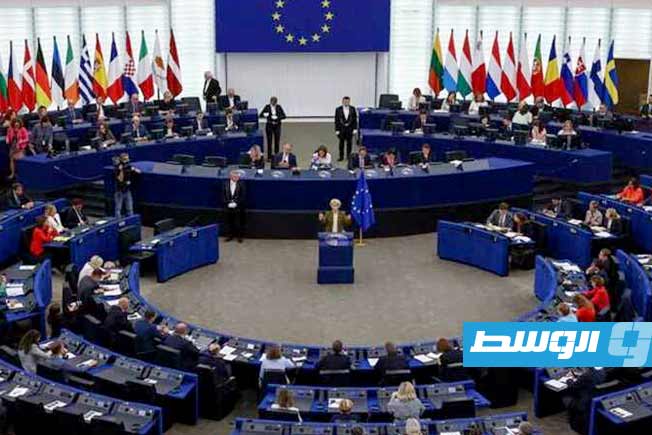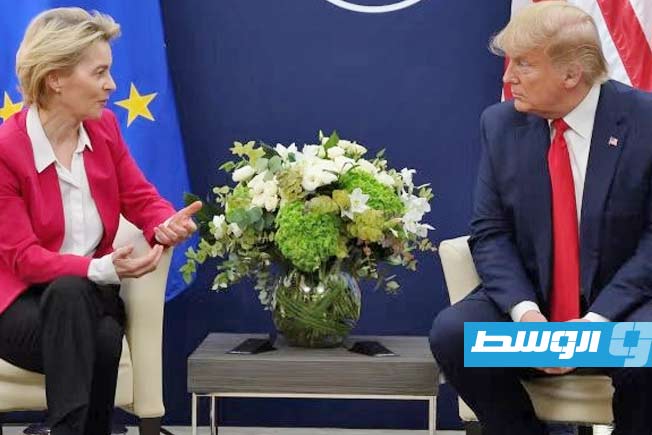
Lawmakers in the European Union are considering suspending approval of the trade agreement with the United States, in response to the announcement by U.S. President Donald Trump to impose tariffs on member states until a deal is reached for the full purchase of the island of Greenland.
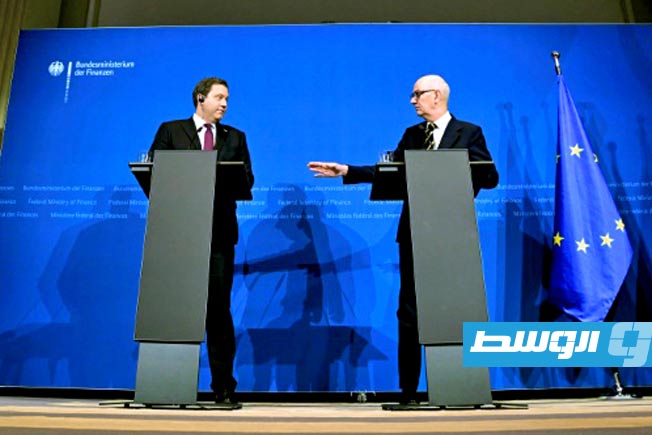
The head of the European People’s Party, the largest political bloc in the European Parliament, stated that reaching an agreement with the United States is no longer possible, adding: “The EU agreement to reduce tariffs on American products must be suspended.”
Suspension of the Trade Agreement
He wrote on the platform ‘X’: “The European People’s Party supports a trade agreement between the EU and the United States. However, due to Donald Trump’s threats regarding Greenland, approving it is not possible at this stage.”
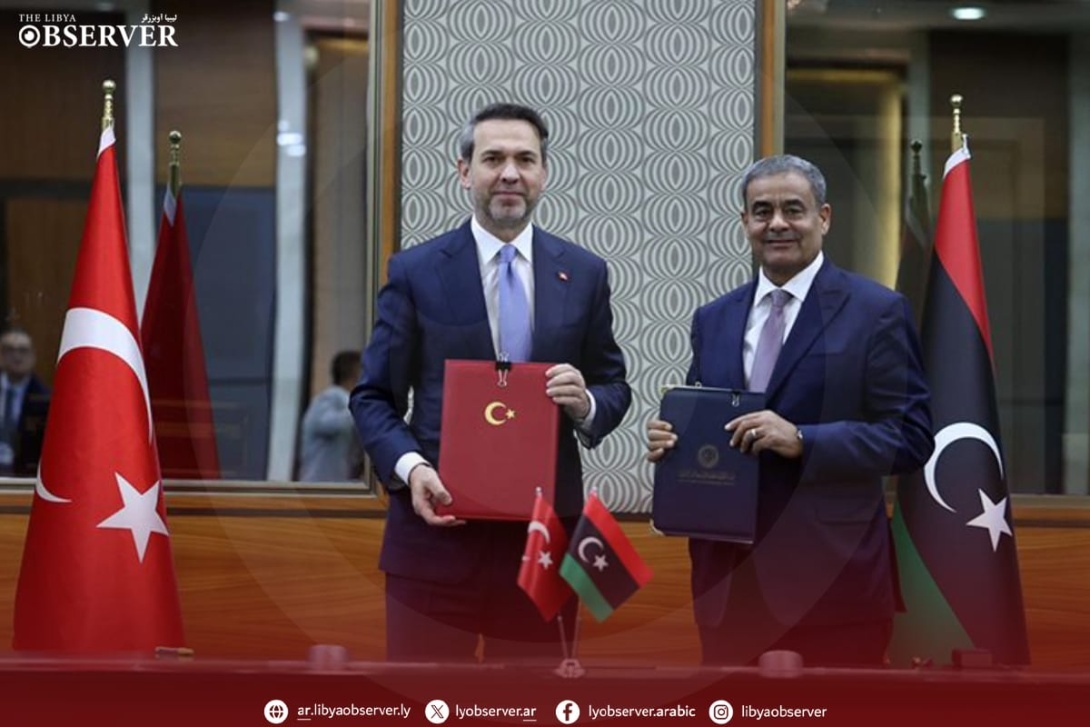
The European Commission reached a trade agreement with the United States last summer, but its implementation remains partial and requires ratification by the European Parliament. In this case, lawmakers, especially from left-leaning political groups, may decide to suspend or delay ratification of the agreement.
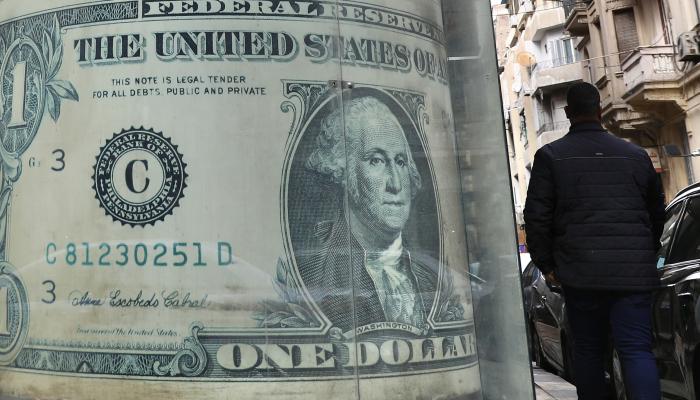
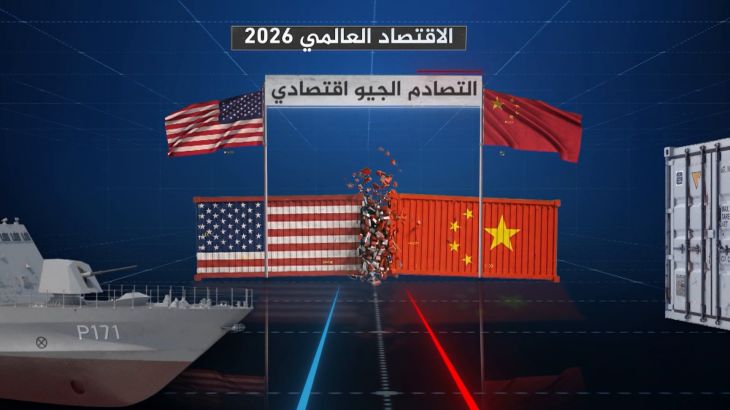
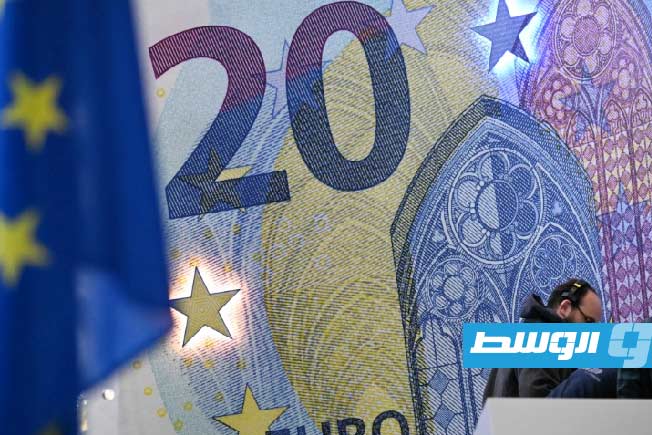
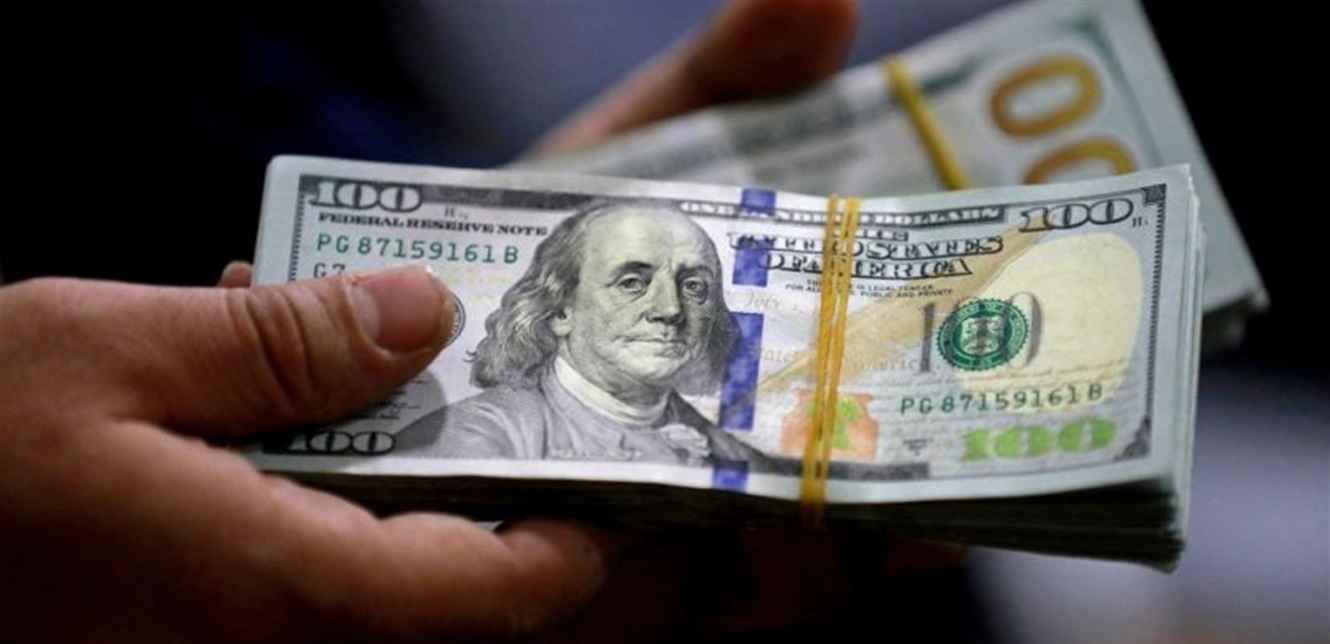
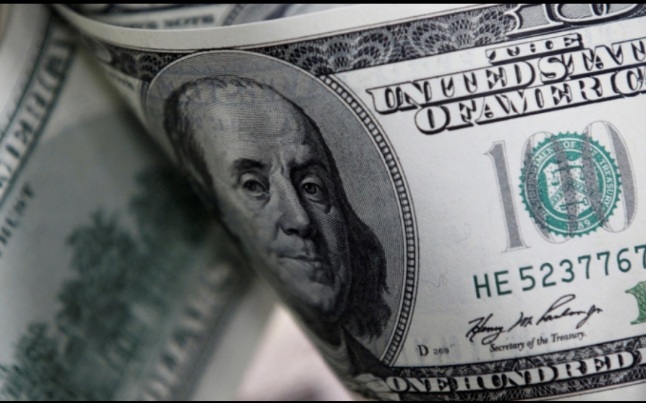
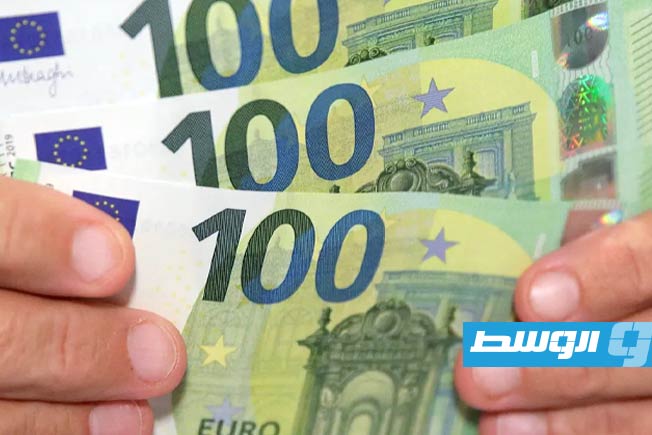
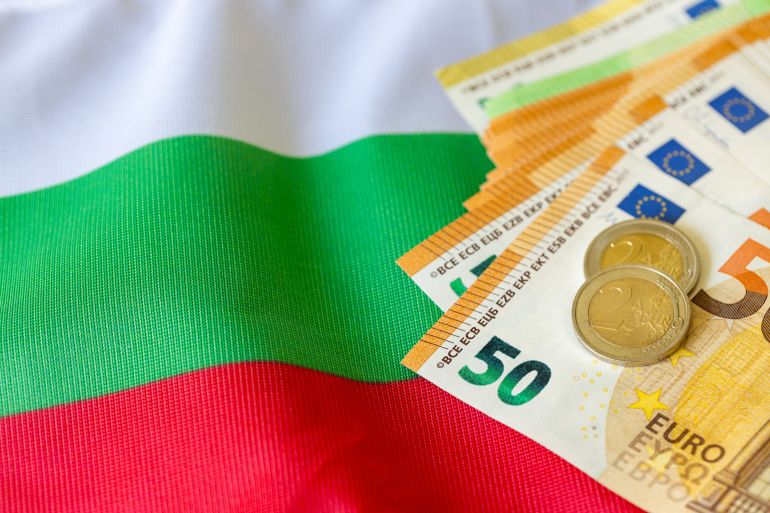
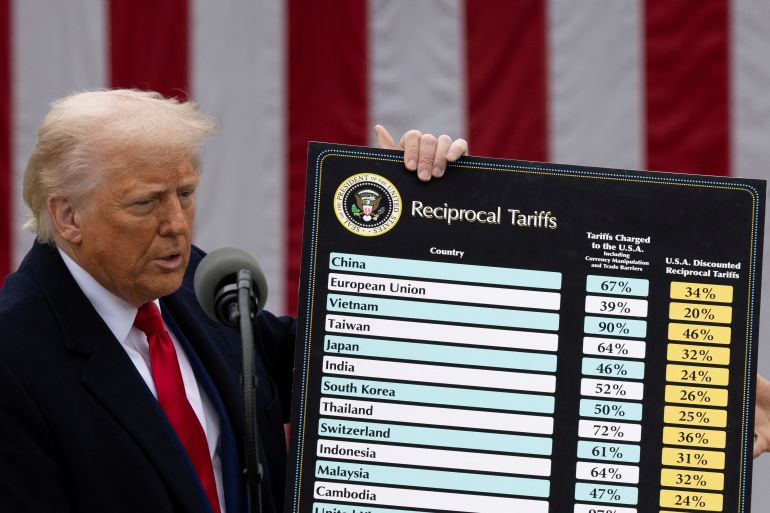
The trade agreement sets U.S. tariffs at 15% on imports of European goods in exchange for the European side’s commitment to eliminate tariffs on American industrial and agricultural goods. The President of the European Commission negotiated this agreement to avoid igniting a full-scale trade war with Trump.
Internal Criticism of the Trade Agreement
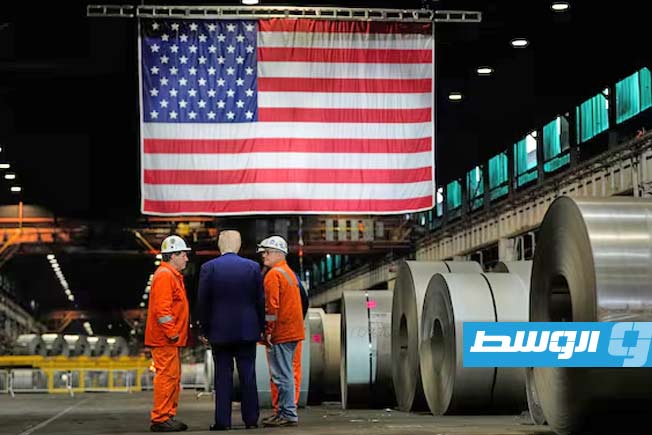
The trade agreement has long faced widespread criticism from EU policymakers, who argue it is heavily biased in favor of the United States. This stance has deepened with Washington imposing 50% tariffs on imports of steel, aluminum, and hundreds of other European goods.
Last month, the U.S. Trade Representative criticized the European Union for not complying with some terms of the agreement, particularly regarding the EU’s regulation of technology companies.
A Unified European Stance on Greenland
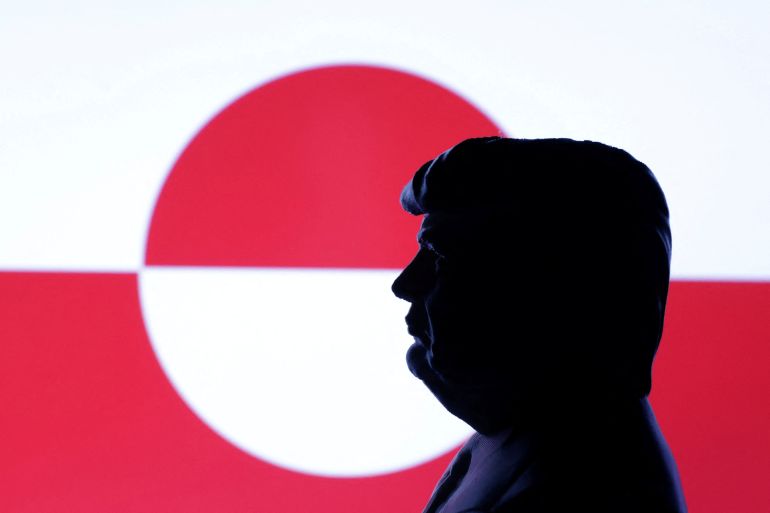
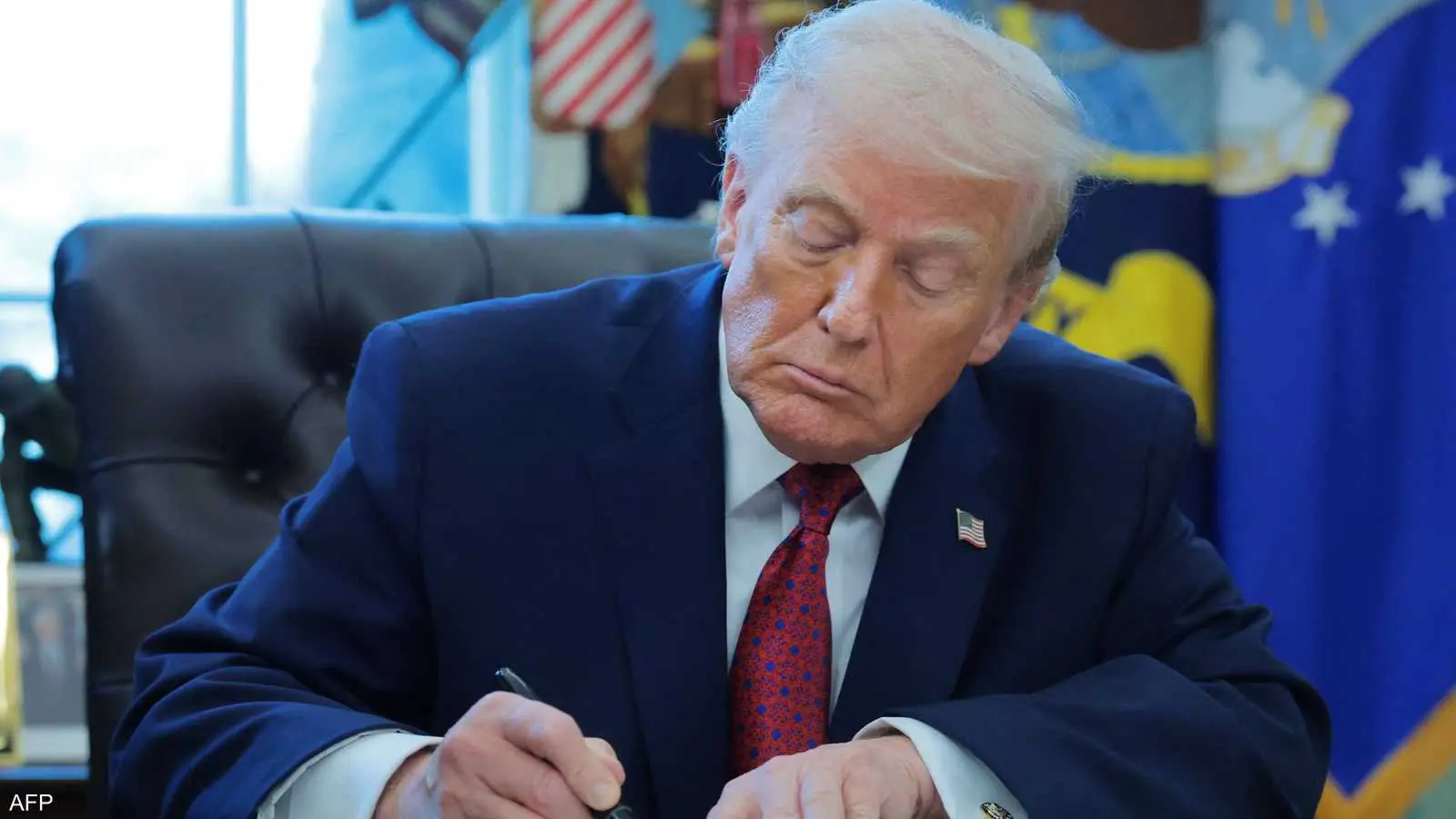
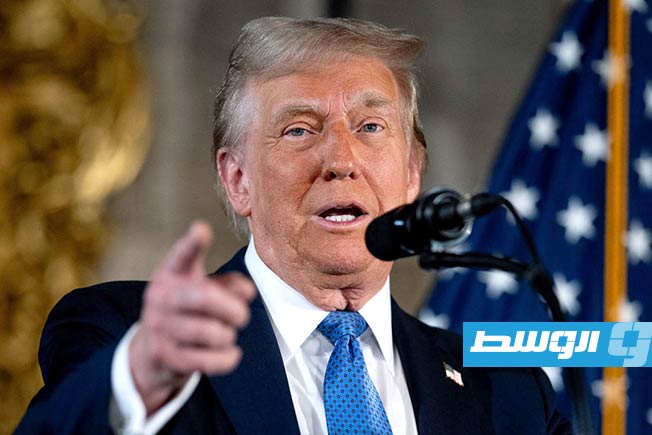
Trump announced on Saturday via the ‘Truth Social’ platform the imposition of a 10% tariff starting February 1st on goods from European countries that have shown solidarity with Greenland. He said the tariffs would rise to 25% unless a deal is reached to purchase Greenland in its entirety.
This announcement prompted immediate opposition from leaders in Brussels. The President of the European Commission stated: “The tariffs will undermine transatlantic relations and will have serious repercussions.”
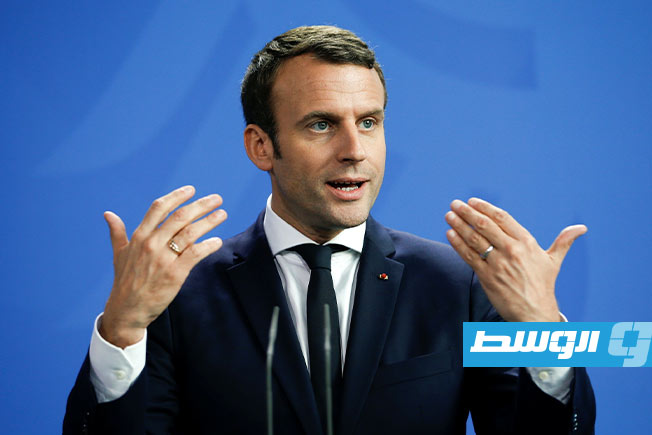
While the French President criticized the American threats as “unacceptable,” the Chairman of the European Parliament’s Trade Committee said: “It is clear that the national sovereignty of any country must be respected by all partner parties in the trade agreement.”
He assisted in discussing the ratification of the trade agreement but has called for its suspension until Trump withdraws his threats. He urged the European Union to activate the ‘Anti-Coercion Instrument,’ the EU’s most powerful trade mechanism designed to deter coercive trade and economic actions taken by third countries to pressure EU member states.
That instrument includes tariffs, taxes on technology companies and other investments, restricting access to specific parts of the European market, or preventing companies from bidding for public contracts in Europe.