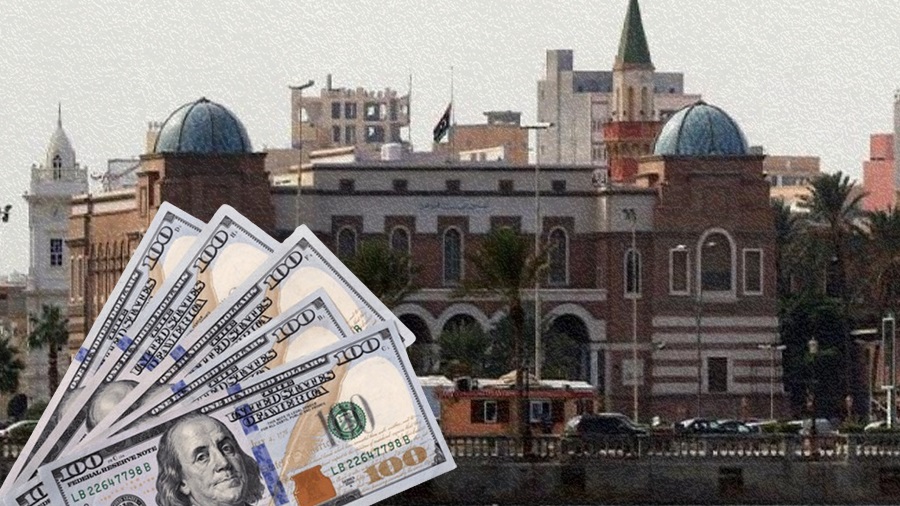
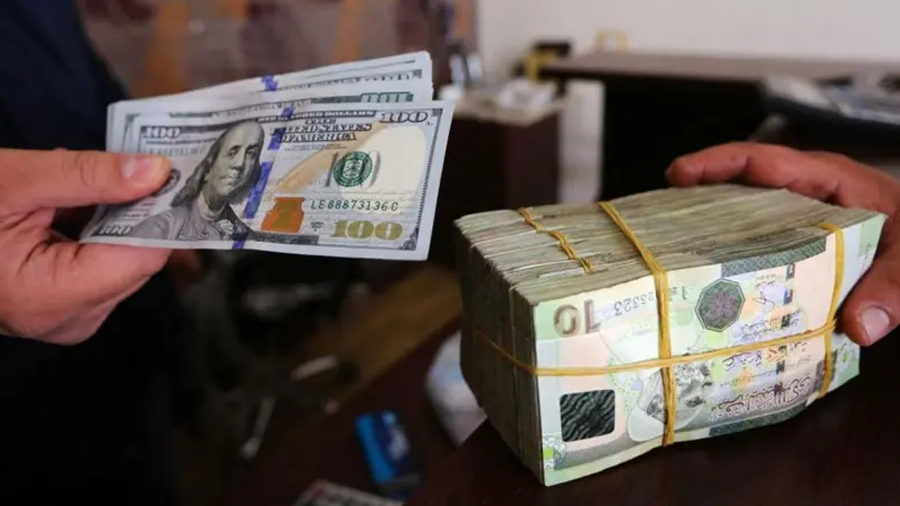
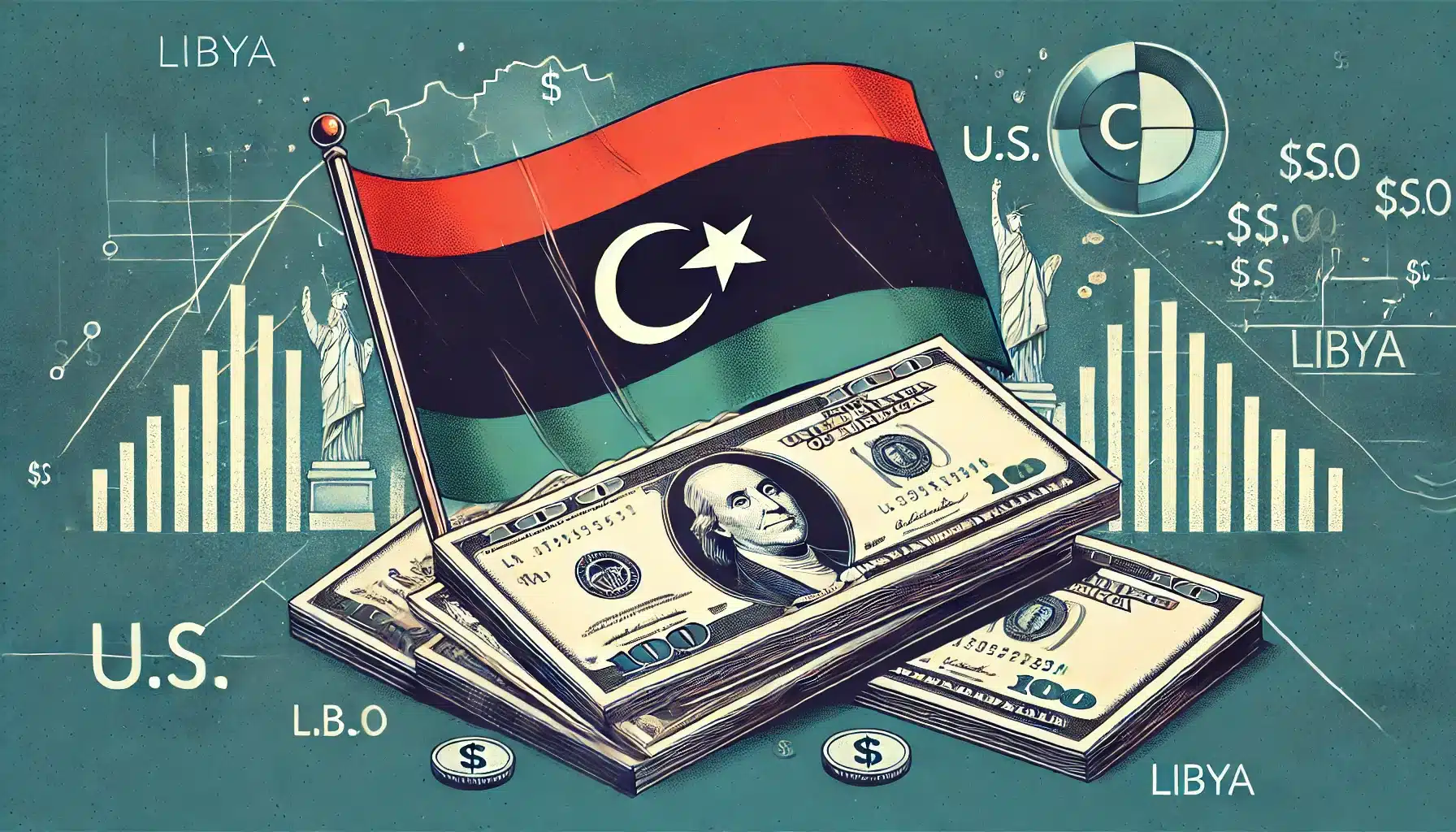
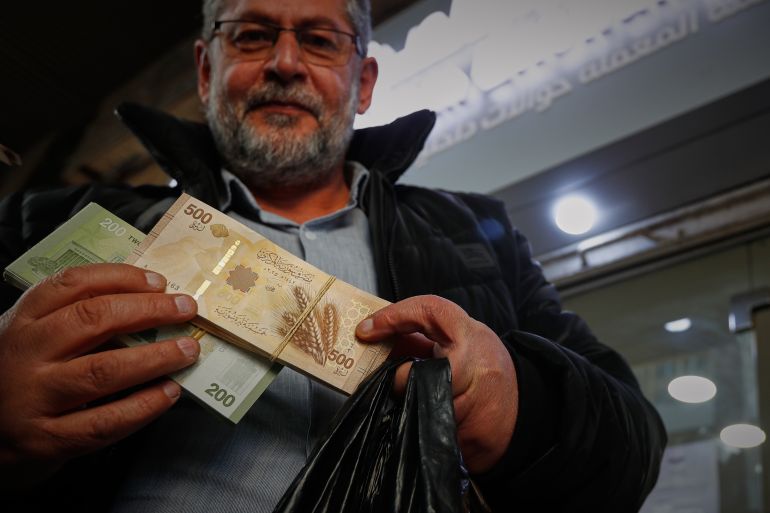
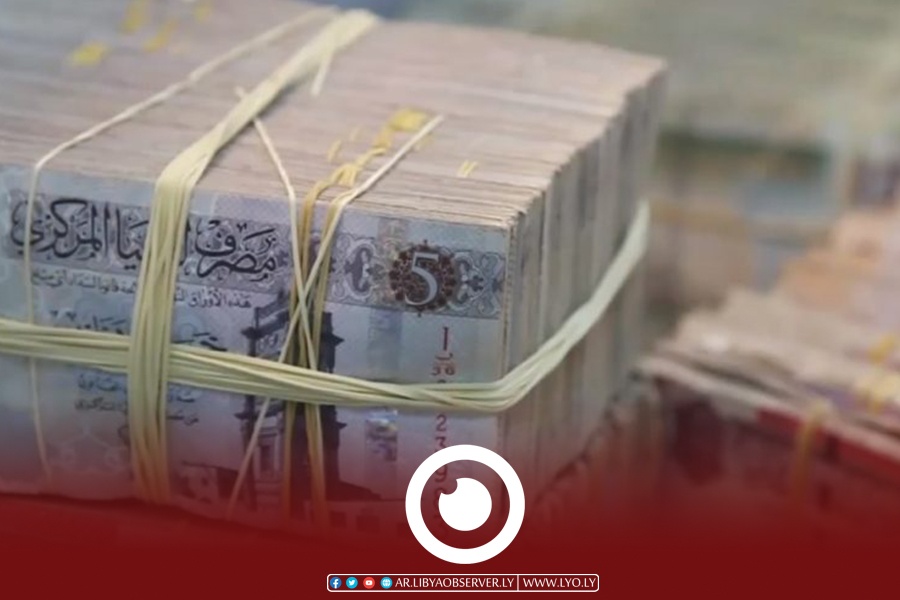
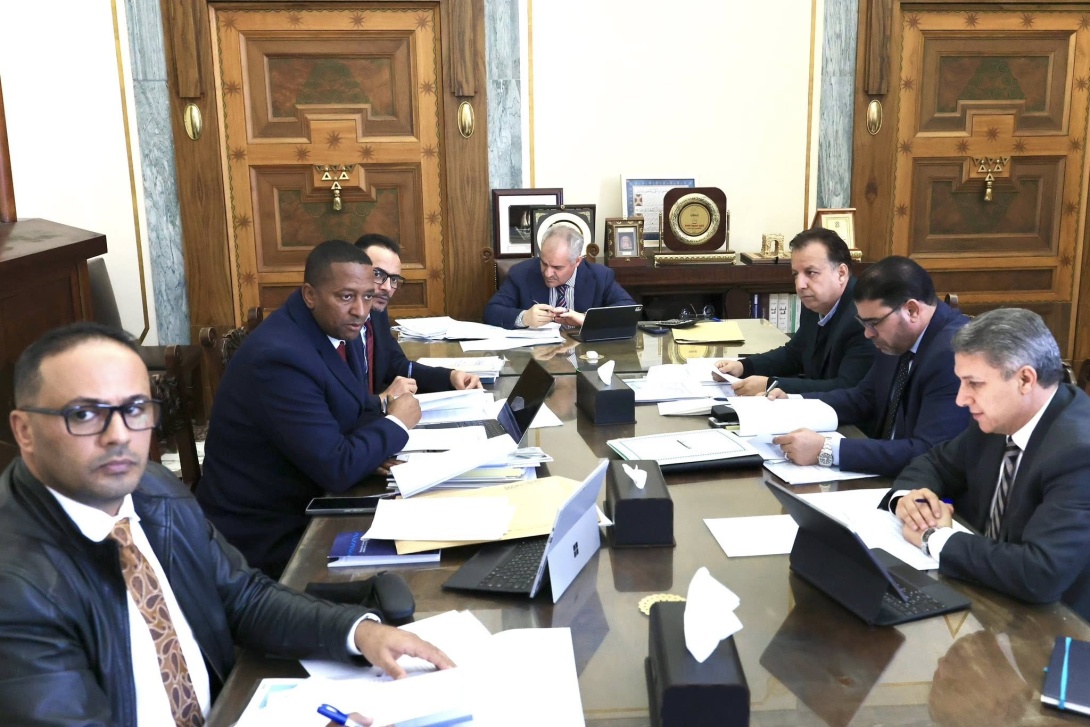
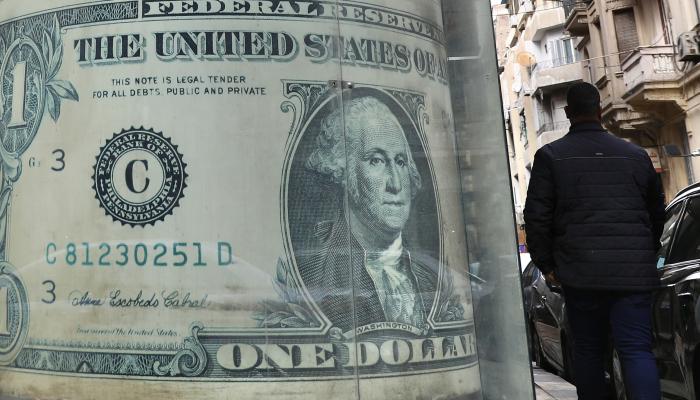
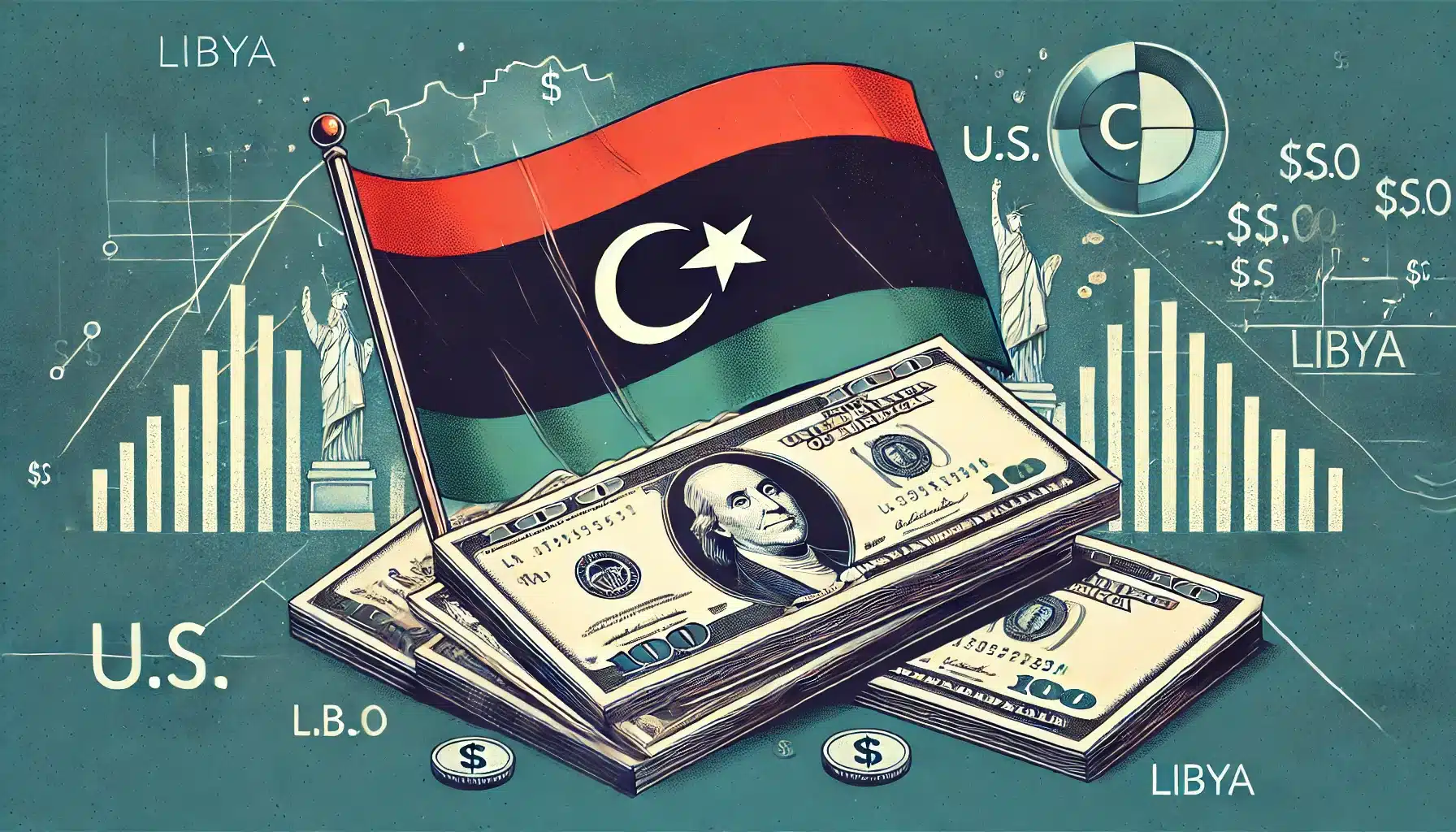
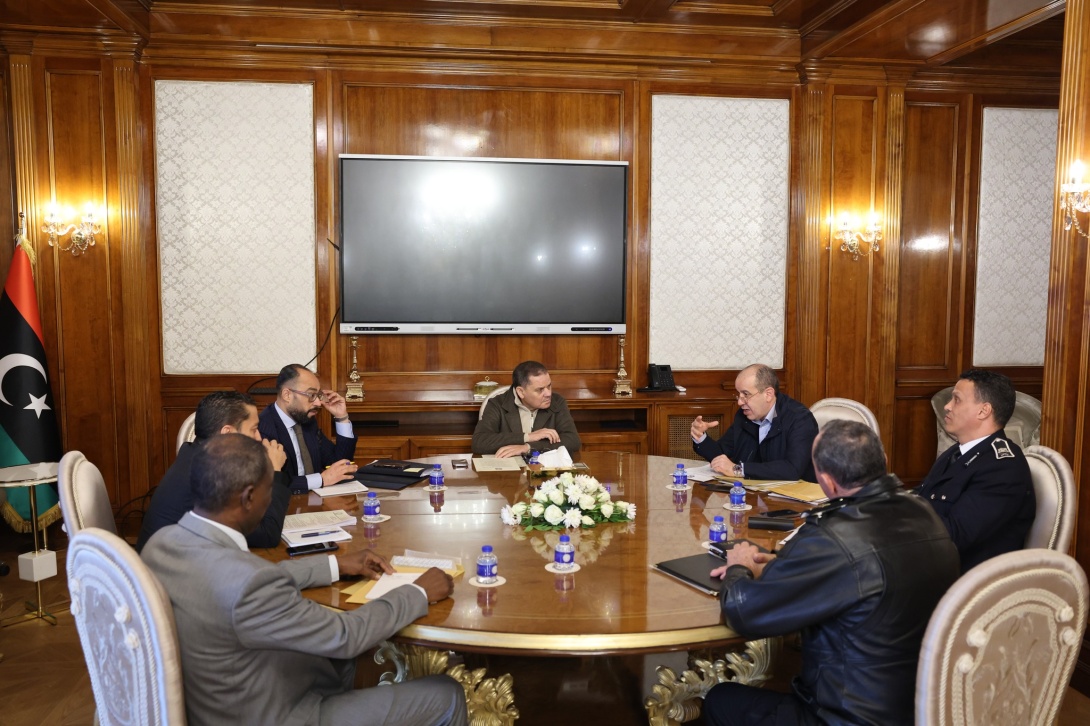
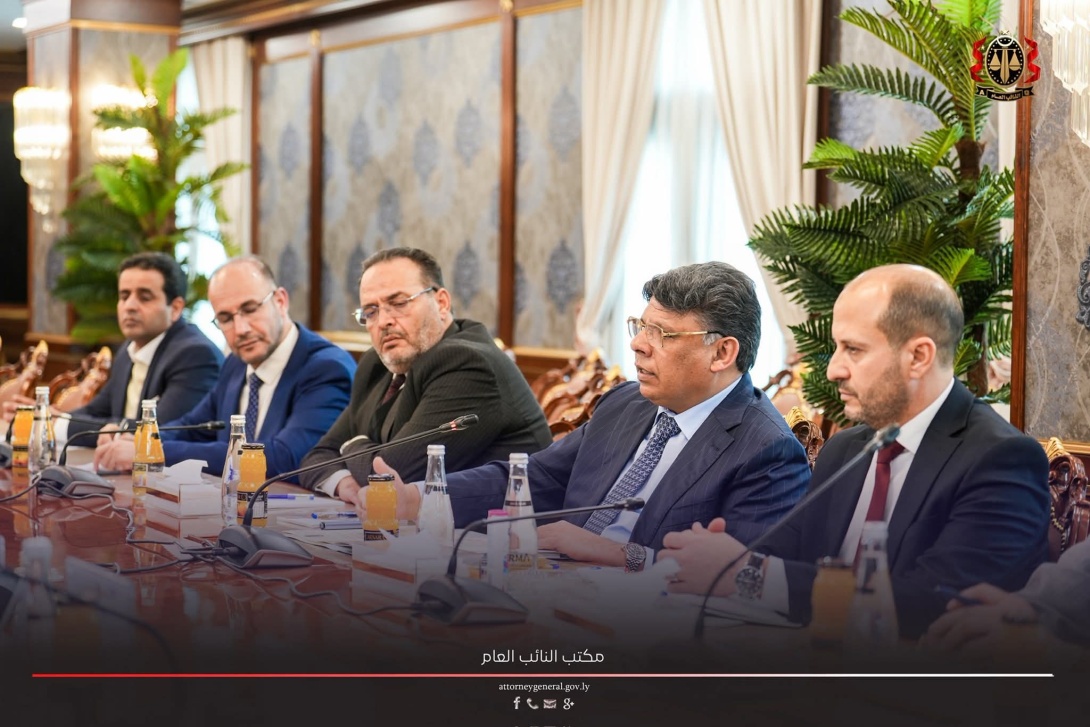
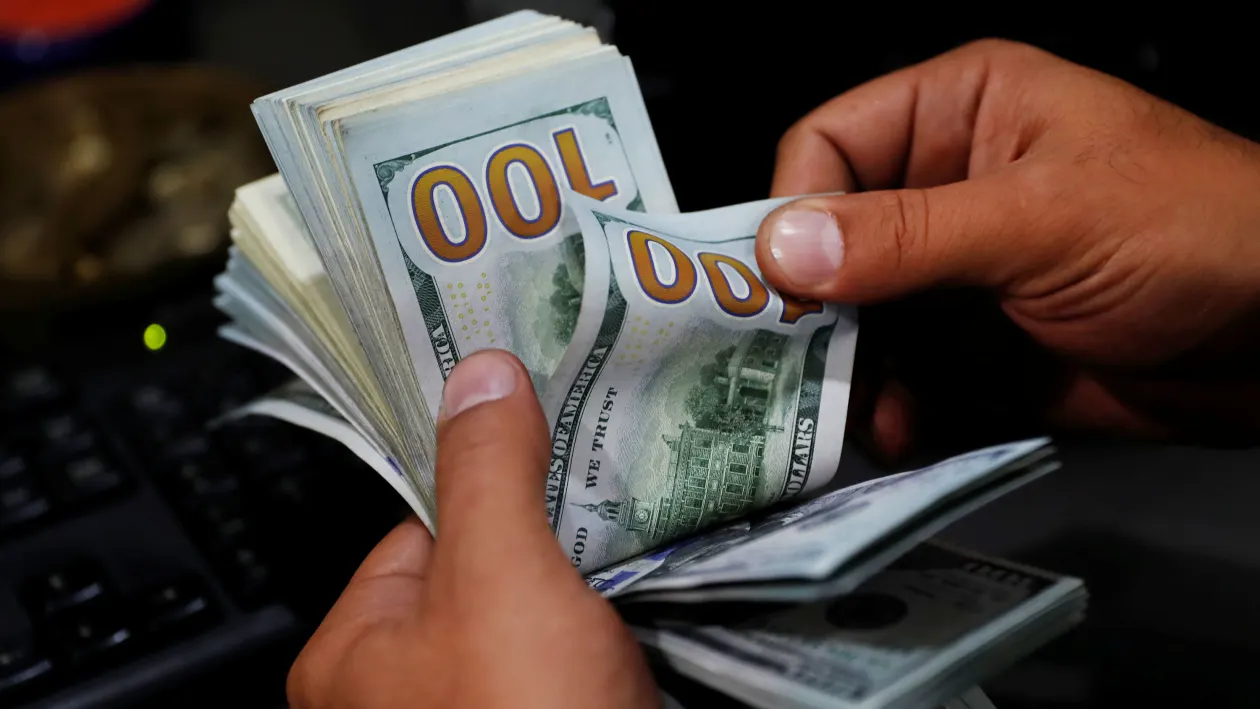
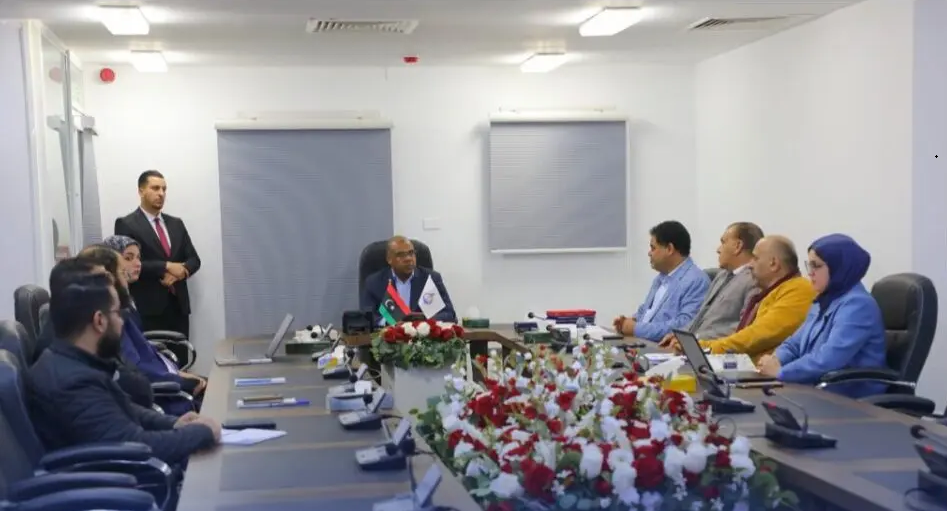
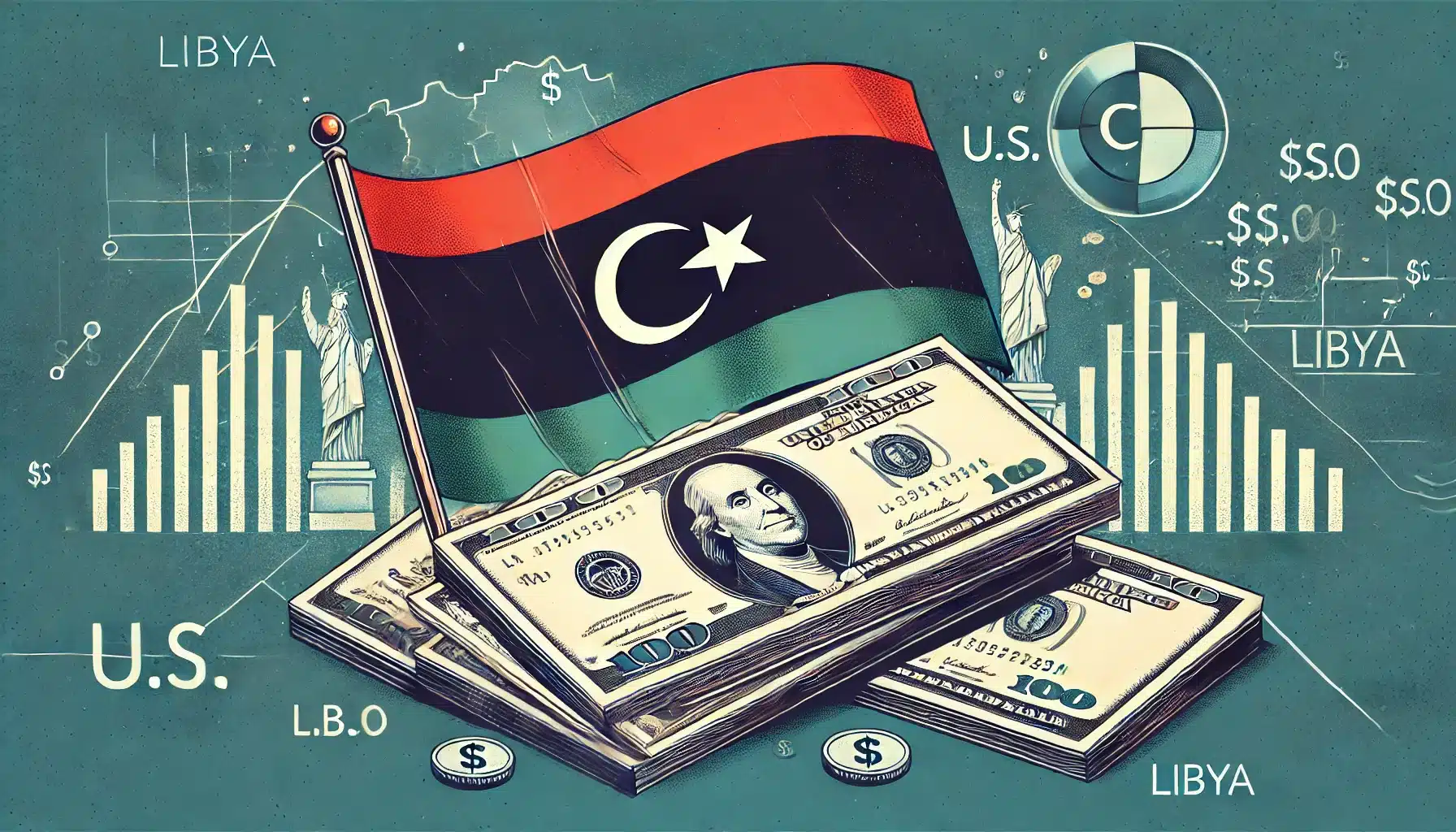
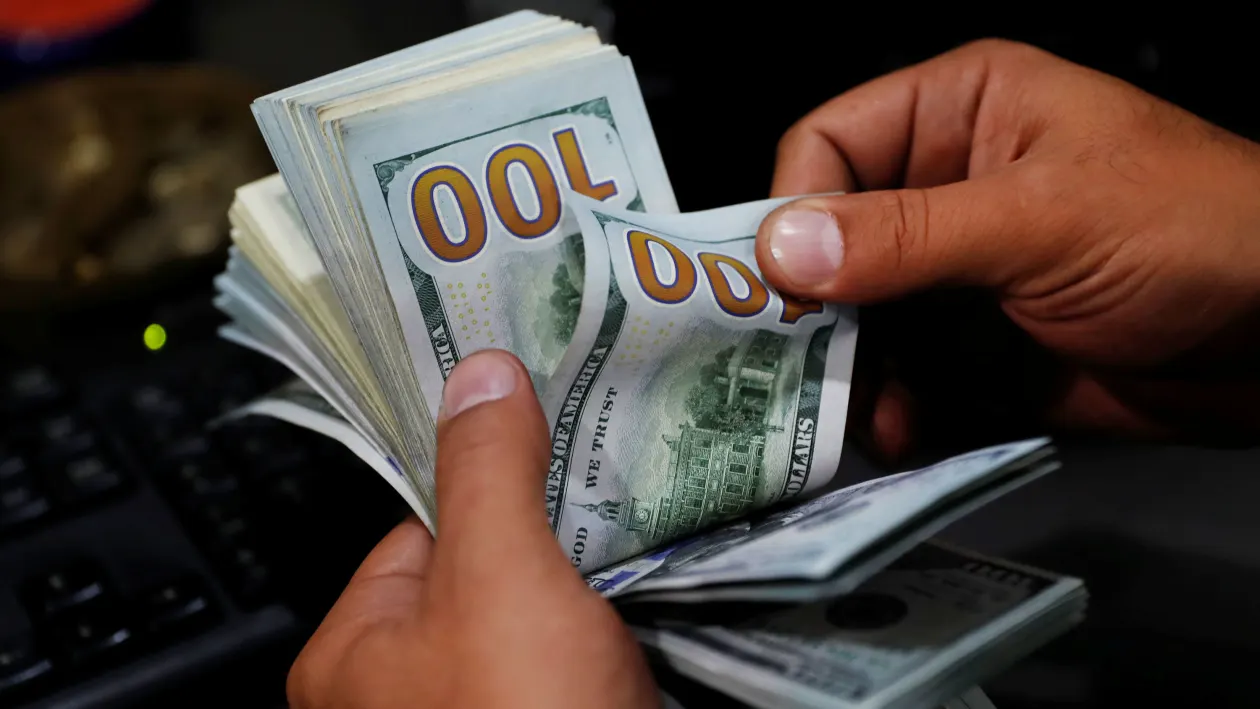
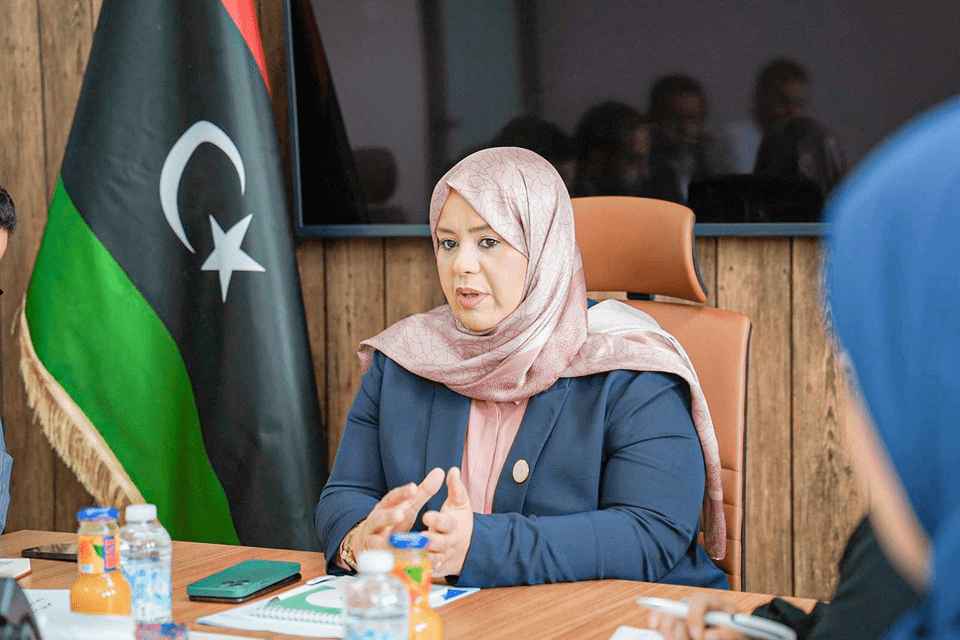
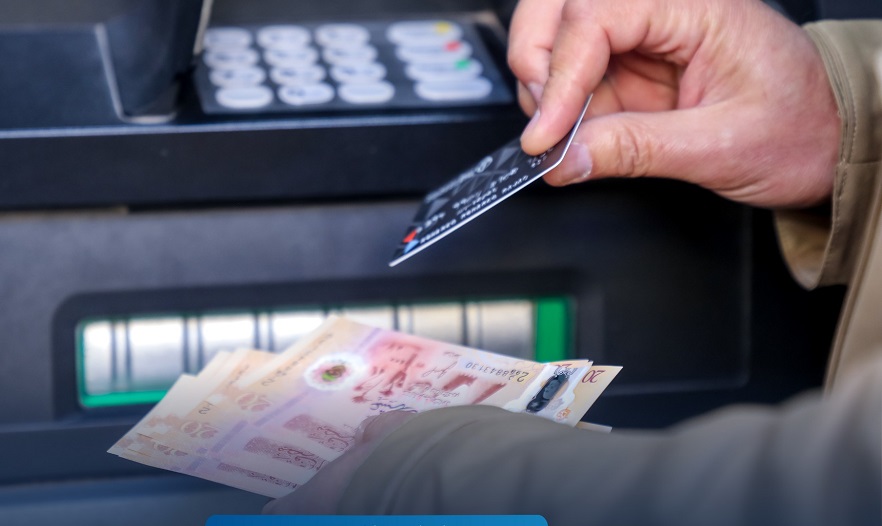
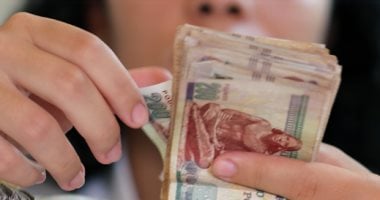
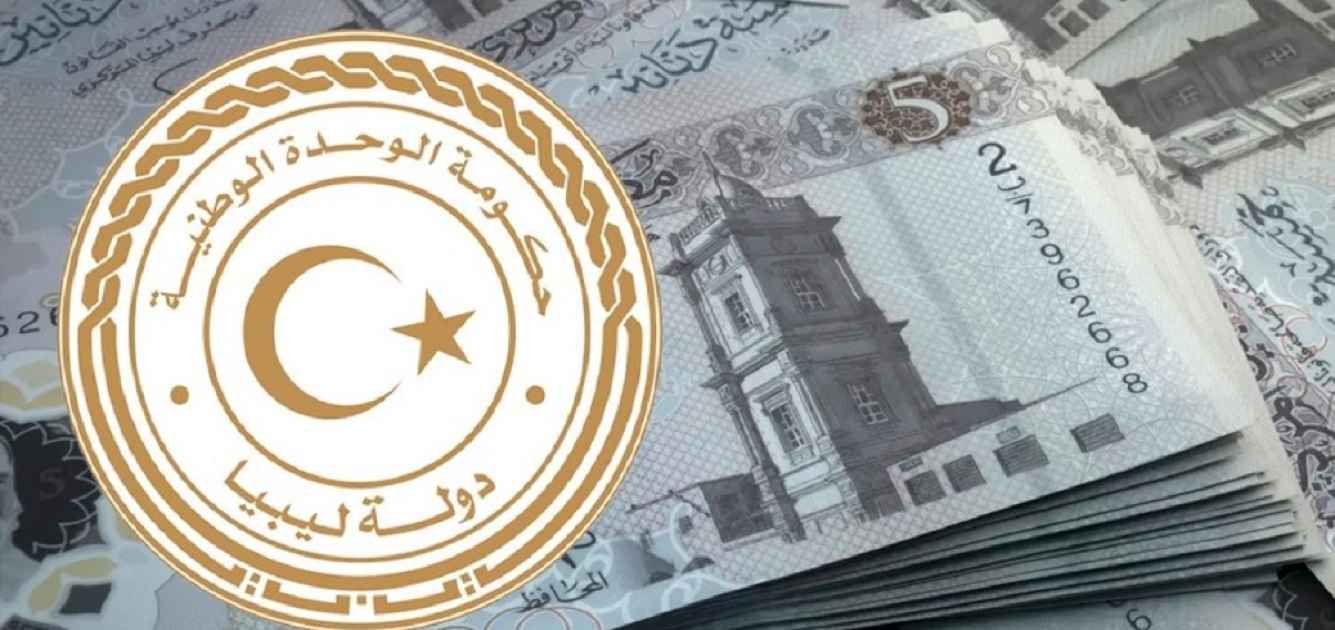
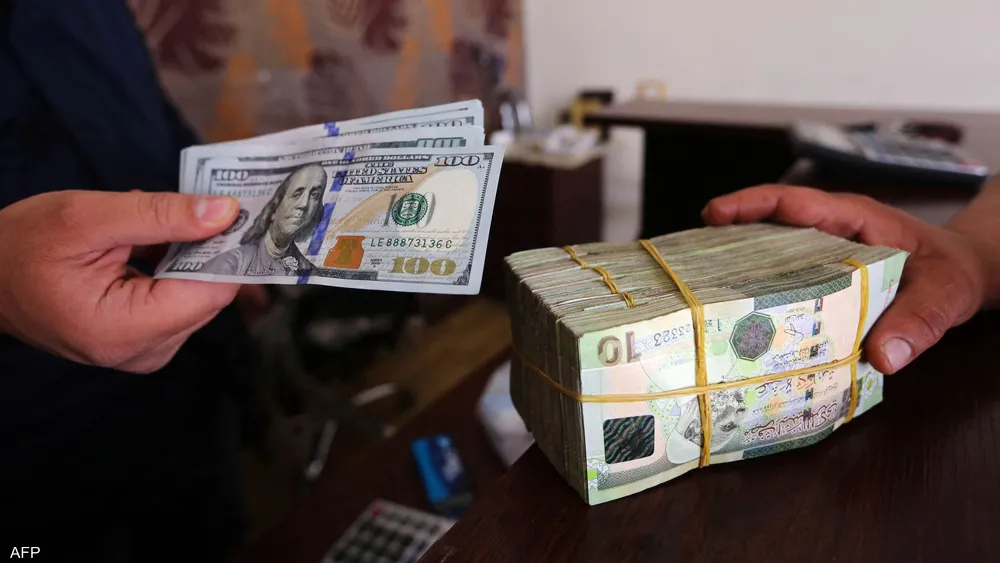
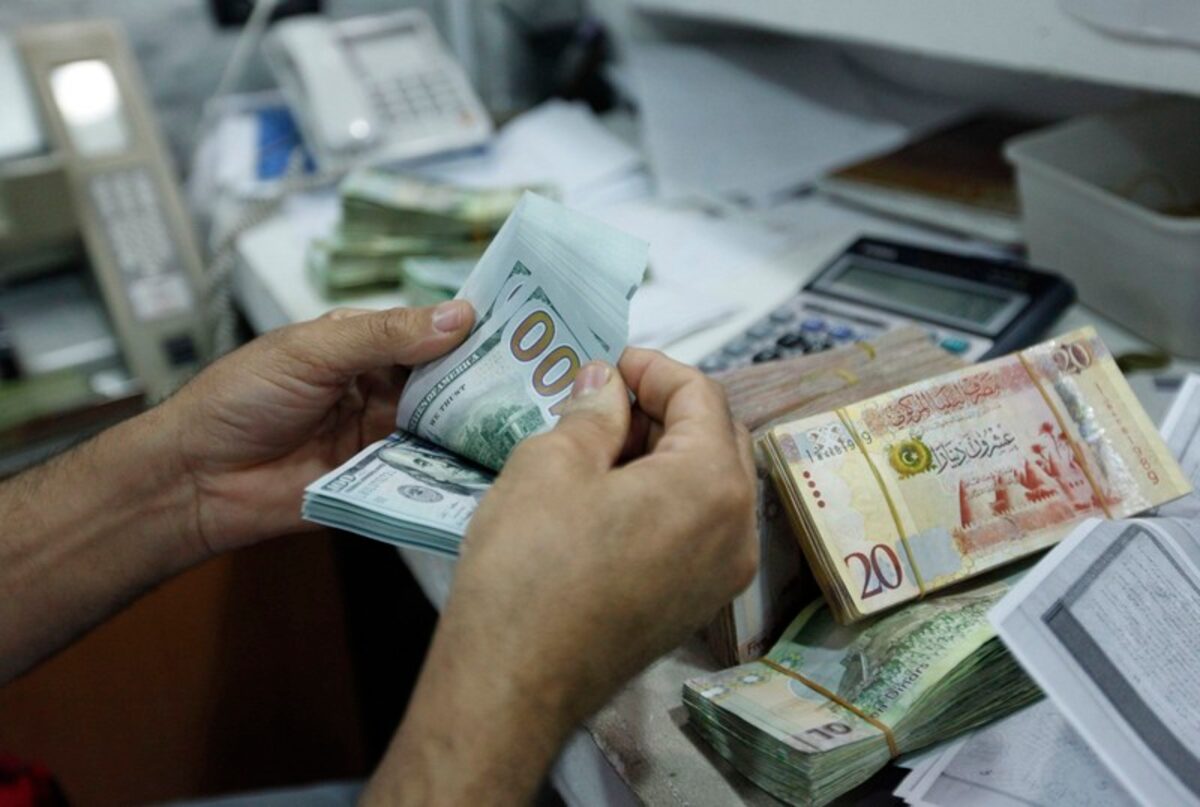
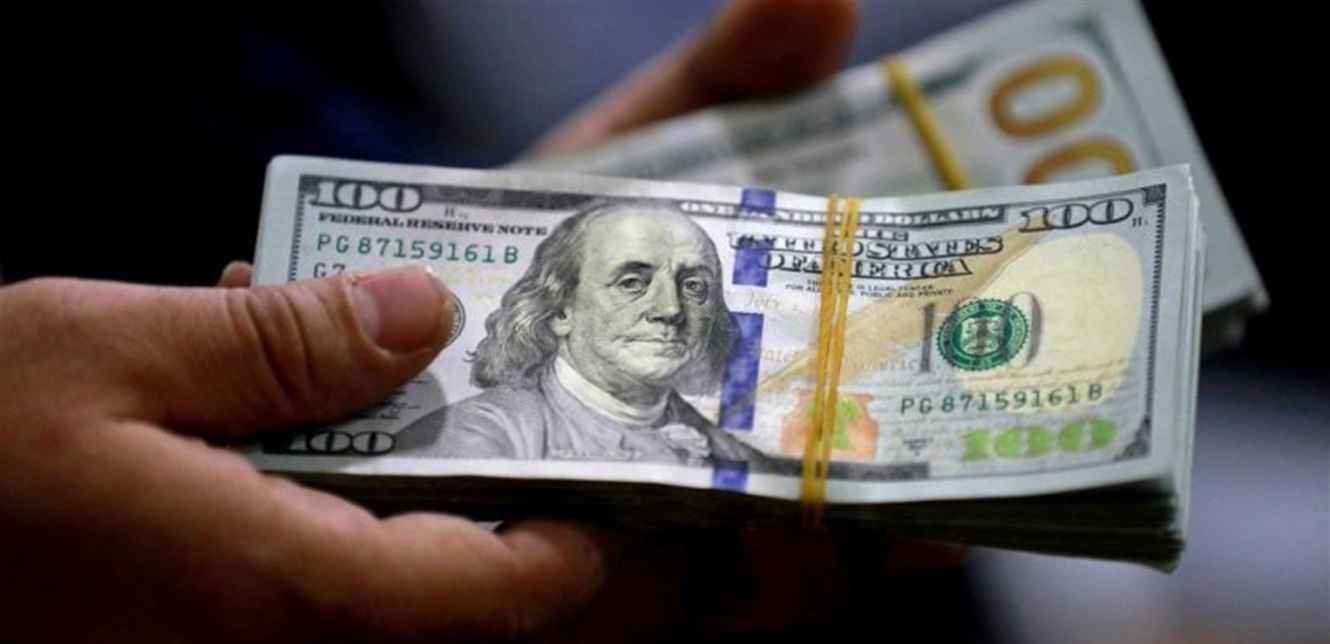
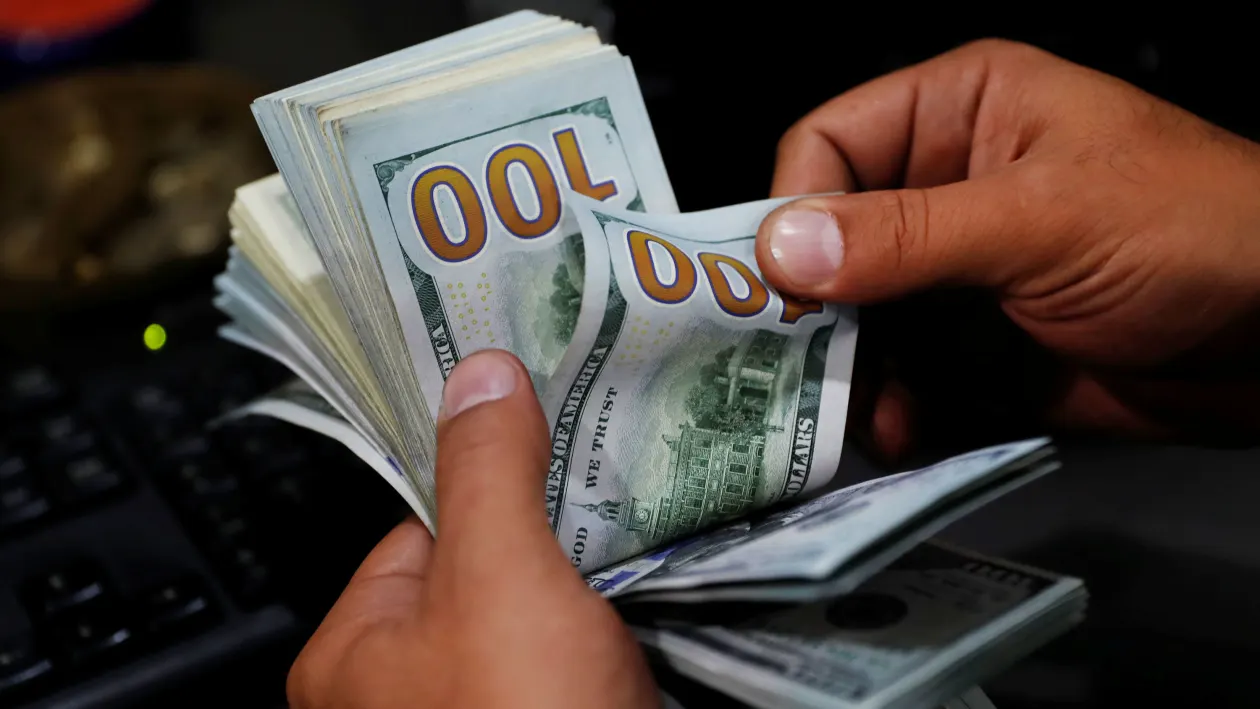
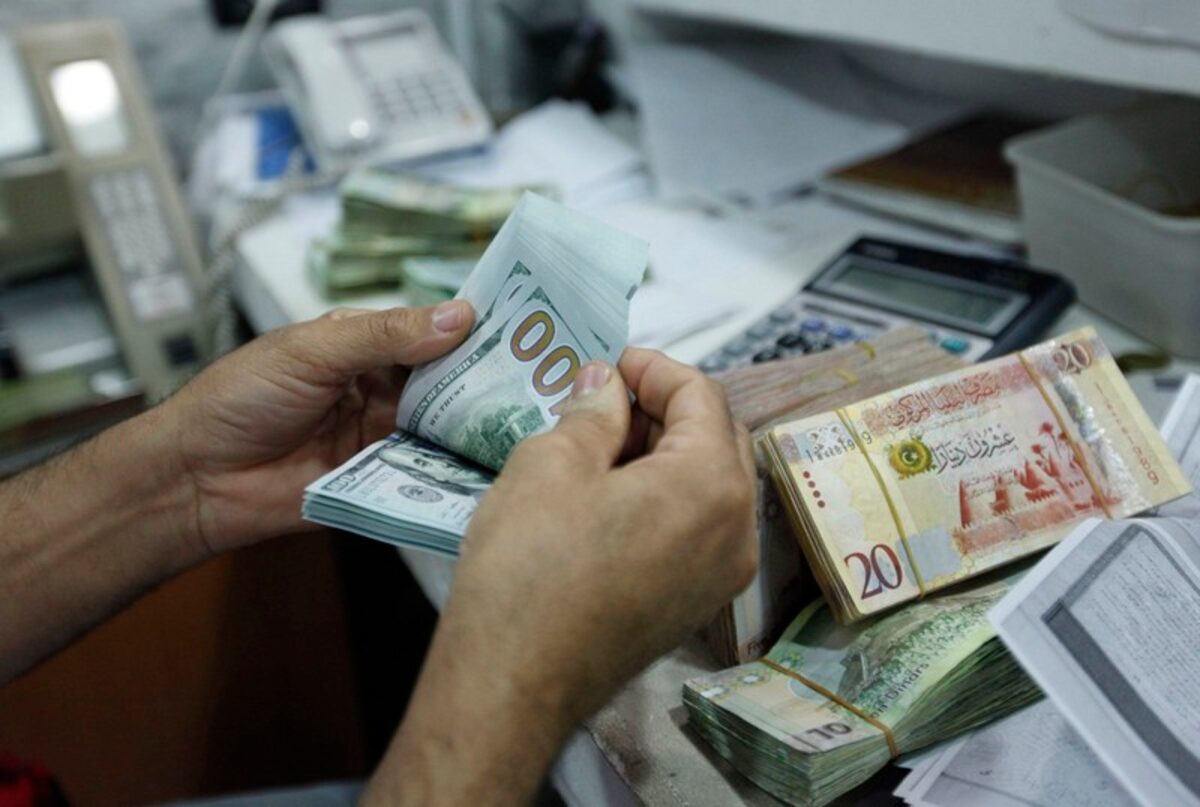
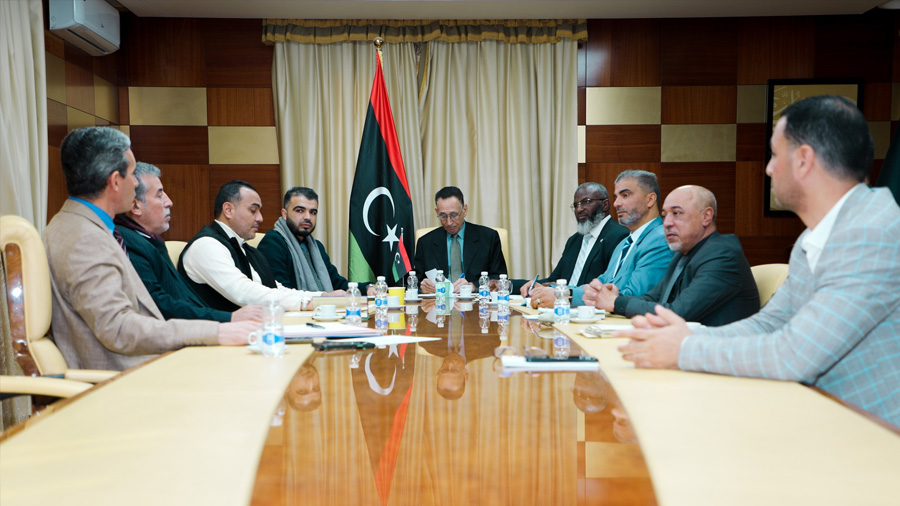
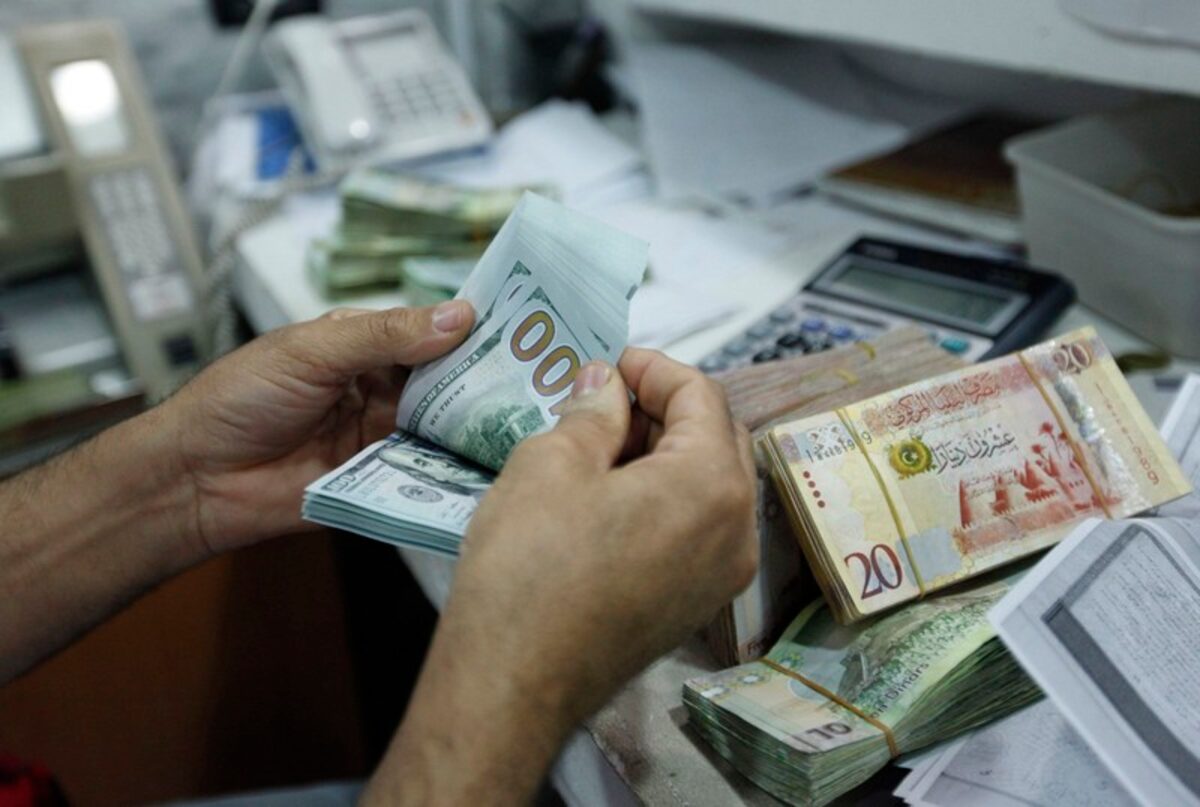
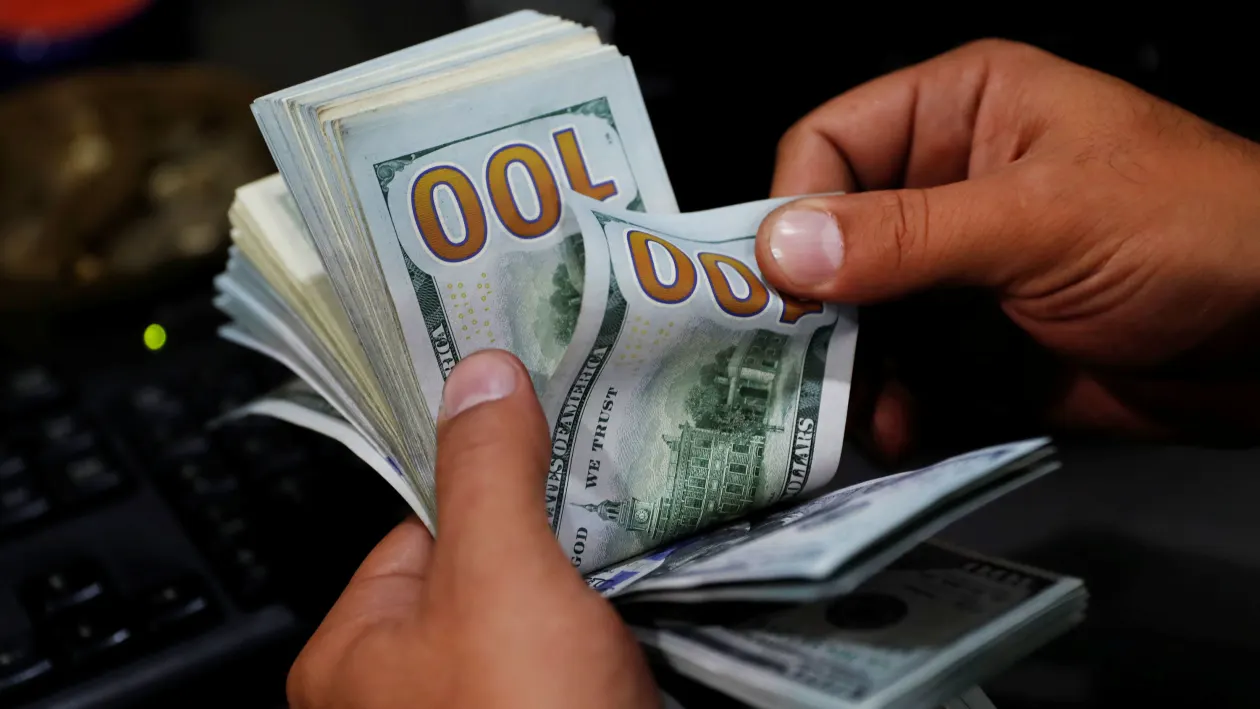
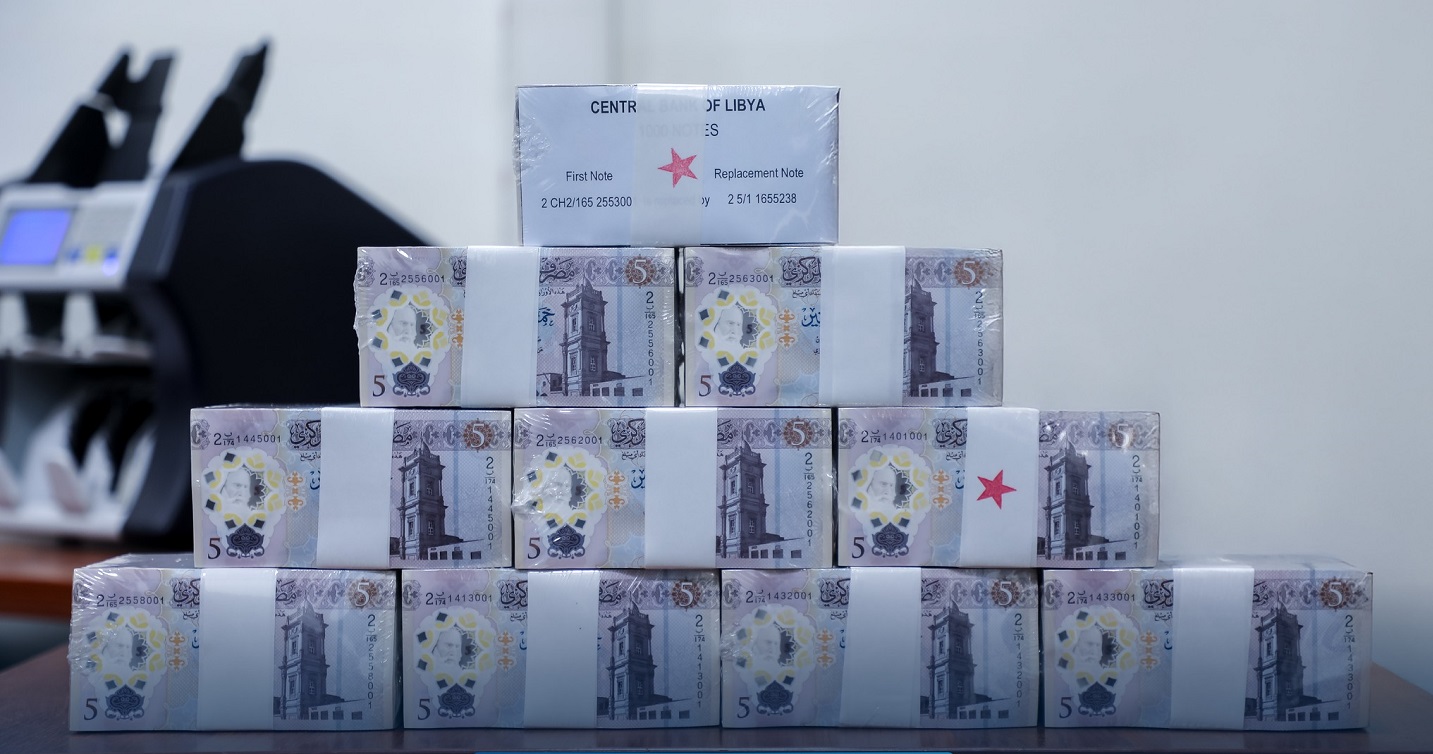
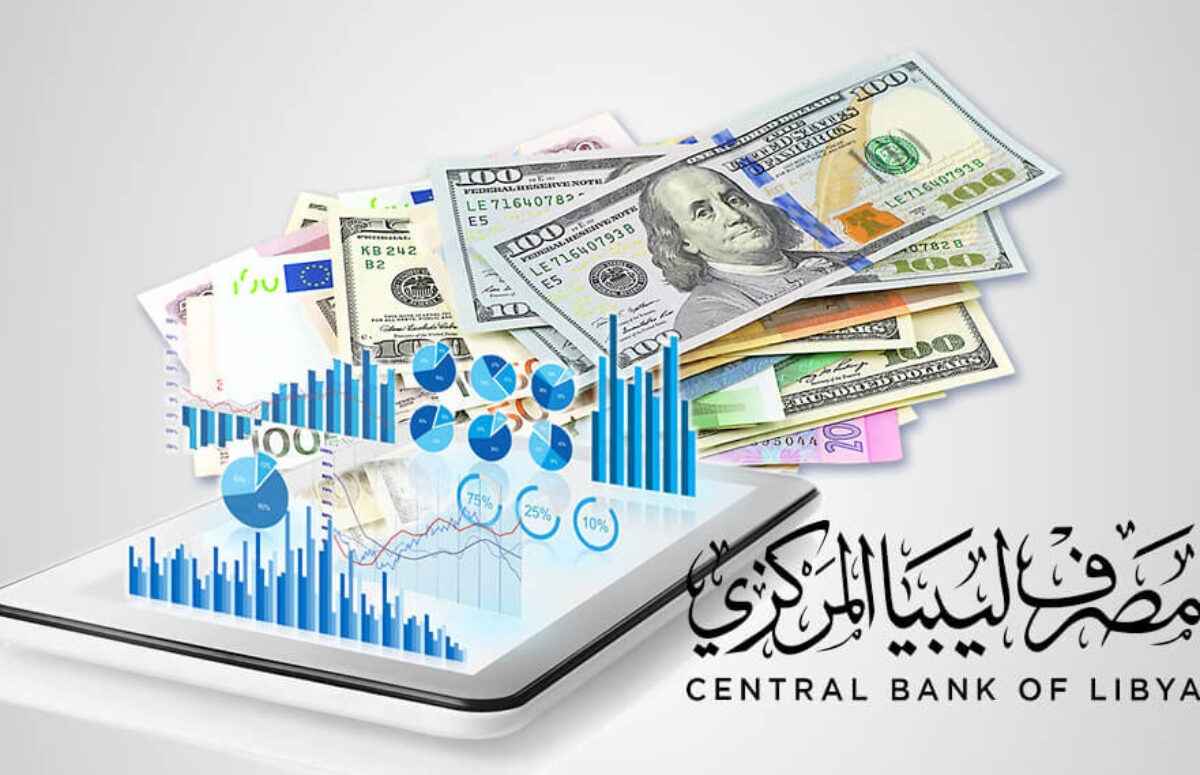
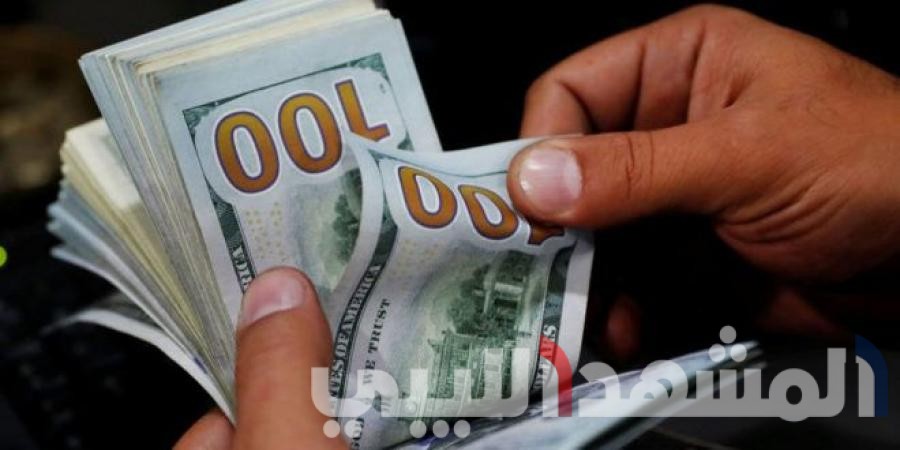
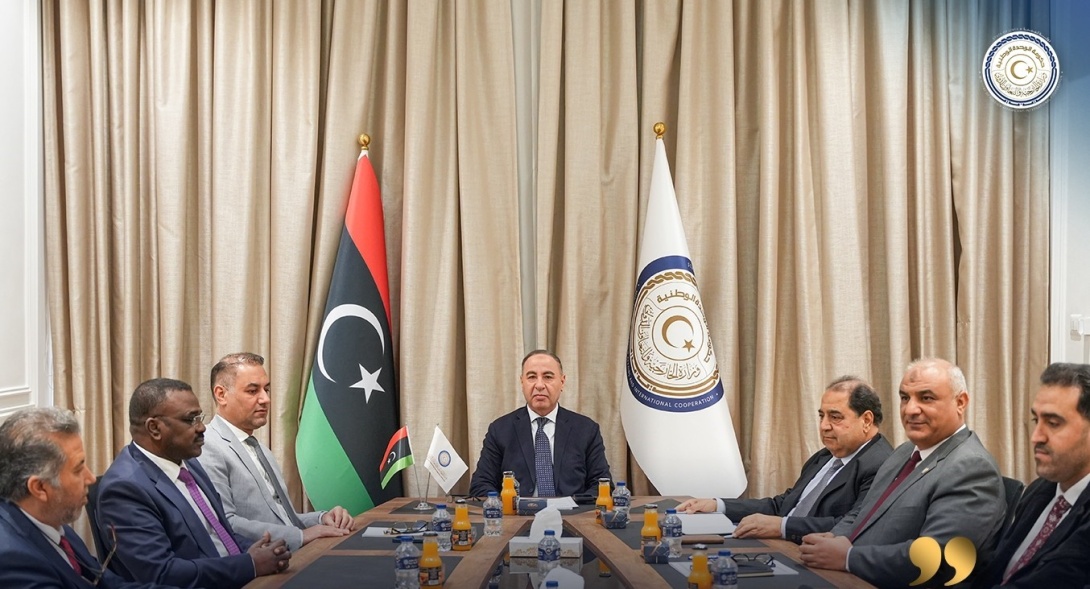
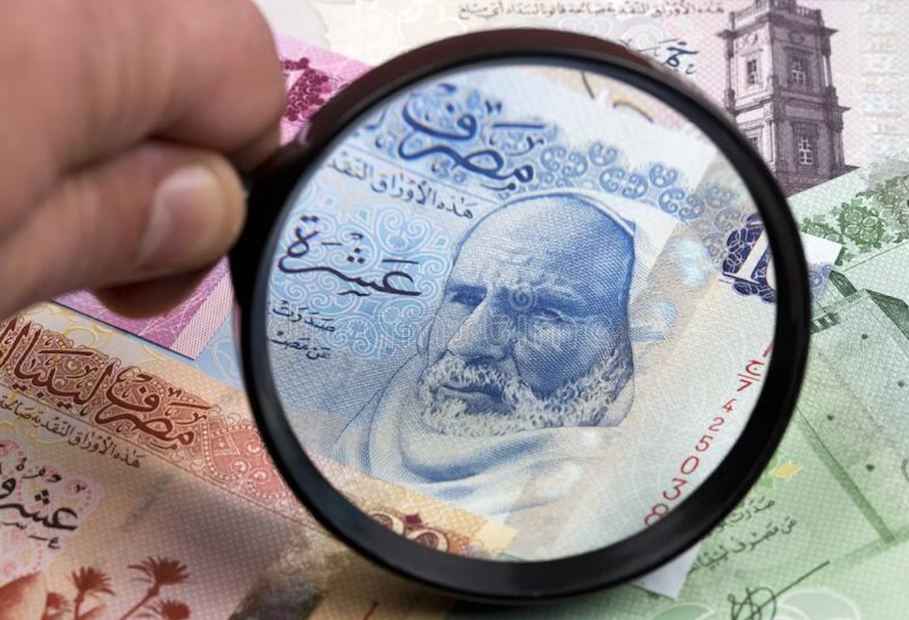
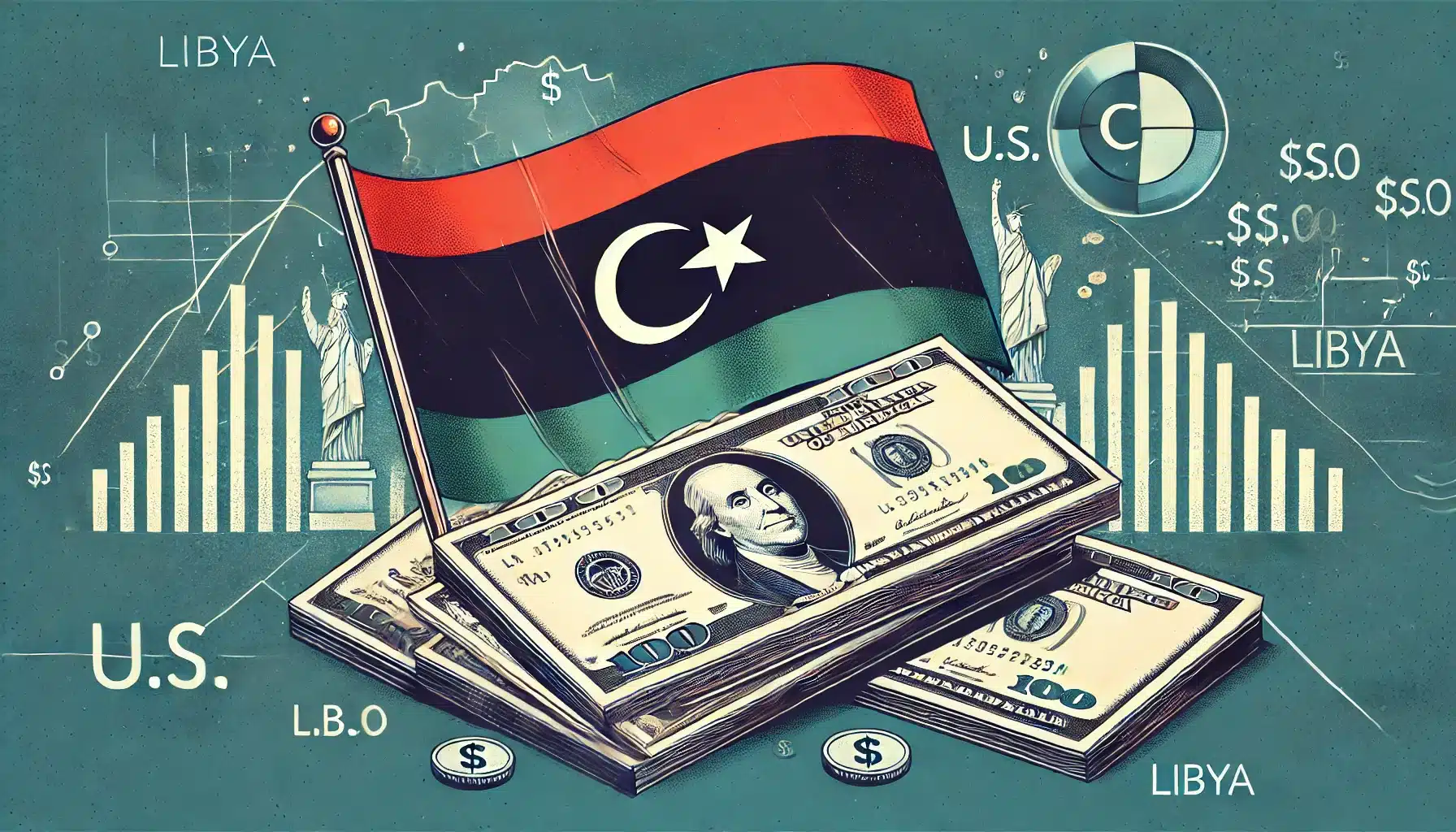
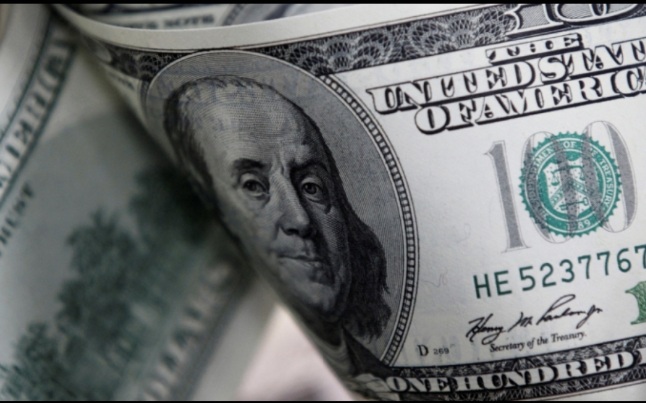
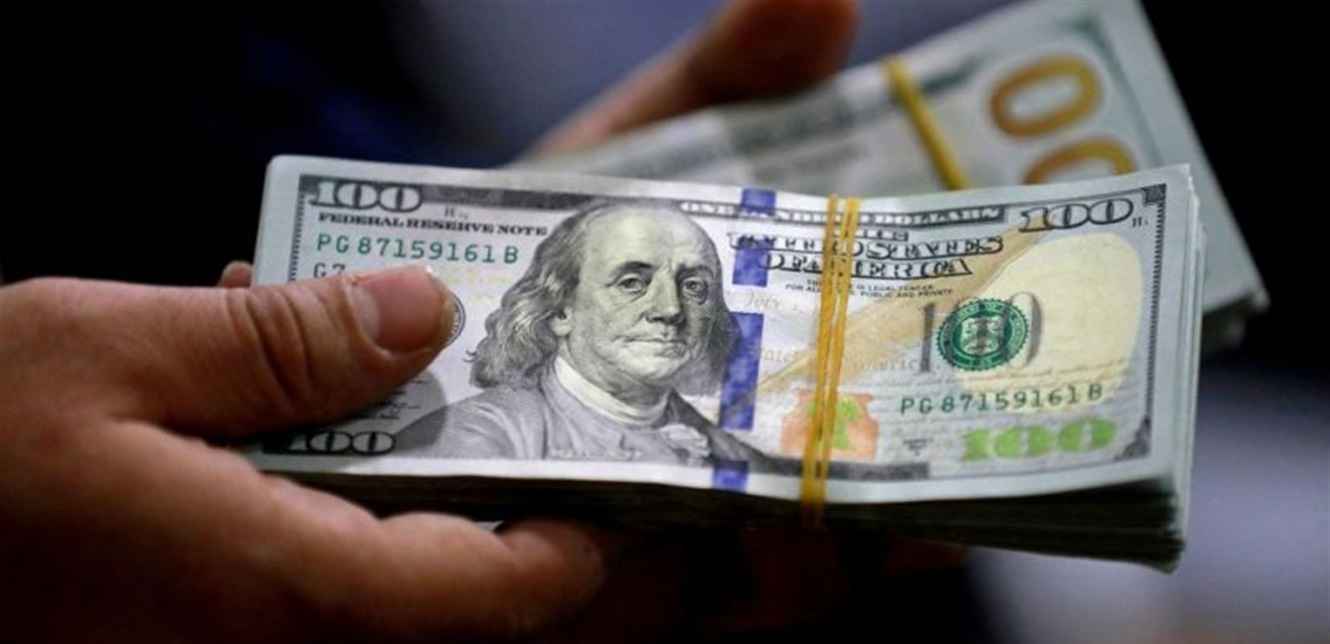
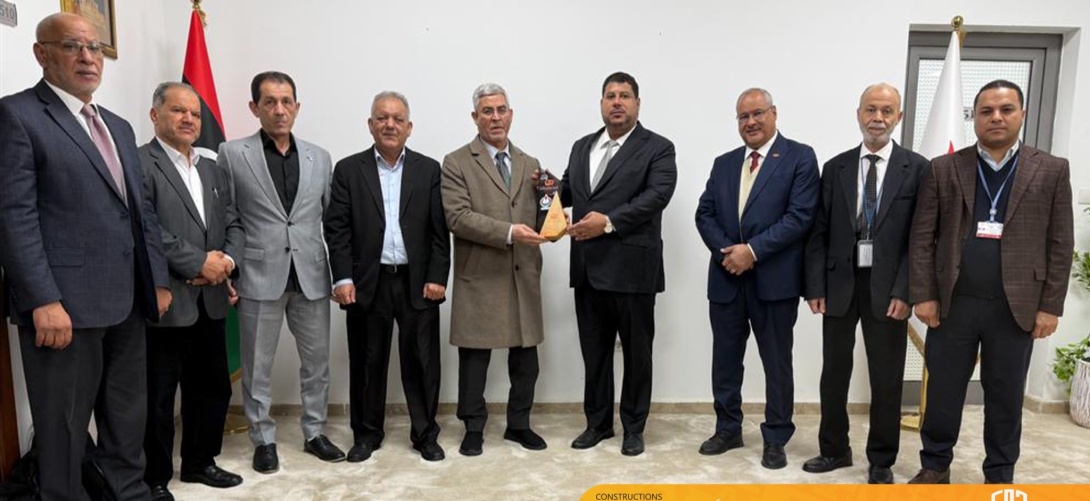
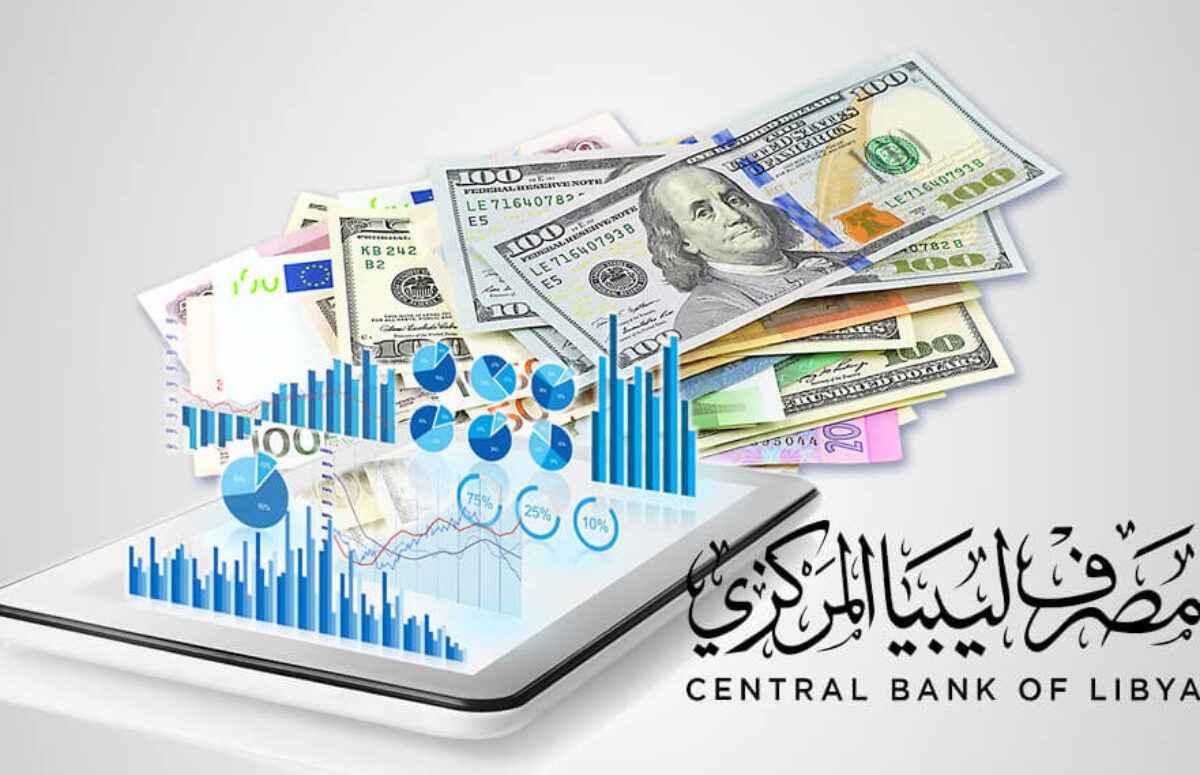
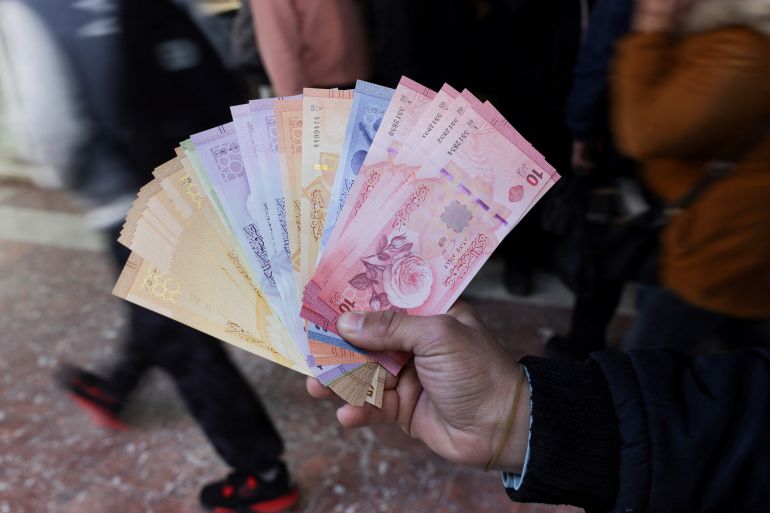
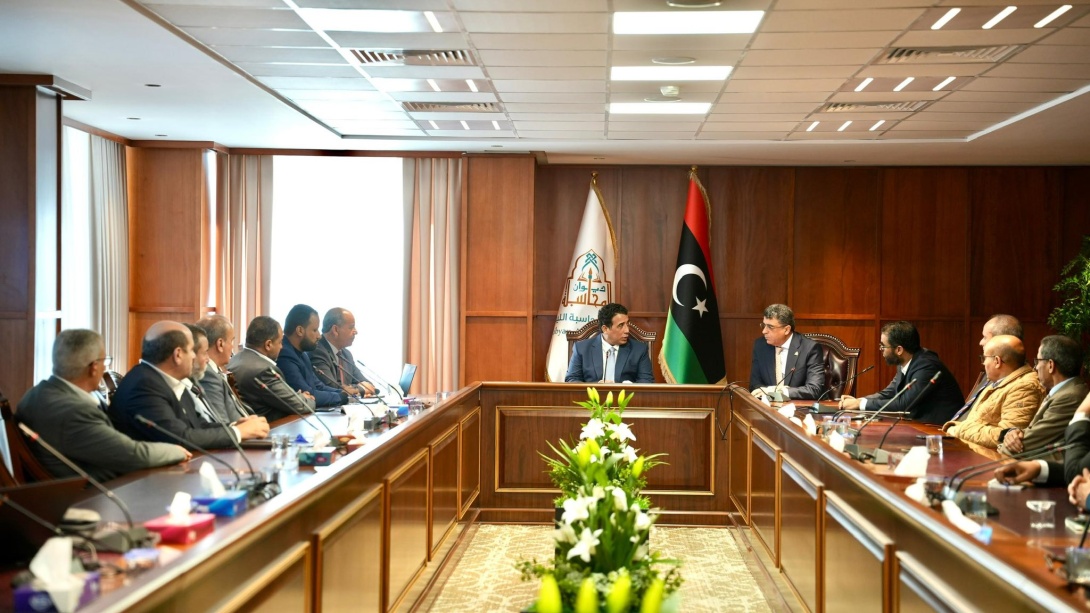
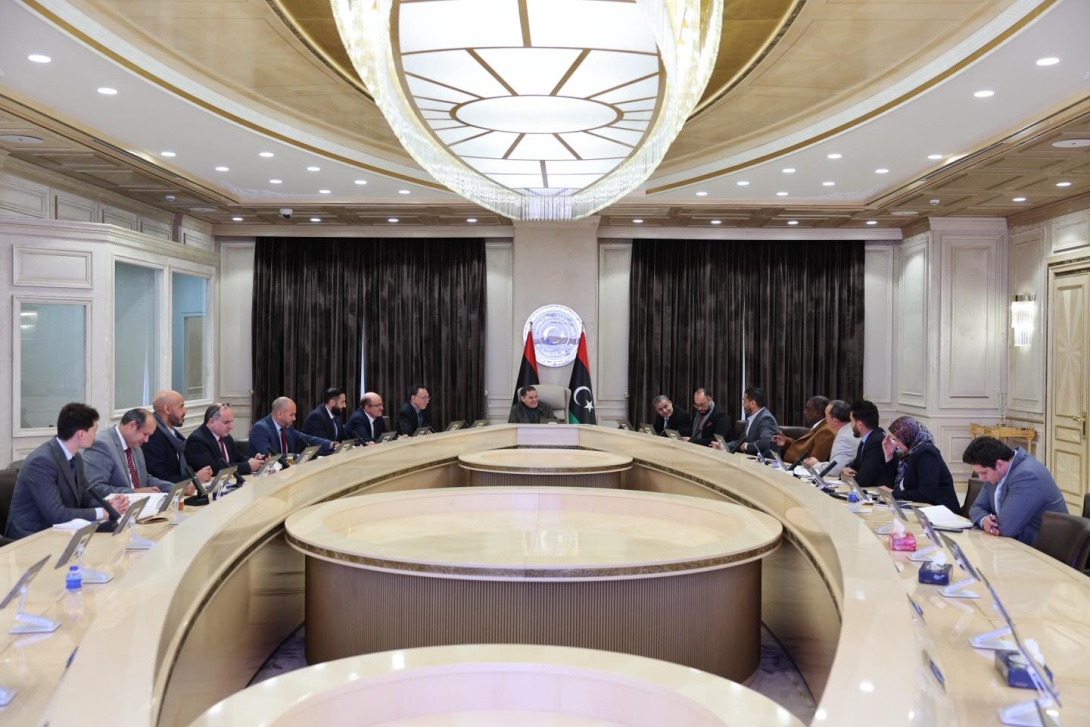
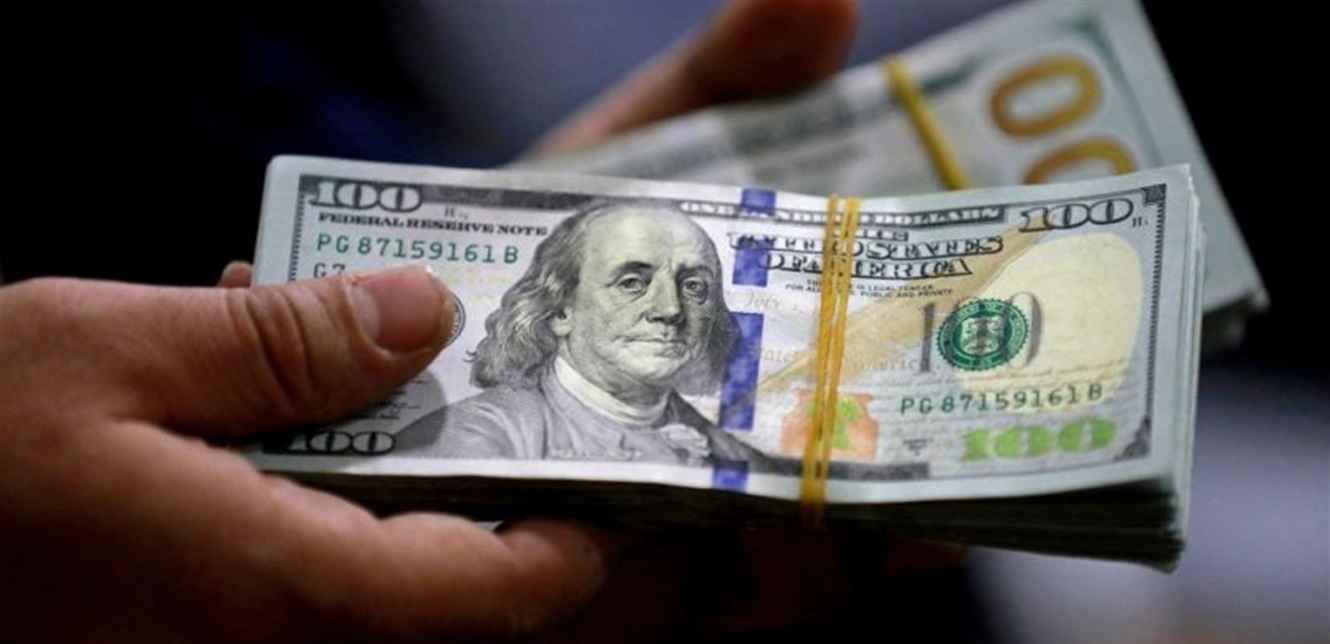
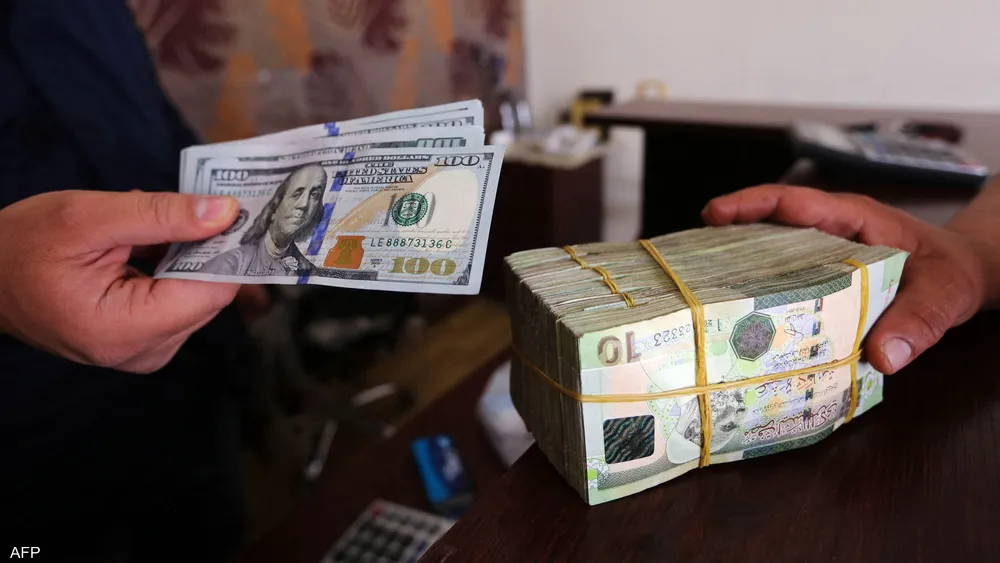
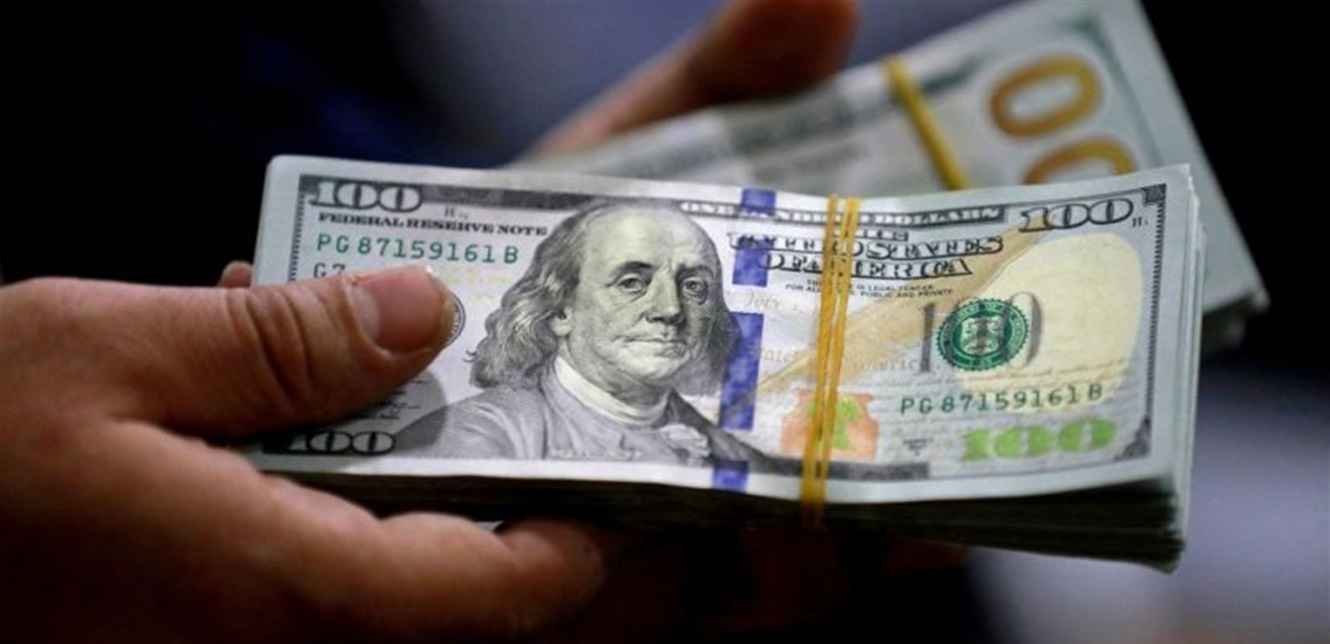
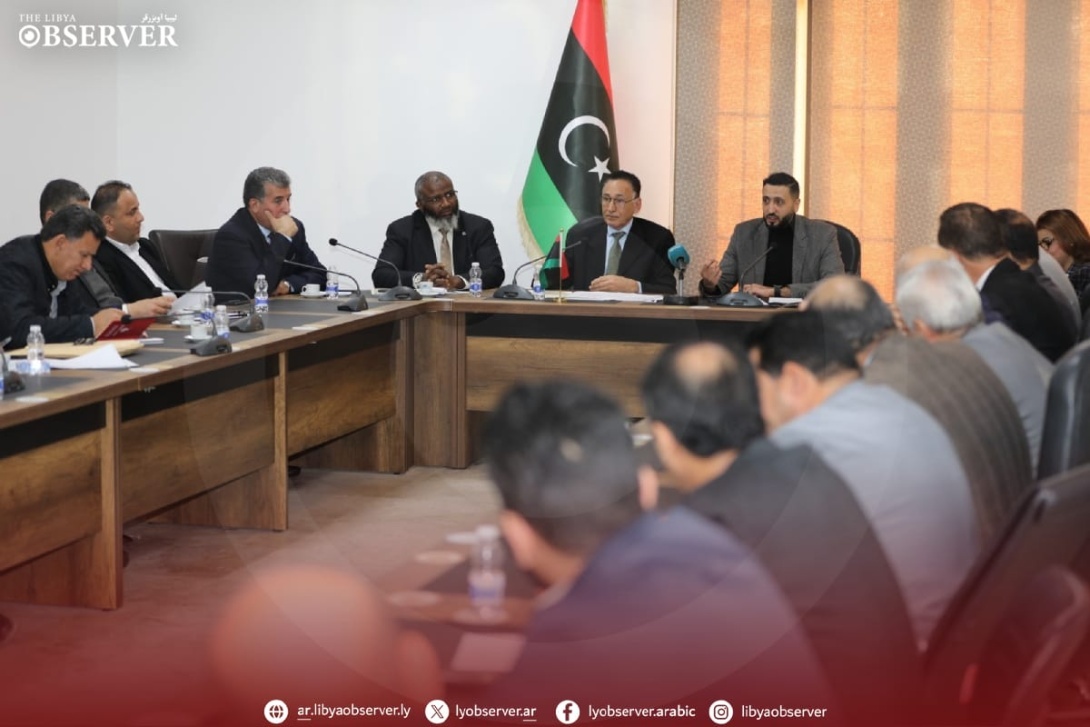
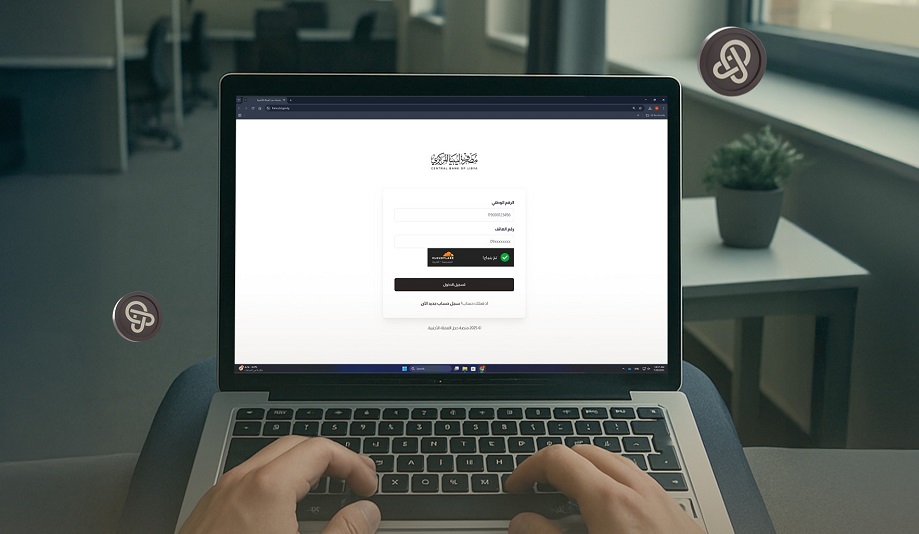
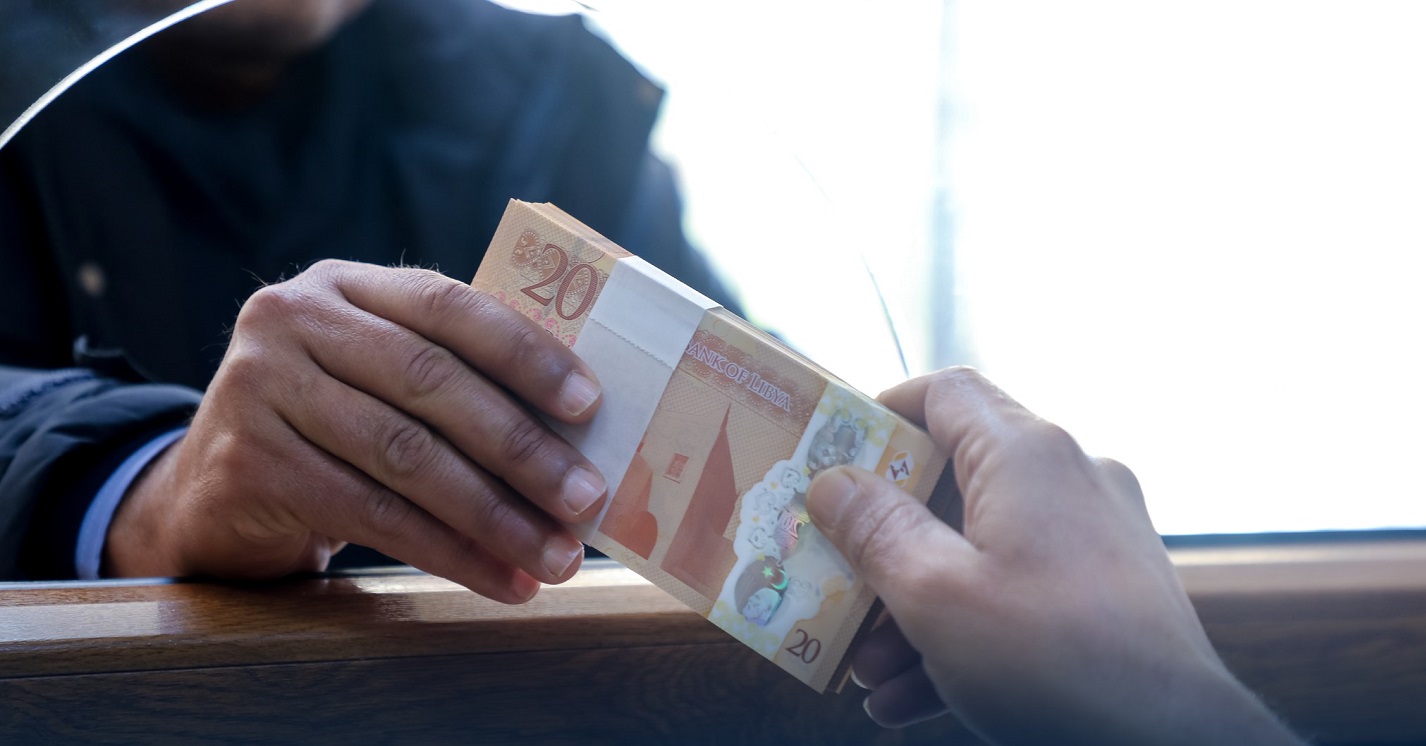
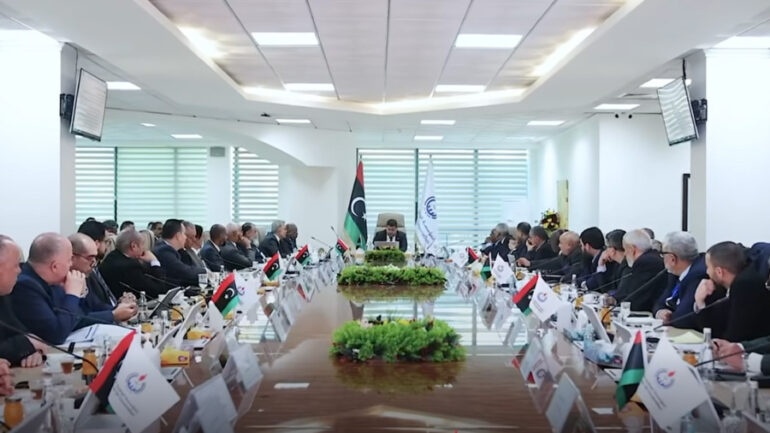
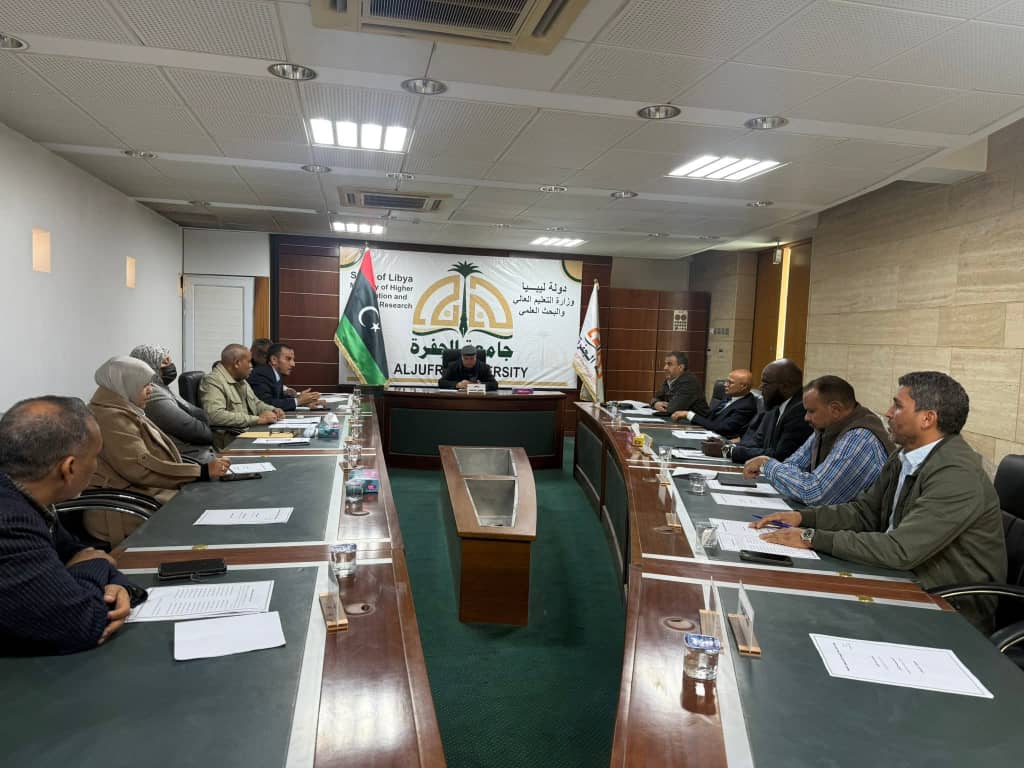
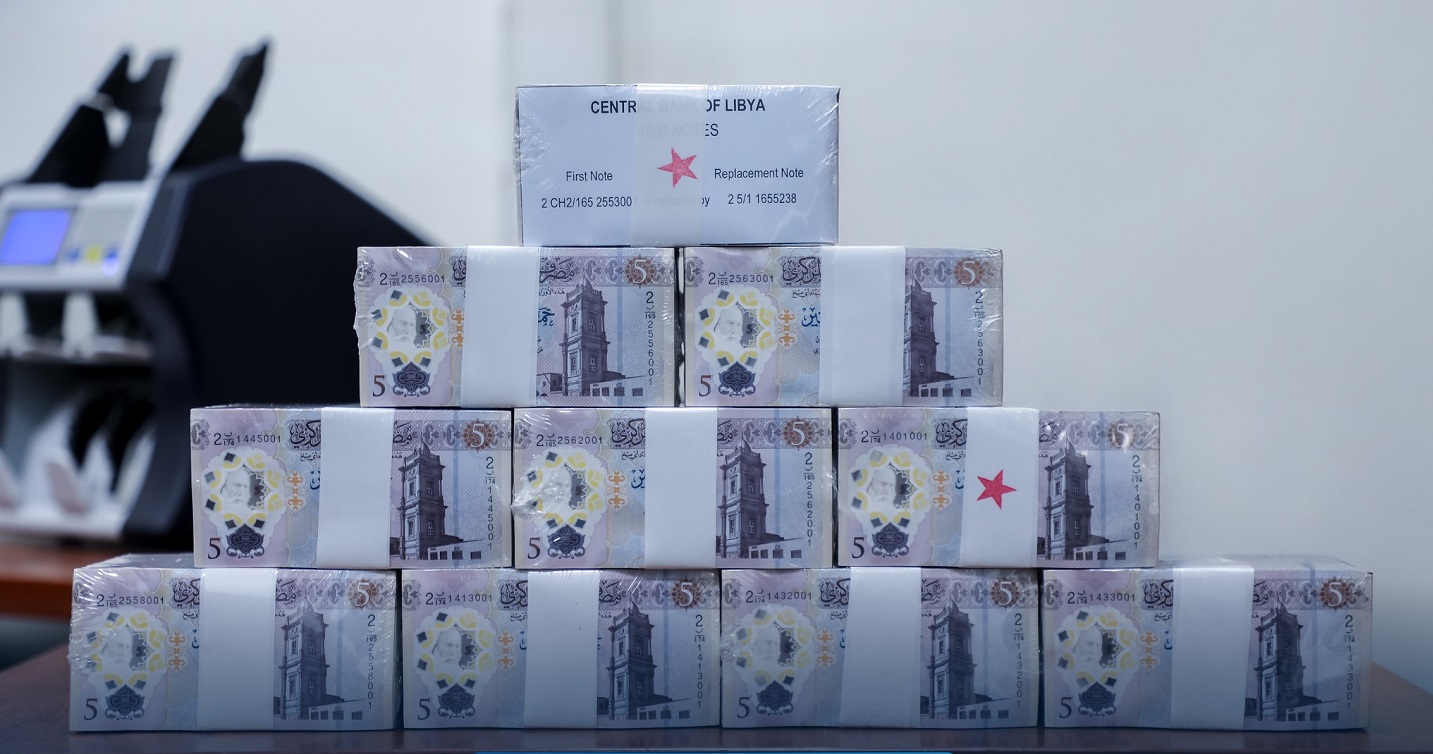
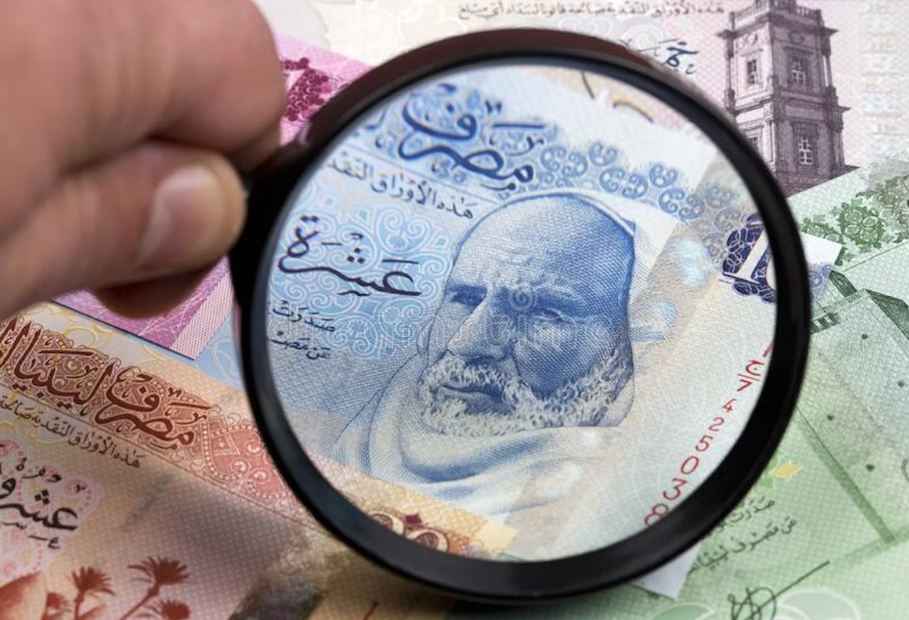
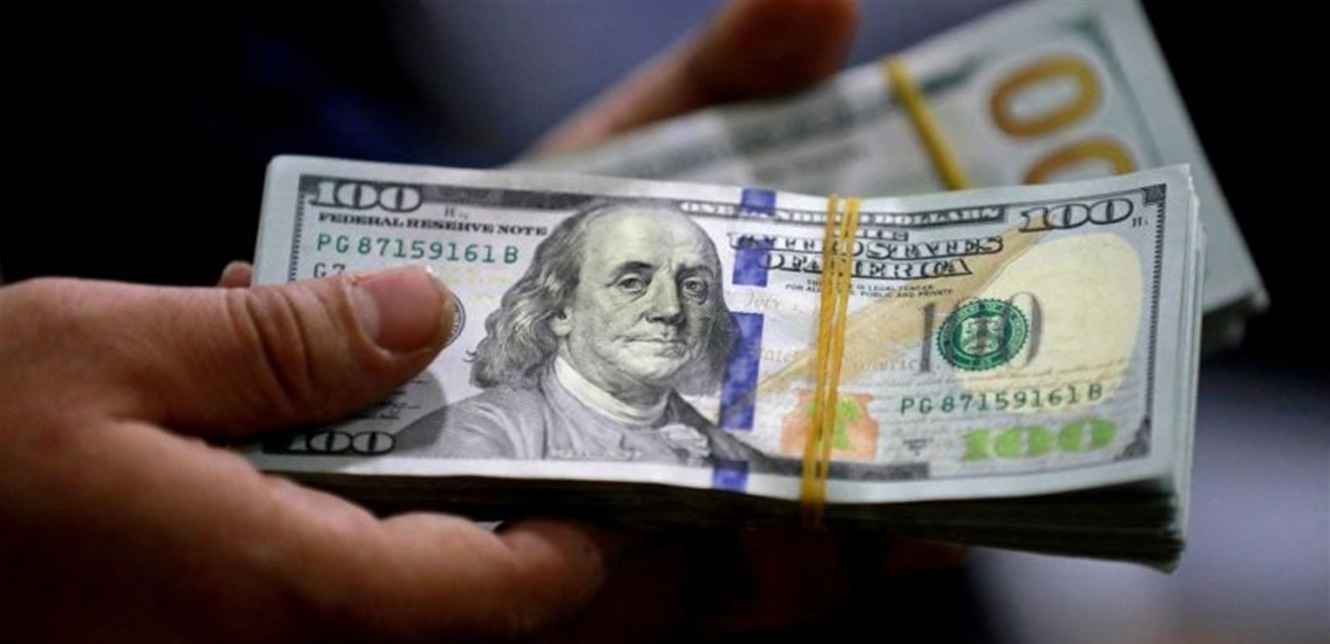
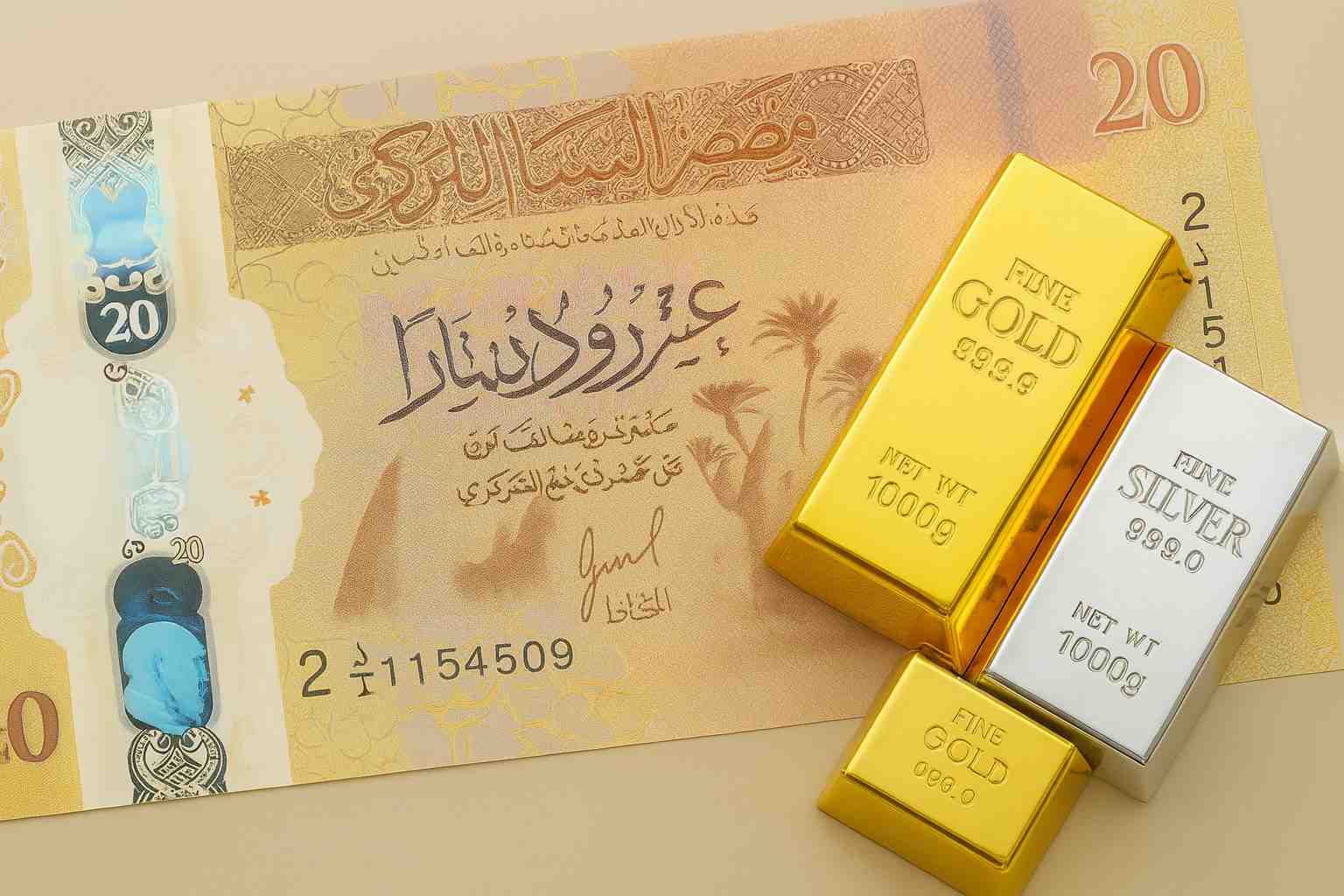
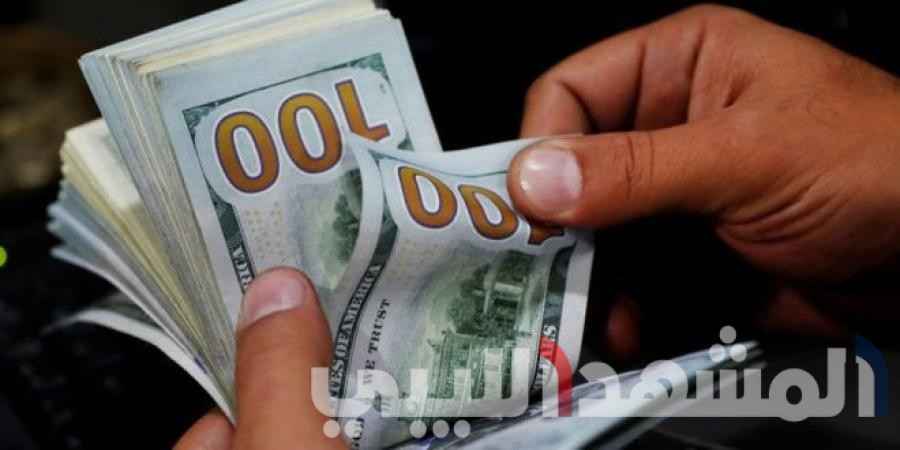
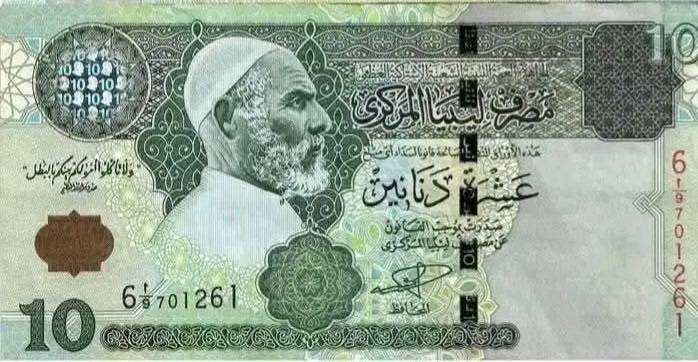
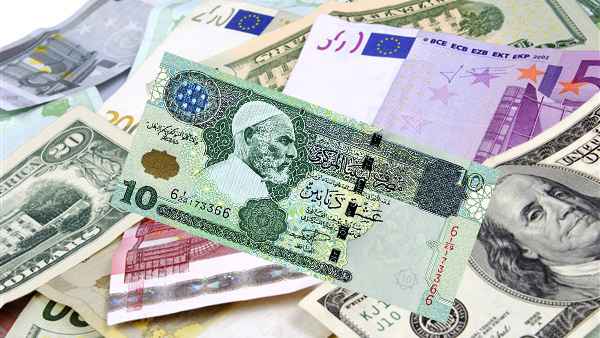
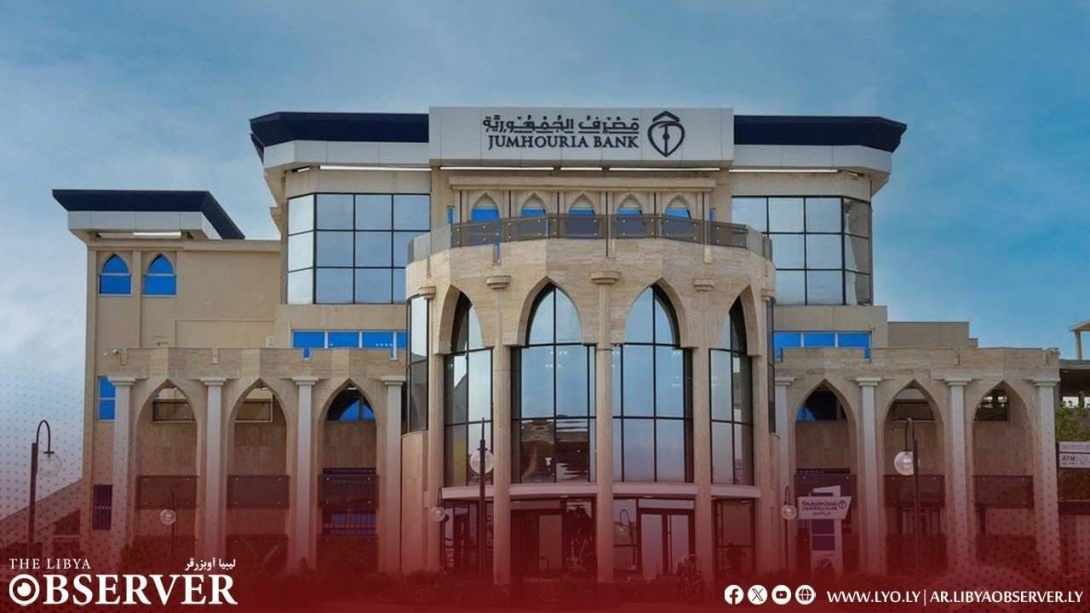
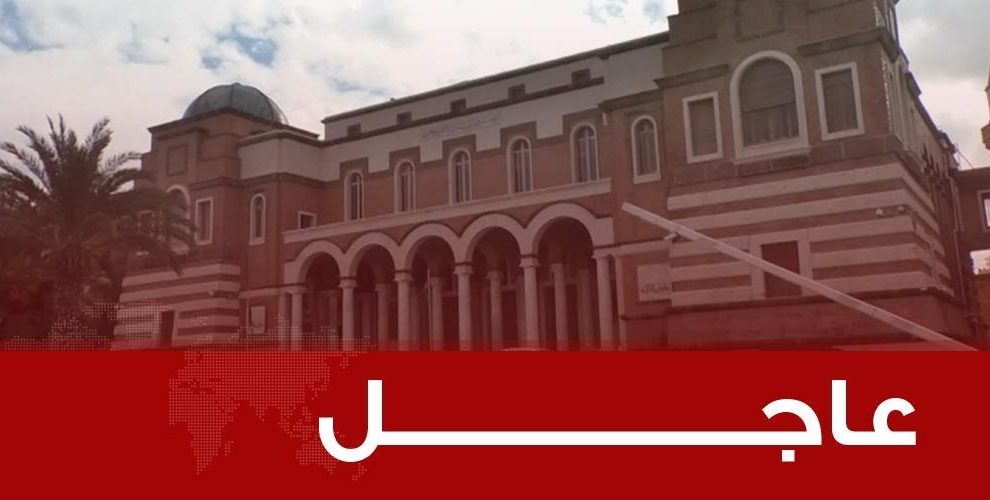
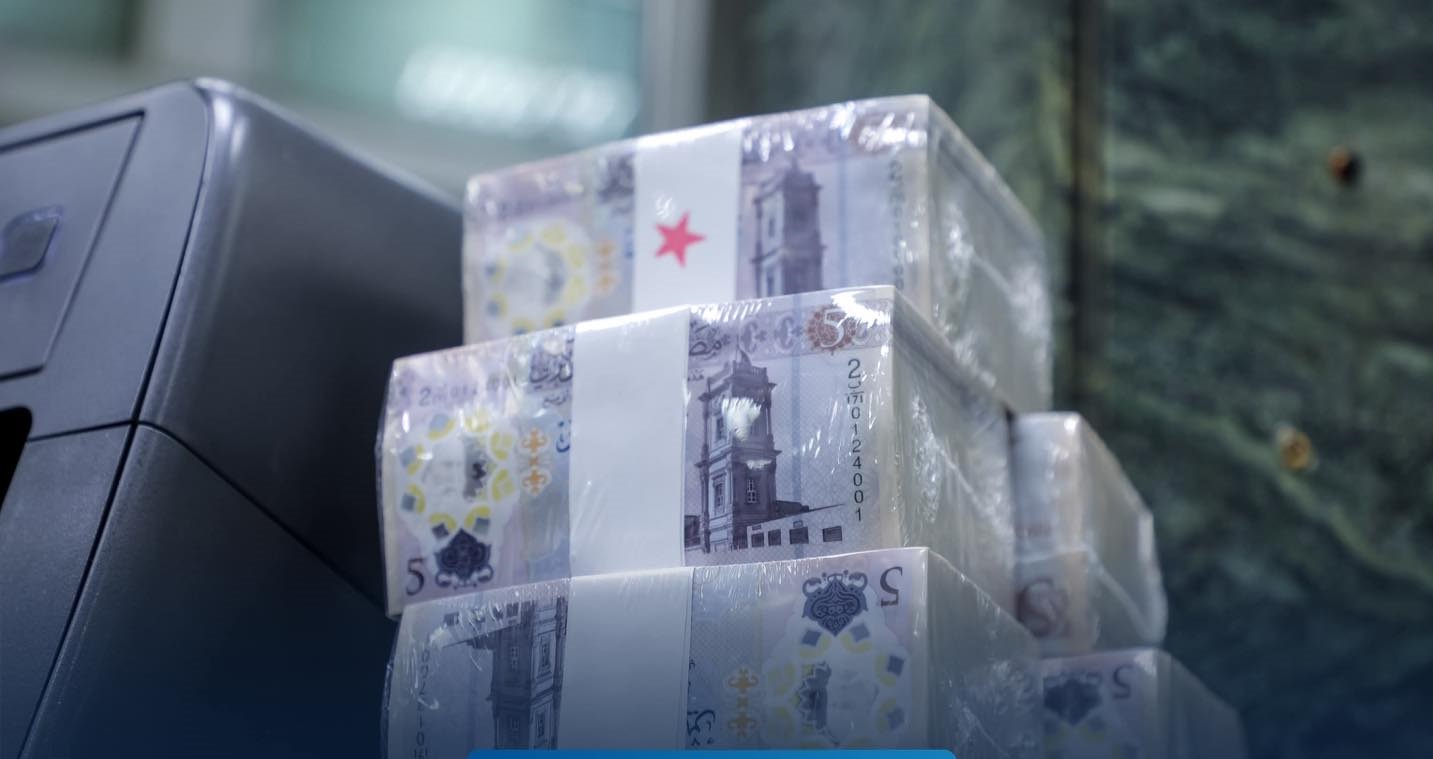
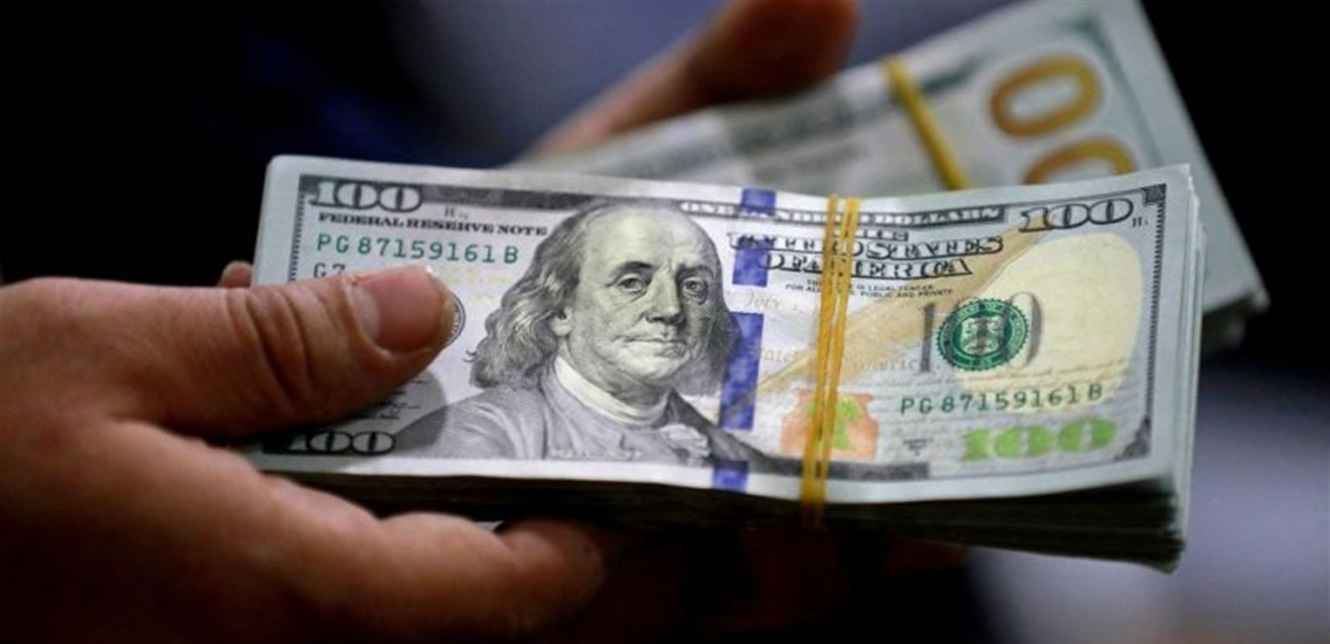
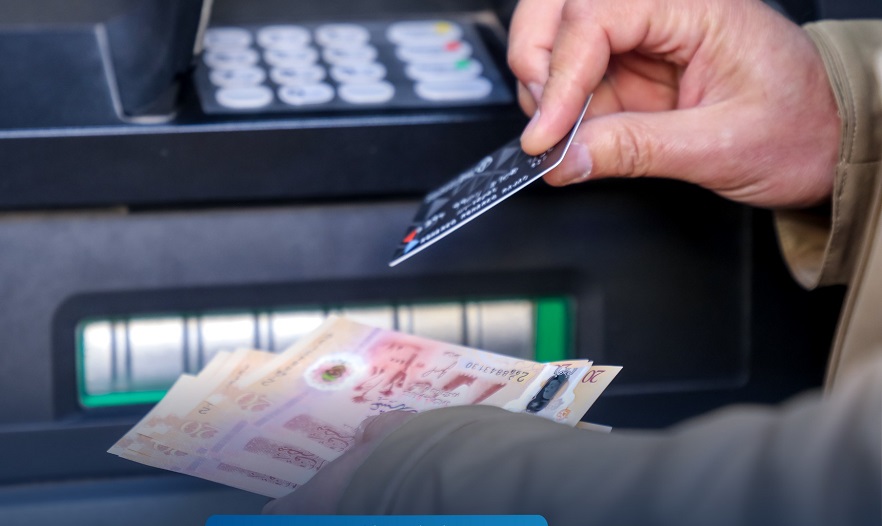
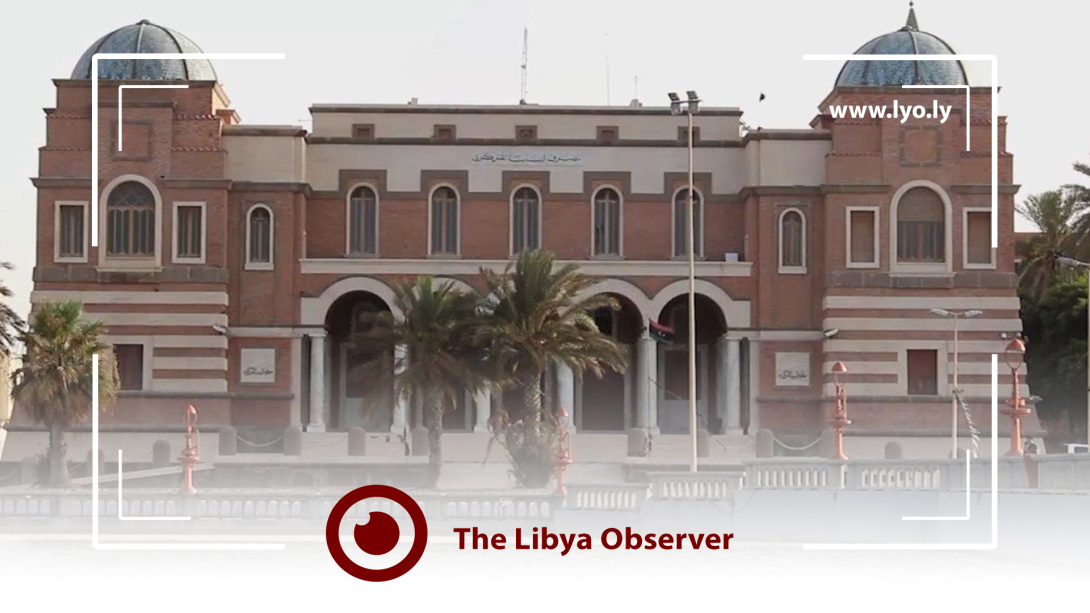
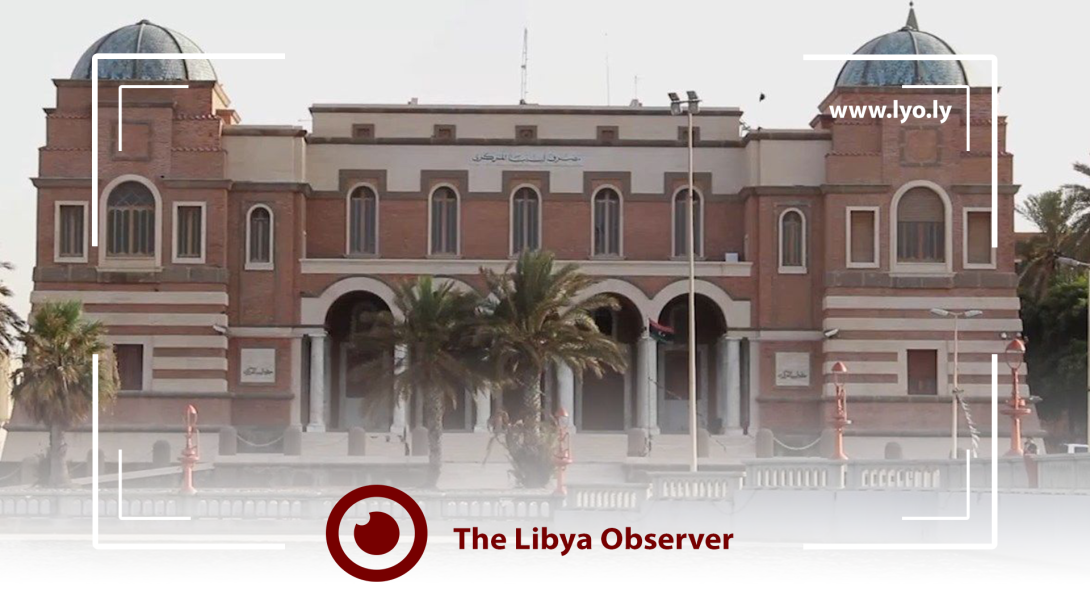
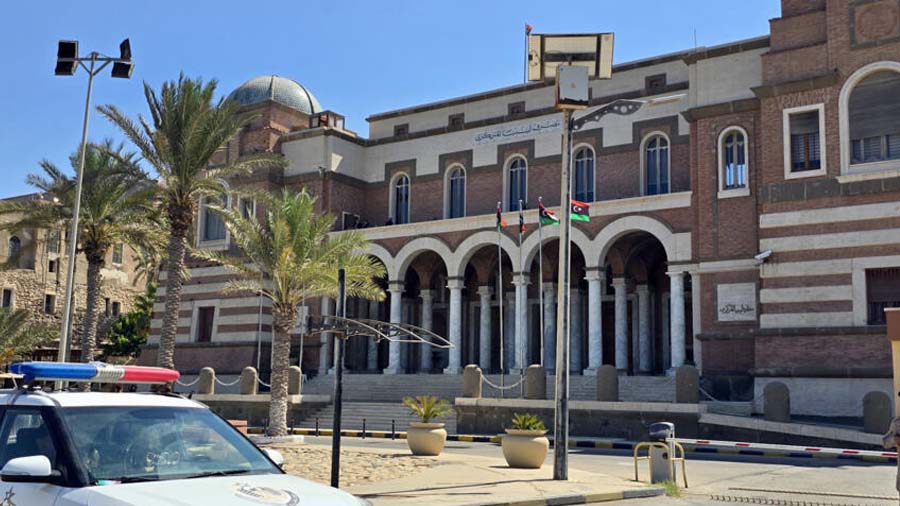
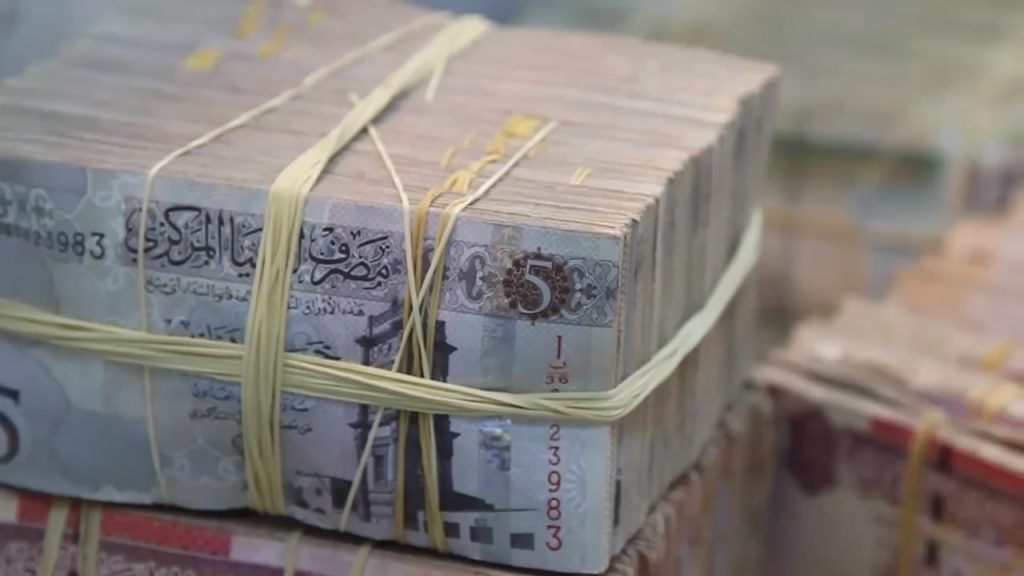
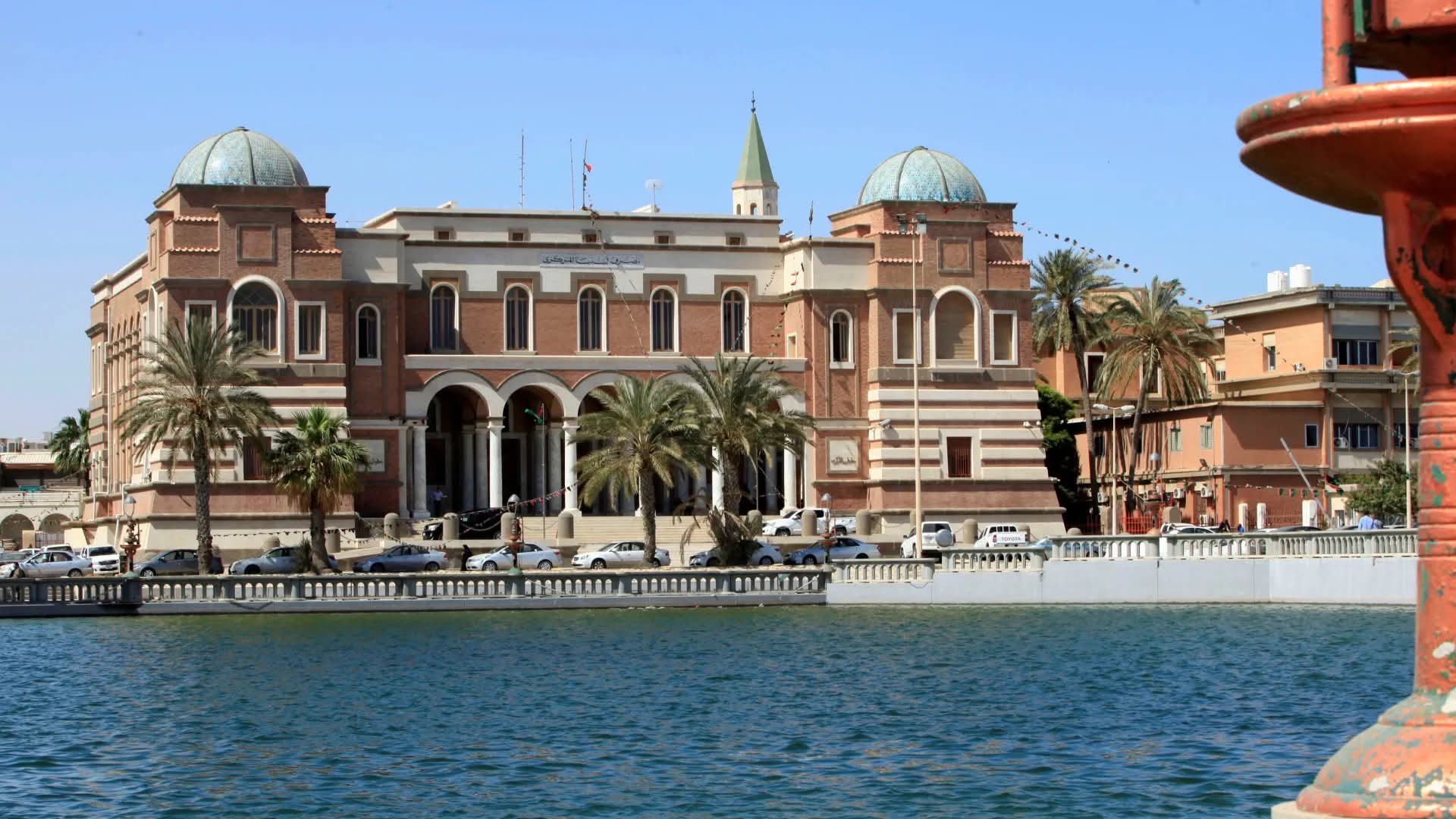
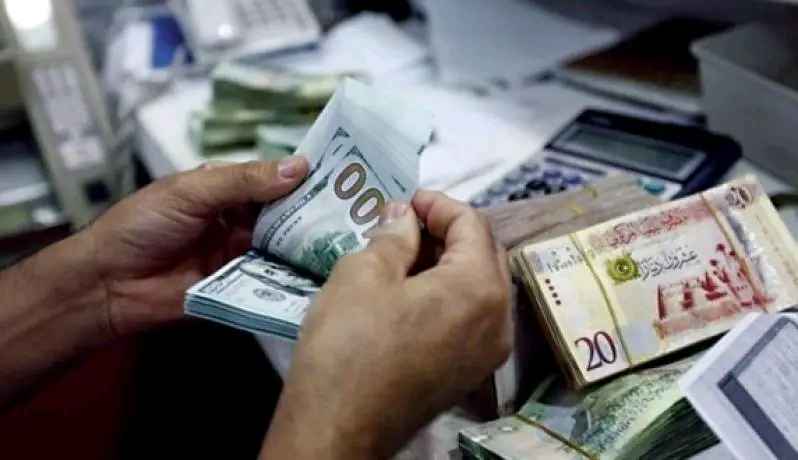
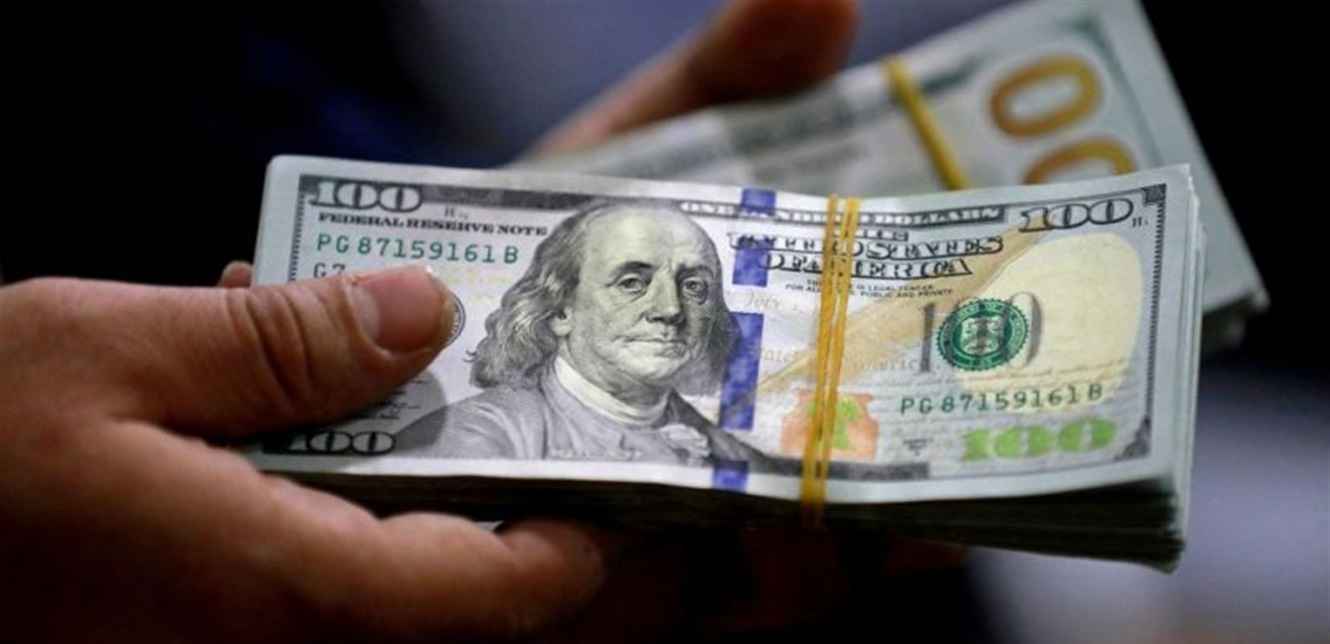
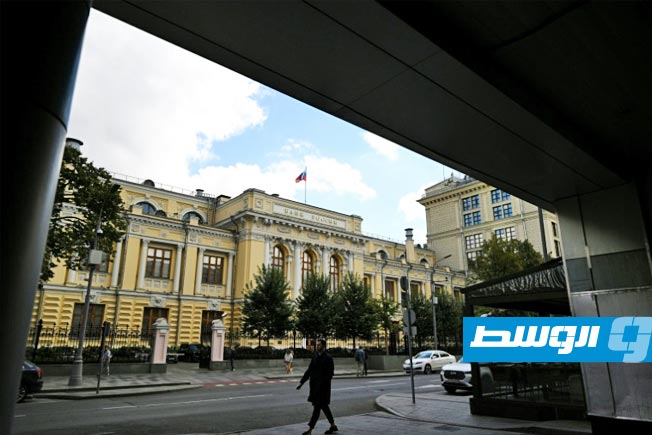
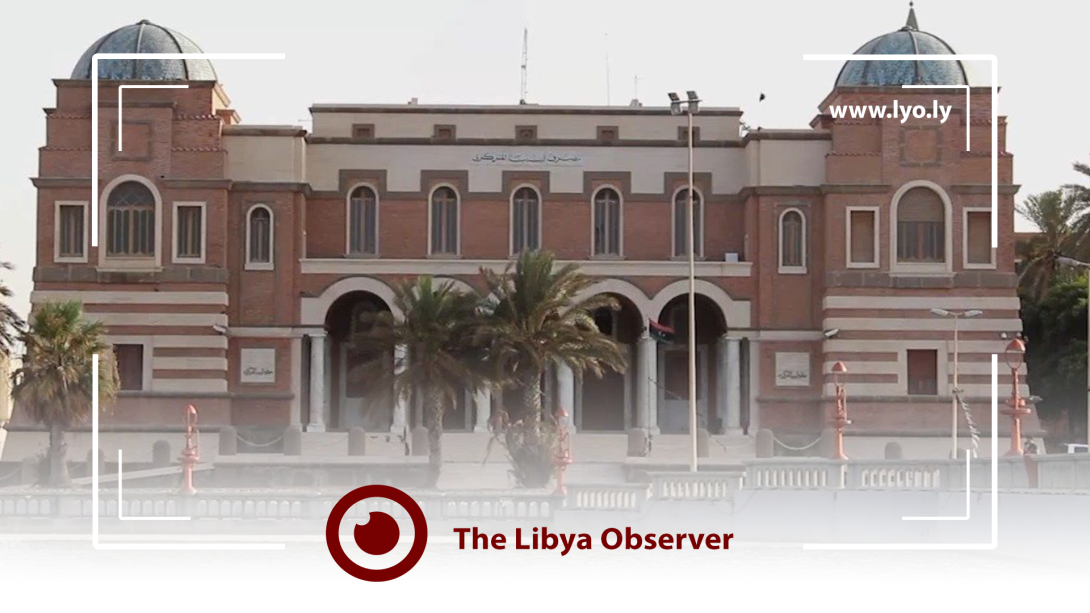
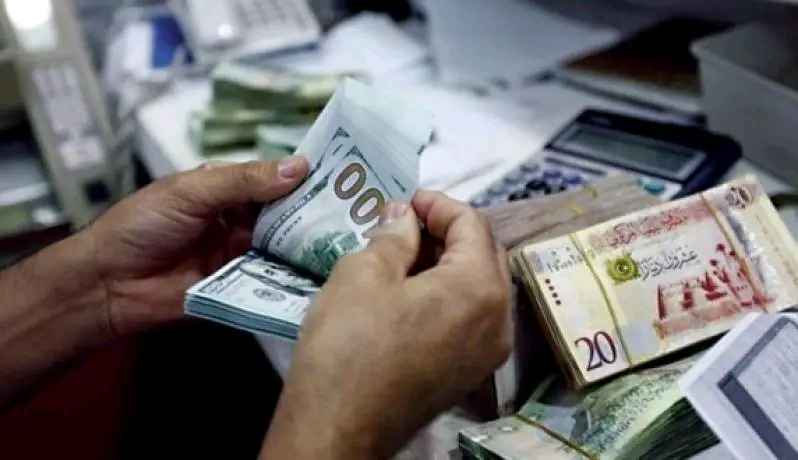
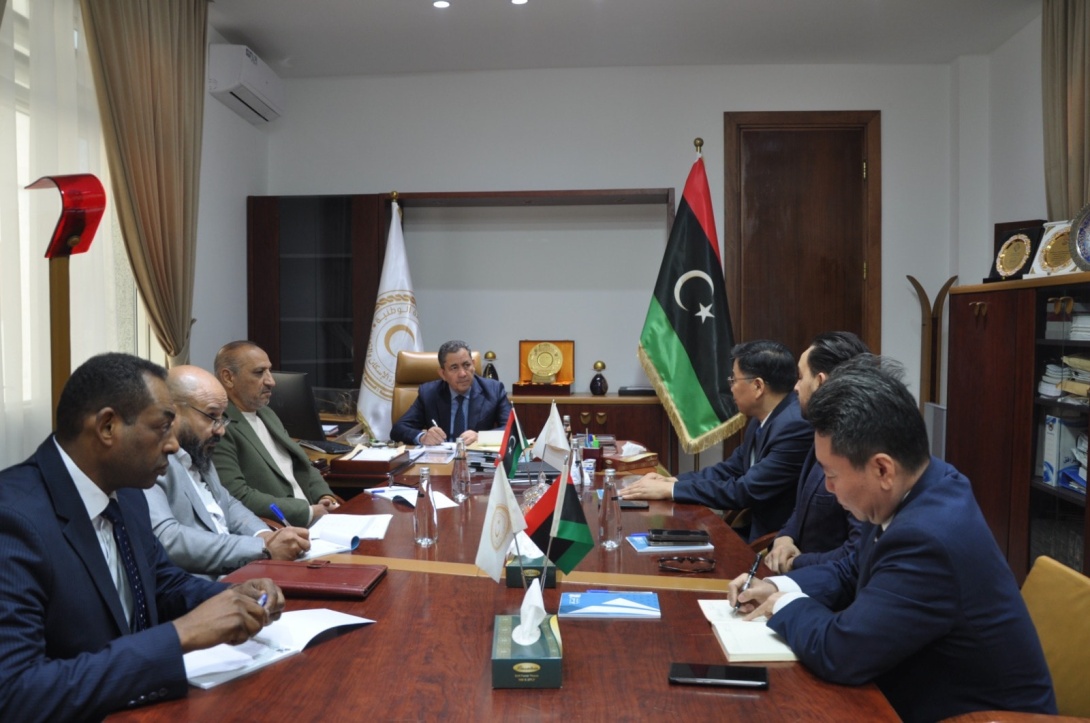
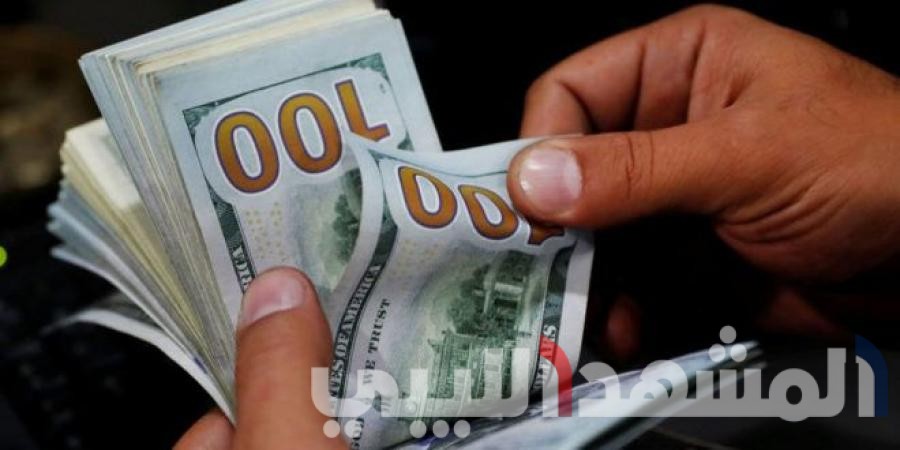
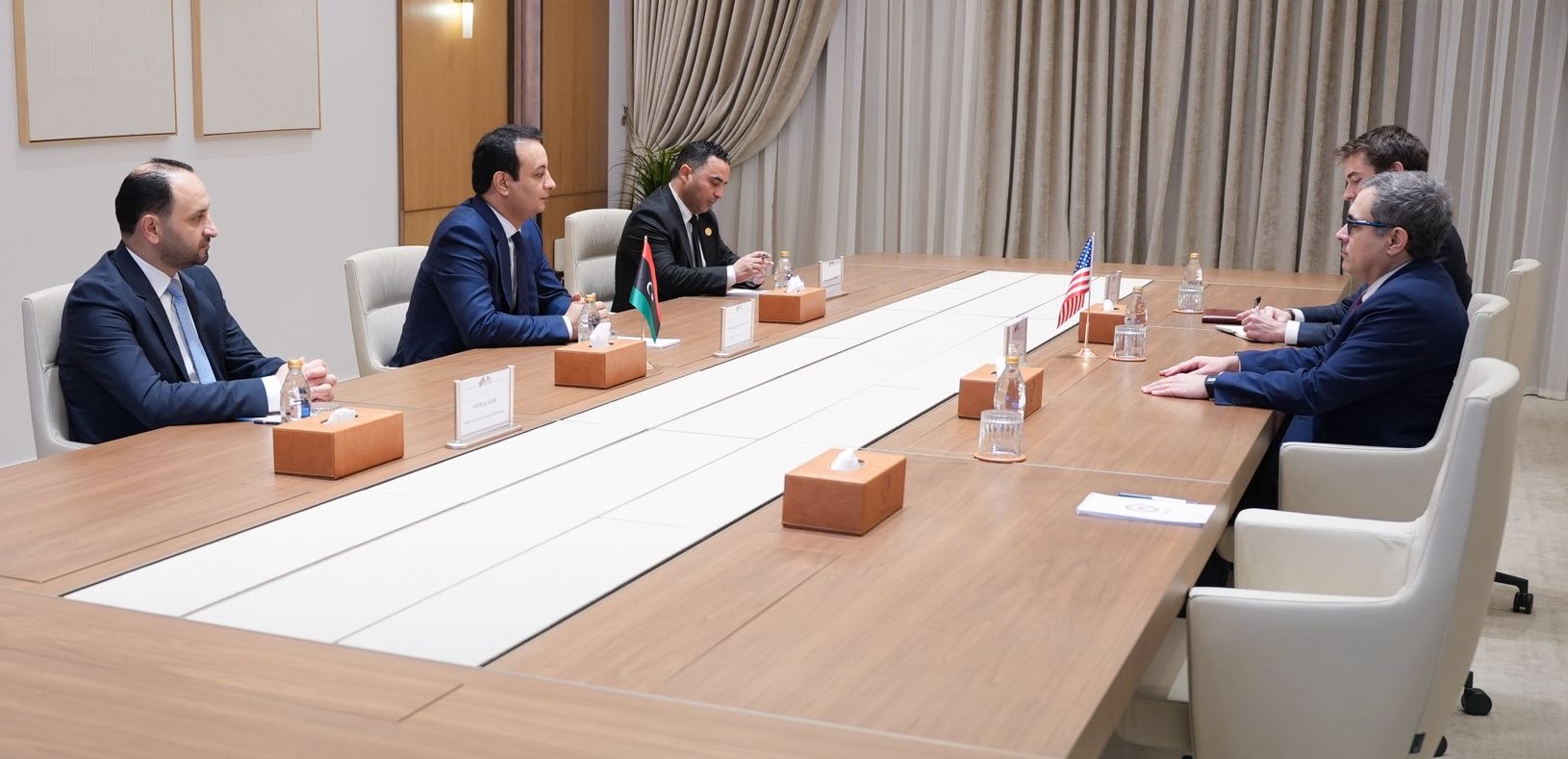
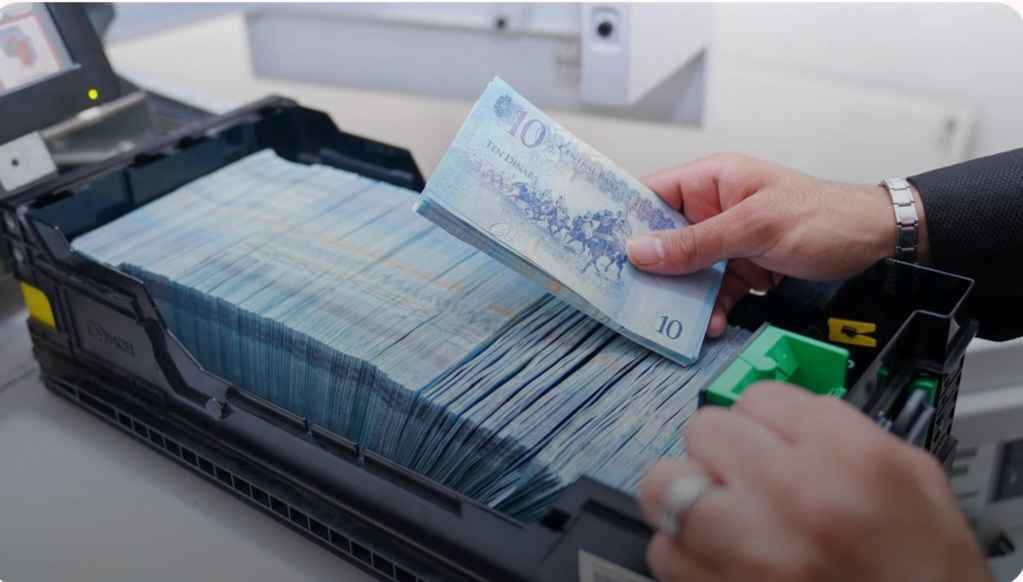
The Central Bank of Libya announced a new adjustment to the exchange rate of the Libyan dinar, reducing it by 14.7% against the Special Drawing Rights (SDRs) unit. The new rate sets each dinar equivalent to 0.1150 units instead of 0.1348 units. This decision was made during the first Monetary Policy Committee meeting of 2026.
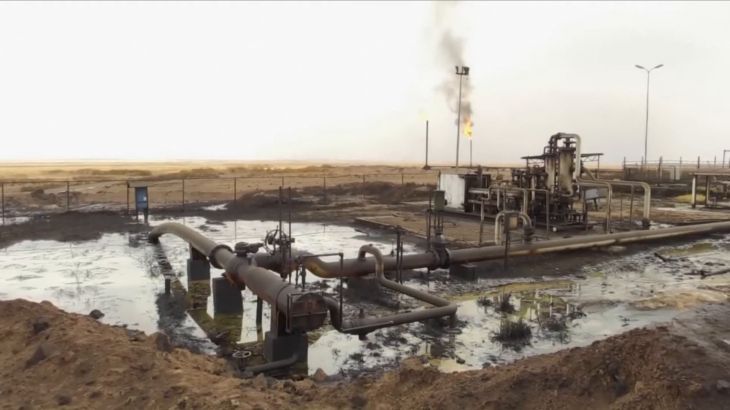
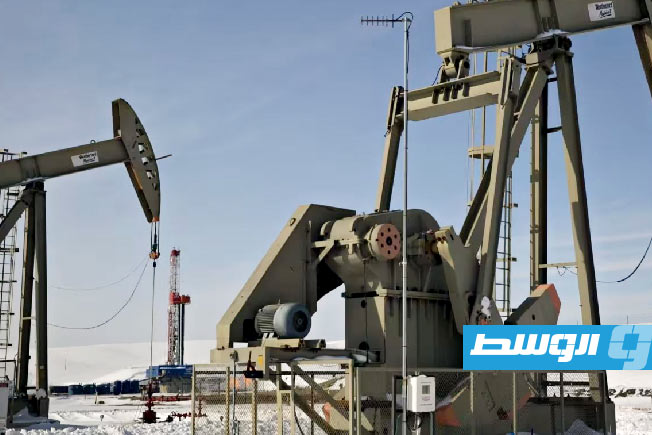
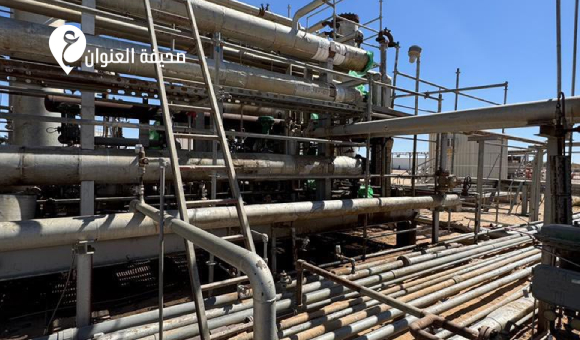
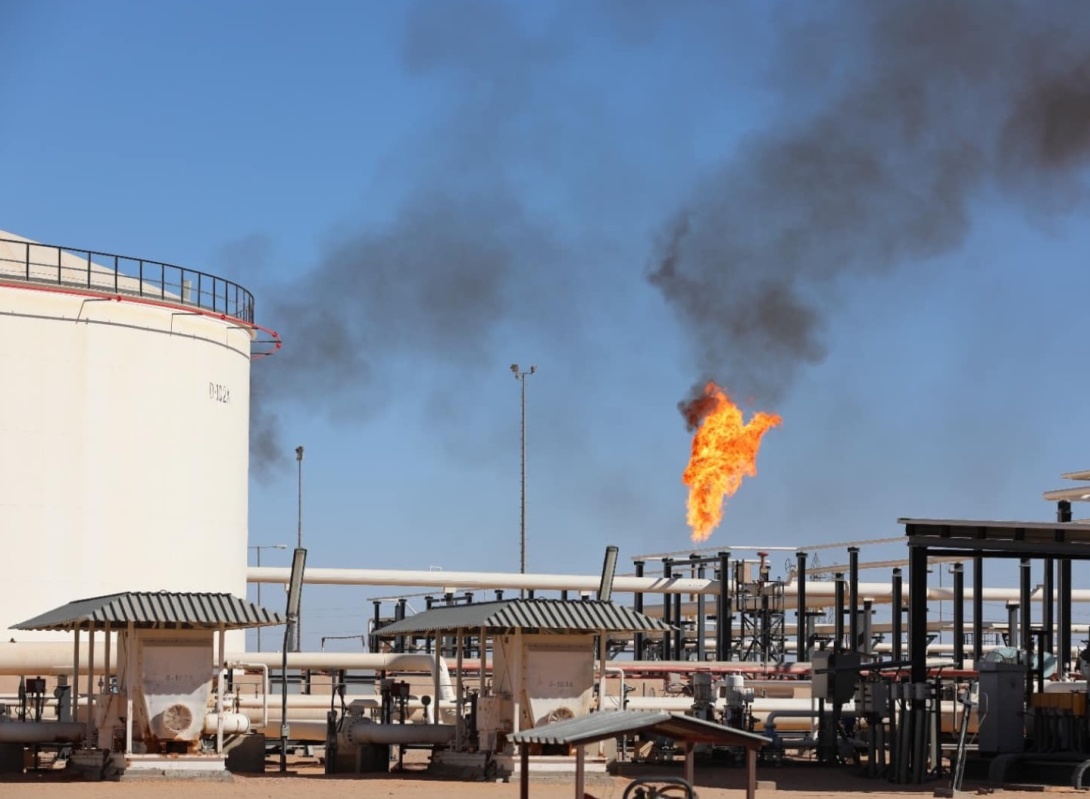
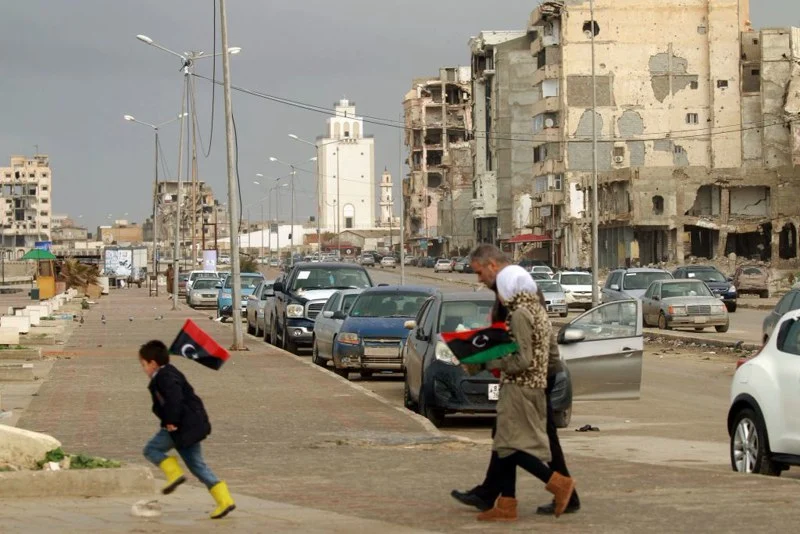
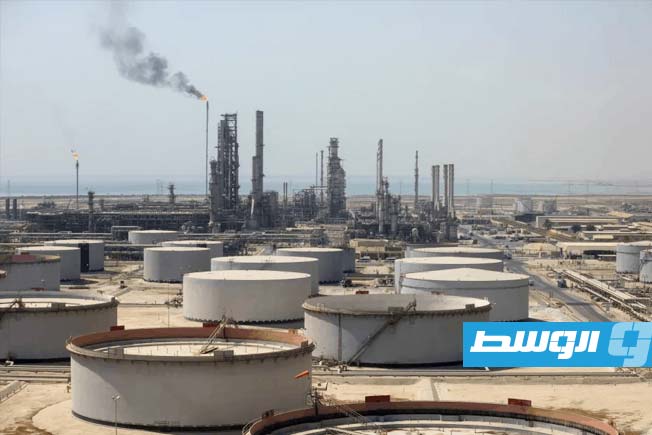
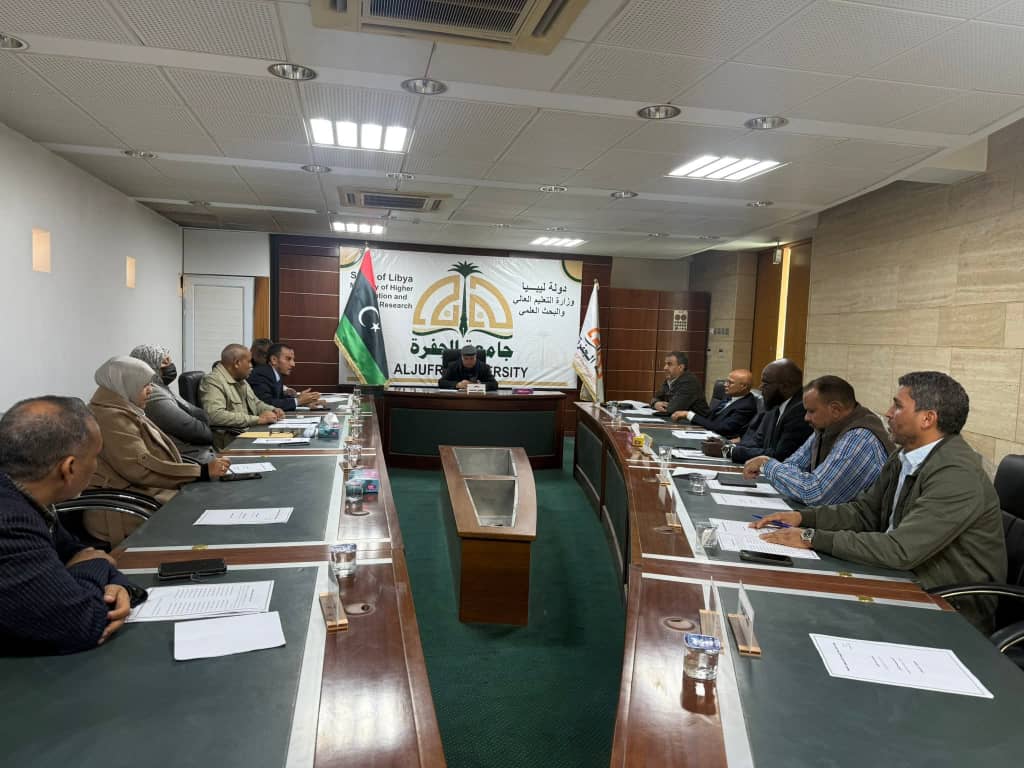
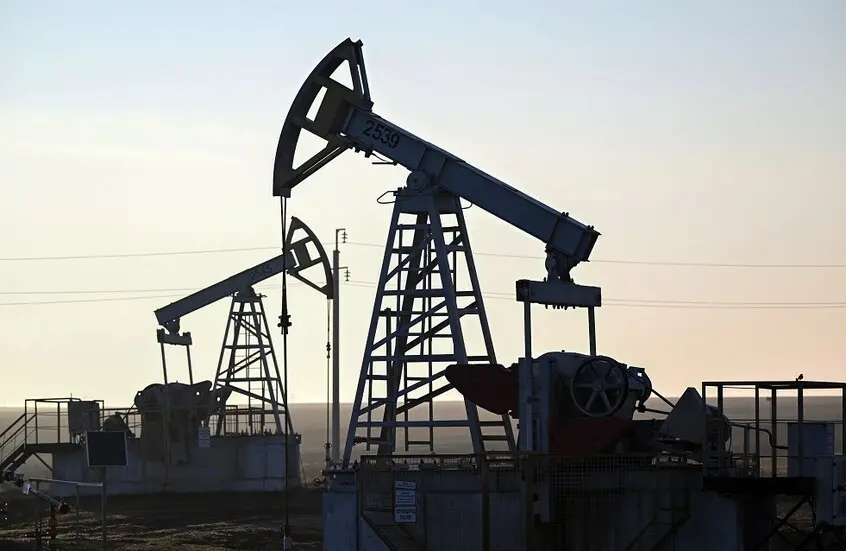
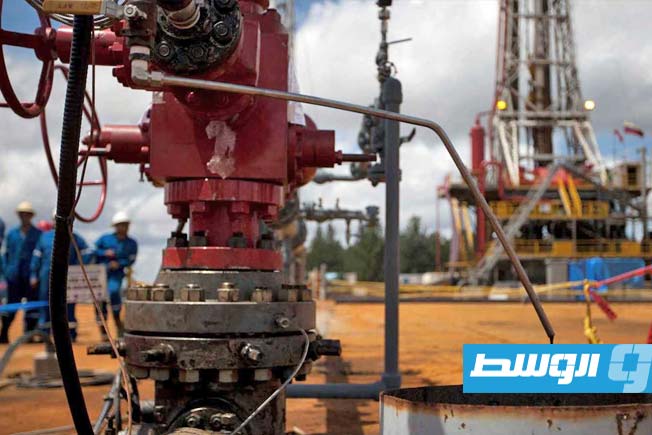
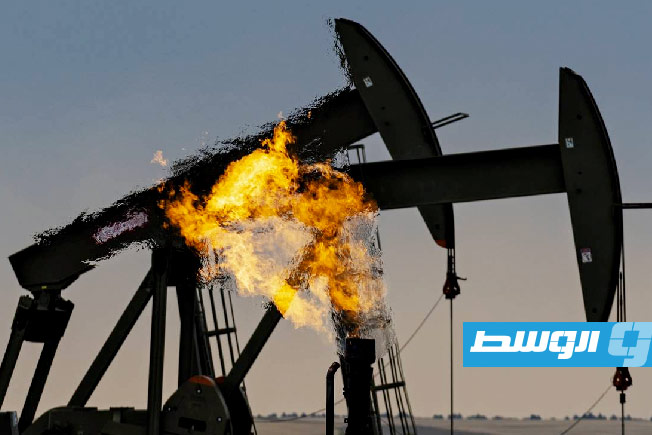
The bank explained in a statement issued today, Sunday, that the decision came as a result of monitoring the economic and financial developments in the national economy and the challenges it faces due to the ongoing political division and its negative repercussions on economic conditions. This is in addition to international variables, primarily the decline in oil prices in global markets and the resulting decrease in oil revenues.
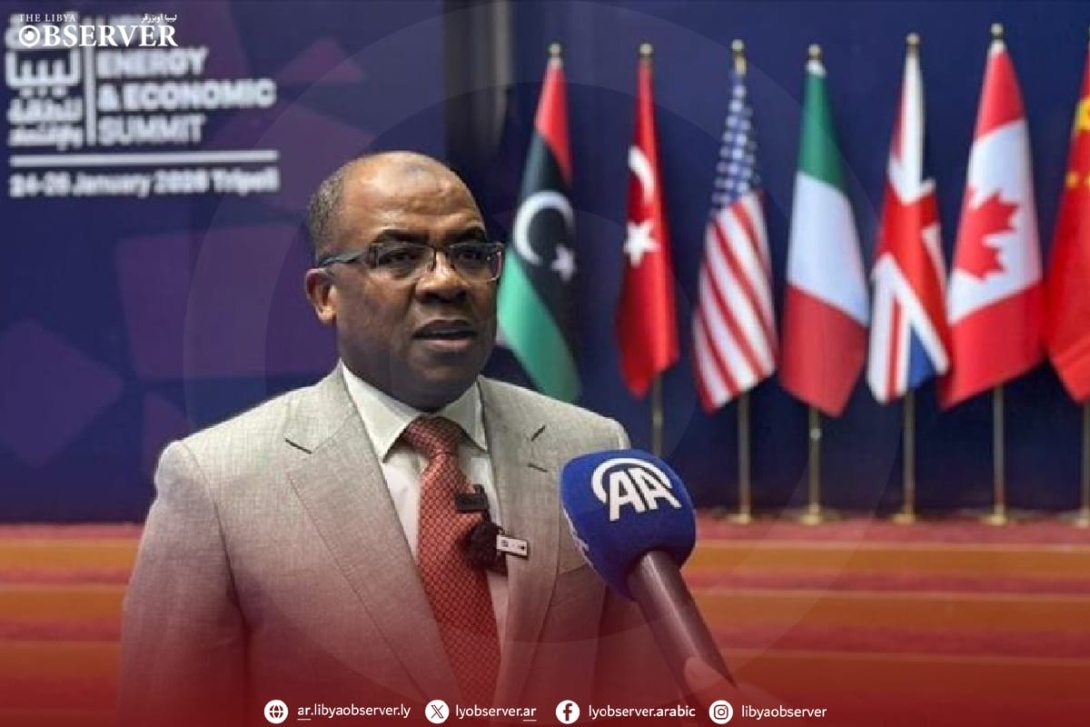
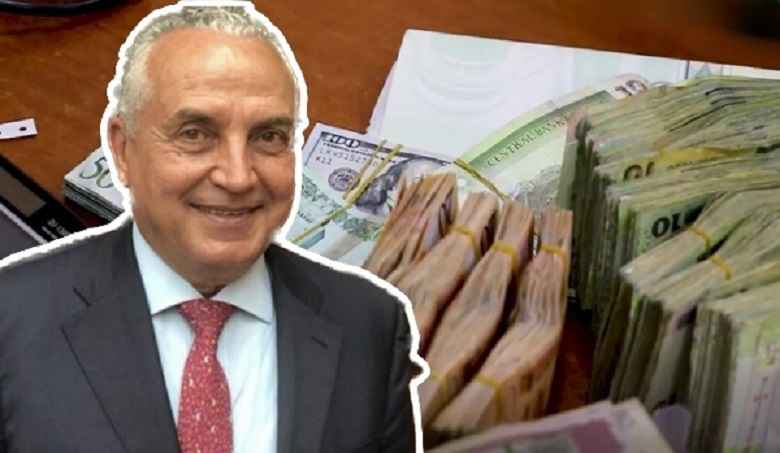
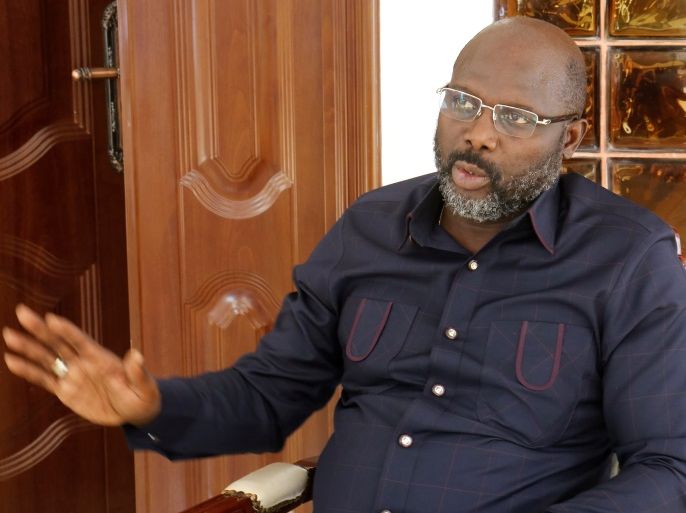
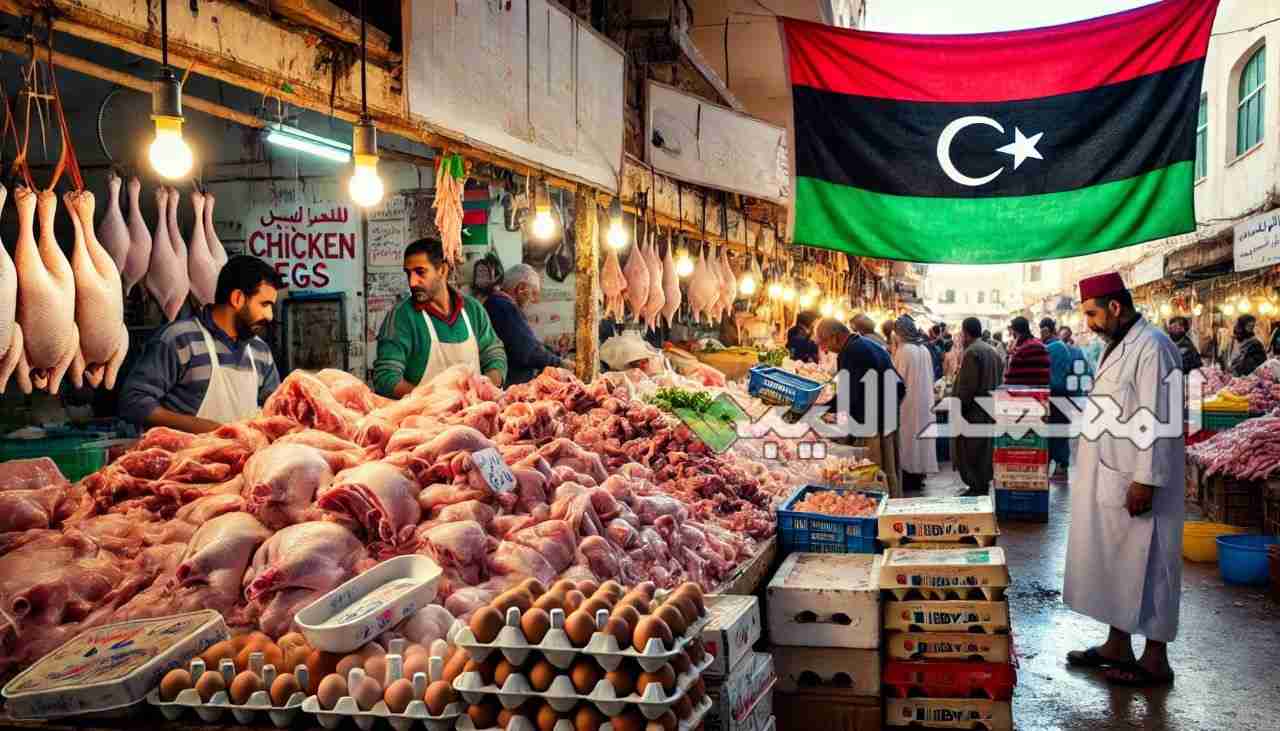
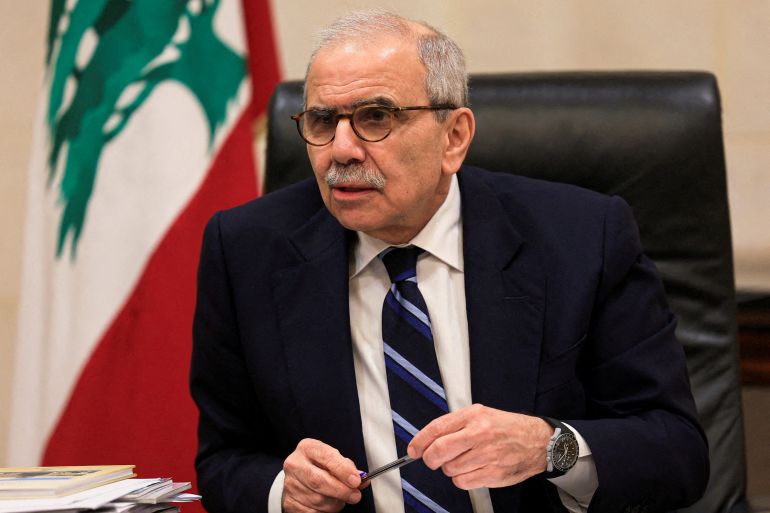
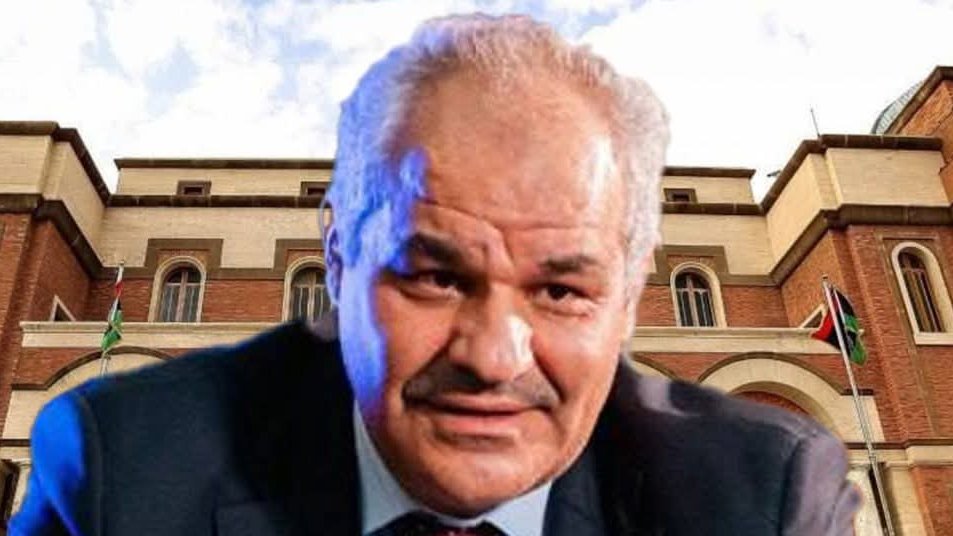
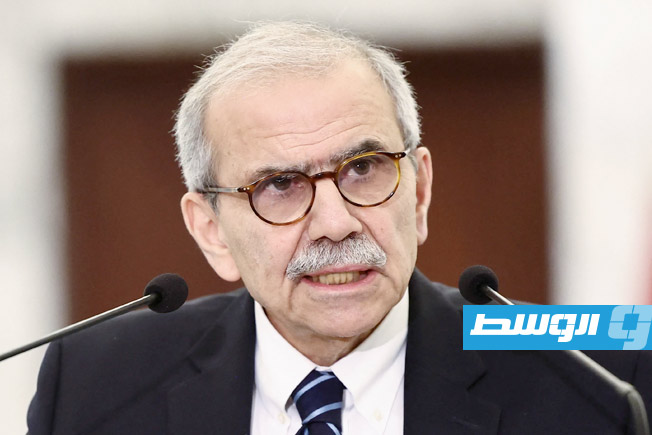
Commenting on the decision, an economic expert stated that adjusting the exchange rate to 6.40 dinars per SDR unit represents a painful step, adding, “May God make it the last of sorrows,” in reference to the decision’s impact on the economic and living conditions in the country.
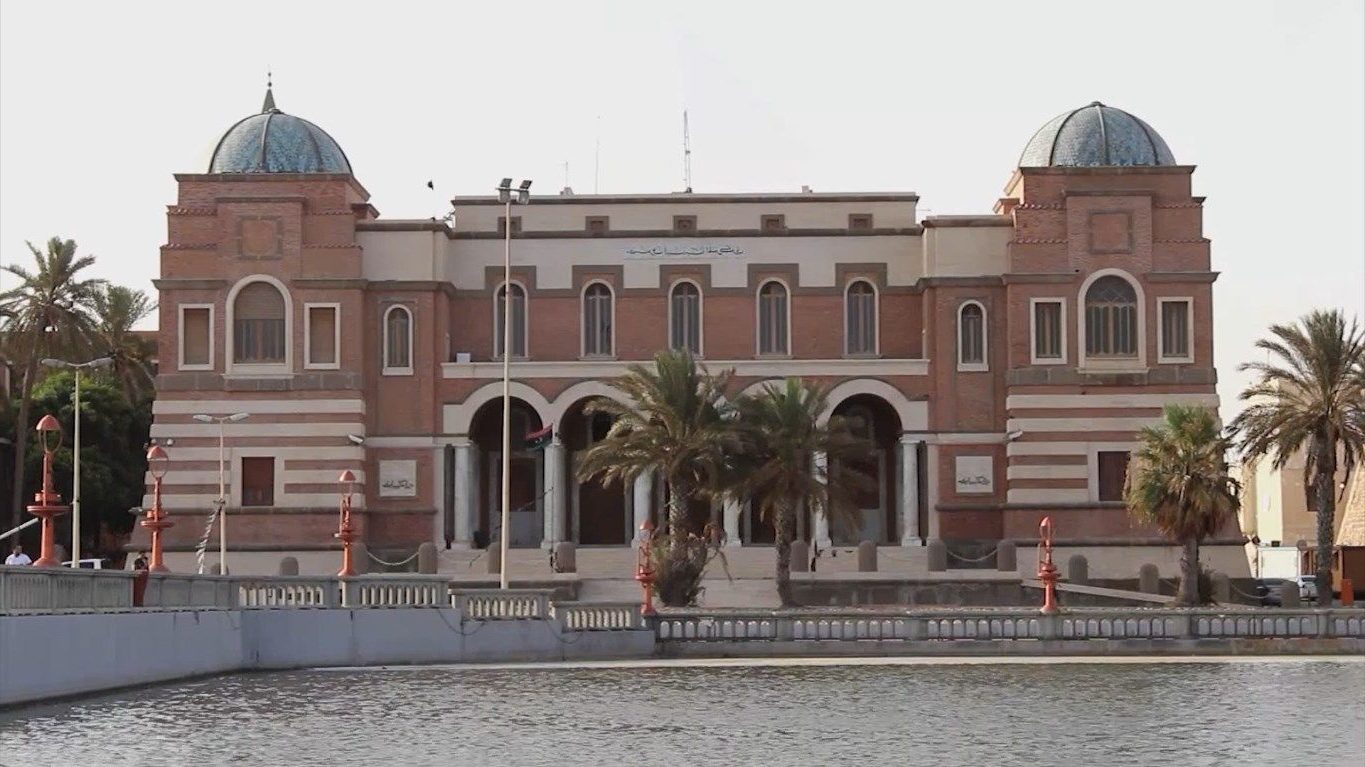
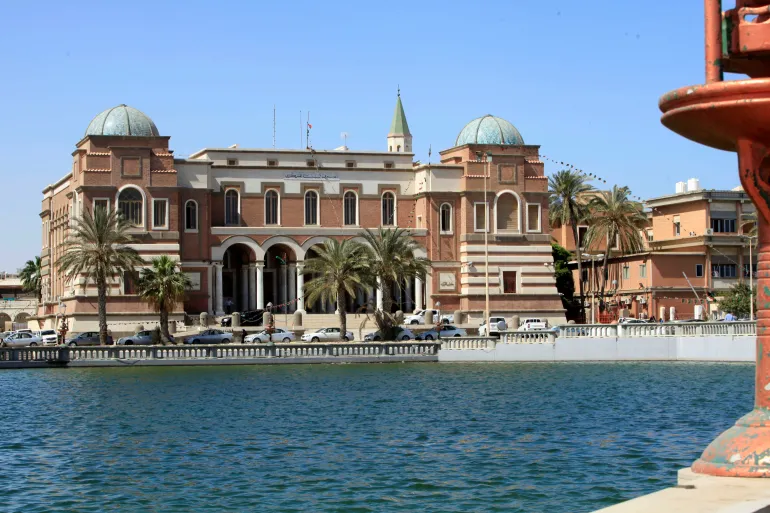
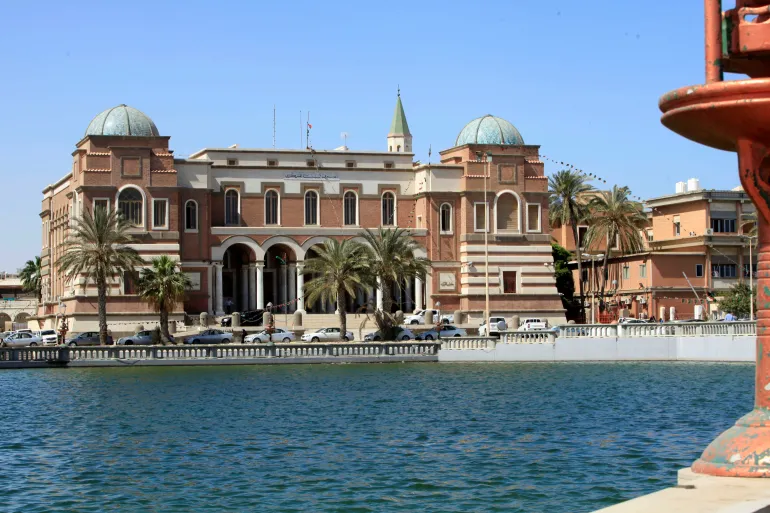
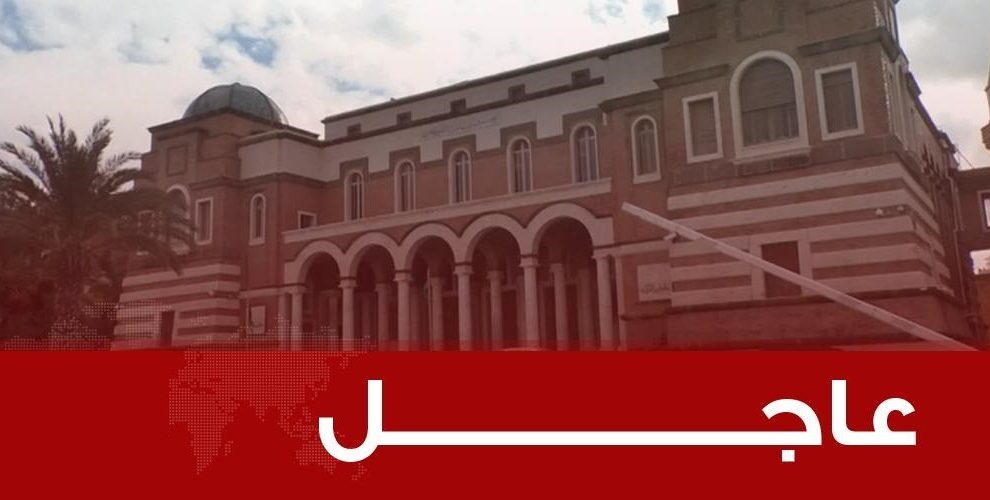
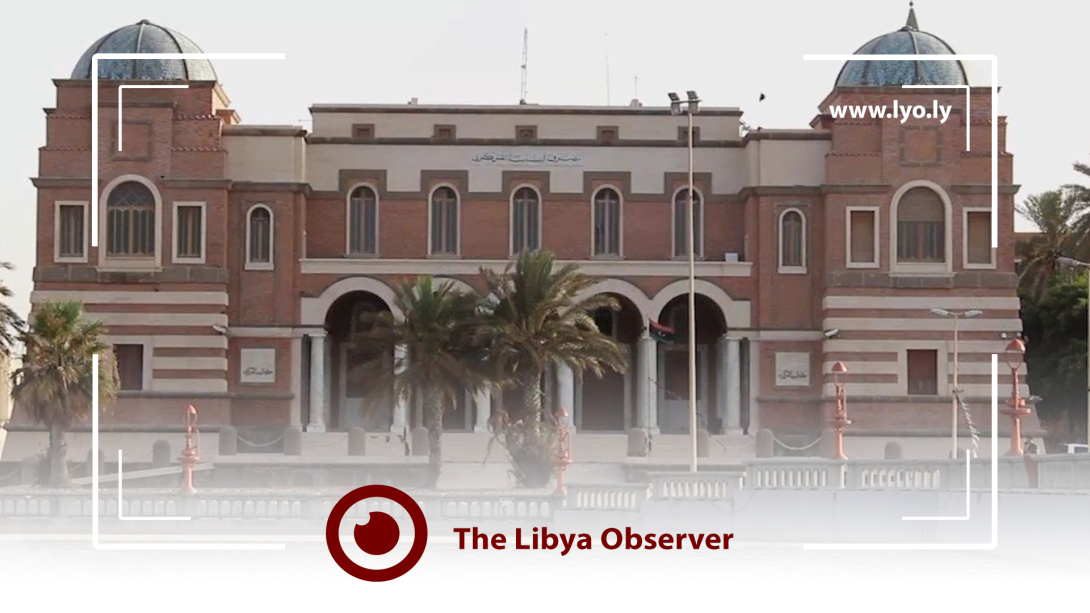
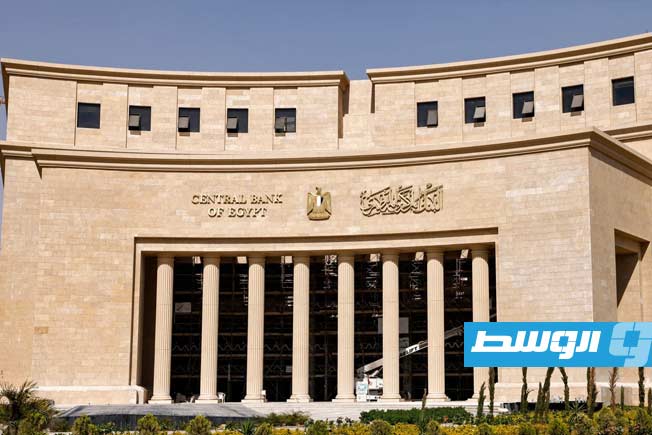
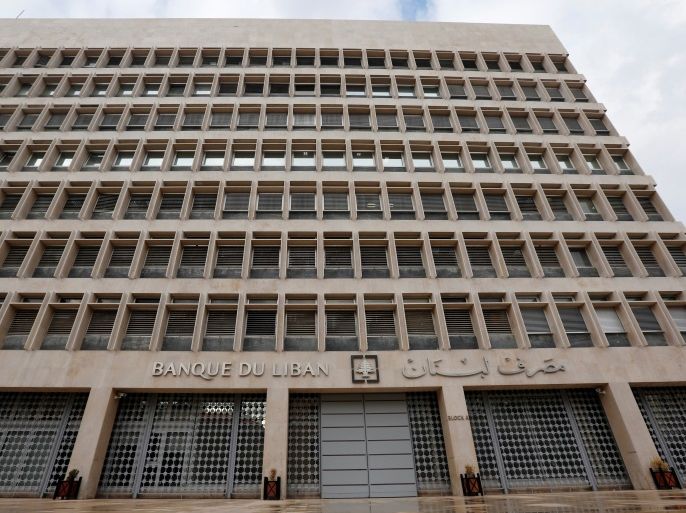
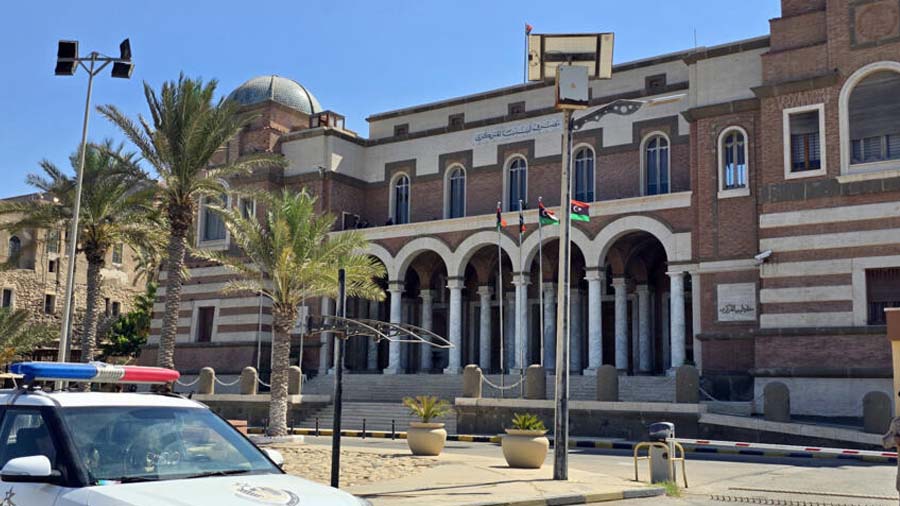
Central Bank of Libya
The Central Bank of Libya is the country’s primary monetary authority, established in 1956 to issue currency and manage monetary policy. It has played a critical and often divisive role in Libya’s recent history, with parallel institutions emerging in the east and west during the post-2011 civil conflict.
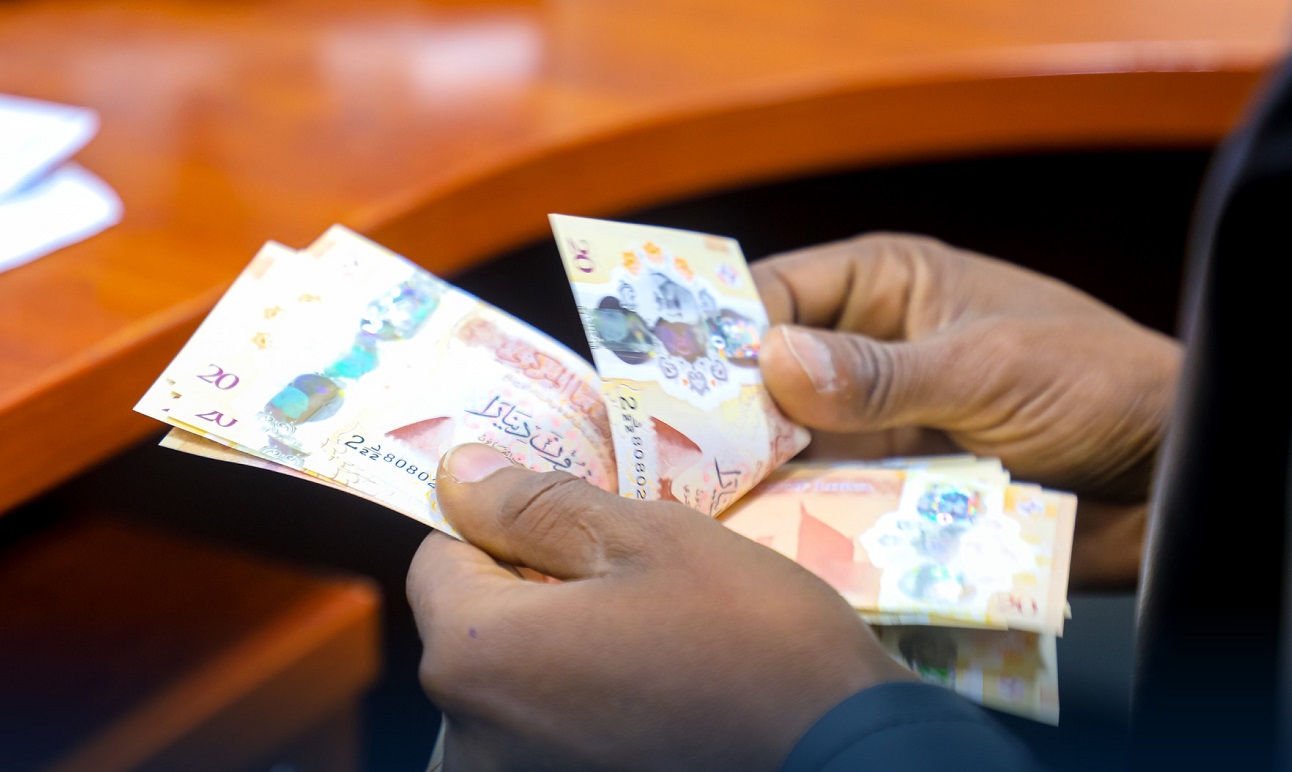
Libyan dinar
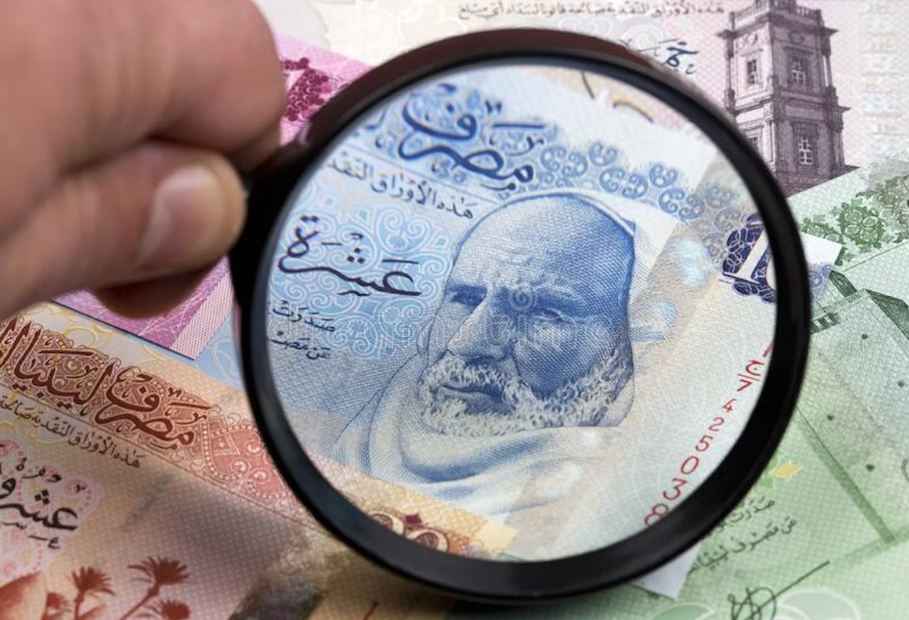
The Libyan dinar is the official currency of Libya, introduced in 1971 to replace the Libyan pound. It was established following the 1969 revolution that brought Muammar Gaddafi to power, symbolizing a move toward economic independence.
Special Drawing Rights
Special Drawing Rights (SDR) is an international reserve asset created by the International Monetary Fund (IMF) in 1969 to supplement its member countries’ official reserves. Its value is based on a basket of five major currencies: the U.S. dollar, euro, Chinese renminbi, Japanese yen, and British pound sterling.
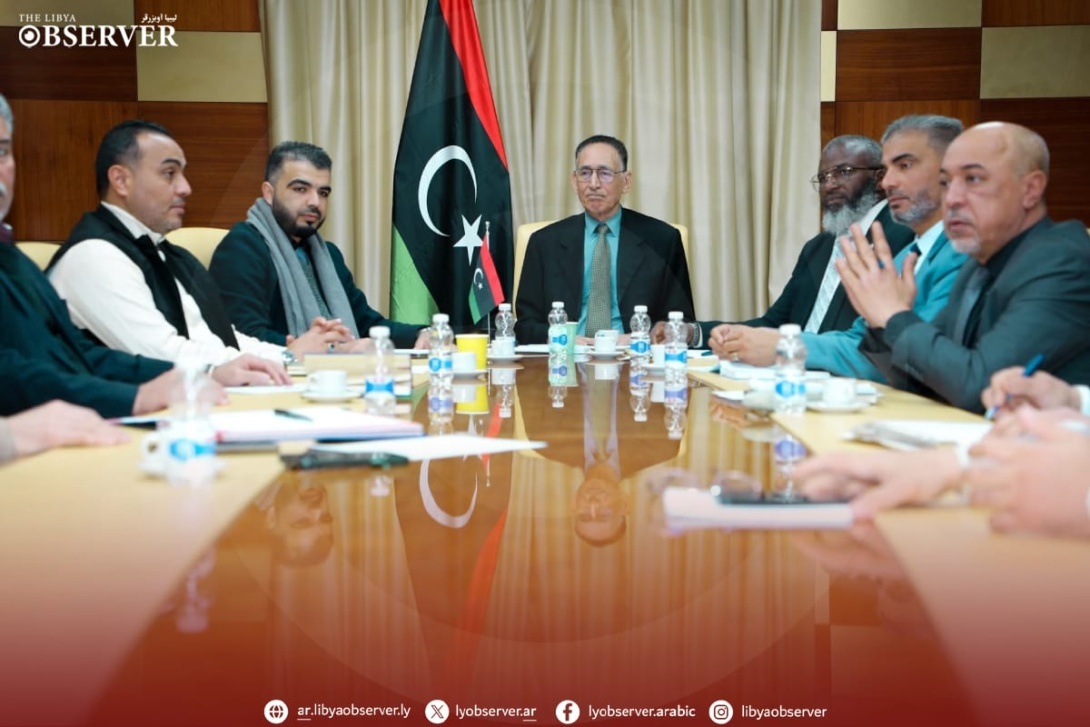
Monetary Policy Committee
The Monetary Policy Committee (MPC) is a key institution within a central bank, typically responsible for setting official interest rates and other monetary policies to achieve price stability. Historically, such committees were formalized in the late 20th century, with the Bank of England’s MPC established in 1997, to enhance transparency and decision-making in managing a country’s economy.
Libya
Libya is a North African country with a rich history rooted in ancient civilizations like the Phoenicians and Romans, followed by centuries of Arab and Ottoman influence. In the modern era, it was an Italian colony before gaining independence in 1951, later becoming known for Muammar Gaddafi’s lengthy rule from 1969 until the 2011 revolution. The country is home to UNESCO World Heritage sites, such as the ruins of Leptis Magna, which attest to its significant historical legacy.