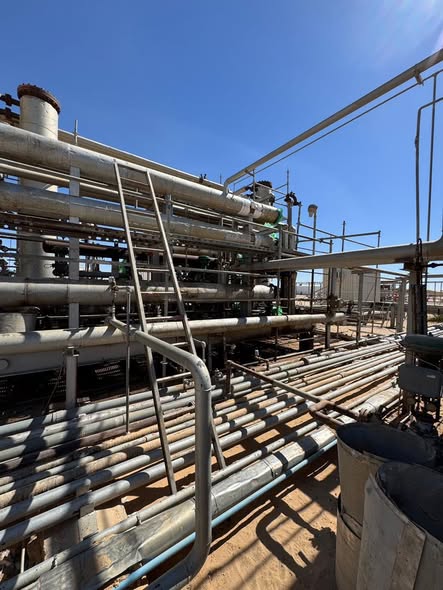
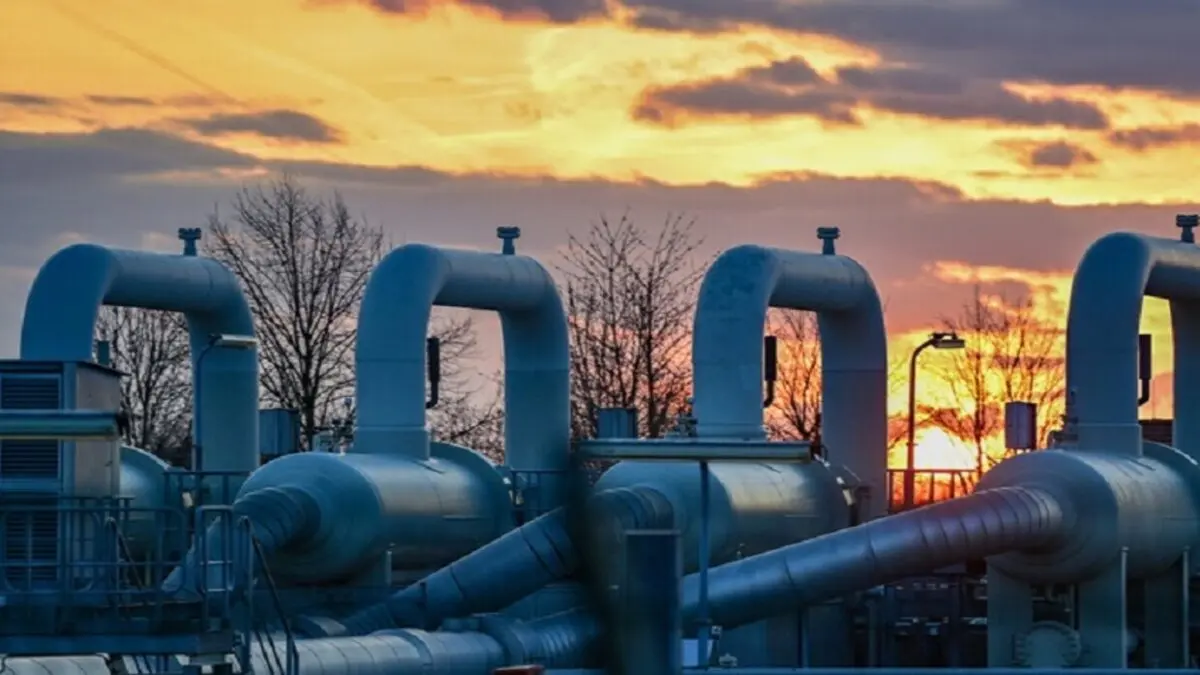
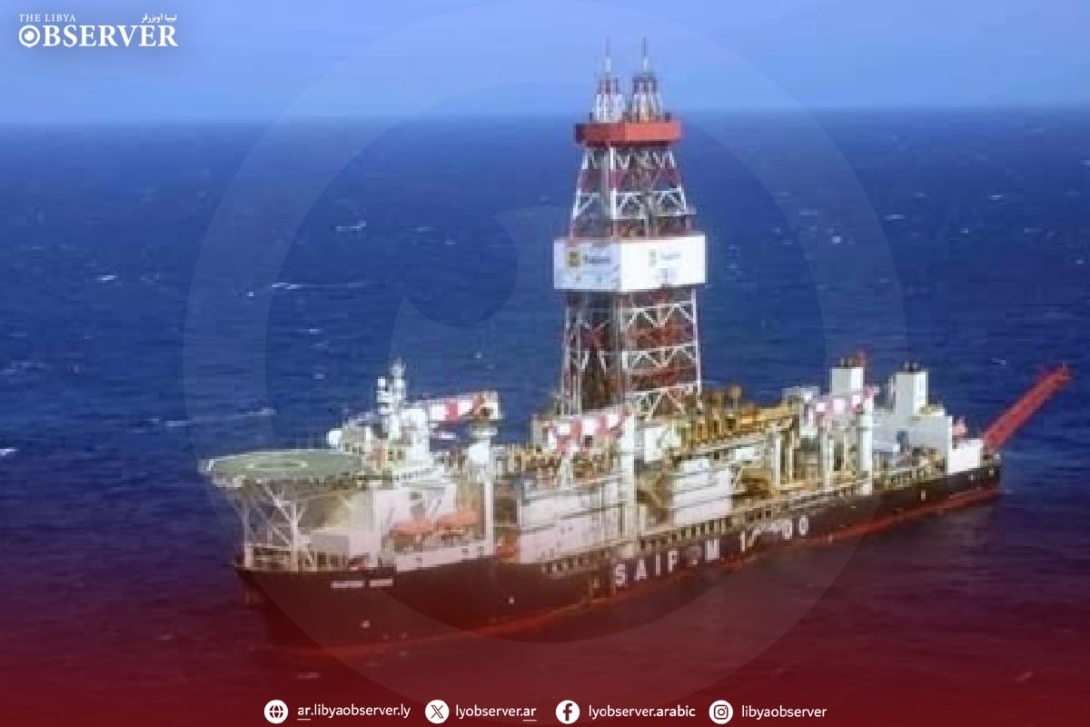
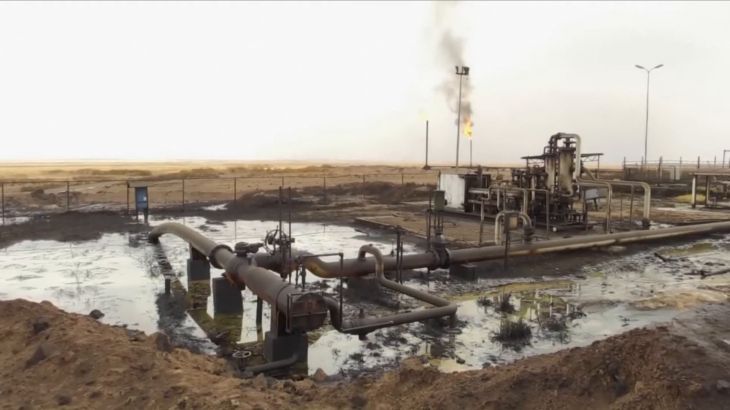
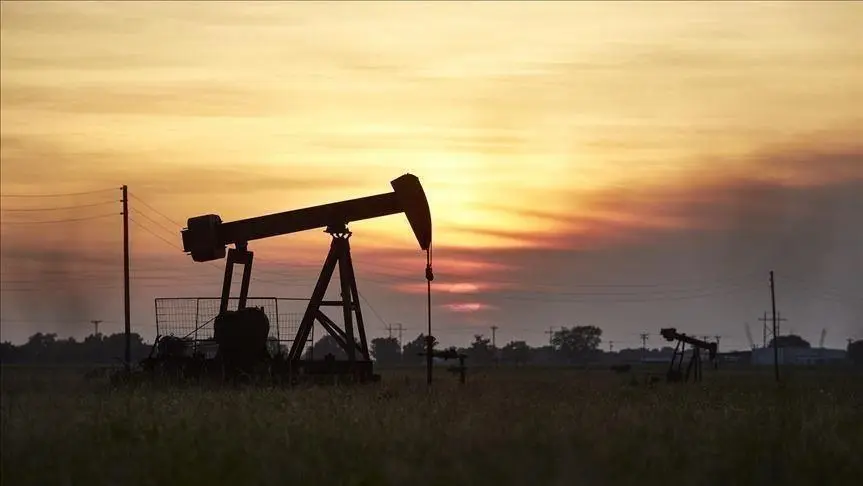
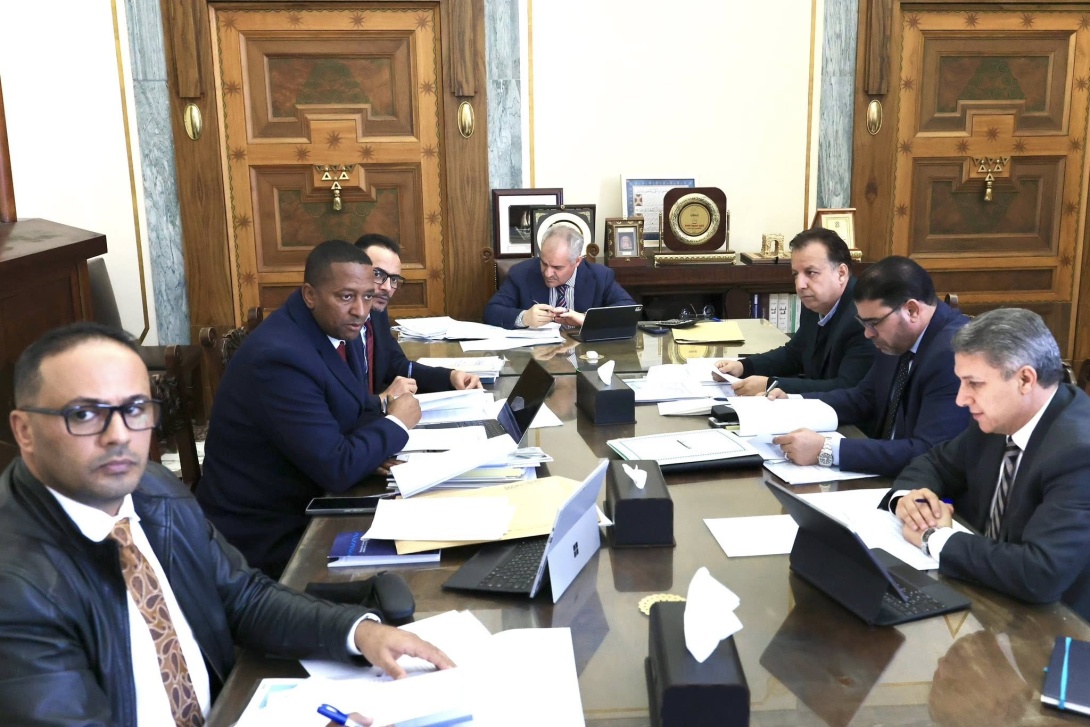
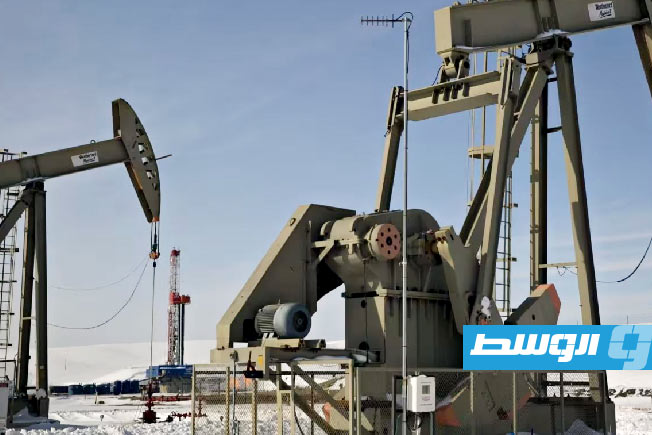
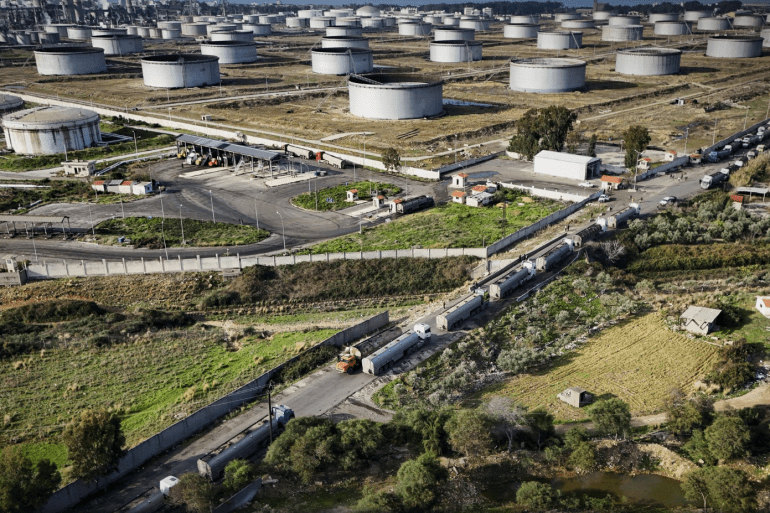
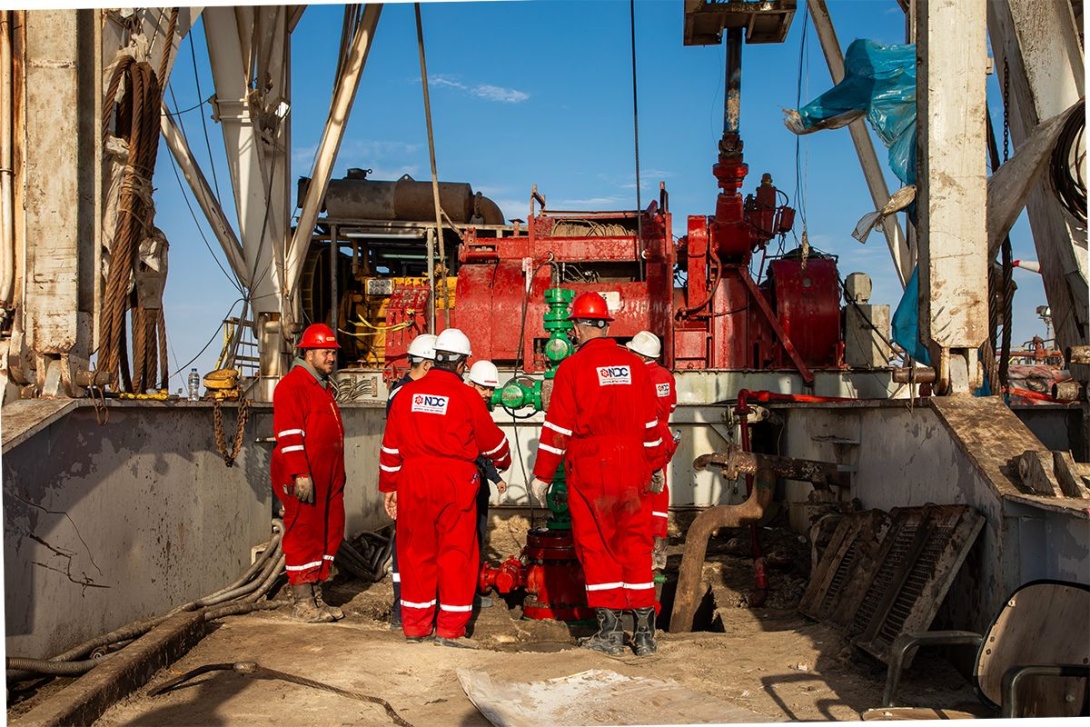
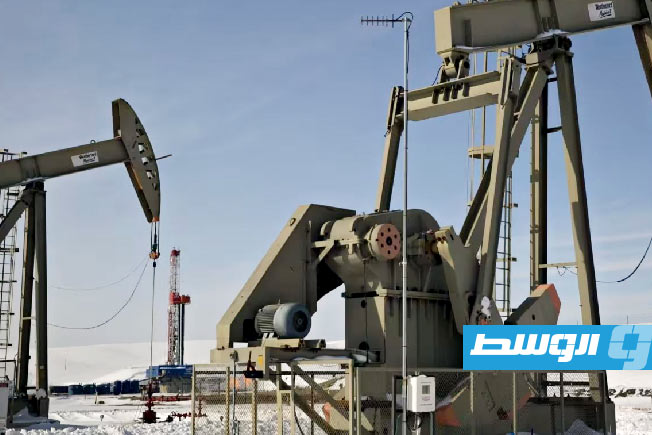
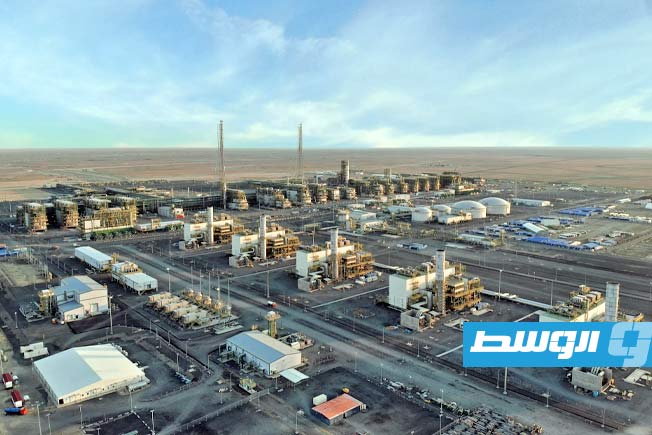
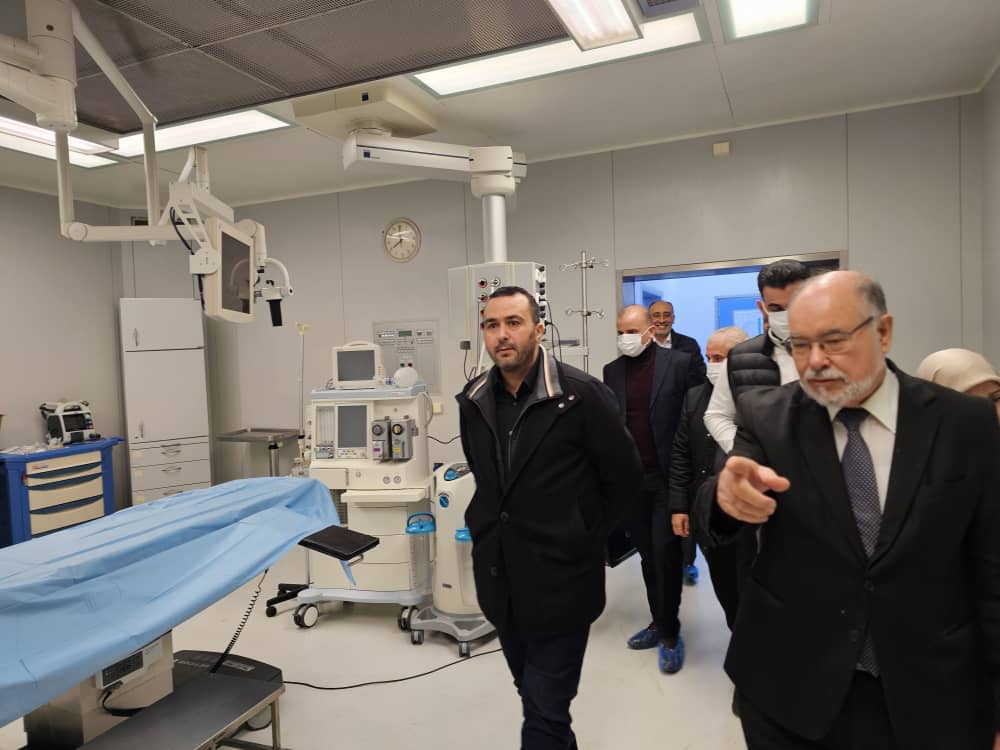
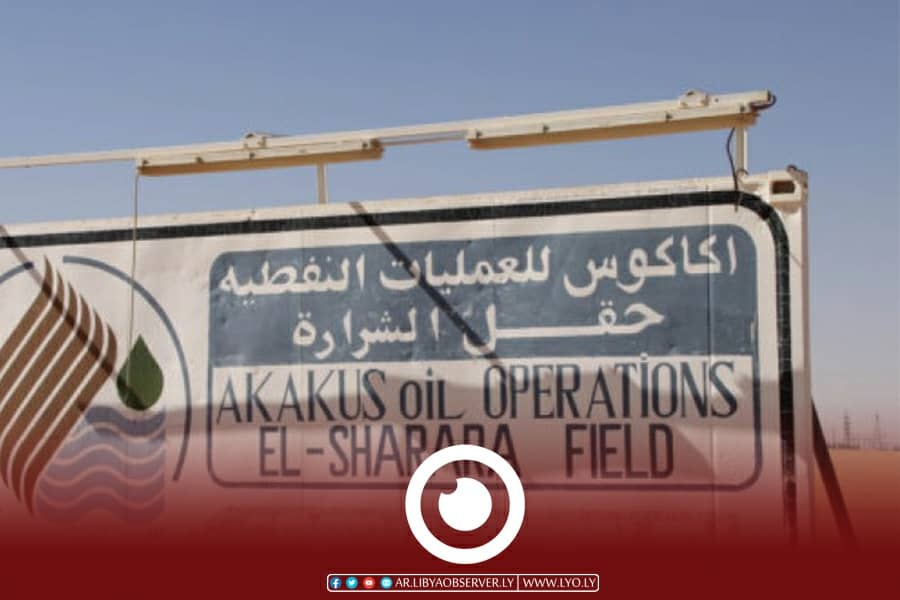
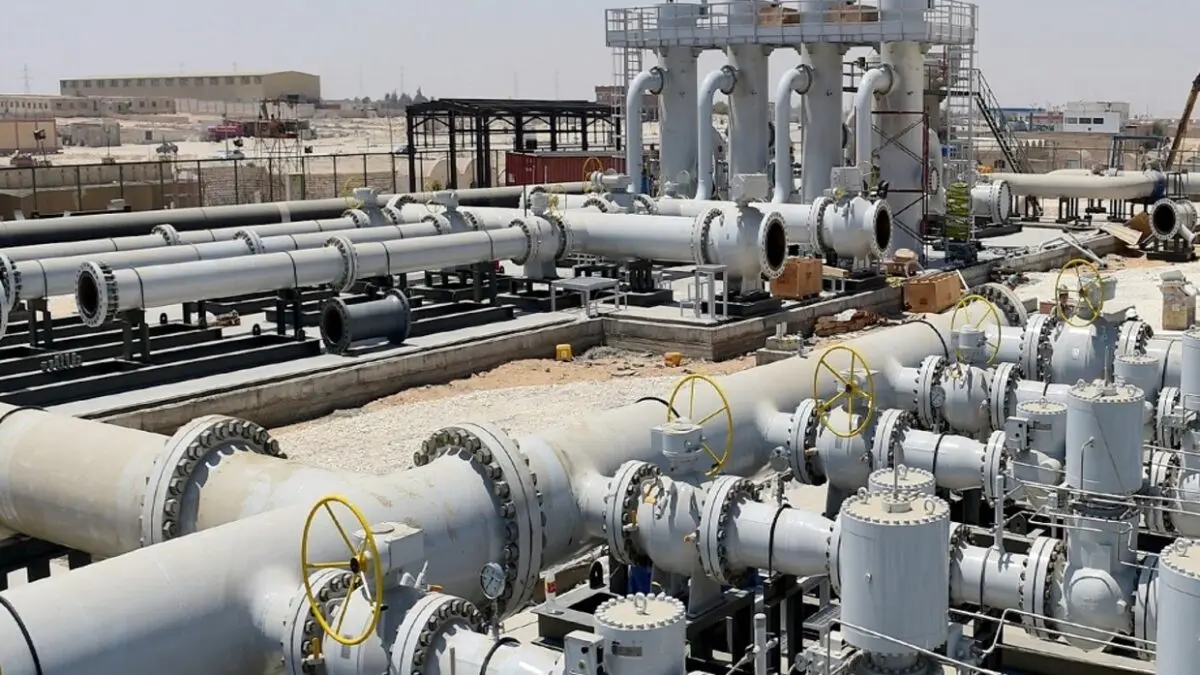
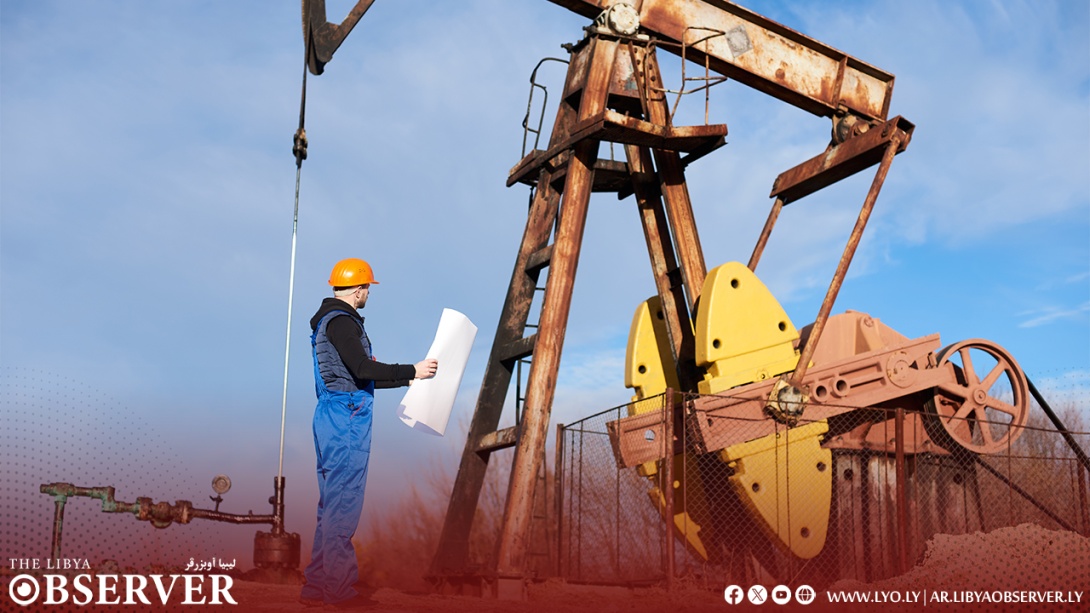
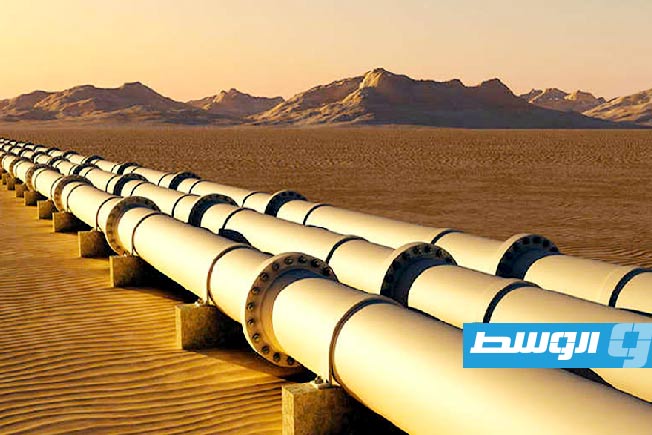
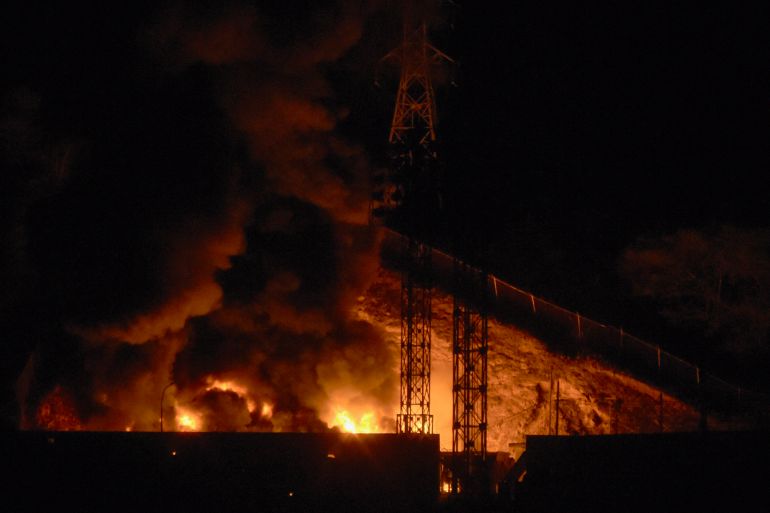
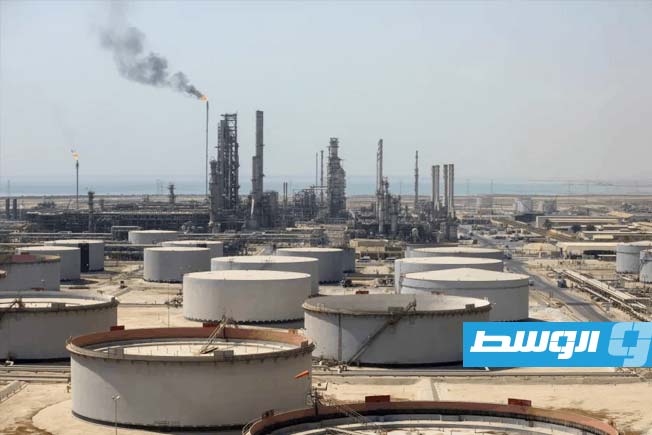
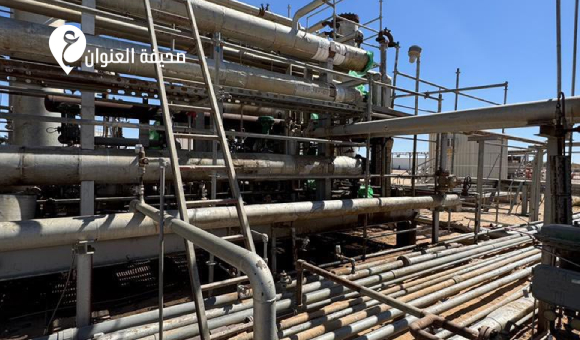
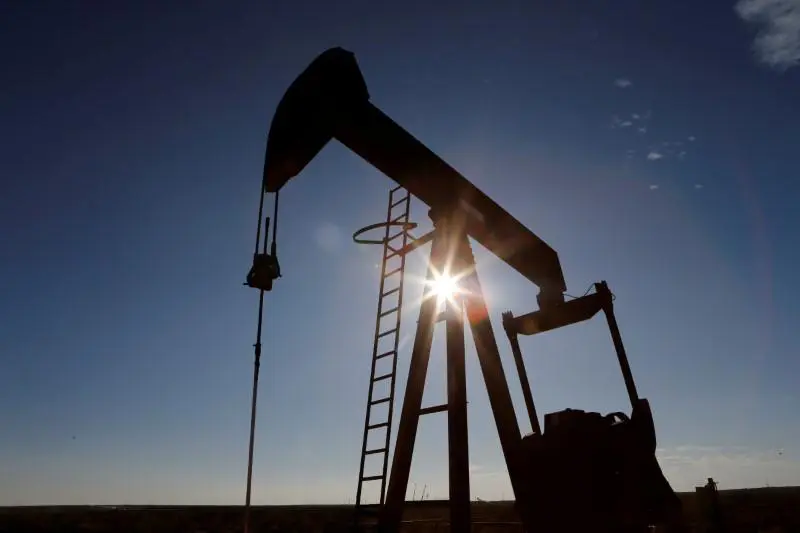
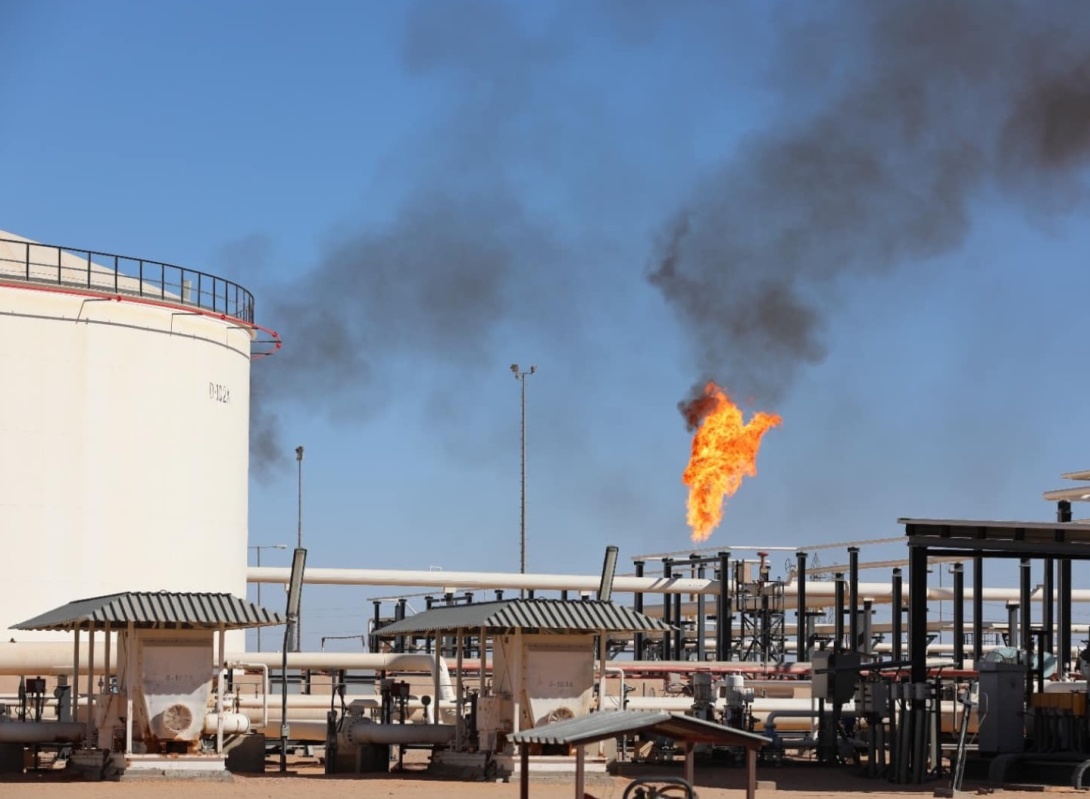
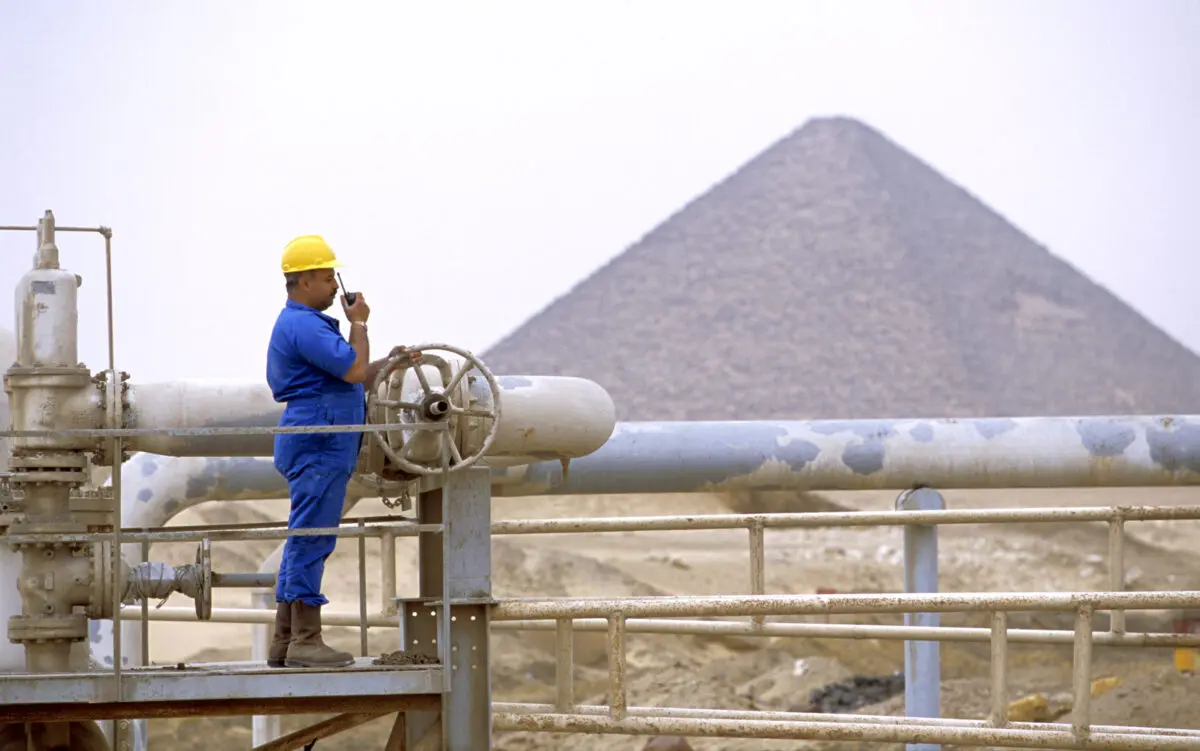
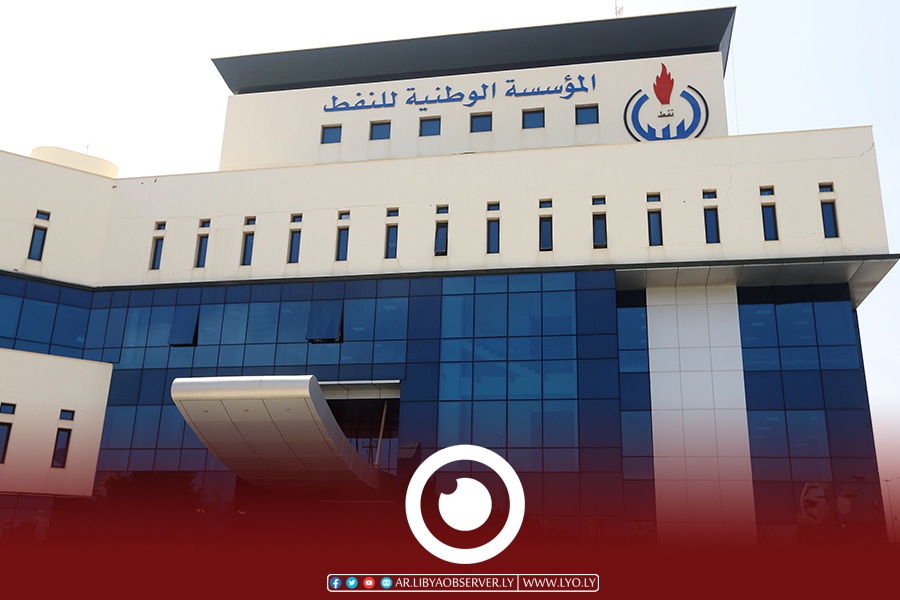
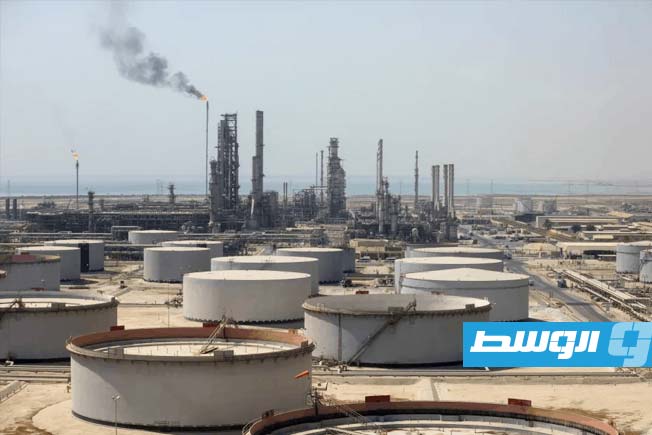
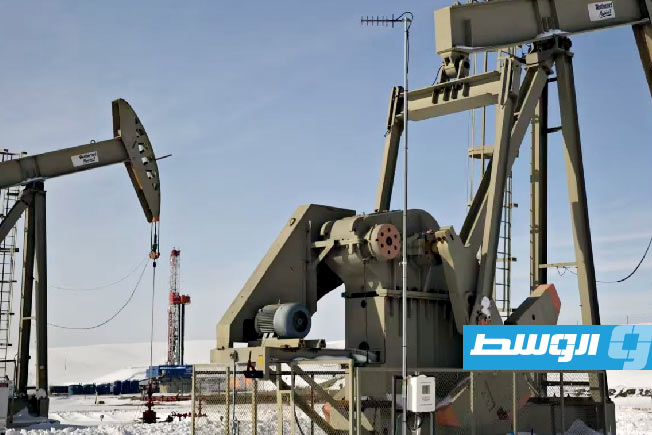
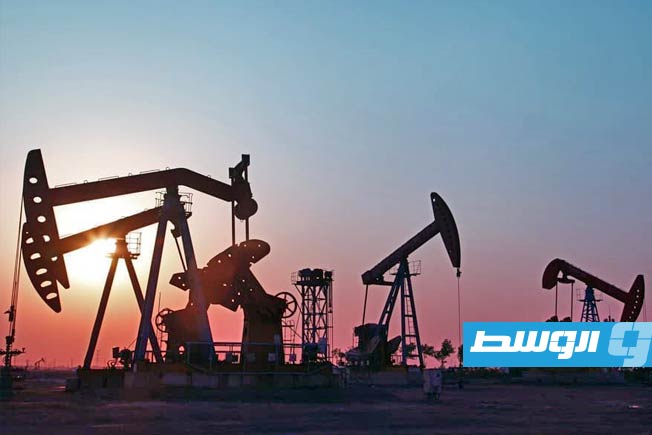
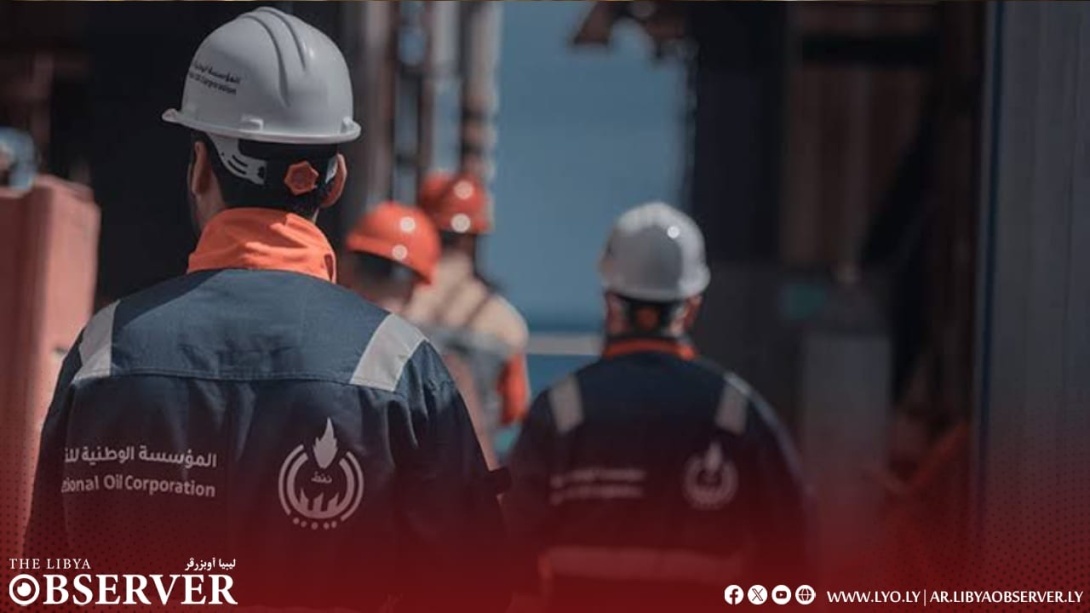
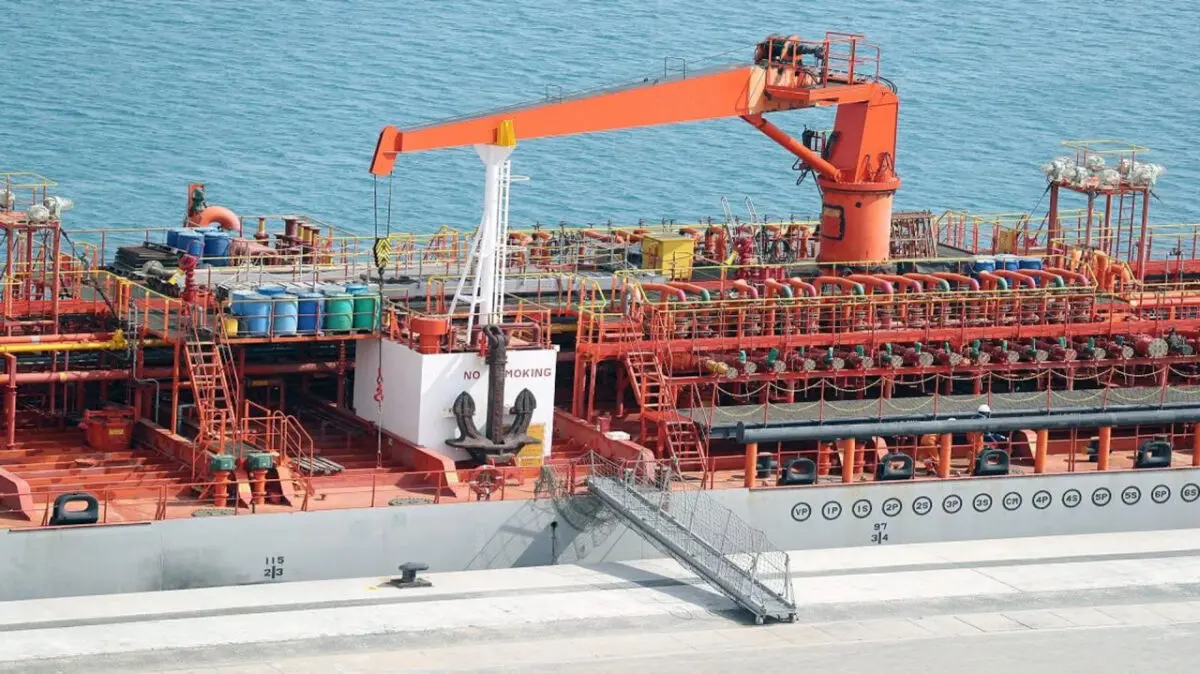
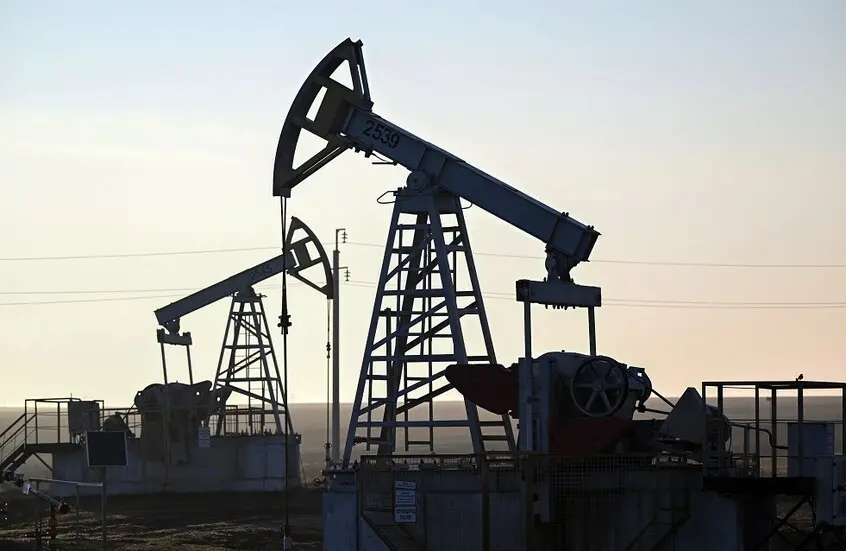
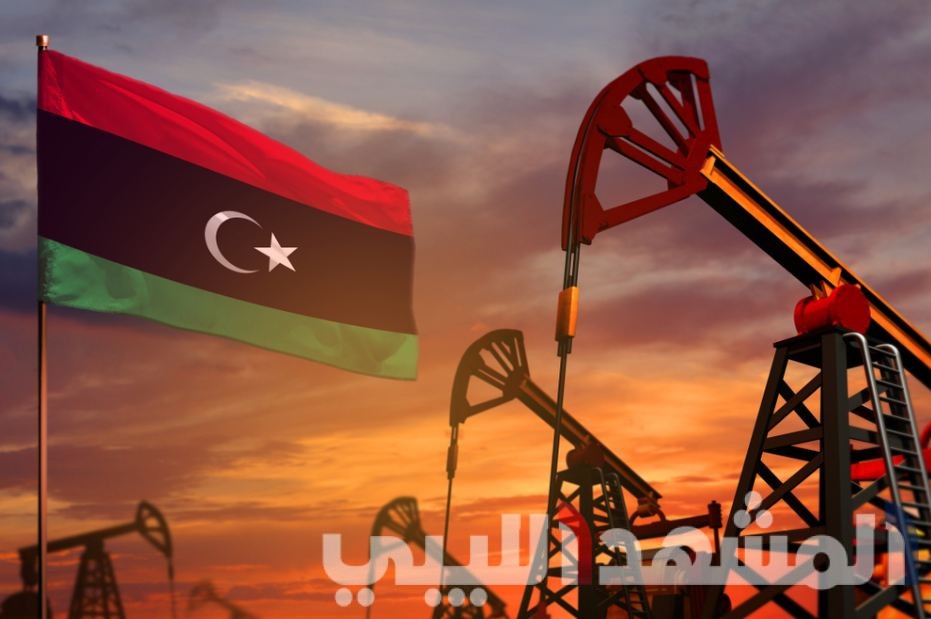
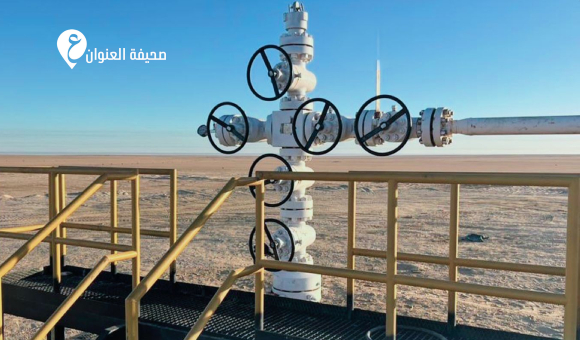
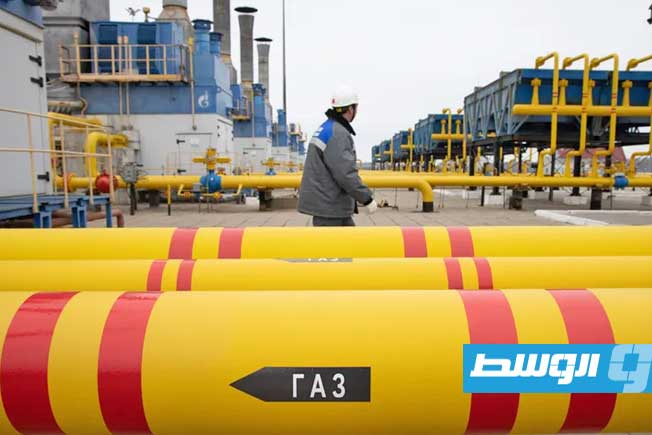
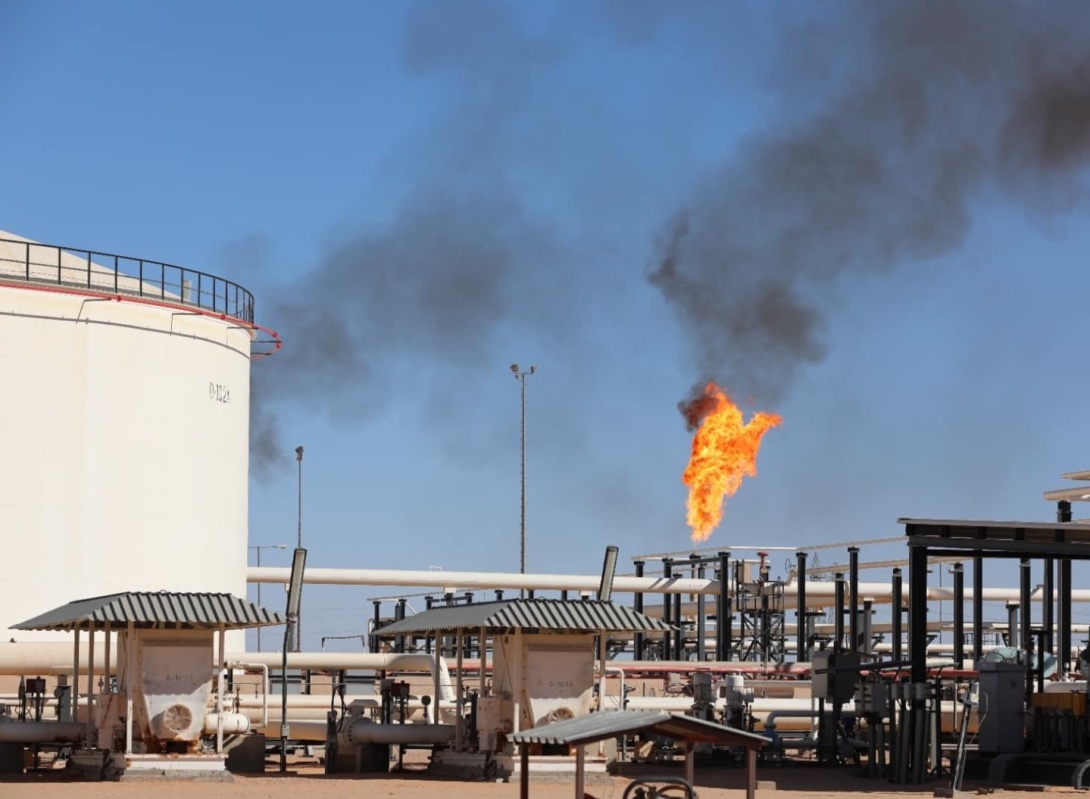
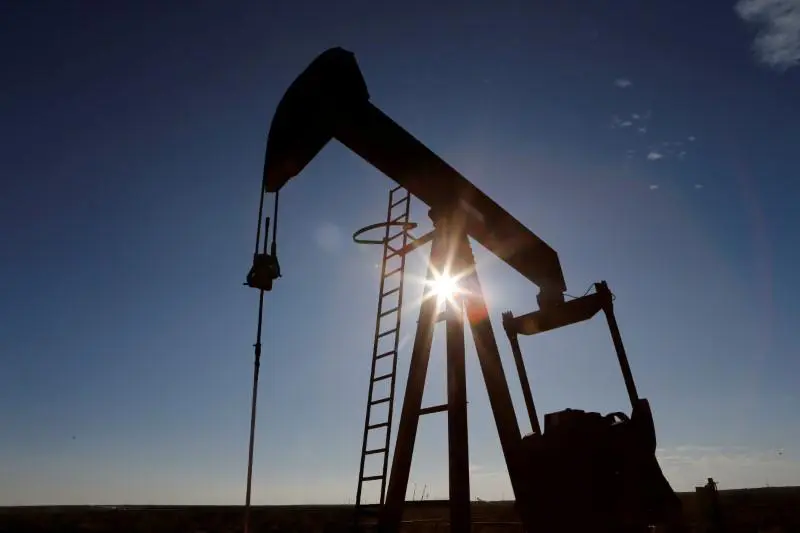
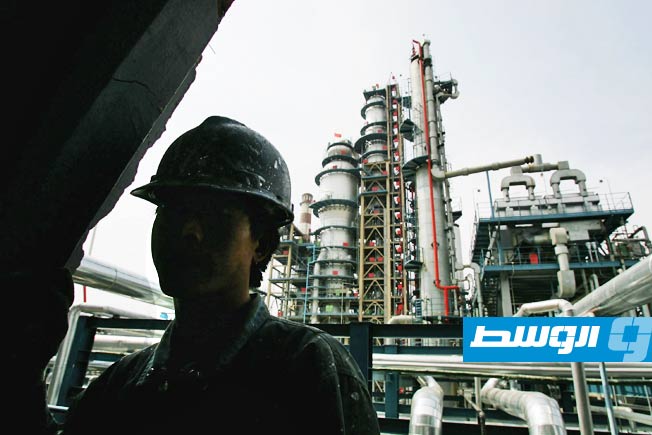
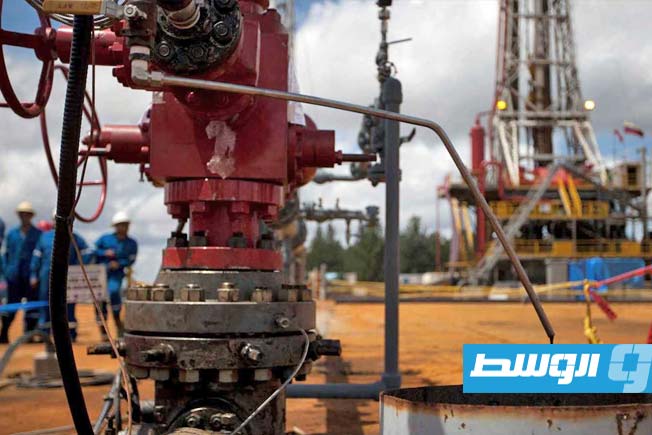
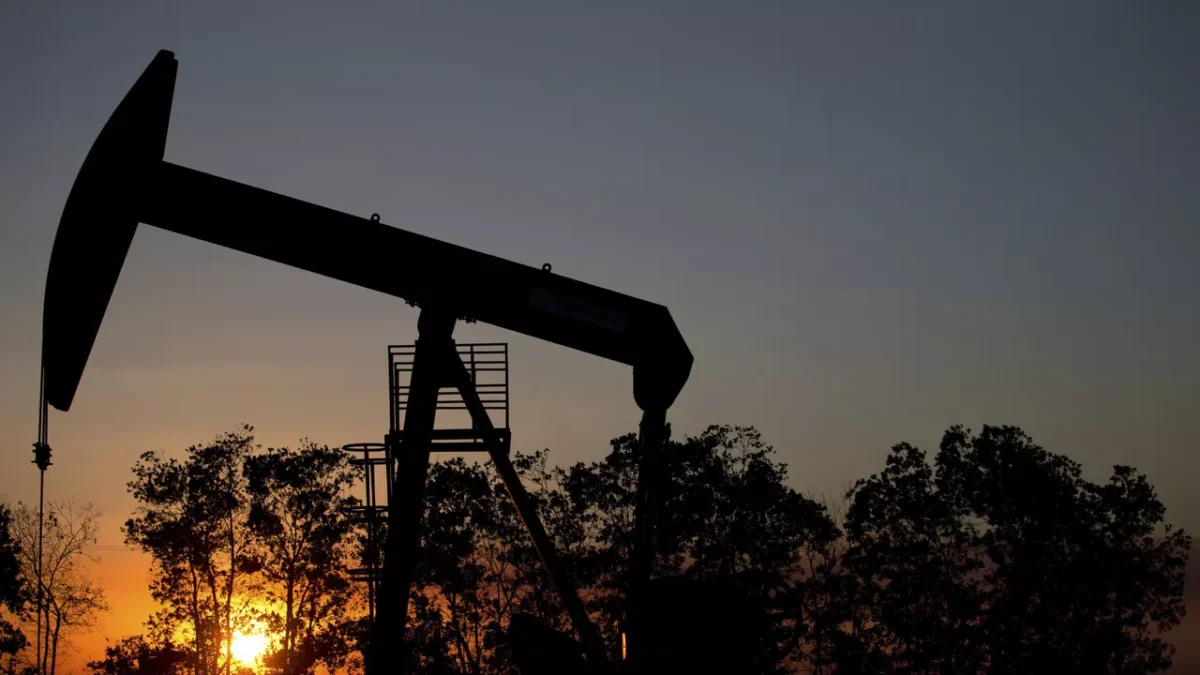
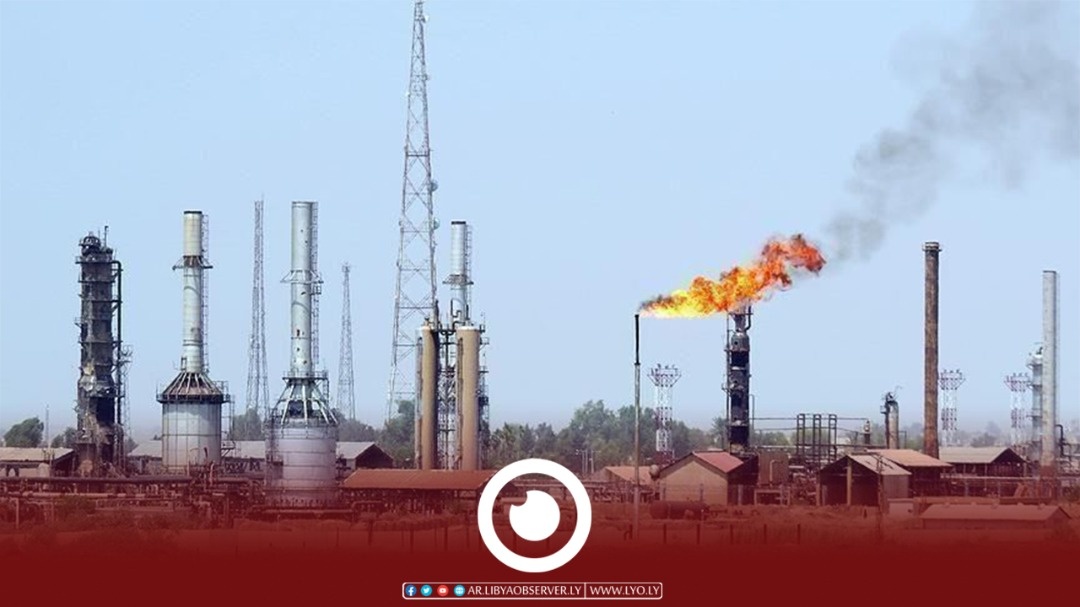
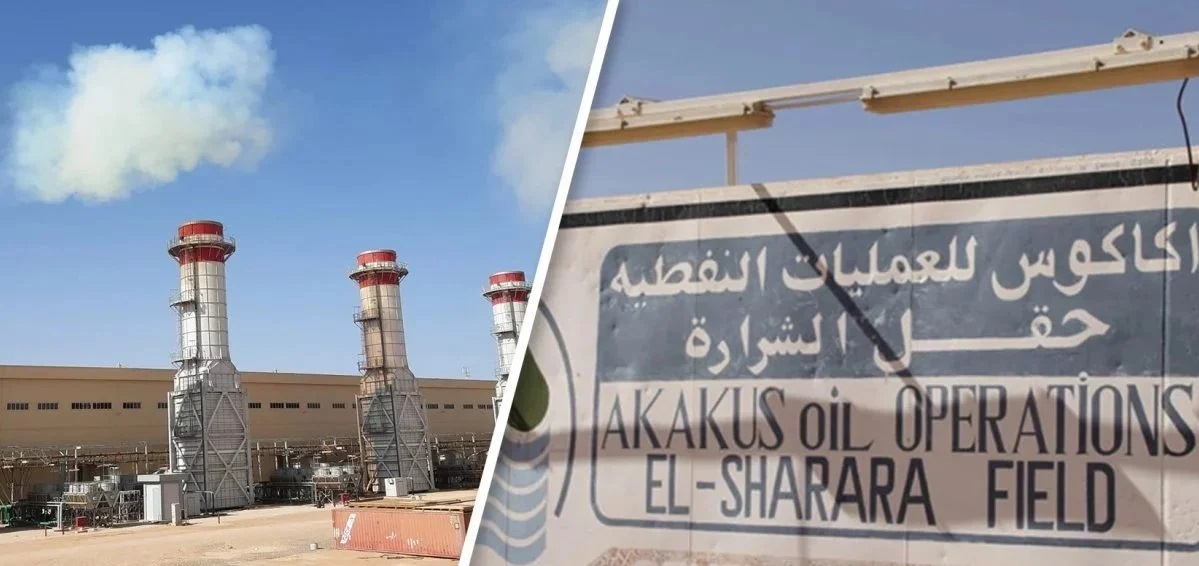
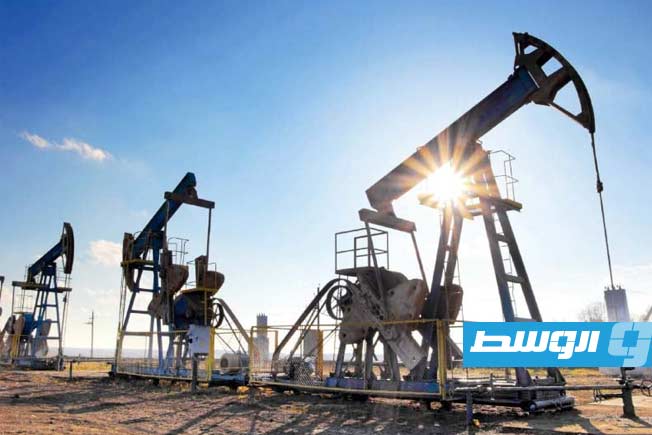
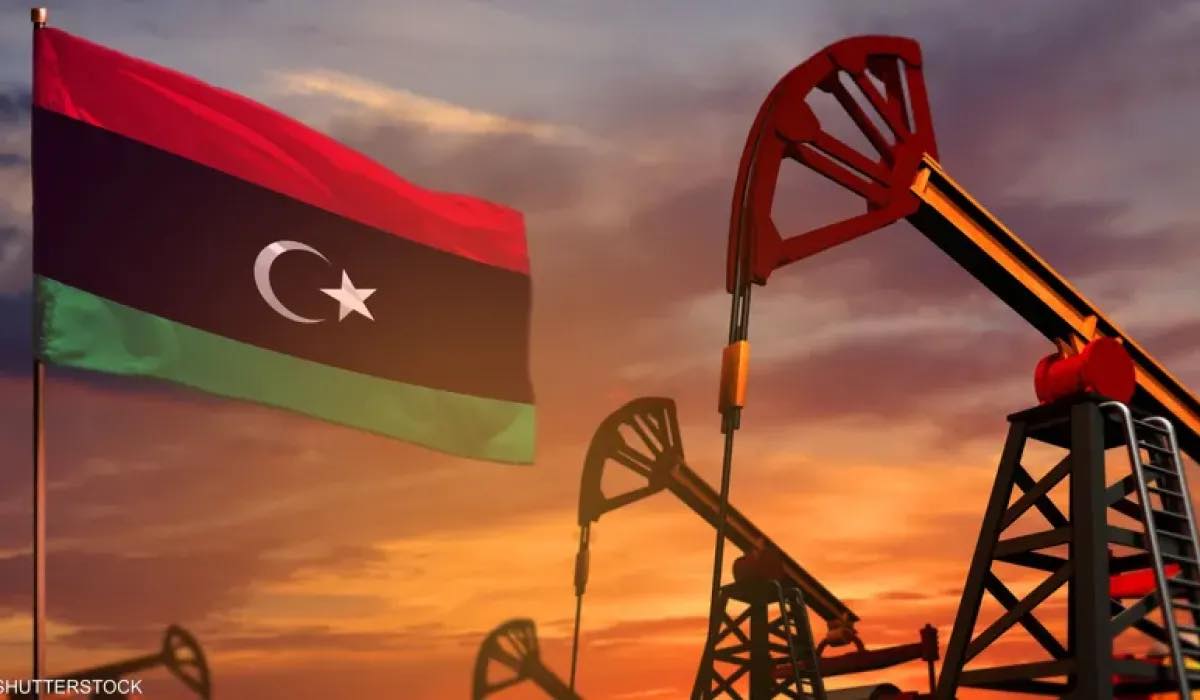
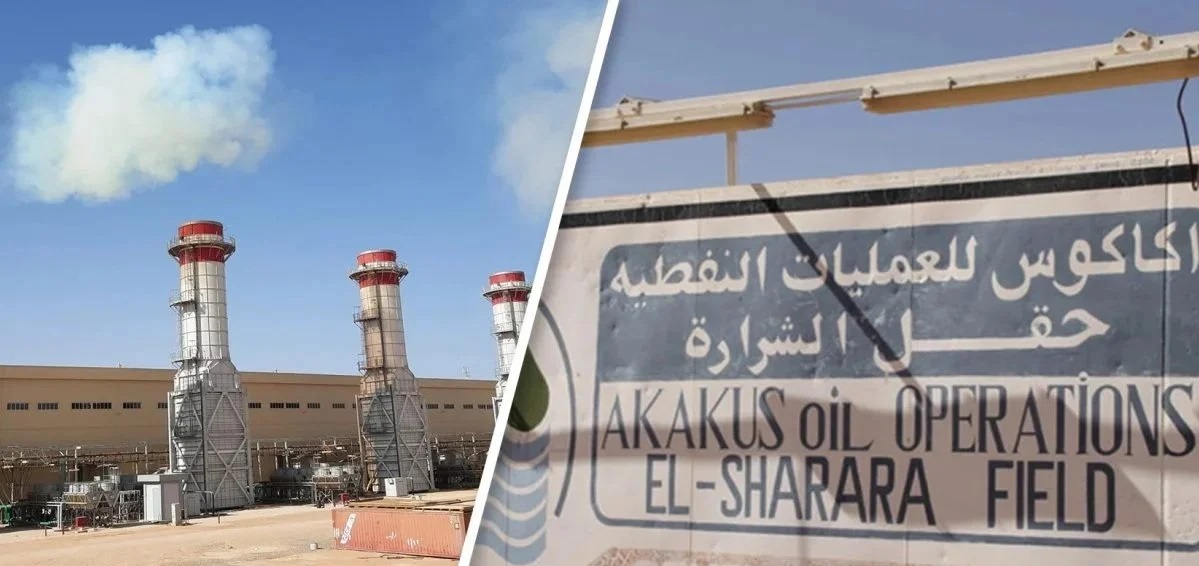
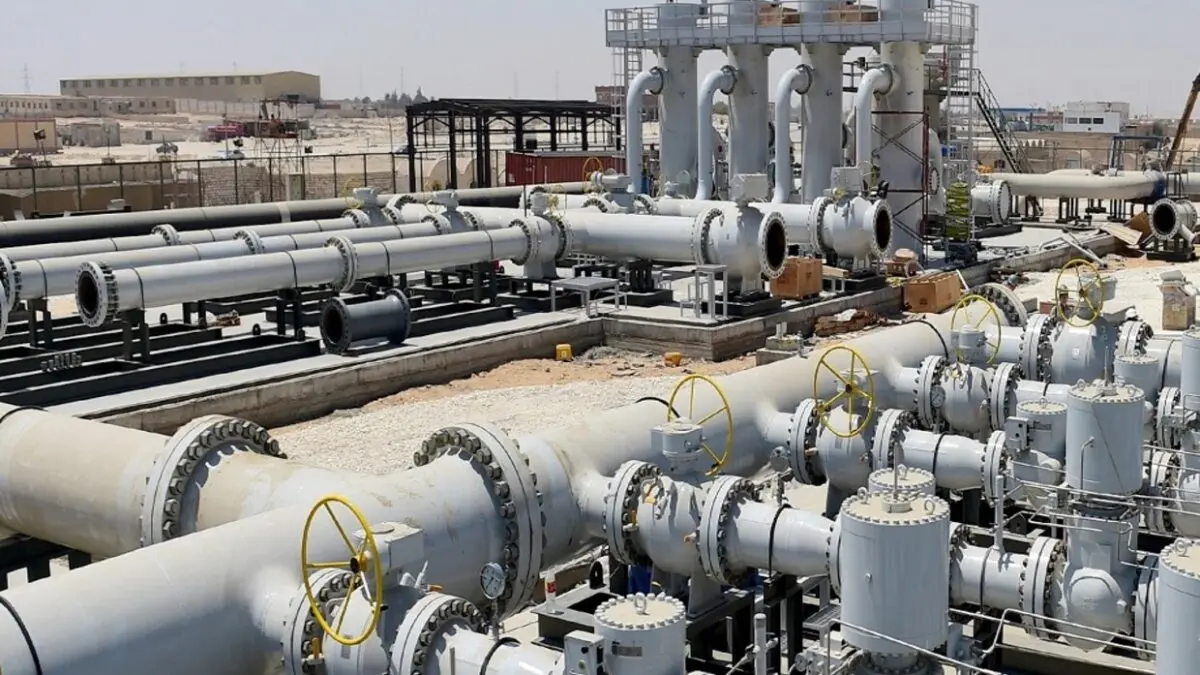
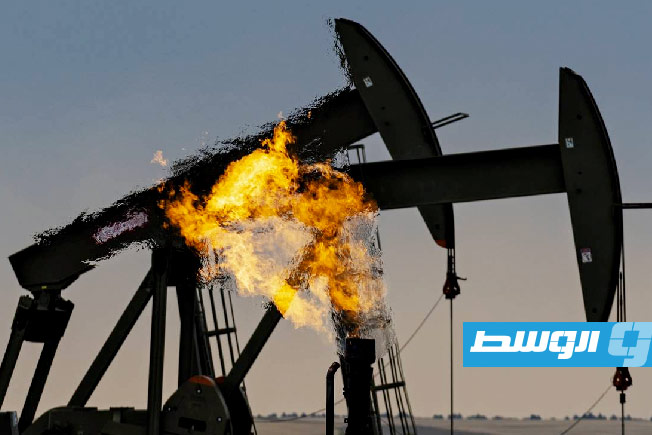
Tripoli, January 10, 2026 – The National Oil Corporation announced that the users of the Al-Zuwaytinah Oil Company have successfully restarted the diesel production unit at the Zallah field, returning it to efficient operation in record time following a stoppage due to a complex technical malfunction.
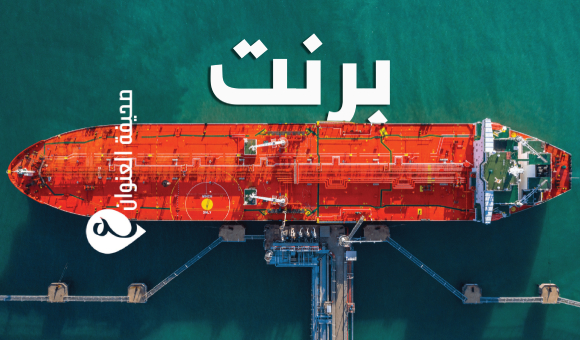
According to the corporation’s media office, the unit’s production capacity after restart has reached 500 barrels of diesel per day, contributing to meeting the field’s requirements.
The diesel unit at the Zallah field had been shut down due to a technical fault at the beginning of March 2015. A team of elite engineers and workers recently dedicated themselves to its repair, overcoming all technical challenges and obstacles they faced in a short period.
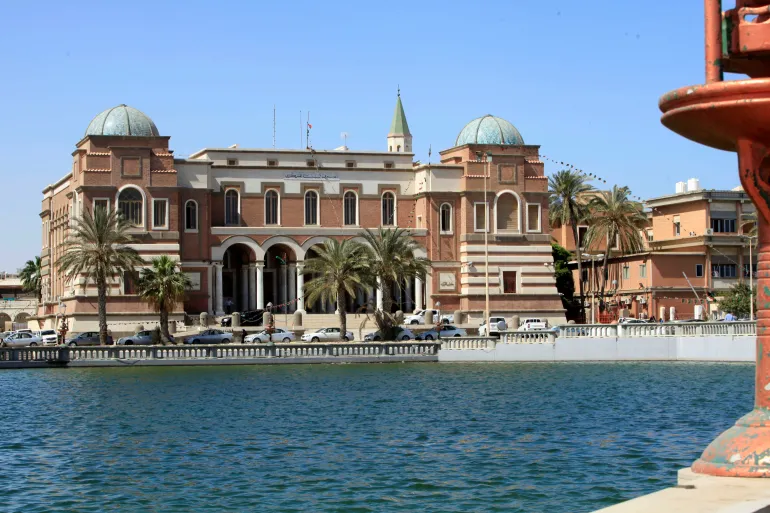
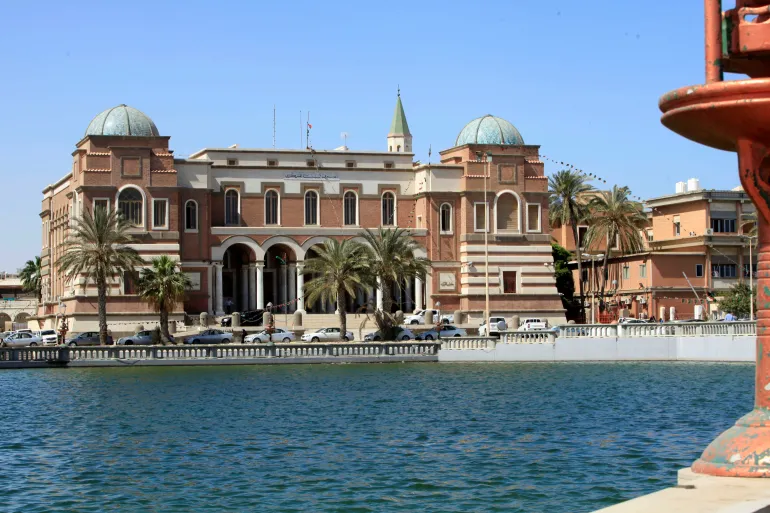
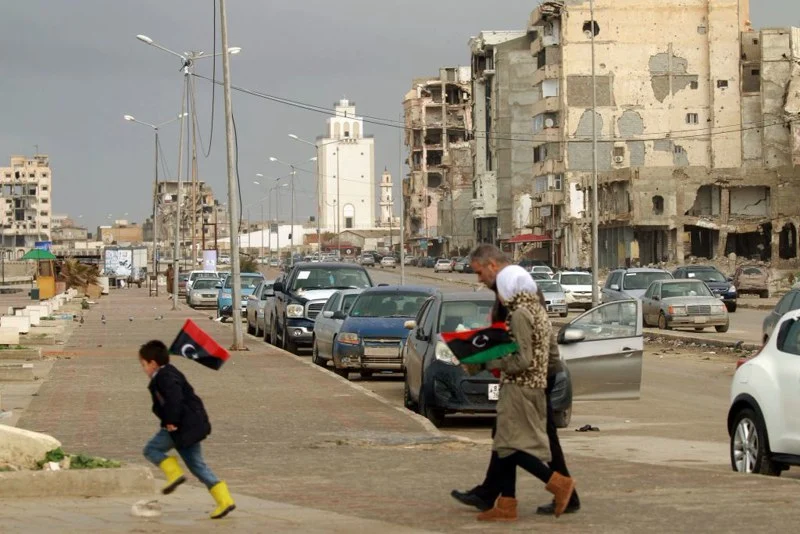
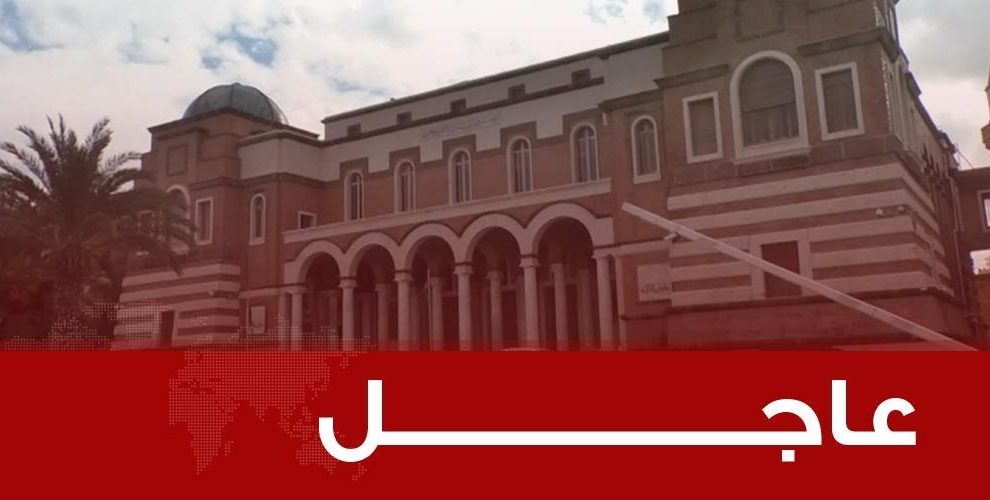
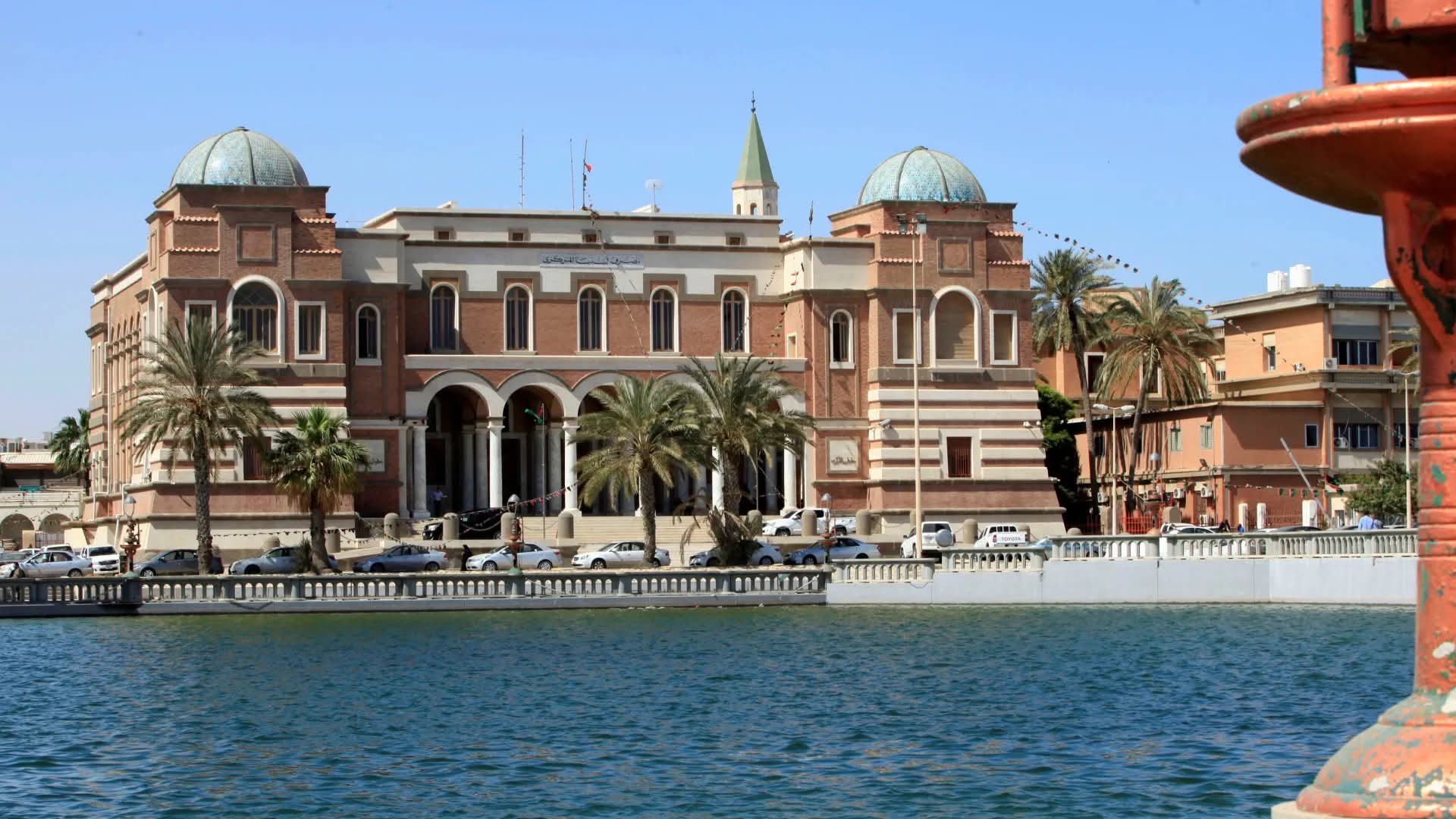
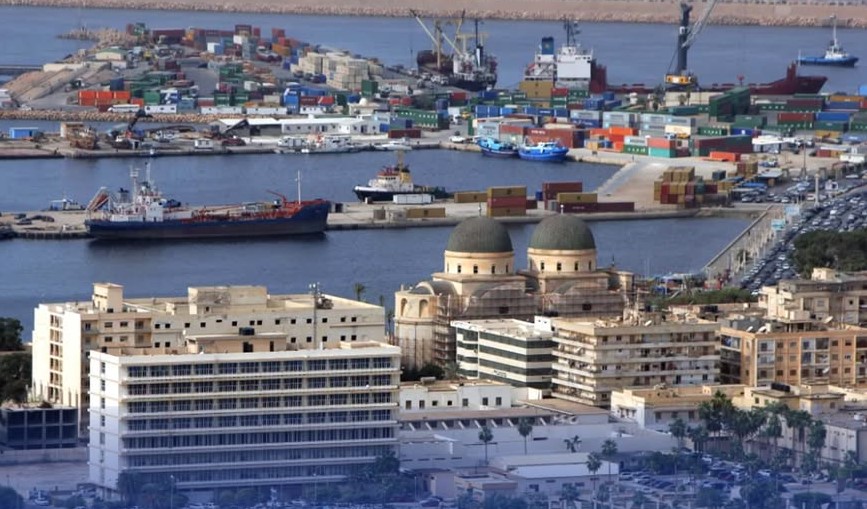
Tripoli
Tripoli is the capital and largest city of Libya, located on the country’s Mediterranean coast. Historically, it was founded by the Phoenicians in the 7th century BC and has since been ruled by the Romans, Arabs, Ottomans, and Italians, serving as a major port and cultural crossroads. Its historic core, the medina of Old Tripoli, contains significant architecture from these various periods.
National Oil Corporation
The National Oil Corporation (NOC) is the state-owned oil company of Libya, established in 1970 to oversee the country’s hydrocarbon resources. It manages all aspects of Libya’s oil and gas production, from exploration to export, and has been a central pillar of the national economy since its founding.
Al-Zuwaytinah Oil Company
Al-Zuwaytinah Oil Company is a Libyan state-owned enterprise involved in the country’s petroleum sector, which is central to Libya’s economy. It was historically part of the nationalized oil industry following the discovery of significant reserves in the mid-20th century.
Zallah field
The Zallah field is an oil field located in the Sirte Basin of central Libya, first discovered in the 1950s. It has been a significant but periodically contested production site, with its operational history heavily influenced by Libya’s nationalization of its oil industry in the 1970s and subsequent periods of conflict.