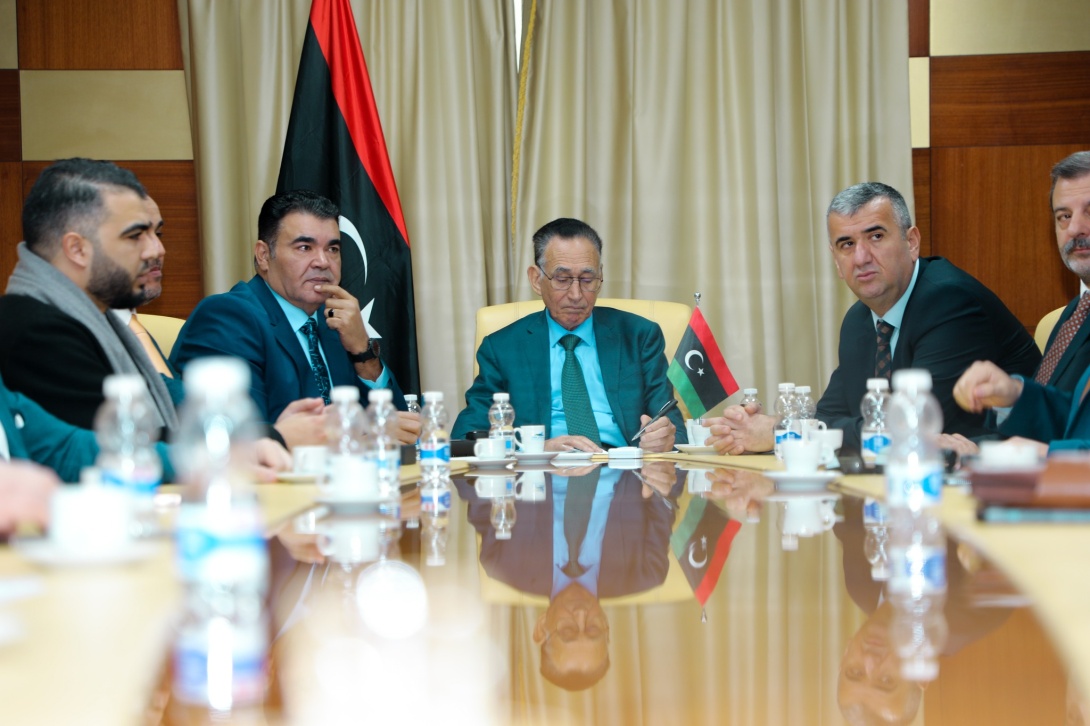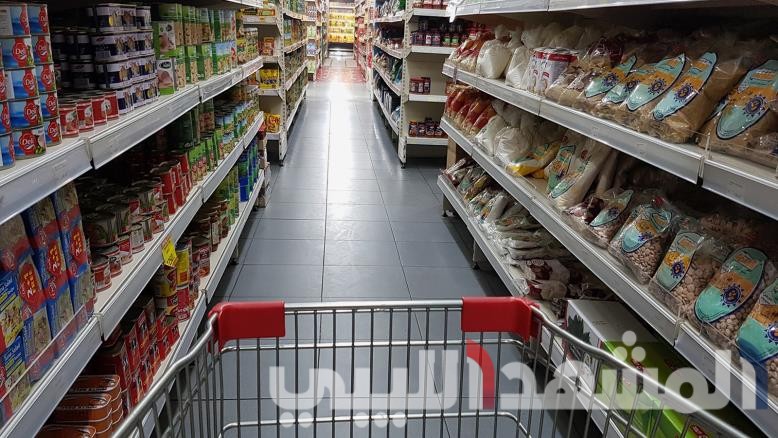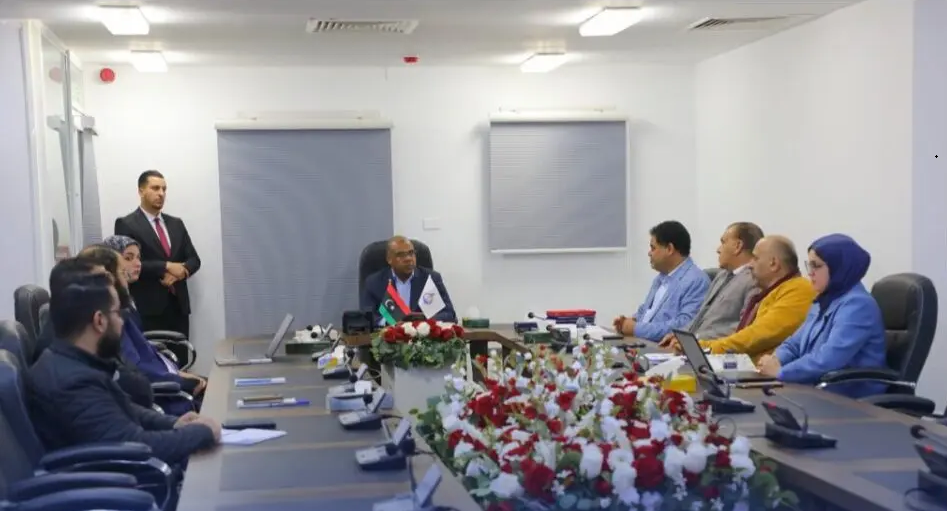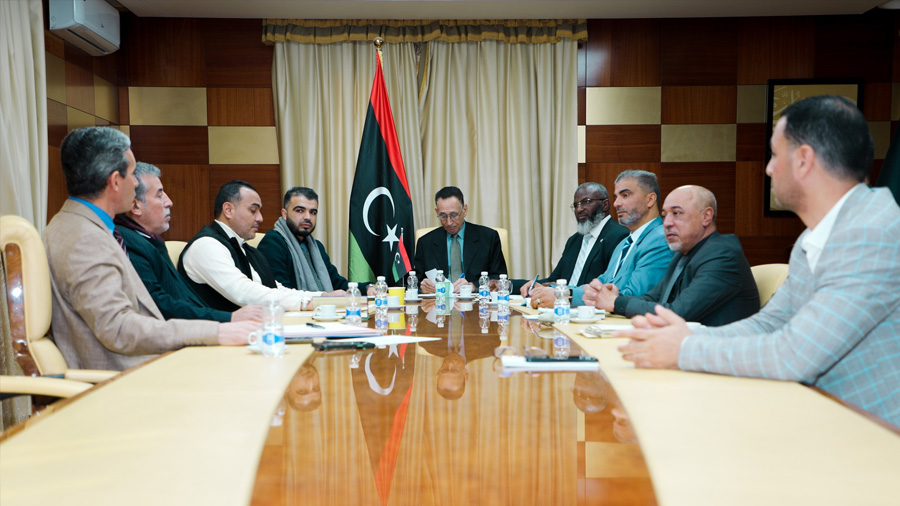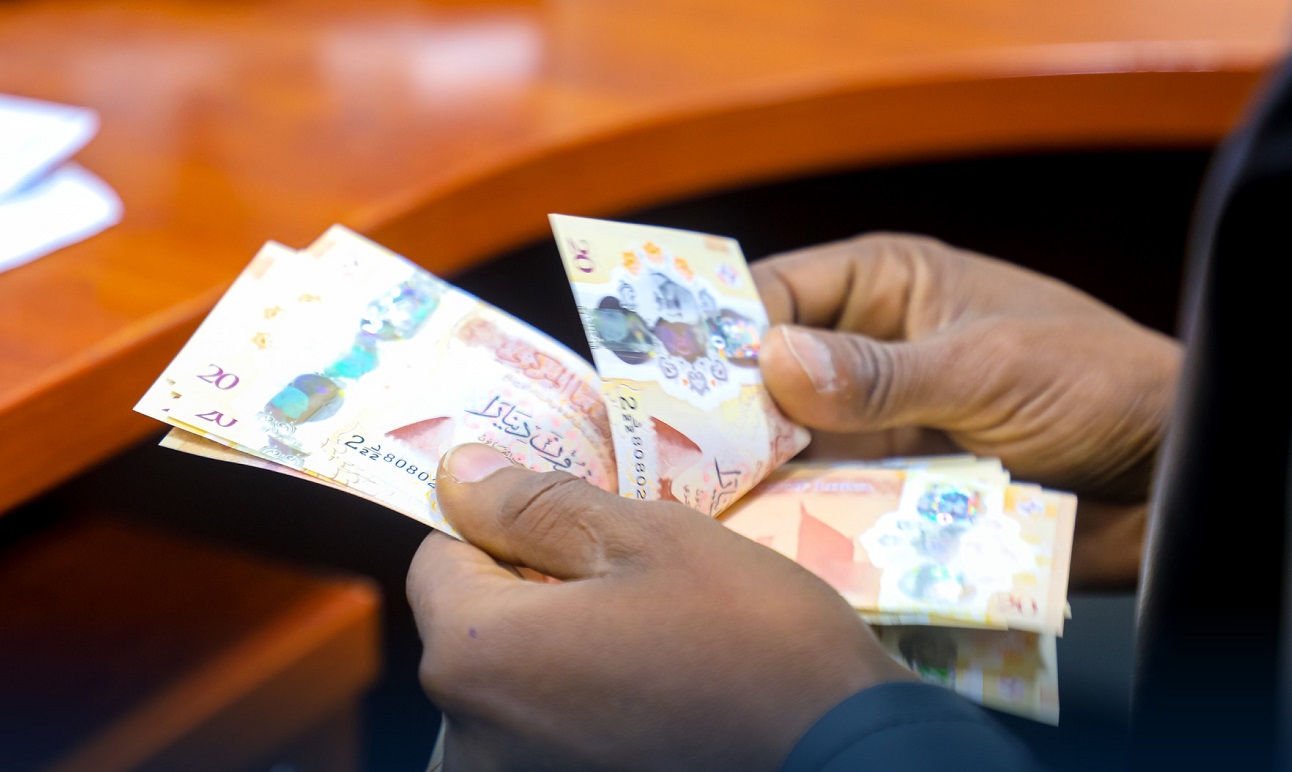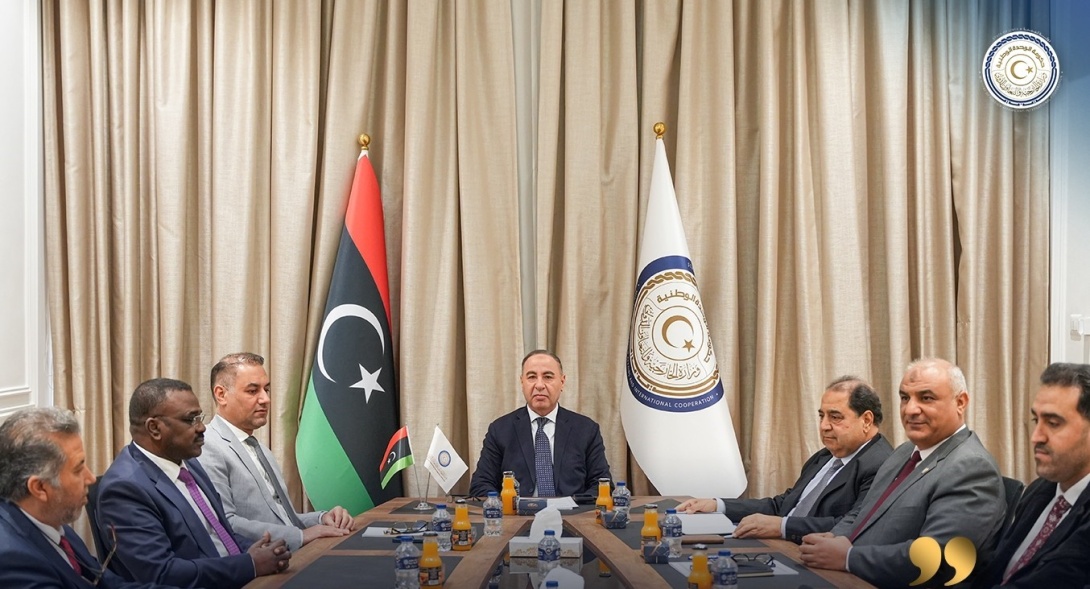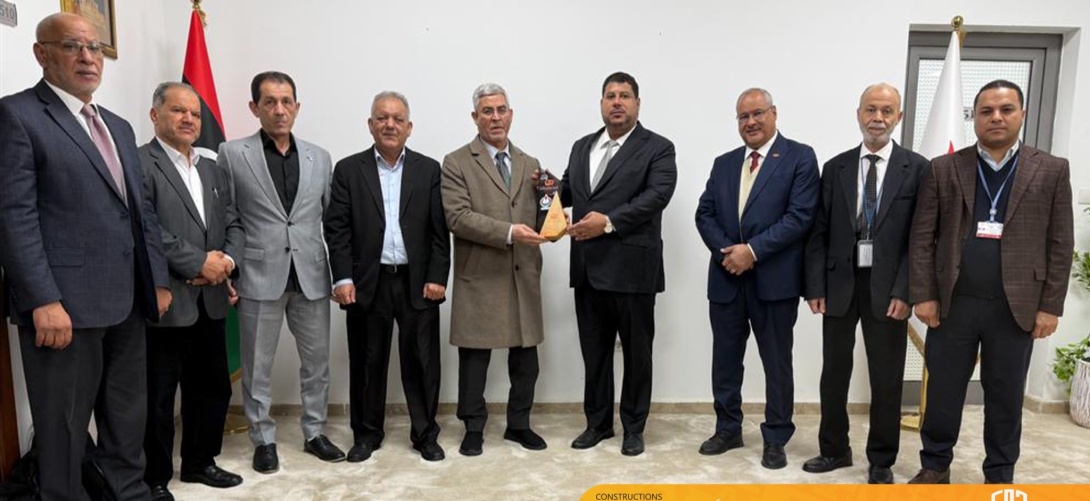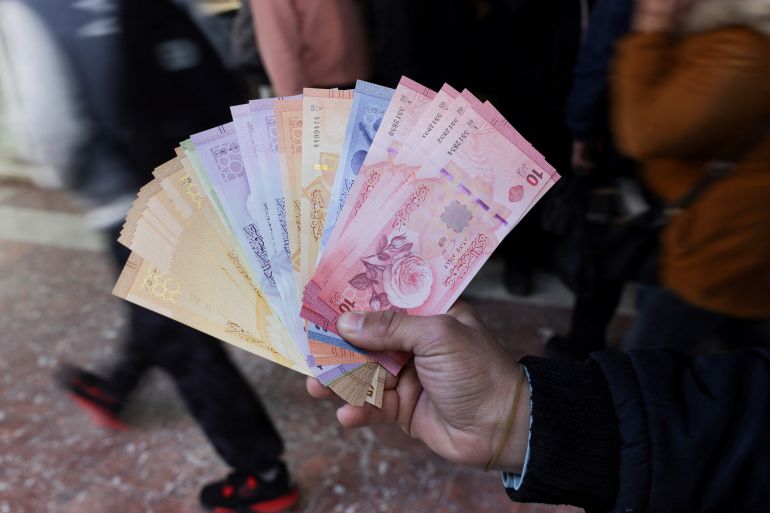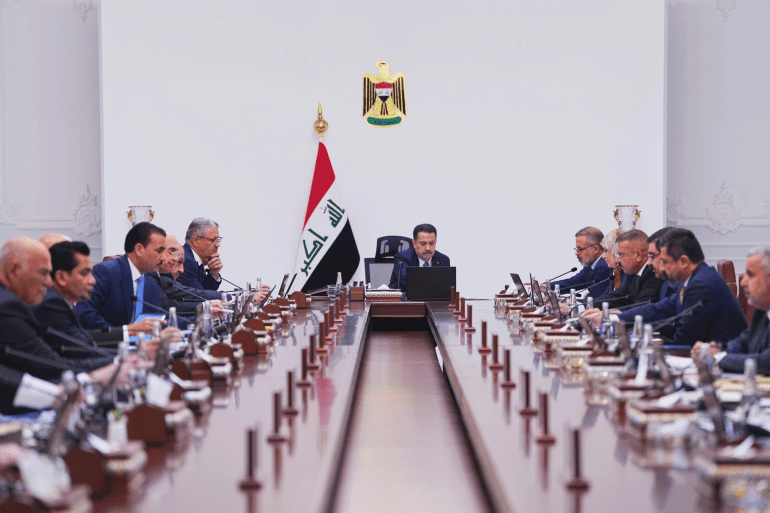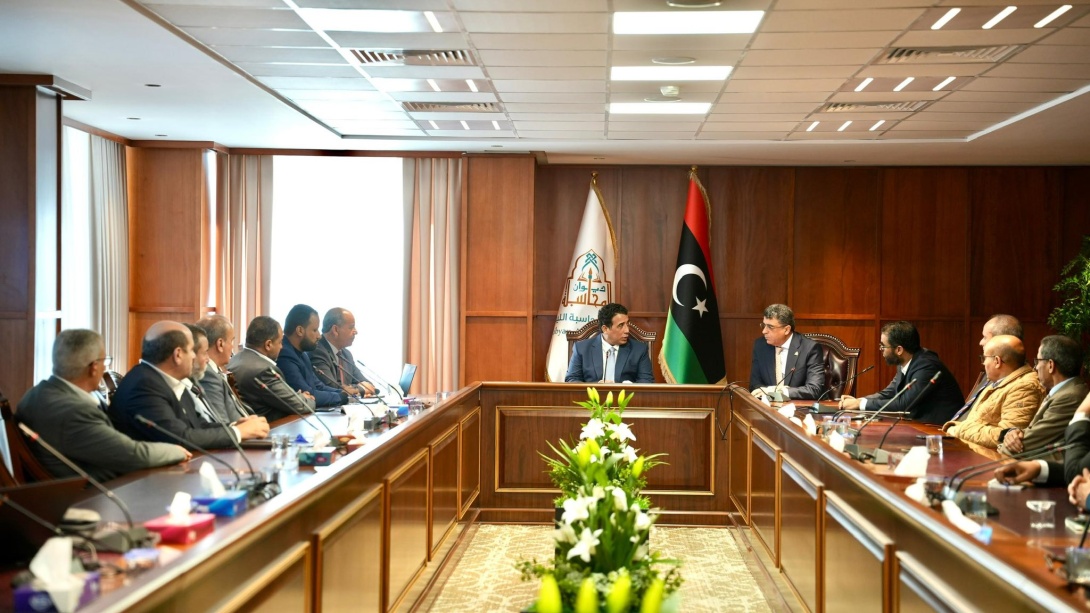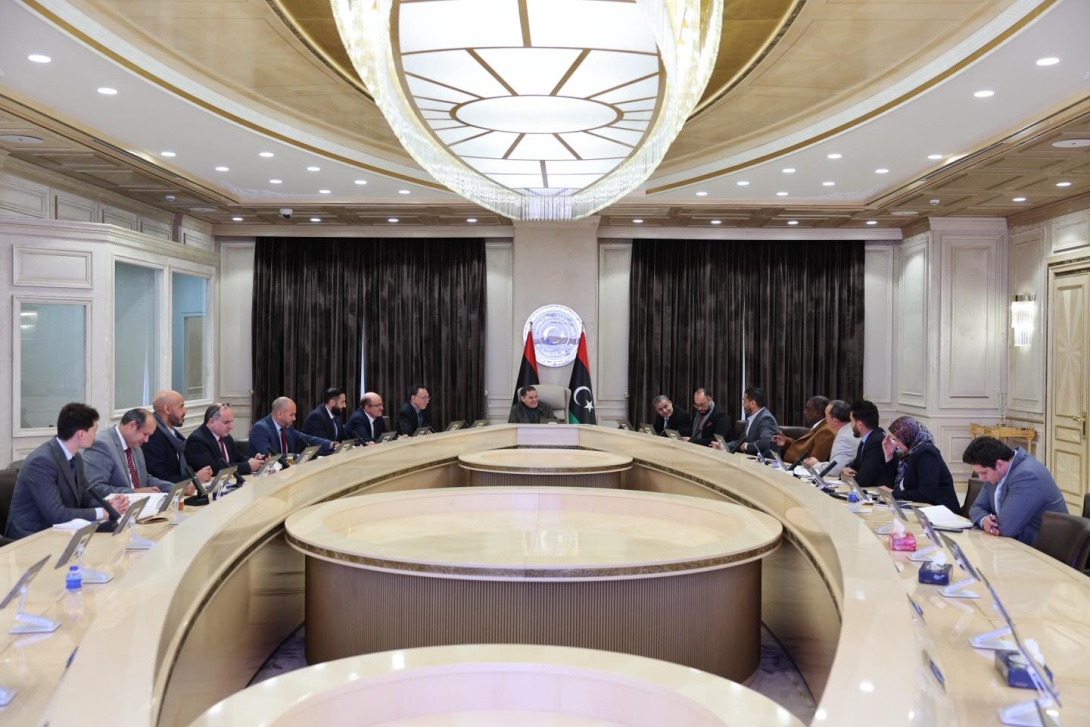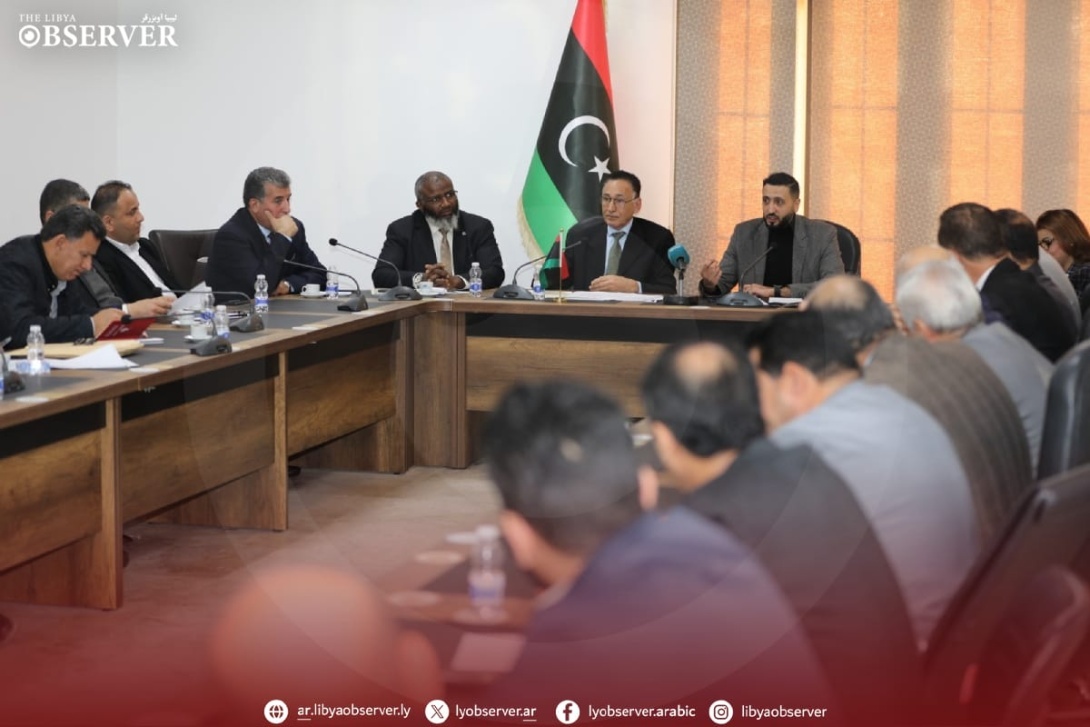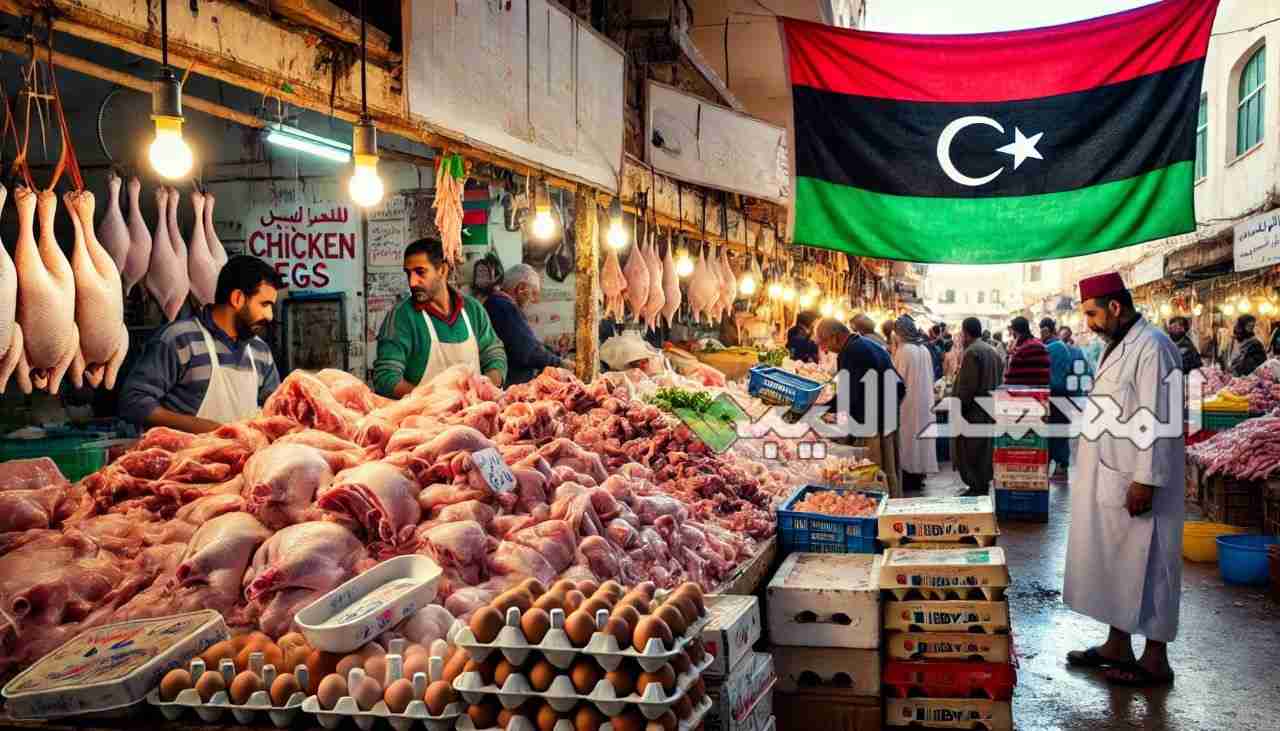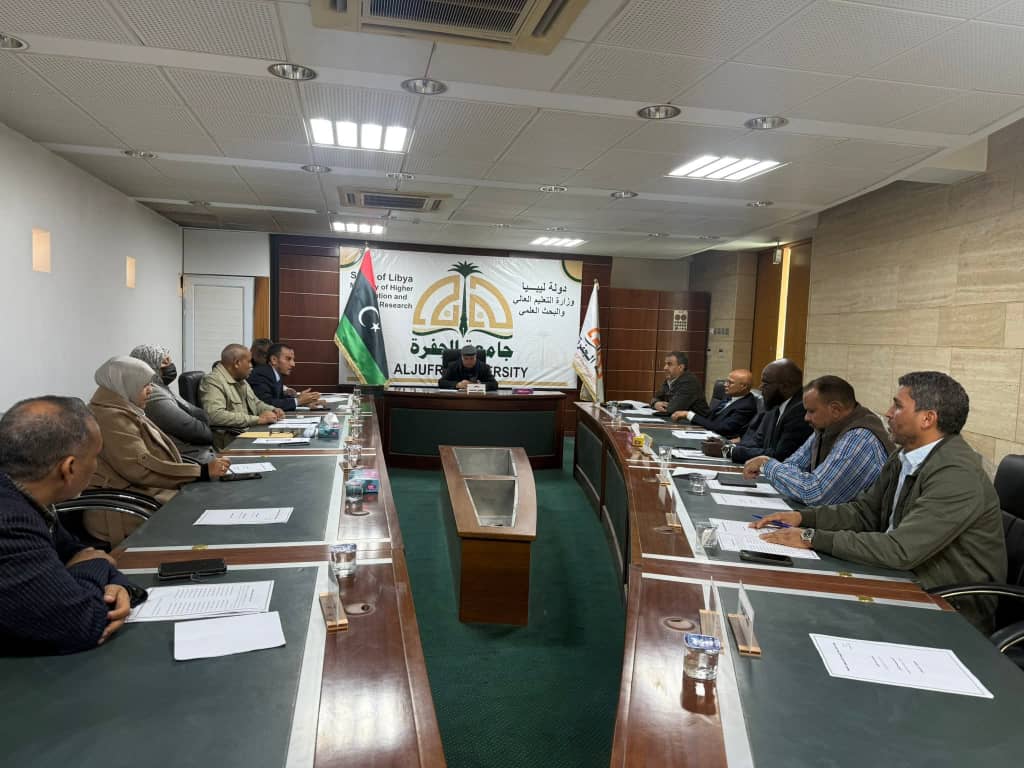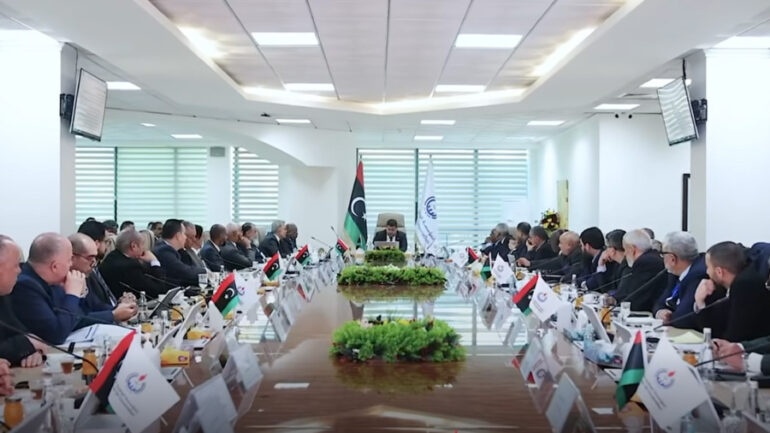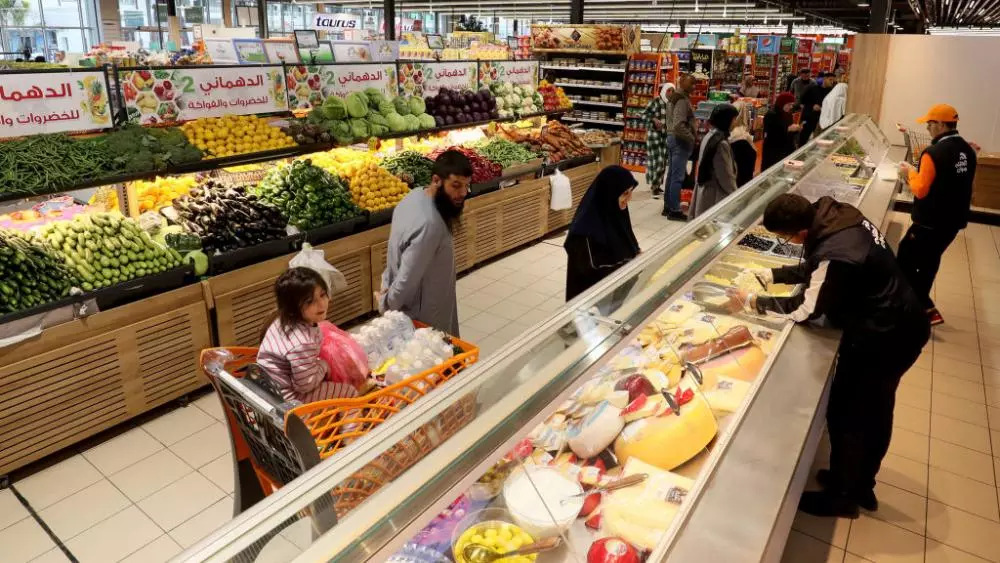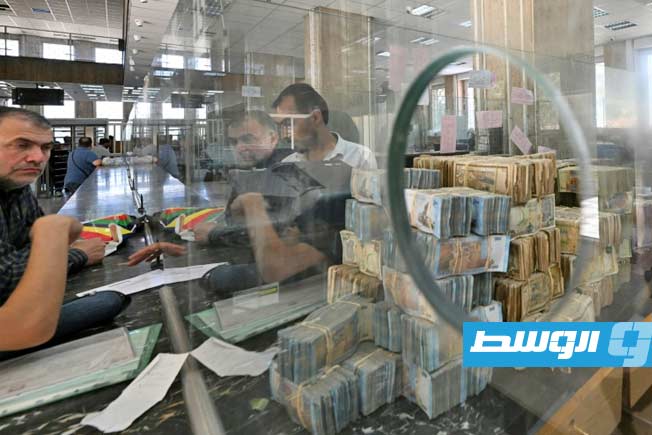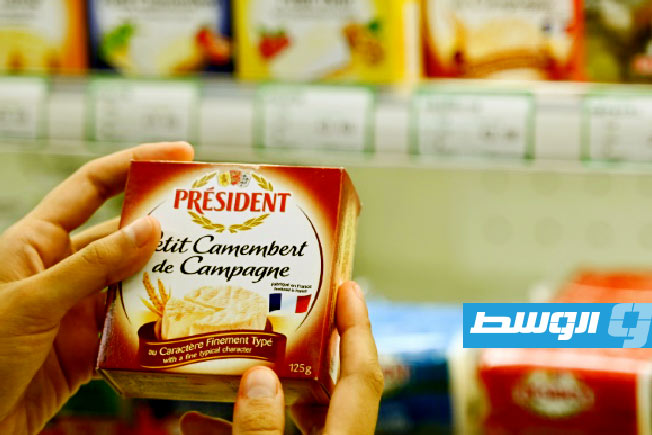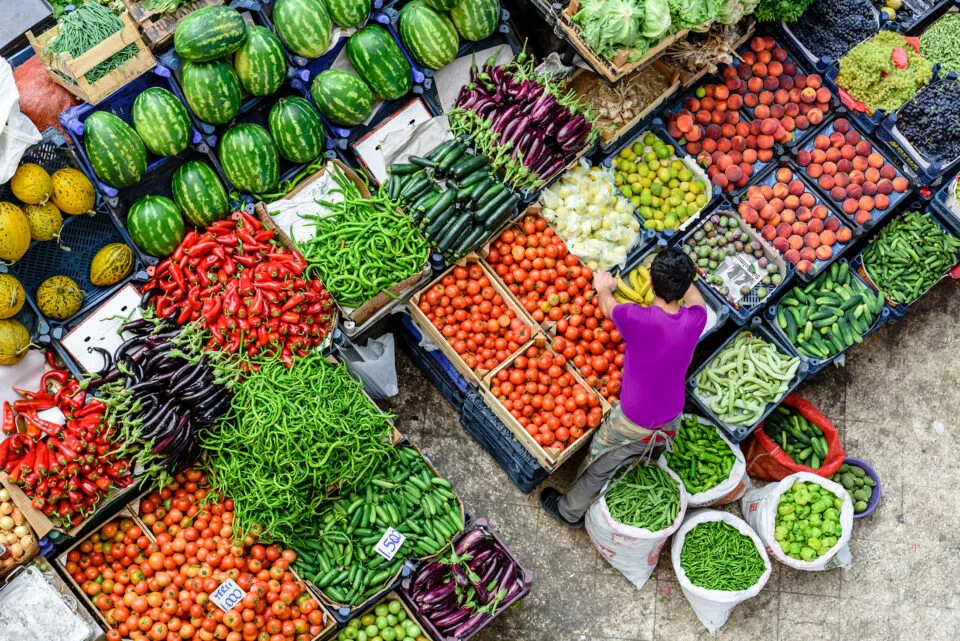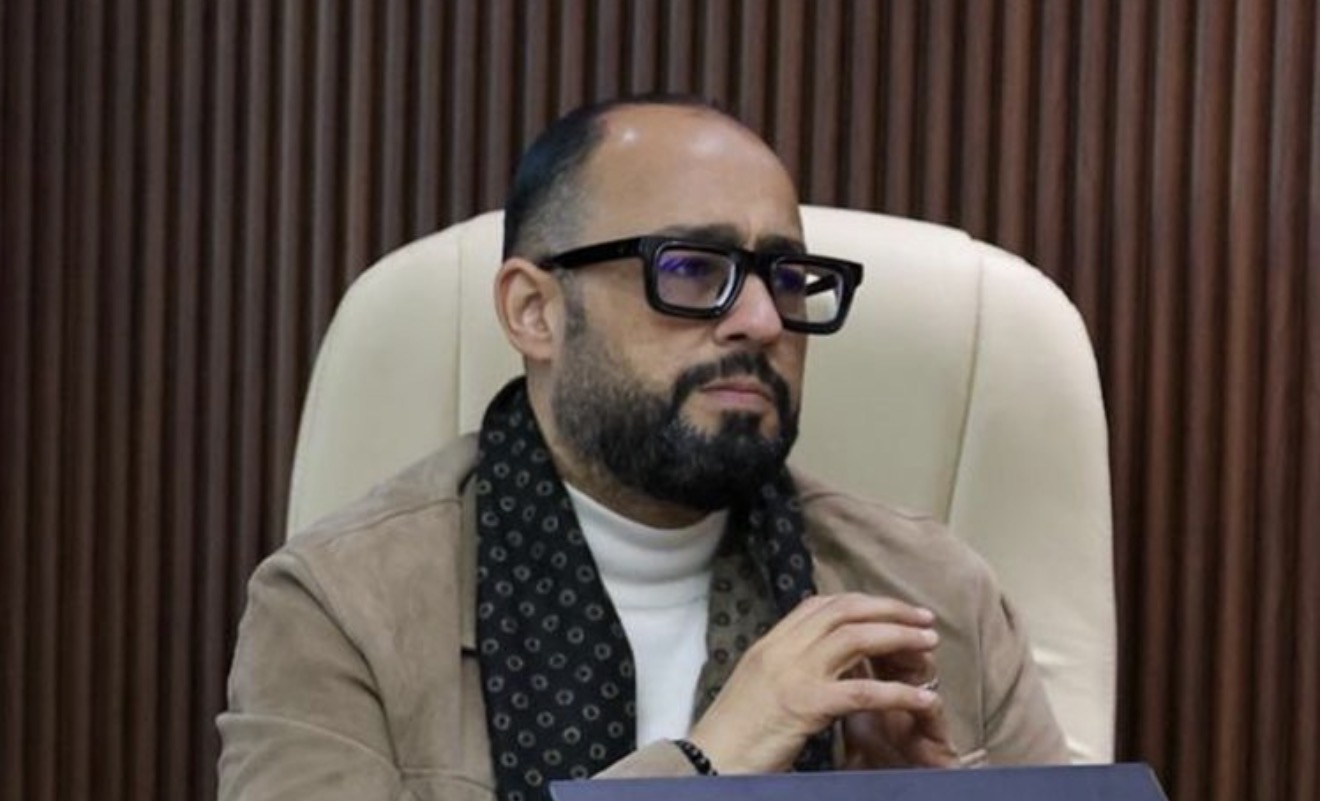
The Ministry of Economy and Trade of the “Interim Government of National Unity” published on Sunday the ministerial decision concerning the sanctions regulation against violators of the approved maximum prices for goods and services, including strict financial and administrative penalties for companies and retail outlets.
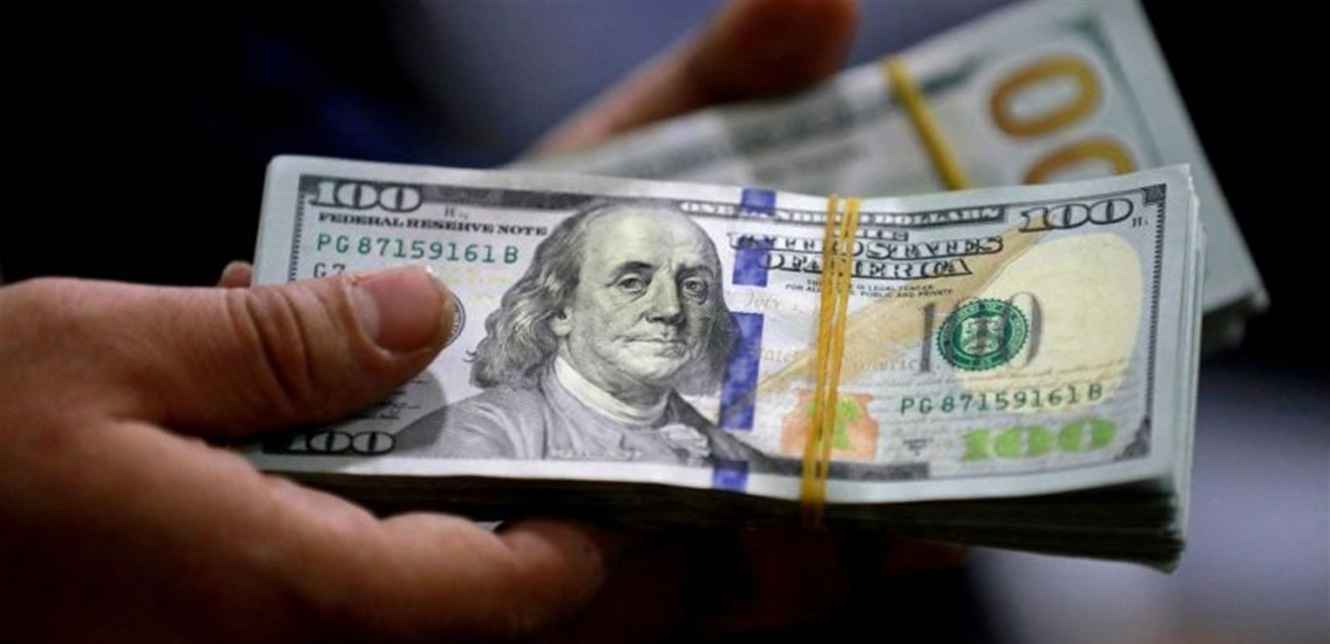
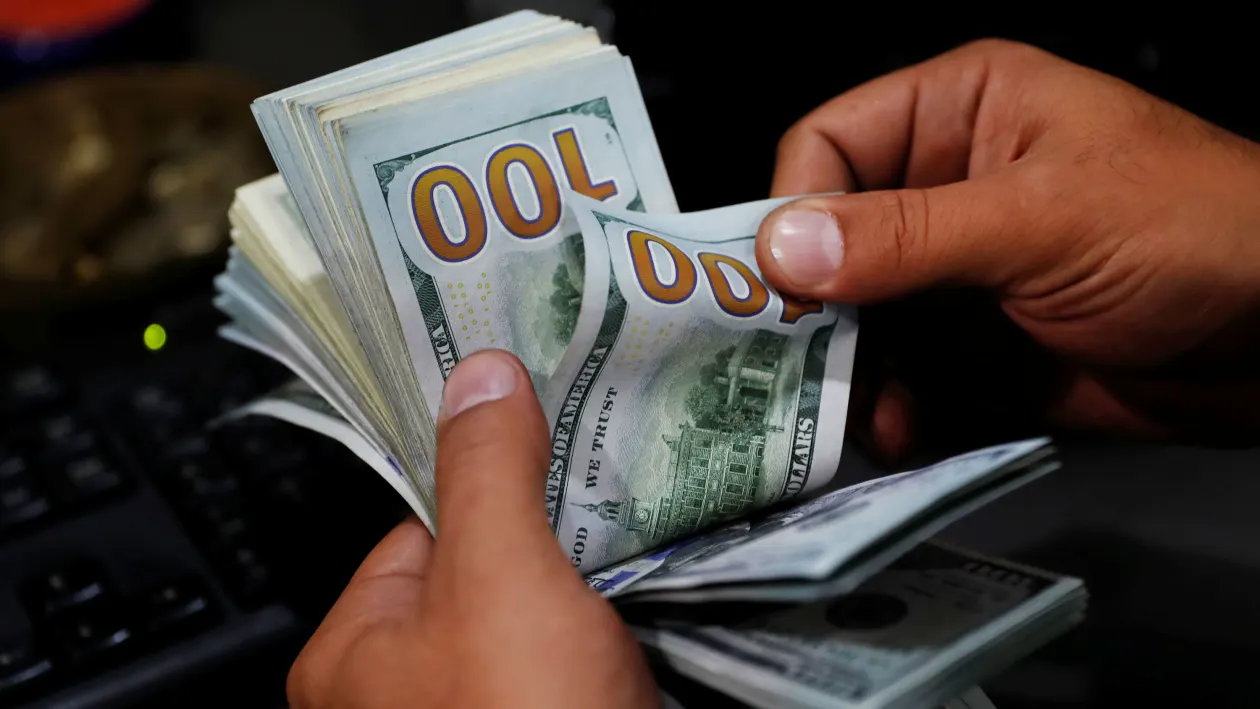
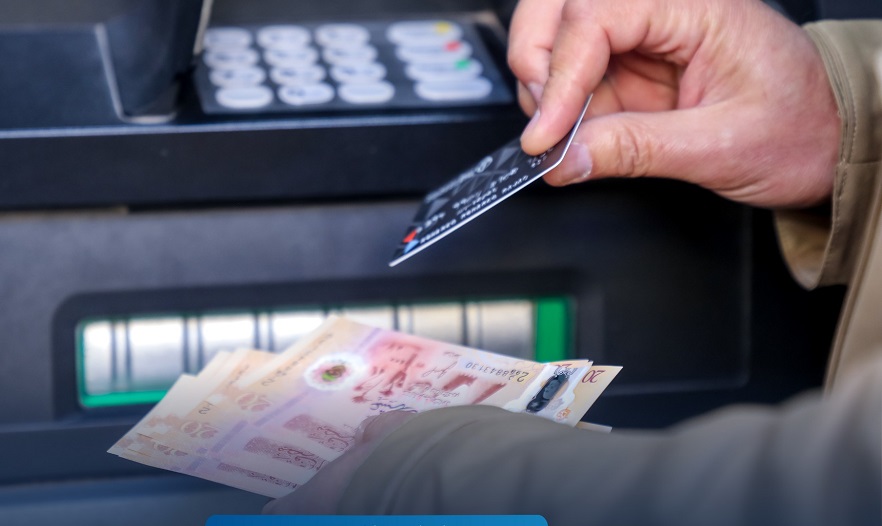
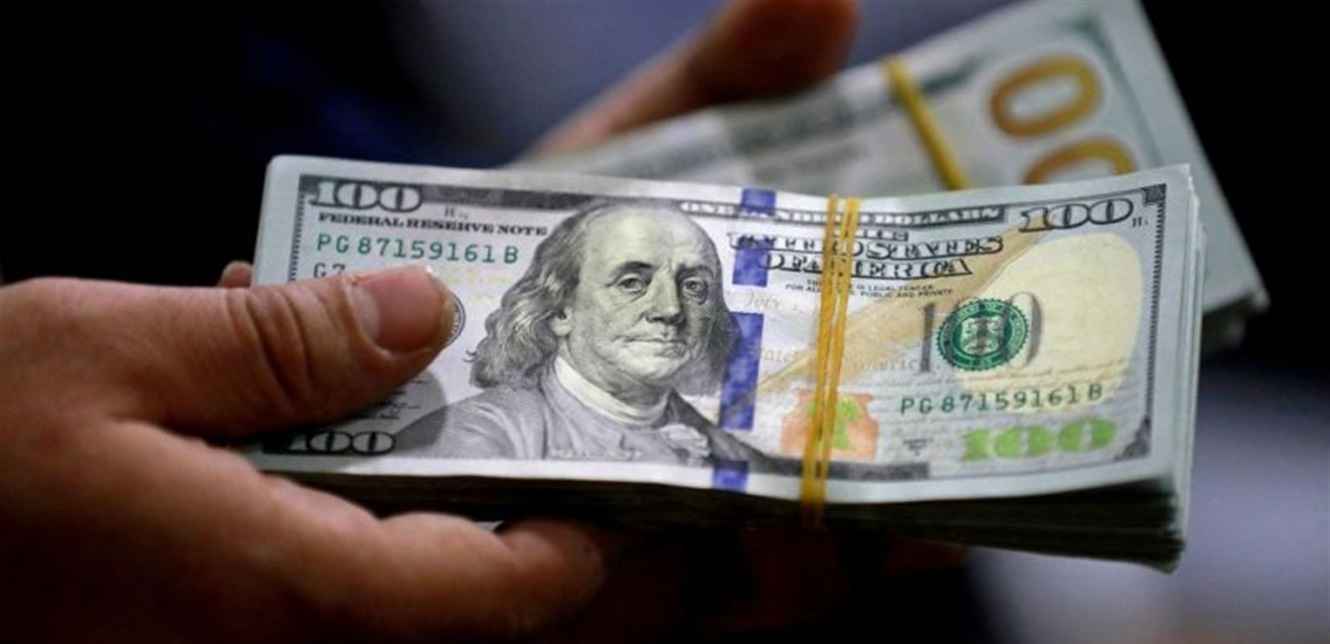
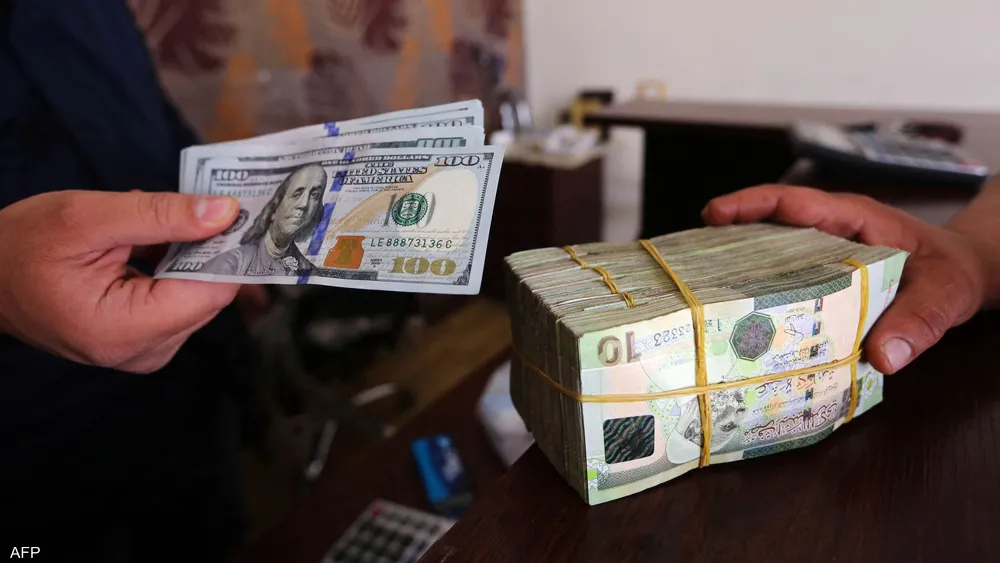
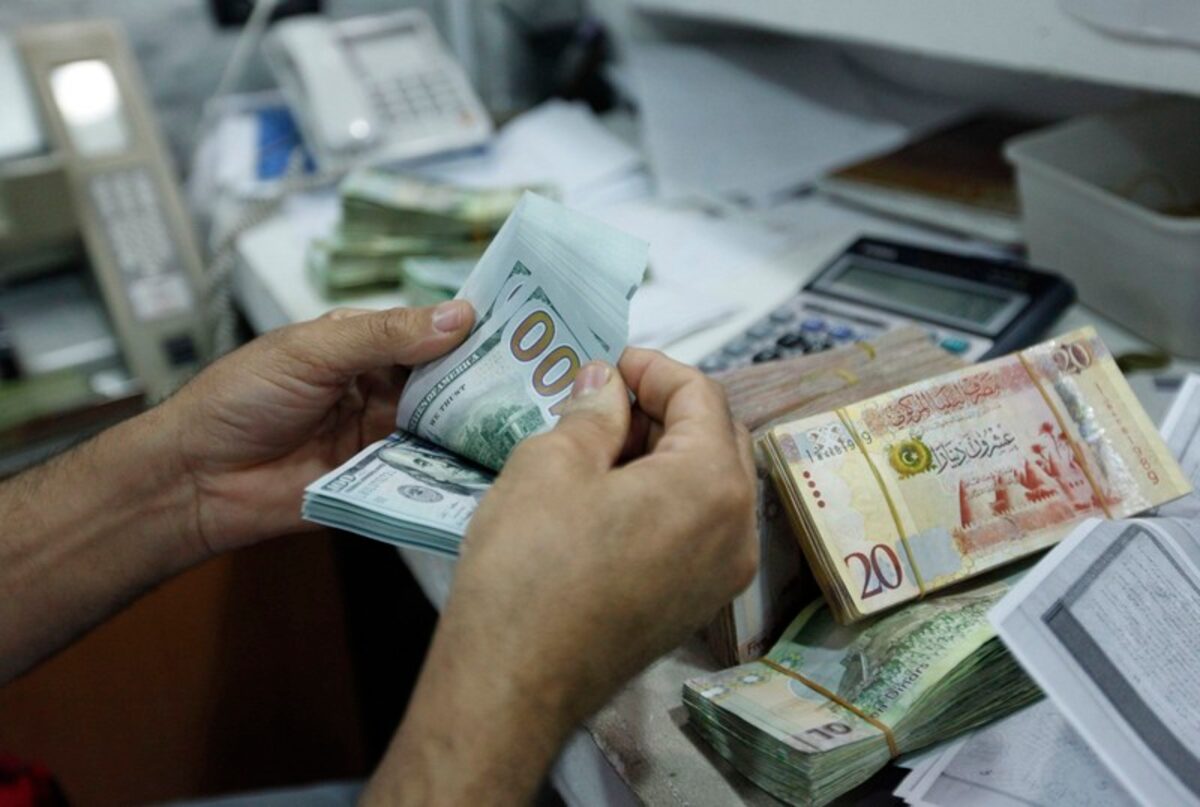
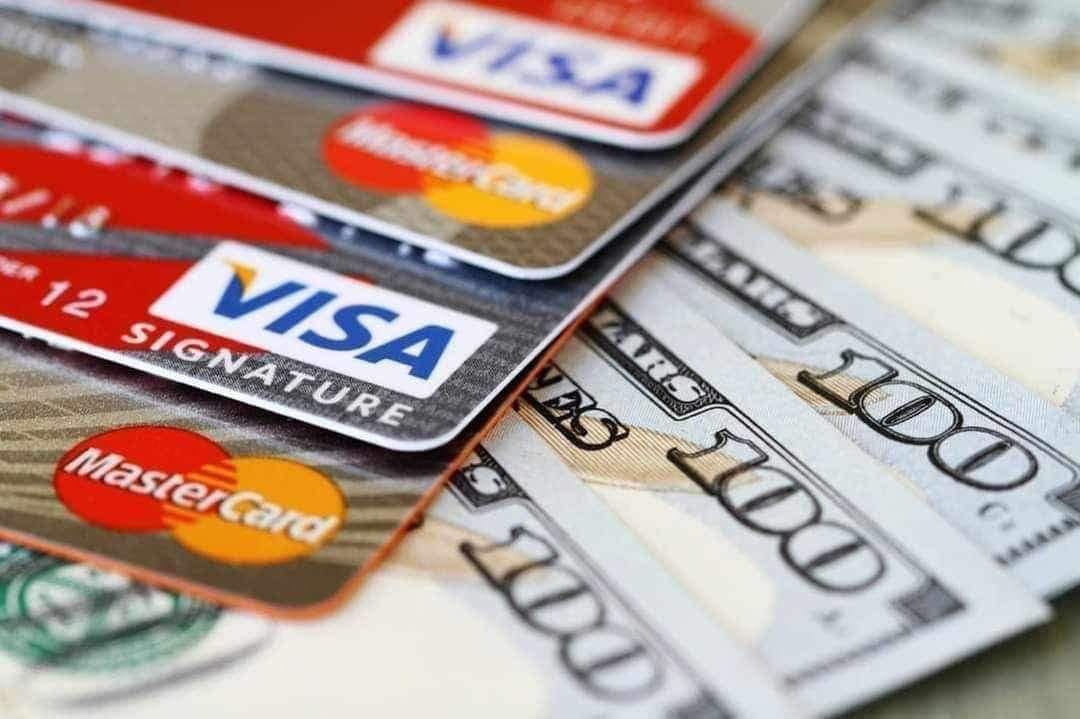
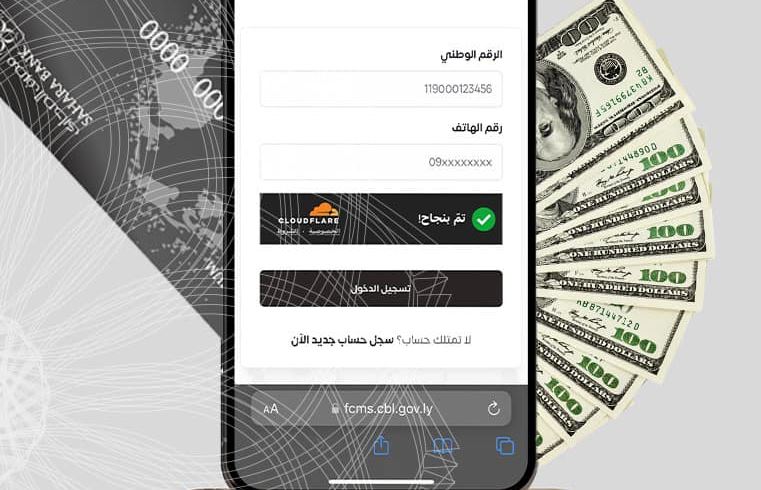
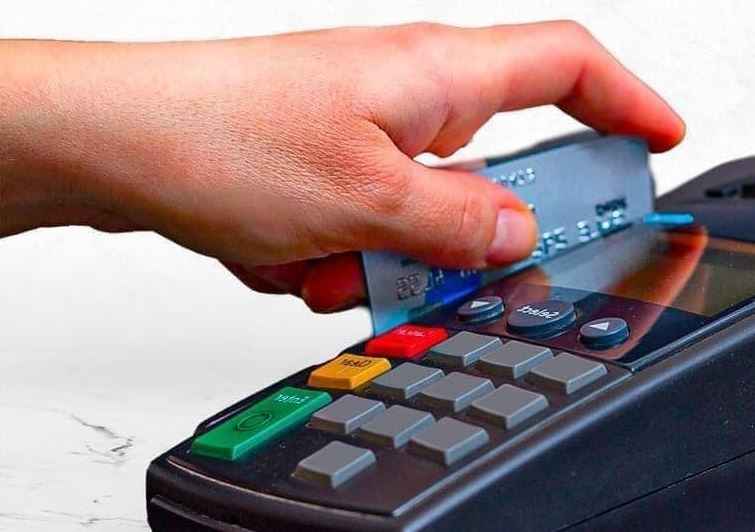
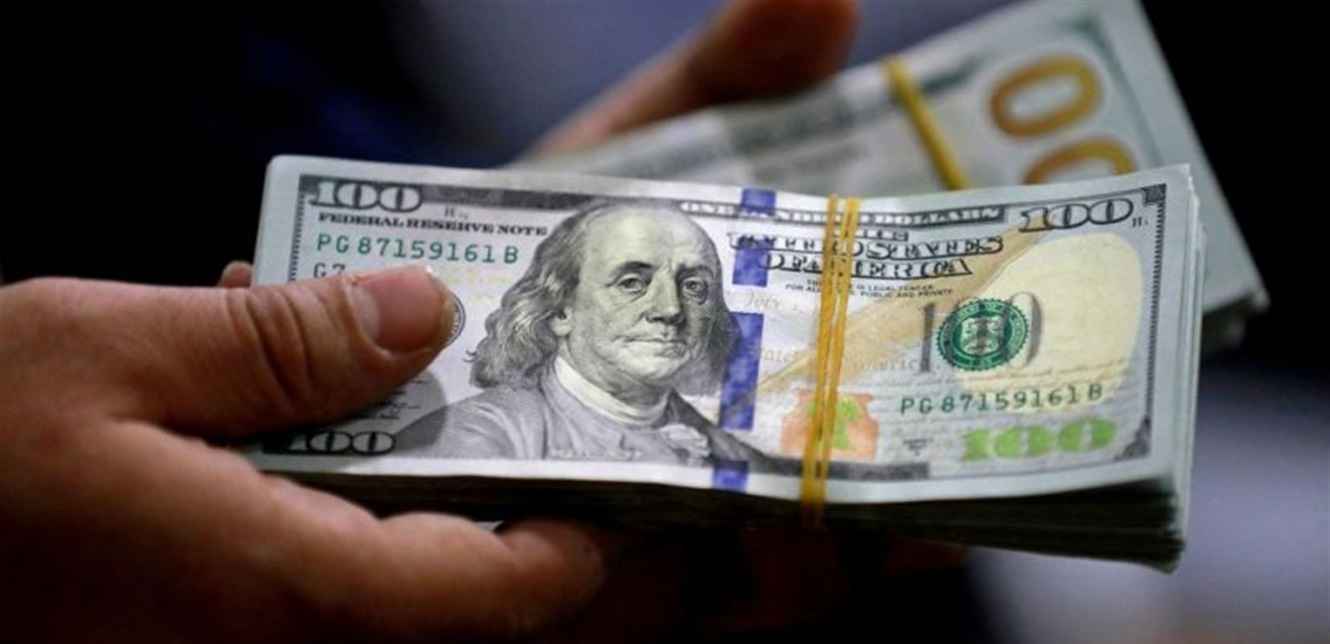
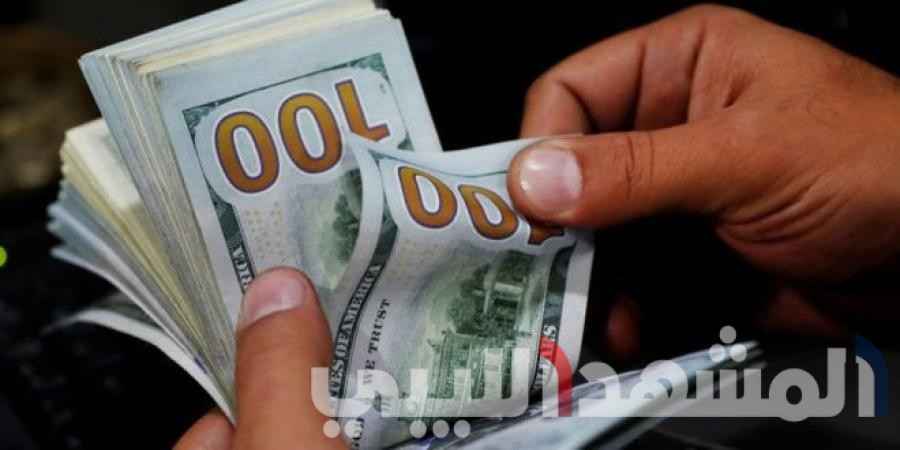
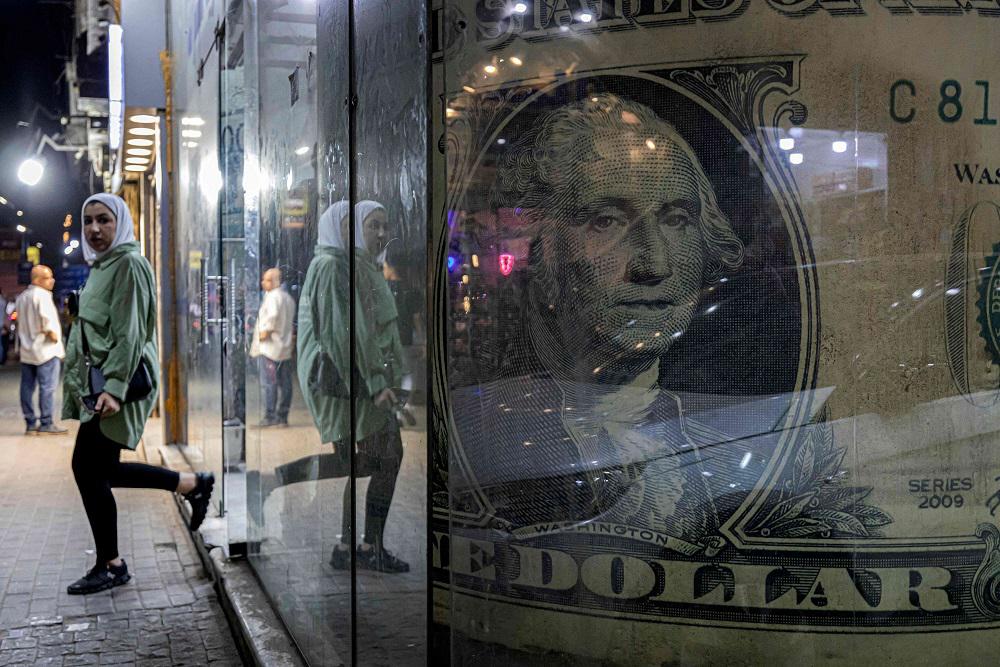
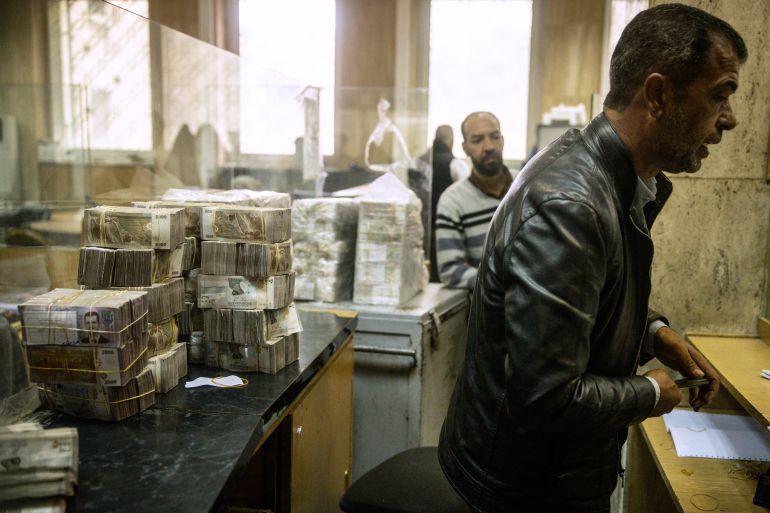
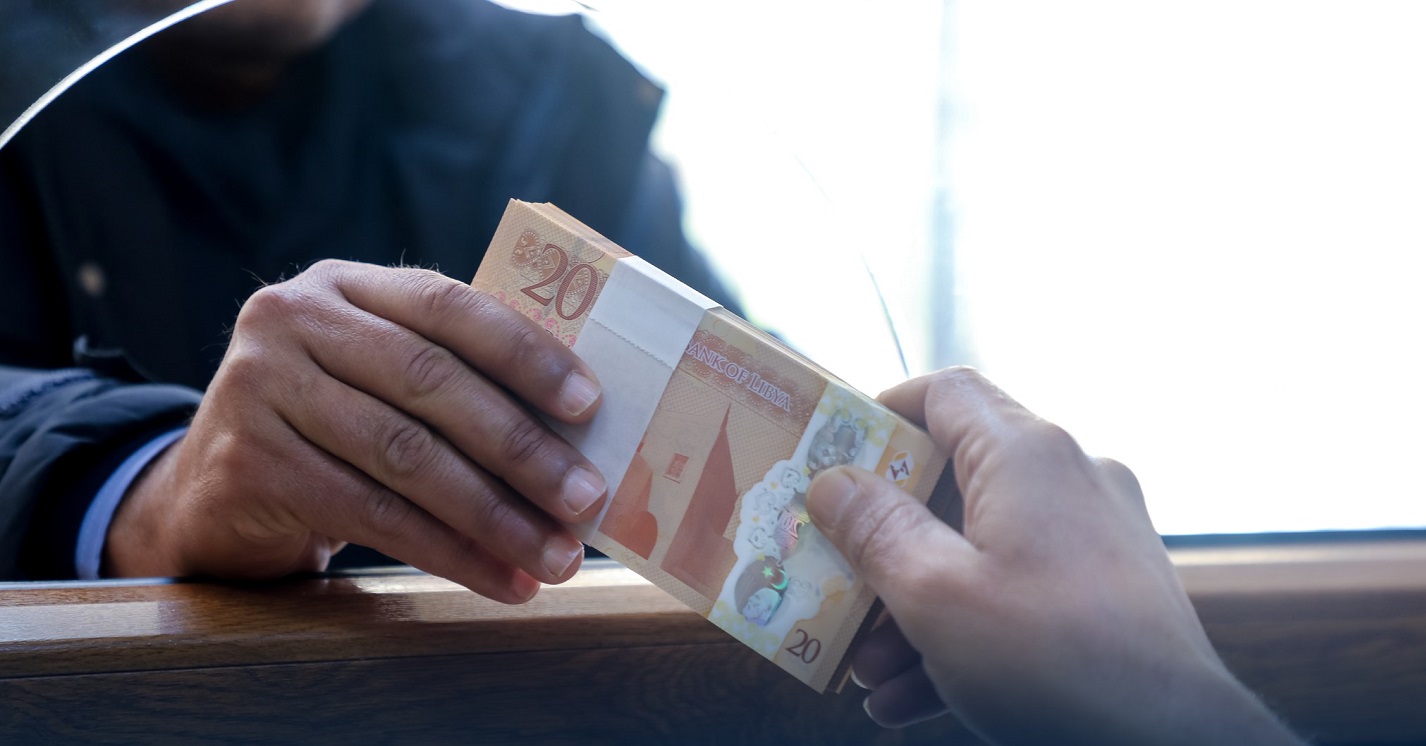
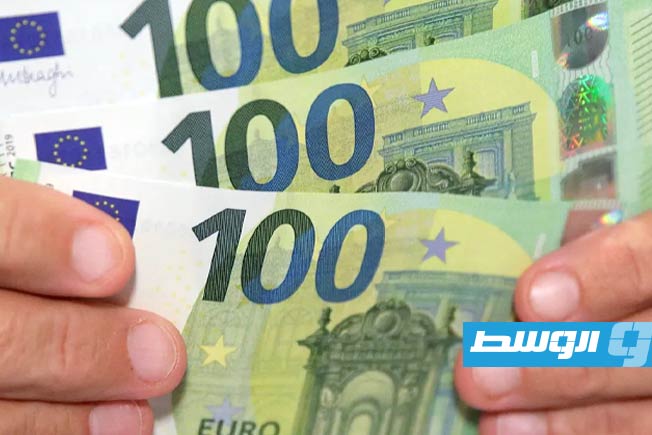
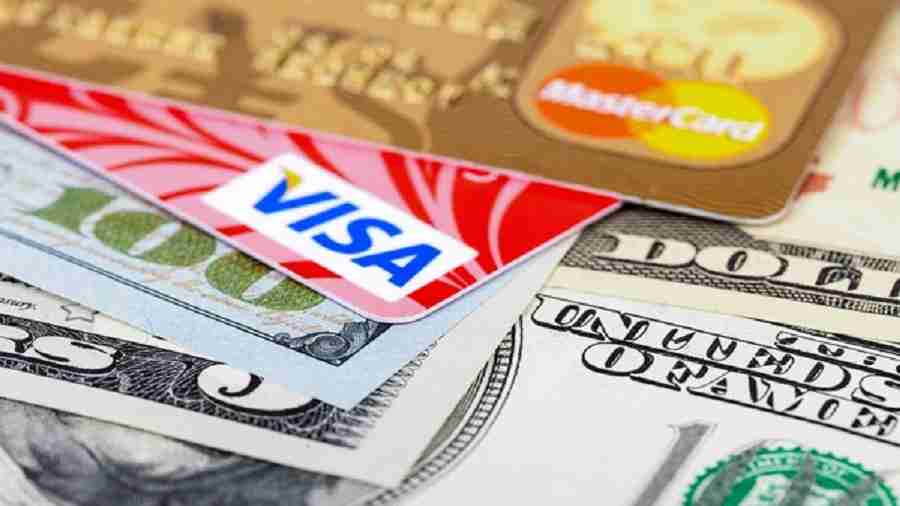
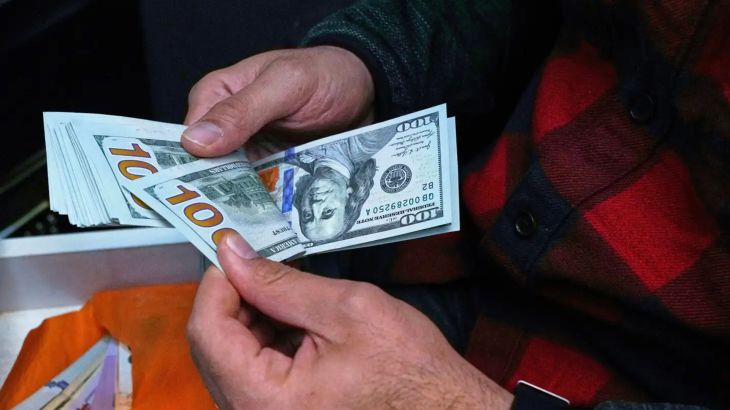
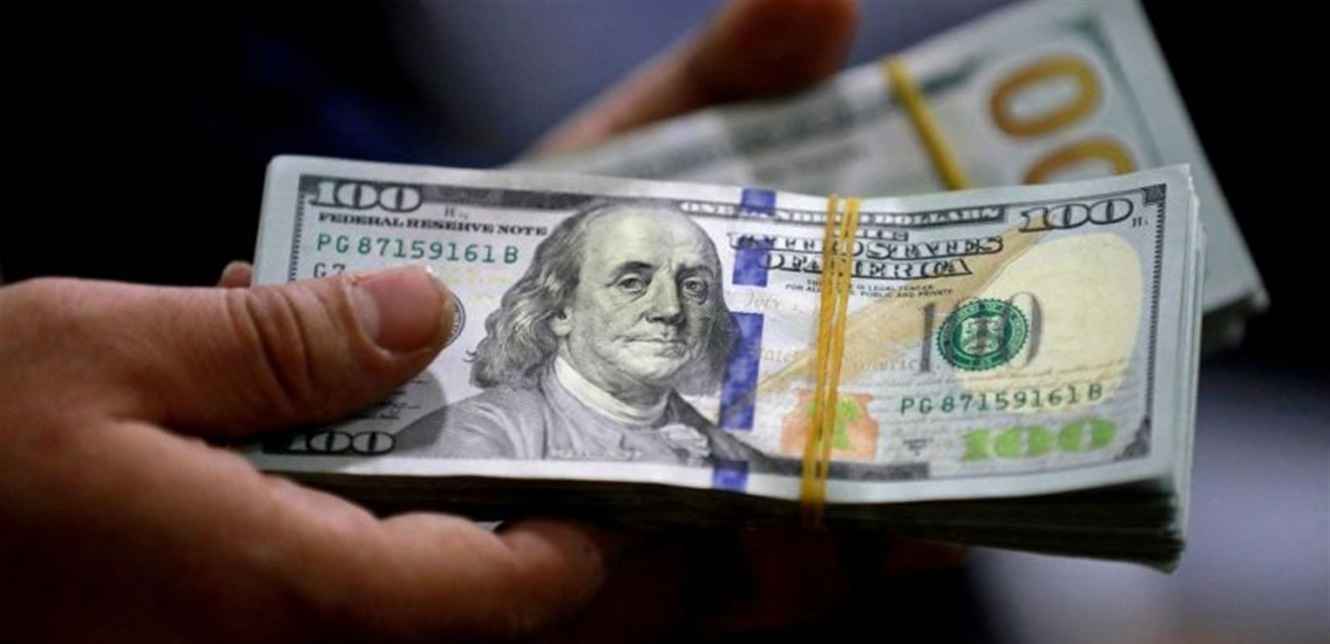
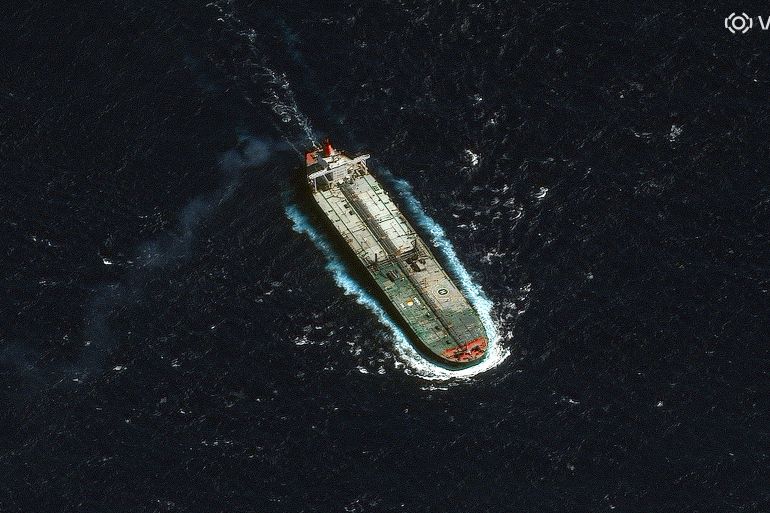
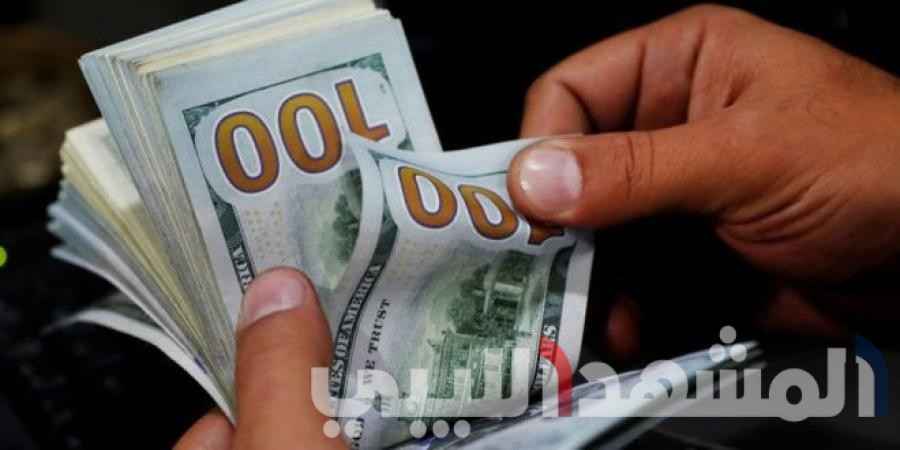
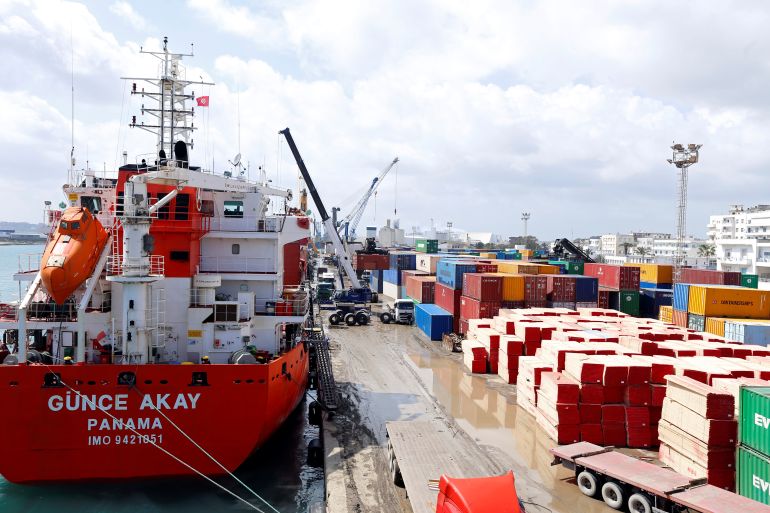
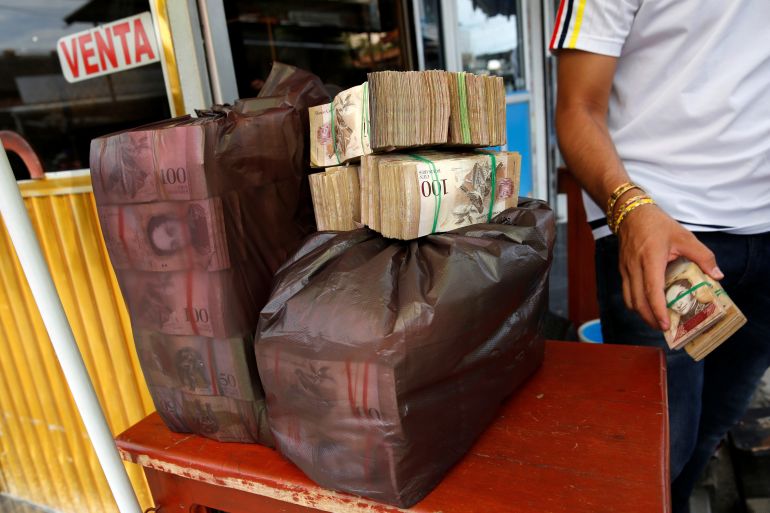
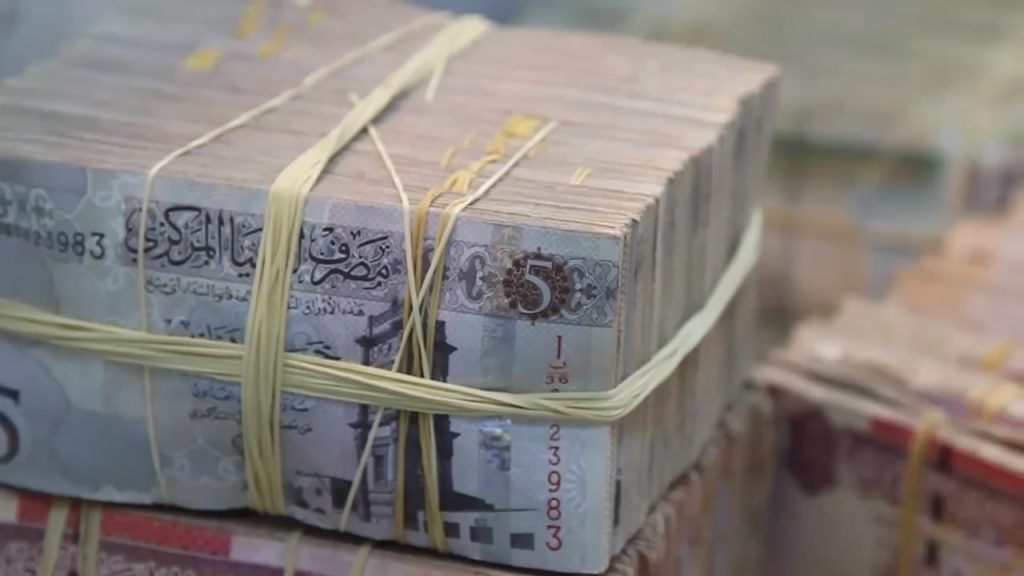
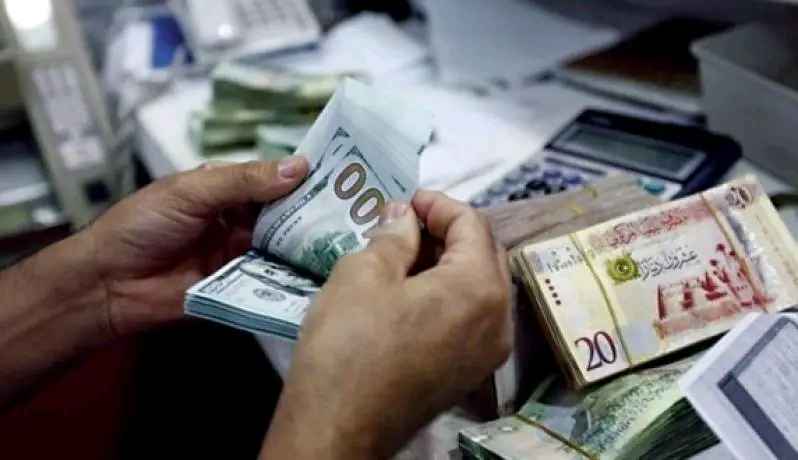
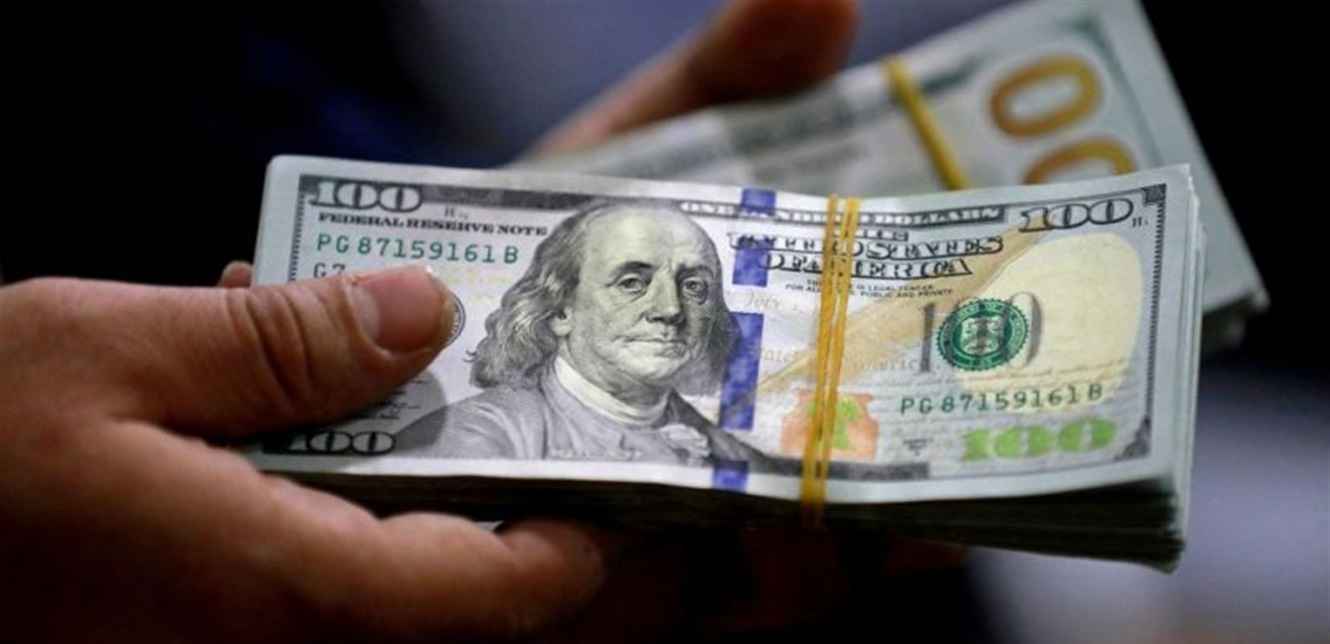
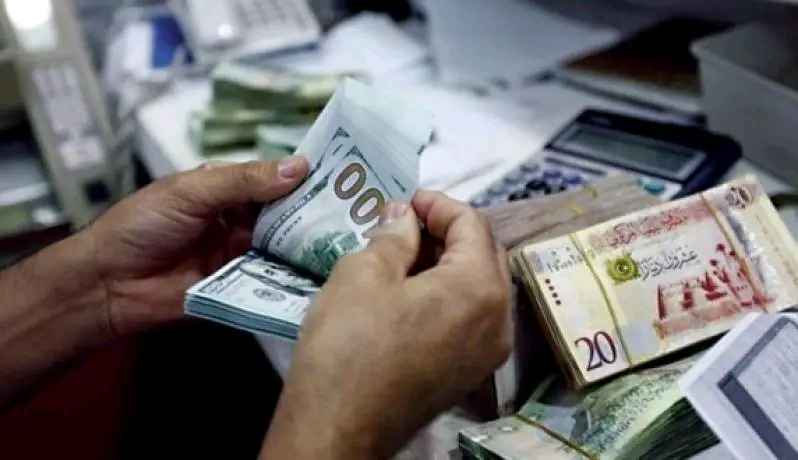
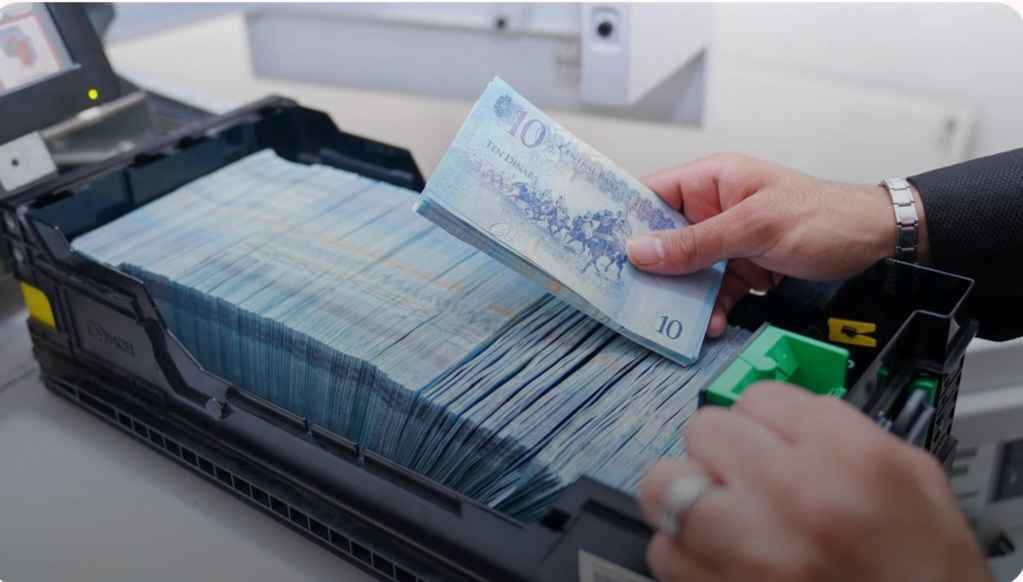
According to the decision, penalties for companies include a financial fine of twice the price difference between the approved maximum price and the actual selling price, in addition to a fine of 25% of cash sales if they refuse to accept electronic payment methods. This fine increases to 50% if the goods are supplied via documentary credits. The regulation also stipulates a fine of up to 100% of the value of foreign currency credits if it is proven that the supplied goods are not circulating in the Libyan market.
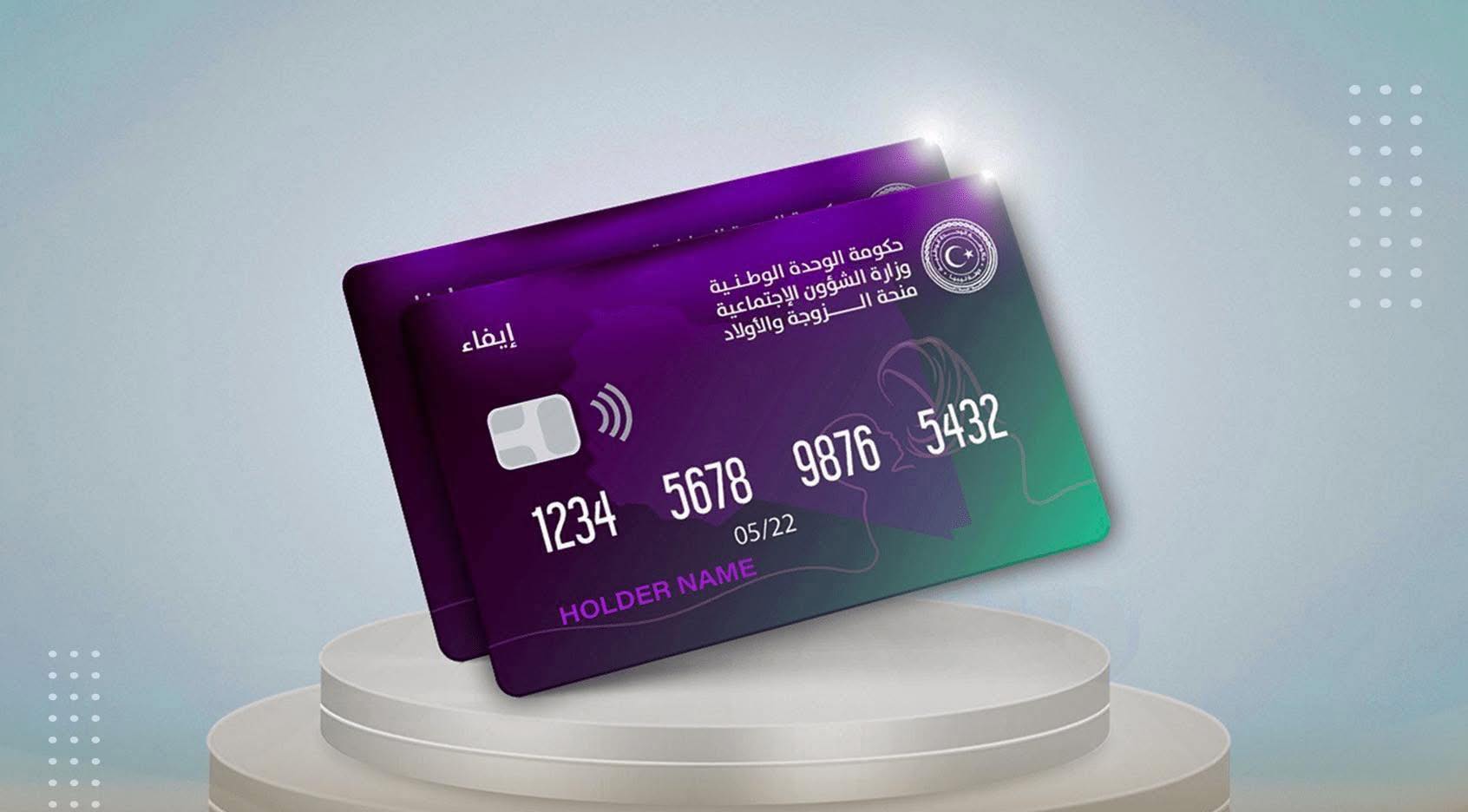
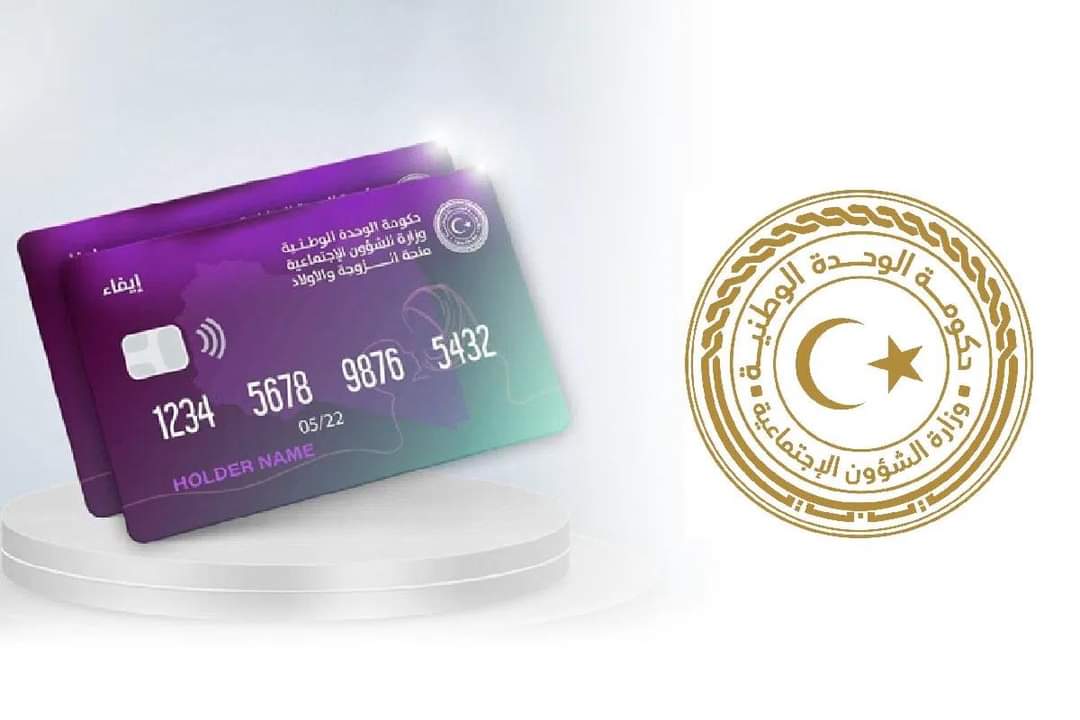
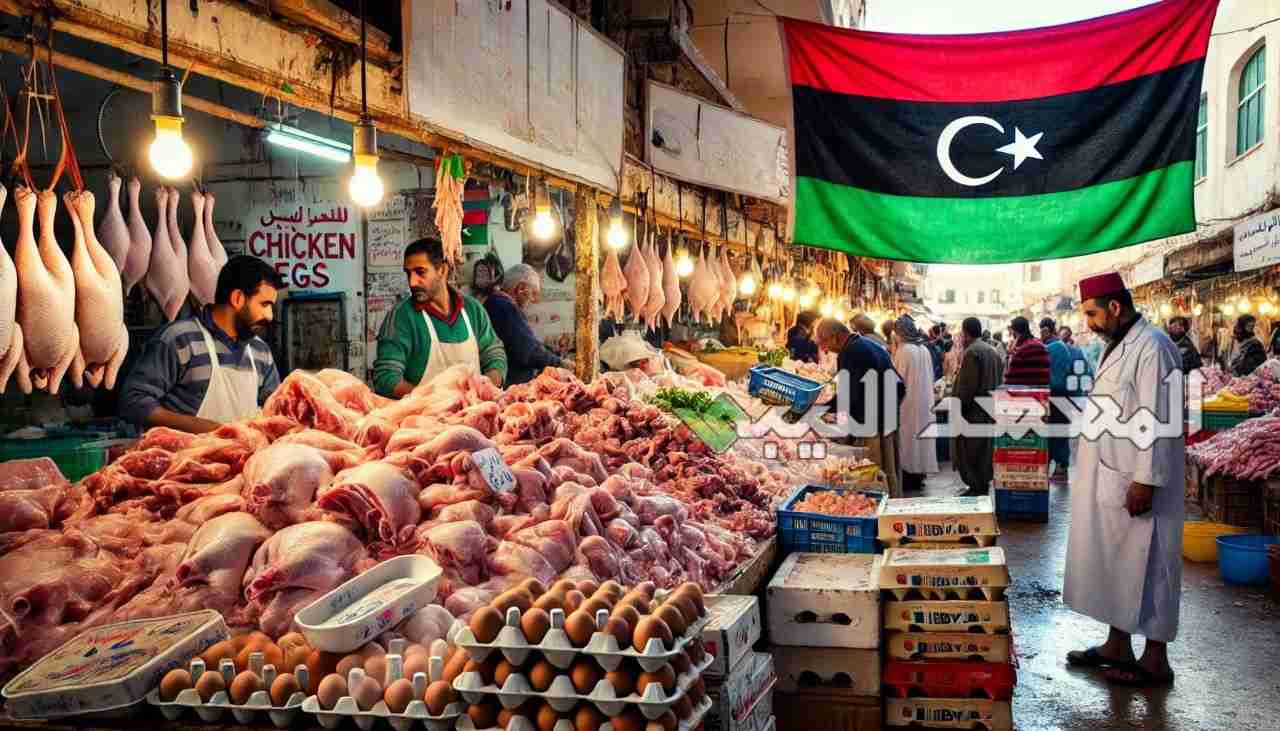
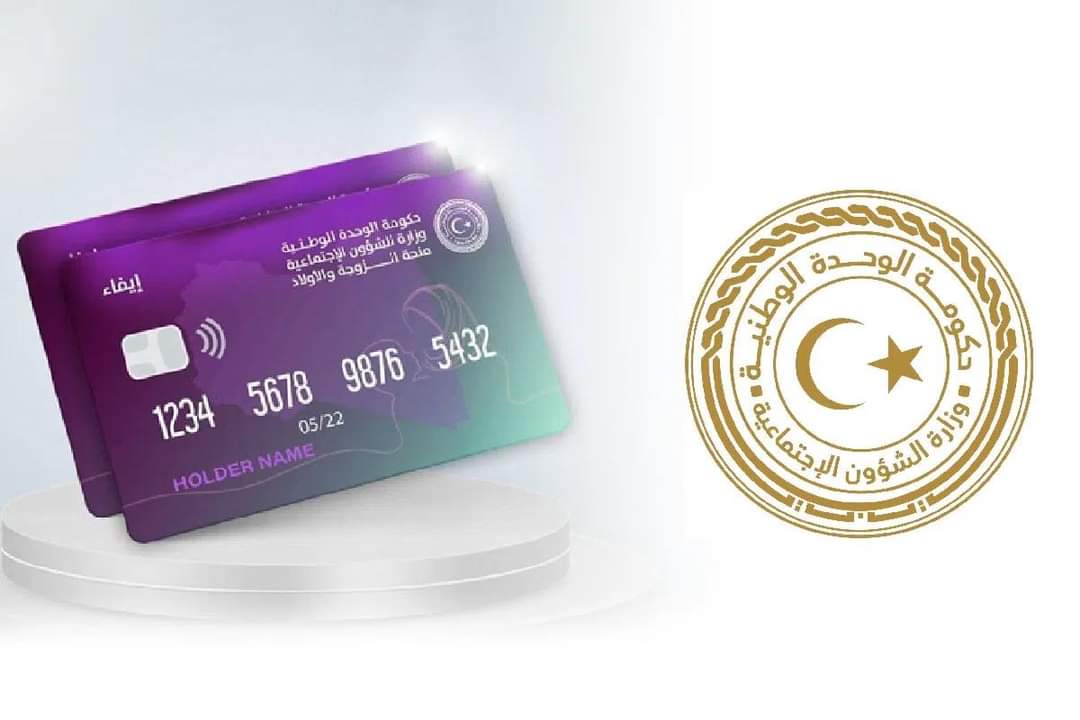
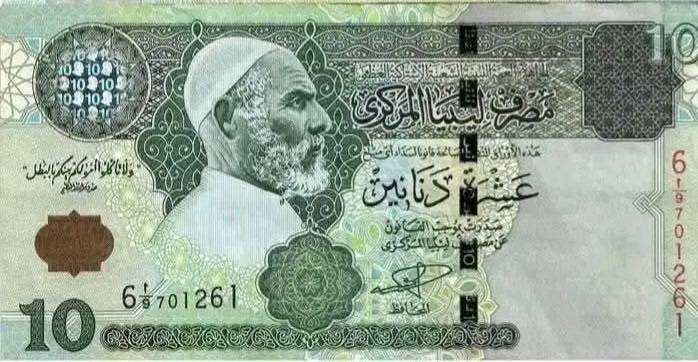
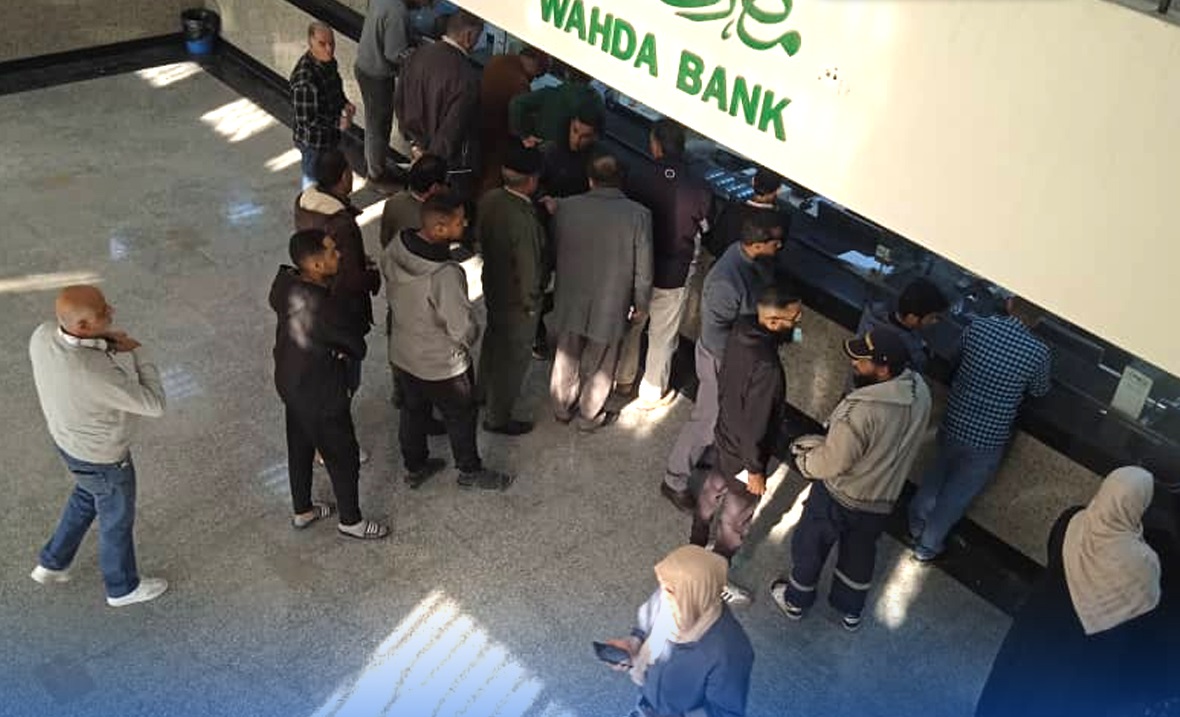
For retail outlets, a fine of one thousand dinars is imposed for refusing to accept electronic payment methods, with the penalty doubled in case of repeated violations.
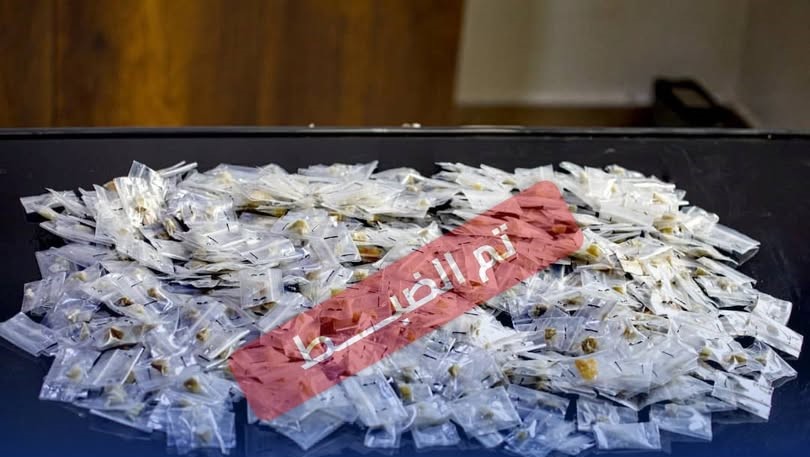
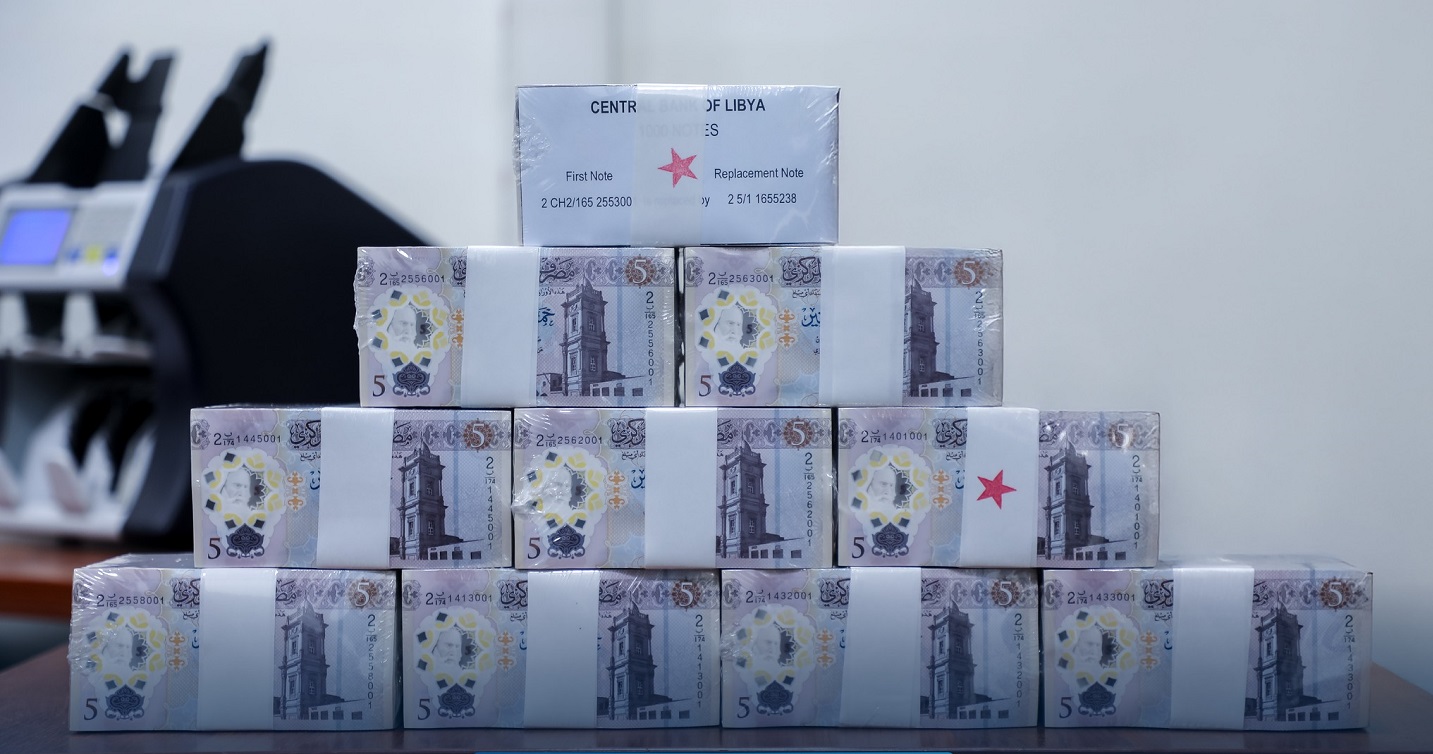
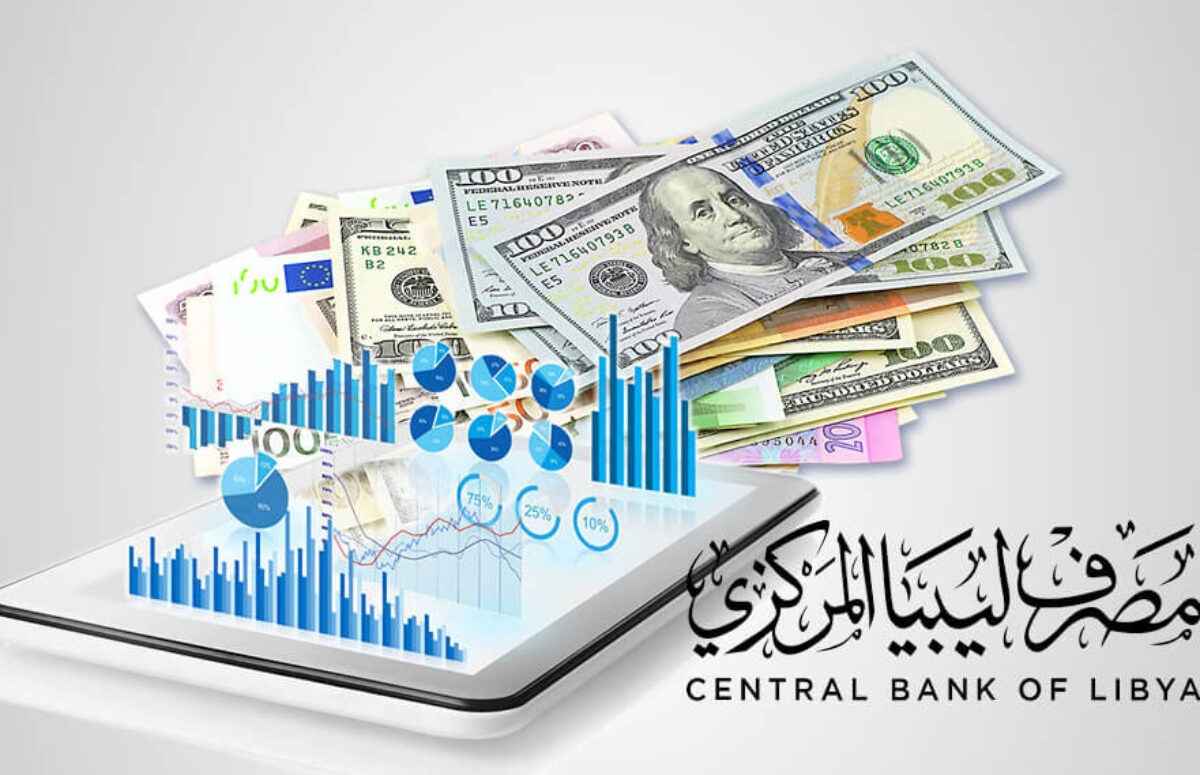
The regulation allows for the combination of financial fines and the confiscation of the goods in violation, in addition to administrative penalties such as written warnings, freezing the registration in the importers’ register, and the temporary closure of commercial establishments for a period ranging from seven to thirty days. The commercial license can also be suspended for six months for a first-time offense and revoked permanently upon repetition, with violators being referred to the Central Bank of Libya to halt import approvals.
The Ministry emphasized that the goal of these measures is to achieve market balance and protect consumers from exploitation and speculation, noting that any practices related to obtaining credits or banking facilities without the actual supply of goods are considered economic crimes that affect national security.