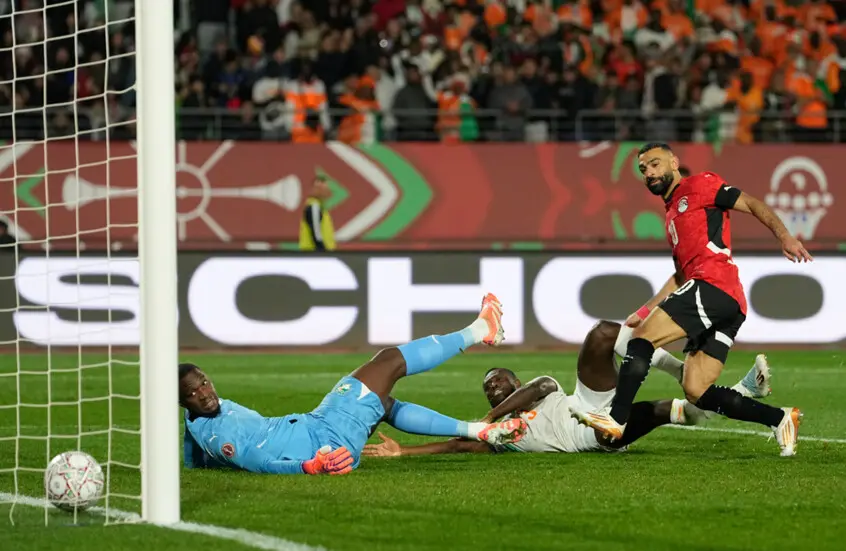
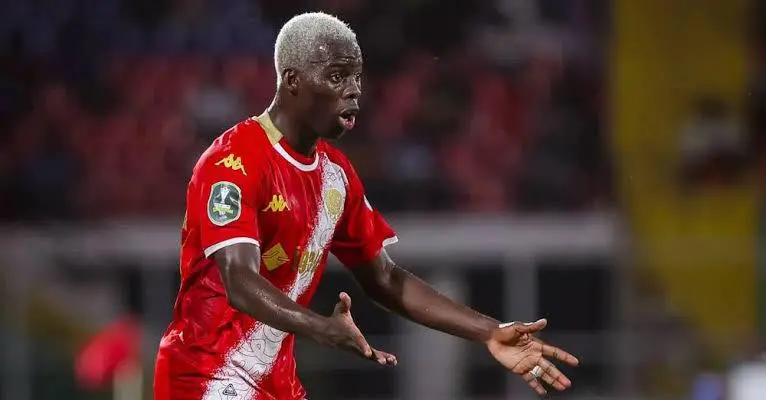
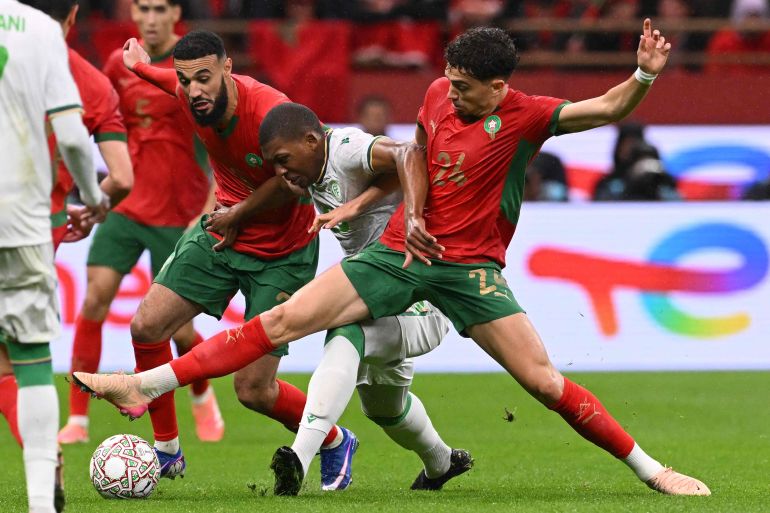
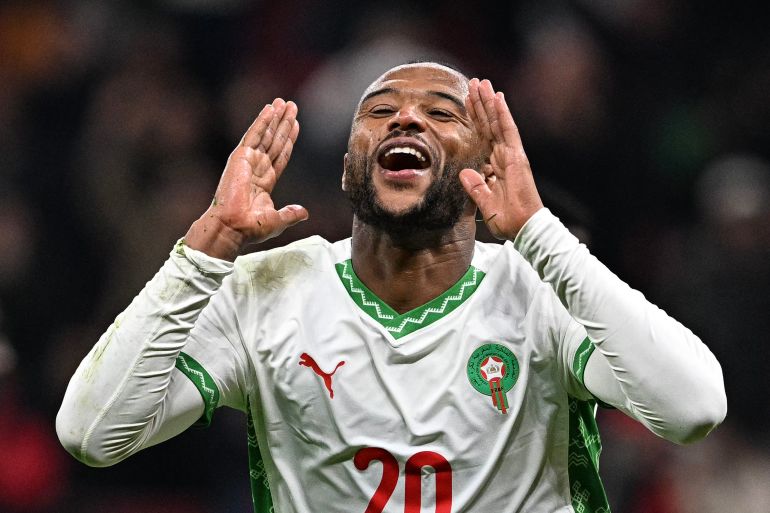
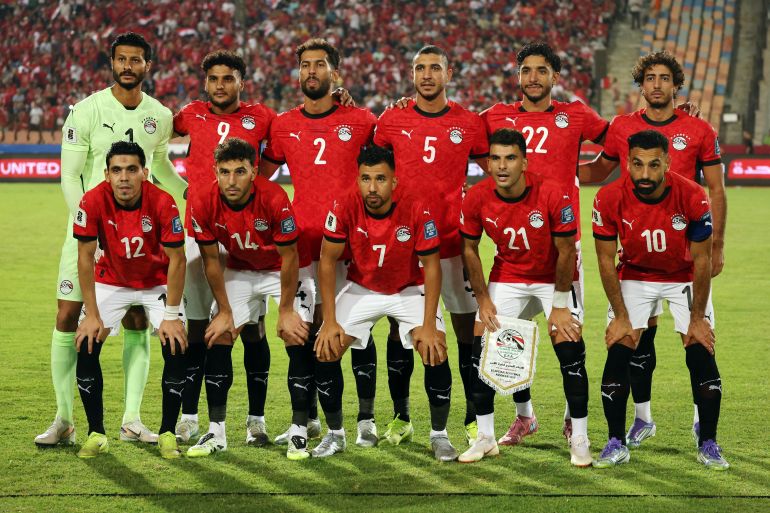
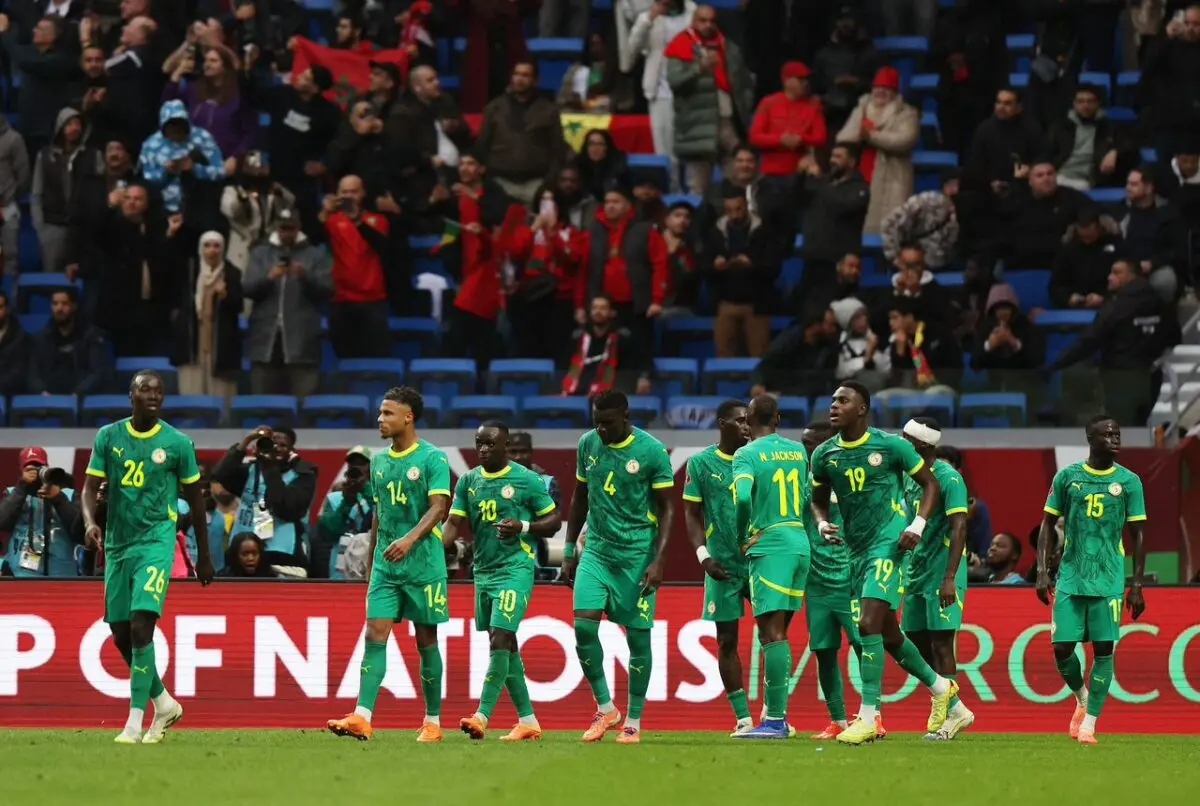
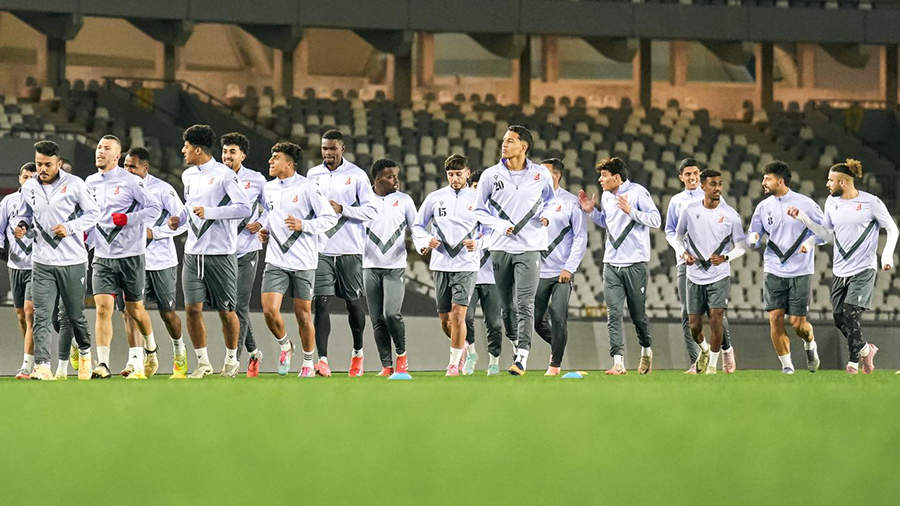
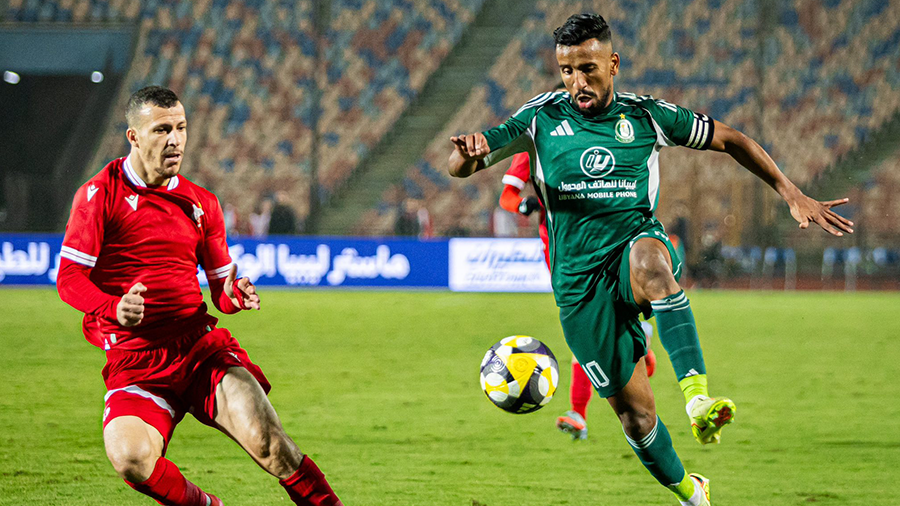
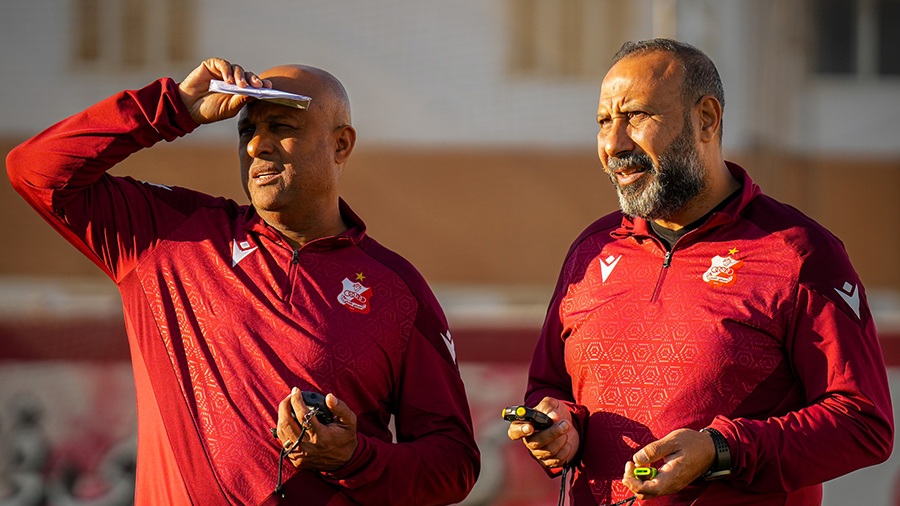
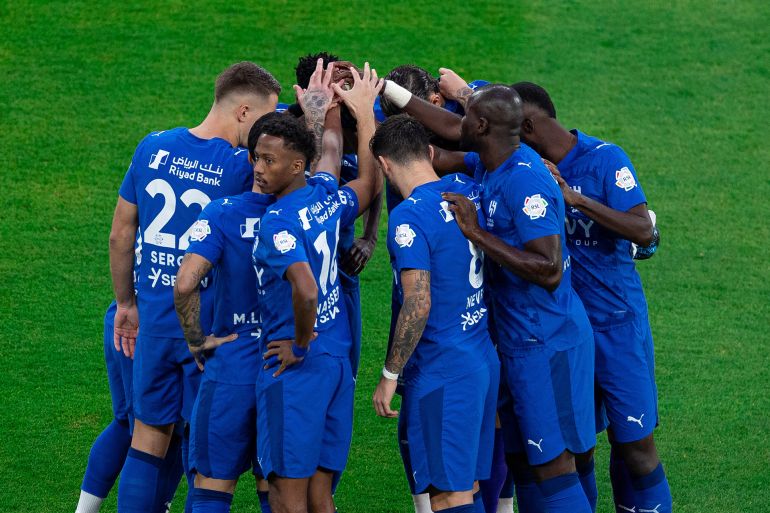
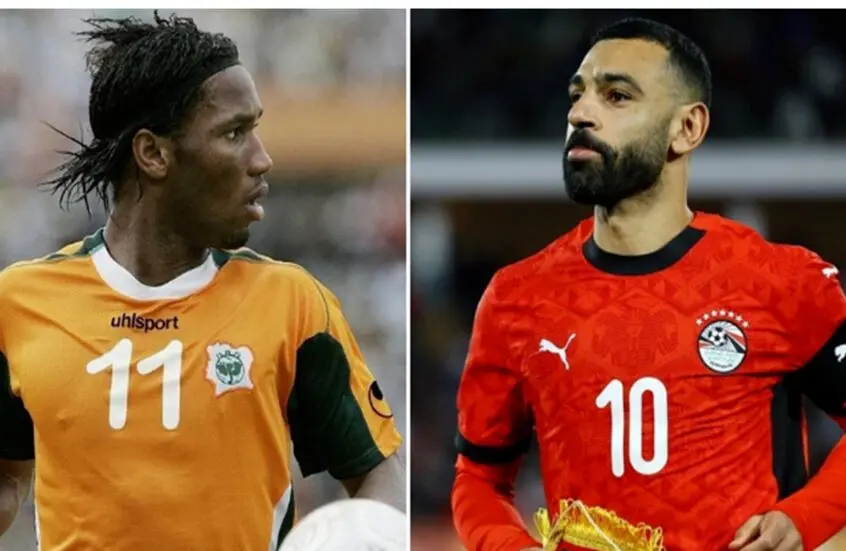
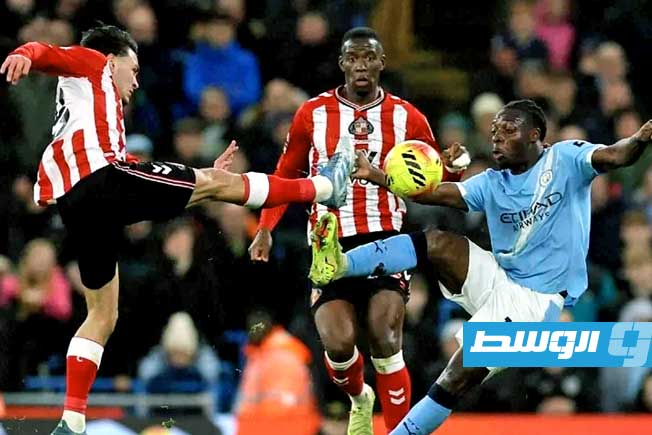
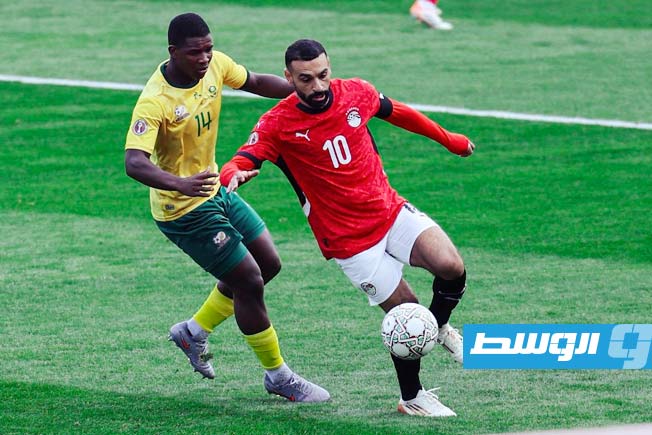
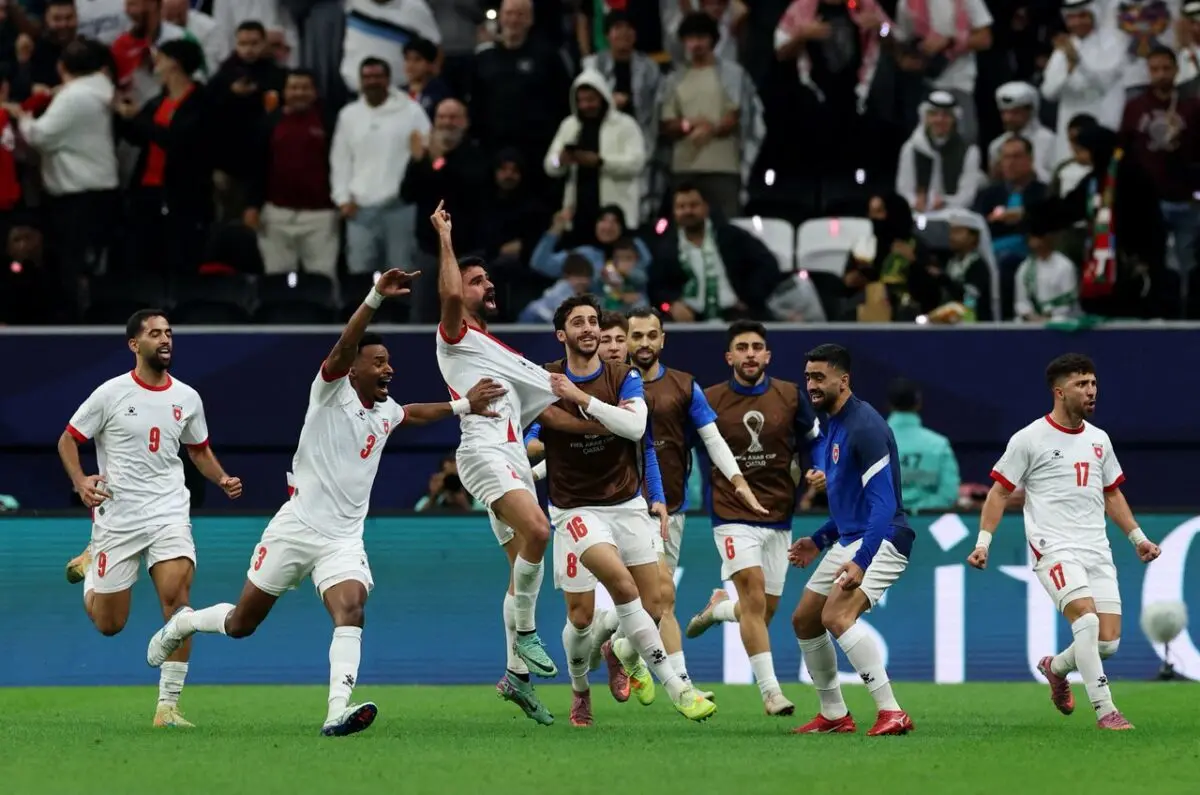
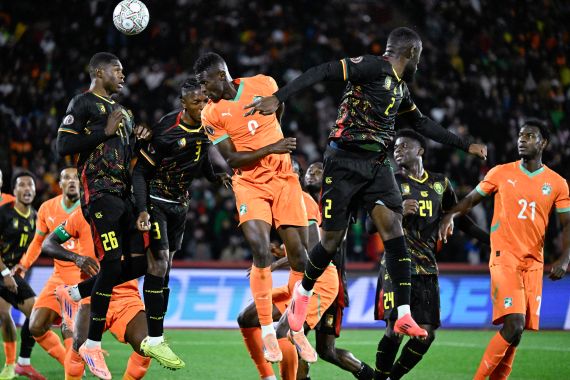
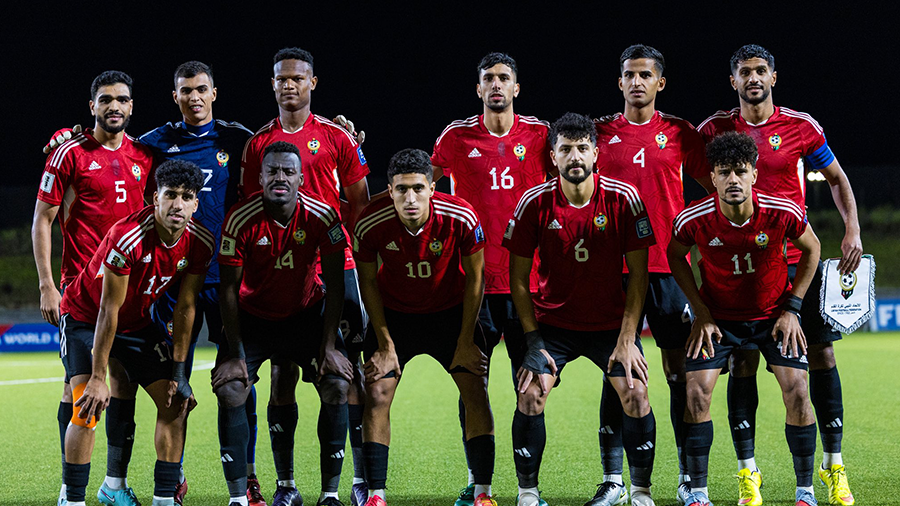
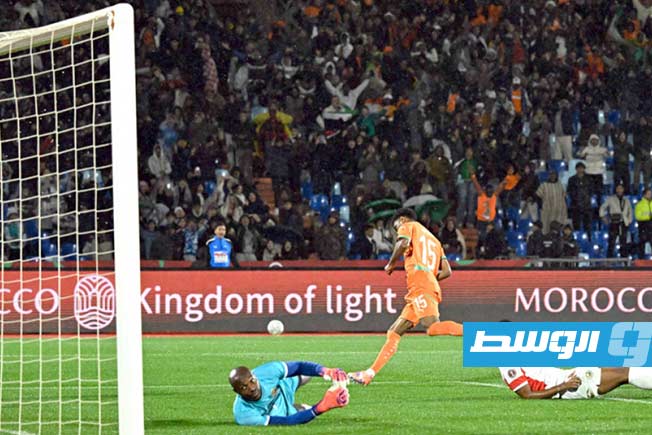
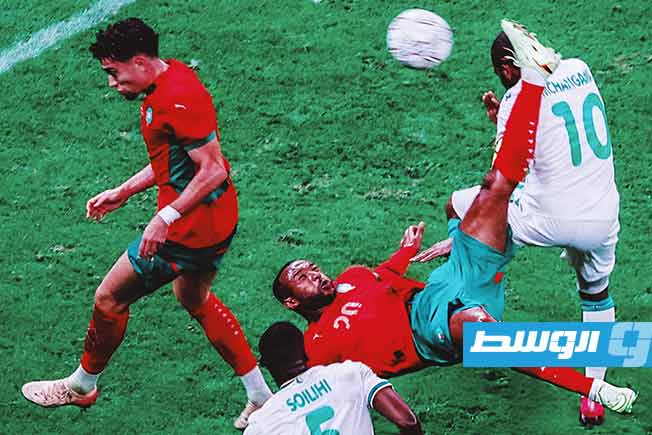
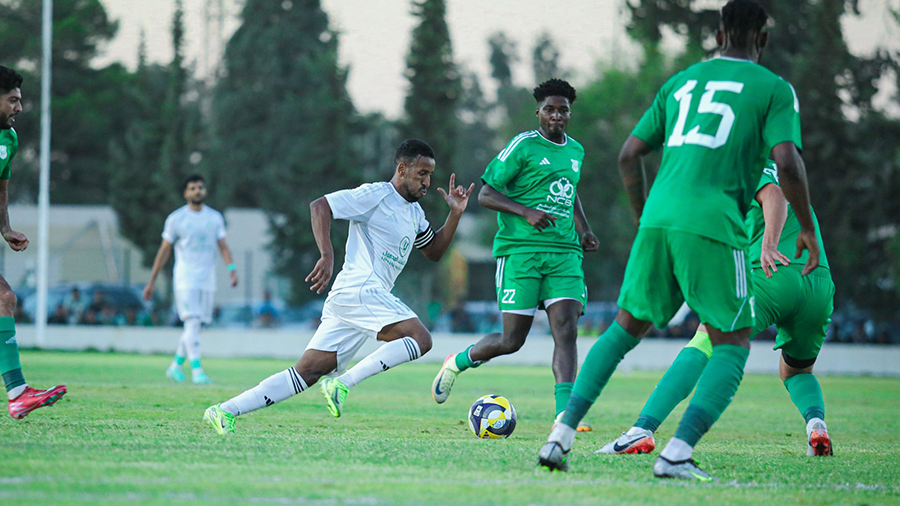
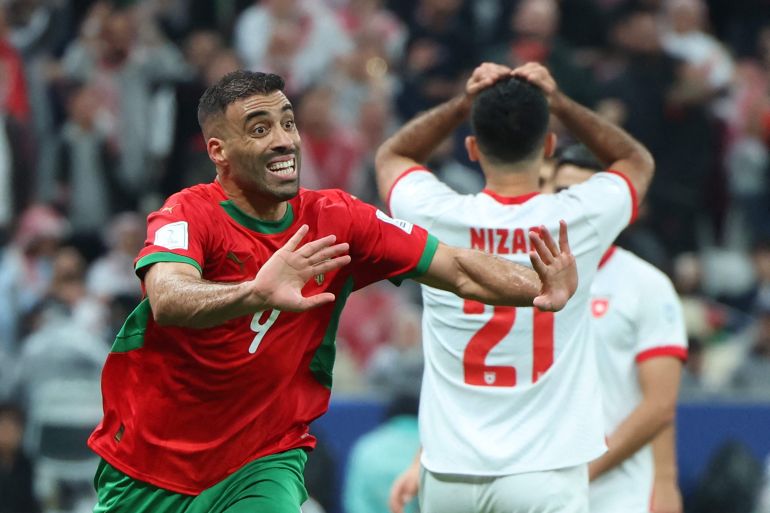
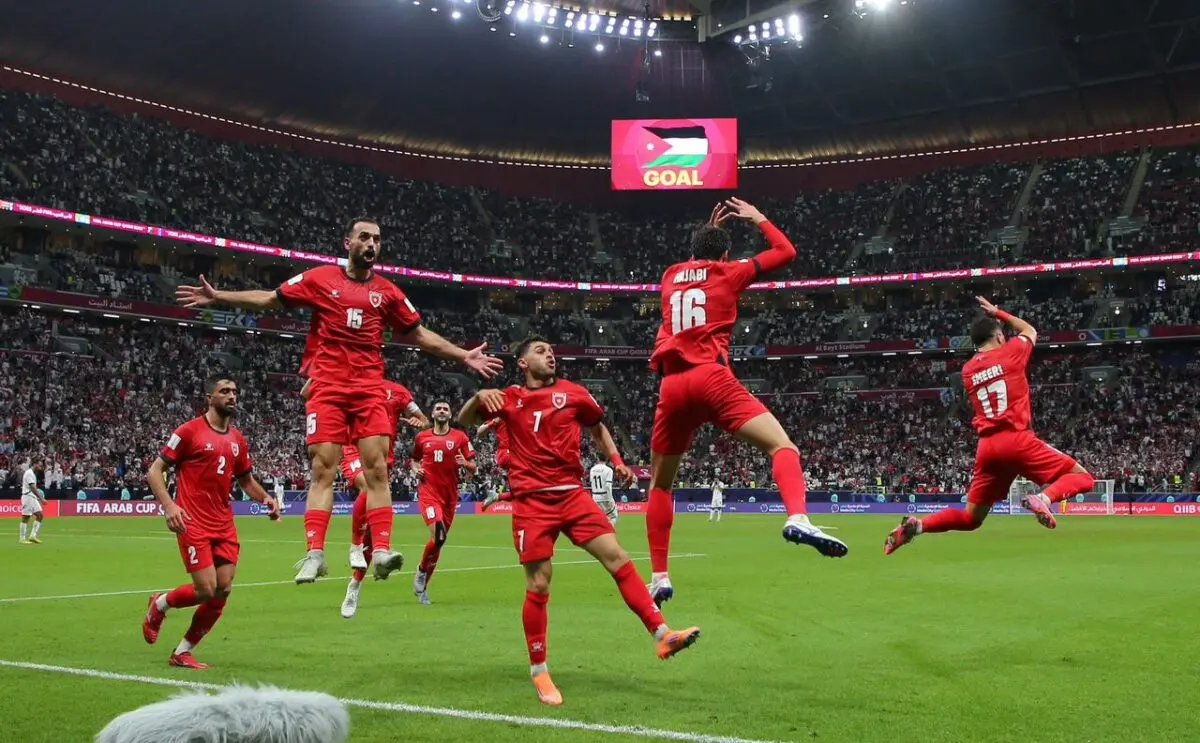
The Egyptian national team achieved a convincing victory over its opponent, Côte d’Ivoire, in the Africa Cup of Nations quarter-final summit on Saturday evening.
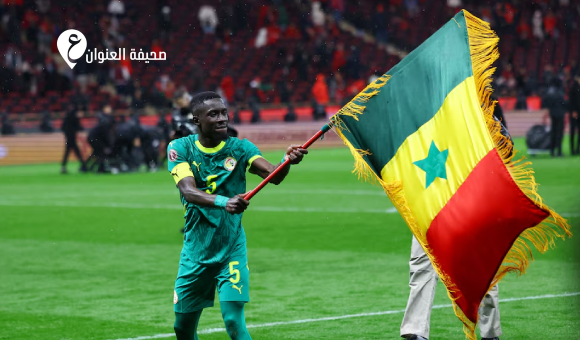
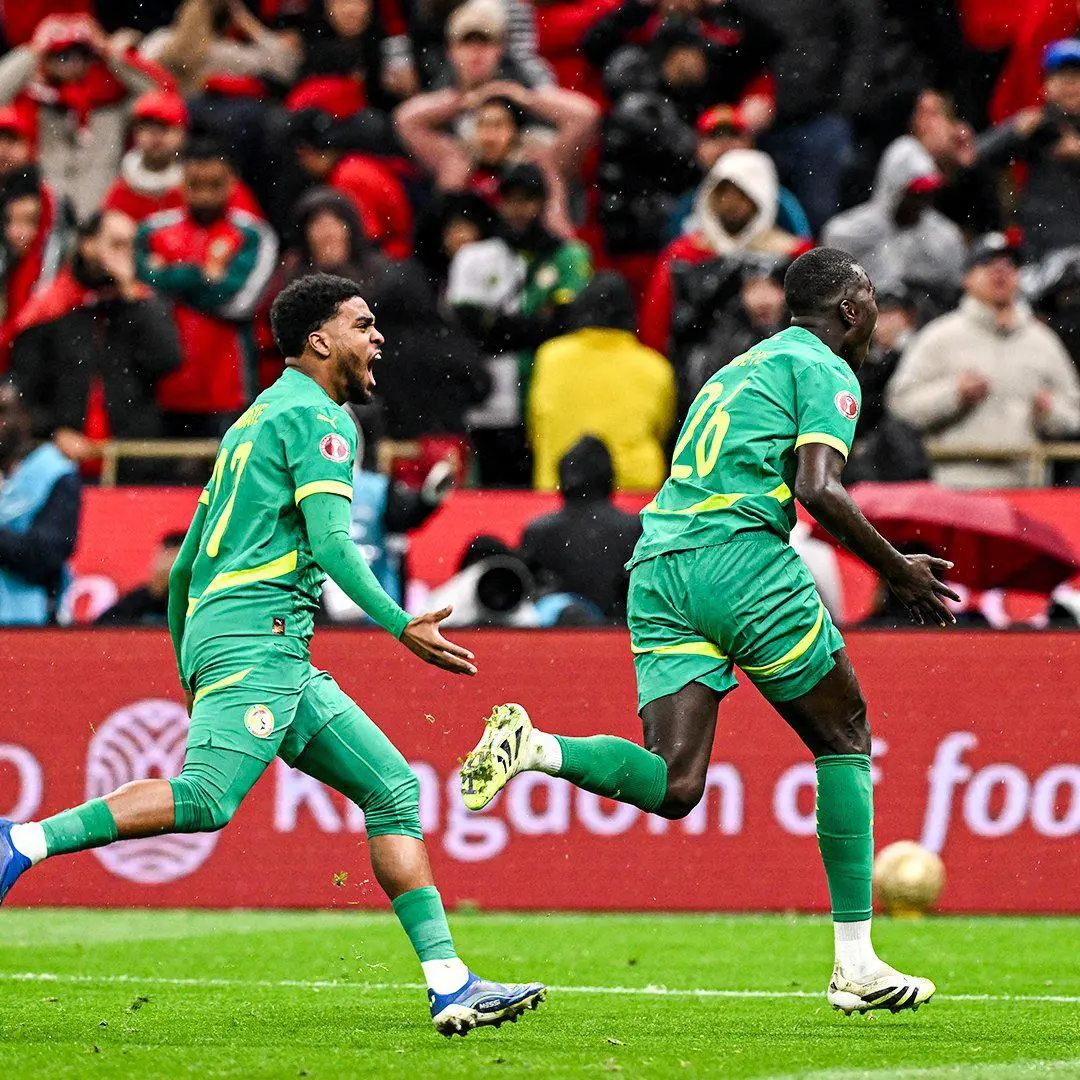
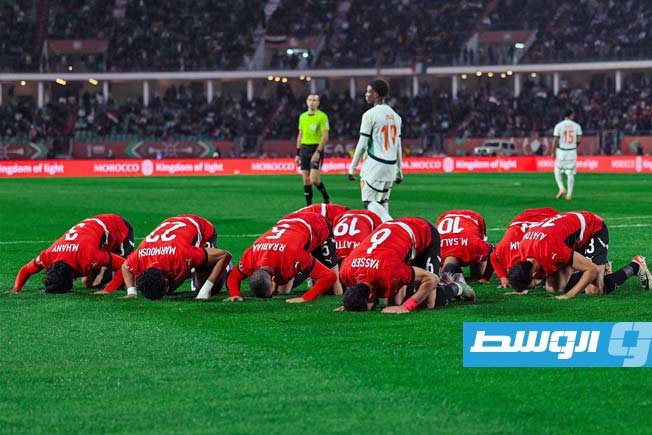
“The Pharaohs” won with a score of 3-1 after a strong performance, advancing to the tournament’s semi-finals and setting a date with Senegal.
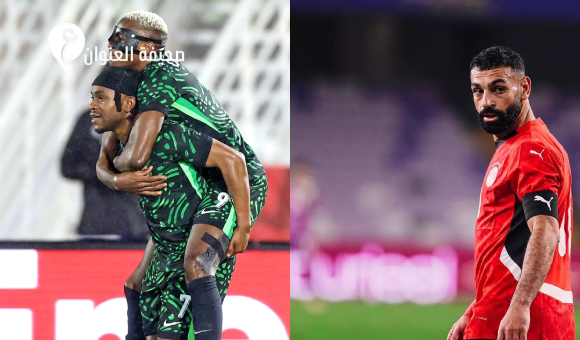
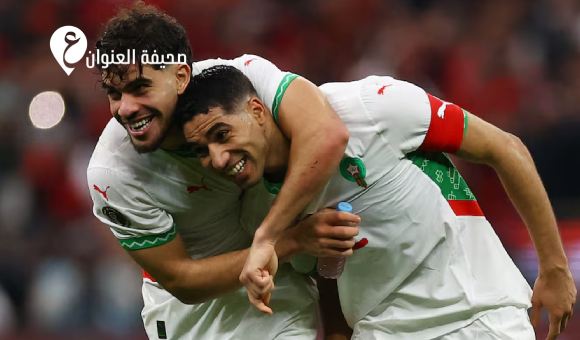
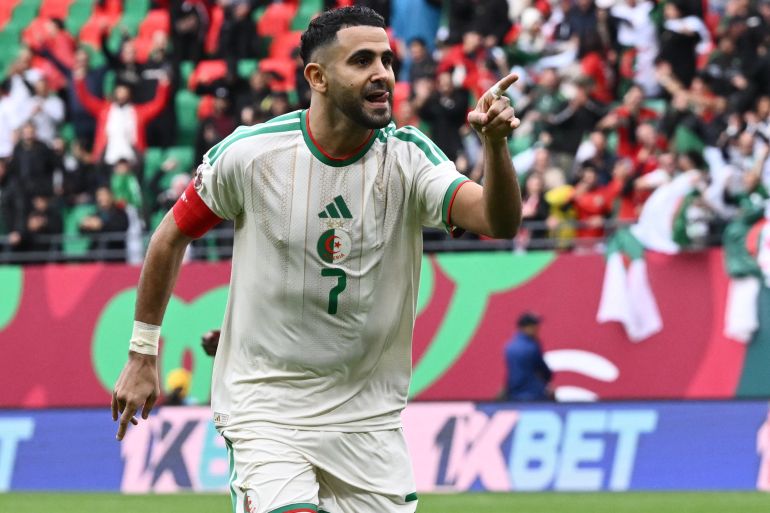
Goals for the Egyptian national team were scored by Omar Marmoush, Rami Rabia, and Mohamed Salah, while Egyptian defender Ahmed Abou El Fotouh scored an own goal for Côte d’Ivoire.
The Egyptian national team controlled the match from its beginning, appearing in a different form from its unconvincing performance against Benin in the round of 16.
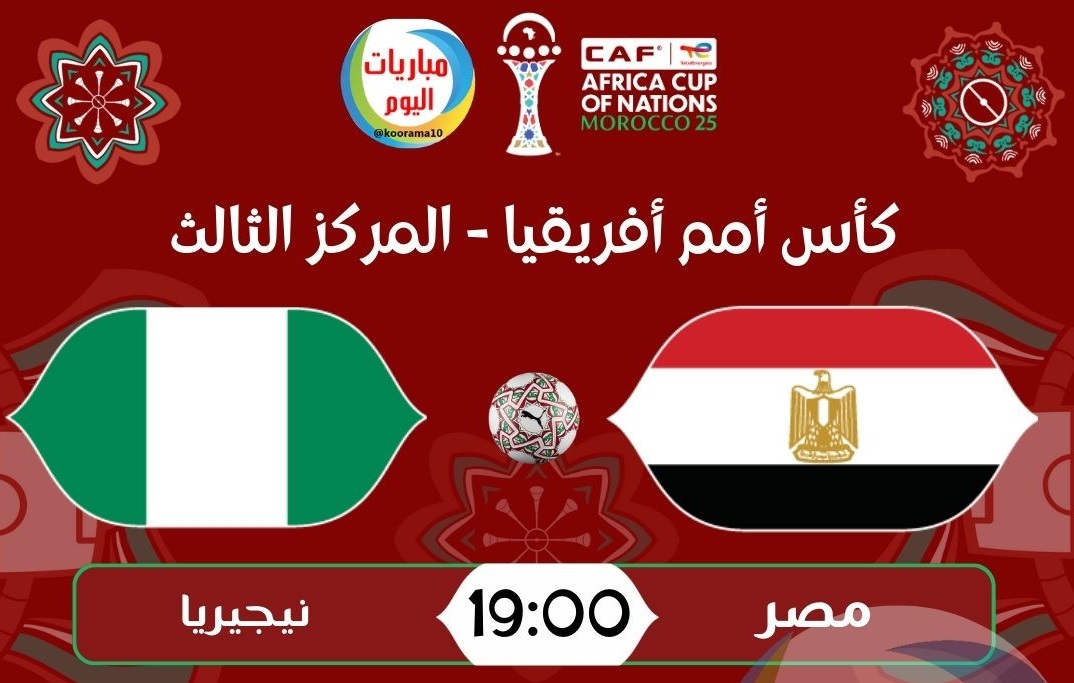
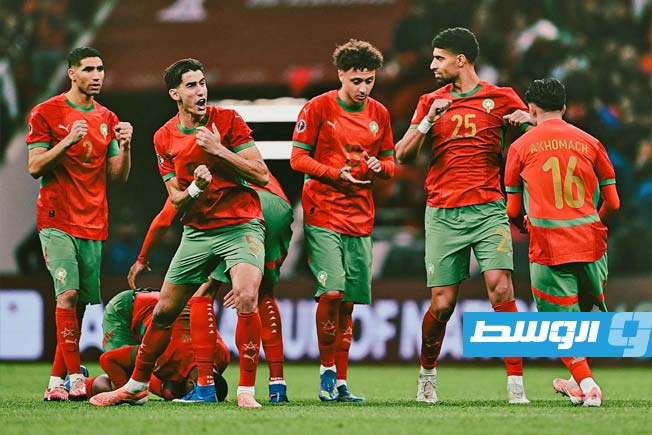
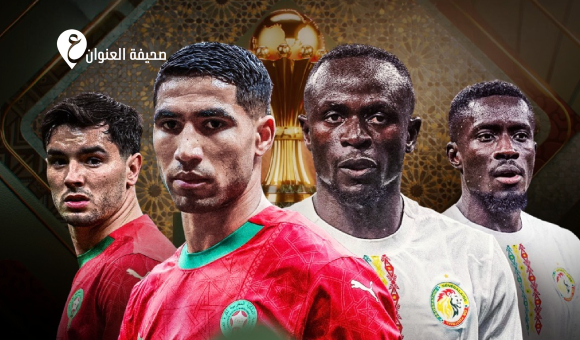
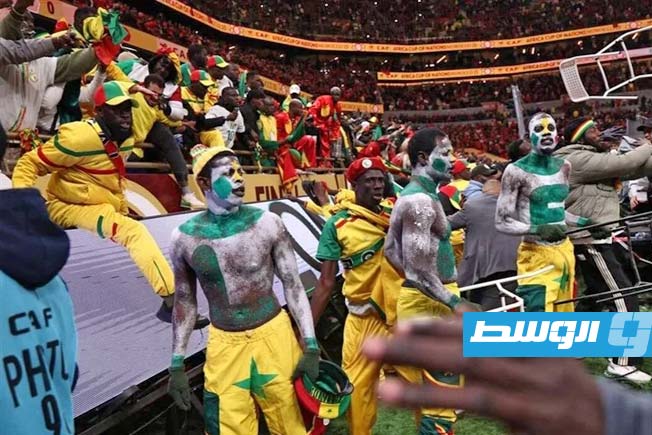
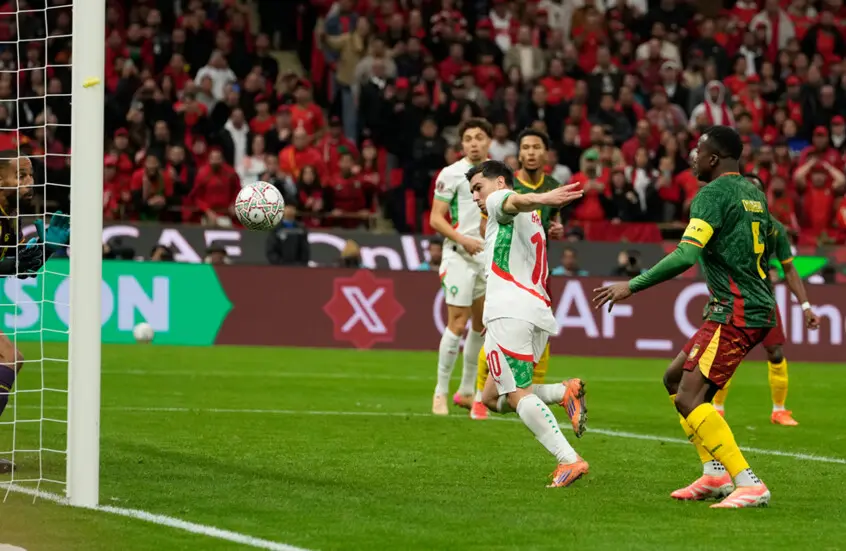
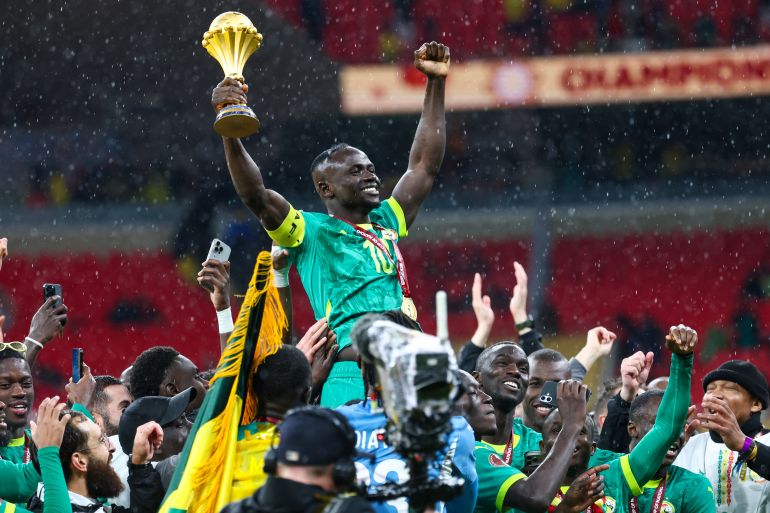
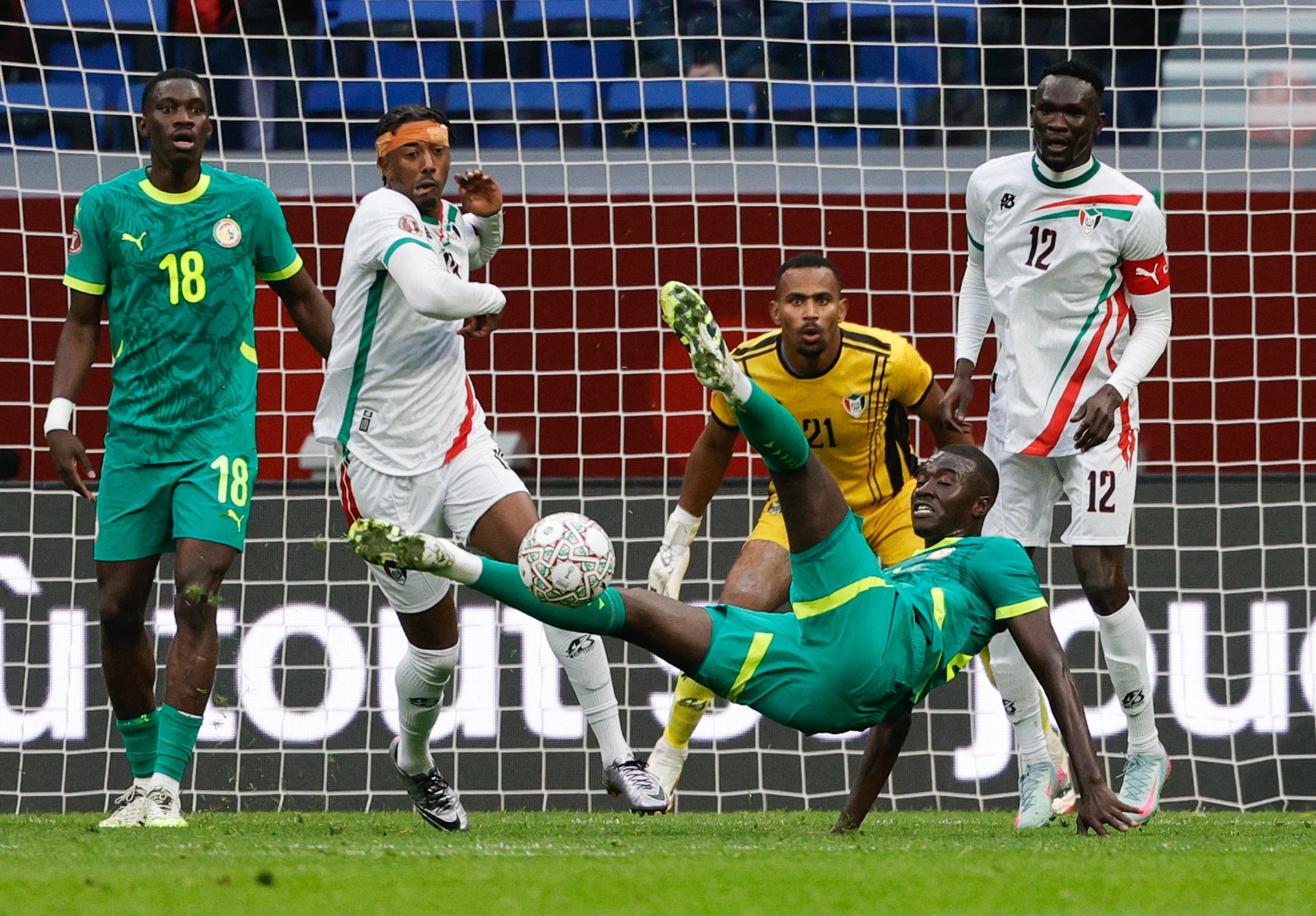
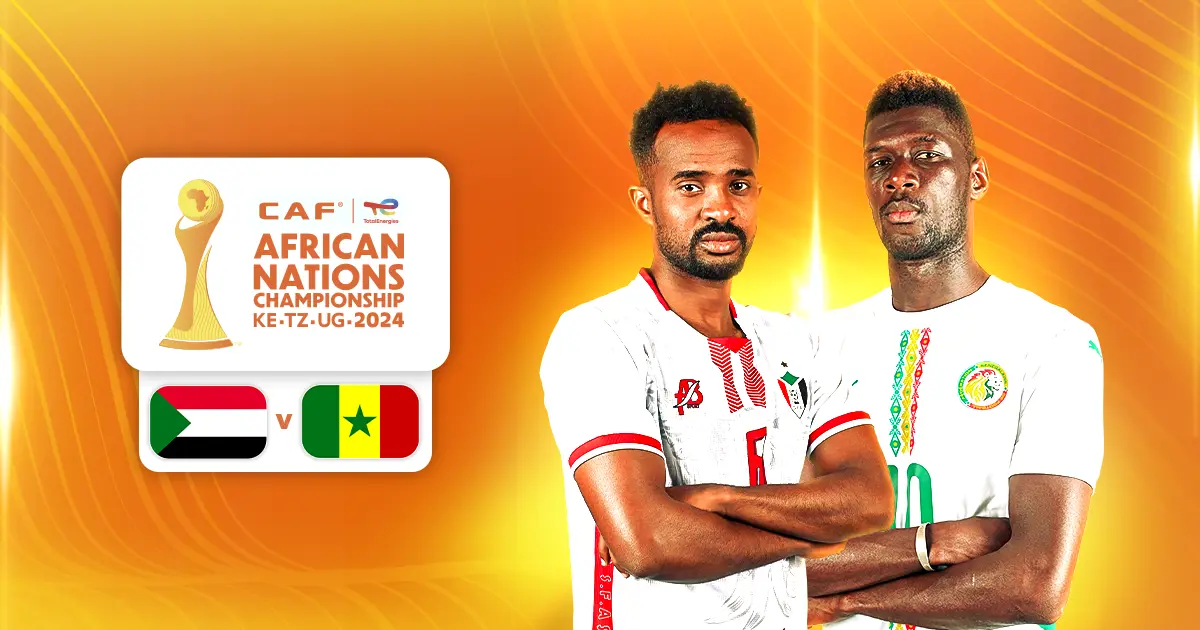
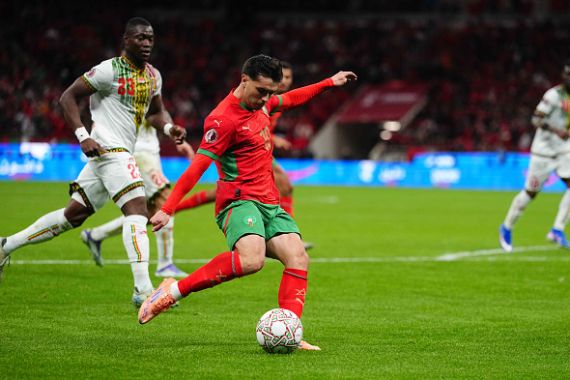
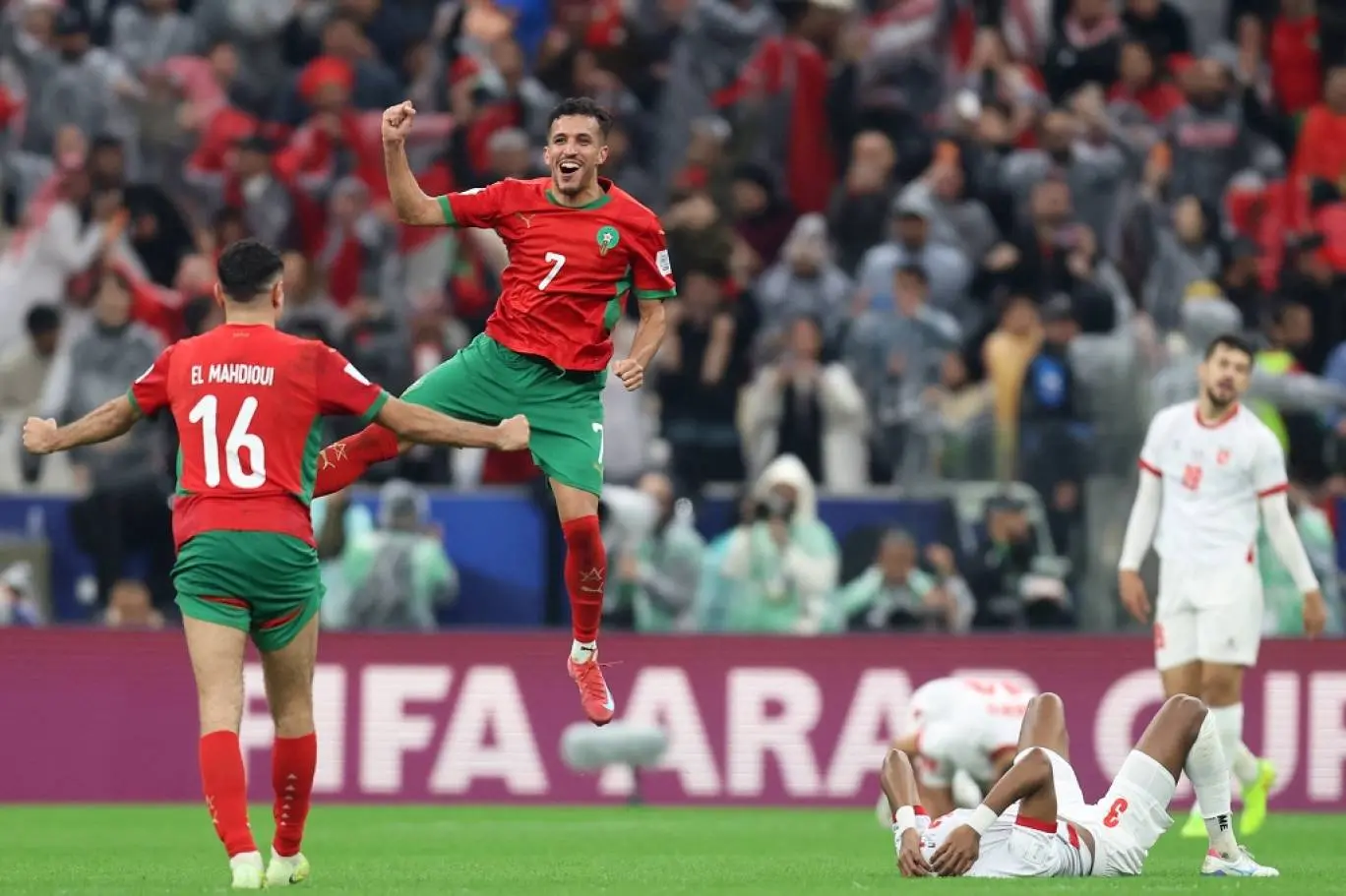
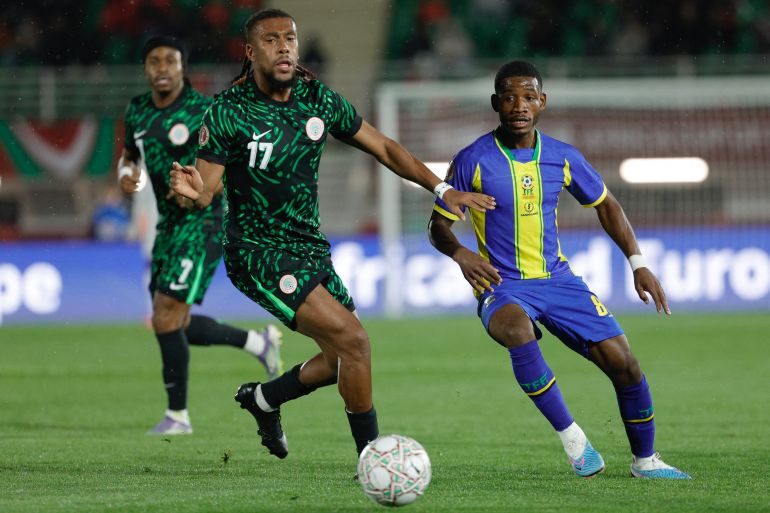
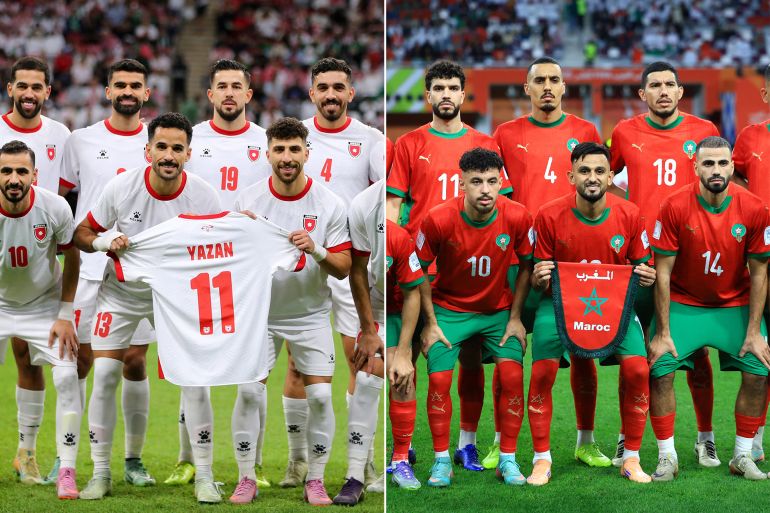
With the Egyptian national team’s arrival, the African golden square is now complete, as Morocco will face the Nigerian national team, while “The Pharaohs” will face the Senegalese national team.
Egypt
Egypt, home to one of the world’s oldest civilizations, is famed for its ancient monuments along the Nile River, including the Pyramids of Giza and the Great Sphinx, which date back over 4,500 years. Its long history encompasses the Pharaonic kingdoms, Ptolemaic rule, and later periods under Roman, Arab, and Ottoman influence before becoming a modern republic.
Côte d’Ivoire
Côte d’Ivoire, also known as Ivory Coast, is a West African nation with a history shaped by pre-colonial kingdoms, French colonization from the late 19th century, and independence in 1960. It is culturally renowned for its diverse ethnic groups and is a global leader in cocoa production. Notable cultural sites include the historic town of Grand-Bassam, a UNESCO World Heritage site that was an early French colonial capital.
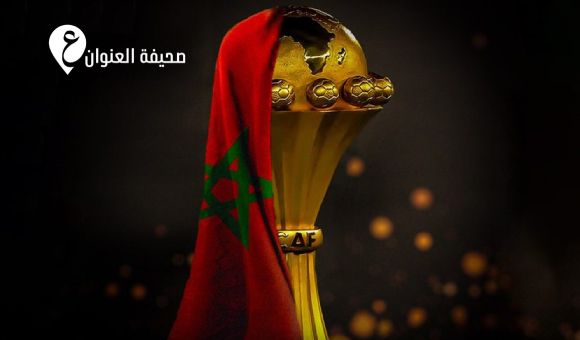
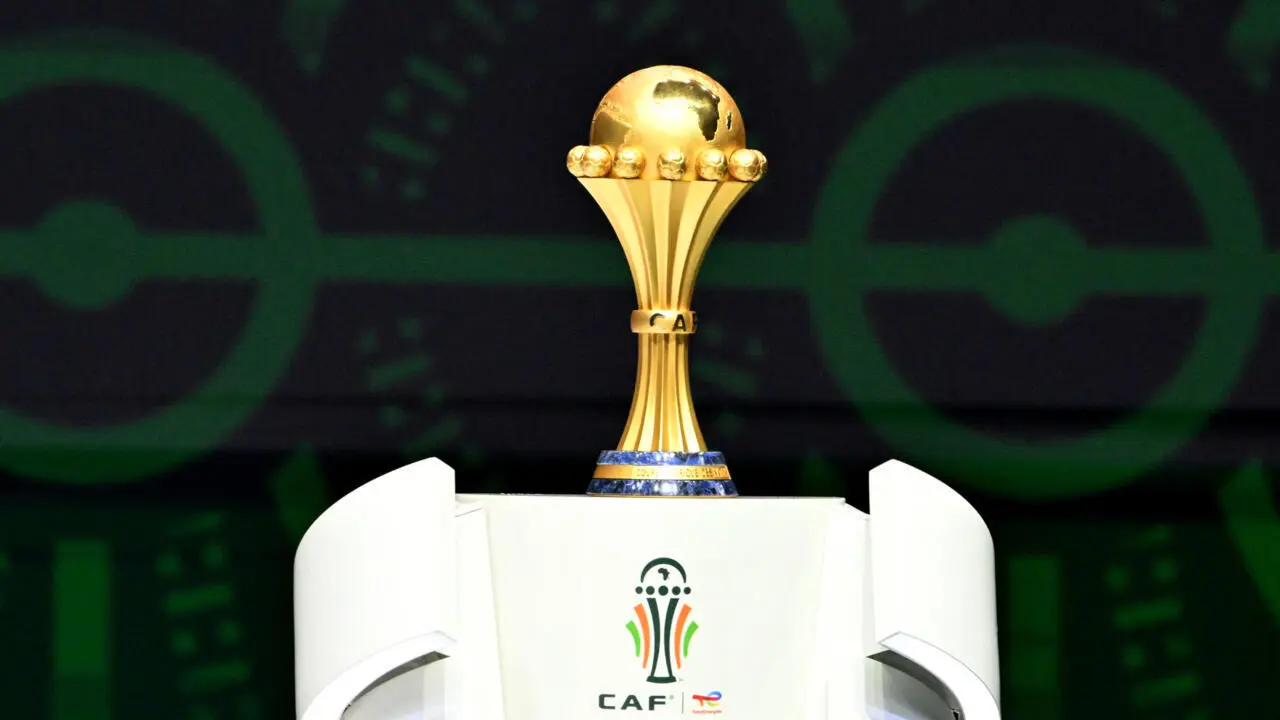
Africa Cup of Nations
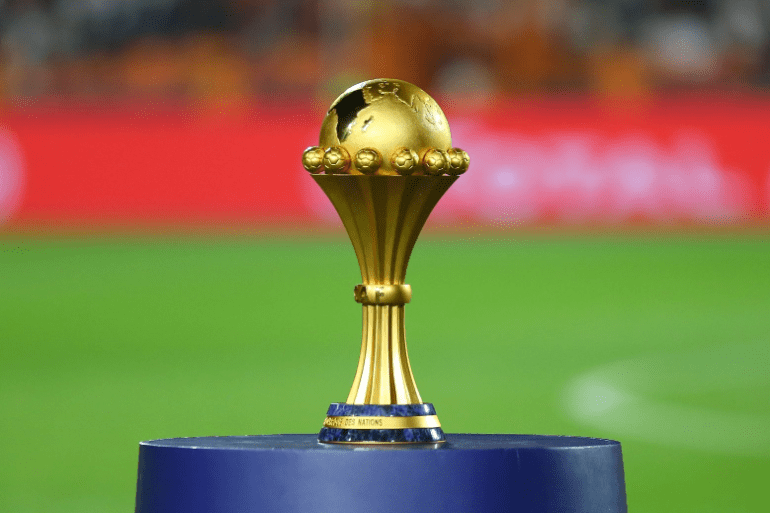
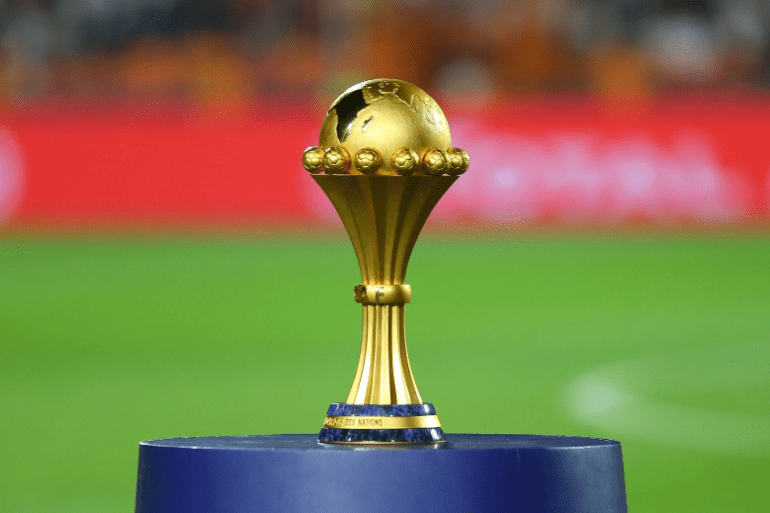
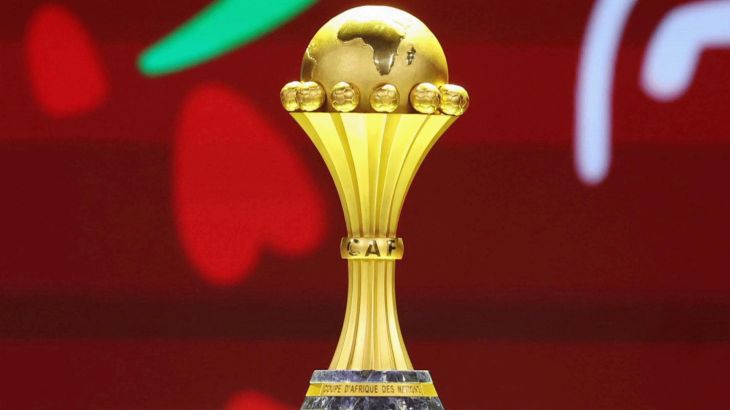
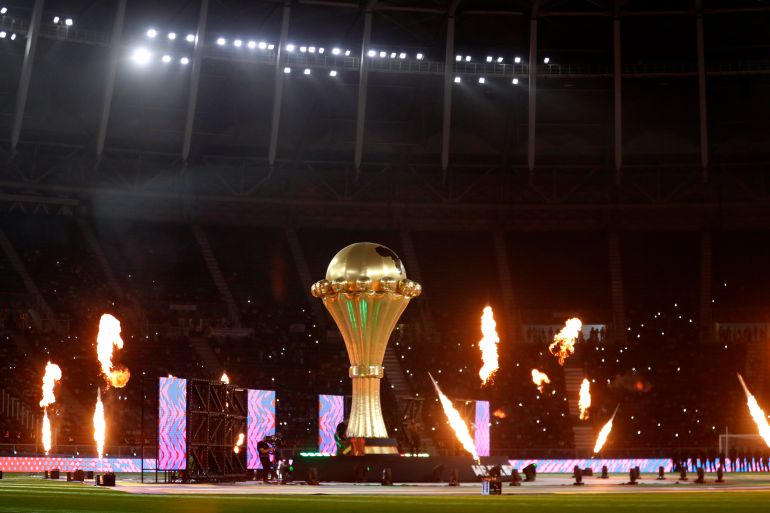
The Africa Cup of Nations (AFCON) is the premier international men’s football competition in Africa, first held in 1957. It was founded to unite African nations through sport and has grown from three initial participants to a major tournament featuring 24 national teams.
Senegal
Senegal is a West African nation known for its rich cultural heritage and historical significance as a former center of several pre-colonial empires and later French colonial rule. Its cultural sites include the Island of Gorée, a UNESCO World Heritage site that memorializes the transatlantic slave trade, and the Saint-Louis historic city center, which reflects its colonial past.
Morocco
Morocco is a North African country with a rich history shaped by indigenous Amazigh (Berber) cultures, Arab influence from the 7th century, and successive dynasties like the Almoravids and Almohads. Its cultural sites, such as the ancient city of Fez and the Koutoubia Mosque in Marrakech, reflect this blend of Arab, Amazigh, and European heritage. The country is also known for its well-preserved medieval medinas and historic kasbahs.
Nigeria
Nigeria is a West African country with a rich history shaped by ancient kingdoms like the Nri and Benin, British colonization in the 19th century, and independence achieved in 1960. It is Africa’s most populous nation and is renowned for its diverse cultures, vibrant music and film industries, and significant natural resources, particularly oil.
Benin
Benin, located in West Africa, was historically the heart of the powerful Kingdom of Benin (c. 1180-1897), renowned for its sophisticated bronze and ivory artworks. Today, it is a modern republic whose cultural legacy is preserved in sites like the Royal Palaces of Abomey, a UNESCO World Heritage site that was once the capital of the Kingdom of Dahomey.