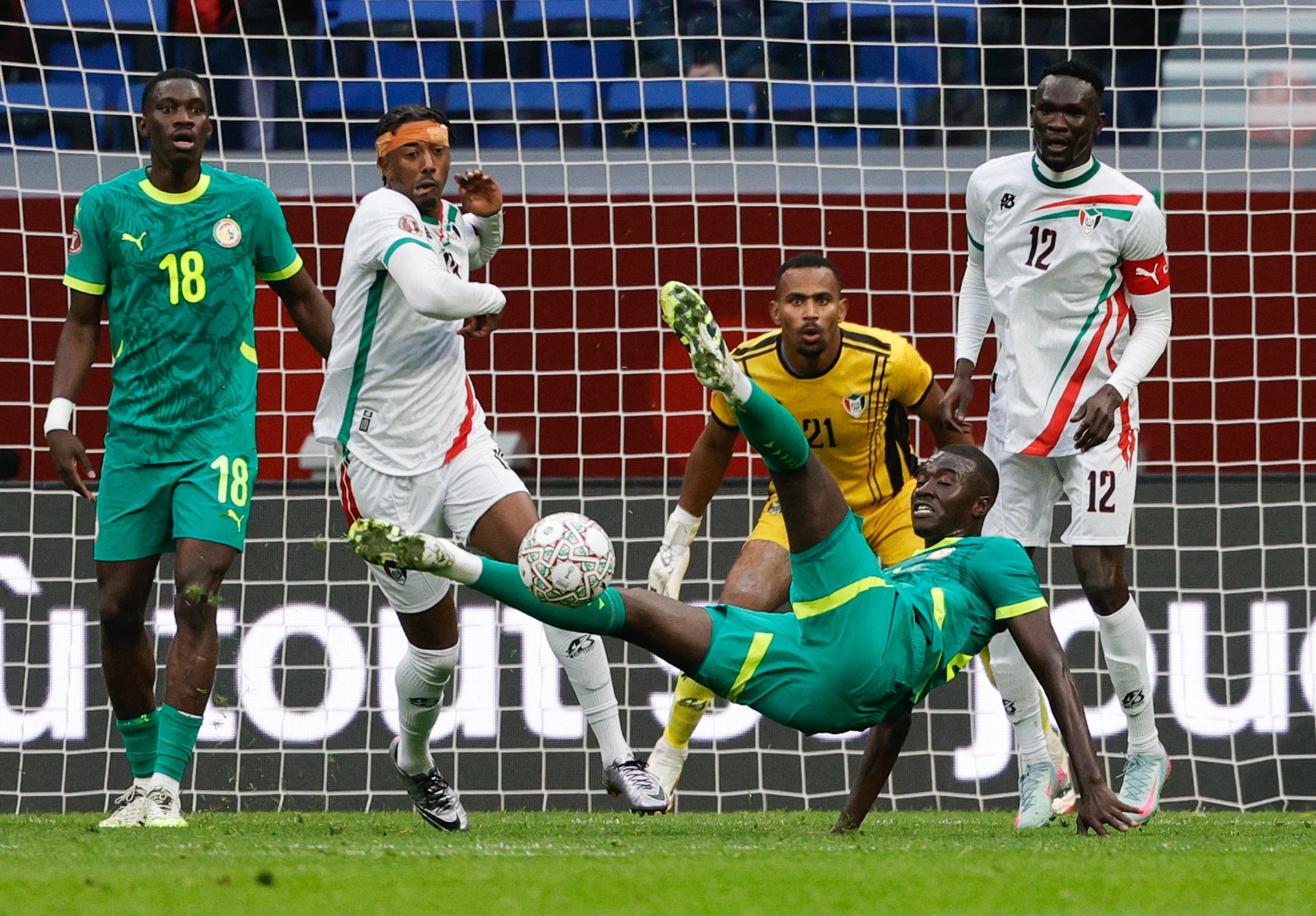
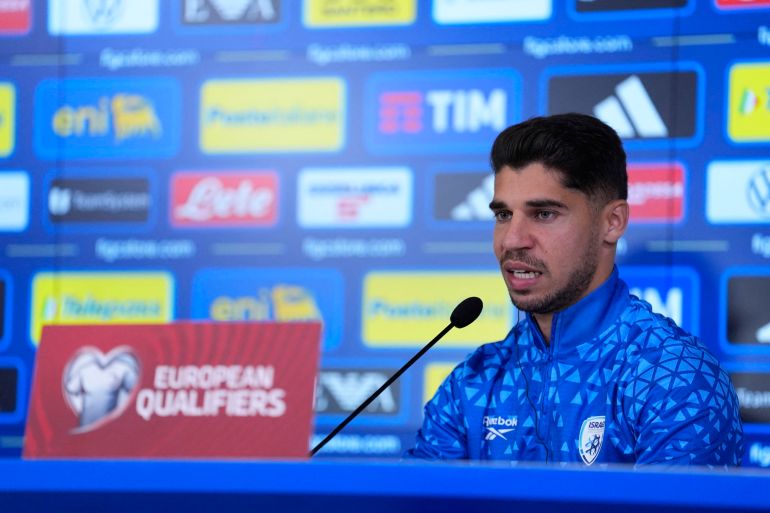
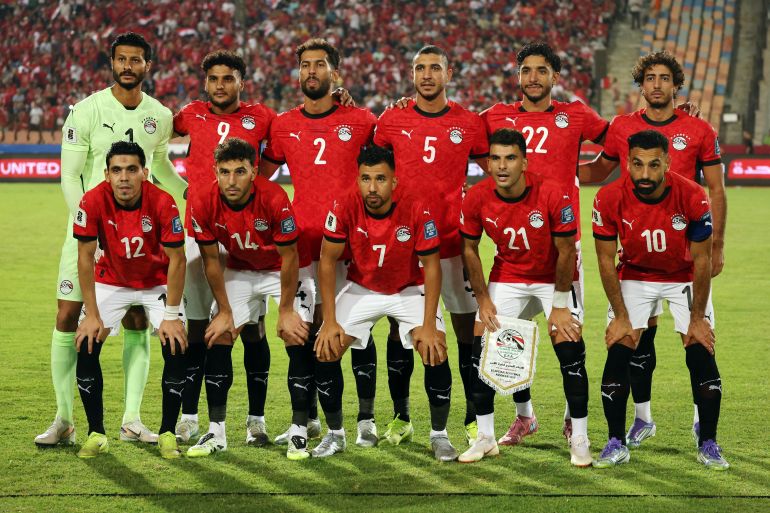
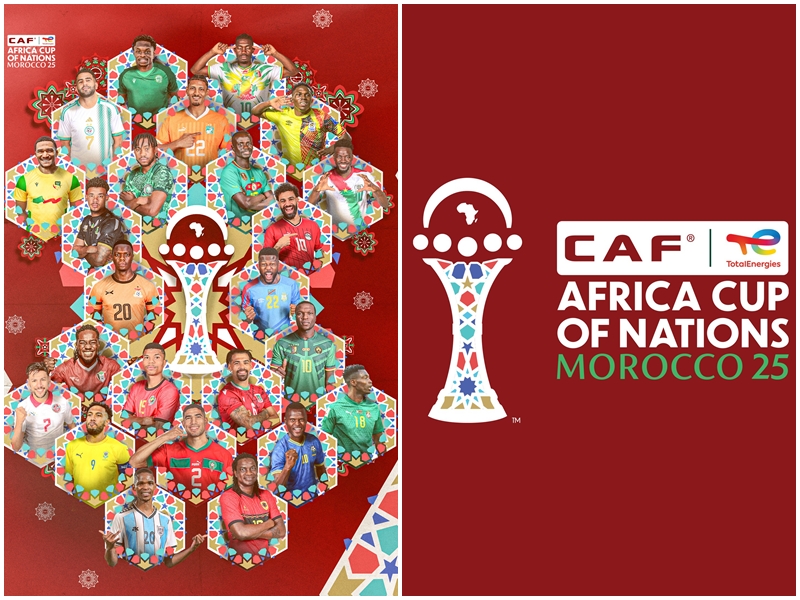
Egypt’s national team eliminates Ivory Coast’s “Elephants” and advances to face Senegal in the Africa Cup of Nations semifinals.
libyawire.org > News > Sport > Egypt’s national team eliminates Ivory Coast’s “Elephants” and advances to face Senegal in the Africa Cup of Nations semifinals.
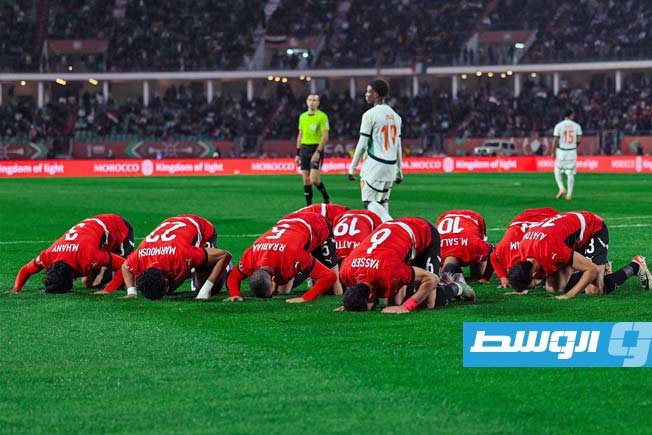
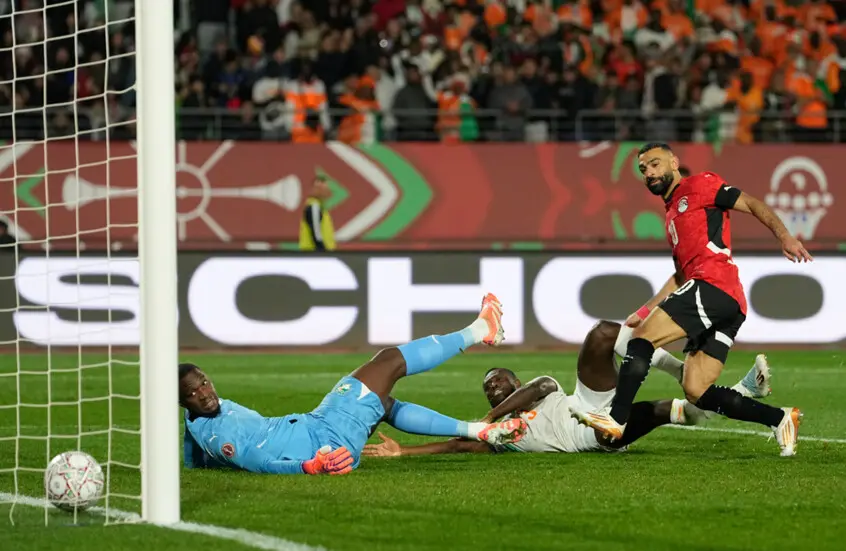
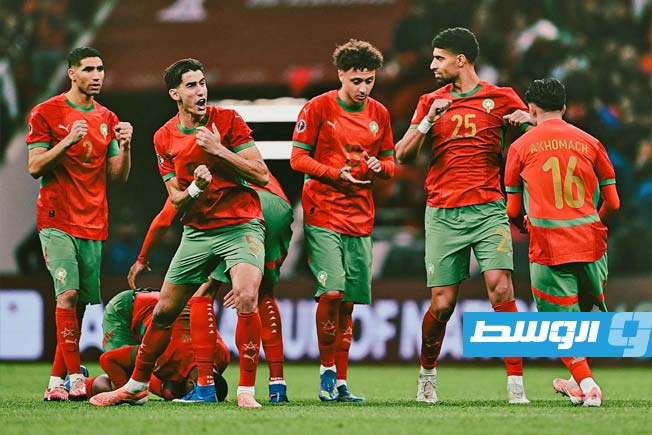
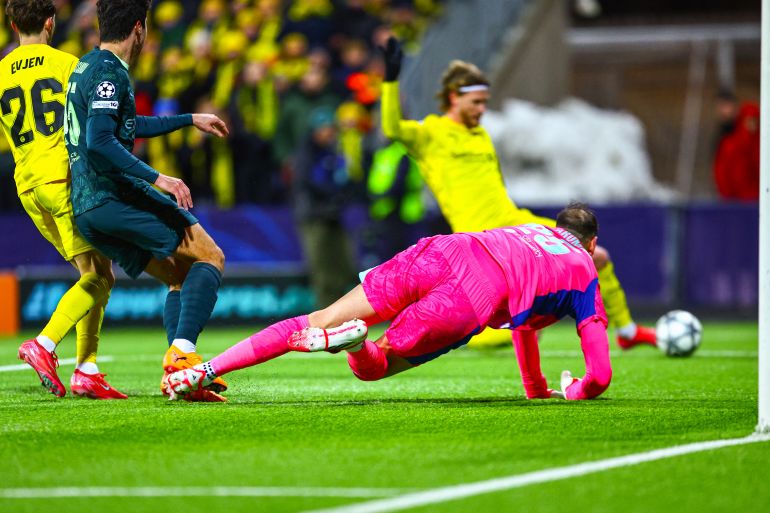
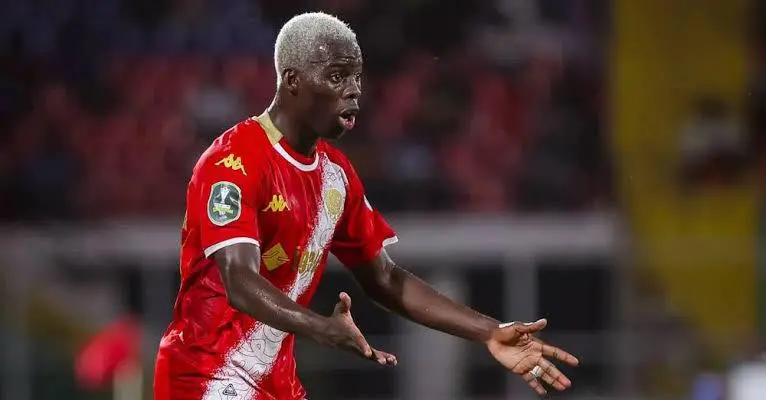
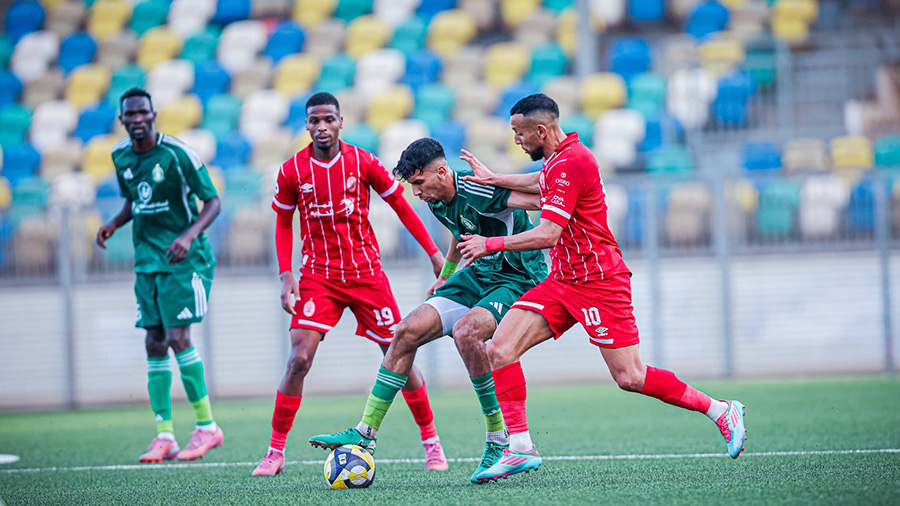
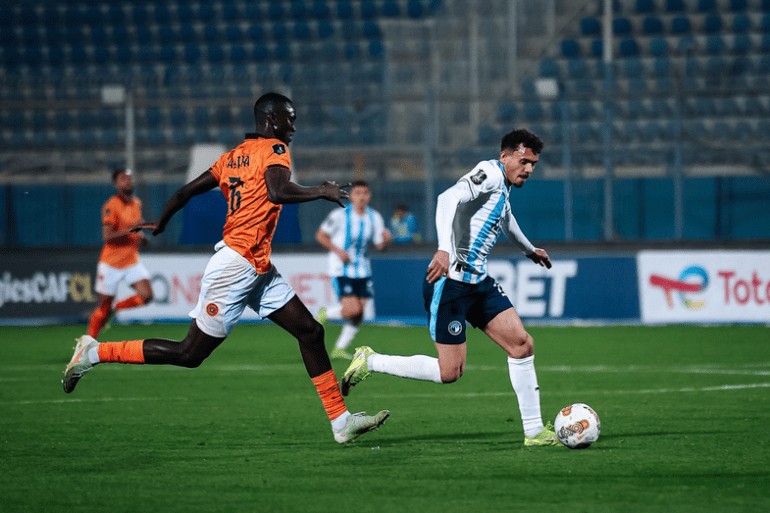
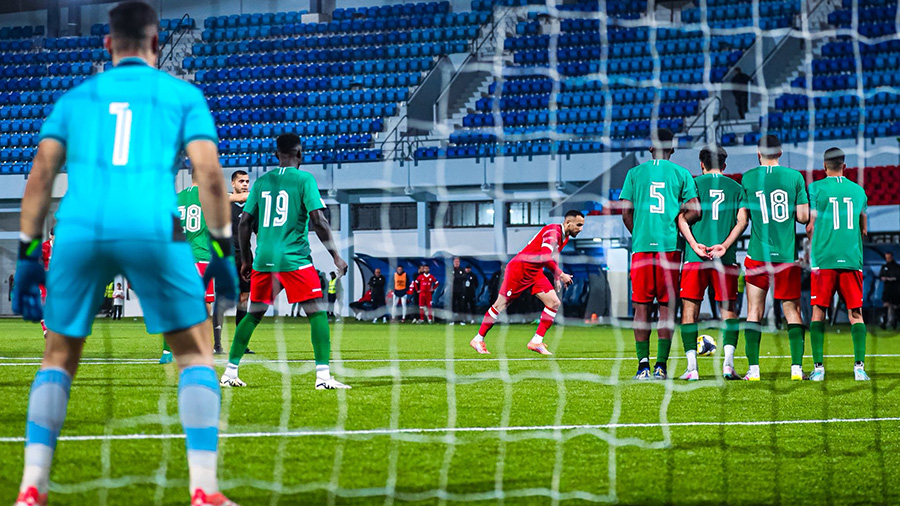
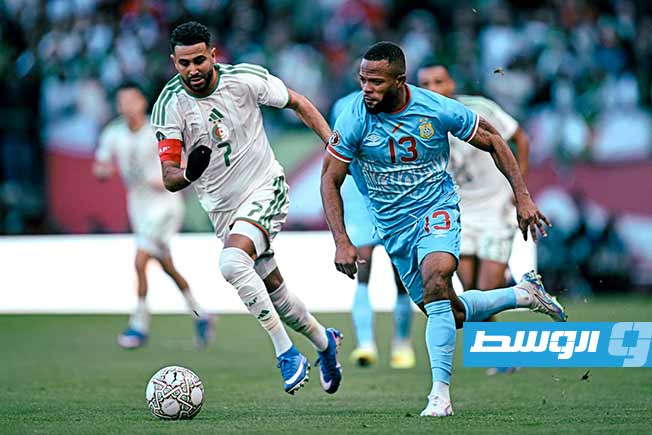
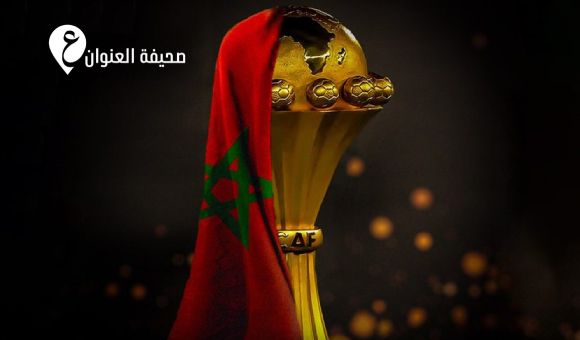
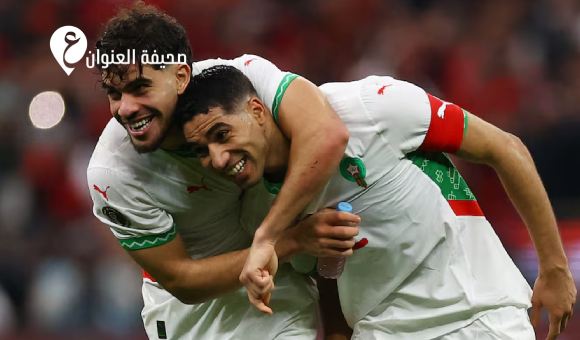
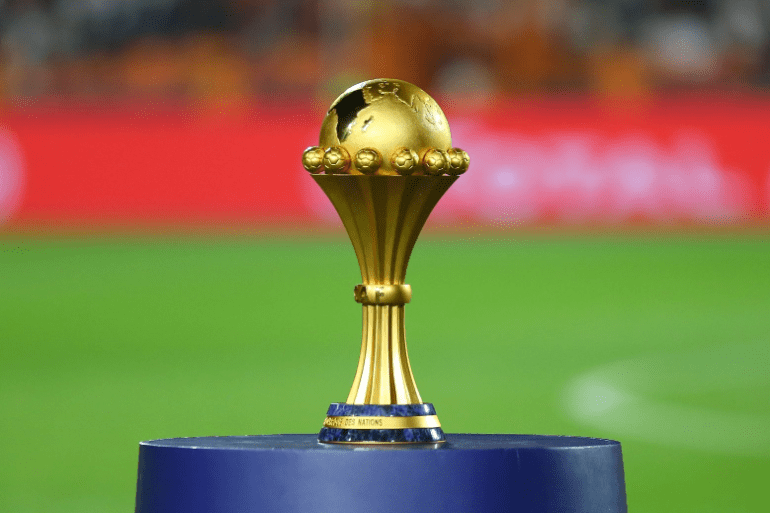
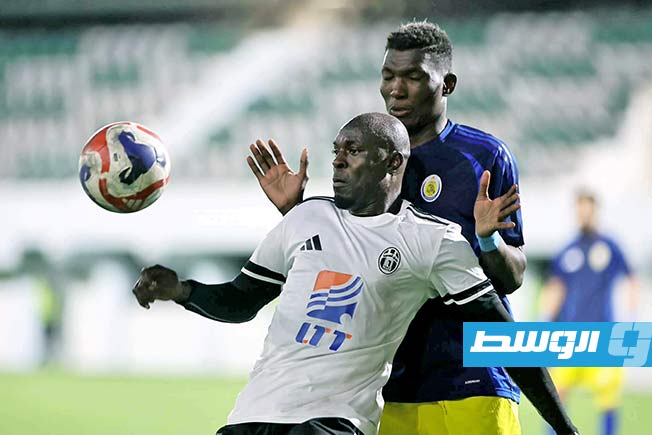
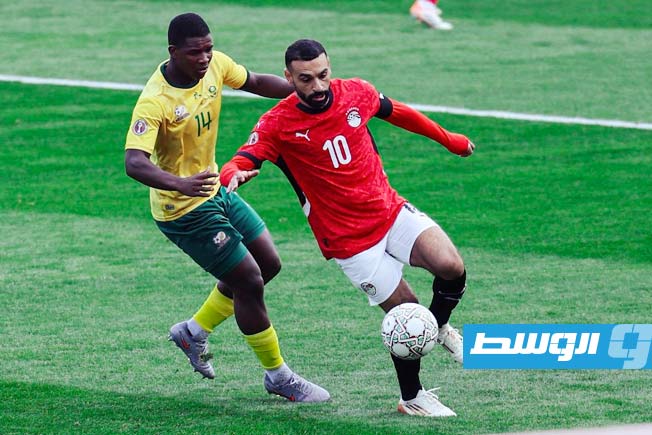
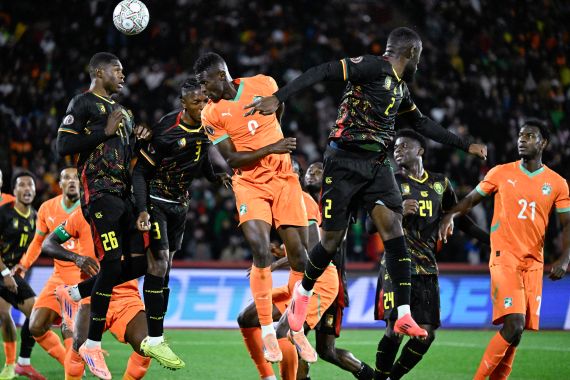
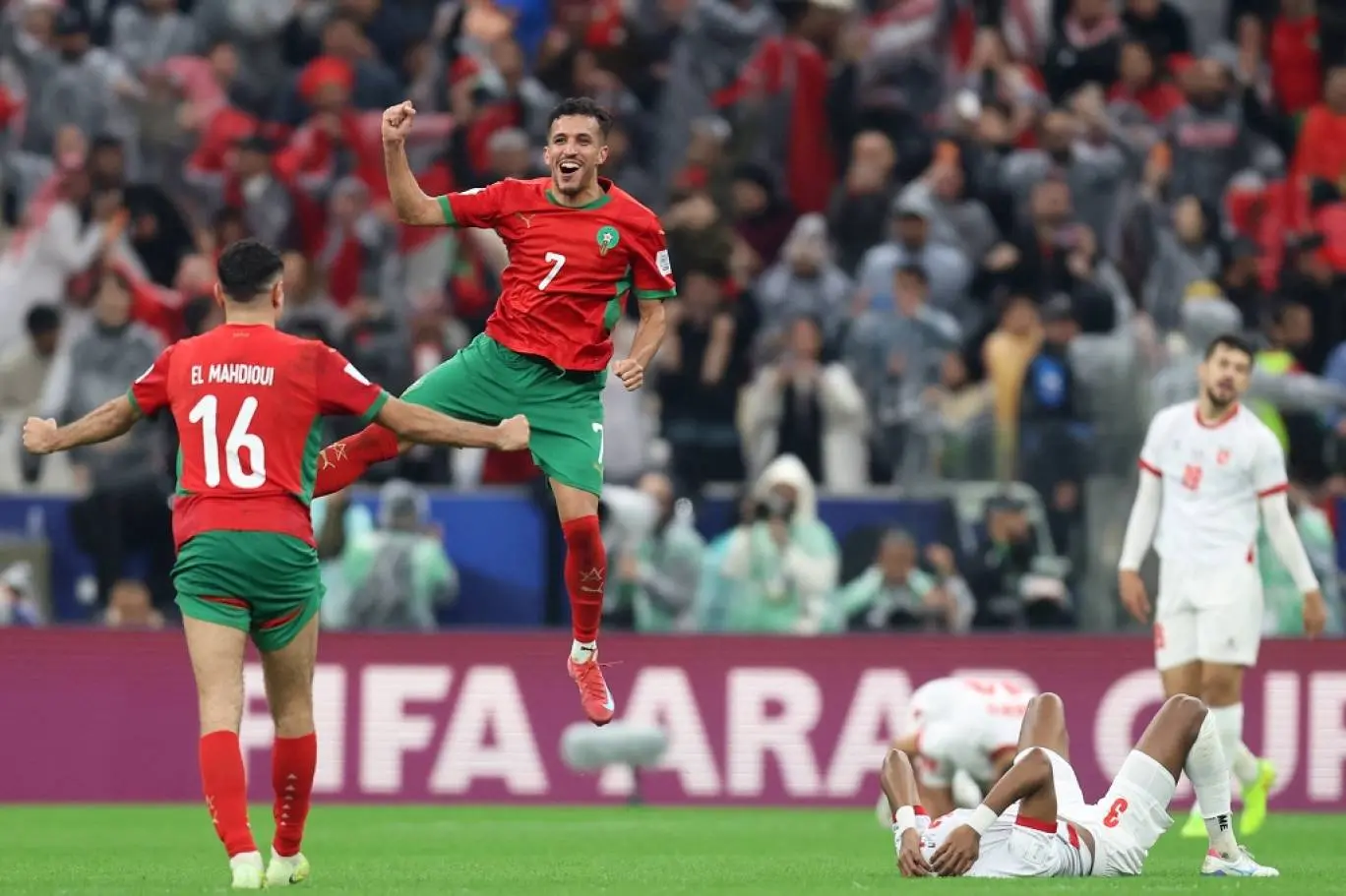
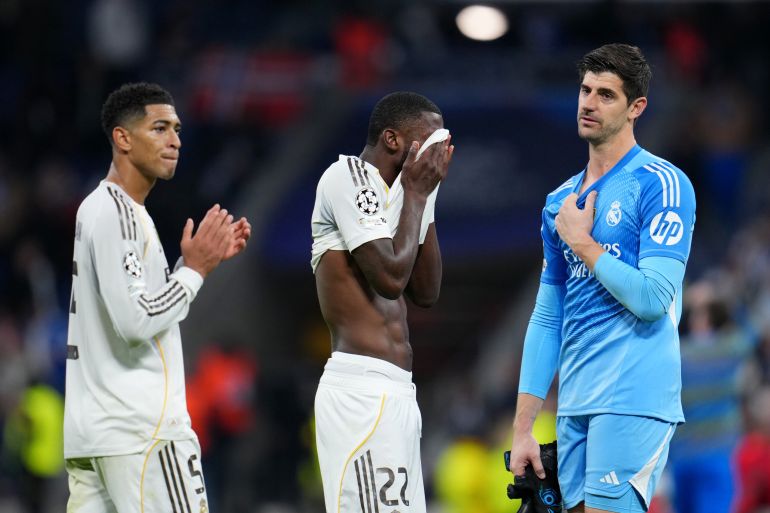
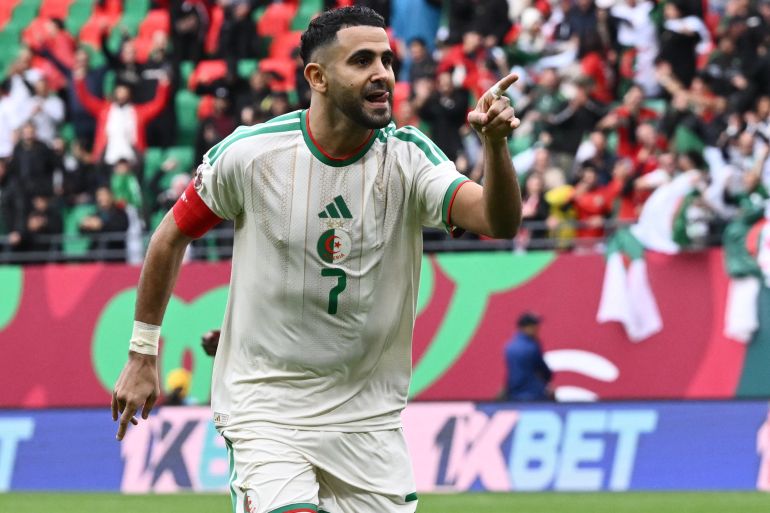
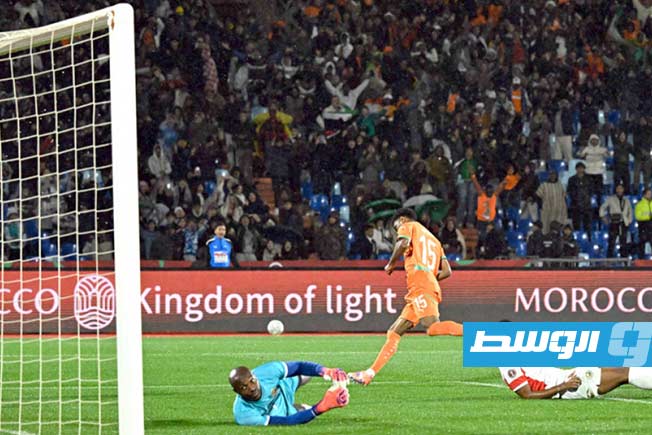
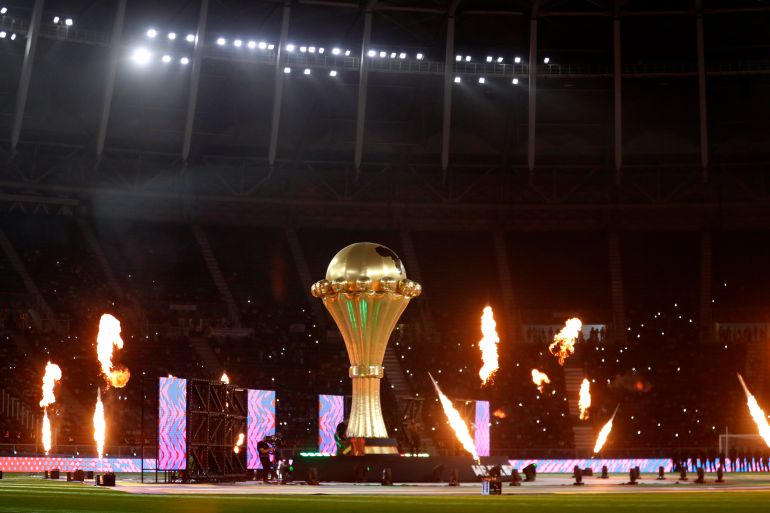
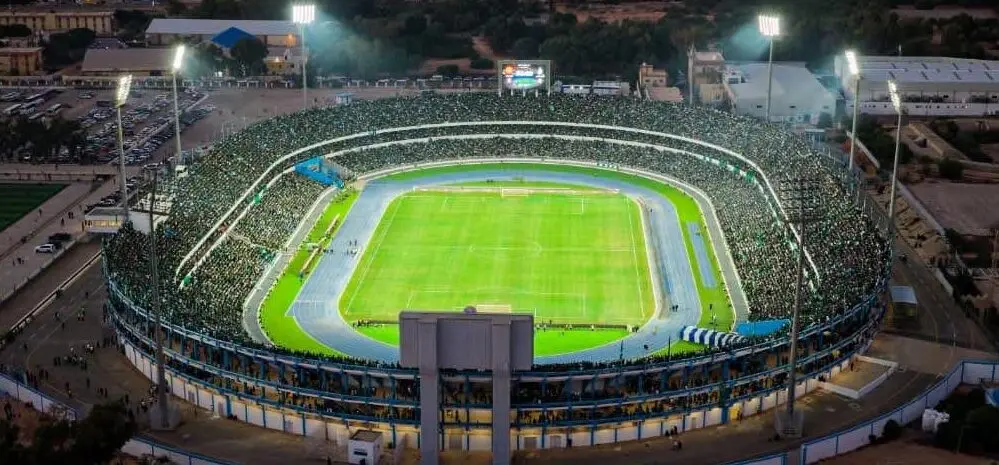
Egypt’s national team qualified for the semi-finals of the Africa Cup of Nations tournament being held in Morocco after defeating the Ivory Coast national team three goals to two, in the quarter-final match held today, Saturday, in Agadir.
Egypt’s national team took an early lead in the 4th minute of the match, scored by Omar Marmoush from a counter-attack. In the 32nd minute, Rami Rabia managed to score the second goal with a header, before the Ivory Coast national team reduced the score in the 40th minute with an own goal mistakenly scored by Ahmed Fotouh into his own net.
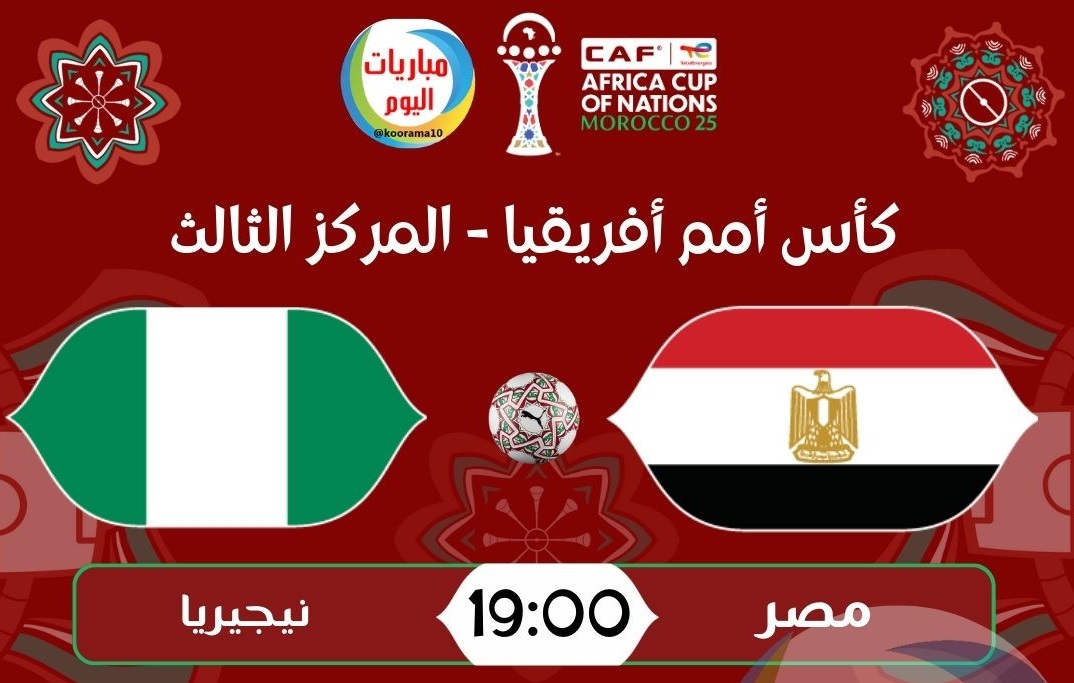
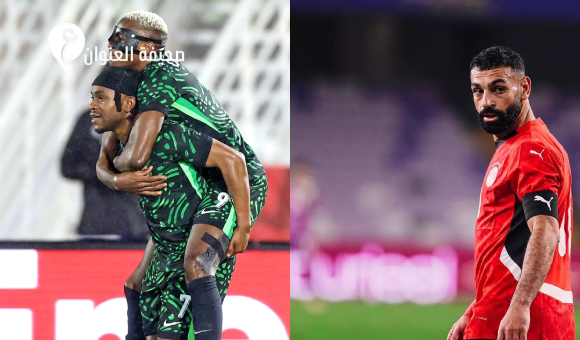
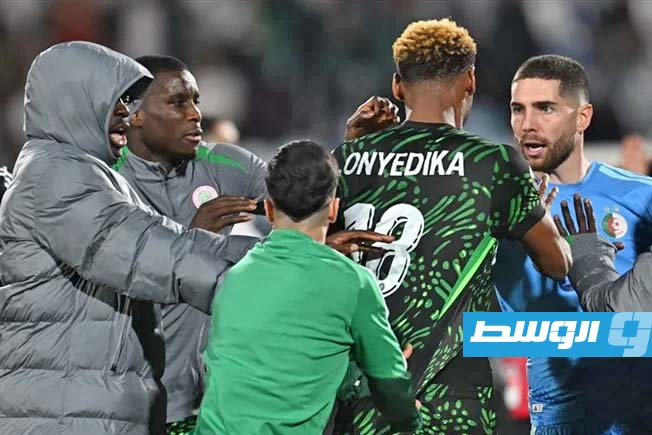
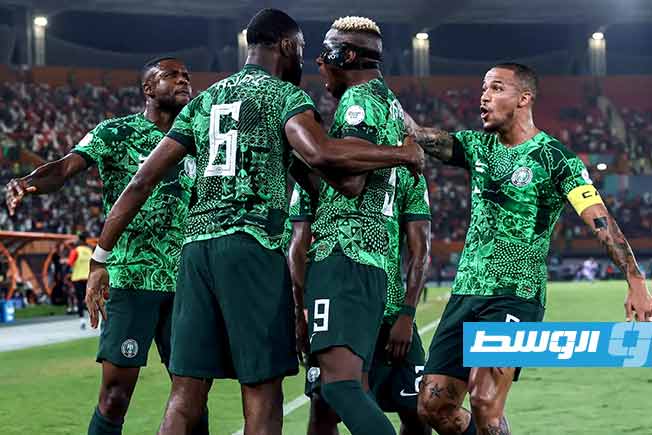
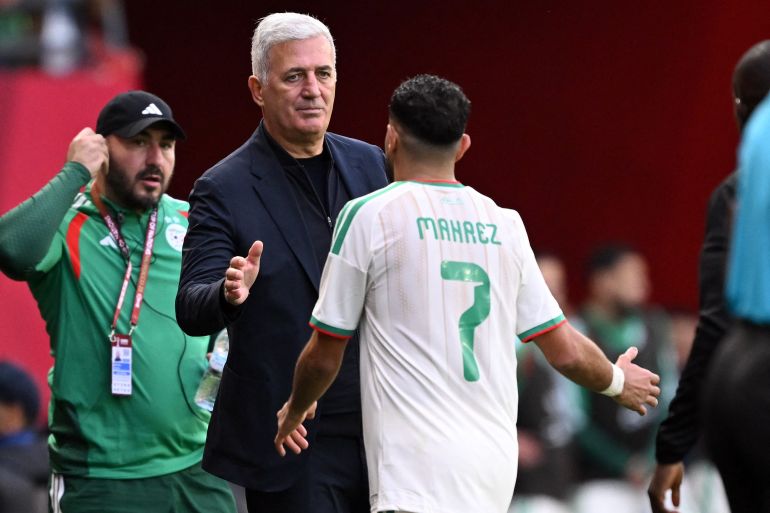
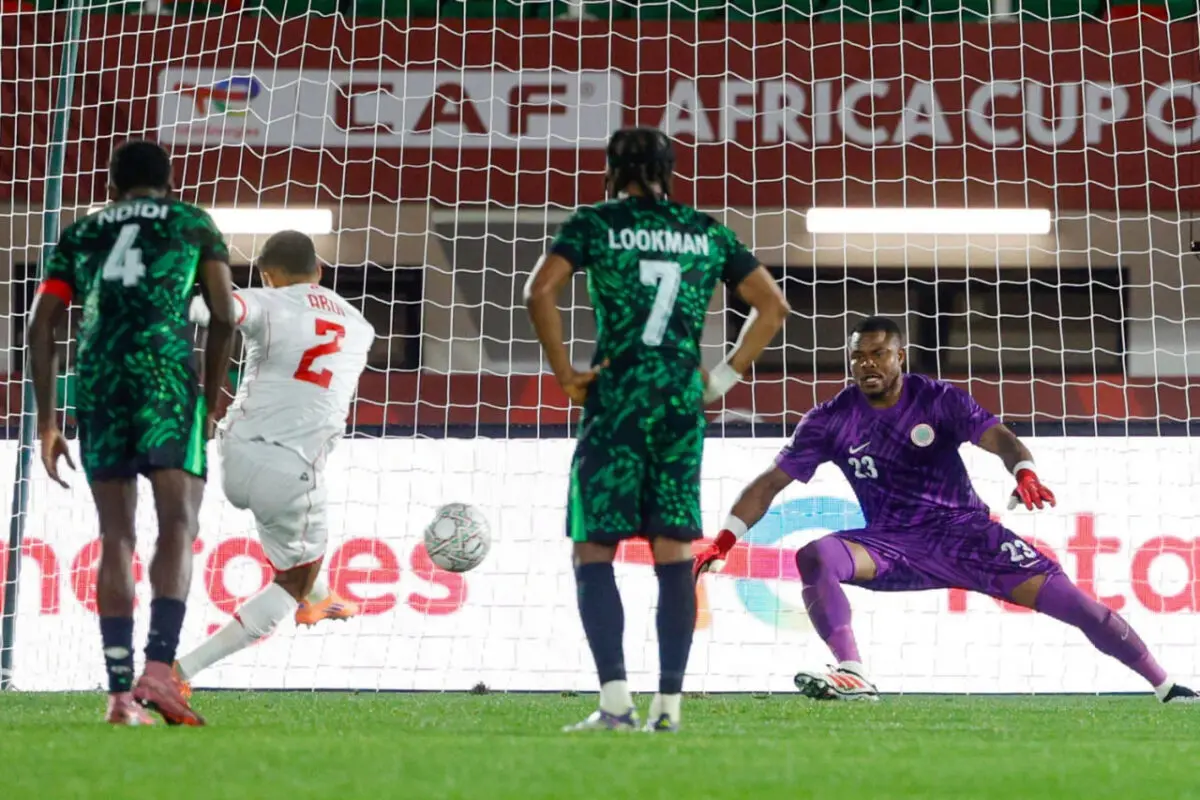
– Nigeria’s national team passes Algeria and sets a date with Morocco in the Africa Cup of Nations semi-finals –
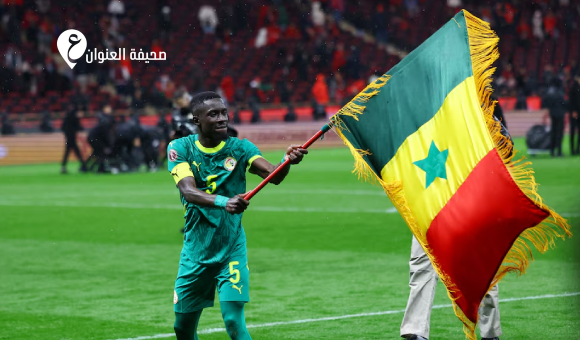
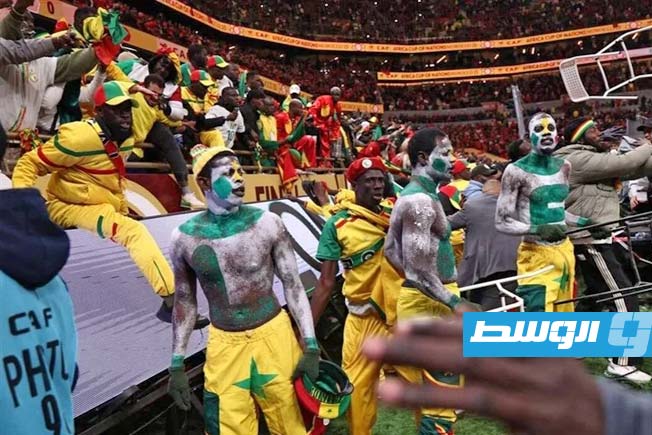
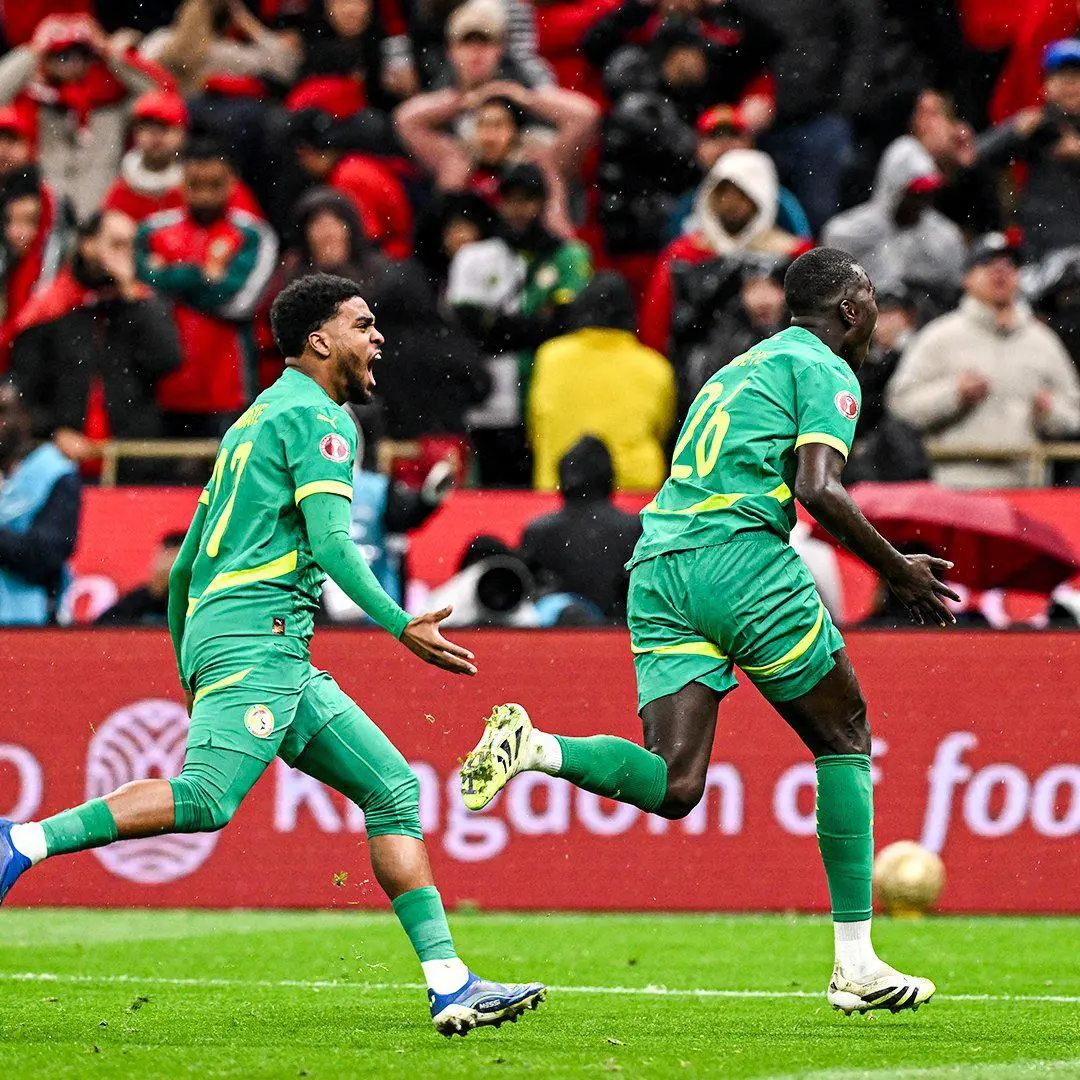
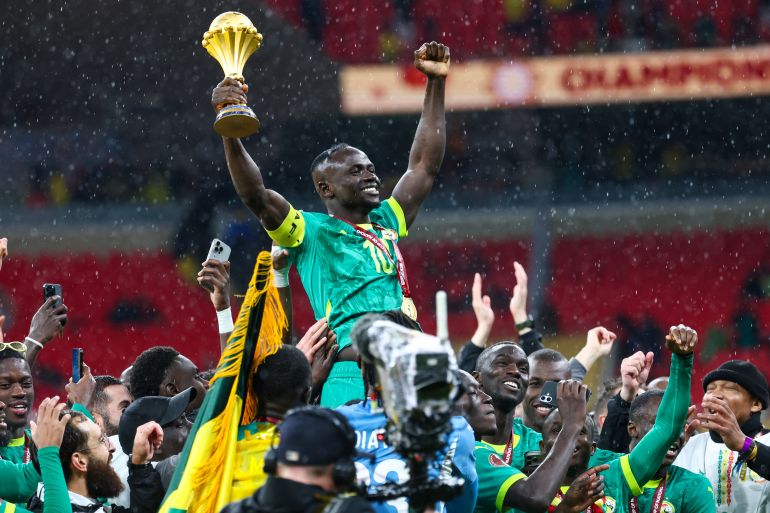
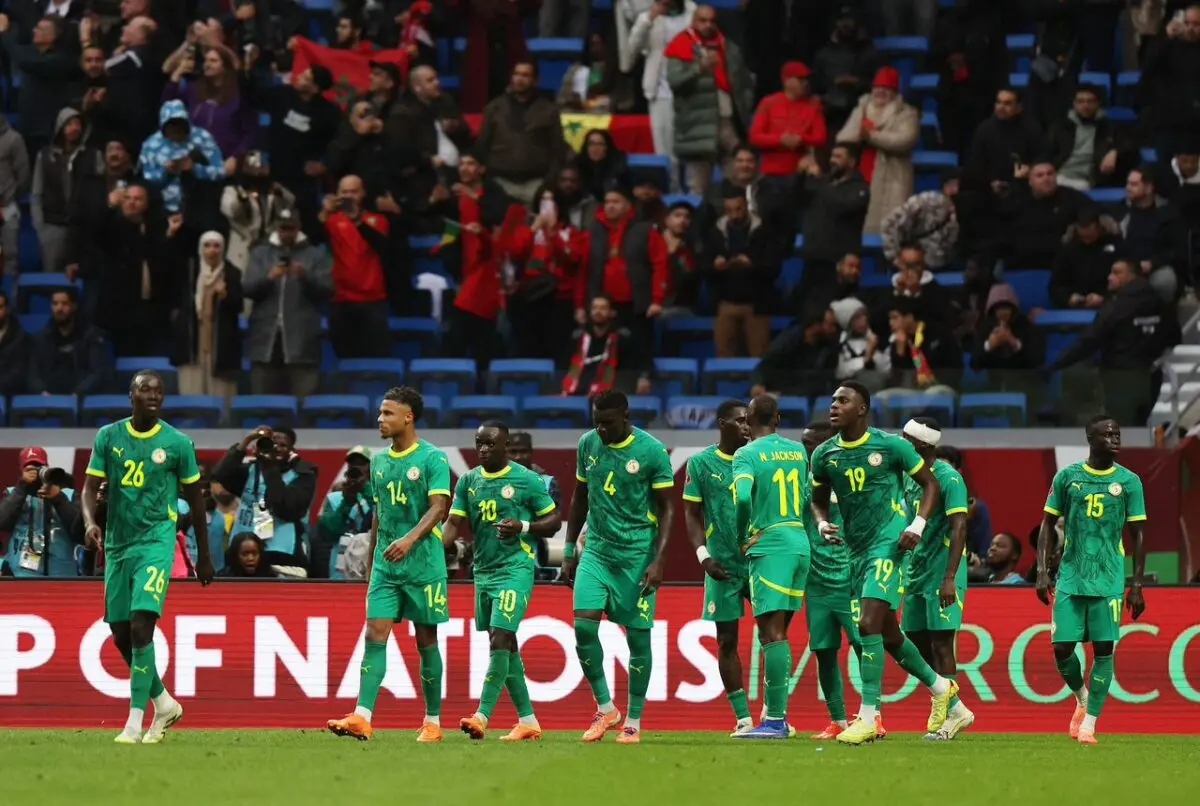
Impressive numbers for Senegal’s national team in the Africa Cup of Nations
In the second half, Mohamed Salah managed to score the third goal for Egypt’s national team in the 52nd minute from a pass he received from Imam Ashour. However, the Ivory Coast national team scored its second goal in the 73rd minute from defensive confusion among the “Pharaohs” players, allowing Doué to put the ball in the net.
With this result, Egypt’s national team qualifies to face Senegal’s national team next Wednesday in the semi-finals of the Africa Cup of Nations.
Egypt
Egypt is home to one of the world’s oldest civilizations, with a recorded history spanning over 5,000 years and famed for its pharaohs, pyramids, and monuments along the Nile River. Its rich cultural heritage, from ancient wonders like the Giza pyramid complex to Islamic Cairo and Coptic sites, reflects a continuous legacy of influential empires and religions.
Ivory Coast
The Ivory Coast, officially known as Côte d’Ivoire, is a West African nation whose history includes powerful pre-colonial kingdoms, French colonization from the late 19th century, and independence in 1960. A major cultural site is the historic town of Grand-Bassam, a UNESCO World Heritage site that was the first French colonial capital and features colonial architecture alongside traditional Nzema houses. The country is also renowned for its diverse cultural festivals and as a leading global producer of cocoa.
Senegal
Senegal is a West African country known for its rich cultural heritage and historical significance, particularly as a former center of the transatlantic slave trade and French colonial rule. Its cultural sites include the UNESCO-listed Island of Gorée, a poignant memorial to the slave trade, and the Saint-Louis historic quarter, a former colonial capital. The nation is also celebrated for its vibrant music, art, and the influential Sufi brotherhoods that shape its society.
Africa Cup of Nations
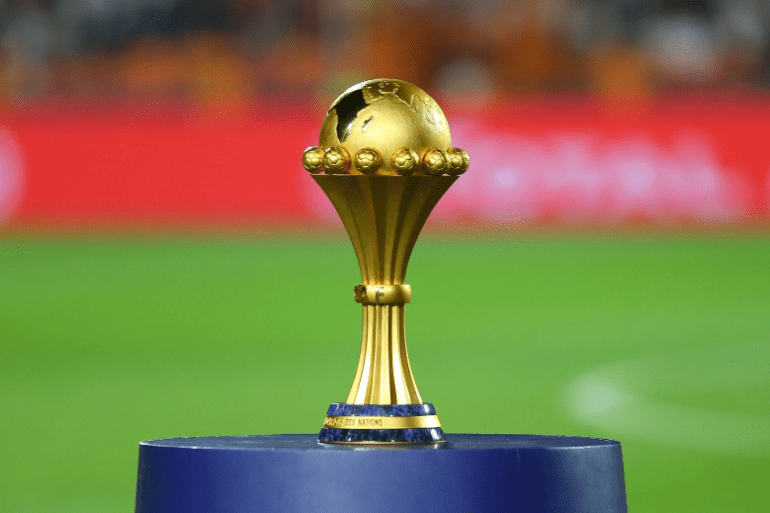
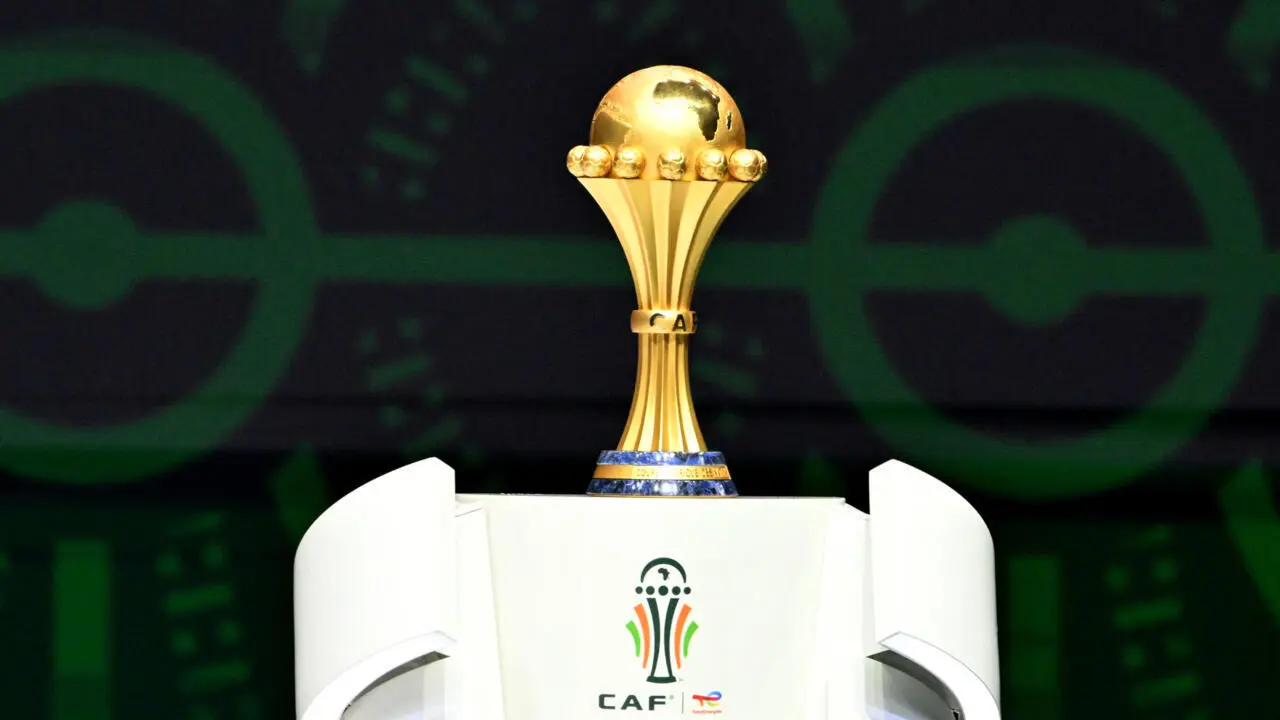
The Africa Cup of Nations is the premier international men’s football competition in Africa, first held in 1957. It was founded to unite African nations emerging from colonialism and is organized by the Confederation of African Football (CAF).
Morocco
Morocco is a North African country with a rich history shaped by indigenous Amazigh (Berber) cultures, Arab influence from the 7th century, and successive dynasties like the Almoravids and Almohads. Its cultural sites, such as the ancient city of Fez and the Koutoubia Mosque in Marrakech, reflect this blend of Arab, Islamic, and Amazigh heritage. The country’s historic medinas, kasbahs, and varied landscapes from the Sahara Desert to the Atlas Mountains are central to its identity.
Agadir
Agadir is a major coastal city in Morocco, known today for its modern beach resorts. Its history is marked by a devastating earthquake in 1960 that destroyed much of the old city, leading to a complete reconstruction in a contemporary style a few kilometers south of the original site.
Nigeria
Nigeria is a West African country with a rich history shaped by ancient kingdoms like the Nok, Benin, and Oyo, as well as its period as a British colony before gaining independence in 1960. It is Africa’s most populous nation and is renowned for its vibrant cultural diversity, expressed through numerous languages, music, film (Nollywood), and literature.
Algeria
Algeria is a North African nation with a rich history shaped by indigenous Berber cultures, successive empires, and a pivotal modern struggle for independence from France, achieved in 1962. It is home to diverse cultural sites, including the ancient Roman ruins of Timgad and Djemila, as well as the historic Casbah of Algiers, a UNESCO World Heritage site.