Title
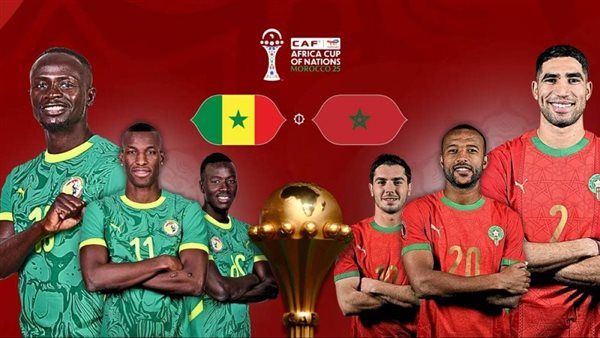
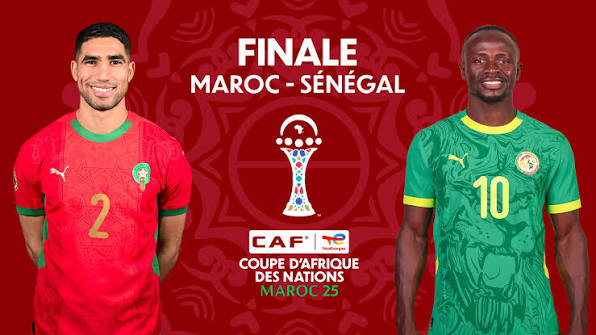
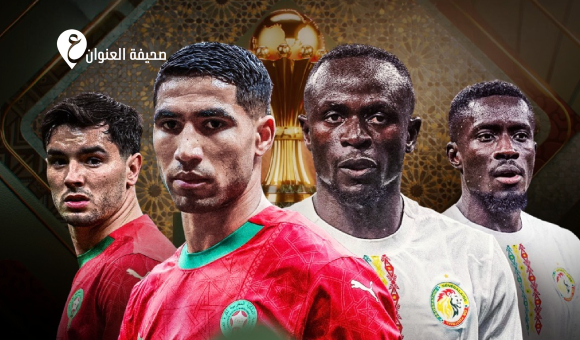
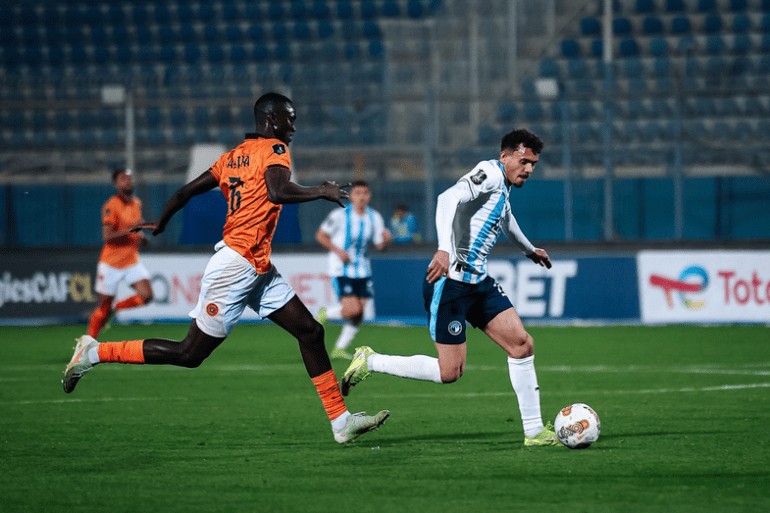
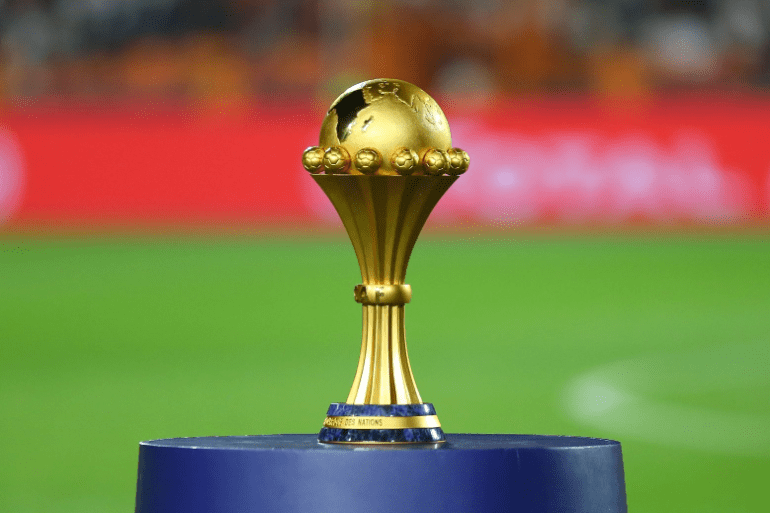
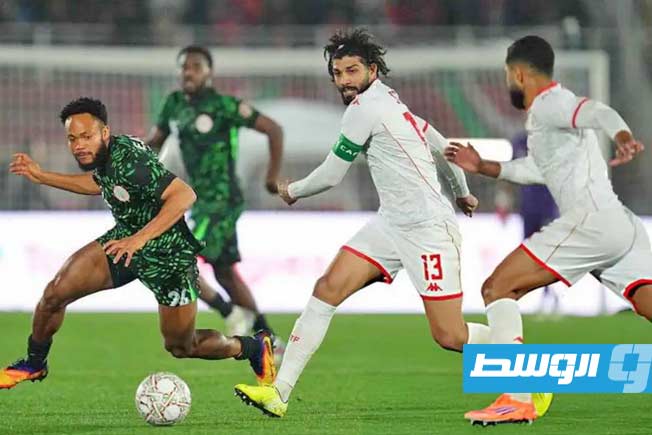
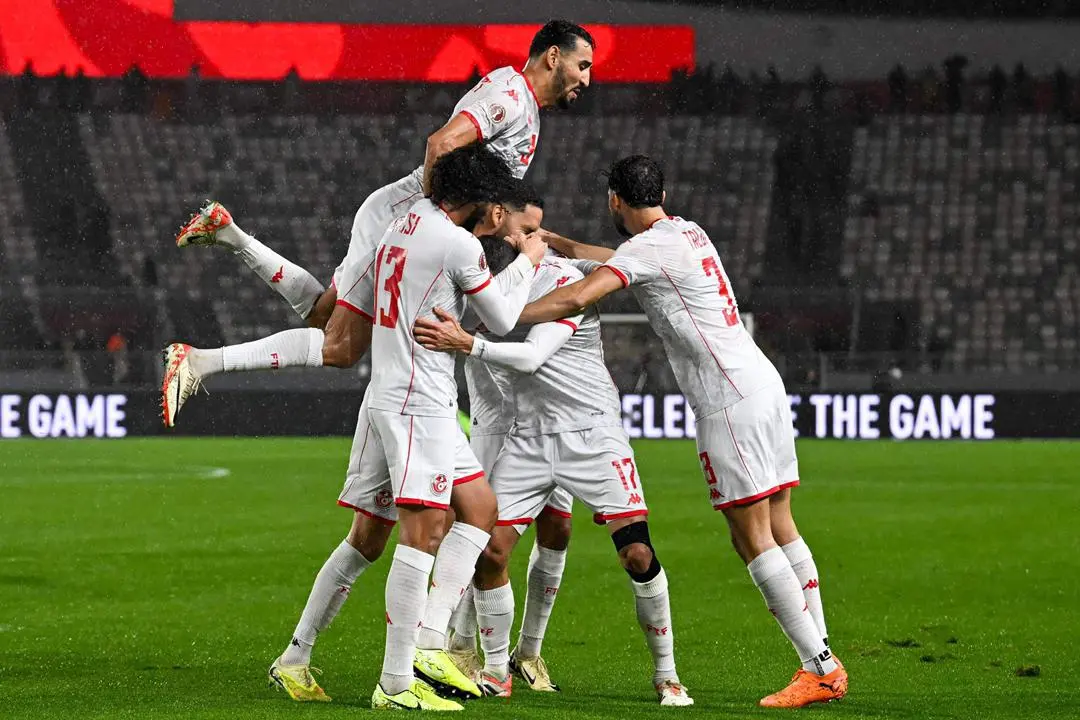
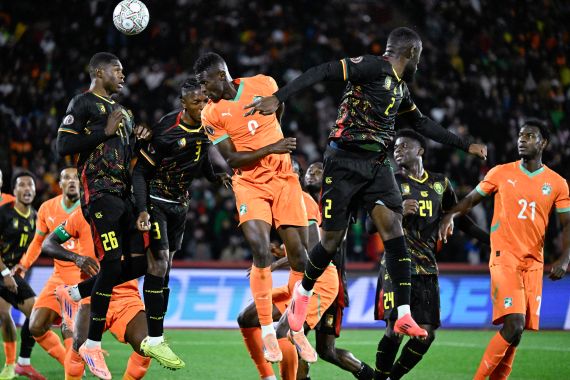
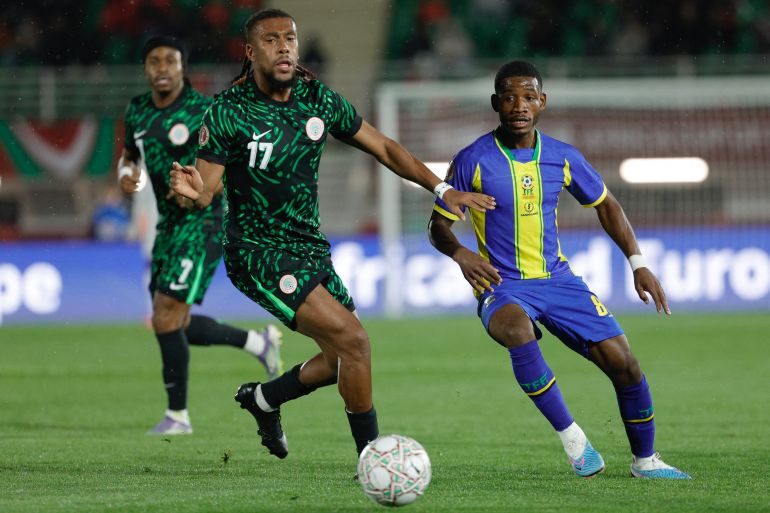
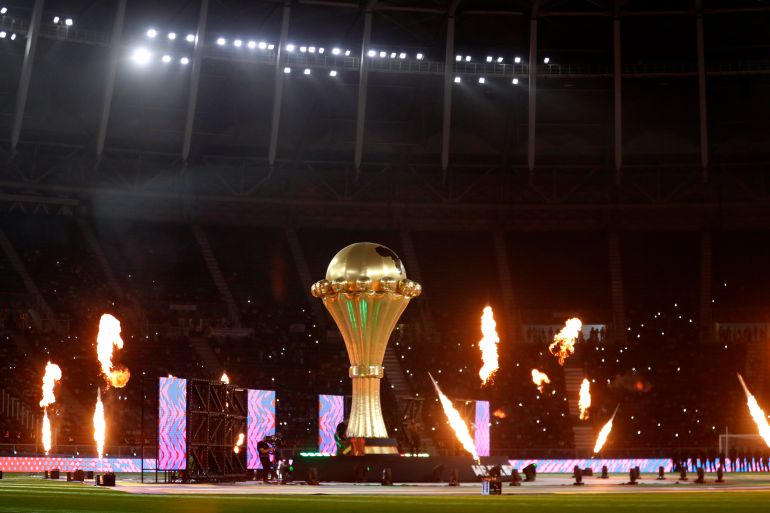
Morocco and Senegal have qualified for the semi-finals of the Africa Cup of Nations, currently being held in Morocco, after intense quarter-final matches that confirmed both teams’ ambitions to compete for the continental title.
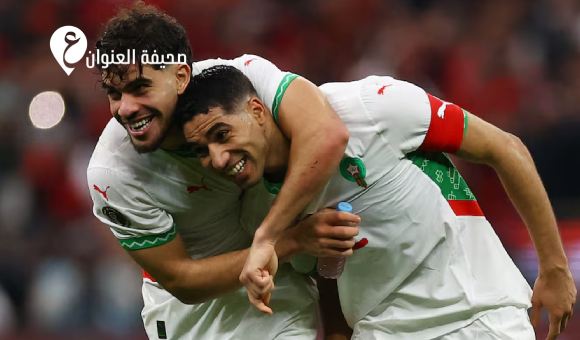
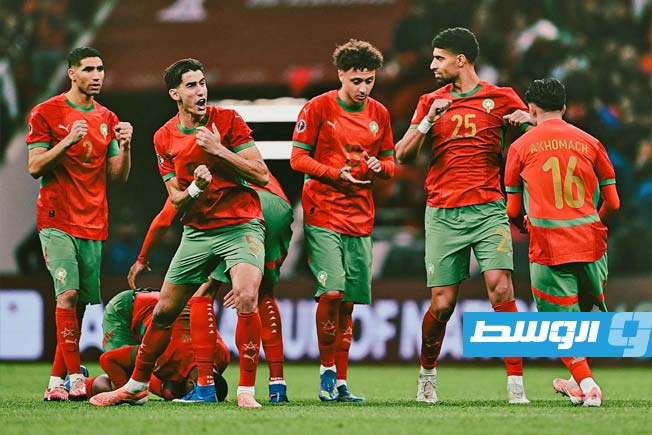
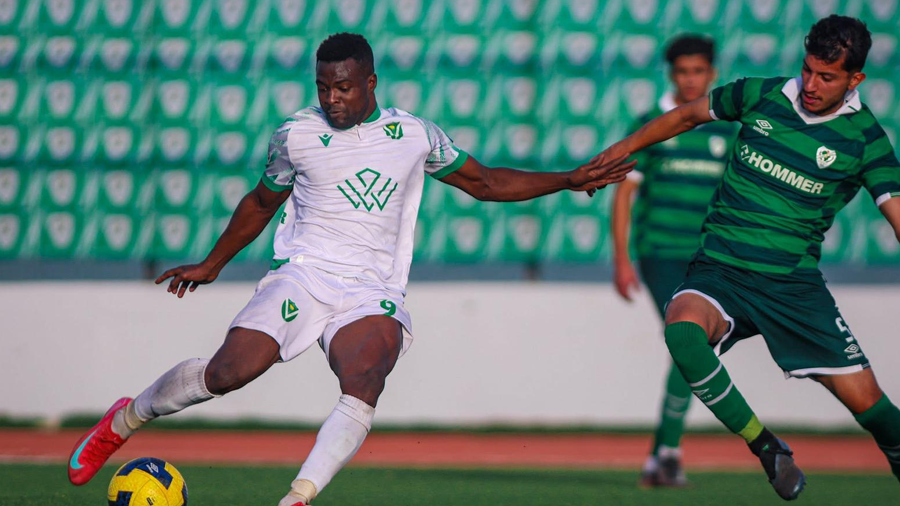
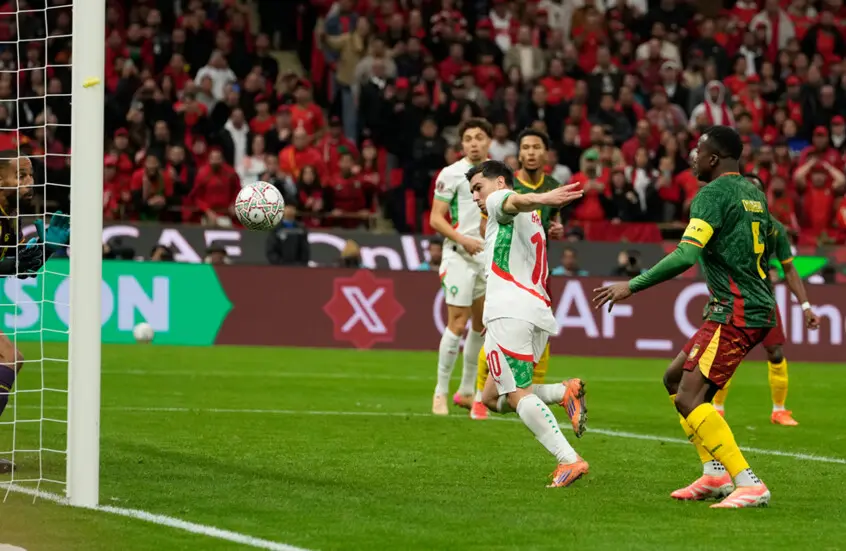
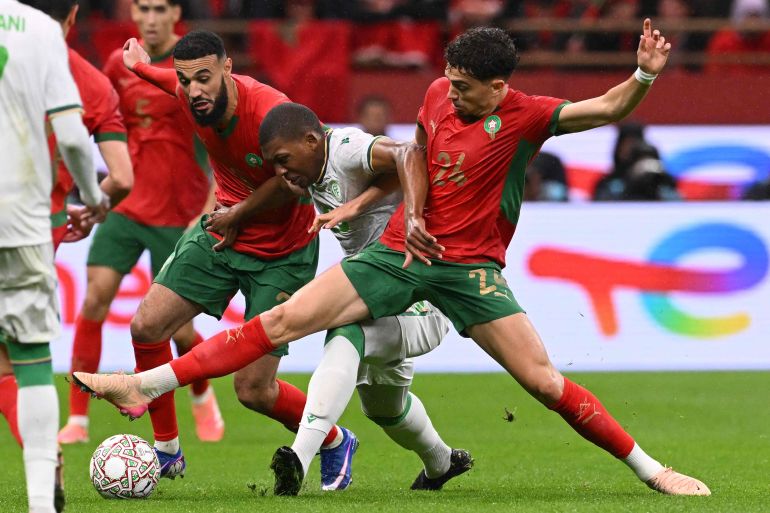
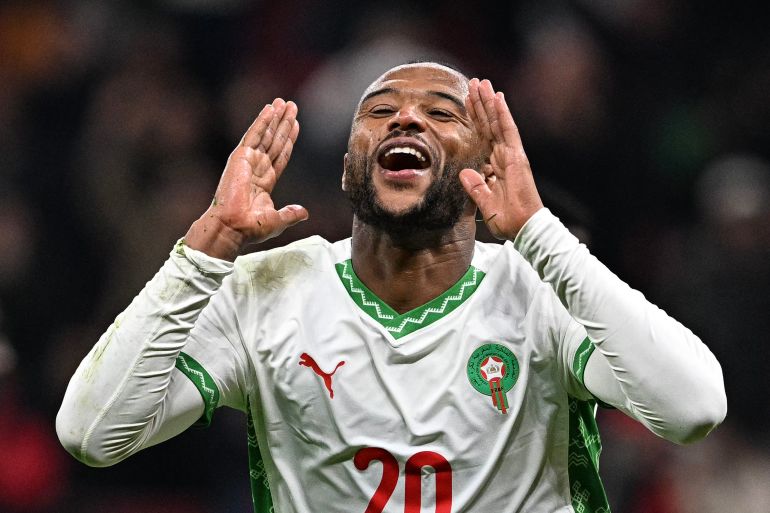
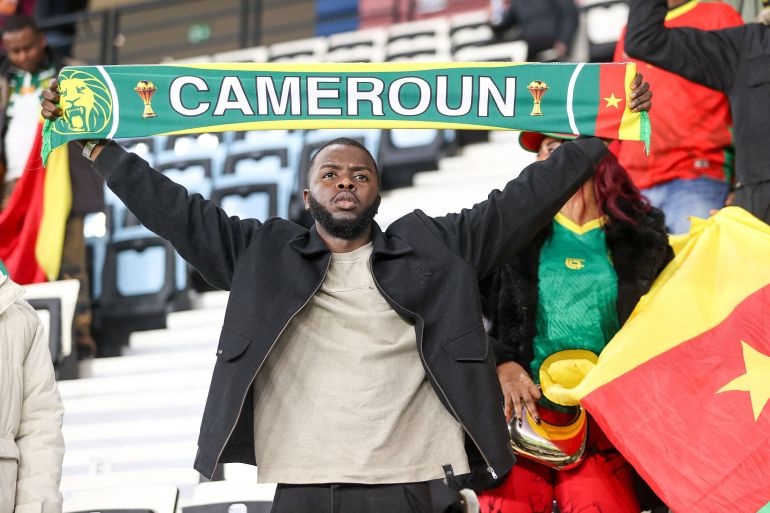
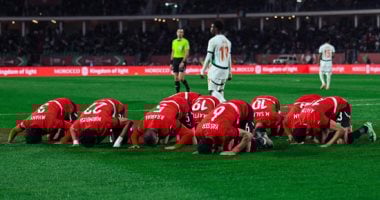
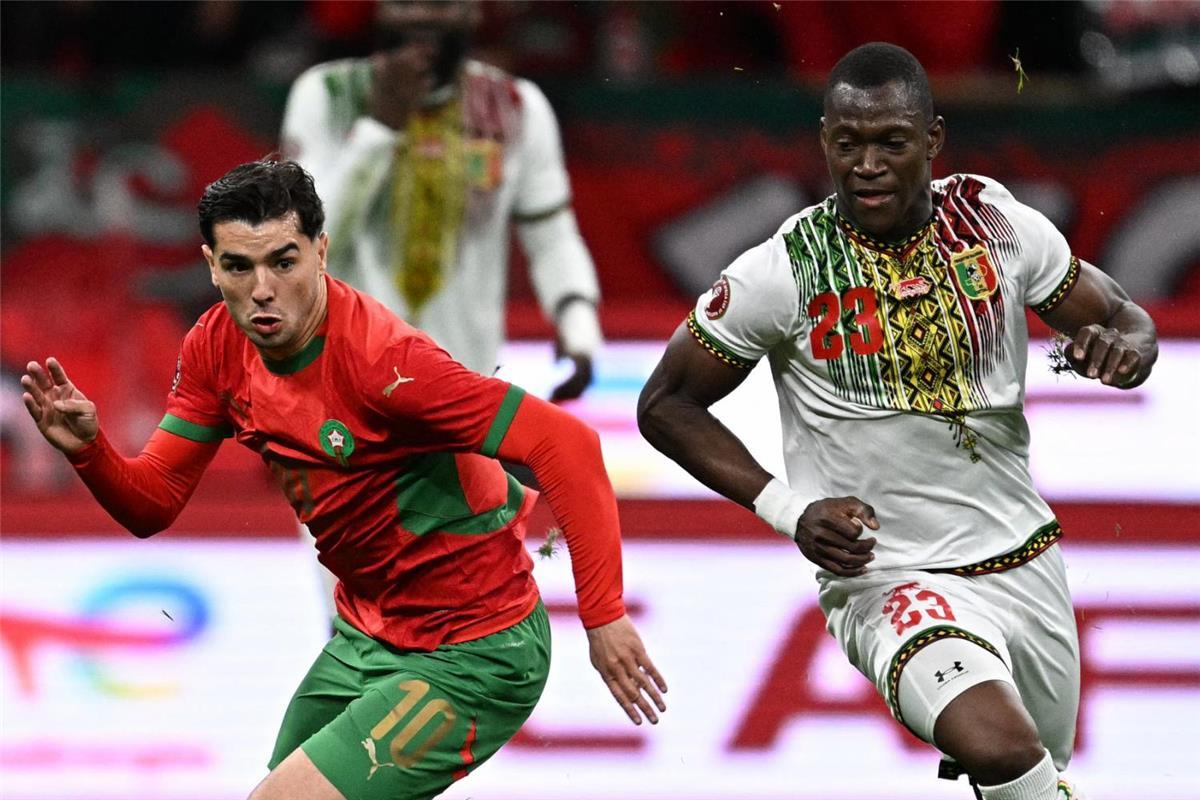
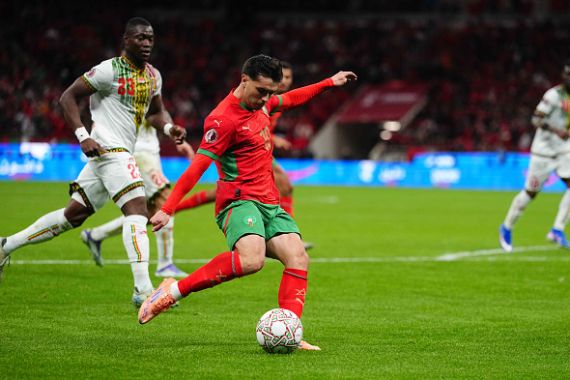
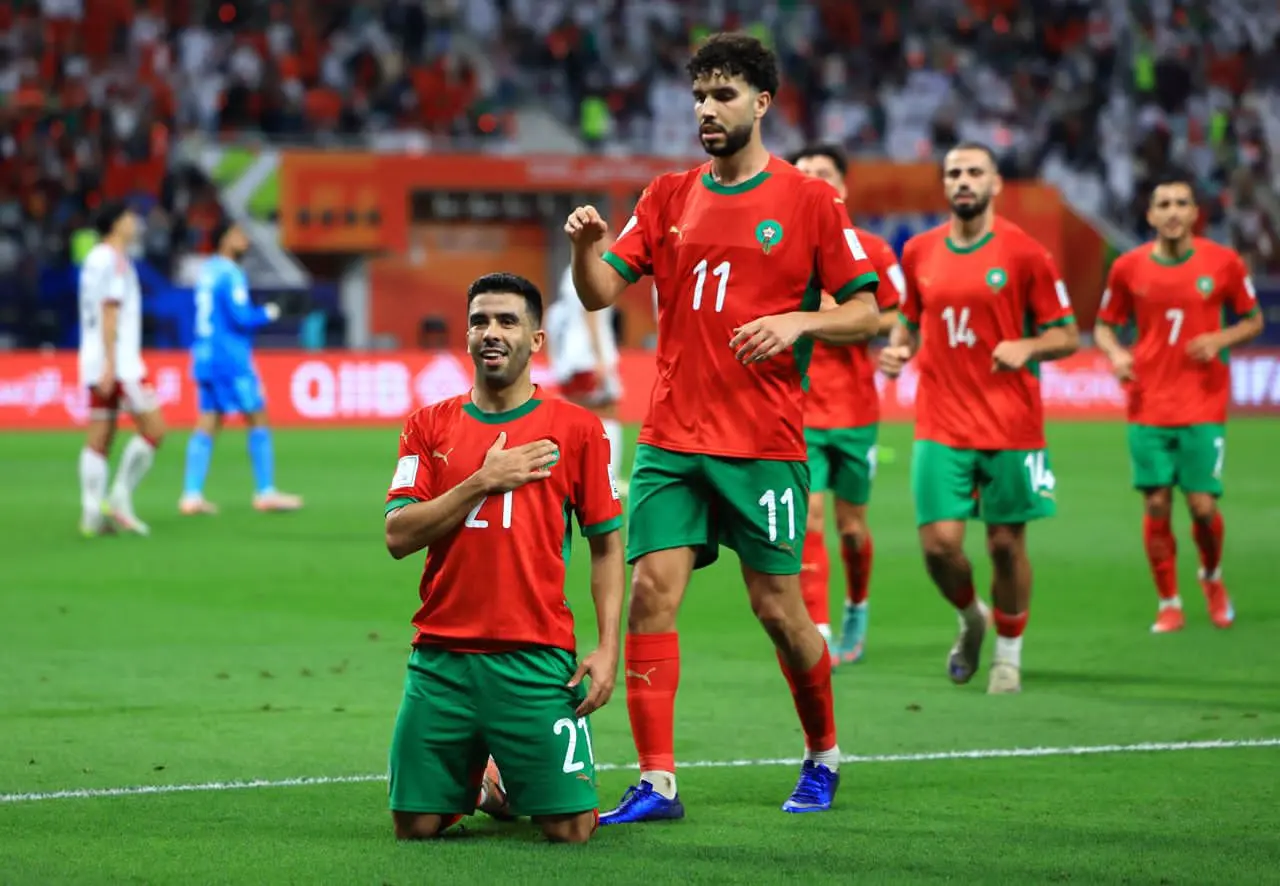
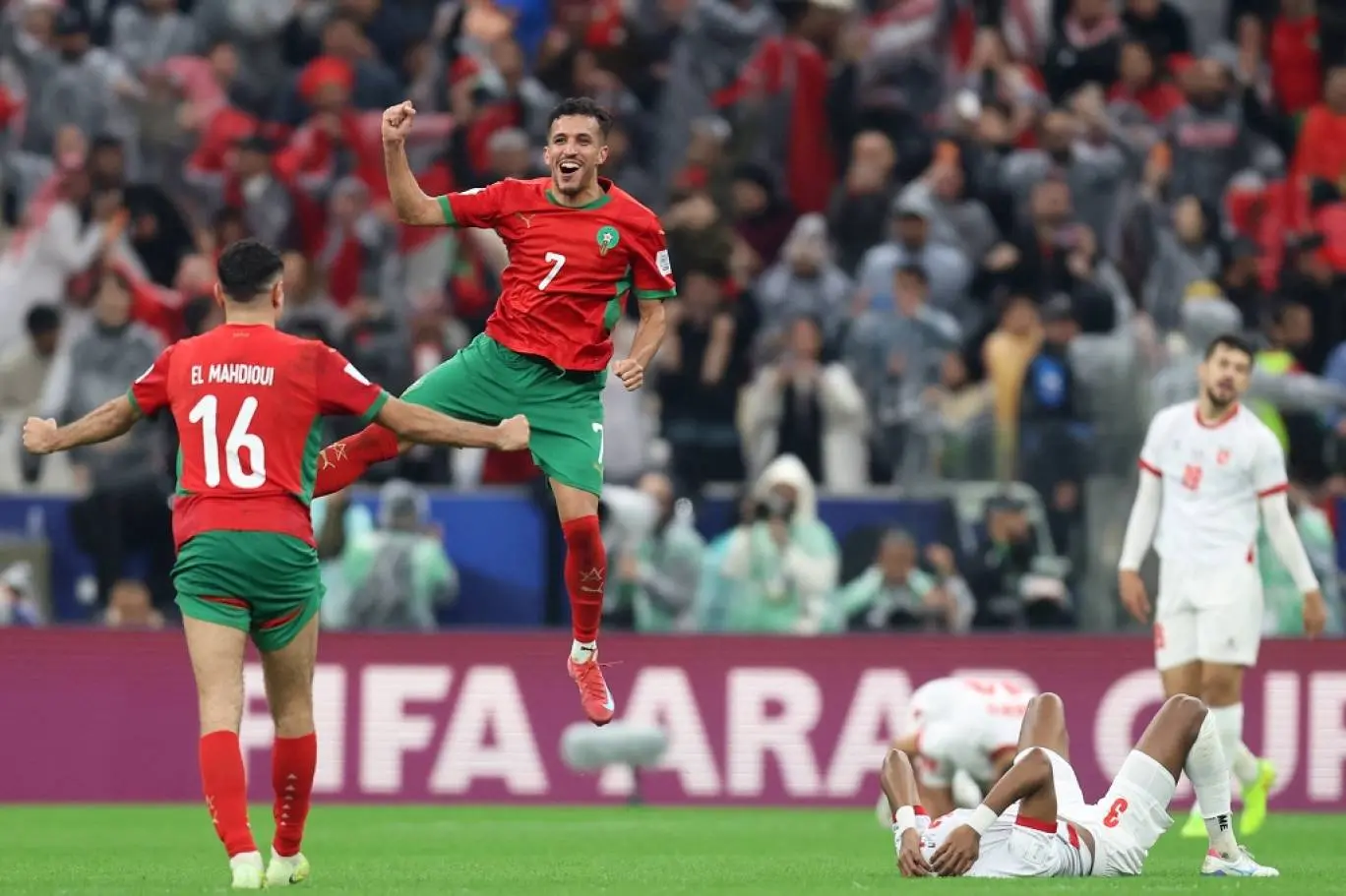
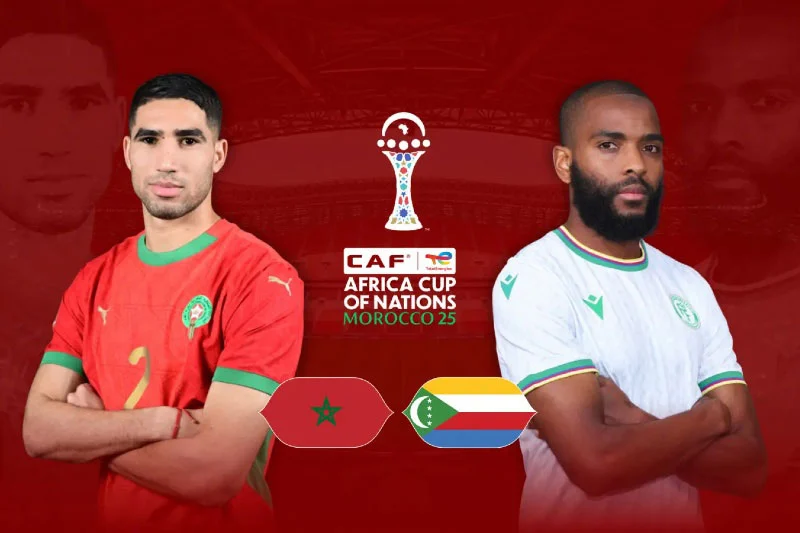
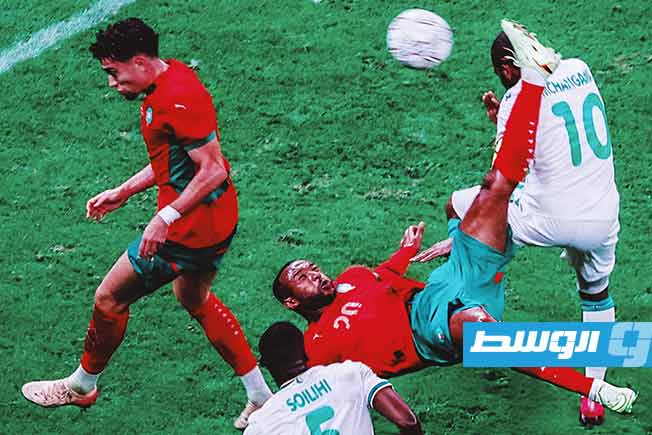
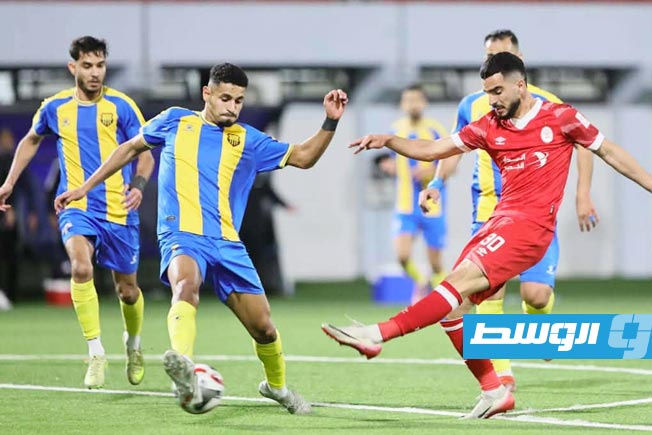
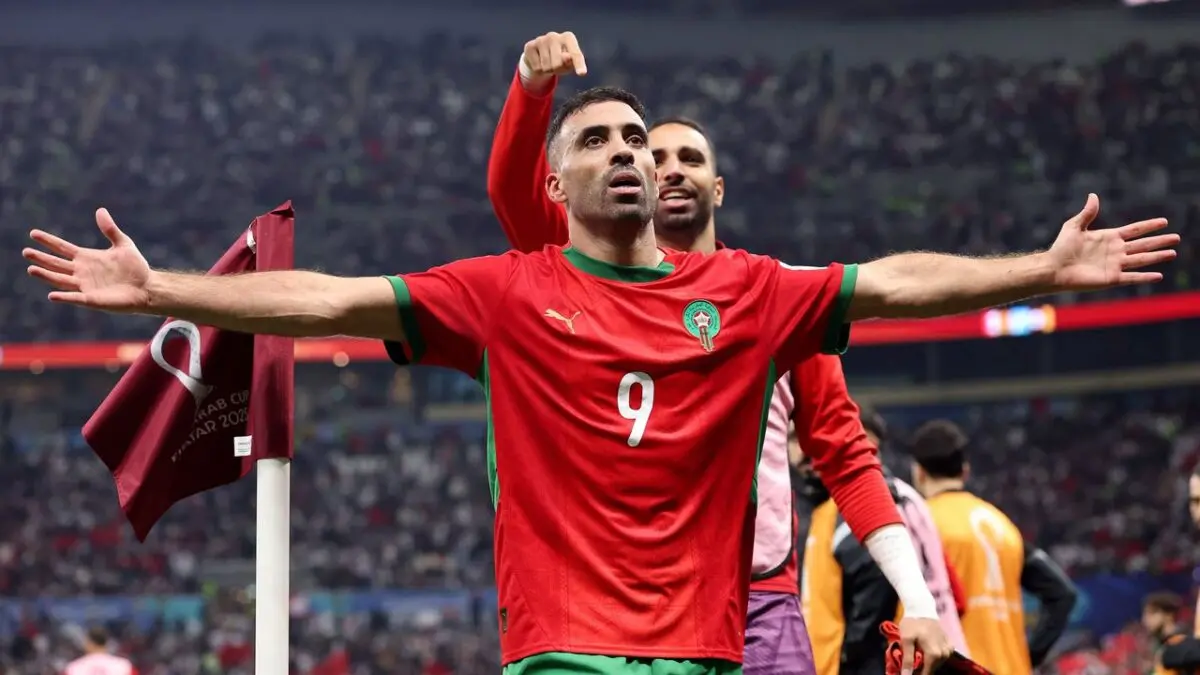
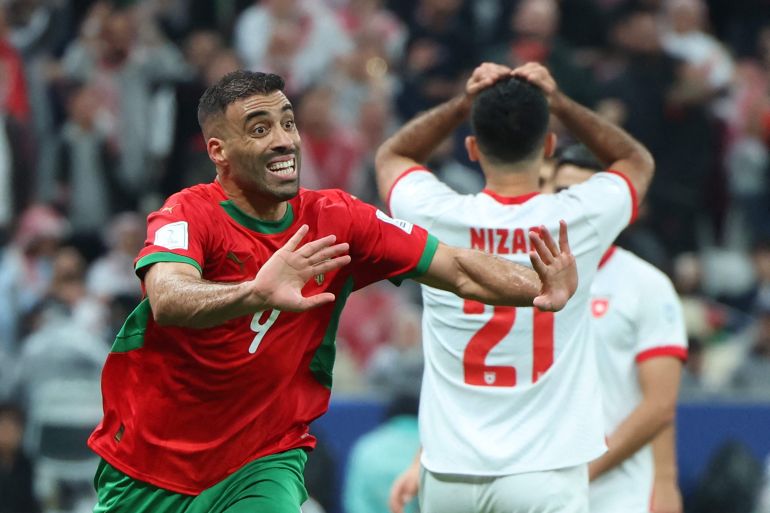
The Moroccan national team successfully secured their spot in the final four with a deserved 2-0 victory over Cameroon in the match held on Friday evening. The “Atlas Lions” continue their strong performances on home soil and in front of their fans.
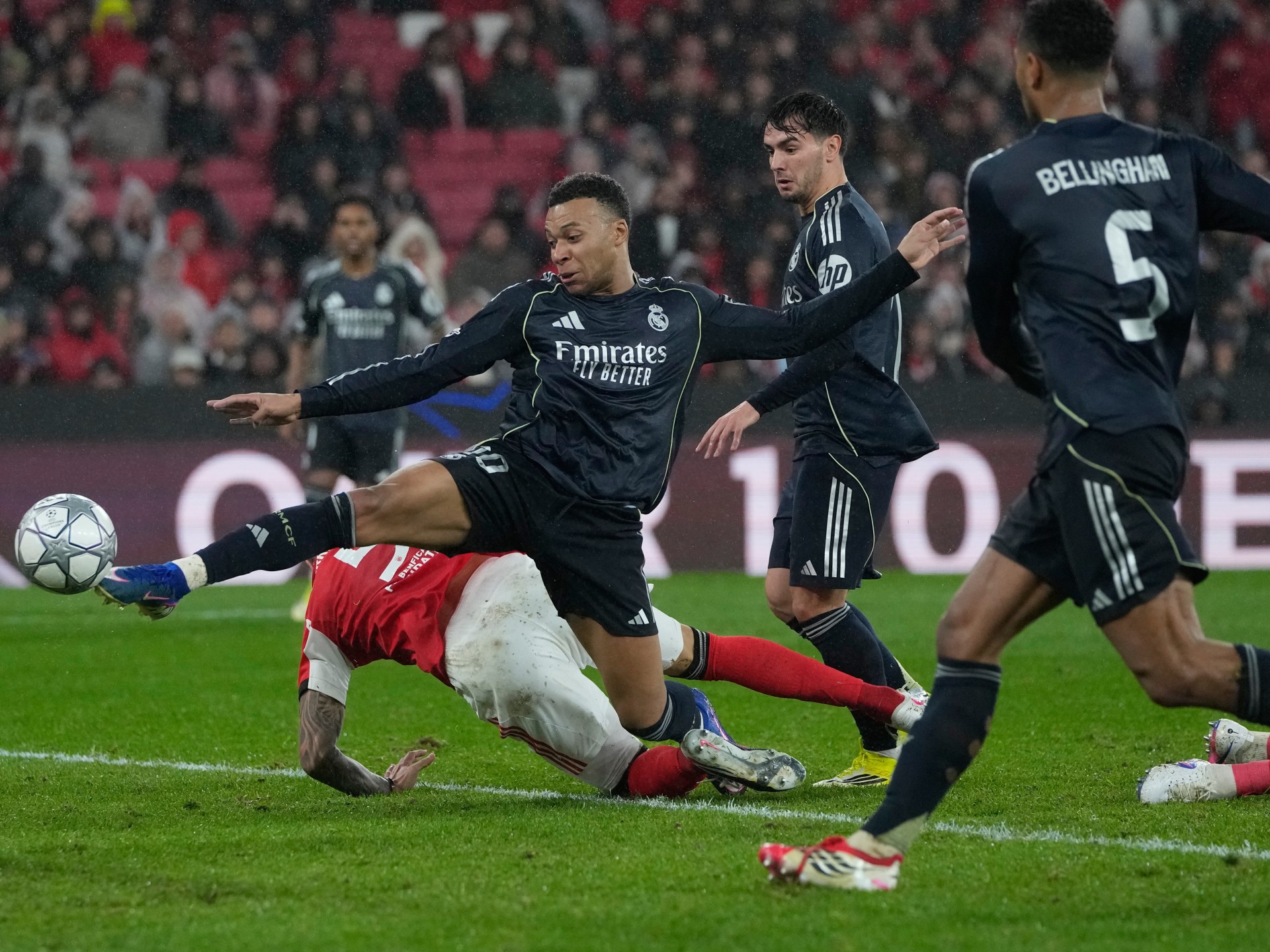
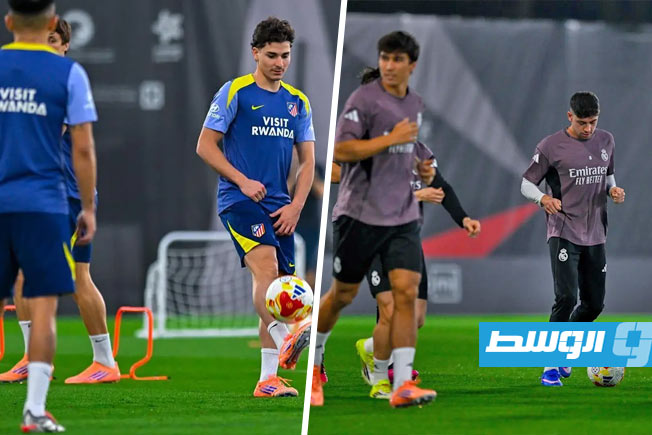
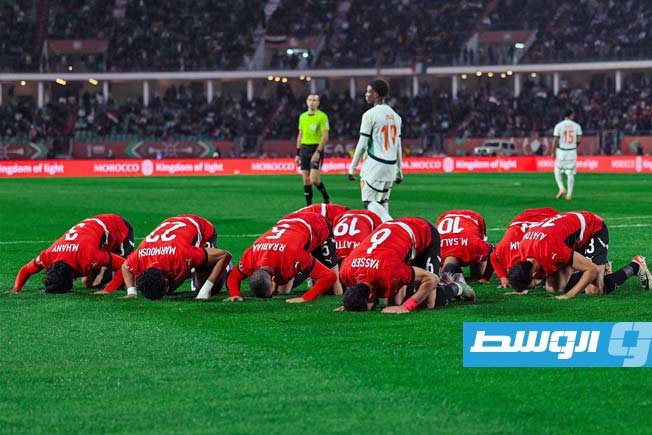
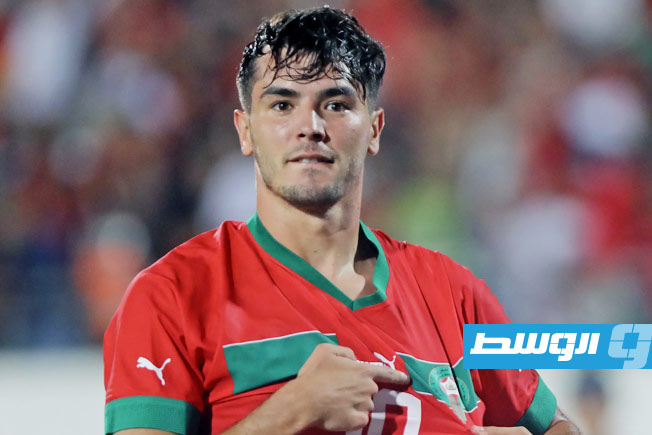
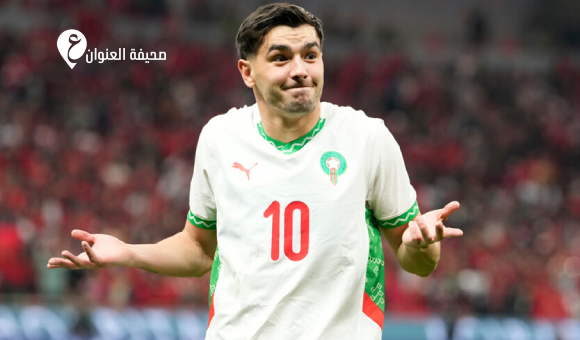
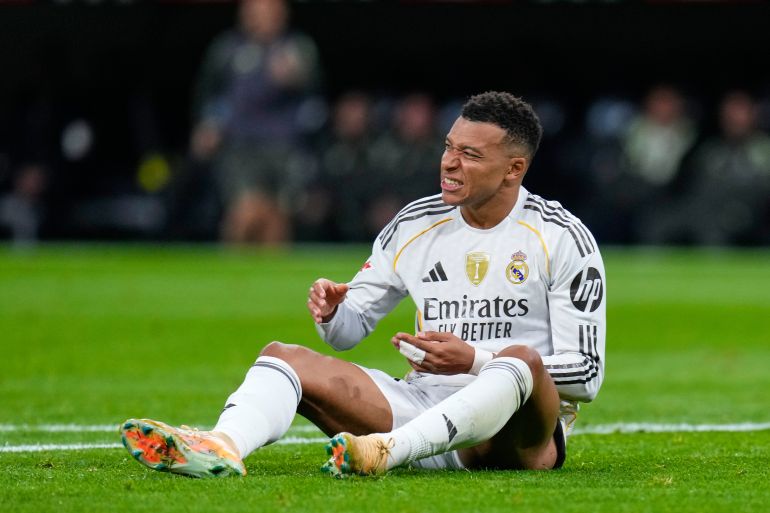
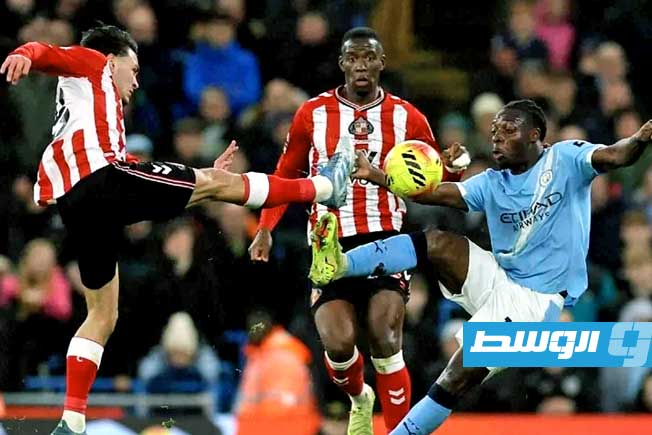
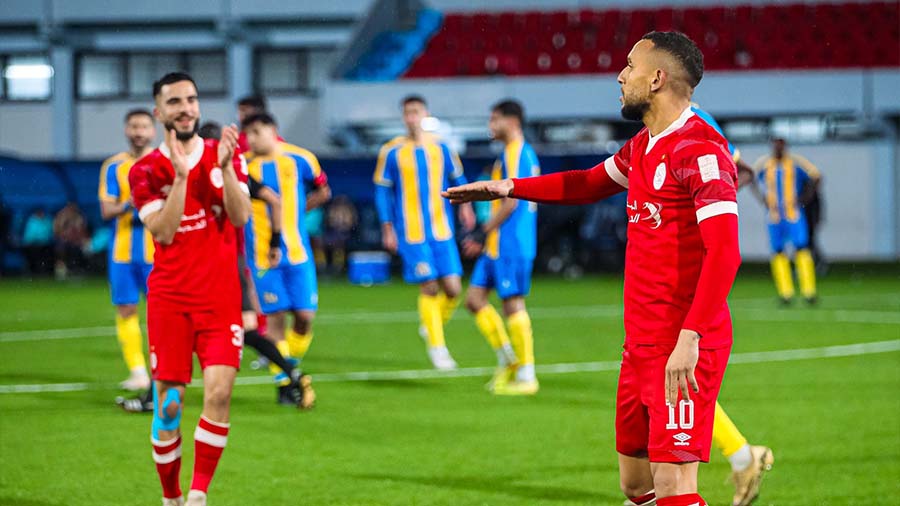
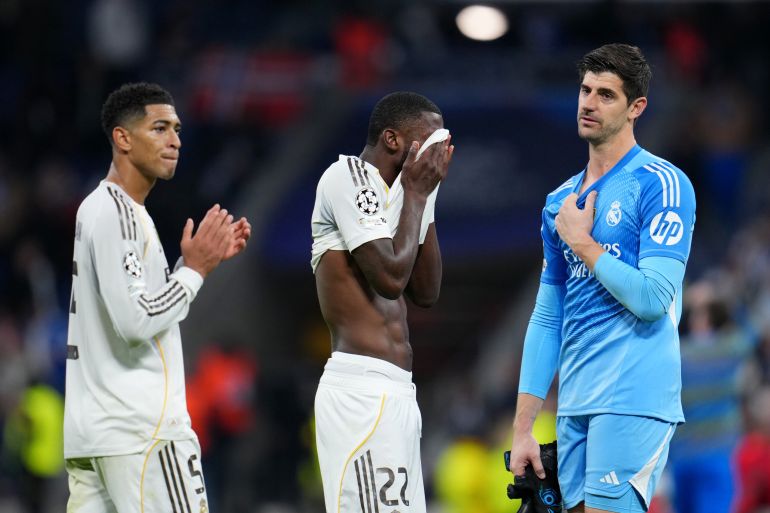
Brahim Diaz opened the scoring in the 26th minute, successfully following up on a header from Ayoub El Kaabi to score his fifth goal of the tournament, solidifying his position at the top of the scoring charts. He has now scored in five consecutive matches, showcasing the Real Madrid player’s remarkable form.
Ismaïl Saibari added the second goal in the 74th minute with a low shot that sealed the victory and confirmed the home side’s dominance.
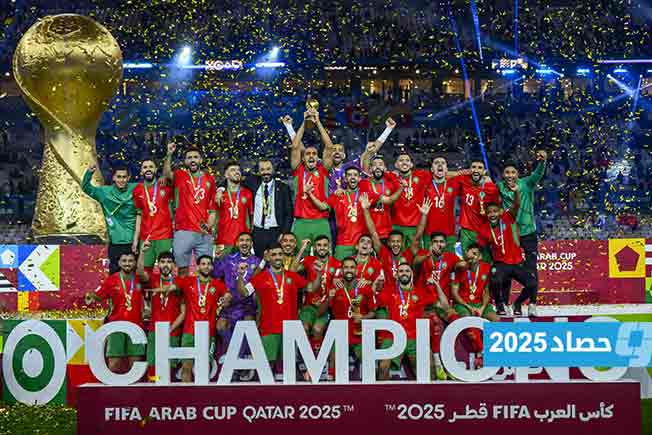
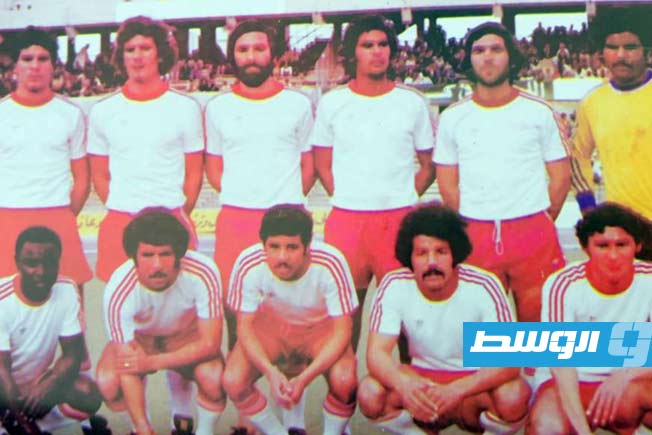
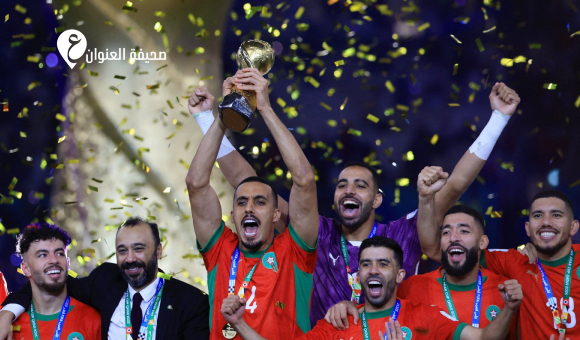
With this win, Morocco has reached the semi-finals for the first time since the 2004 edition, where they lost the final to host nation Tunisia. The only African team to have previously reached a World Cup semi-final continues its dream of winning the continental title for the second time in its history, after the 1976 triumph, aiming to end a 50-year wait.
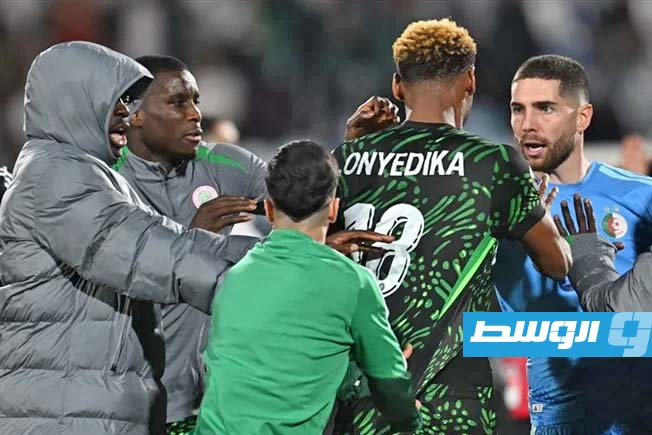
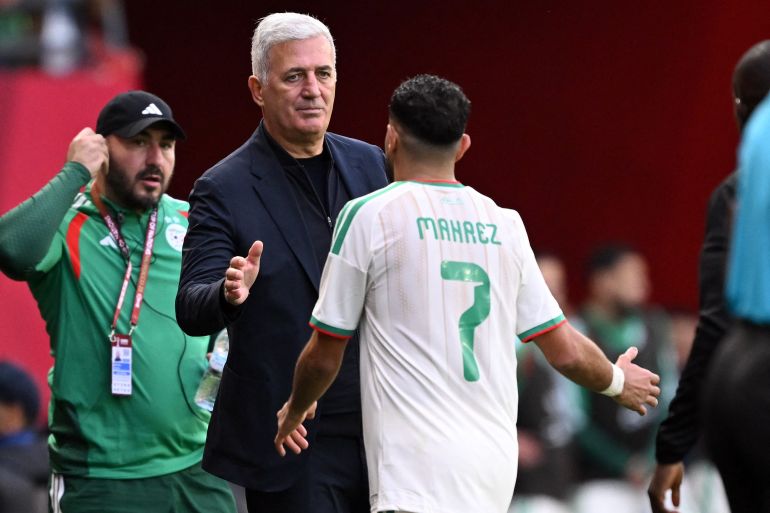
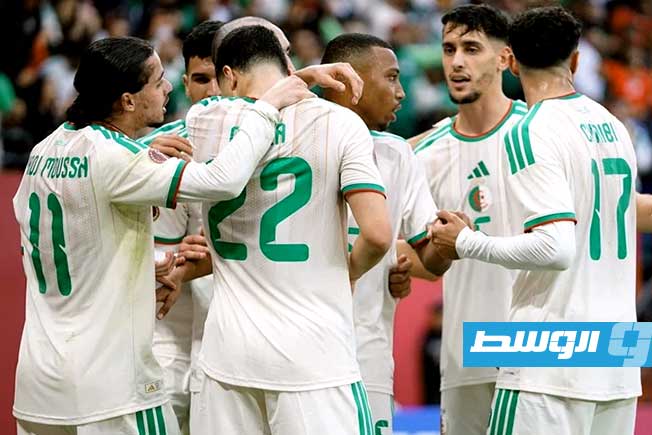
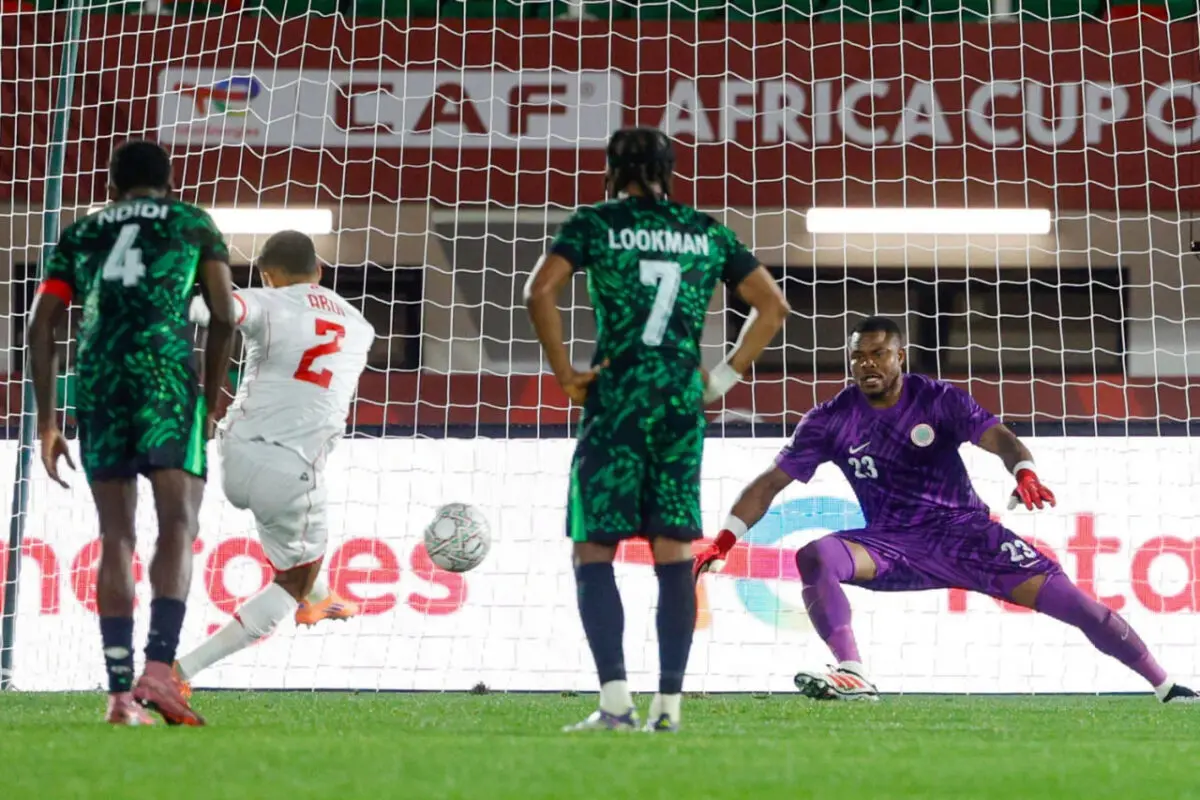
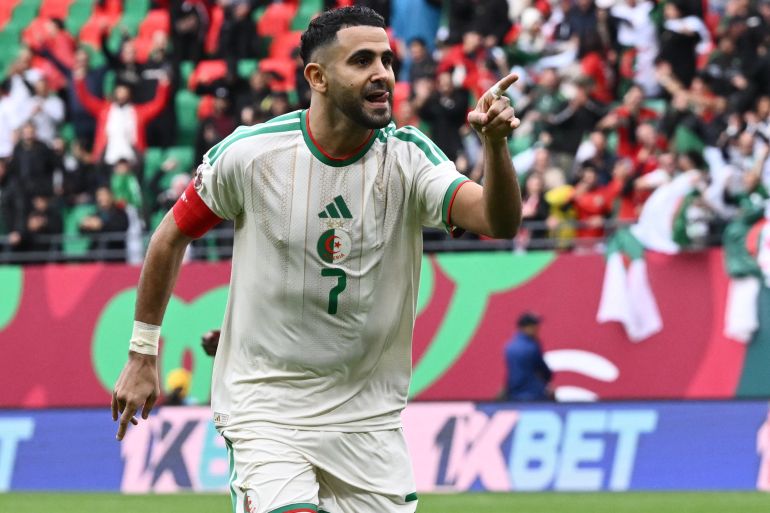
In the semi-final, Morocco awaits the winner of the match between Nigeria and Algeria, in a highly anticipated encounter with a historical dimension. The Moroccan and Algerian national teams have previously met four times in the Africa Cup of Nations quarter-finals, with the “Atlas Lions” winning twice, the “Desert Warriors” winning once, and one match ending in a draw.
Senegal Continues Title Defense
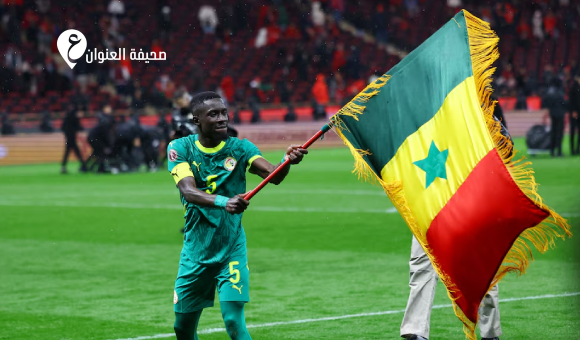
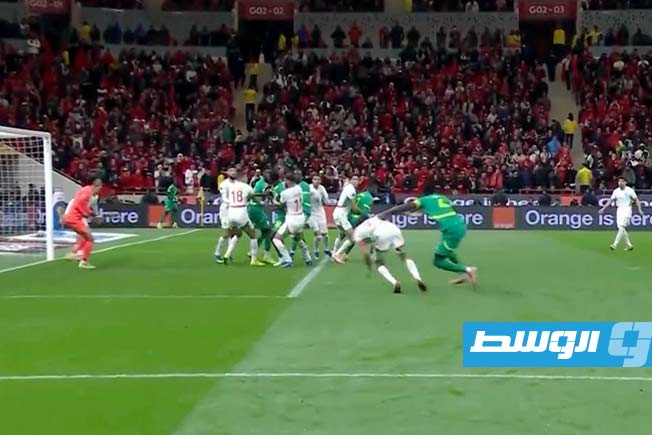
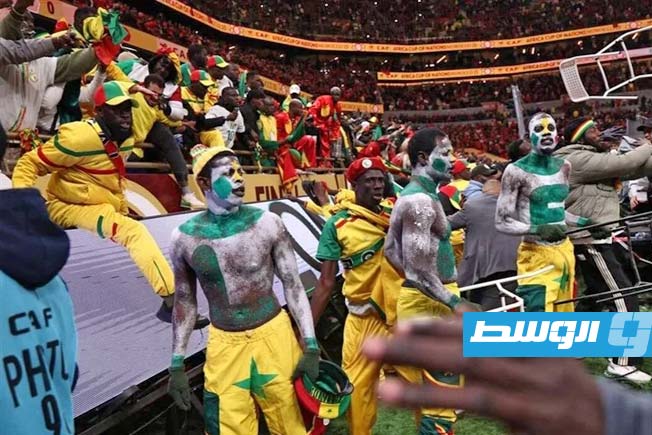
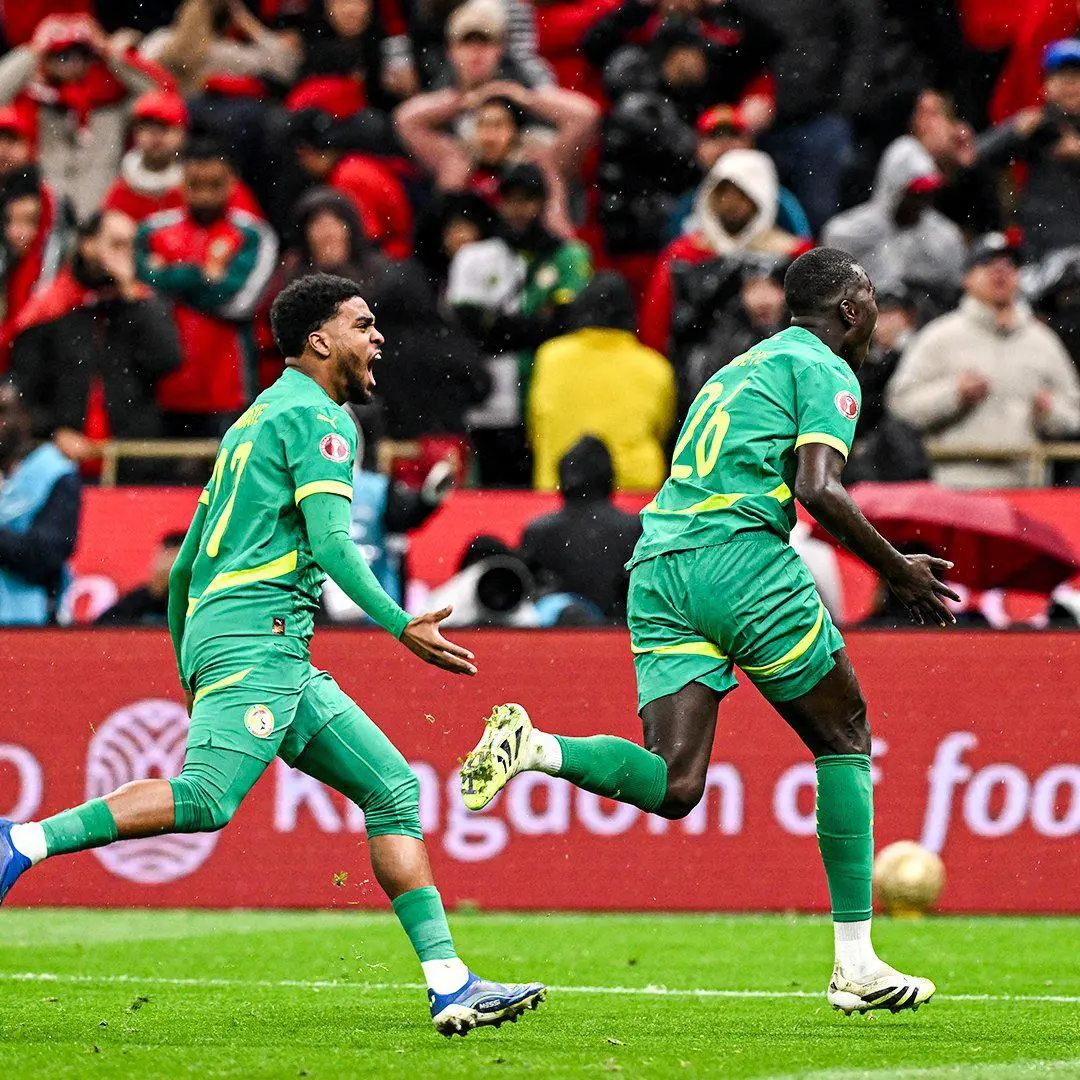
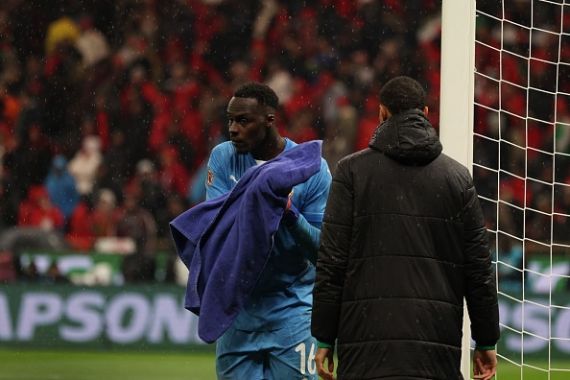
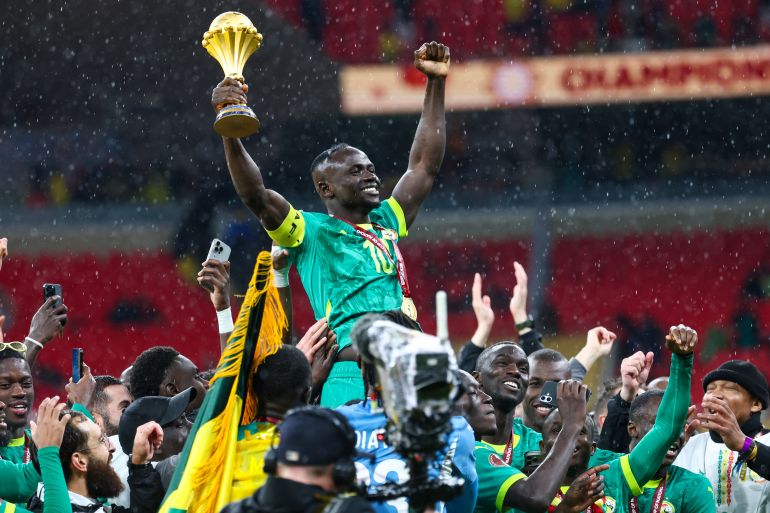
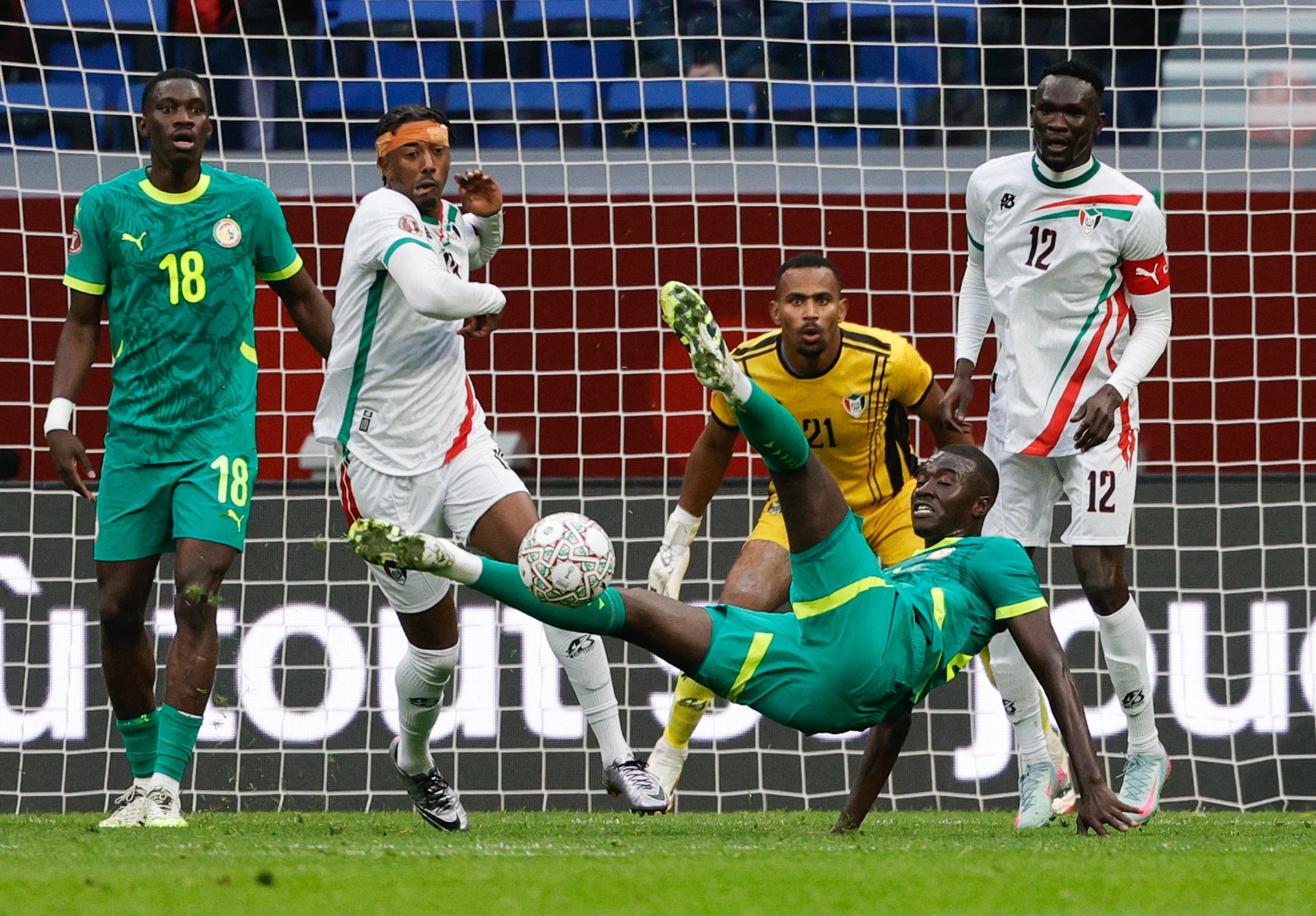
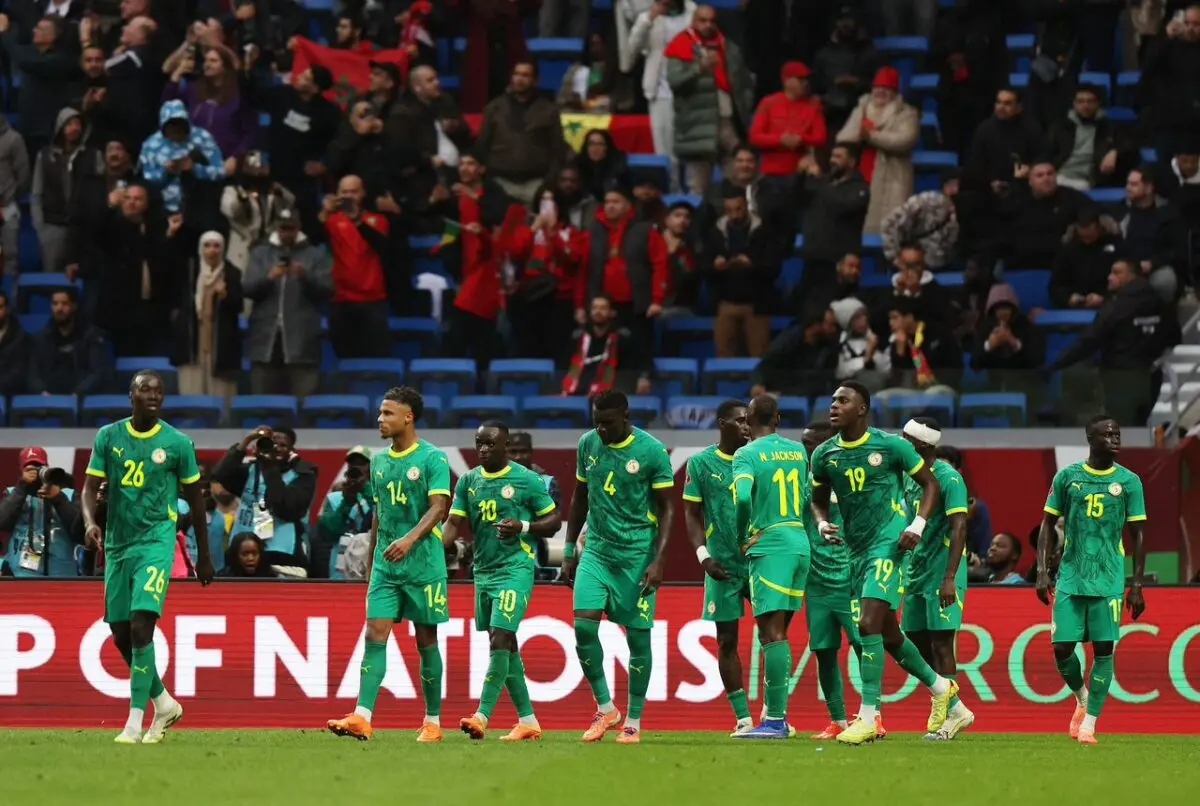
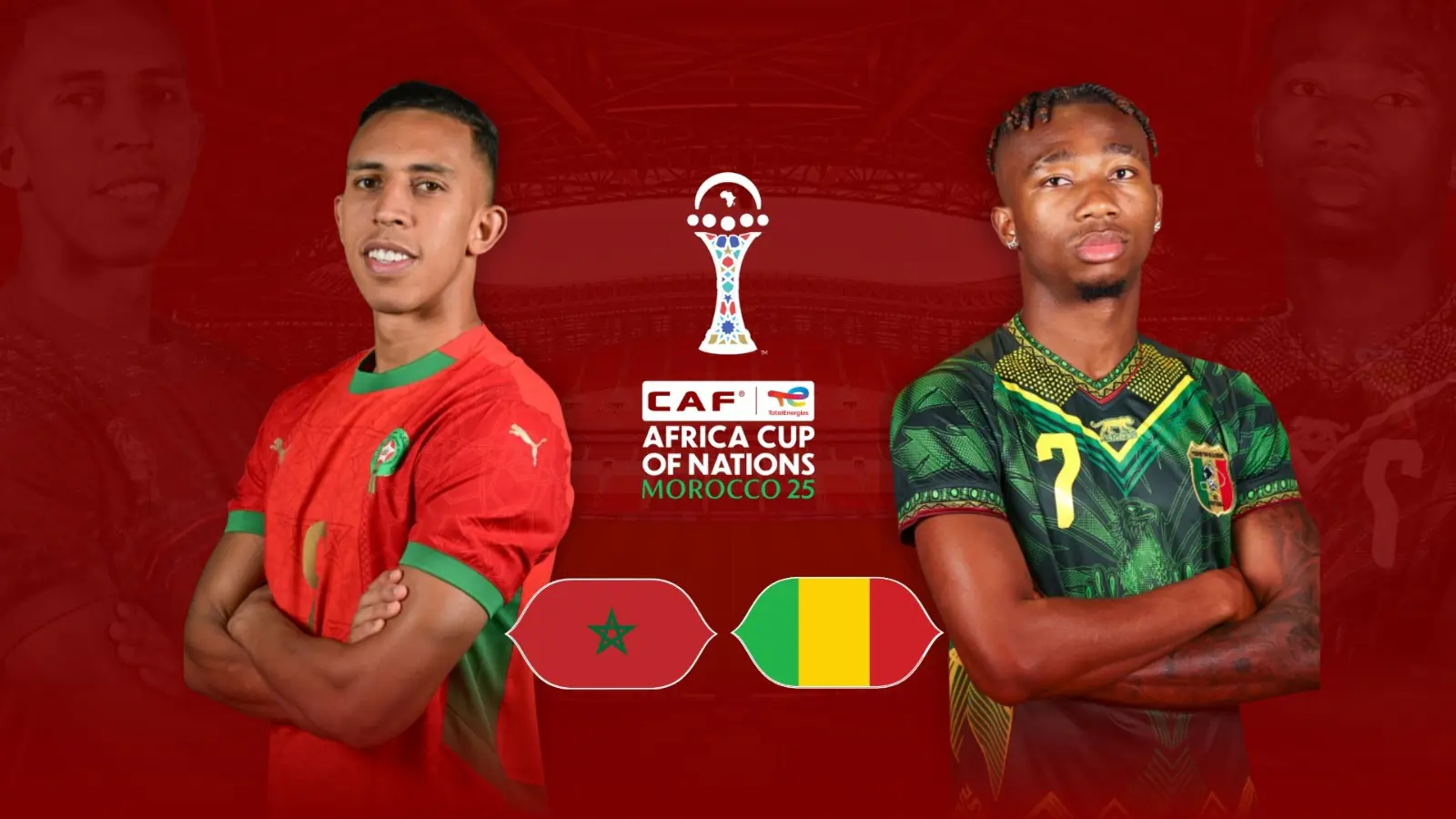
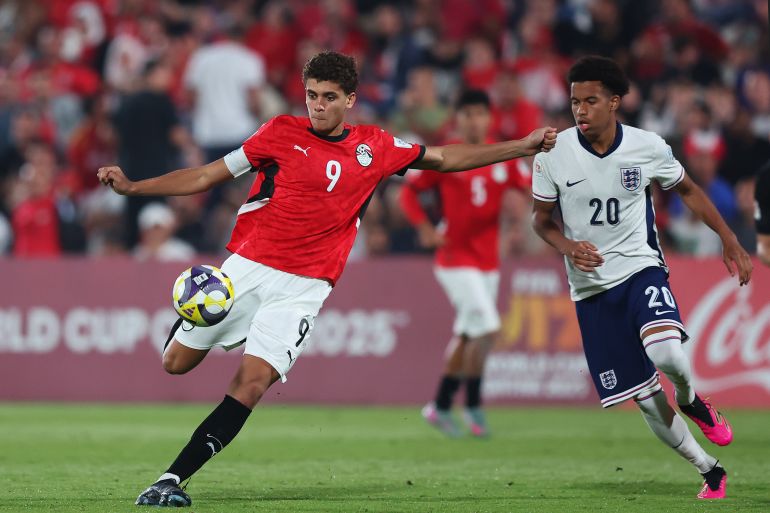
In another quarter-final match, the Senegalese national team became the first to qualify for the semi-finals after a hard-fought 1-0 victory over Mali, in a thrilling top clash between the West African neighbors.
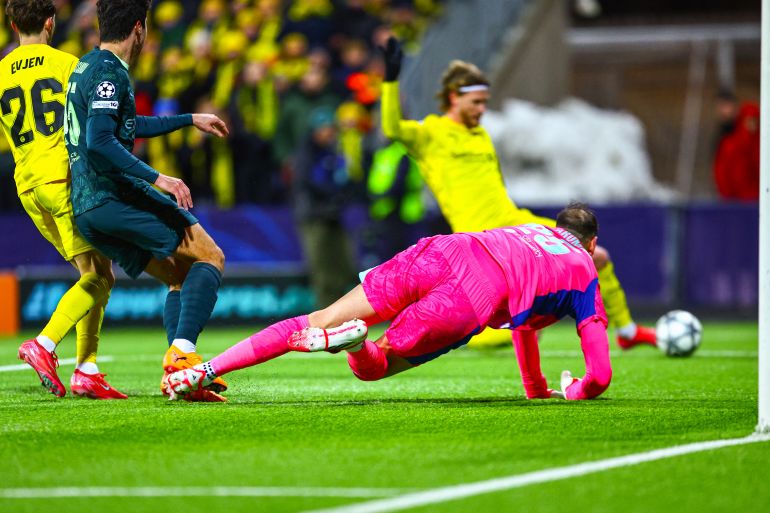
The only goal of the match came from Iliman Ndiaye in the 27th minute, capitalizing on a grave error from the Malian goalkeeper to give the “Lions of Teranga” the lead in a match characterized by strength, competitiveness, and tension until the final whistle.
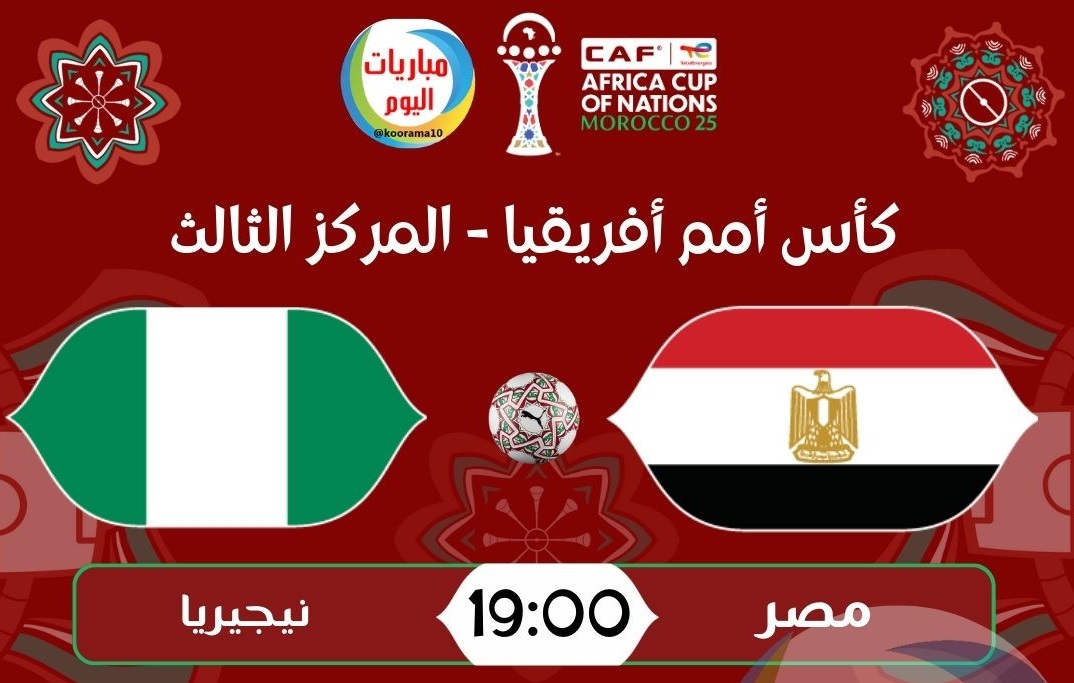
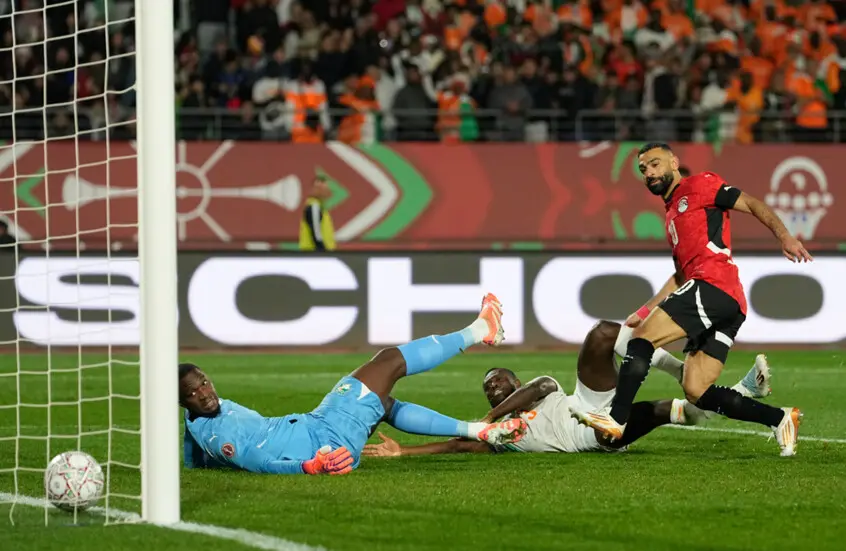
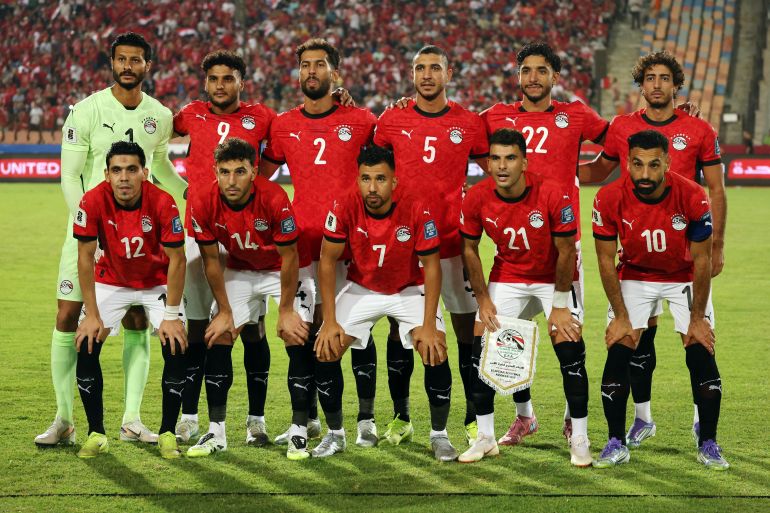
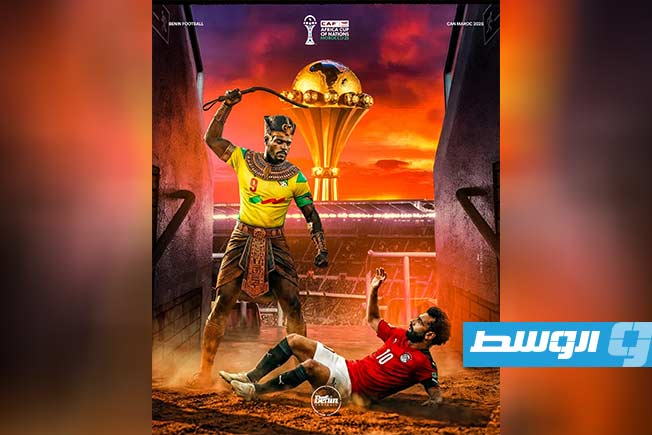
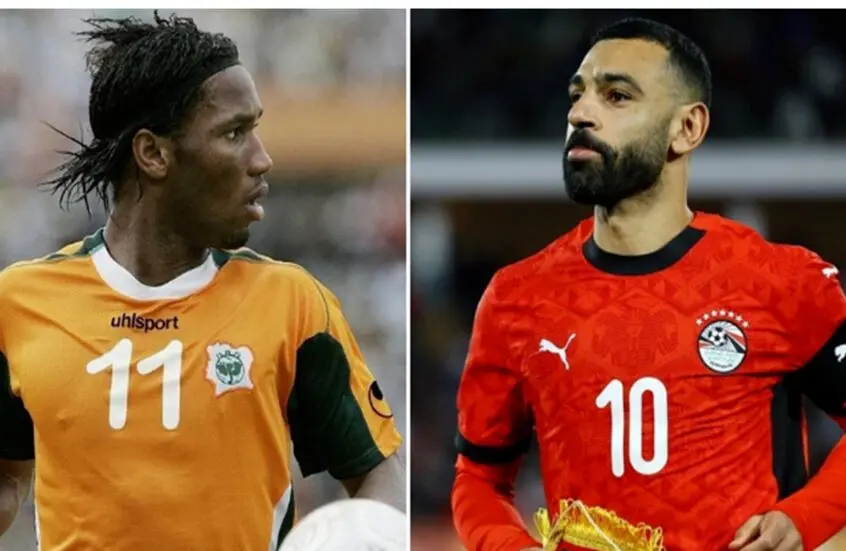
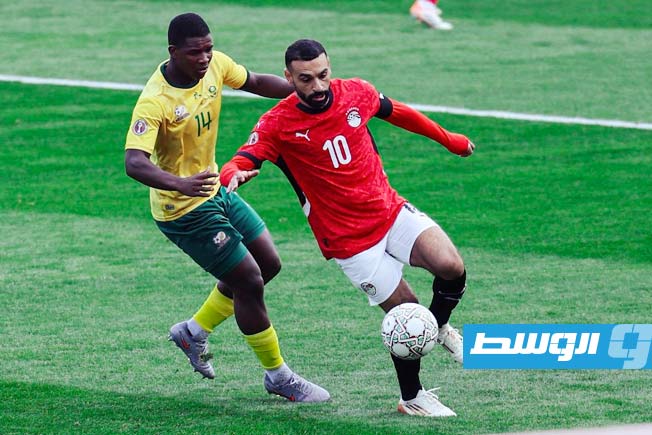
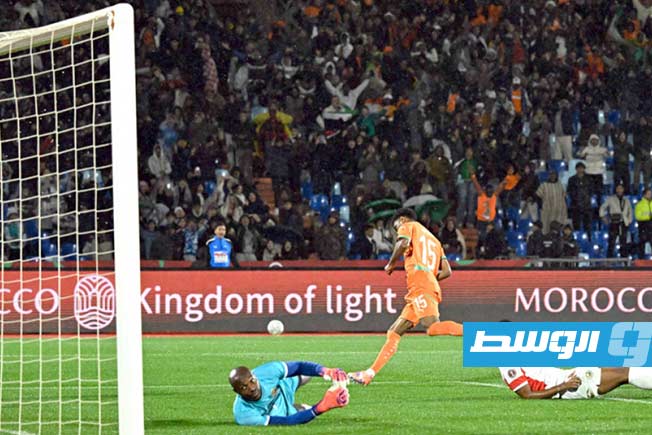
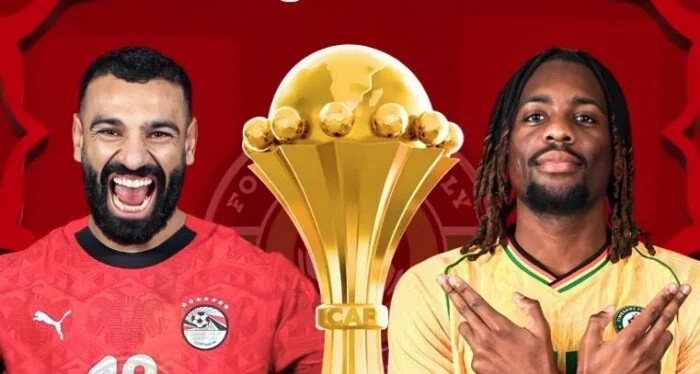
In the semi-final, the Senegalese team will await the winner of the match between Egypt and the defending champions, Ivory Coast, scheduled for Saturday, in what is considered one of the tournament’s standout fixtures.
Morocco
Morocco is a North African country with a rich history shaped by indigenous Amazigh (Berber) cultures, Arab influence from the 7th century, and successive dynasties like the Almoravids and Almohads. Its cultural sites, such as the ancient city of Fez and the Koutoubia Mosque in Marrakech, reflect this blend of Arab, Islamic, and Amazigh heritage. The country’s historic medinas, kasbahs, and varied landscapes from the Sahara Desert to the Atlas Mountains are central to its identity.
Senegal
Senegal is a West African nation with a rich history shaped by pre-colonial empires, French colonization, and its role as a major hub in the transatlantic slave trade. It gained independence in 1960 and is known for its cultural traditions of *Teranga* (hospitality), vibrant music like mbalax, and significant sites such as Gorée Island and the Grand Mosque of Touba.
Africa Cup of Nations
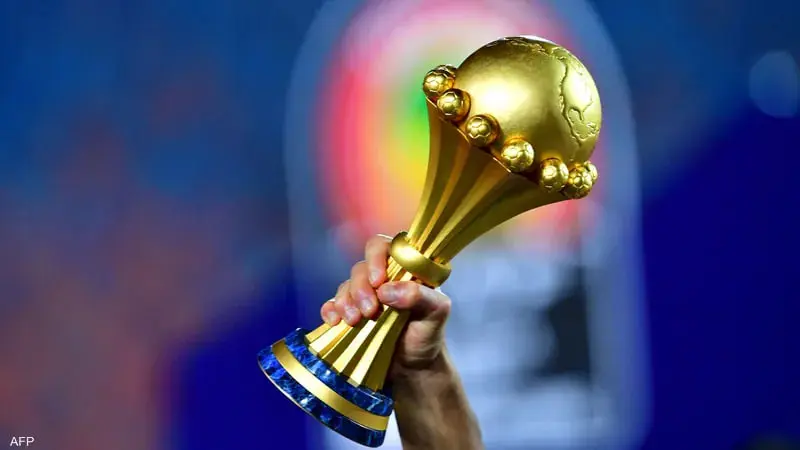
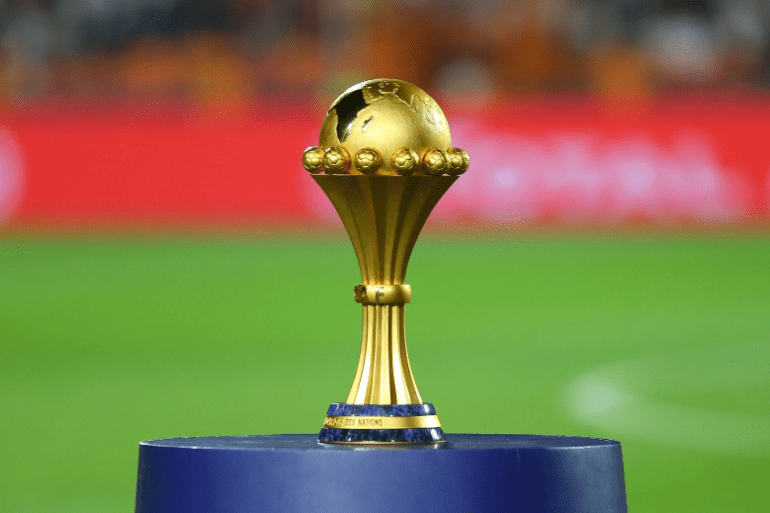
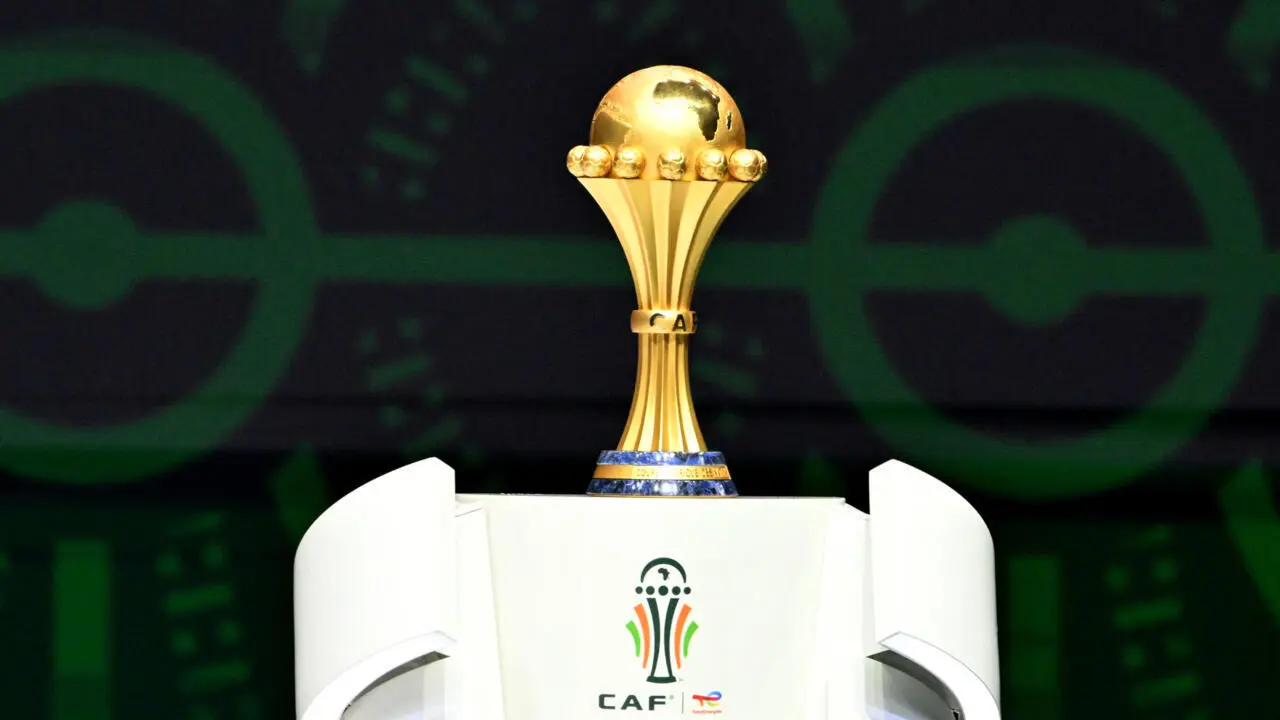
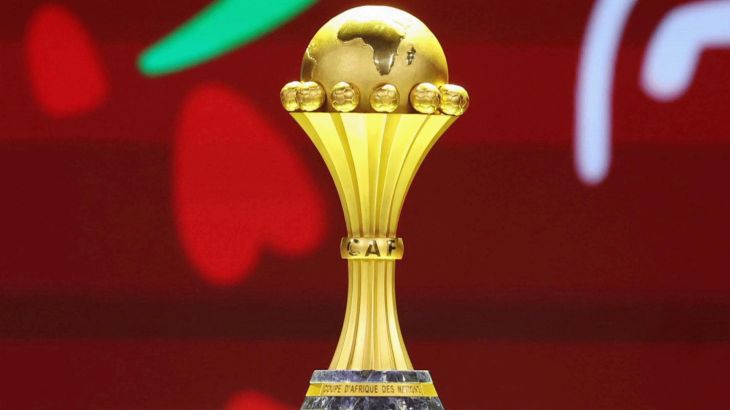
The Africa Cup of Nations is the premier international men’s football competition in Africa, first held in 1957. It was founded to unite African nations emerging from colonialism and is organized by the Confederation of African Football (CAF).
Cameroon
Cameroon is a Central African country with a rich cultural heritage shaped by over 200 ethnic groups and a complex colonial history involving German, French, and British rule before its independence in 1960. It is often referred to as “Africa in miniature” due to its diverse geography, which includes beaches, deserts, mountains, and rainforests, as well as its blend of French and English official languages.
Real Madrid
Real Madrid is a professional football club based in Madrid, Spain, founded in 1902. It is one of the world’s most successful and widely supported clubs, renowned for its record number of European Cup/UEFA Champions League titles. The club’s history is deeply intertwined with Spanish culture and politics, having been granted royal patronage in 1920, which led to its “Real” (Royal) name.
Tunisia
Tunisia is a North African country with a rich history shaped by numerous civilizations, including the ancient Phoenicians, Romans, Arabs, and Ottomans. Its cultural landscape is famously marked by the archaeological site of Carthage and the well-preserved Roman amphitheater at El Jem. Today, it is known as the birthplace of the Arab Spring and for its Mediterranean coastline and historic medinas.
Nigeria
Nigeria is a West African country with a rich history shaped by ancient kingdoms like the Nri, Benin, and Oyo, as well as the transatlantic slave trade and British colonial rule before gaining independence in 1960. It is Africa’s most populous nation and a cultural powerhouse, globally influential through its Nollywood film industry, diverse music, and vibrant artistic traditions.
Algeria
Algeria is a North African nation with a rich history shaped by indigenous Berber cultures, successive empires, and a significant period as a French colony, gaining independence in 1962 after a protracted war. Its cultural landscape features diverse UNESCO World Heritage Sites, including the ancient Roman ruins of Timgad and the unique Casbah of Algiers.
Mali
Mali is a West African nation historically renowned as the heart of the powerful Mali Empire, which flourished from the 13th to 16th centuries and was famed for its wealth, particularly under Emperor Mansa Musa. Today, it is home to significant UNESCO World Heritage Sites, including the ancient cities of Timbuktu and Djenné, which were major centers of Islamic scholarship and trade.
Egypt
Egypt is home to one of the world’s oldest civilizations, with a recorded history spanning over 5,000 years and famed for its pharaohs, pyramids, and monuments along the Nile River. Its cultural legacy, from ancient wonders like the Giza pyramid complex to Islamic Cairo, continues to be a profound influence on art, architecture, and history globally.
Ivory Coast
The Ivory Coast, officially known as Côte d’Ivoire, is a West African nation whose history includes powerful pre-colonial kingdoms, French colonization from the late 19th century, and independence in 1960. A major cultural site is the historic town of Grand-Bassam, a UNESCO World Heritage site that was the first French colonial capital and features well-preserved 19th and early 20th-century architecture. The country is also renowned for its diverse cultural traditions, including music genres like *coupé-décalé* and the famous Goli mask festivals of the Baule people.