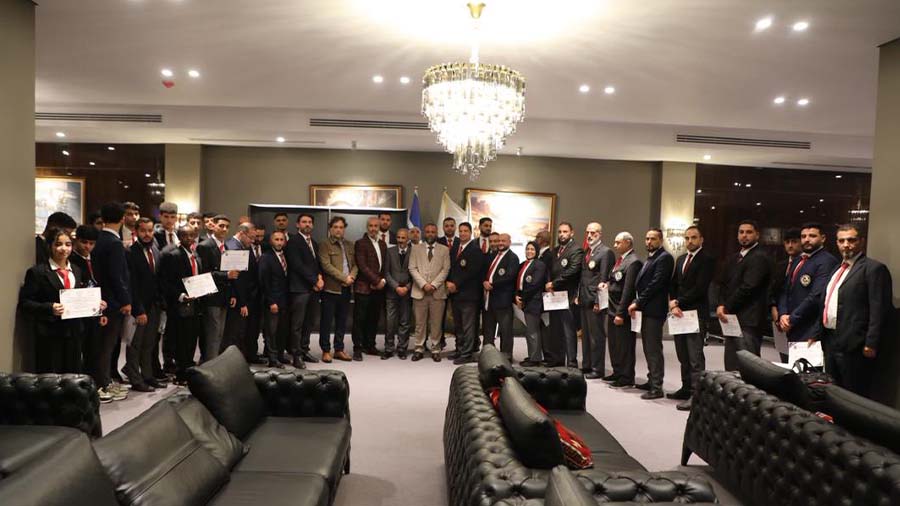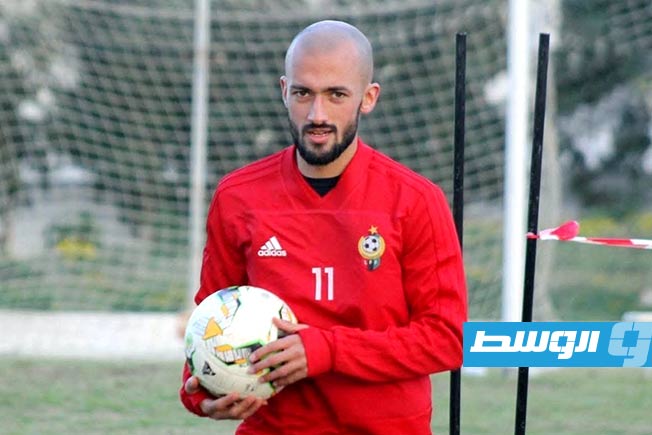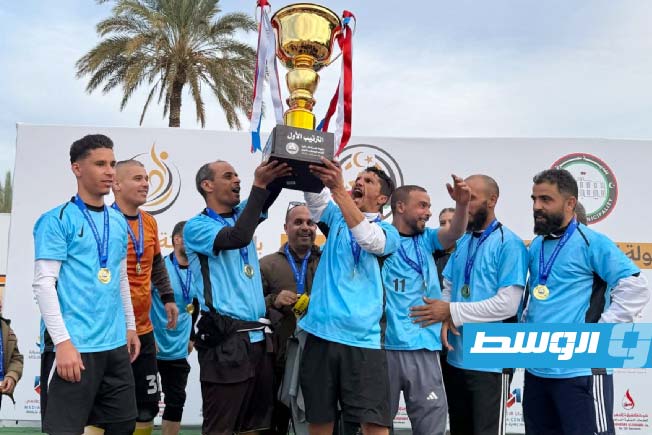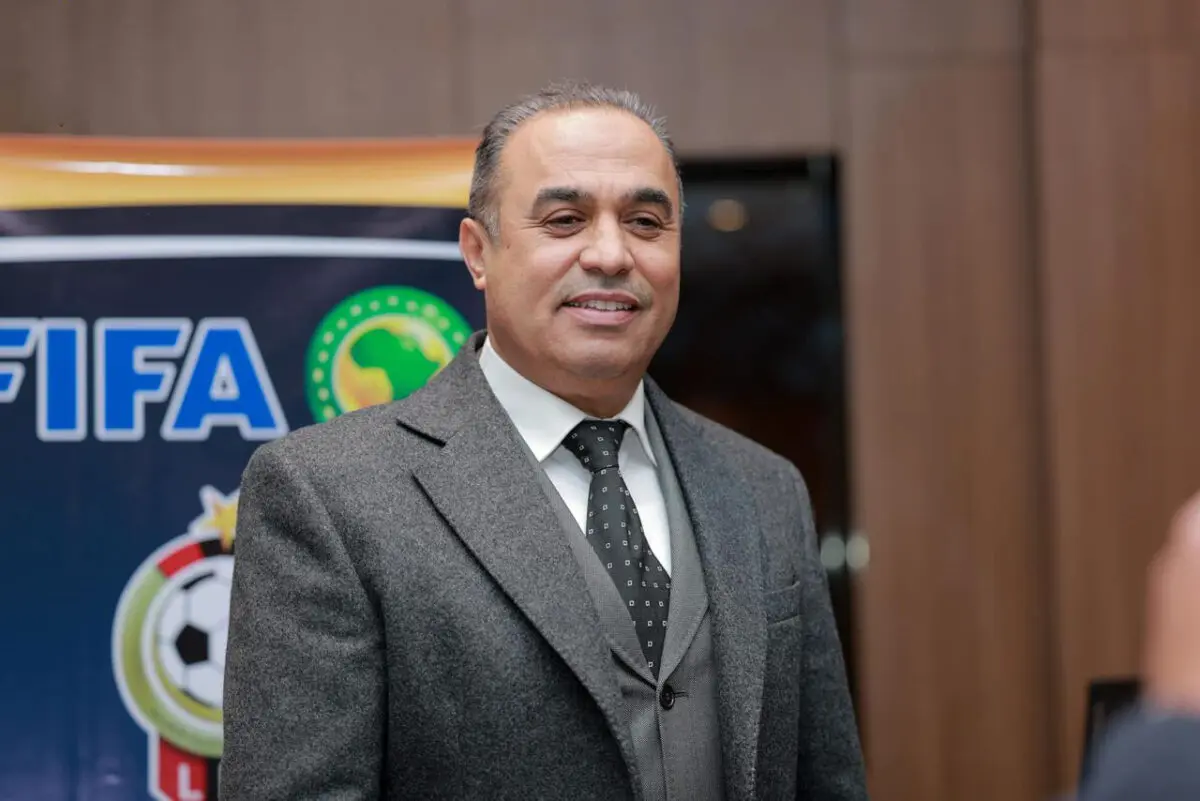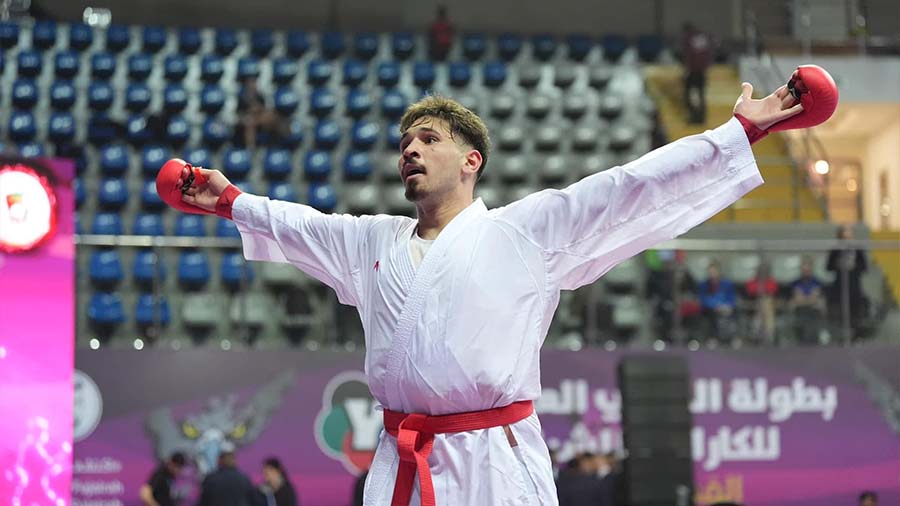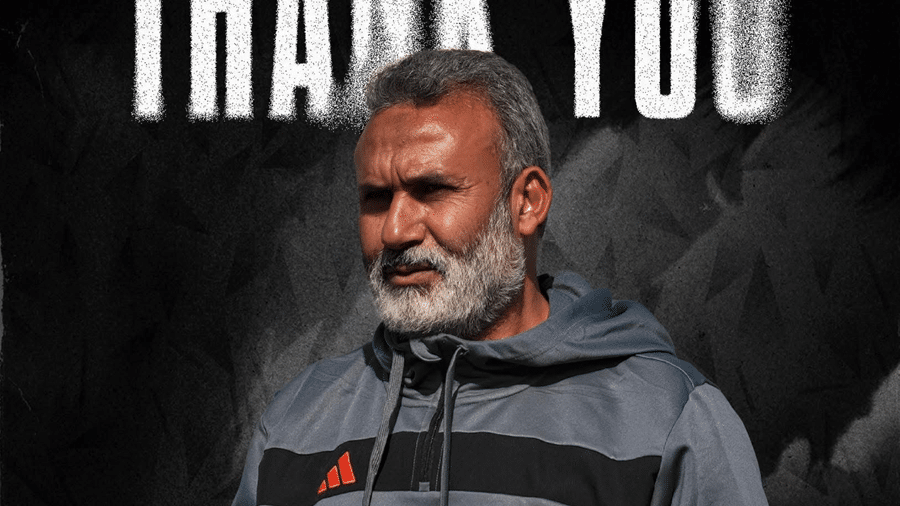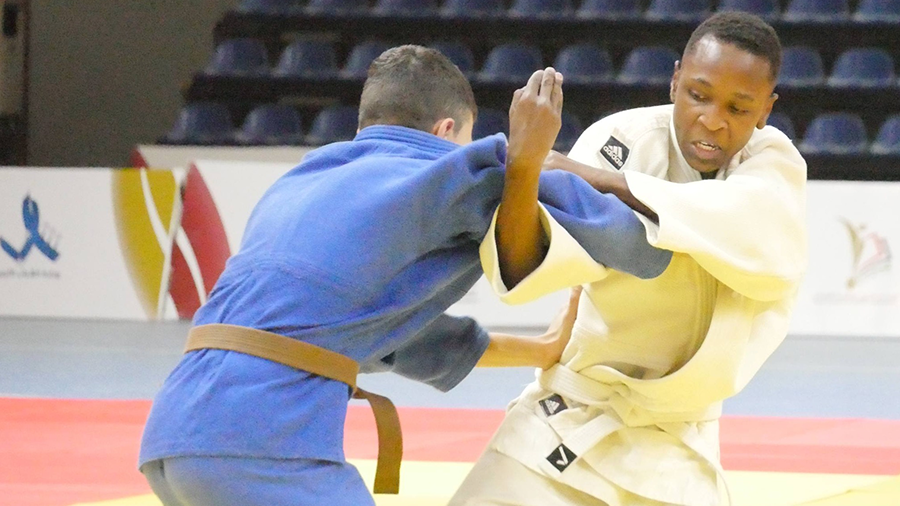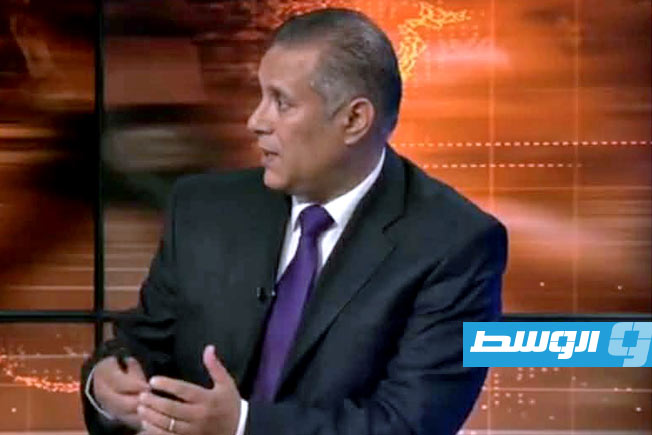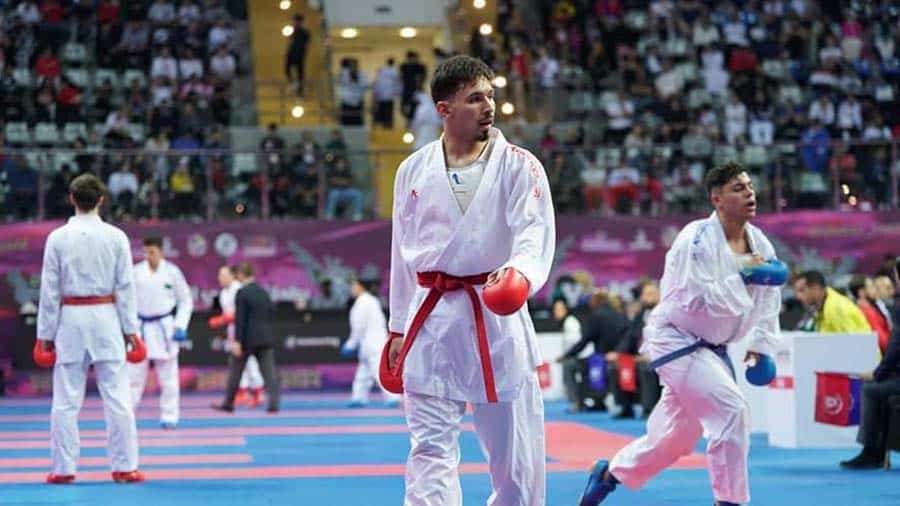
The champion Nouri Al-Saadawi finished in fifth place in the World Karate League competitions held in Georgia.
Al-Saadawi missed the chance to win the bronze medal after losing to his Egyptian opponent in the qualifying matches for the third-place playoff.
During the group stage, Al-Saadawi had finished second in his group, achieving three victories against one loss, which came against the group leader, the Iranian Mehdi Ashouri Jarmagani.
Al-Saadawi is expected to advance in the world rankings after achieving a high position in these global competitions, as he currently holds the 50th position worldwide.
World Karate League
The World Karate League is a global competitive circuit for professional karate, established to organize and promote elite-level tournaments for athletes worldwide. It operates under the governance of the World Karate Federation, the sport’s international governing body recognized by the International Olympic Committee, and its events contribute to the qualification pathway for major games like the Olympics.
Georgia
Georgia is a country in the Caucasus region of Eurasia, with a rich history dating back to ancient kingdoms like Colchis and Iberia. It is renowned for its unique cultural heritage, including its own alphabetic script and traditions of winemaking that are among the oldest in the world. Key historical sites include the cave city of Uplistsikhe and the medieval monasteries of Mtskheta, a UNESCO World Heritage site.
Egypt
Egypt is home to one of the world’s oldest civilizations, with a recorded history spanning over 5,000 years and famed for its pharaohs, pyramids, and monuments along the Nile River. Its cultural legacy, from ancient wonders like the Giza pyramid complex to Islamic architecture in Cairo, continues to be a profound global influence. Modern Egypt is a central political and cultural hub in the Arab world, built upon these ancient foundations.
Iran
Iran, historically known as Persia, is home to one of the world’s oldest continuous civilizations, with a recorded history spanning thousands of years and empires such as the Achaemenid and Sassanian. Its rich cultural heritage is evident in iconic sites like Persepolis and Isfahan’s Naqsh-e Jahan Square, reflecting profound contributions to art, science, and architecture. Following the 1979 Islamic Revolution, it became an Islamic Republic, blending its ancient identity with a theocratic political system.