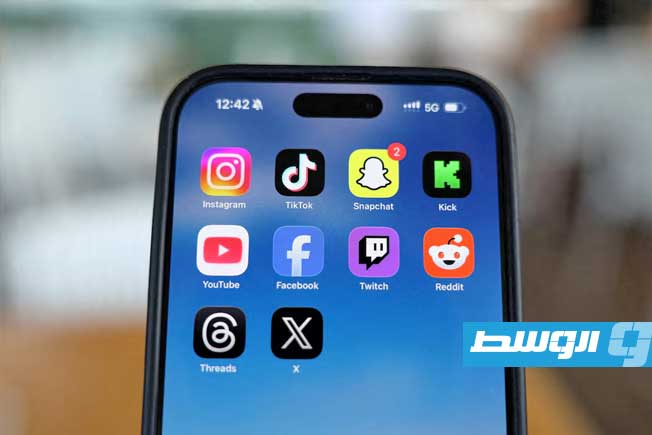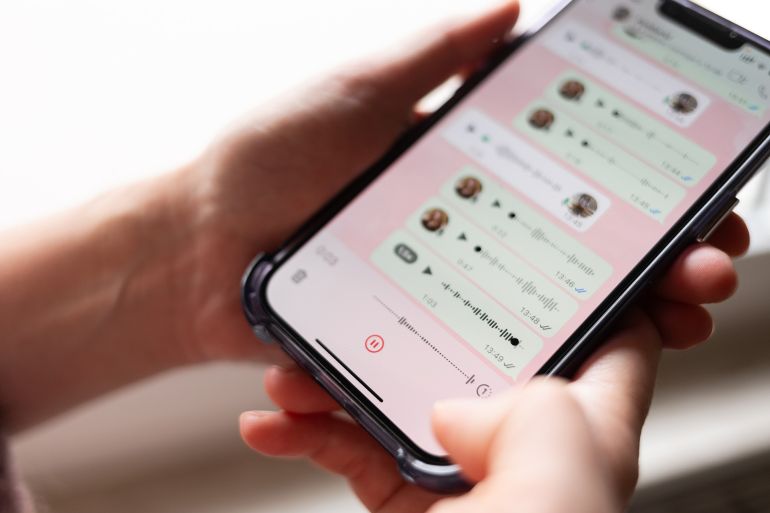
In our world today, communicating with family or friends no longer requires a meeting or even a phone call, as text messages reign supreme as the most used method. With increasing rates of social anxiety, especially among younger generations, many prefer to hide behind screens, to the point that a ringing phone can cause anxiety or surprise for some.
But have we ever thought about what we lose when we replace our voices with silent texts?
Why do messages sometimes fail to convey emotions?
They have become an essential part of our daily communication, a quick and effective tool for simple situations and light emotional exchanges. However, they lose much of their effectiveness when it comes to more sensitive and profound topics. Communication experts confirm that the optimal use of text messaging remains limited to logistical aspects, such as scheduling appointments or quick check-ins, alongside its role as a space that gives the other party time to think before engaging in serious discussions.
Conversely, messages can play a preparatory role for dialogue, serving as a quiet entry point for deeper discussions through simple phrases like, “Can we talk later?”, which opens the door to communication without direct confrontation or emotional surprise.
Nevertheless, text messages remain a limited medium, lacking the tone of voice that forms the core of meaning in human communication. Written words, no matter how clear they seem, remain susceptible to misunderstanding in the absence of vocal tone, body language, and facial expressions. Even neutral sentences can be read as cold or sharp, depending on the recipient’s psychological state or prior expectations, which can hurt feelings and complicate conflicts instead of resolving them.
Despite attempts to compensate for this deficiency by using “emoji” or punctuation marks, these methods do not always guarantee the intended meaning is conveyed. Long disputes often arise due to a single misunderstood word or a punctuation mark placed out of context.
Experts attribute this to what is known as “negative bias,” where the mind automatically tends to interpret ambiguous messages negatively in the absence of vocal tone. A simple word like “okay” might be understood as an expression of annoyance or anger, while hearing it in a calm tone carries a meaning of acceptance and satisfaction.
One of the most dangerous drawbacks of text conversations is that they are sometimes used as a tool for venting harsh emotions, where some hide behind the screen to hurl hurtful words, avoiding facing the immediate impact of those words on the other person’s feelings, facial expressions, and tone of voice.

When are text messages the best choice?
Despite the limitations of text messages in conveying deep emotions, they remain an effective and convenient communication tool in certain contexts, and even serve as a safe haven for some. For people suffering from social anxiety or excessive sensitivity, messaging provides a kind of “protective shield” that gives them a sense of control and the ability to formulate their thoughts without the pressure of an immediate response.
Generally, it is preferable to rely on messaging only in the following situations:
- Coordination and logistics: Such as arranging appointments, exchanging addresses, or making quick plans.
- Routine daily updates: Sharing fleeting details not charged with emotions.
- Light social communication: Like saying good morning, or checking in on a sick person without disturbing them with a call that might tire them.
- Sharing visual moments: Sending photos and videos that express a shared memory or funny situation.
Furthermore, text messages play a vital role in “managing emotional crises” before they escalate, acting as a tool to calm conflict and defuse charged situations. Instead of continuing a heated verbal argument, a short, thoughtful message like: “I want to talk, but I need some time now to calm down and organize my thoughts” can break the cycle of attack and defense, giving both