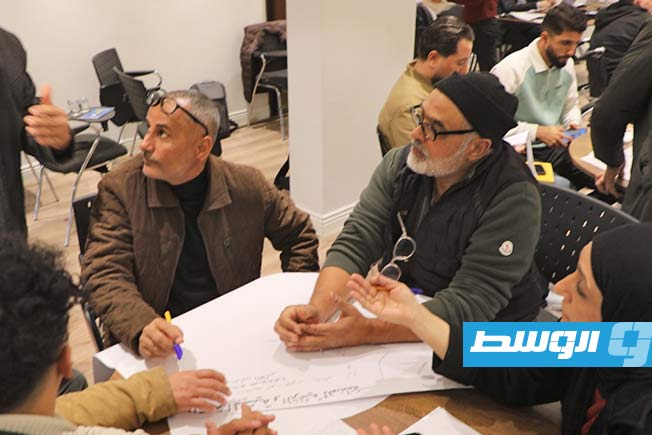
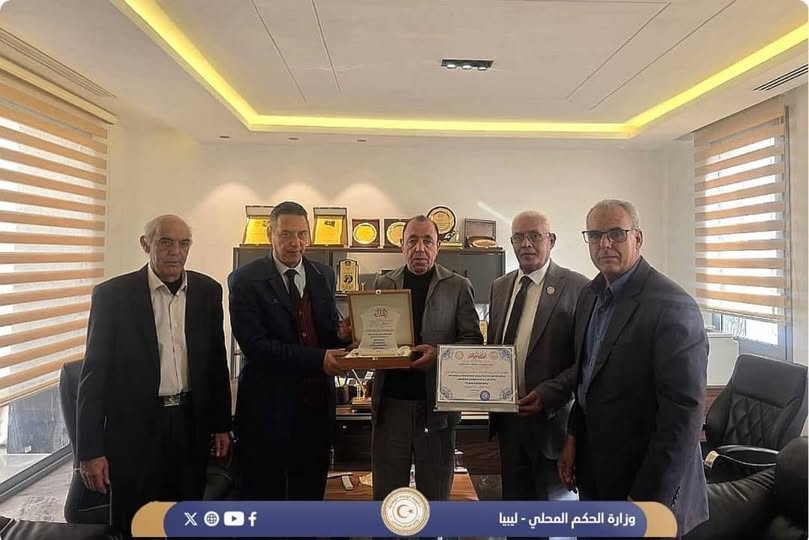
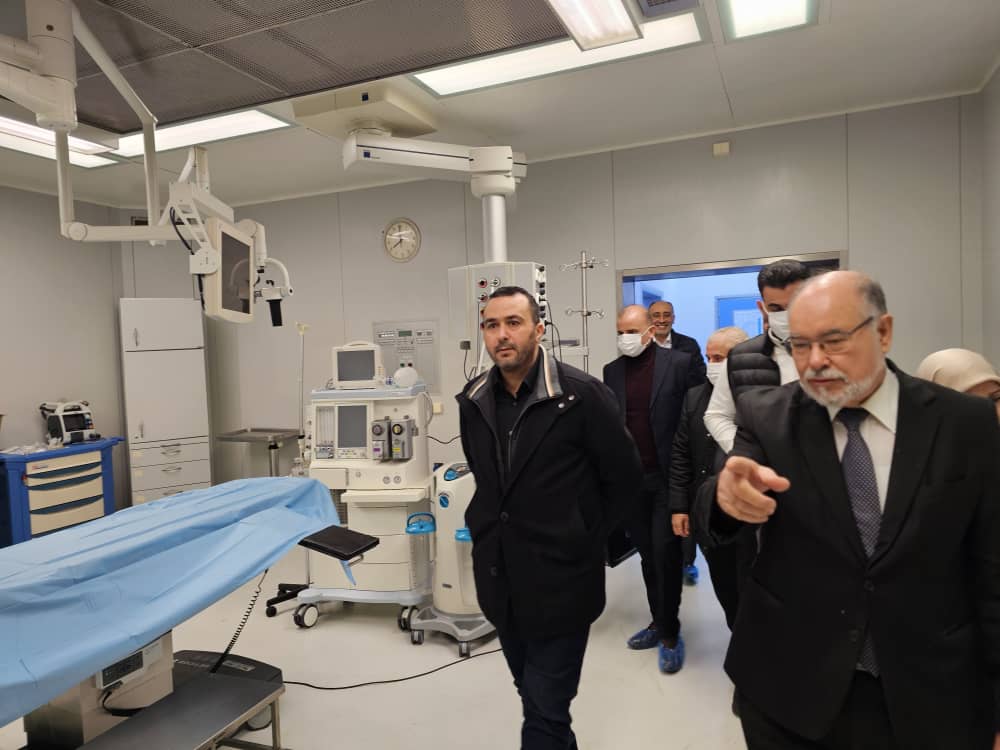
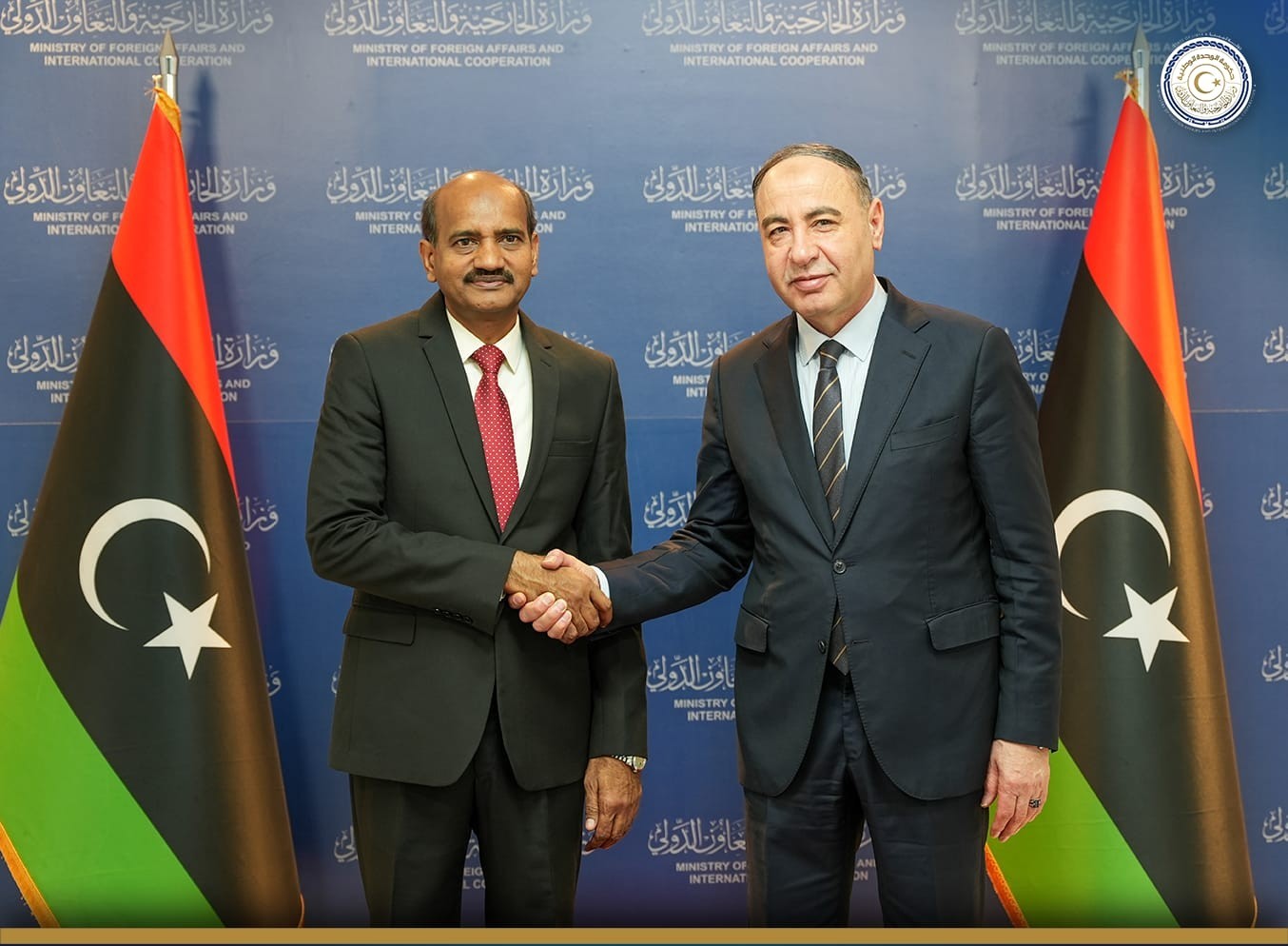
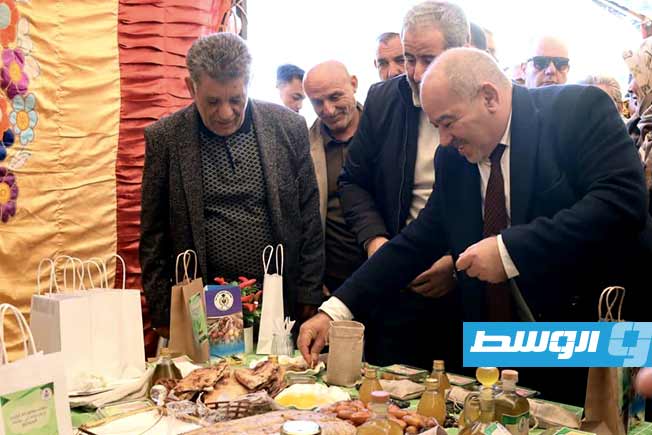
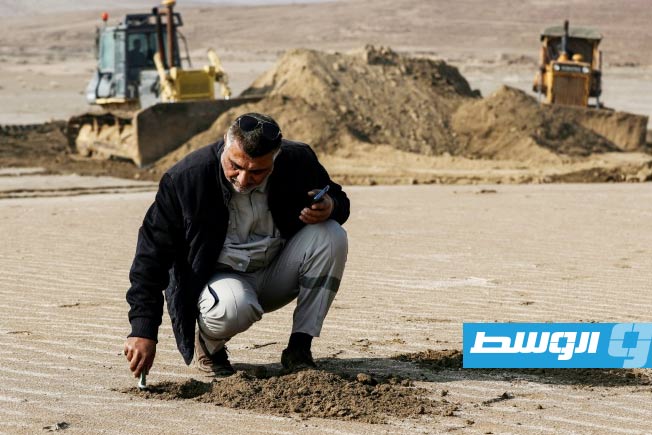
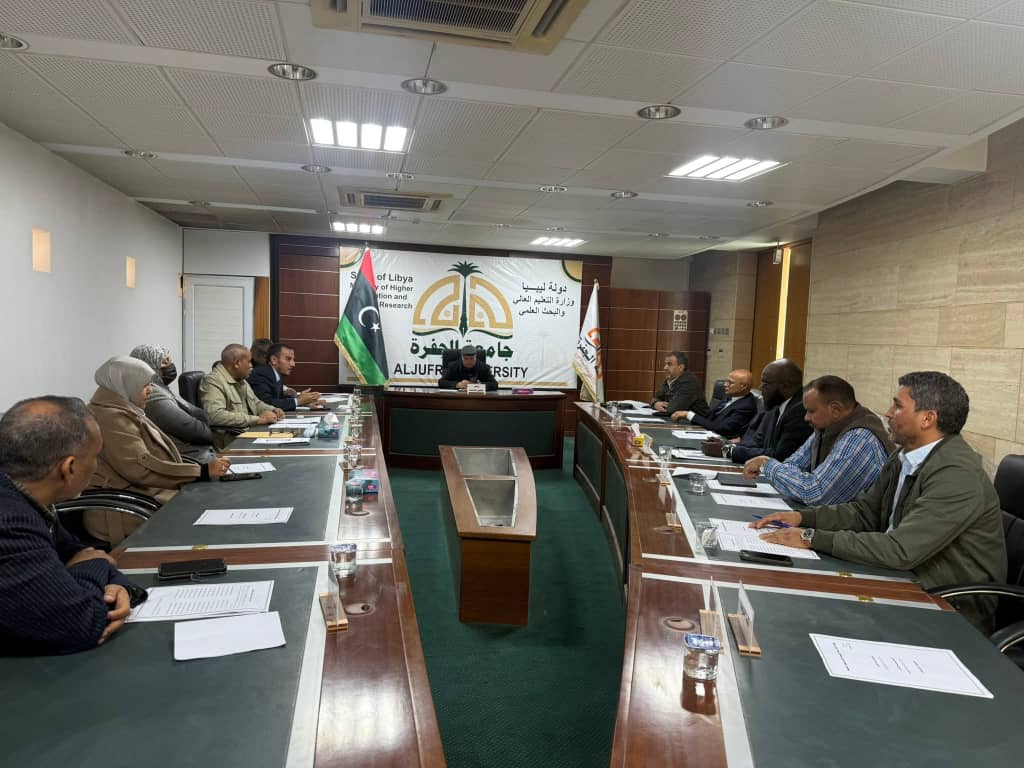
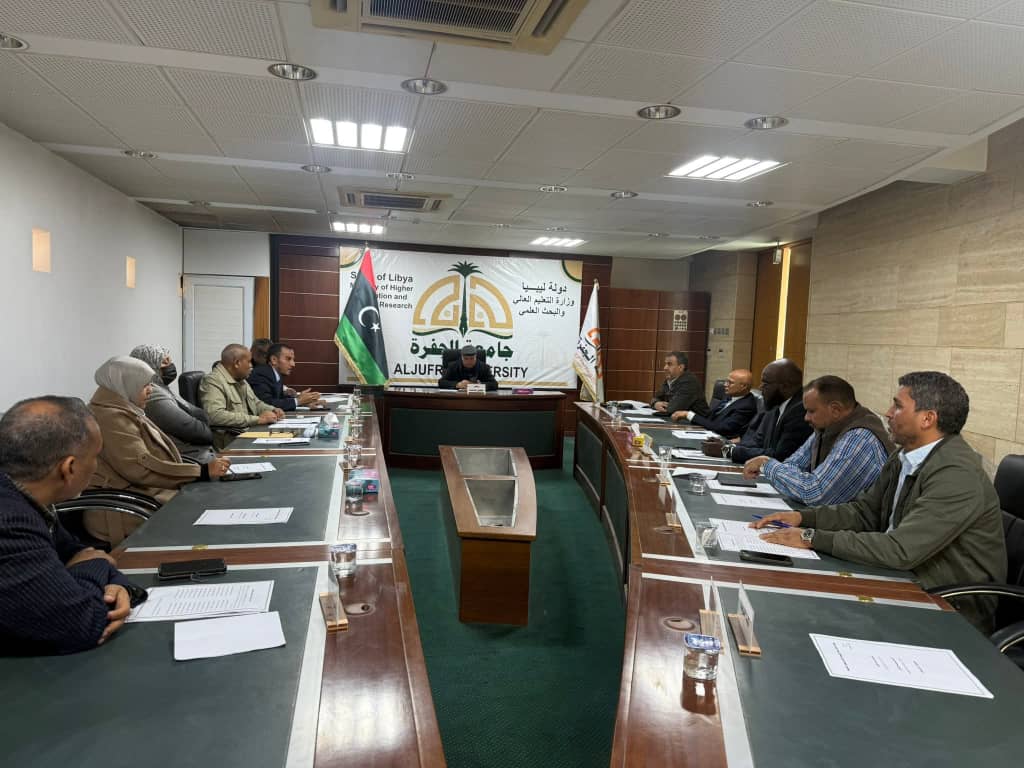
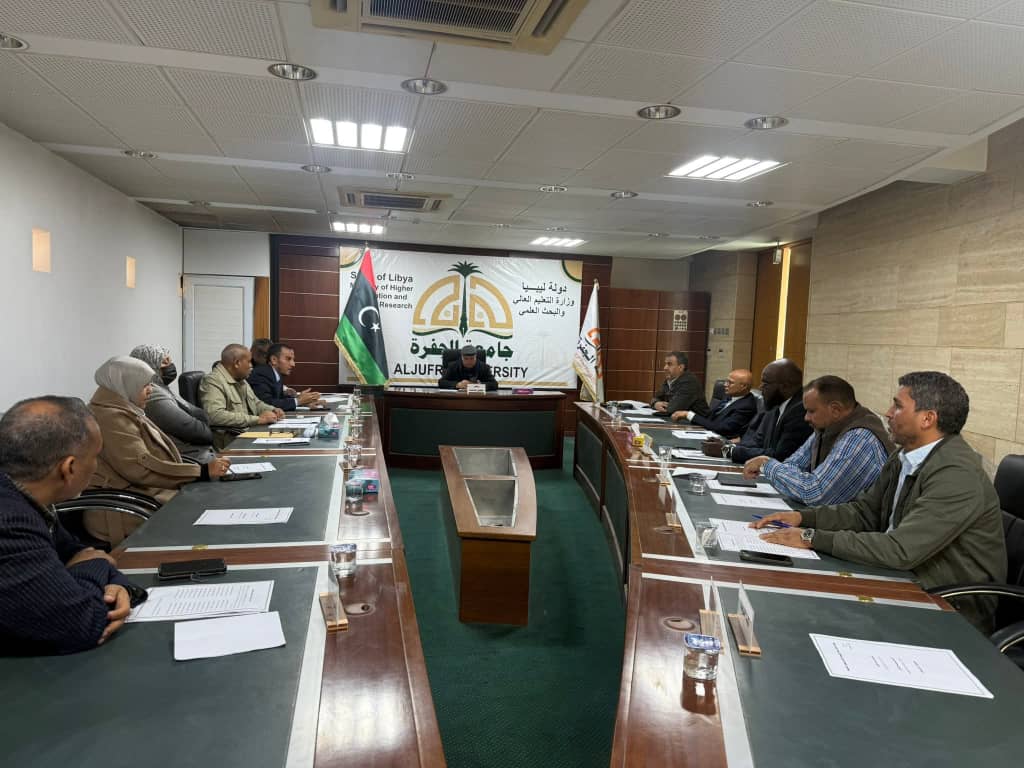
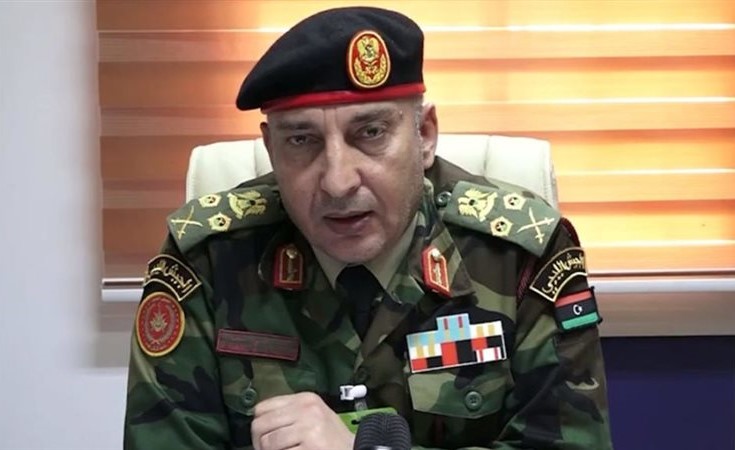
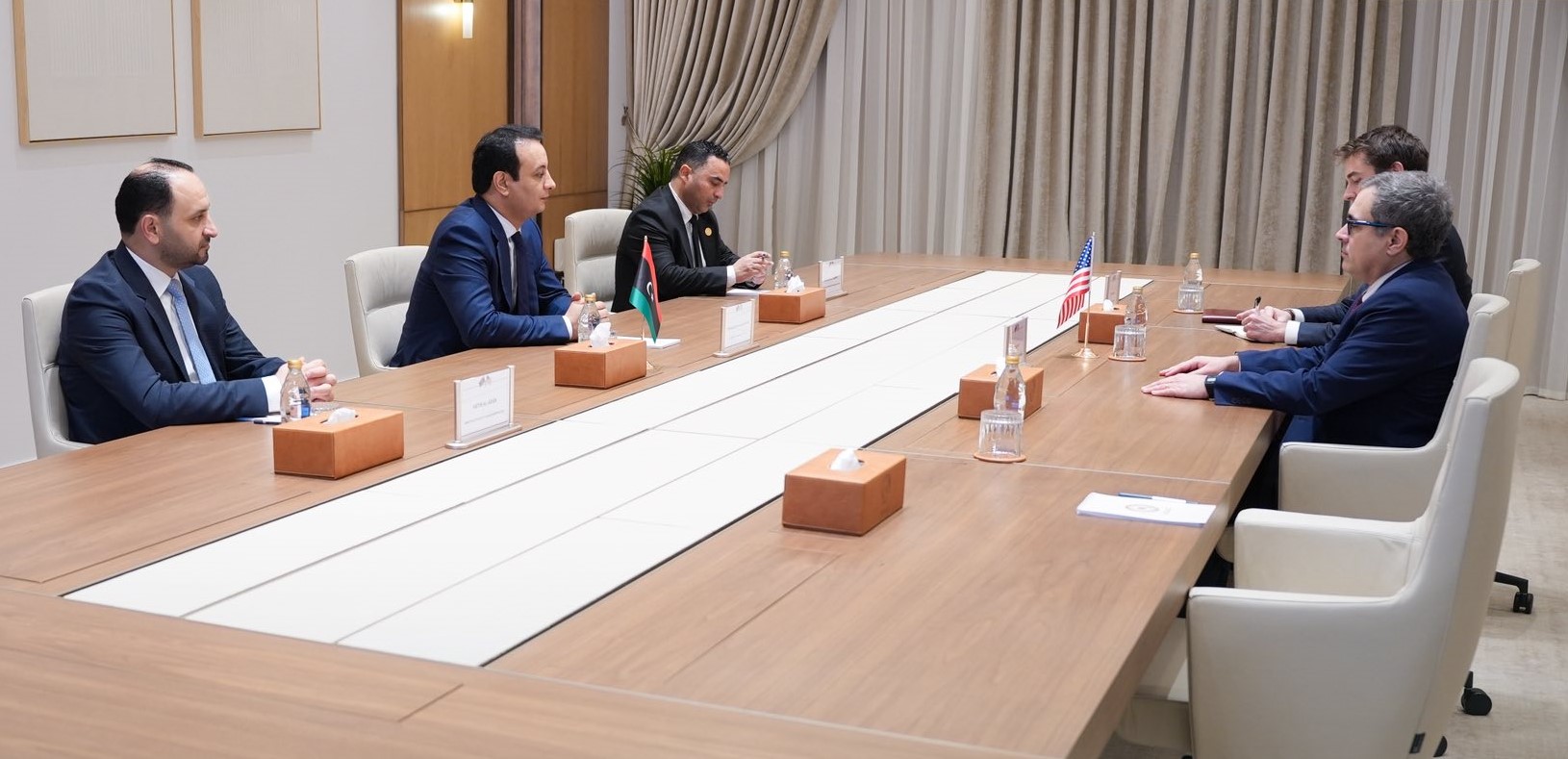
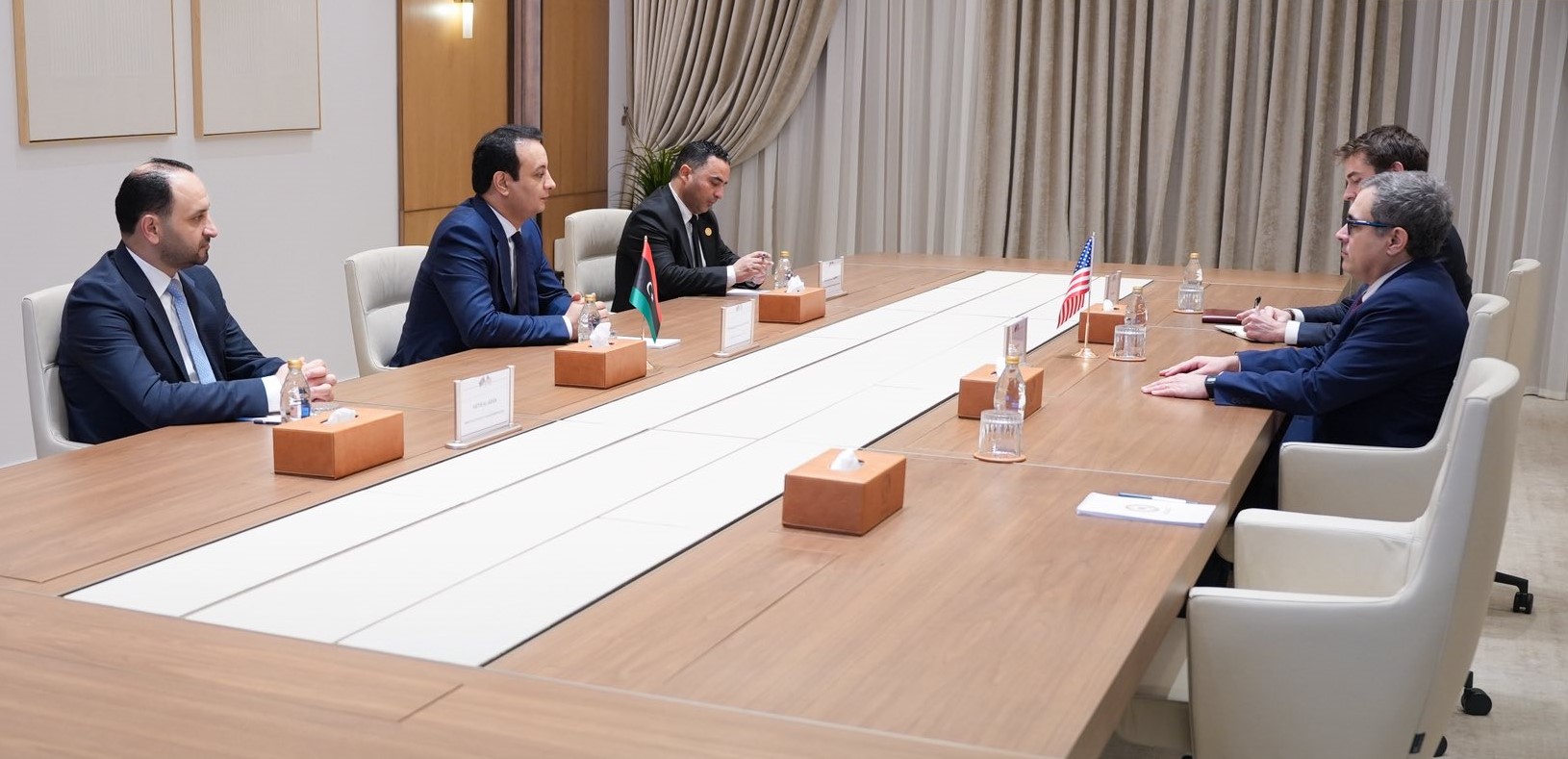
Tripoli, January 10, 2026 – The Director General of the Housing and Utilities Projects Implementation Agency, accompanied by the Director of the Agency’s Tripoli office, inspected a number of the Agency’s projects within the Souq Al Jumaa municipality on Saturday.
The tour included a visit to the second phase of the Bifi drainage project, the 2000 Road project, the integrated utilities project for the plots along 20 Ramadan Road, in addition to the Al Ghazal Road project and the 20 Ramadan services road project.
The Agency explained that the purpose of this visit was to follow up on the progress of work in the projects and to identify the most prominent obstacles and problems, with the aim of resolving them in coordination with the relevant authorities to ensure the projects are implemented according to the approved timelines and standards.
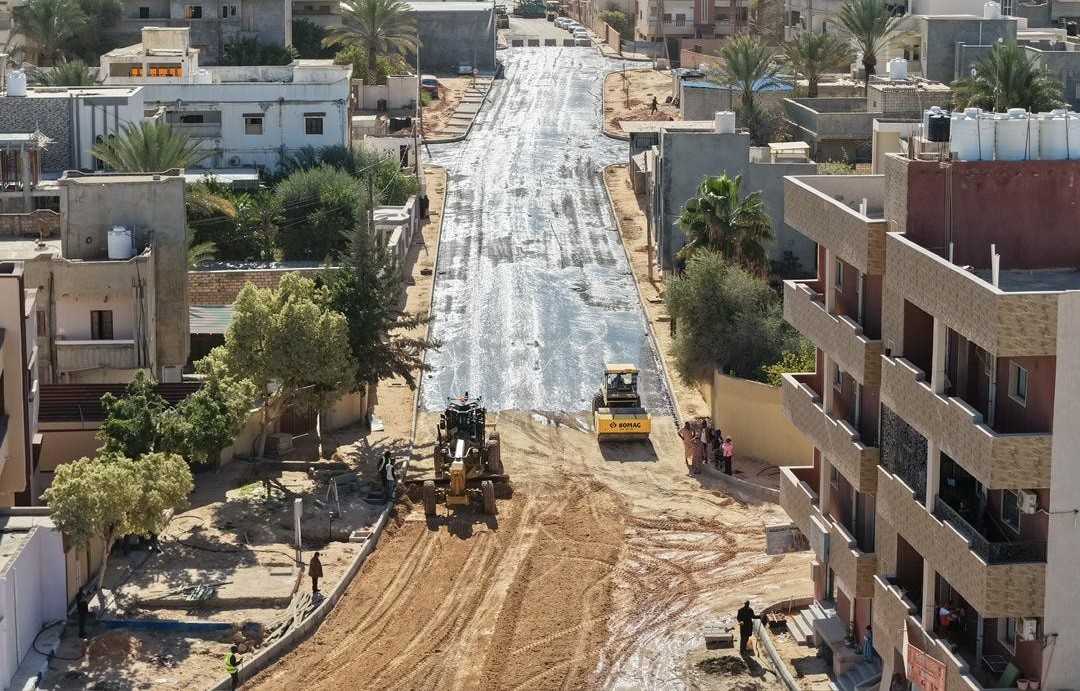
In other news, work commenced on Saturday on the project to implement the dual carriageway in the Al-Sarraj area, extending from the Refrigerators Bridge to the Church landmark. The project includes scraping the asphalt layer, excavation work, as well as preparations for implementing drainage and rainwater drainage networks.
Sources at the Agency mentioned that this vital project is being implemented through joint cooperation between the Tripoli Public Works Company and the Tunisian Works Company, under the supervision of the Housing and Utilities Projects Implementation Agency.
As part of efforts to improve infrastructure and facilitate traffic flow, expansion work and obstacle removal continue in the seventh phase of the implementation project for the Andalus Coastal District Road, carried out by the Tripoli Public Services Company, in cooperation with the Municipal Guard Agency.
The Housing and Utilities Projects Implementation Agency indicated that these works are being carried out under the follow-up and supervision of the Project Preparation Department at the Agency’s Tripoli office.
…
Tripoli
Tripoli is the capital and largest city of Libya, with a history dating back to the 7th century BC when it was founded by the Phoenicians. It later became a significant Roman city and a major port under various rulers, including the Ottomans and Italians, which is reflected in its diverse architecture like the ancient Medina and Red Castle.
Souq Al Jumaa municipality
Souq Al Jumaa is a municipality and historic market district in Tripoli, Libya. Its name, meaning “Friday Market,” originates from its traditional role as a weekly marketplace. The area has long been a commercial and social hub within the city.
Bifi drainage project
The Bifi drainage project is a modern infrastructure initiative in China’s Yunnan Province, designed to manage flooding and improve water resource utilization in the region. Historically, the area faced challenges with seasonal flooding, and this project represents a contemporary engineering effort to mitigate those issues and support local agricultural and community needs.
2000 Road project
The “2000 Road project” refers to a major infrastructure initiative in the United Arab Emirates, officially named the Sheikh Zayed Road. Constructed in the 1990s and named after the UAE’s founding father, it is a vital highway connecting Abu Dhabi to Dubai and has been central to the nation’s rapid urban and economic development.
20 Ramadan Road
“20 Ramadan Road” is a major thoroughfare in Cairo, Egypt, named to commemorate the start of the 1973 Arab-Israeli War, which began during the Islamic holy month of Ramadan. The road serves as a key artery in the city’s Nasr City district and is historically significant as the address of the former headquarters of Egypt’s National Democratic Party before the 2011 revolution.
Al Ghazal Road project
The Al Ghazal Road project is a major infrastructure development in Riyadh, Saudi Arabia, designed to alleviate traffic congestion. Its history is tied to the city’s rapid modern expansion, with construction beginning in the early 21st century to connect key districts and support urban growth.
20 Ramadan services road project
The 20 Ramadan Services Road Project is a major infrastructure development in Egypt, named in commemoration of the start of the 1973 October War (which began on the 10th of Ramadan in the Islamic calendar). It is a large-scale highway designed to alleviate congestion and improve connectivity between new urban communities east of Cairo, such as New Cairo and the 10th of Ramadan City.
Al-Sarraj area
The Al-Sarraj area is a historic commercial and residential quarter in the old city of Aleppo, Syria, known for its traditional architecture and caravanserais. It flourished during the Mamluk and Ottoman periods as a key hub for the city’s textile and trading activities. The area sustained significant damage during the Syrian Civil War but remains an important part of Aleppo’s cultural heritage.
Refrigerators Bridge
The Refrigerators Bridge, officially known as the Ponte dei Frigoriferi, is a historic bridge in Venice, Italy, originally constructed in the 16th century. It was named for the nearby warehouses used to store ice and perishable goods, serving as a vital link in the city’s historic trade and food preservation network.
Church landmark
The term “Church landmark” is broad, but a notable example is the Hagia Sophia in Istanbul. Originally constructed as a Byzantine cathedral in 537 AD, it was later converted into a mosque and is now a museum, representing a profound intersection of Christian and Islamic history and architecture.
Andalus Coastal District Road
The Andalus Coastal District Road is a modern highway in Saudi Arabia that runs along the Red Sea coast of Jeddah. It was constructed to improve transportation and connectivity in the city’s rapidly developing northern coastal districts, reflecting Jeddah’s ongoing urban expansion and infrastructure growth.
Housing and Utilities Projects Implementation Agency
The Housing and Utilities Projects Implementation Agency is a government body typically established to manage and oversee large-scale public infrastructure projects related to housing, water supply, and sanitation. Its history is generally tied to national development plans aimed at improving living standards and modernizing urban and rural utilities systems.
Tripoli Public Works Company
The Tripoli Public Works Company is a municipal utility provider responsible for water supply, sanitation, and other essential services in the city of Tripoli, Lebanon. It was established in the mid-20th century, with its modern form often traced to the 1960s, to manage and develop the city’s critical infrastructure amid periods of growth and urban expansion.
Tunisian Works Company
The Tunisian Works Company (Société Tunisienne de l’Électricité et du Gaz, STEG) is Tunisia’s national electricity and gas utility. It was founded in 1962, shortly after the country’s independence, to nationalize and manage the energy sector previously controlled by foreign interests. It remains responsible for the production, distribution, and transmission of electricity and natural gas across the nation.
Tripoli Public Services Company
The Tripoli Public Services Company is a municipal utility provider in Tripoli, Lebanon, primarily responsible for electricity distribution. It was established in the mid-20th century, around 1954, and has played a central role in the city’s infrastructure, though it has faced significant operational challenges due to Lebanon’s national power crisis and financial difficulties.
Municipal Guard Agency
The Municipal Guard Agency is a law enforcement body typically found in Brazilian cities, historically tracing its origins to the 19th century. It is responsible for local public security, protecting municipal property, and often works in conjunction with state-level police forces.