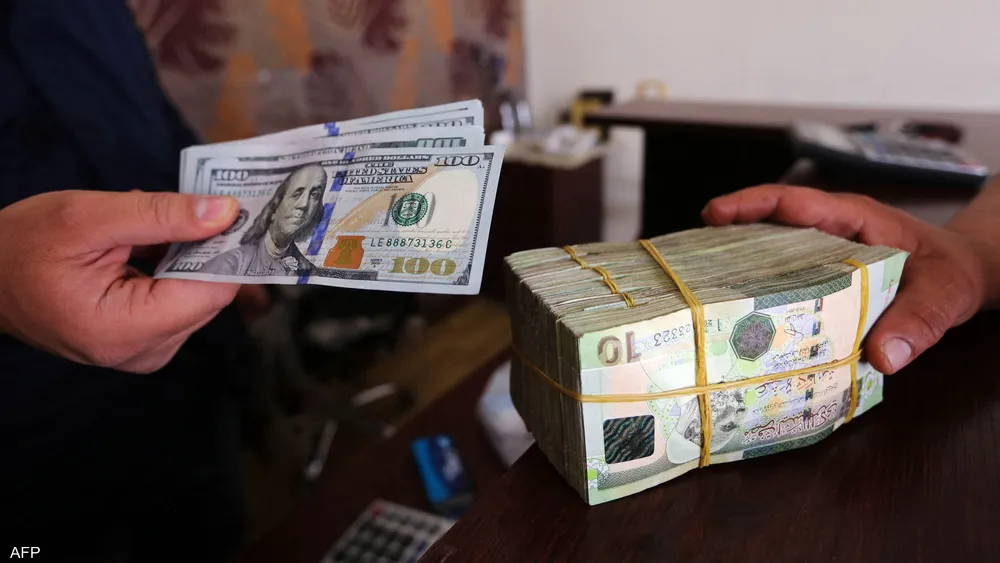
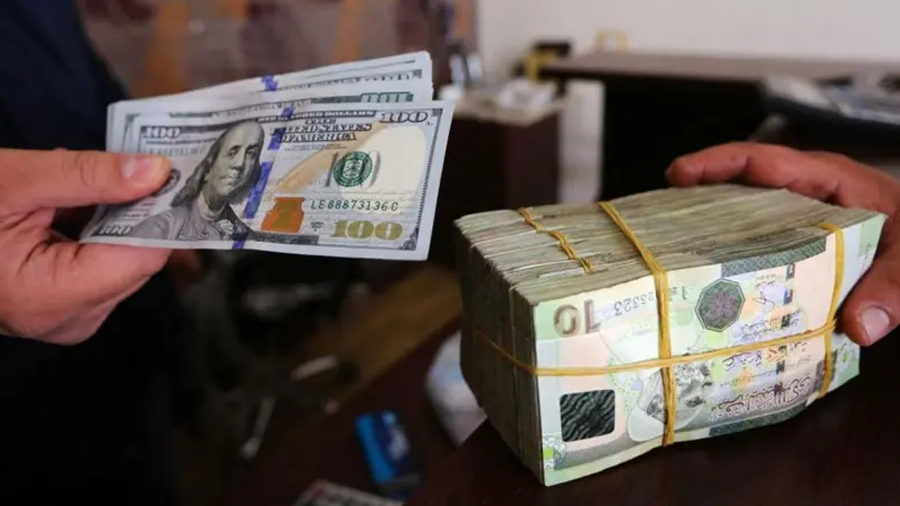
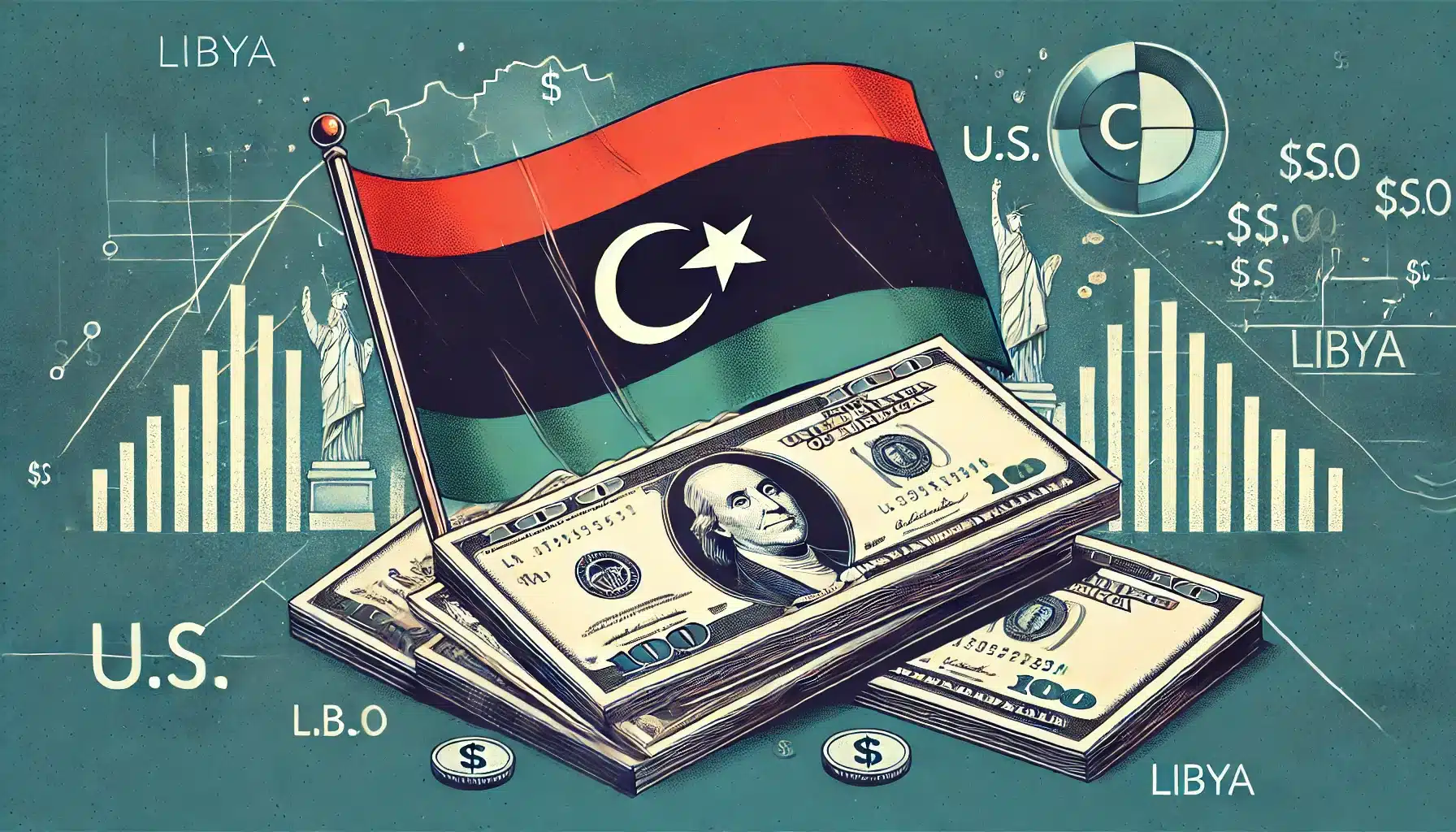
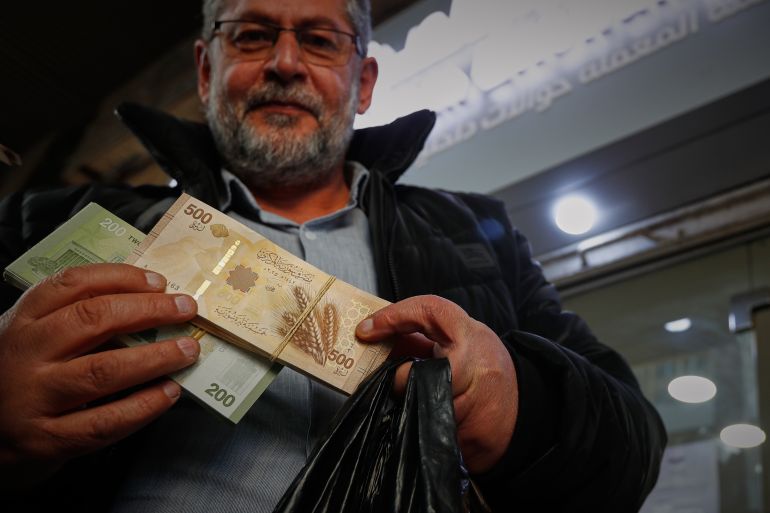
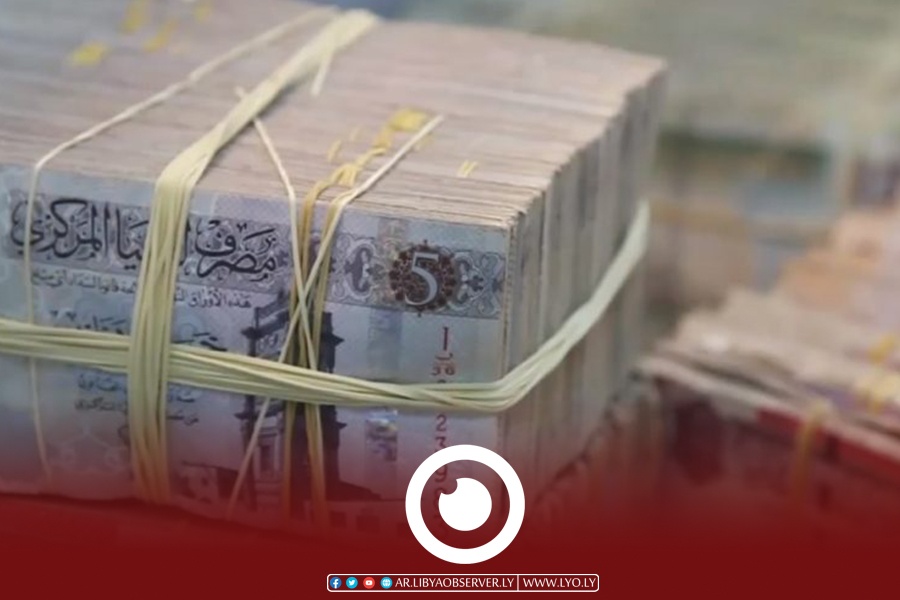
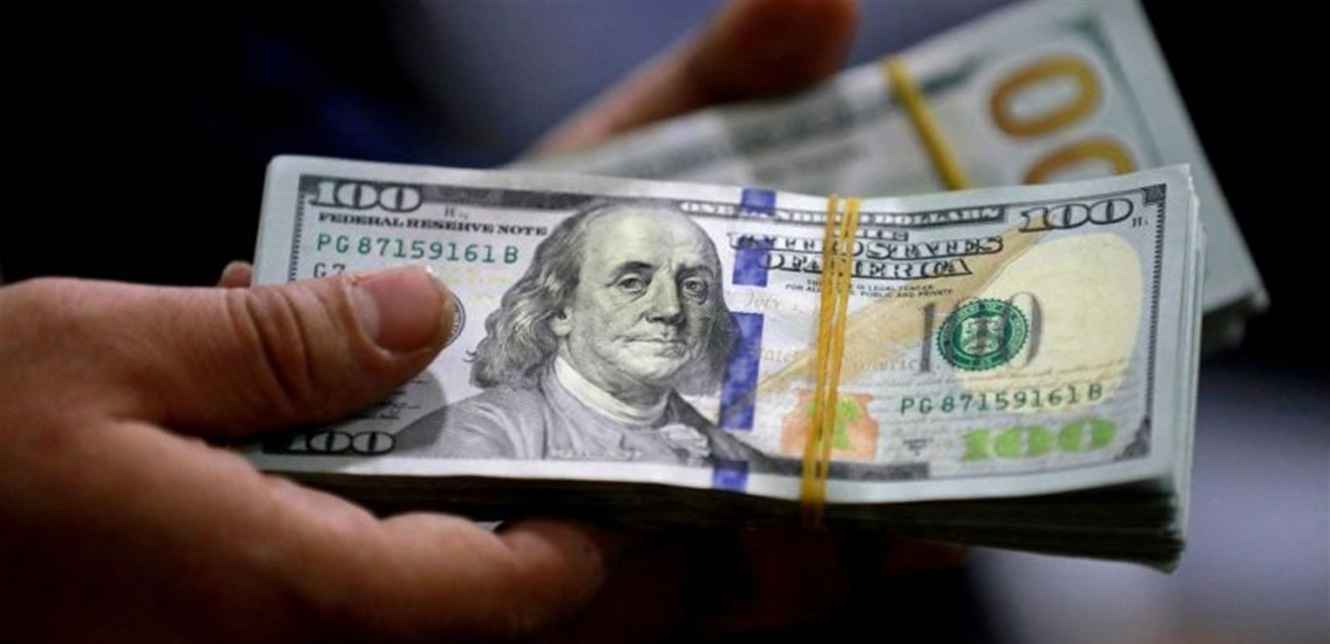
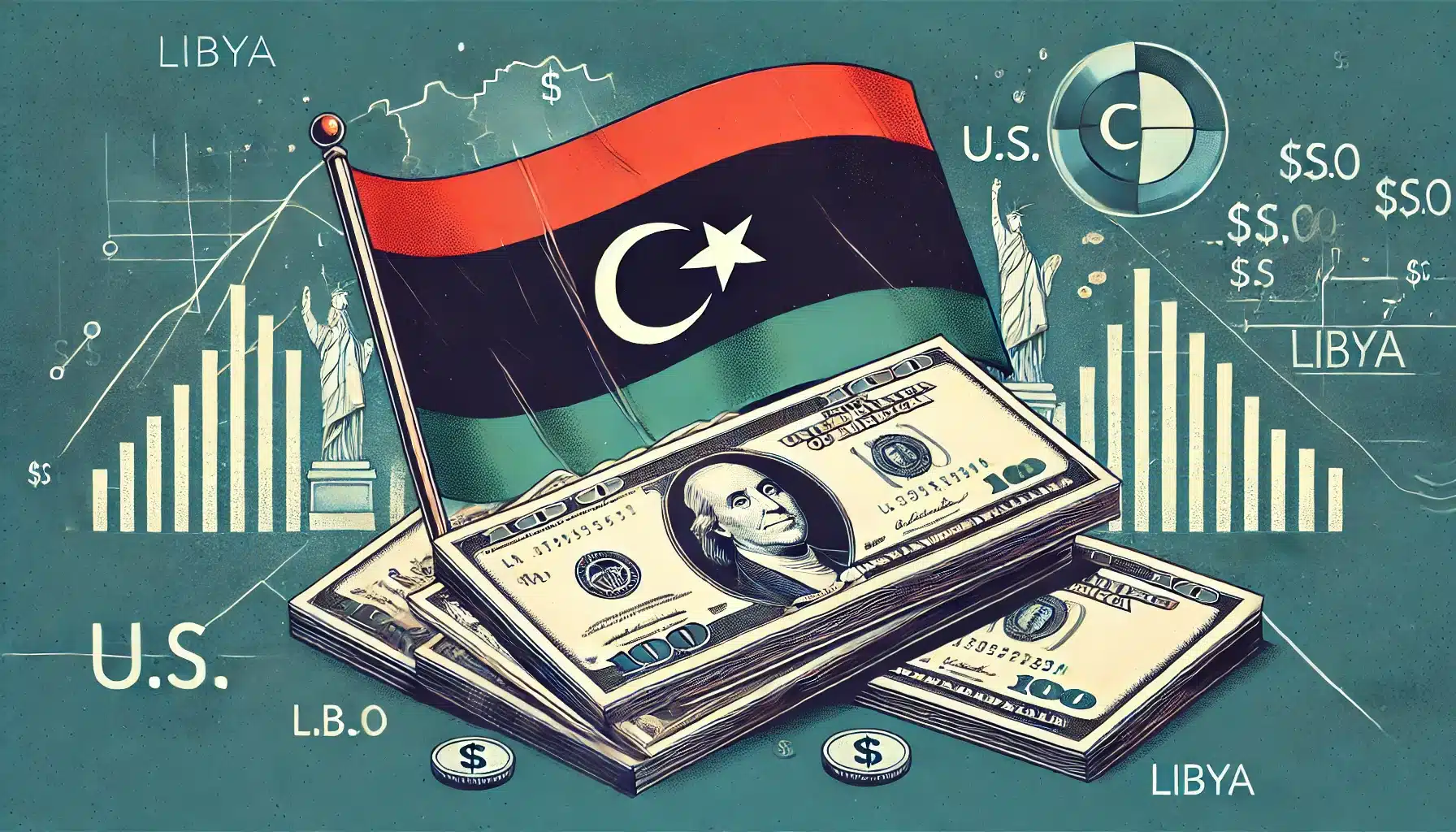
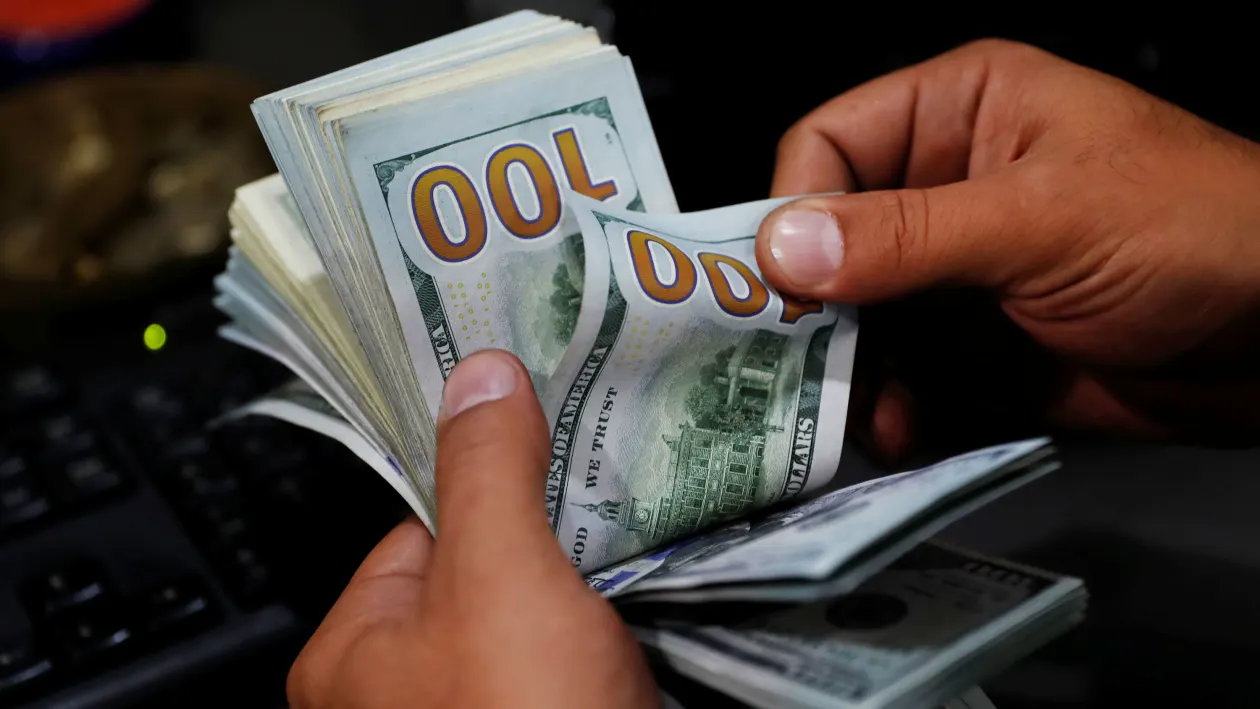
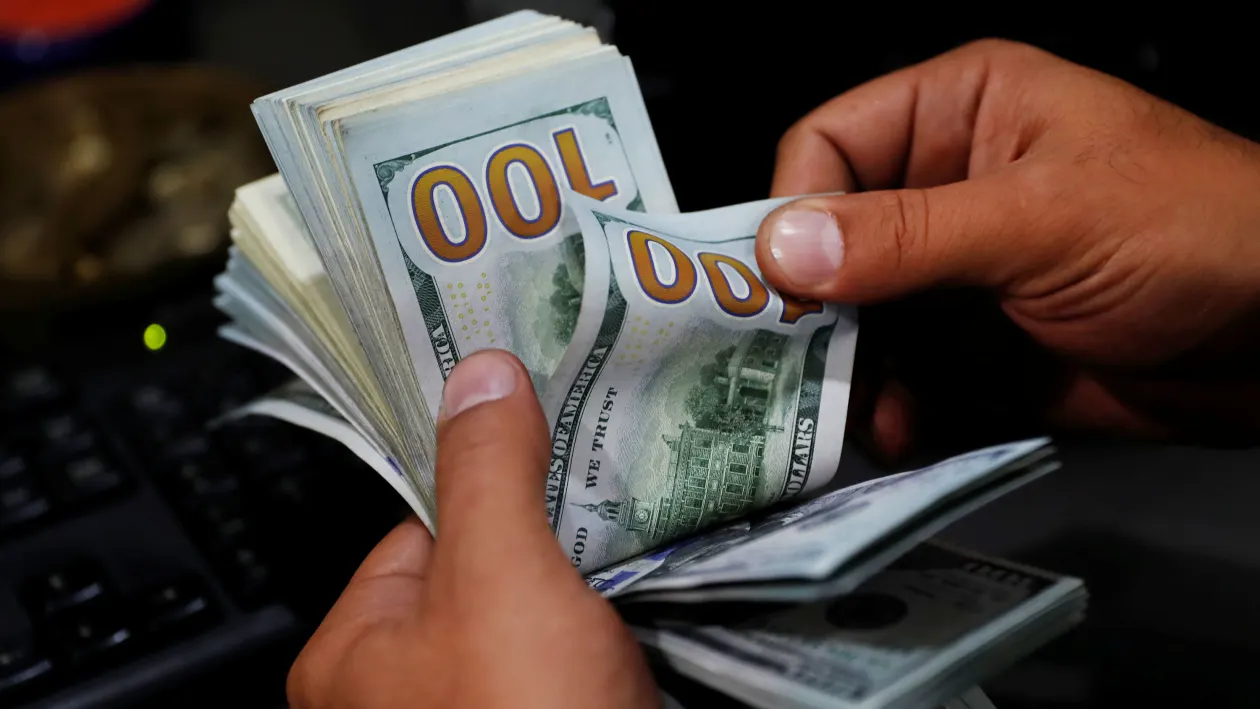
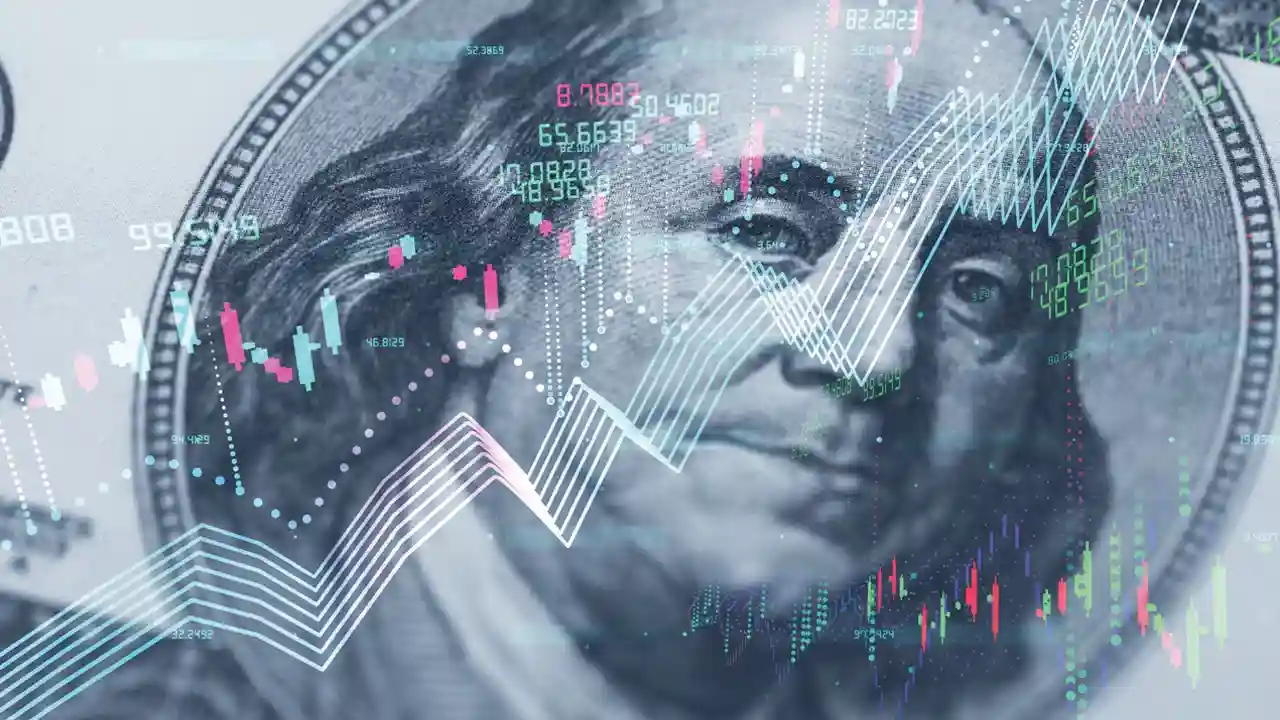
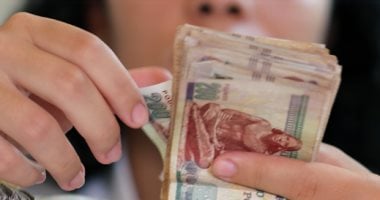
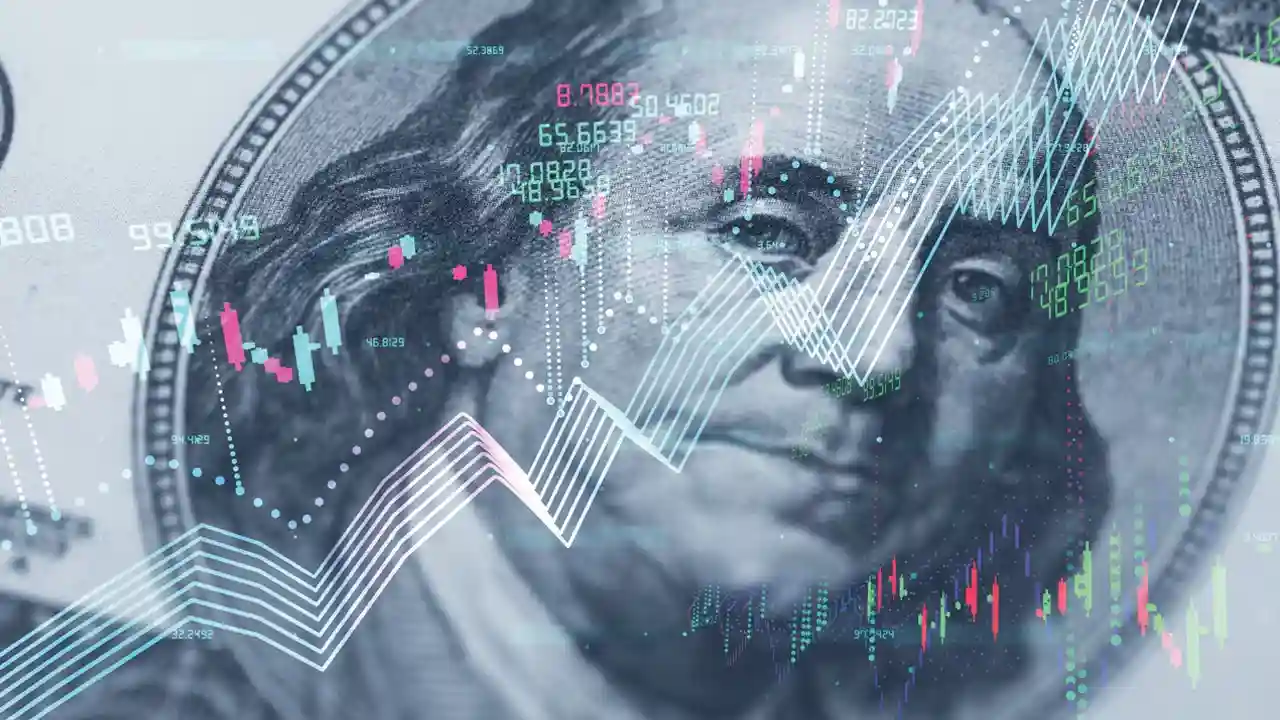
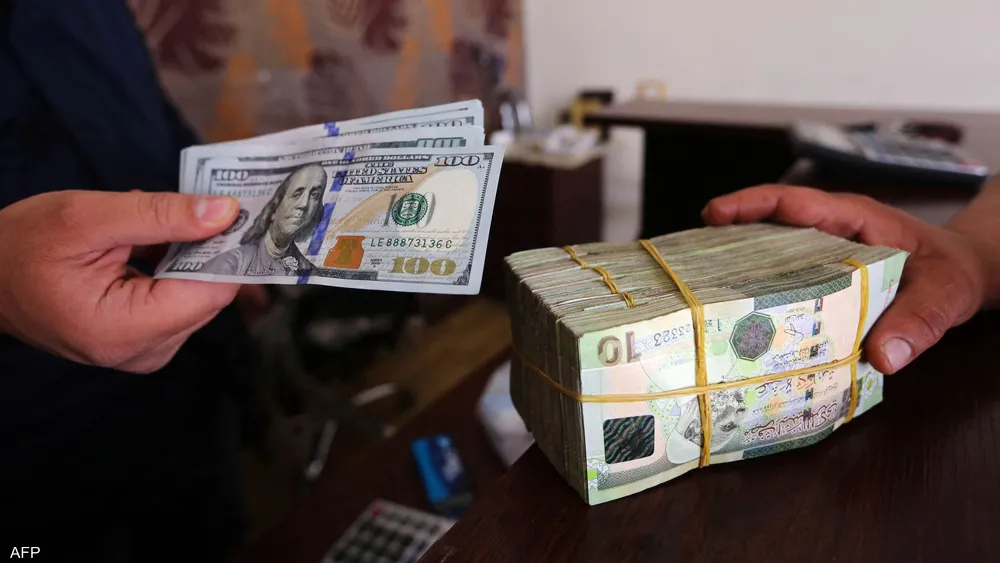
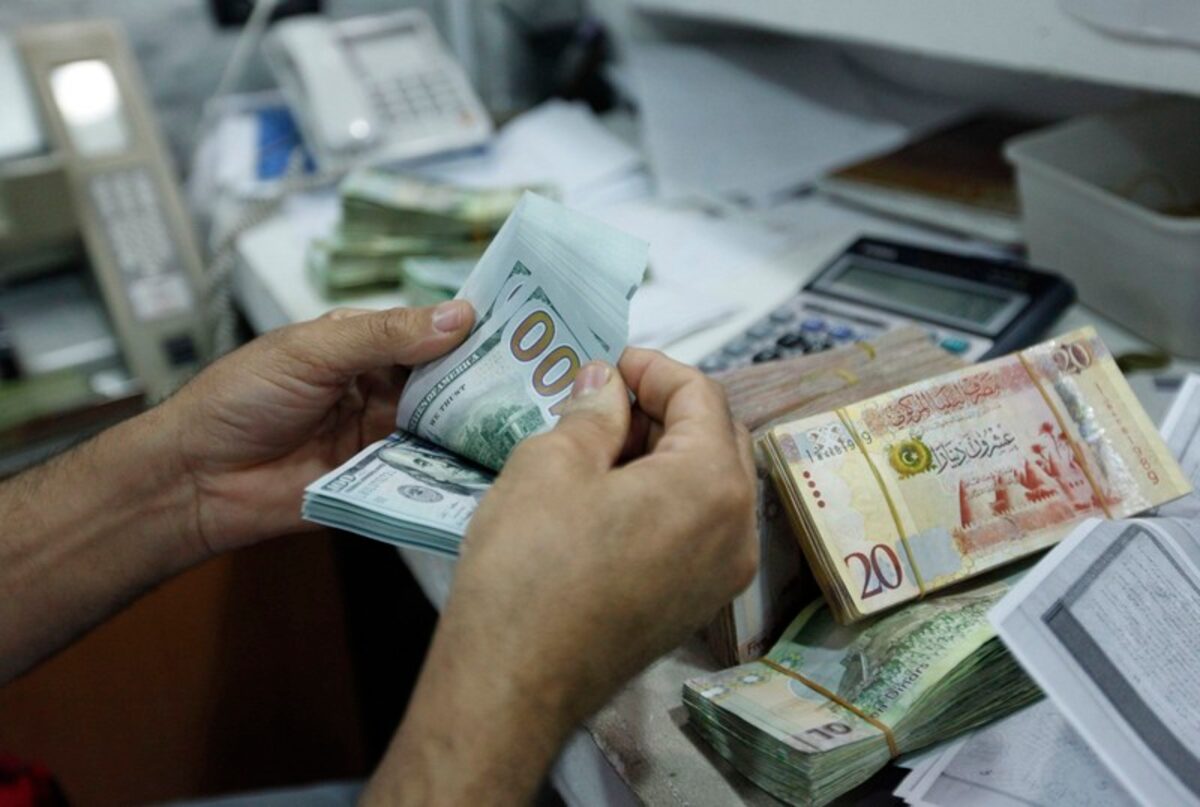
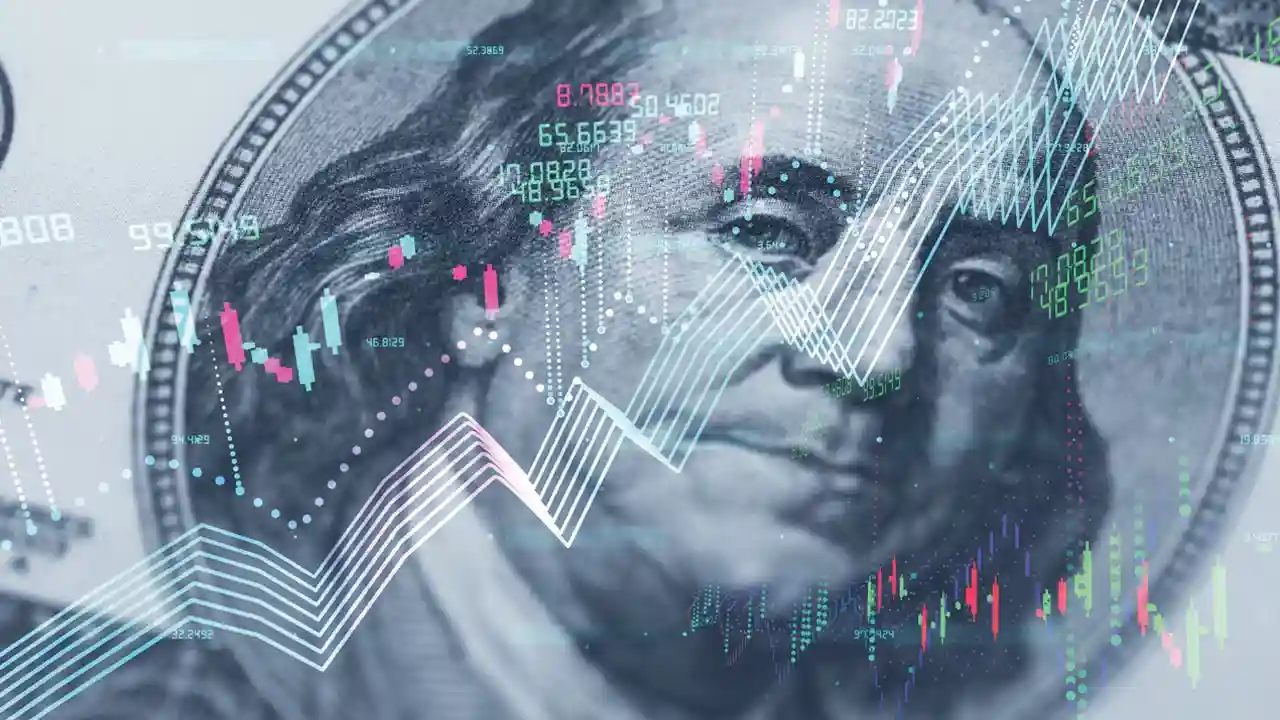
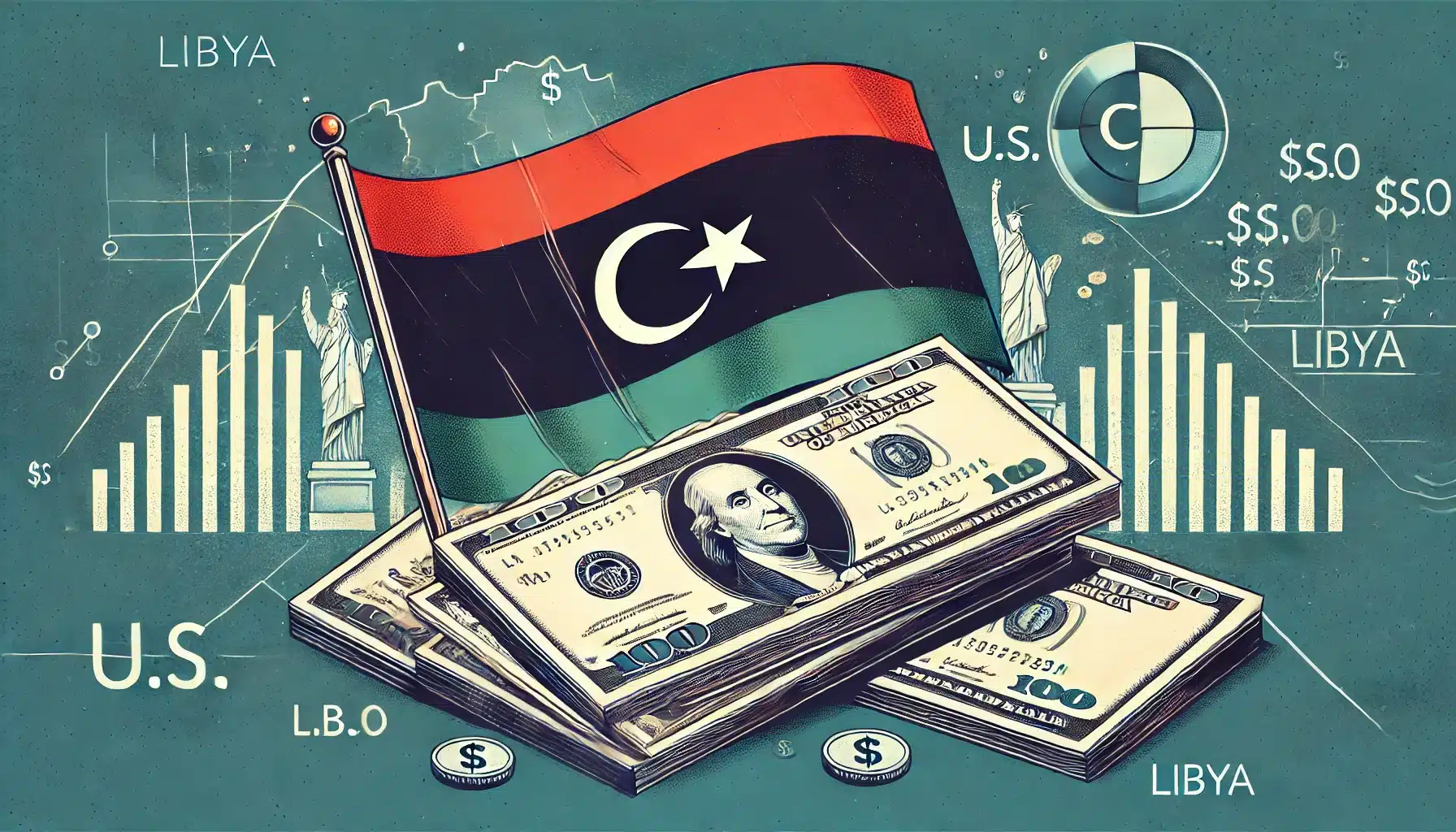
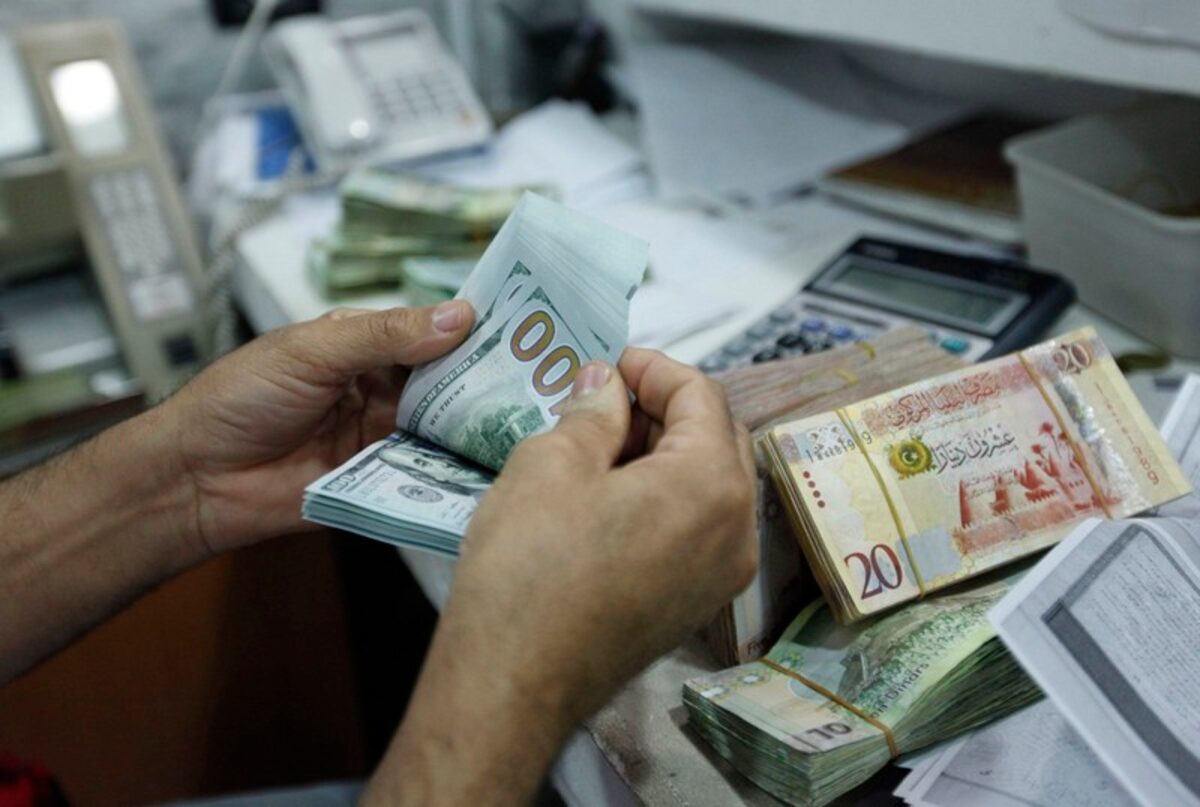
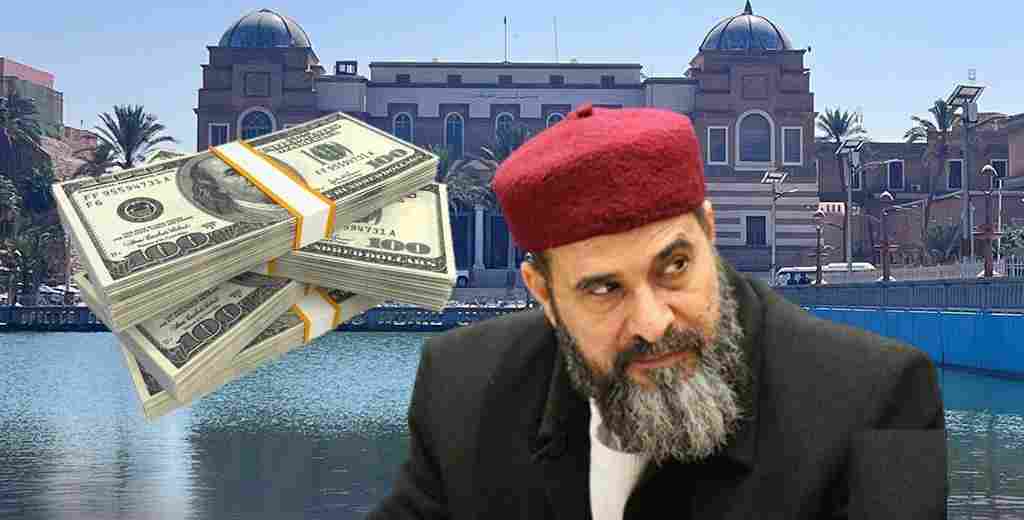
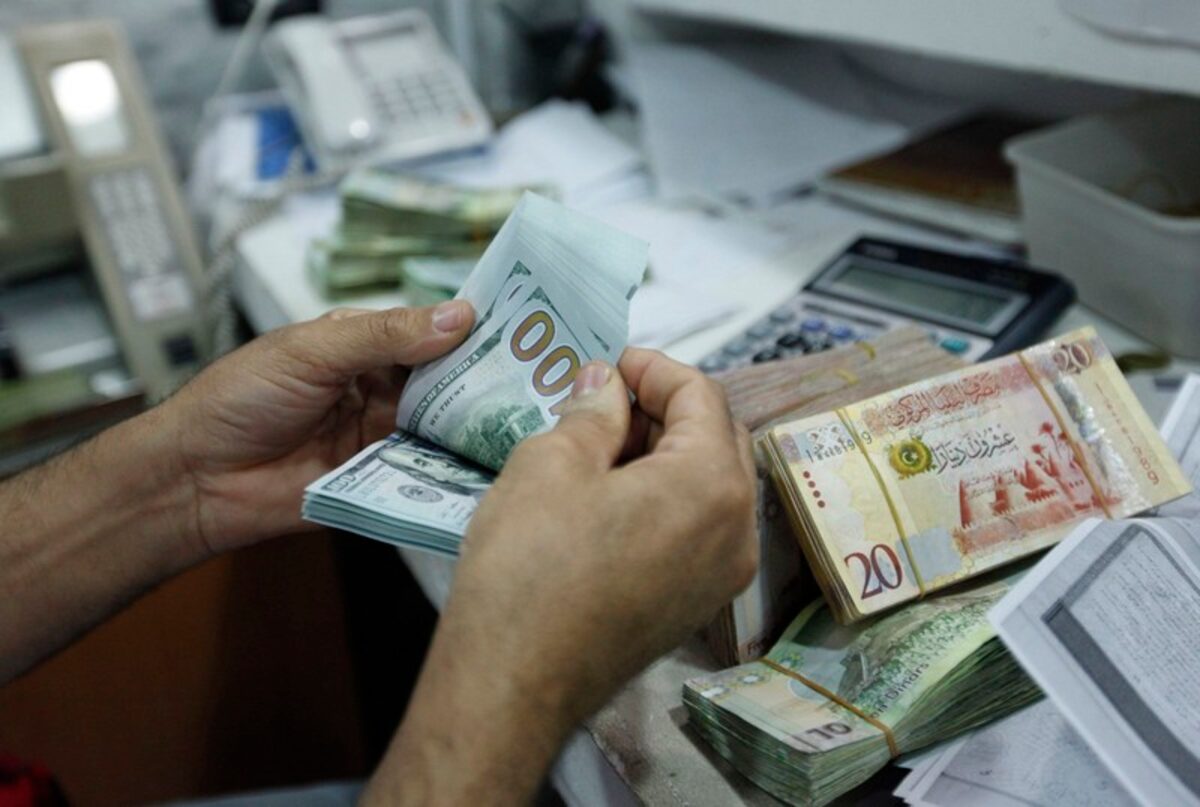
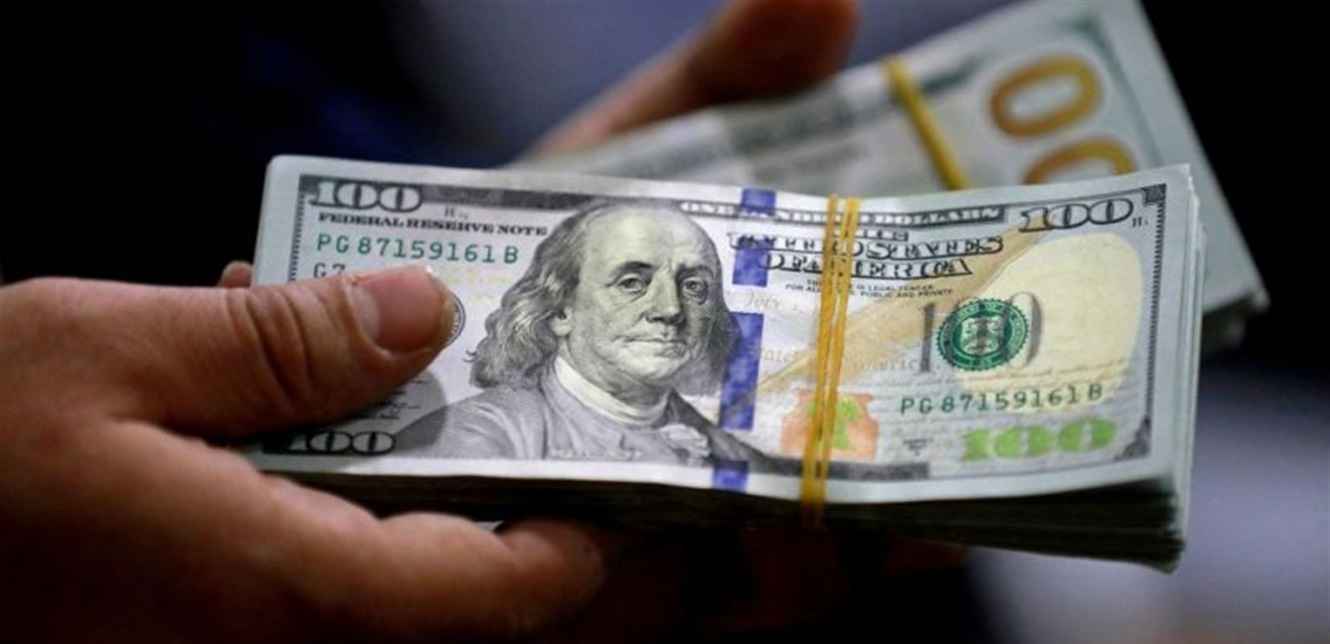
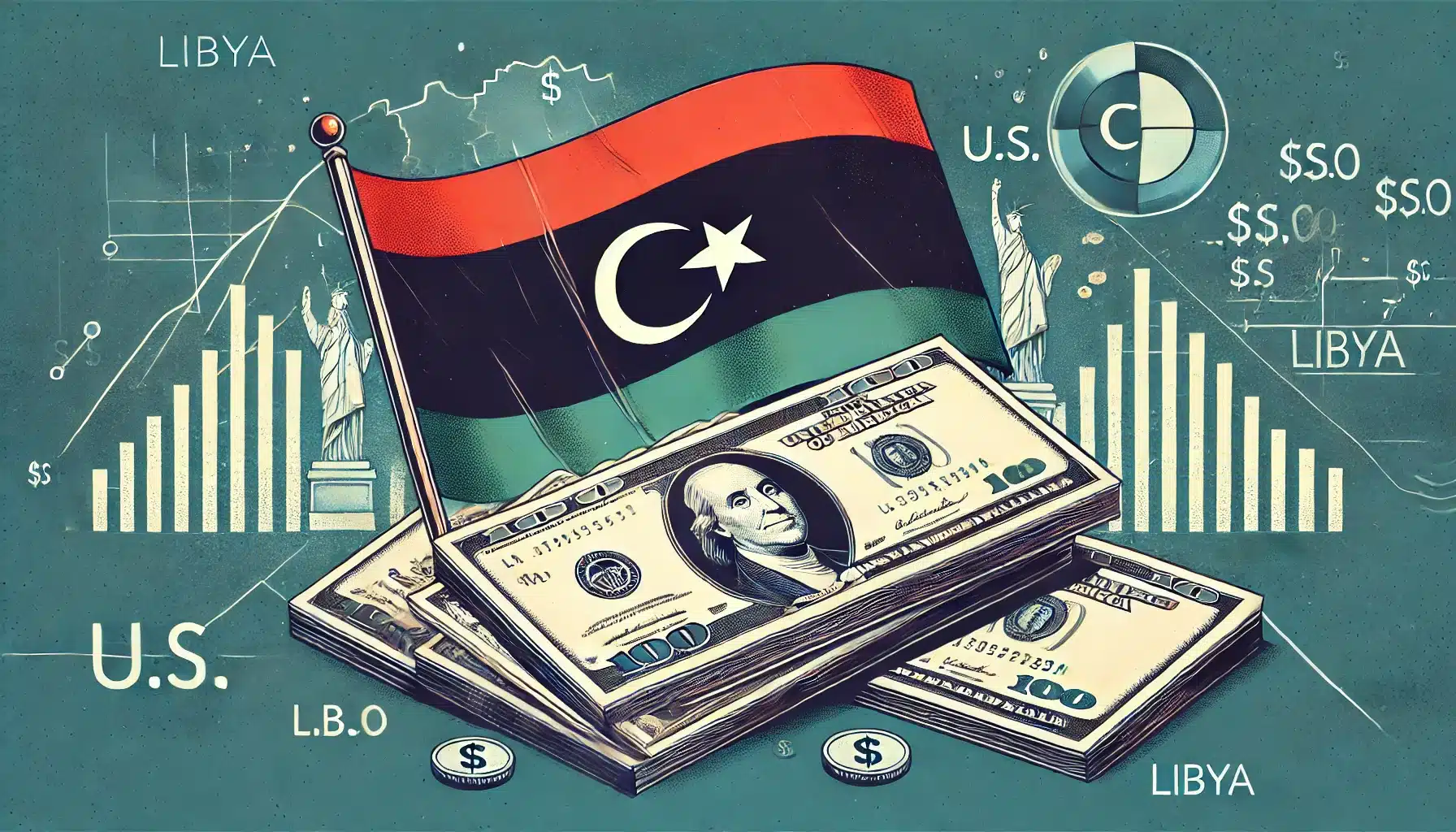
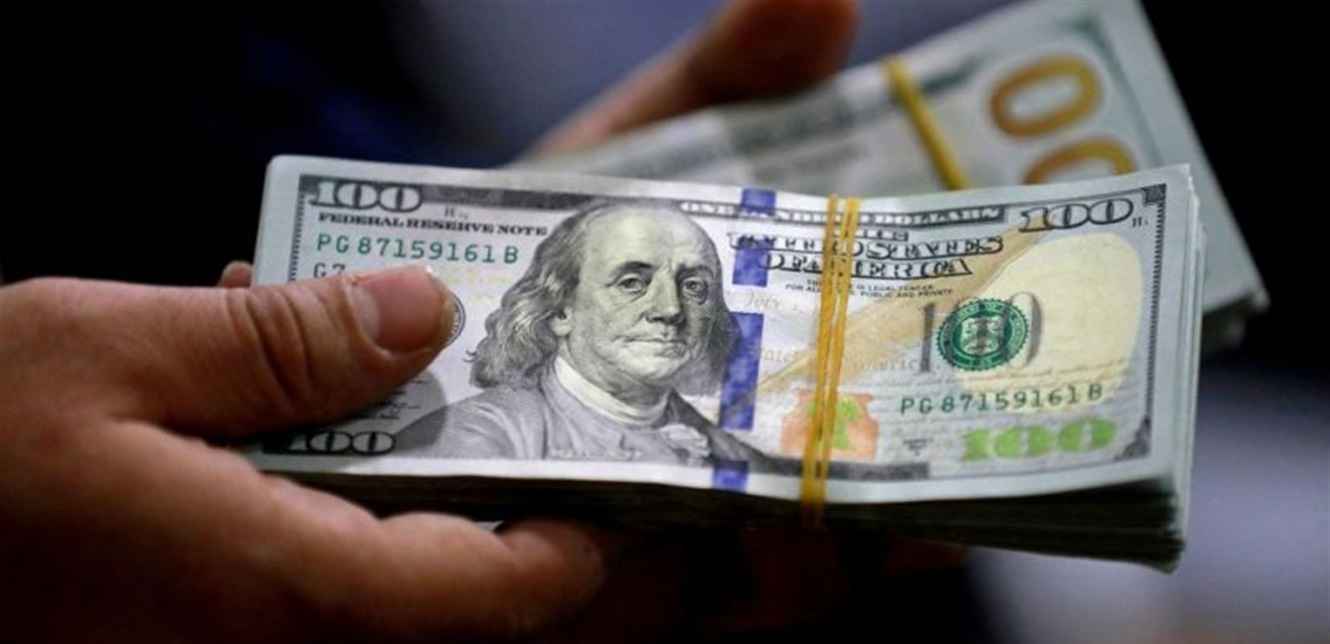
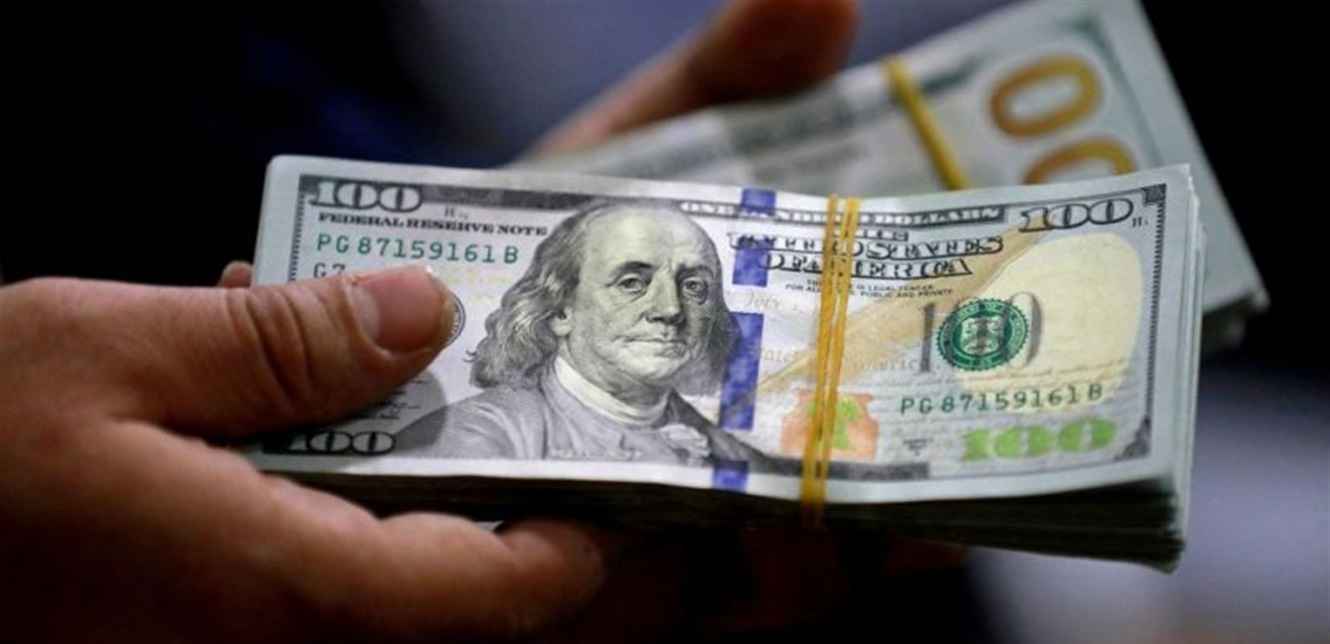
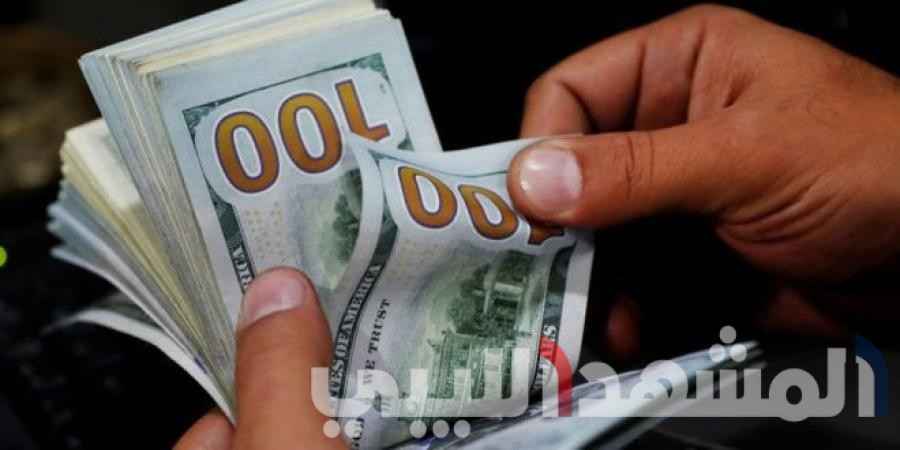
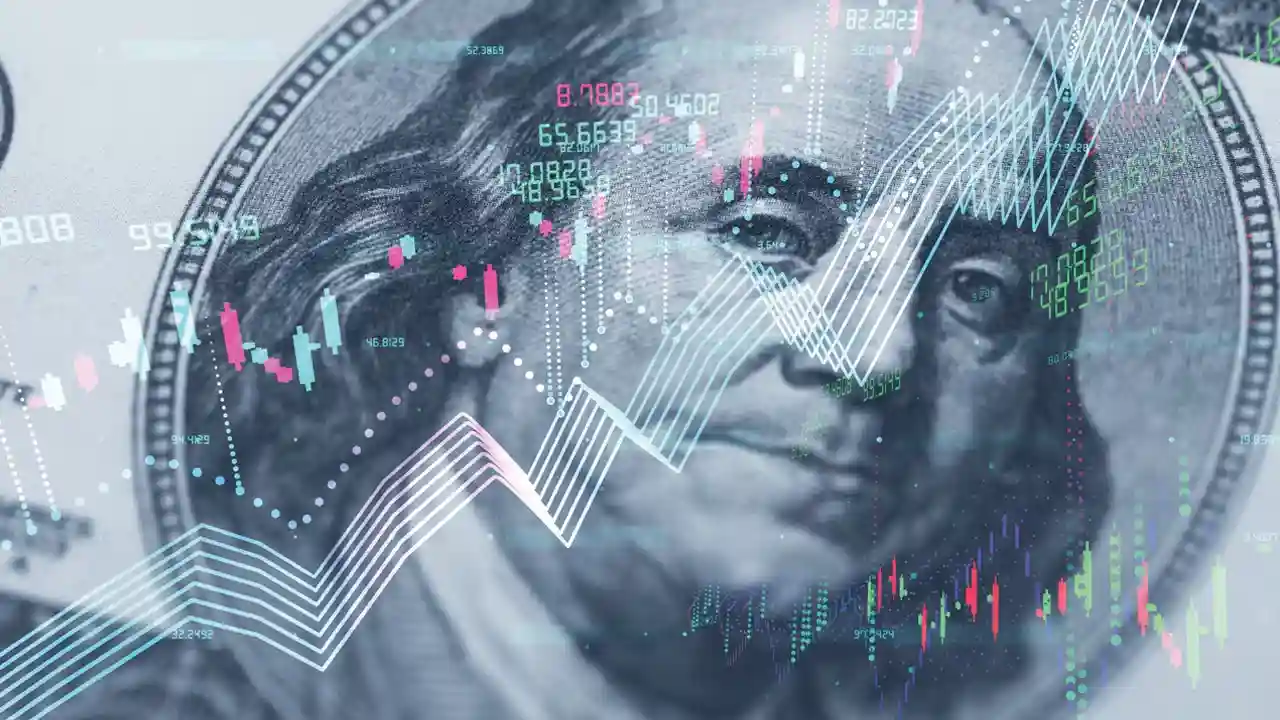
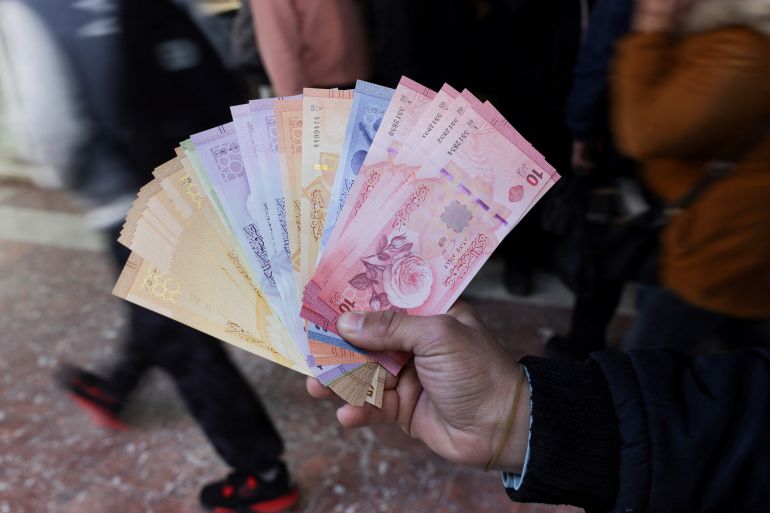
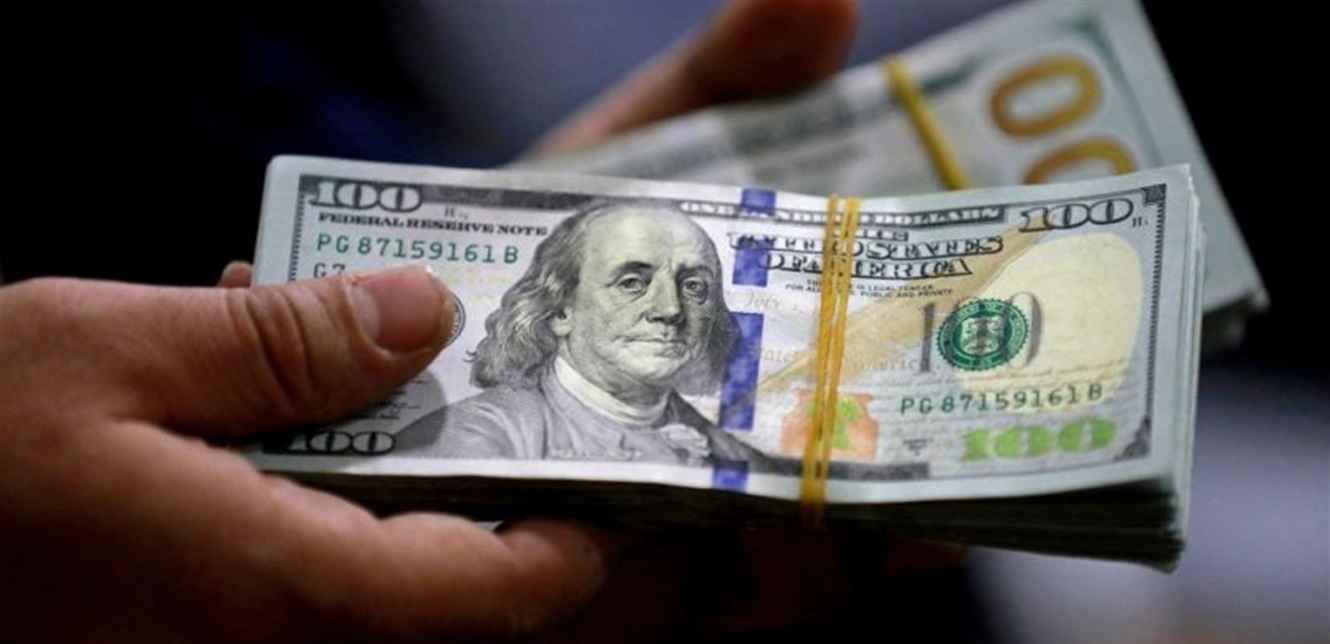
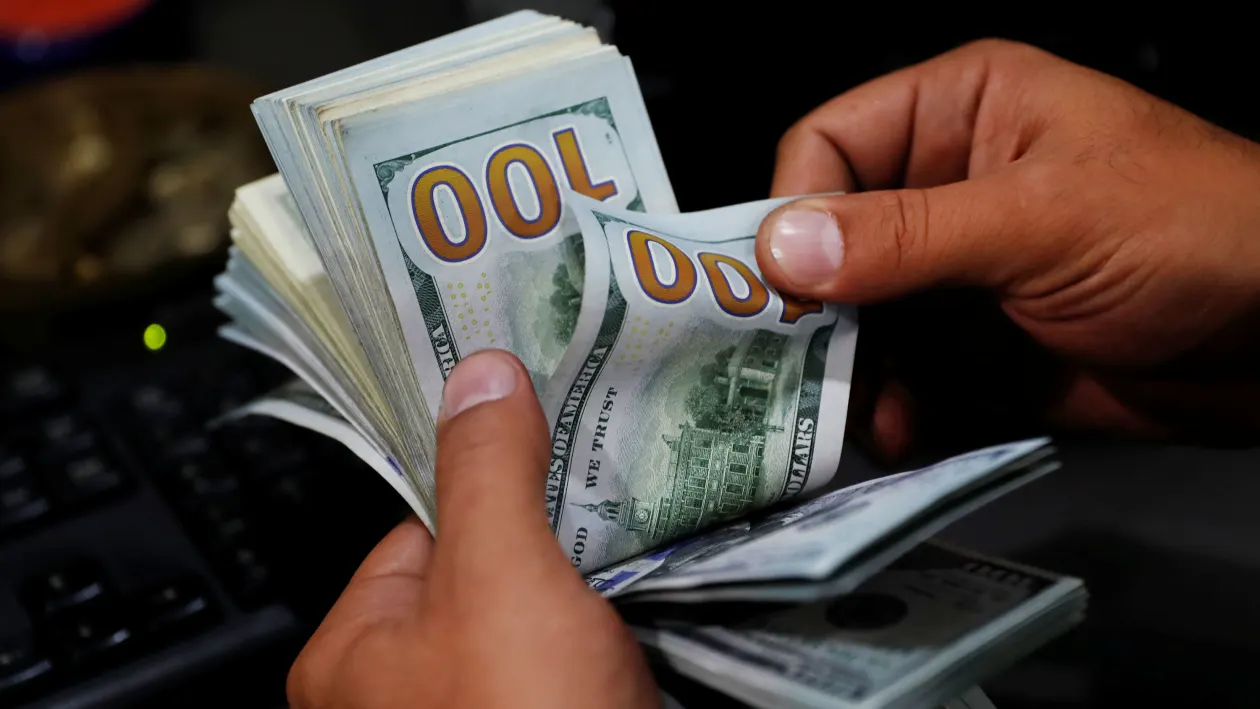
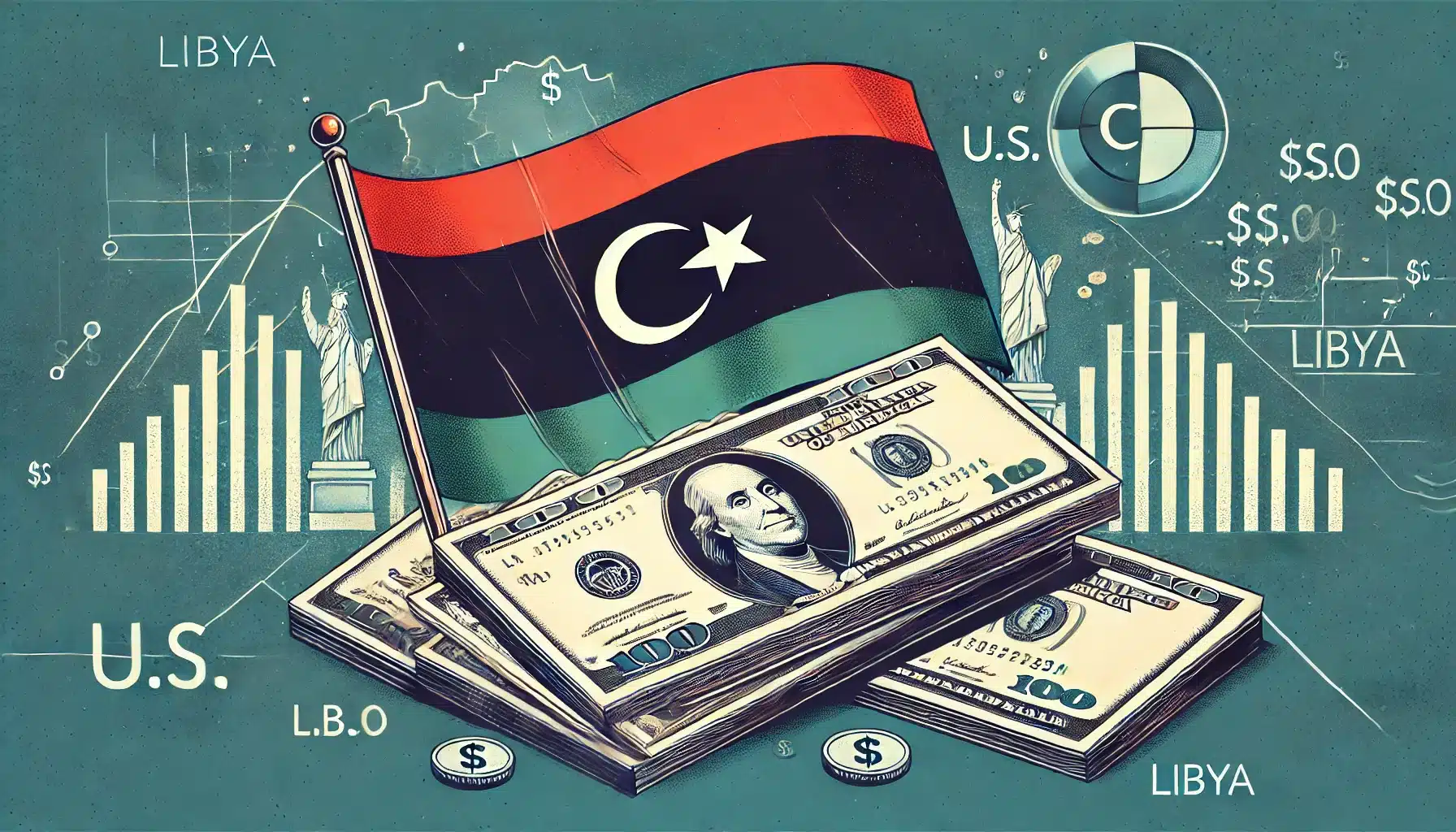
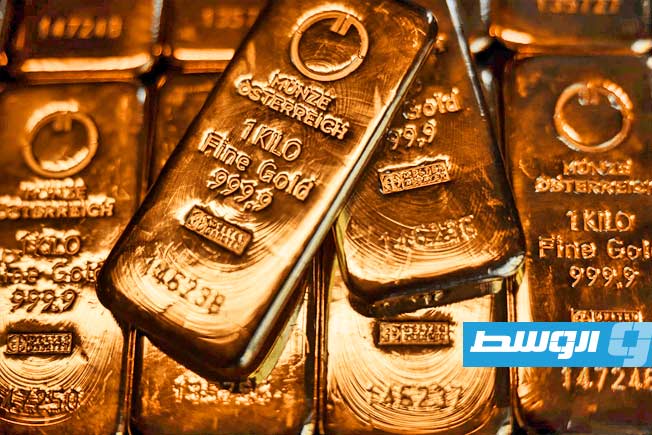
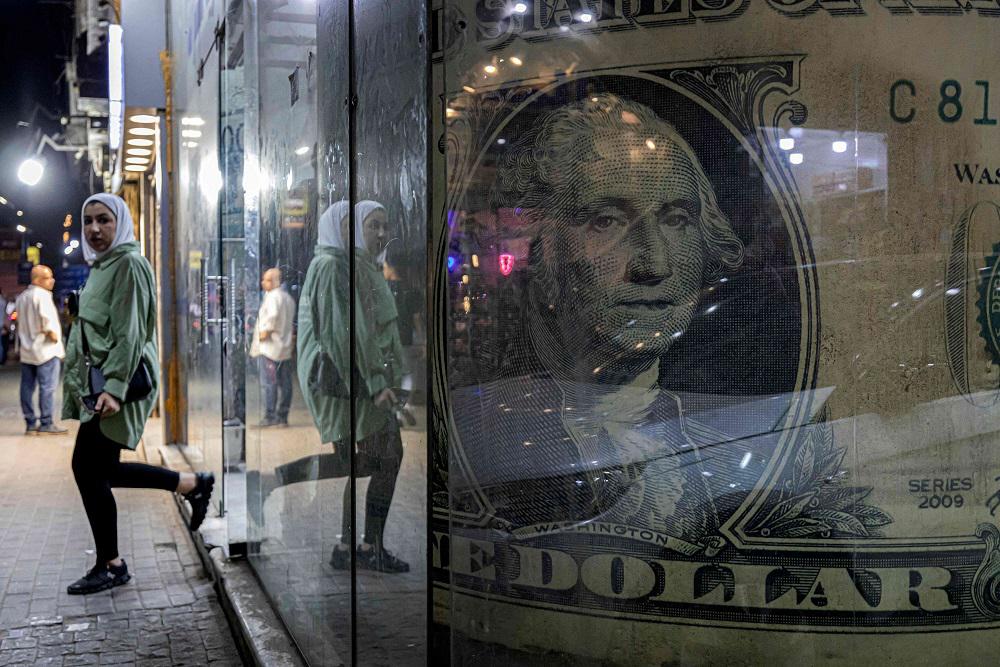
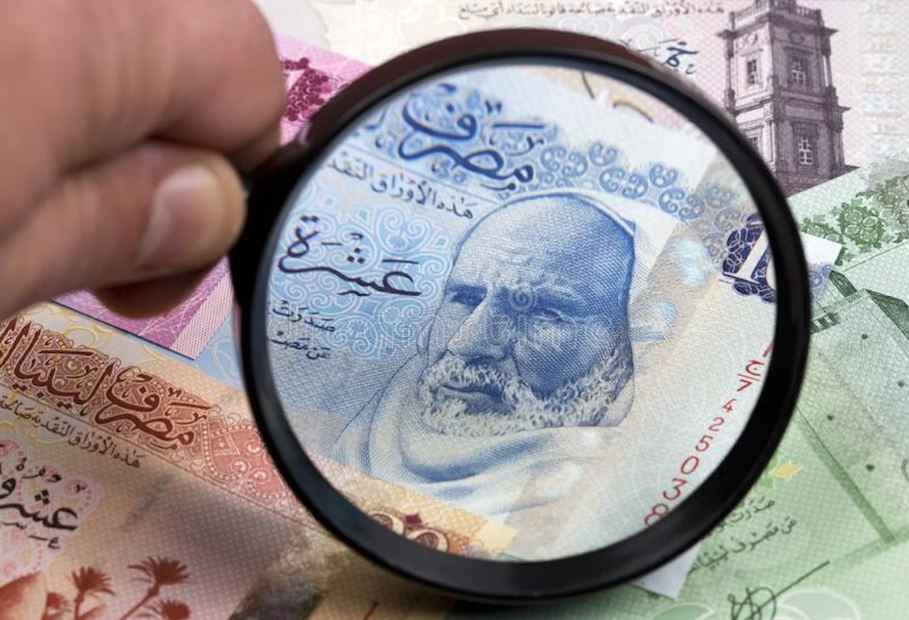
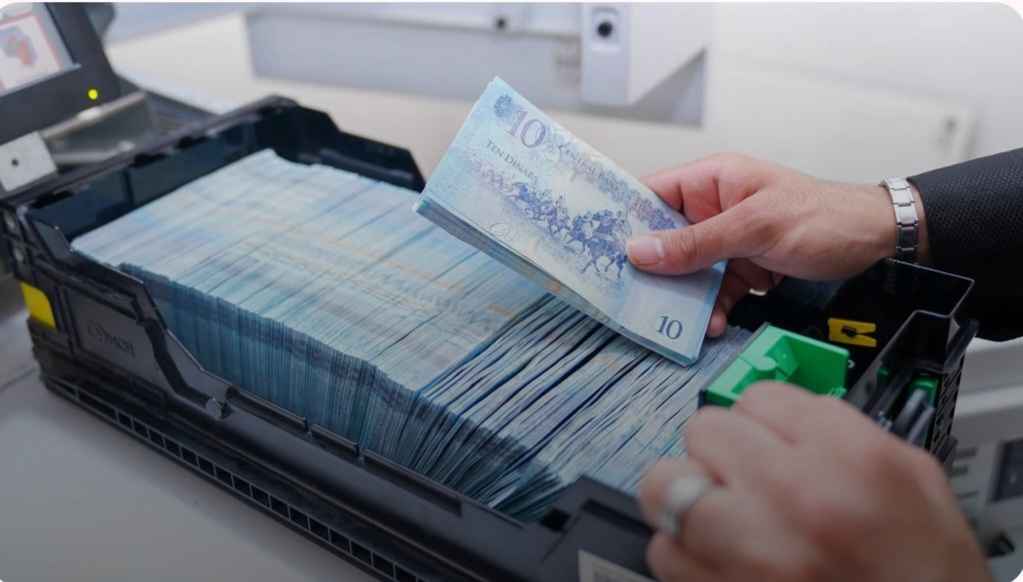
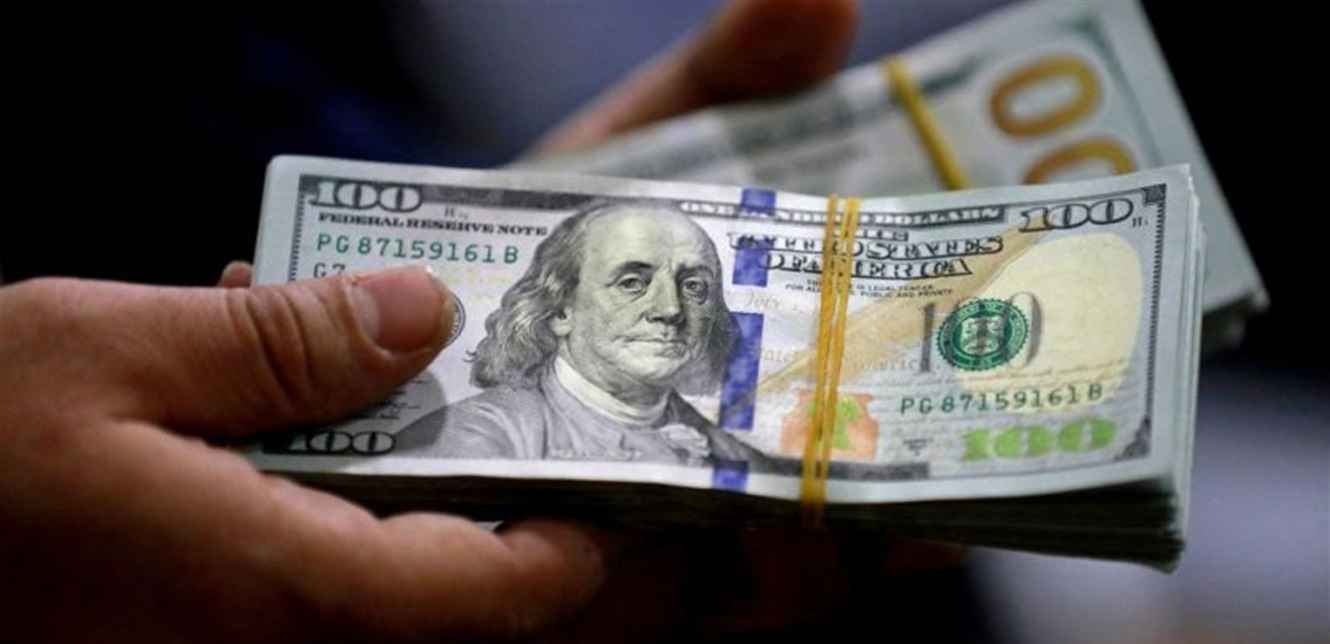
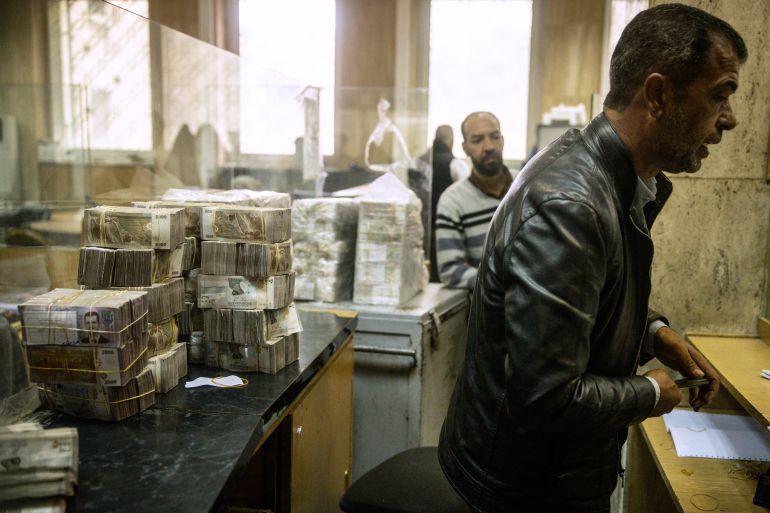
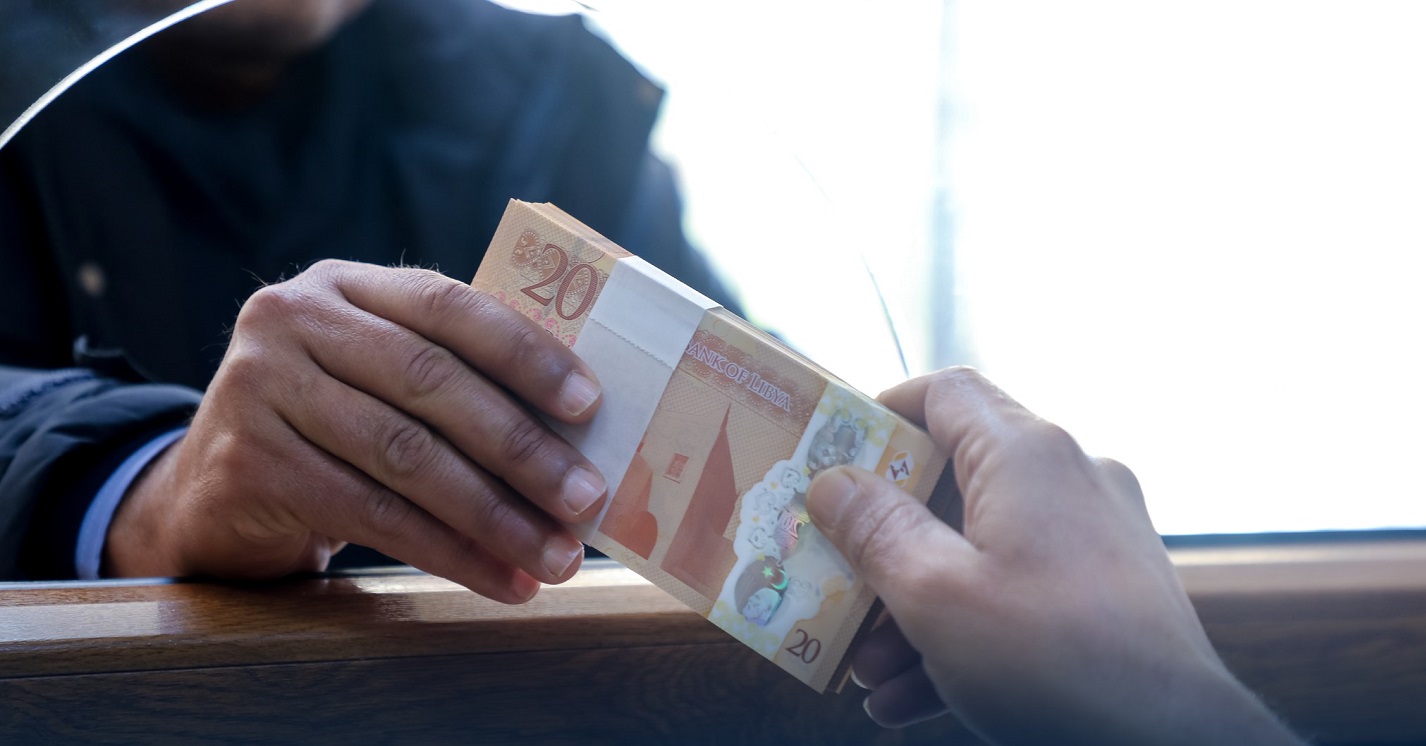
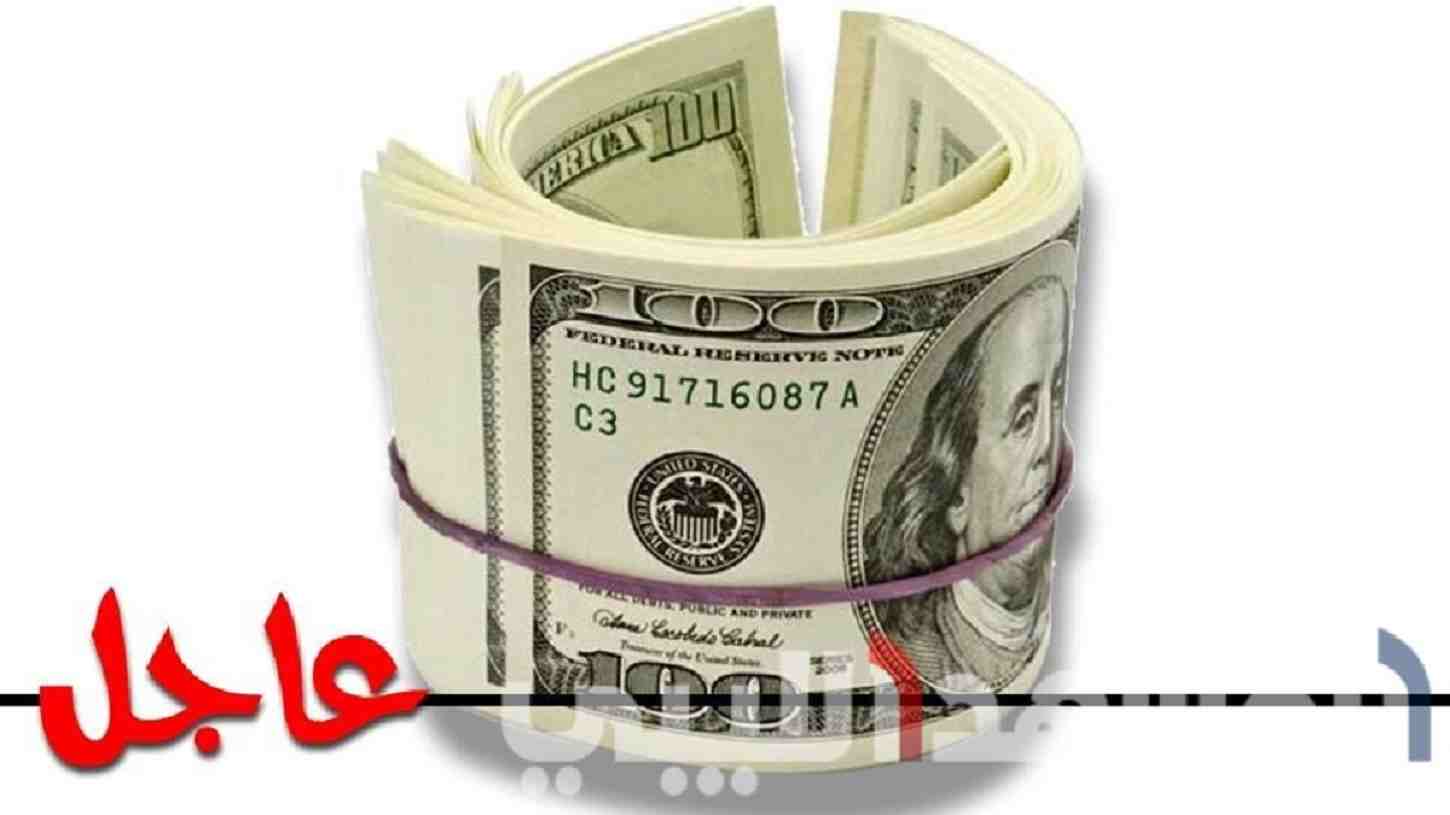
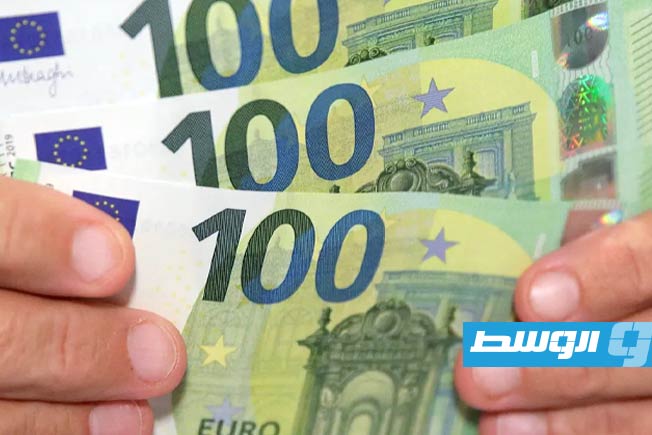
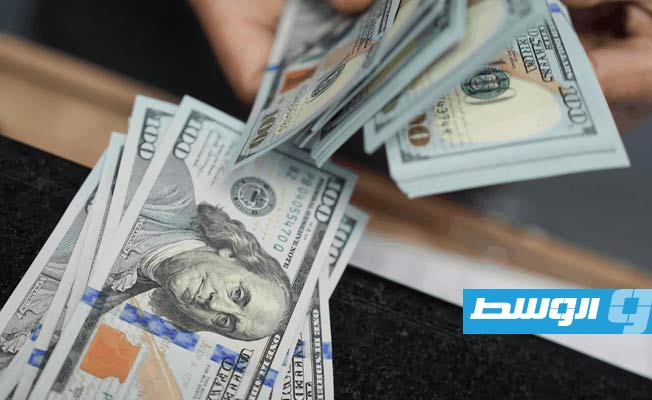
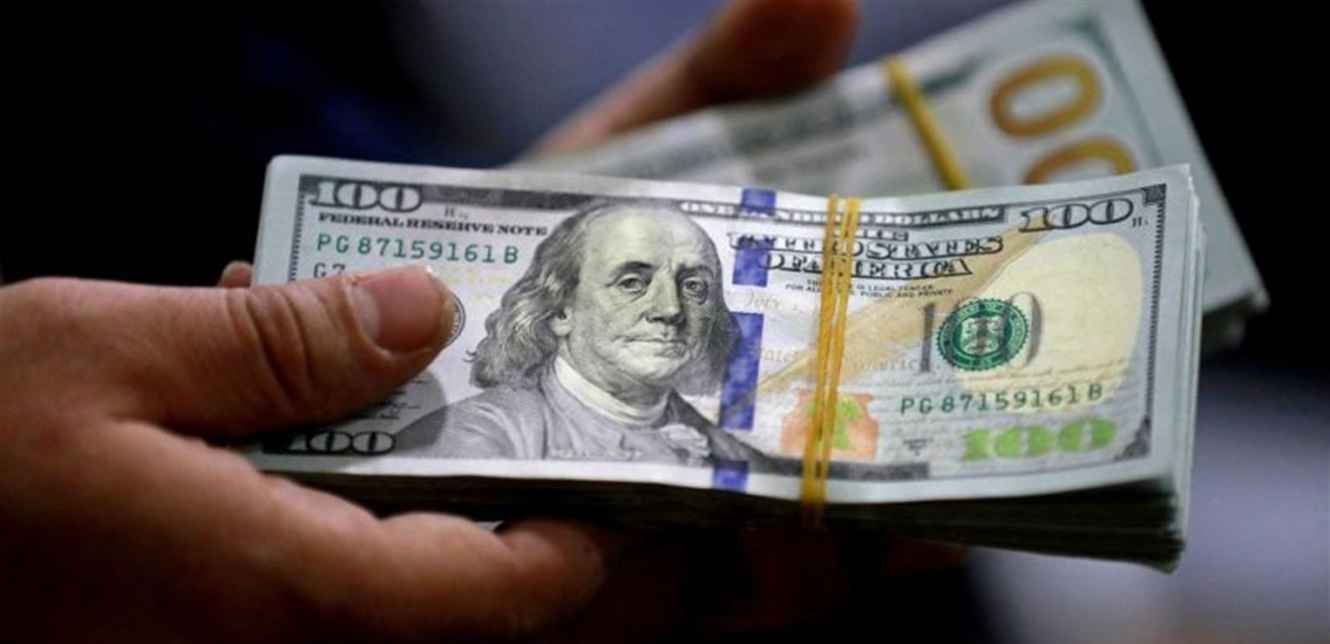
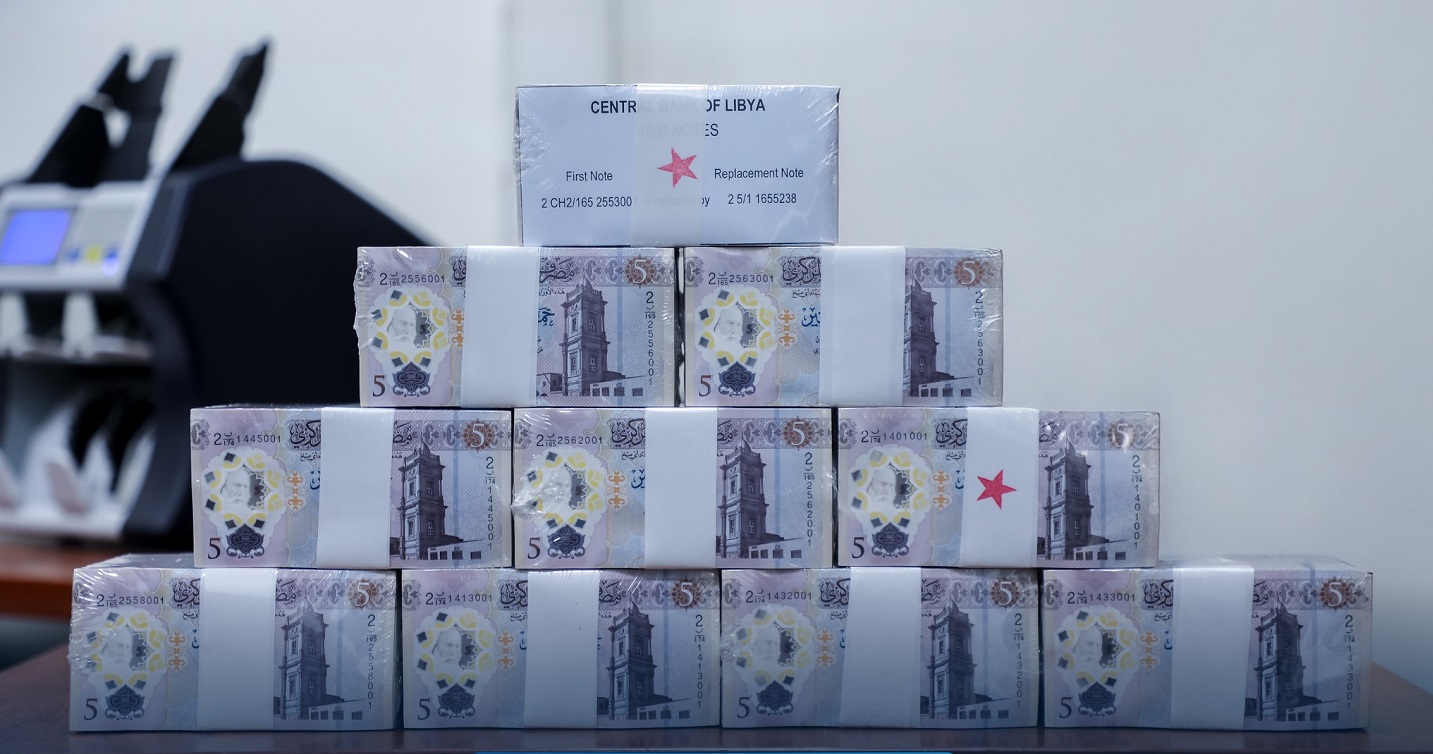
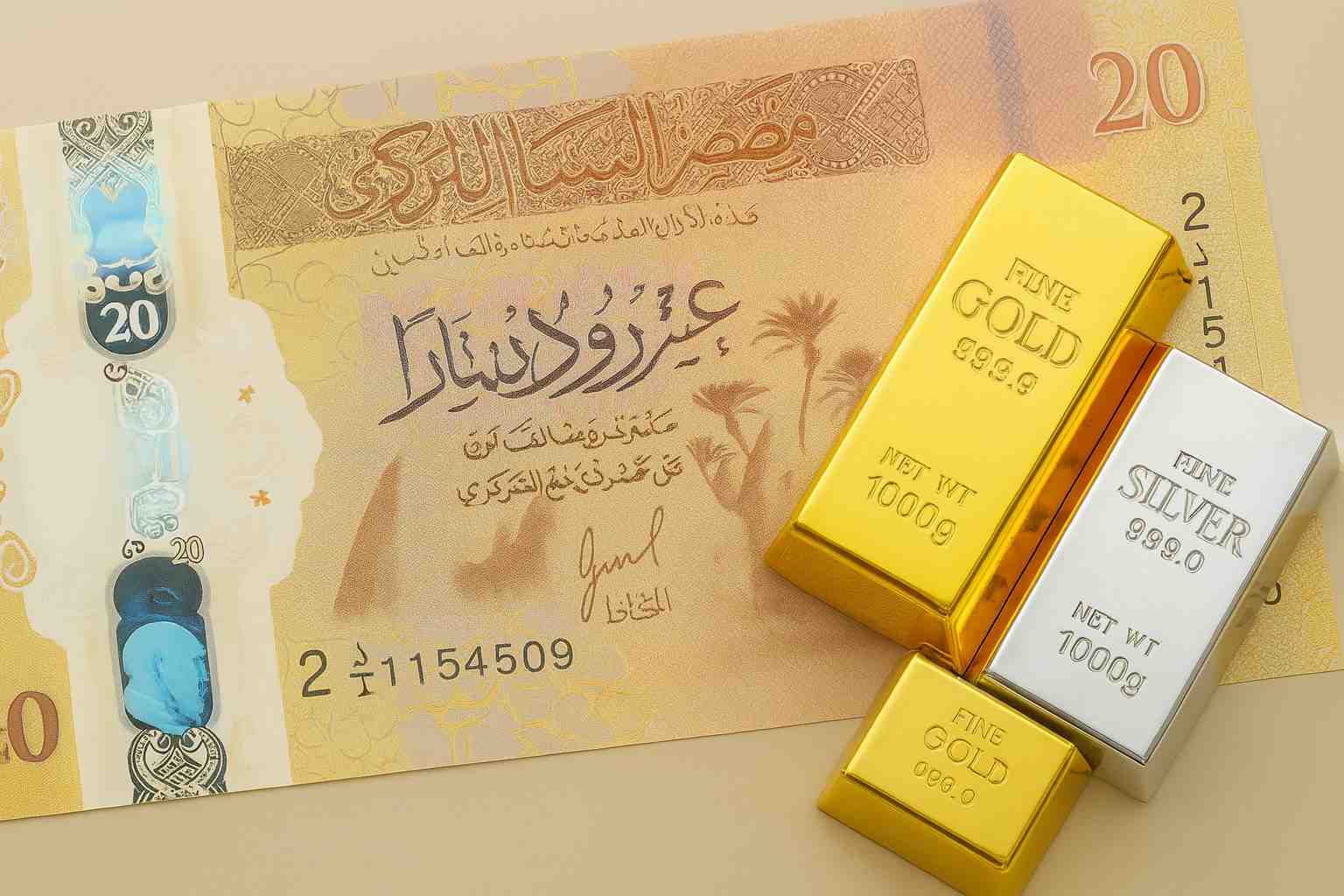
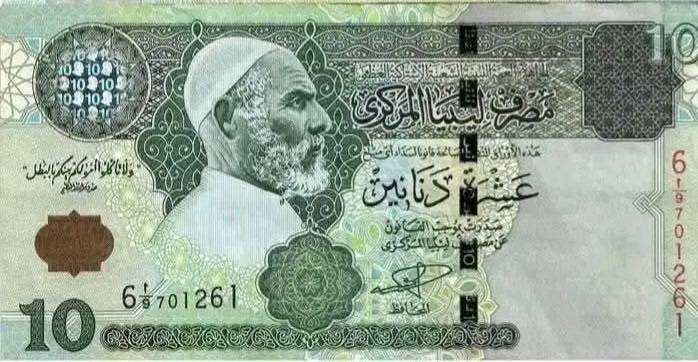
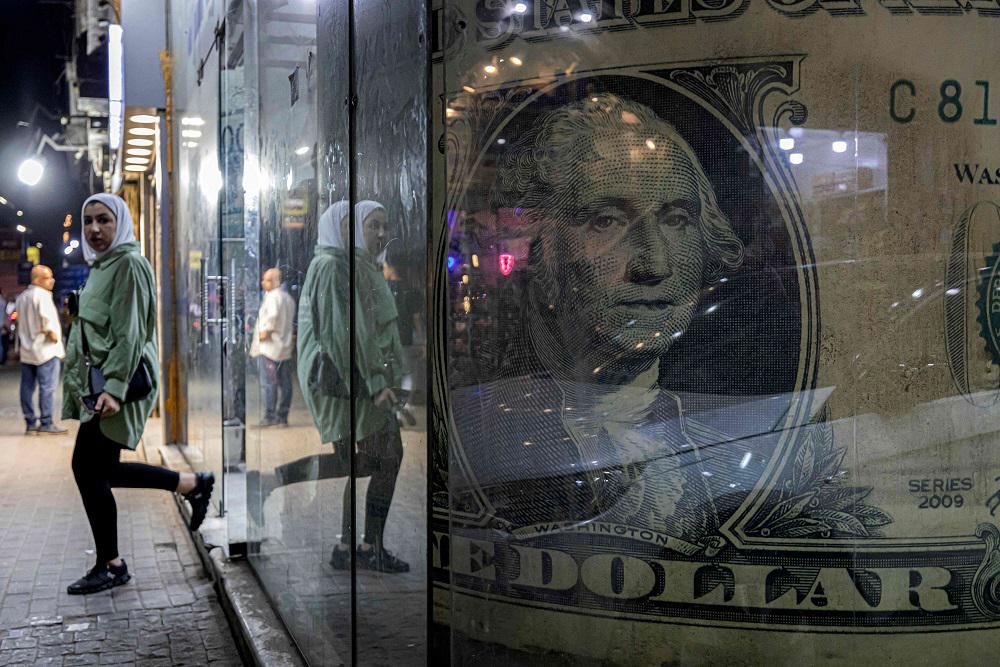
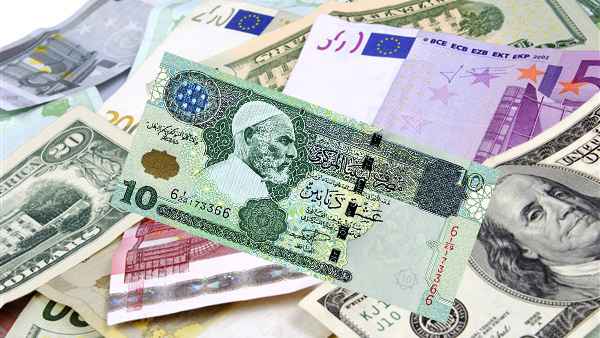
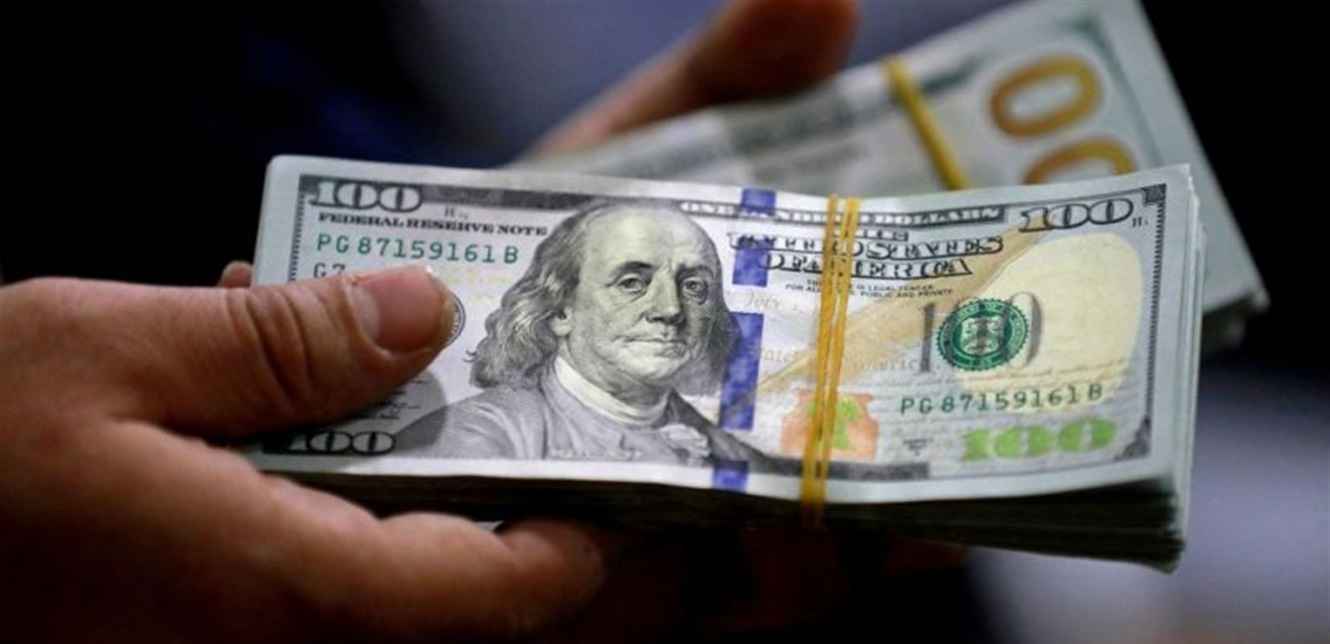
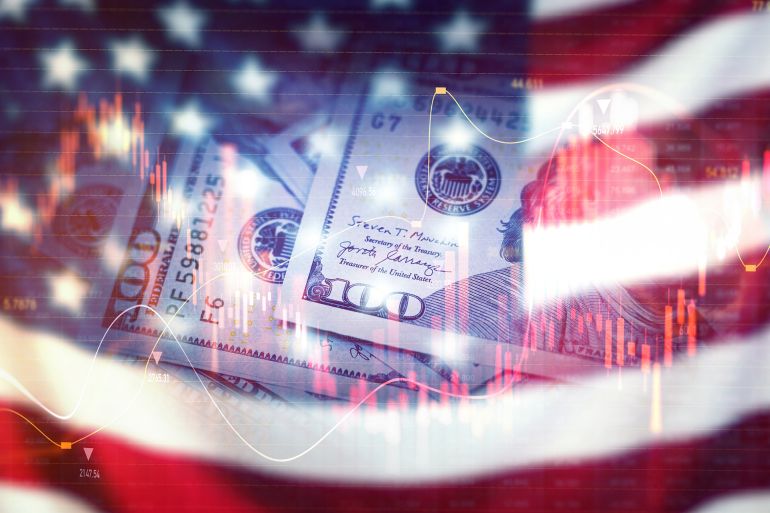
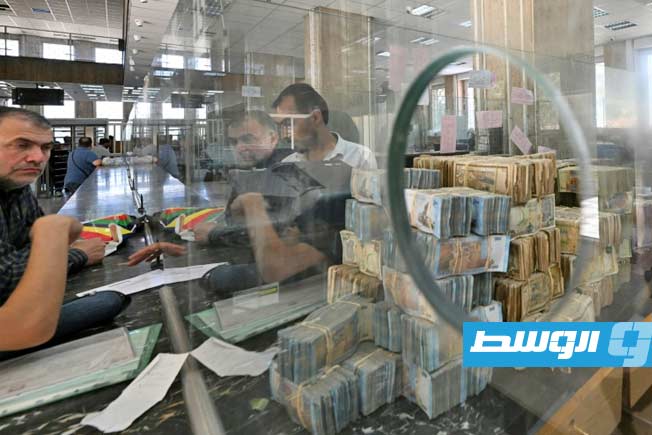
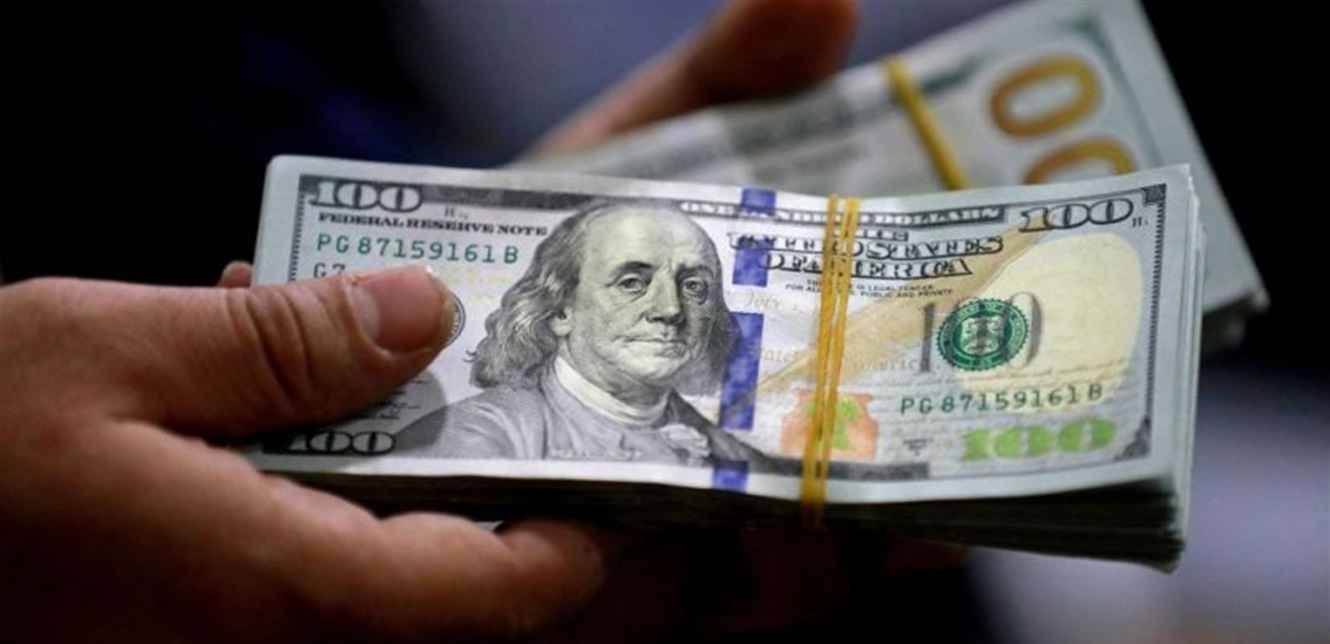
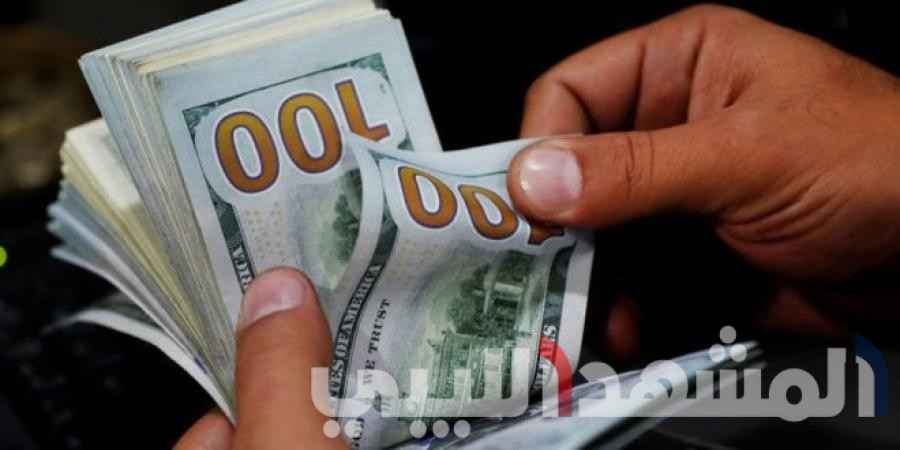
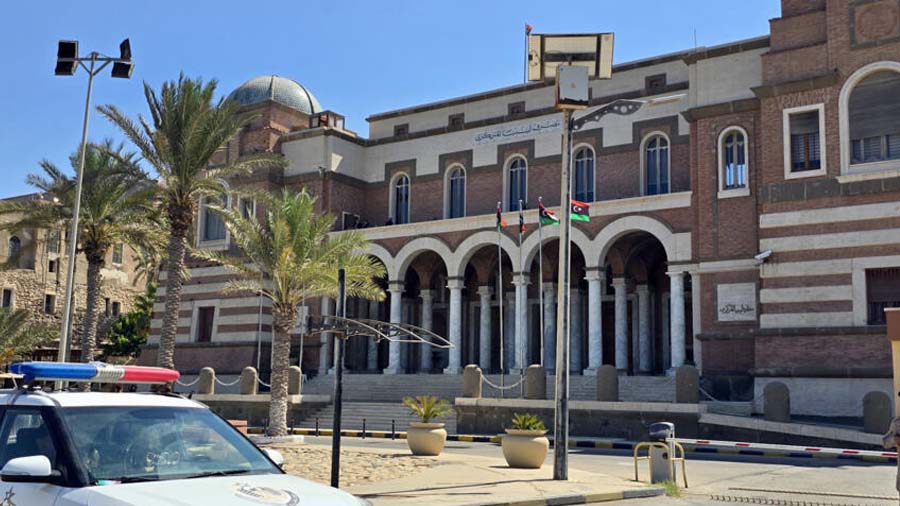
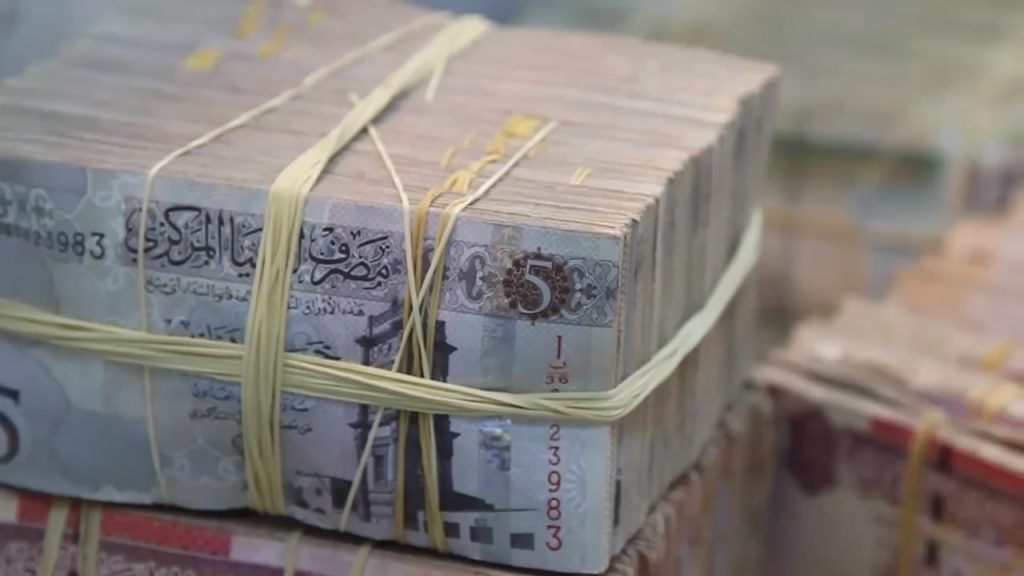
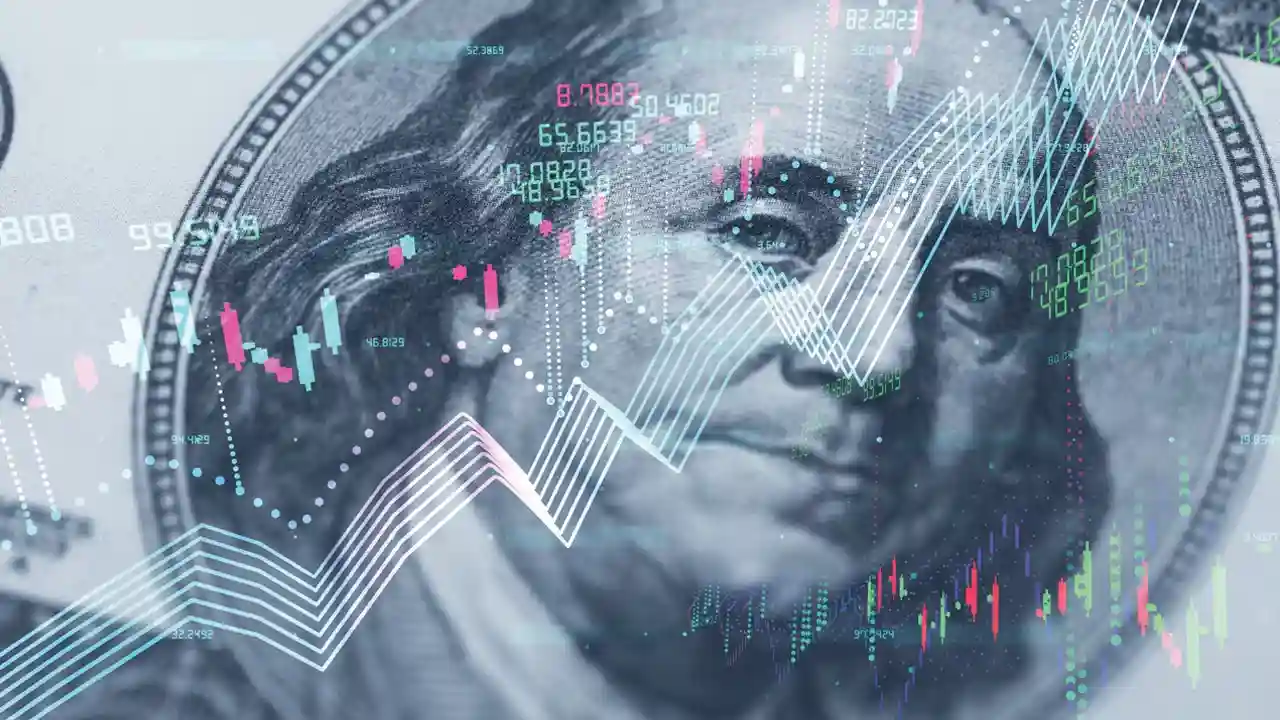
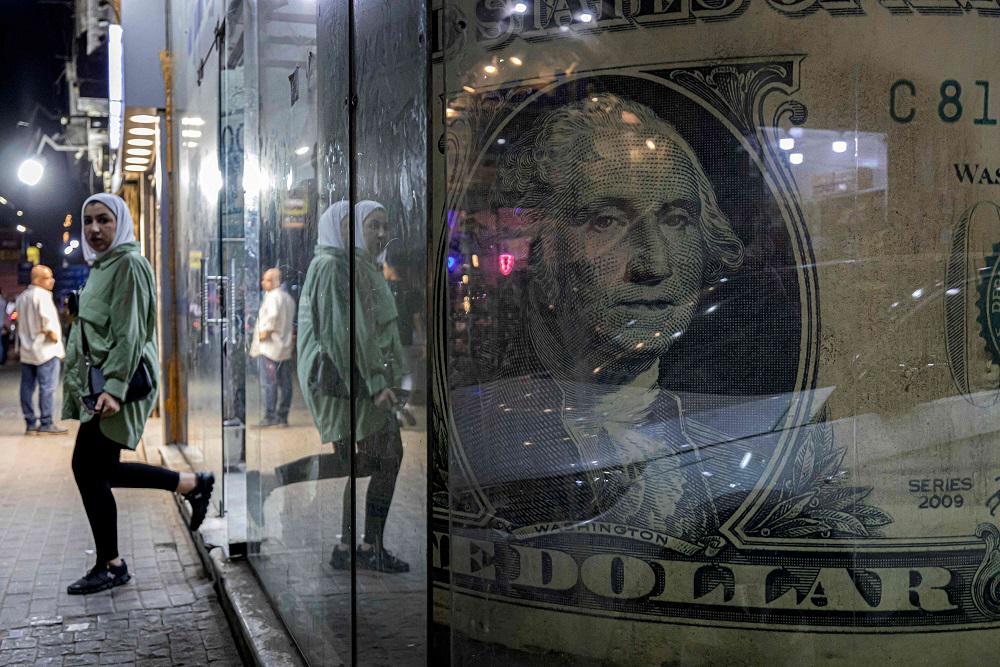
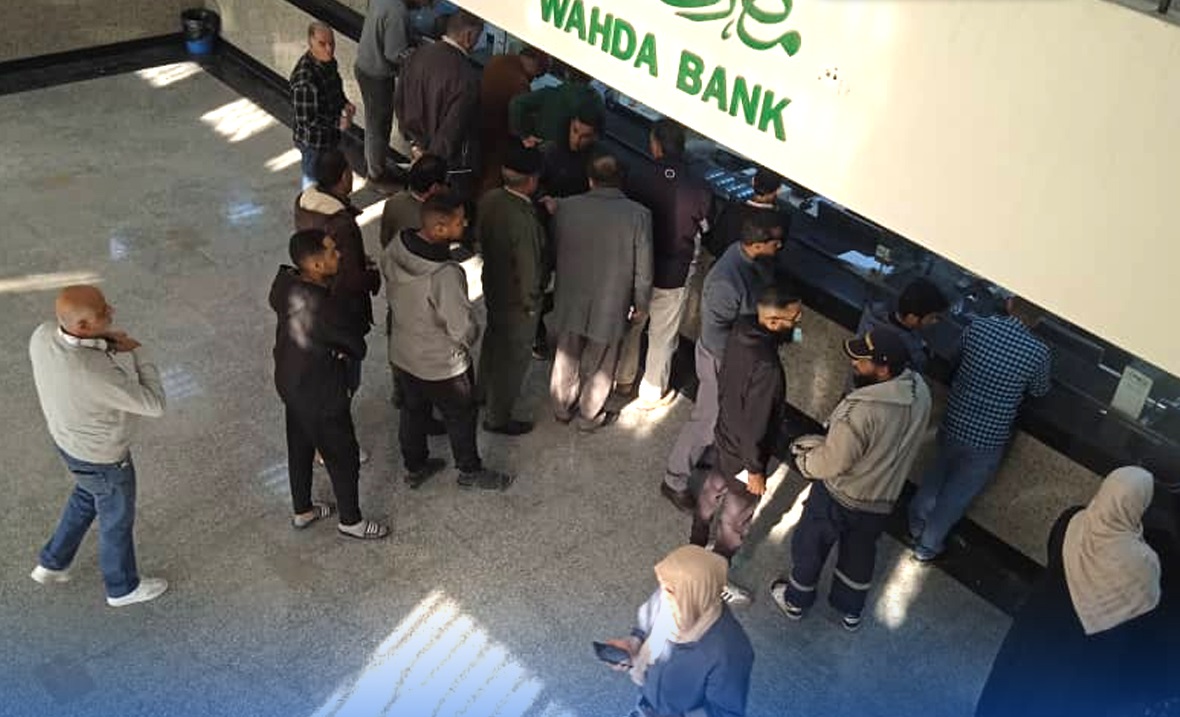
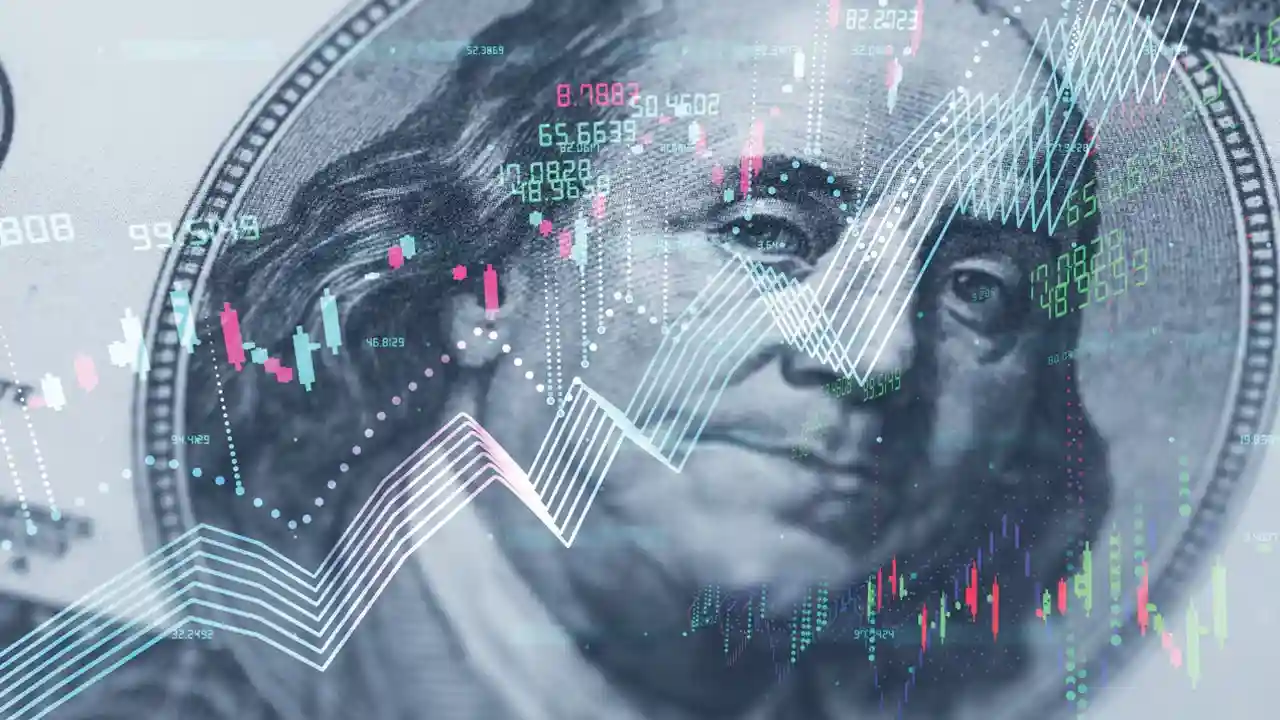
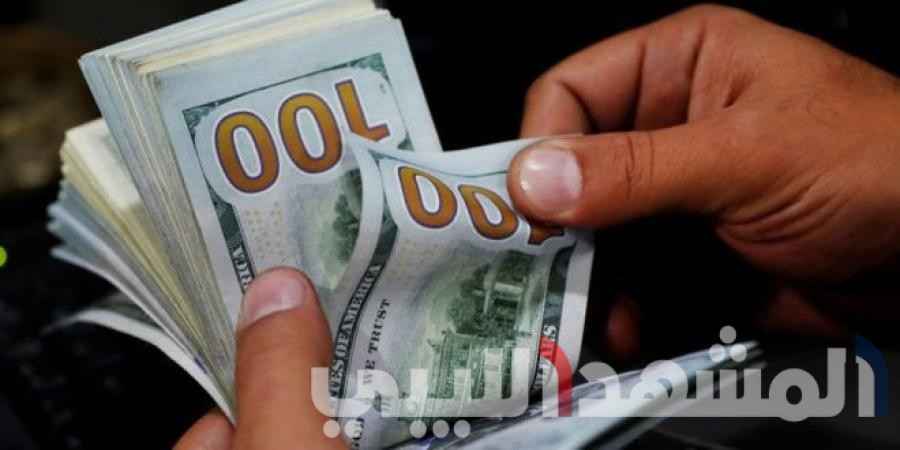
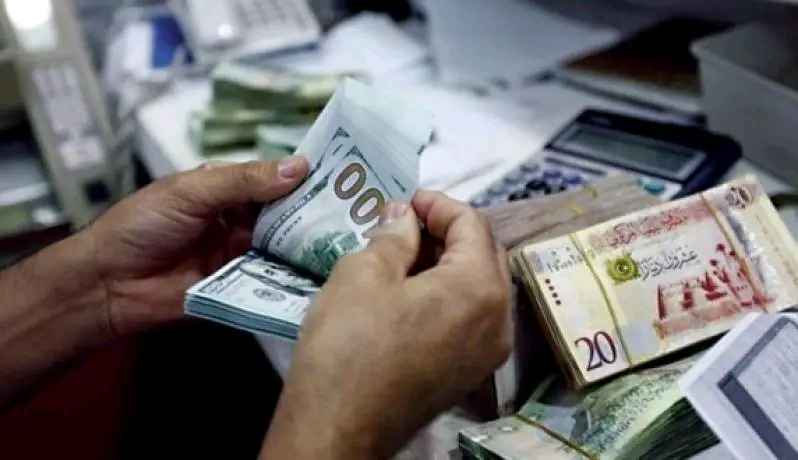
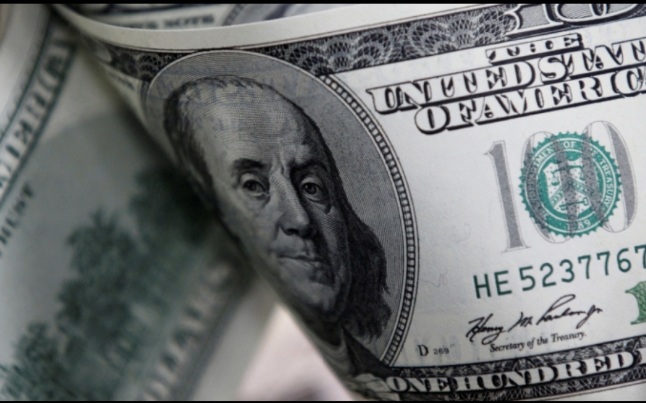
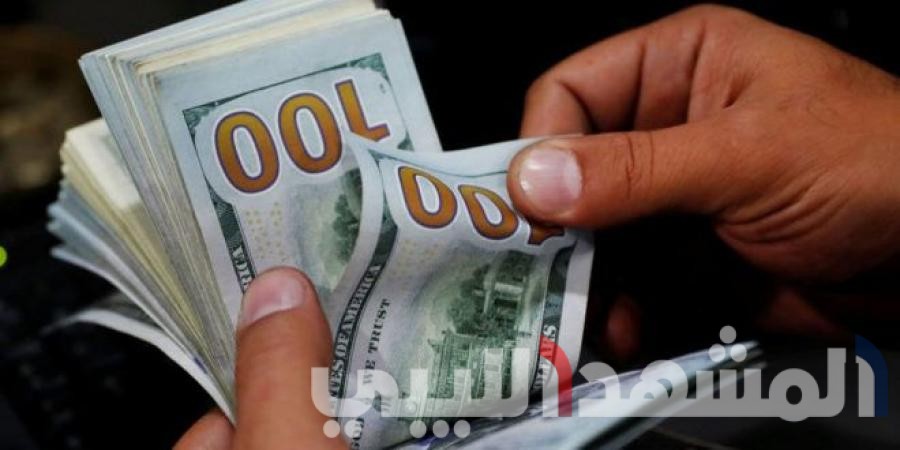
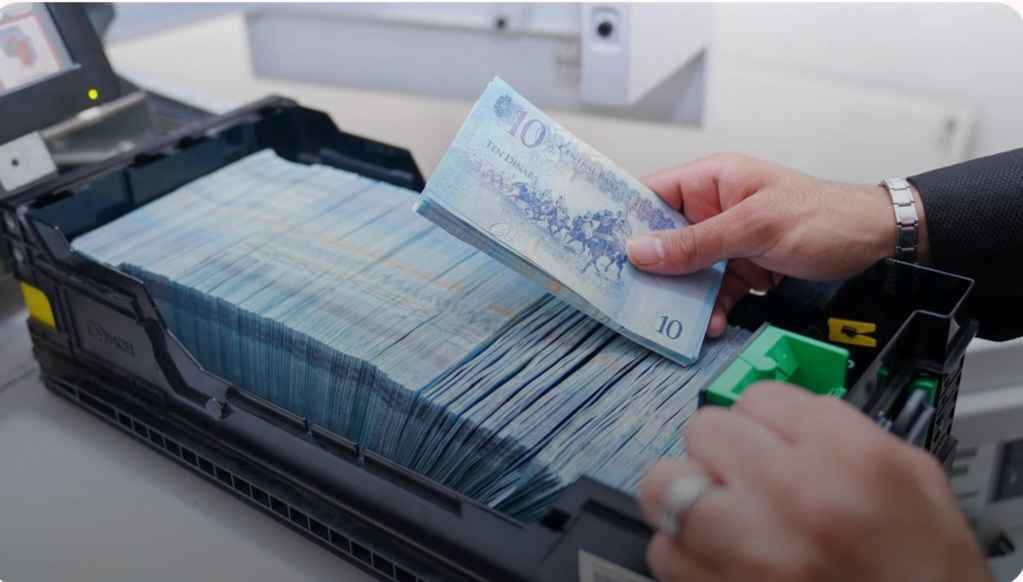
Tripoli | Economic Monitoring – Currency markets in Libya closed their weekly trading with a historic widening of the price gap between the official and parallel markets, with the difference recording approximately 2.57 dinars. This sharp disparity places the purchasing power of the Libyan dinar under immense pressure, amid anticipation for decisive monetary and political measures at the beginning of 2026.
Analyzing the Numbers: A Gap Exceeding Two and a Half Dinars
According to available data, the comparison shows a sharp contrast in pricing levels:
-
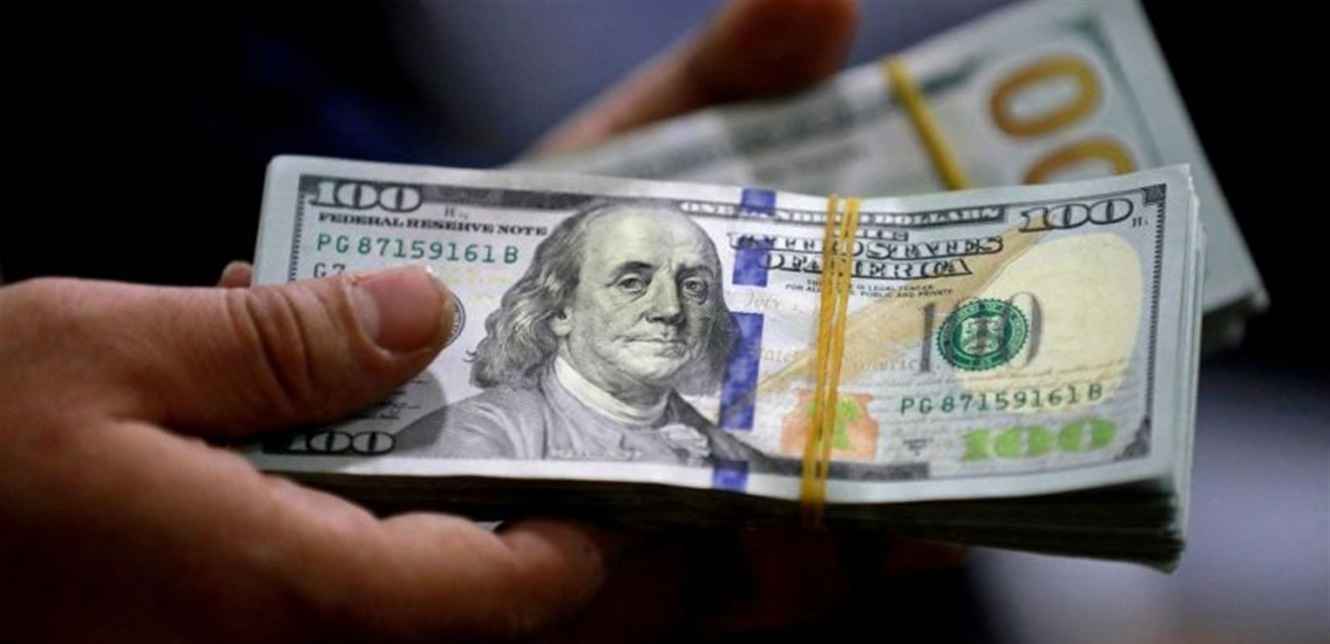
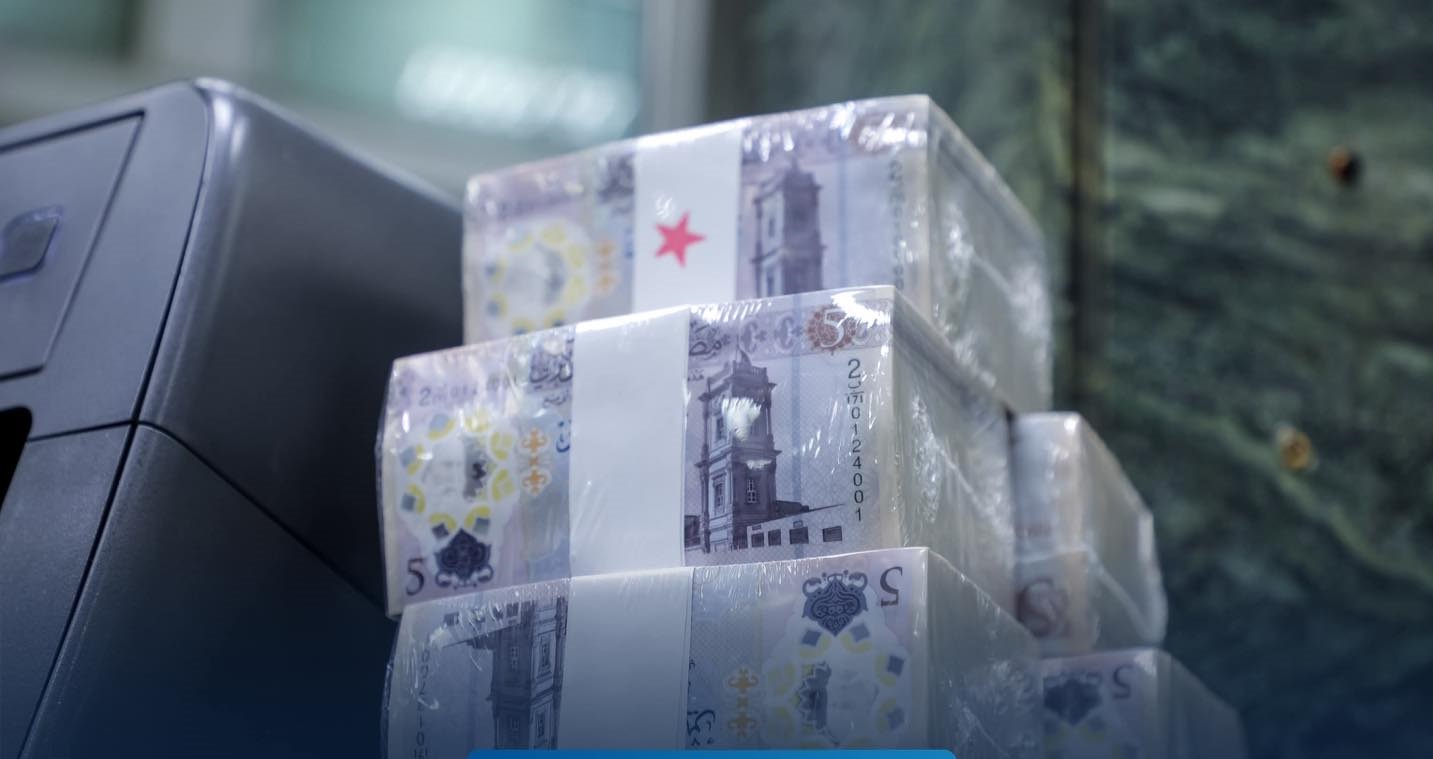
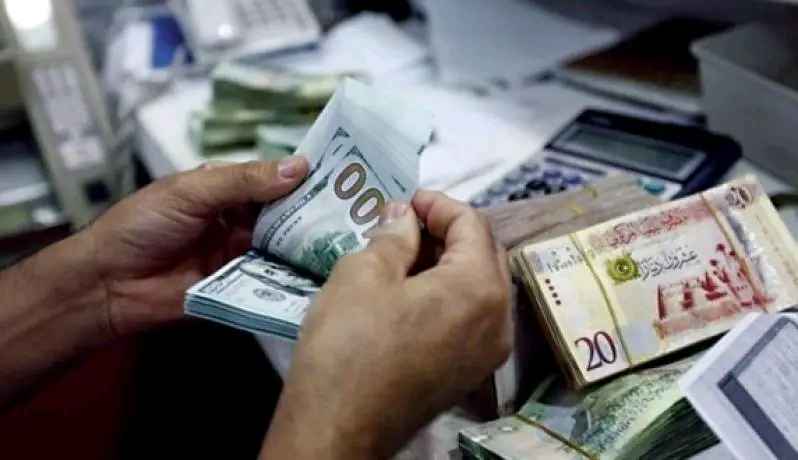
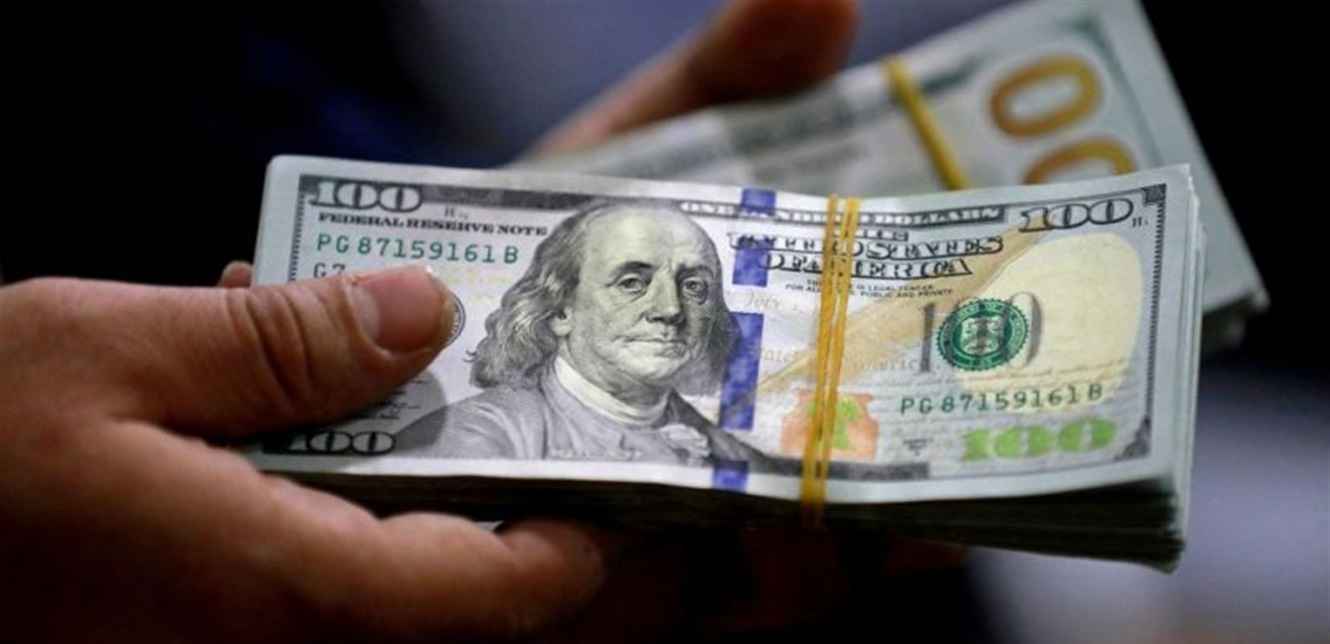
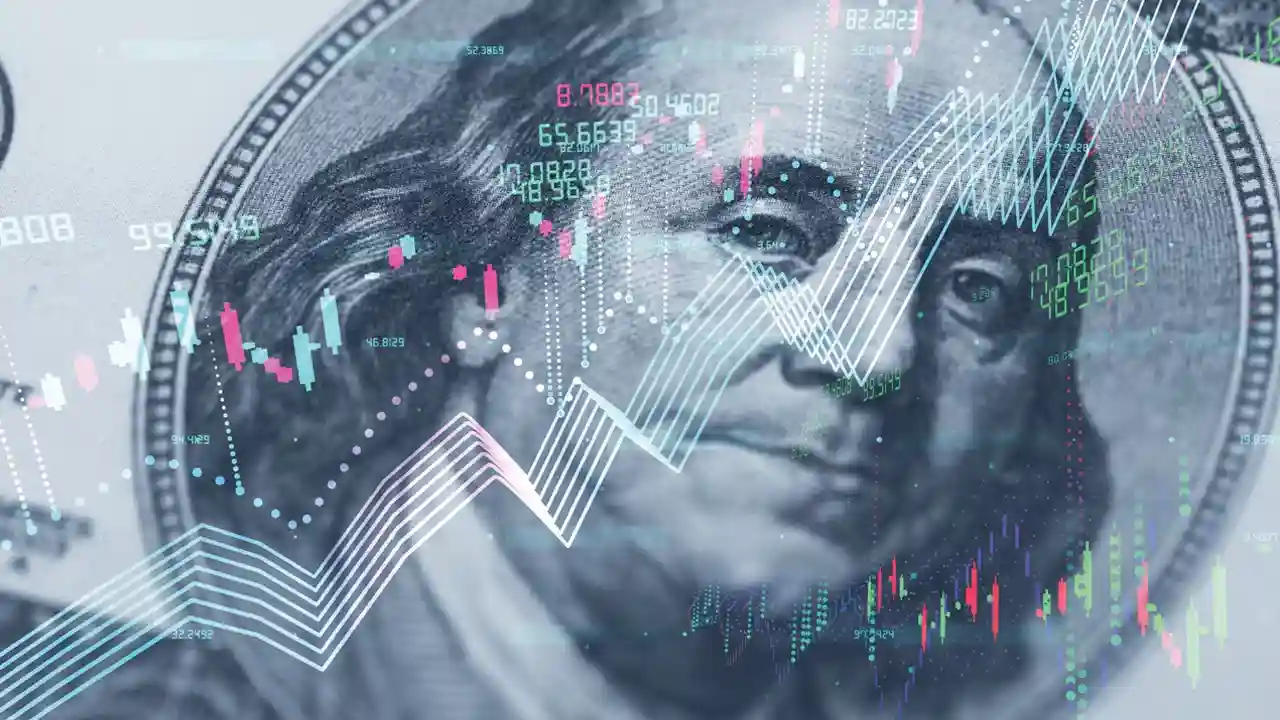
Official Price (with tax): The official price is stable at 5.43 dinars. Adding the 15% tax (0.82 dinars), the actual total price becomes 6.25 dinars.
-
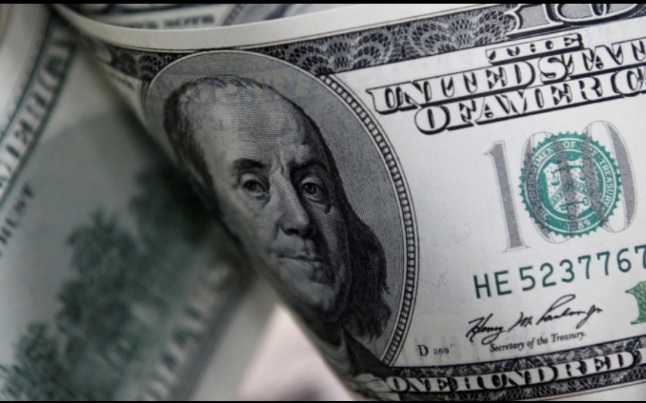
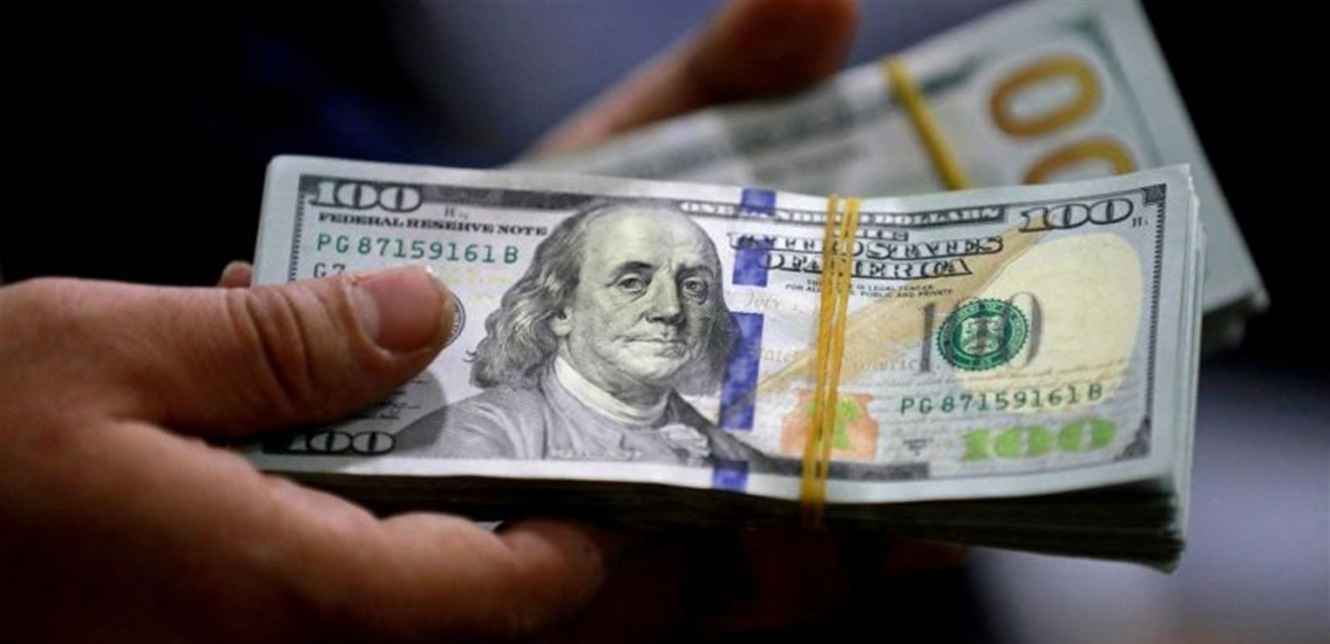
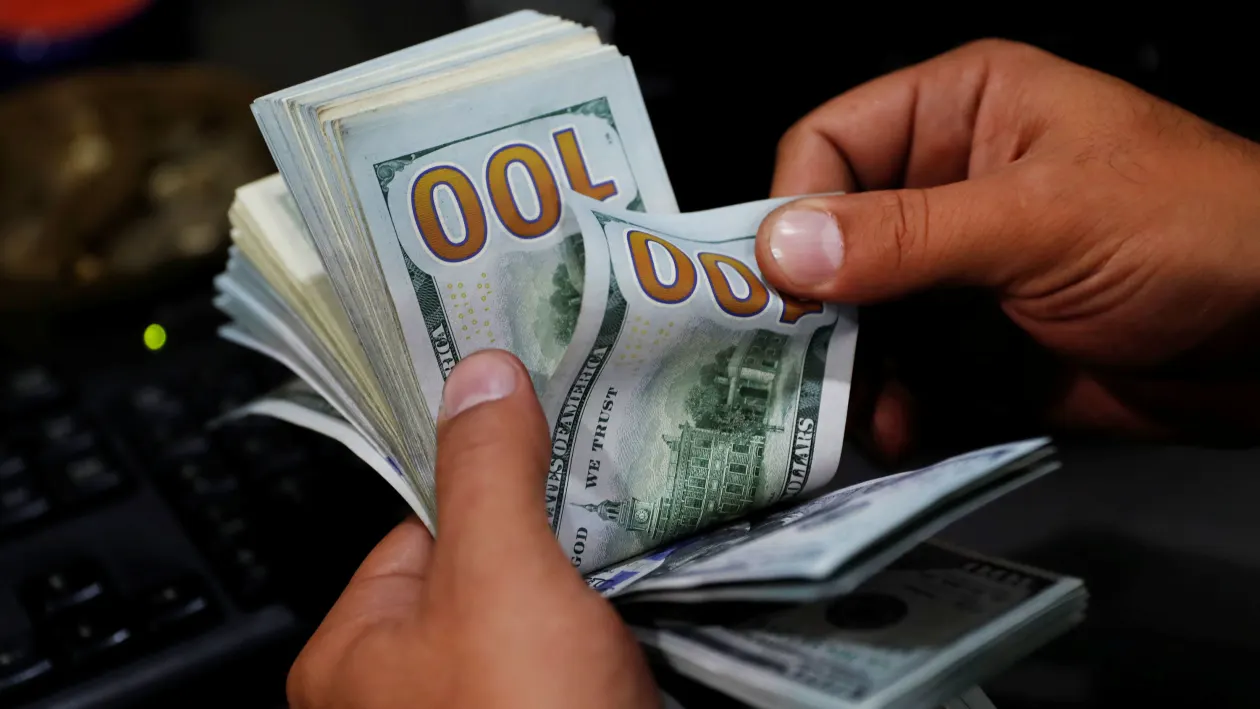
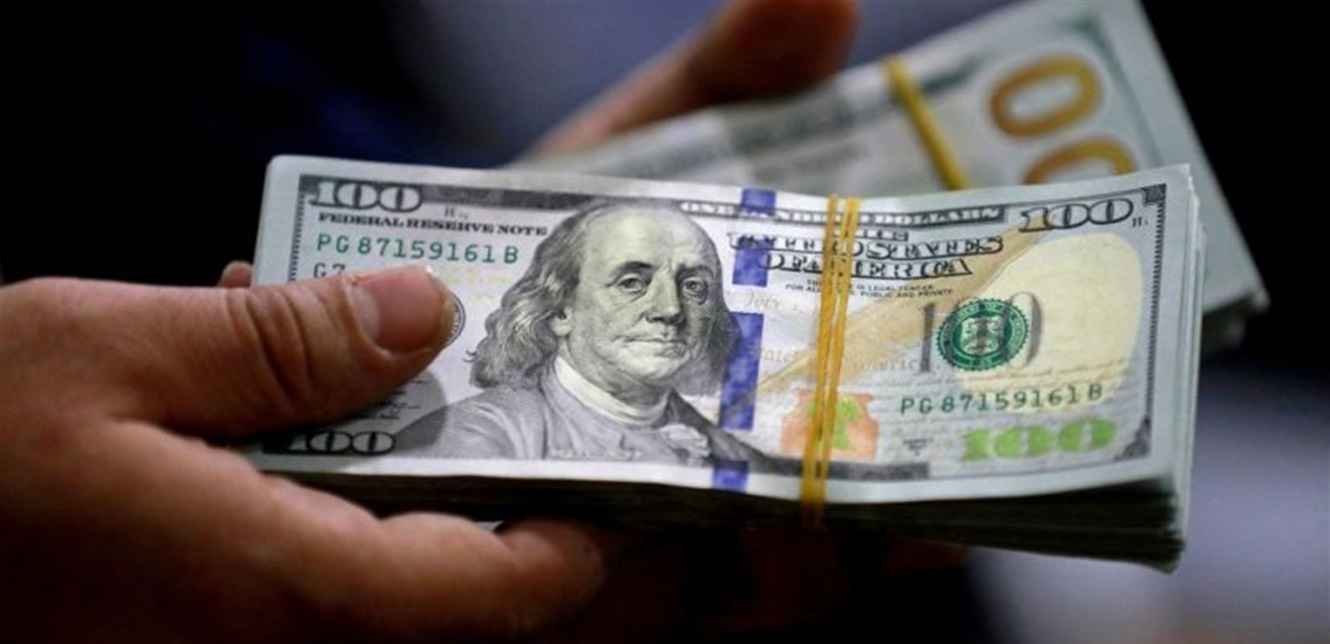
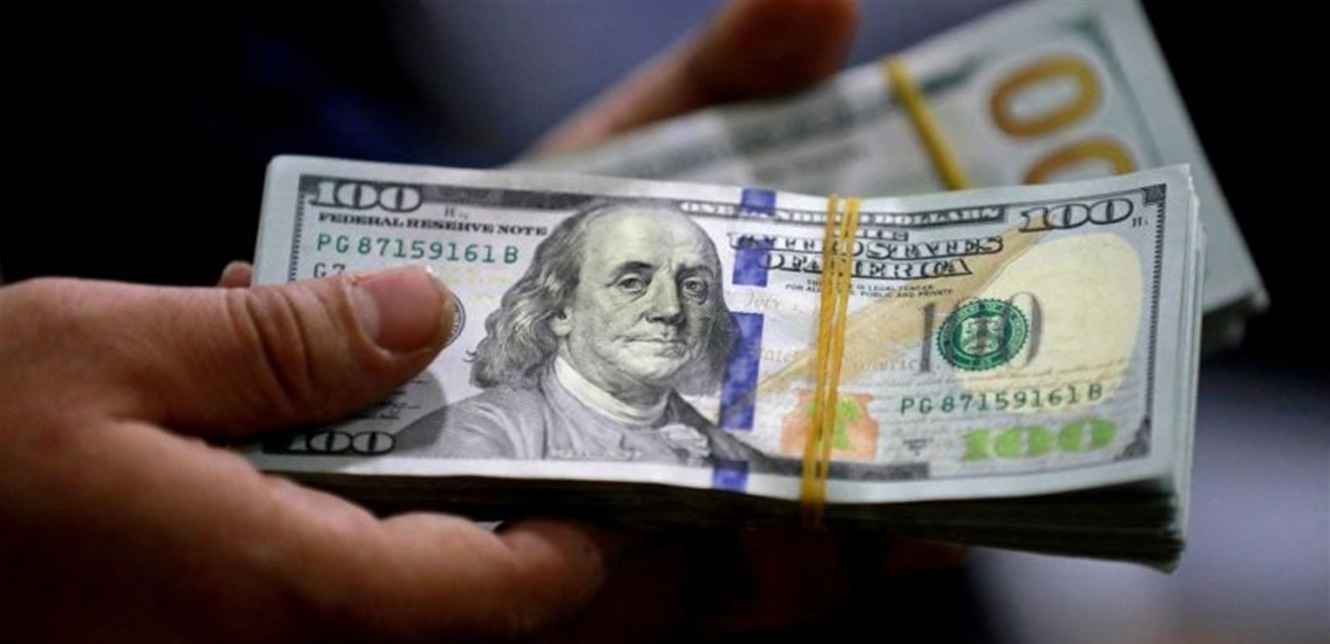
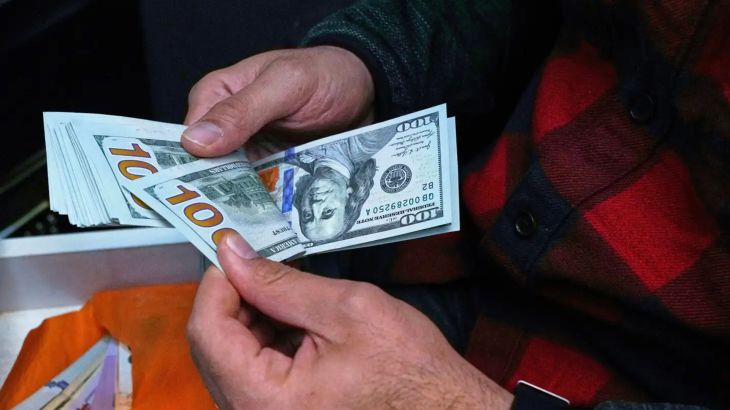
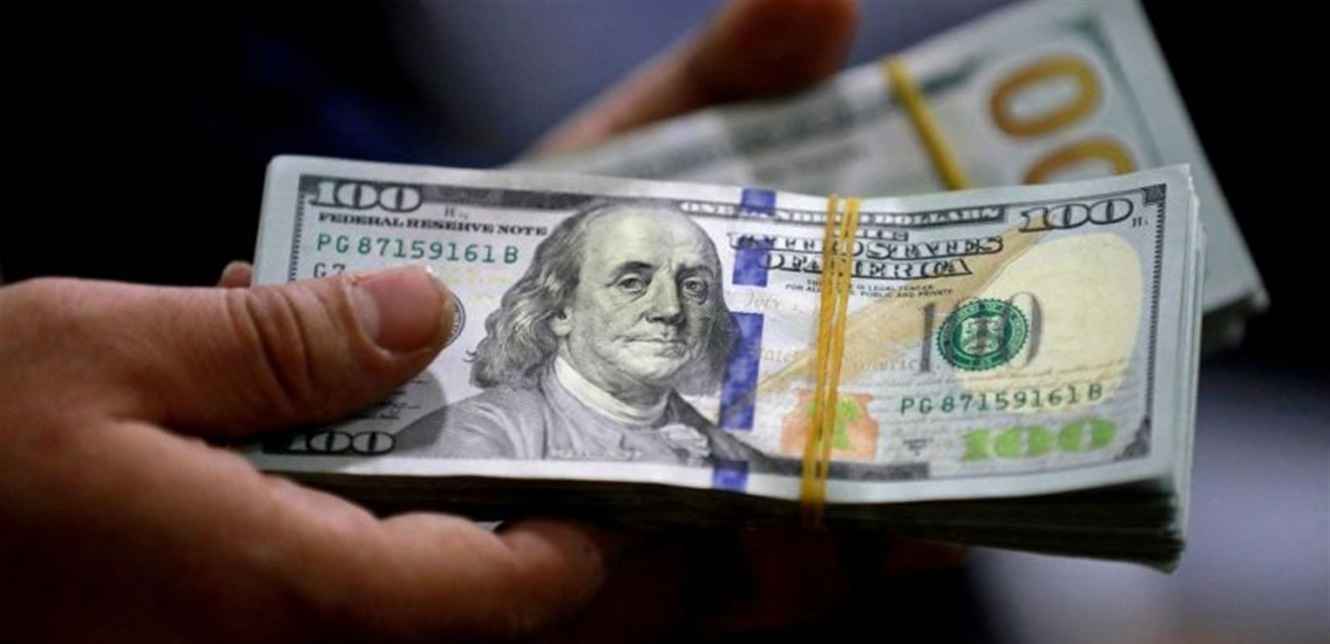
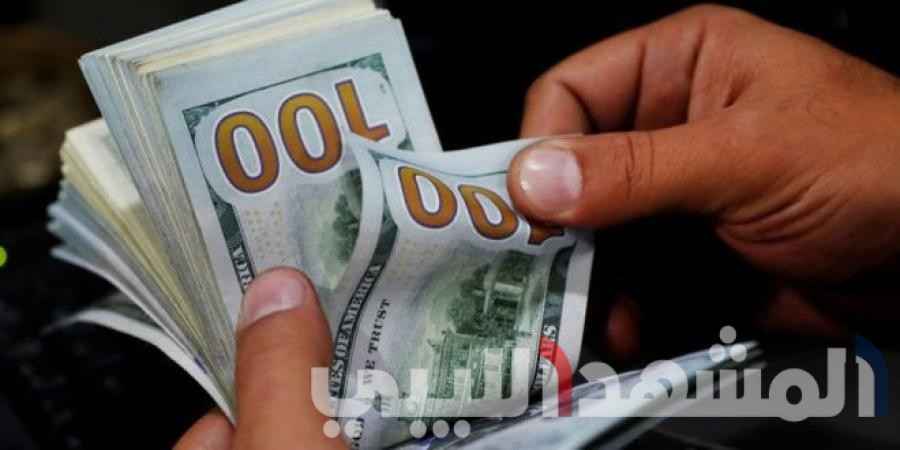
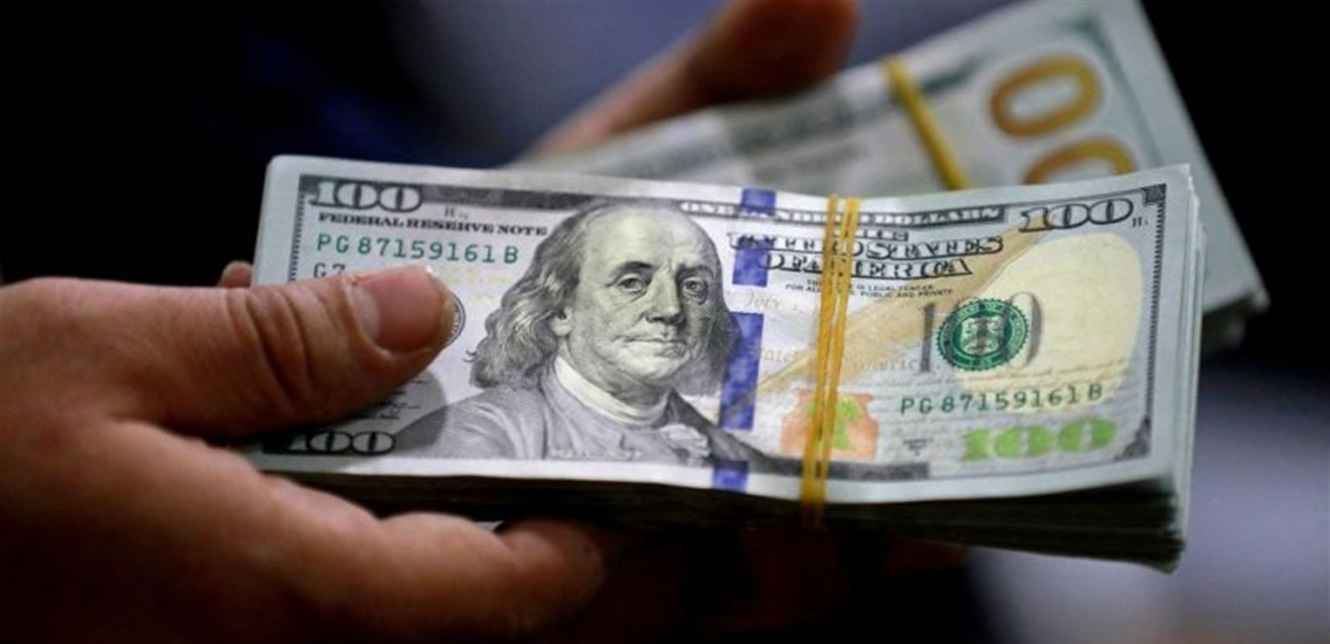
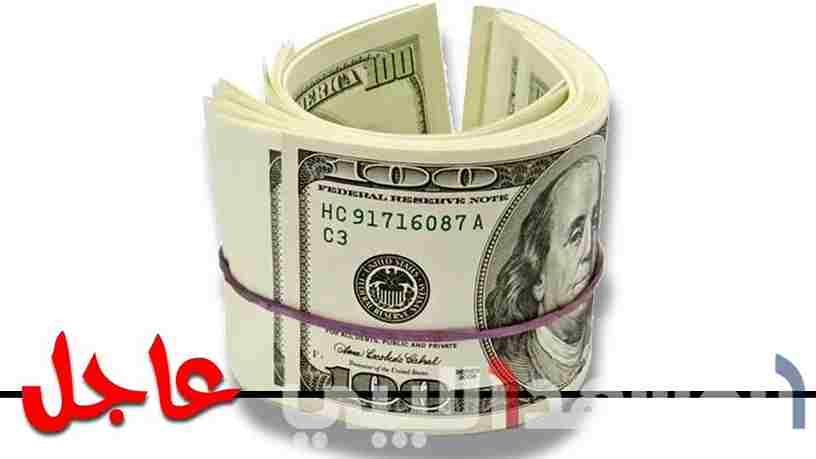
Parallel Market: The dollar closed at levels of 8.82 dinars, according to parallel trading platforms.
The “Billion Dollar” Intervention and the Accountability Session
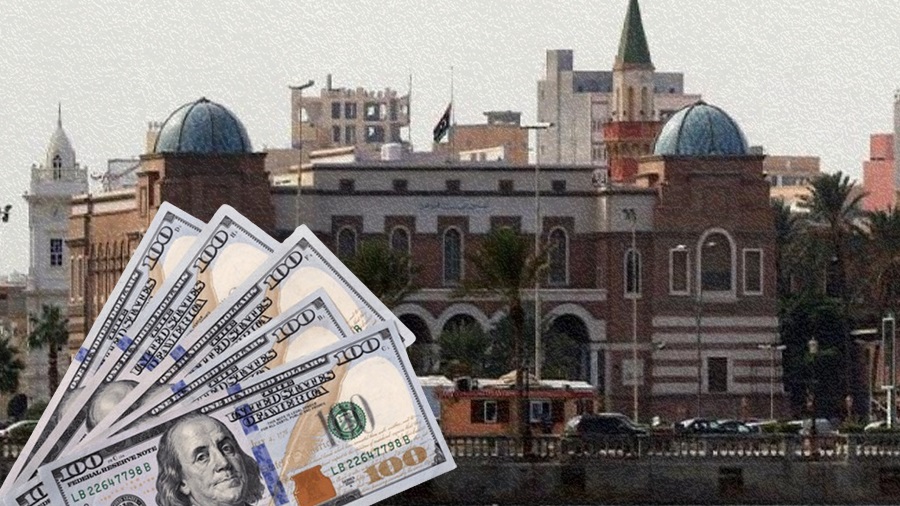
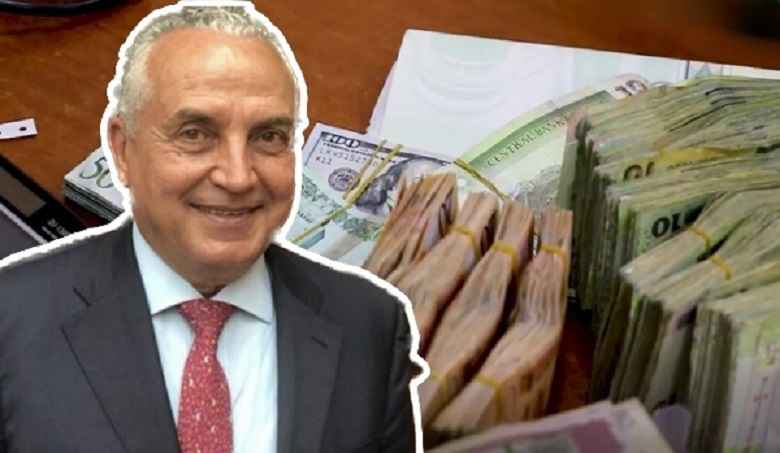
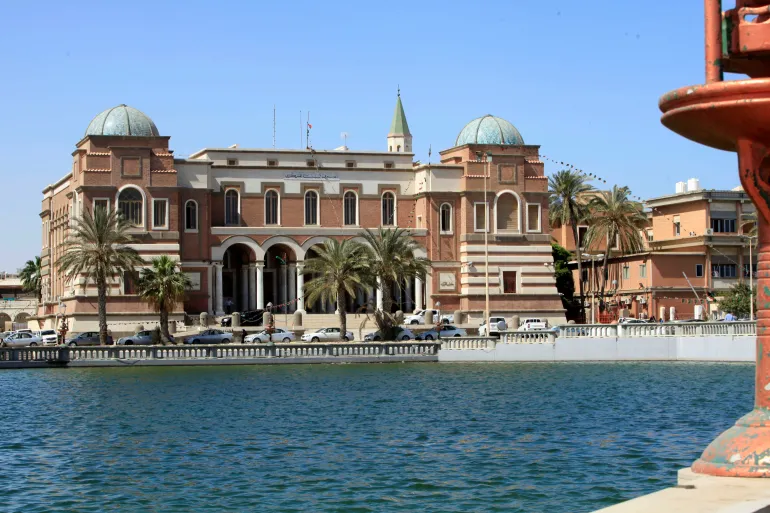
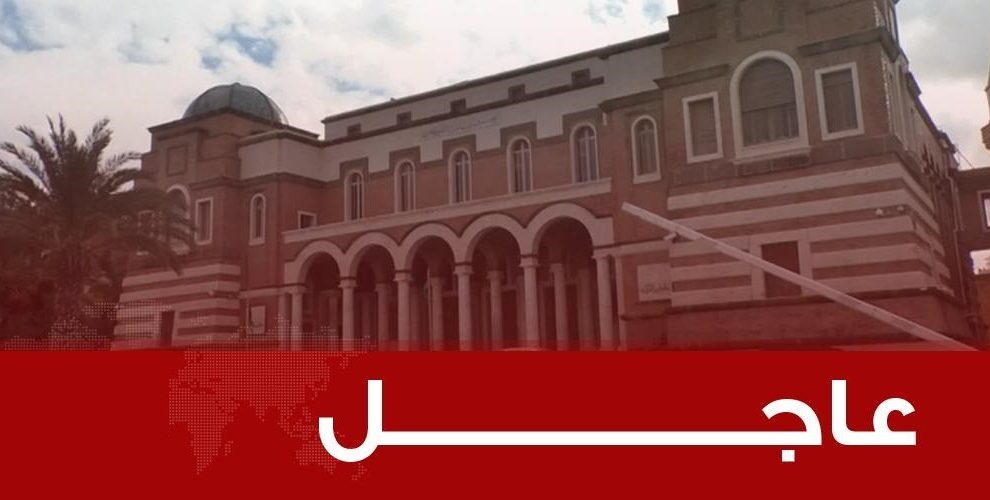
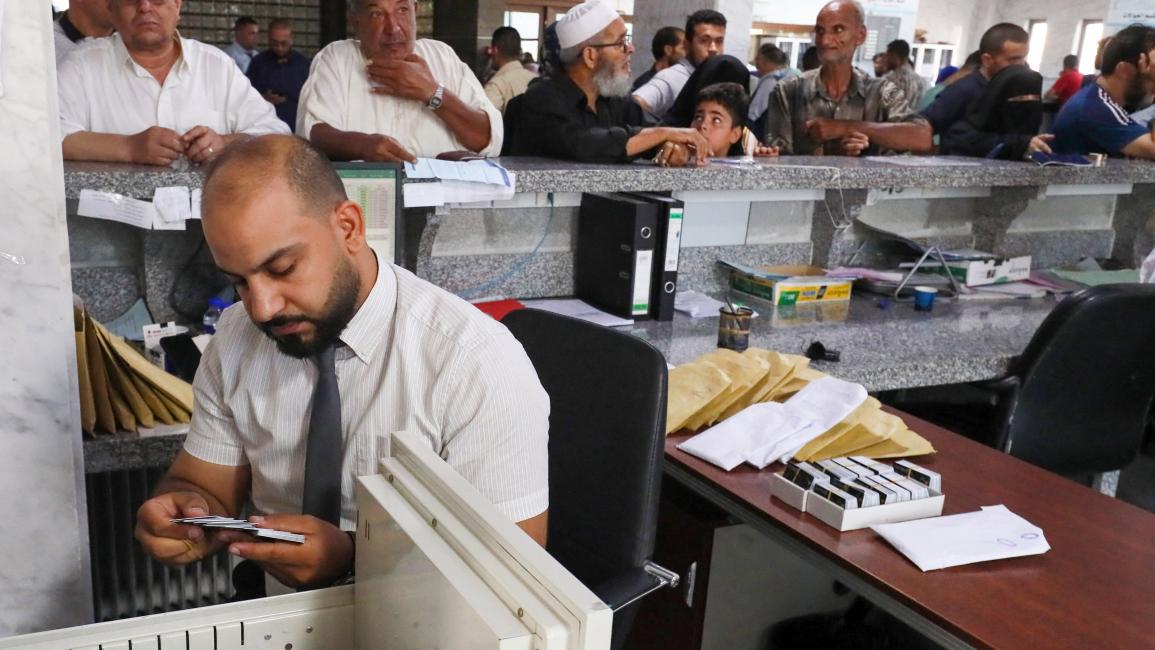
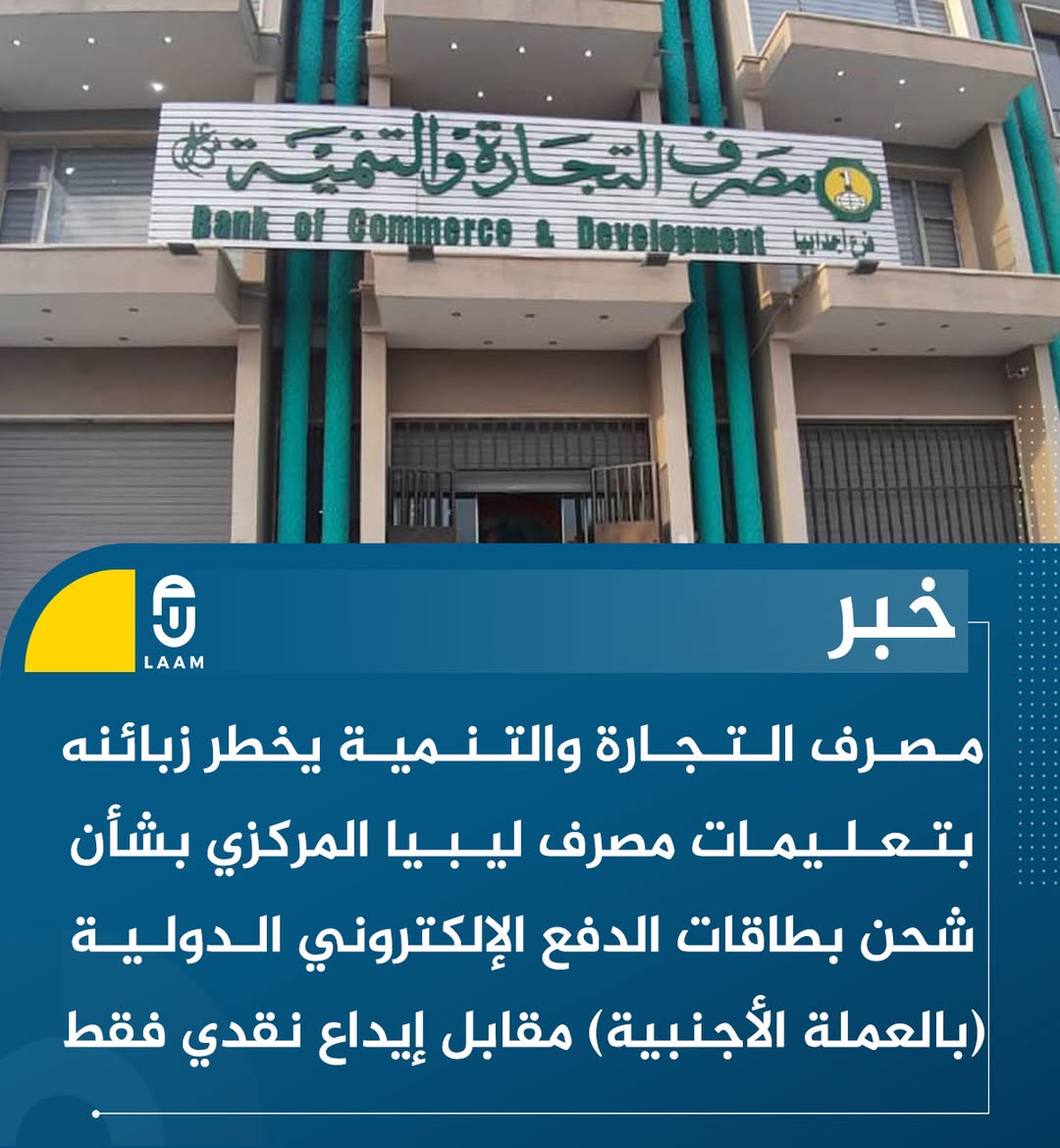
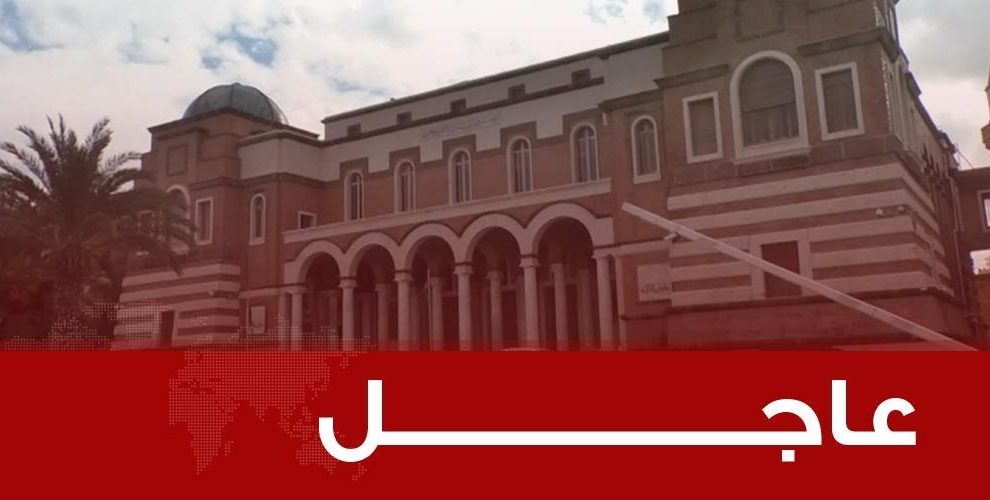
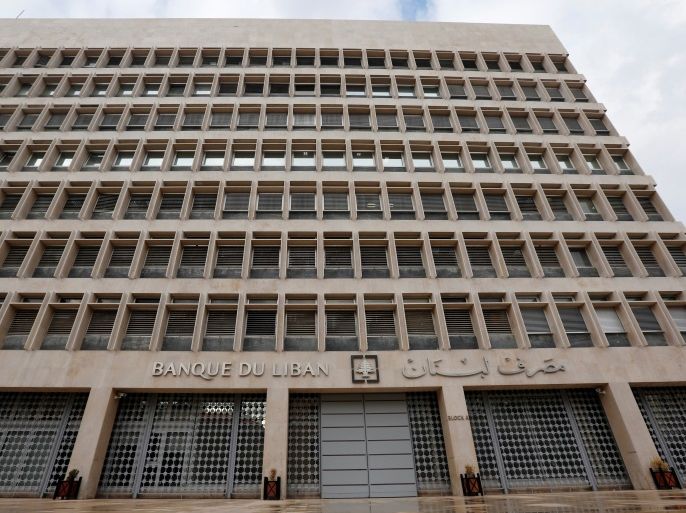
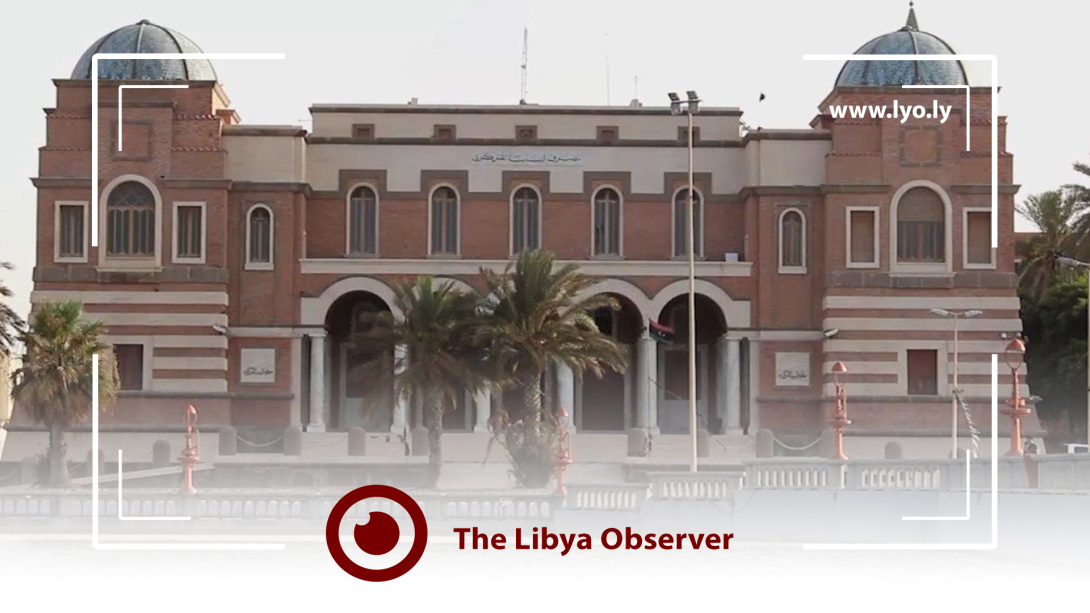
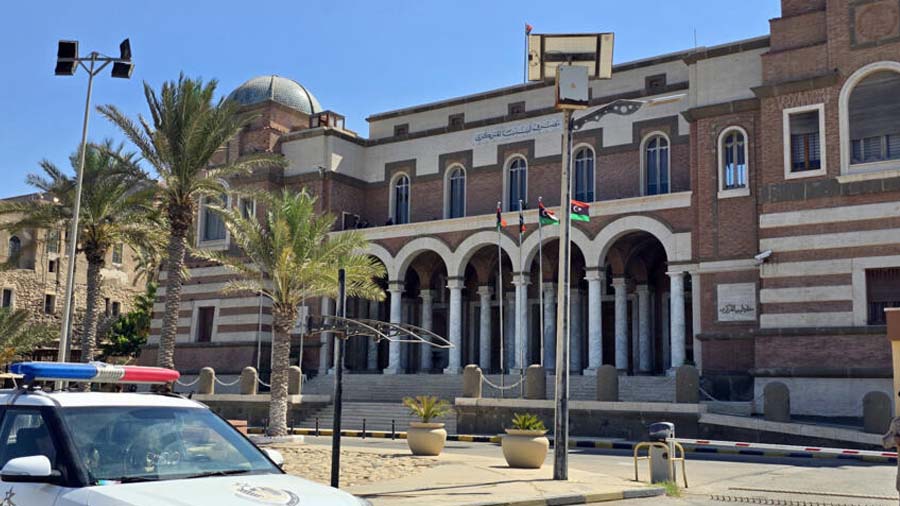
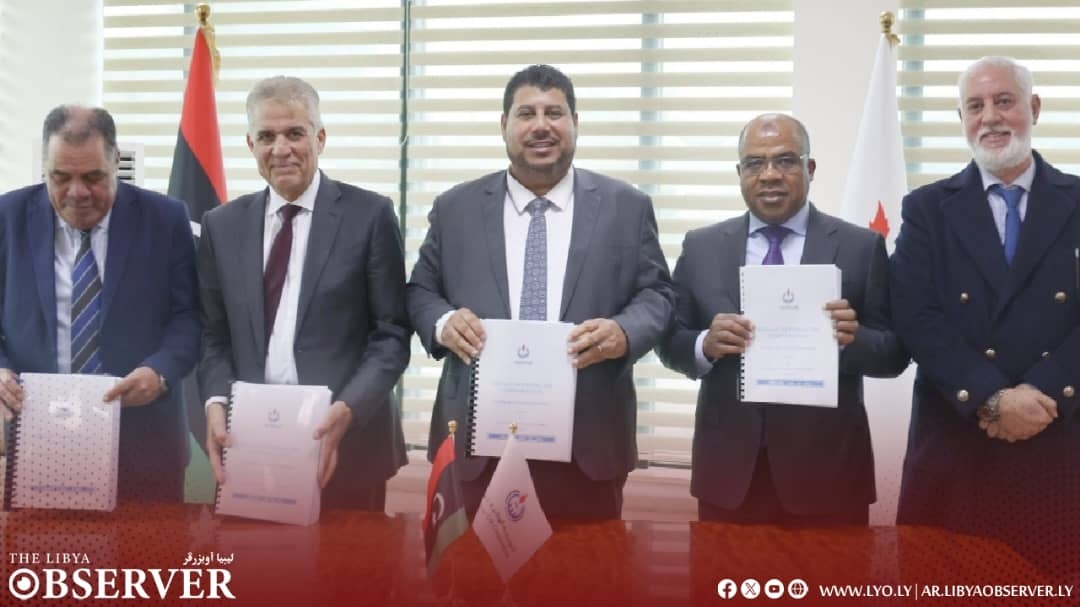
In an attempt to calm the markets, a source from the Central Bank of Libya announced the commencement of injecting one billion dollars to commercial banks to cover requests for credits and foreign currency, pledging to settle outstanding amounts.
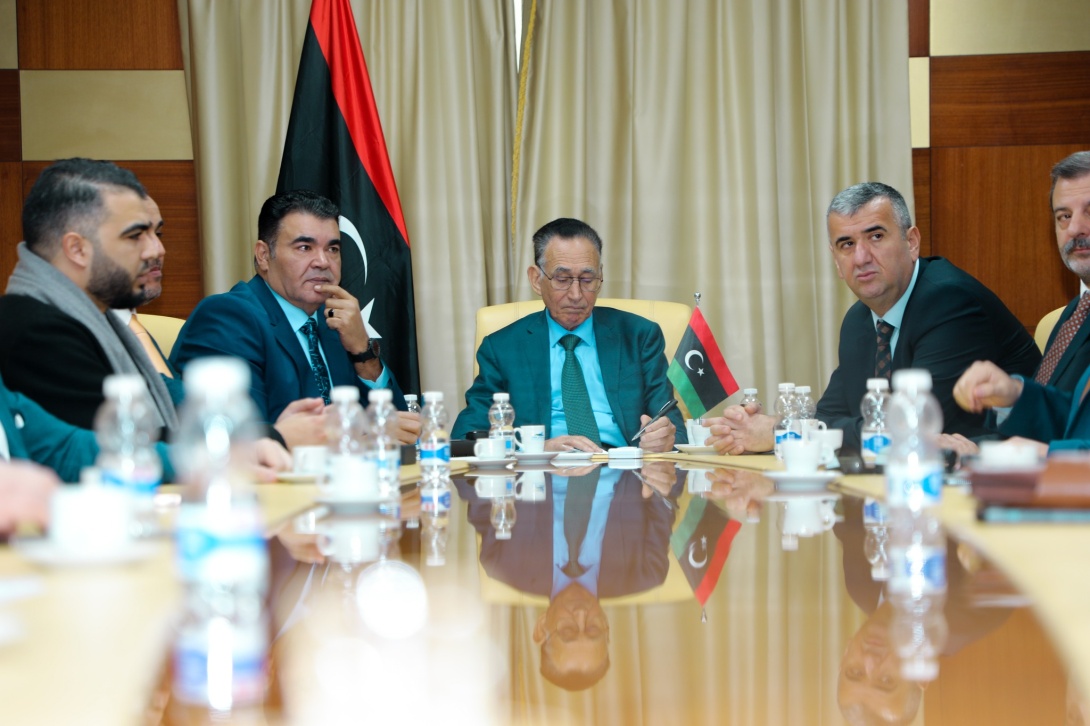
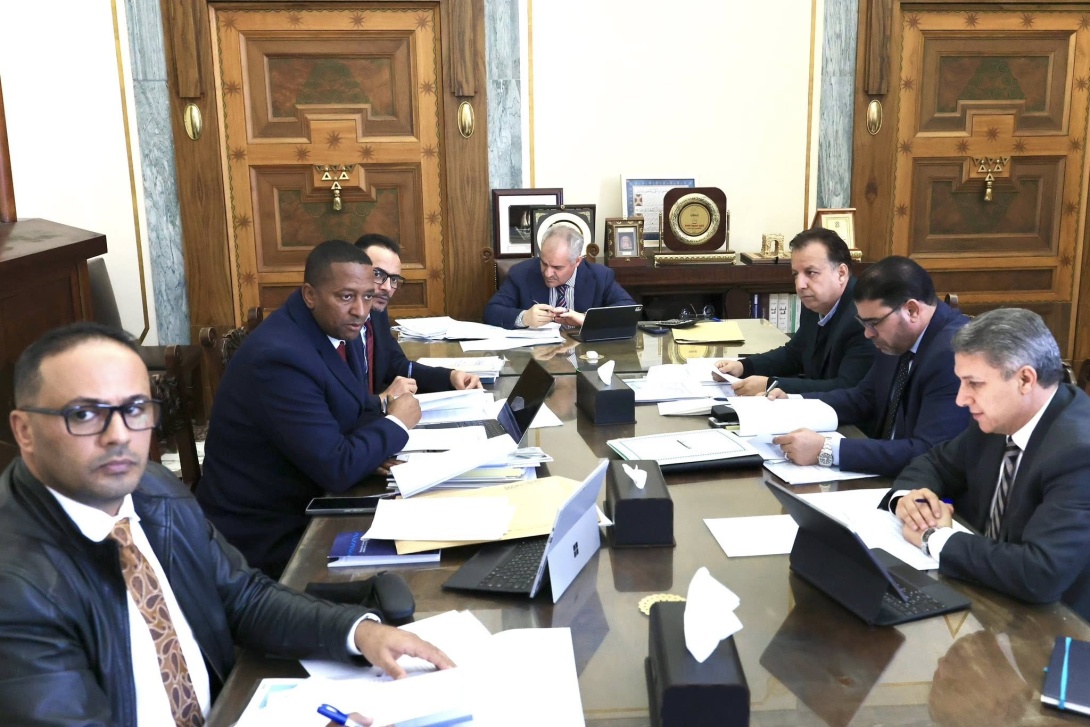
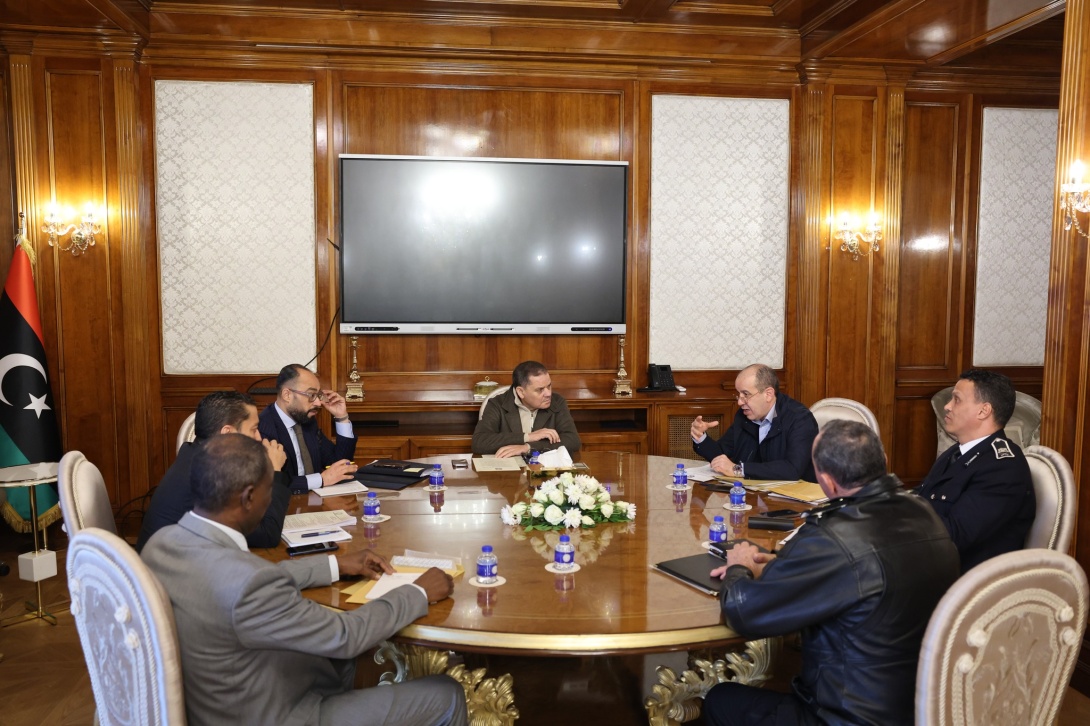
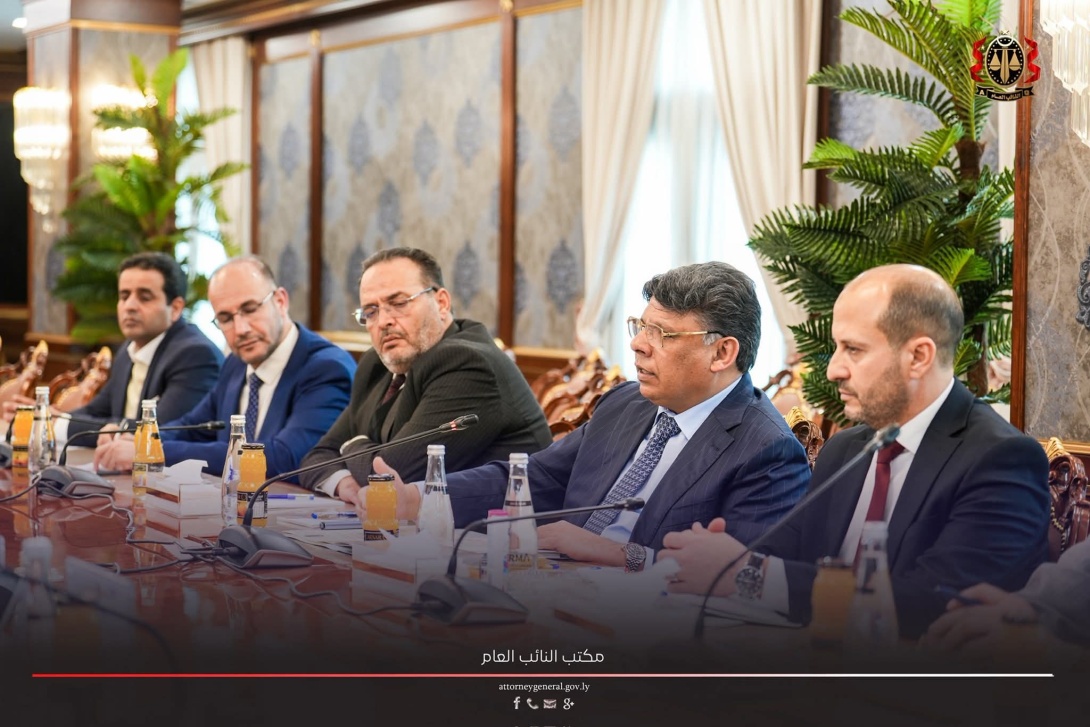
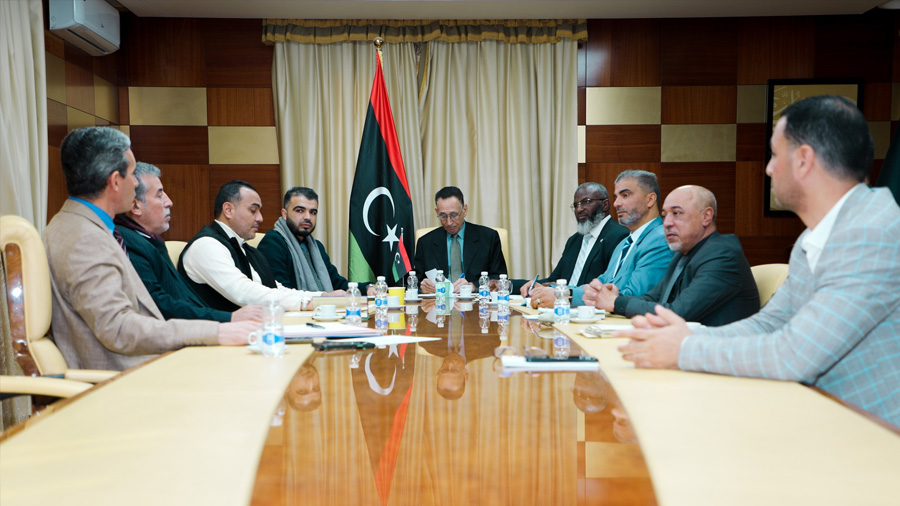
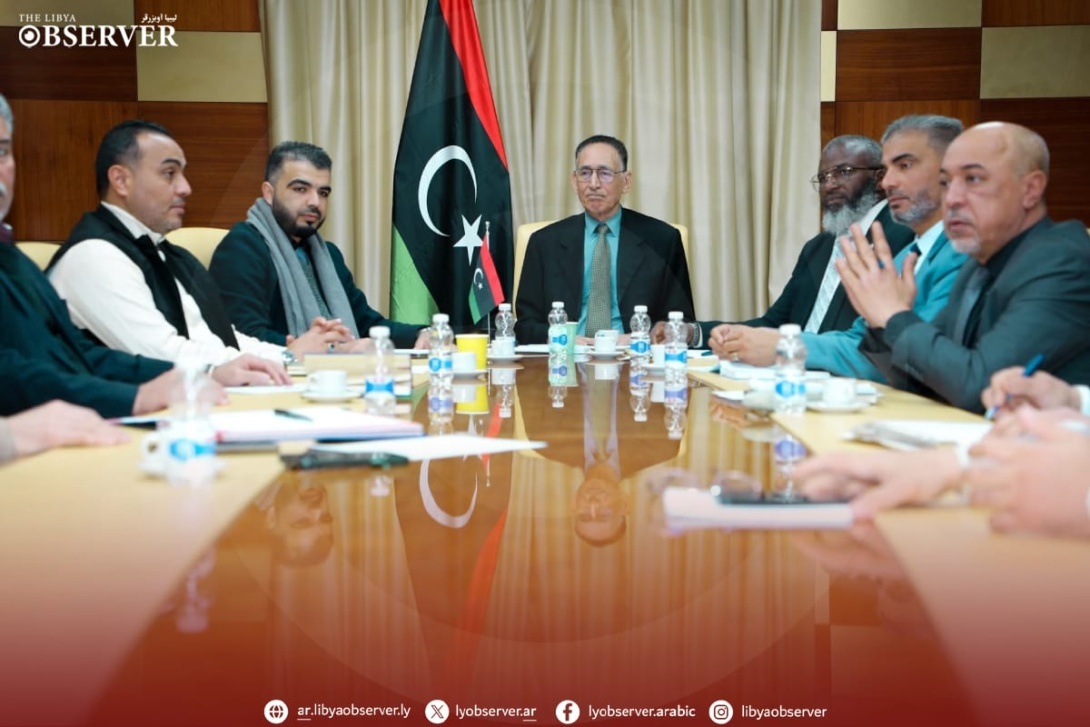
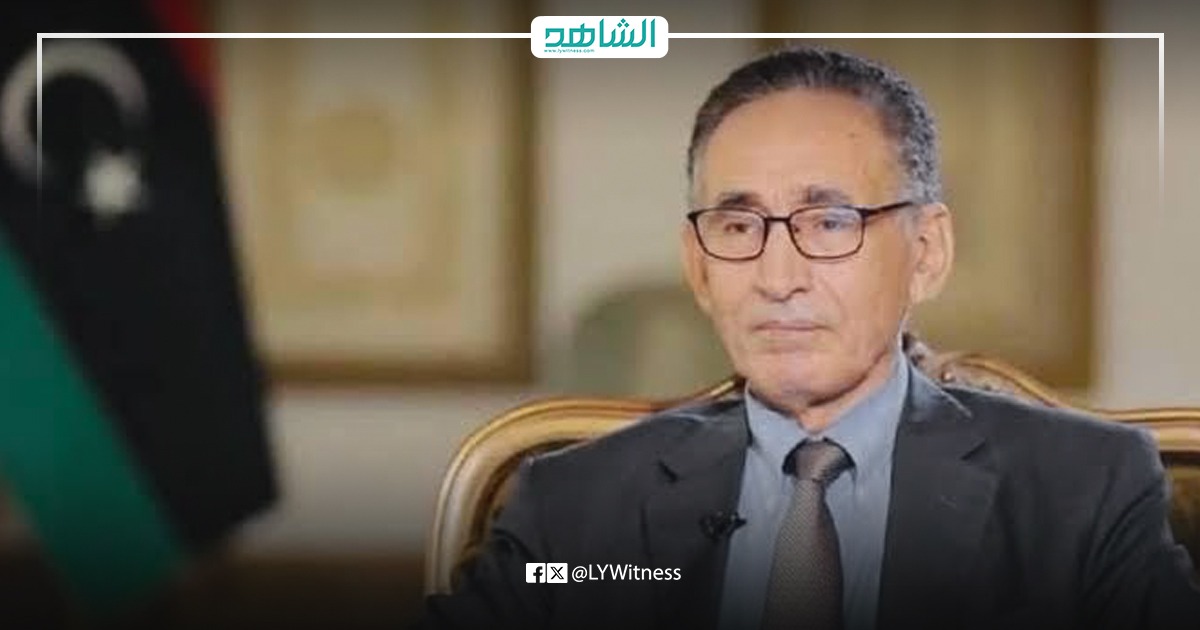
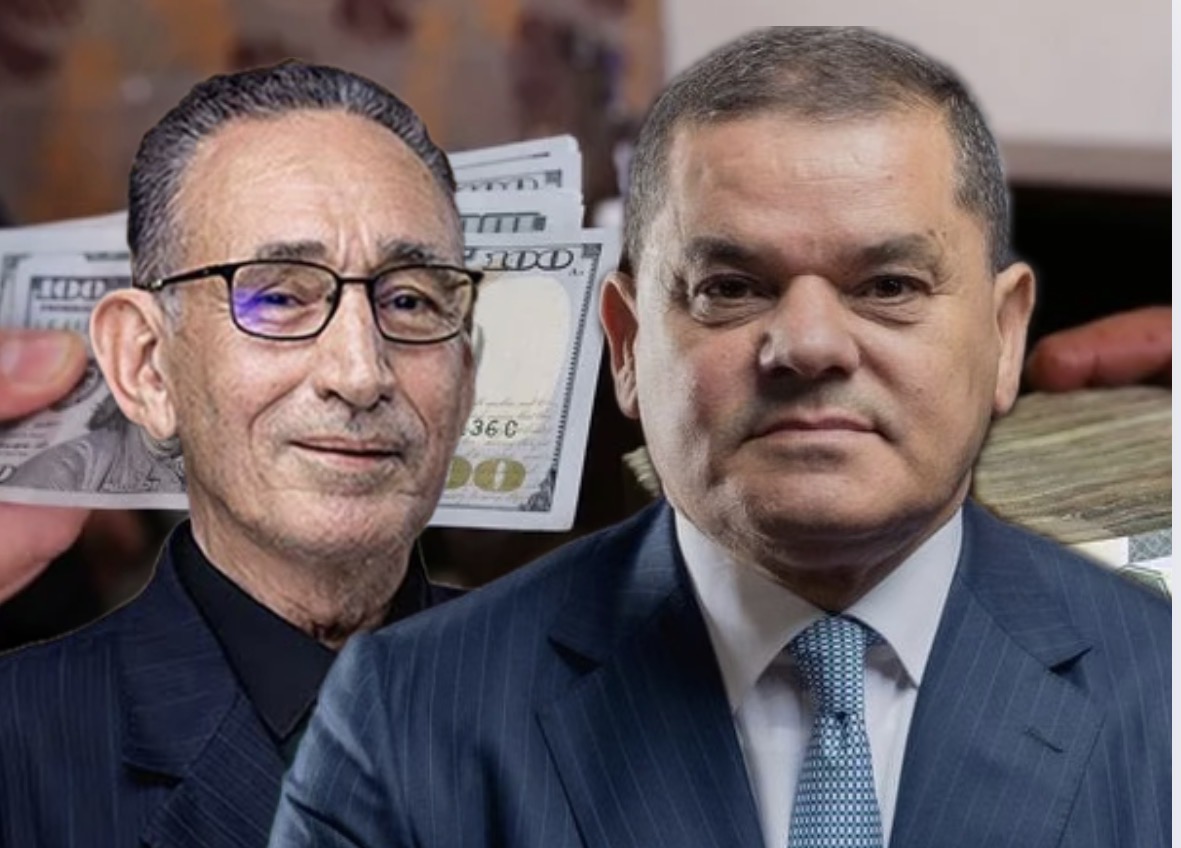
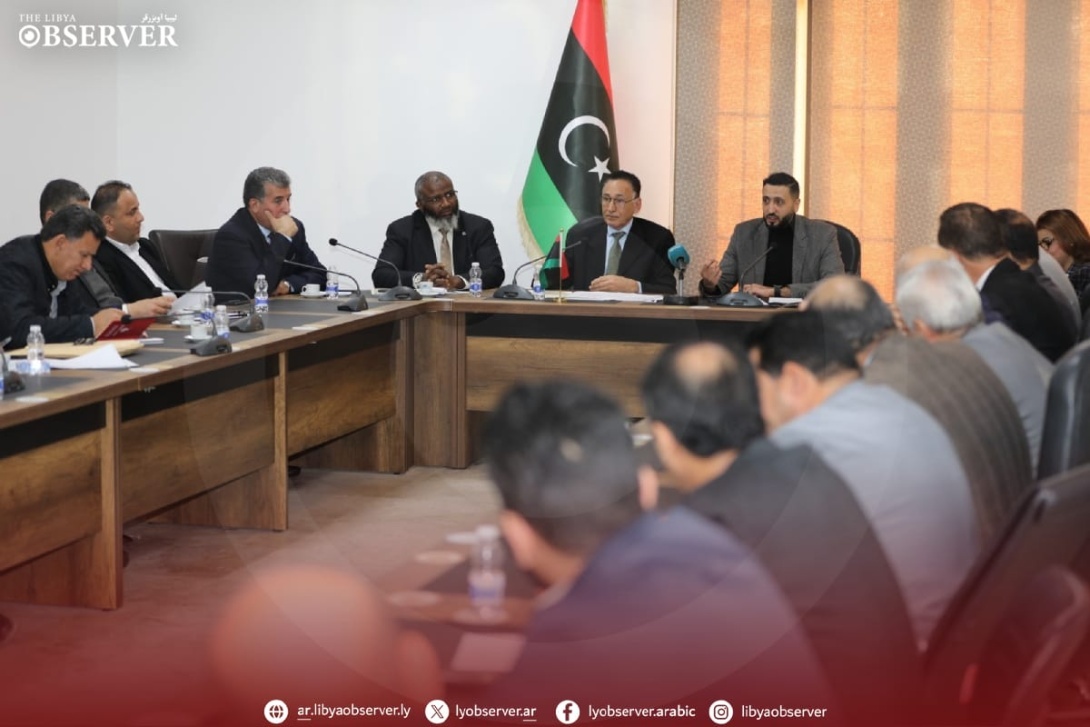
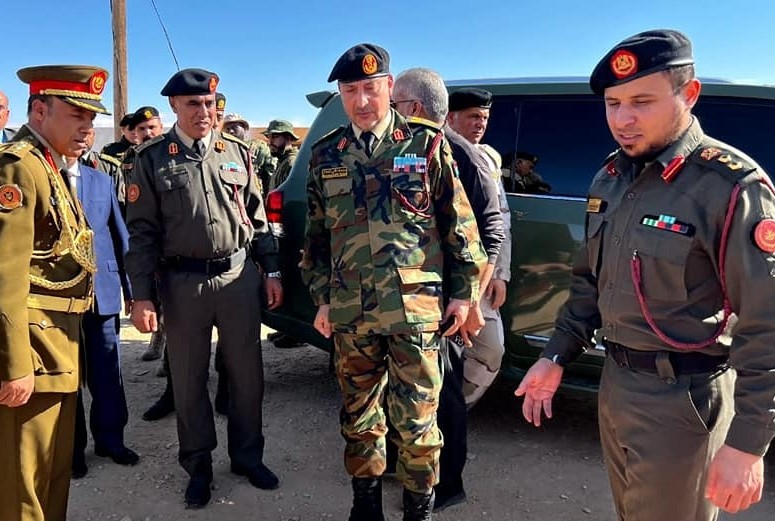
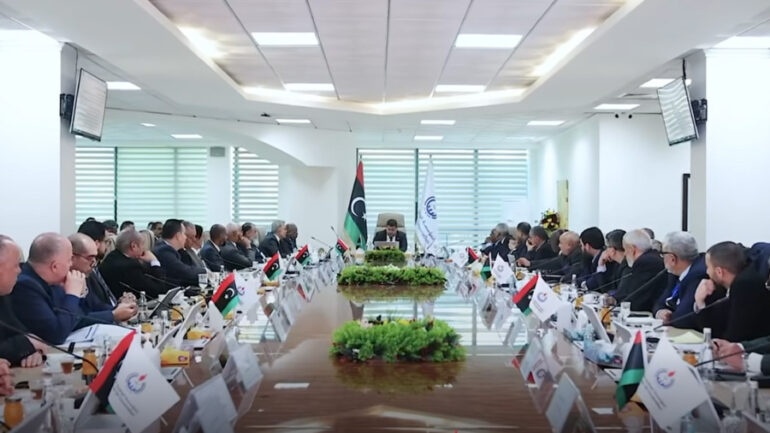
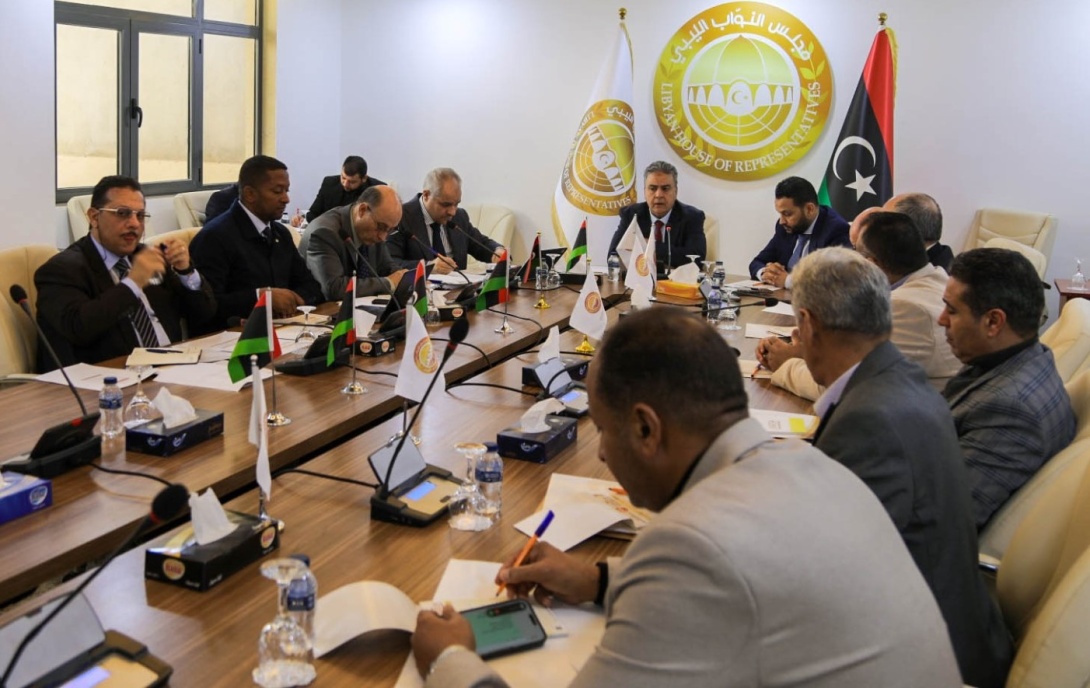
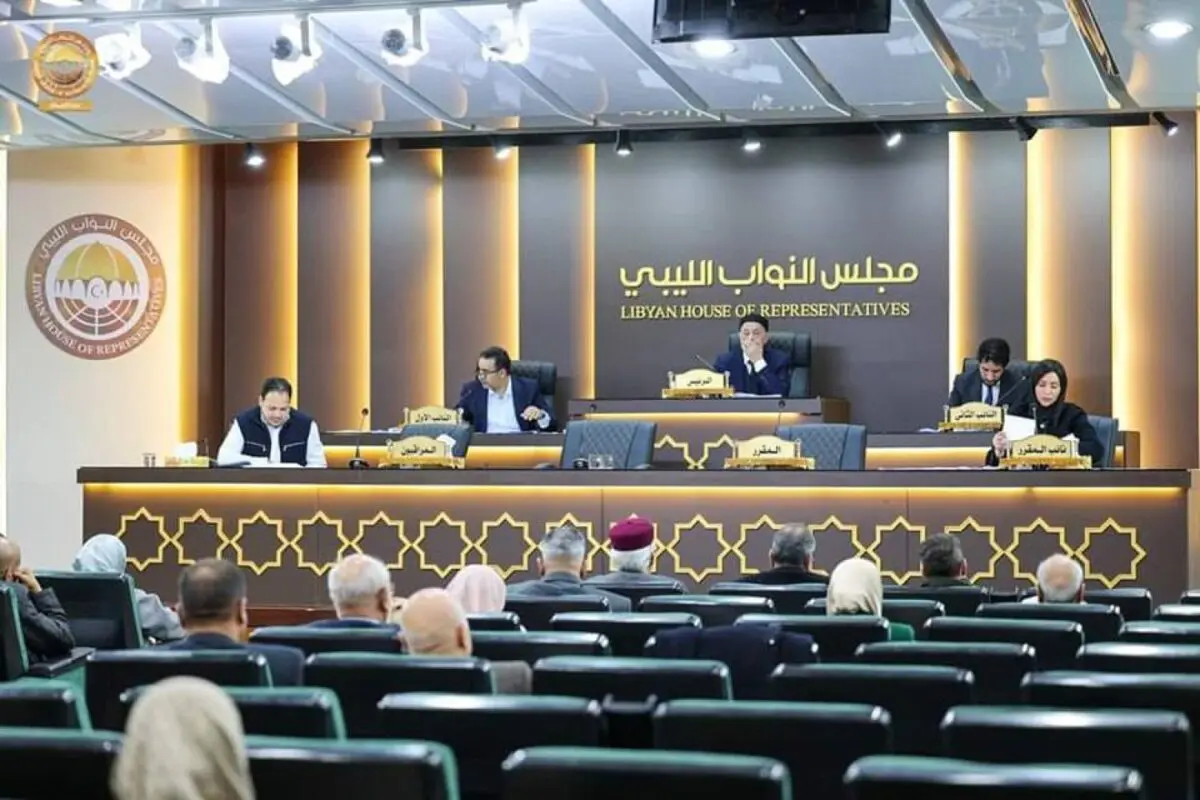
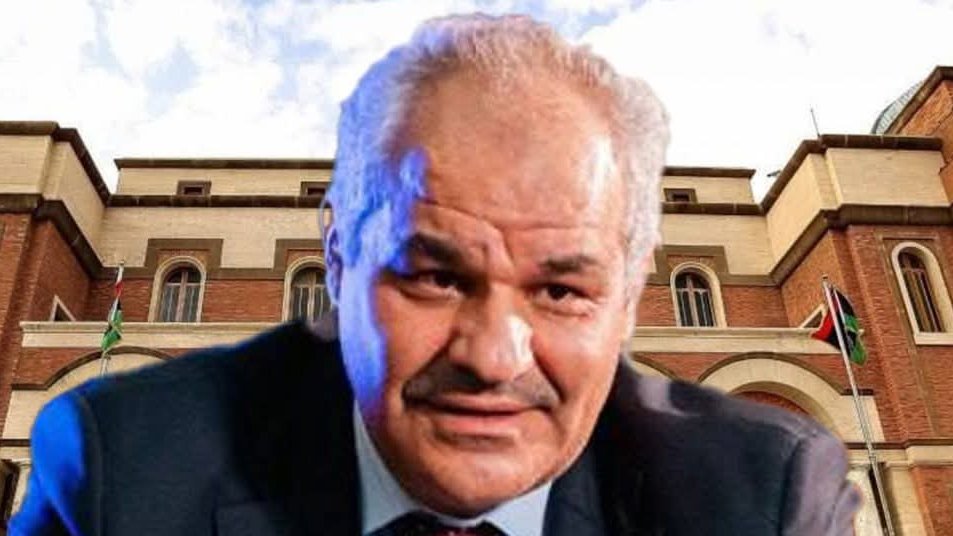
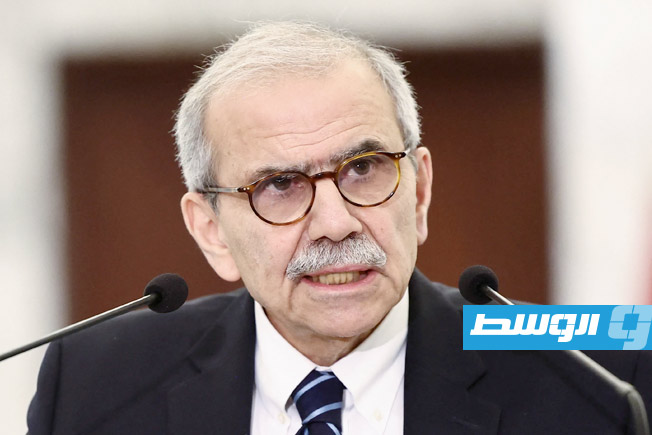
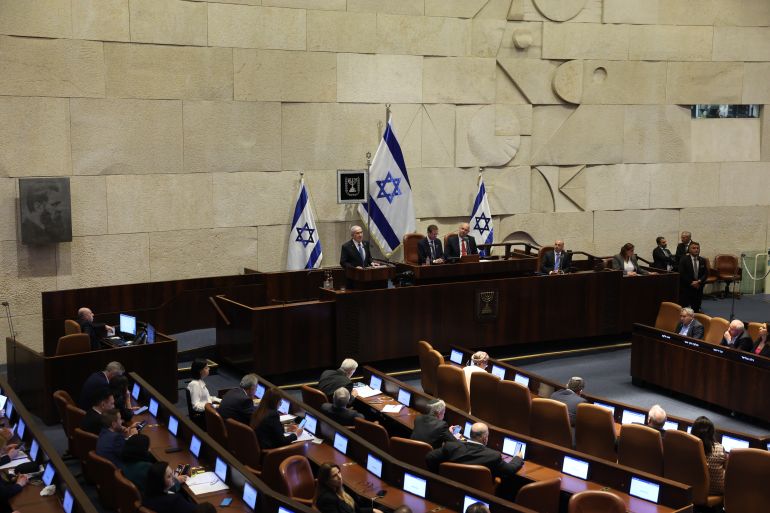
However, this move coincides with unprecedented political pressure; the Central Bank Governor and his board of directors are preparing to appear before the House of Representatives in Benghazi next Monday. This summons is the third within one year, following previous apologies in April and November 2025, as Parliament seeks to hold the Governor accountable for the failure of exchange rate policies and the worsening liquidity crisis.
Economic Repercussions: The Citizen Faces Inflation
Analysts warn that the continuation of this price rift will inevitably lead to:
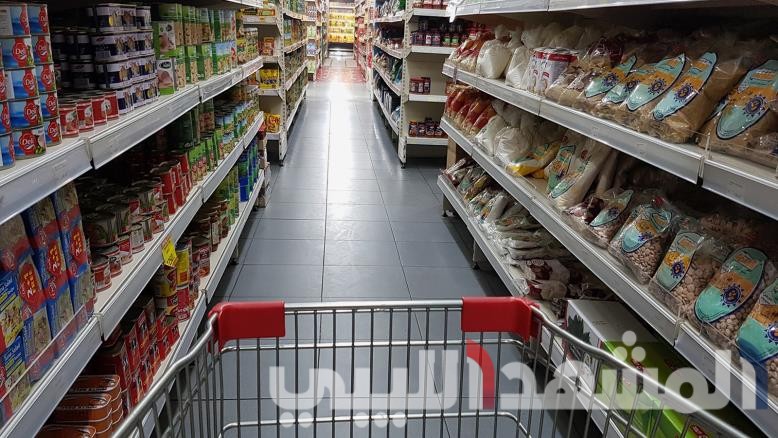
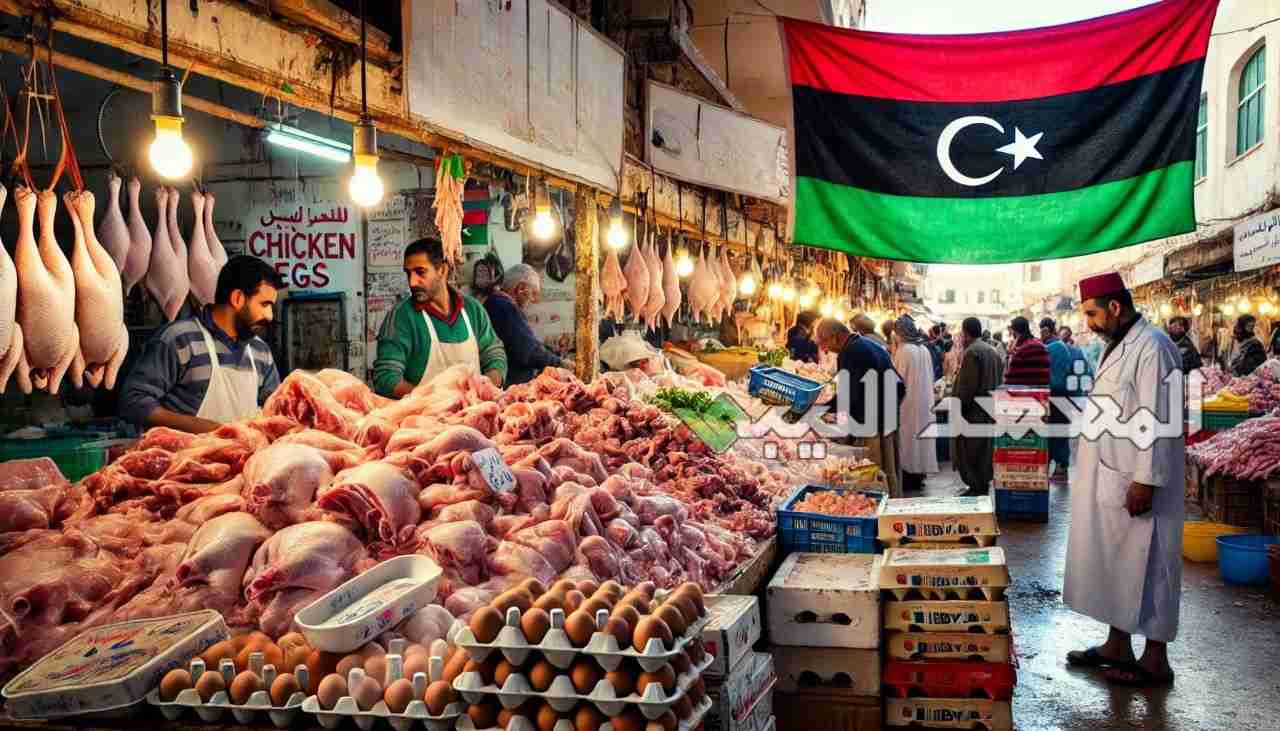
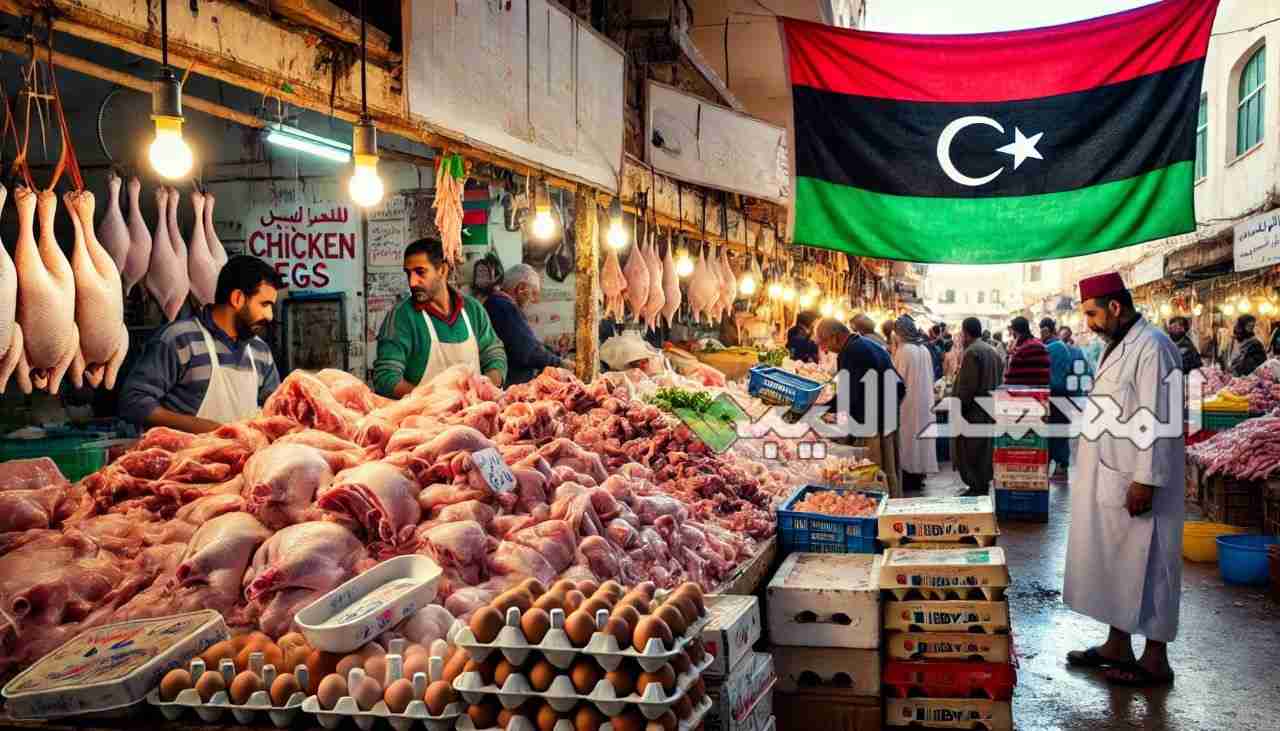
- A wave of exorbitant price increases: Rising prices of imported goods priced based on the “parallel market dollar.”
- Erosion of savings: Weakened confidence in official monetary measures, pushing citizens towards hoarding hard currency.
- Worsening of the liquidity crisis: The persistence of the large gap encourages “hoarding liquidity” outside the banking system, depriving banks of necessary cash flows.
In summary: The Central Bank finds itself in a race against time; either the injection of the “billion dollars” succeeds in reducing the gap and restoring balance to the market, or the Libyan economy will slide into a deeper inflationary spiral at the beginning of 2026, which may impose harsh sovereign decisions in the anticipated parliamentary session.
Libya
Libya is a North African country with a rich history rooted in ancient civilizations like the Phoenicians and Romans, followed by centuries of Arab and Ottoman influence. In the modern era, it was an Italian colony before gaining independence in 1951, later becoming known for Muammar Gaddafi’s lengthy rule from 1969 until the 2011 revolution. The country is home to UNESCO World Heritage sites, such as the ruins of Leptis Magna, which showcase its significant classical past.
Tripoli
Tripoli is the capital and largest city of Libya, located on the country’s Mediterranean coast. Historically, it was founded by the Phoenicians in the 7th century BC and has since been ruled by the Romans, Arabs, Ottomans, and Italians, which is reflected in its diverse architecture like the ancient Red Castle (Assaraya al-Hamra).
Benghazi
Benghazi is a major city in eastern Libya, historically significant as a center of trade and culture since its founding as the Greek colony of Euesperides. It played a pivotal role in the 2011 Libyan Civil War, serving as a key base for the uprising against Muammar Gaddafi.
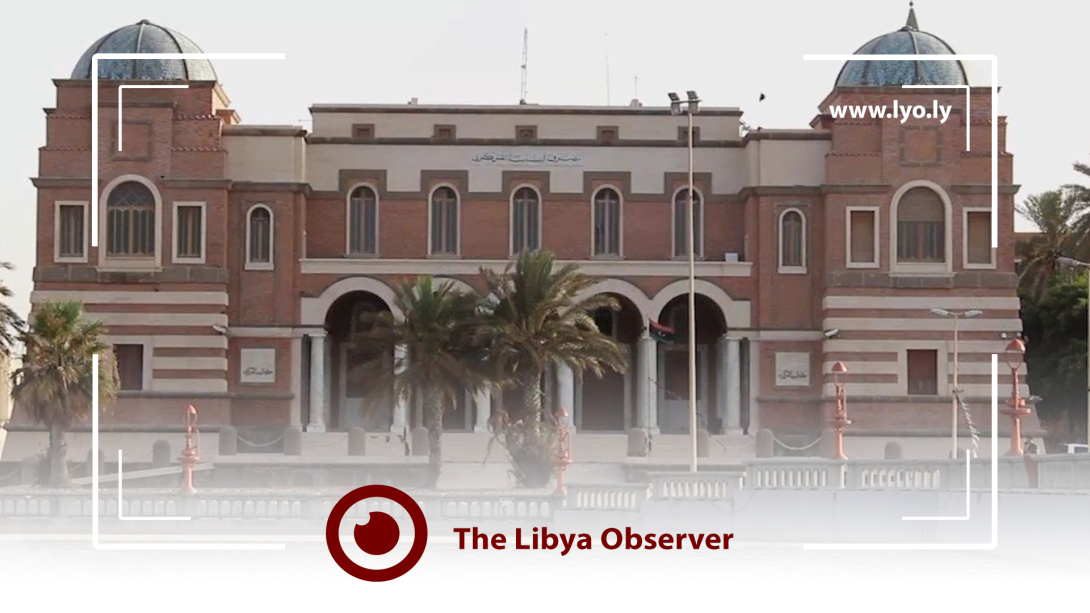
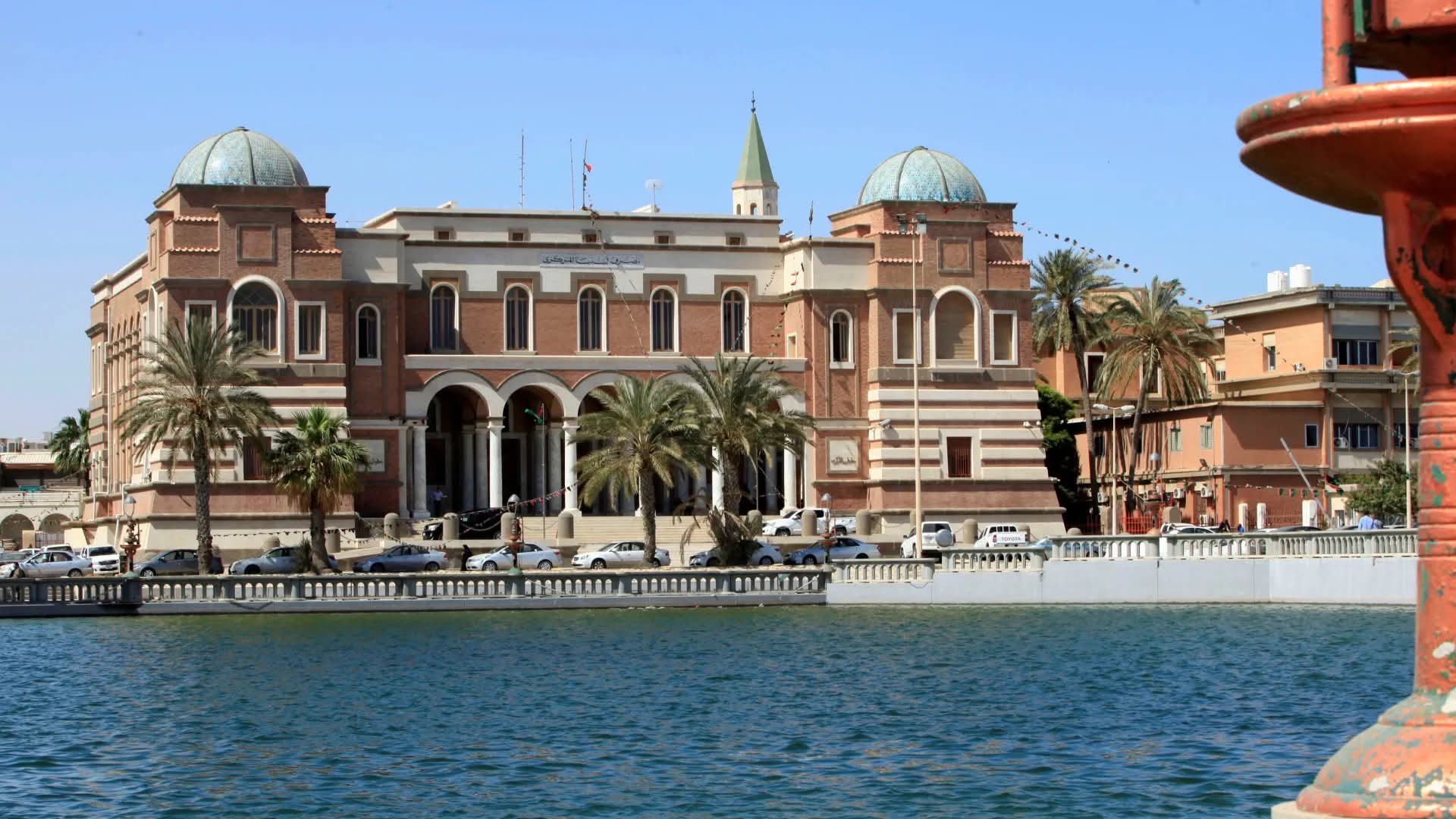
Central Bank of Libya
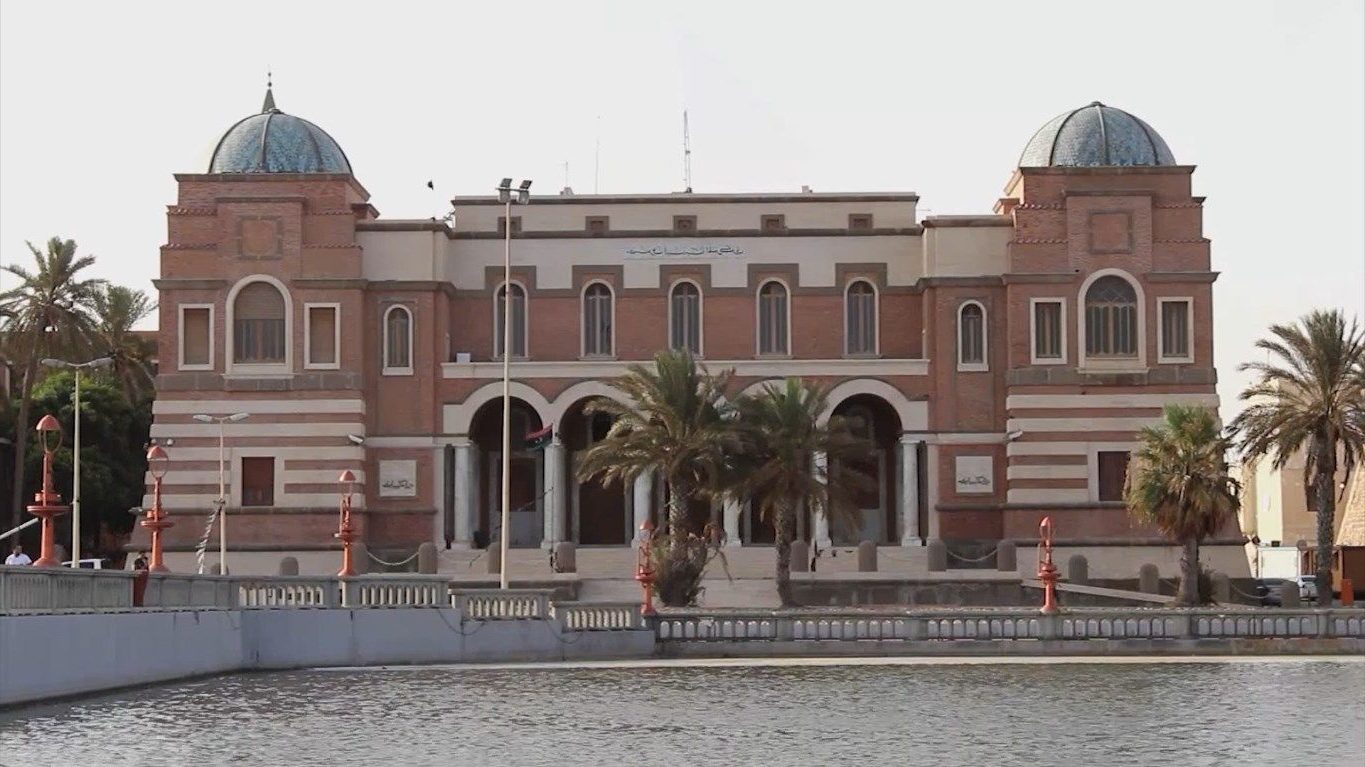
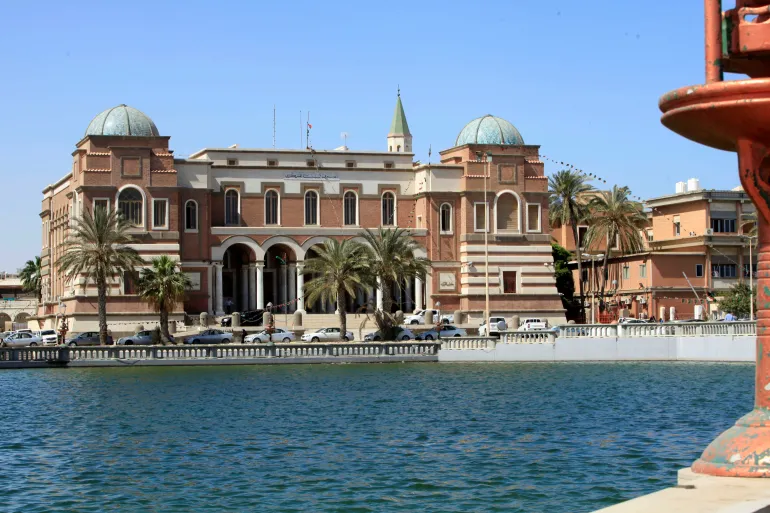
The Central Bank of Libya is the country’s primary monetary authority, established in 1956 to issue currency and manage monetary policy. It has played a critical and often divisive role in Libya’s recent history, with parallel institutions emerging in the east and west during the post-2011 civil conflict.
House of Representatives
The House of Representatives is the lower chamber of the United States Congress, established by the Constitution in 1789. It is composed of representatives elected from congressional districts, with representation based on state population.
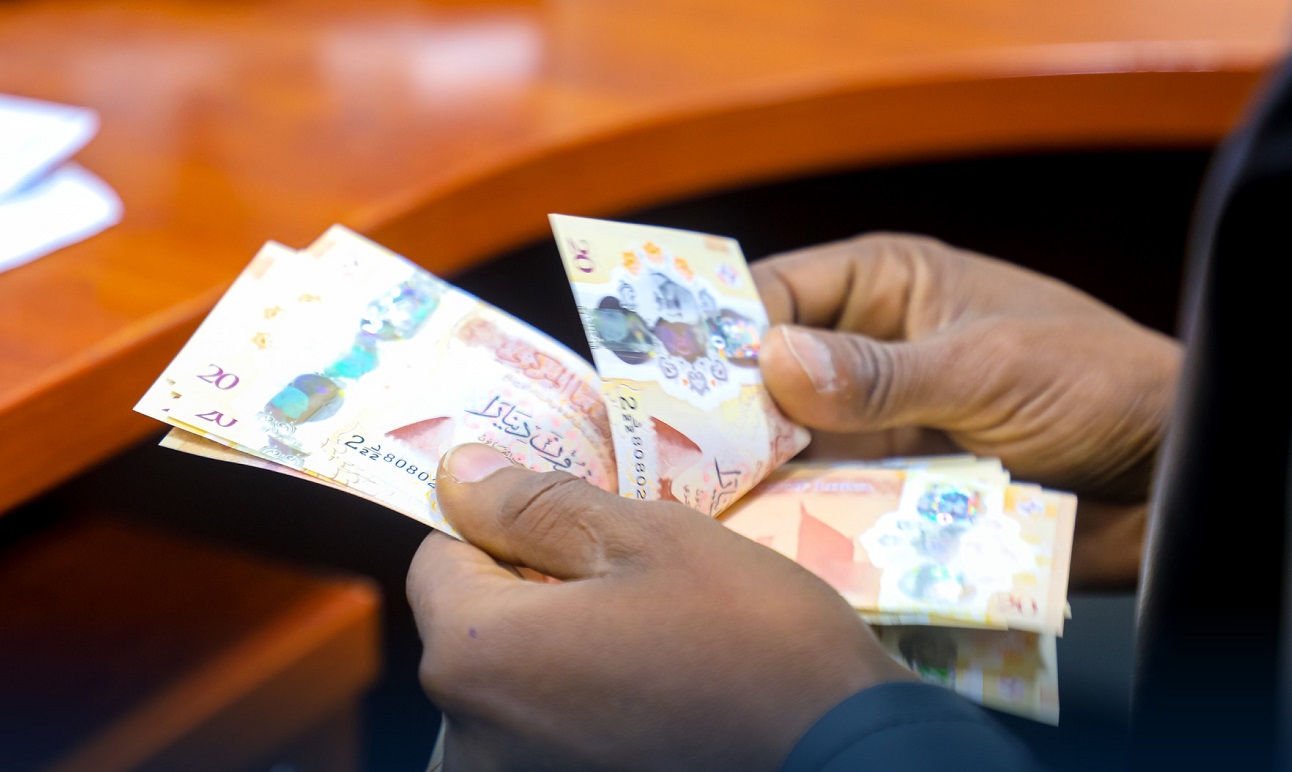
Libyan dinar
The Libyan dinar is the official currency of Libya, introduced in 1971 to replace the Libyan pound. Its issuance is managed by the Central Bank of Libya, and its history is closely tied to the country’s political and economic changes following the discovery of oil.
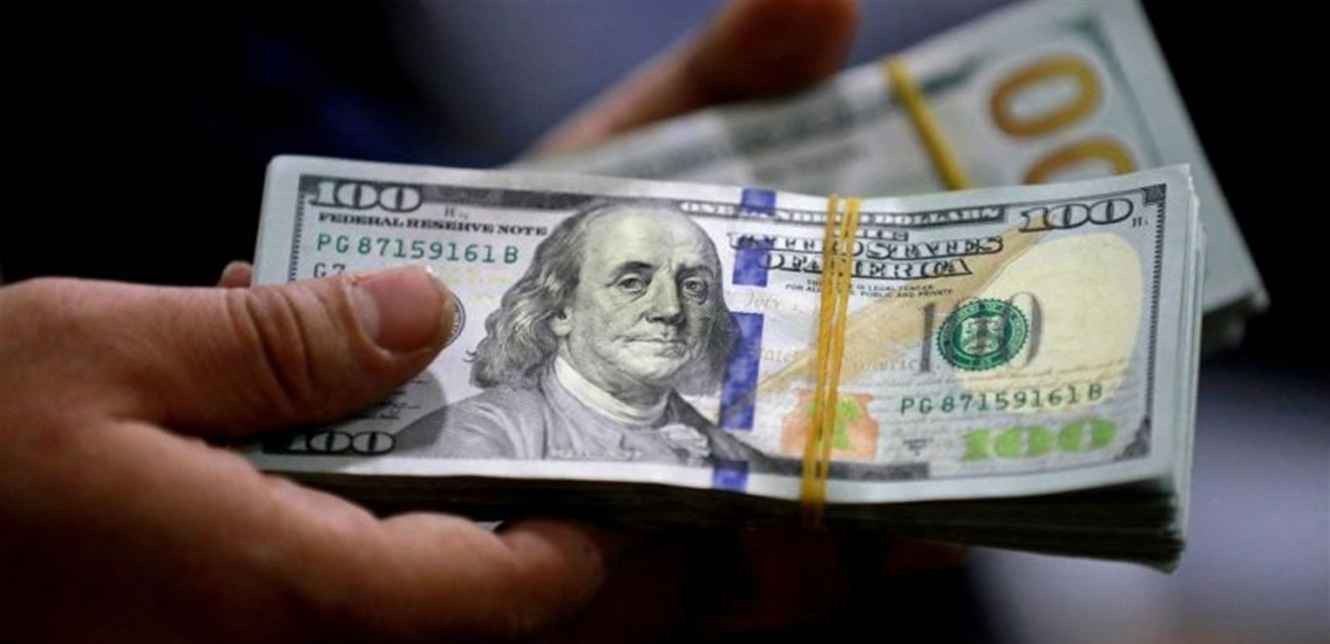
dollar
The dollar is the official currency of the United States, established by the Coinage Act of 1792. Its history traces back to the Spanish “dollar” or piece of eight, a widely used silver coin in the Americas during the colonial era.