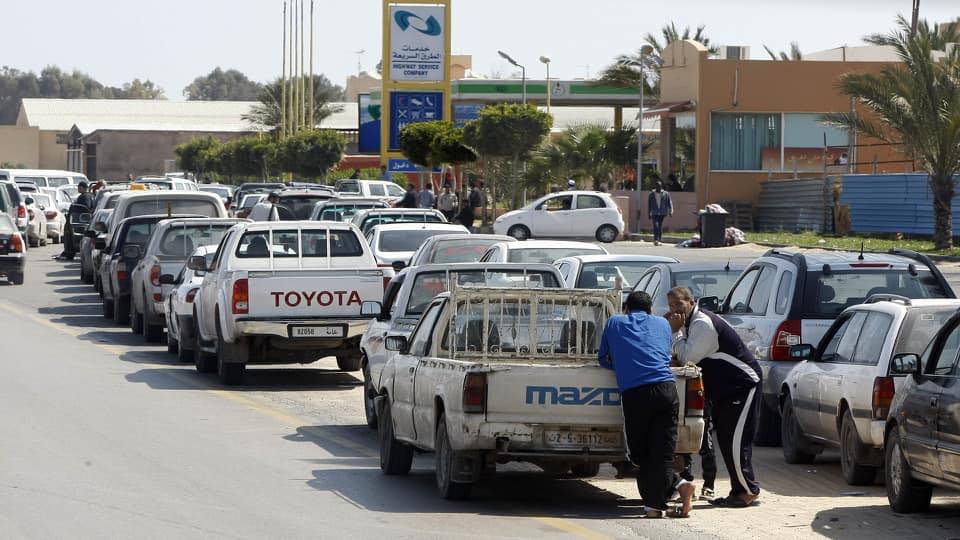
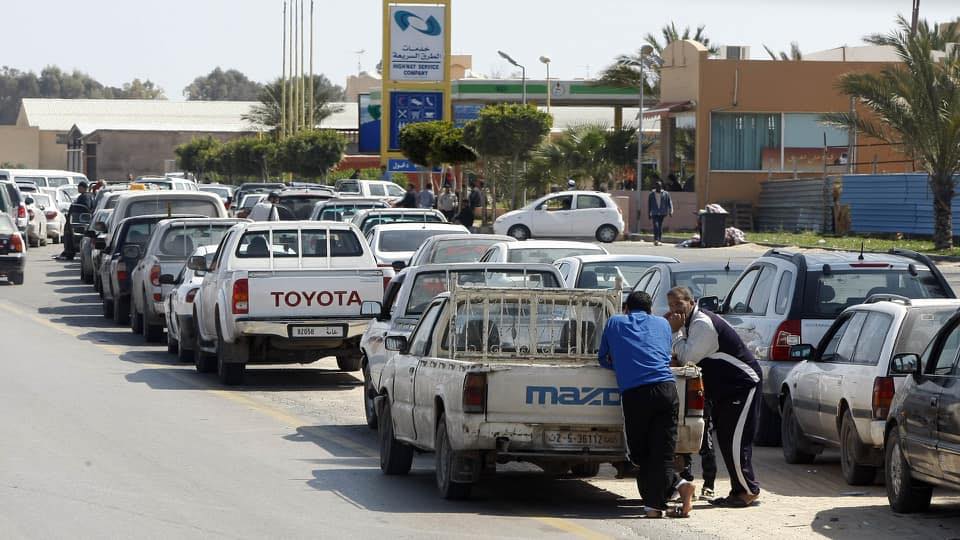
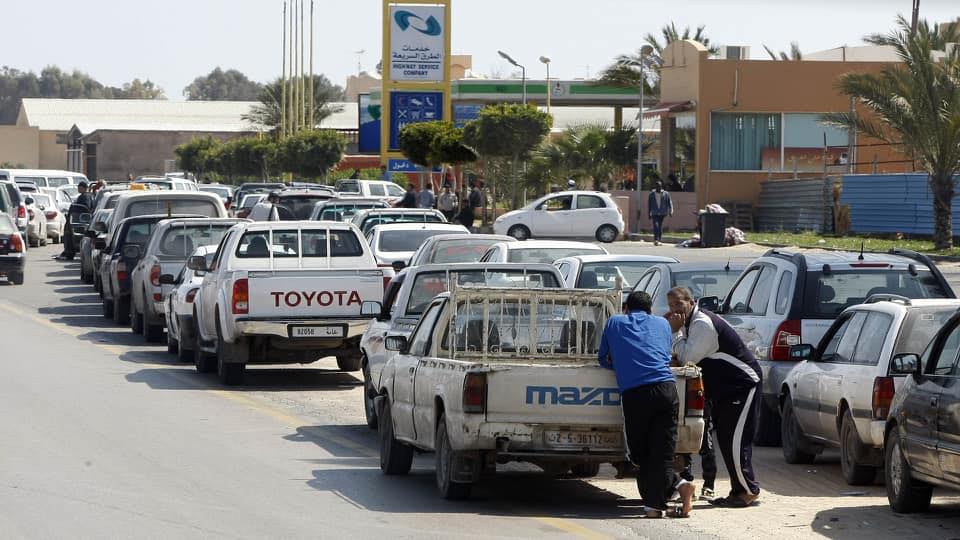
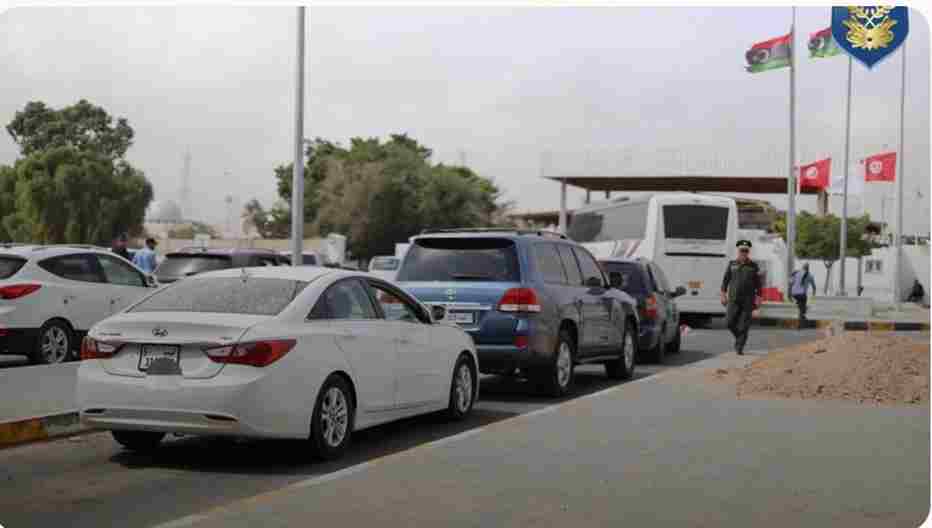
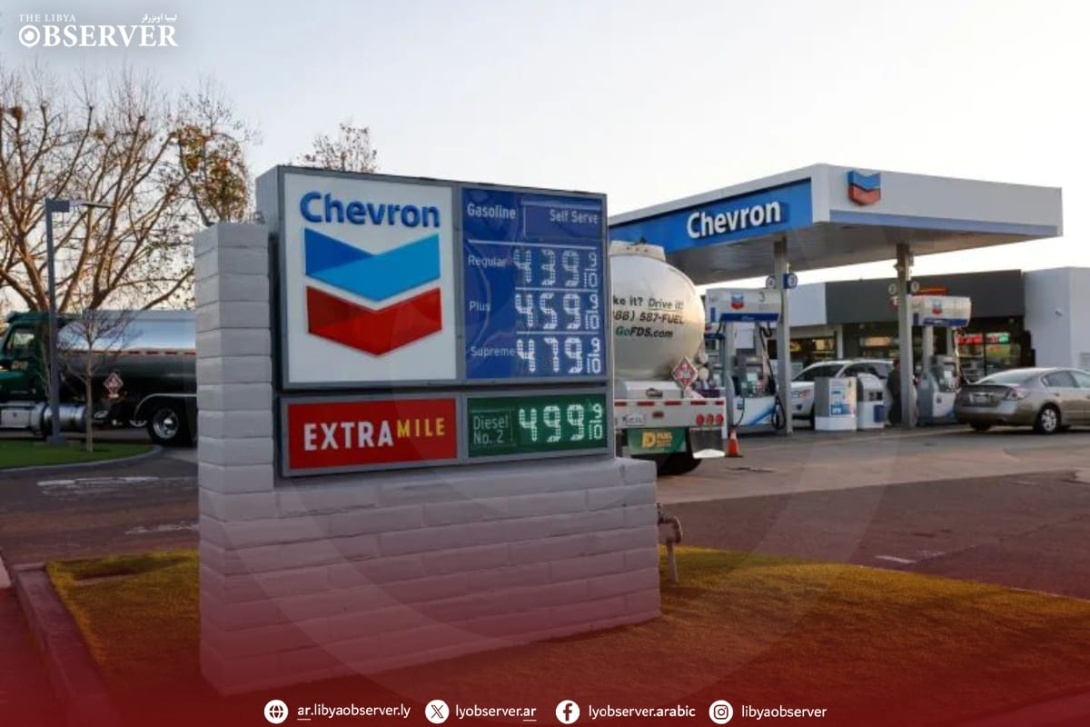
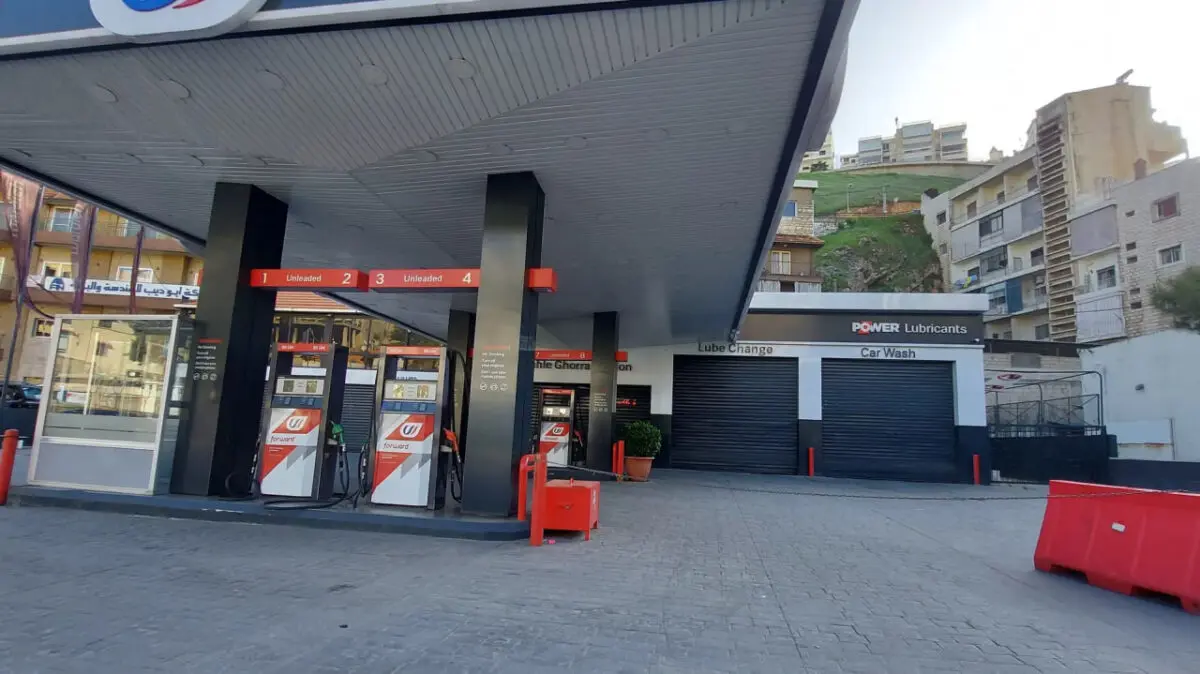
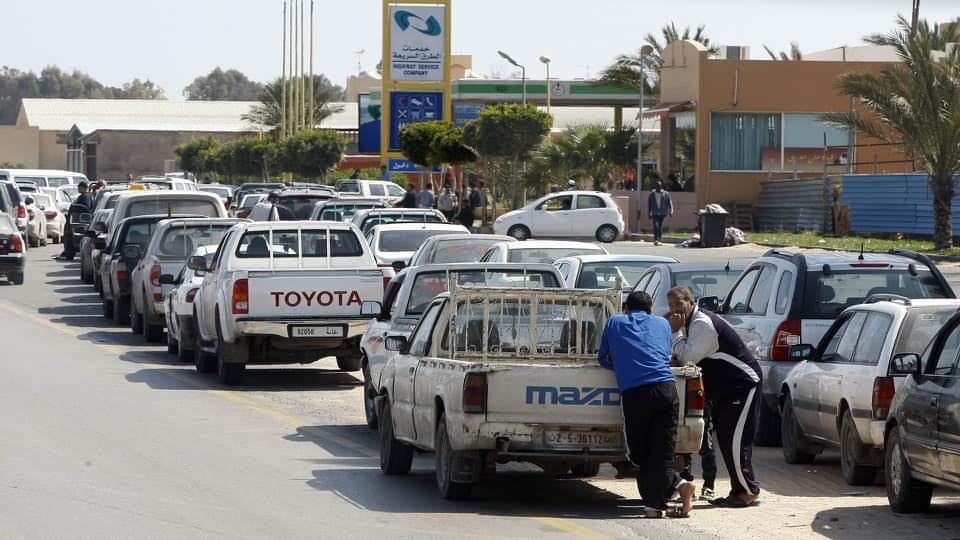
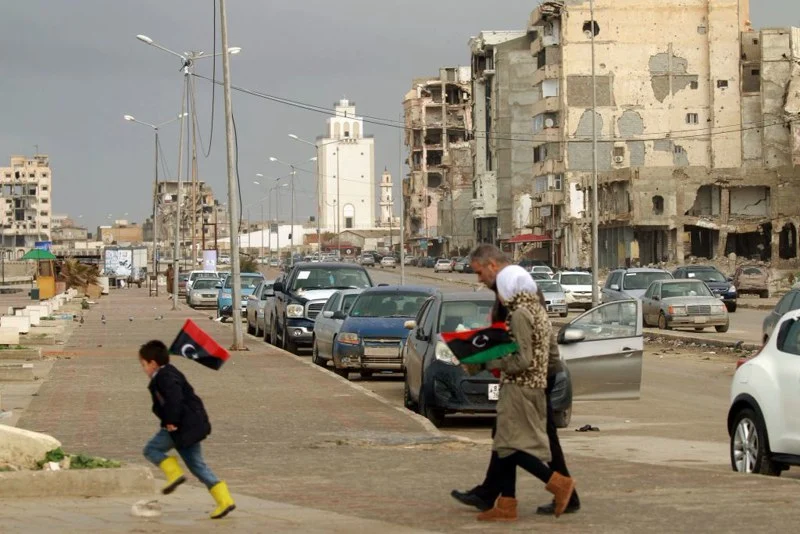
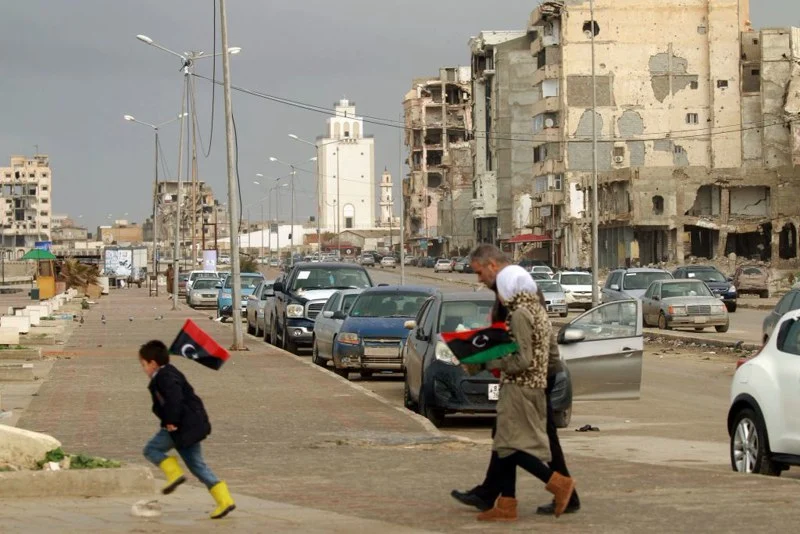
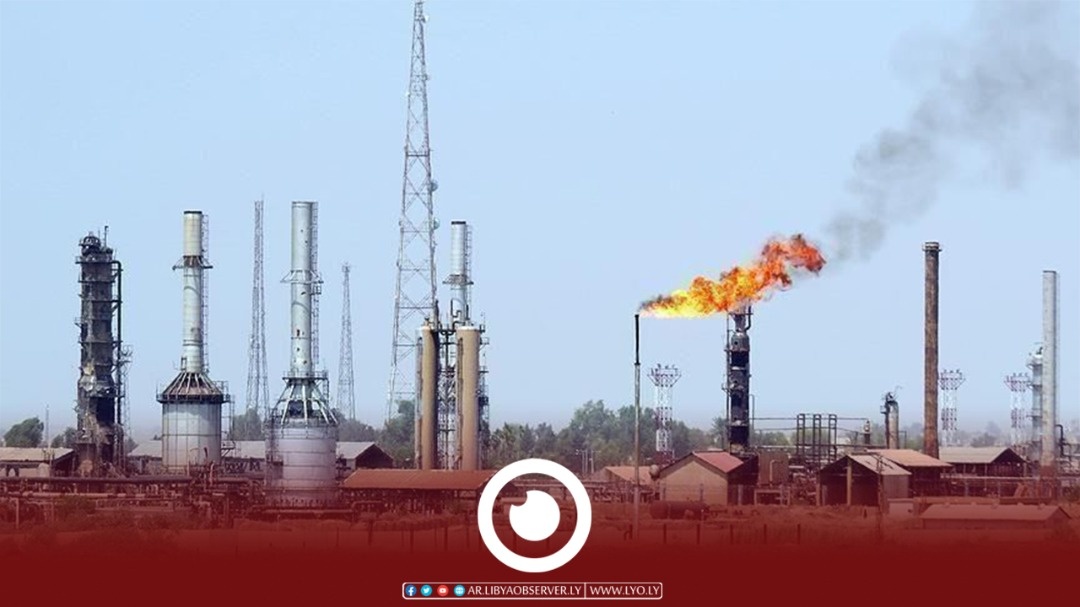
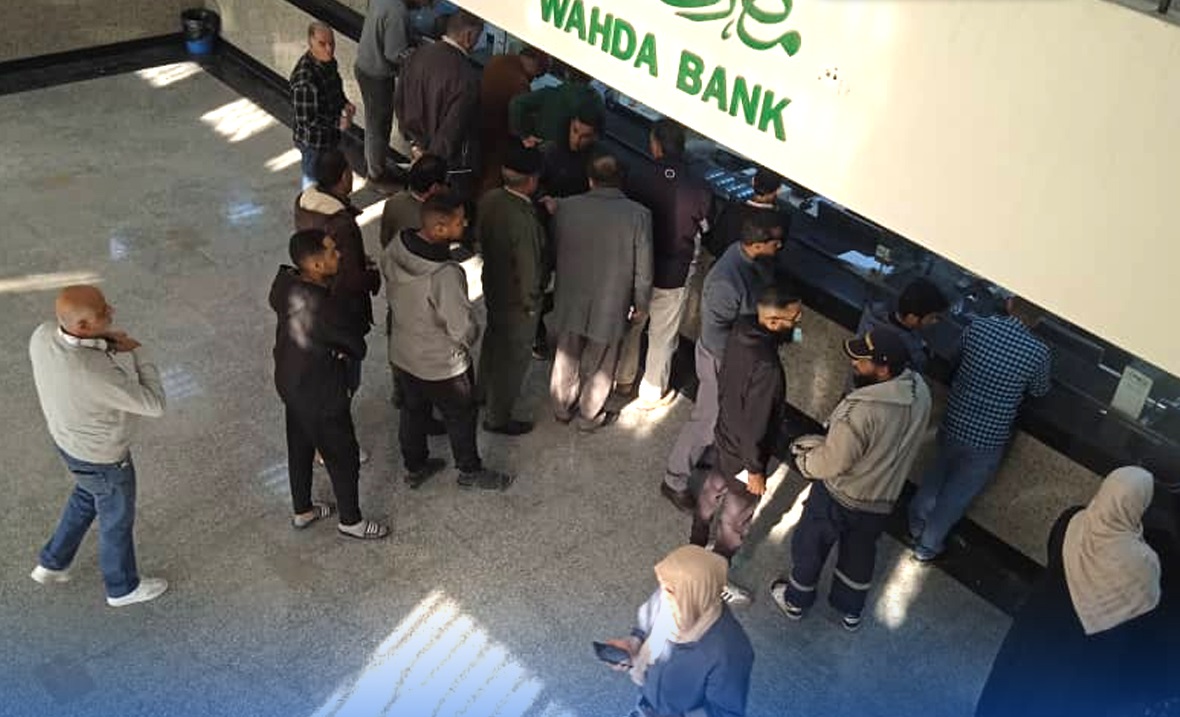
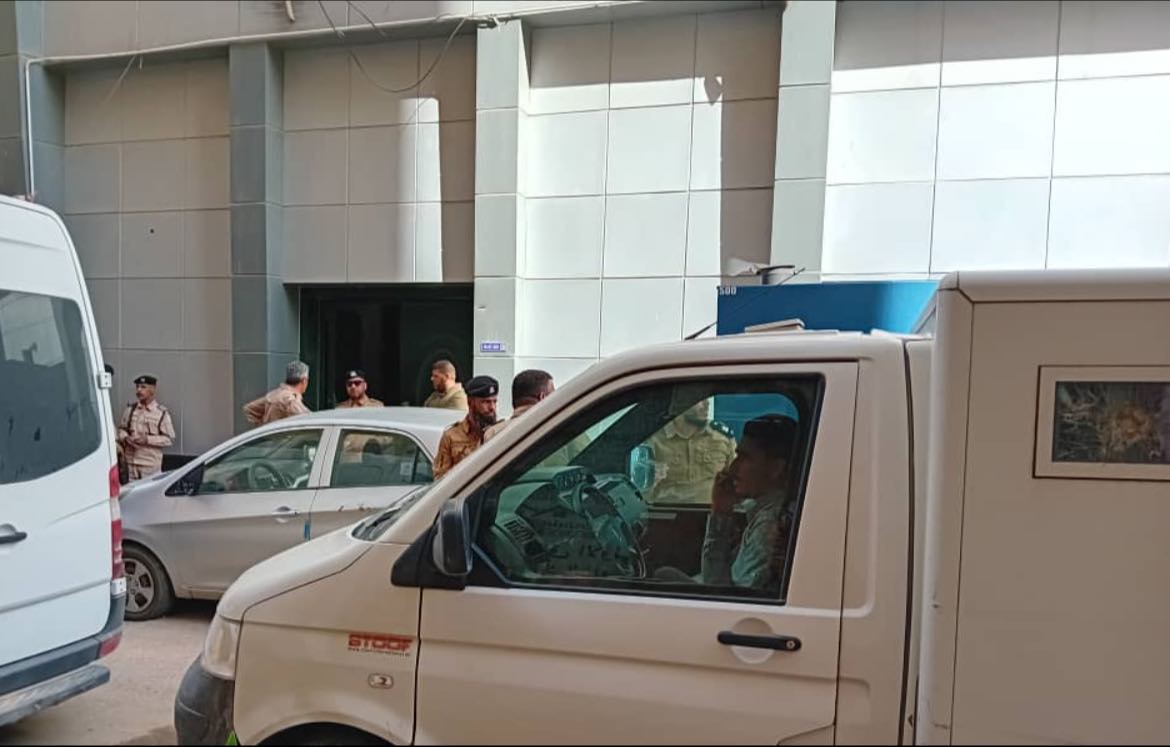
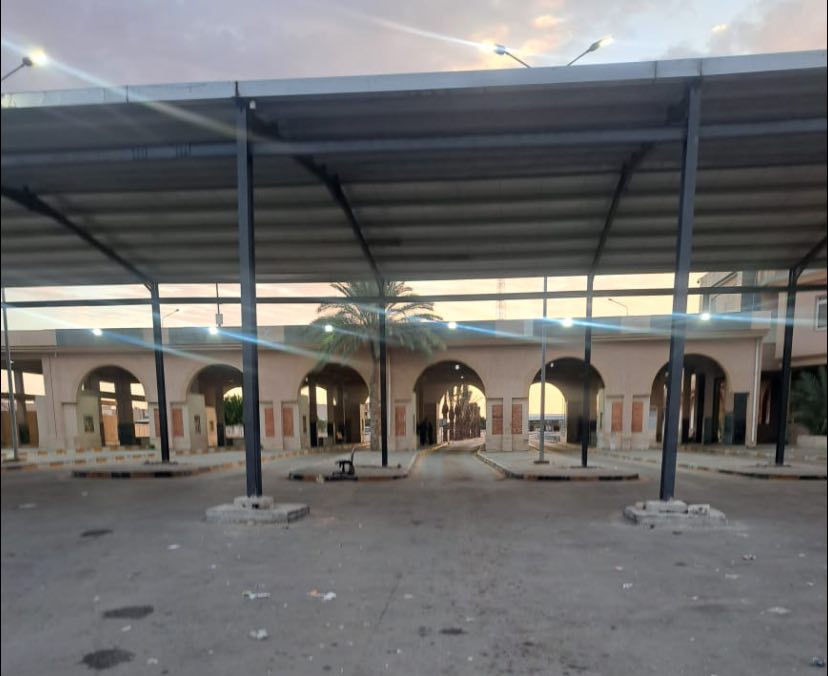
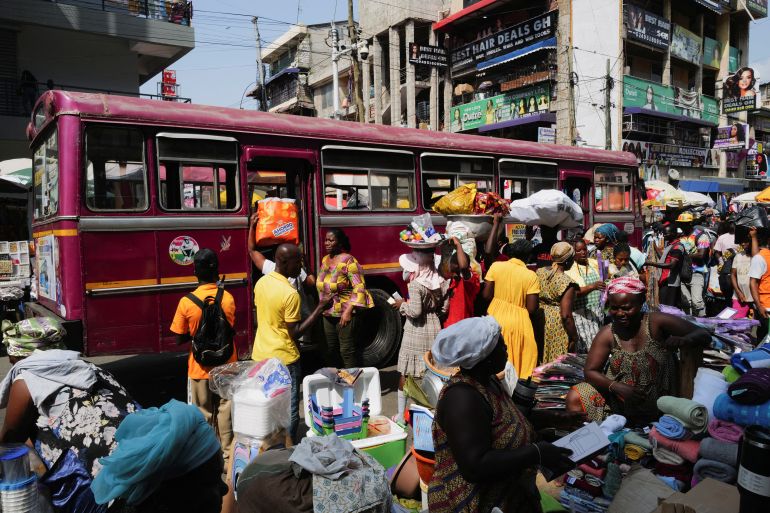
Tripoli – The fuel crisis continues to cast its shadow over the Libyan capital, with petrol stations witnessing severe congestion and long queues lasting for hours. Some stations have been closed since Friday due to the non-arrival of supplies, which has angered citizens who expressed their frustration at the crisis returning once again.
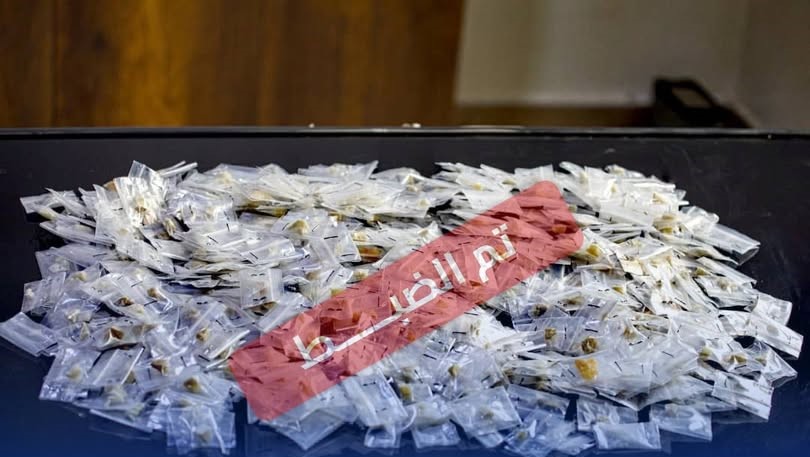
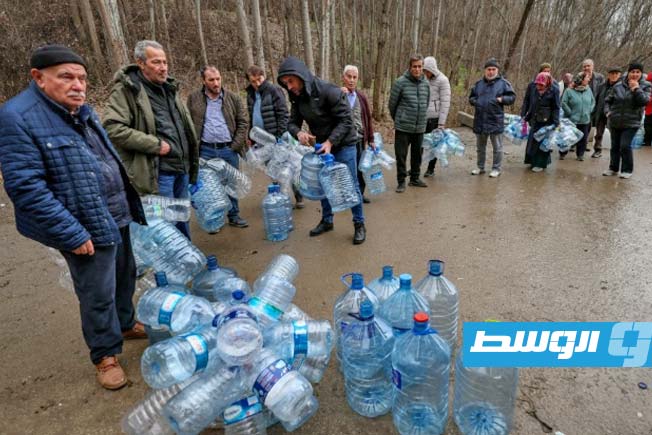
On the Shatt road, citizens stood in long lines waiting their turn, while station owners confirmed that supplies had not yet arrived. In the tourist area, chaos prevailed with the spread of fuel being sold in plastic containers, while residents of Janzour described the situation as “extremely bad” due to the absence of fuel at most stations.
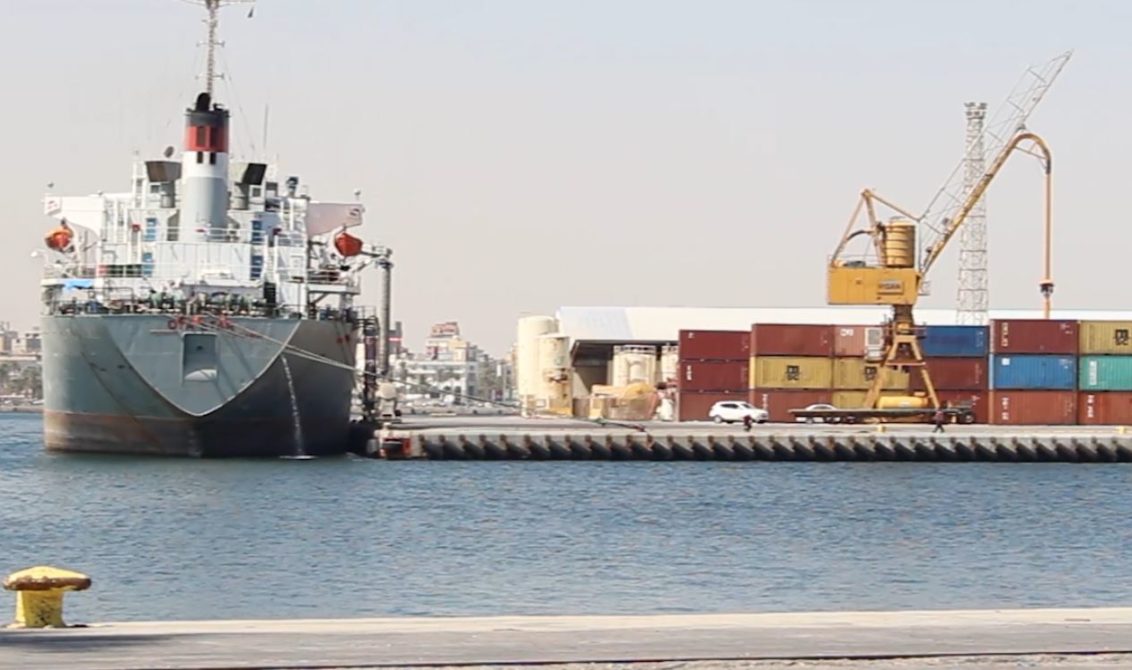
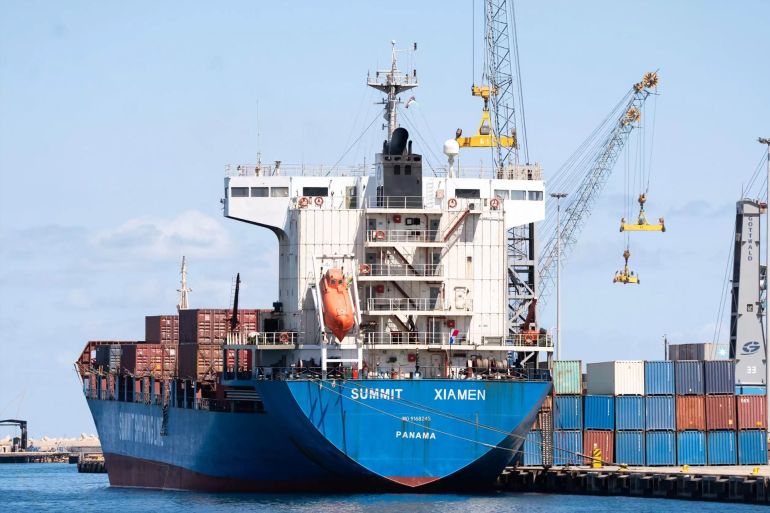
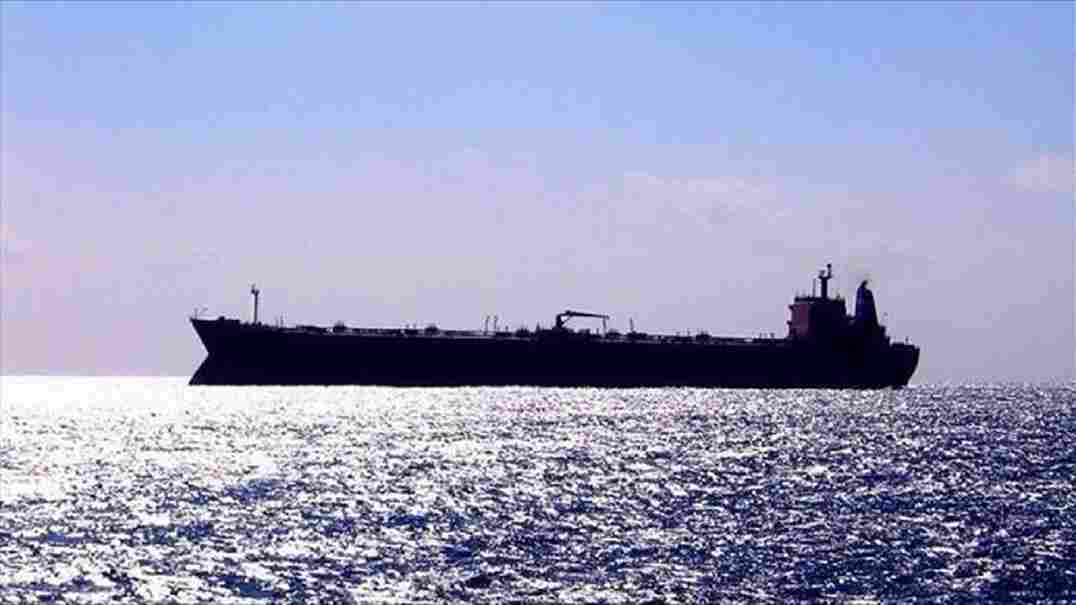
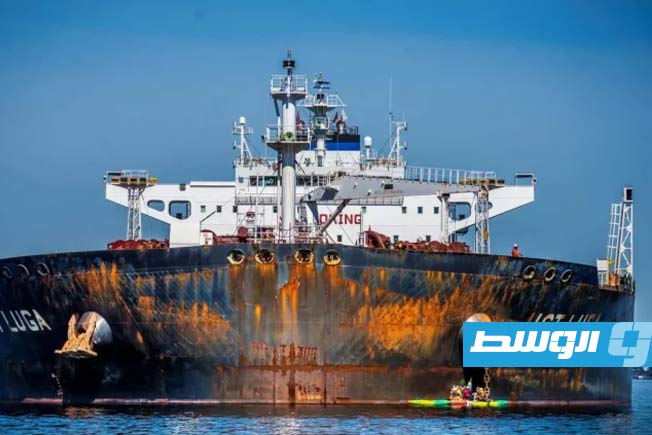
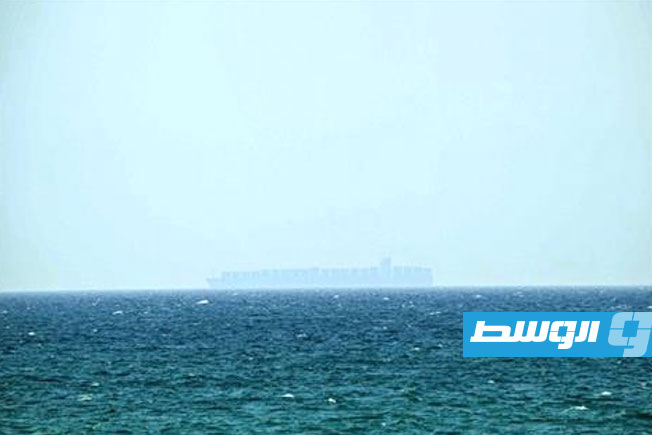
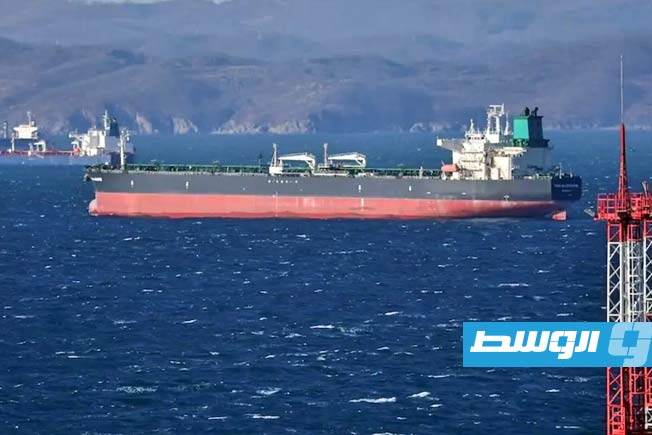
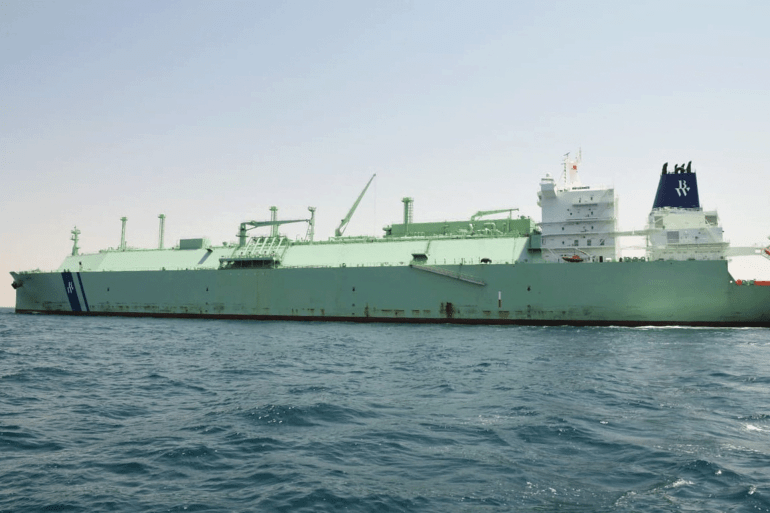
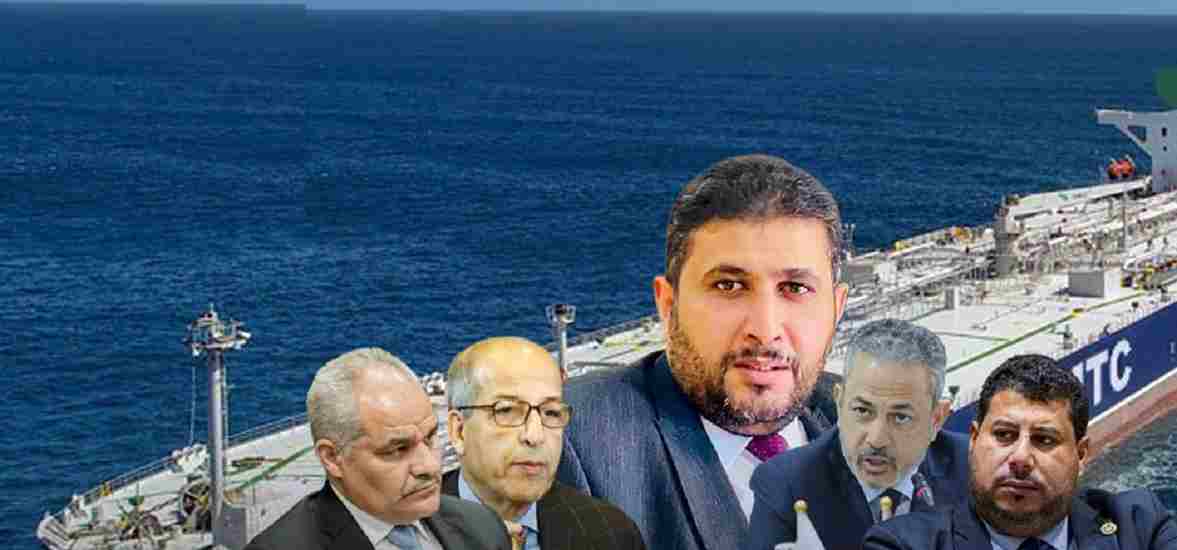
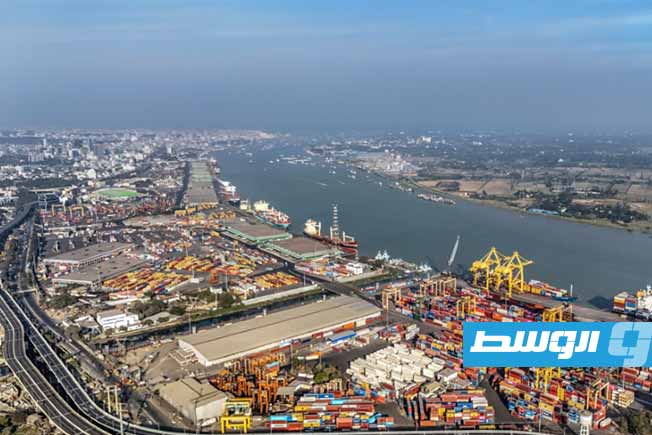
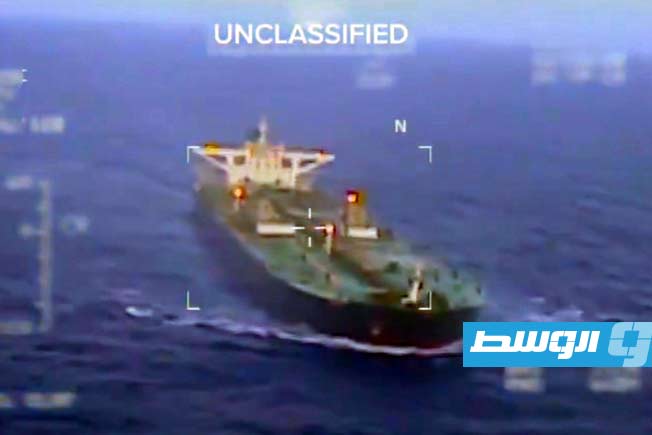
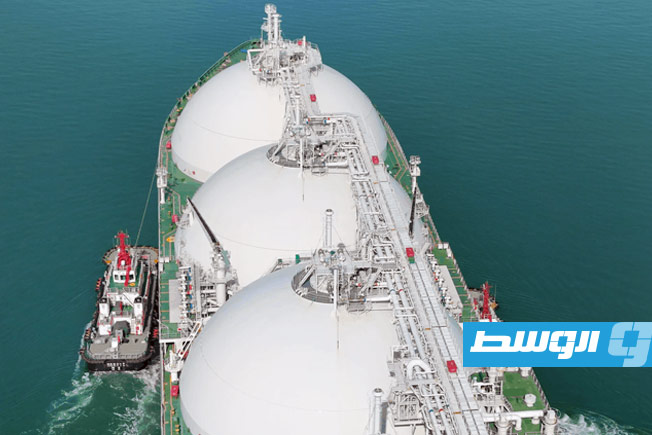
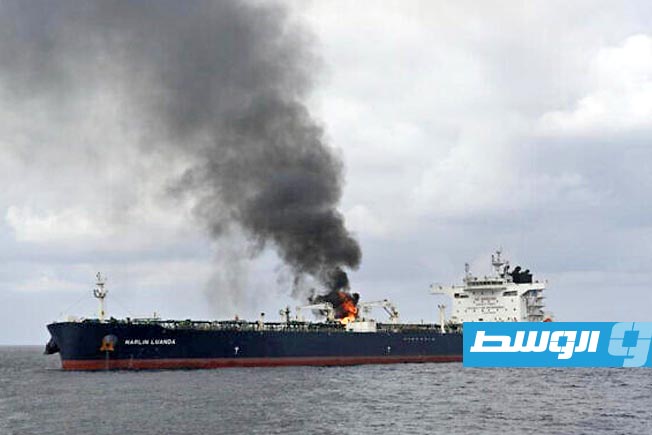
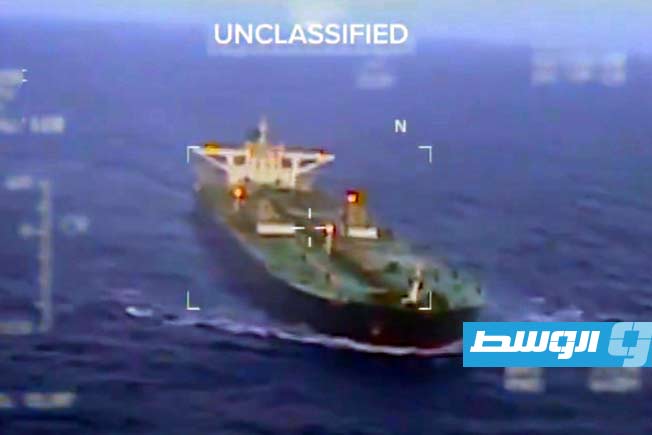
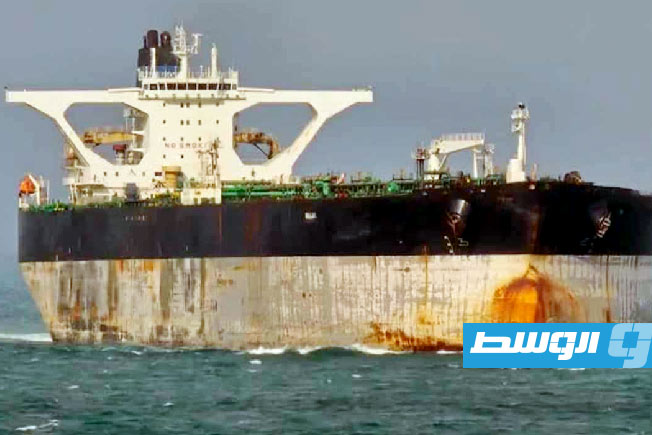
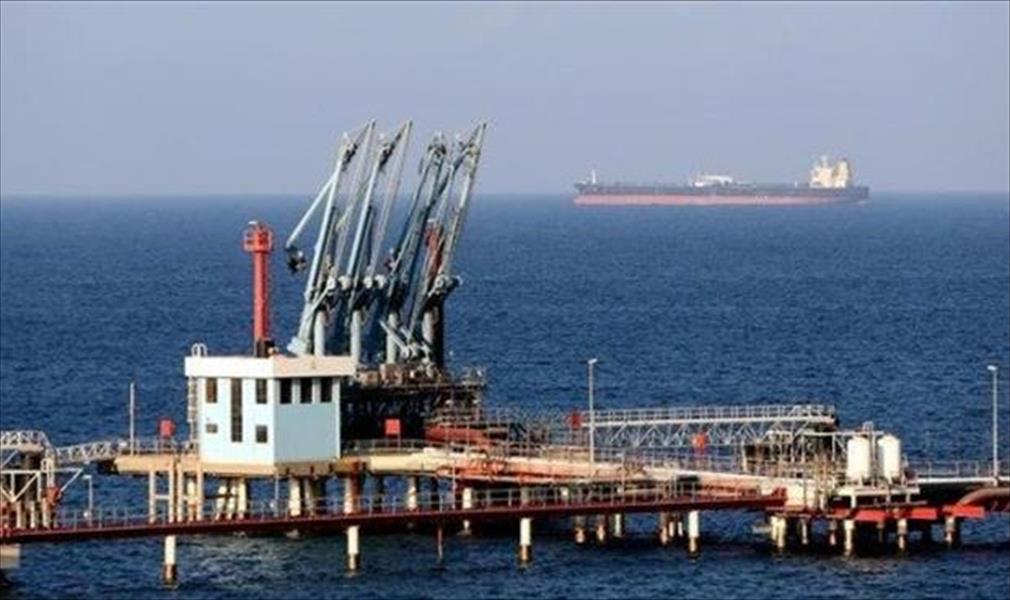
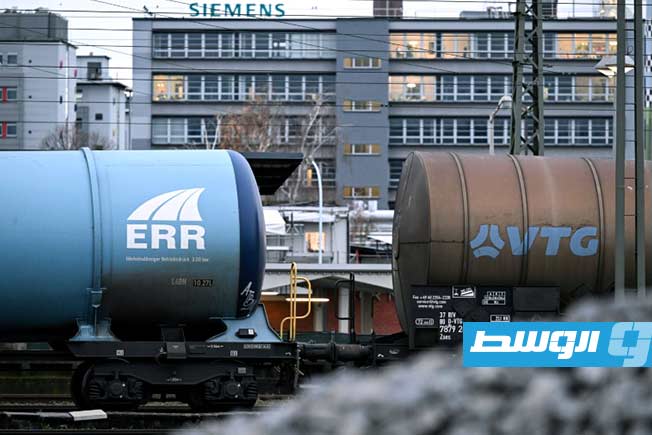
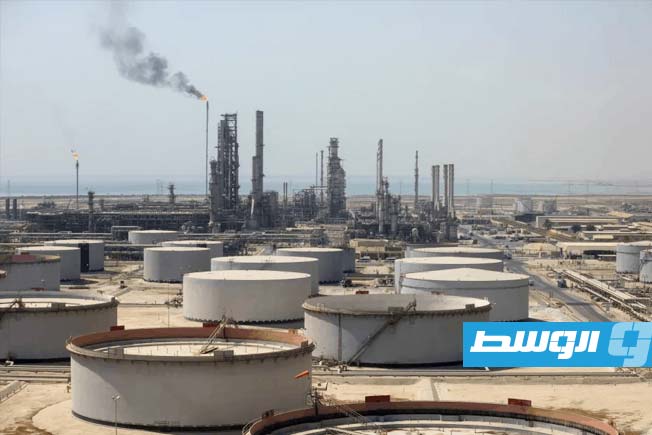
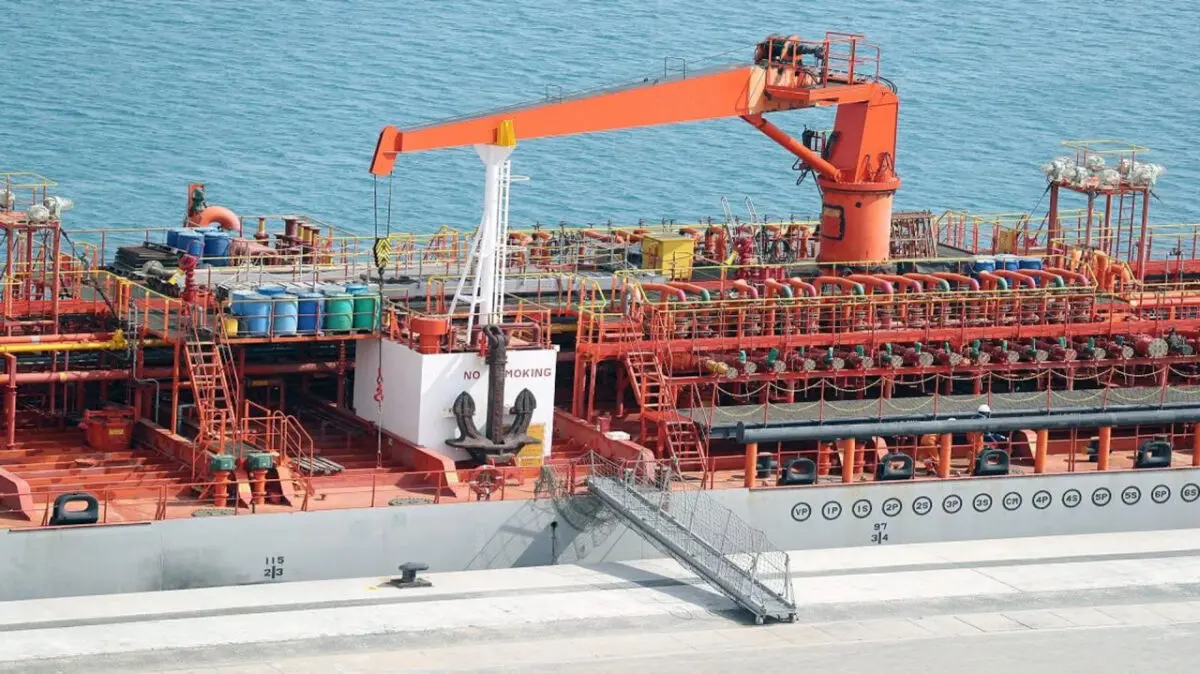
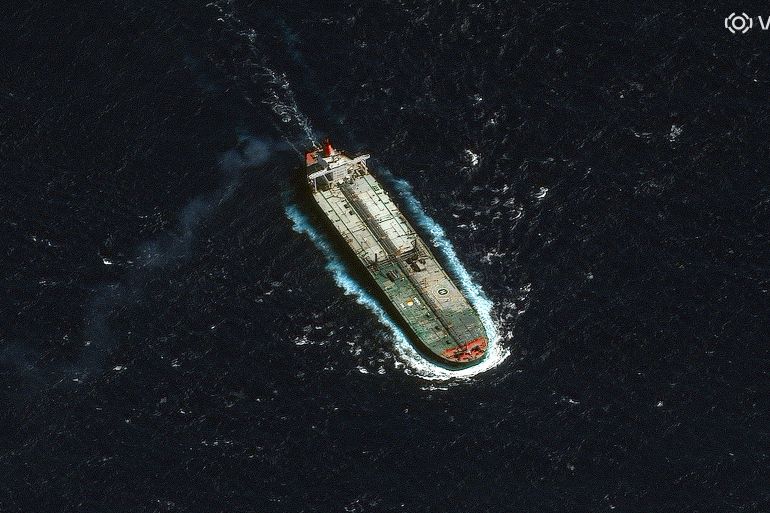
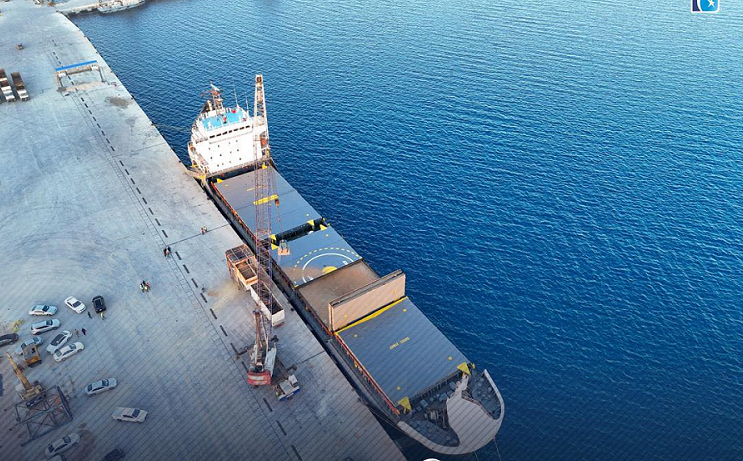
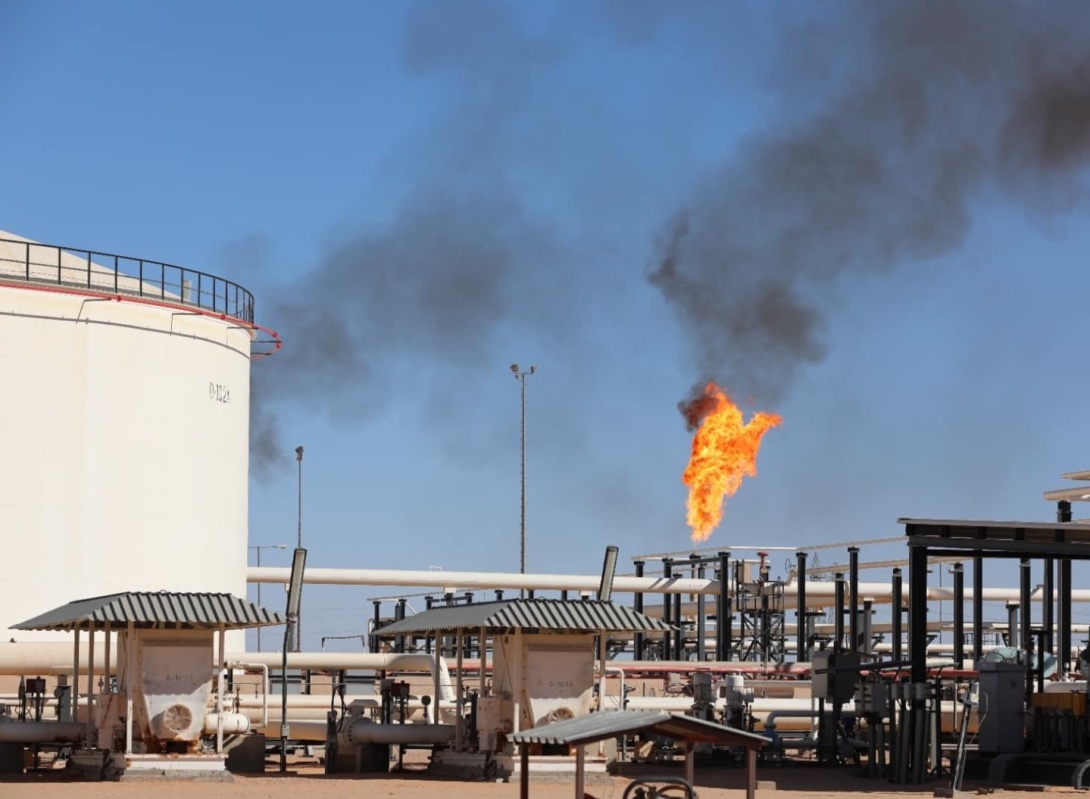
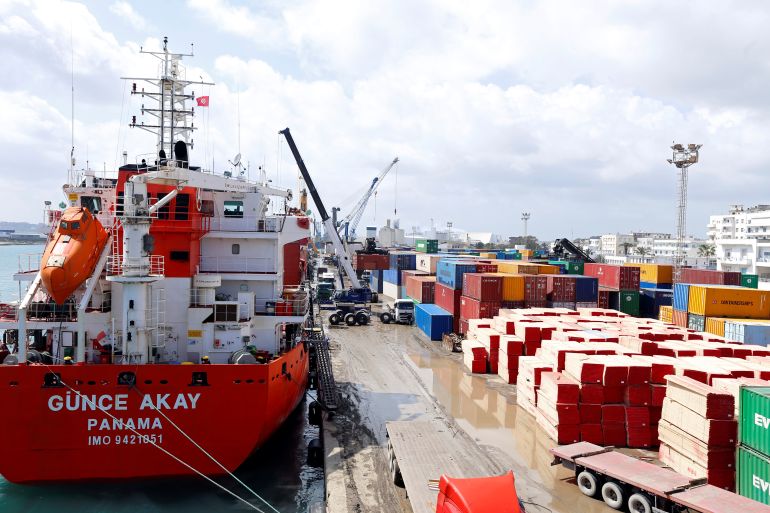
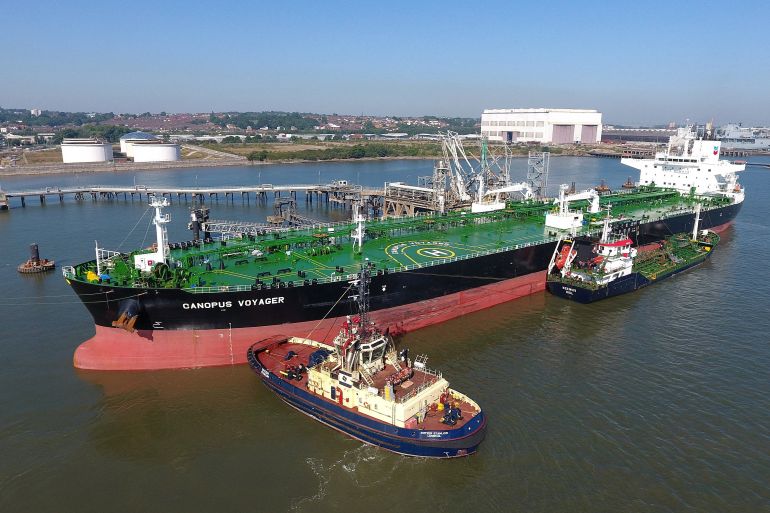
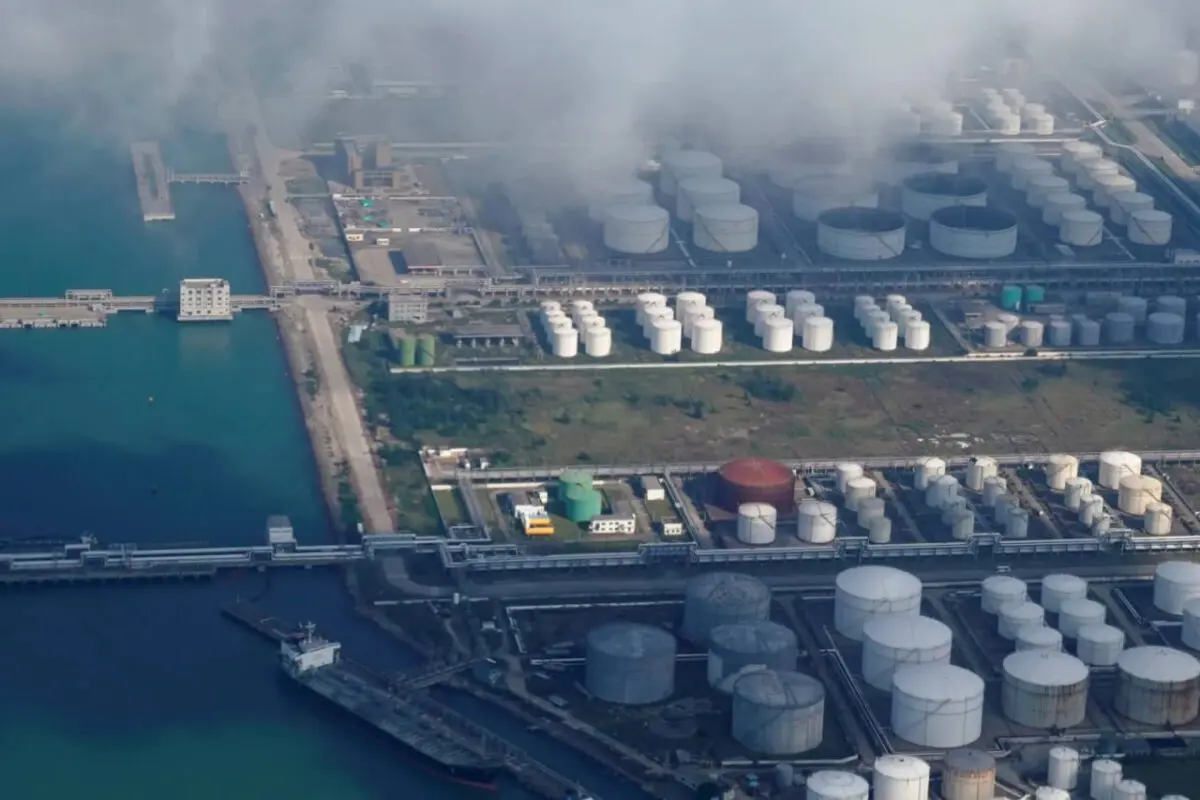
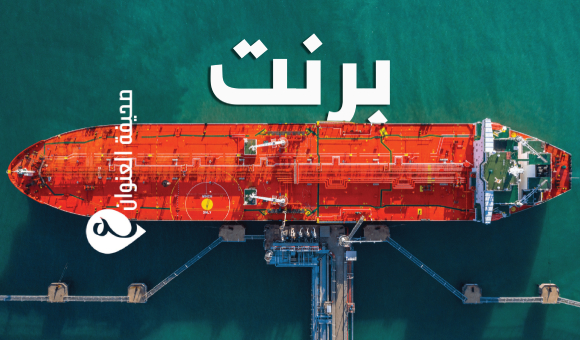
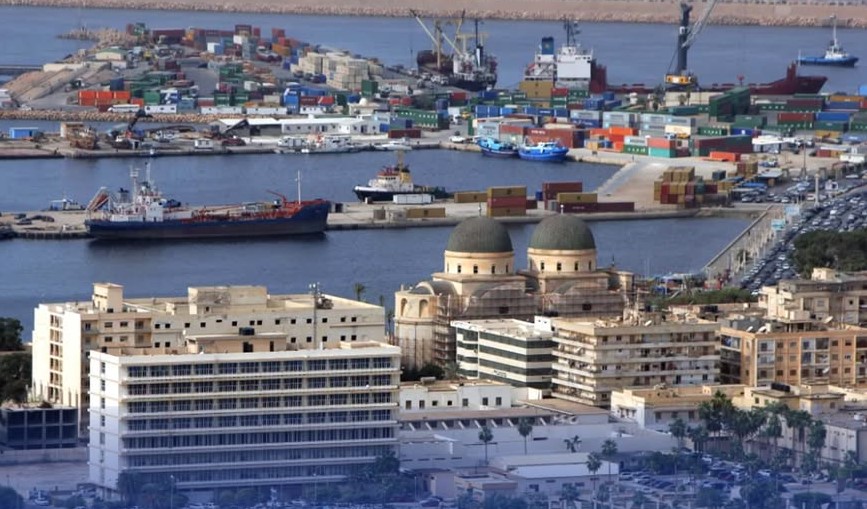
In contrast, the Brega Oil Marketing Company confirmed that petrol is available in sufficient quantities, noting that the tanker Kriti Admiral is currently docked at Tripoli port loaded with 35 million liters, of which over 7.4 million liters have been distributed. Meanwhile, the tanker HAFNIA AMESSI is preparing to enter Benghazi port to unload a shipment of 30,000 metric tons, alongside other tankers en route to Tripoli and Zawiya.
The company called on distribution companies to expedite enabling stations to supply citizens with their allocated quantities to alleviate congestion, confirming that carrier movements are proceeding according to the scheduled timetables and that supplies are stable.
Tripoli
Tripoli is the capital and largest city of Libya, located on the country’s Mediterranean coast. Historically, it was founded by the Phoenicians in the 7th century BC and has since been ruled by the Romans, Arabs, Ottomans, and Italians, which is reflected in its diverse architecture, such as the ancient Medina and the Red Castle (Assaraya al-Hamra).
Shatt road
Shatt Road is a major thoroughfare in Baghdad, Iraq, running along the west bank of the Tigris River. Historically, it has been a significant commercial and cultural artery for the city, with its development closely tied to Baghdad’s 20th-century expansion and urbanization.
Janzour
Janzour is a coastal town located west of Tripoli in Libya, historically known for its agricultural production and as a site of Italian colonial-era settlement in the early 20th century. Its name is derived from the Arabic word for “olives,” reflecting its traditional role in olive cultivation.
Brega Oil Marketing Company
The Brega Oil Marketing Company is a state-owned Libyan firm responsible for the distribution and marketing of petroleum products domestically and internationally. It was established as a key subsidiary of the state’s National Oil Corporation, playing a central role in Libya’s oil industry since the nationalization of its energy sector in the 1970s.
Kriti Admiral
The Kriti Admiral is a bronze statue located in Chania, Crete, honoring an unknown World War II resistance fighter. It was created by sculptor Athanassia Arapoglou and unveiled in 2000, symbolizing the bravery of the Cretan people during the German occupation from 1941 to 1945.
Tripoli port
Tripoli Port is a historic Mediterranean harbor in northern Lebanon, originally established by the Phoenicians and later developed significantly during the Mamluk era in the 14th century. It remains Lebanon’s second-largest port, serving as a vital commercial gateway and reflecting centuries of trade and maritime history.
HAFNIA AMESSI
HAFNIA AMESSI is a modern residential and commercial complex located in Copenhagen, Denmark. Its name references “Hafnia,” the Latin name for Copenhagen, and “Amessi” is likely a branding element, with the development being constructed in the 2010s as part of the city’s ongoing urban renewal. It represents contemporary Danish architecture and urban living rather than a site with deep historical legacy.
Benghazi port
Benghazi Port is a major seaport on Libya’s Mediterranean coast, historically serving as a key trade and economic hub for the Cyrenaica region. Its modern development began under Italian colonial rule in the early 20th century, and it has since been a strategically vital but often contested site during Libya’s turbulent recent history.
Zawiya
A zawiya is a Sufi religious lodge or school commonly found across North and West Africa, historically serving as a center for spiritual retreat, Islamic education, and community gatherings. These institutions were often established around the tomb of a saintly founder and played a key role in spreading Islam and preserving local culture and scholarship.