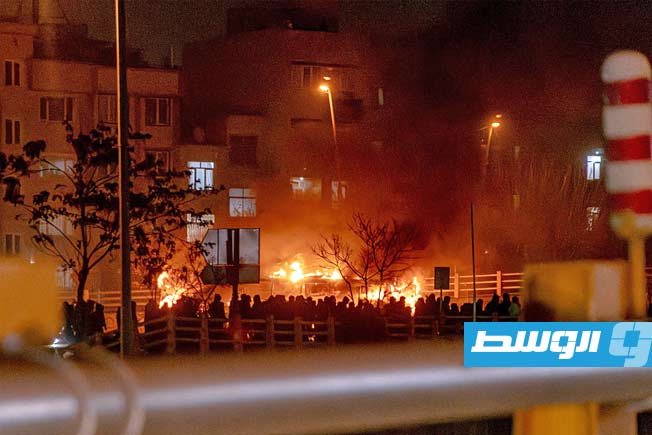
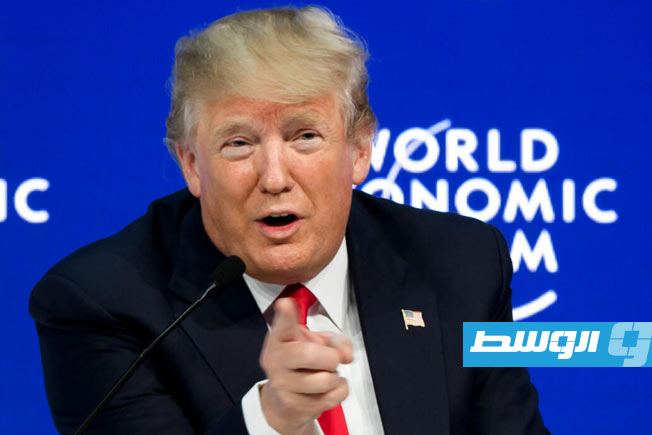
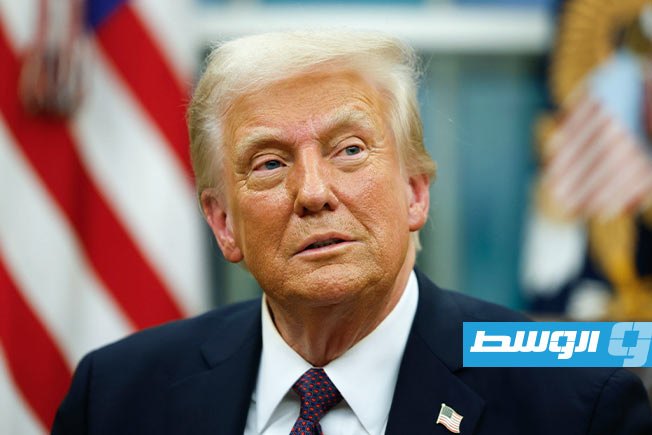
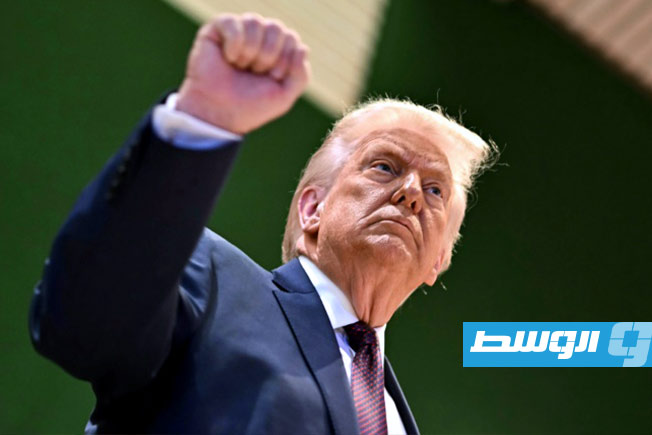
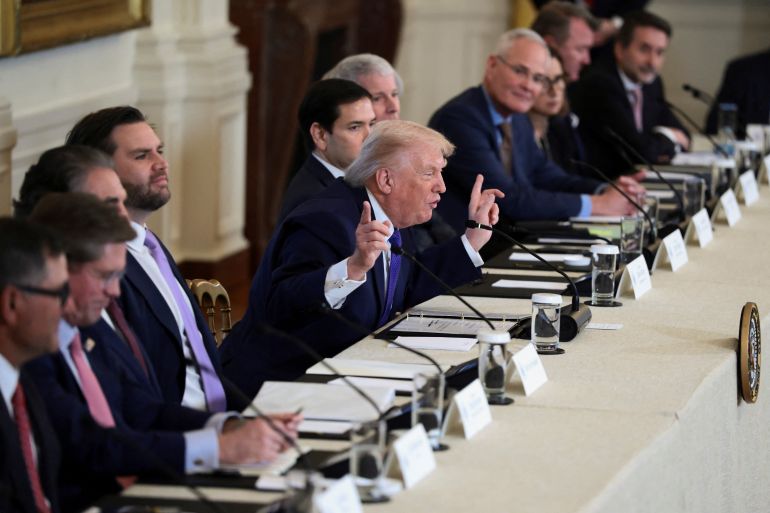
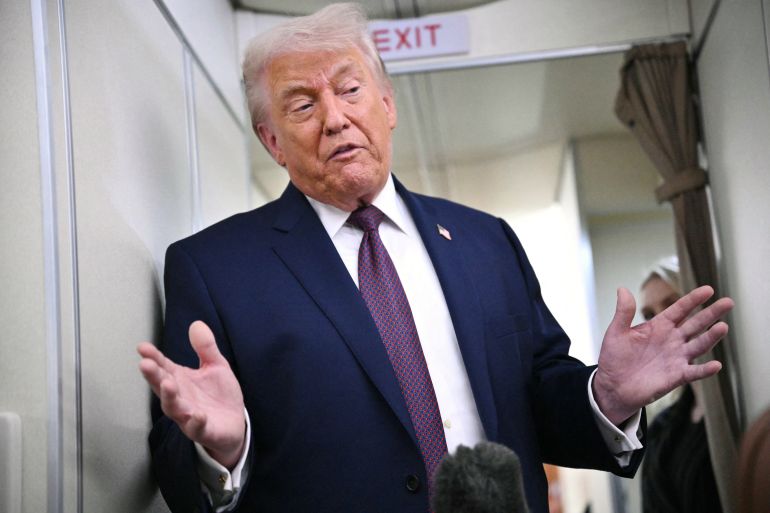
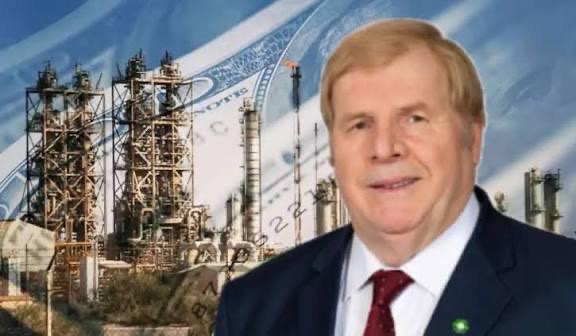
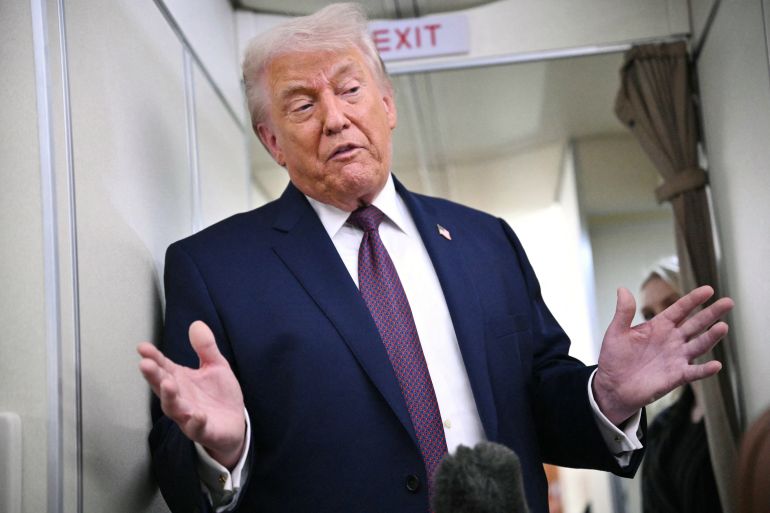
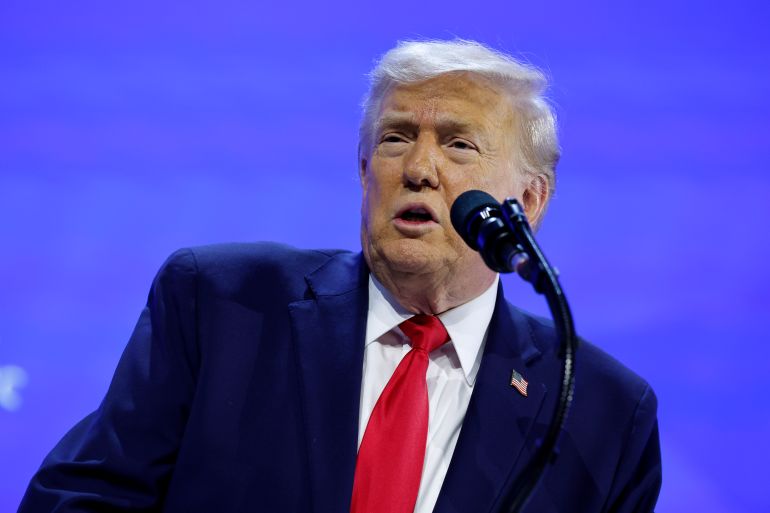
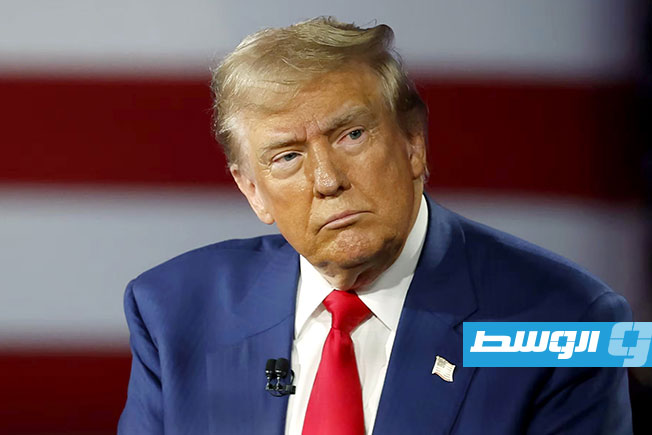
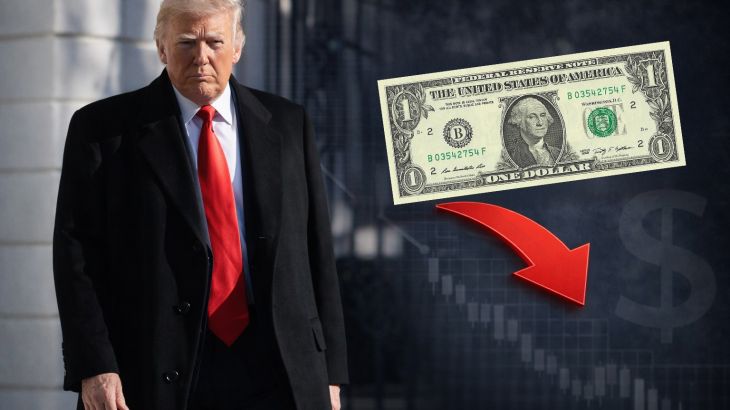
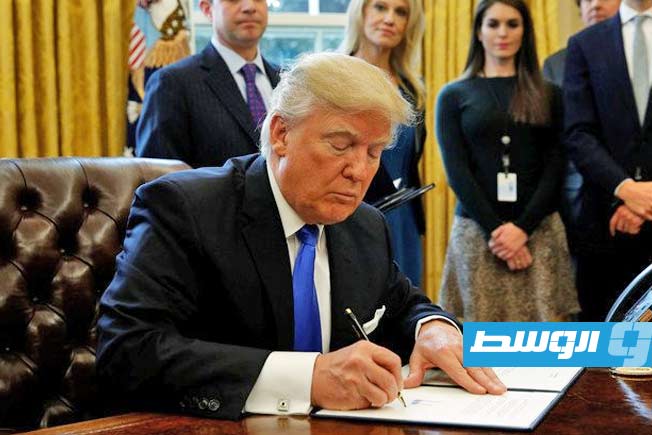
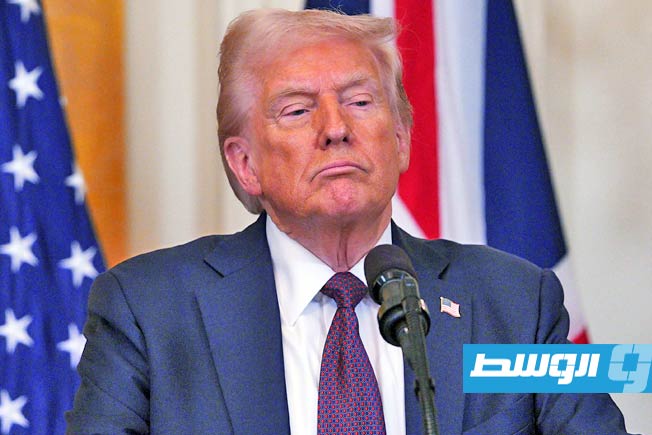
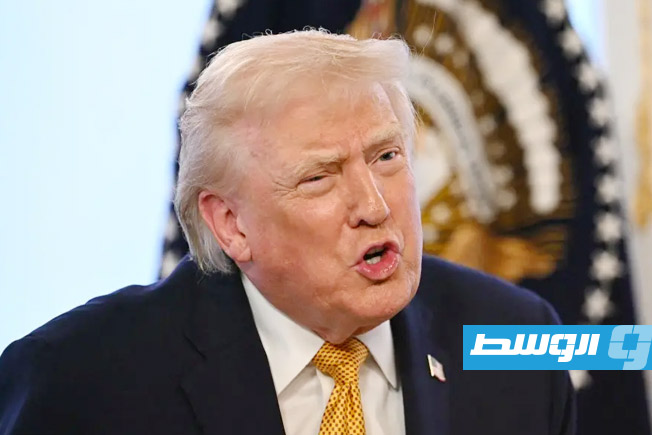
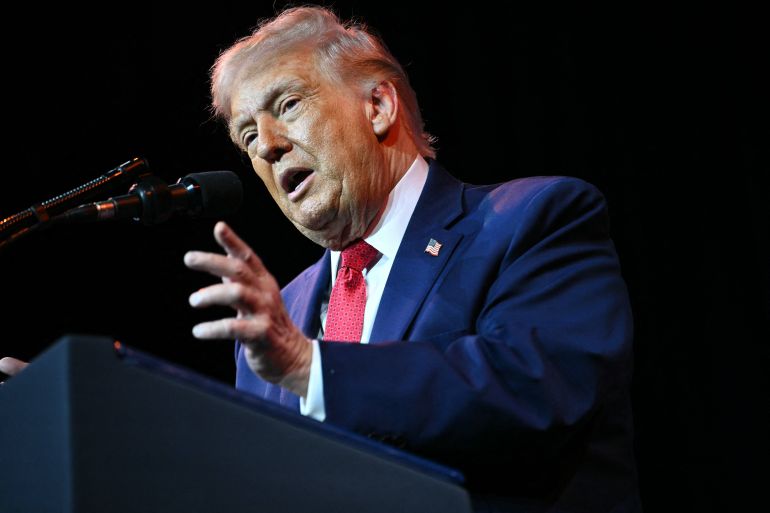
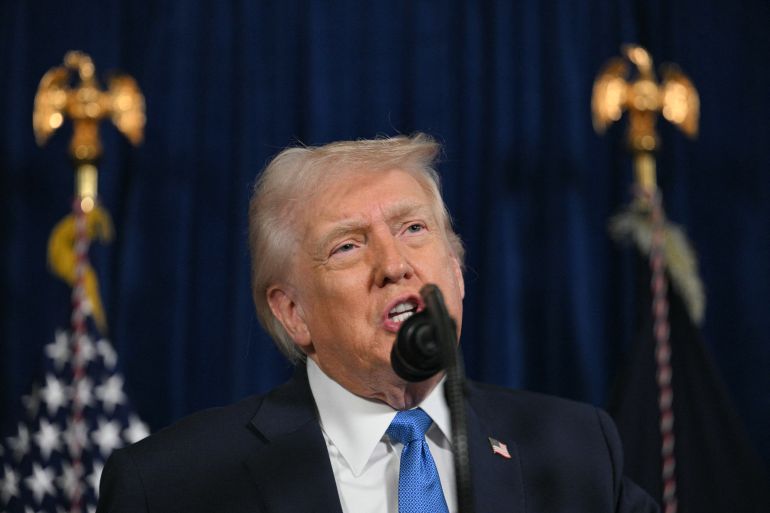
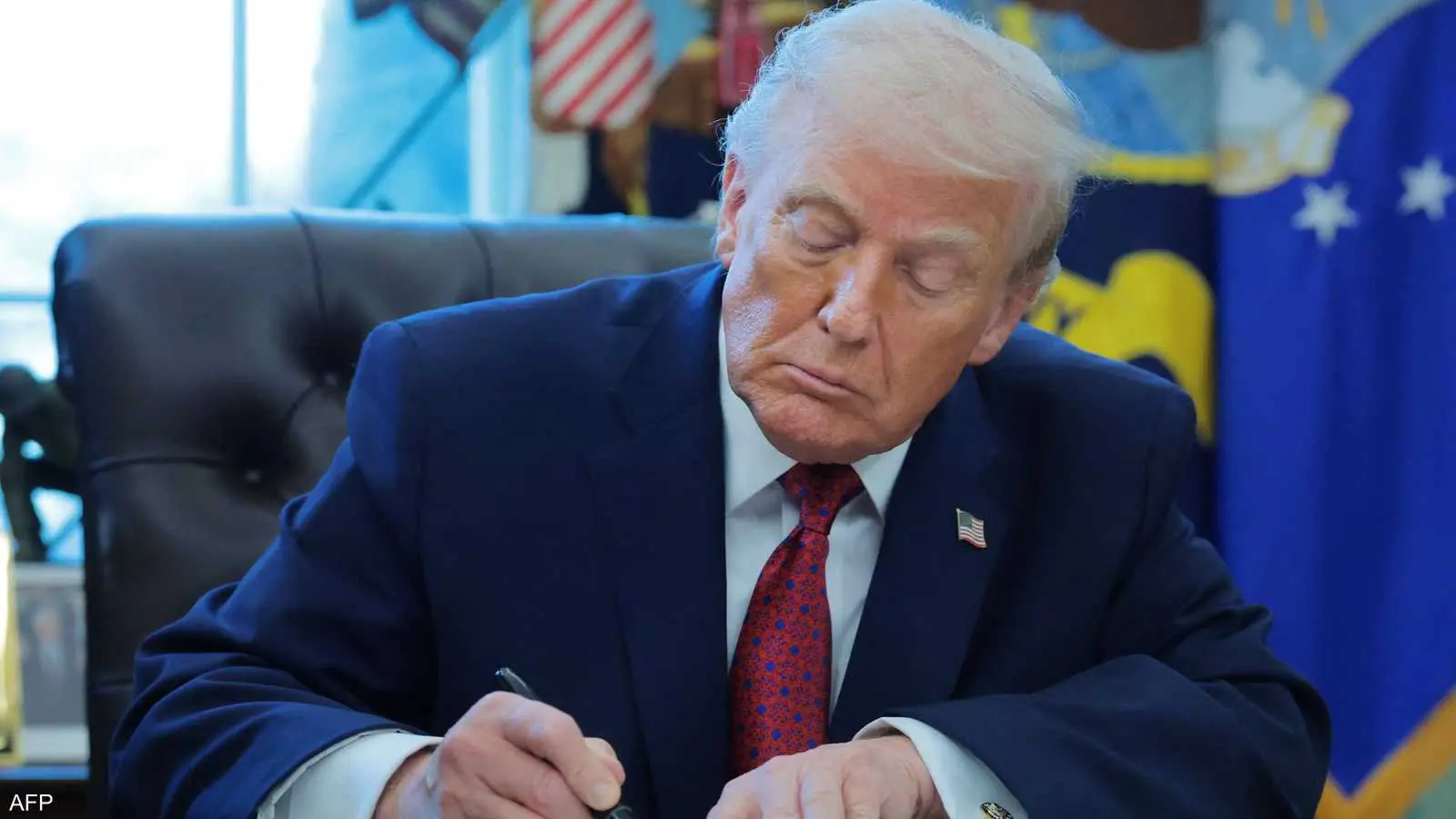
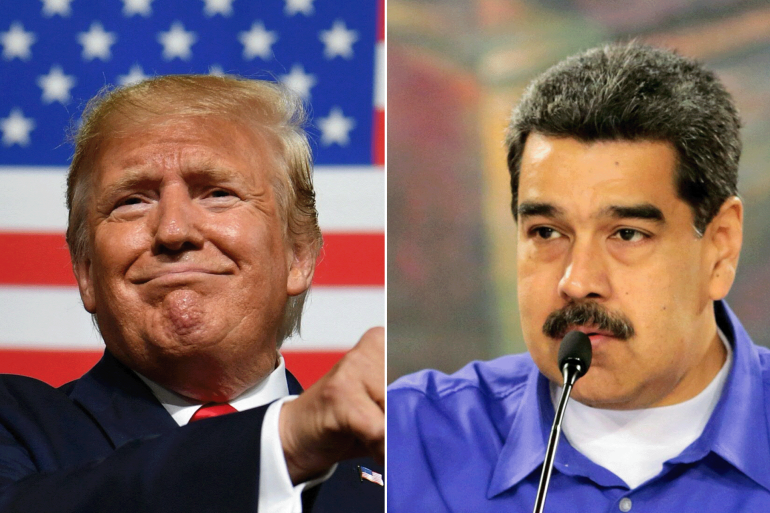
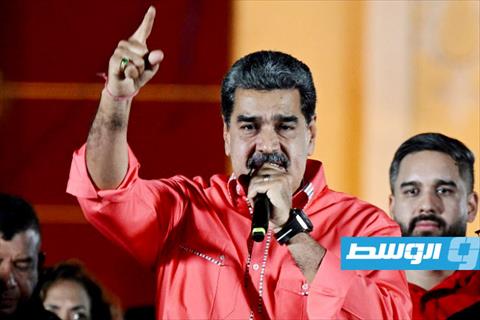
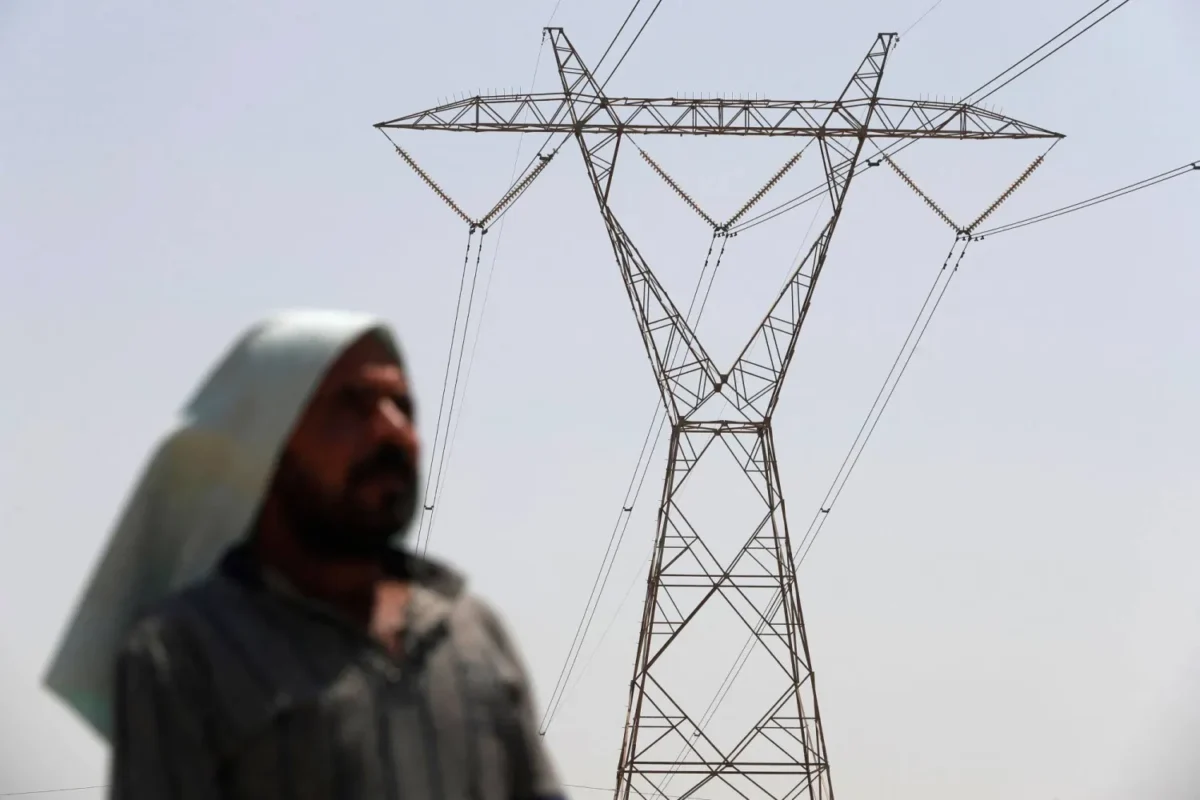
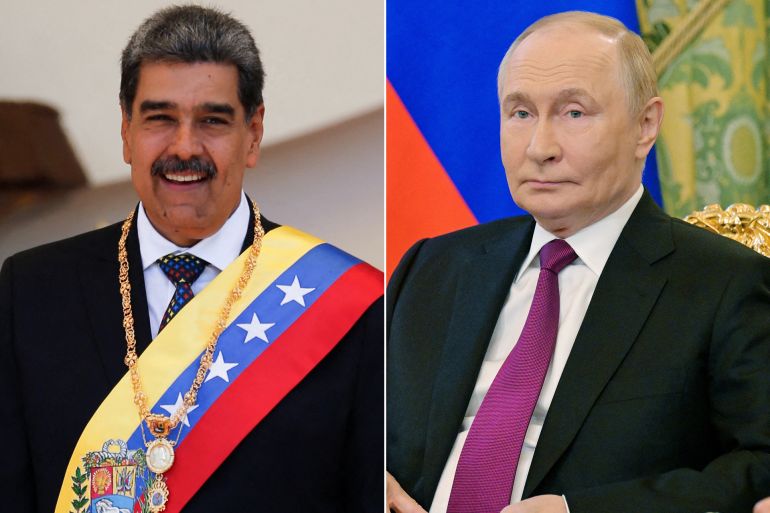
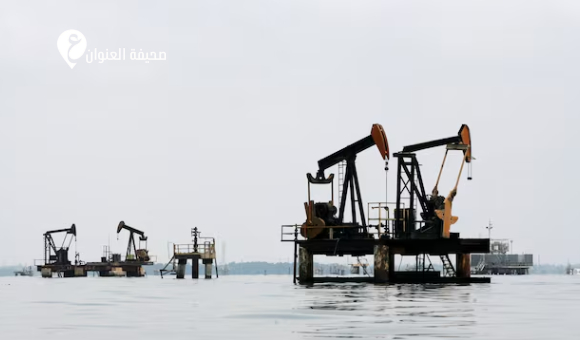
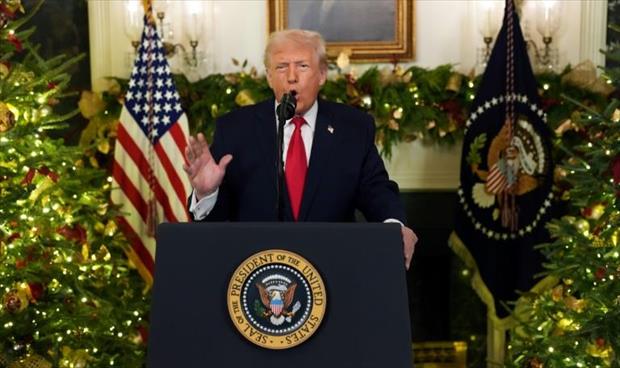
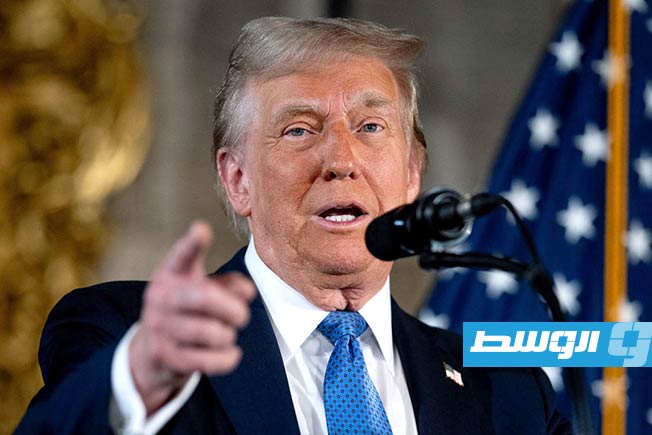
U.S. President Donald Trump announced that American forces have arrested Venezuelan President Nicolás Maduro, a move described as a game-changer for the world’s largest oil nation.
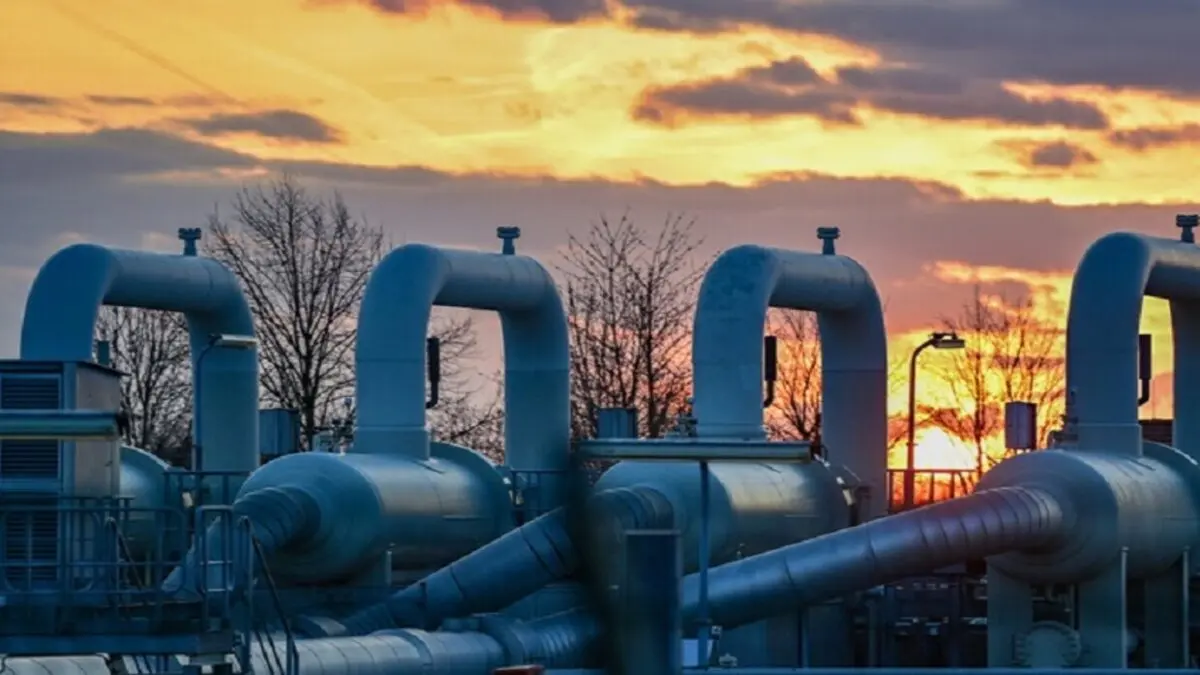
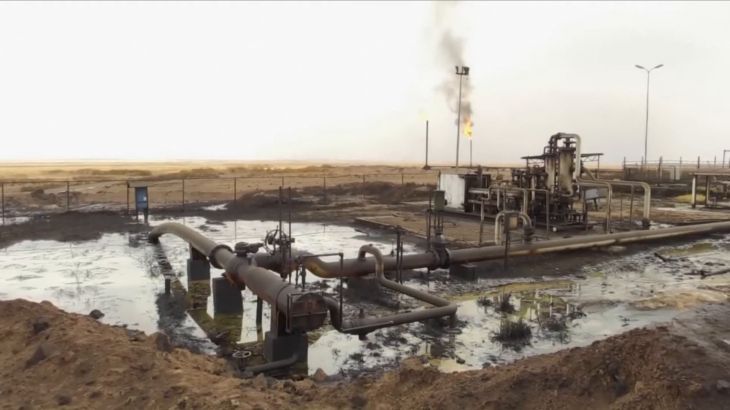
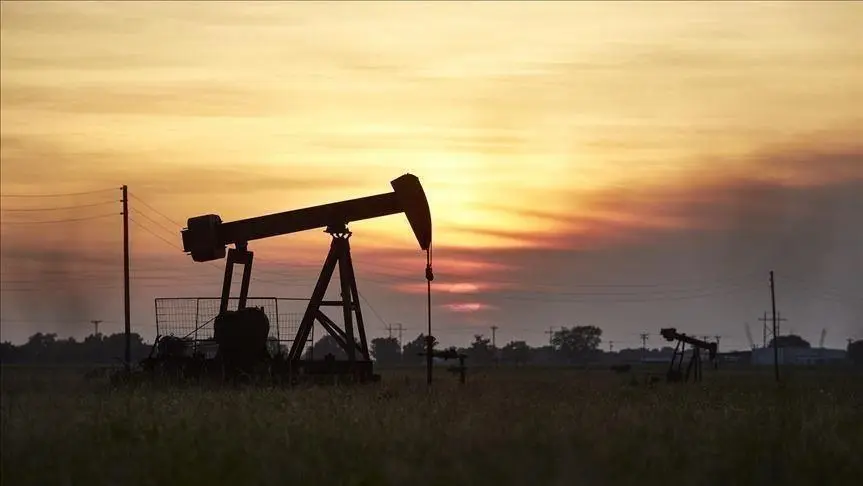
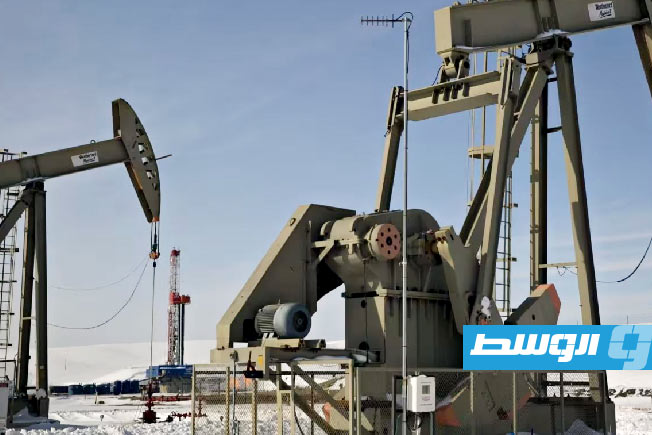
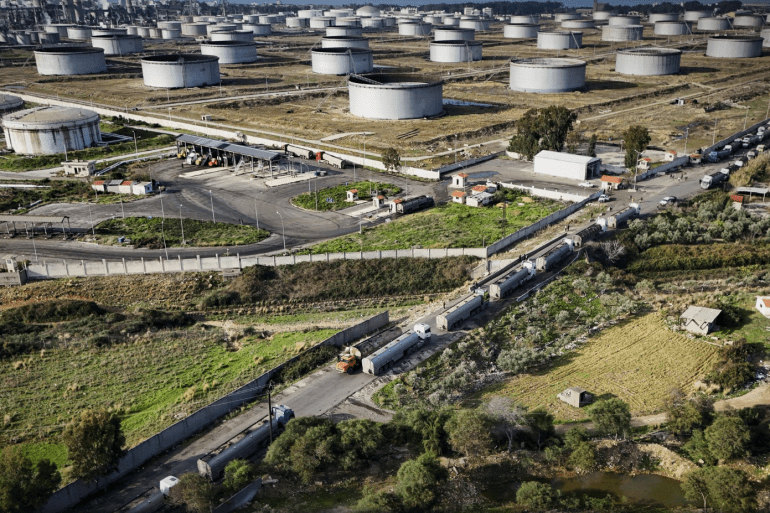
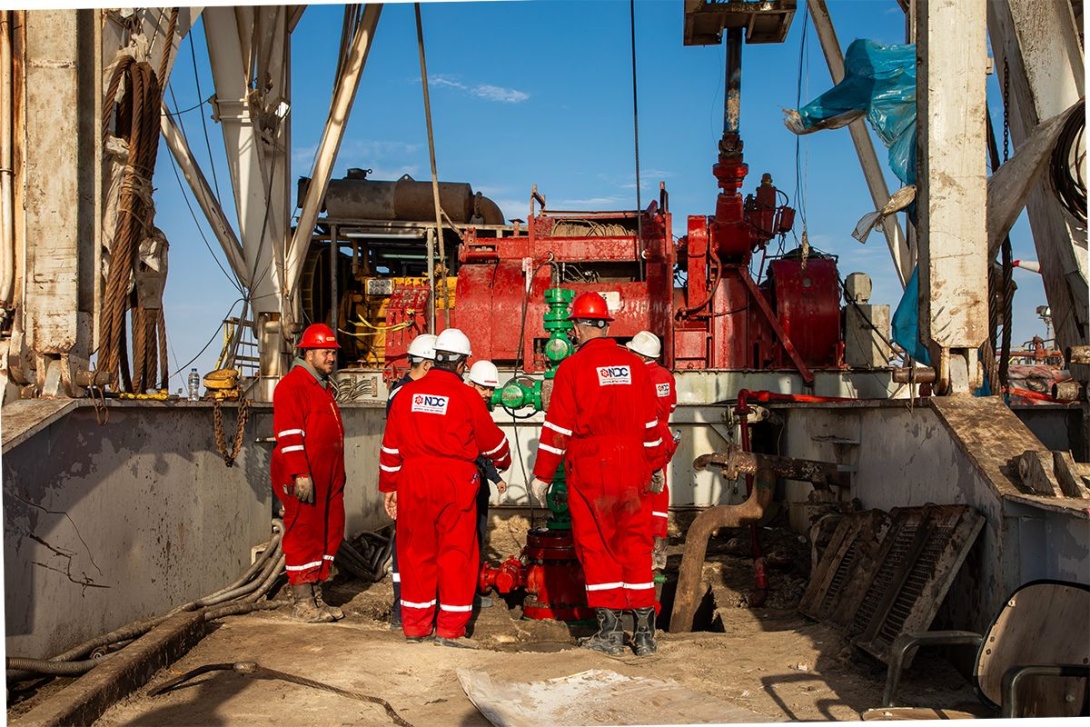
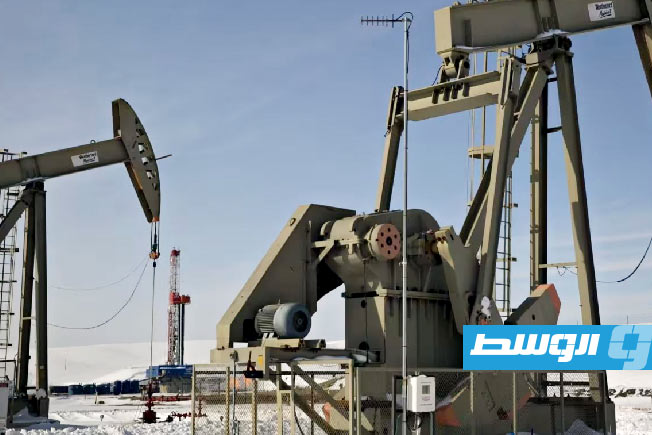
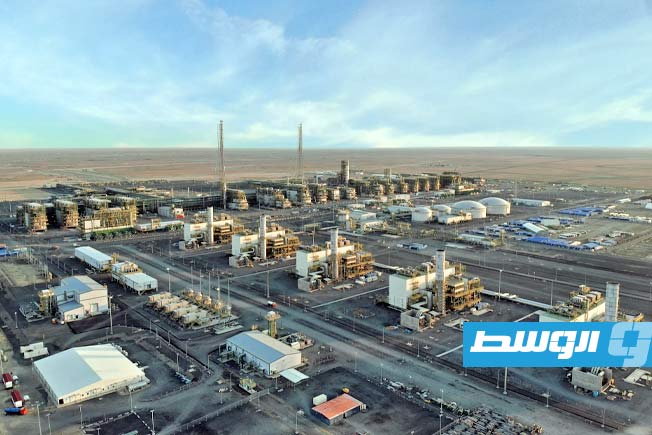
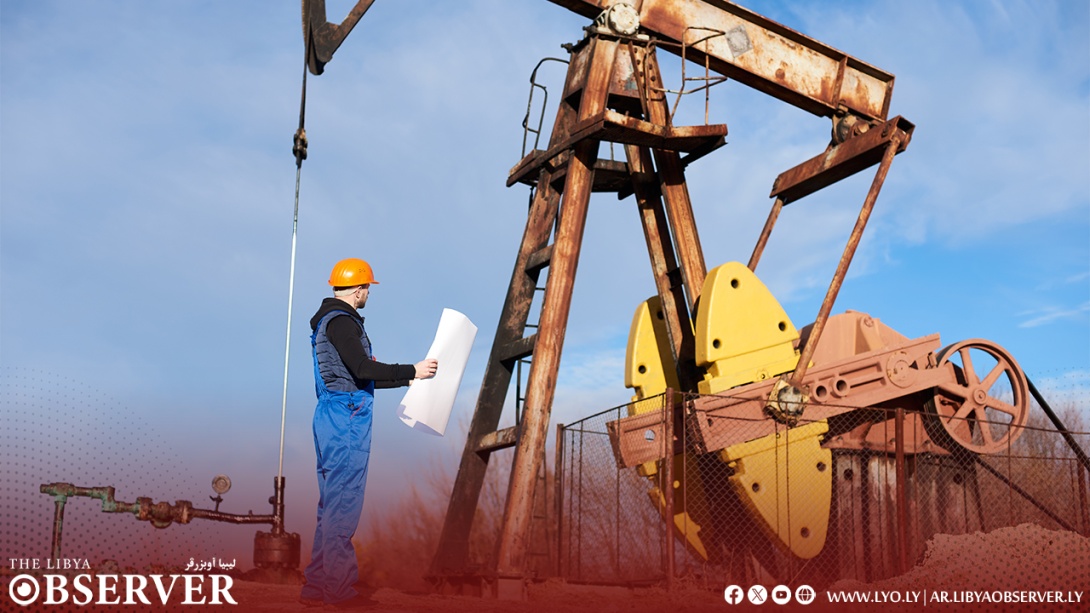
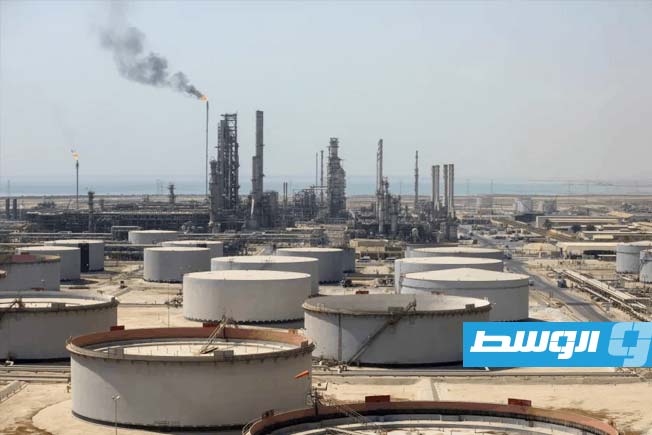
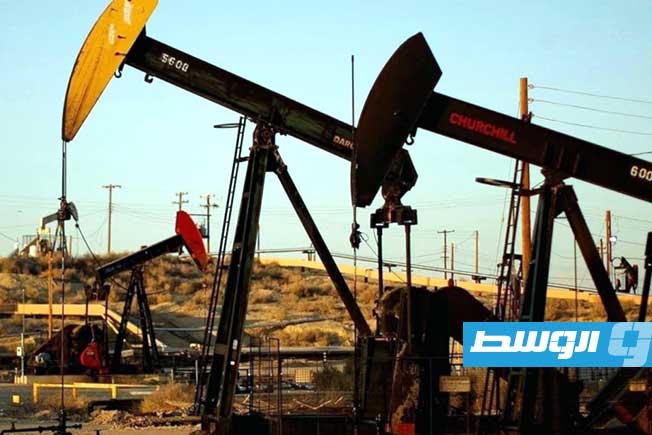
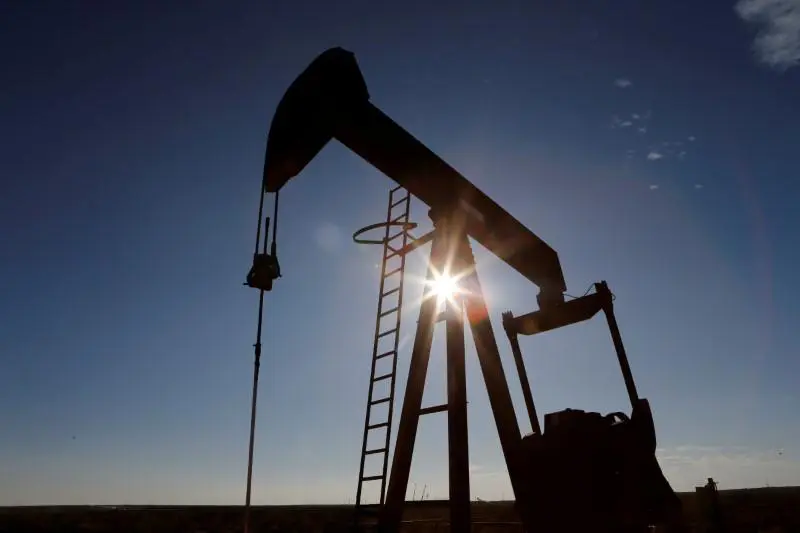
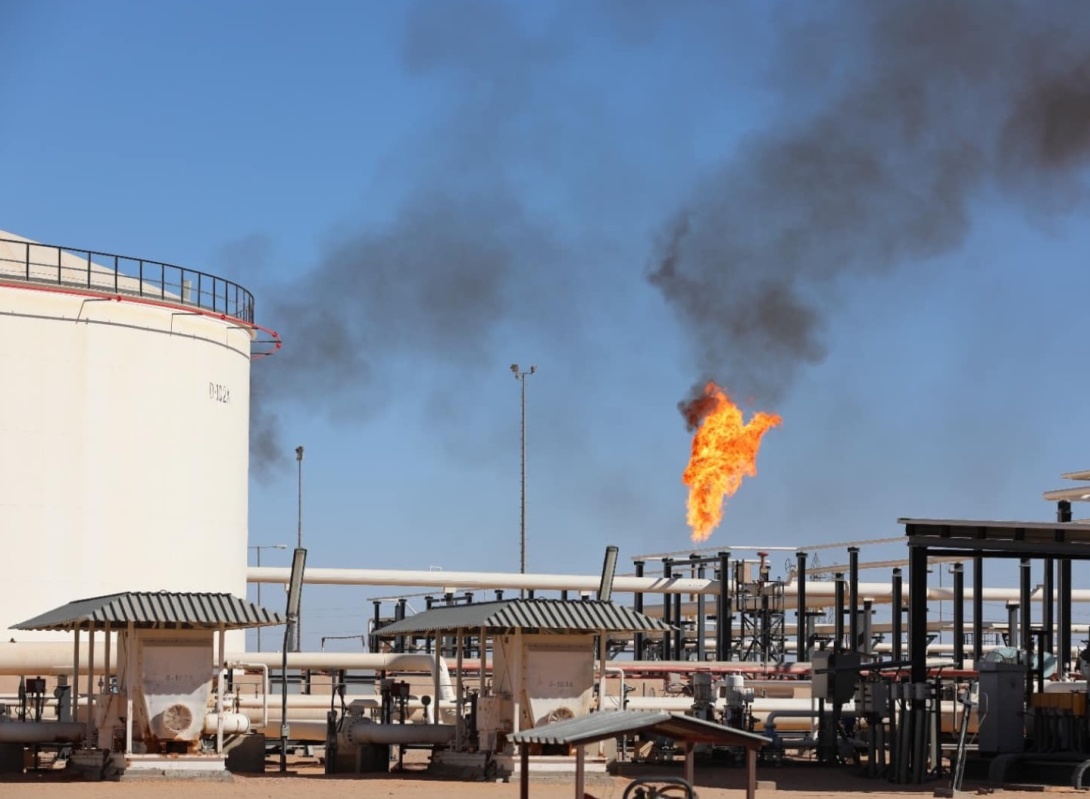
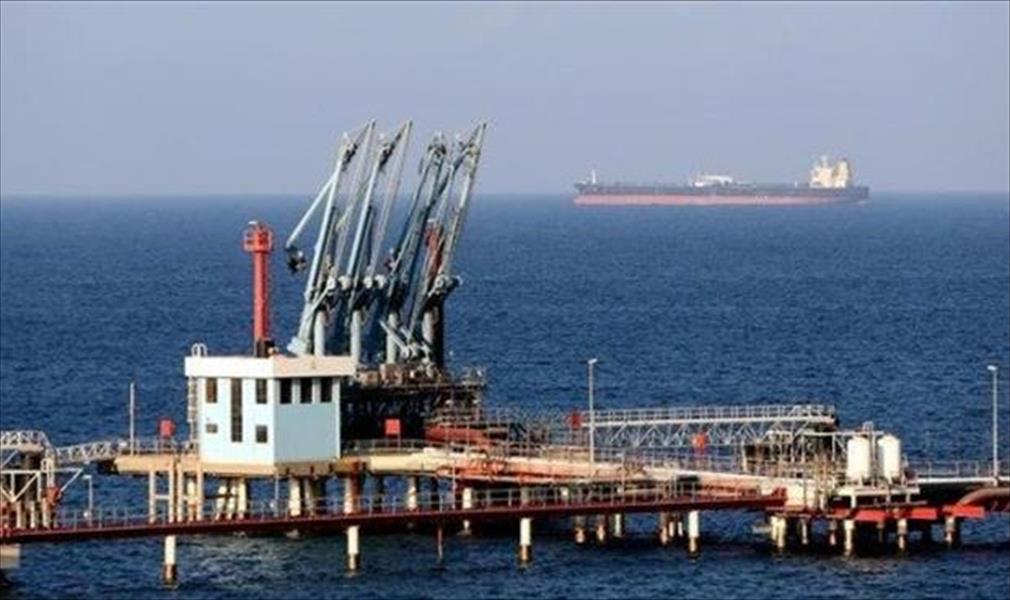
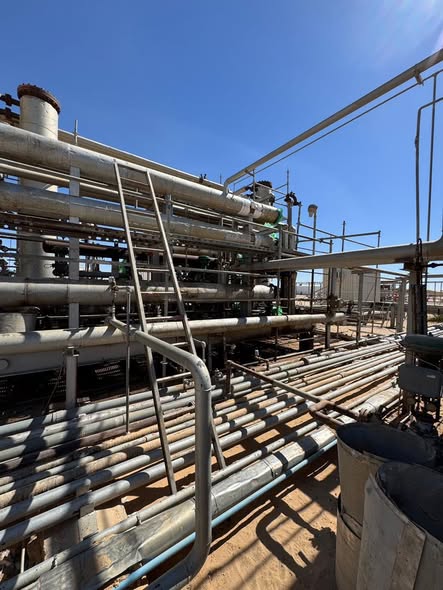
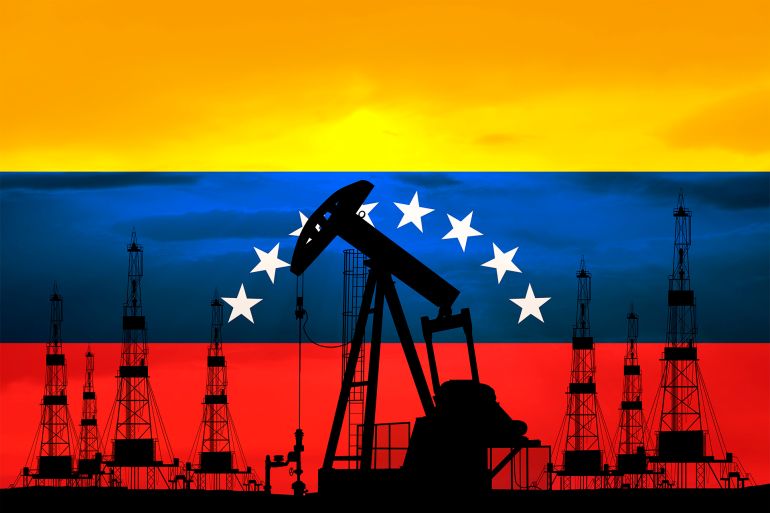
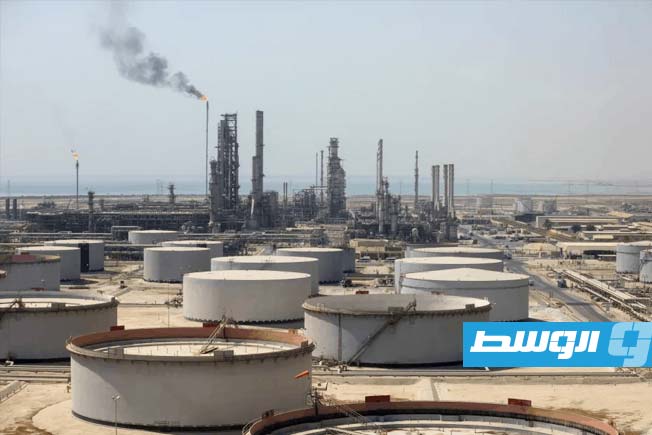
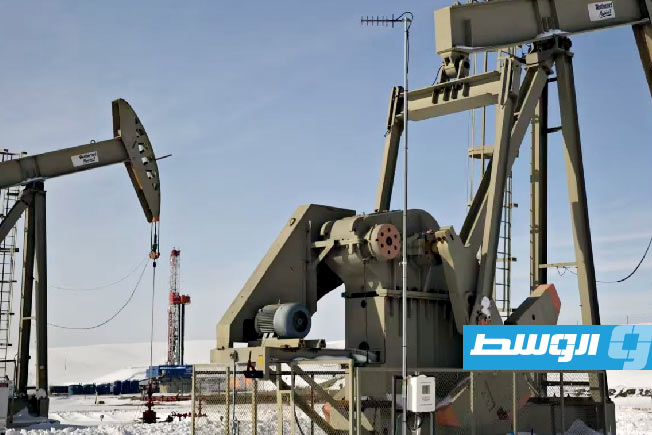
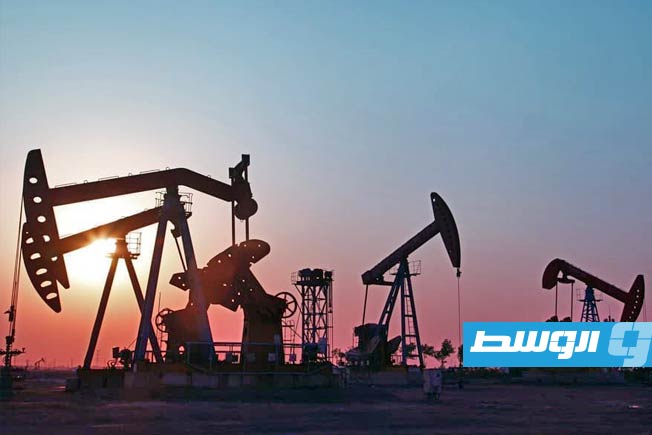
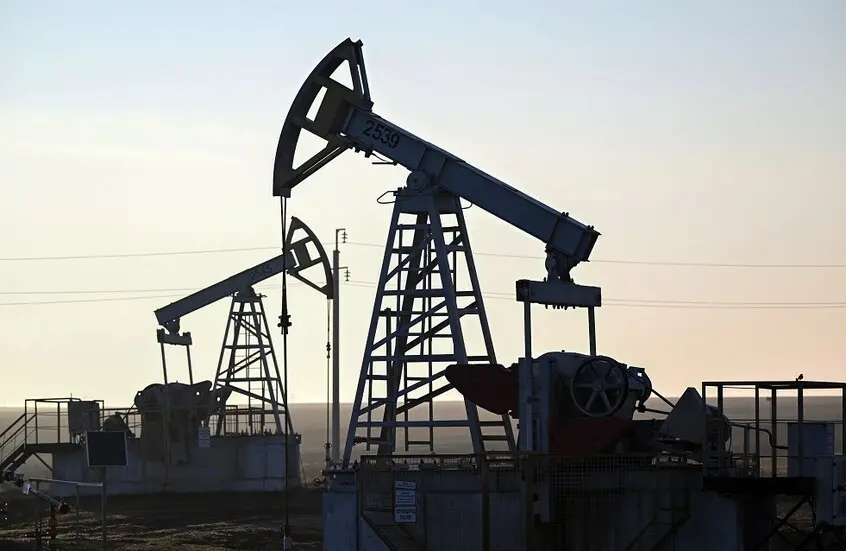
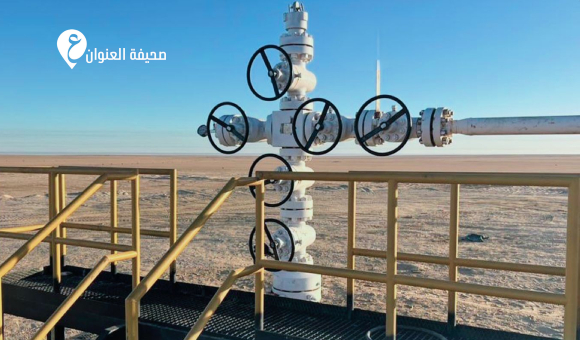
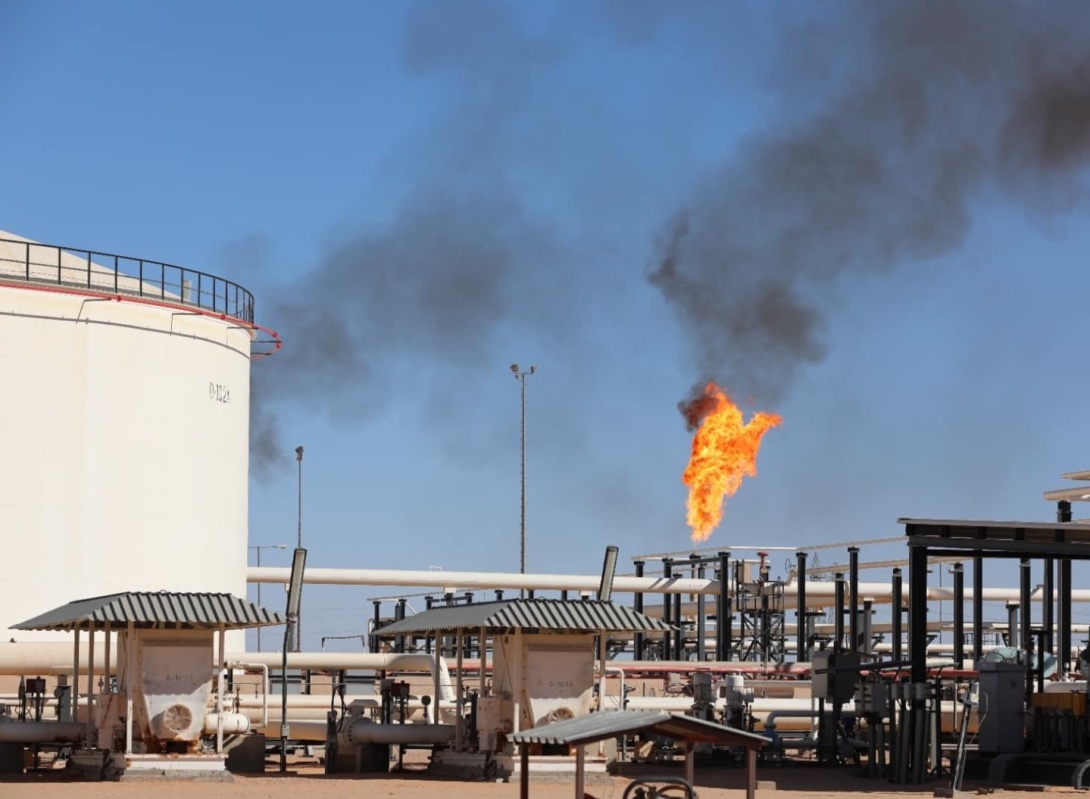
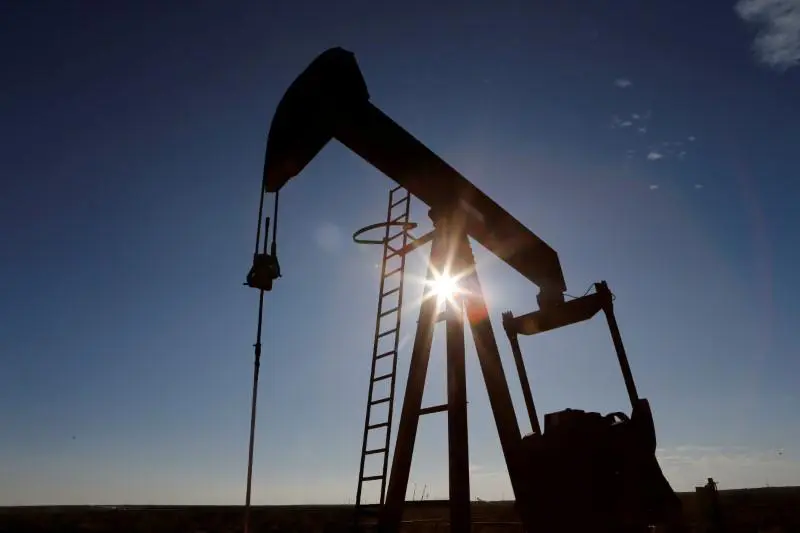
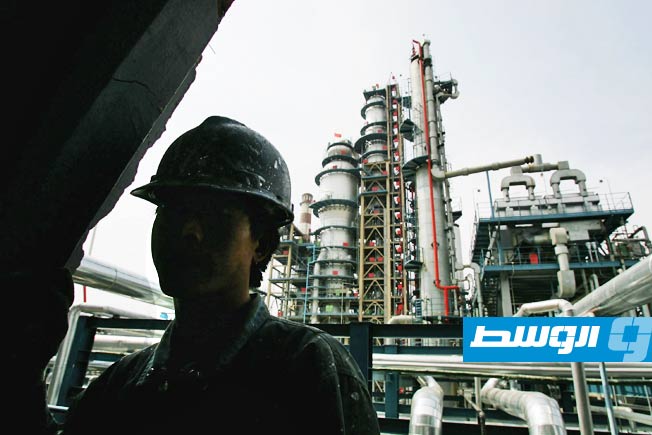
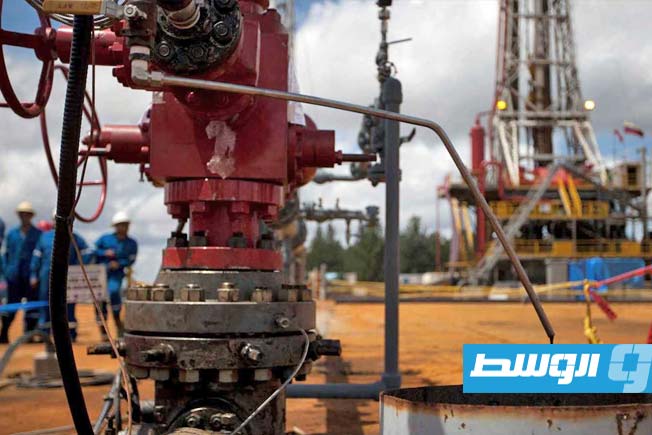
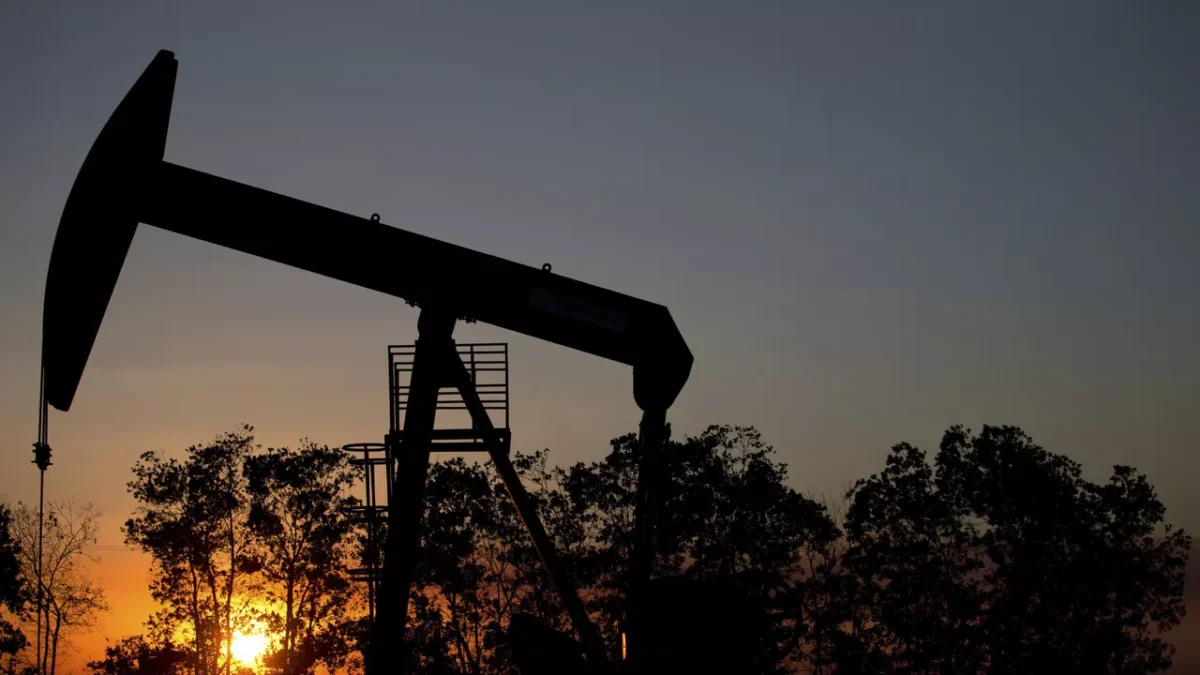
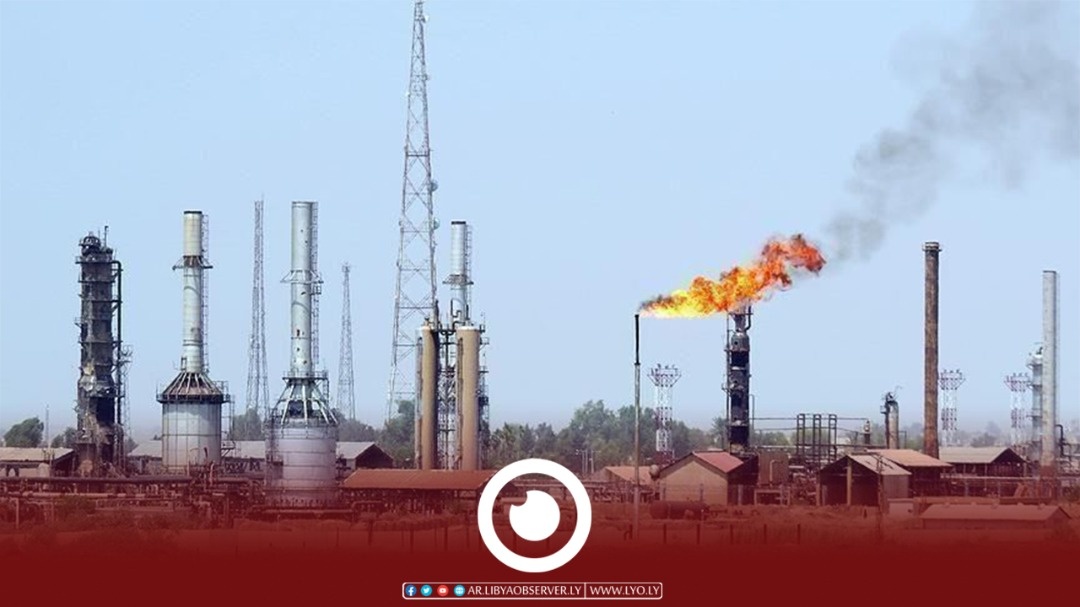
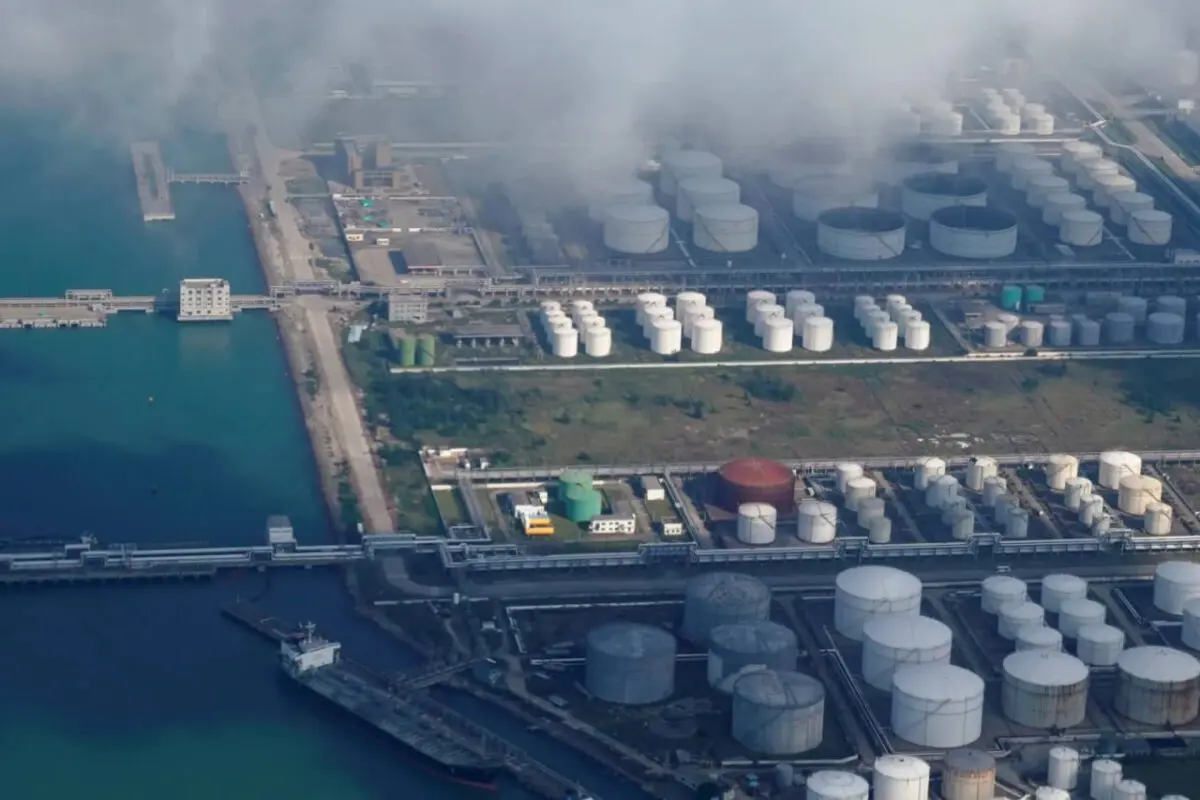
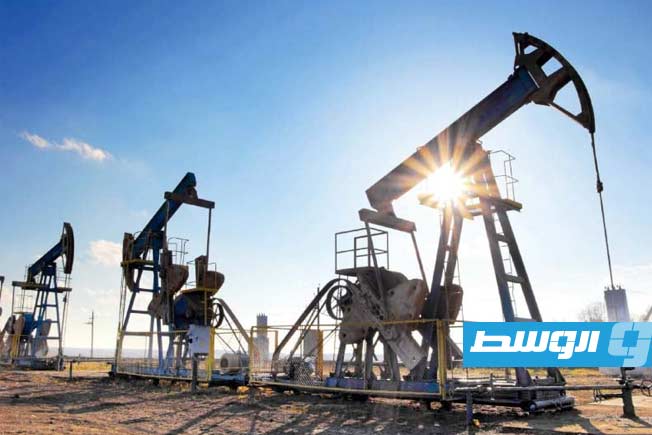
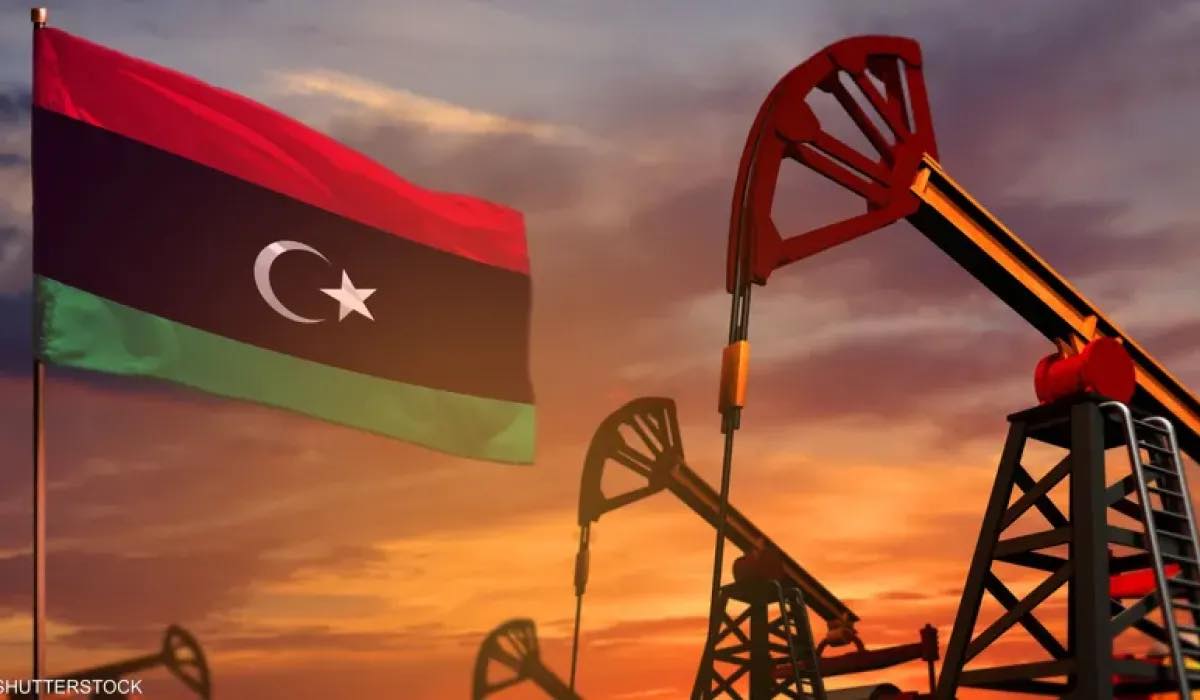
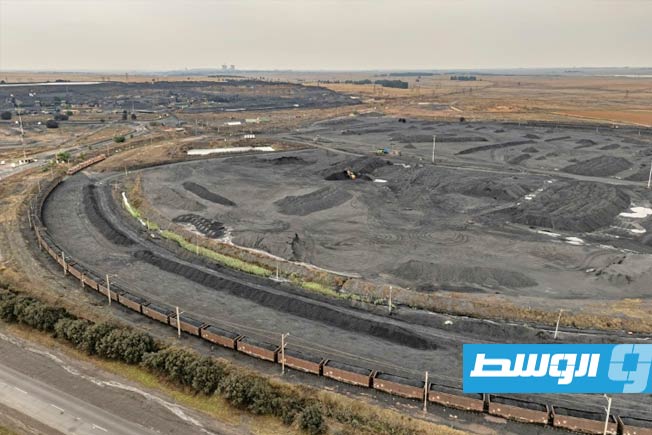
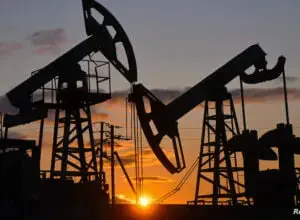
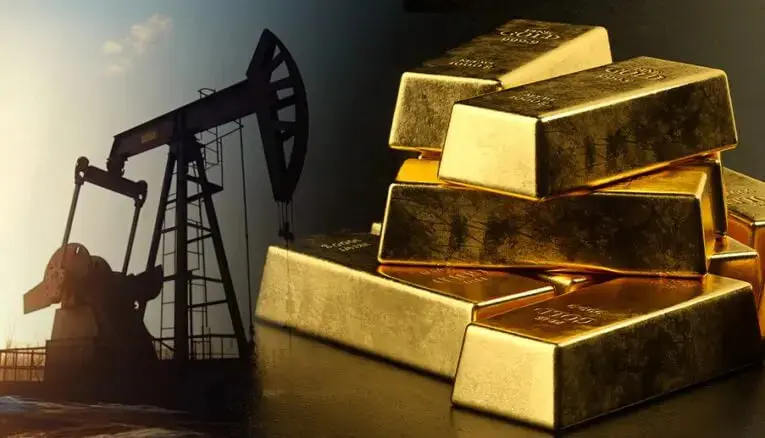
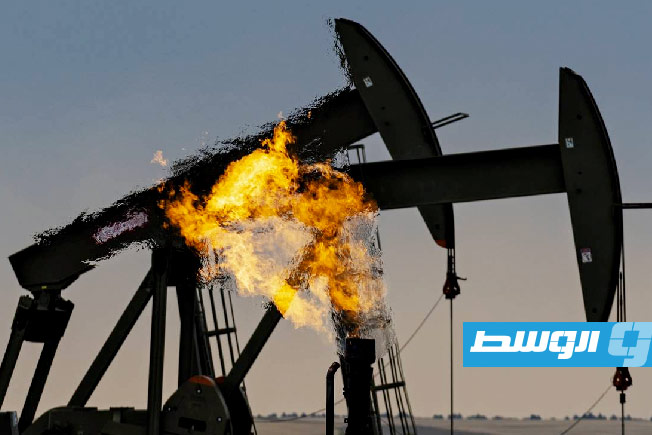
Venezuela possesses approximately 303 billion barrels of oil, equivalent to 17% of global reserves, surpassing Saudi Arabia. However, it currently produces only about 1.1 million barrels per day, roughly 1% of global output, a significant drop from its production of 3.5 million barrels per day in the 1970s.
This decline is attributed to mismanagement, lack of investment, international sanctions, and the difficulty of extracting heavy crude from the Orinoco Belt.
Joint Ventures and International Investments
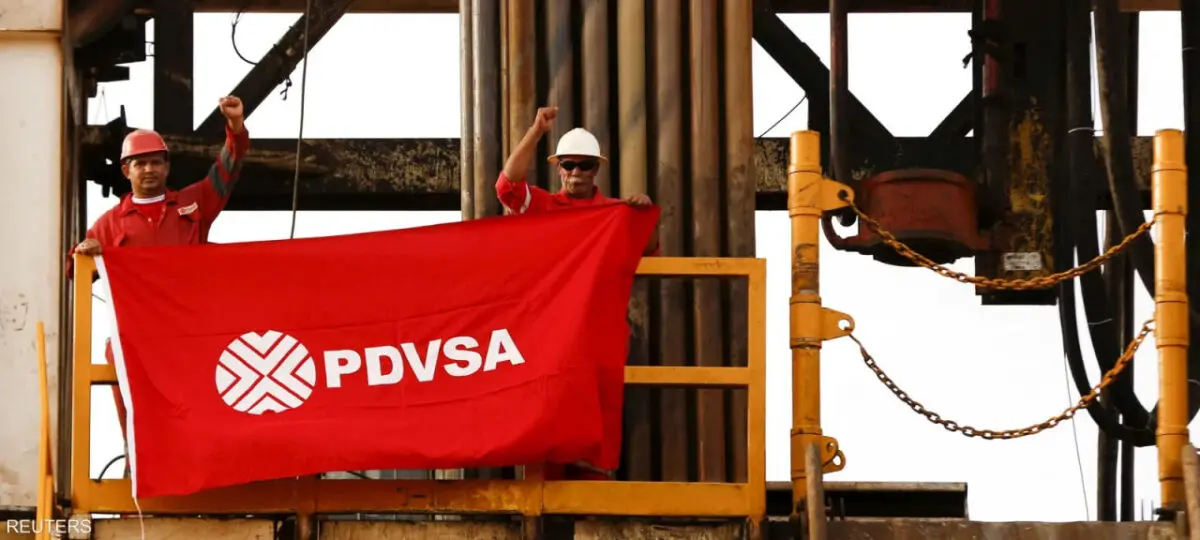
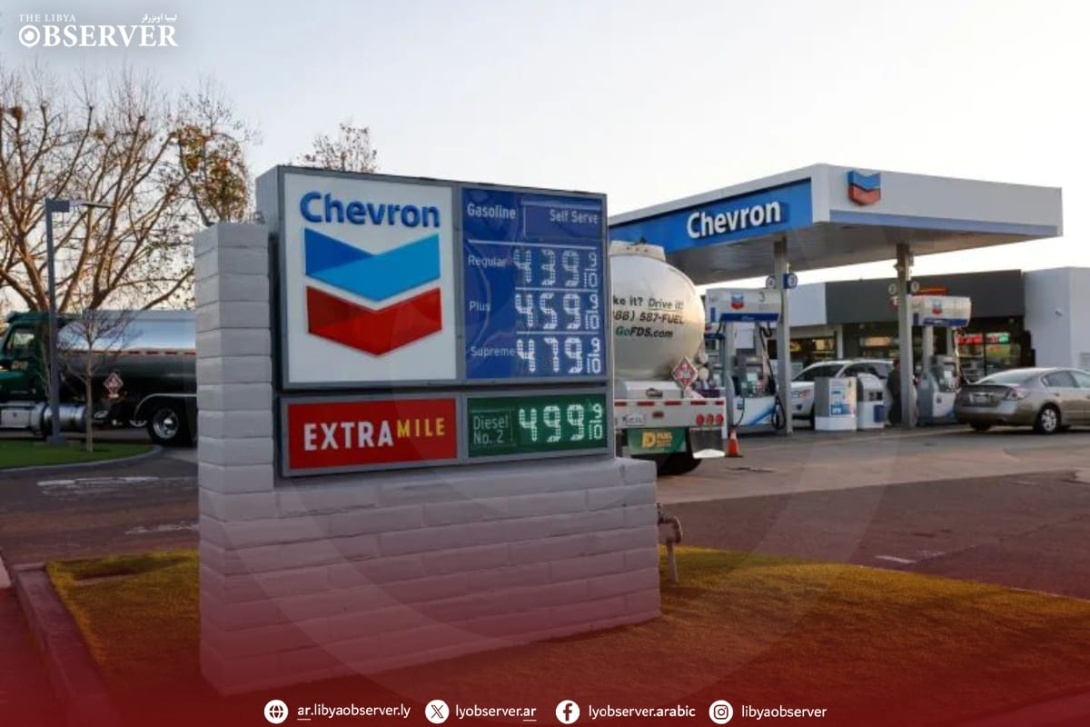
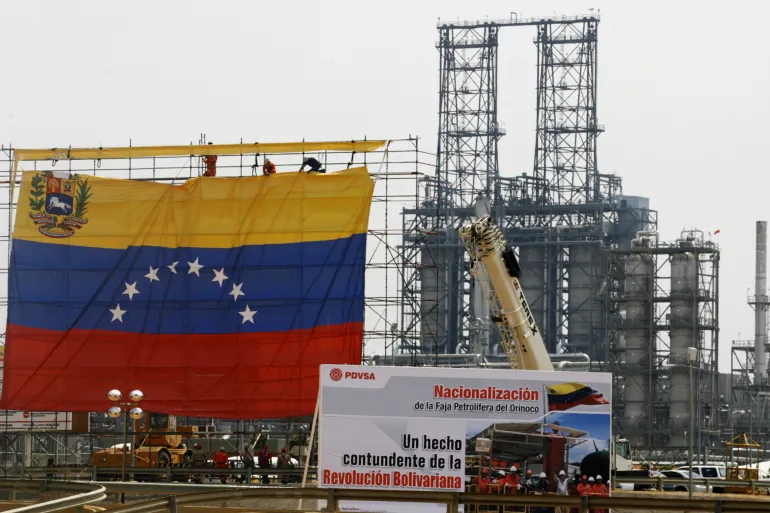
After nationalizing its oil industry in the 1970s, Venezuela reopened the sector to foreign investment in the 1990s. The state-owned oil company Petróleos de Venezuela, S.A. (PDVSA) continued partnerships with global firms such as the American company Chevron, China’s CNPC, Italy’s Eni, France’s Total, and Russia’s Rosneft. However, recent sanctions have halted most investments, with only Chevron continuing operations.
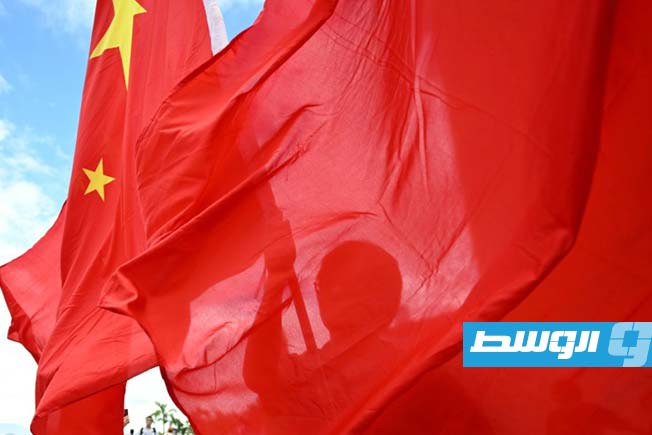
China and Russia… Loans and Negotiations
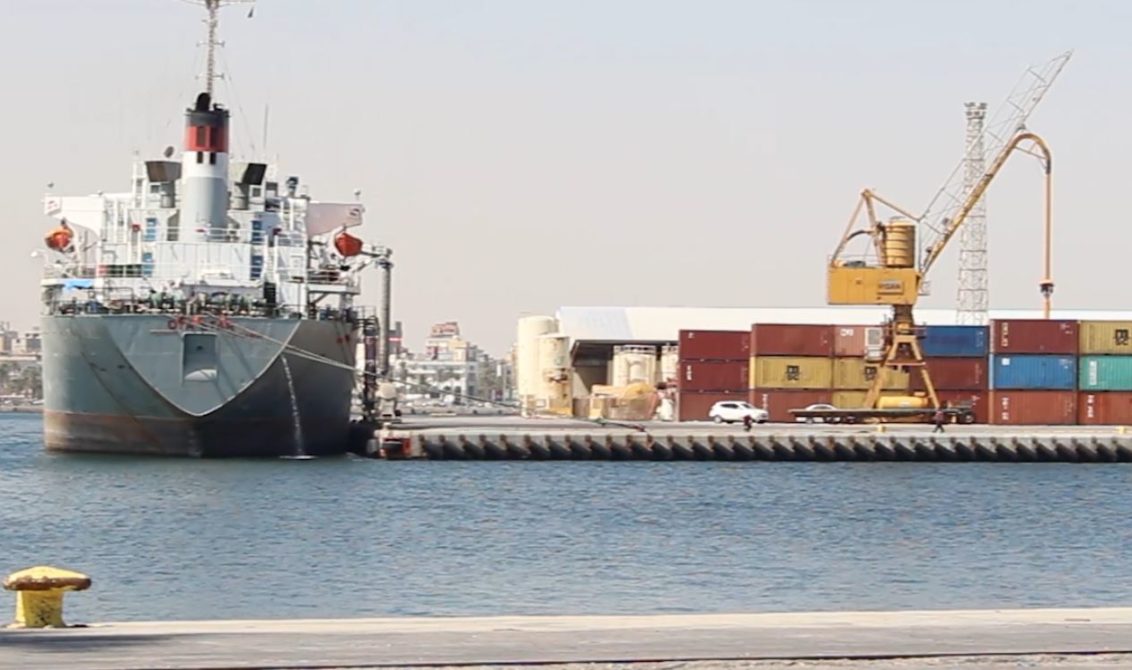
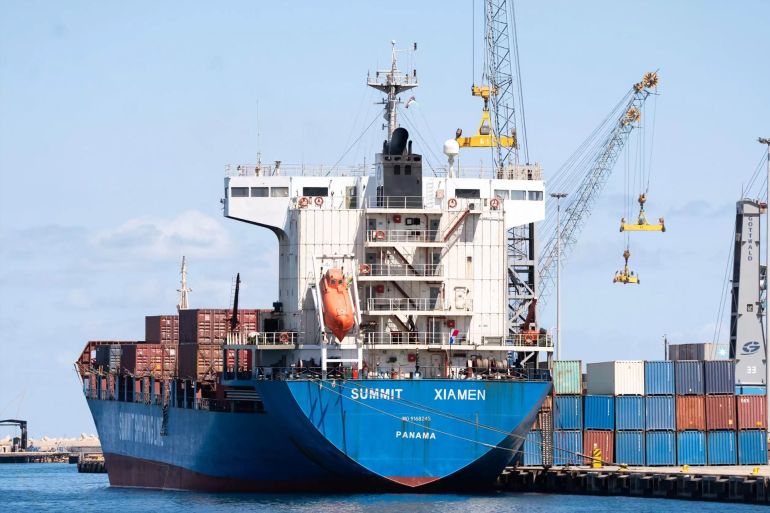
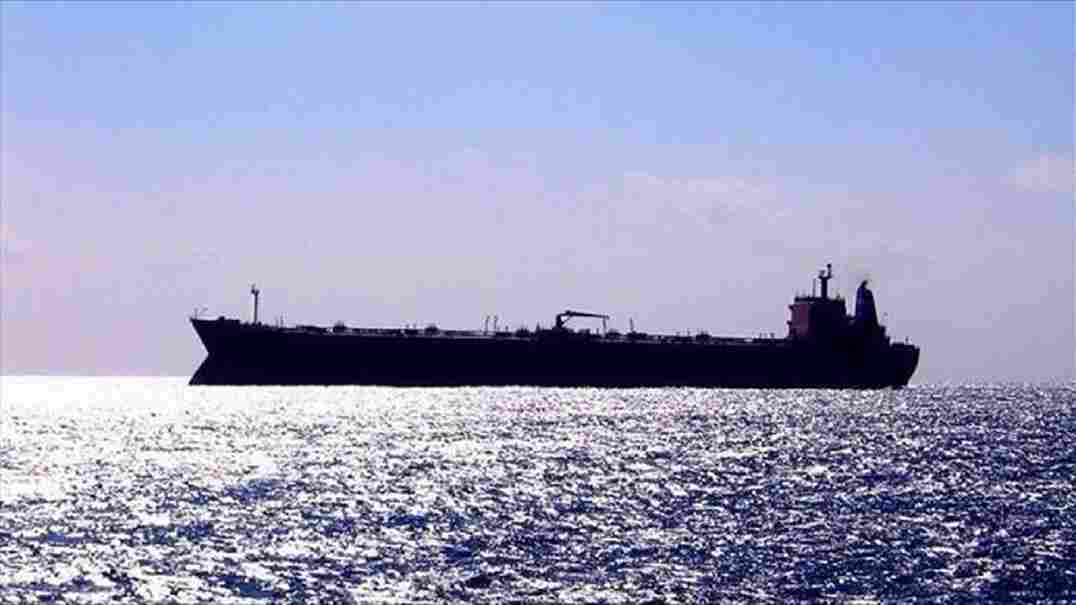
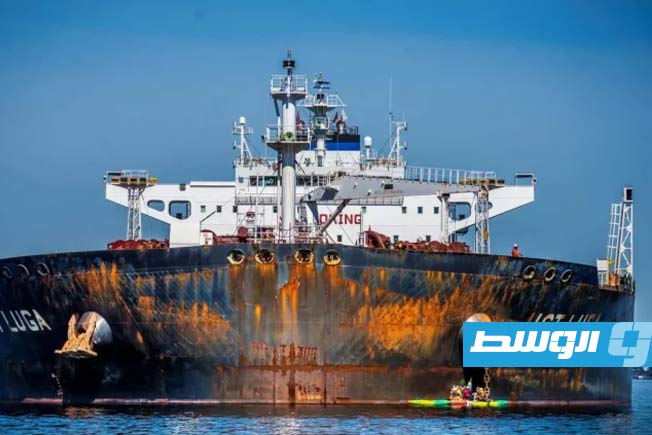
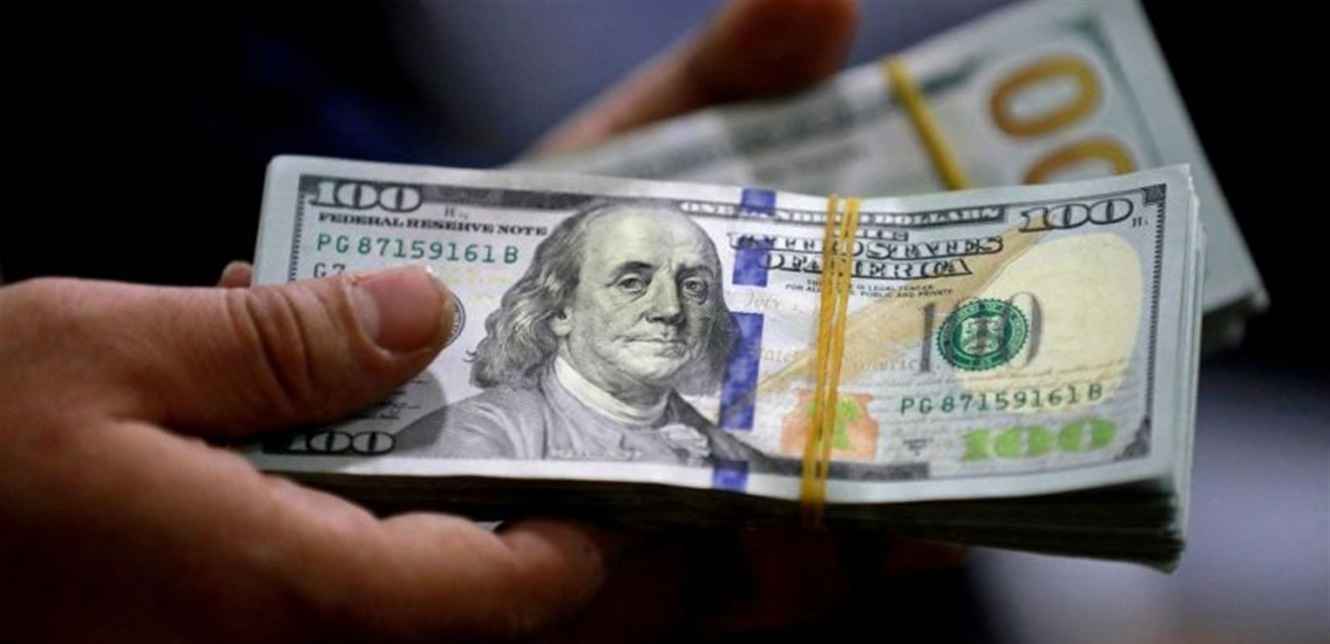
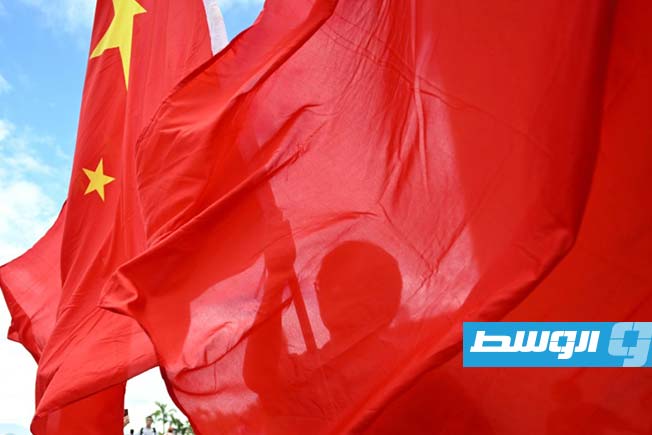
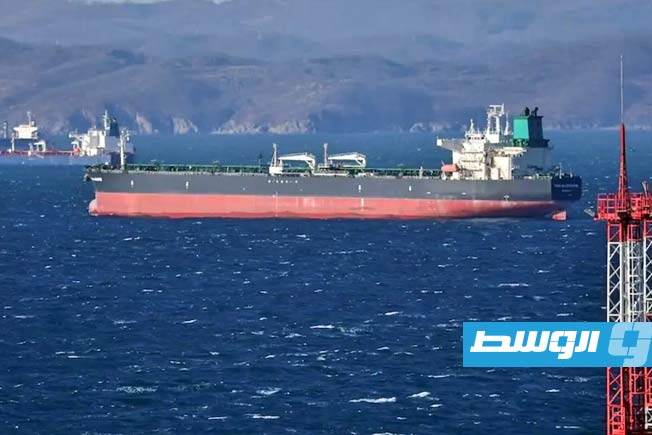
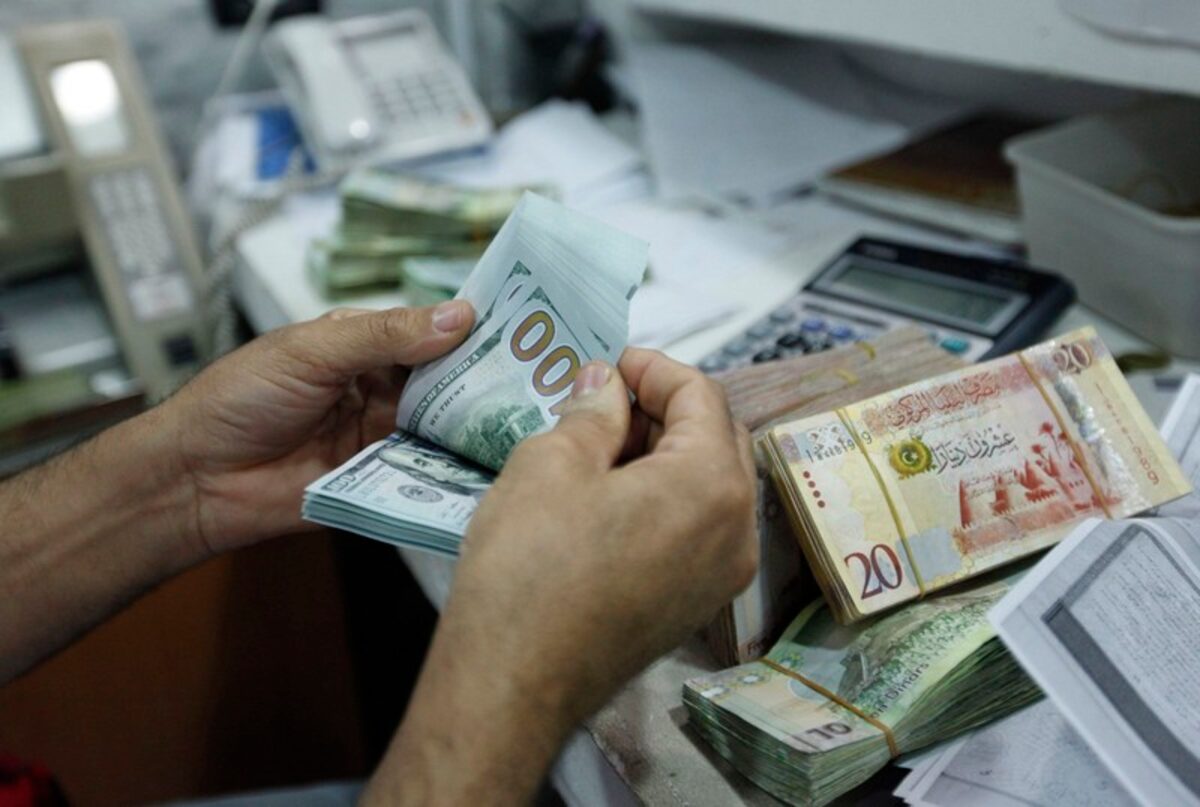
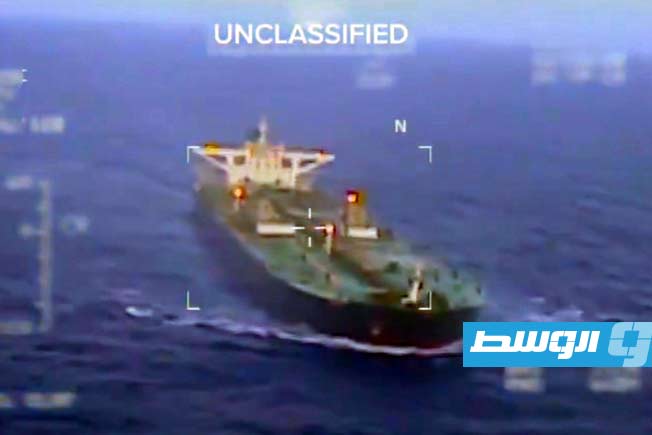
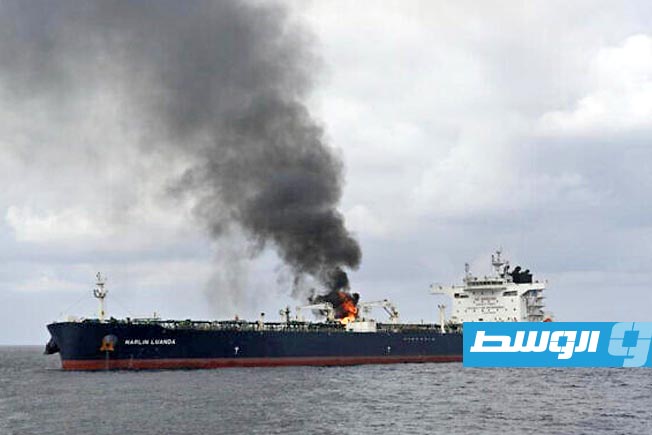
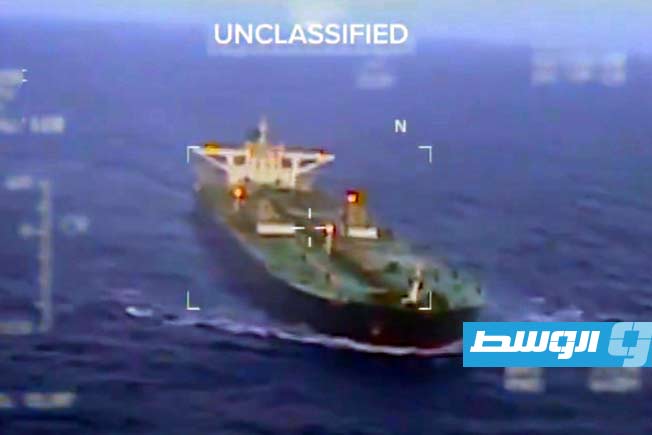
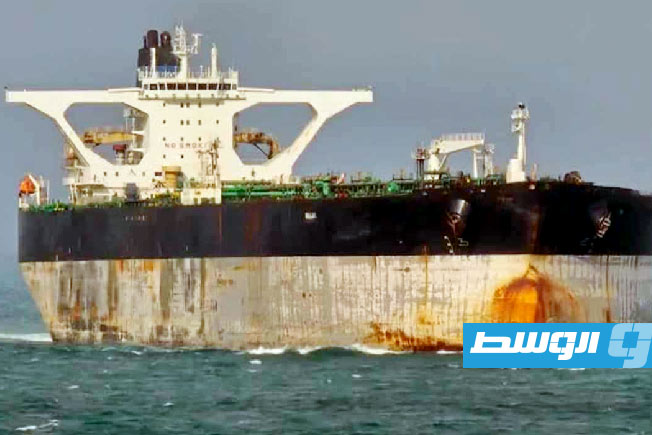
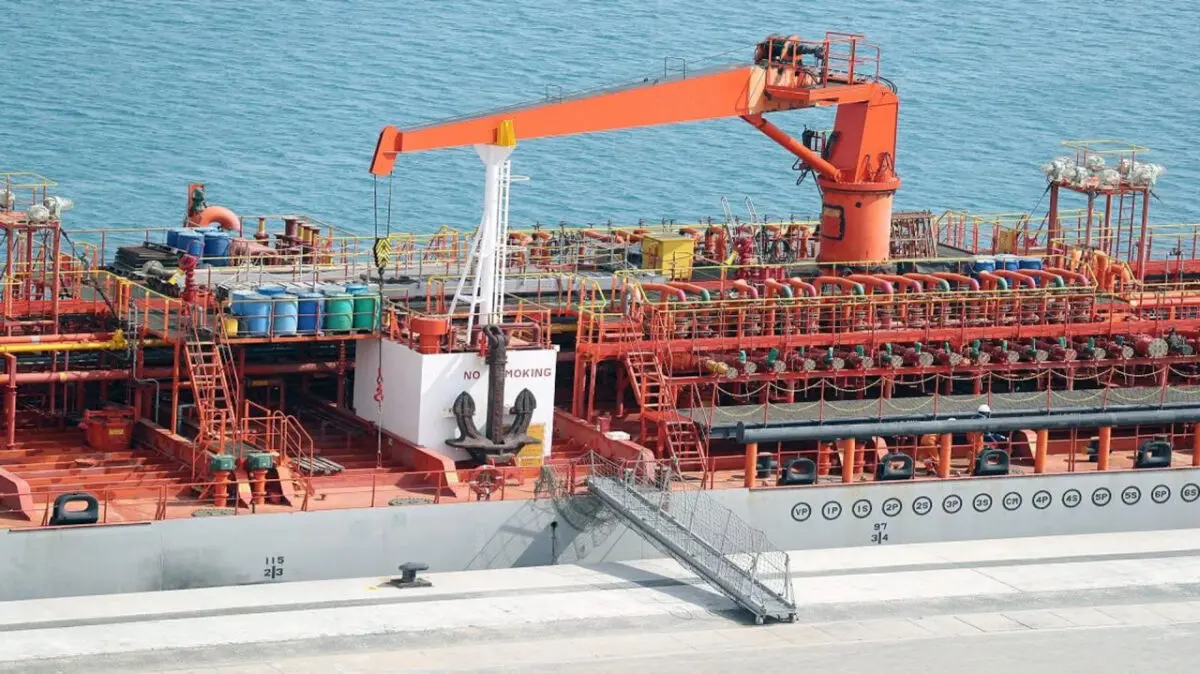
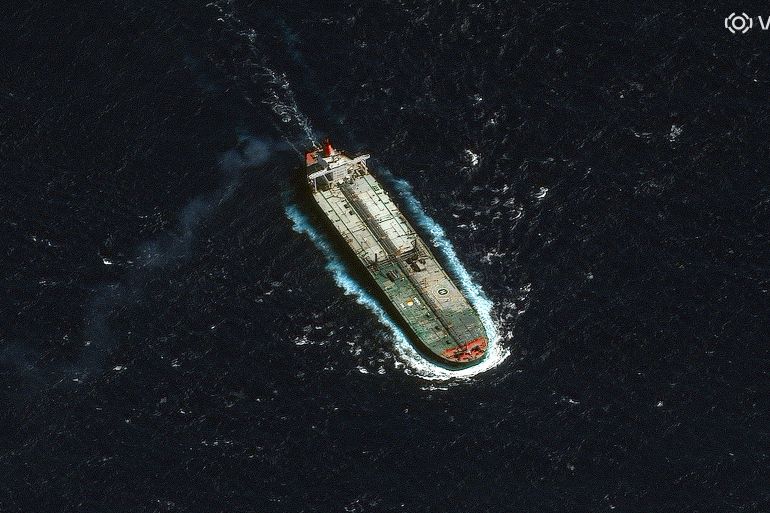
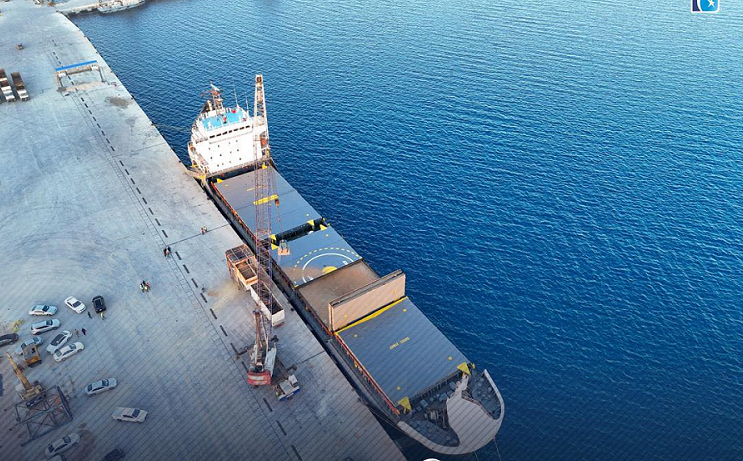
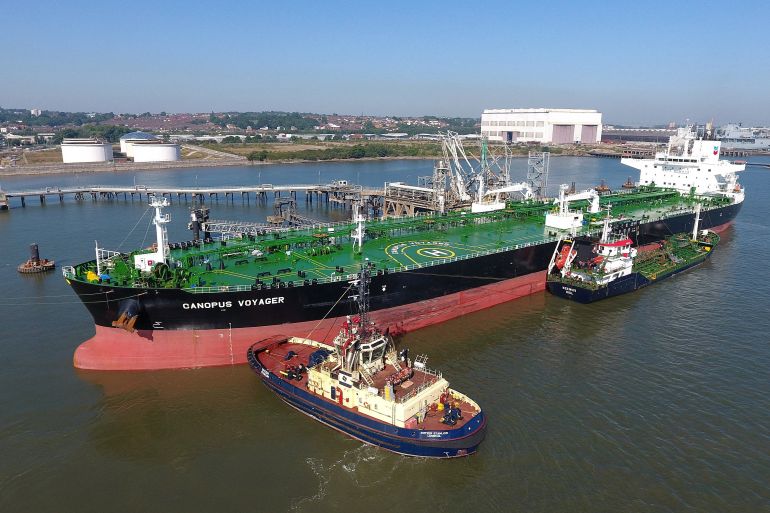
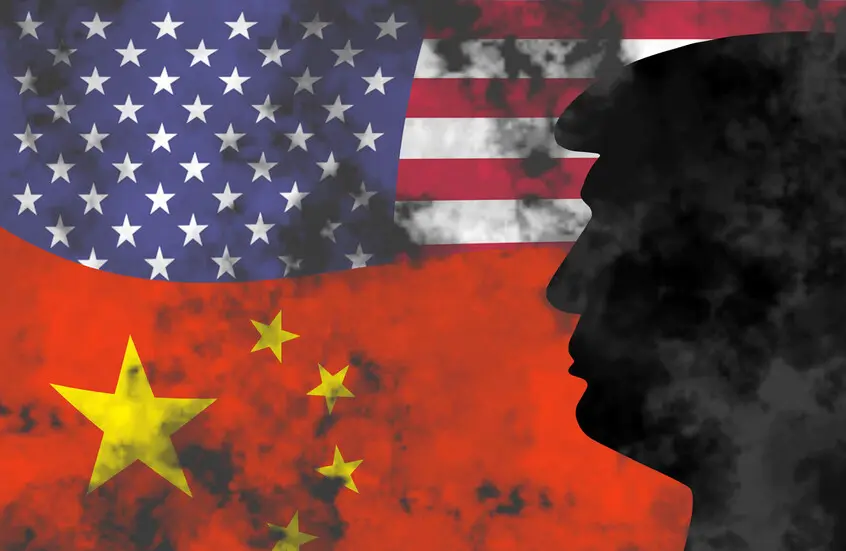
Venezuela owes China approximately $10 billion, often repaid with oil shipments. Russia has also provided billions of dollars, though the exact figures are unclear. The recent U.S. blockade has prevented Venezuelan tankers from reaching markets. Meanwhile, Trump stated that the United States would manage the oil-producing nation and allow China to obtain oil, without elaborating on the details.
The Debt Crisis… Complexities and a Distant Restructuring
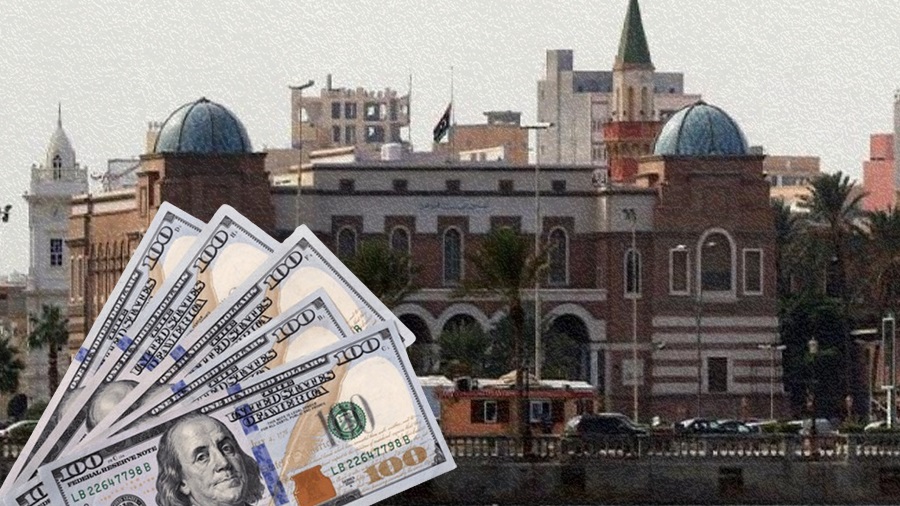
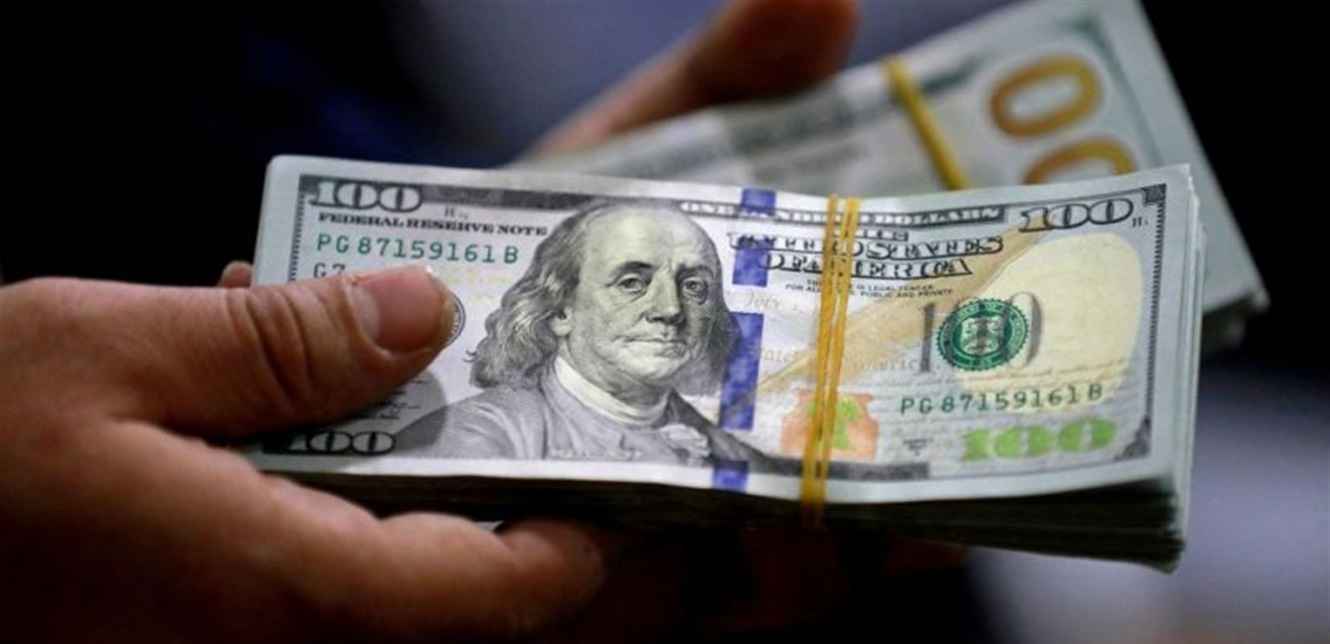
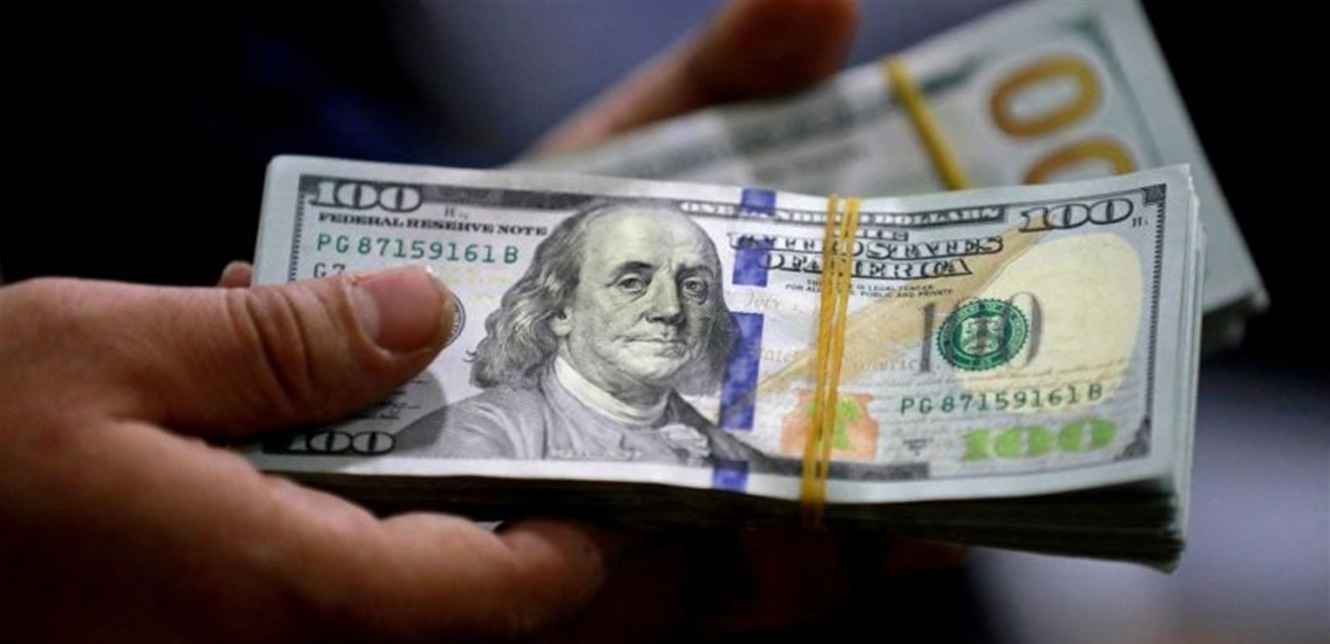
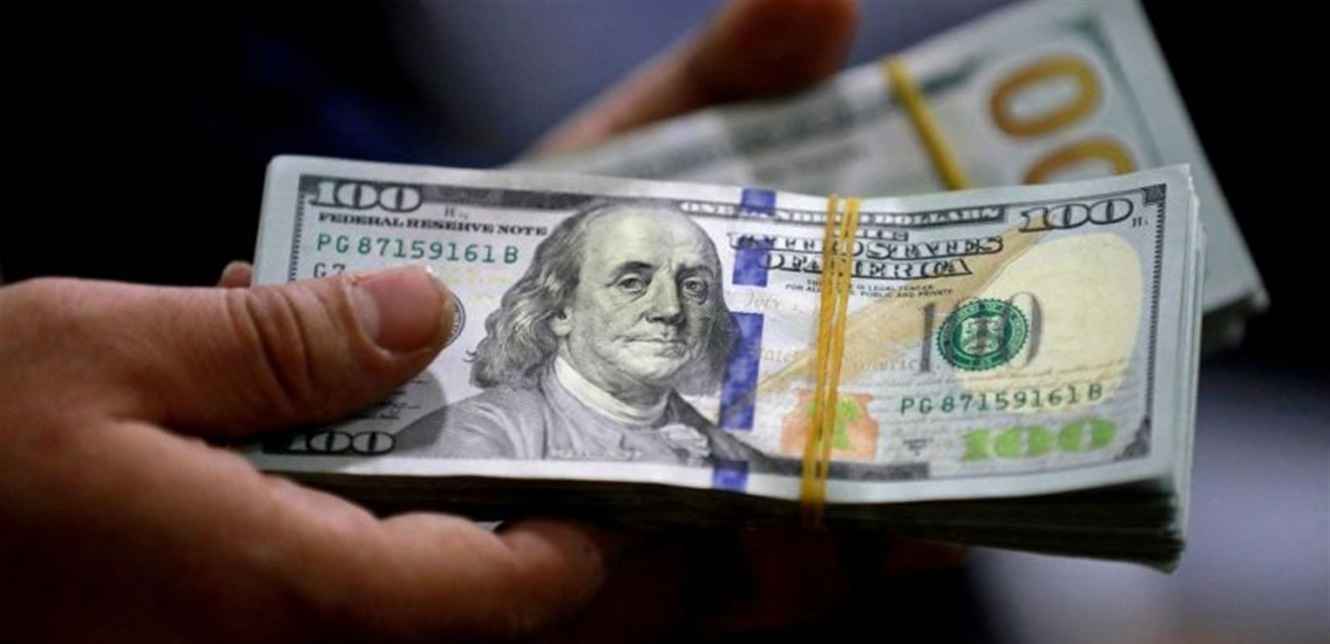
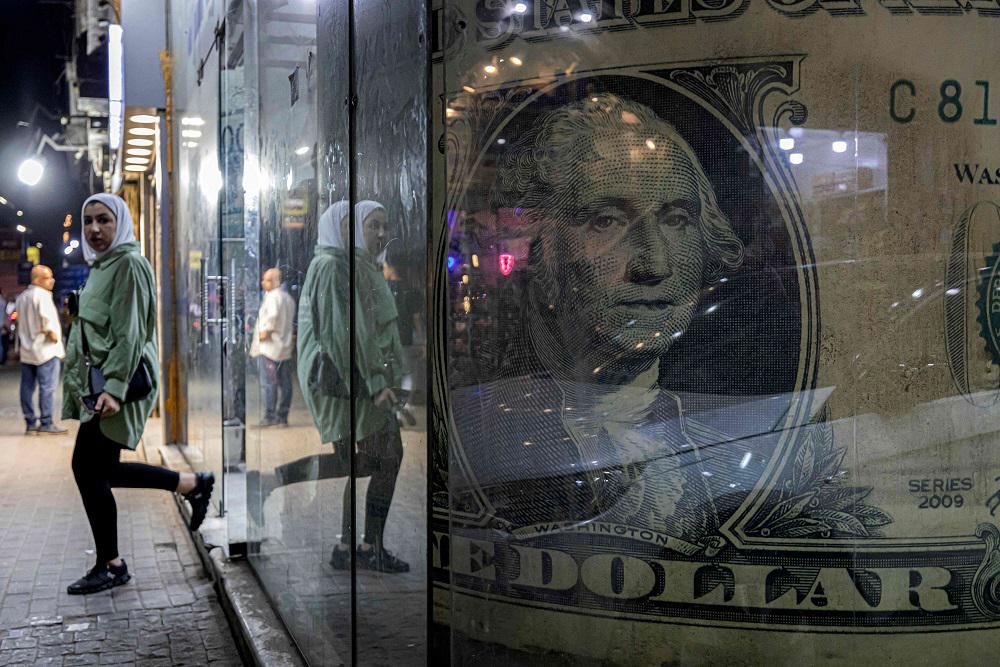
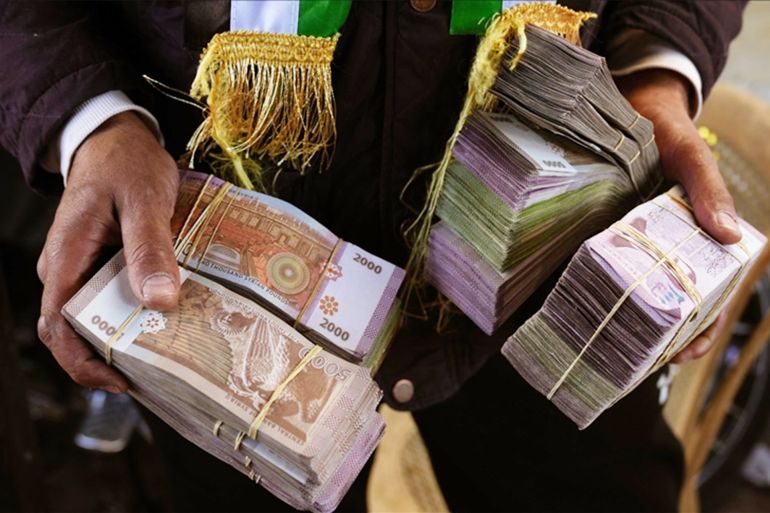
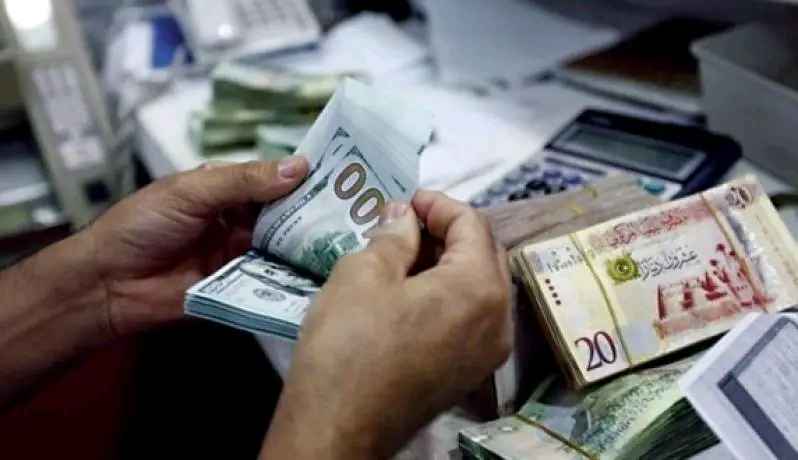
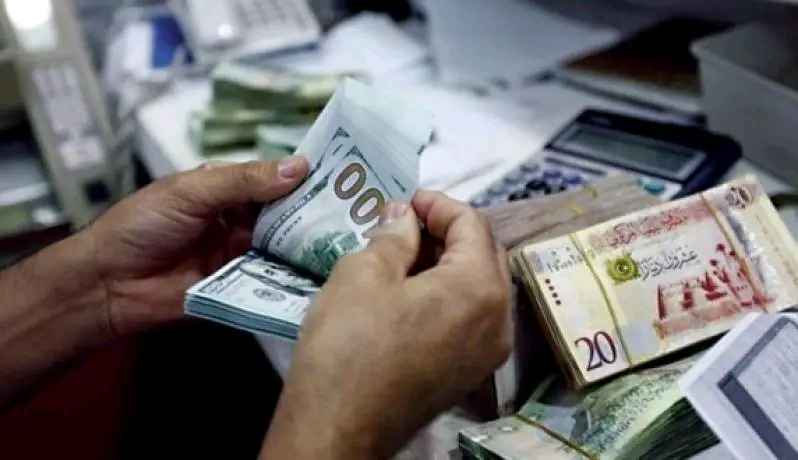
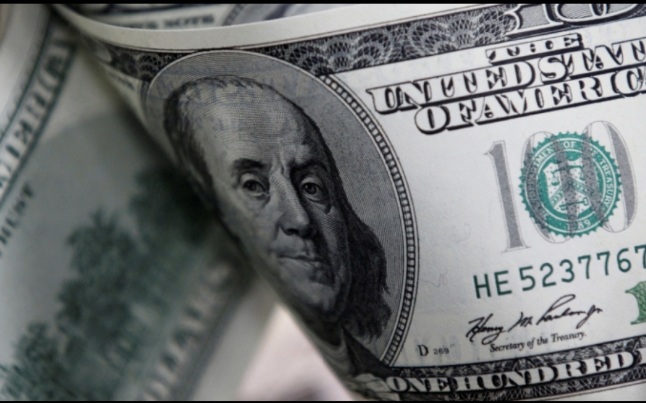
Venezuela’s external debt is estimated between $150 and $170 billion, including PDVSA’s obligations, bilateral loans, and international arbitration awards. This debt represents about 180-200% of the country’s GDP ($82.8 billion in 2025).
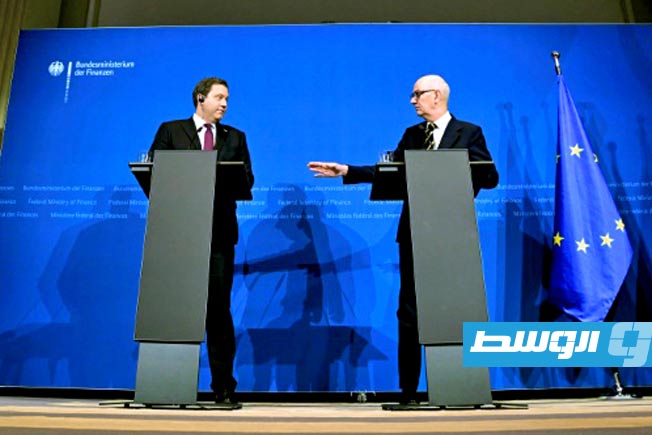
Venezuela faces enormous challenges in restructuring its debt due to U.S. sanctions, international laws, and a multitude of creditors, including opportunistic funds, China, Russia, and global companies like ConocoPhillips and Crystallex.
Analysts indicate that any restructuring deal would likely involve long-term bonds with low interest rates or oil-linked instruments, with investors potentially recovering between 30 and 50 cents on the dollar.
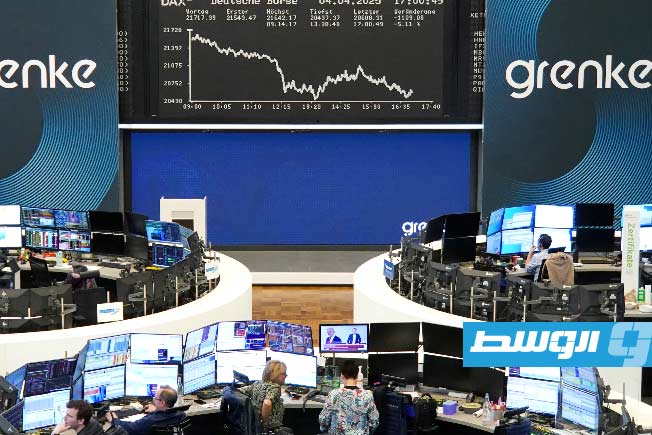
The Venezuelan economy has suffered since 2013 from a severe contraction, high inflation, and increasing poverty, while oil revenues have shrunk due to lower global prices and crude discounts. The recent U.S. blockade adds further pressure, and American investment in Venezuelan oil remains fraught with challenges and an unclear timeline.
With Maduro detained and Trump taking charge, Venezuela is expected to see a long-term shift in oil production. This could potentially increase its exports and gradually return it to the global energy map, provided foreign investments succeed and sanctions are lifted.
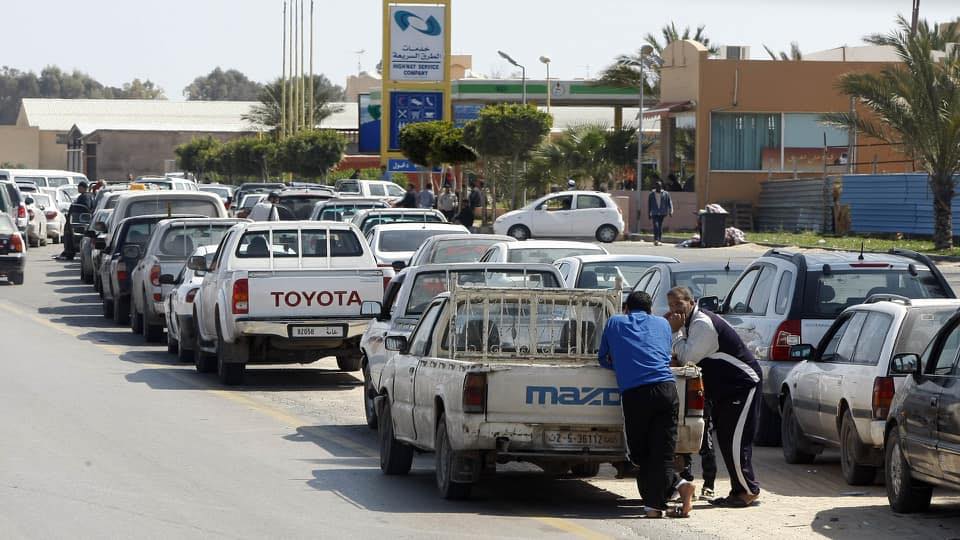
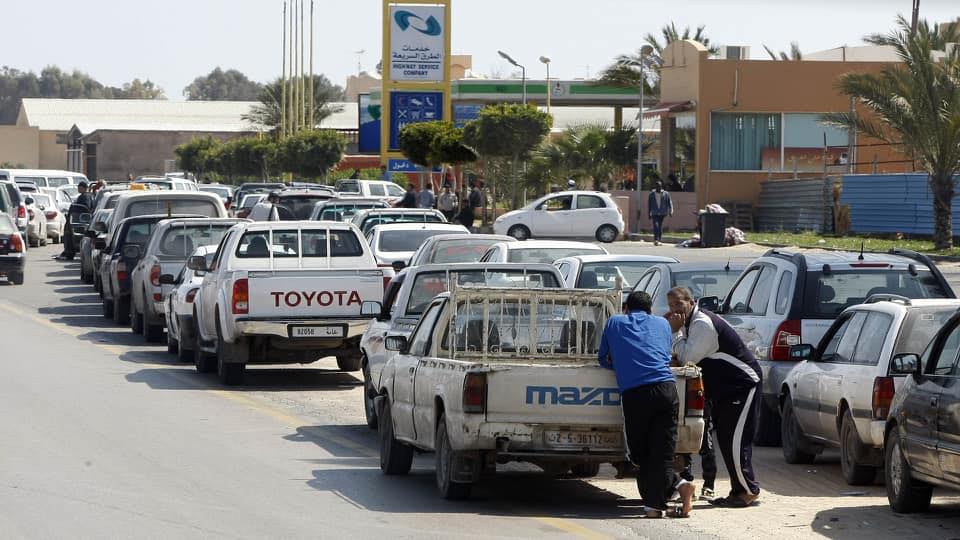
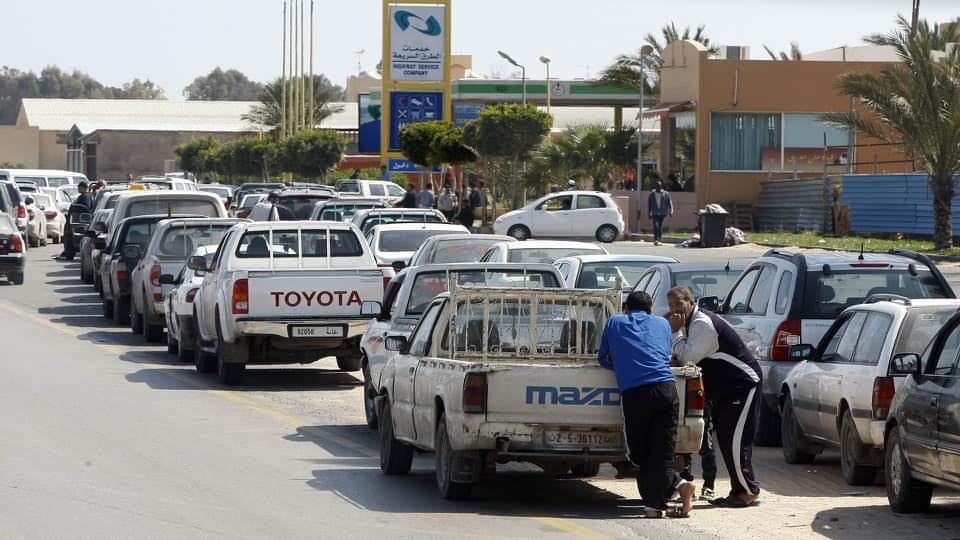
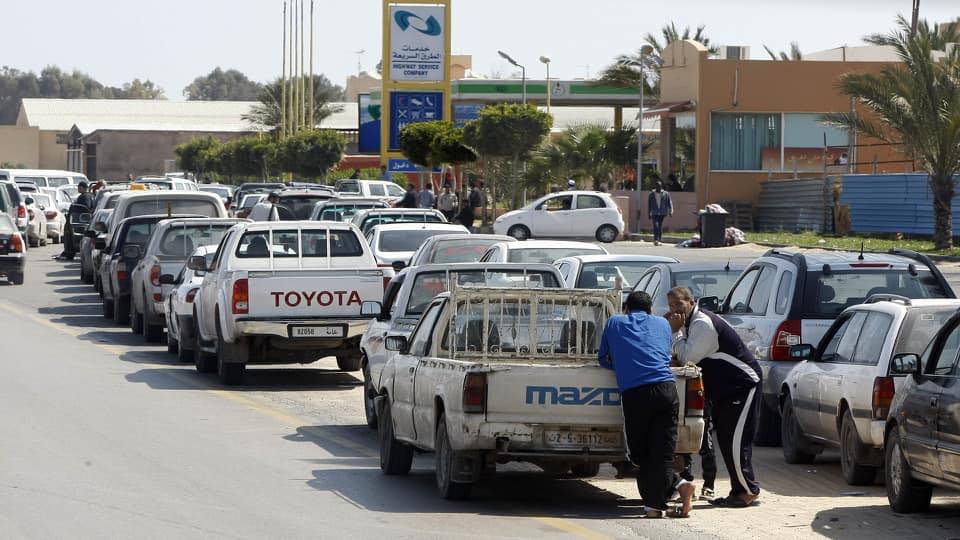
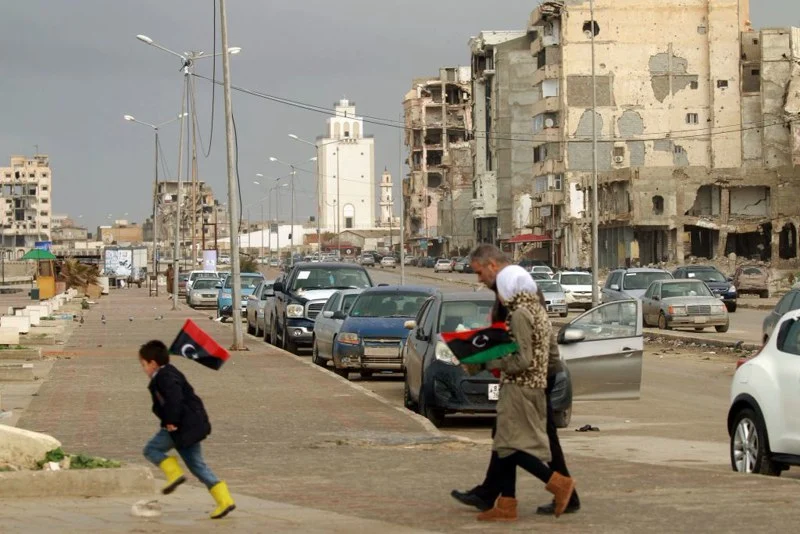
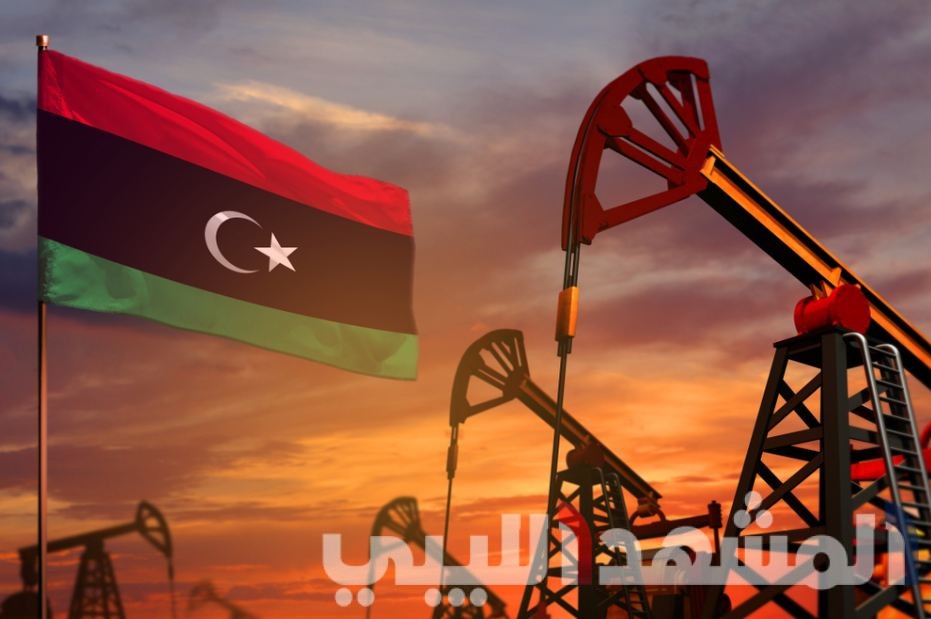
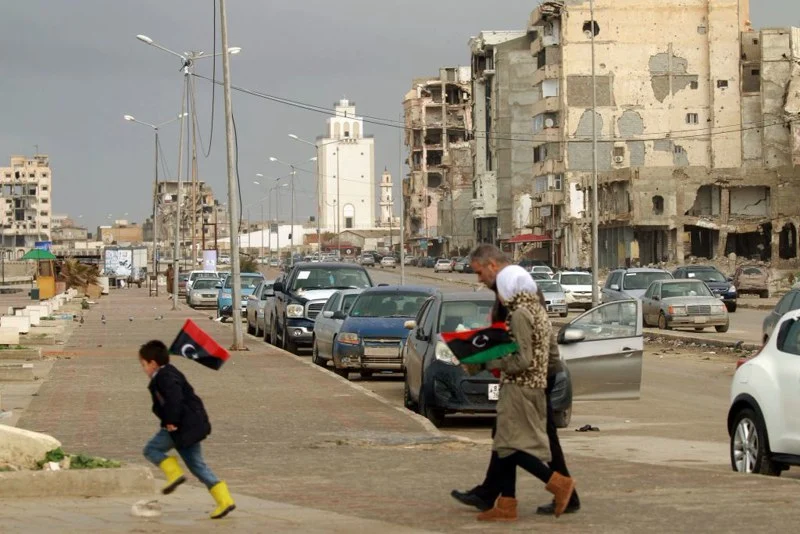
However, historical warnings persist. Experts note that forcibly changing a regime rarely leads to a rapid stabilization of oil supplies, as seen previously in Libya and Iraq.
Venezuela
Venezuela is a South American country with a history of indigenous inhabitation before Spanish colonization in the 16th century. It gained independence in the early 19th century and is known for its significant oil reserves and diverse natural landscapes, including Angel Falls, the world’s tallest waterfall.
Saudi Arabia
Saudi Arabia is a Middle Eastern nation founded in 1932 by King Abdulaziz Al Saud, unifying the regions of Najd and Hejaz. It is the birthplace of Islam, home to the religion’s two holiest cities, Mecca and Medina, which have been central to Islamic history and pilgrimage for over fourteen centuries. The country’s modern economy and global influence are primarily built upon its vast reserves of petroleum, discovered in the 1930s.
Orinoco Belt
The Orinoco Belt is a vast oil-rich geological region in eastern Venezuela, historically known for its extensive heavy crude oil reserves. Its modern development began in the 1930s, but large-scale exploitation accelerated in the 2000s with international investment to extract and upgrade its extra-heavy oil.
Petróleos de Venezuela, S.A. (PDVSA)
Petróleos de Venezuela, S.A. (PDVSA) is Venezuela’s state-owned oil and natural gas company, founded in 1976 following the nationalization of the country’s petroleum industry. It was created to manage all hydrocarbon reserves and operations, which are among the largest in the world, and has been a central pillar of the Venezuelan economy and political landscape ever since.
Chevron
Chevron is an American multinational energy corporation, historically one of the world’s largest oil companies, which traces its roots back to the 1879 founding of the Pacific Coast Oil Company. It grew significantly through mergers, most notably with Standard Oil of California and later with Texaco in 2001, becoming a major global player in fossil fuel production, refining, and distribution.
China
China is one of the world’s oldest continuous civilizations, with a recorded history spanning over four millennia. It is home to numerous UNESCO World Heritage sites, such as the Great Wall and the Forbidden City, which reflect its long imperial past and profound cultural achievements.
CNPC
CNPC, or China National Petroleum Corporation, is a major state-owned oil and gas corporation and one of the largest integrated energy groups in China. It was founded in 1988 as part of a restructuring of the country’s petroleum industry and plays a crucial role in China’s domestic energy production and international exploration projects.
Italy
Italy is a country in Southern Europe with a rich cultural history that dates back to the Roman Empire, which was one of the largest and most influential civilizations of antiquity. It later became the birthplace of the Renaissance, a period of immense artistic and scientific flourishing, and today is renowned for its historic cities, art, architecture, and cuisine.
Eni
Eni is a traditional fortified village located in the mountains of northern Albania, known for its well-preserved medieval architecture and stone towers called “kullas.” Historically, it served as a strategic defensive settlement for local tribes and played a role in the region’s resistance against Ottoman rule. Today, it is recognized as a cultural monument offering insight into Albania’s past social structures and architectural heritage.
France
France is a Western European nation with a rich history shaped by Celtic, Roman, and Frankish influences, evolving from a medieval kingdom into a major global power and modern republic. Its cultural impact is profound, exemplified by iconic sites like the Palace of Versailles and the Eiffel Tower, and its longstanding contributions to art, philosophy, and cuisine.
Total
Total is a French multinational integrated oil and gas company founded in 1924. It has grown into one of the world’s largest energy producers, historically focused on fossil fuels but increasingly investing in renewable energy sources. In 2021, the company rebranded as TotalEnergies to reflect its strategic shift toward broader energy solutions.
Russia
Russia is a vast transcontinental nation with a history spanning over a millennium, from the medieval Kievan Rus’ state through the Tsardom of Russia, the Russian Empire, and the Soviet Union, to its current form as the Russian Federation. Its cultural heritage is deeply rooted in Orthodox Christianity and includes globally significant sites like the Kremlin and Red Square in Moscow and the historic center of Saint Petersburg.
Rosneft
Rosneft is a major Russian state-controlled oil and gas company, founded in 1993 from assets previously managed by the Soviet Ministry of Oil and Gas. It has grown through significant state-backed acquisitions, such as the purchase of Yukos assets in the 2000s, to become one of the world’s largest publicly traded petroleum companies.
United States
The United States is a federal republic founded in 1776 after declaring independence from Great Britain, with its modern government established by the Constitution in 1789. Its history is marked by westward expansion, industrialization, and its emergence as a global superpower in the 20th century. The nation is defined by its diverse cultural heritage, shaped by immigration and a blend of indigenous, European, African, and other global influences.
ConocoPhillips
ConocoPhillips is a major American multinational energy corporation, formed in 2002 through the merger of Conoco Inc. and Phillips Petroleum Company. Its history traces back to the separate founding of these two companies in the late 19th and early 20th centuries during the early oil booms in the United States. Today, it is one of the world’s largest independent exploration and production companies, focusing on hydrocarbon exploration and related logistics.
Crystallex
Crystallex is a Canadian gold mining corporation, most notably associated with its protracted legal disputes over the Las Cristinas gold mine in Venezuela. The company held development rights to the massive deposit for years but faced nationalization by the Venezuelan government in 2011, leading to a major international arbitration case. Crystallex ultimately won a significant financial award against Venezuela, which it has since sought to enforce through complex asset seizure efforts.
Libya
Libya is a North African country with a rich history rooted in ancient civilizations like the Phoenicians and Romans, followed by centuries of Arab and Ottoman influence. In the modern era, it was an Italian colony before gaining independence in 1951, later becoming known for Muammar Gaddafi’s lengthy rule from 1969 until the 2011 revolution. The country is home to UNESCO World Heritage sites, such as the ruins of Leptis Magna, which testify to its significant historical legacy.
Iraq
Iraq, historically known as Mesopotamia, is a country often called the “Cradle of Civilization” for its ancient cities like Babylon and Ur, which were centers of early writing, law, and urban development. Modern Iraq was established as a kingdom in 1932 after the dissolution of the Ottoman Empire and the British Mandate, and it has since experienced significant political upheaval, including the rule of Saddam Hussein and conflicts such as the Iraq War.