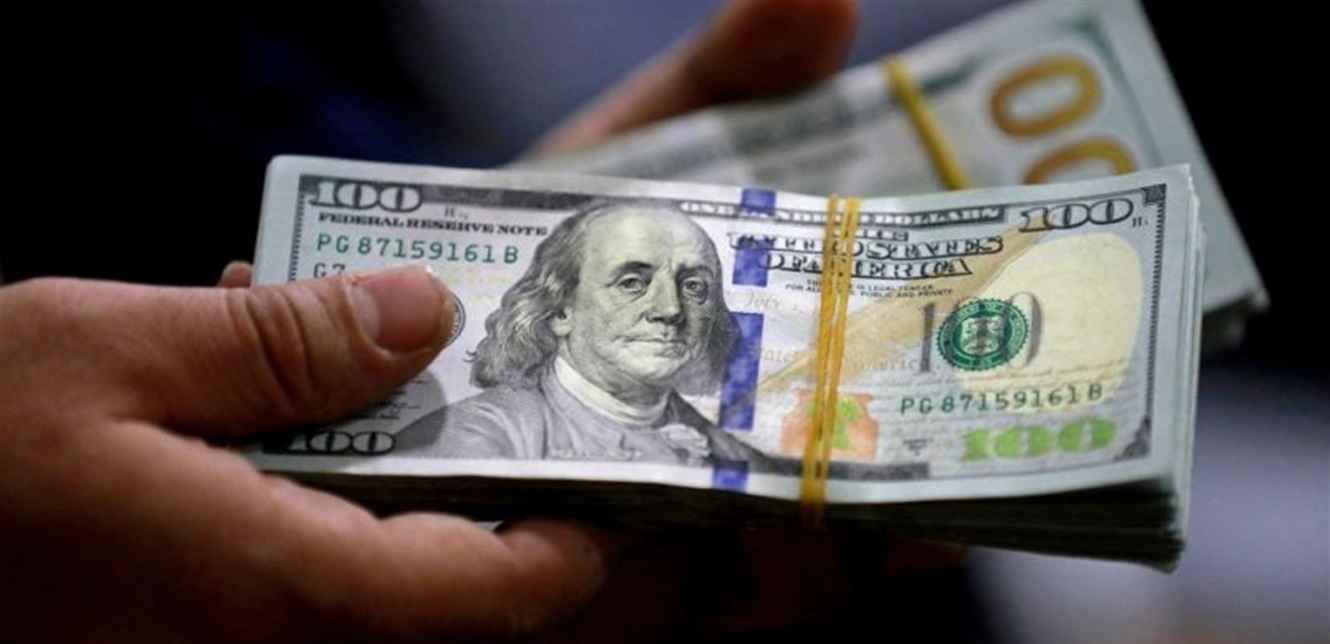
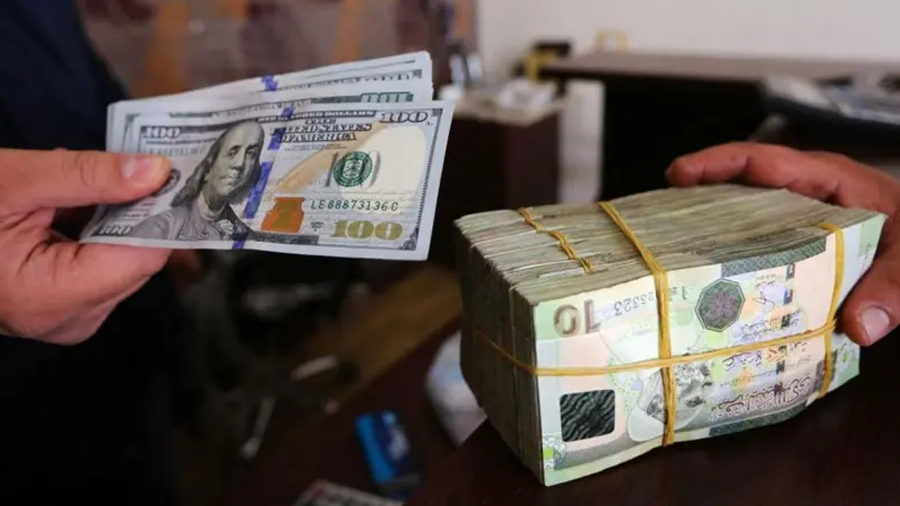
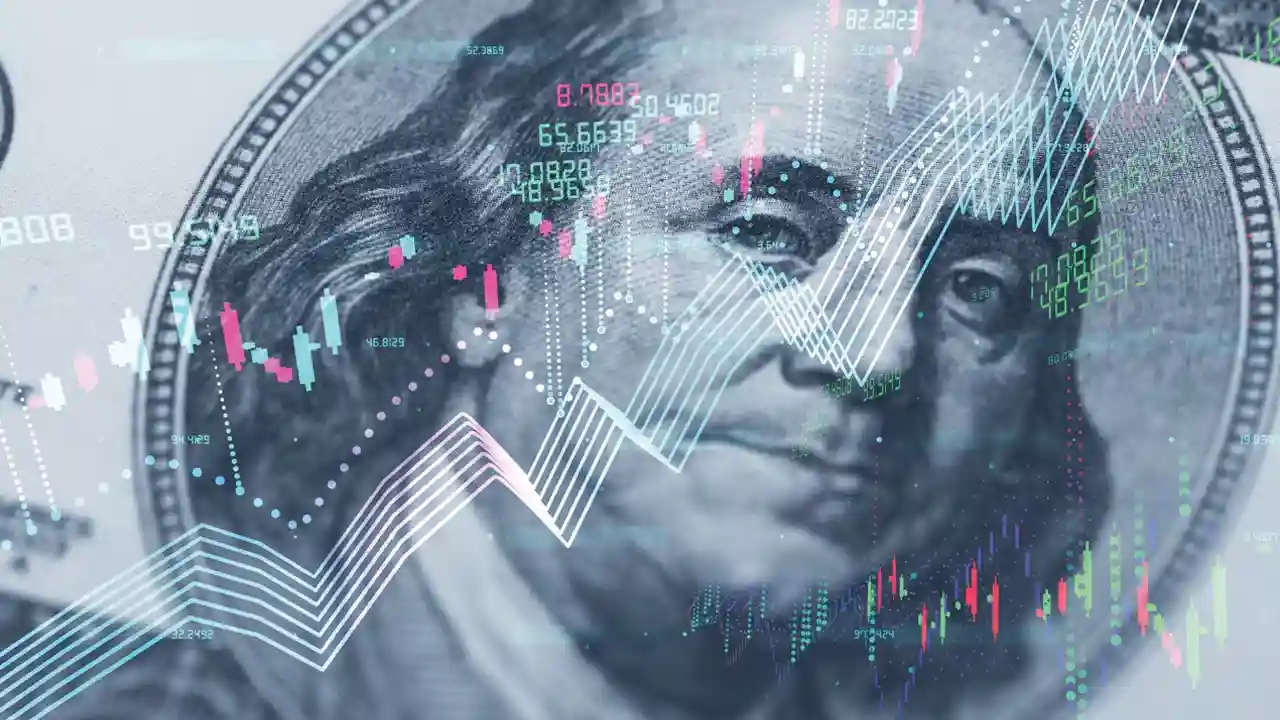
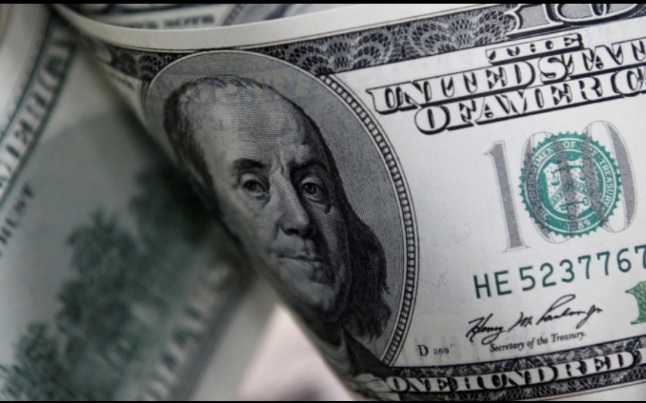
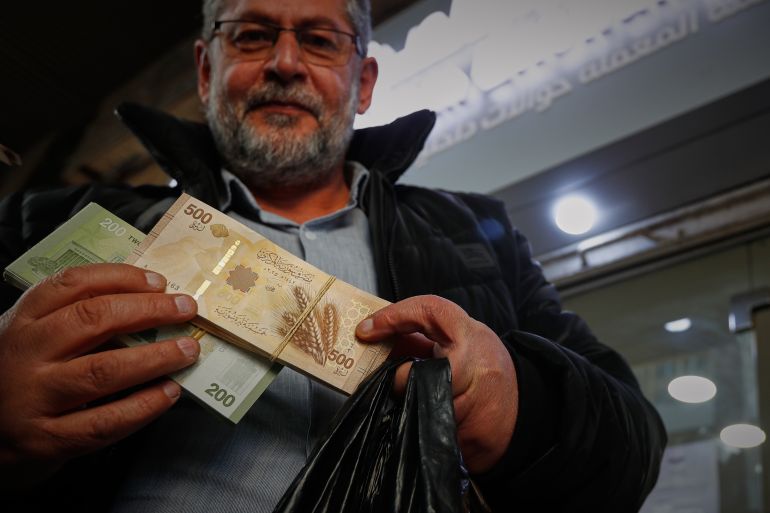
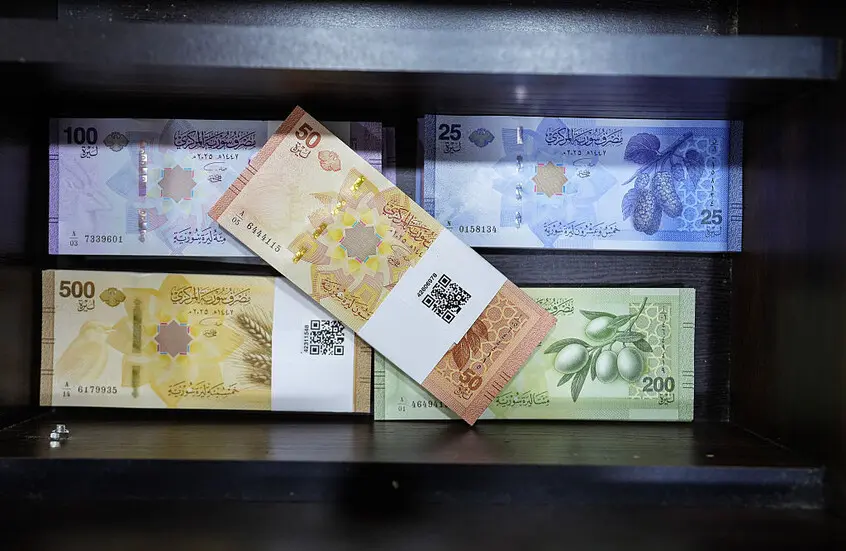
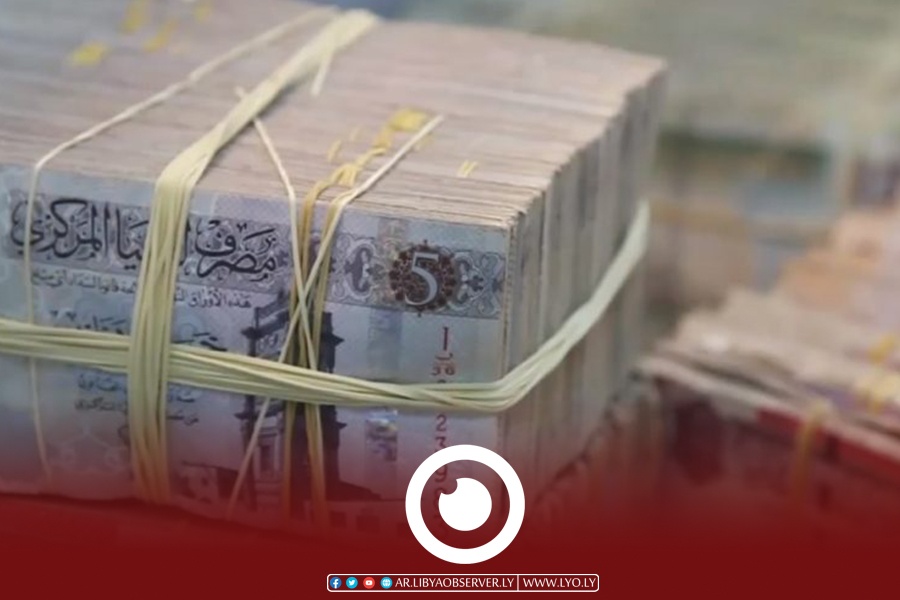
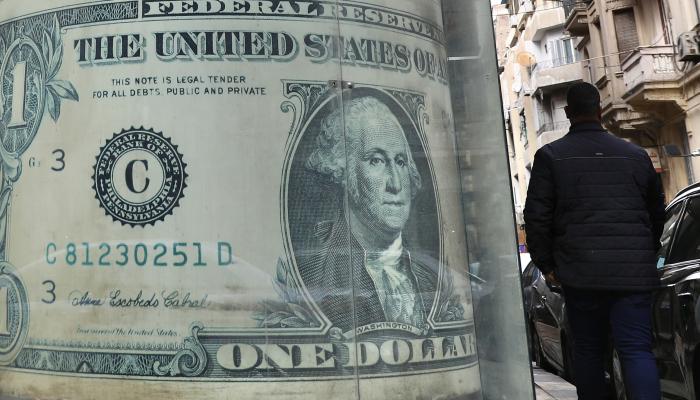
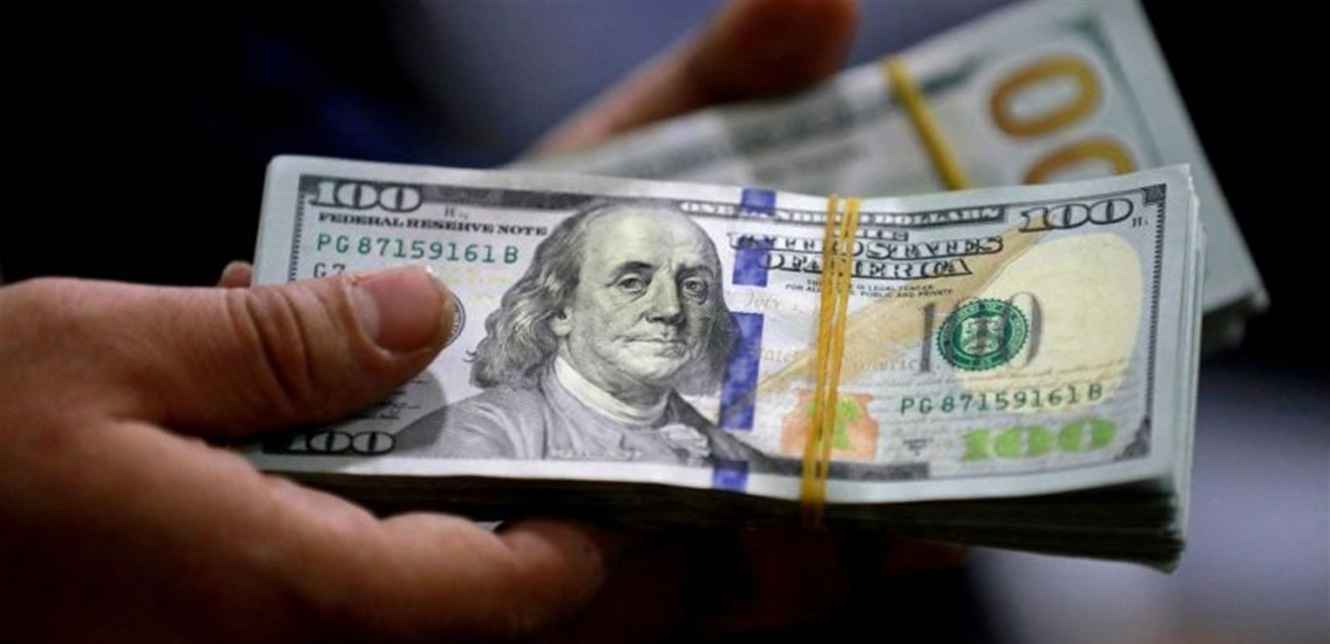
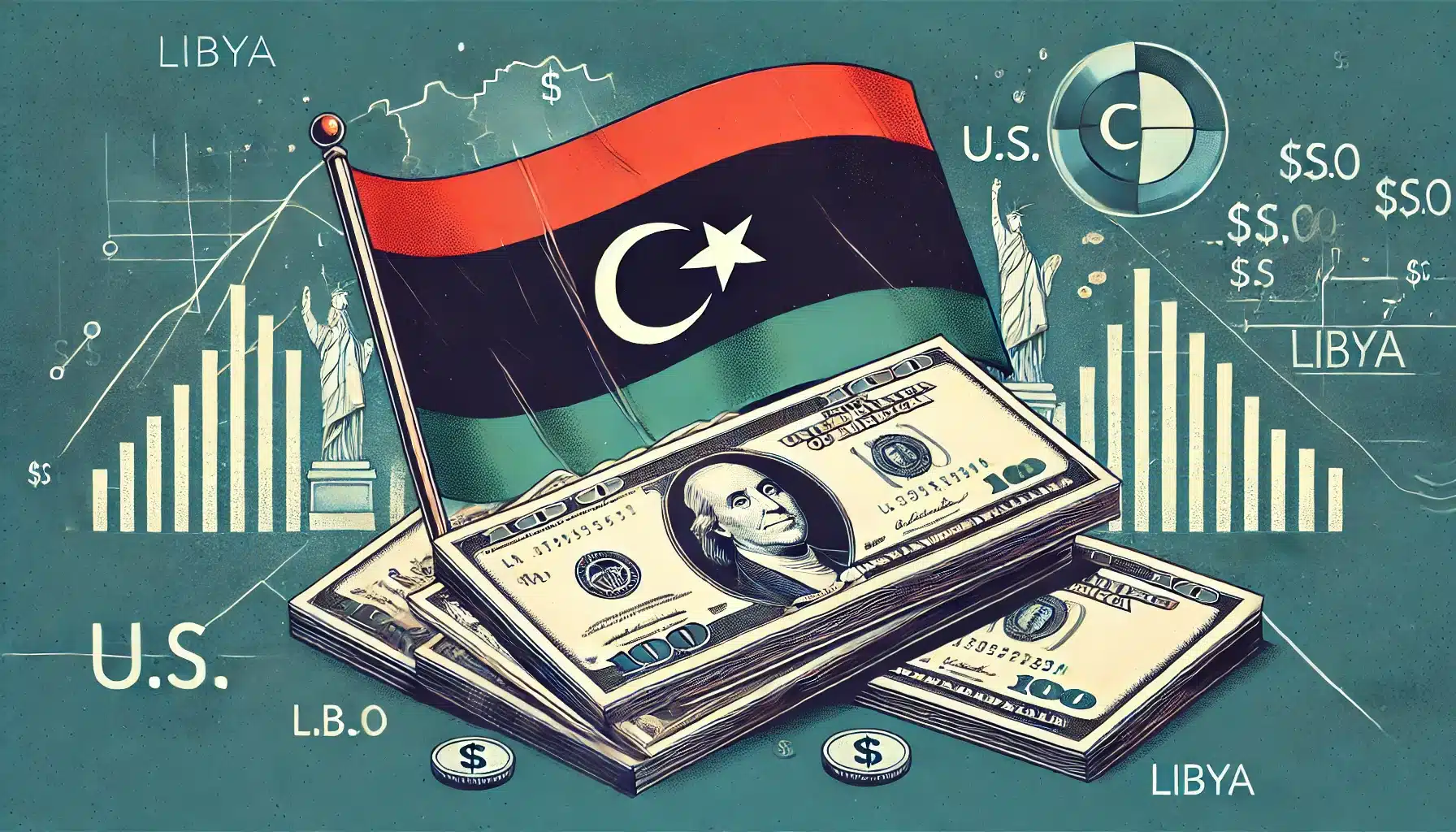
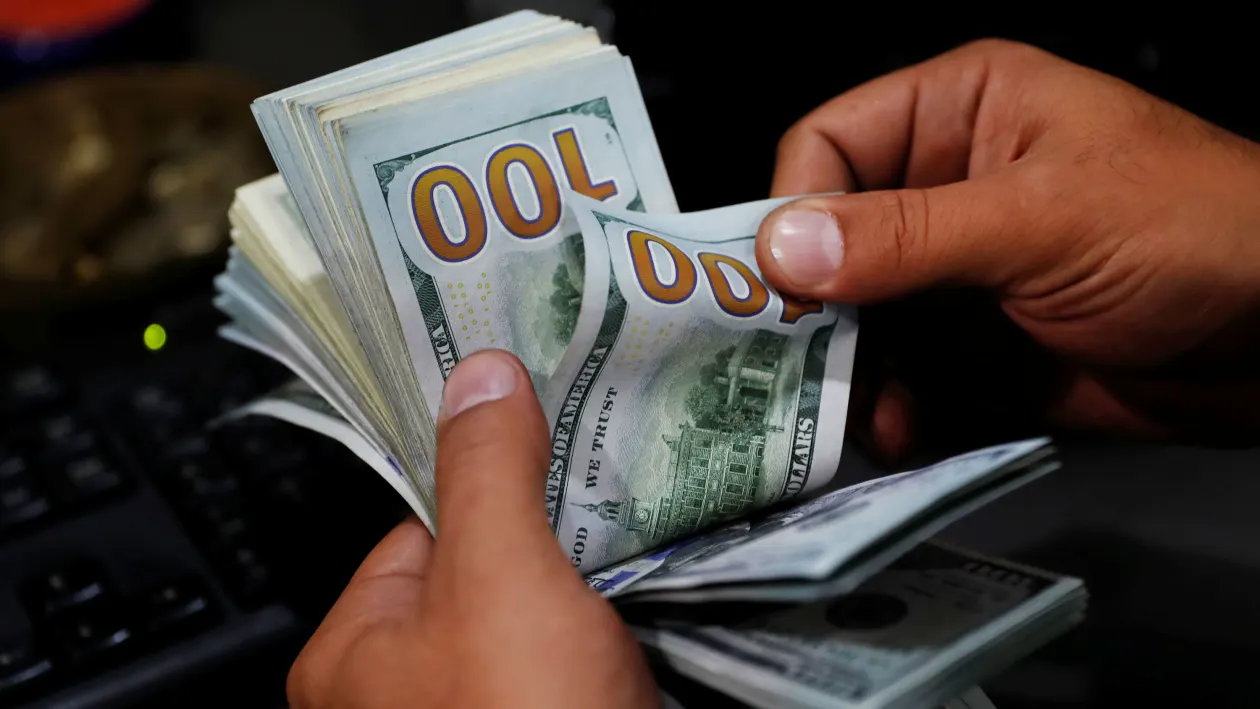
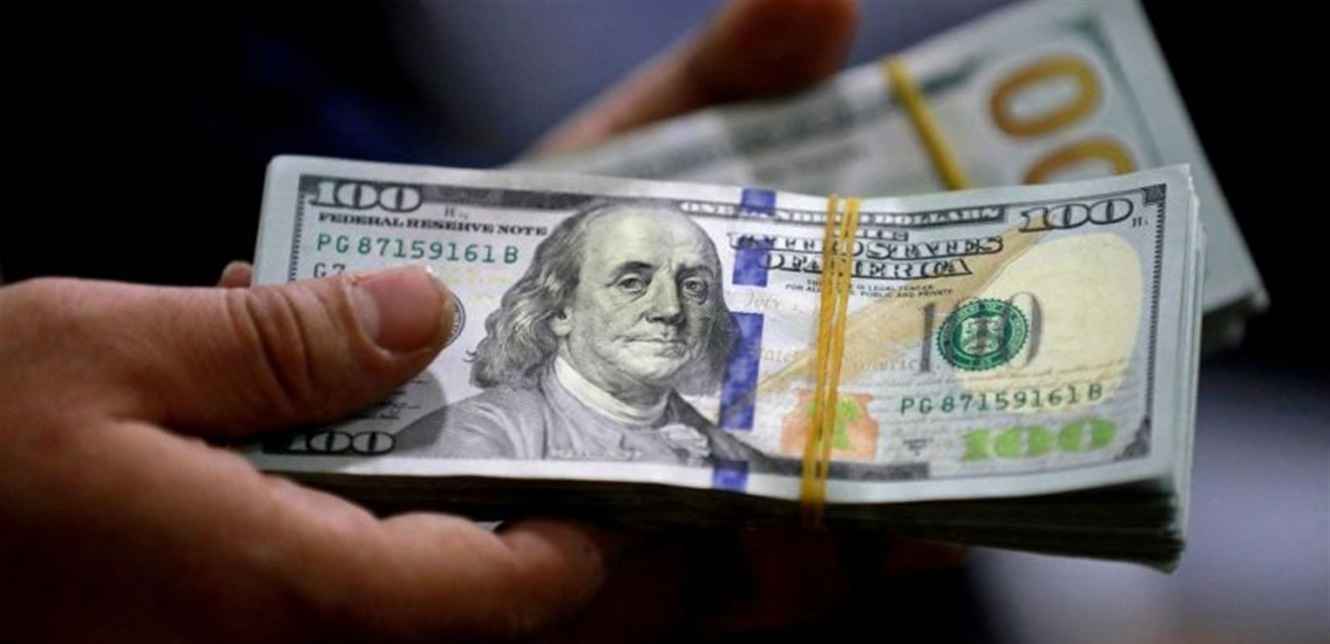
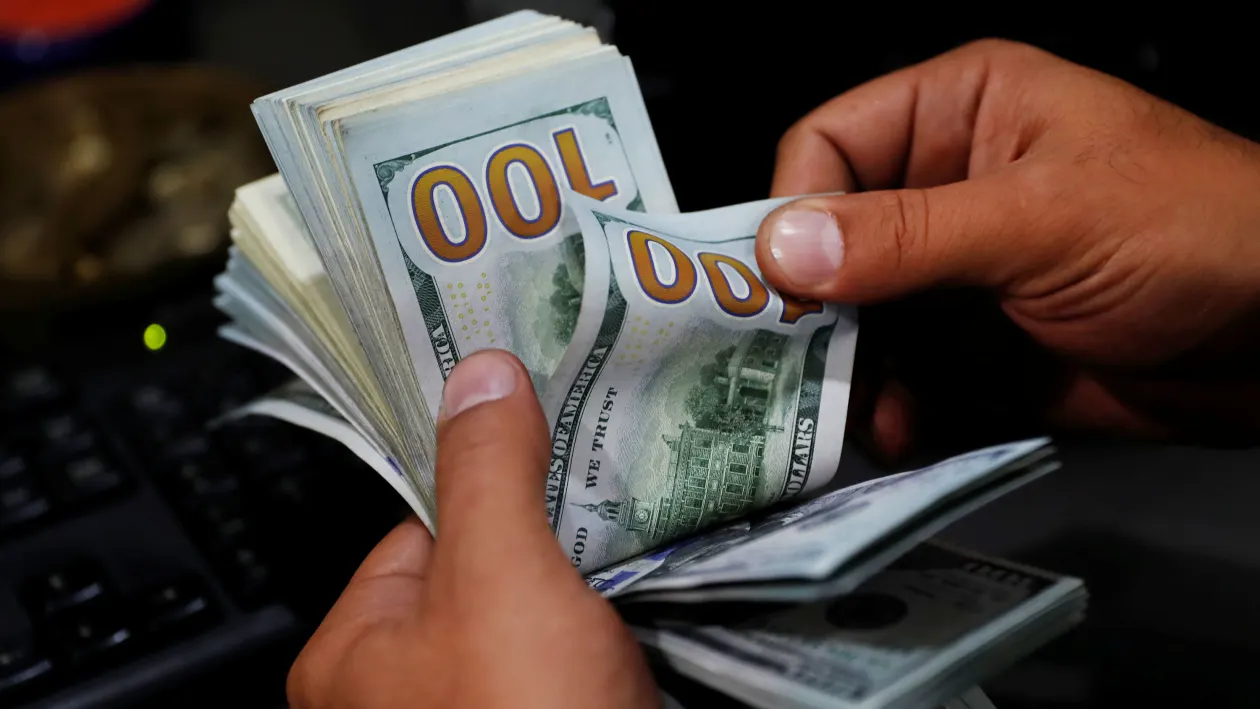
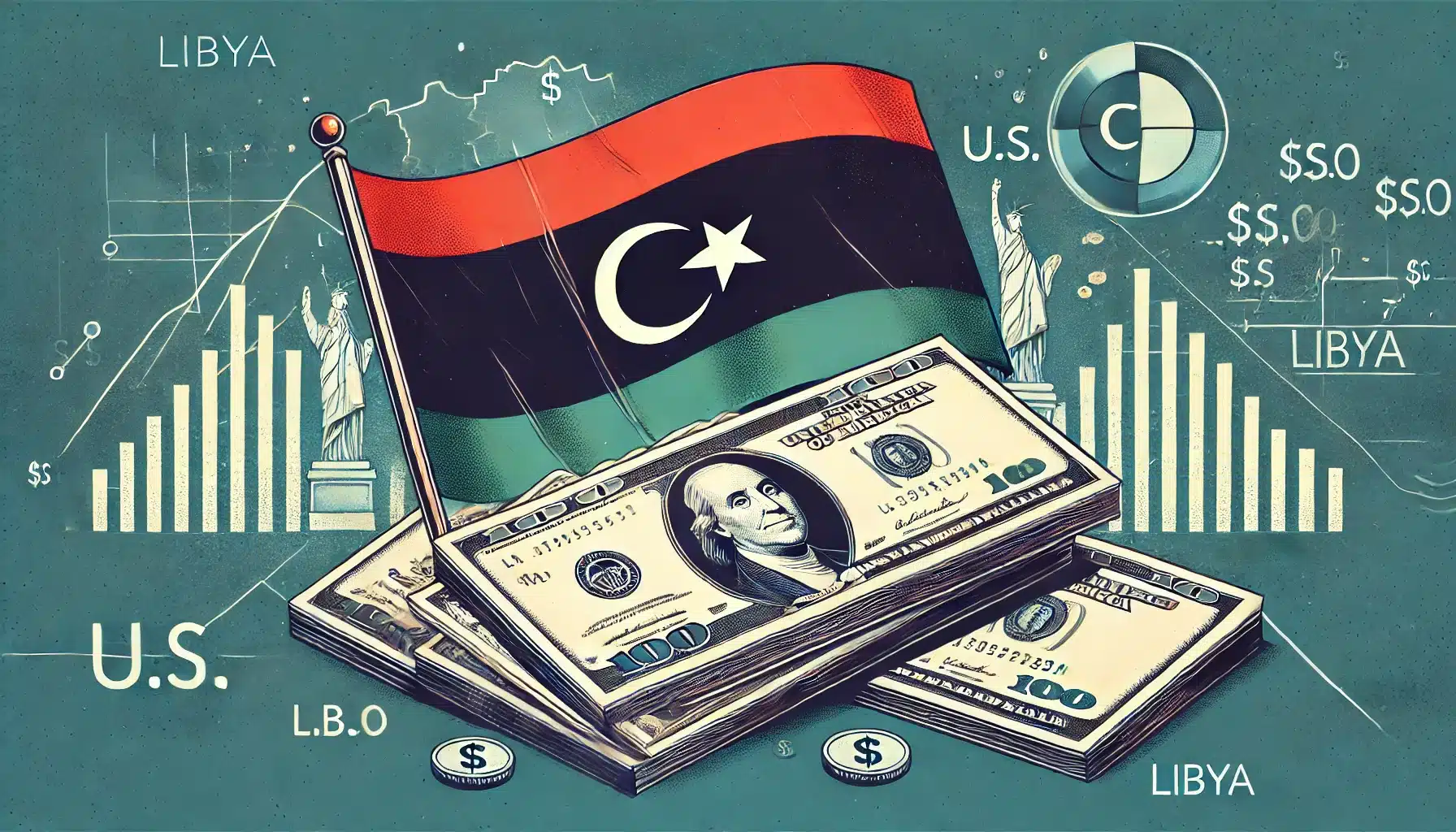
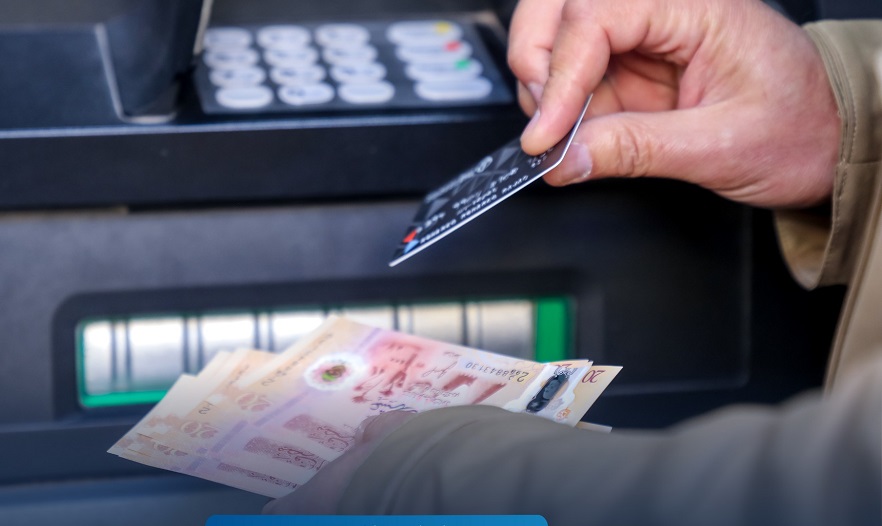
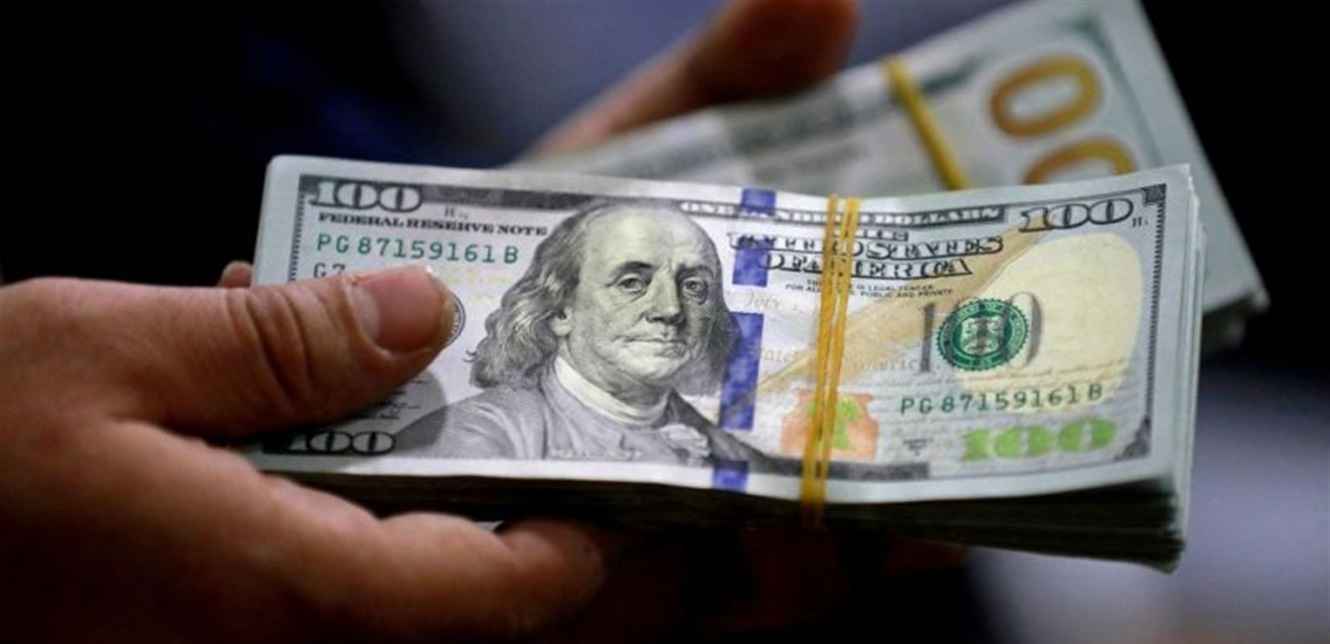
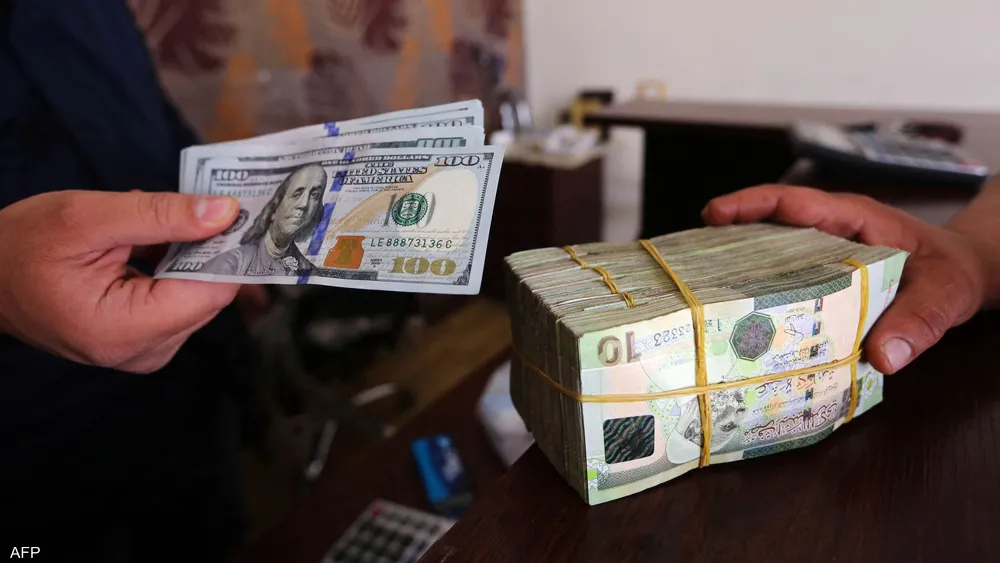
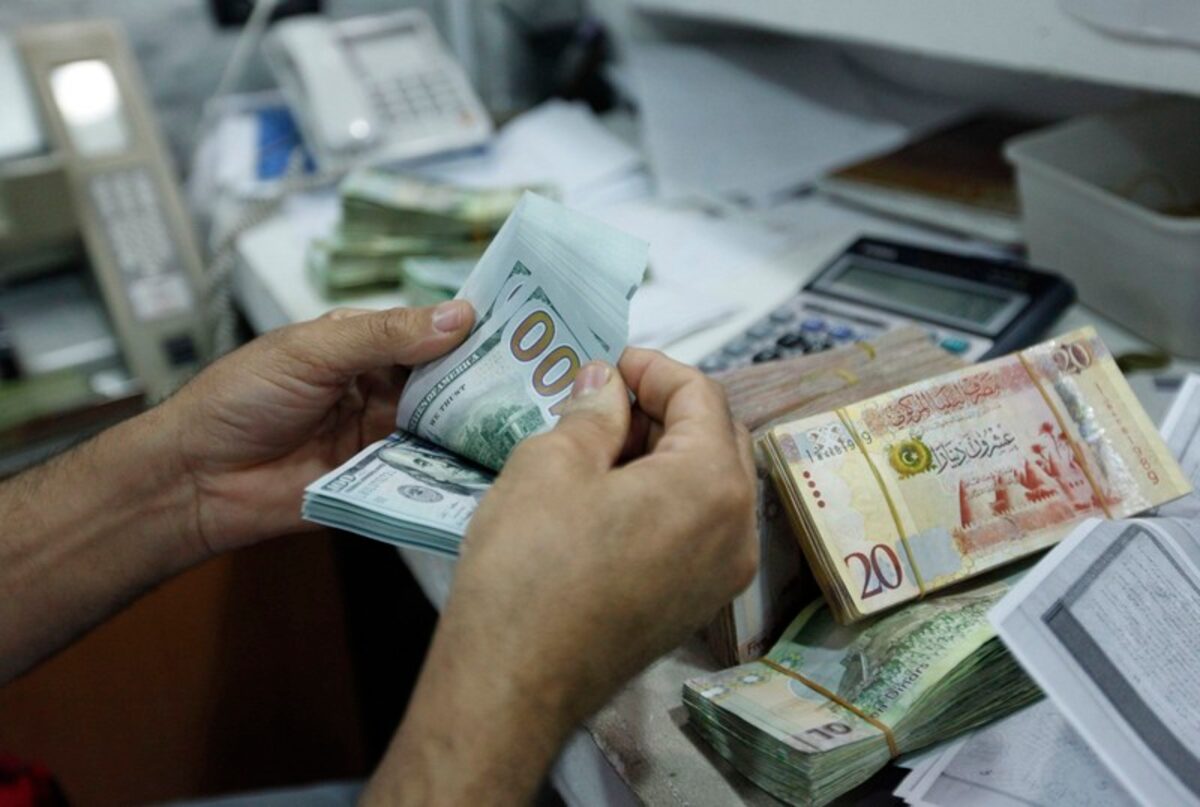
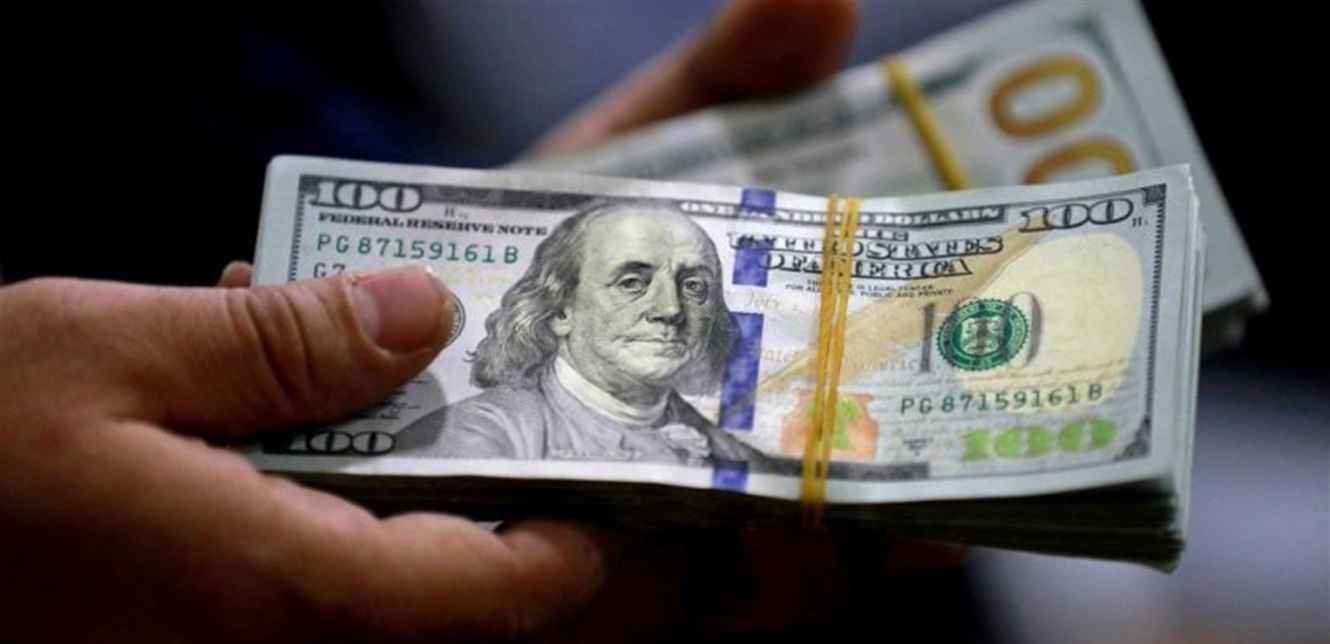
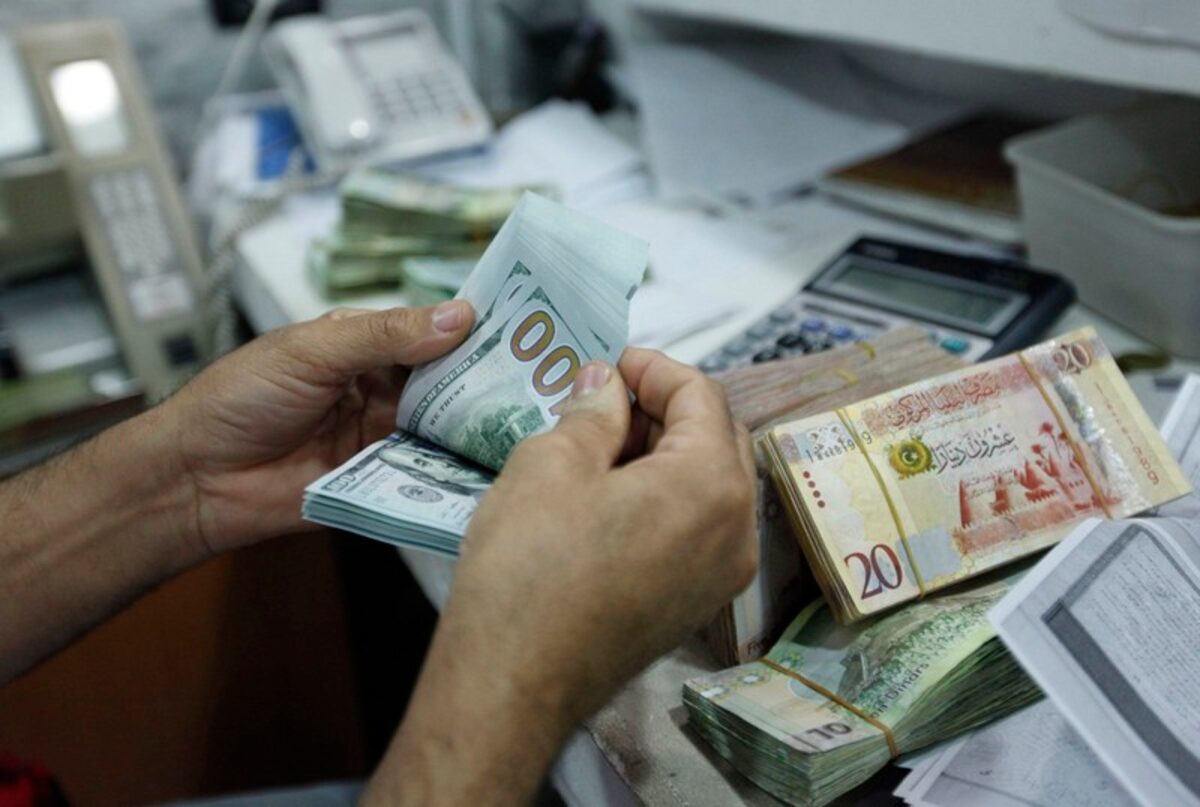
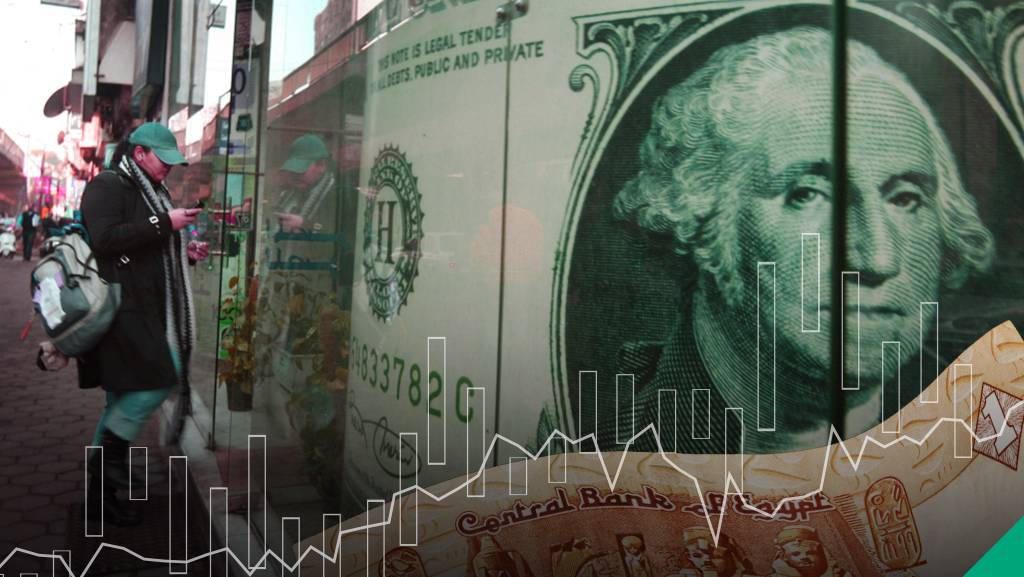
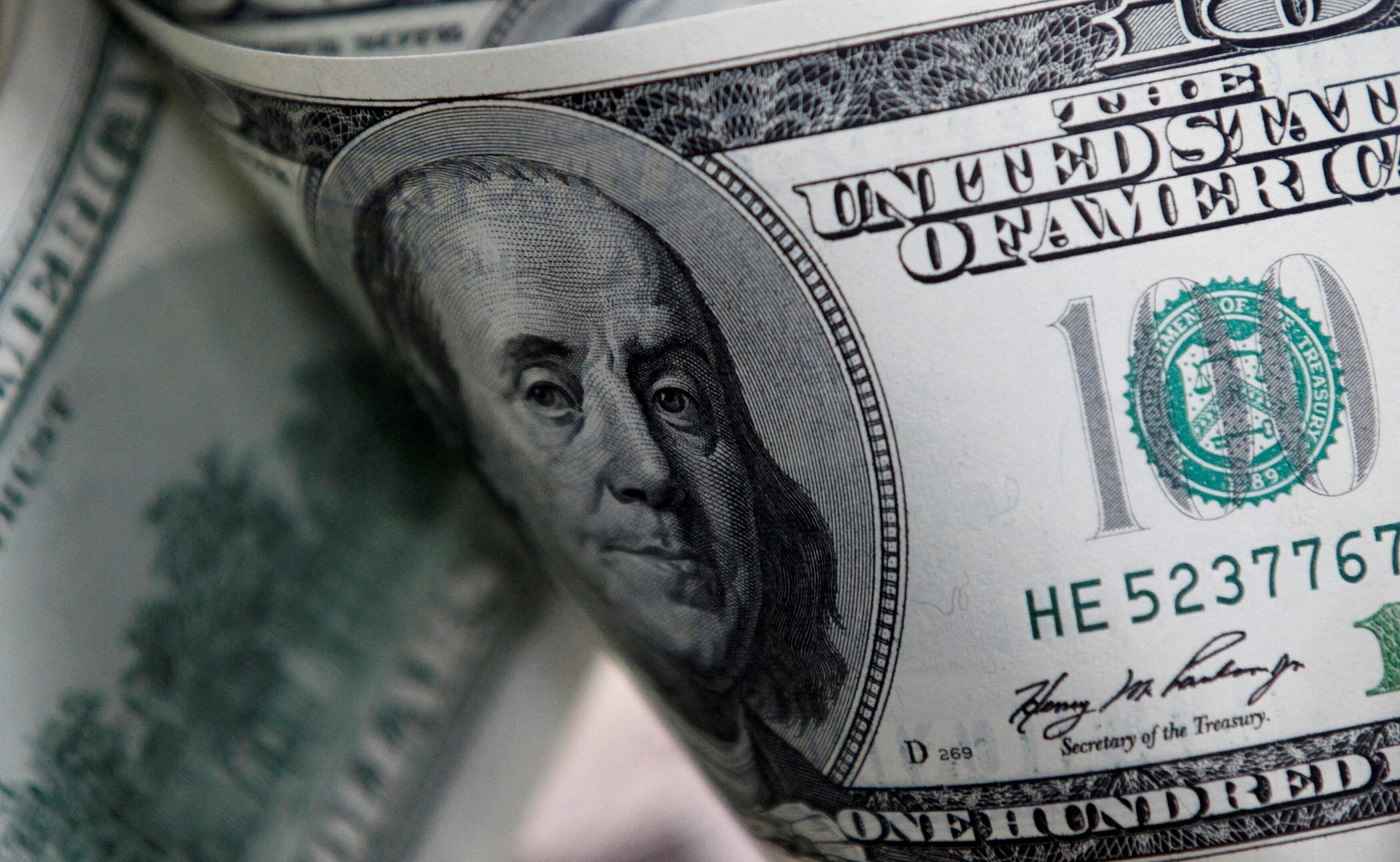
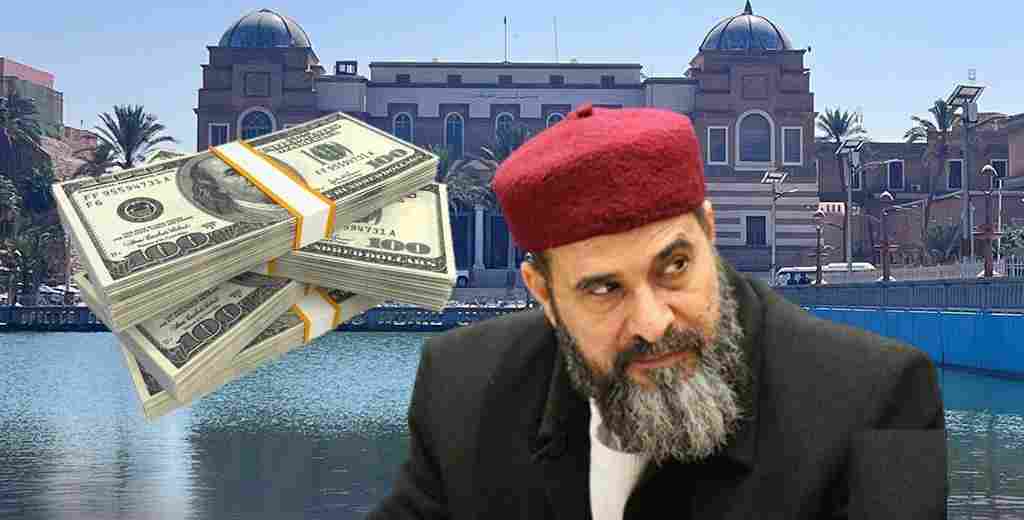
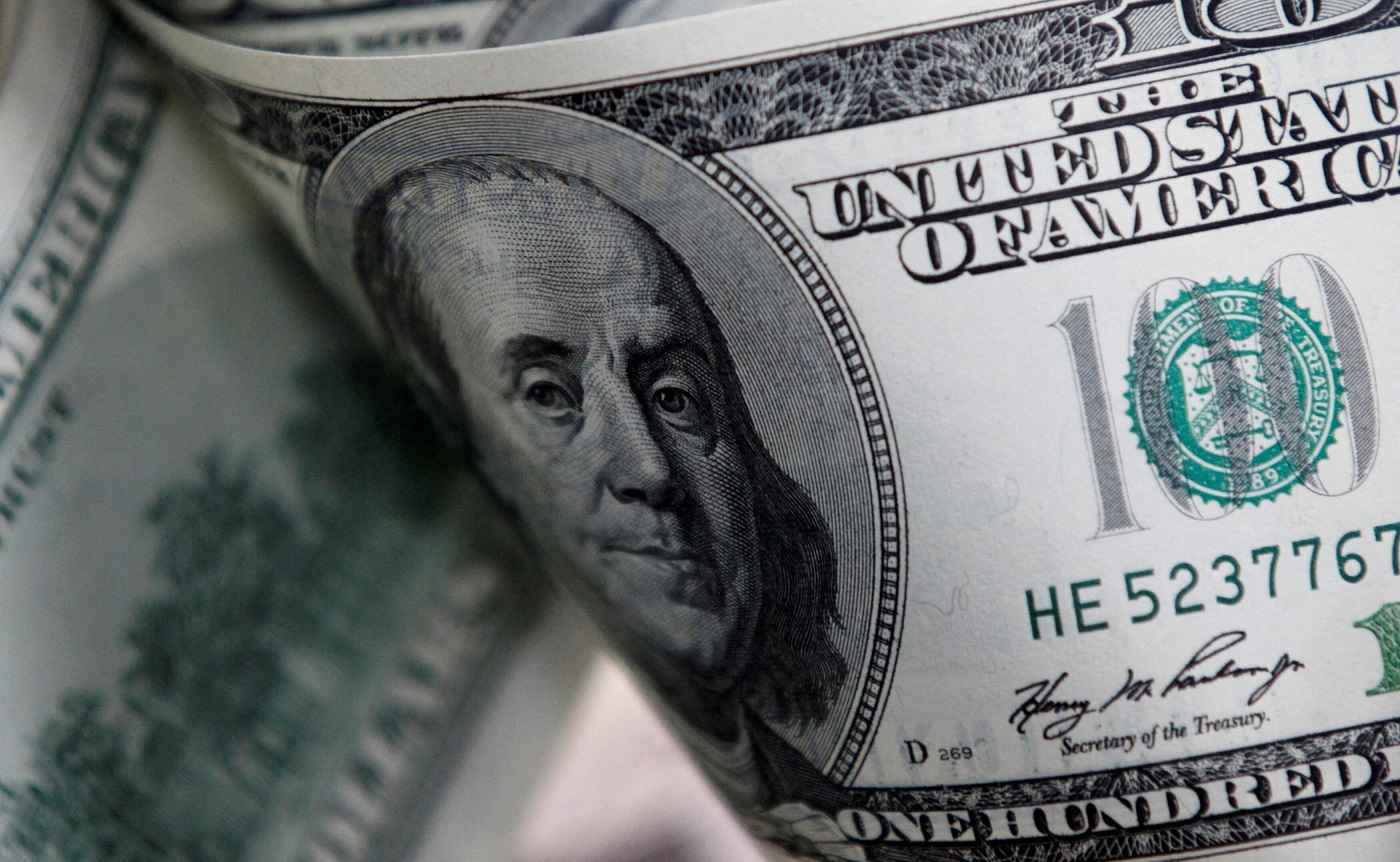
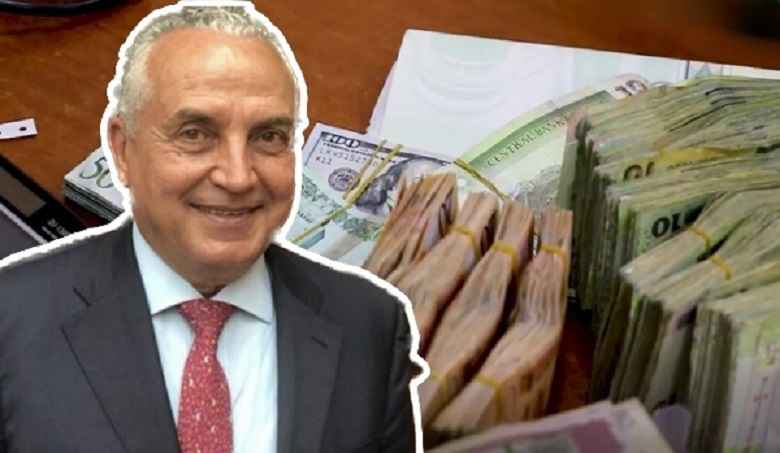
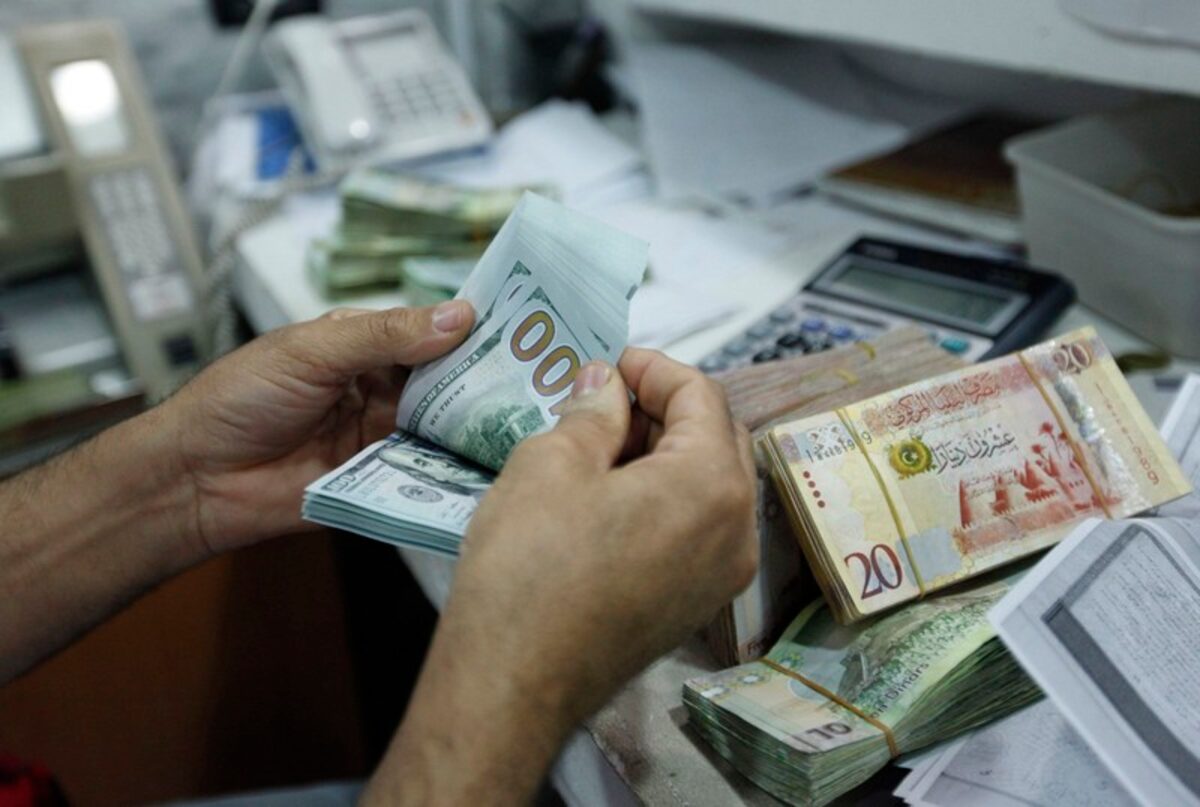
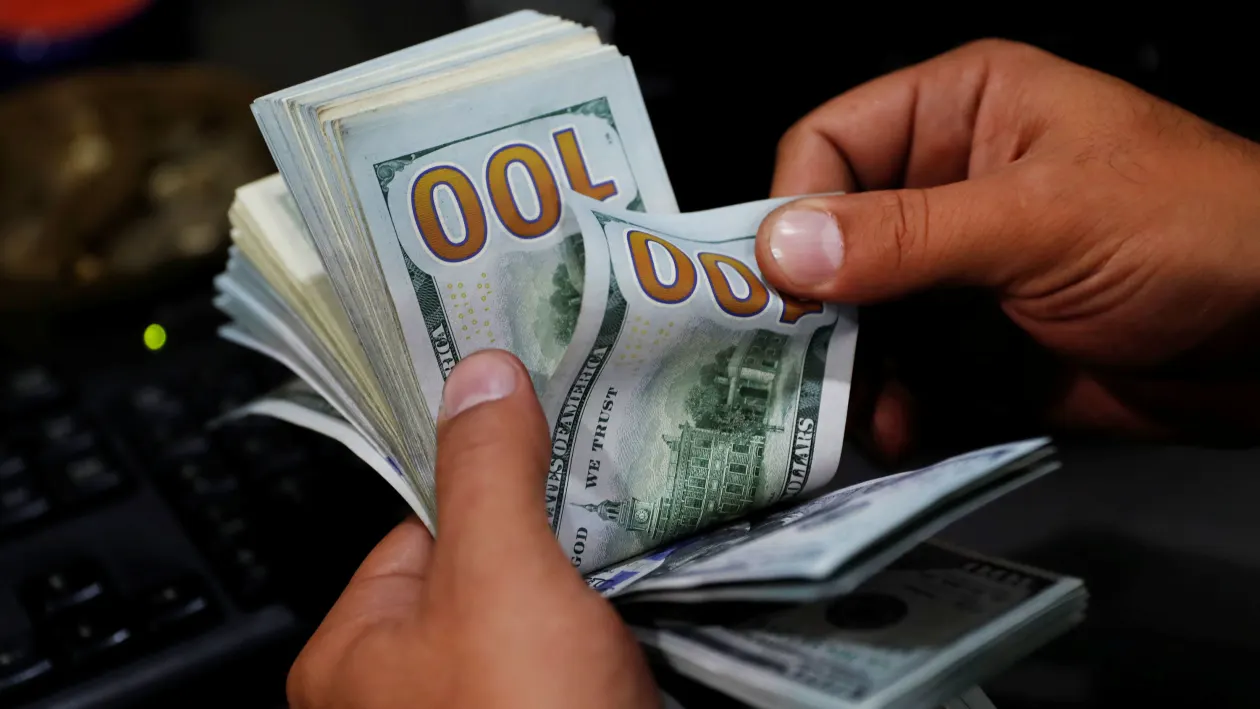
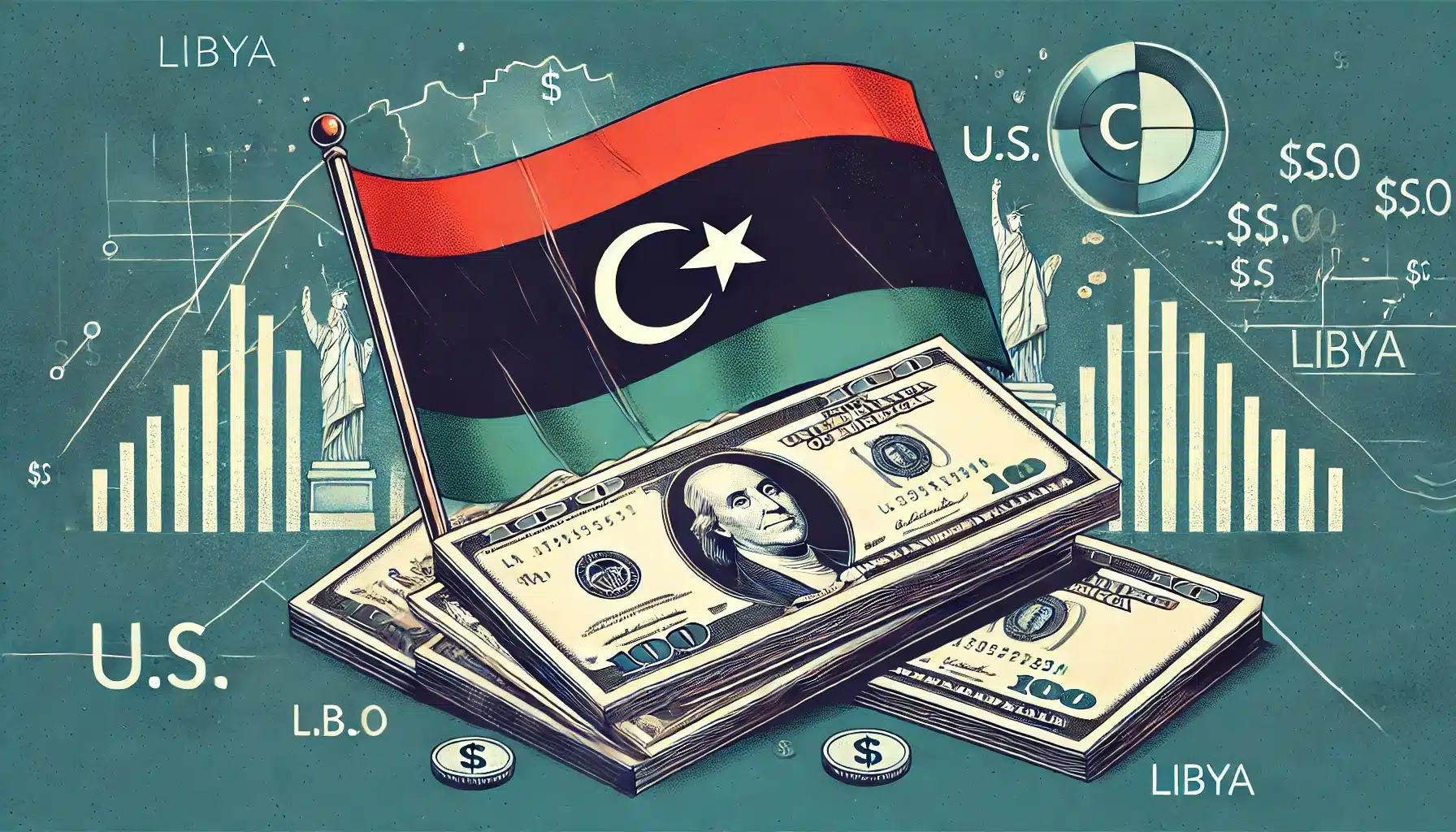
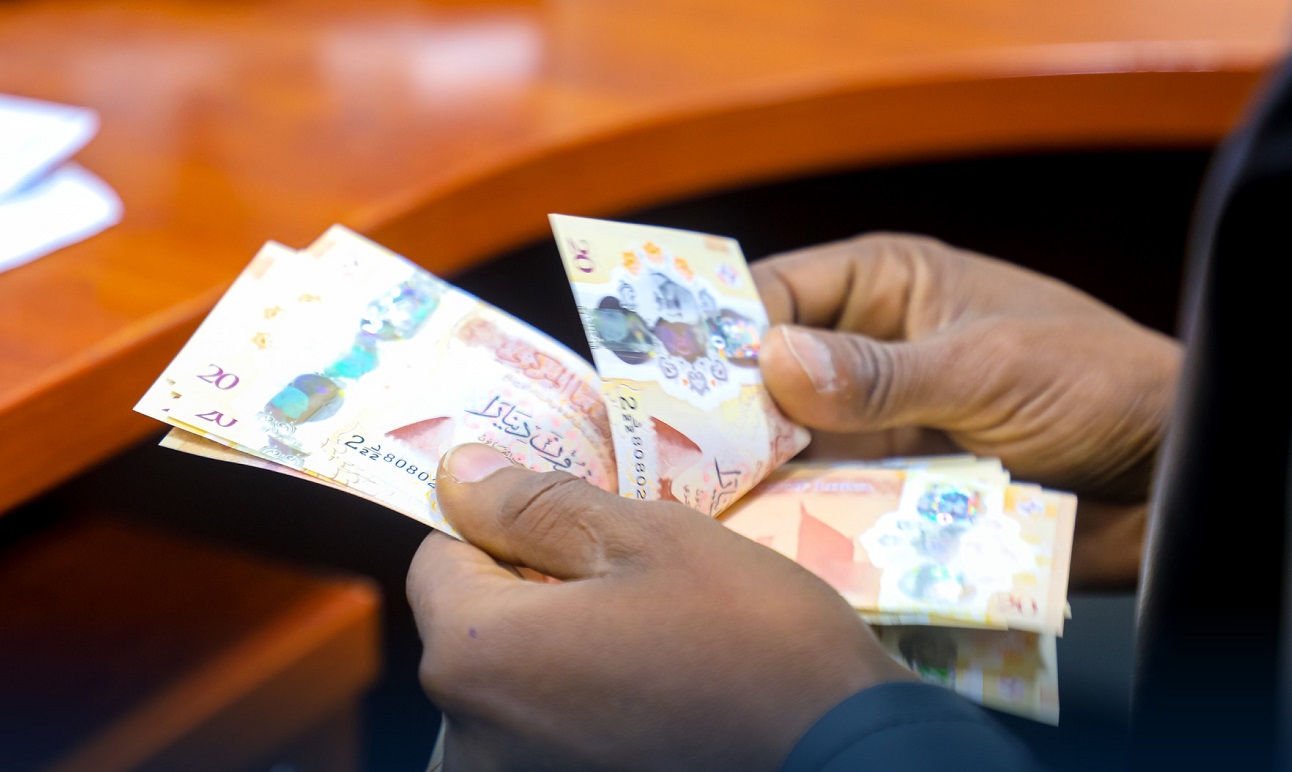
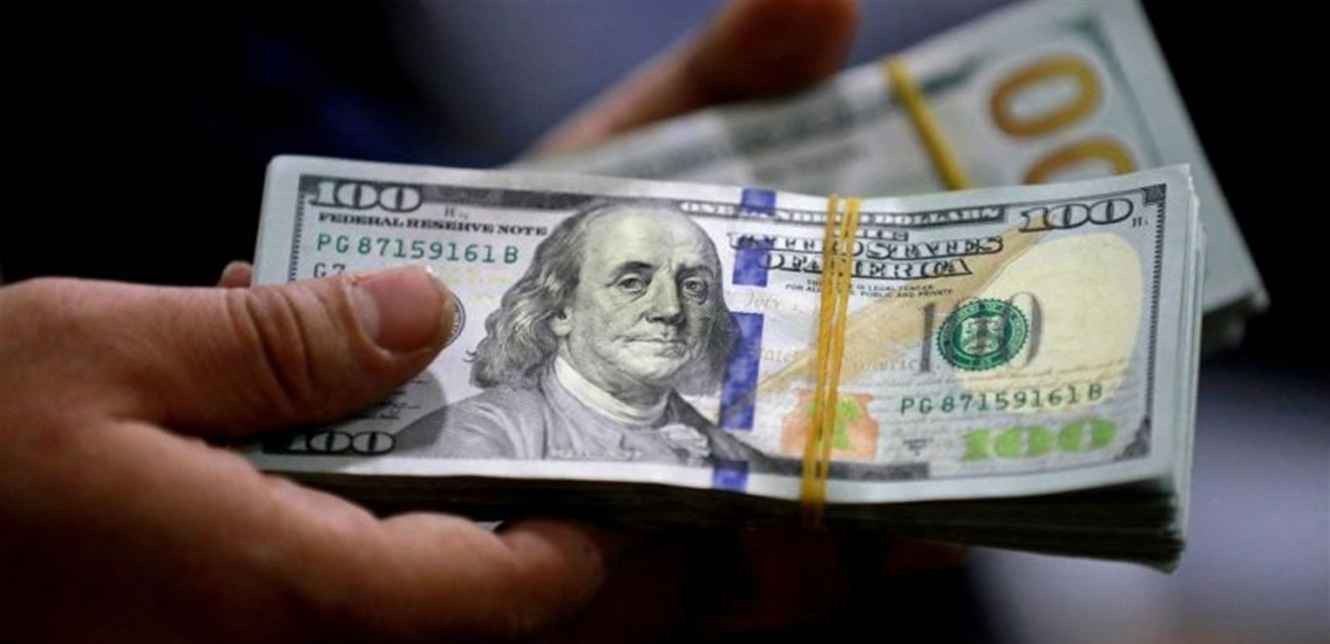
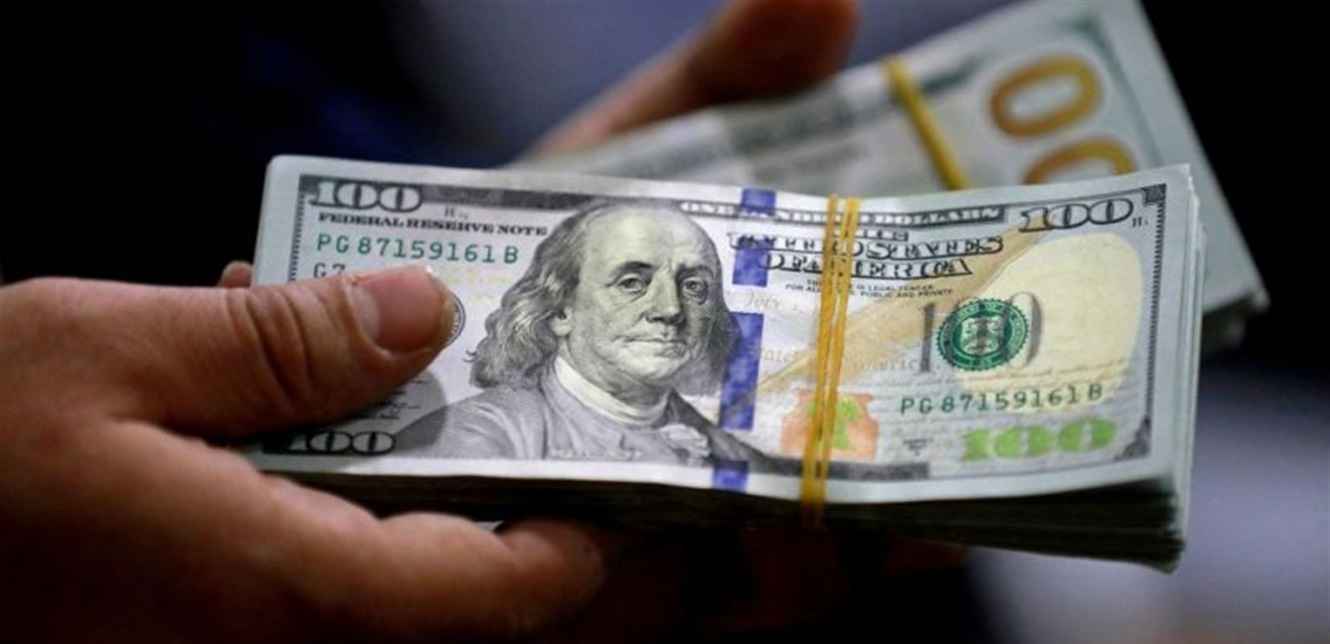
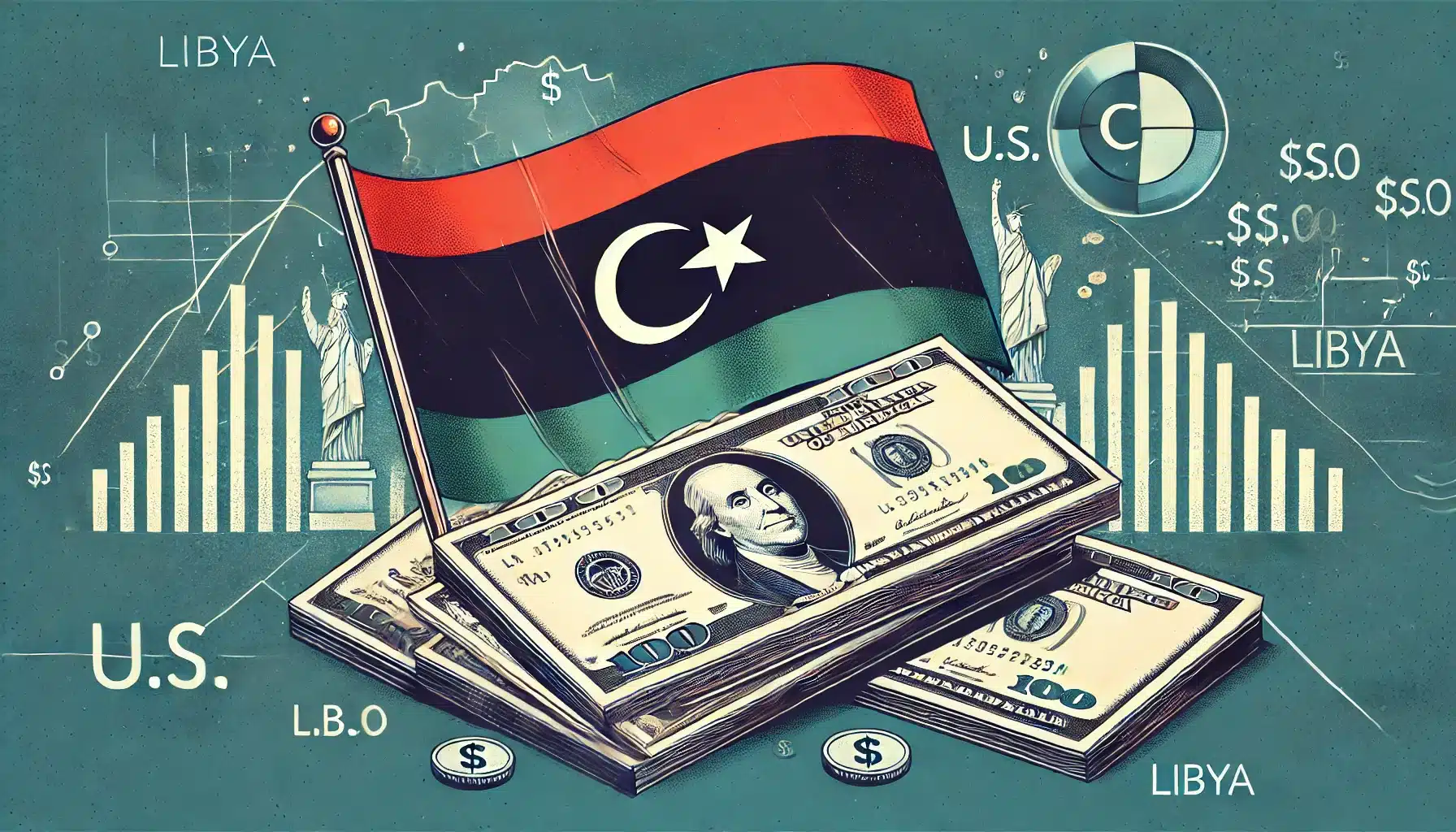
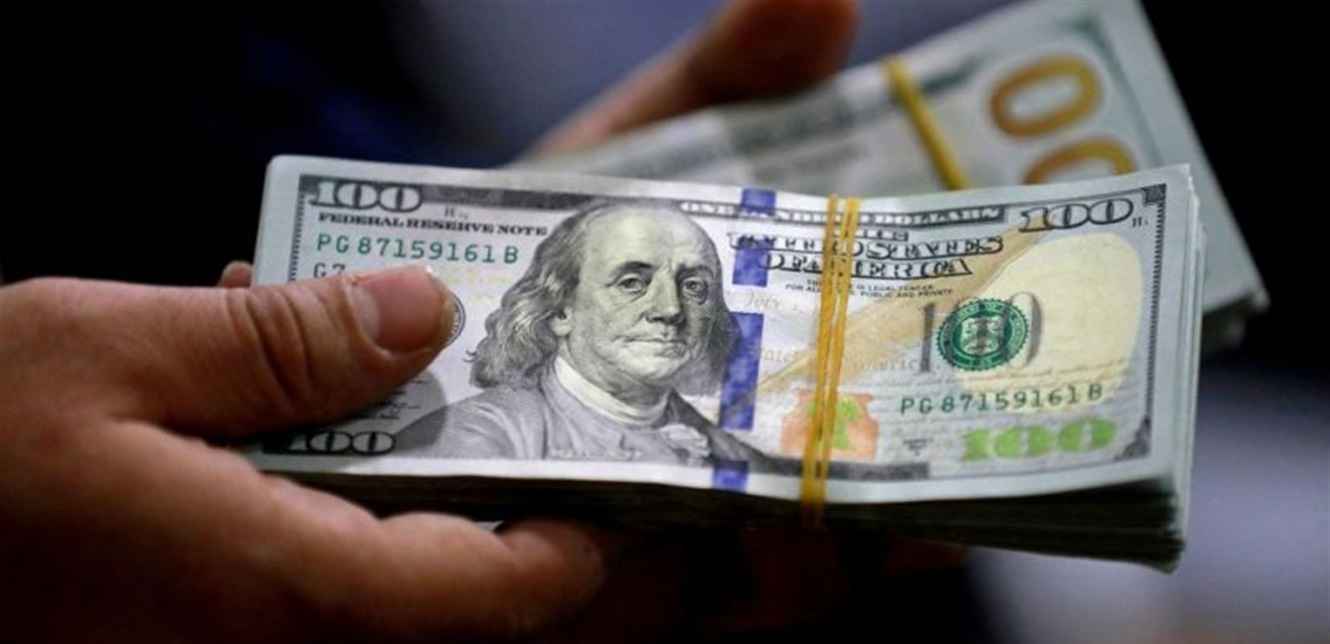
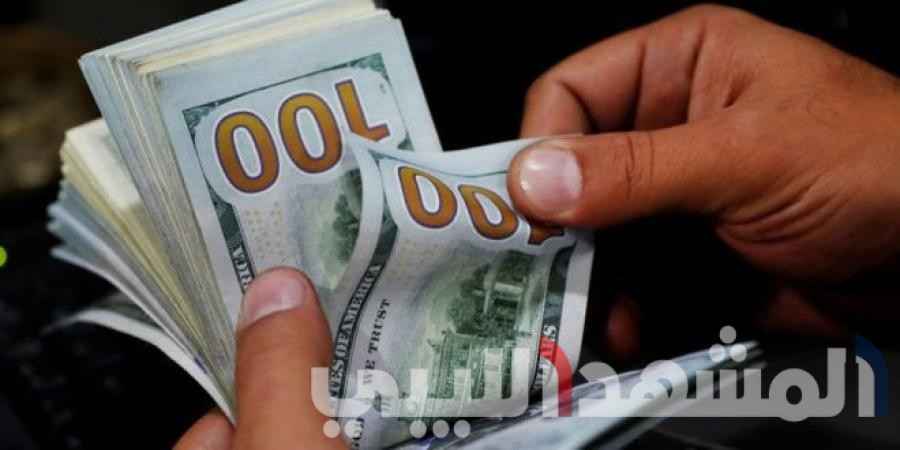
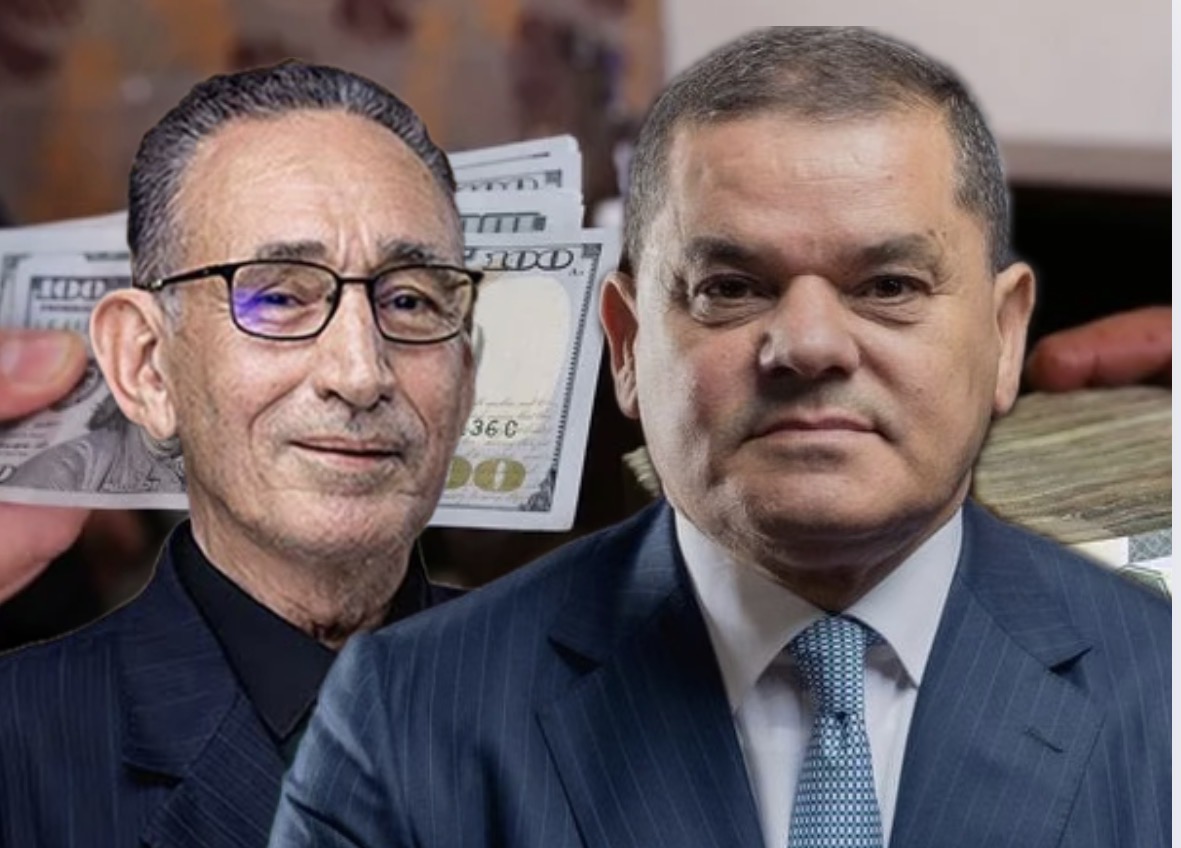
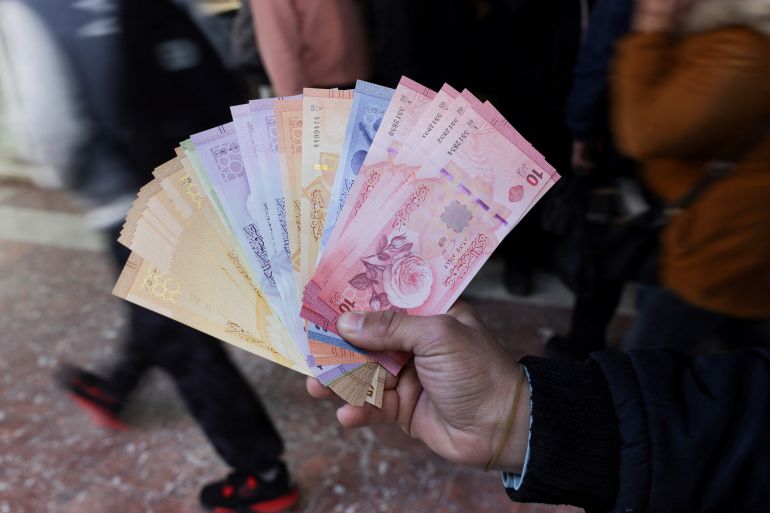
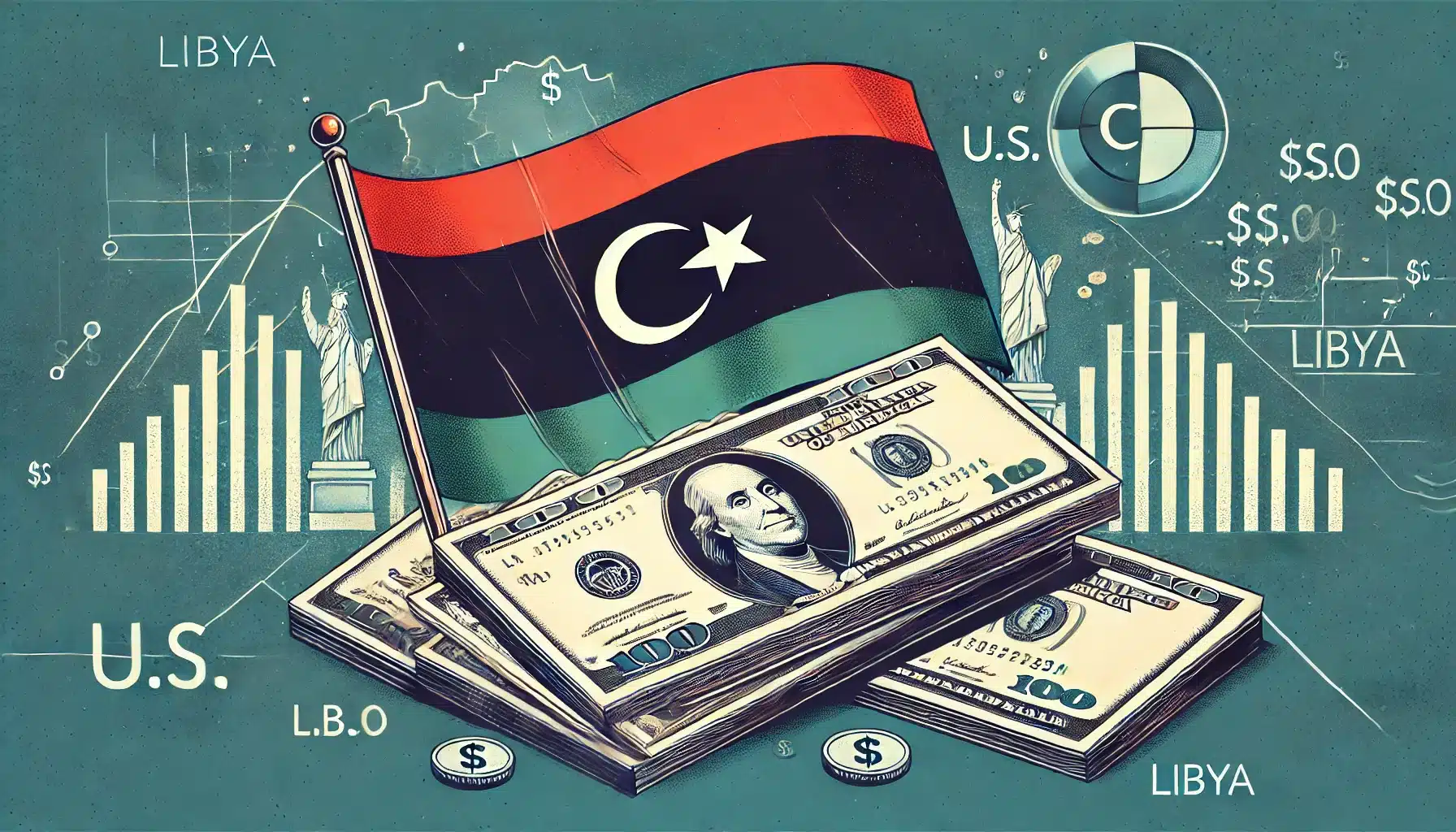
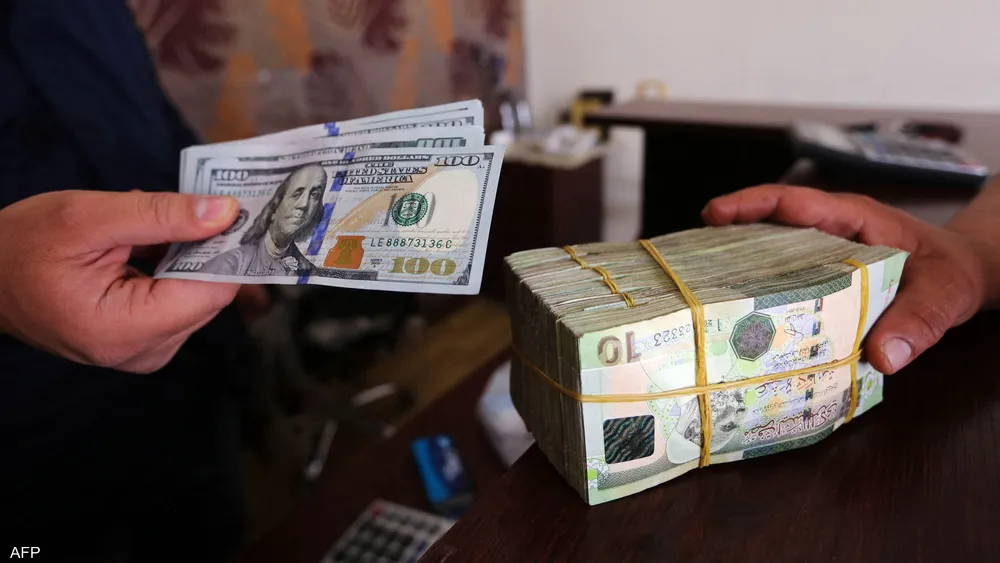
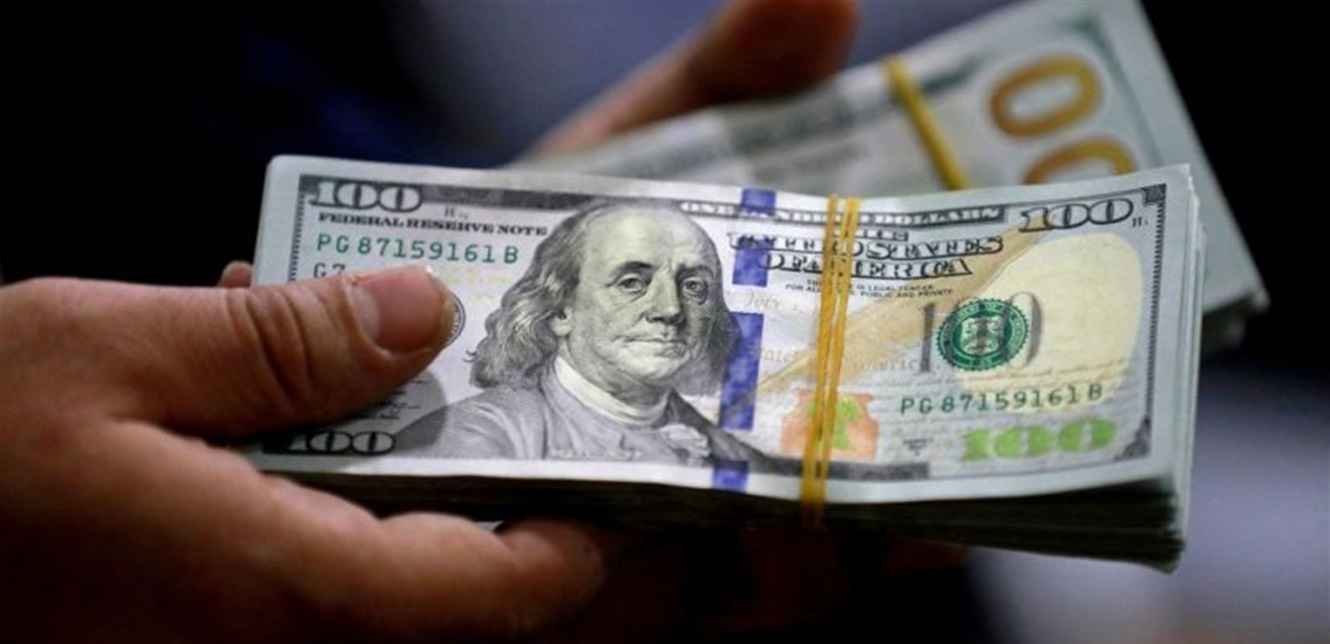
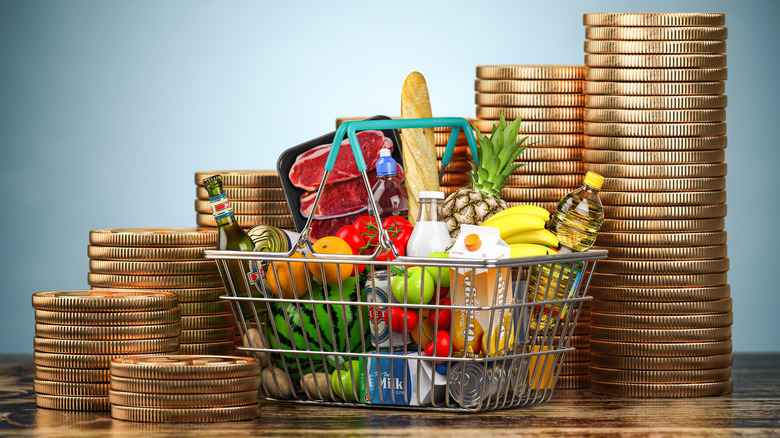
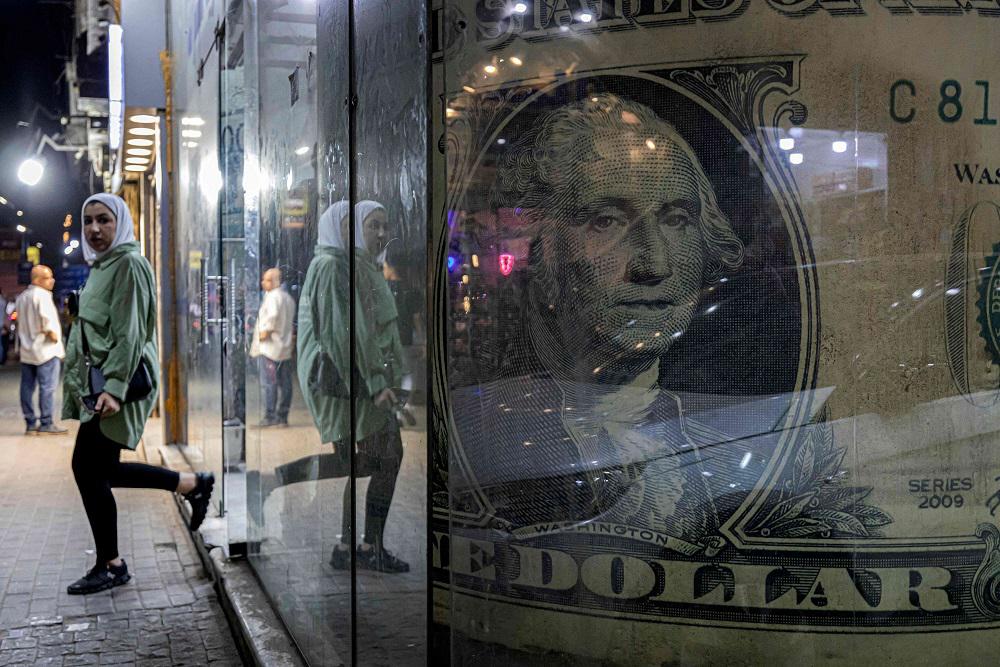
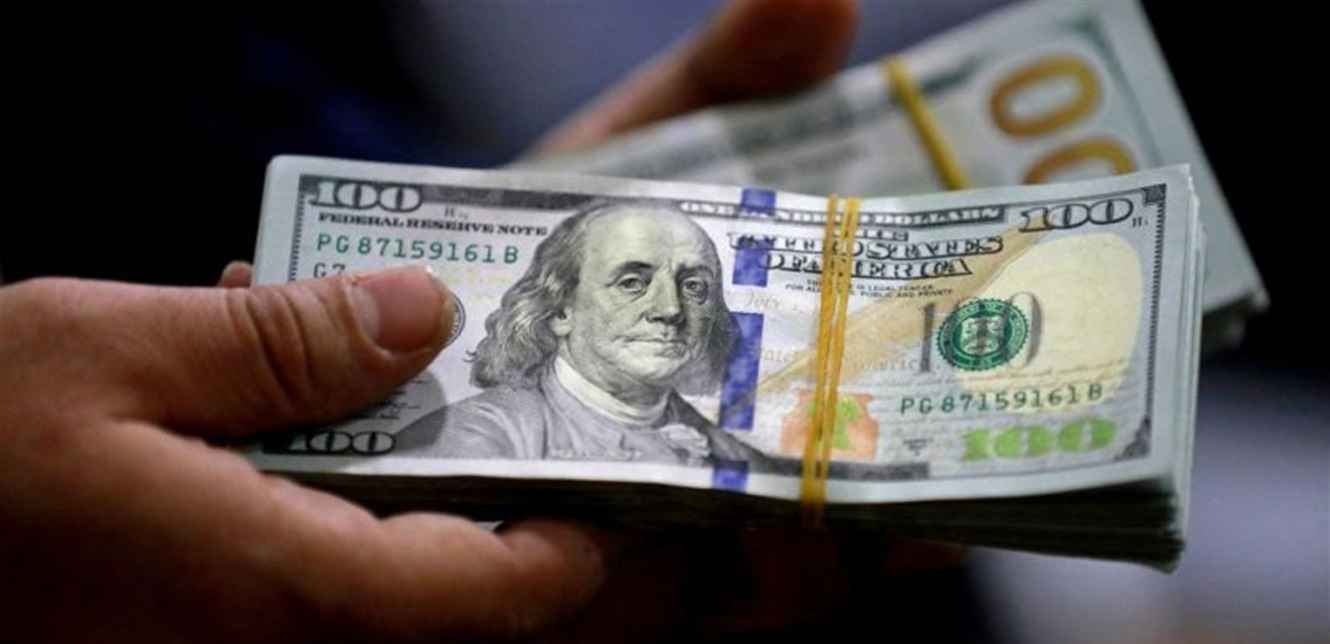
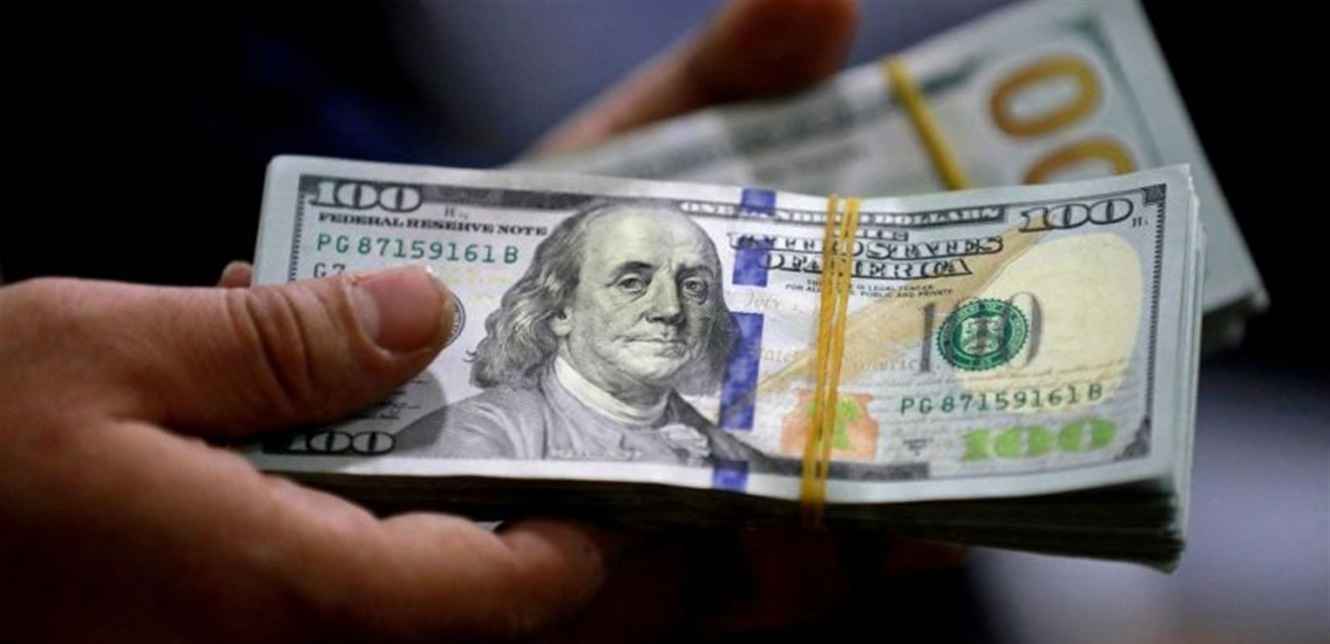
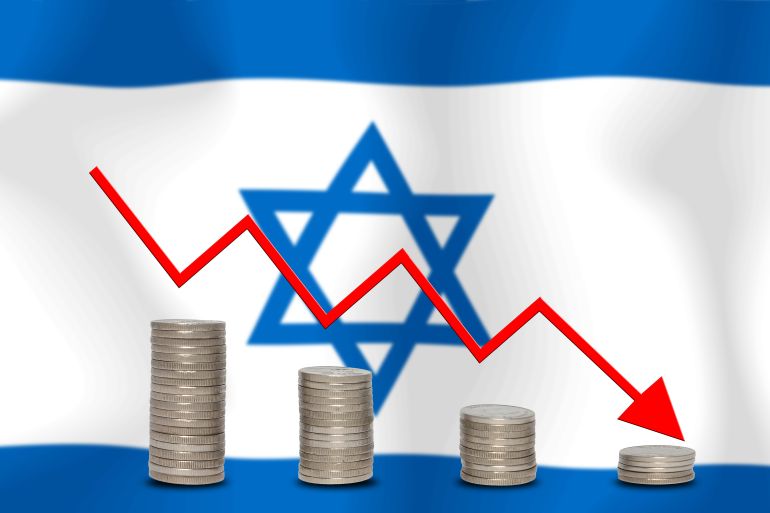
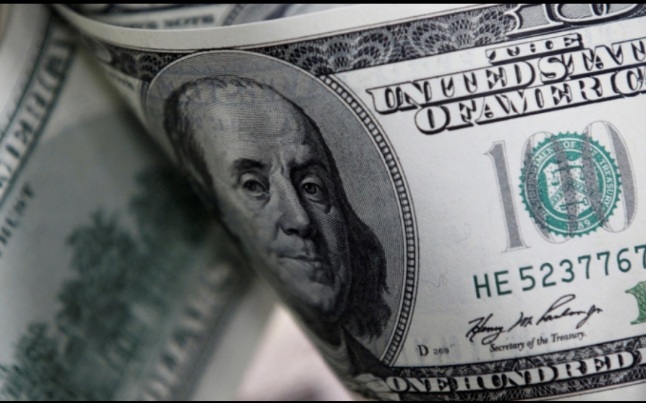
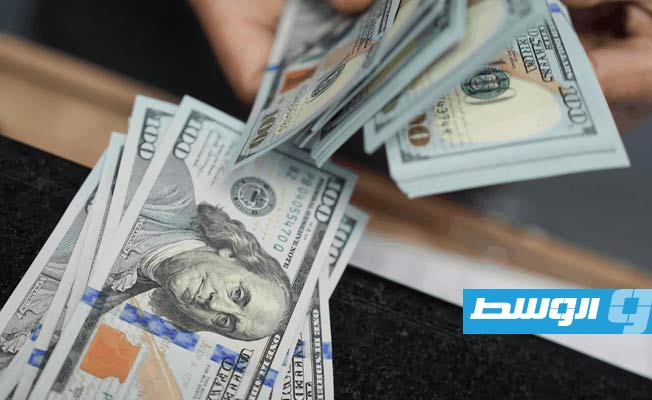
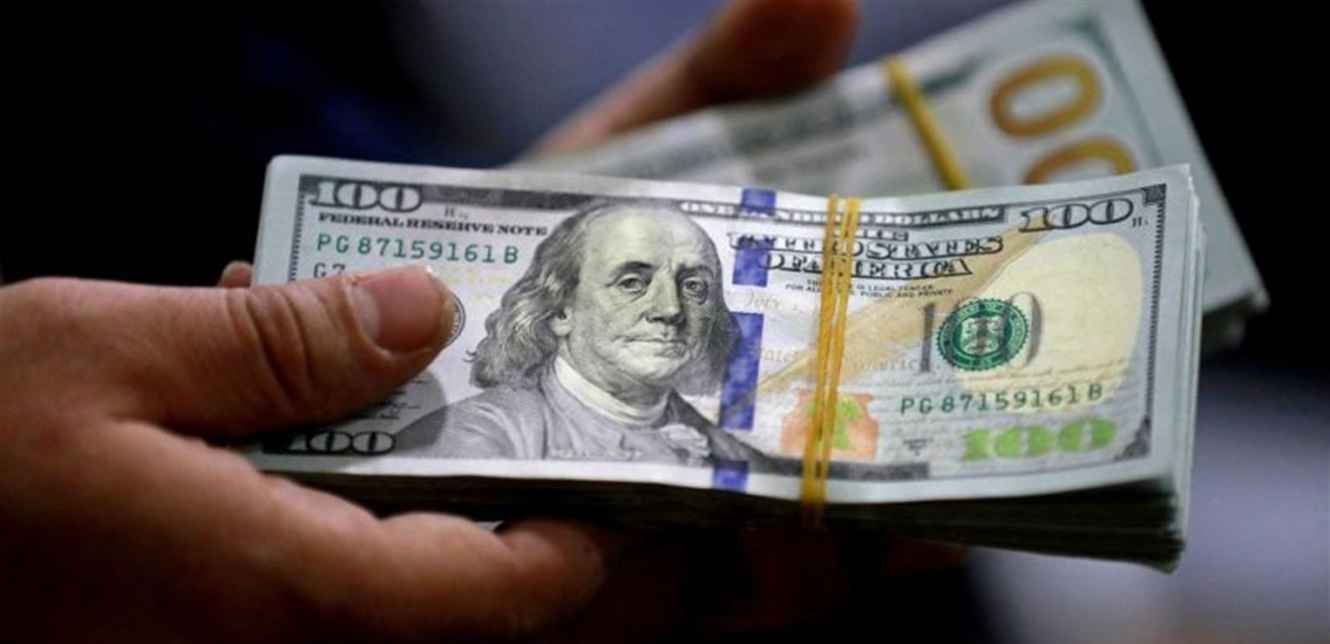
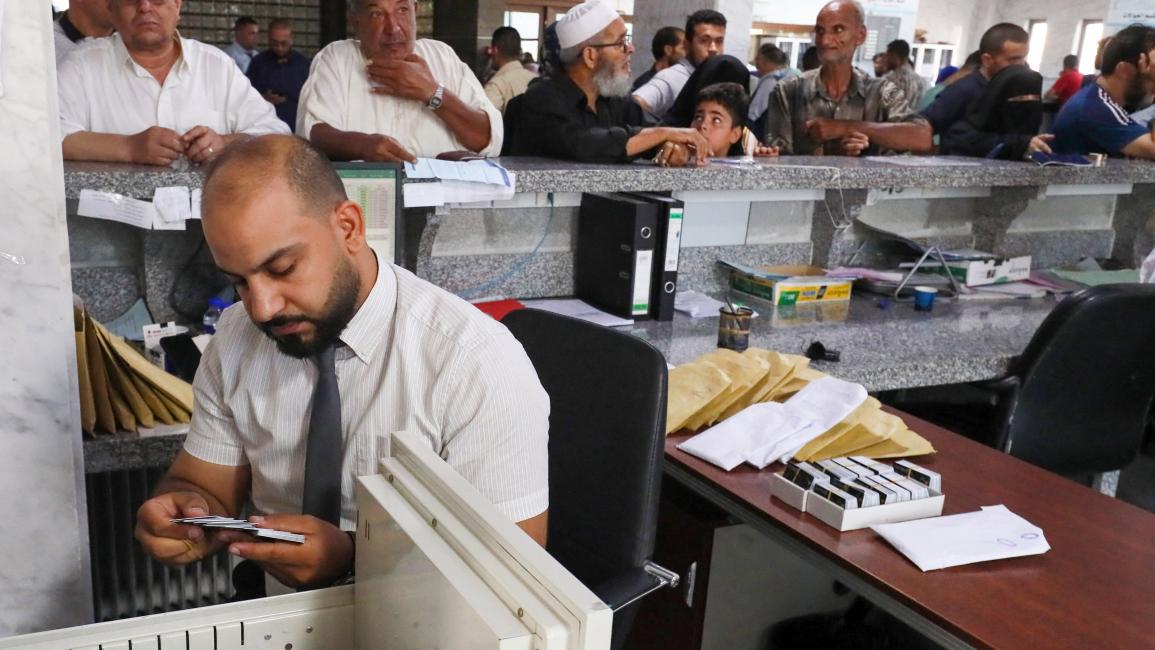
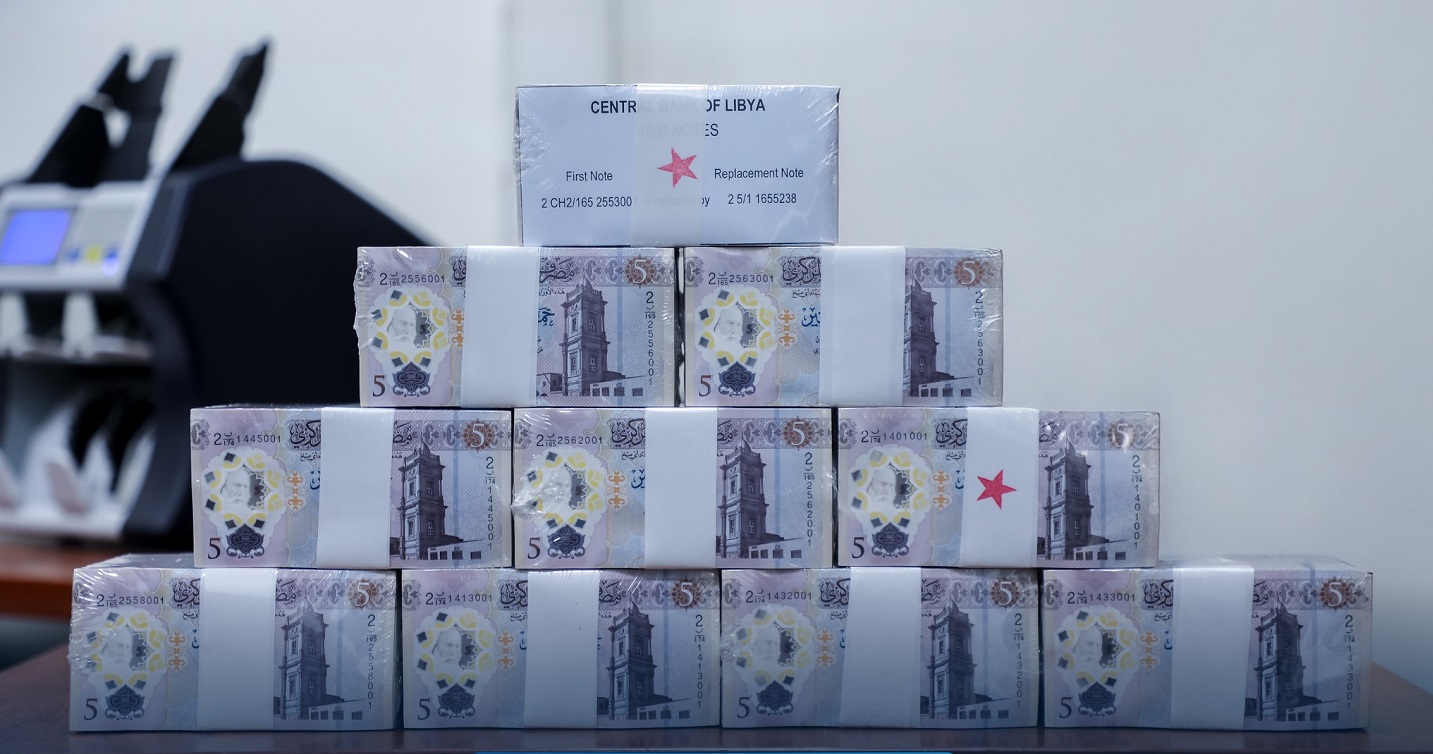
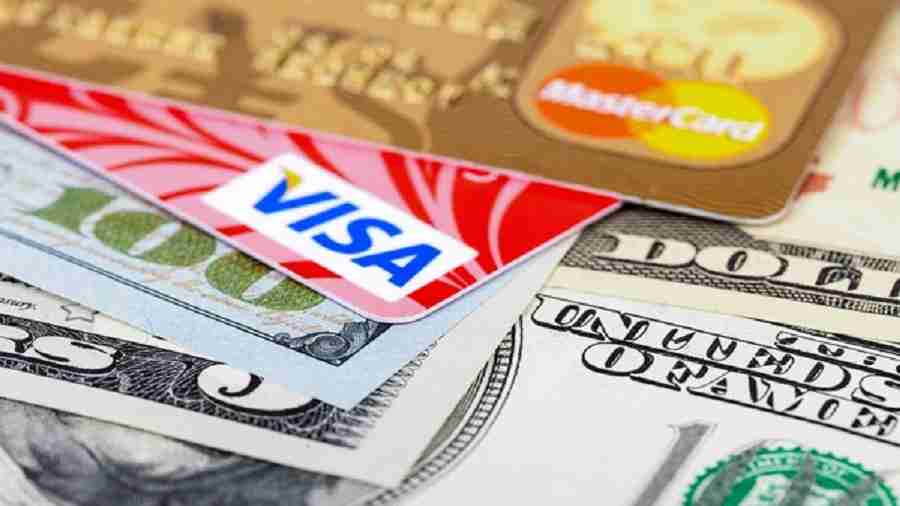
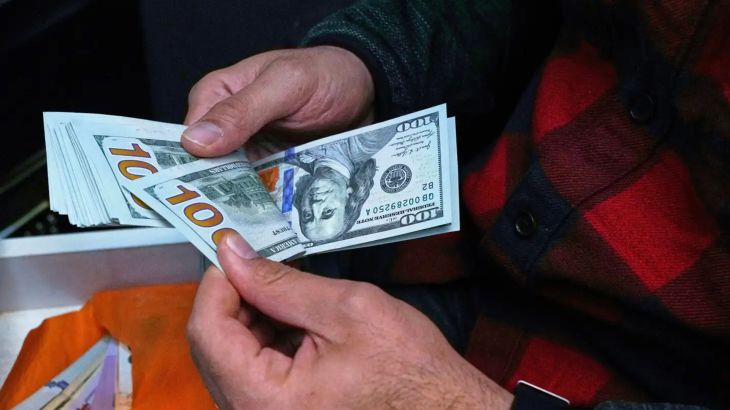
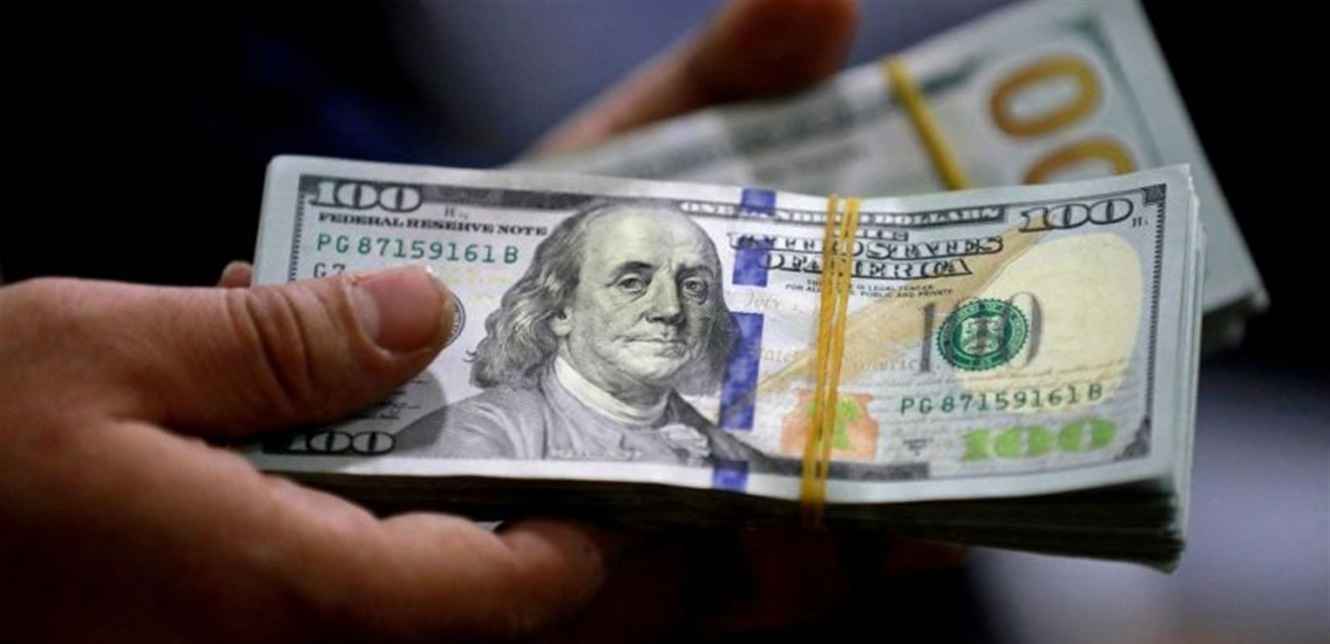
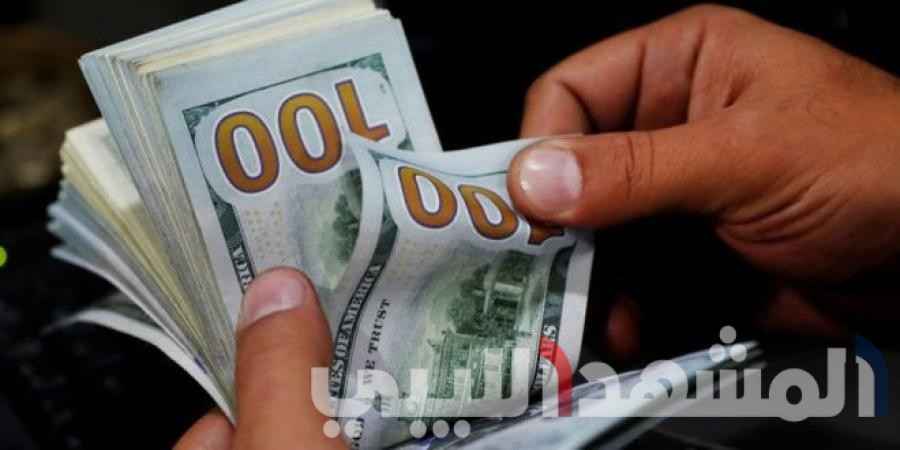
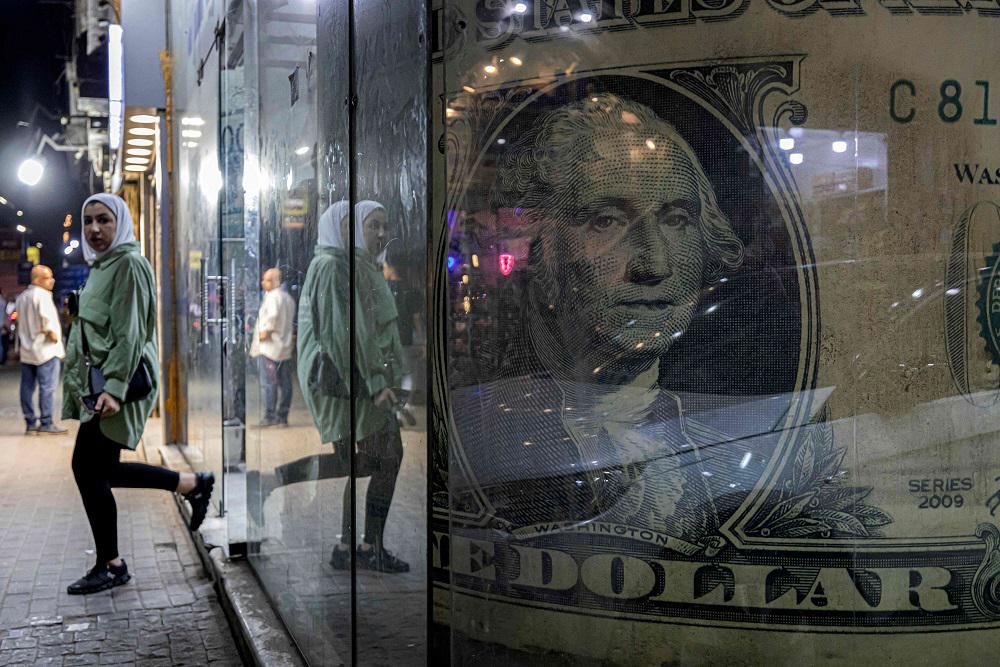
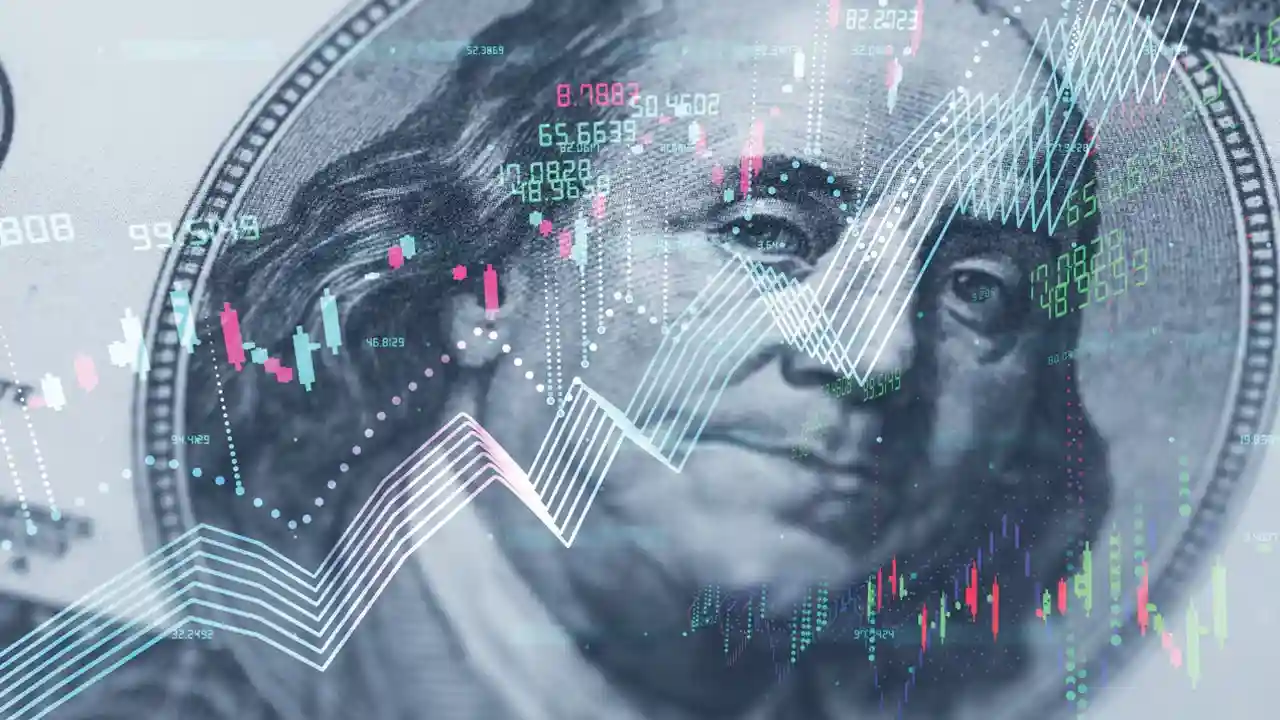
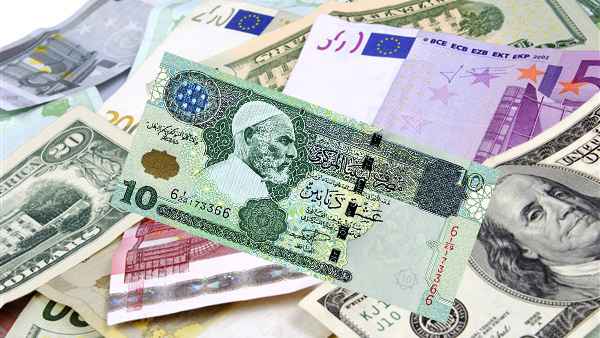
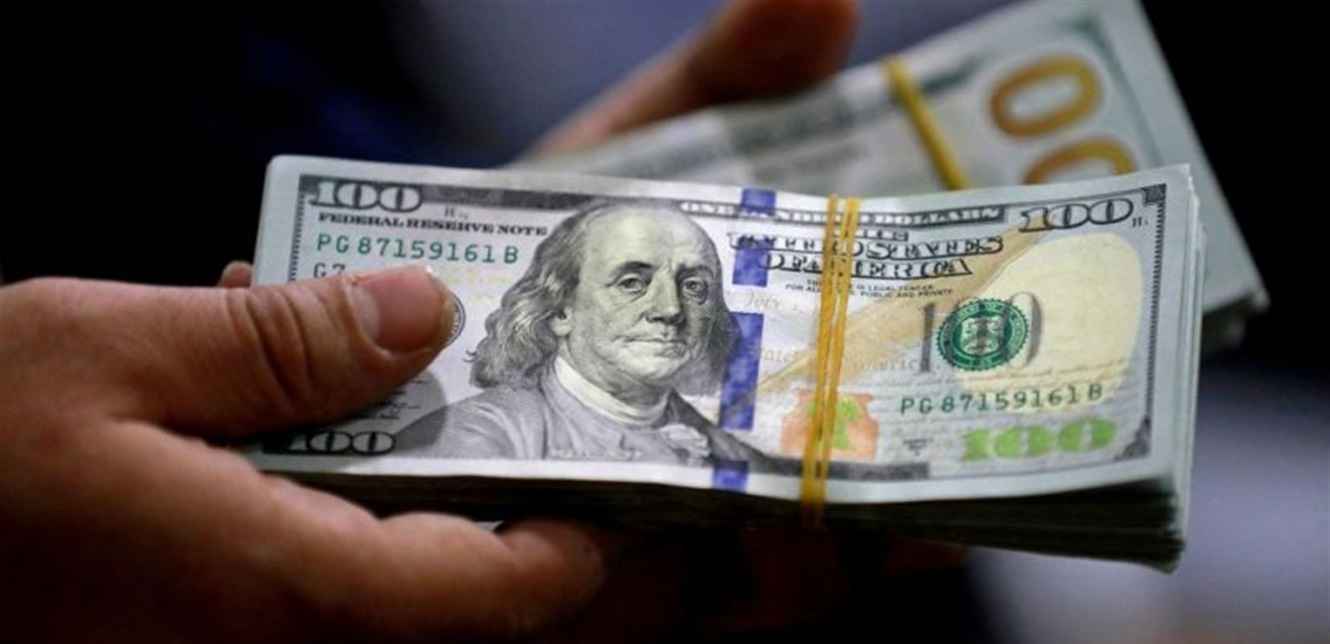
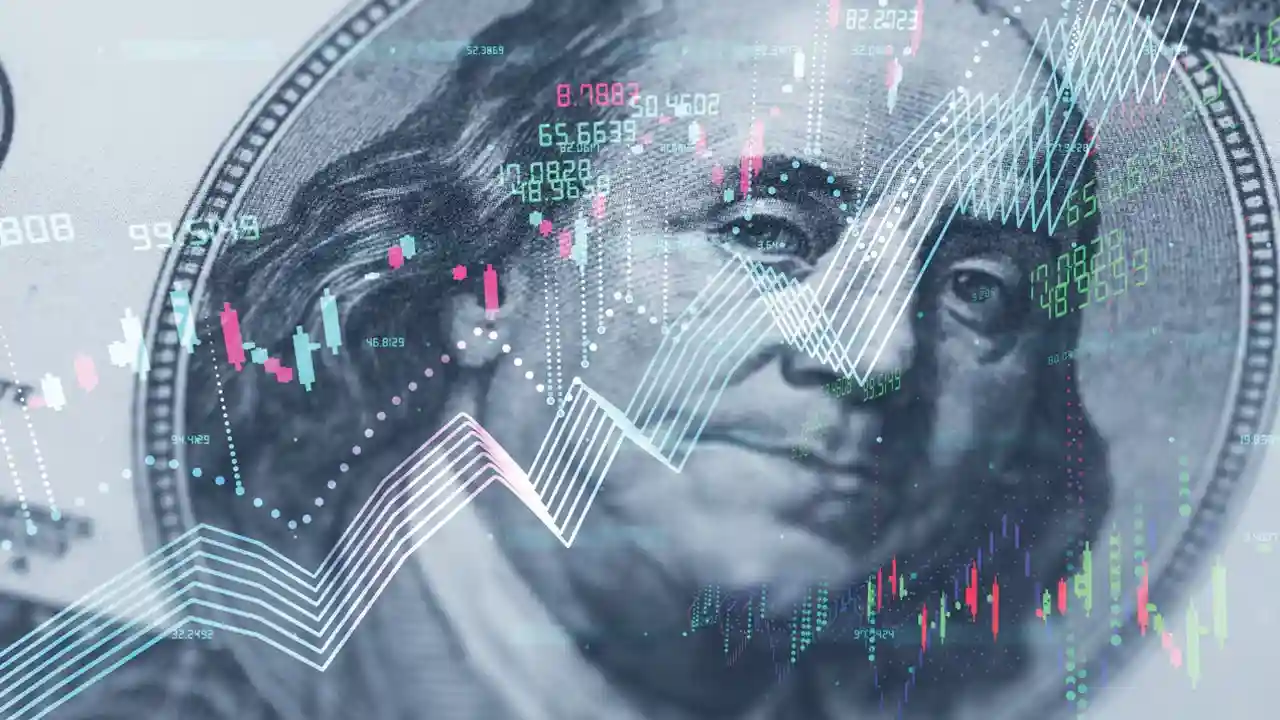
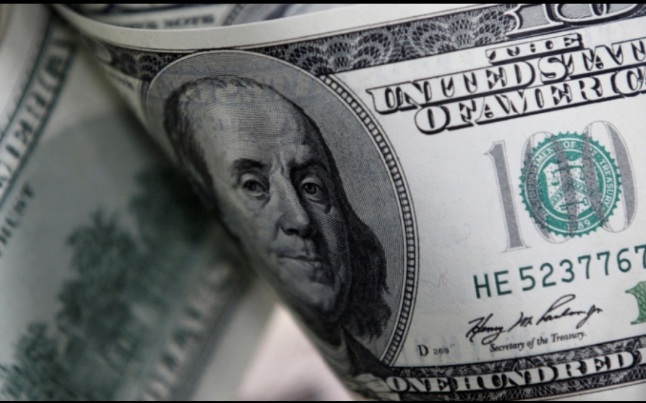
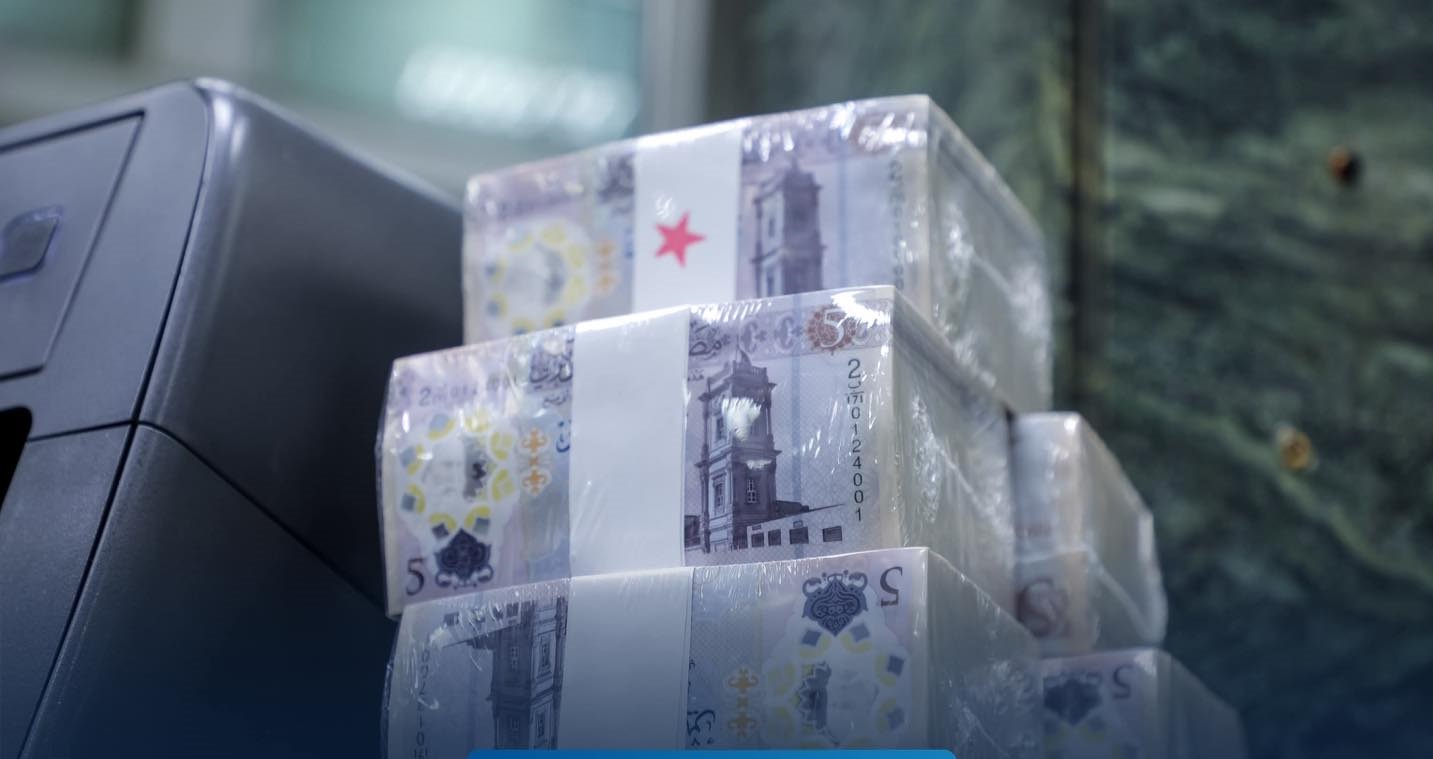
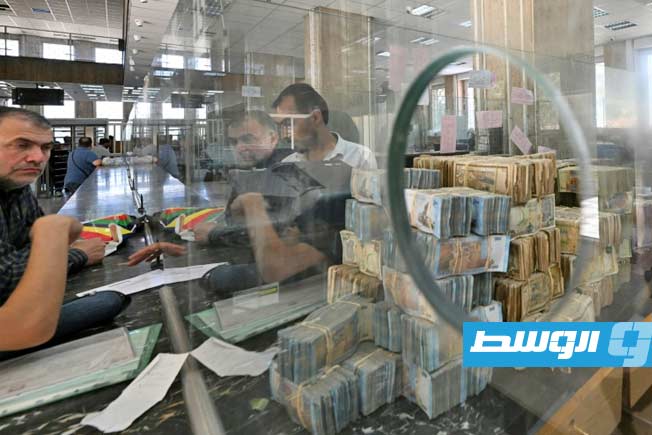
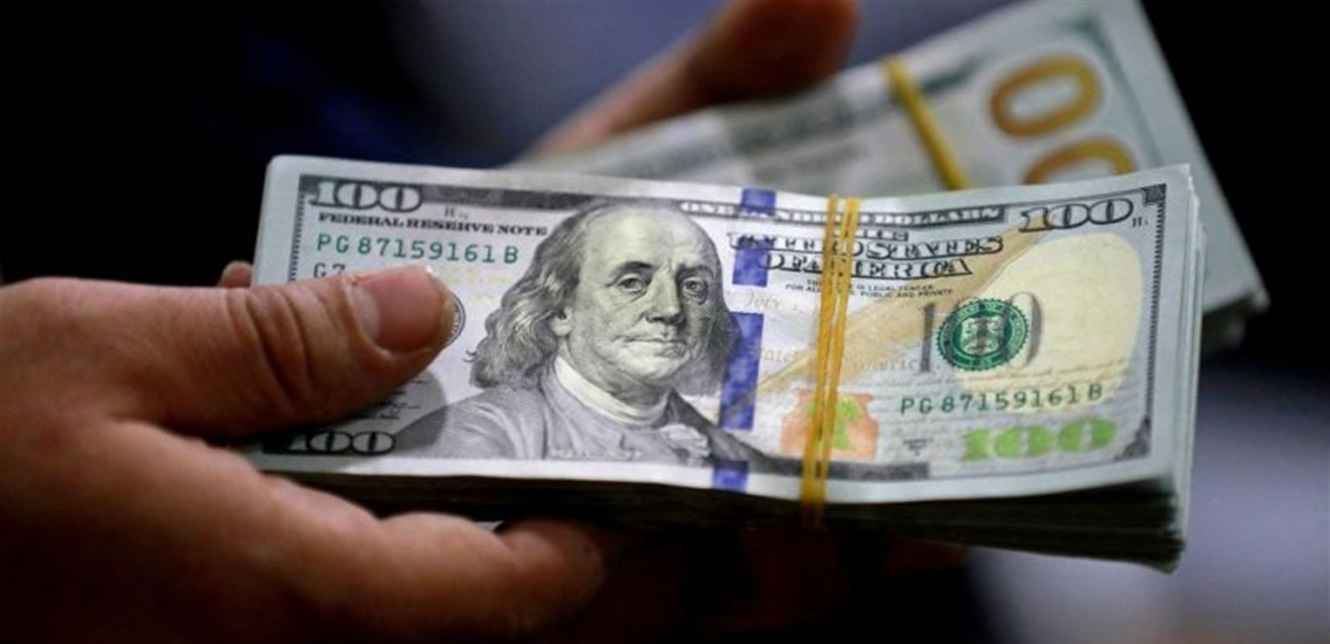
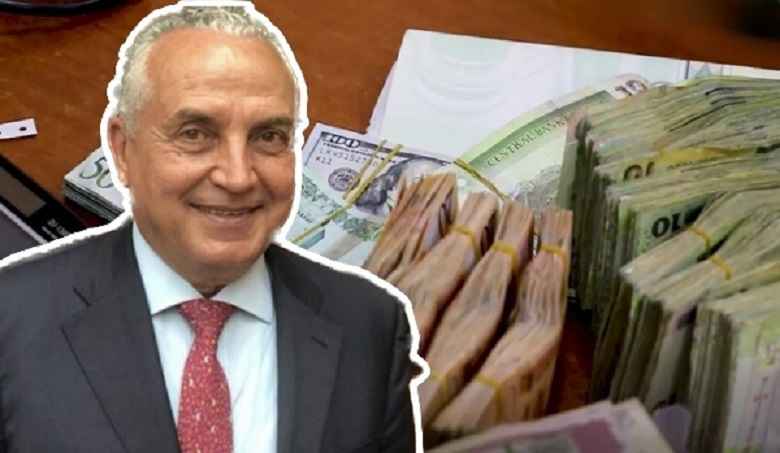
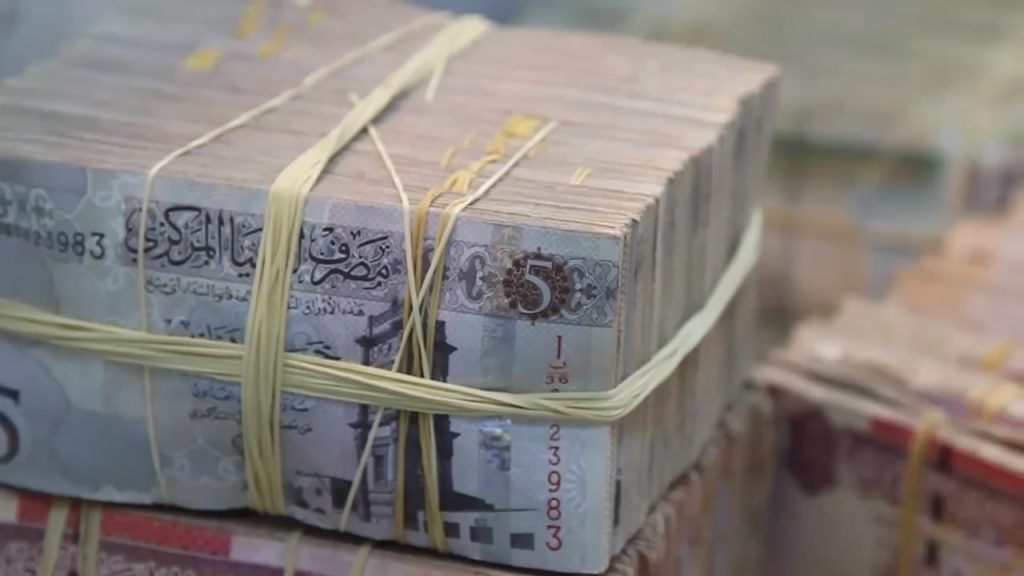
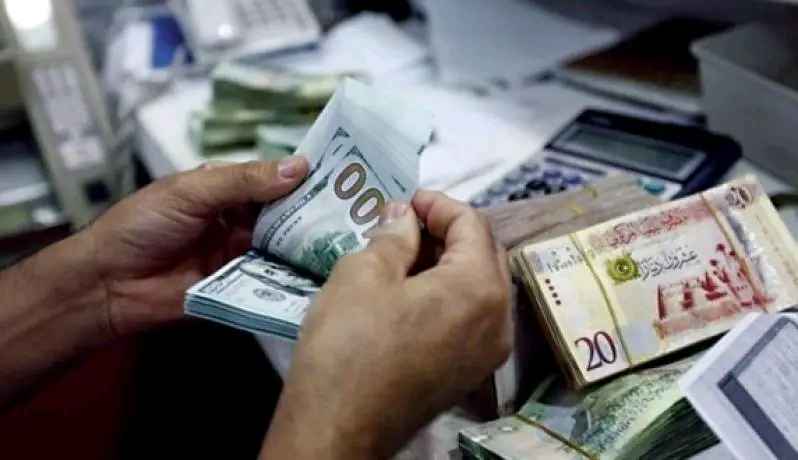
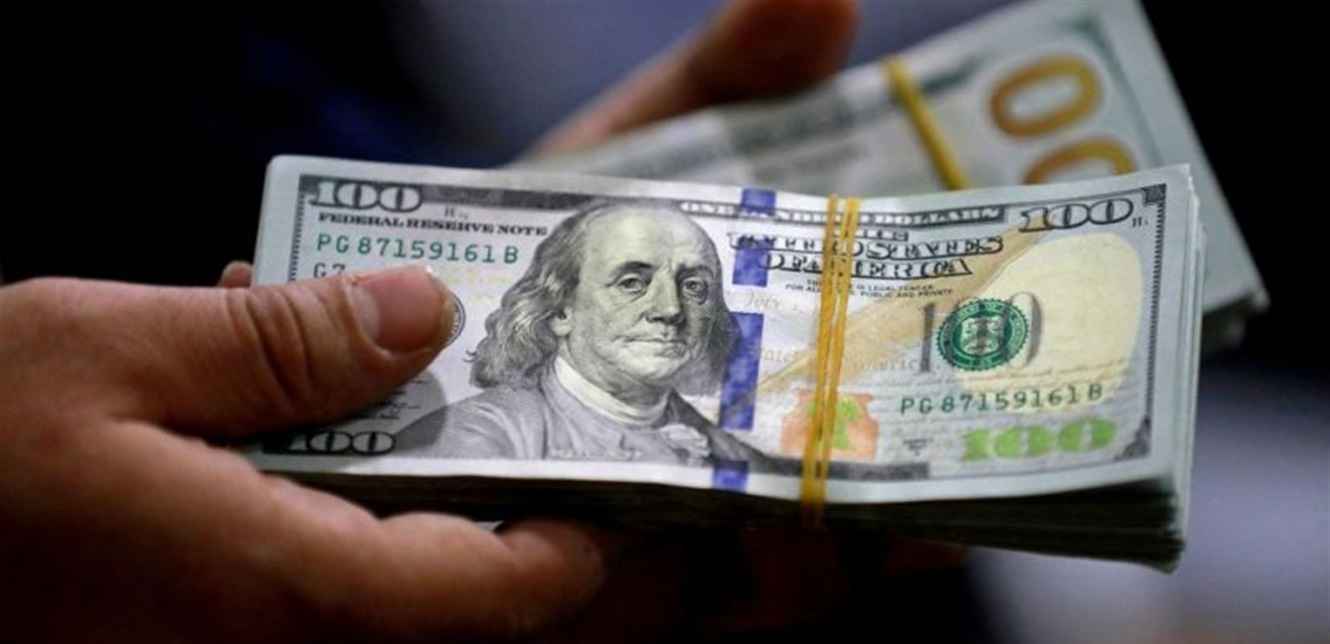
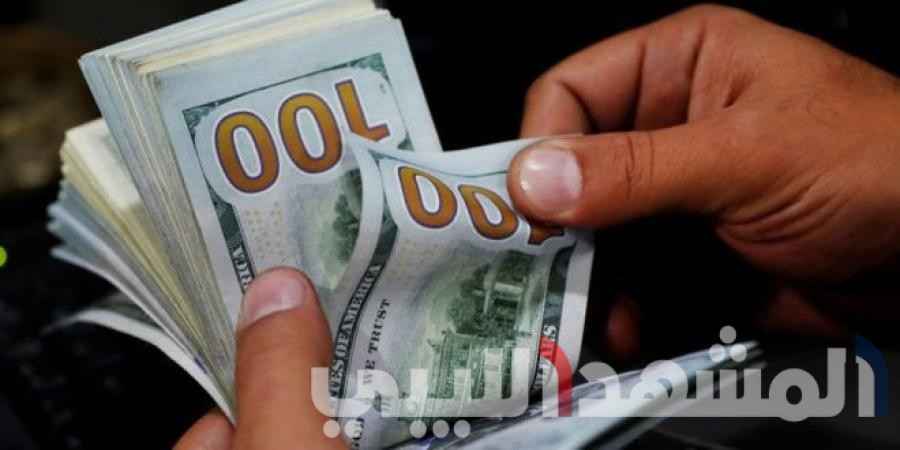
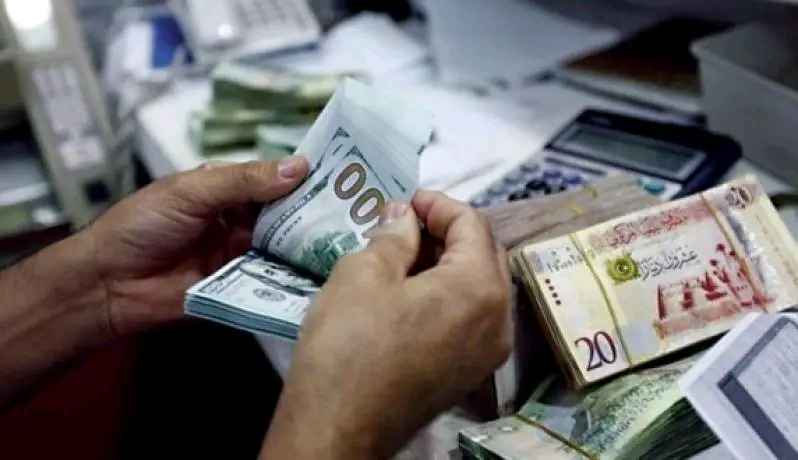
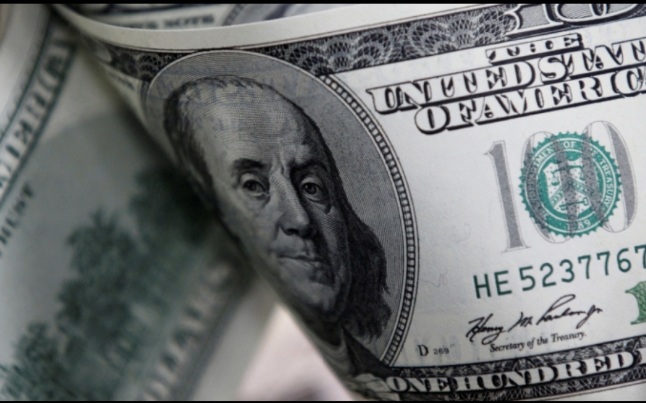
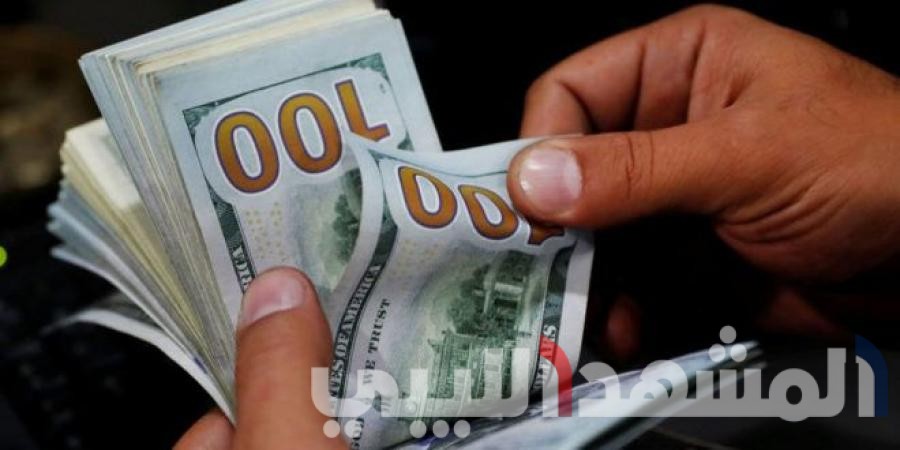
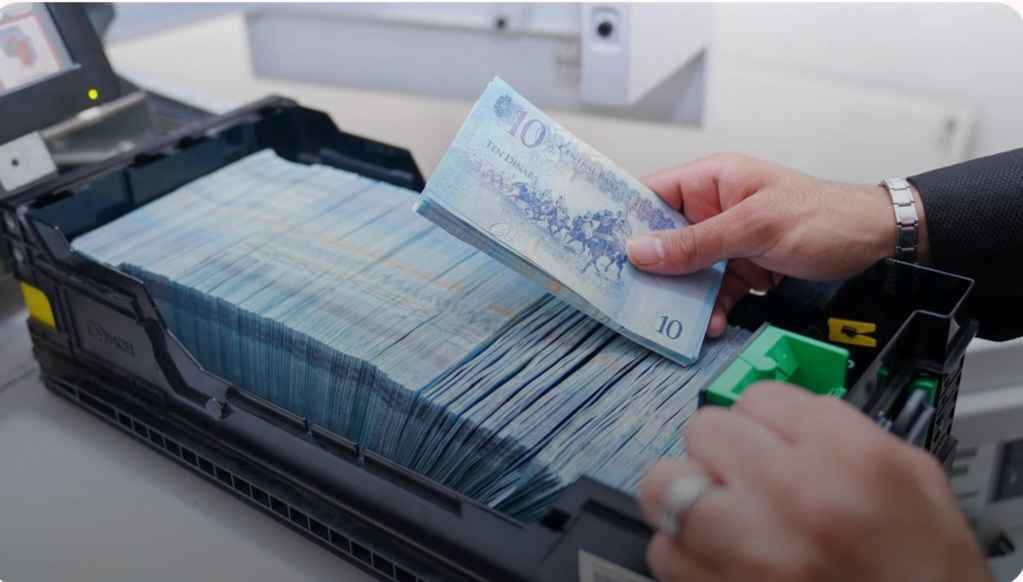
Tripoli | Economic Monitoring As trading closed on Thursday, January 8, 2026, Libya’s exchange markets witnessed a limited decline in the US dollar exchange rate via “bank checks” of approximately 4 qirsh. However, prices remain firmly above the 10 dinar barrier in most commercial banks.
📊 Dollar Exchange Rates via Bank Checks at Closing
Prices showed a slight variation between banks and cities (Tripoli and Benghazi) as follows:
| Bank |
Sell Price (Dinar) |
Buy Price (Dinar) |
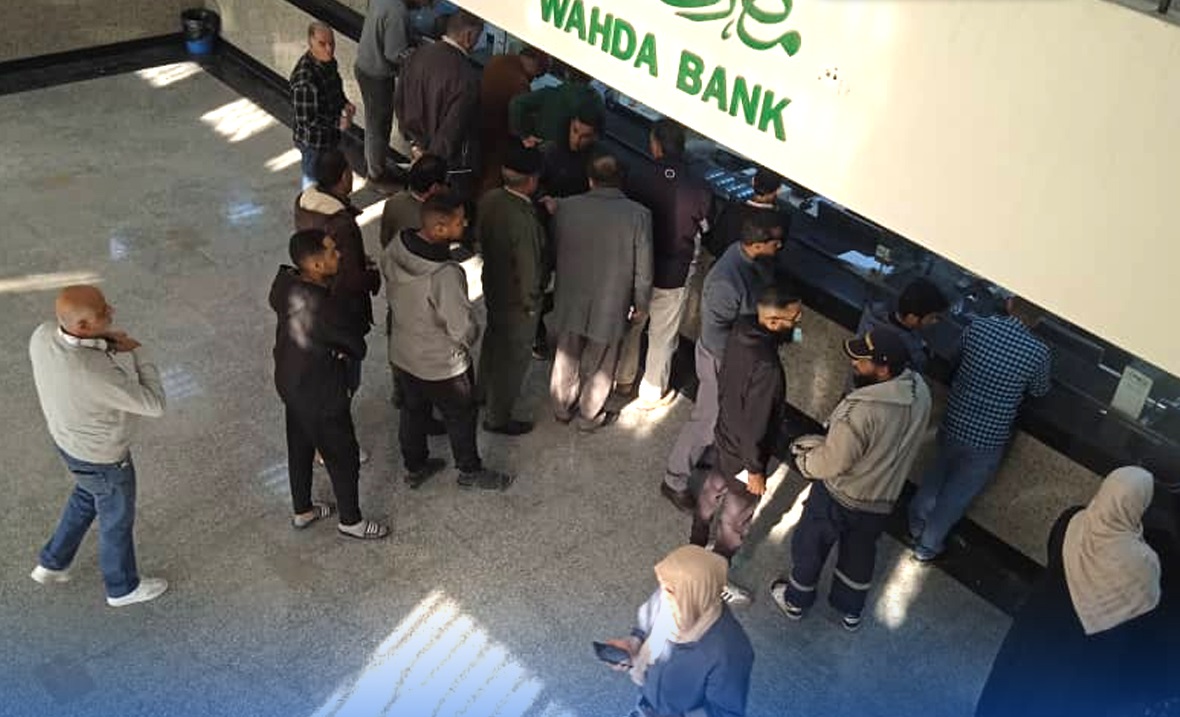
| Trade and Development / Al-Wahda (Tripoli) |
10.070 |
10.0675 |
| Development / Al-Wahda (Benghazi) |
10.090 |
10.0875 |
| Al-Jumhouria / National Commercial / North Africa |
10.060 |
10.0575 |
| Al-Sahari / Al-Waha / Islamic |
10.060 |
10.0575 |
| Al-Aman / Al-Muttahid / Al-Nouran |
10.050 |
10.0475 |
Central Bank Move: One Billion Dollars to Rescue the Situation
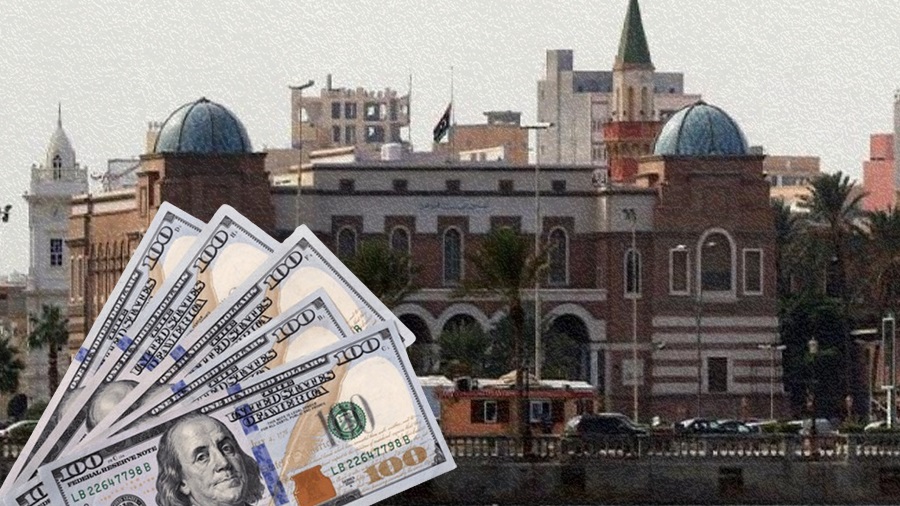
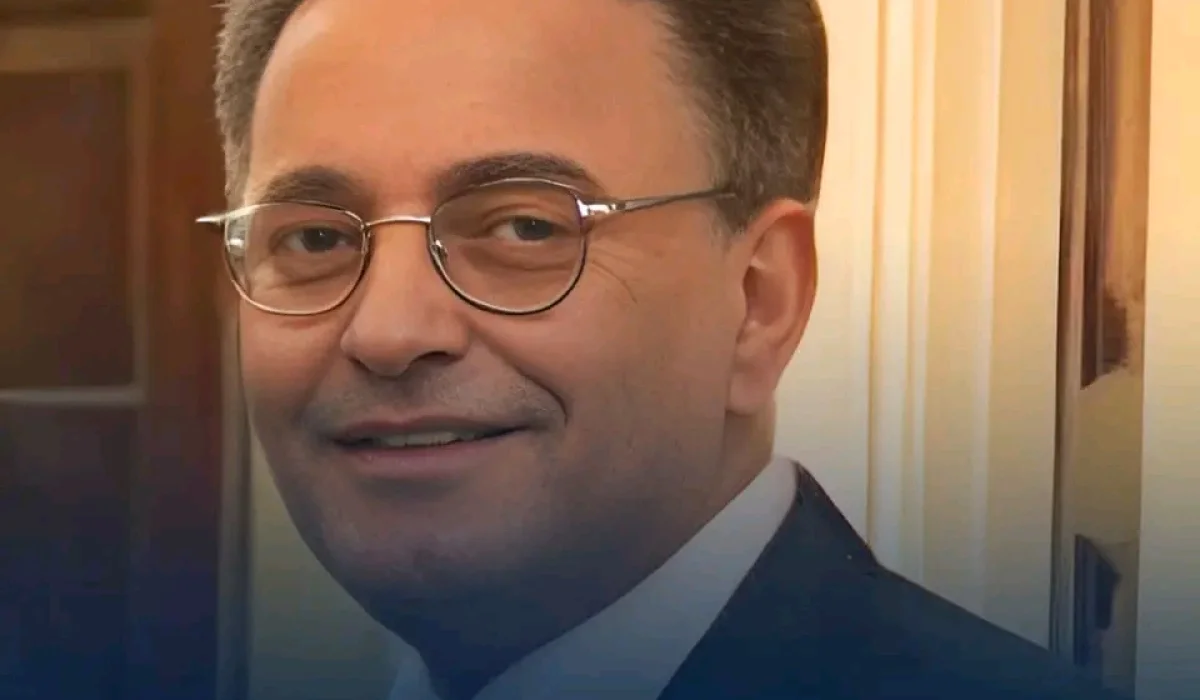
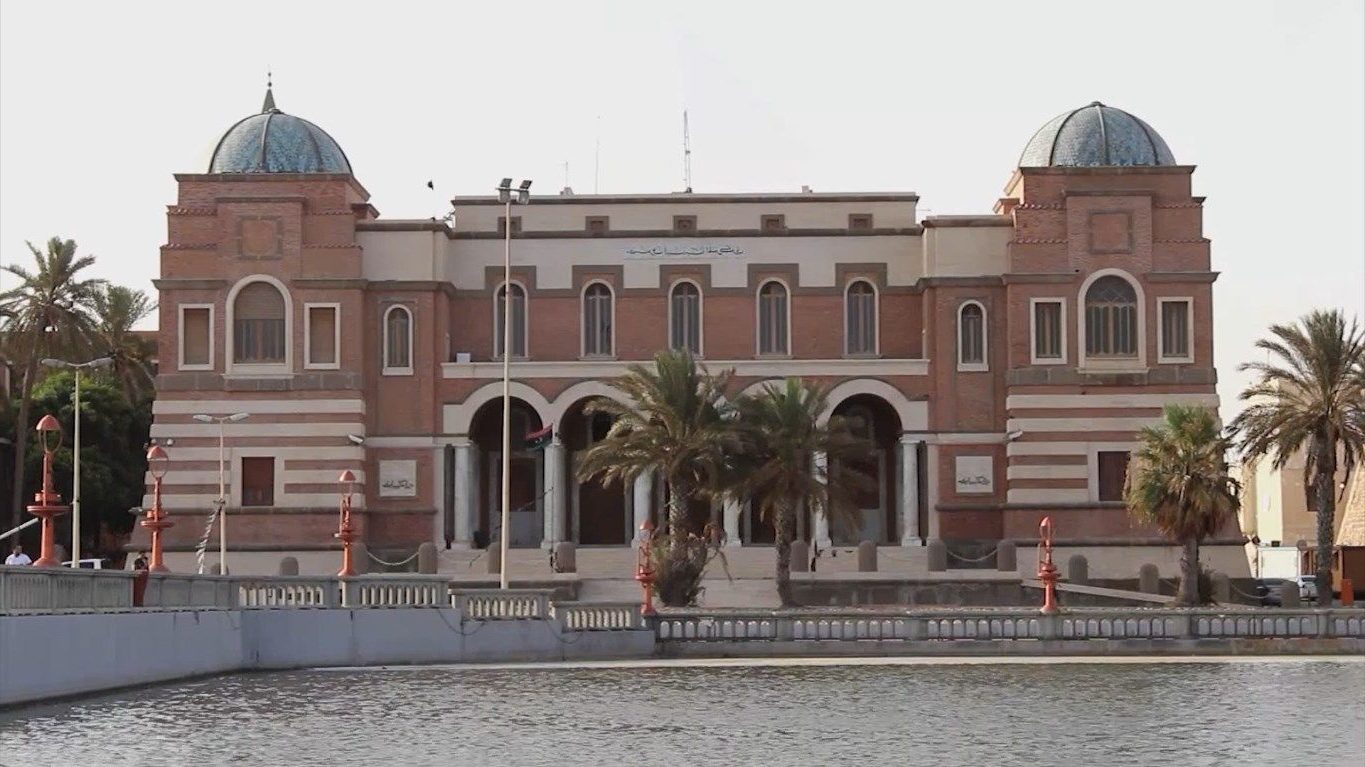
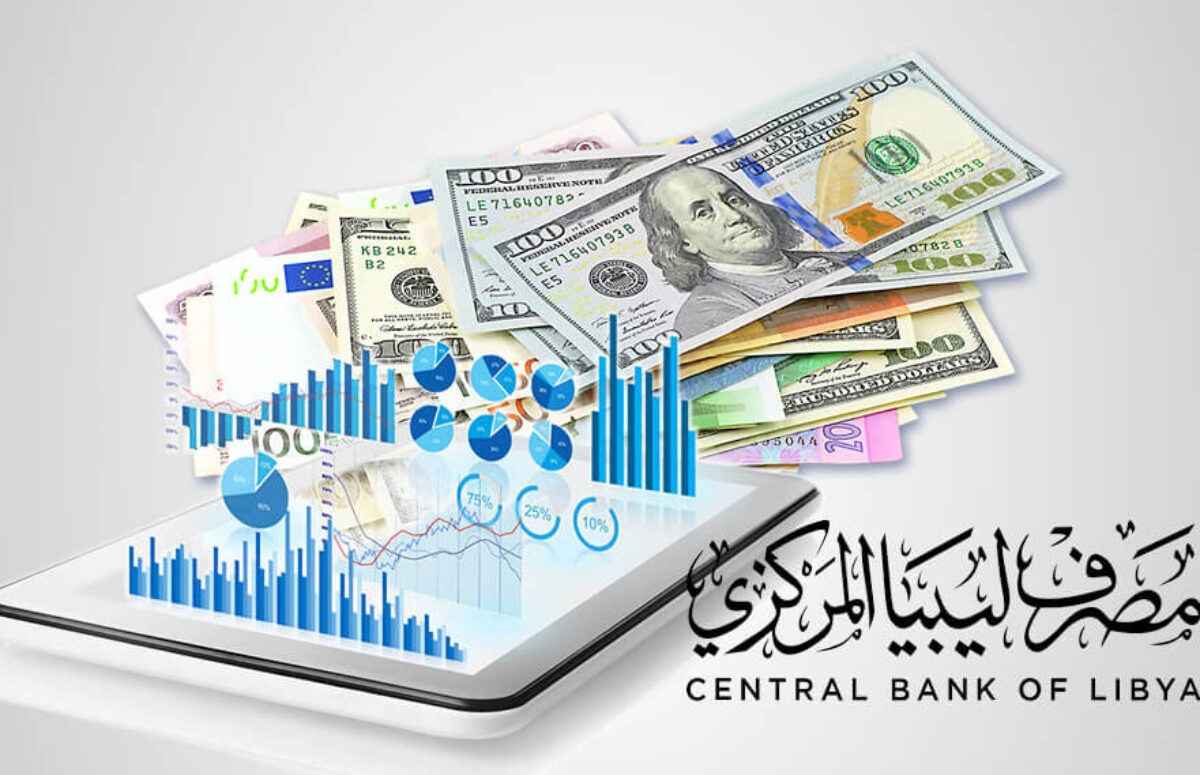
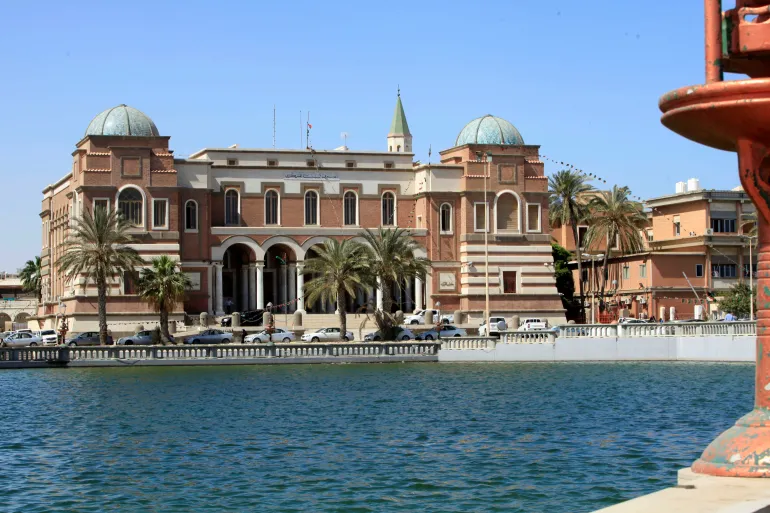
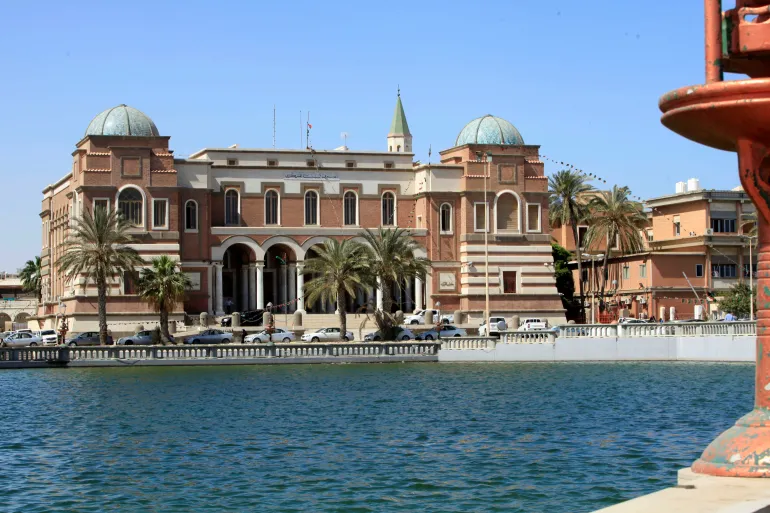
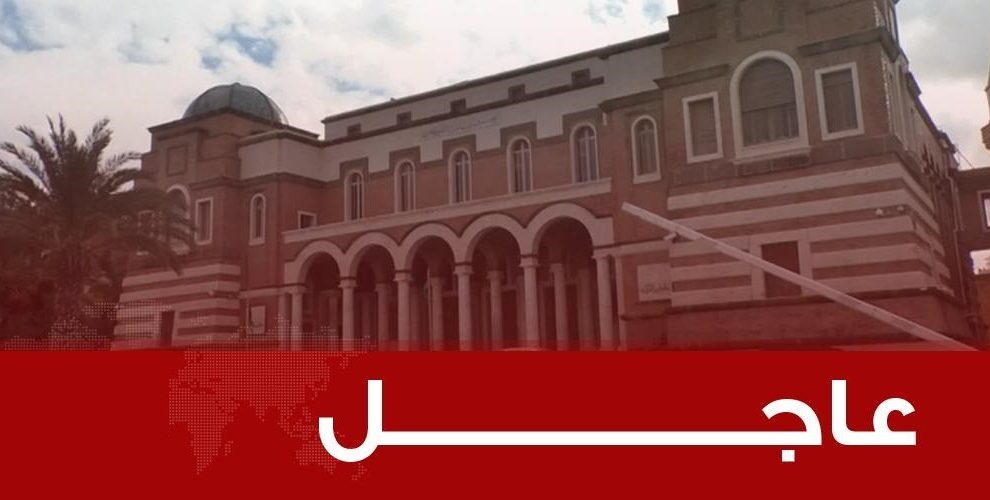
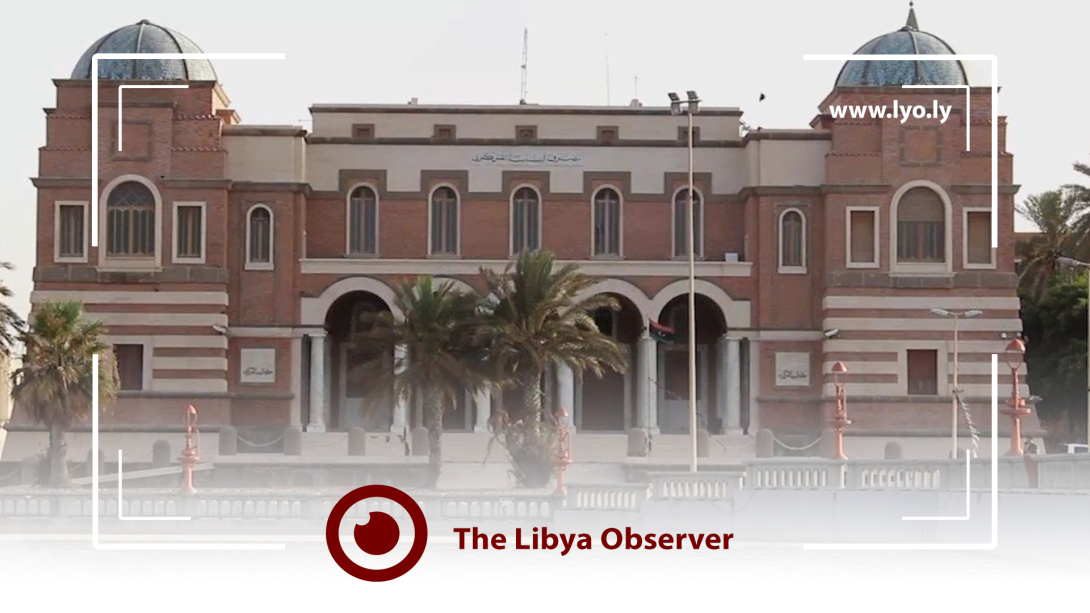
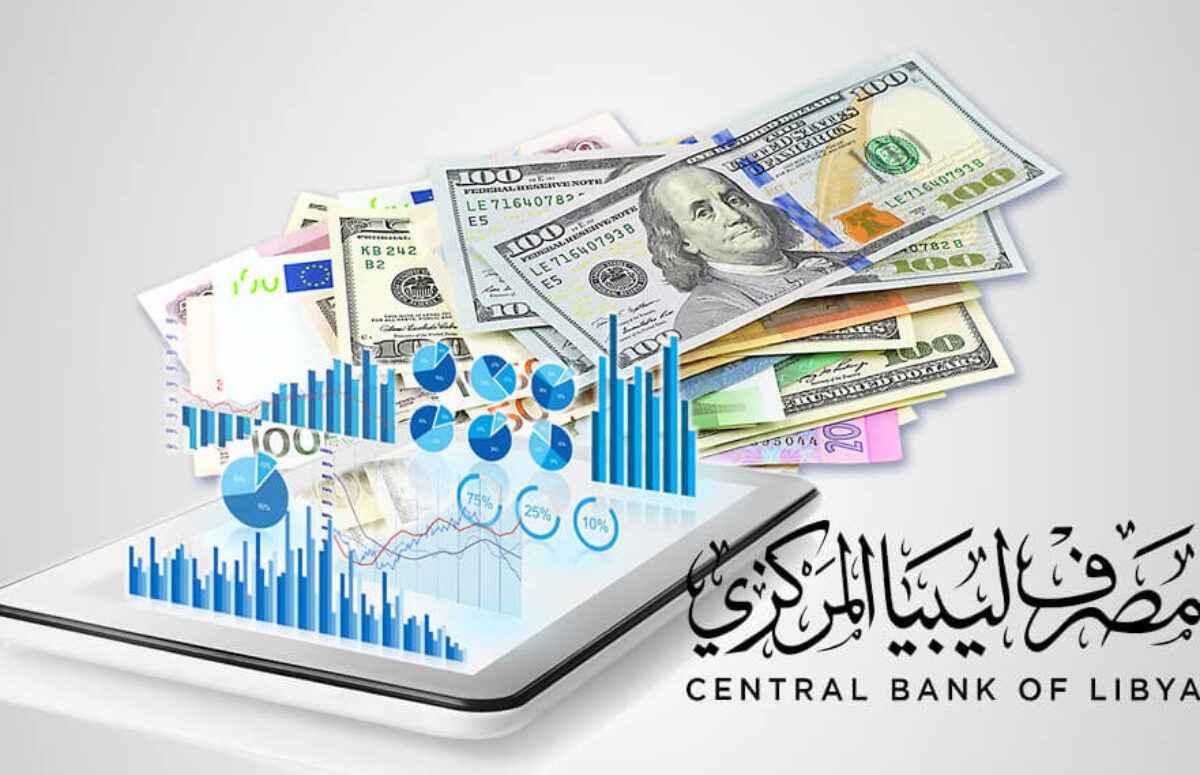
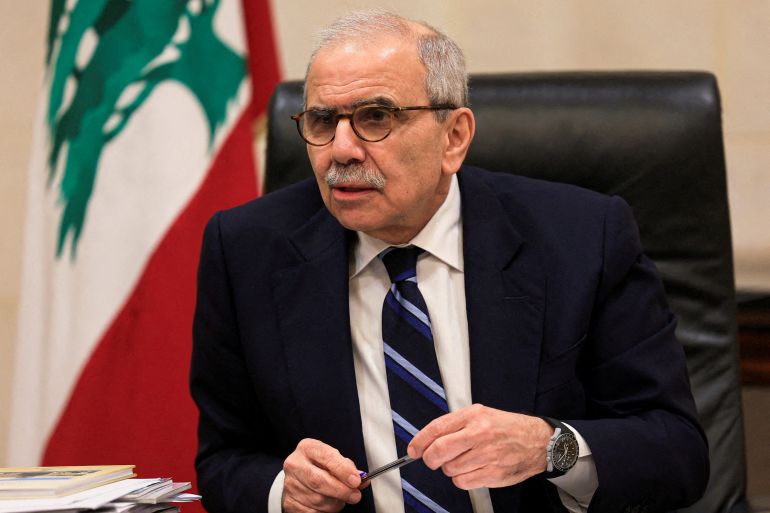
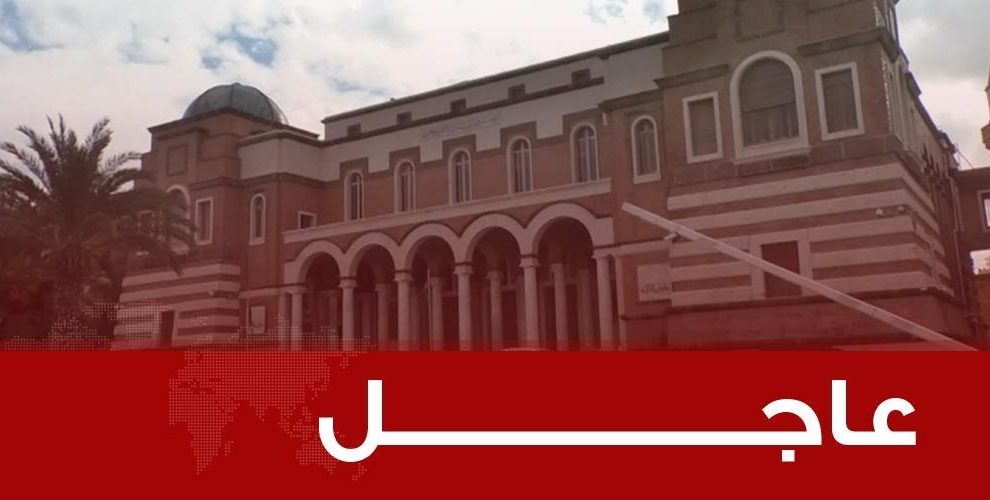
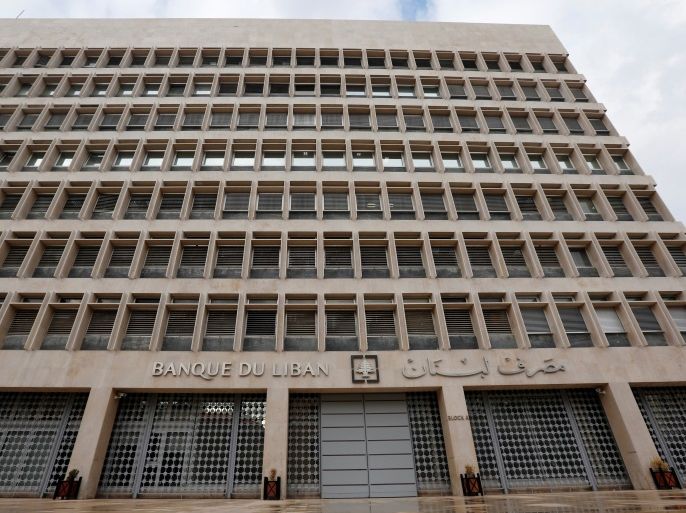
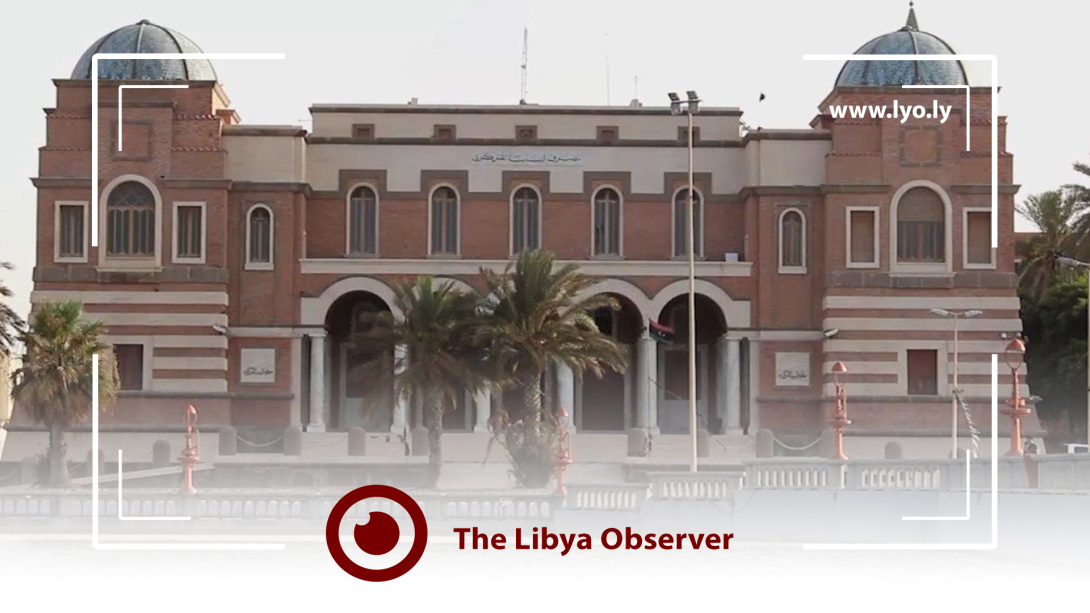
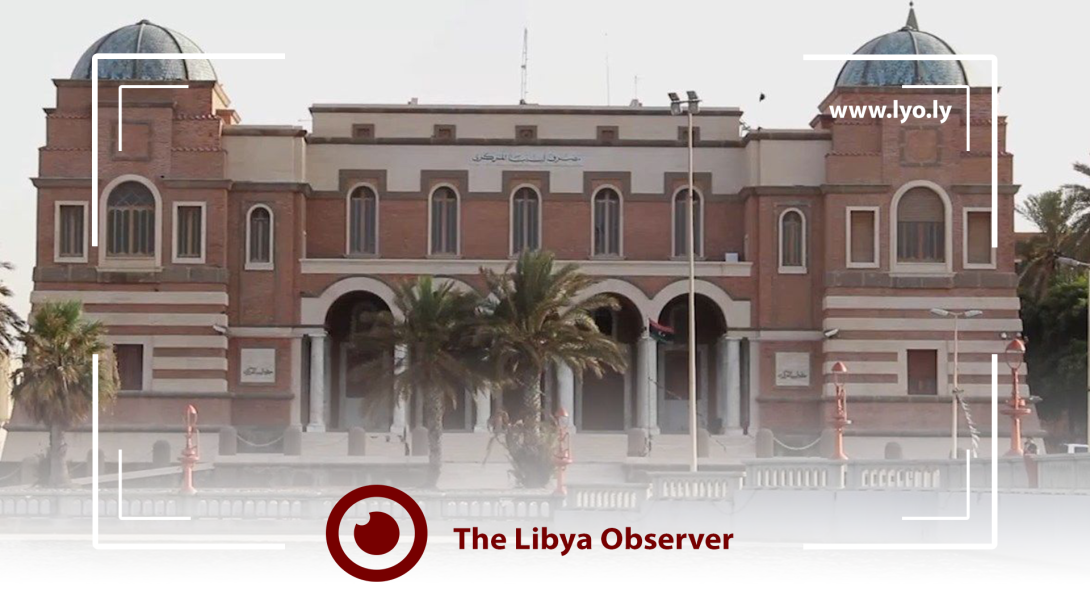
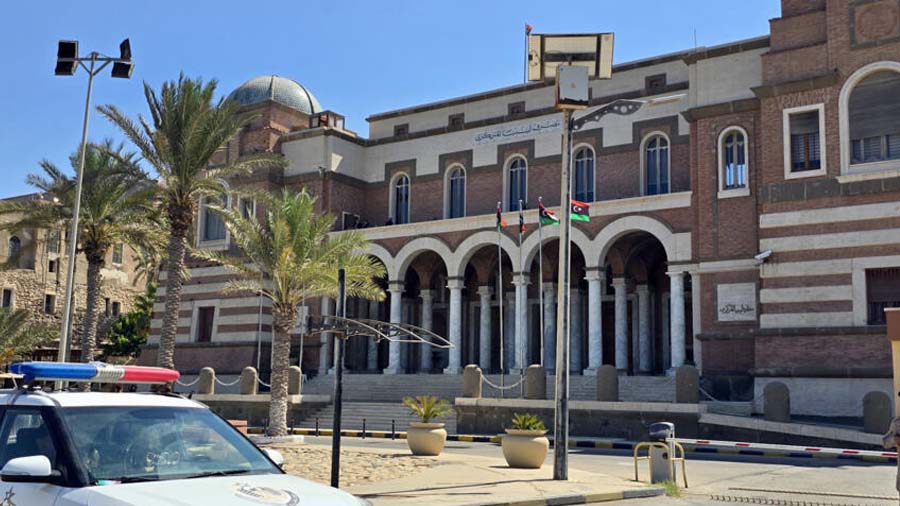
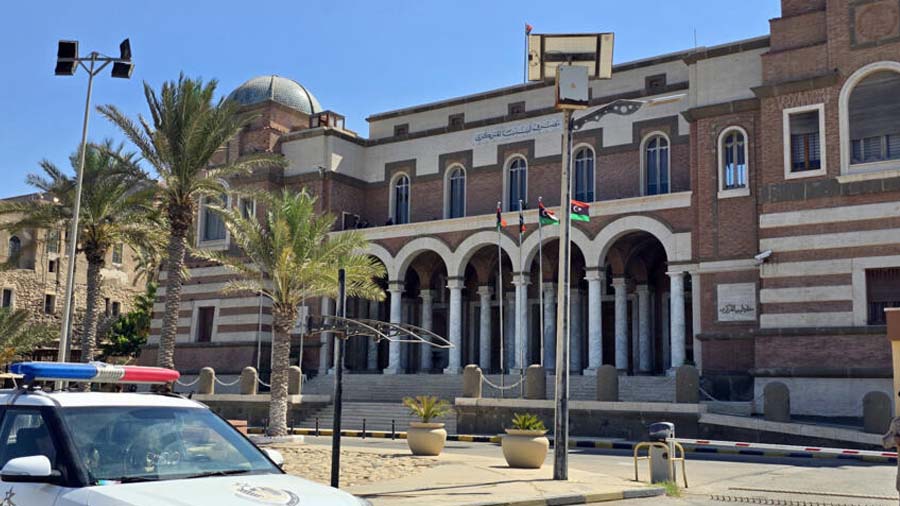
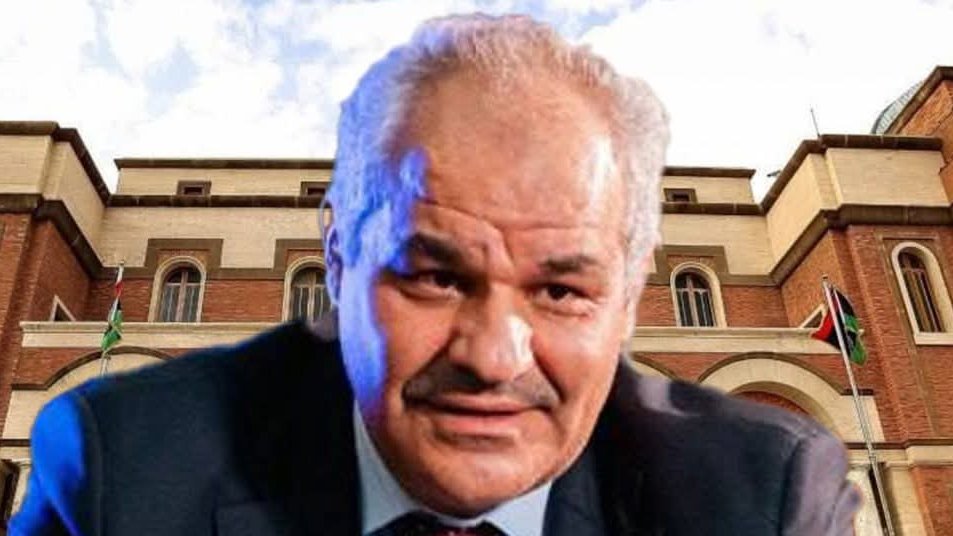
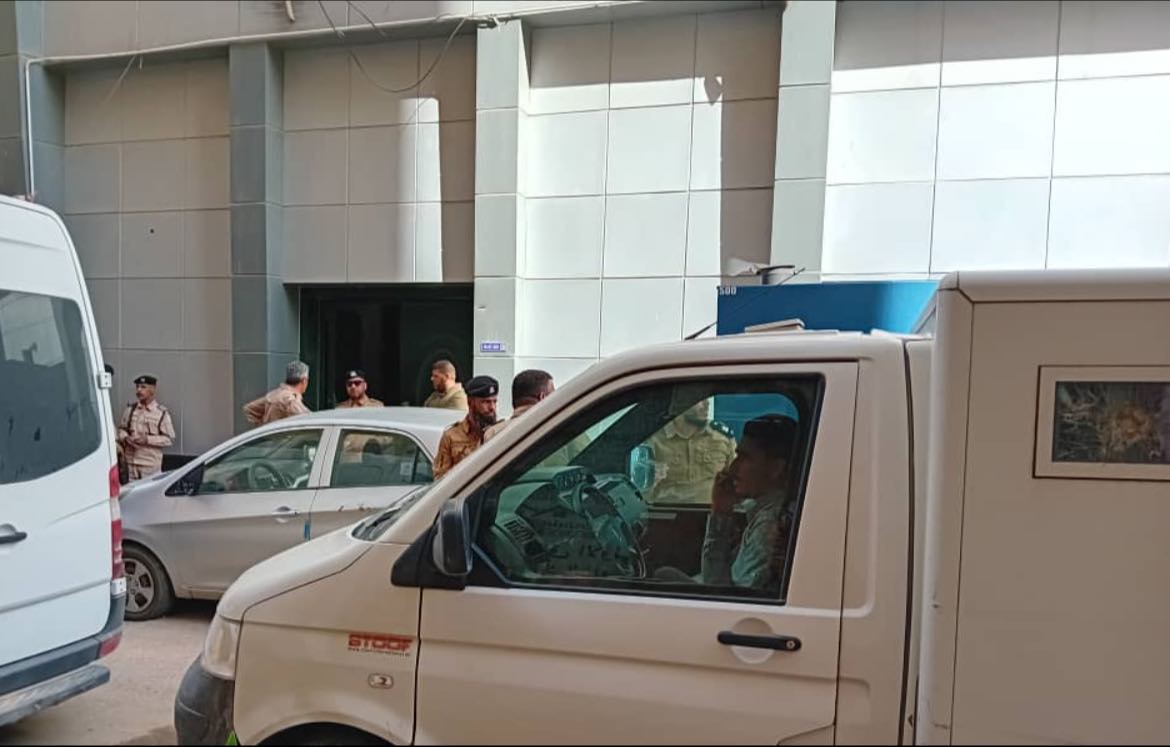
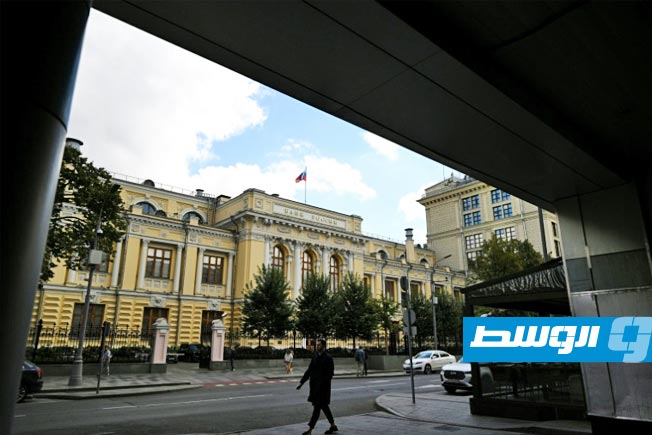
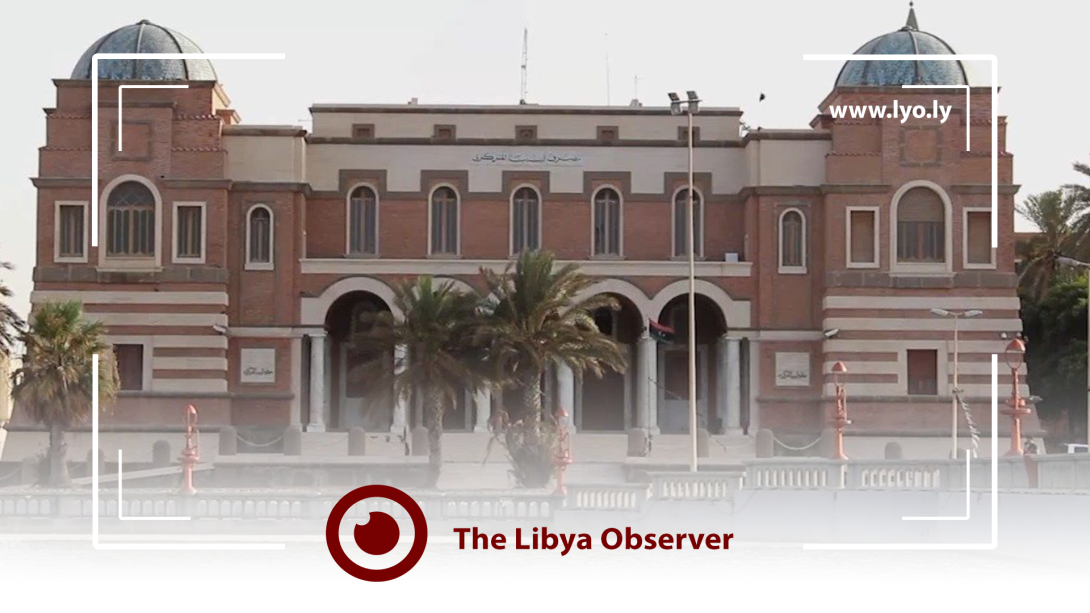
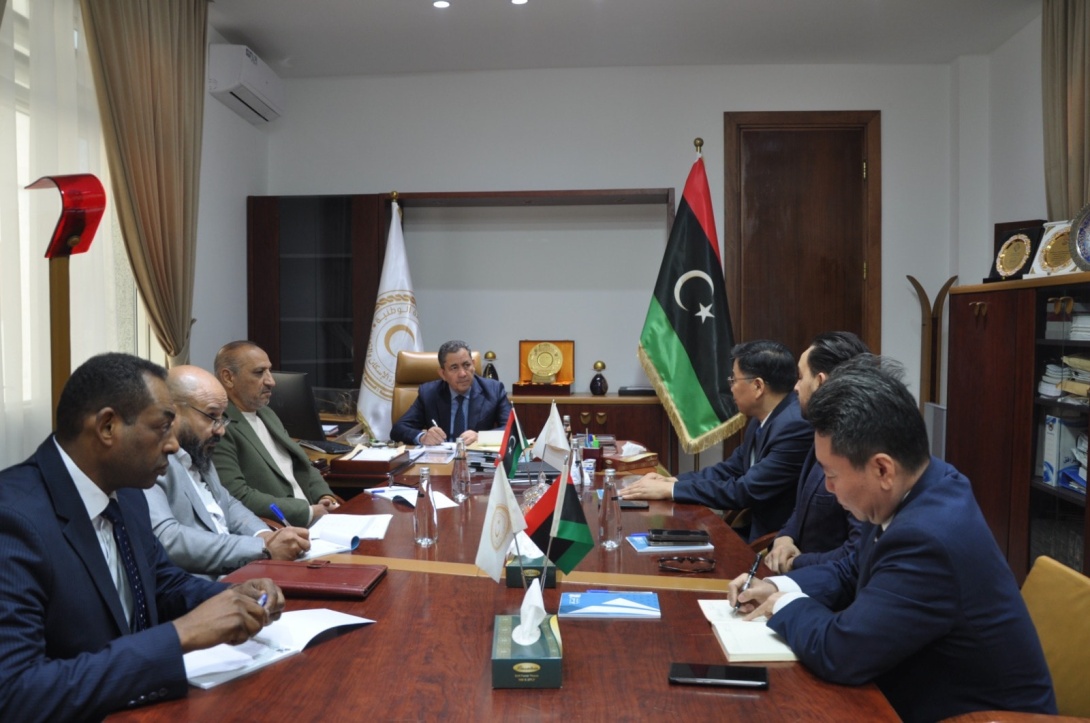
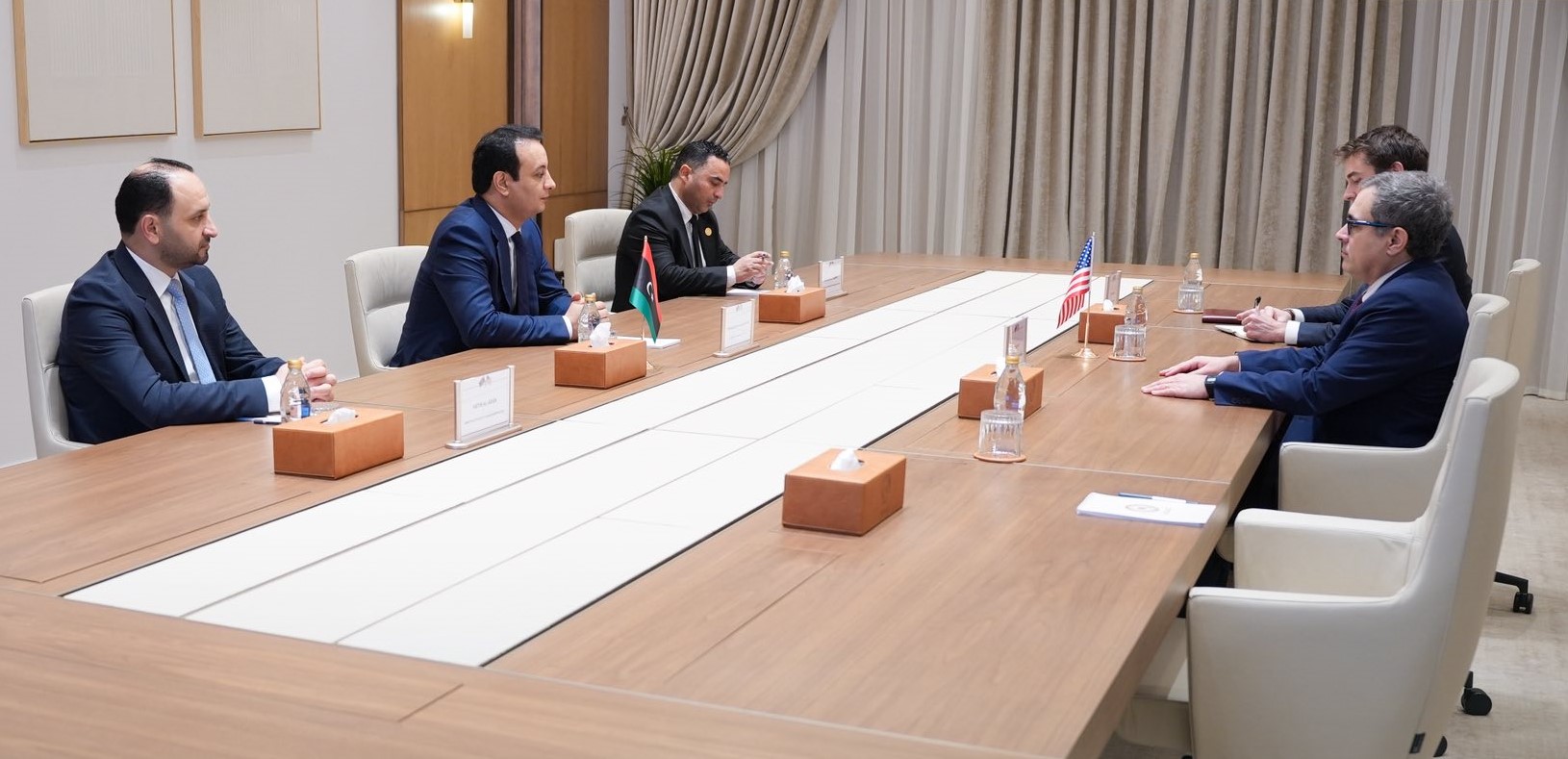
This slight decline coincides with an announcement from a source at the Central Bank of Libya regarding the commencement of a one-billion-dollar sale to commercial banks to cover foreign currency requests. The Central Bank pledged to settle all remaining amounts to ensure market stability.
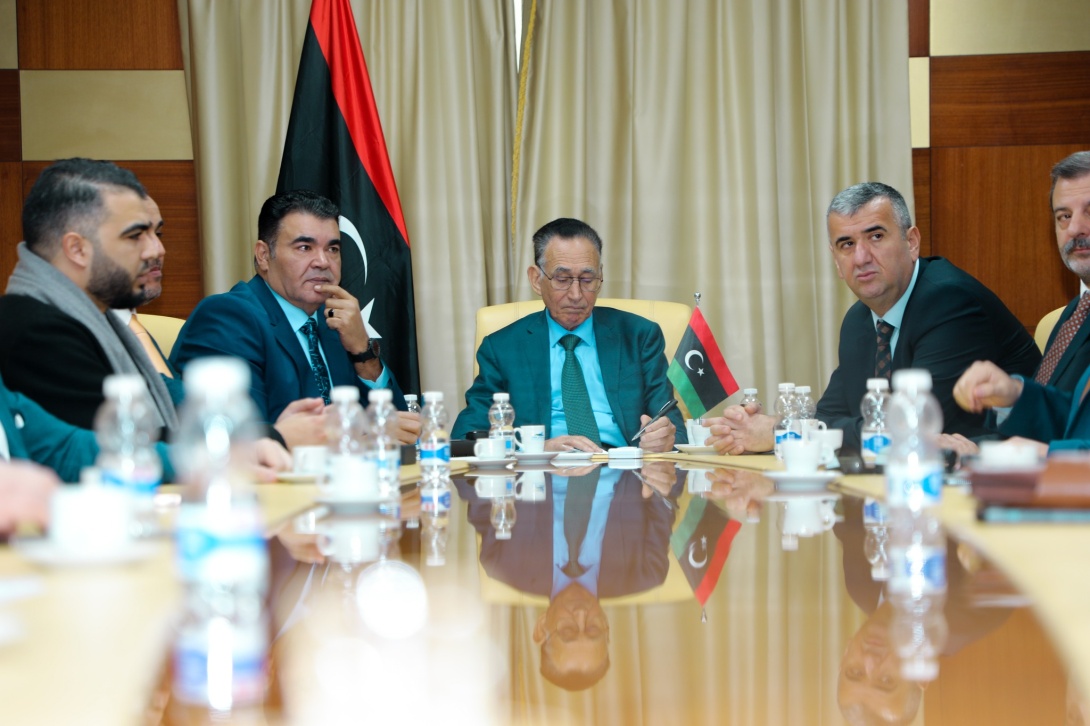
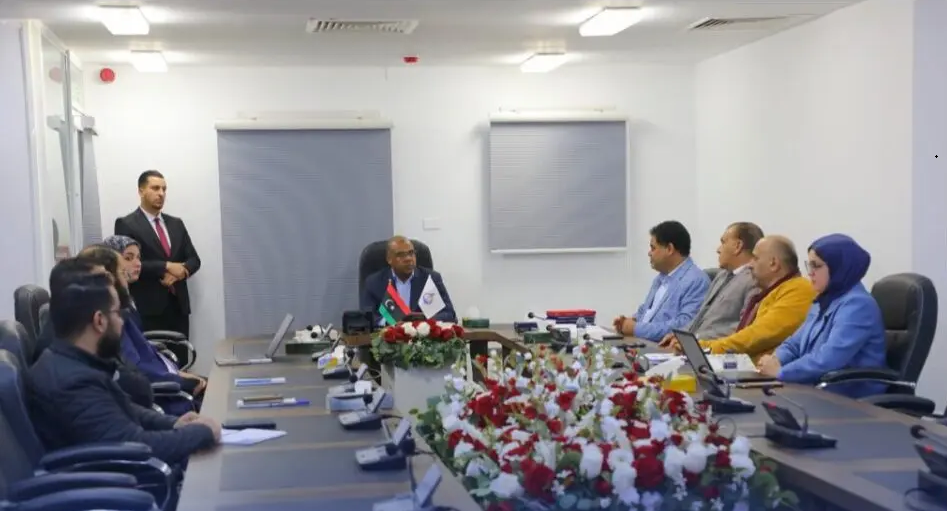
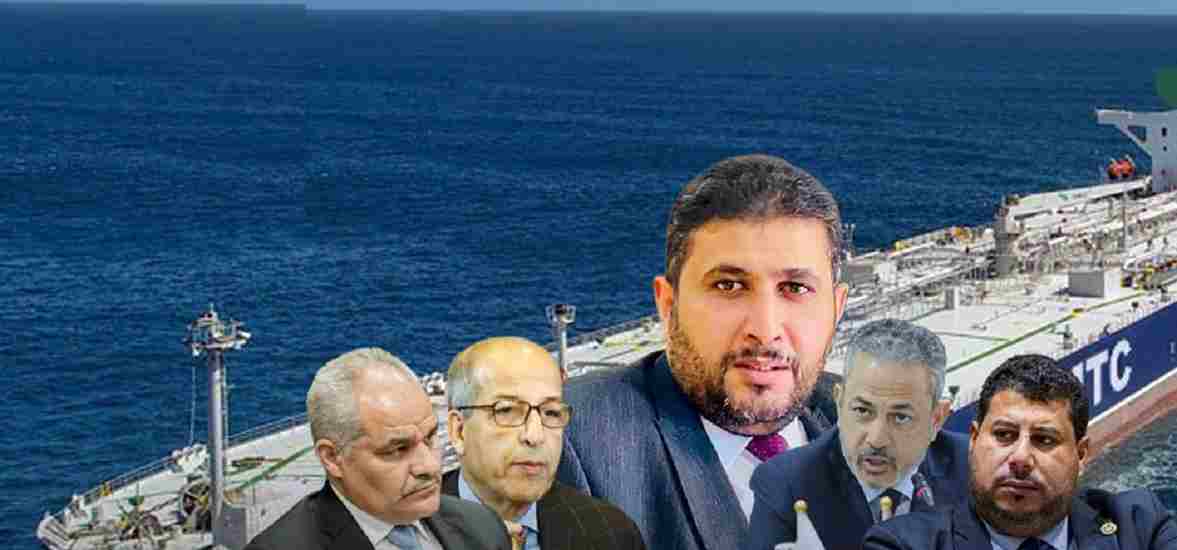
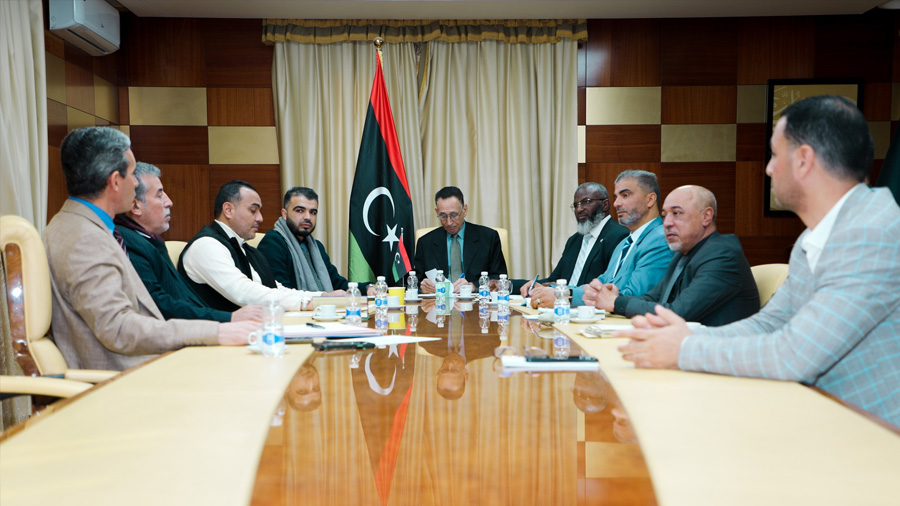
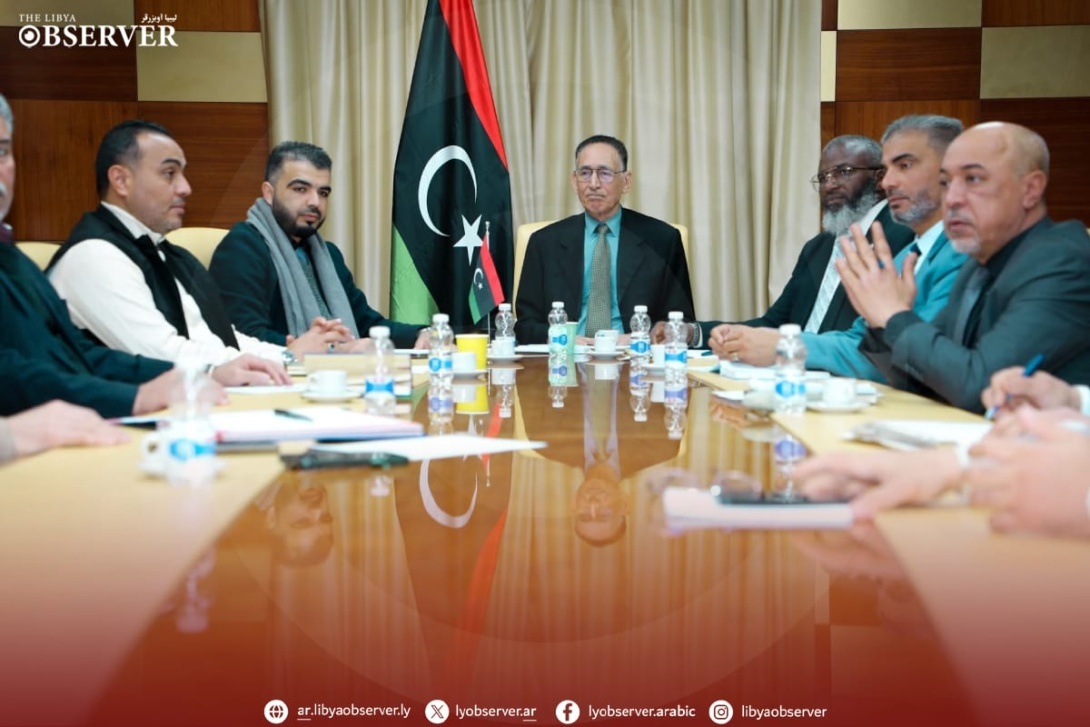
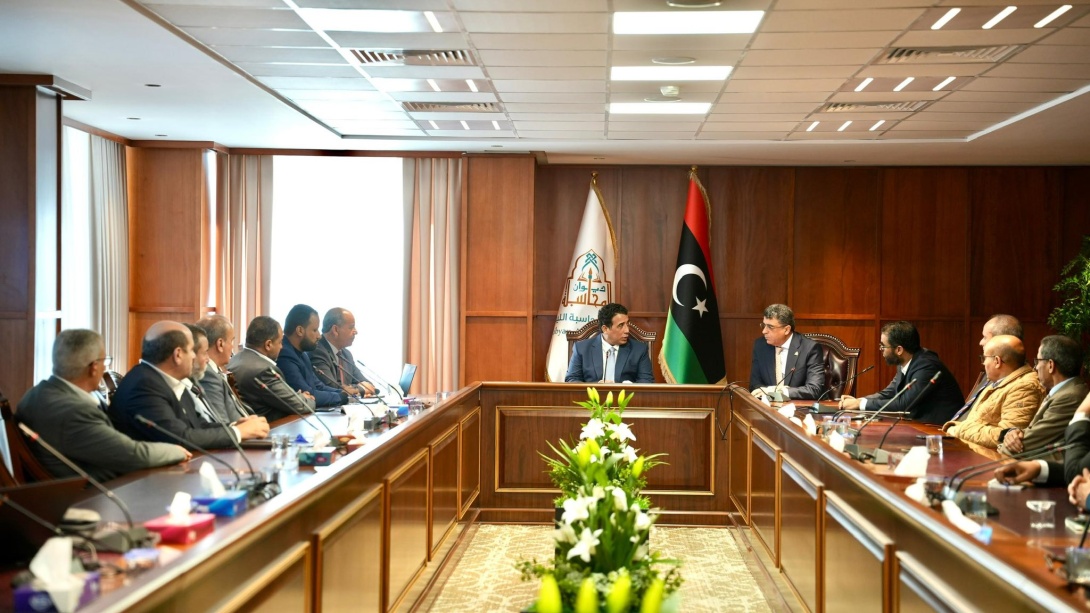
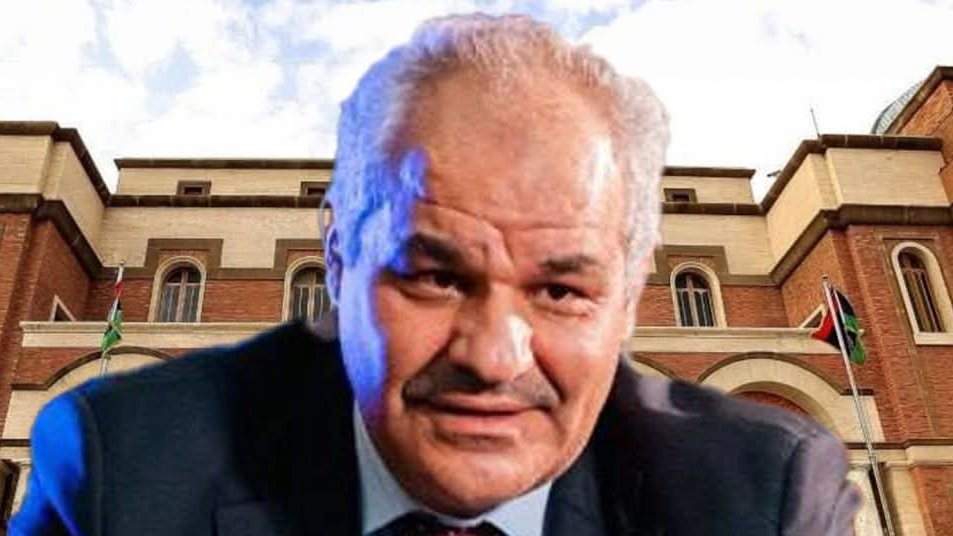
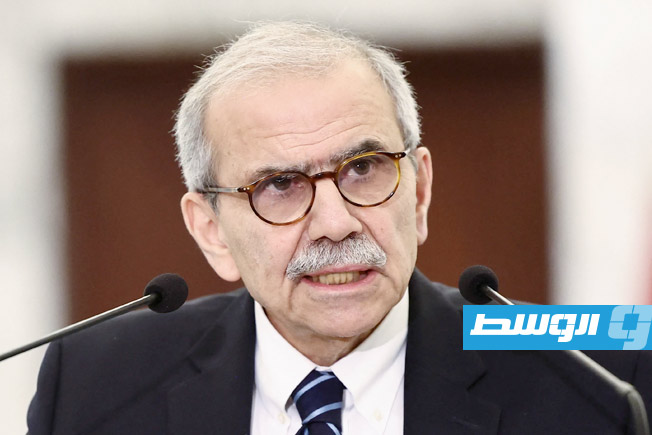
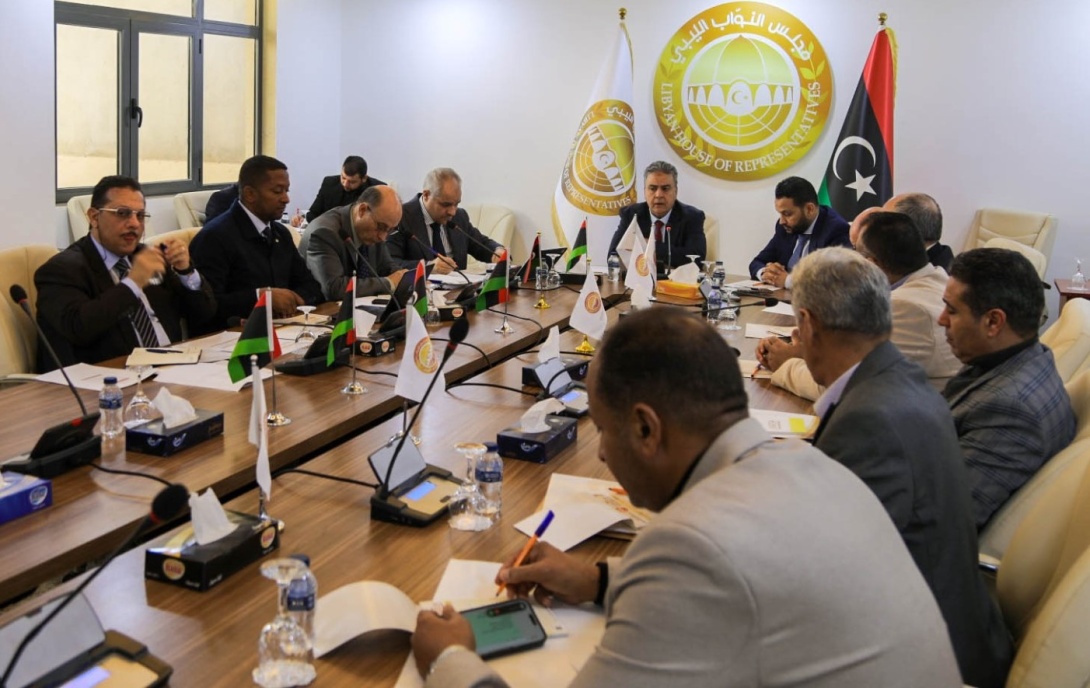
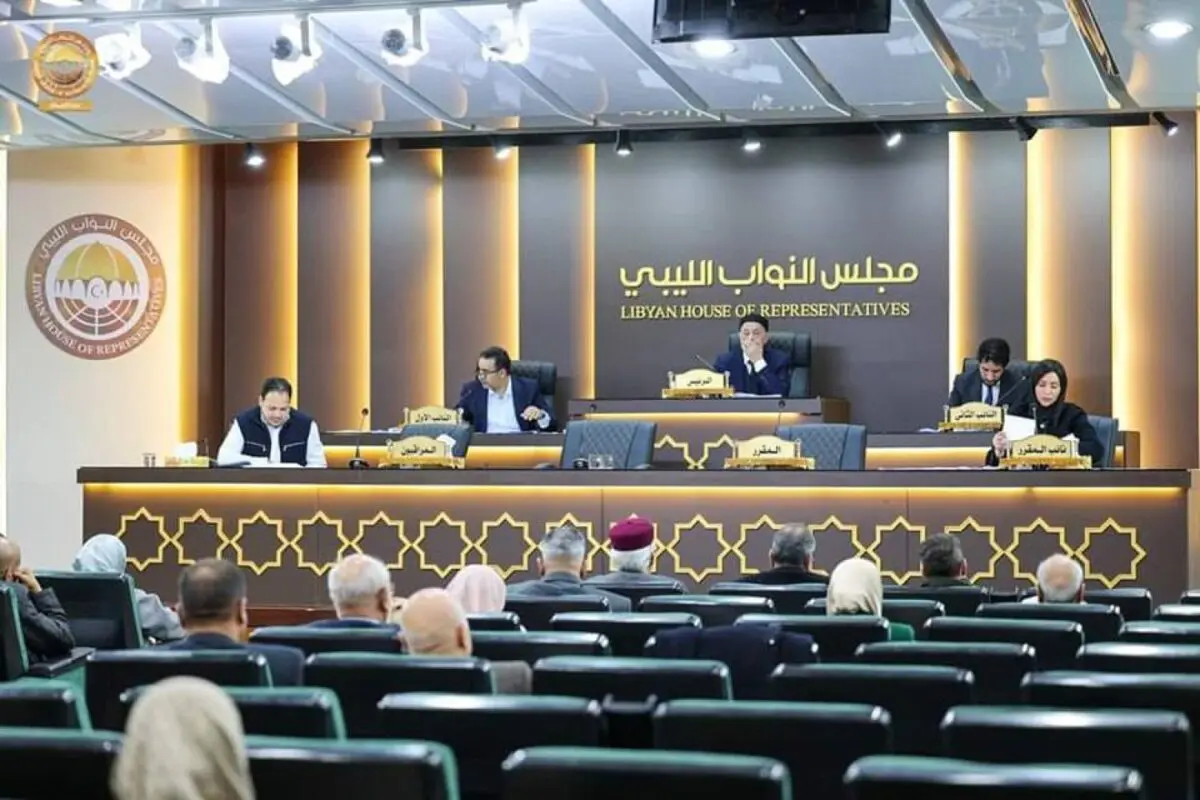
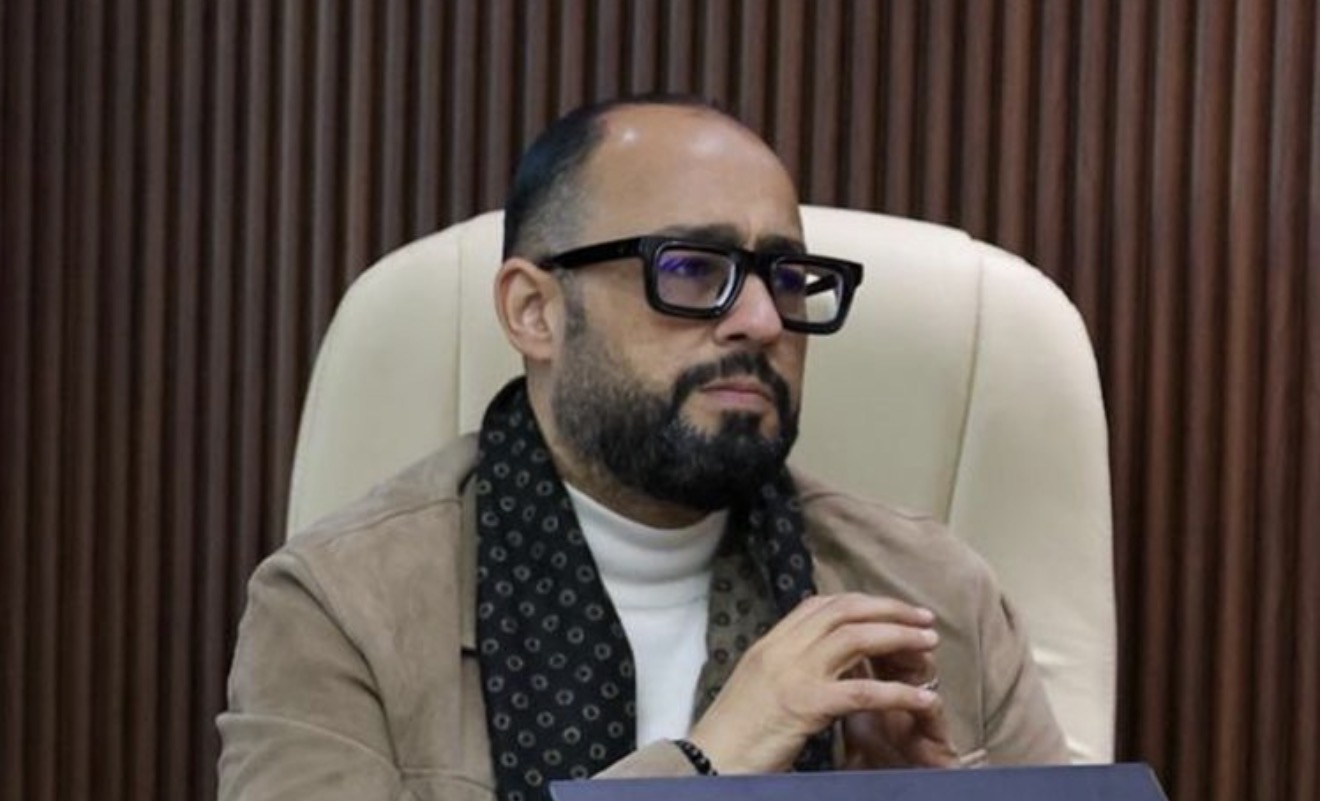
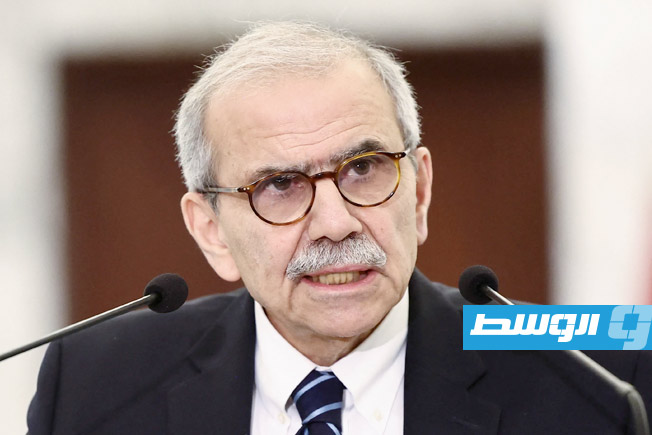
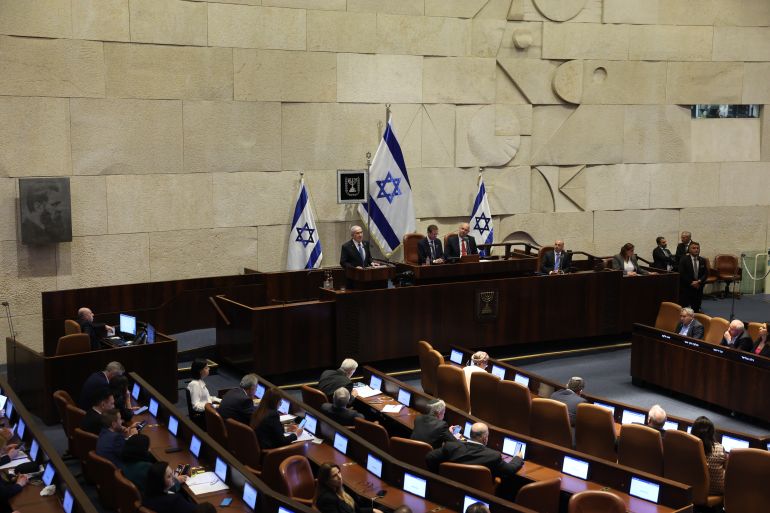
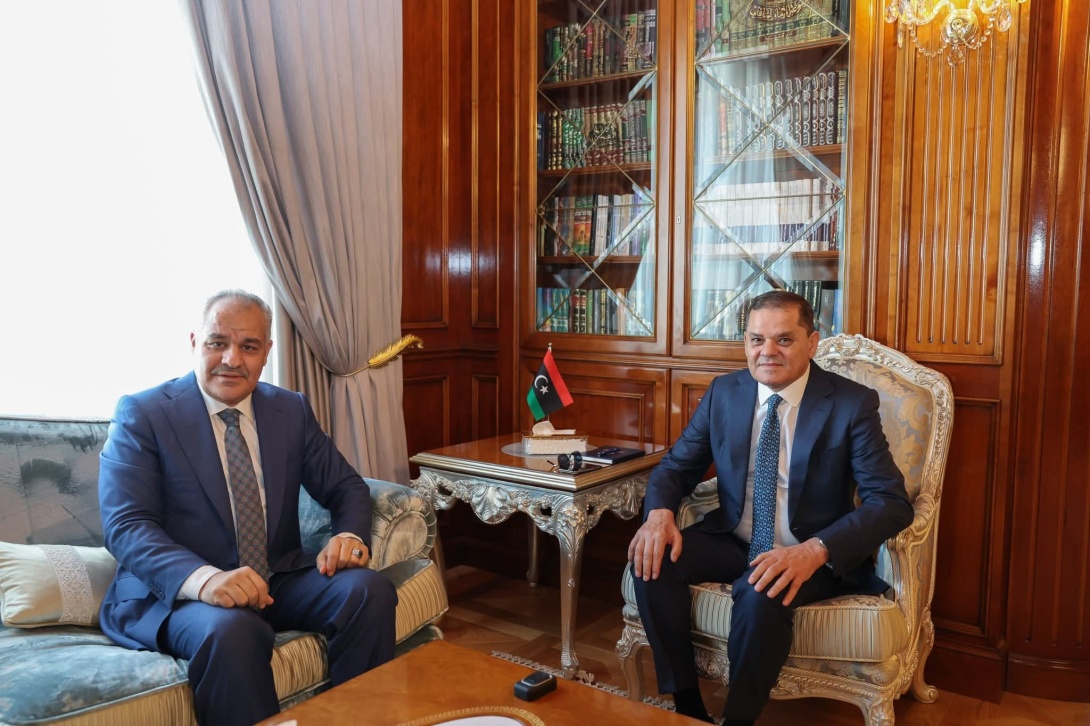
These moves come amid intense regulatory pressure, as the Speaker of the House of Representatives has summoned the Central Bank Governor and its board of directors for an official session in Benghazi next Monday. This marks the third such summons within a year, following previous attempts in April and November 2025 to hold the Governor accountable for exchange rate decisions and the escalating liquidity crisis. This reflects the state of political anticipation regarding the fate of monetary policies and currency stability in the face of successive economic crises.
Tripoli
Tripoli is the capital and largest city of Libya, with a history dating back to the 7th century BC when it was founded by the Phoenicians. It later came under Roman, Byzantine, Arab, Ottoman, and Italian rule, with its historic medina reflecting these diverse cultural influences. The city remains a major Mediterranean port and the political and economic center of modern Libya.
Libya
Libya is a North African country with a rich history rooted in ancient civilizations like the Phoenicians and Romans, followed by centuries of Arab and Ottoman influence. In the modern era, it was an Italian colony before gaining independence in 1951, later becoming known for Muammar Gaddafi’s lengthy rule from 1969 until the 2011 revolution. The country is home to UNESCO World Heritage sites, such as the ancient Greek ruins of Cyrene and the Roman city of Leptis Magna.
Benghazi
Benghazi is a major city in eastern Libya, historically significant as a center of trade and culture since its founding as the Greek colony of Euesperides. It played a pivotal role in the 2011 Libyan Revolution and served as a temporary seat of government, though it has also been a site of significant conflict and instability in the years since.
Central Bank of Libya
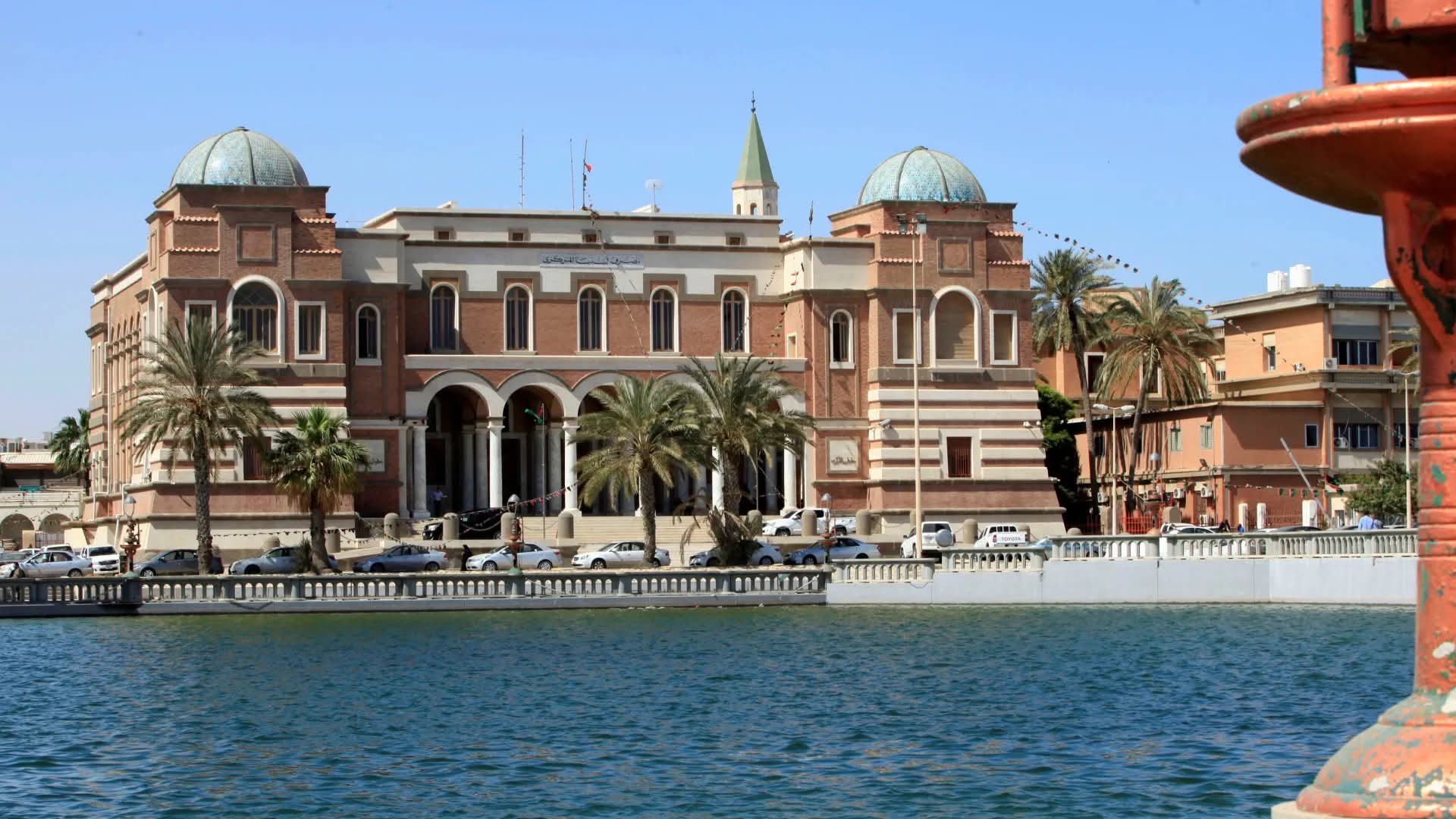
The Central Bank of Libya is the primary monetary authority of Libya, established in 1956 to issue currency and manage the country’s financial reserves. It has played a critical and often contested role throughout Libya’s modern history, including during the Gaddafi era and the subsequent period of conflict, where it has been central to economic governance and international sanctions.
House of Representatives
The House of Representatives is the lower chamber of the United States Congress, established by the Constitution in 1789. It is composed of representatives elected from congressional districts, with representation based on state population, and holds primary responsibility for initiating revenue bills.