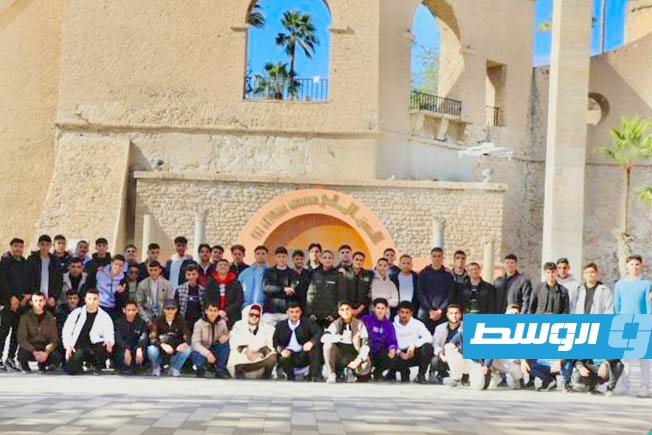
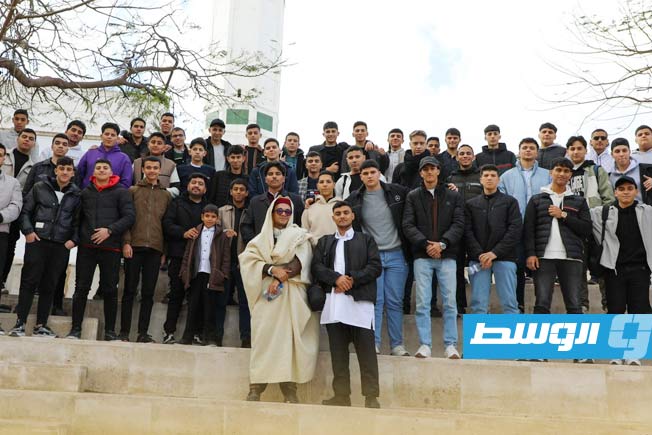
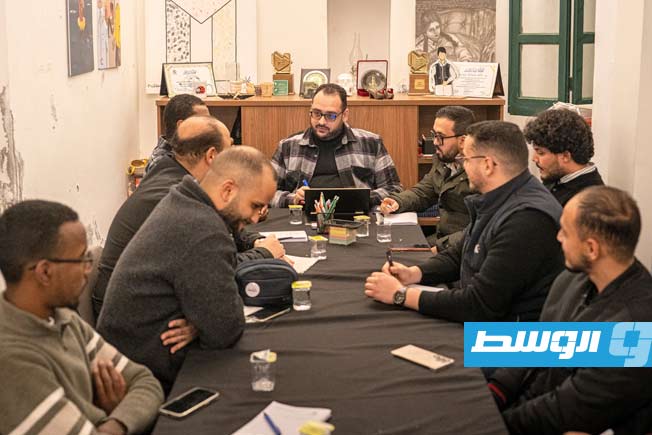
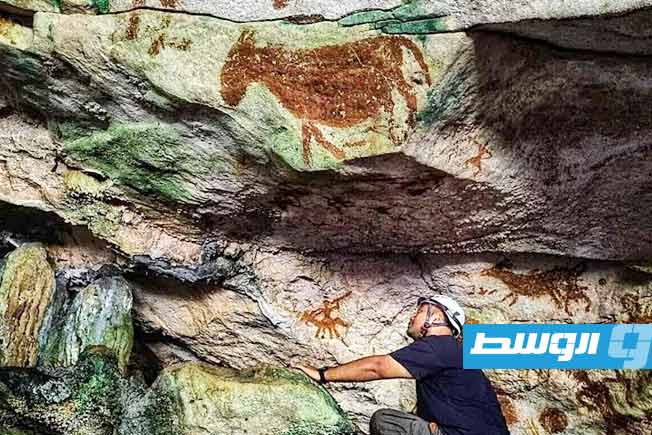
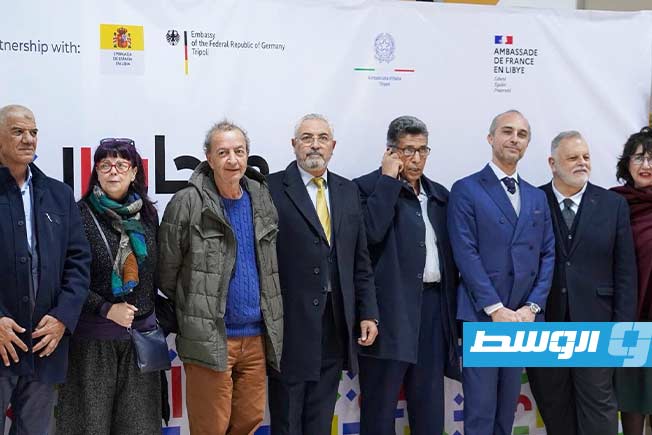
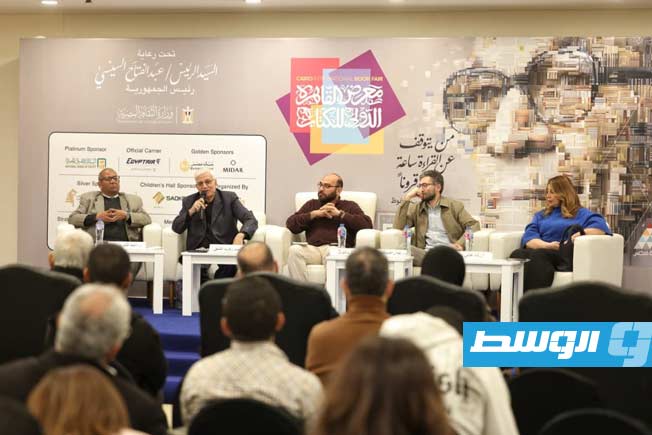
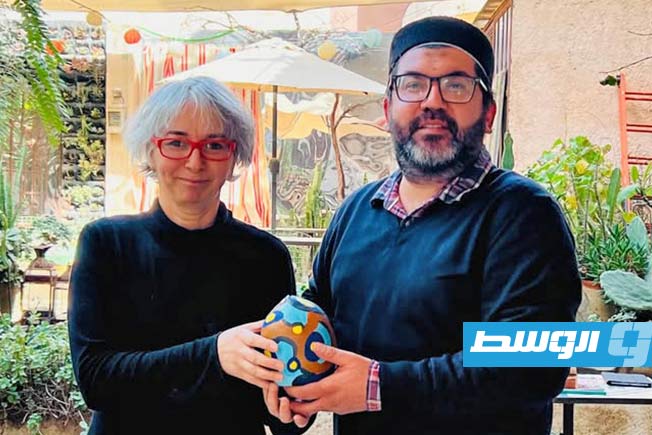
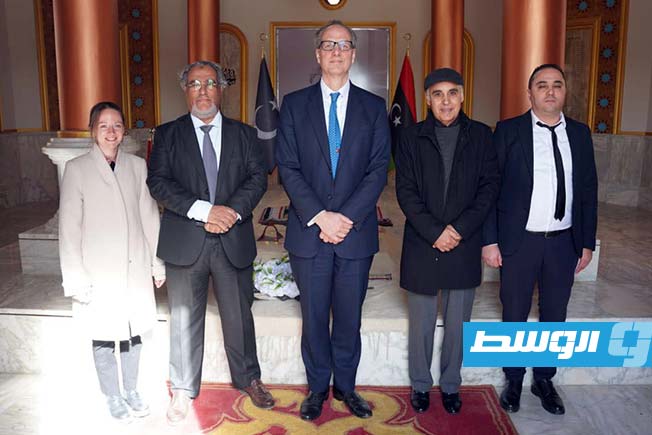
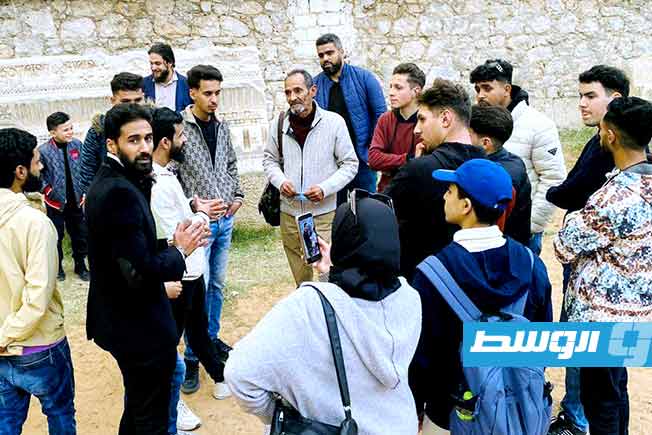
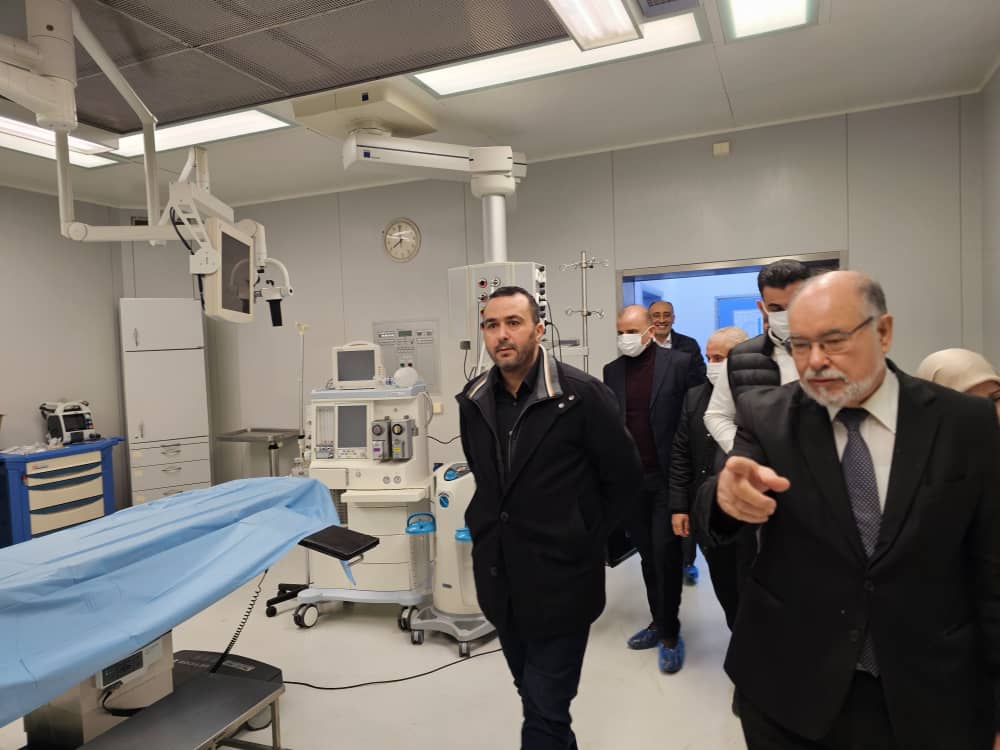
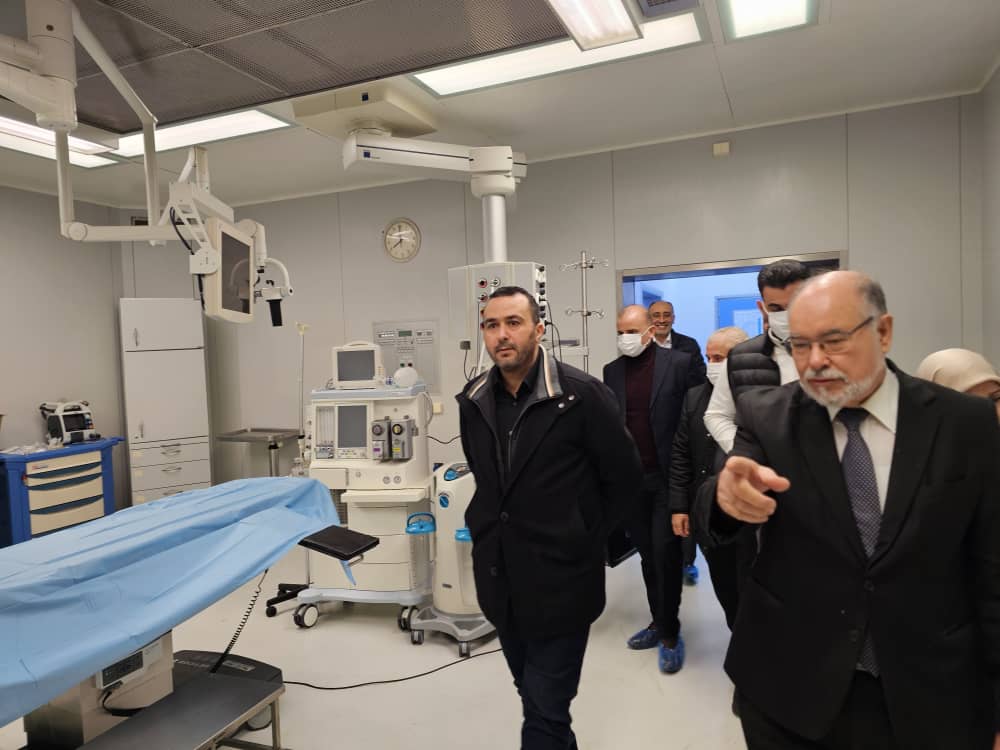
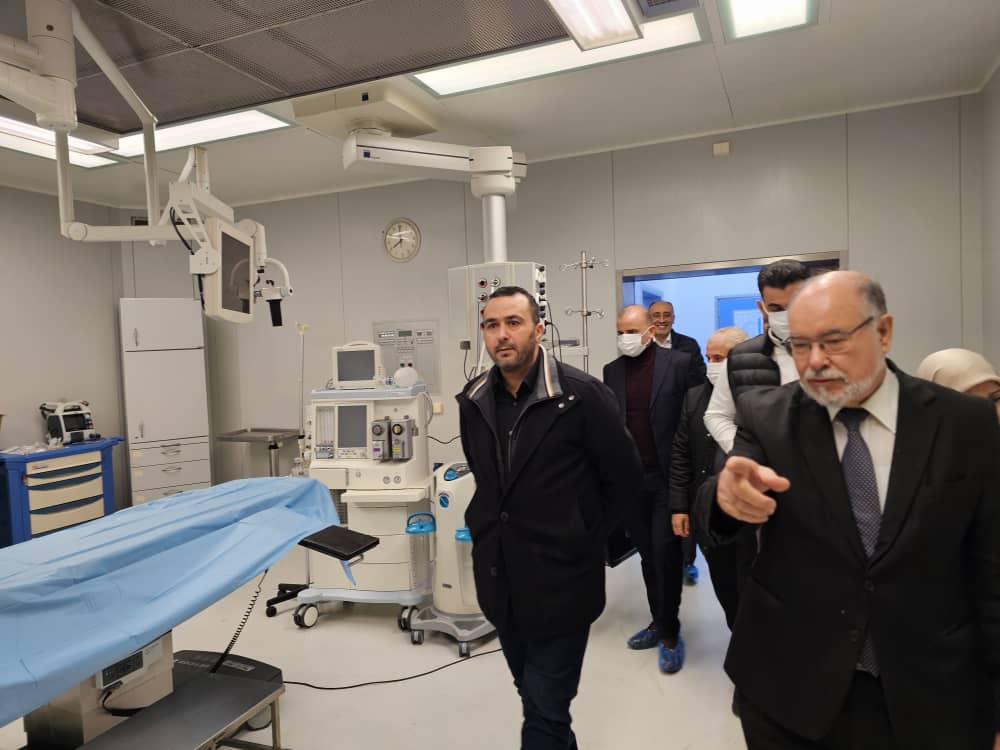
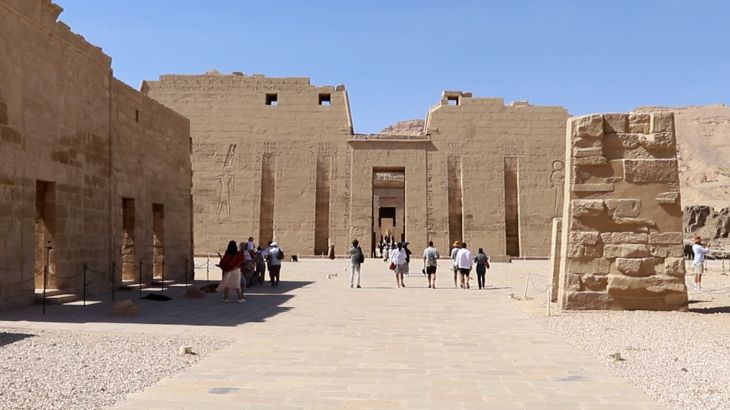
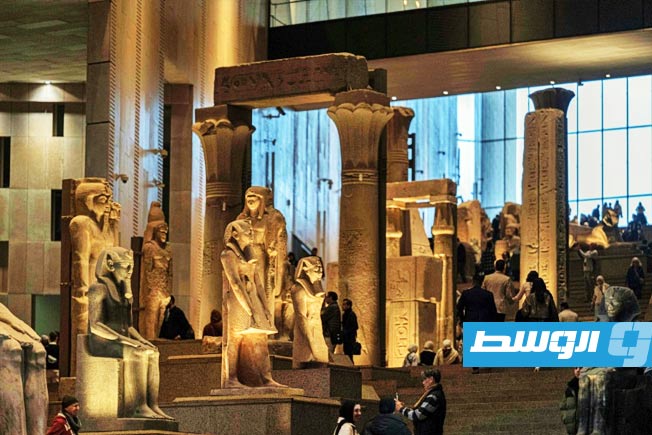
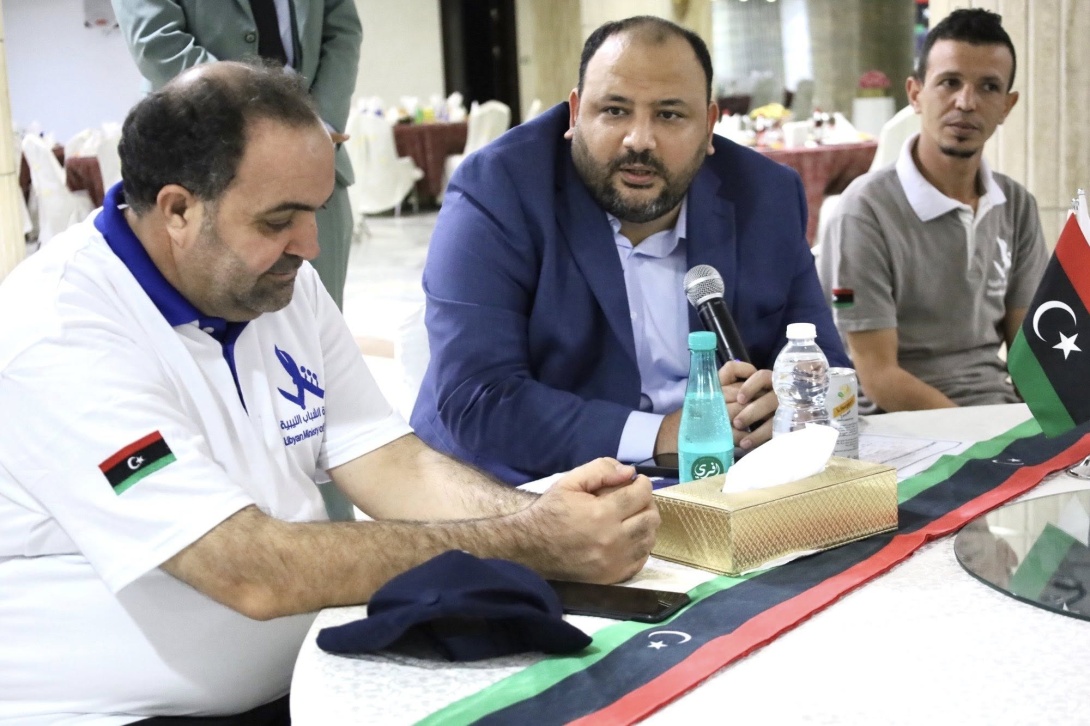
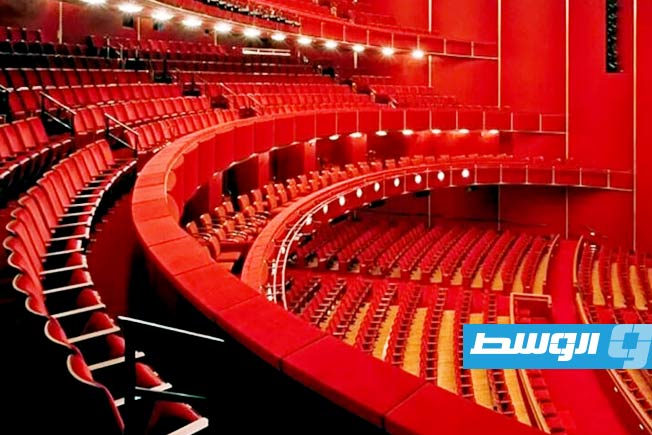
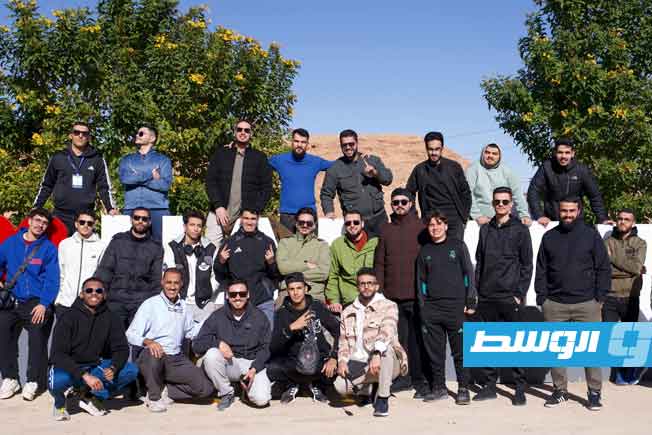
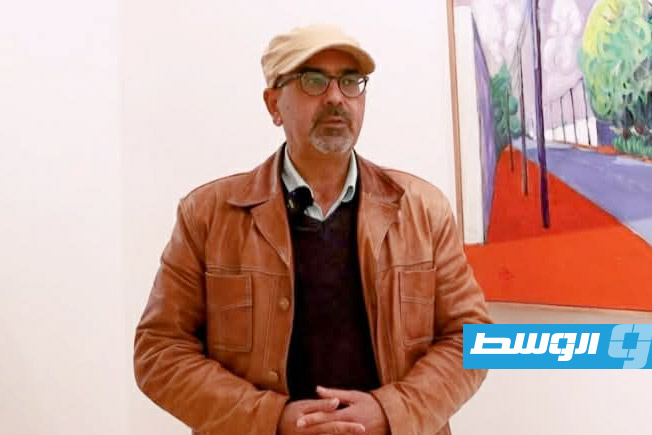
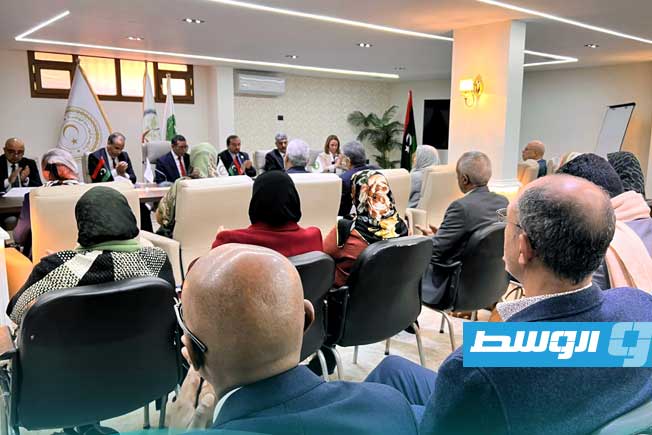
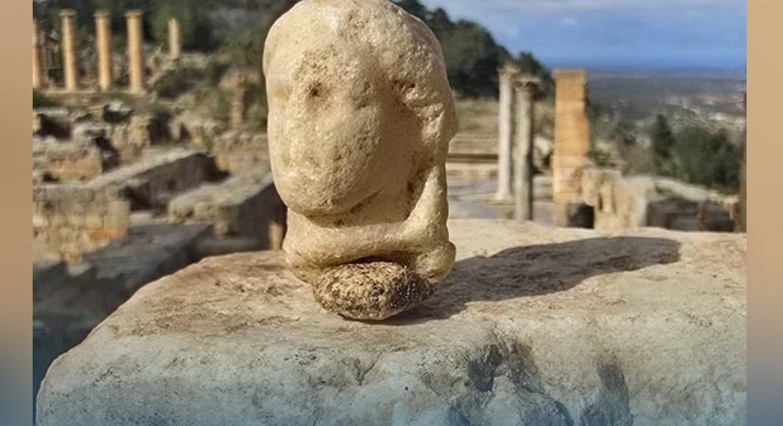
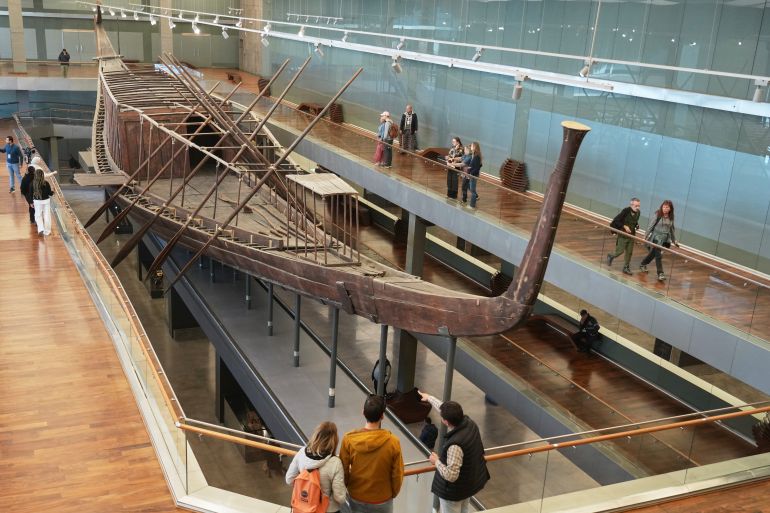
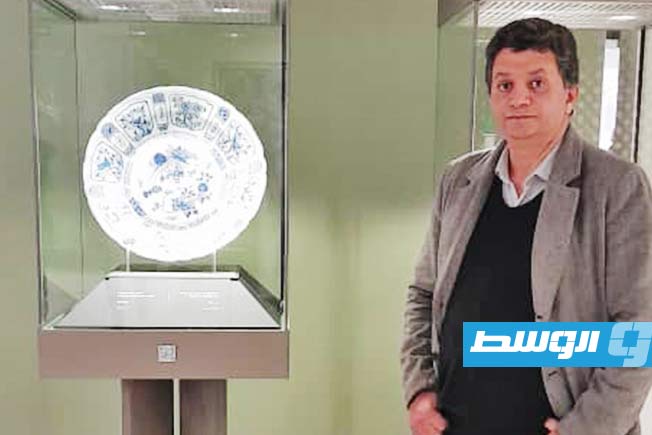
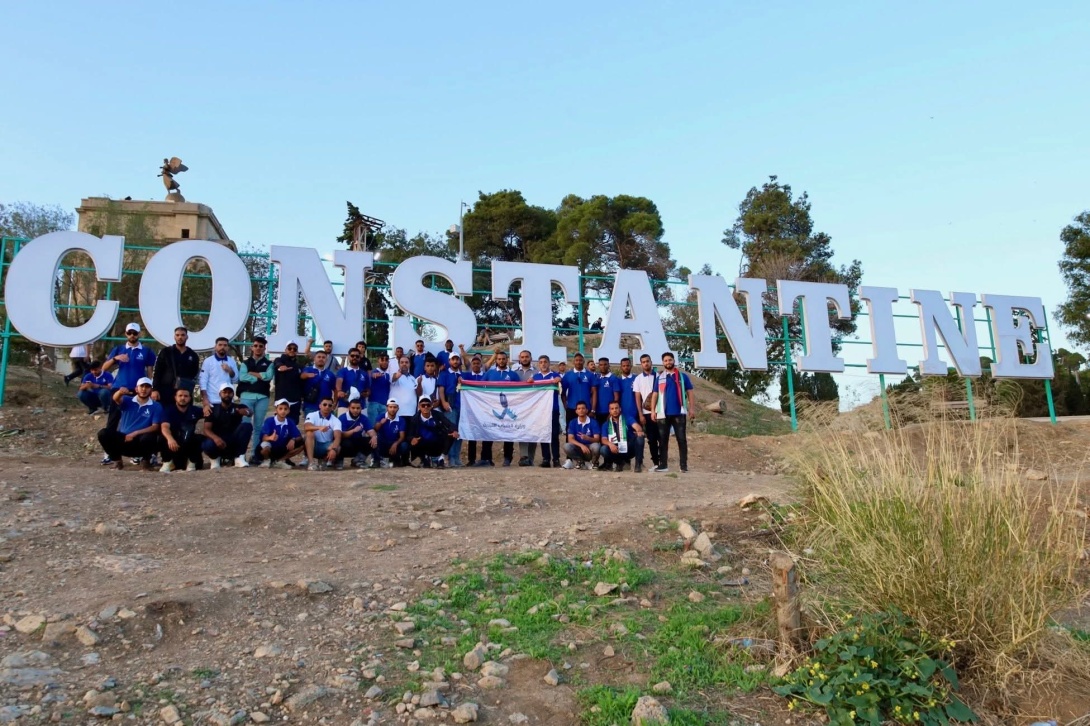
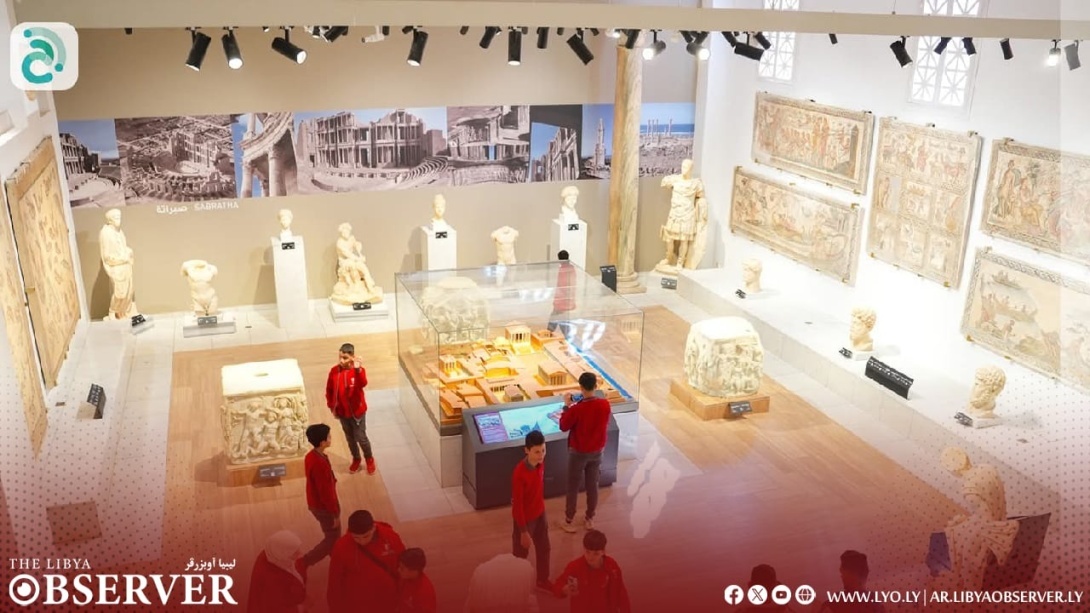
On Thursday, the National Museum in the capital, Tripoli, received a visit from members and students of the Cultural Café as part of a cultural tour aimed at connecting youth with their national history and enhancing their awareness of Libya’s civilizational and cultural heritage. This activity is part of knowledge-based initiatives seeking to broaden horizons and foster engagement with historical memory.
The Cultural Café’s activity office extends its sincere thanks and appreciation to all its members who oversaw the organization of this visit and contributed to its success. The office also expresses its deep gratitude to the passenger transport company for their cooperation and for covering the transportation of the visitors, wishing them continued success.
A cultural visit by members and students of the Cultural Café to the National Museum in Tripoli
National Museum
The National Museum is a major institution dedicated to preserving and showcasing a nation’s cultural heritage and history, often through extensive collections of art, artifacts, and historical objects. Its history typically involves being established in the 19th or early 20th century to consolidate national treasures and promote public education.
Tripoli
Tripoli is the capital and largest city of Libya, with a history dating back to the 7th century BC when it was founded by the Phoenicians. It later came under Roman, Byzantine, Arab, Ottoman, and Italian rule, which is reflected in its historic architecture, such as the old Medina and the Red Castle (Assaraya al-Hamra).
Cultural Café
The Cultural Café is a modern concept that blends a traditional café setting with artistic and intellectual programming, often hosting events like poetry readings, live music, and art exhibitions. While not a single historic site, its roots lie in the historic coffeehouse culture of 17th and 18th-century Europe, which served as vital hubs for public discourse and the exchange of ideas.
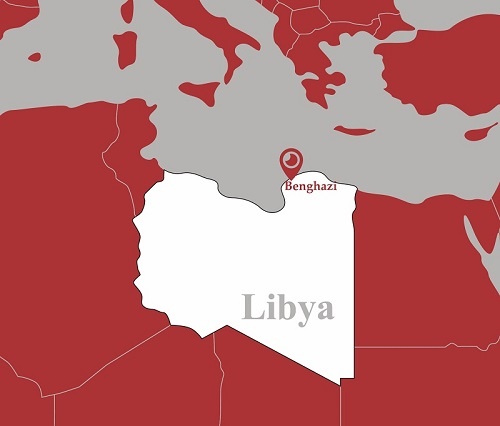
Libya
Libya is a North African country with a rich history rooted in ancient civilizations like the Phoenicians and Romans, followed by centuries of Arab and Ottoman influence. In the modern era, it was an Italian colony before gaining independence in 1951, later becoming known for Muammar Gaddafi’s lengthy rule from 1969 until the 2011 revolution. Its cultural sites include the well-preserved Roman ruins of Leptis Magna, a UNESCO World Heritage site.
passenger transport company
A passenger transport company is an organization that provides public or private transit services, such as buses, trains, or airlines. Historically, such companies emerged with industrialization to meet growing mobility needs, often evolving from private stagecoach lines or rail operators into large public or corporate networks. Their development has been central to urbanization and economic connectivity.