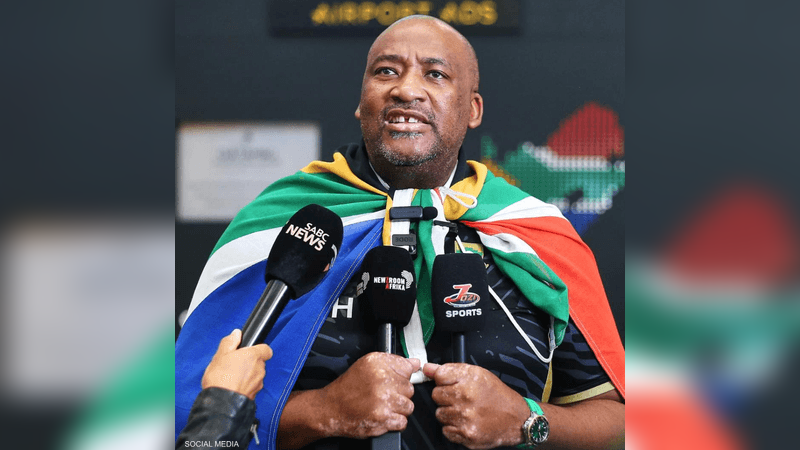
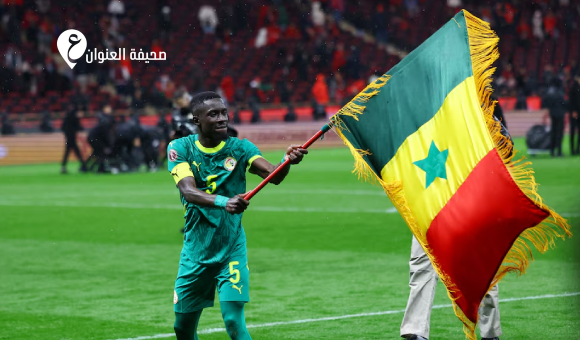
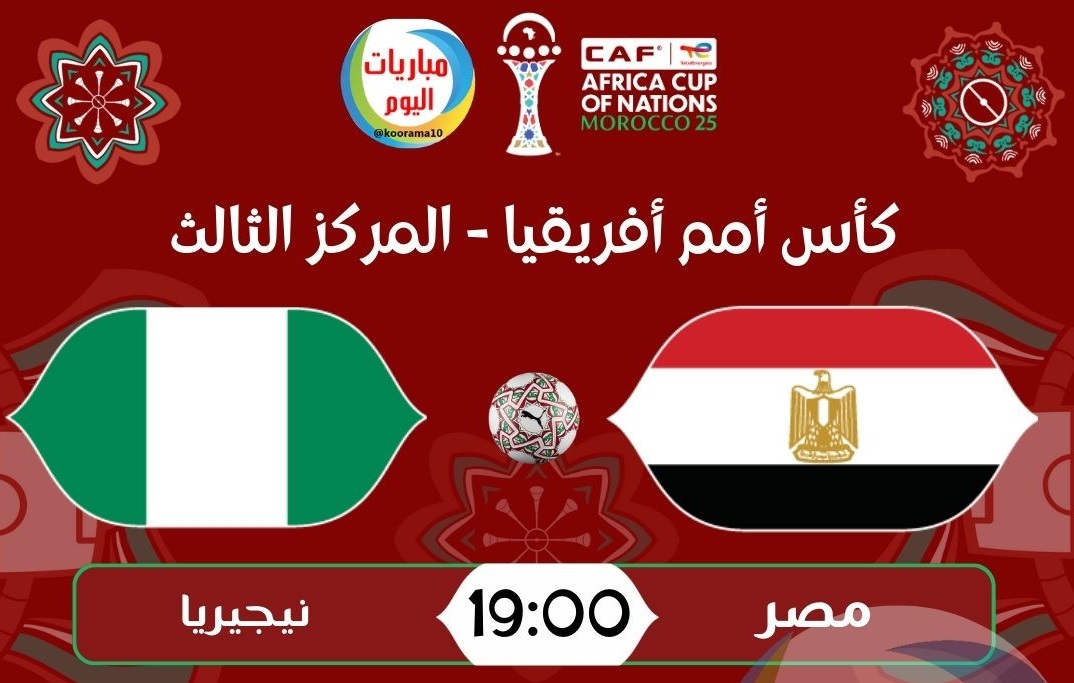
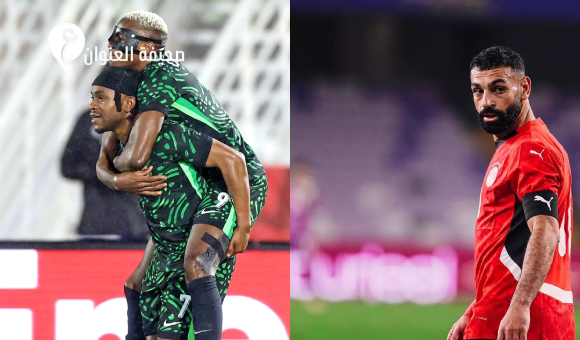
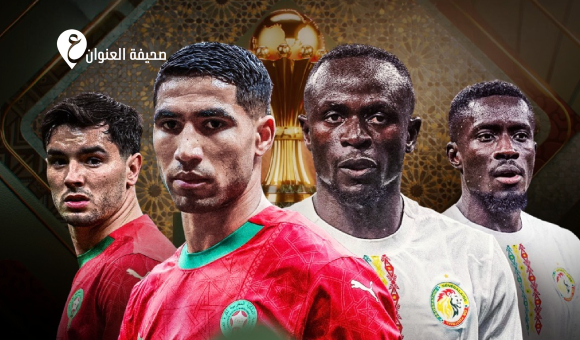
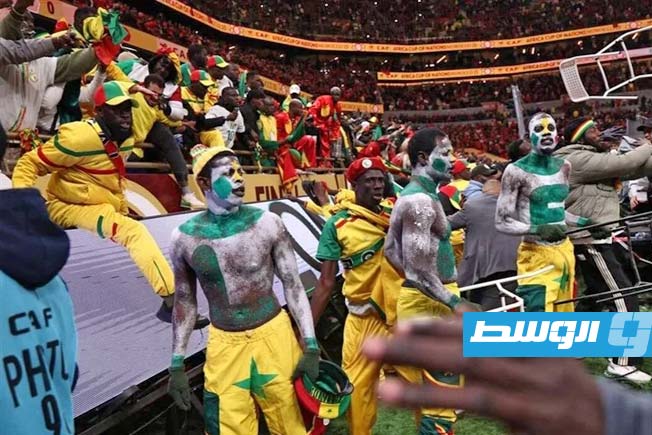
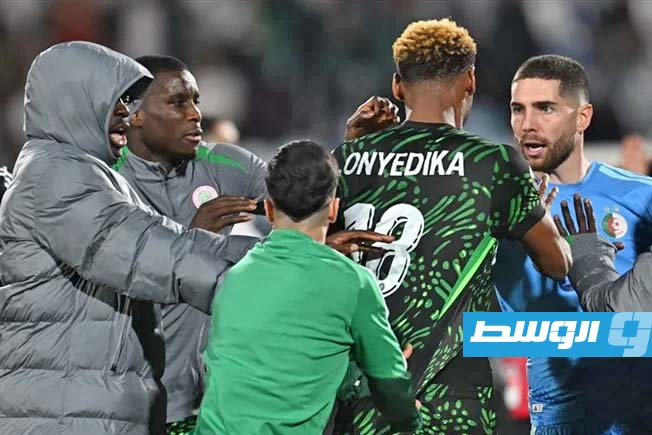
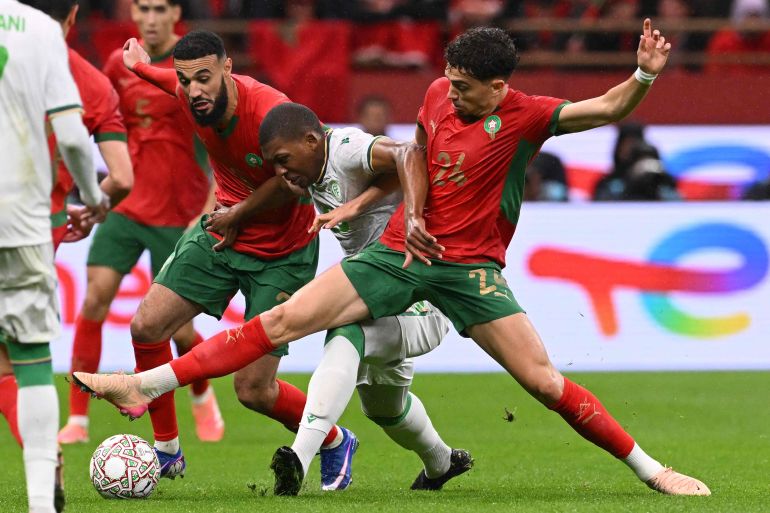
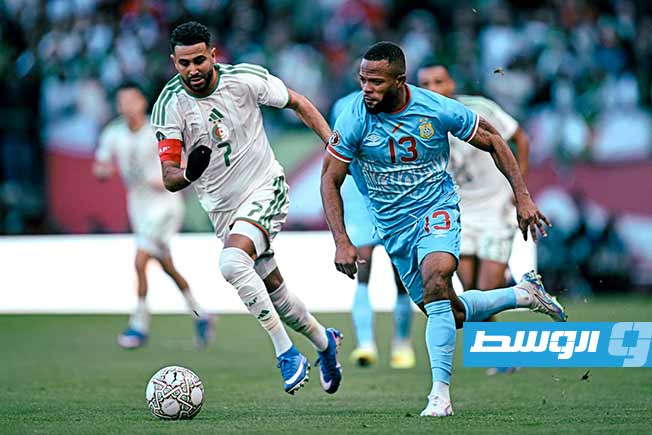
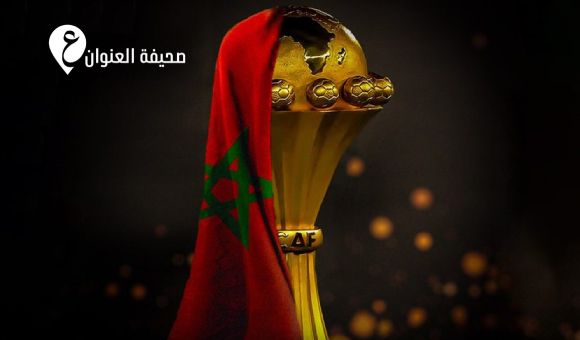
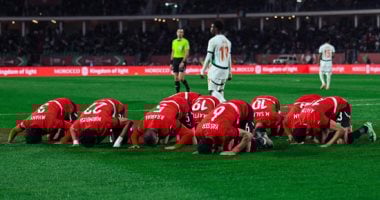
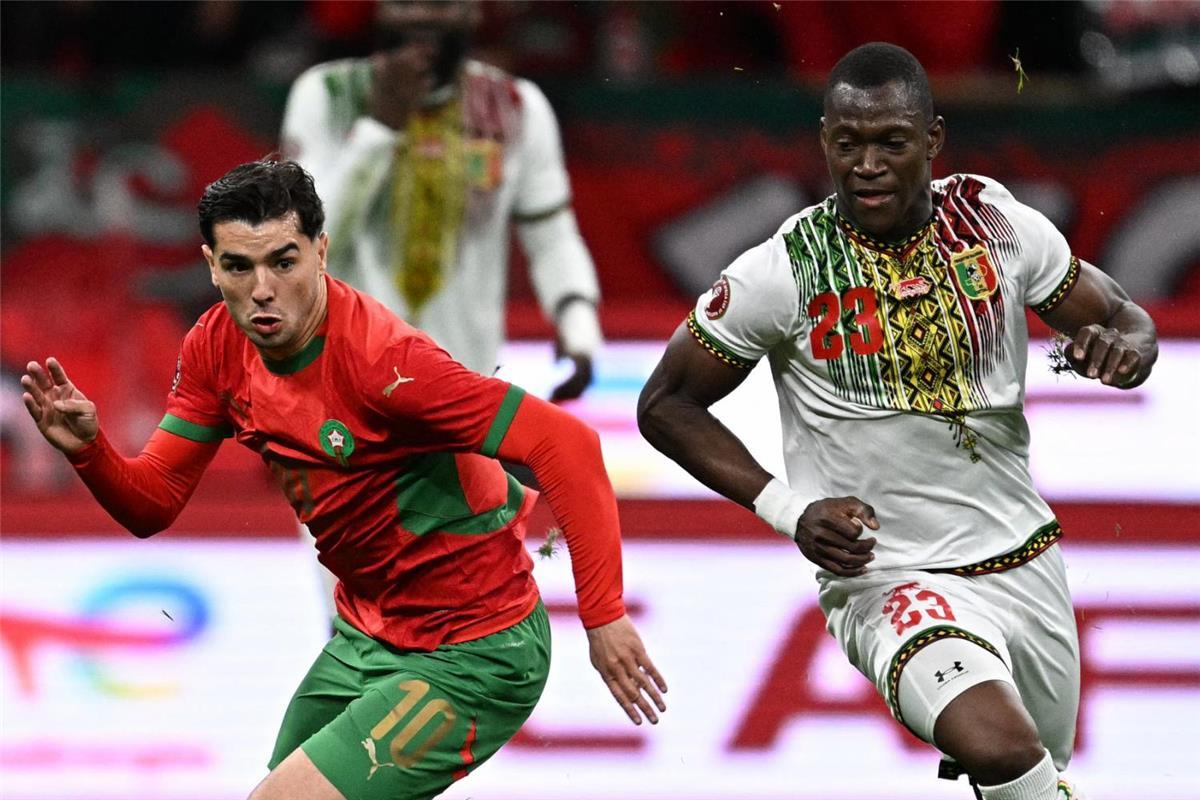
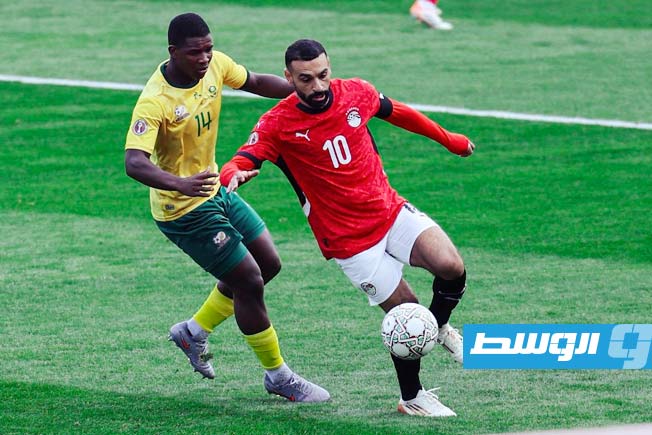
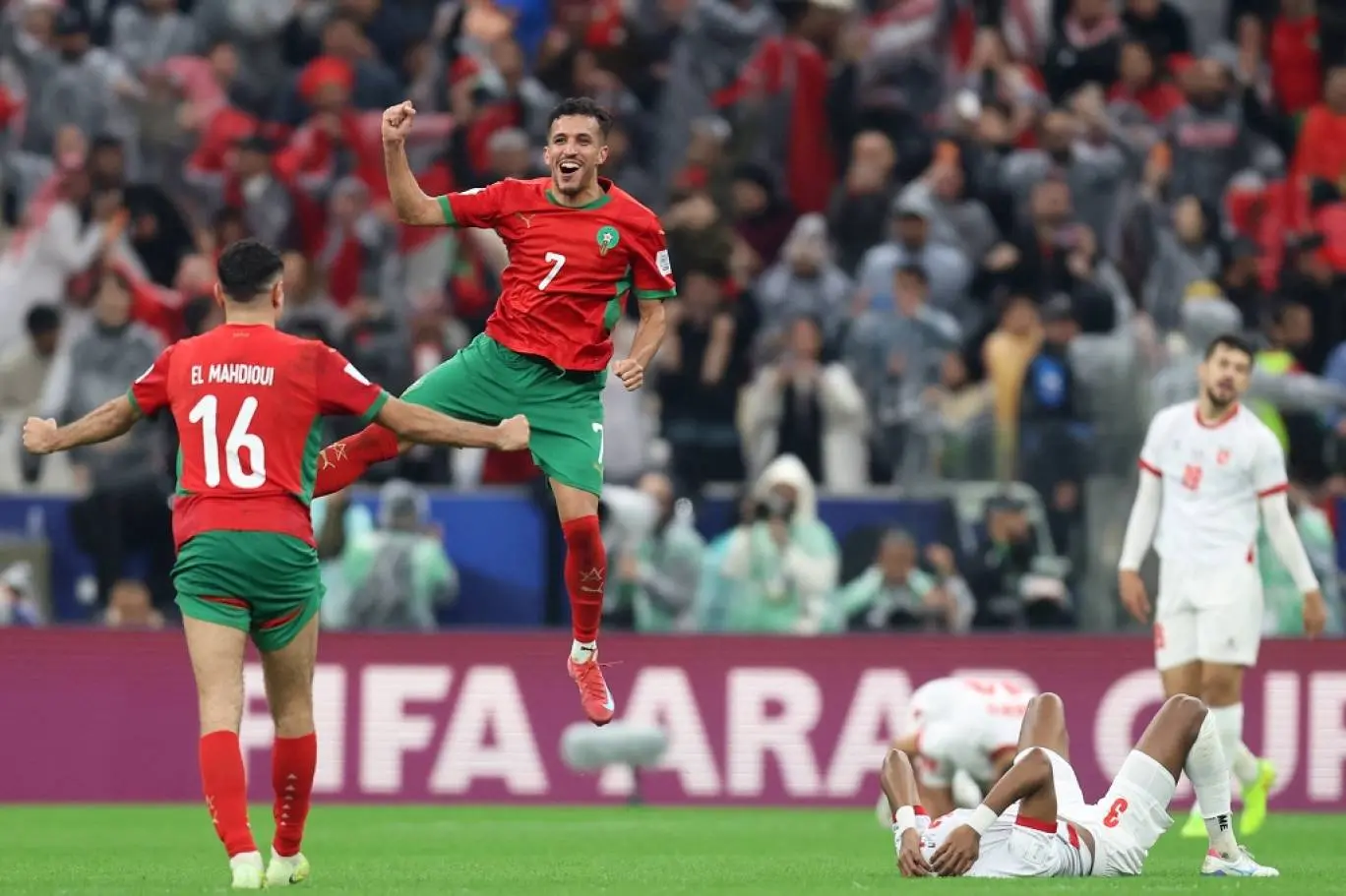
On Wednesday, South Africa’s Minister of Sport reprimanded the national team coach for his comments criticizing the atmosphere of the 2025 Africa Cup of Nations hosted in Morocco, describing this edition as “the best edition ever.”
The remarks came as he welcomed the South African national team delegation at O.R. Tambo International Airport in Johannesburg, following “Bafana Bafana’s” elimination from the AFCON tournament in the round of 16.
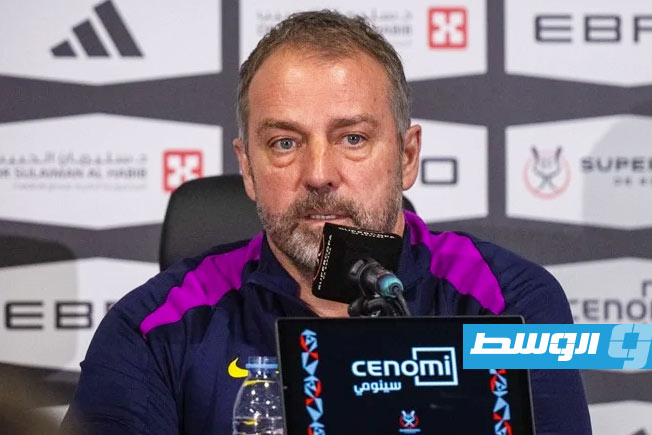
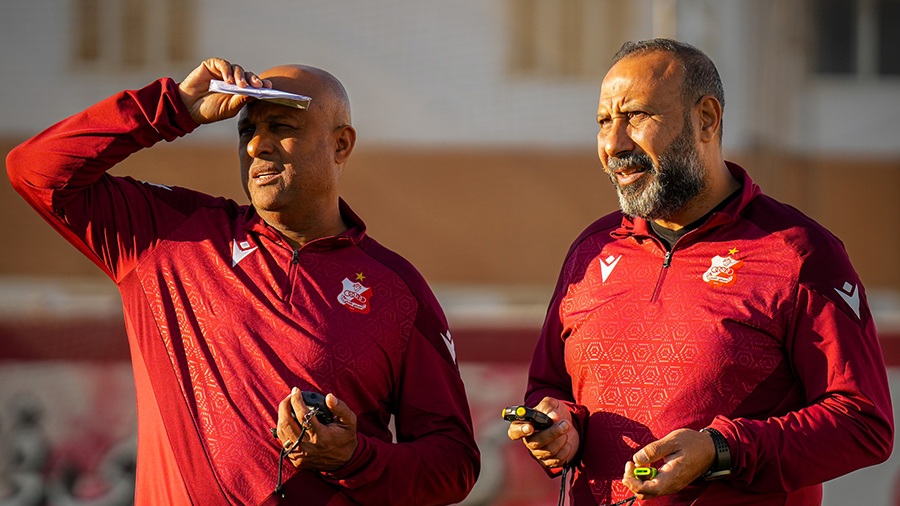
He said sharply in statements: “I was very upset with the coach, I was extremely angry… You should not go to someone’s country and insult them in their own land… No one should do that, it’s wrong.”
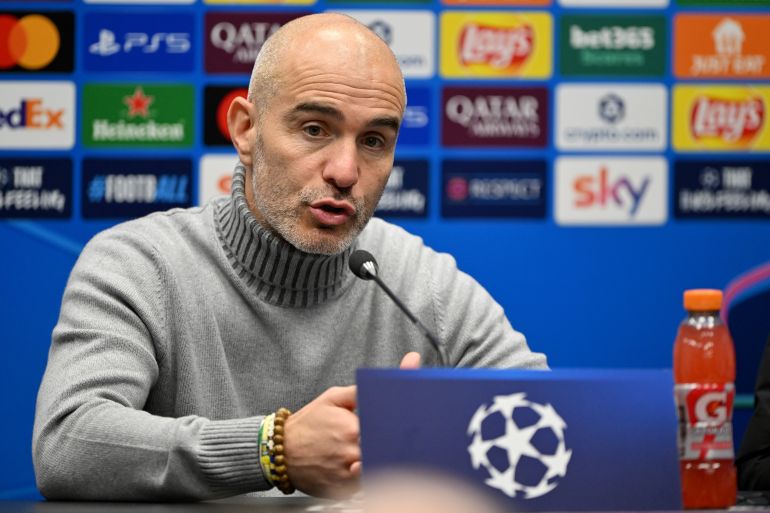
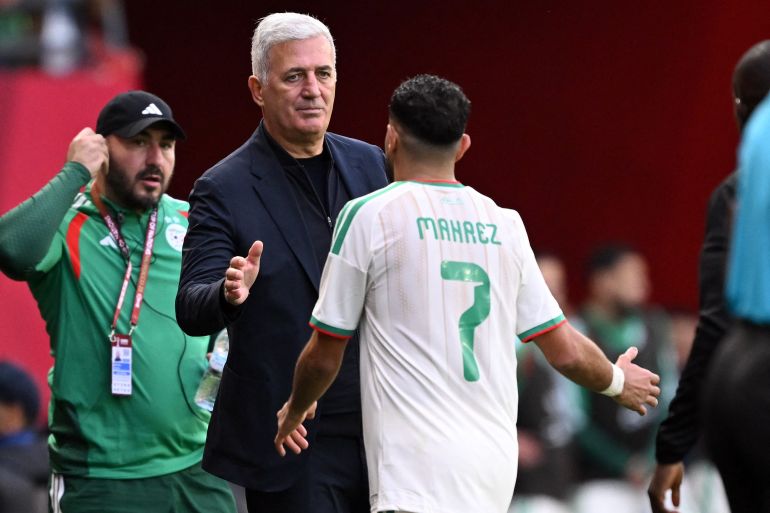
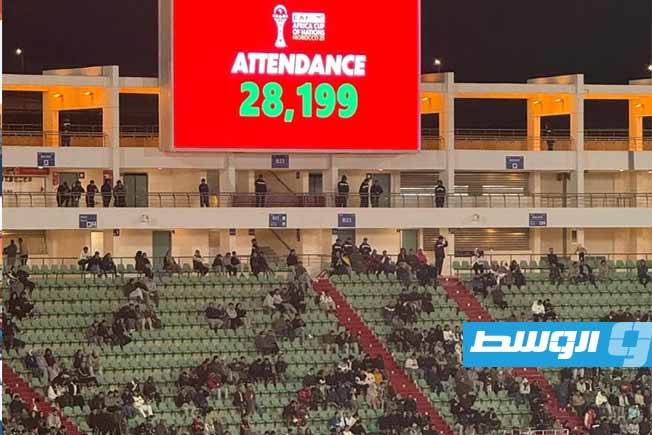
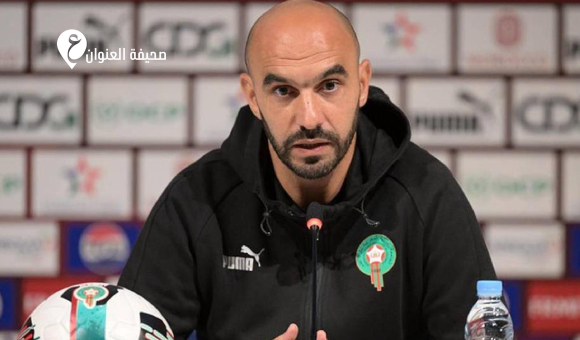
The coach had made statements to the press before his team’s match against Zimbabwe last month, saying that the AFCON edition organized in Morocco “lacks atmosphere.”
The Minister explained: “He stays in hotels, so how can he see the atmosphere outside? We were in the streets and saw the atmosphere with our own eyes.”
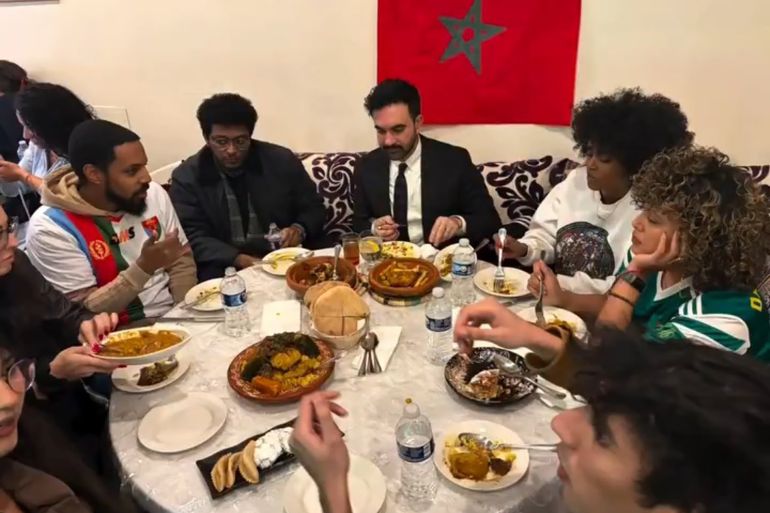
The Minister offered a clear apology to Moroccans, saying: “What was said was wrong, I would like to apologize to Moroccans for those statements. You should not insult a people who welcomed you with such hospitality in front of the world’s eyes.”
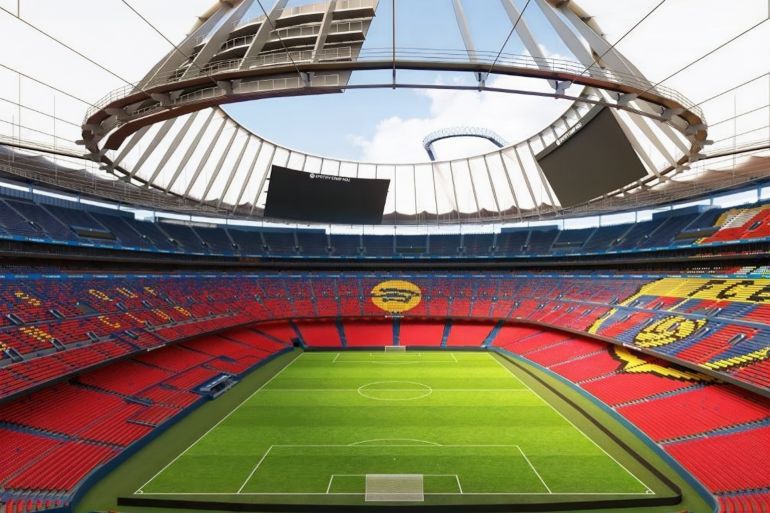
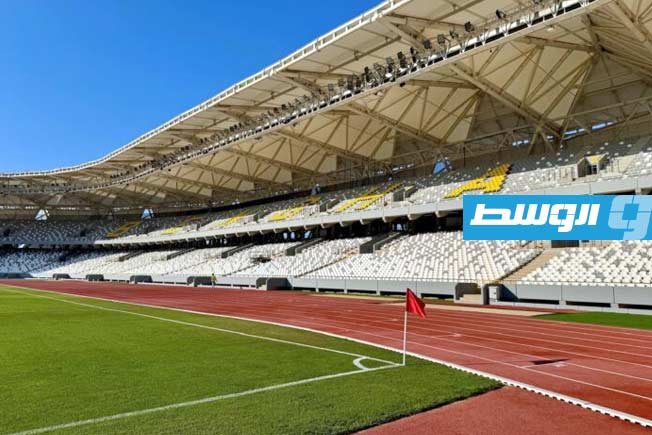
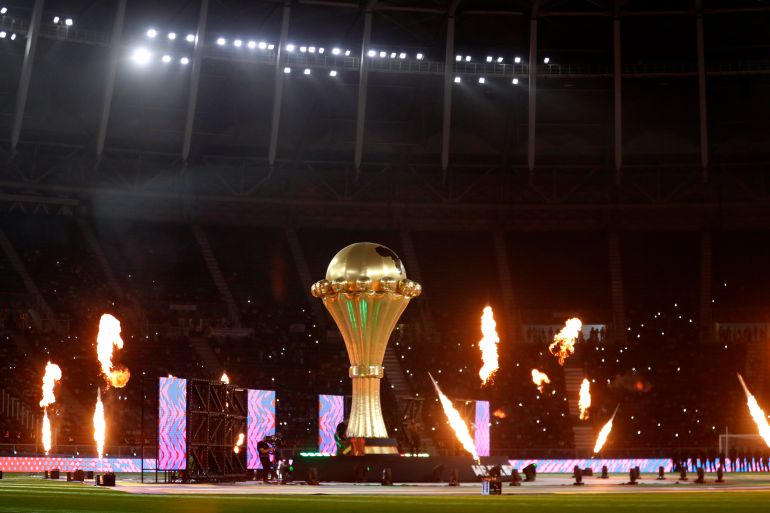
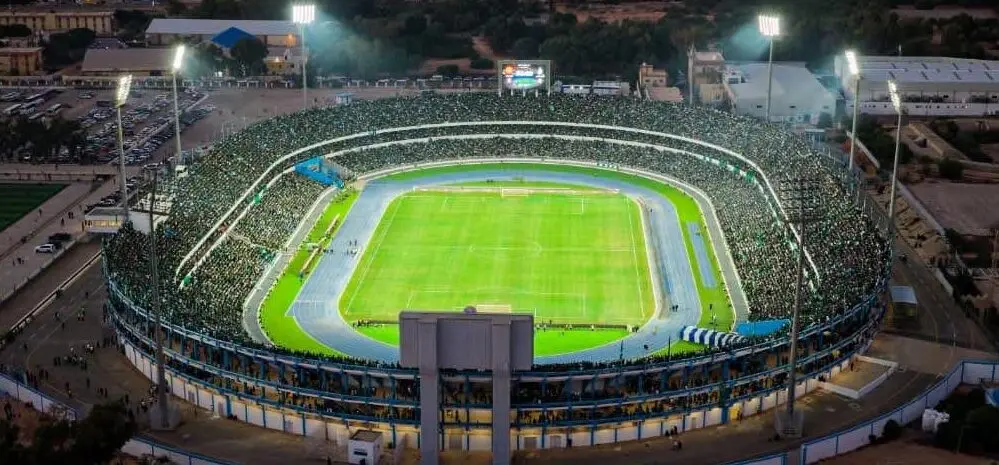
He also praised the AFCON edition organized by Morocco, saying: “Morocco was the best… I tip my hat to Moroccans. This is the best edition of the Africa Cup of Nations ever, the stadiums… every detail was wonderful. It proved to the world that Africa is ready to host global events.”
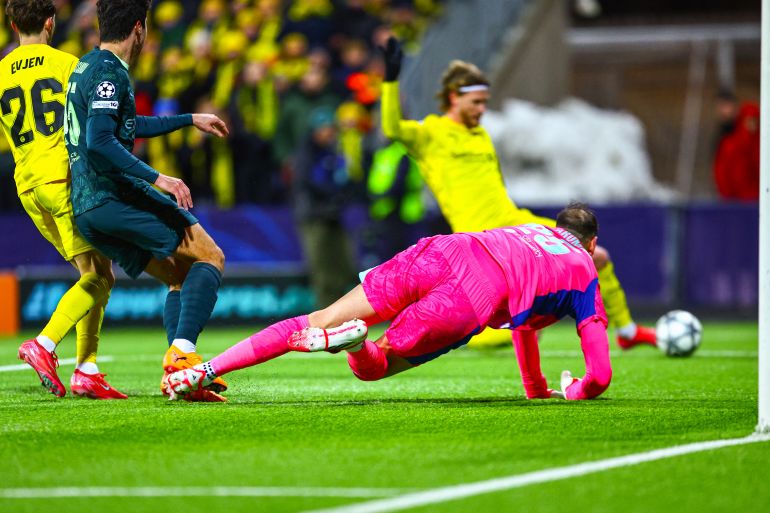
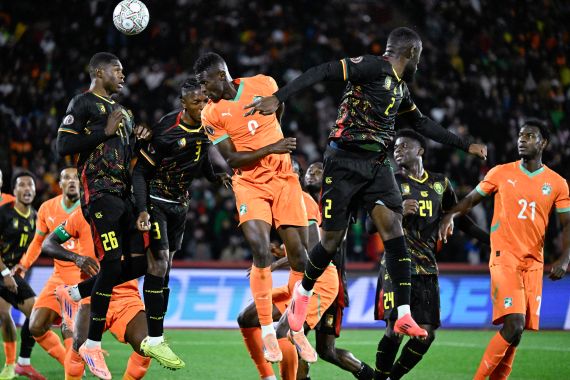
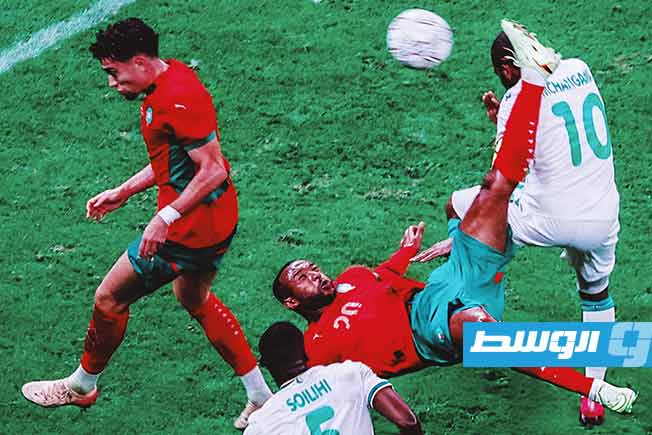
Regarding “Bafana Bafana’s” elimination in the round of 16 by the Cameroonian national team, he clarified that his country’s team missed its chance to qualify at the beginning of the match.
He said: “We are all disappointed, but I must say that Cameroon did not defeat us, we defeated ourselves. We should have finished the match in the first 15 minutes, but that’s football, and that’s how things happen.”
South Africa
South Africa is a country located at the southern tip of the African continent, known for its diverse cultures, languages, and dramatic landscapes. Its modern history is profoundly shaped by colonialism and the institutionalized racial segregation of apartheid, which ended in 1994 with the establishment of a constitutional democracy and the election of Nelson Mandela as president.
Morocco
Morocco is a North African country with a rich history shaped by indigenous Amazigh (Berber) cultures, Arab influence from the 7th century, and successive dynasties like the Almoravids and Almohads. Its cultural sites, such as the ancient city of Fez and the Koutoubia Mosque in Marrakech, reflect this blend of Arab, Islamic, and Amazigh heritage. The country’s historic medinas, kasbahs, and varied landscapes from the Sahara Desert to the Atlas Mountains contribute to its distinct identity.
O.R. Tambo International Airport
O.R. Tambo International Airport, located in Johannesburg, South Africa, is Africa’s busiest airport. It opened in 1952 as Jan Smuts Airport and was renamed in 2006 to honor Oliver Reginald Tambo, a key anti-apartheid leader. The airport serves as a major international gateway to Southern Africa.
Johannesburg
Johannesburg is a major city in South Africa, founded in 1886 following the discovery of gold on the Witwatersrand. This rapid growth fueled its development into the country’s economic hub, though its 20th-century history is deeply intertwined with the apartheid era. Today, sites like the Apartheid Museum and Constitution Hill reflect its complex past and transition to democracy.
Zimbabwe
Zimbabwe is a country in southern Africa, named after the ancient stone city of Great Zimbabwe, which was the capital of a powerful kingdom from the 11th to 15th centuries. The modern nation gained independence from British colonial rule in 1980, and its history is deeply connected to the Shona civilization and later European settlement.
Cameroon
Cameroon is a Central African country known for its diverse geography, ranging from beaches and rainforests to savannas and mountains. Historically, it was a German protectorate in the late 19th century before being divided into French and British administrative zones after World War I, achieving full independence in 1960. This colonial legacy contributes to its bilingual French and English official languages and its rich cultural blend of over 200 ethnic groups.
Africa Cup of Nations
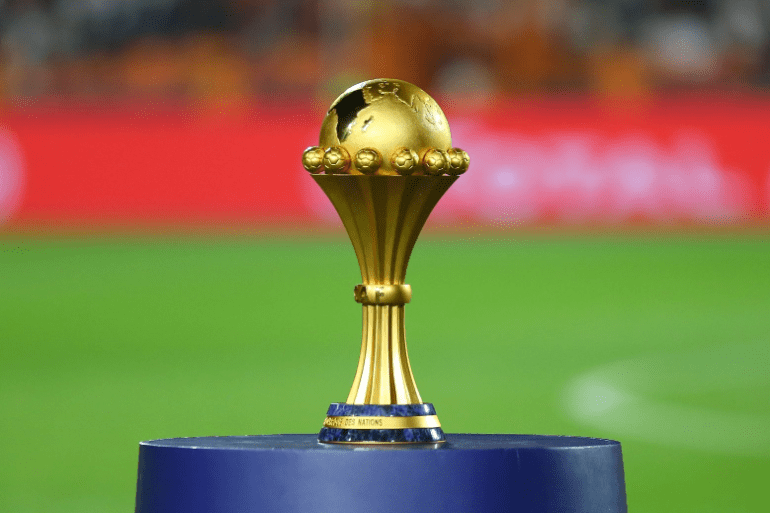
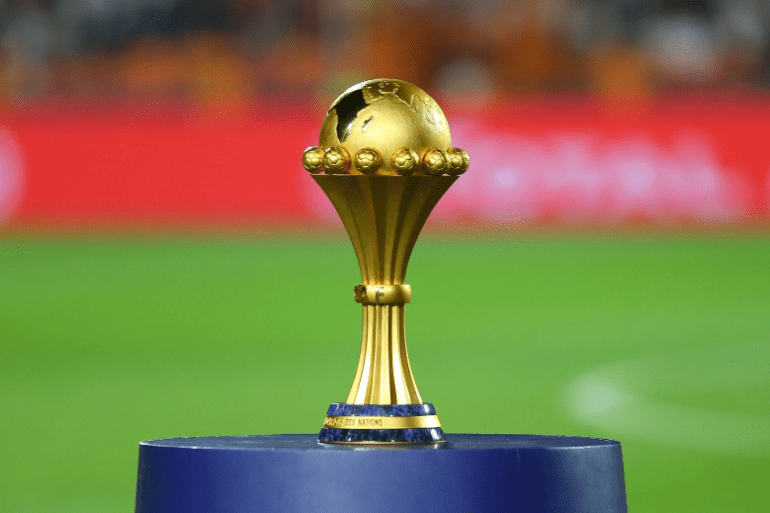
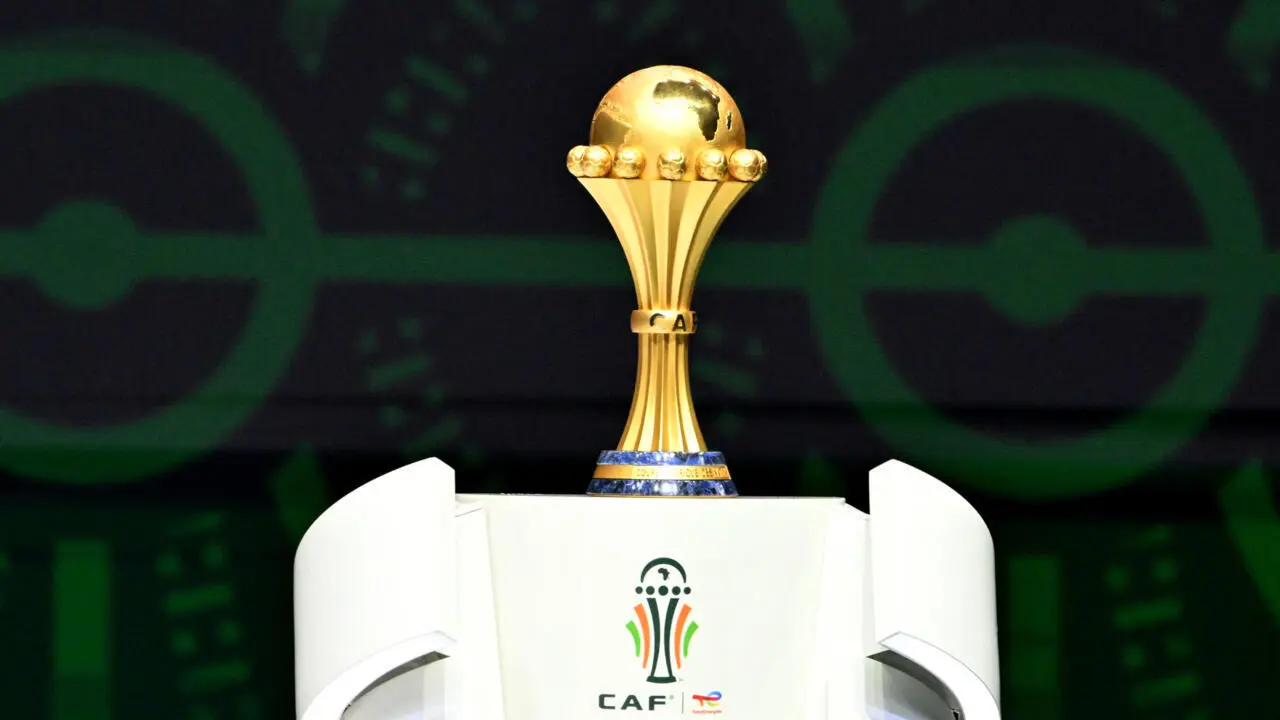
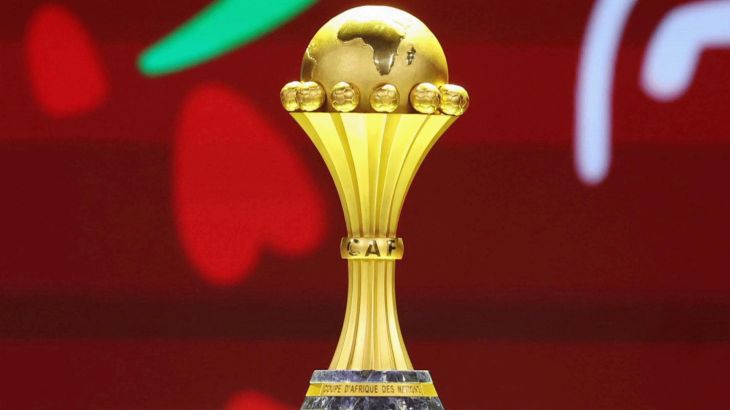
The Africa Cup of Nations (AFCON) is the premier international men’s football competition in Africa, first held in 1957. It was founded to unite African nations through sport and has grown from three initial participants to include 24 national teams competing for the continental title every two years.