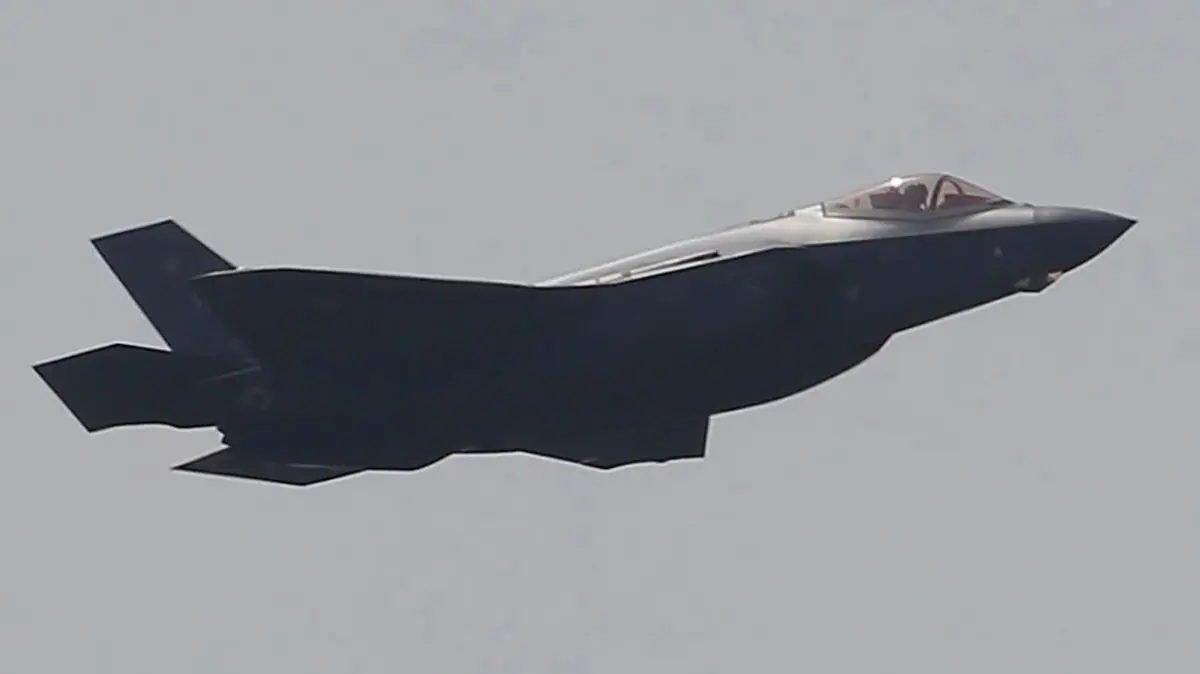
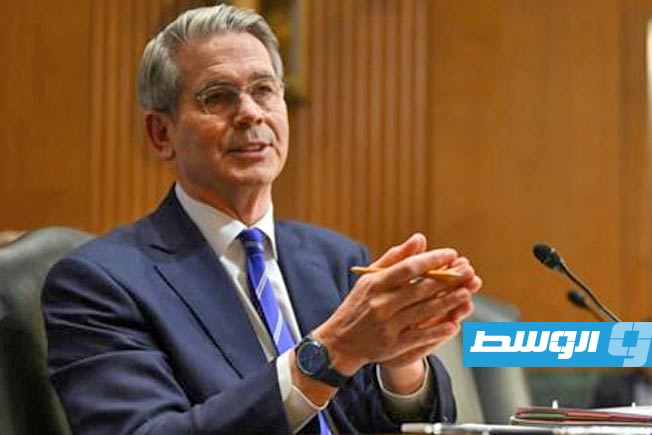
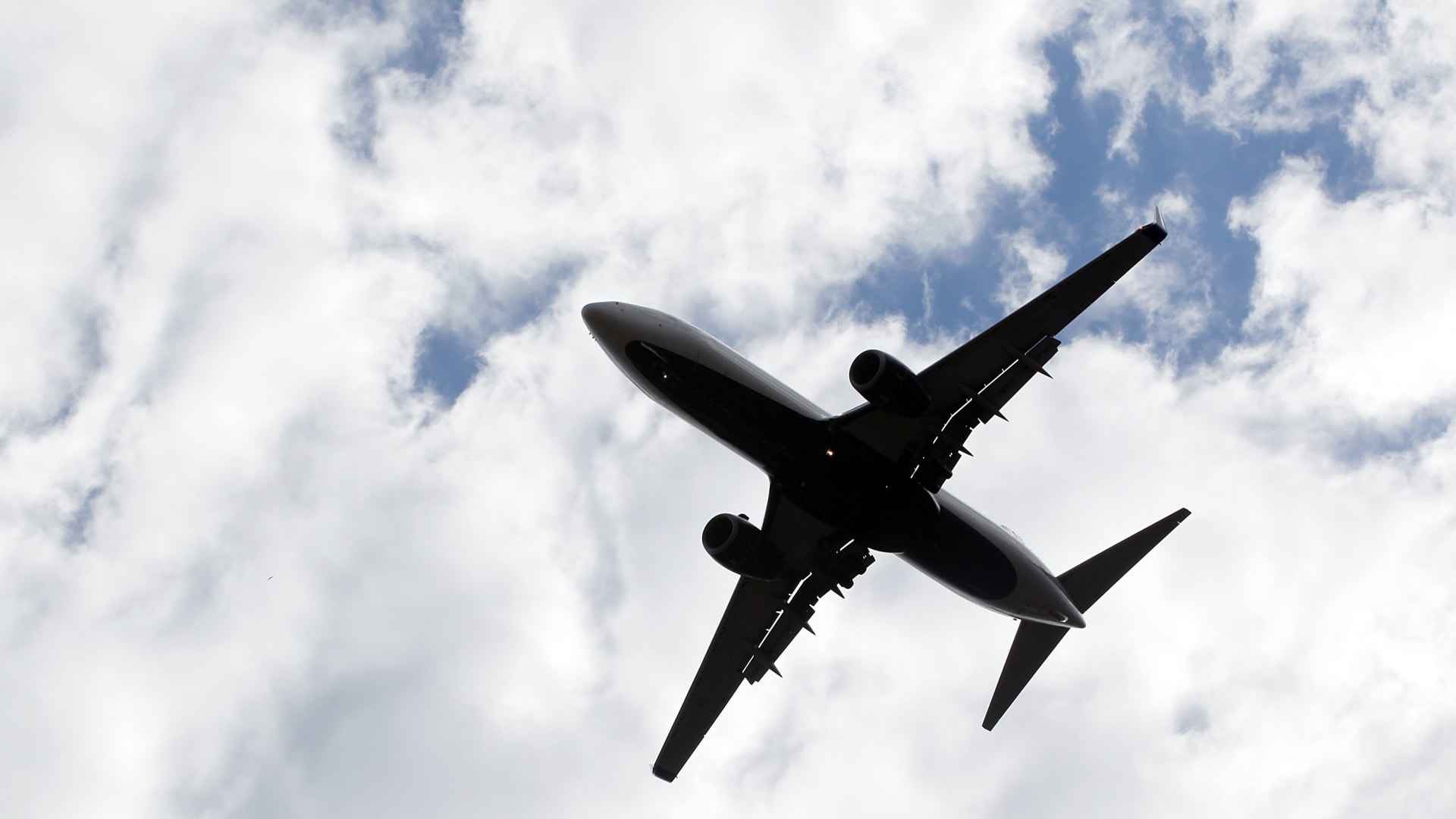
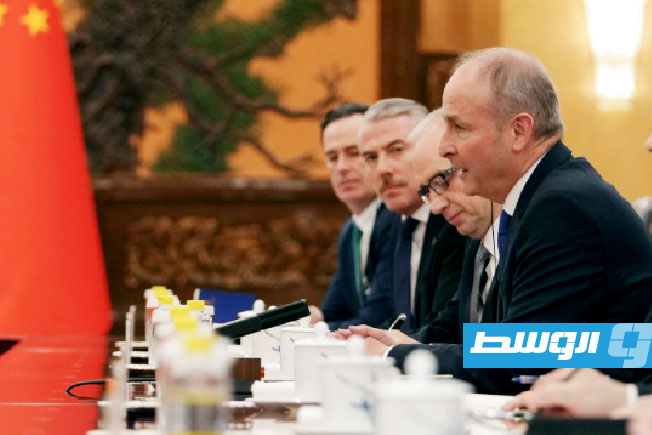
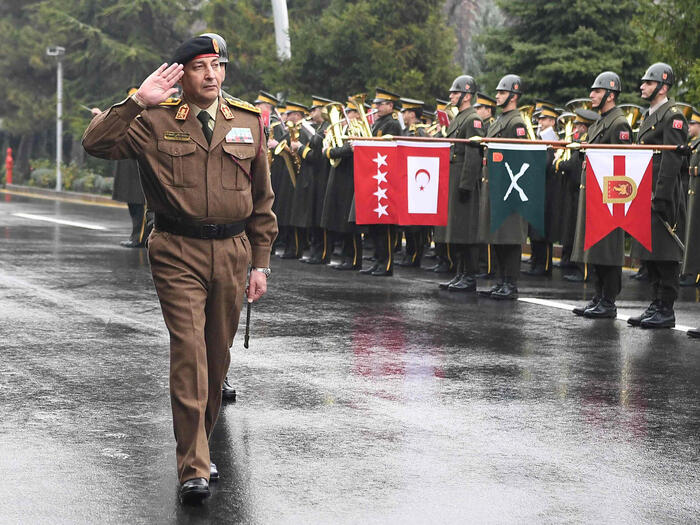
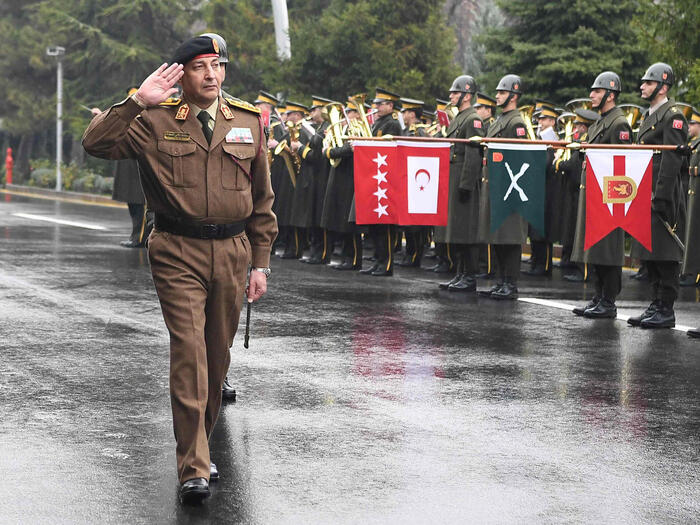
Turkish President Recep Tayyip Erdogan emphasized the importance of Turkey’s return to the US-led F-35 fighter jet production program, stating that this step would enhance relations with Washington and support NATO security.
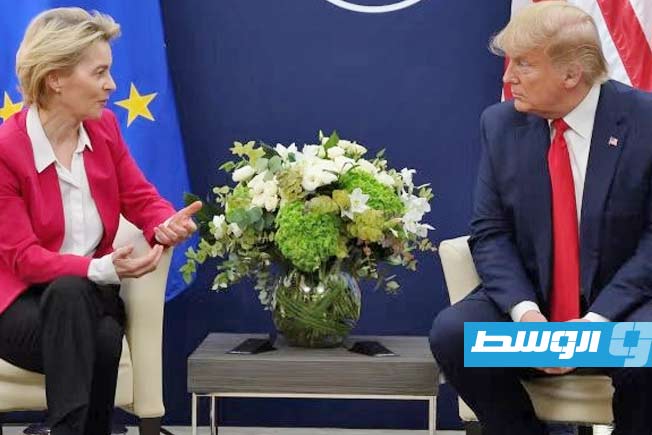
In written responses, Erdogan clarified that Turkey’s exclusion from the program was unfair and that he personally discussed this issue with former US President Donald Trump during a meeting at the White House last September.
The Turkish President noted that Turkey receiving the F-35 jets it has already paid for and its reinclusion in the program are two important and necessary matters for improving relations with the United States and strengthening NATO’s defense capabilities.
Erdogan added that negotiations regarding prices are still ongoing, expecting that the terms for Turkey’s purchase of F-16 jets from the United States will be compatible with the spirit of the NATO alliance, citing Turkey’s previous purchase of Eurofighter jets.
In this context, it was announced on Monday that Israel will not allow the United States to sell F-35 fighter jets to Turkey, as they contain Israeli technology.
It was stated: “We have concerns about the potential sale… A significant portion of the technology used in these jets was developed in Israel, and it is clear that we will not share it with them.”
It was added that Israel is concerned about statements from US President Donald Trump regarding a potential deal with Turkey, indicating that Israeli technology will not be part of any agreement, “even if Turkey receives these jets.”
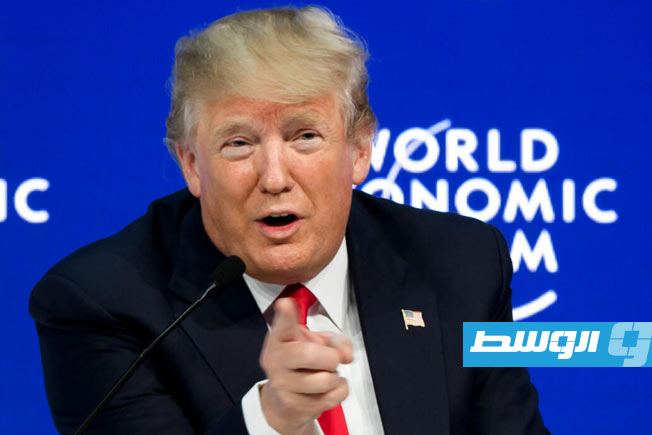
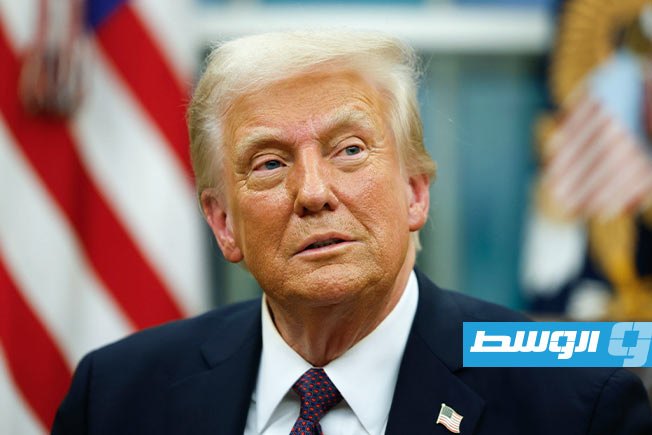
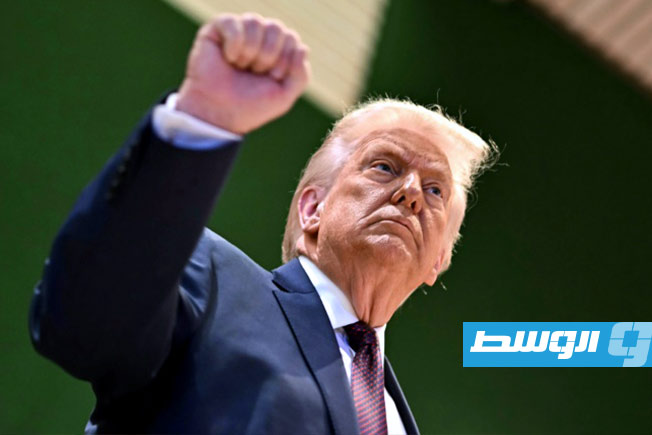
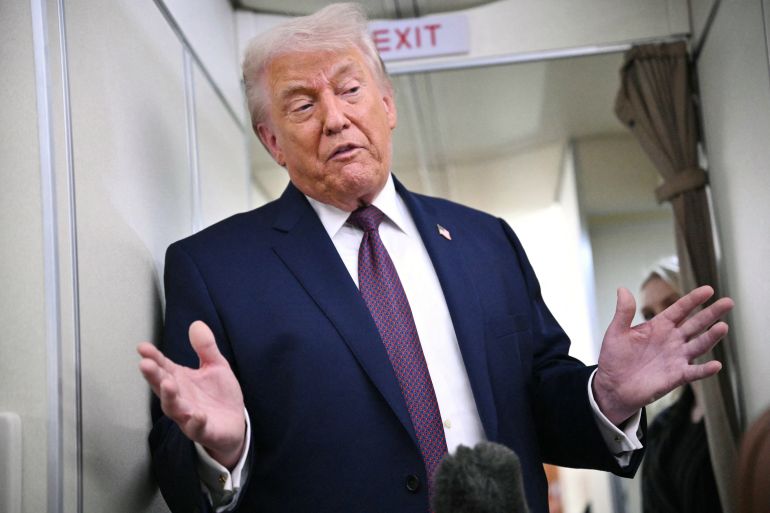
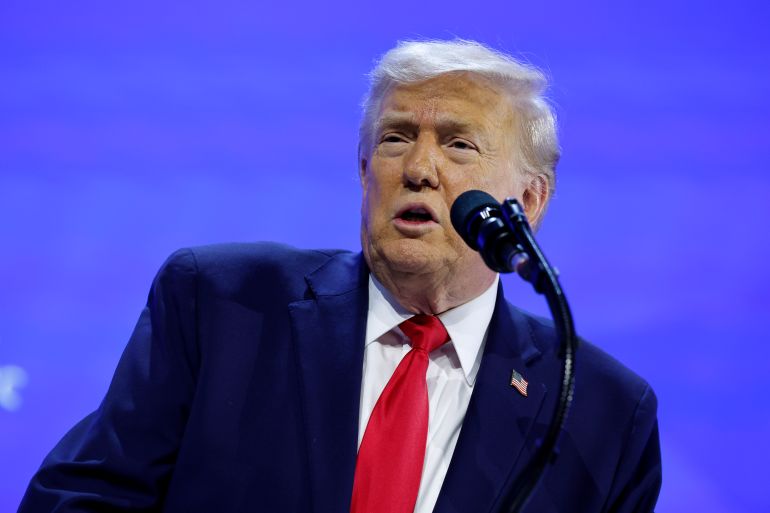
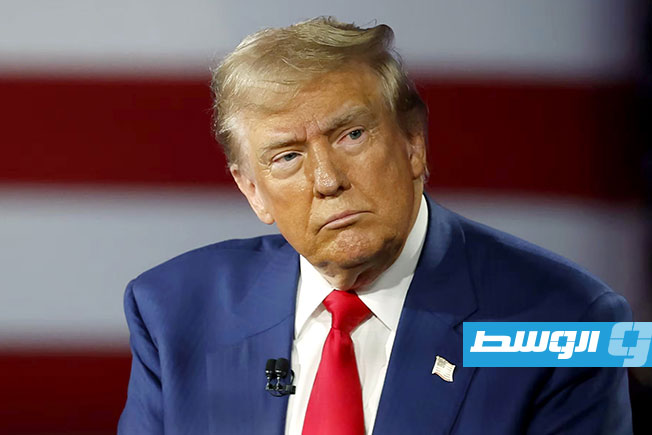
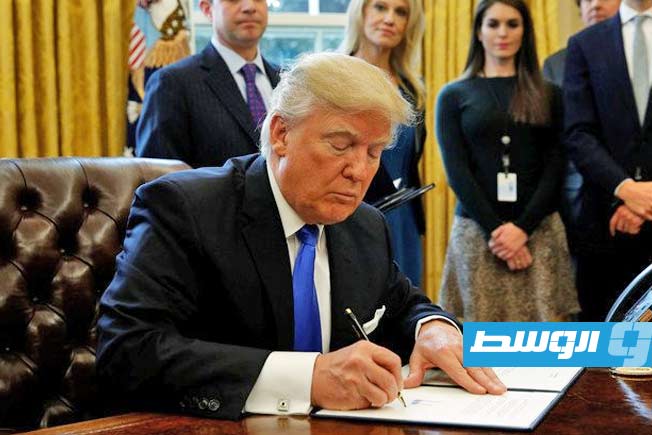
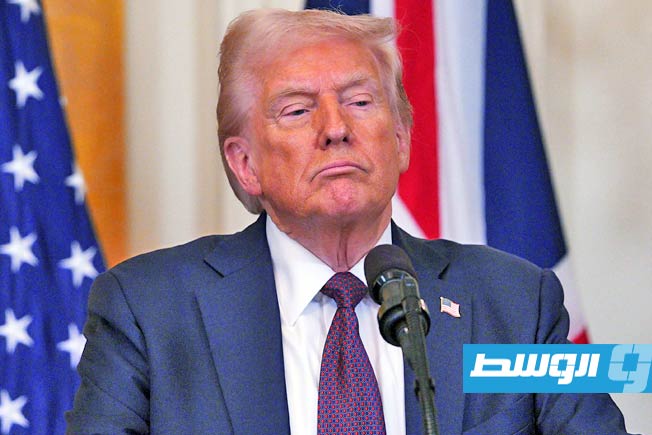
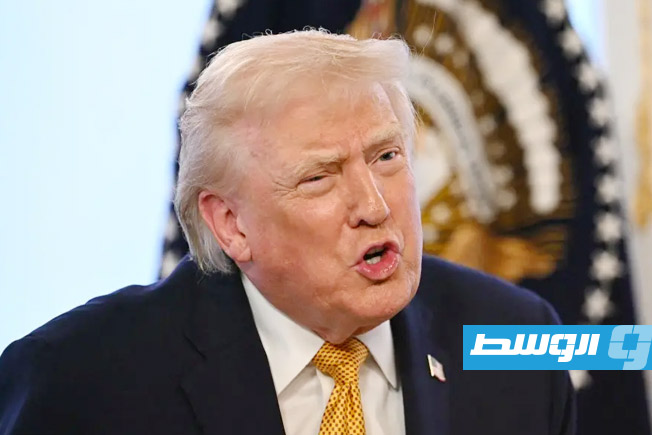
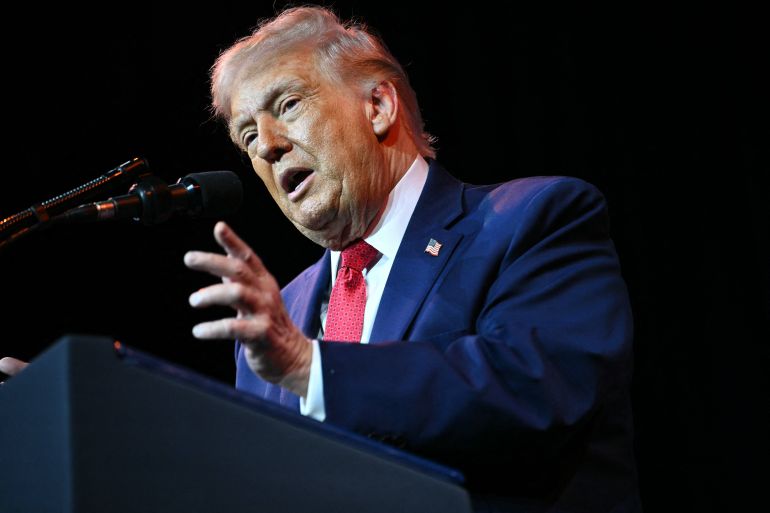
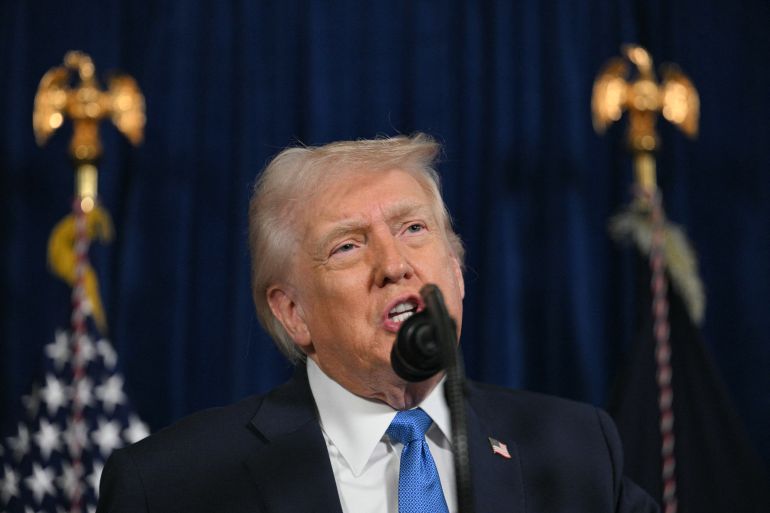
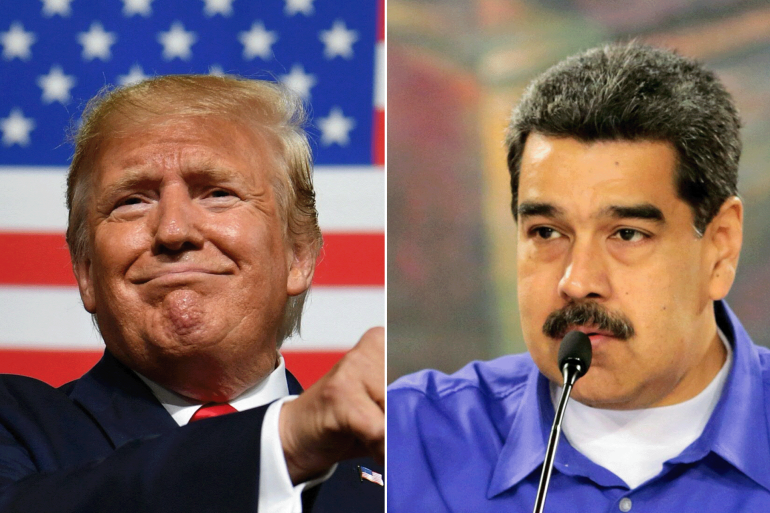
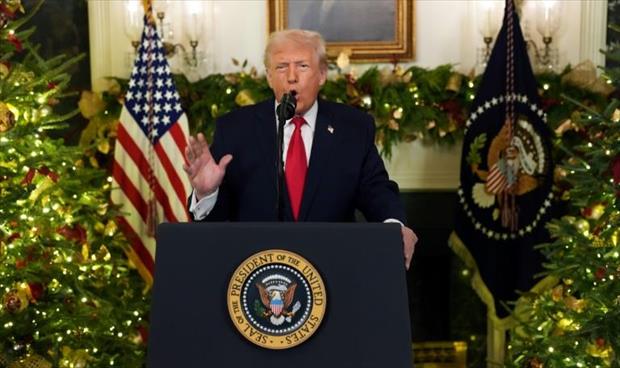
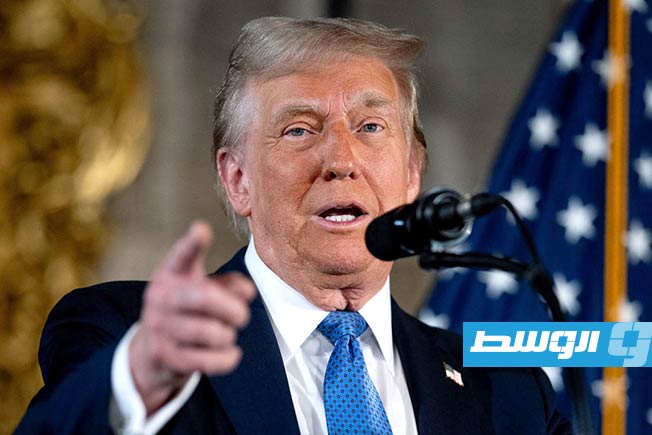
US President Donald Trump had previously stated that Washington is considering selling F-35 jets to Turkey, while confidence was expressed that Ankara would not use these jets against Israel under any circumstances.
This announcement comes at a time when tensions between Washington and Ankara have escalated over the Russian S-400 air defense system, as Trump had previously instructed the initiation of procedures to lift sanctions imposed under the Countering America’s Adversaries Through Sanctions Act (CAATSA).
The deal to sell F-35 jets is a sensitive focal point in relations between the United States, Israel, and Turkey, as the jets rely on advanced technology developed by Israel to ensure its qualitative superiority in the region.
Relations between Israel and Turkey have seen significant fluctuations since the early last decade, with tensions over conflicts in Gaza and Syria and Ankara’s purchase of Russian defense systems. Israel has previously expressed concern about selling any advanced military technology to countries that could threaten its regional security.
Turkey
Turkey is a transcontinental nation bridging Europe and Asia, with a rich history rooted in the ancient civilizations of Anatolia and later as the heart of the Byzantine and Ottoman Empires. Its modern identity was forged after the fall of the Ottoman Empire, becoming a secular republic under Mustafa Kemal Atatürk in 1923. Today, it is known for its unique blend of Eastern and Western cultural influences, historic sites like Hagia Sophia and Ephesus, and vibrant traditions.
United States
The United States is a federal republic founded in 1776 after declaring independence from Great Britain, with its modern government established by the Constitution in 1789. Its history is marked by westward expansion, industrialization, and its emergence as a global superpower in the 20th century. The nation is defined by its diverse cultural heritage, stemming from immigration, and its significant influence on global politics, economics, and popular culture.
F-35 fighter jet
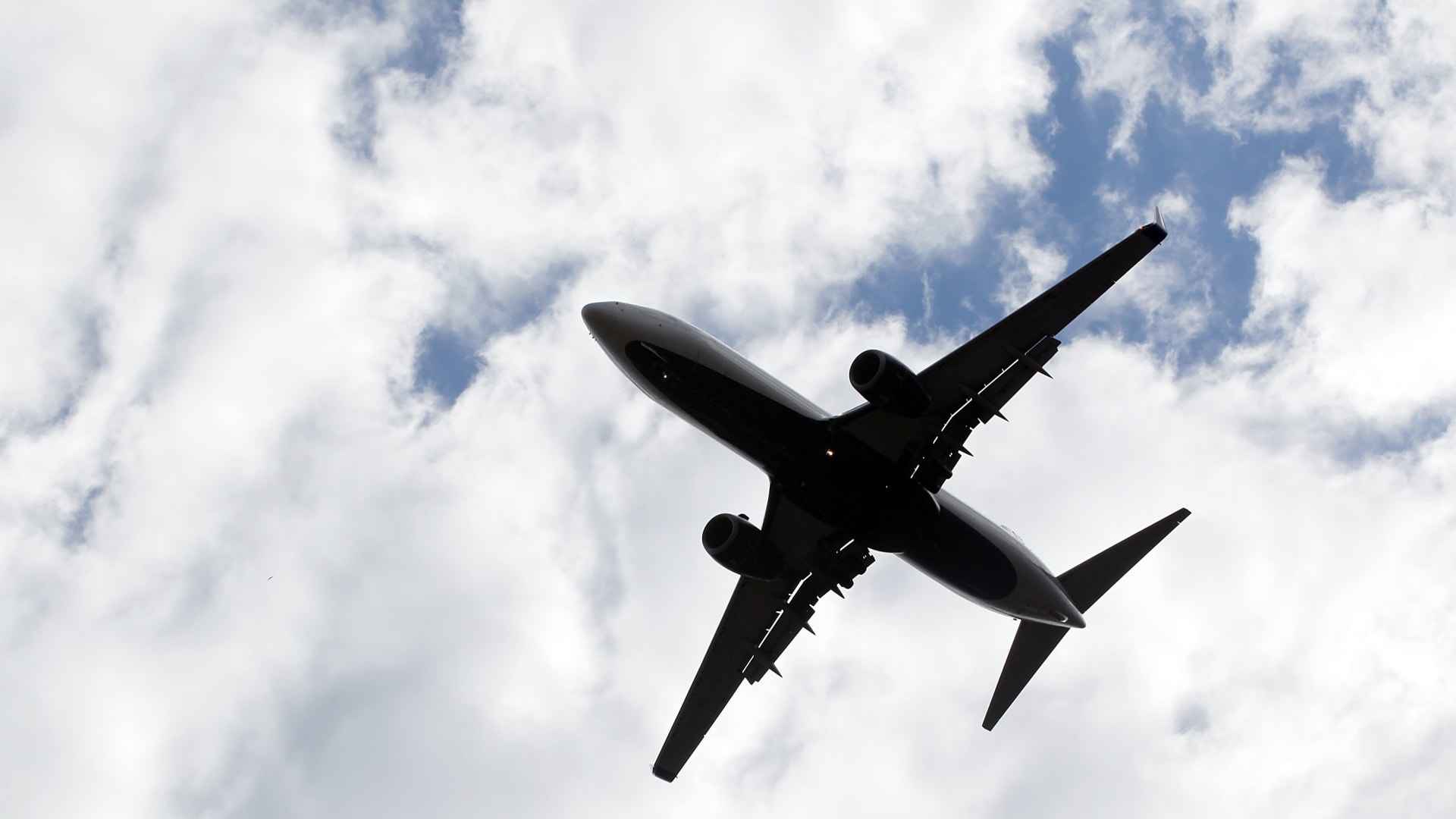
The F-35 Lightning II is a family of advanced, single-seat stealth multirole combat aircraft developed by Lockheed Martin. It was designed in the late 1990s and early 2000s to perform ground attack, reconnaissance, and air defense missions, with its first flight occurring in 2006. The jet is now operational with multiple nations and represents a significant technological advancement in modern military aviation.
NATO
NATO, or the North Atlantic Treaty Organization, is a military alliance established in 1949 by the United States, Canada, and several Western European nations to provide collective security against the Soviet Union during the Cold War. Its founding treaty embodies the principle of collective defense, meaning an attack on one member is considered an attack on all. Following the Cold War, NATO has expanded its membership and adapted its missions to include crisis management and counter-terrorism operations.
White House
The White House is the official residence and workplace of the President of the United States, located in Washington, D.C. It was designed by James Hoban and its construction was completed in 1800, with President John Adams being the first to reside there. The building has been expanded and renovated over the centuries, including after being burned by British forces in 1814.
F-16 jet
The F-16 Fighting Falcon is a single-engine multirole fighter aircraft originally developed by General Dynamics for the United States Air Force. First flown in 1974, it was designed as a lightweight, highly maneuverable air-to-air combat fighter that has since evolved into a successful all-weather multirole platform used by over 25 countries.
Eurofighter jet
The Eurofighter Typhoon is a multinational twin-engine, canard-delta wing multirole fighter aircraft, developed by a consortium of European aerospace companies. Its history began in the 1980s as a collaborative program between the UK, Germany, Italy, and Spain to produce a next-generation air superiority fighter, with the first prototype flying in 1994. It entered service in the early 2000s and remains a cornerstone of European air defense and a significant export product.
Israel
Israel is a country in the Middle East, established as a modern state in 1948 following a United Nations partition plan. It is a historic homeland of the Jewish people, with Jerusalem containing sites sacred to Judaism, Christianity, and Islam, such as the Western Wall, the Church of the Holy Sepulchre, and the Al-Aqsa Mosque.
Donald Trump
Donald Trump is a businessman and media personality who served as the 45th President of the United States from 2017 to 2021. His presidency was marked by significant political polarization and a populist “America First” agenda. Prior to politics, he was widely known for his real estate ventures and as the host of the television show *The Apprentice*.
Ankara
Ankara is the capital city of Turkey, strategically located in the central Anatolia region. It was declared the capital in 1923 by Mustafa Kemal Atatürk, replacing Istanbul to symbolize the new, modern, and secular Republic of Turkey. The city’s history dates back millennia, having been an important cultural and commercial center for successive civilizations including the Hittites, Phrygians, Romans, and Ottomans.
Russian S-400 air defense system
The S-400 Triumf is a modern Russian long-range surface-to-air missile system, introduced into service in 2007 as an upgrade to the S-300 family. It is designed to engage aircraft, cruise missiles, and ballistic missiles at ranges of up to 400 kilometers, and has been exported to several nations, becoming a significant element of Russian military exports and geopolitical influence.
Countering America’s Adversaries Through Sanctions Act (CAATSA)
The Countering America’s Adversaries Through Sanctions Act (CAATSA) is a United States federal law enacted in 2017 that imposes sanctions on Iran, North Korea, and Russia. Its primary historical impetus was to punish Russia for its interference in the 2016 U.S. presidential election and its annexation of Crimea in 2014.
Gaza
Gaza is a coastal city in the Palestinian territories with a history dating back over 3,000 years, having been ruled by numerous empires including the Egyptians, Philistines, Romans, and Ottomans. It is a densely populated urban center and a focal point of the Israeli-Palestinian conflict, containing significant historical sites like the Great Mosque of Gaza.
Syria
Syria is a country in the Middle East with a rich history as one of the world’s oldest centers of civilization, home to ancient cities like Damascus and Aleppo. Its historical significance includes being part of numerous empires and a key site for early Christian and Islamic heritage. The ongoing Syrian Civil War, beginning in 2011, has caused profound devastation to its people and cultural sites.