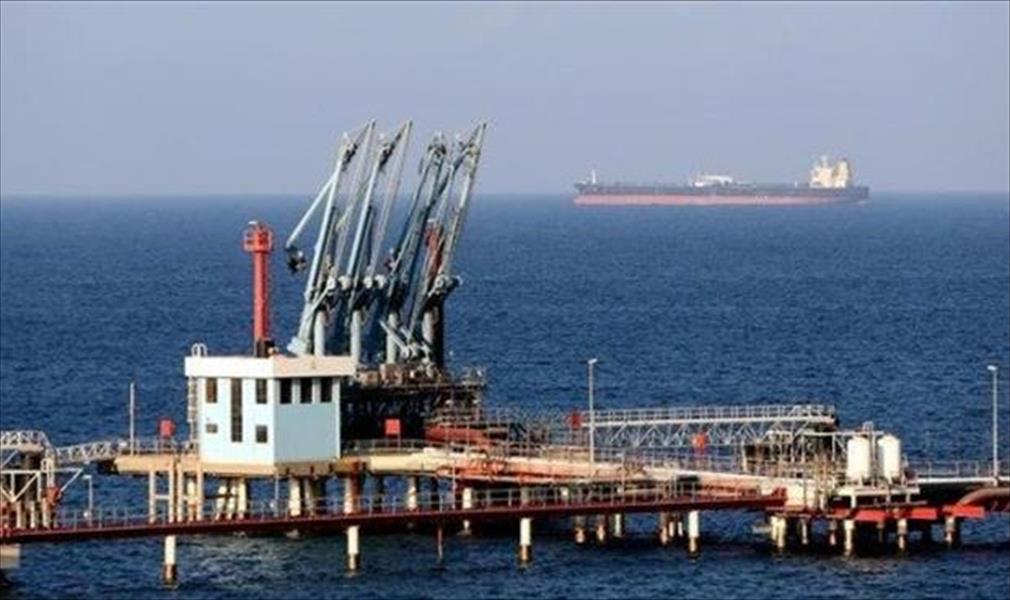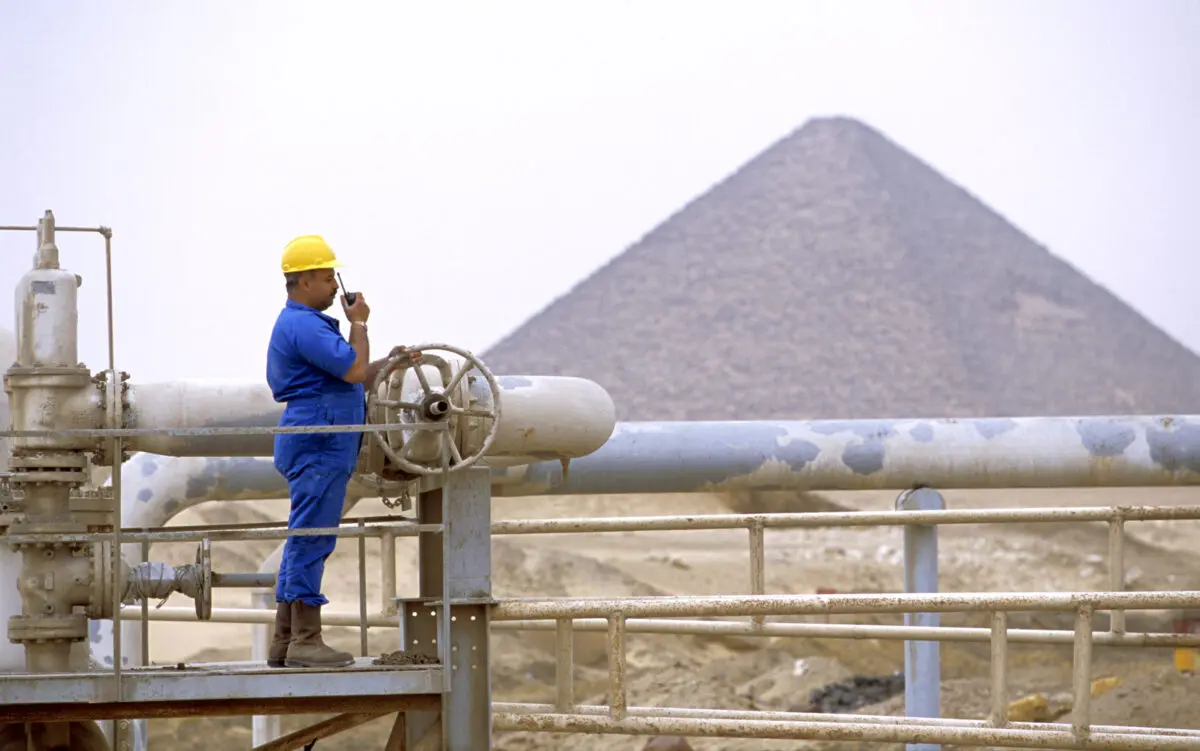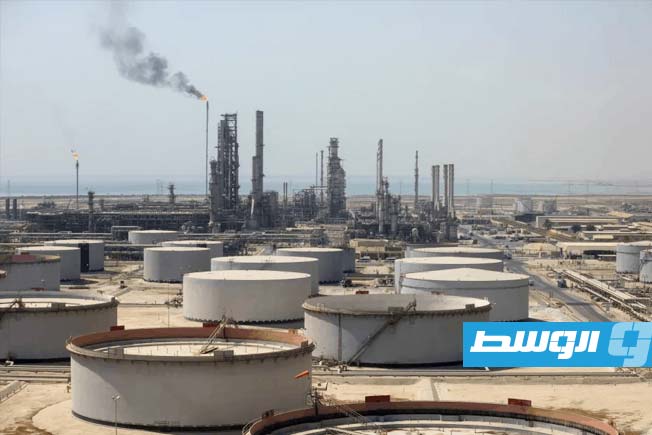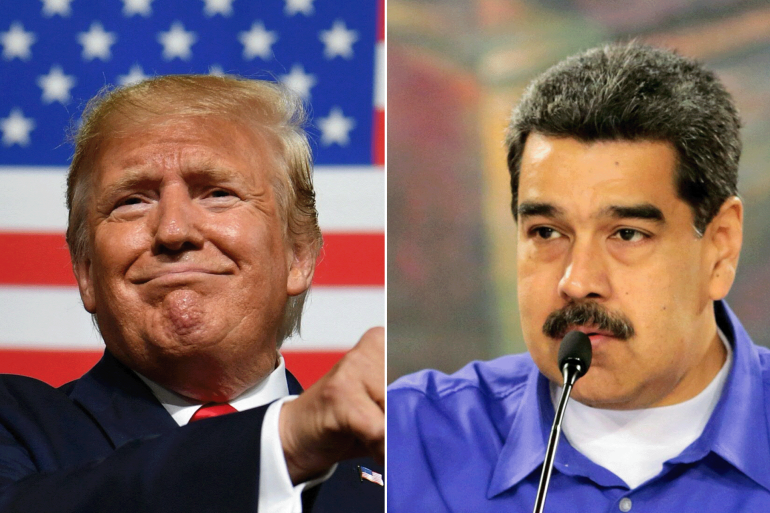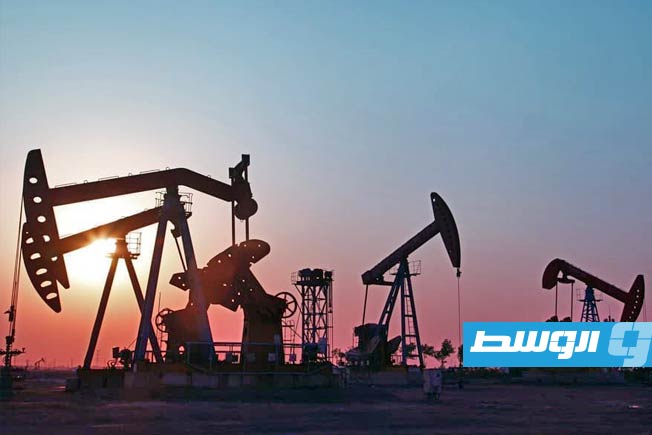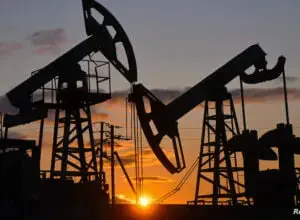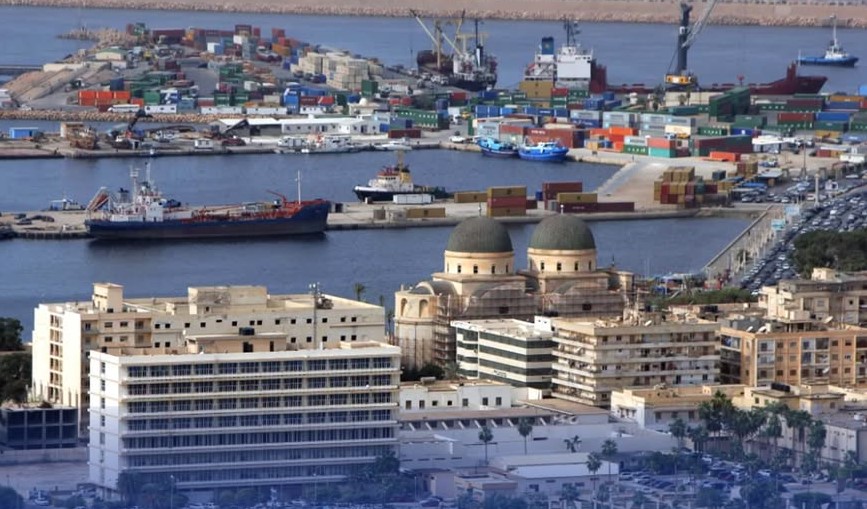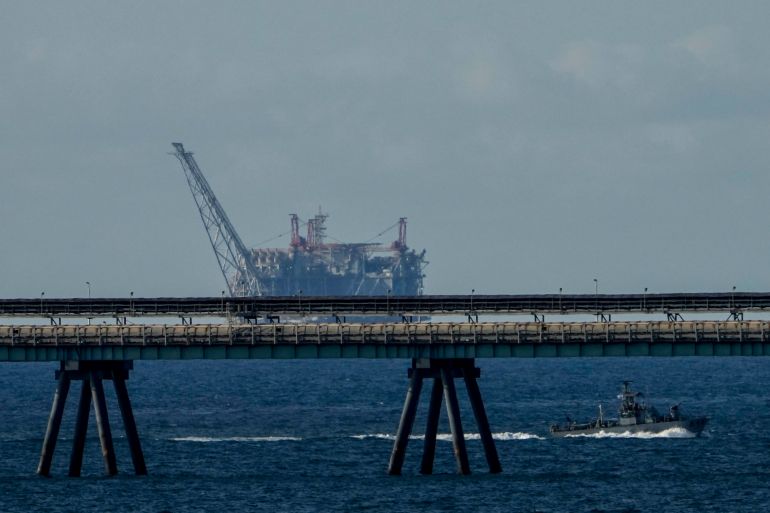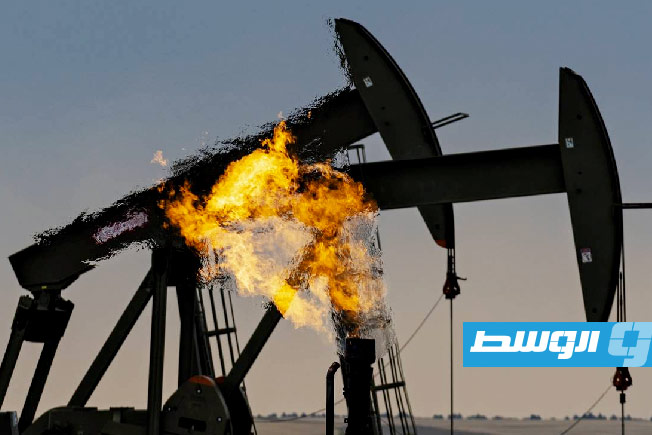
Global energy markets are preparing to deal with a number of geopolitical shocks in 2026, which are expected to affect supplies, prices, and consequently, government reactions. The most prominent of these are the recent events in Venezuela, which led to the kidnapping of President Nicolás Maduro and his transfer to the United States in preparation for his trial.
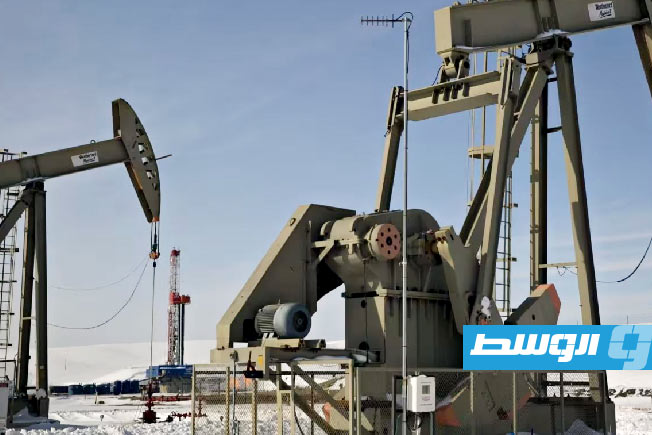
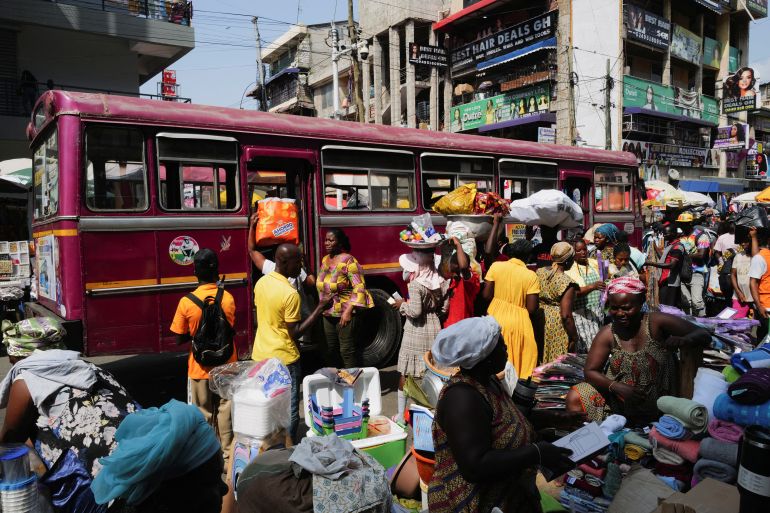
A report published yesterday, Monday, reviewed four crises expected to impact energy markets, particularly oil markets. These are the events in Venezuela, instability in the Red Sea, tensions related to Iran, and political and security unrest in Somalia and the Horn of Africa region. These crises have “changed the concepts of escalation, control, and restraint,” according to the report.
The Crisis in Venezuela
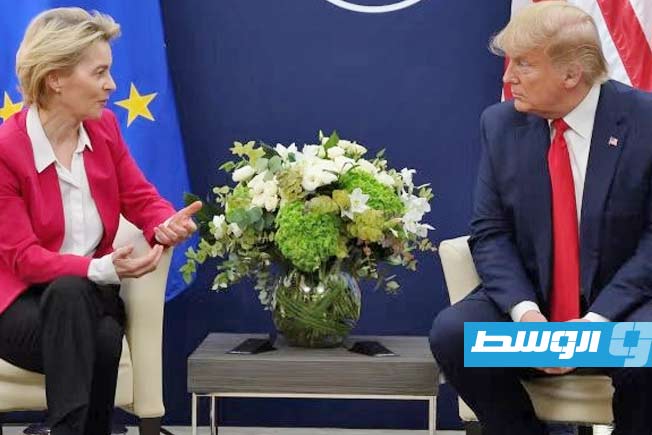
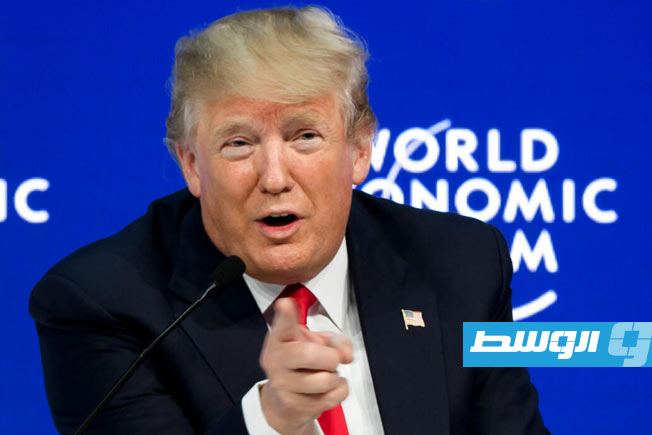
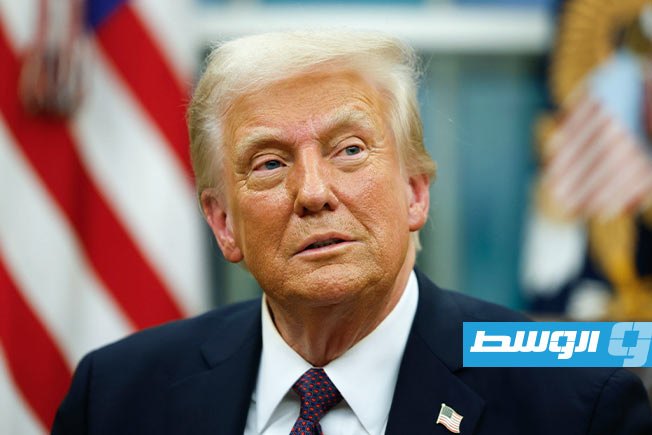
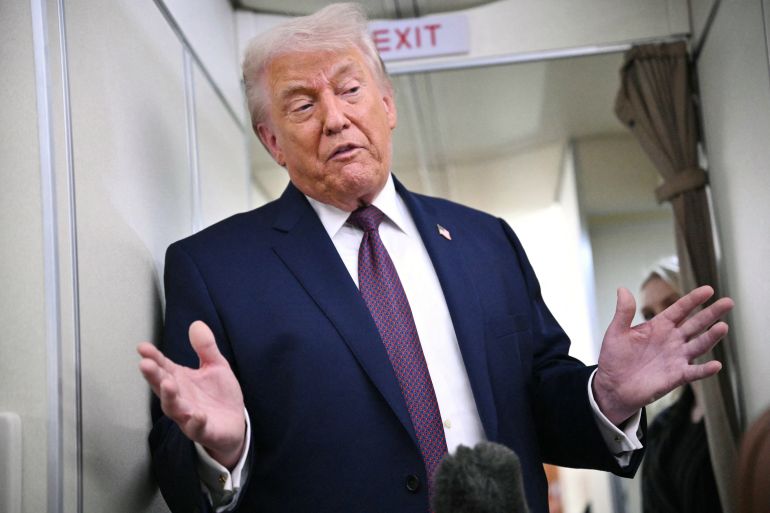
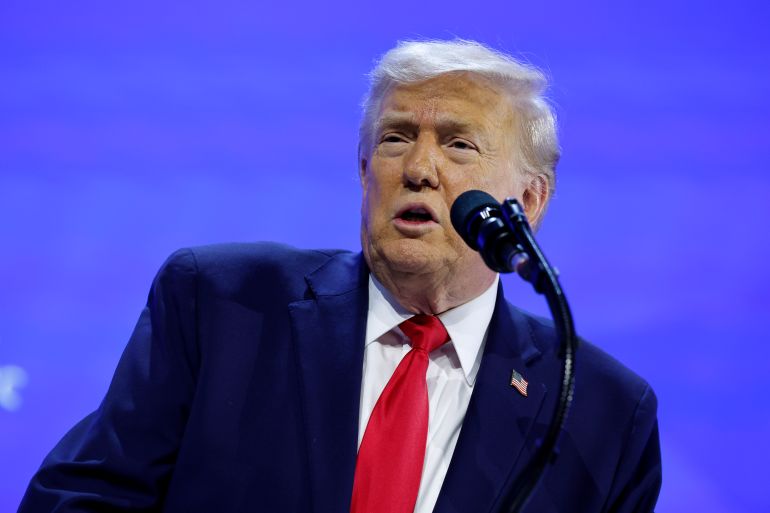
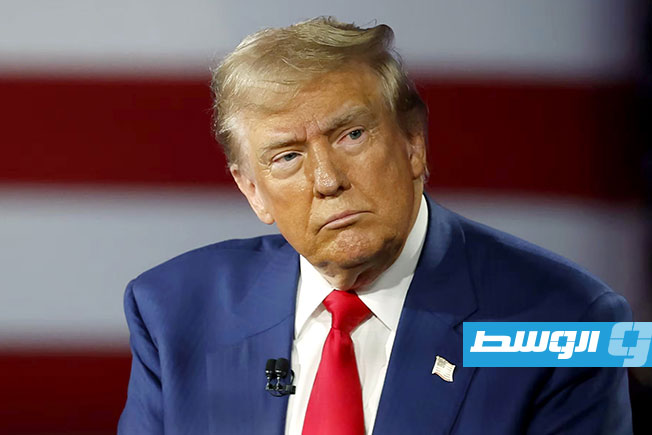
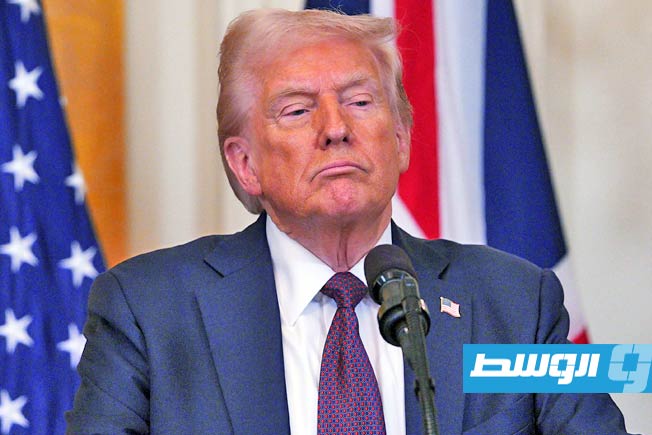
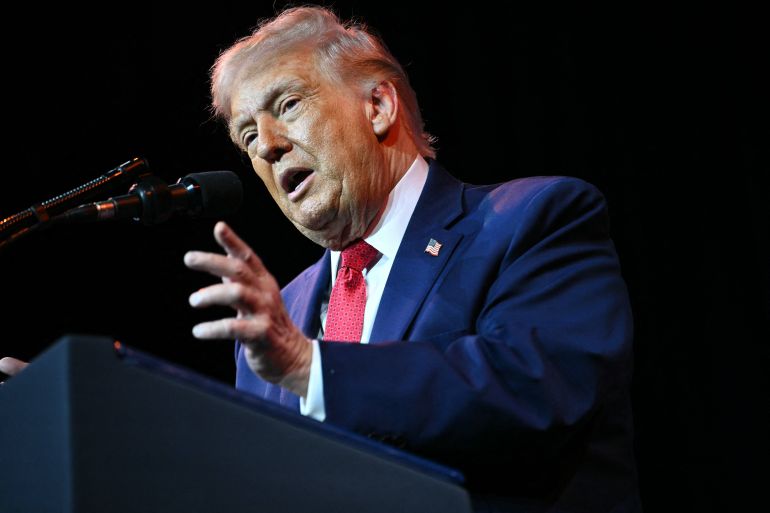
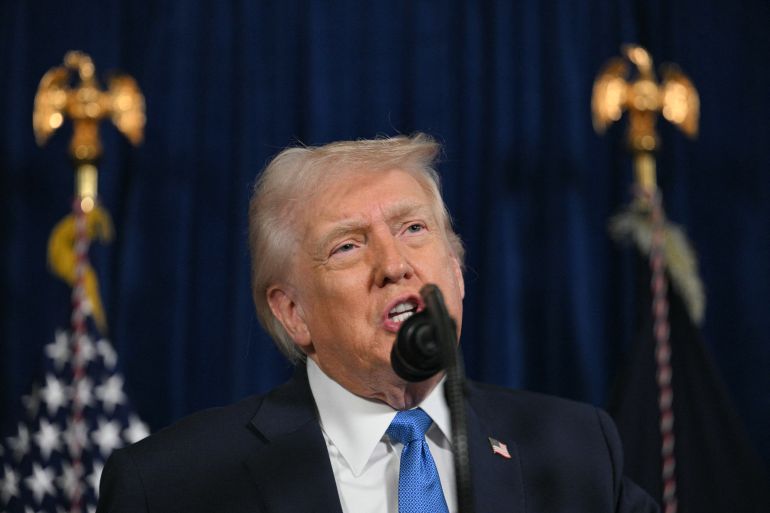
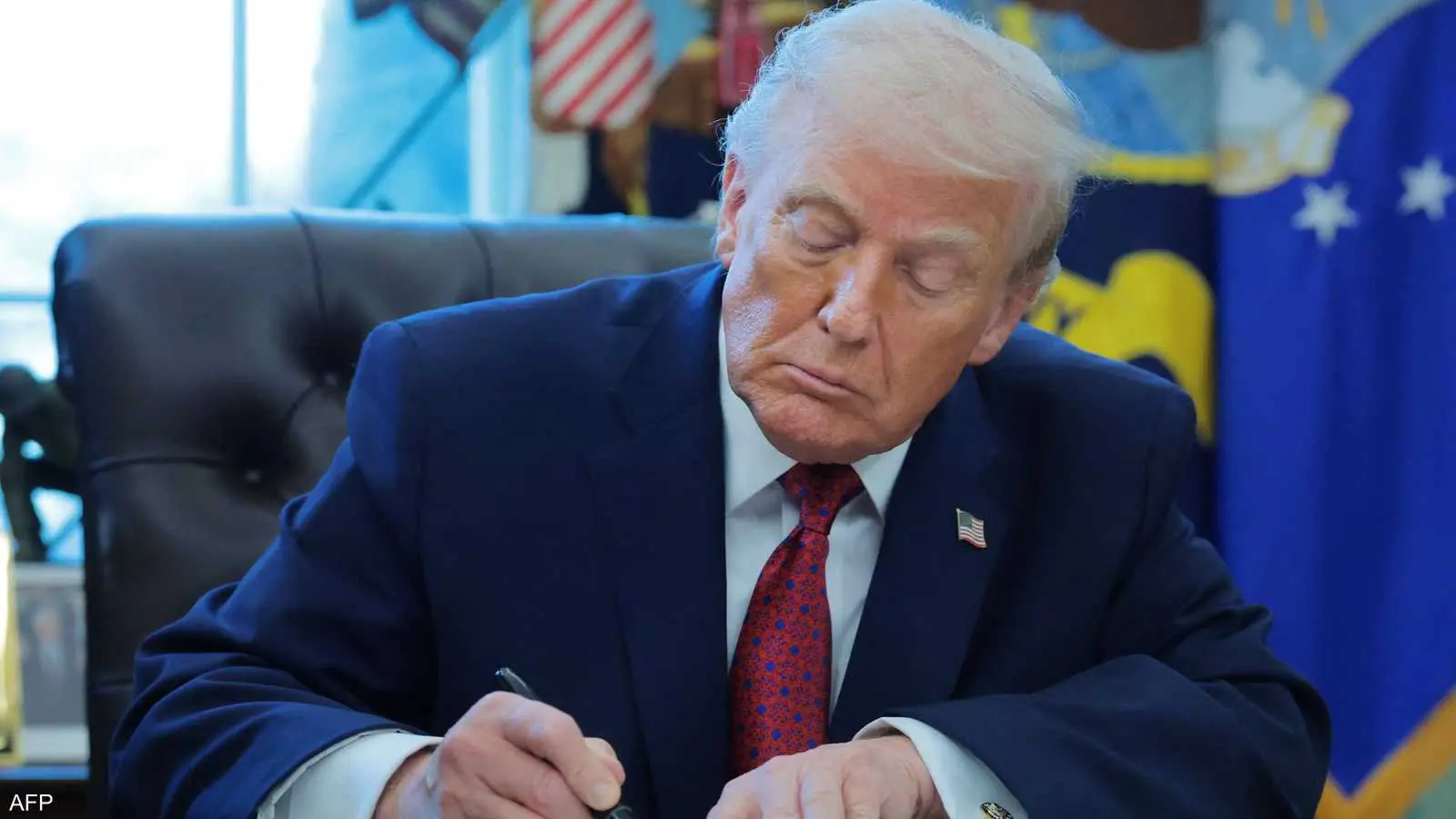
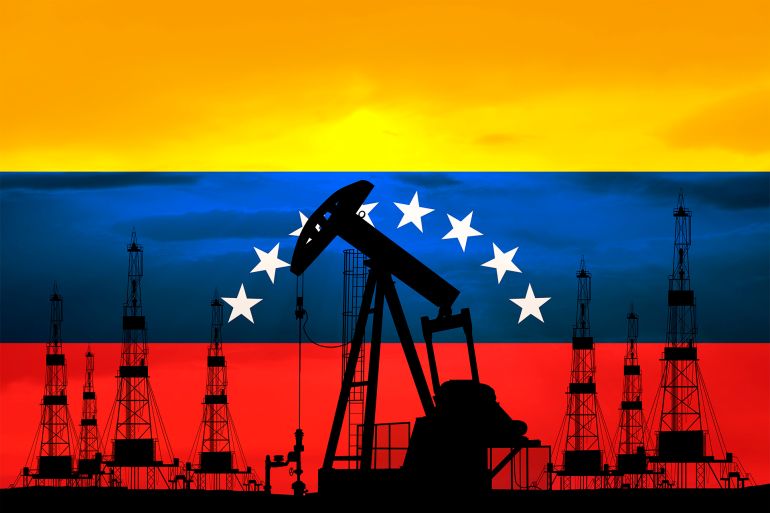
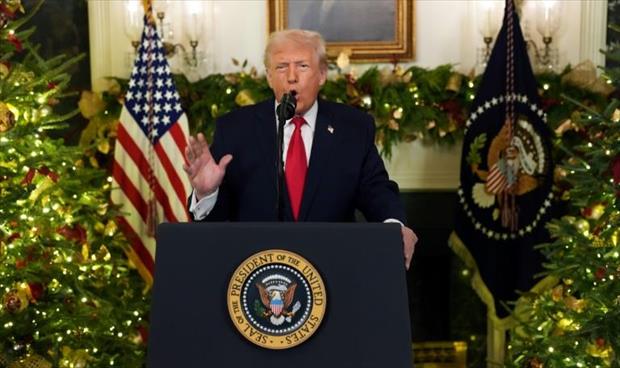
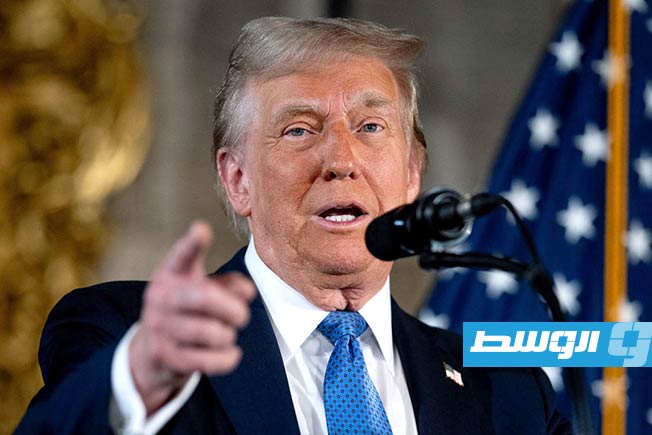
Developments in Venezuela are dominating headlines with the kidnapping of President Nicolás Maduro and his transfer to the United States, and statements by U.S. President Donald Trump regarding “managing Venezuela and the entry of American companies to invest in oil.”
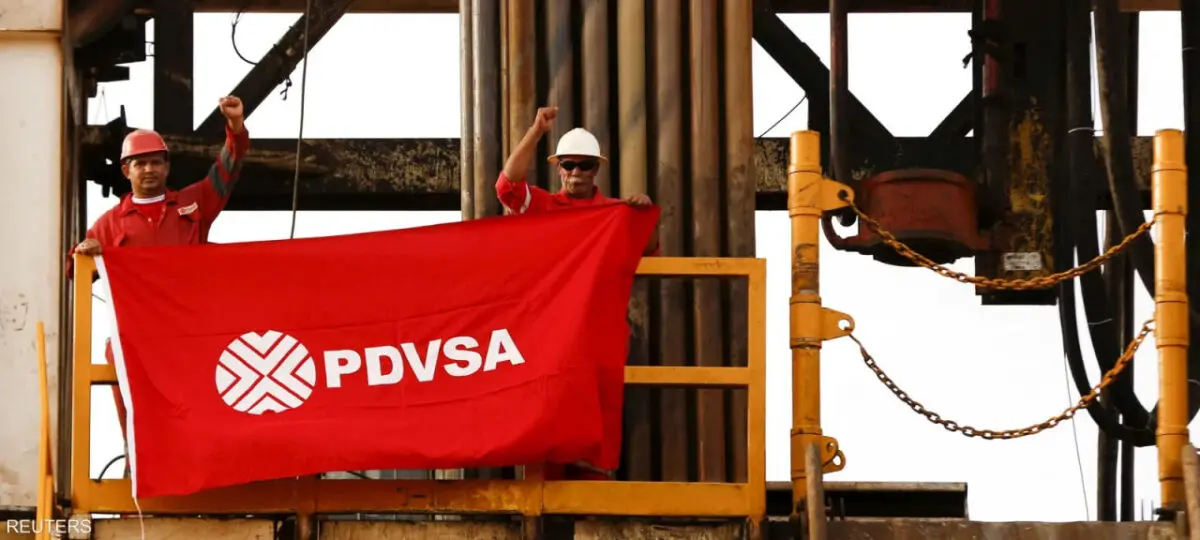
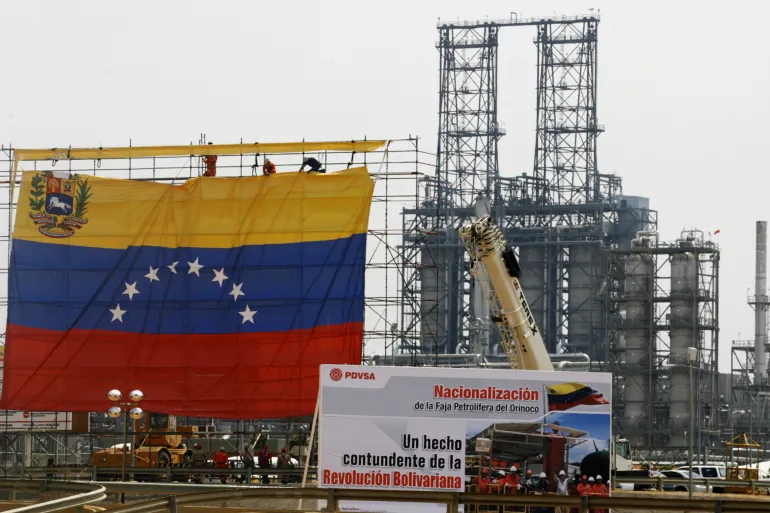
Vice President Delcy Rodríguez has been named acting president, a move publicly supported by Defense Minister Vladimir Padrino López, who in turn ordered a nationwide mobilization of the armed forces. The armed forces remain under the command of the current leadership. The Venezuelan oil company continues its operations at reduced levels, but exports and payment channels are restricted by U.S. law enforcement measures.
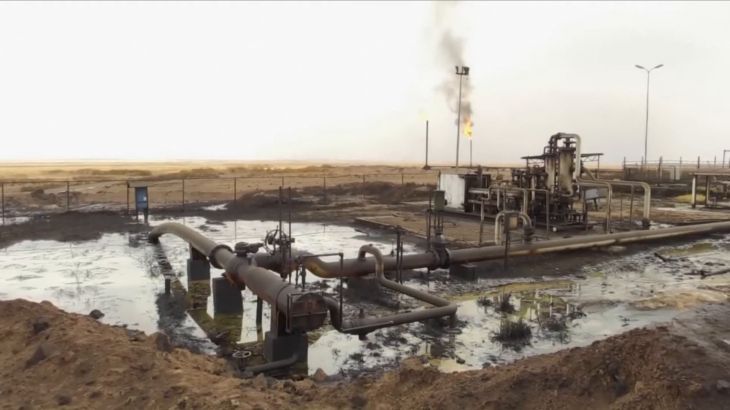
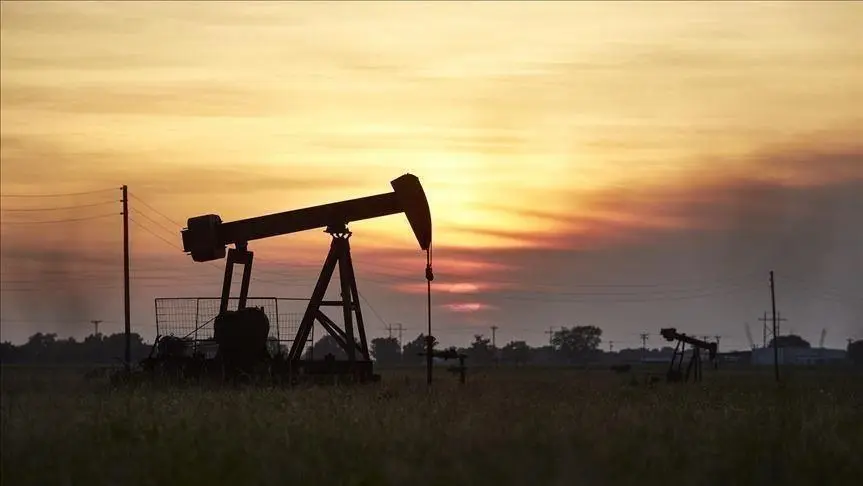
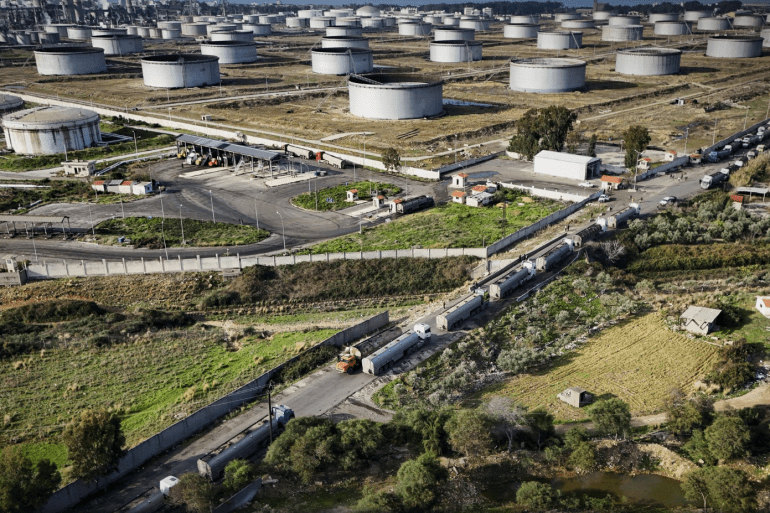
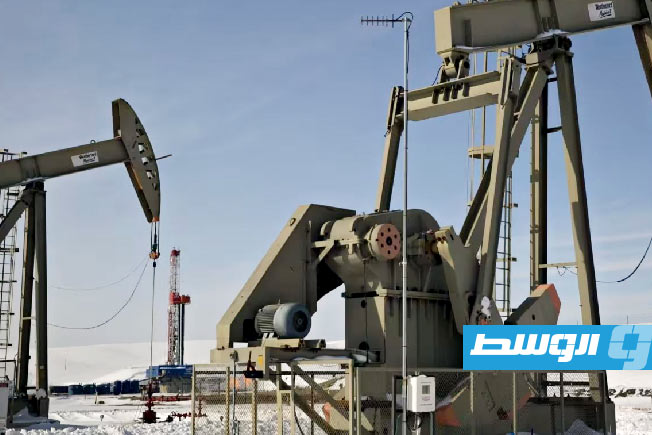
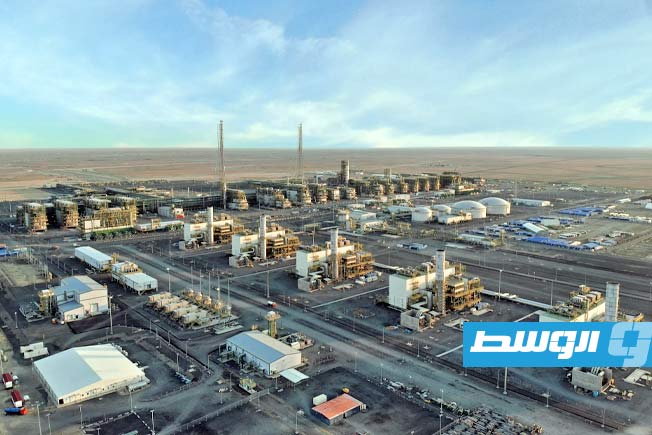
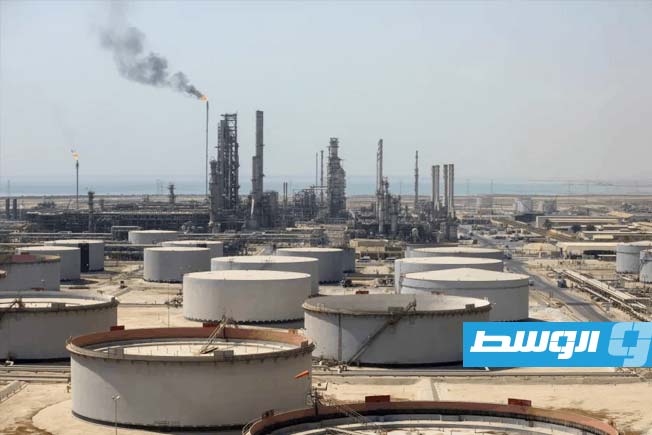
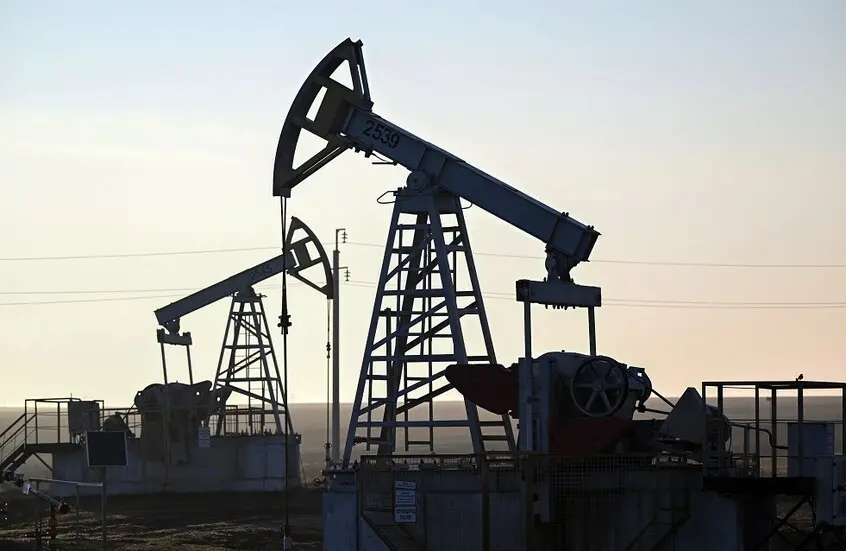
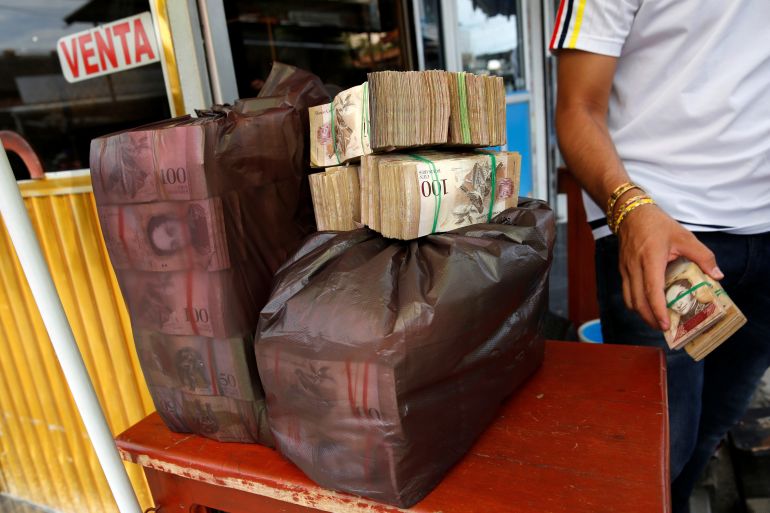
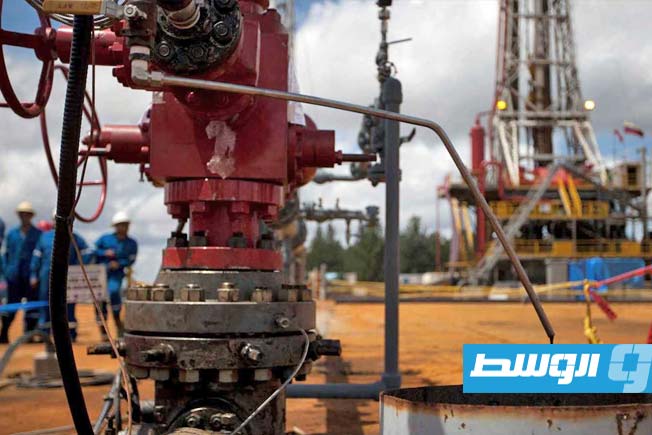
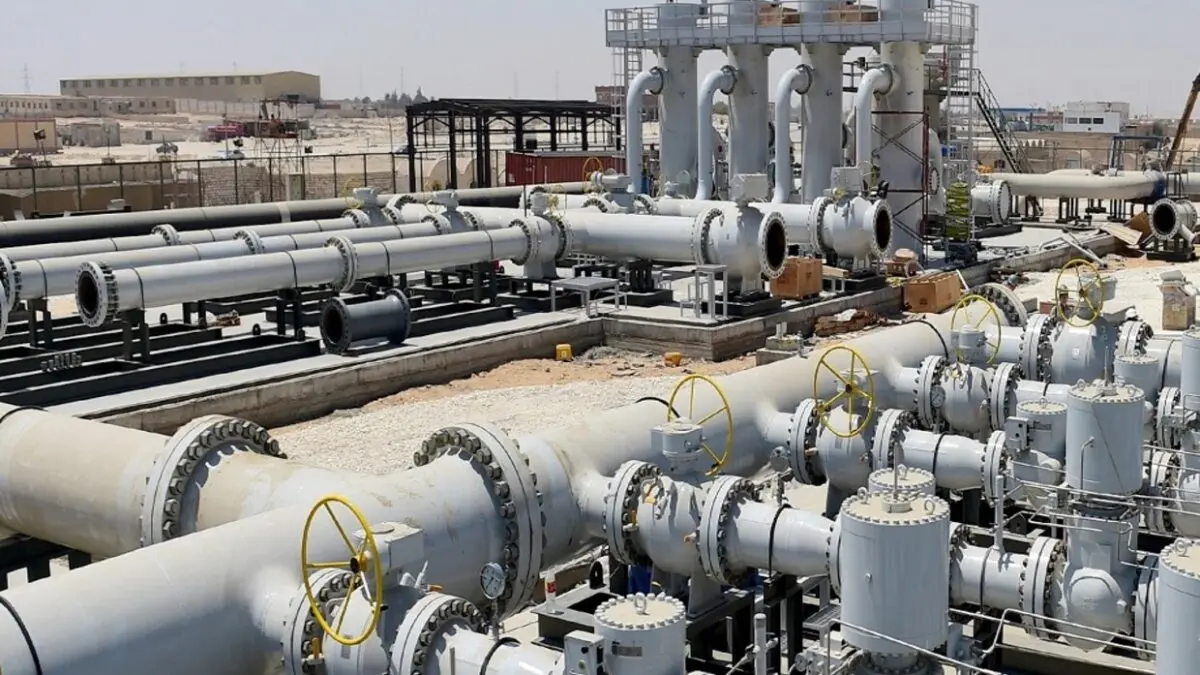
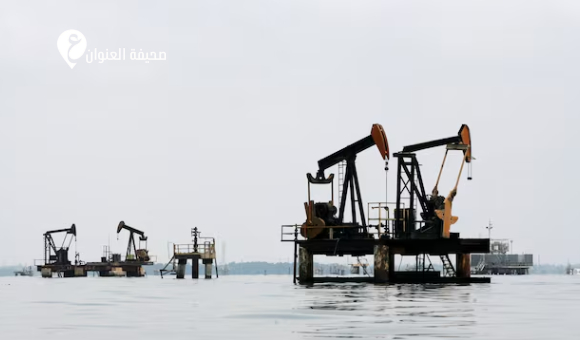
For oil markets, disruption is already present. The Venezuelan oil company has begun demanding that some joint ventures reduce production due to the accumulation of crude oil and difficulties in exporting it.
Storage constraints, legal risks, and slow customs clearance procedures are also forcing the closure of some facilities. There is no near-term path to increase Venezuelan supplies under these conditions. The possibility of U.S. forces on the ground further increases uncertainty regarding ports, facilities, and oil fields. This means Venezuela is not in a position to increase production, but rather in a position to increase volatility, according to the report.
The United States… The Primary Source of Global Risk
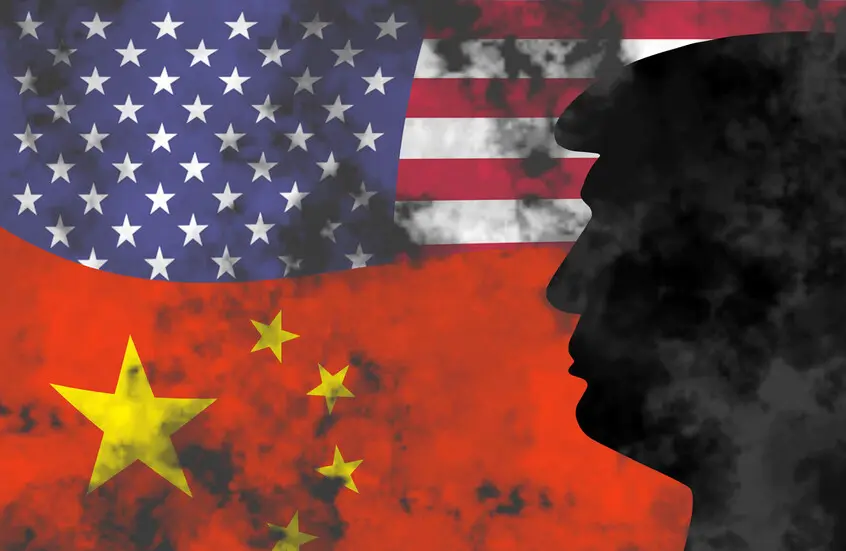
A report on the “Top Risks for 2026” notes that the United States itself has become the primary source of global risk, observing how quickly political decisions turn into tangible force. Venezuela is one of the first cases where markets are witnessing this shift directly.
A number of governments in Latin America have condemned the U.S. move and refused to recognize its legitimacy. Meanwhile, Washington has marginalized the opposition, with Trump rejecting María Corina Machado, claiming she “lacks local support,” leaving no qualified opposition figure to assume power.
It was stated: “This is not a conventional regime change; it is more akin to a forced transition. Maduro is gone, but the system he ran remains in place. The military leadership, internal security apparatus, and senior civilian officials remain the same, and López’s alignment with the interim leadership confirms this cohesion.”
Iran… The Traditional Question
The repercussions of the crisis in Venezuela are not confined to its borders but extend beyond Latin America. Maduro’s kidnapping has refocused attention on an important question: to what extent is Washington prepared to go in order to settle what it considers a crisis?
Regarding Iran, a report says, “The message is quite clear. We have seen a notable convergence between pressure and action, all aimed at generating media headlines portraying the ‘strongman’ in preparation for the midterm elections.”
Another report on the “Top Risks in 2026” sees that “the Trump administration does not seek to be the world’s policeman, but intends to exert direct control over America’s periphery.”
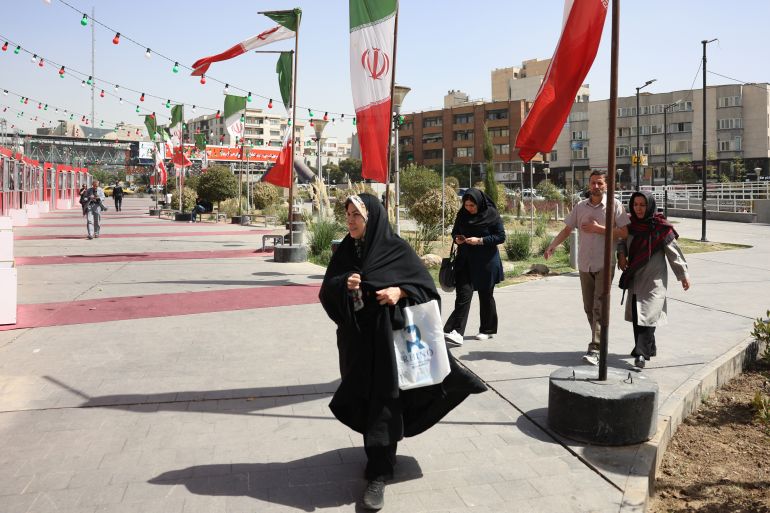
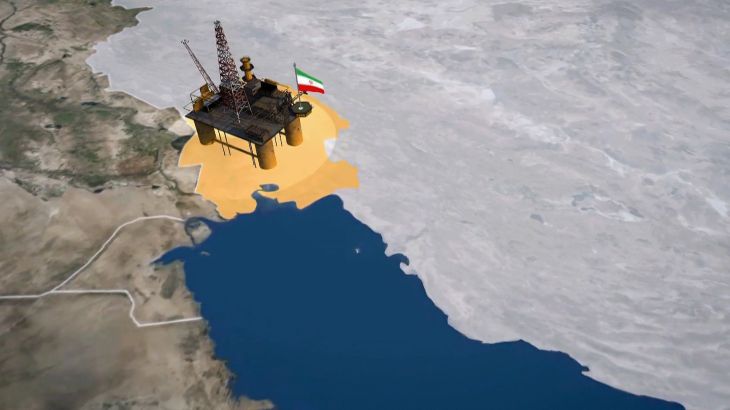
Iran’s role in oil markets is likely to become more volatile, even without direct confrontation. The events in Venezuela make justifying restraint more difficult for Iran and abandoning it easier if pressures escalate.
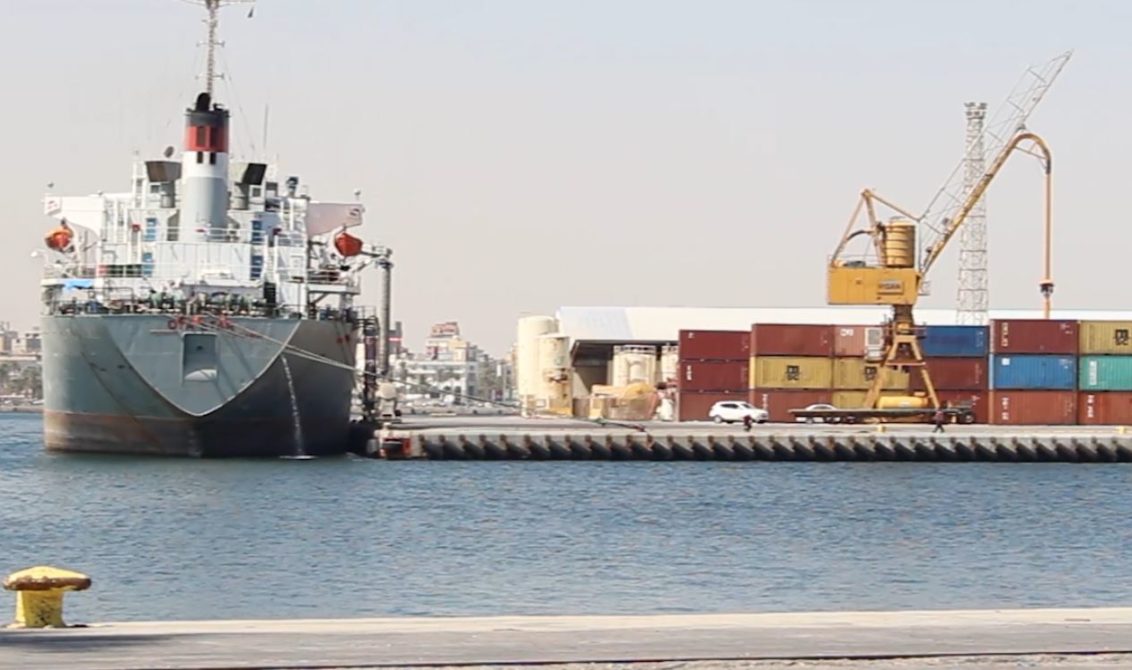
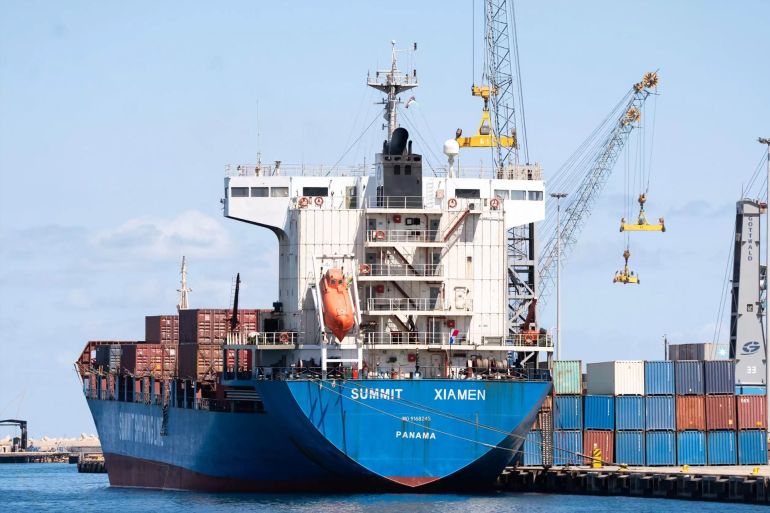
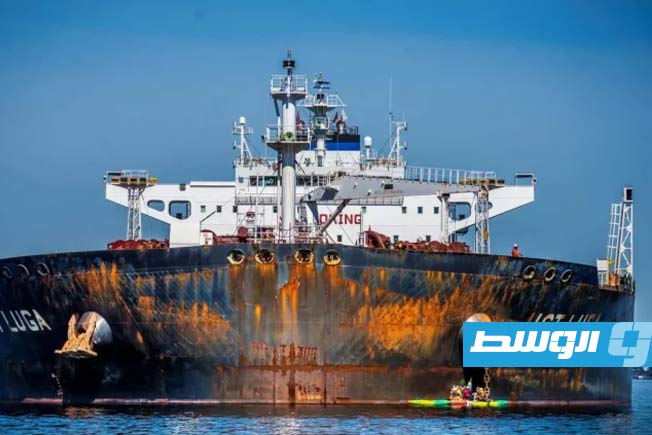
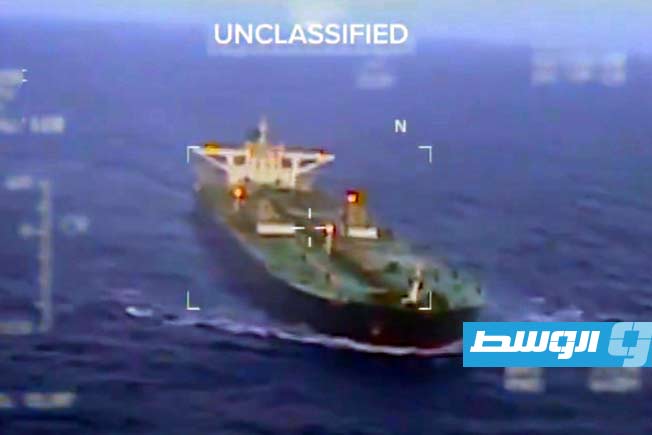
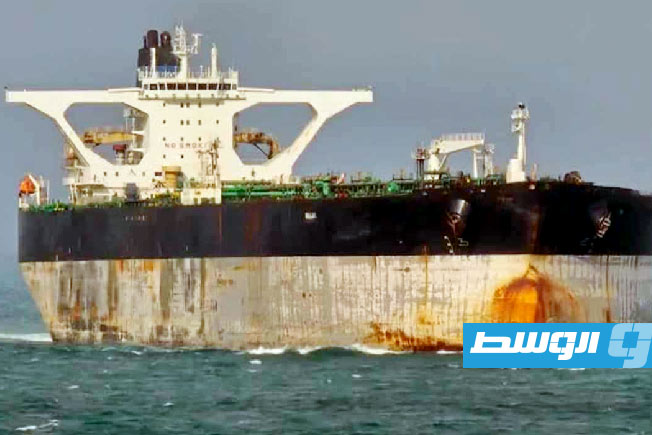
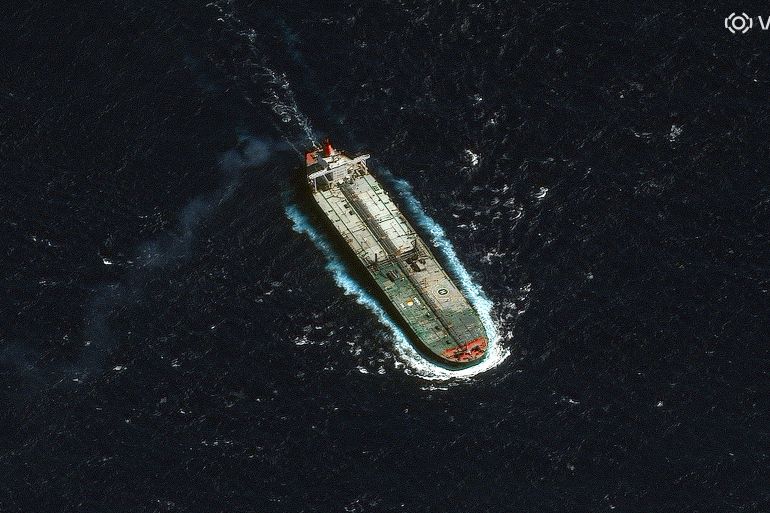
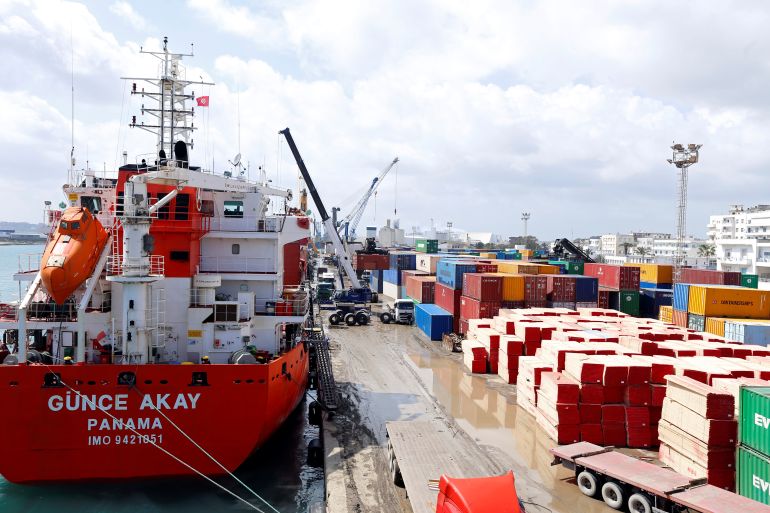
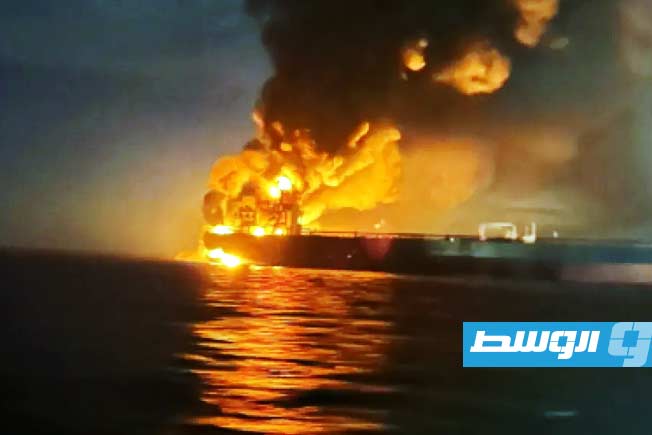
These tensions have a greater impact on maritime shipping lanes. Prices, freight rates, and insurance premiums tend to react to this ambiguity early, before anything is actually closed or blocked.
The Red Sea… Tensions Without Escalation
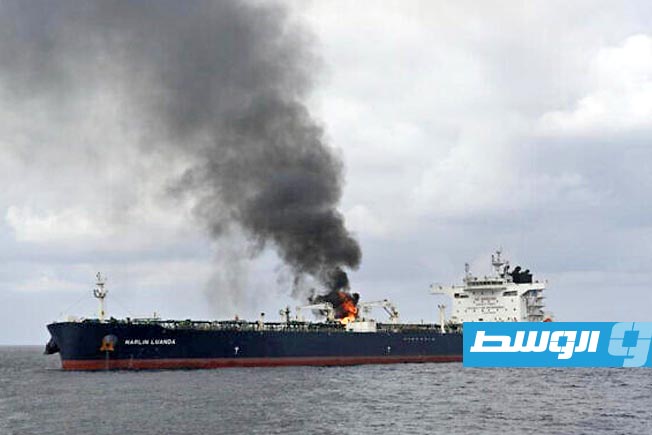
The third geopolitical crisis expected to affect oil and energy markets in 2026 is developments around the Red Sea, through which a vital part of global trade passes. Recent developments in Yemen have raised risks in the Red Sea even without an armed attack occurring.
Saudi airstrikes in southern Yemen targeted sites belonging to the Southern Transitional Council, a UAE-backed force that controls large areas of the southern coast. These airstrikes coincided with movements