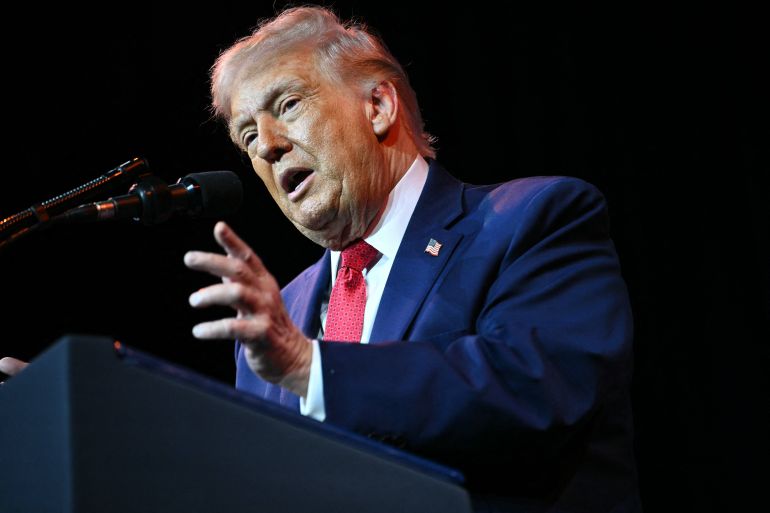
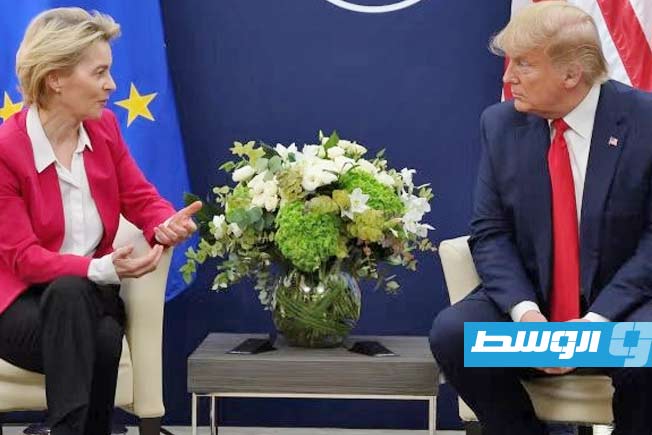
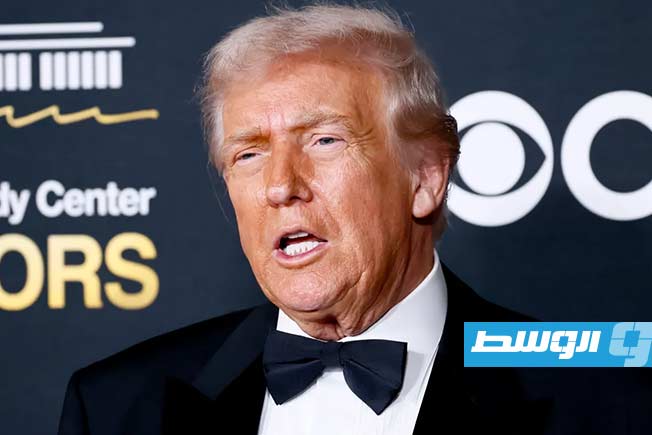
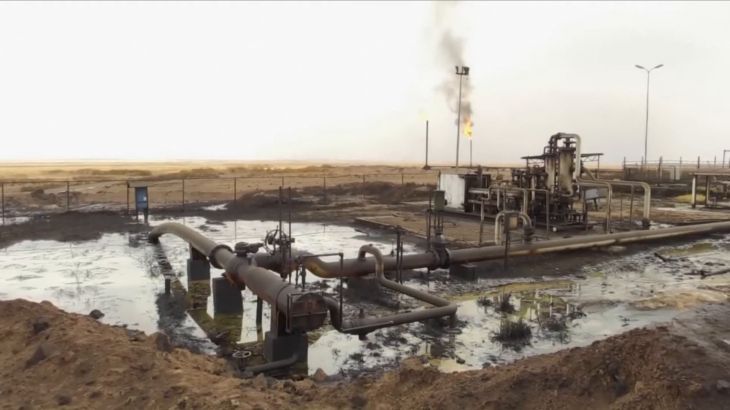
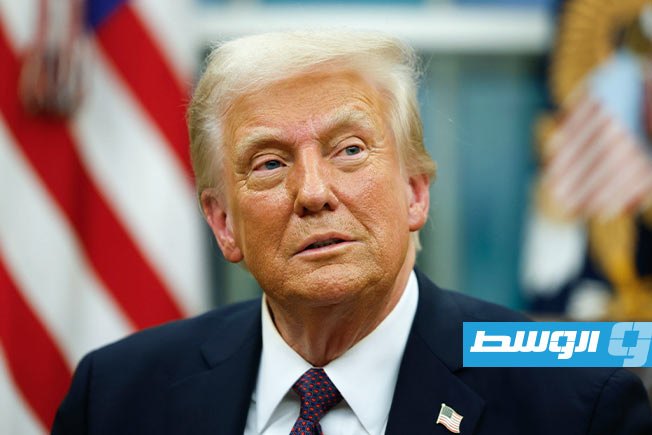
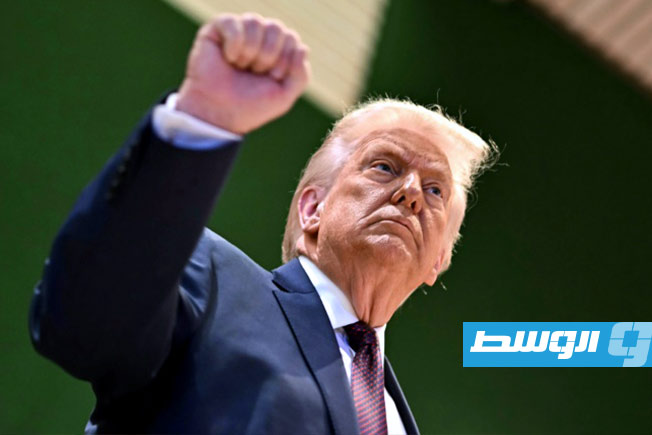
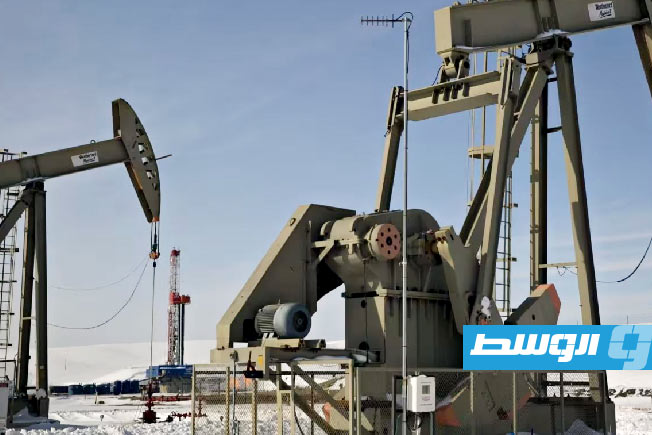
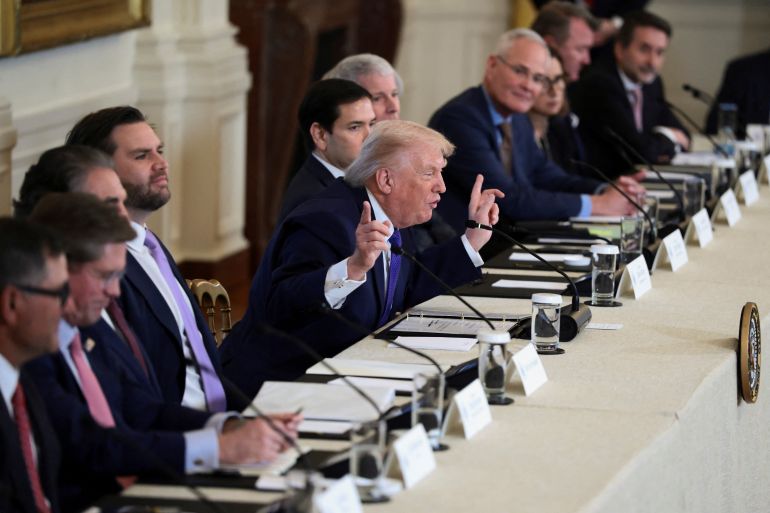
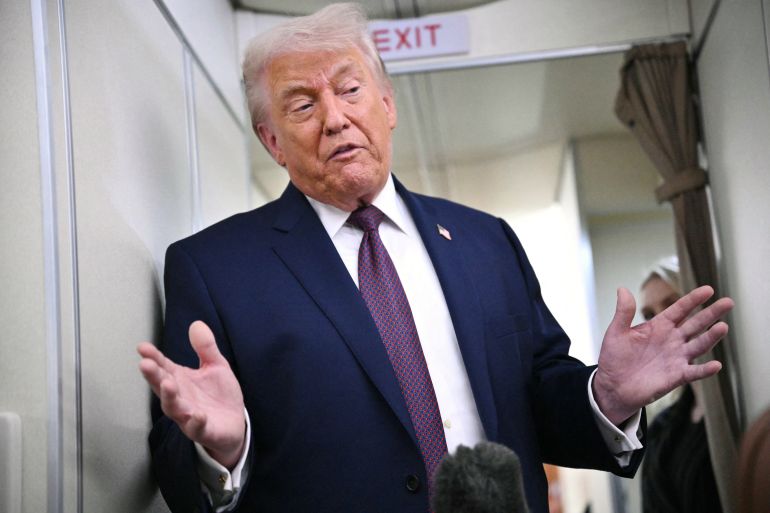
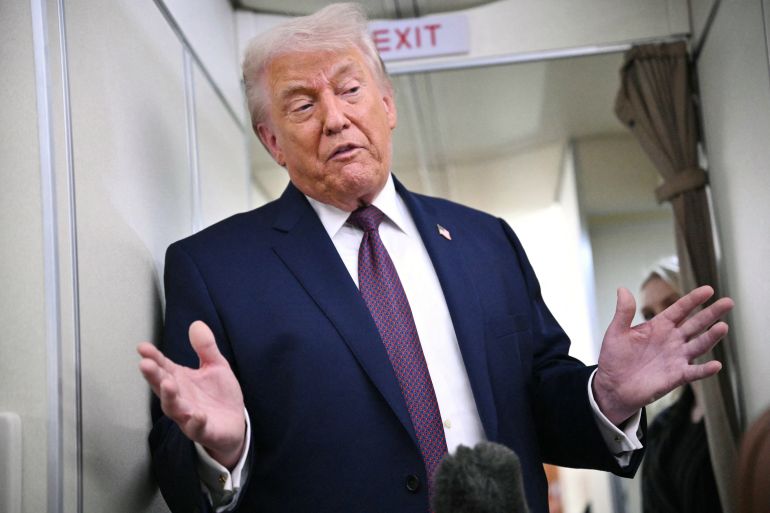
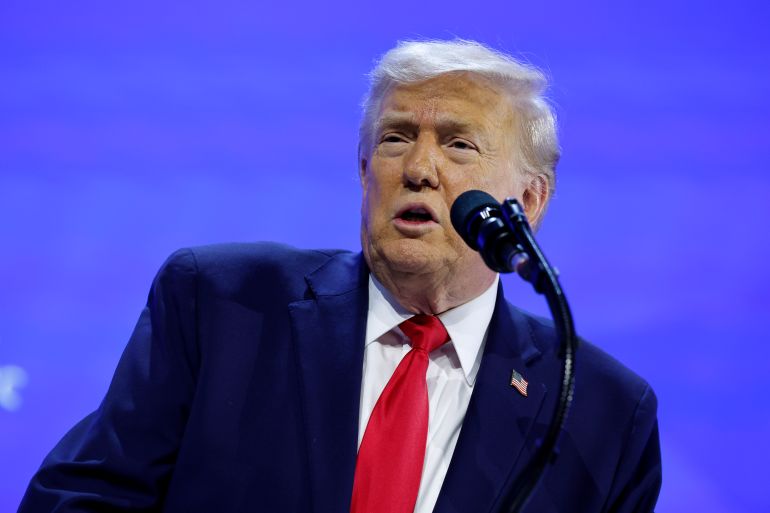
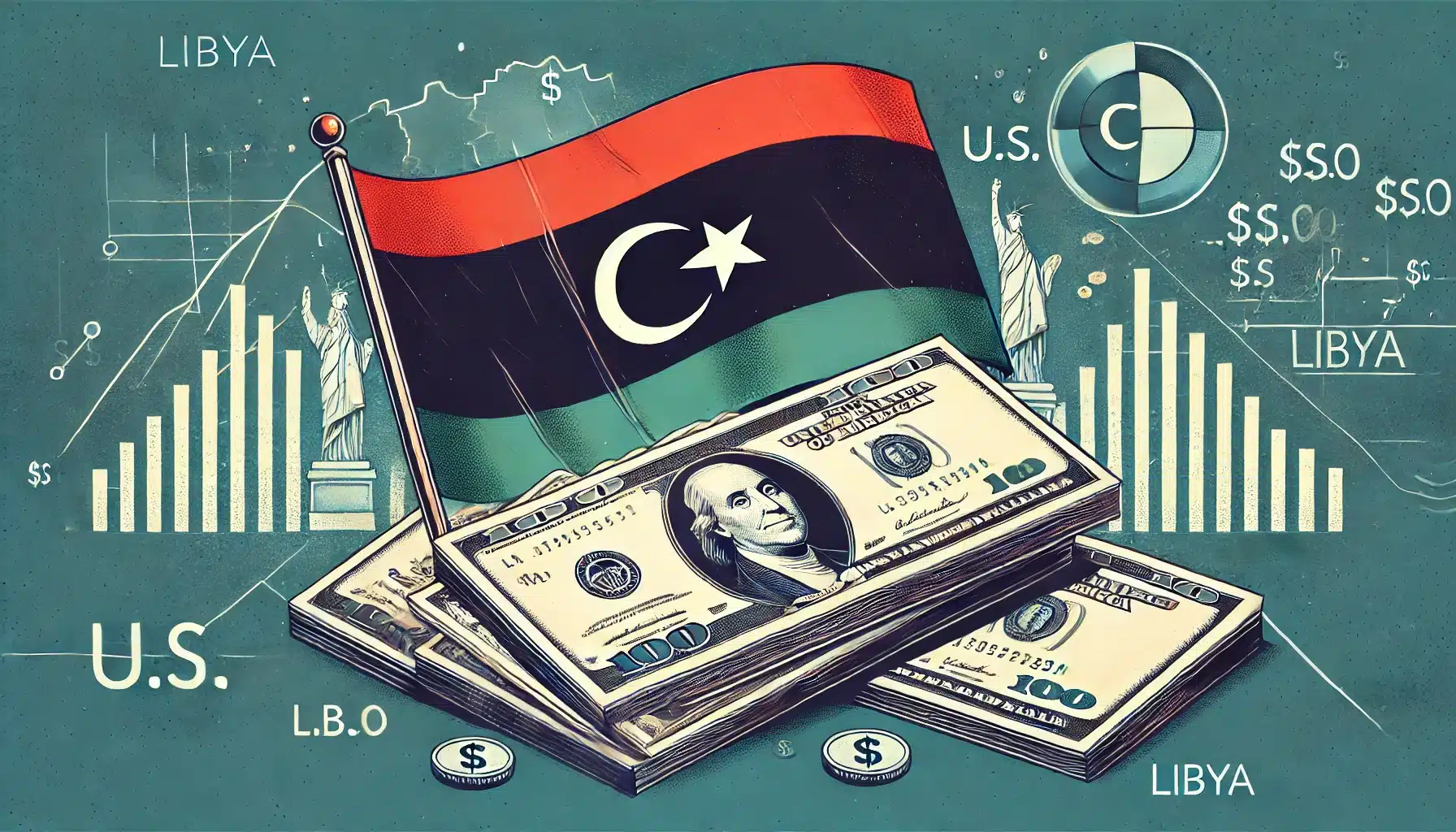
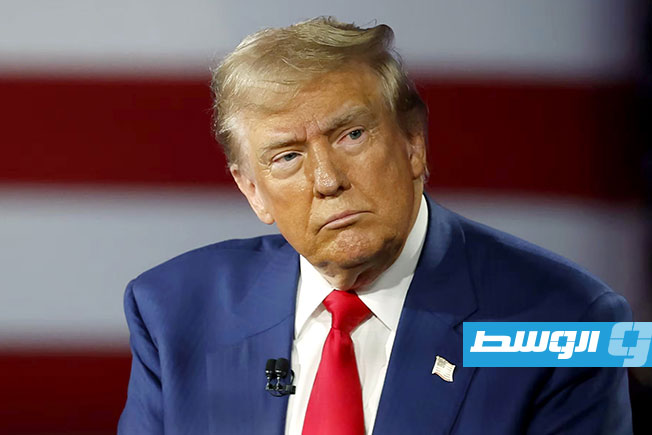
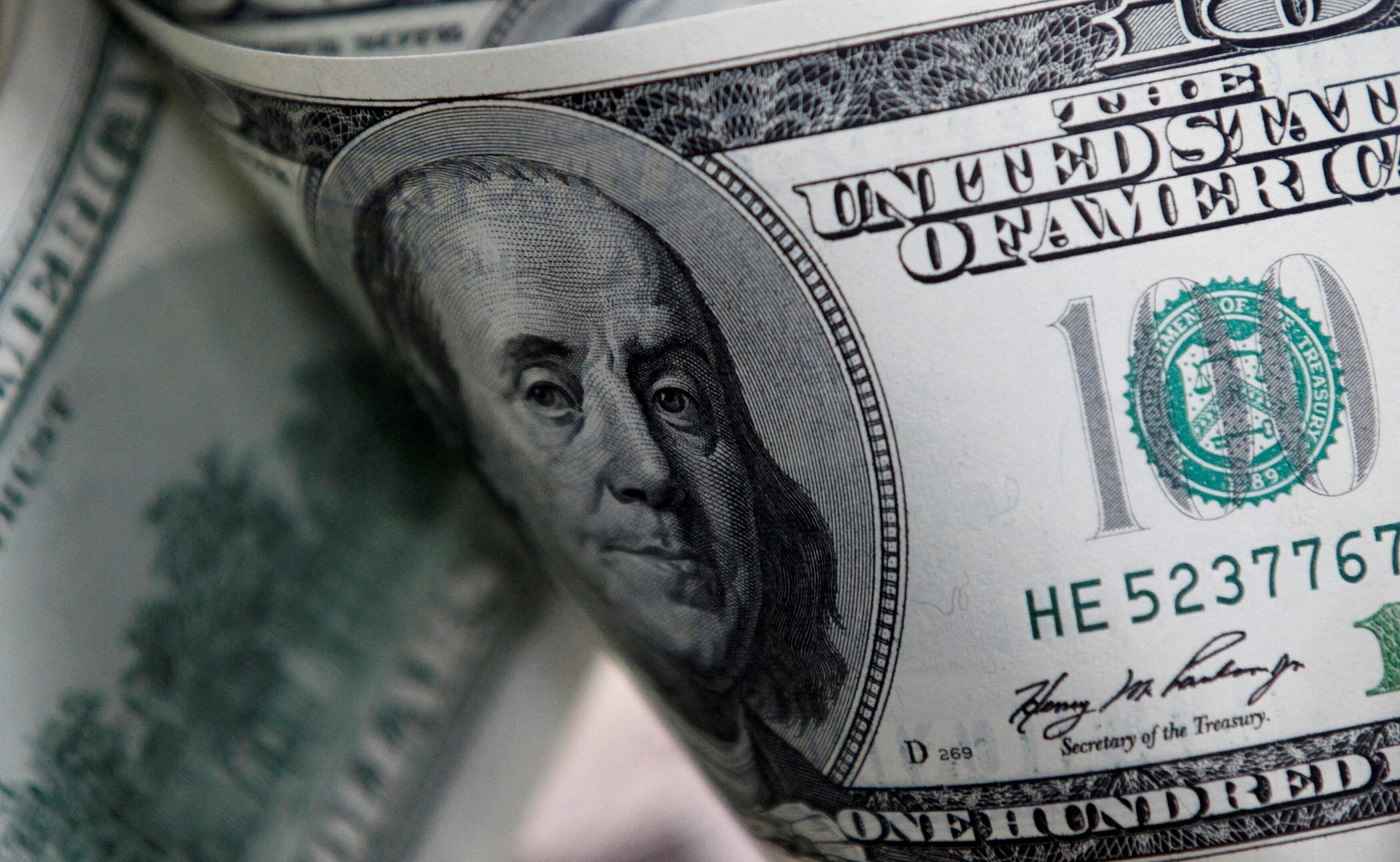
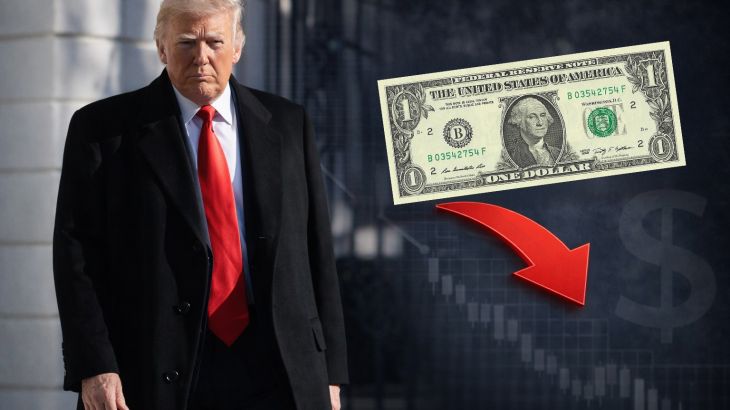
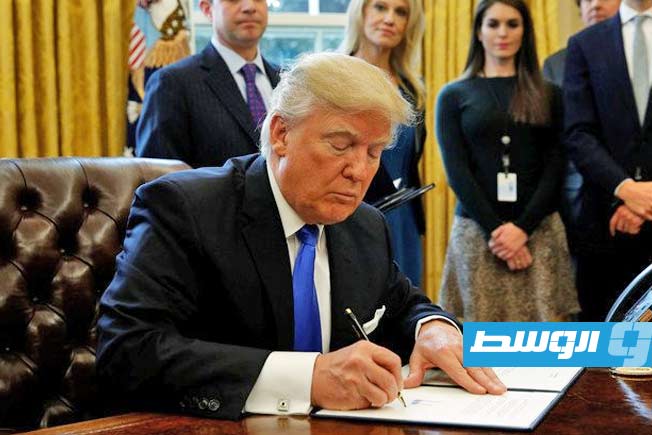
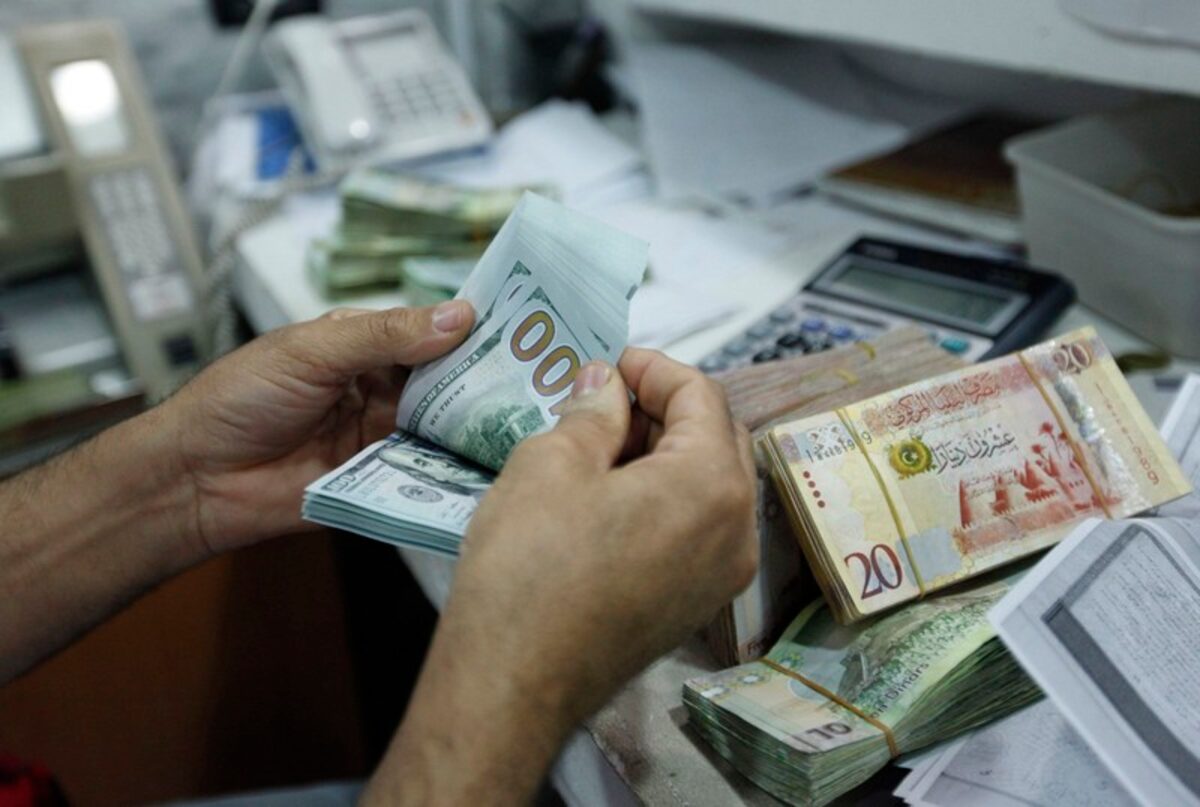
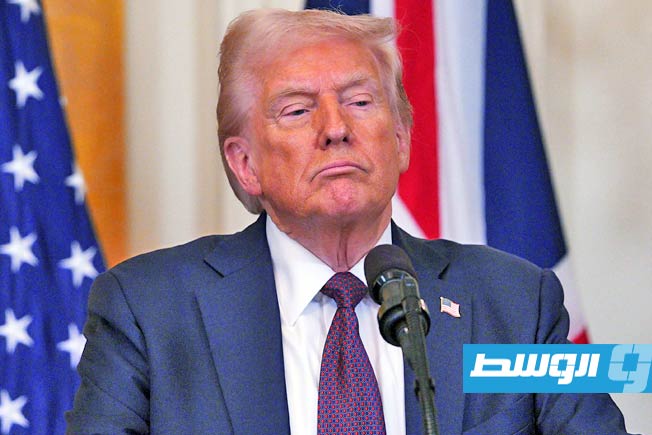
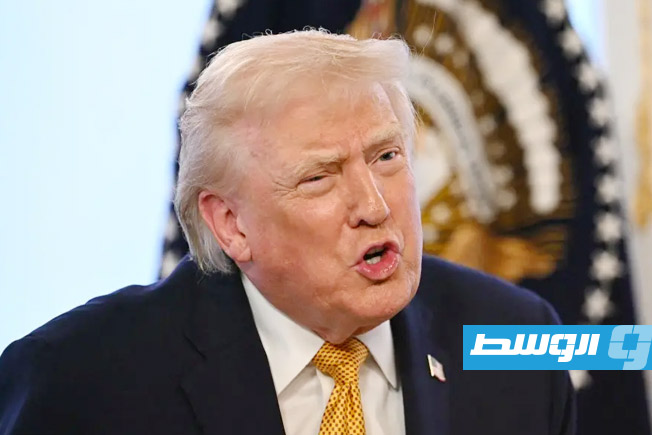
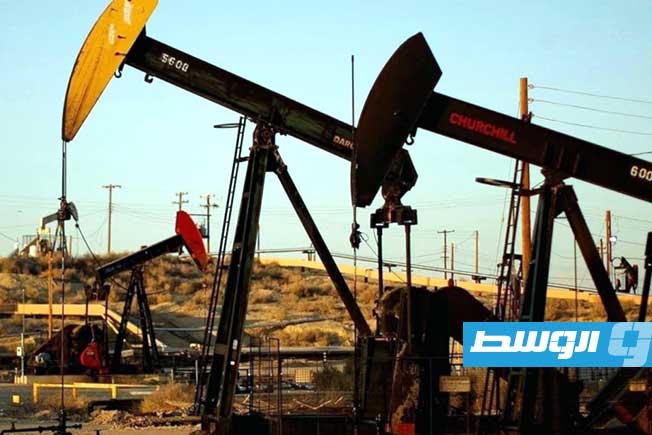
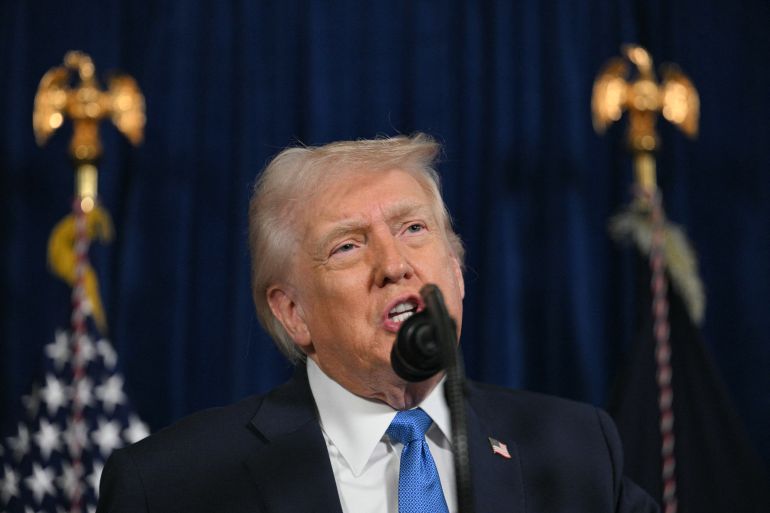
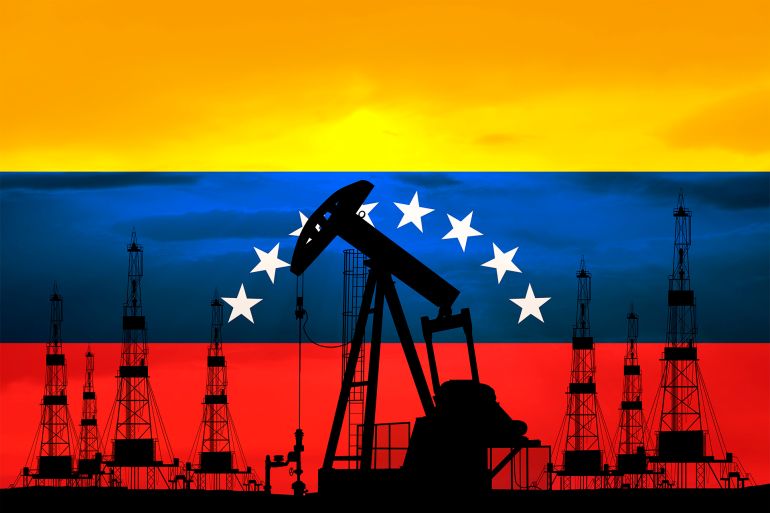
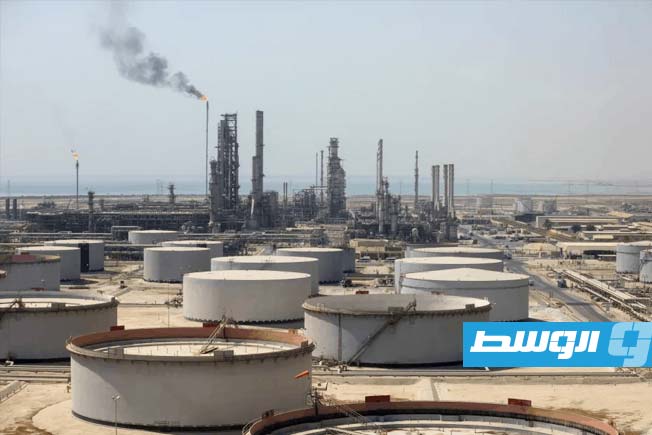
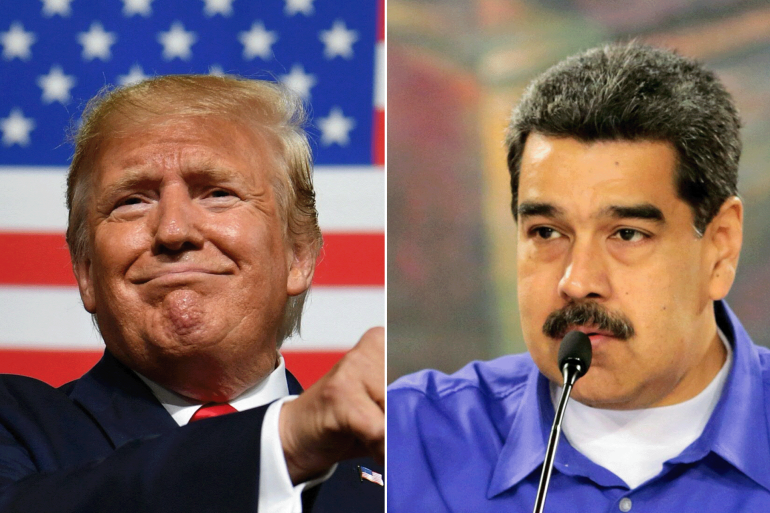
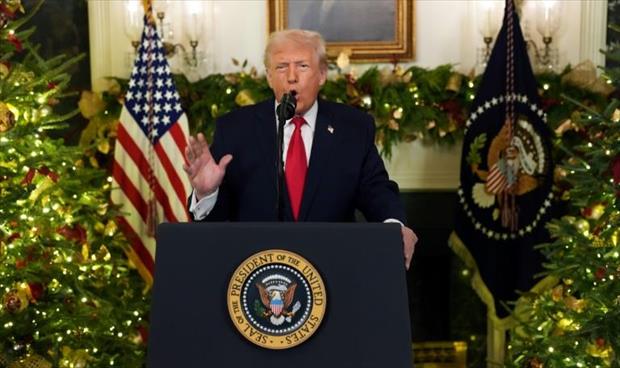
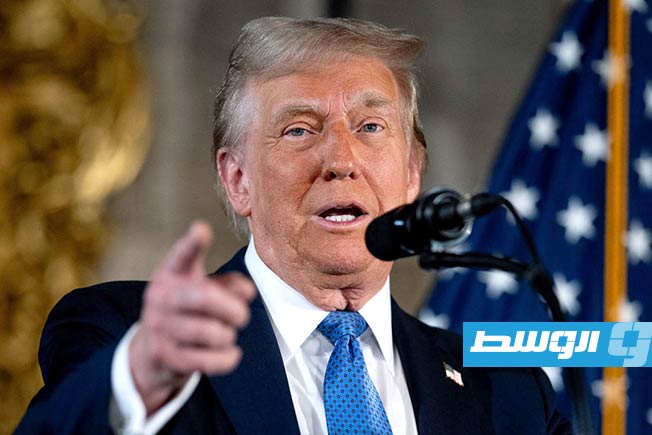
US President Donald Trump announced that Venezuela will only purchase American-made products with the proceeds from oil marketed by the United States under an agreement with Caracas following the arrest.
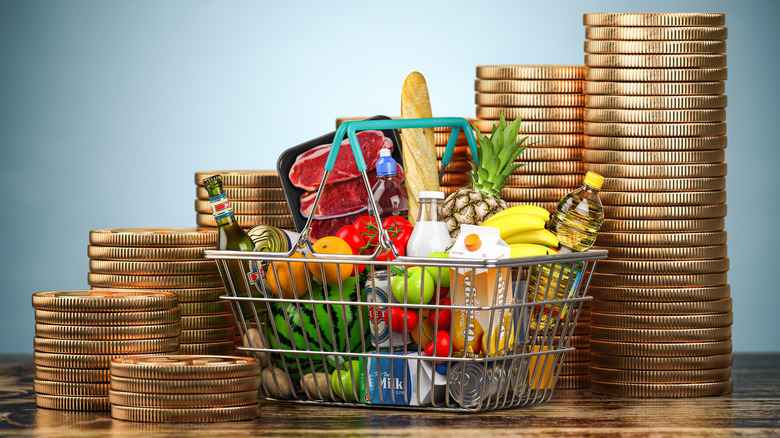
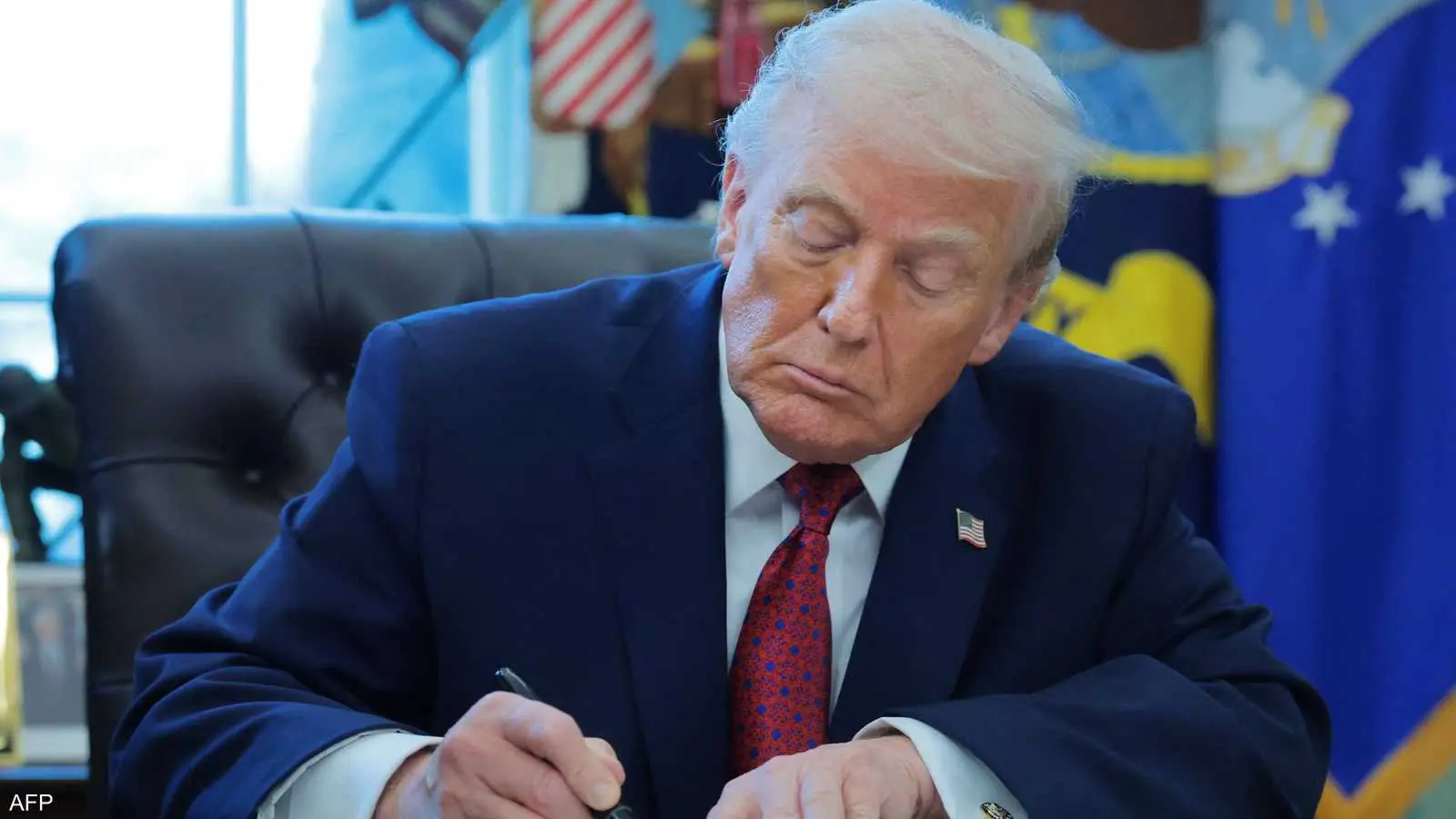
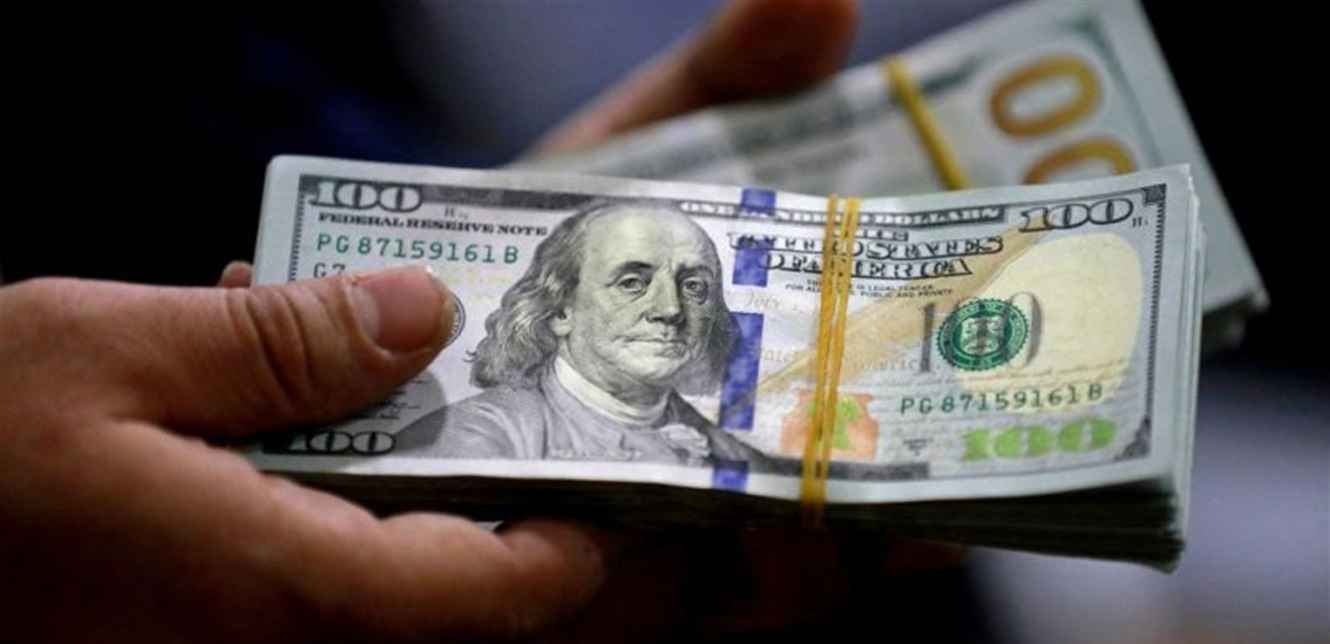
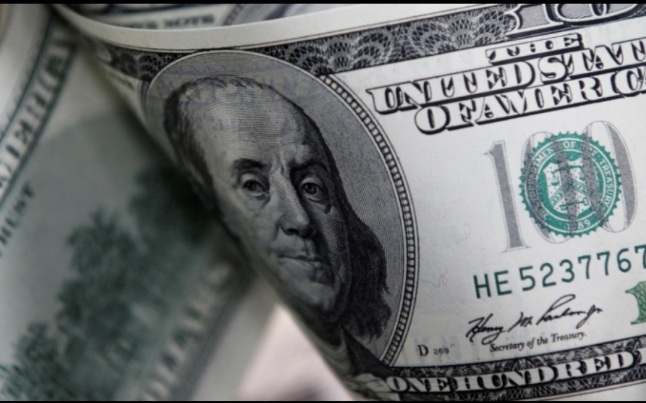
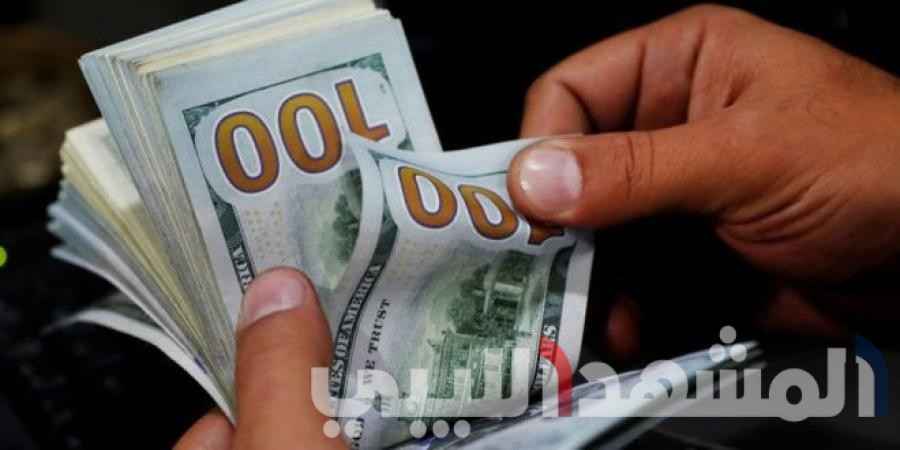
Trump stated on his social media network Truth Social, “I have just been informed that Venezuela will only buy American-made products with the money they receive under the new oil deal.”
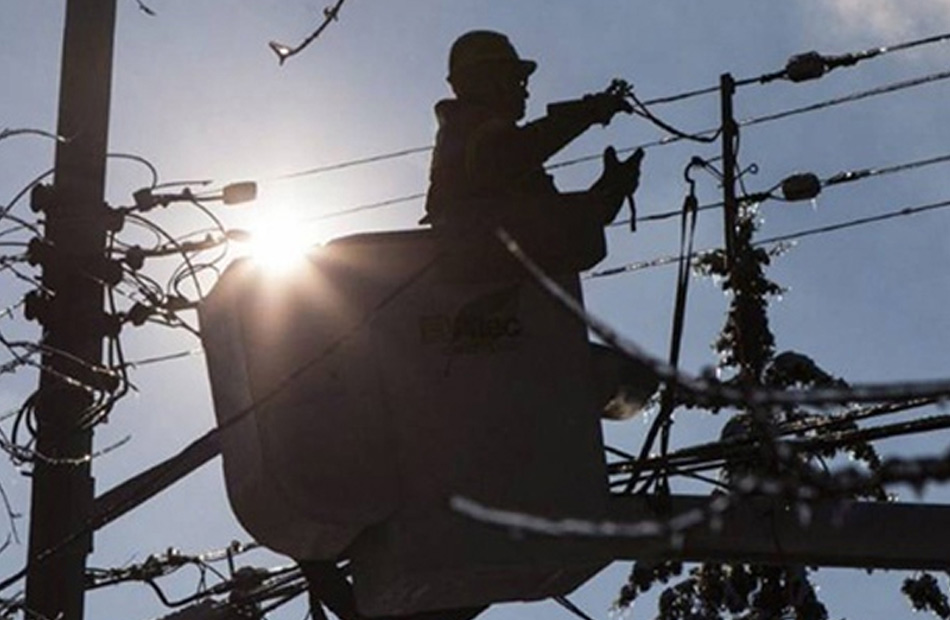
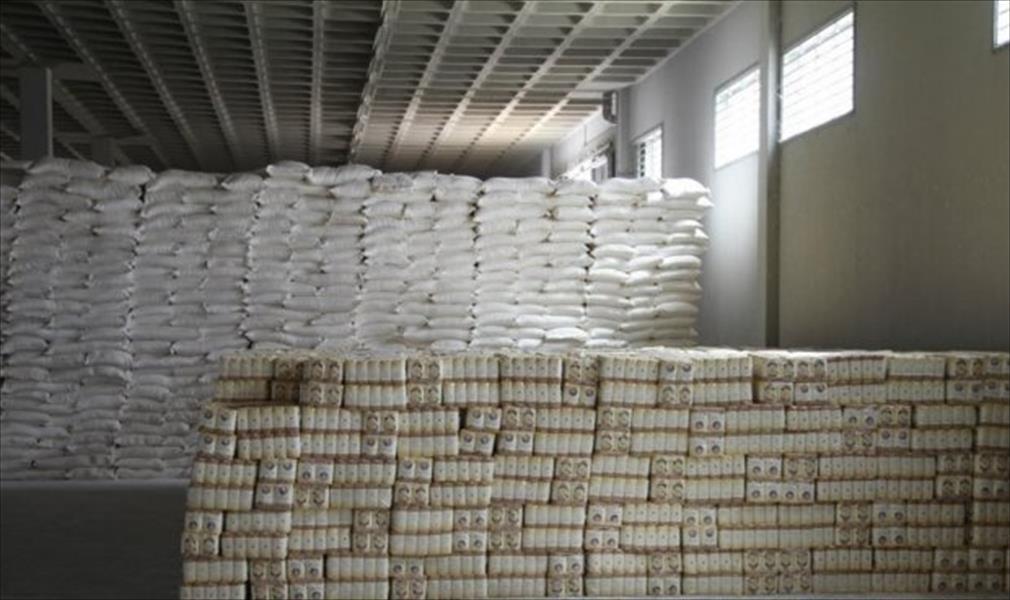
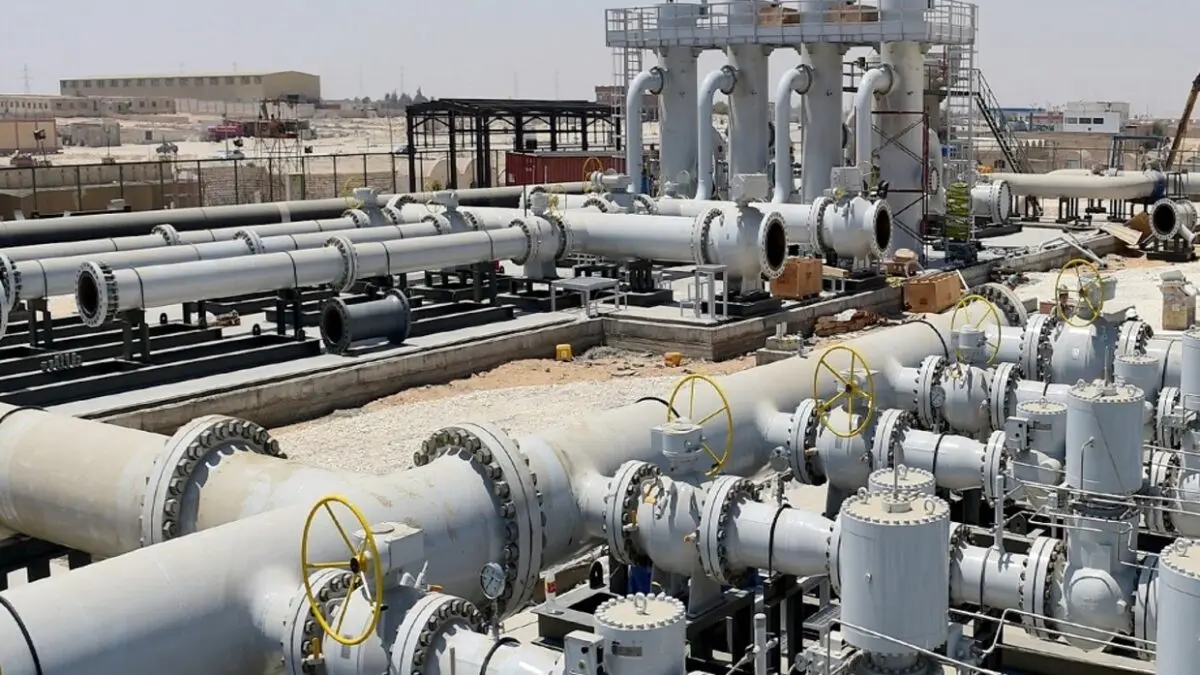
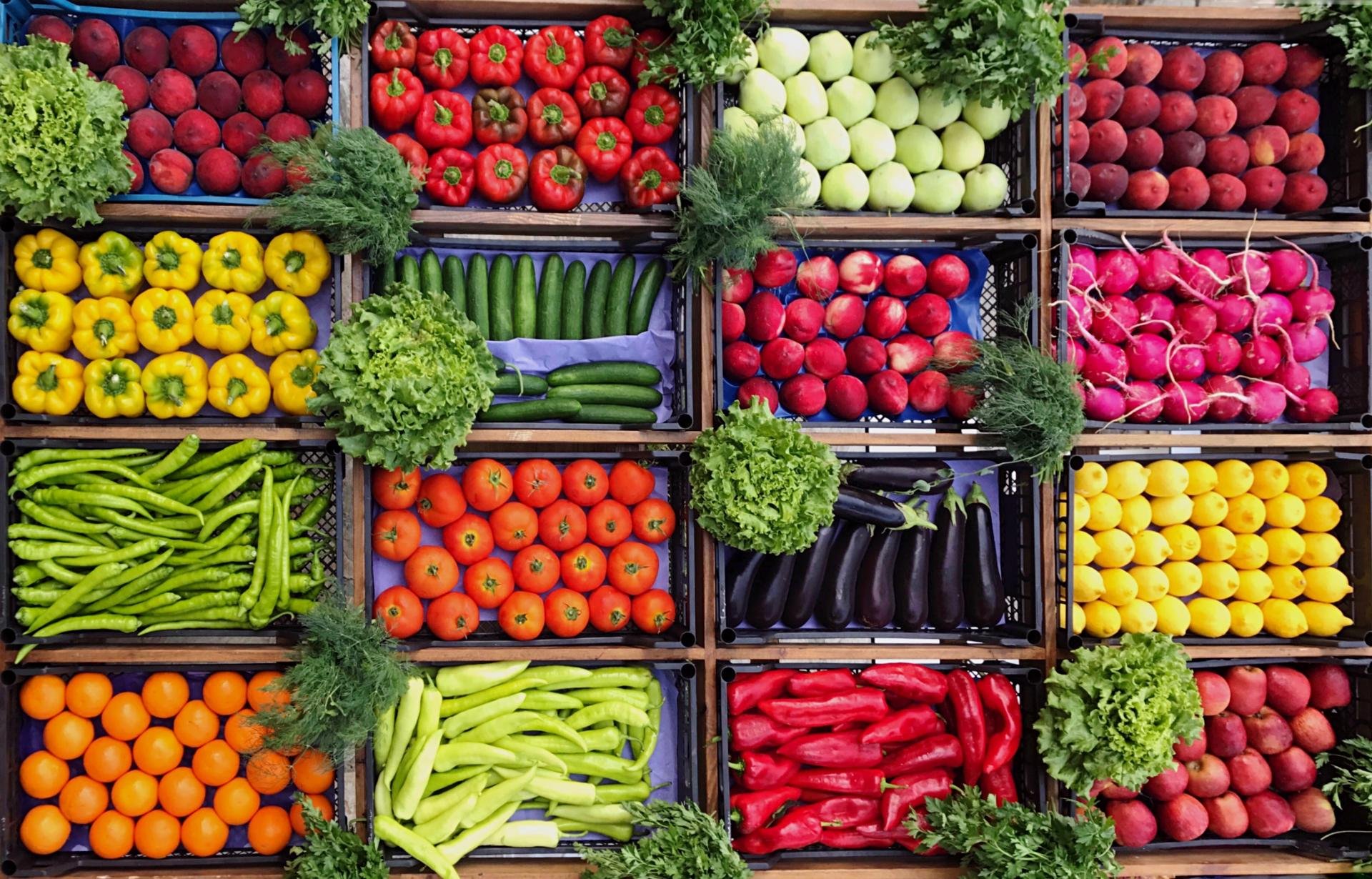
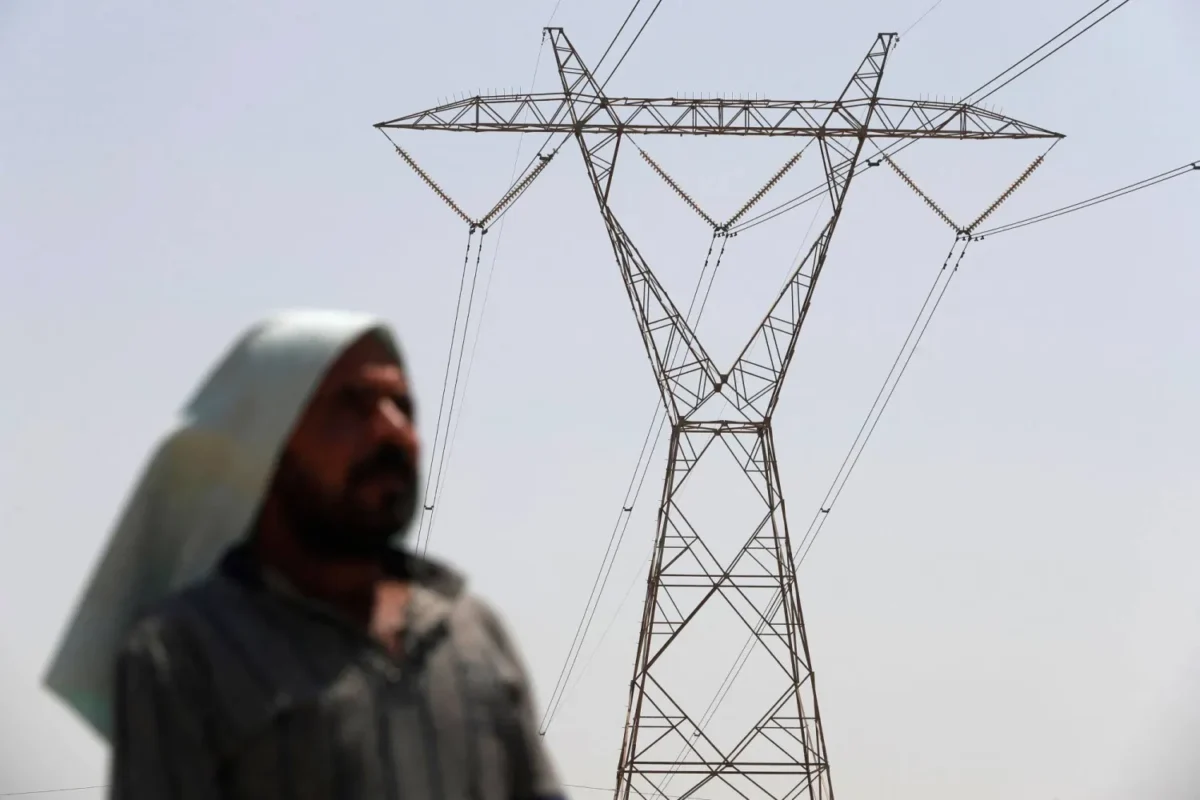
He explained that these purchases will specifically include agricultural products, medicines, medical equipment, and materials to improve the electricity grid and energy infrastructure.
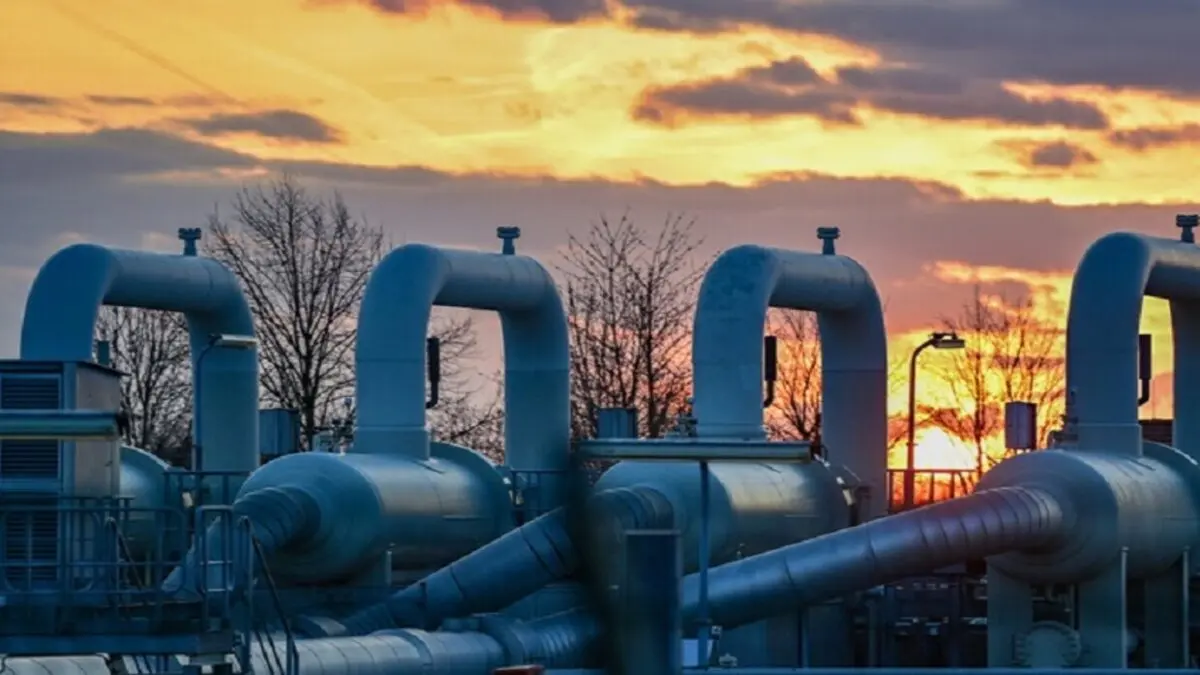
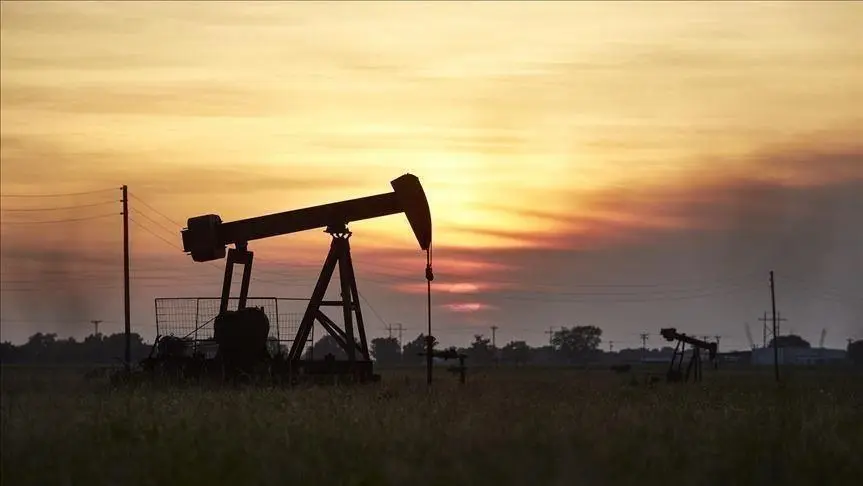
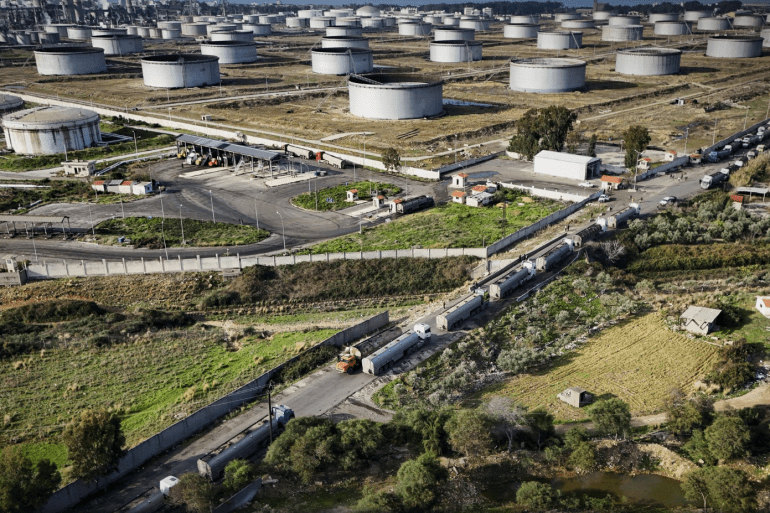
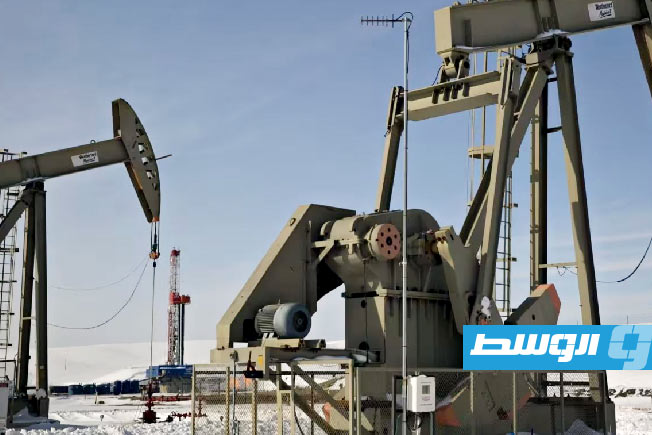
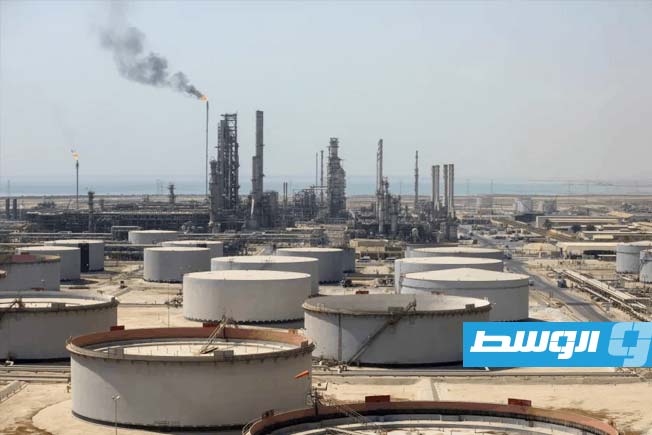
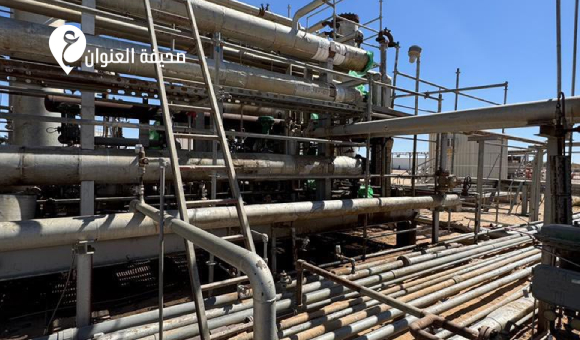
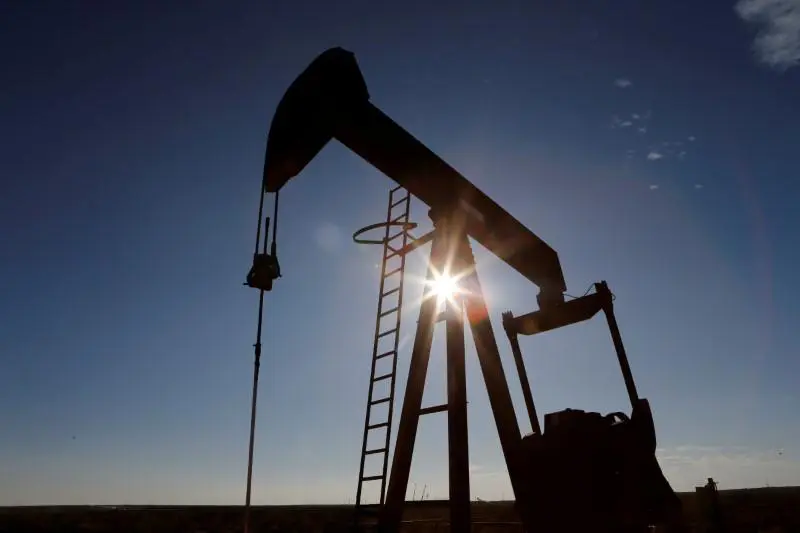
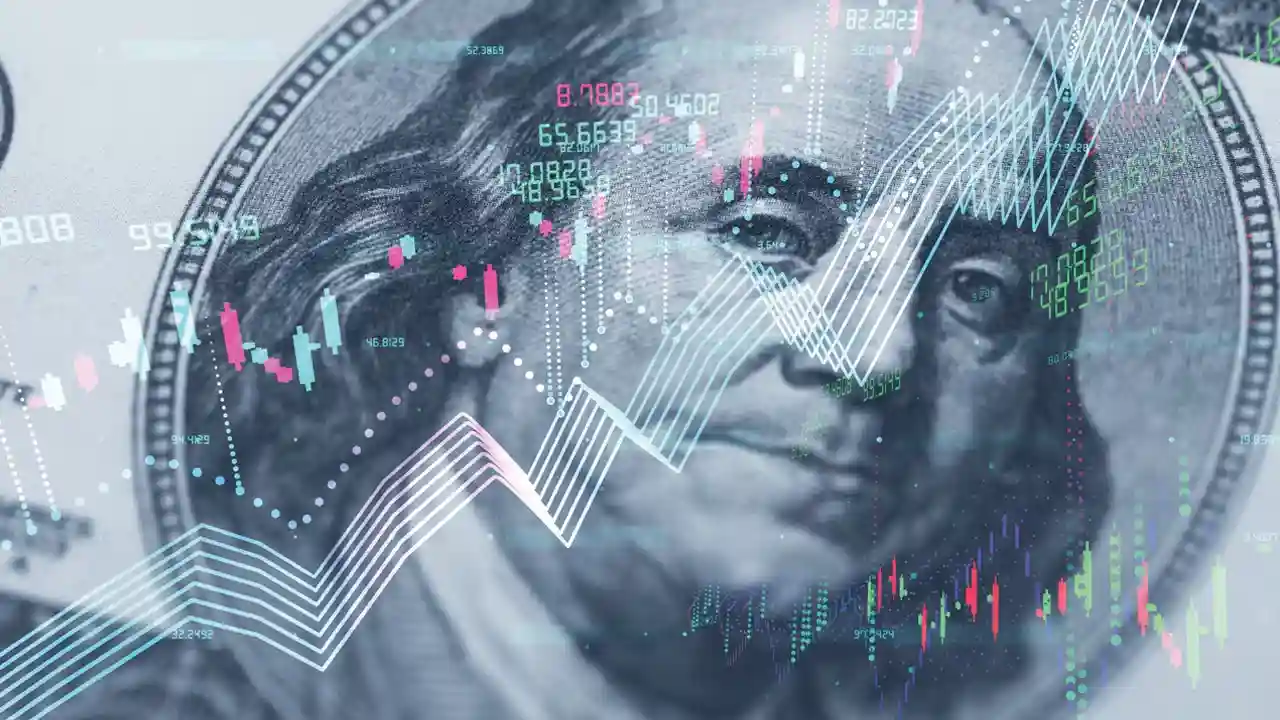
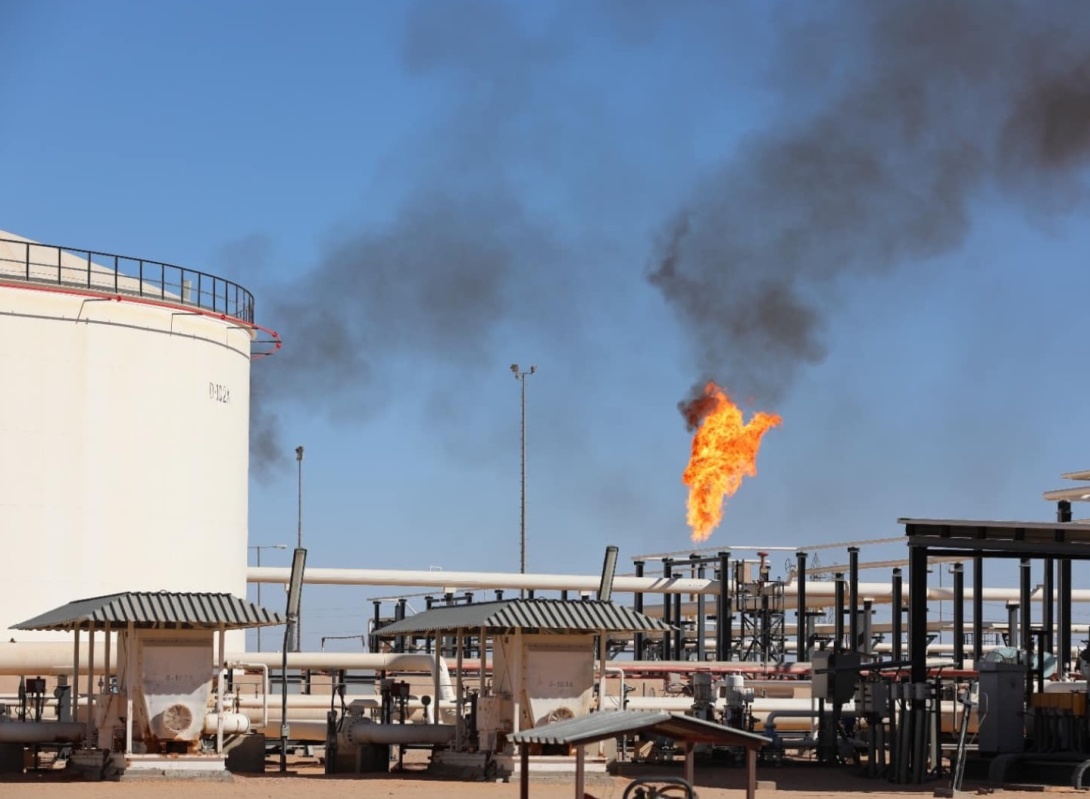
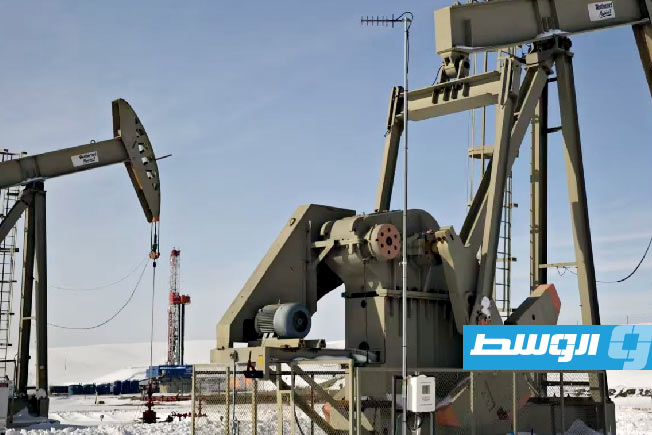
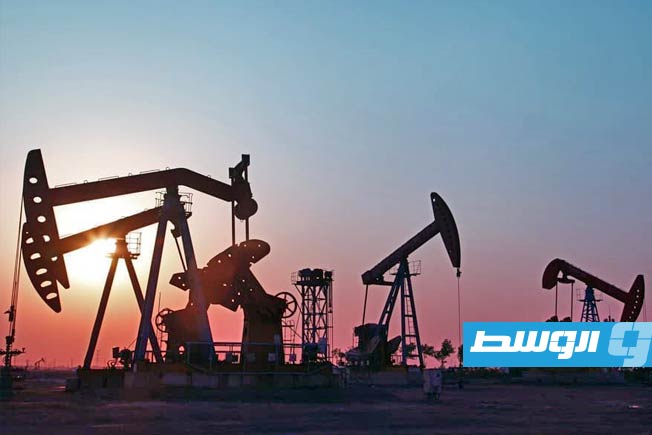
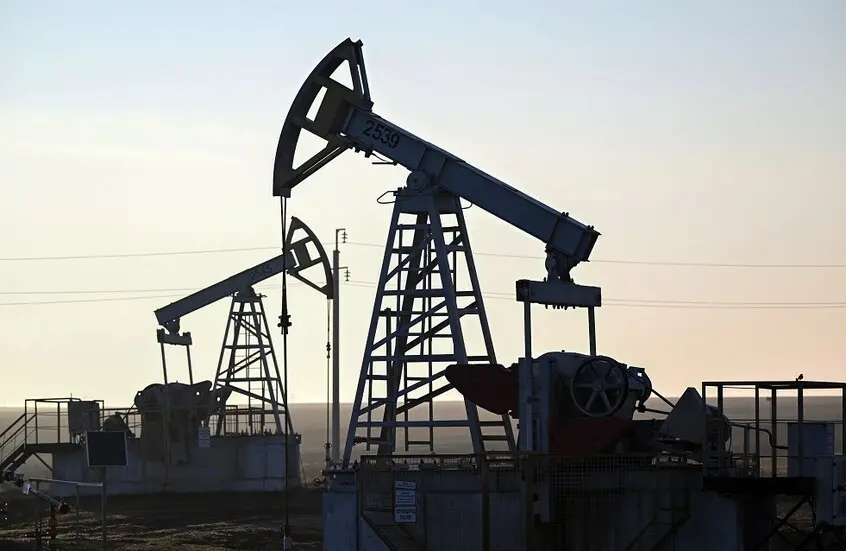
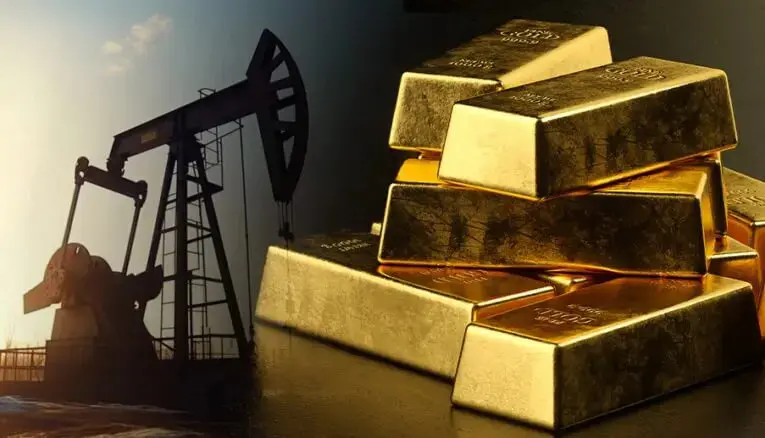
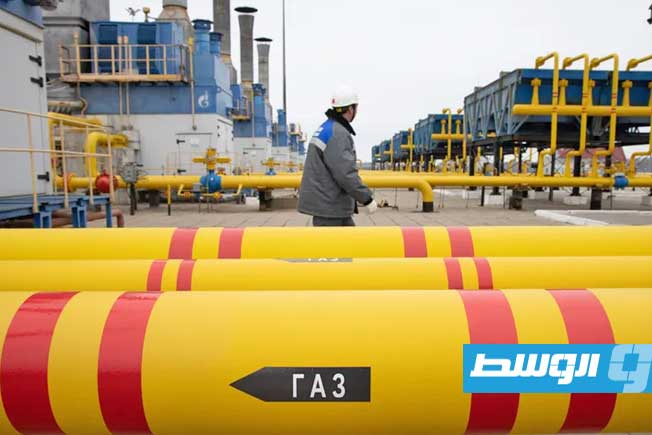
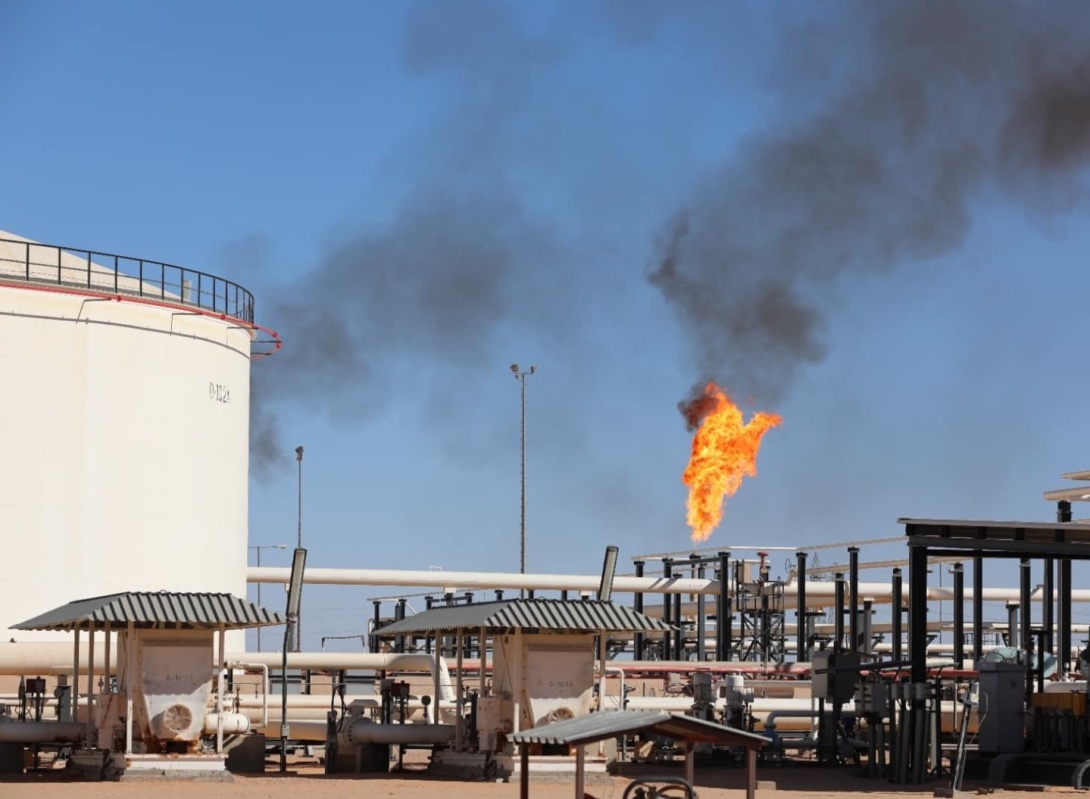
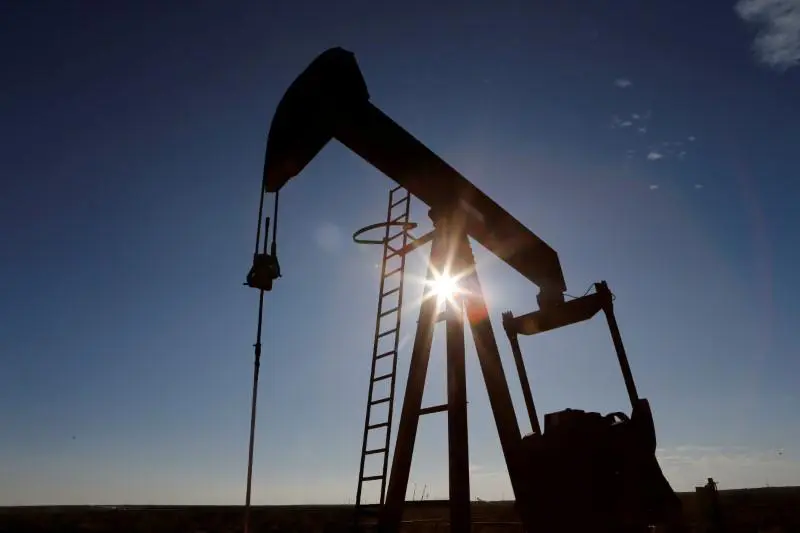
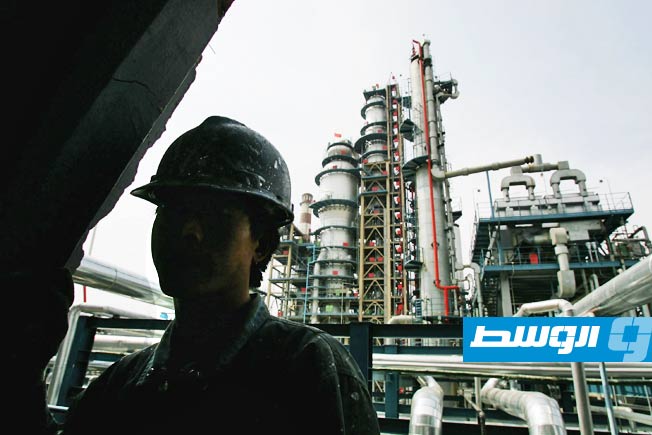
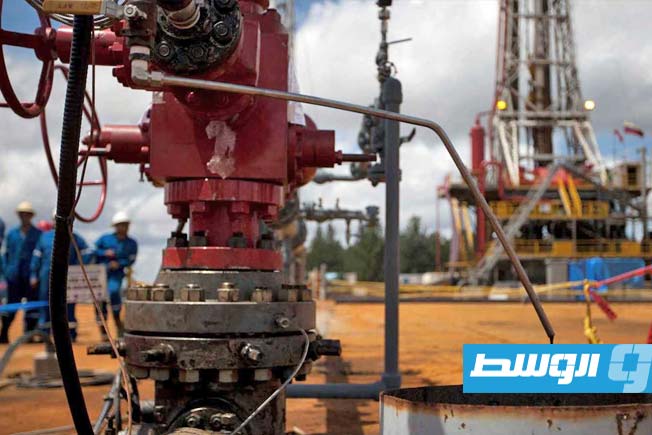
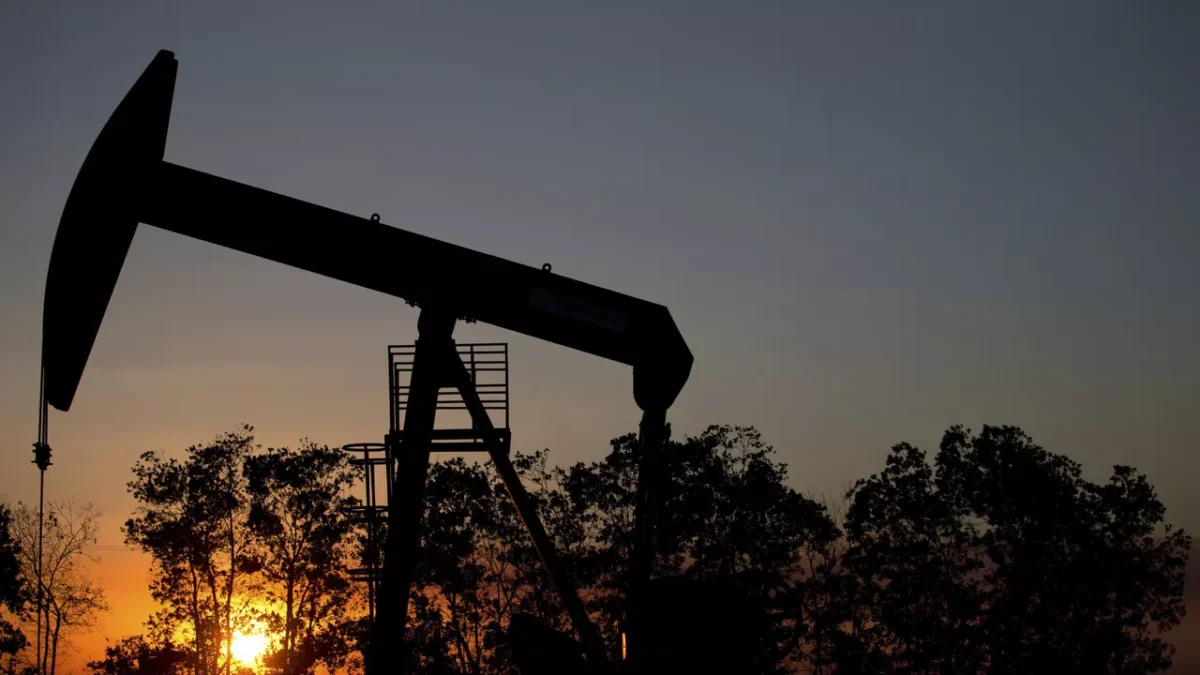
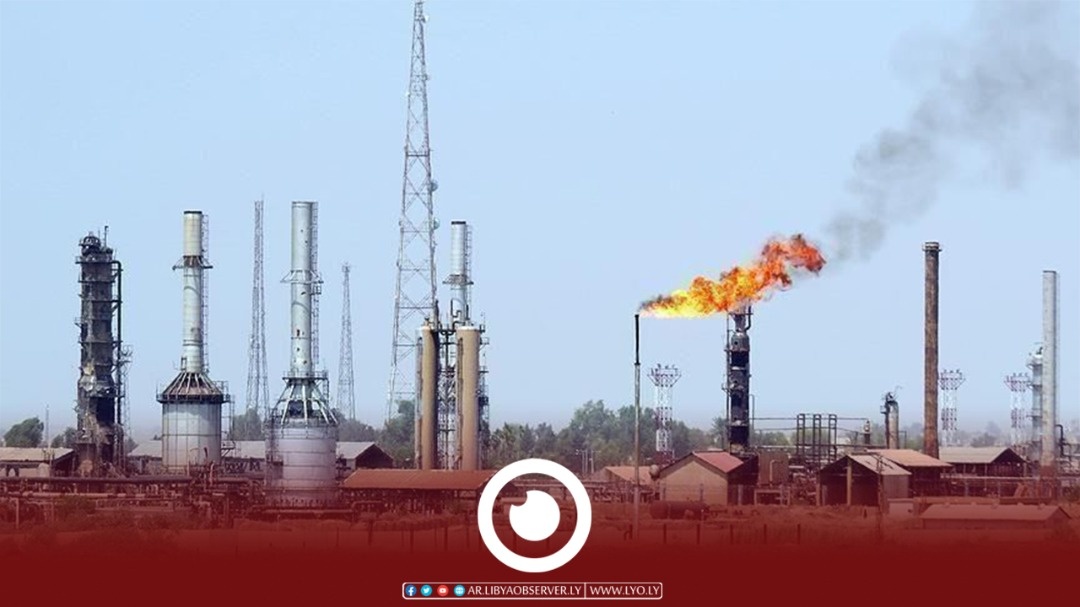
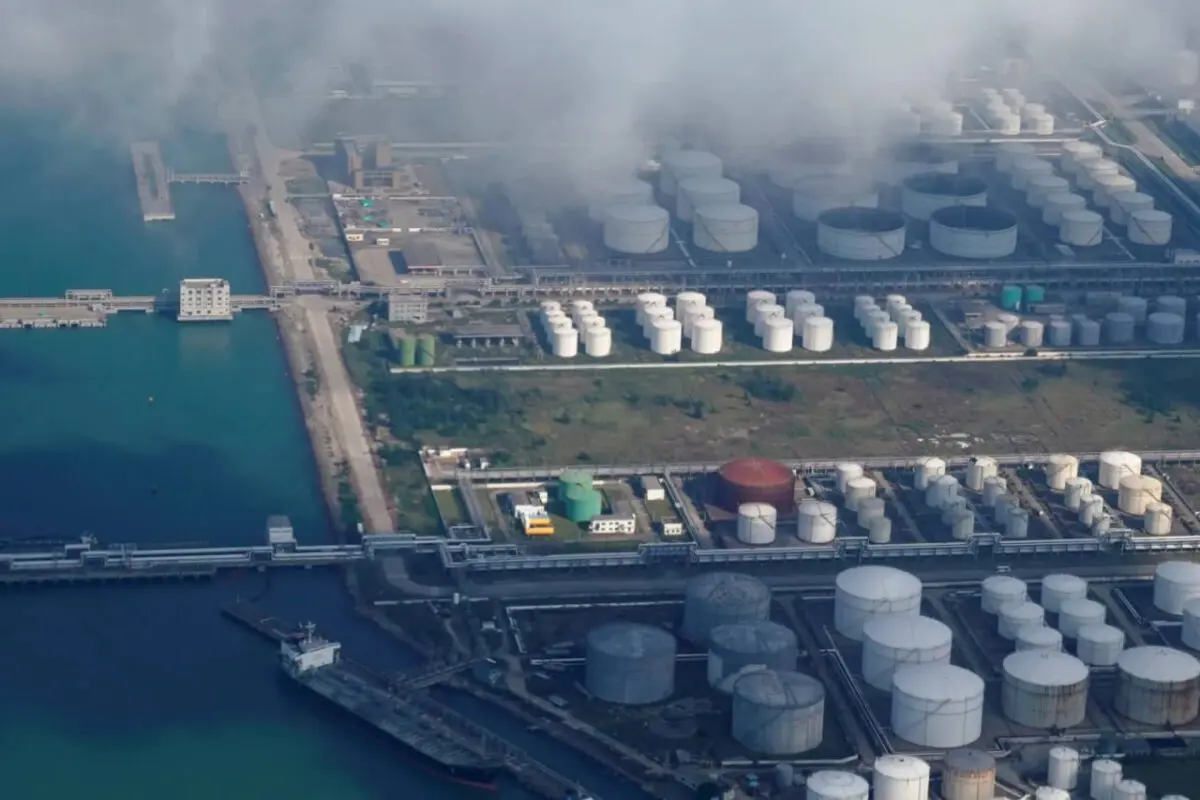
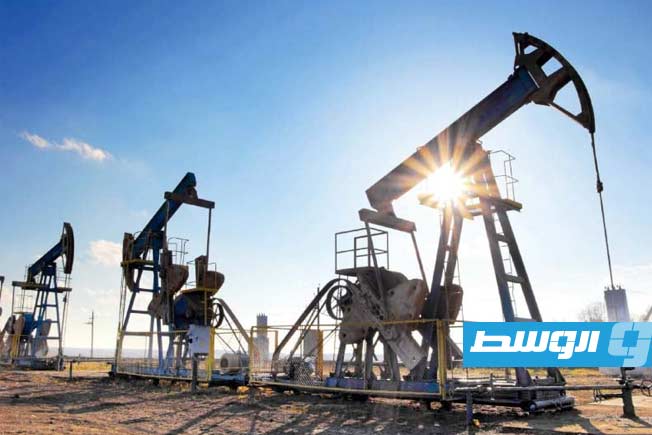
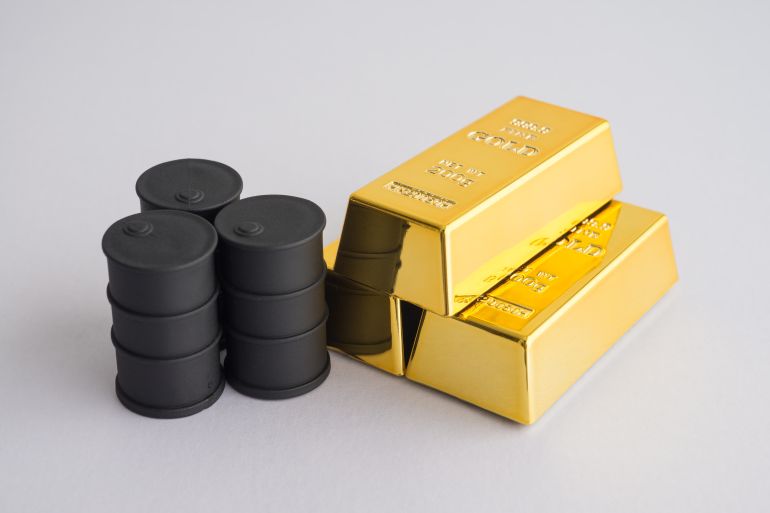
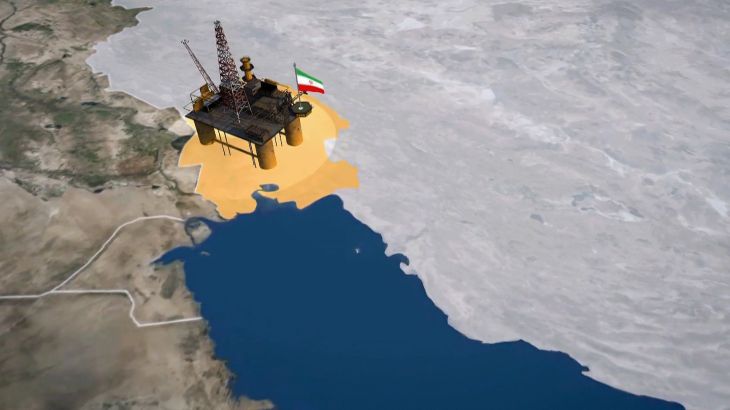
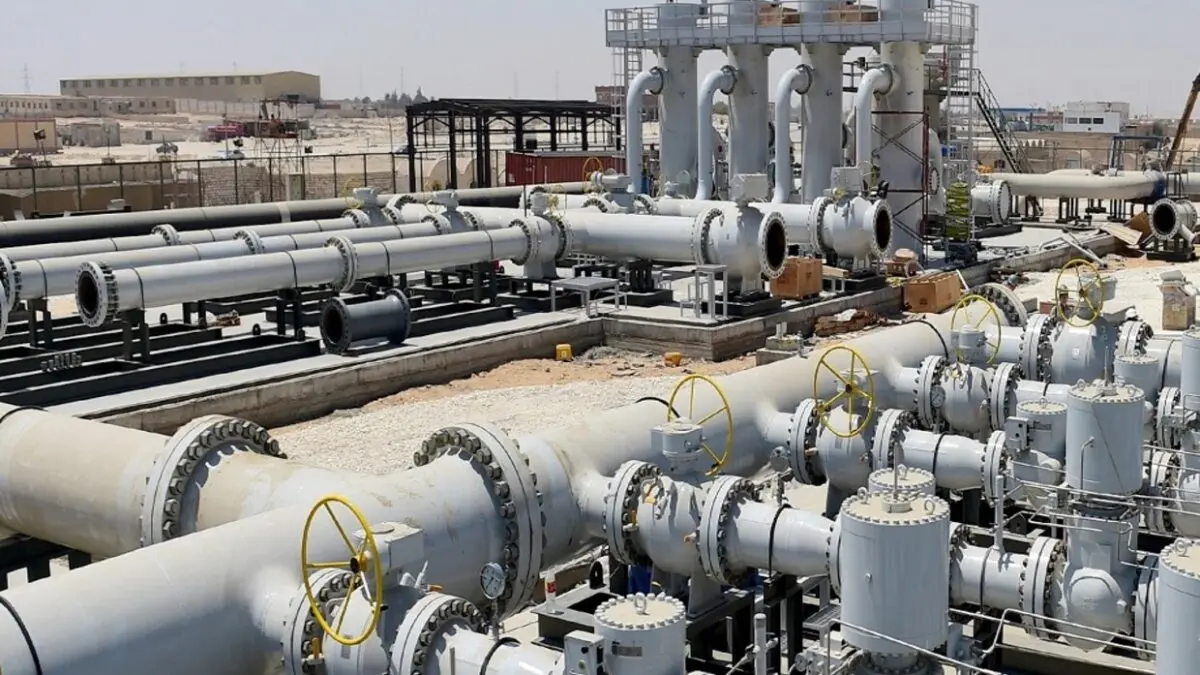
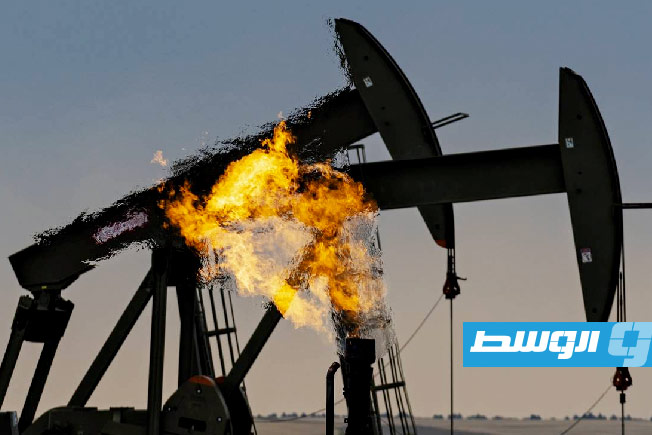
It was reported that Trump and his advisors are planning an initiative to dominate the Venezuelan oil industry for years to come. The President informed his aides that he believes his efforts could help reduce oil prices to $50 per barrel.
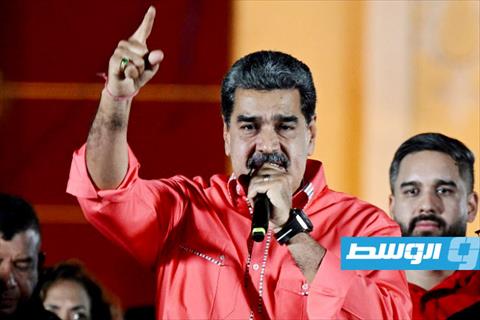
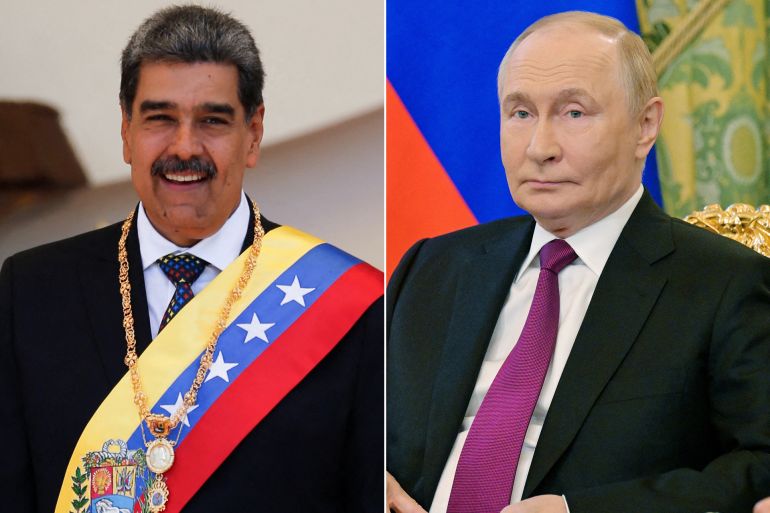
The acting Venezuelan President said in a speech yesterday evening, Wednesday: “Our hands are extended to all countries of the world, for relations, and for economic, commercial, and energy cooperation.”
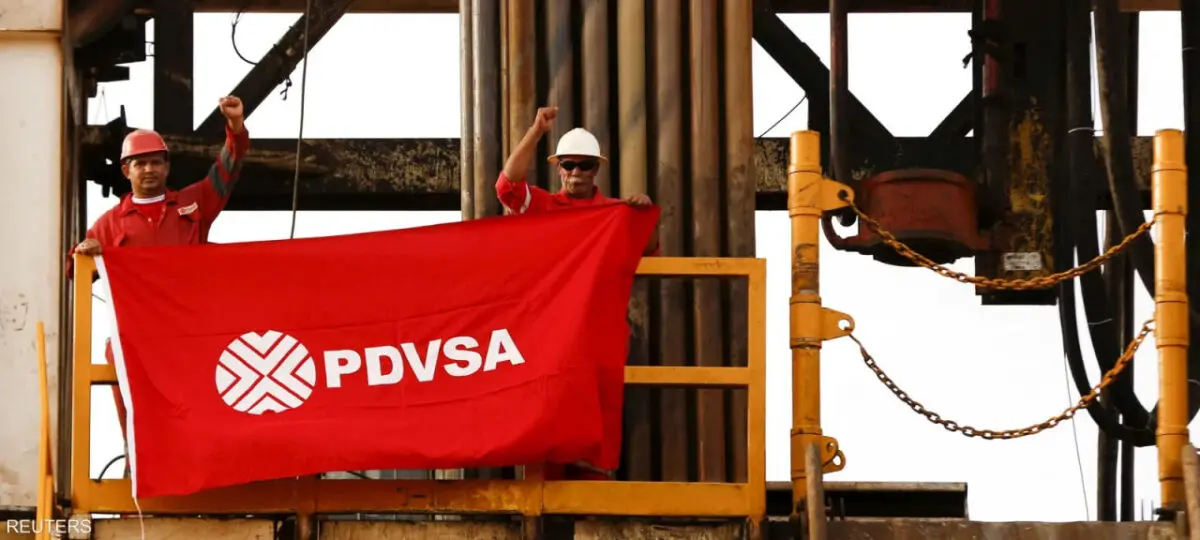
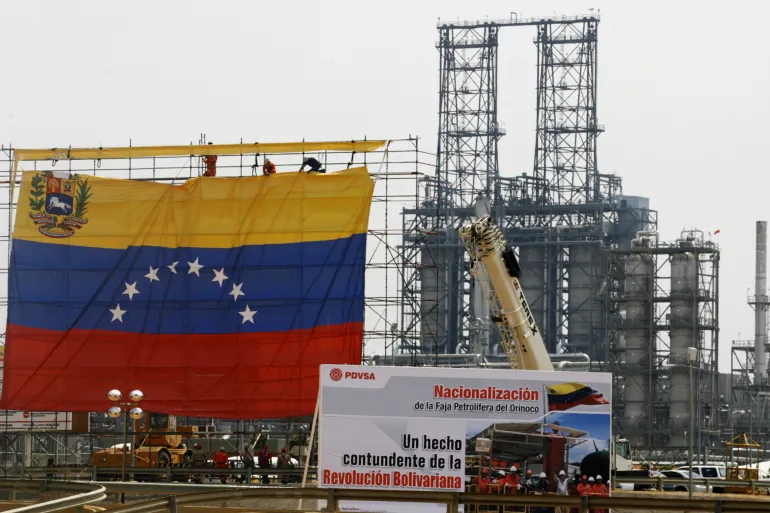
Venezuela’s state-owned oil company announced that it is negotiating with the United States regarding oil sales, stating in a release that it is “currently negotiating with the United States to sell quantities of oil within the framework of existing commercial relations between the two countries.”
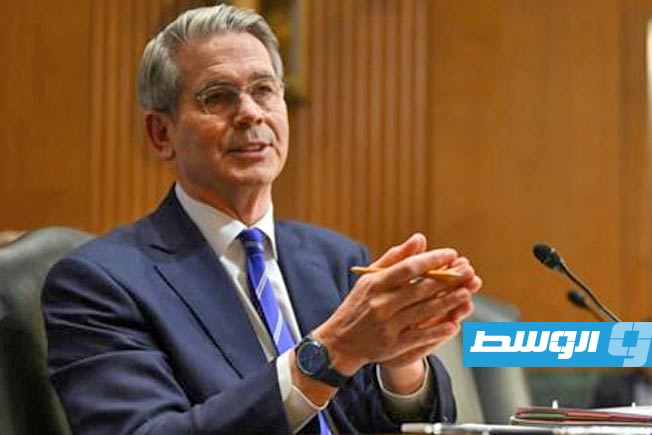
However, the US Energy Secretary said that Washington will manage the sales “for an indefinite period.”
He added, “We will market the crude oil coming from Venezuela, first the accumulated stored oil, then indefinitely, we will sell the production that comes from Venezuela.”
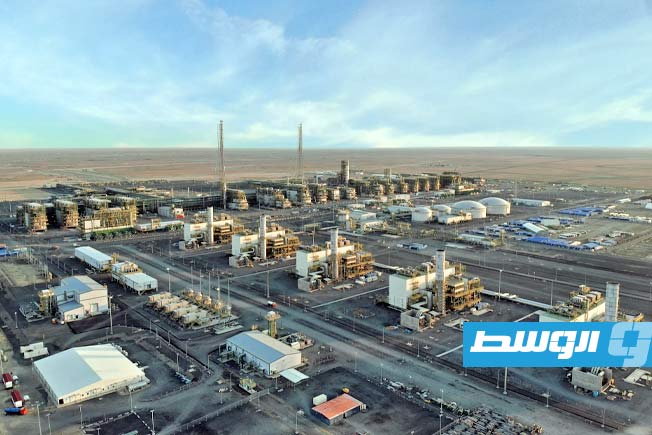
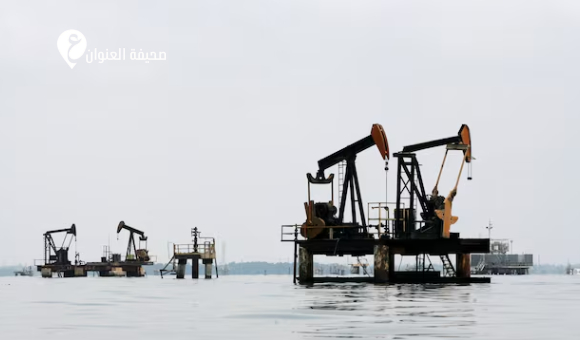
Trump is scheduled to meet tomorrow, Friday, with officials from American oil companies who he said will invest in Venezuela’s dilapidated facilities, although no company has yet made commitments amid the turmoil in the country.
A White House spokesperson told reporters, “It is simply a meeting ‘to discuss the enormous opportunity currently available to oil companies’ in Venezuela.”
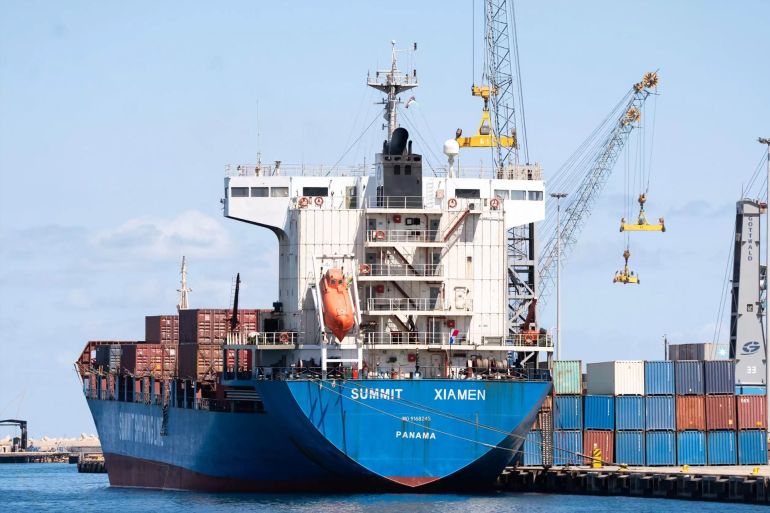
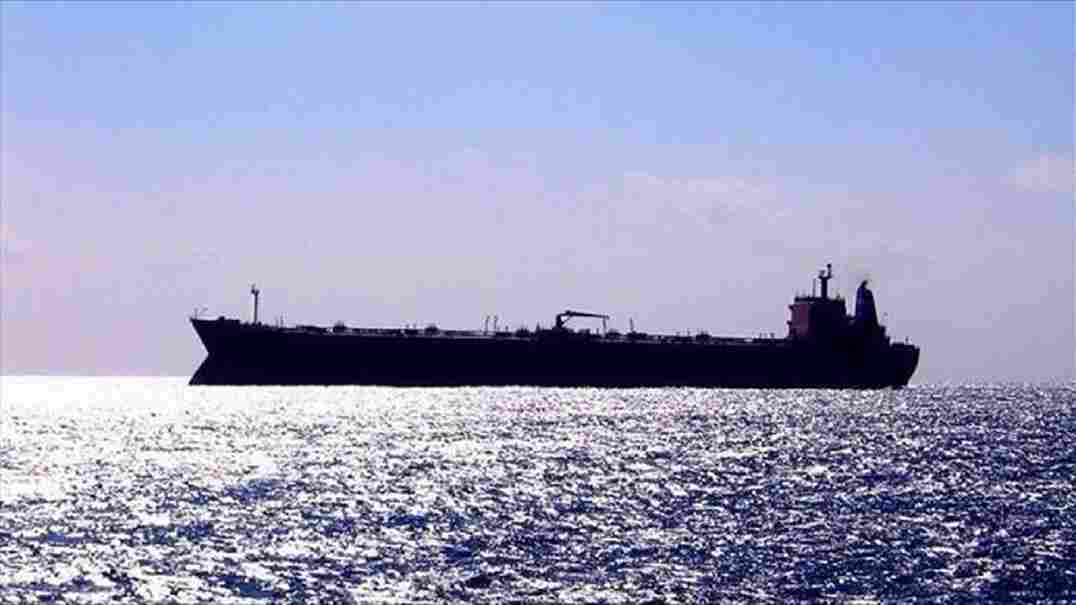
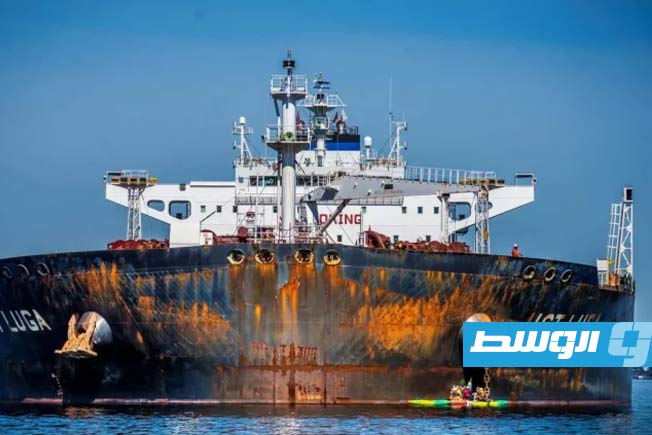
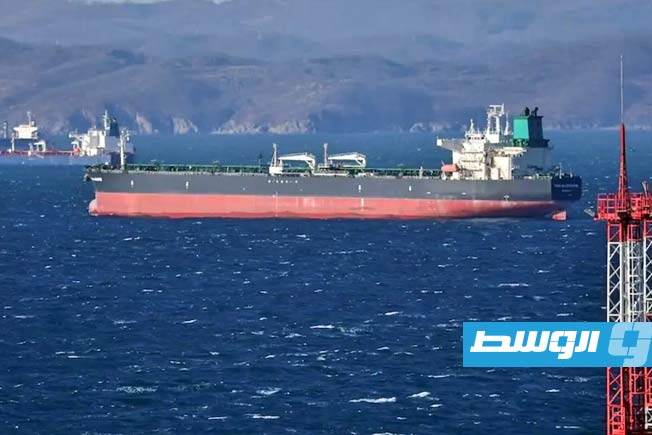
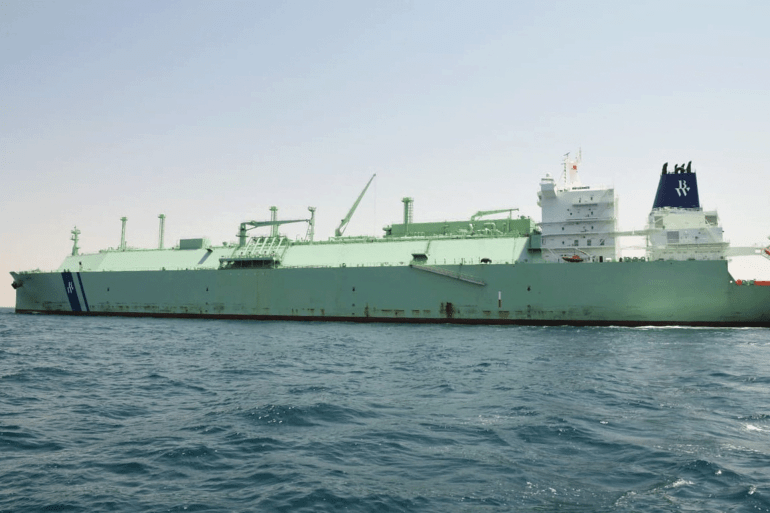
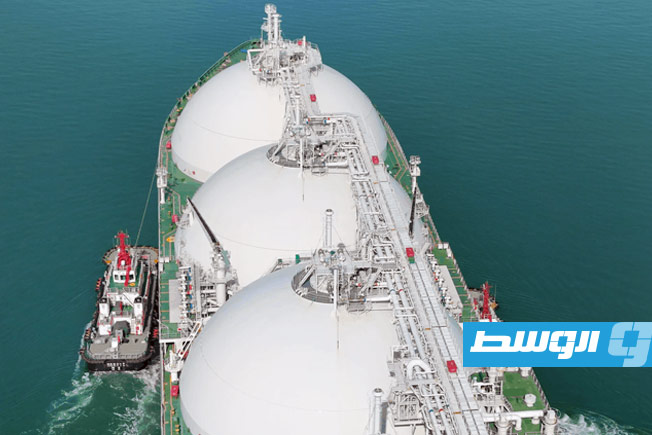
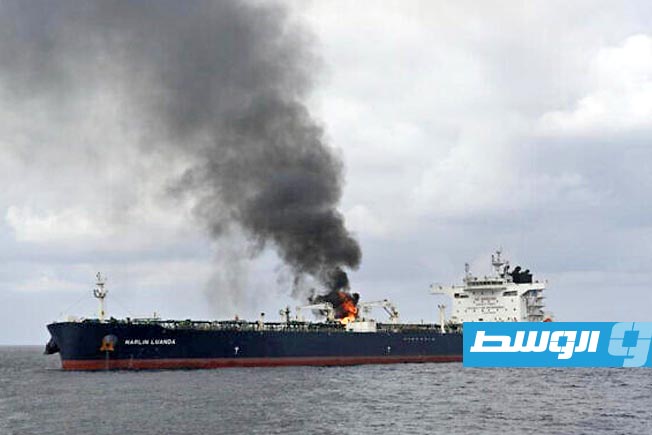
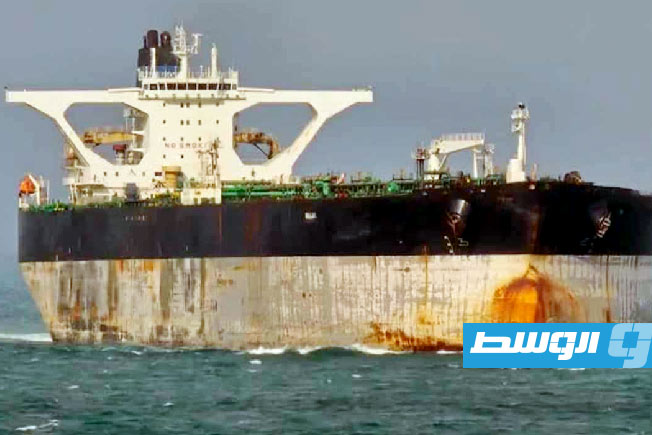
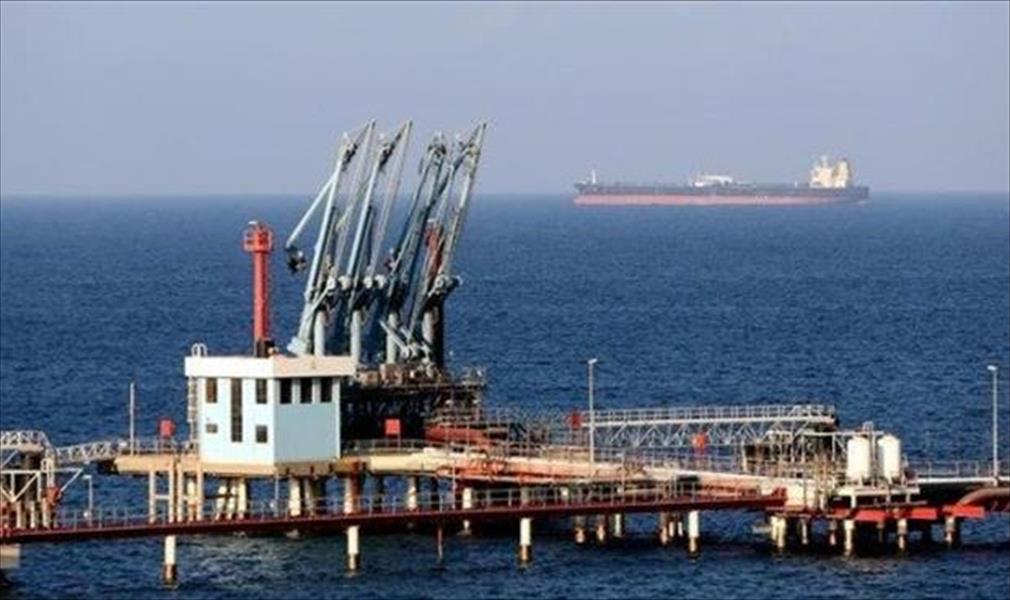
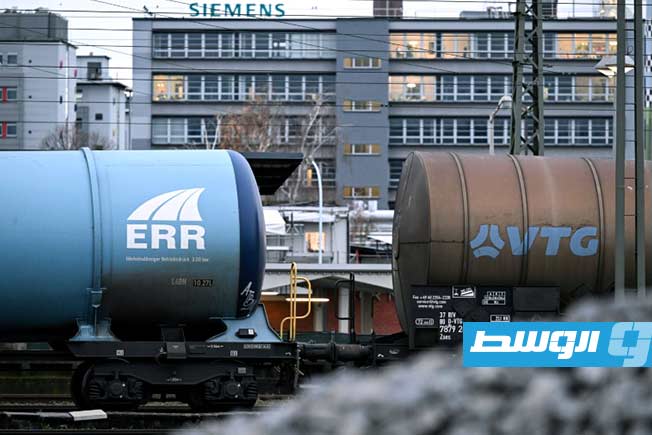
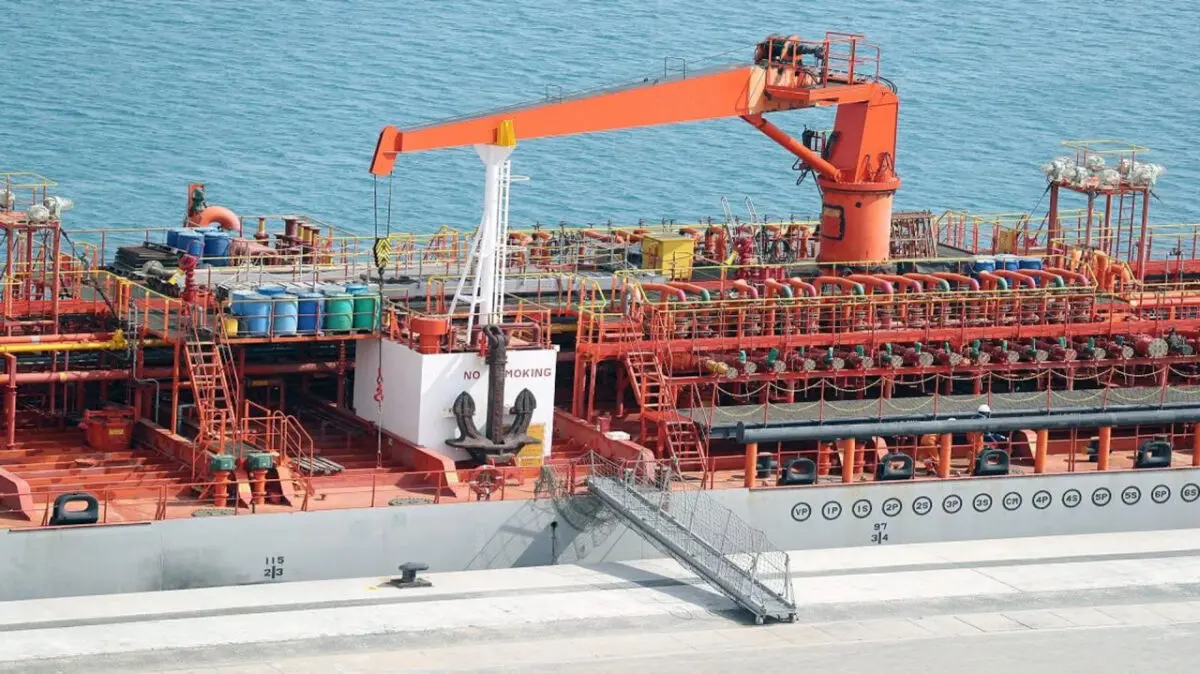
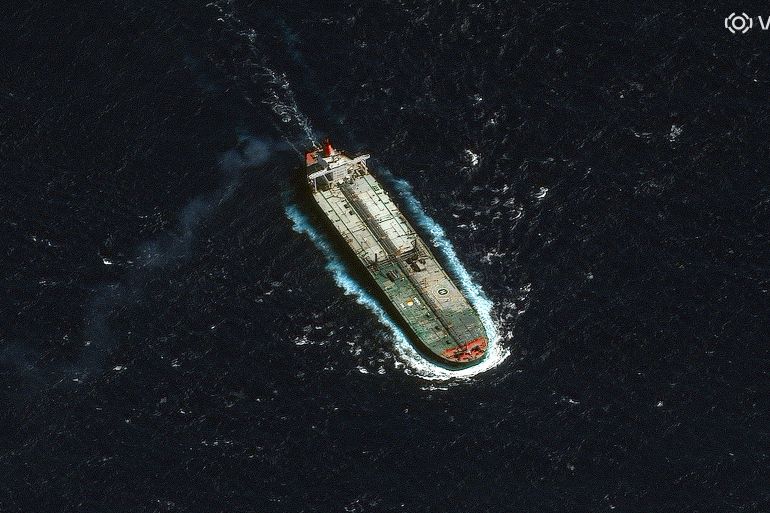
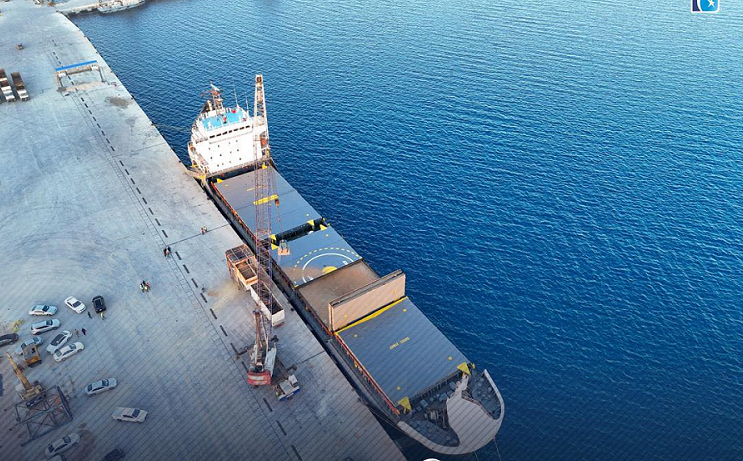
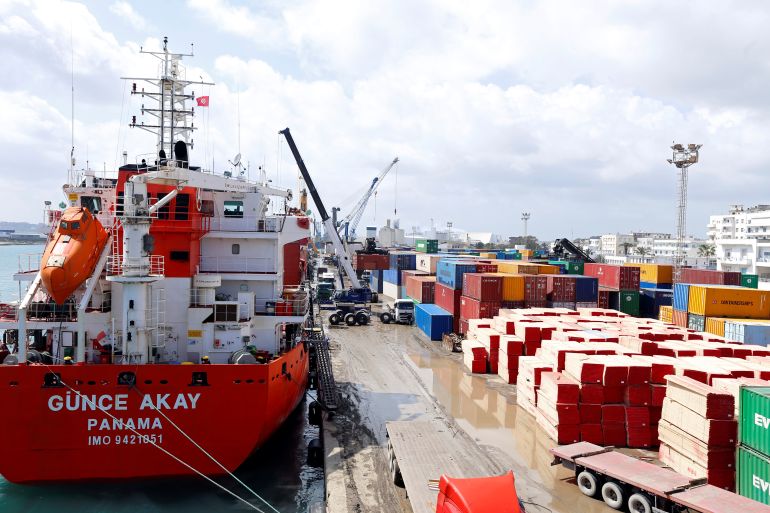
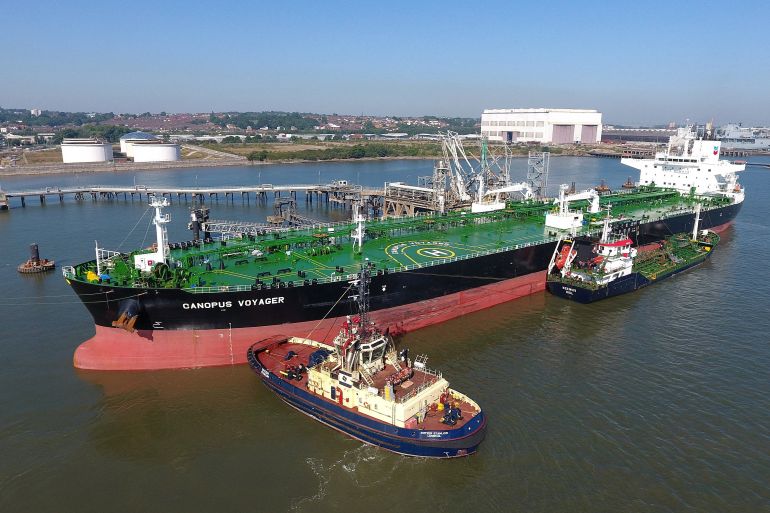
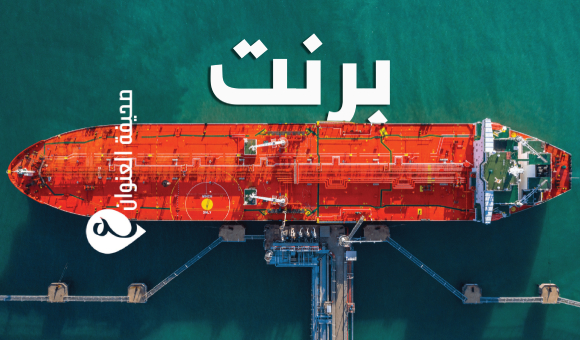
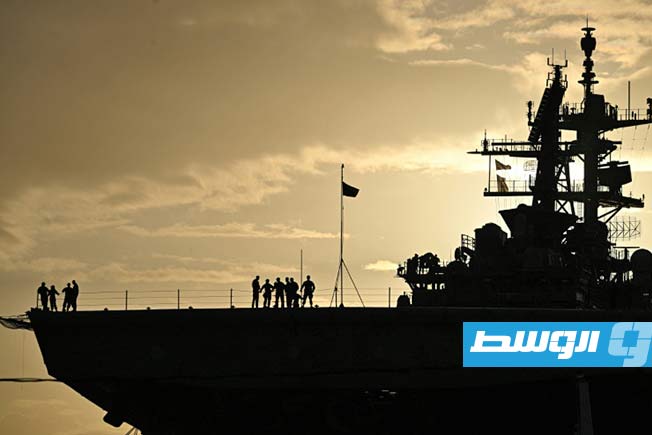
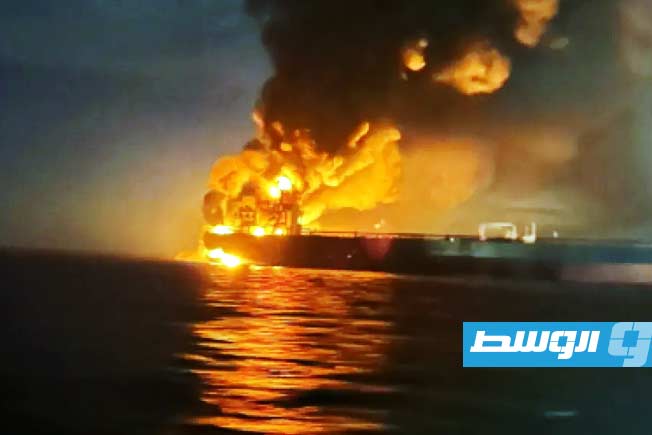
Washington took an additional step yesterday, Wednesday, to assert its influence in Venezuela by detaining two oil tankers, one of them Russian, in the North Atlantic, as part of the blockade Washington imposes on oil tankers linked to Venezuela, which drew condemnation.
Donald Trump
Donald Trump is a businessman and media personality who served as the 45th President of the United States from 2017 to 2021. His presidency was marked by significant political polarization and a focus on issues such as immigration reform, tax cuts, and renegotiating trade agreements.
House Republican Party
The House Republican Party is one of the two major political caucuses in the United States House of Representatives, representing the conservative wing of American politics. It was formally organized in the mid-19th century, emerging from the anti-slavery coalition that founded the wider Republican Party and has played a central role in shaping U.S. legislative policy throughout its history.
GOP
The Grand Old Party (GOP) is the common nickname for the Republican Party, one of the two major contemporary political parties in the United States. It was founded in 1854 by anti-slavery activists, modernizers, and ex-Whigs, and its first presidential candidate, Abraham Lincoln, was elected in 1860.
Kennedy Center
The John F. Kennedy Center for the Performing Arts in Washington, D.C., opened in 1971 as a living memorial to President Kennedy, who was a strong advocate for the arts. It serves as the nation’s cultural center, hosting a wide variety of performances across its multiple theaters and is home to the National Symphony Orchestra.
Washington, DC
Washington, D.C., is the capital city of the United States, founded in 1790 to serve as the permanent seat of the federal government. Its location was chosen by President George Washington, and it was designed by French-born architect Pierre Charles L’Enfant. The city is home to iconic national landmarks like the White House, the U.S. Capitol, and the Washington Monument.
Venezuela
Venezuela is a South American country known for its diverse landscapes, including the Andes Mountains, Amazon rainforest, and Caribbean coastline. Historically, it was a Spanish colony until achieving independence in the early 19th century under Simón Bolívar, and its modern economy became heavily centered on its vast petroleum reserves.
Caracas
Caracas is the capital and largest city of Venezuela, founded in 1567 by Spanish conquistador Diego de Losada. It grew from a colonial settlement into a major political and economic center, notably as the birthplace of Simón Bolívar, a key leader in South America’s independence movements. Today, it is a bustling metropolis situated in a valley of the Venezuelan coastal mountain range.
Truth Social
Truth Social is a social media platform launched in February 2022 by Trump Media & Technology Group, founded by former U.S. President Donald Trump. It was created following Trump’s bans from major platforms like Twitter and Facebook, positioning itself as a space for free speech and an alternative to what it describes as “Big Tech” censorship.
United States
The United States is a federal republic founded in 1776 after declaring independence from Great Britain, with its modern government established by the Constitution in 1789. Its history is marked by westward expansion, industrialization, and its emergence as a global superpower in the 20th century. The nation is defined by its diverse cultural heritage, shaped by immigration and a blend of indigenous, European, African, and other global influences.
North Atlantic
The North Atlantic is a vast region of the Atlantic Ocean north of the equator, historically significant as a major corridor for exploration, trade, and migration between Europe and the Americas. Its history is deeply shaped by transatlantic voyages, naval conflicts, and the development of key fishing grounds.
White House
The White House is the official residence and workplace of the President of the United States, located in Washington, D.C. It was designed by James Hoban and its construction was completed in 1800, with President John Adams being the first to occupy it. The building has been expanded and renovated over the centuries, including after being burned by British forces in 1814.