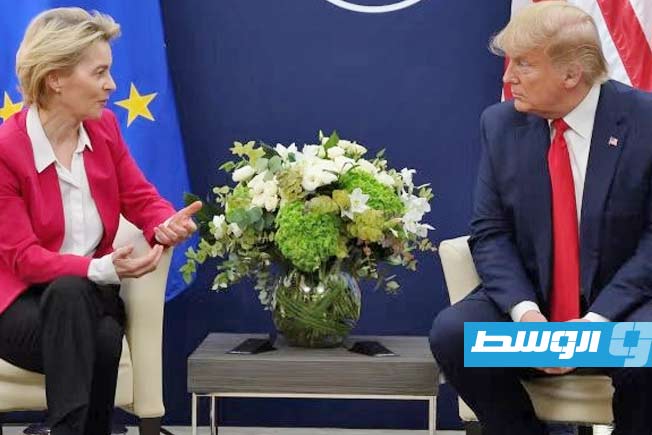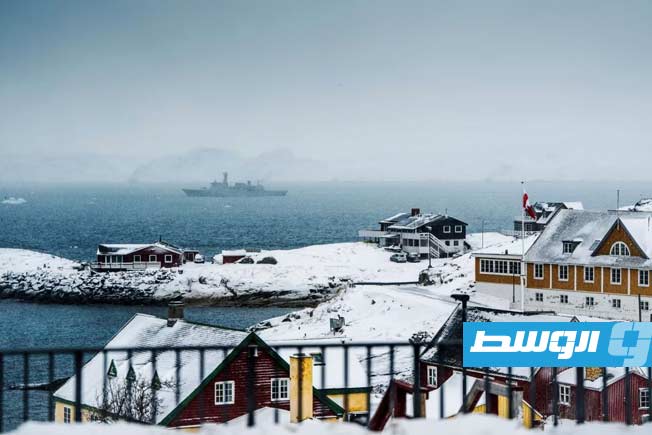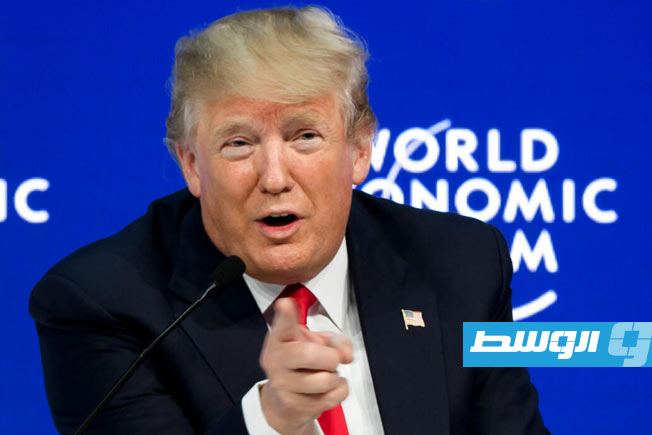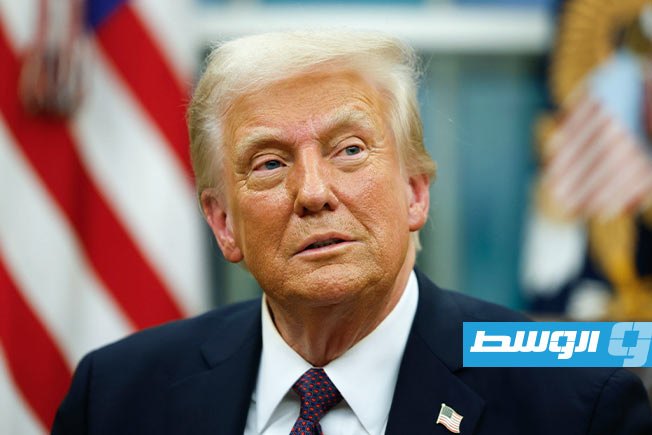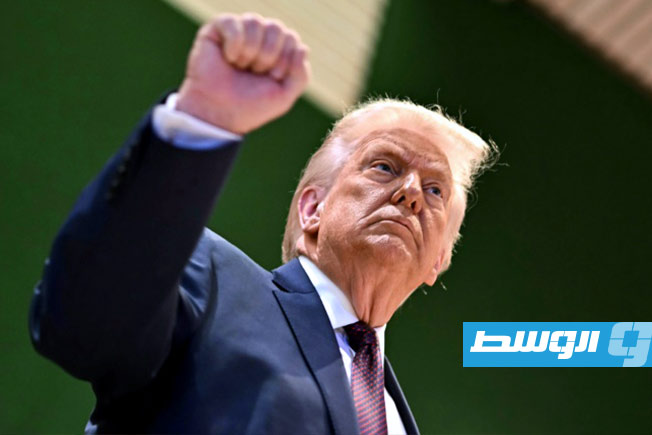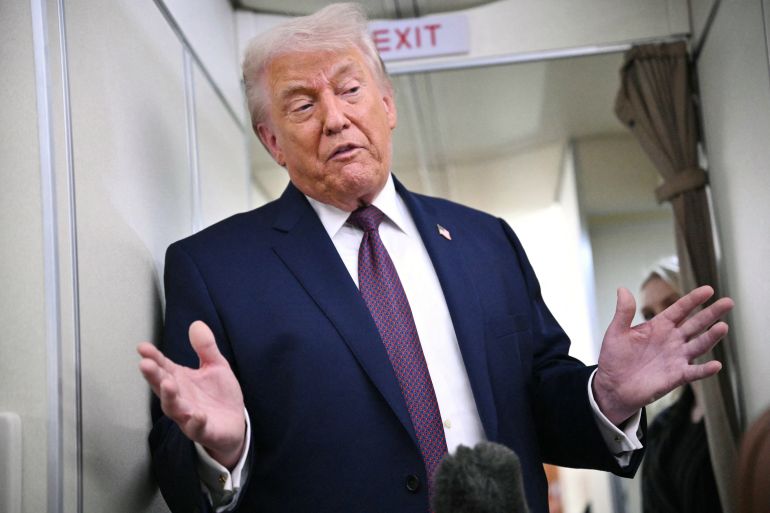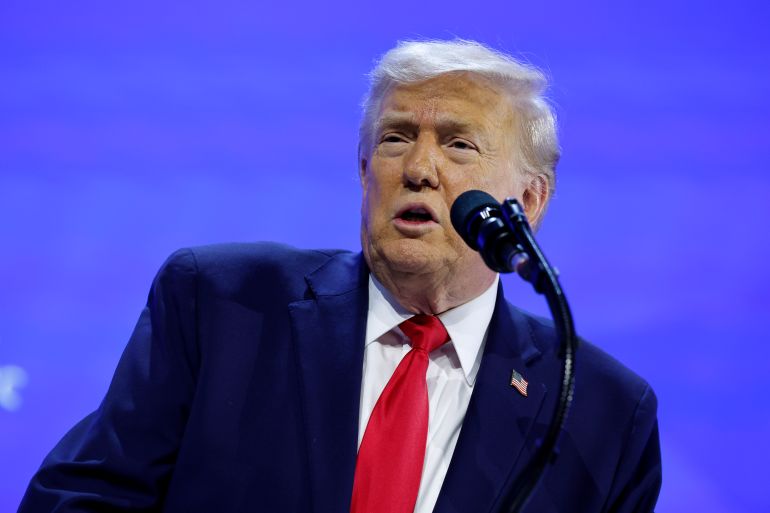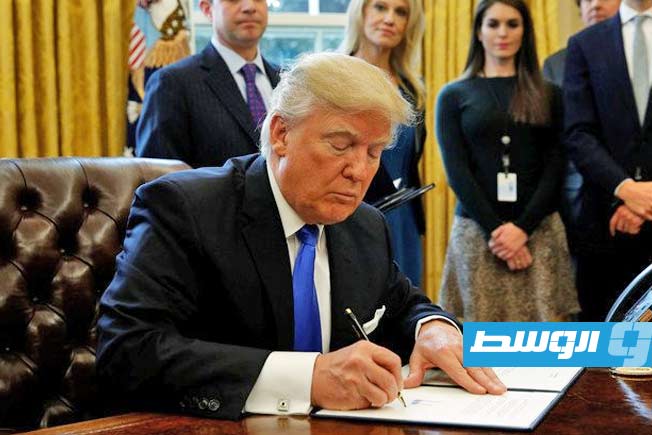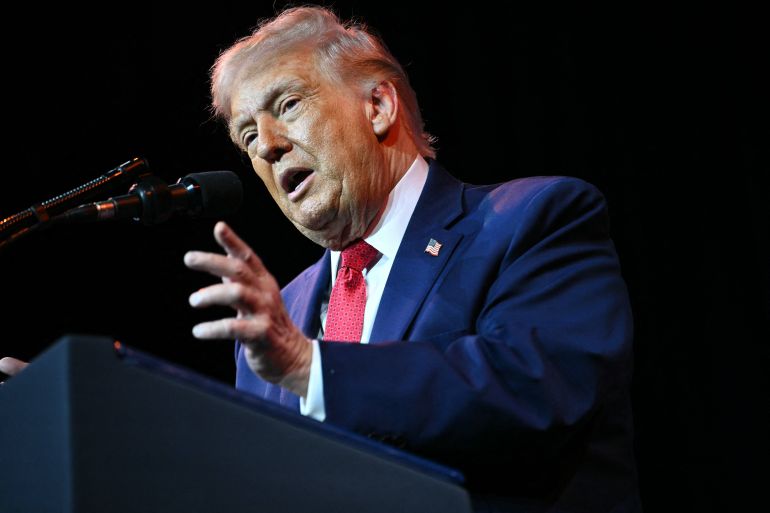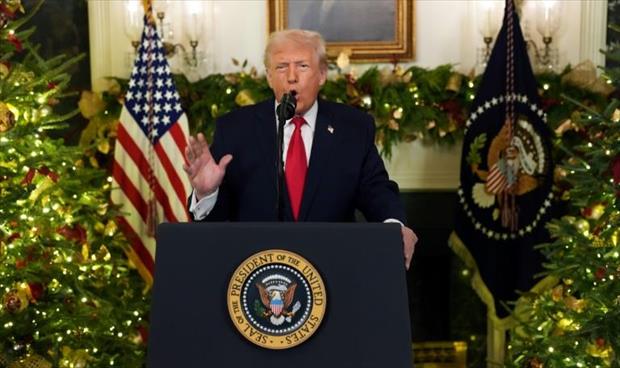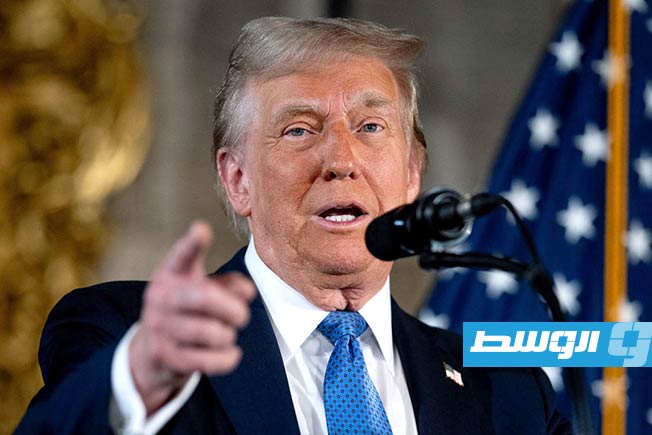
American interest in Greenland is witnessing a significant surge, after President Donald Trump revived the idea of gaining control over the island, in a context that goes beyond political controversy to broader economic and strategic considerations.
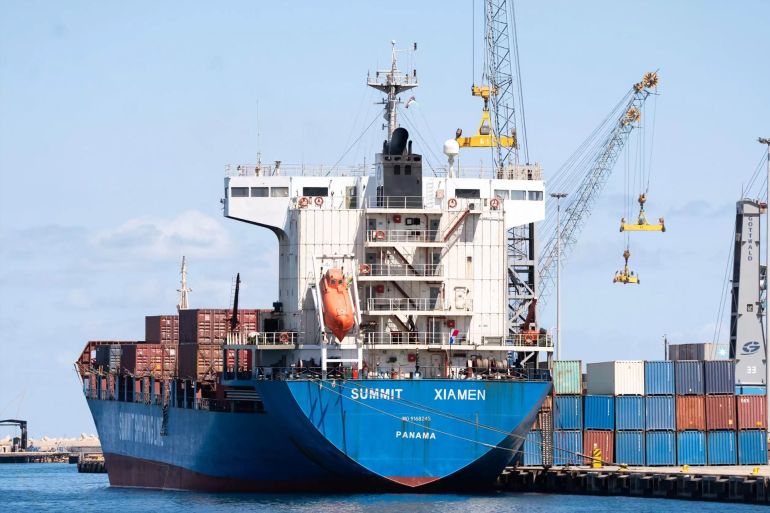
This interest comes at a time when the importance of the Arctic is increasing as an arena for competition over critical resources and minerals, and over sea routes that melting ice may reopen for global trade.
In contrast, American proposals have been met with explicit rejection from Denmark and the government of Greenland, both of which have stressed that the island is not for sale.
However, Western reports indicate that the debate is not only about sovereignty, but about the cost of influence and economic returns in a region undergoing rapid transformations. Between the rhetoric of national security and market calculations, Greenland is turning into an open economic-political file within the international power equation.
The Arctic Economy: Rare Minerals and Energy
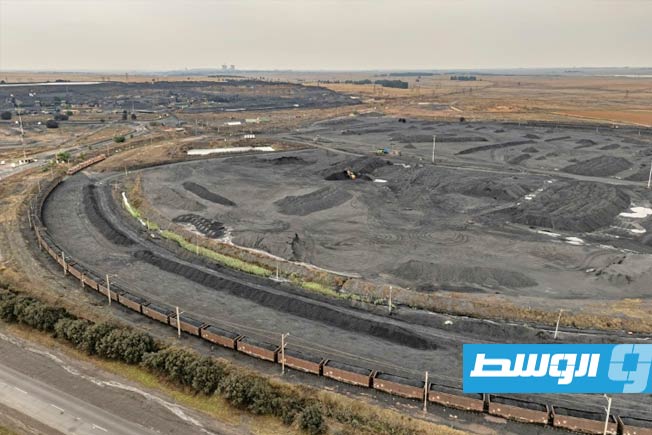
Reports indicate that Greenland is now being presented as a “potential treasure trove of minerals,” as 37 out of the 50 minerals classified by the United States as “critical” can be found there in moderate or high quantities, based on a 2023 survey.
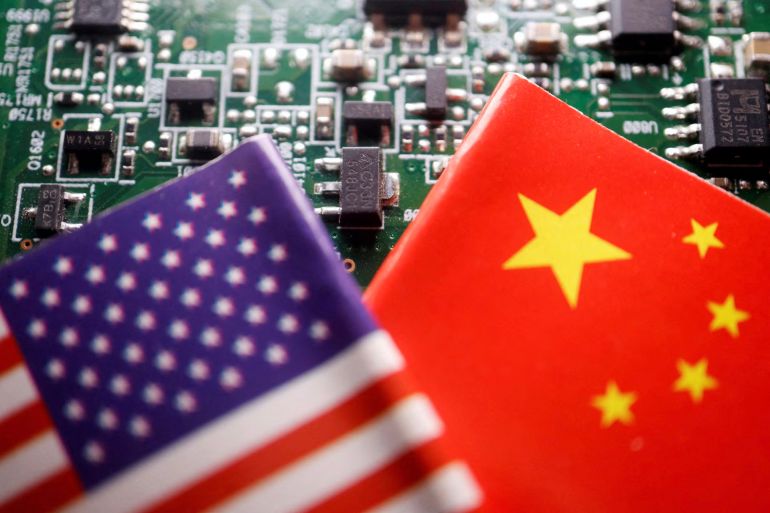
These minerals are at the heart of high-tech defense industries, renewable energy technologies, batteries, and advanced magnets, while one country dominates a large part of their global production and supply chains.
It is added that Greenland possesses 7% of the world’s fresh water in its ice sheets, a figure that increases the island’s economic value in a world heading towards greater resource scarcity.
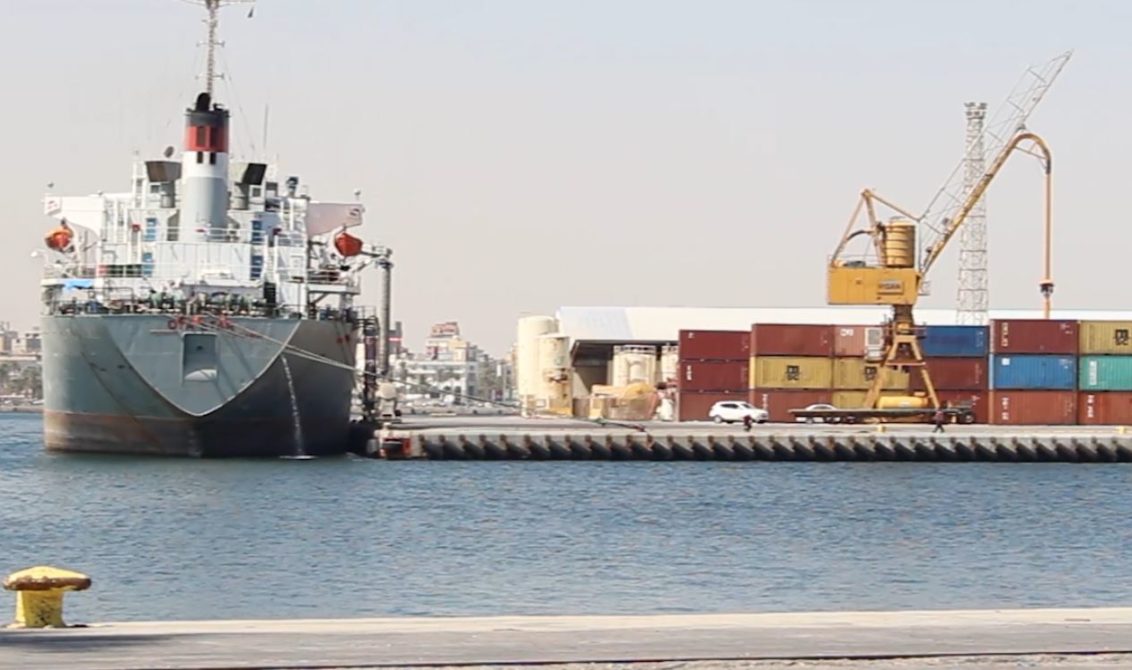
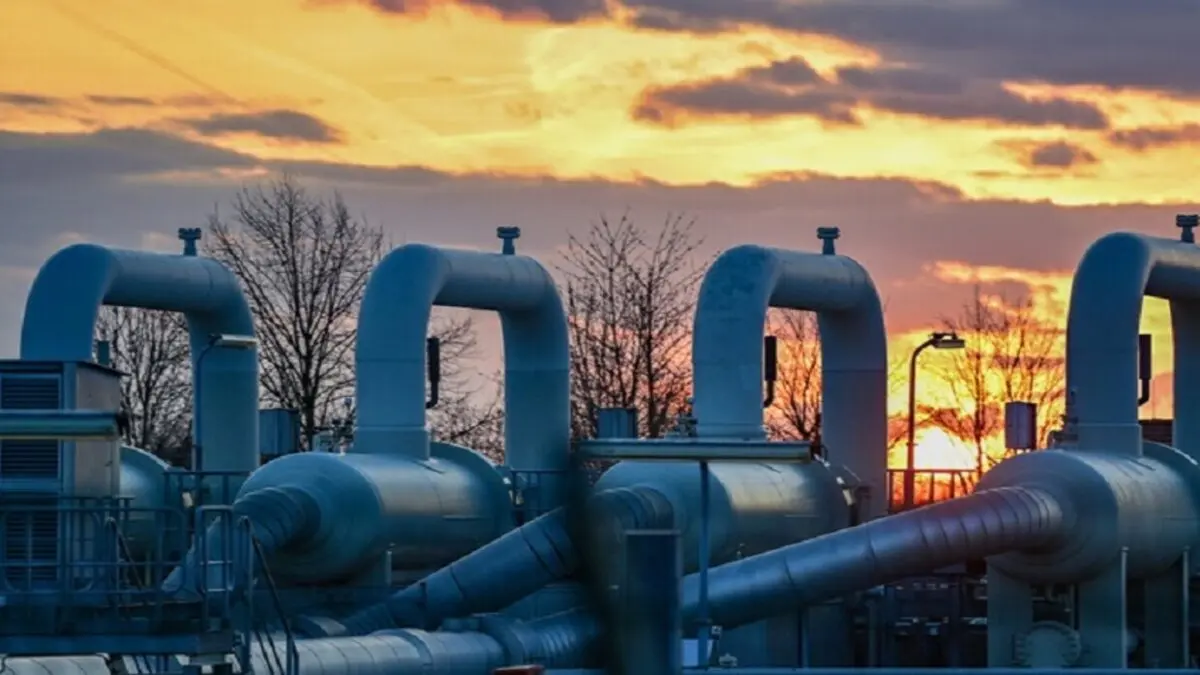
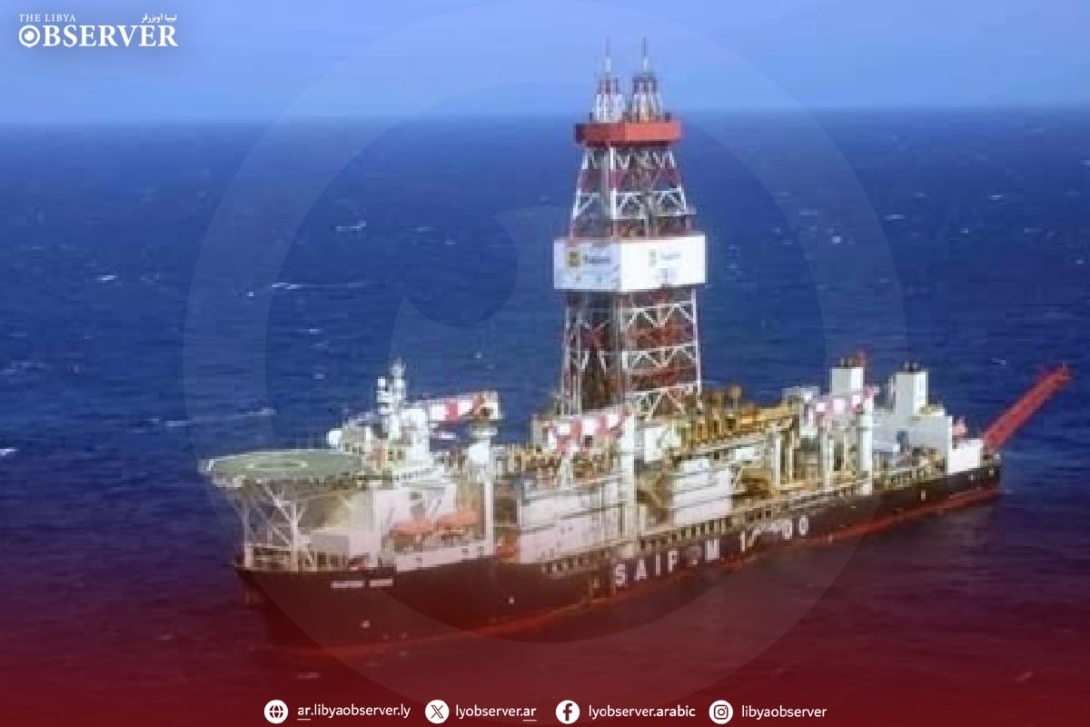
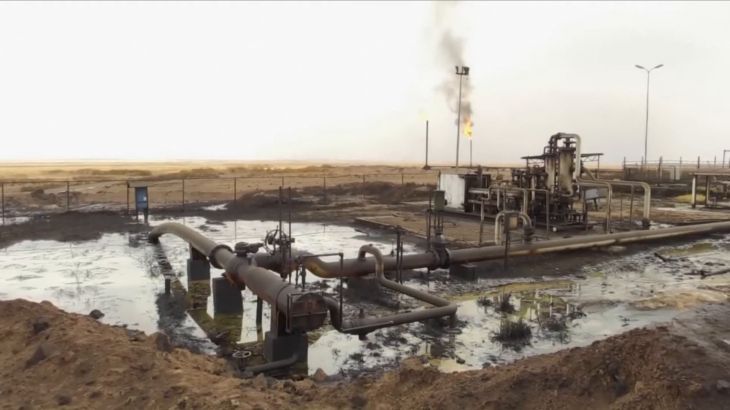
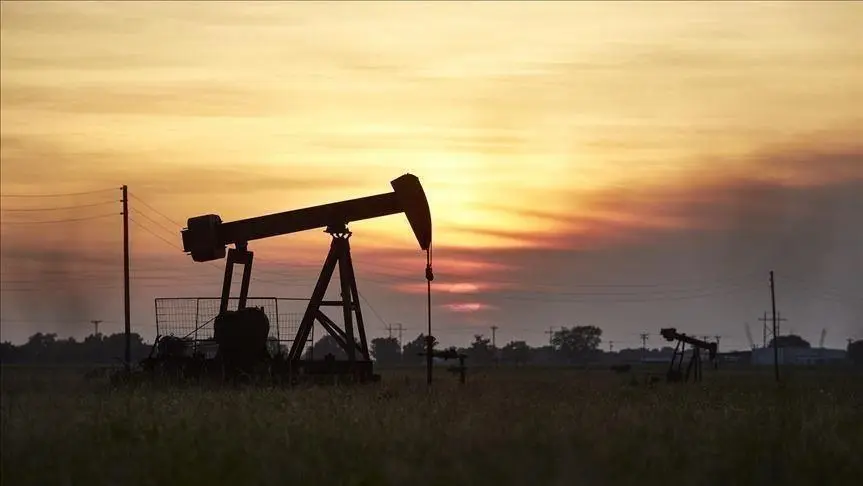
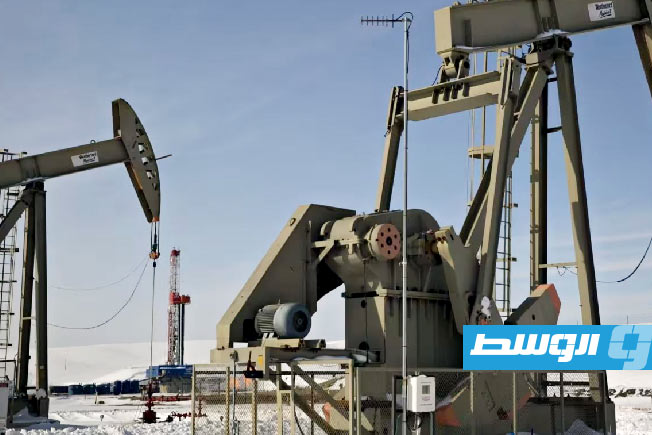
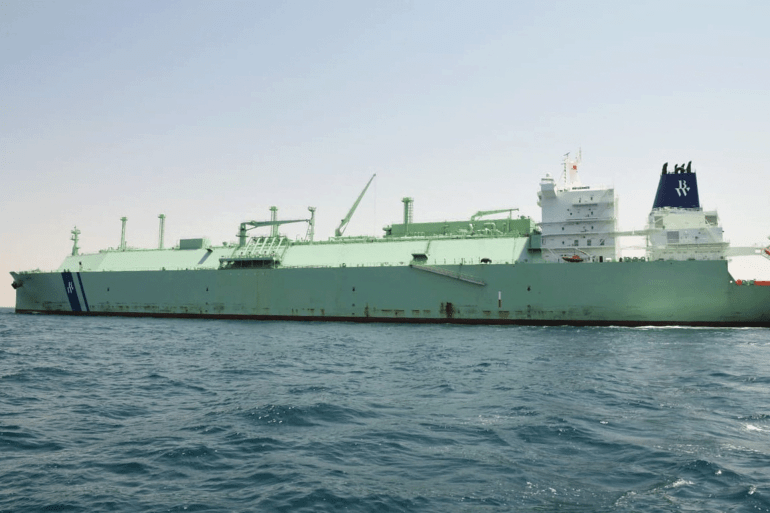
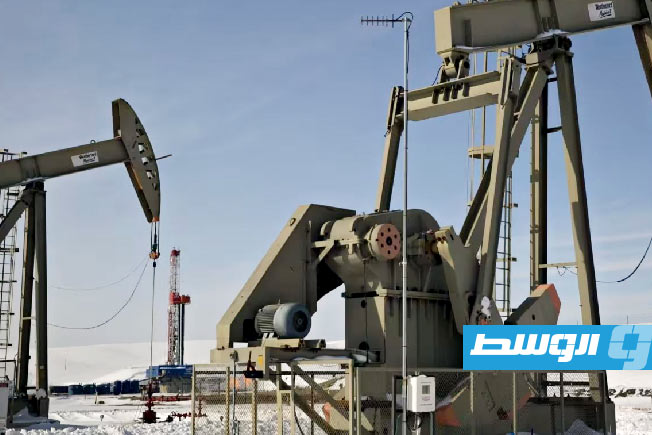
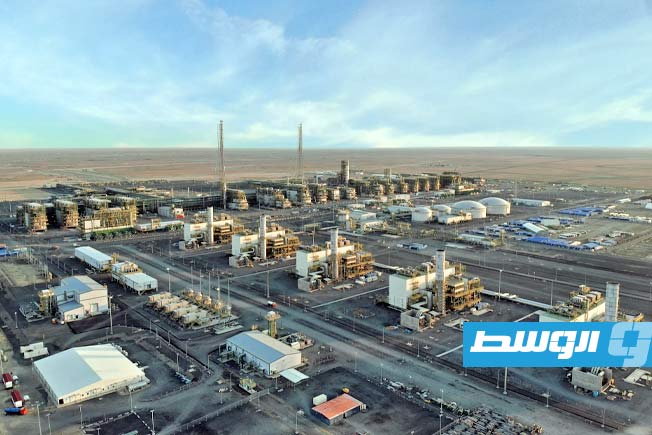
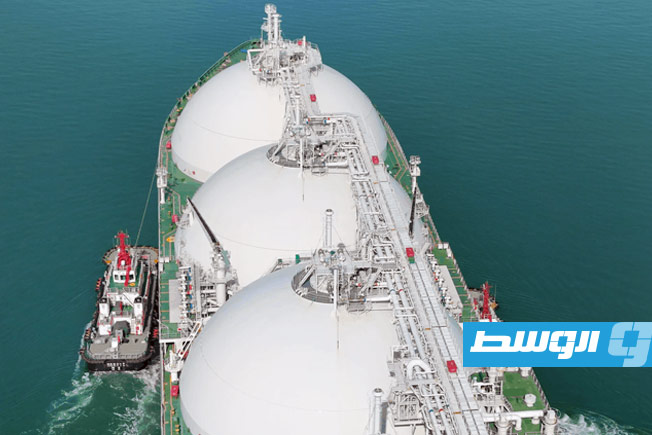
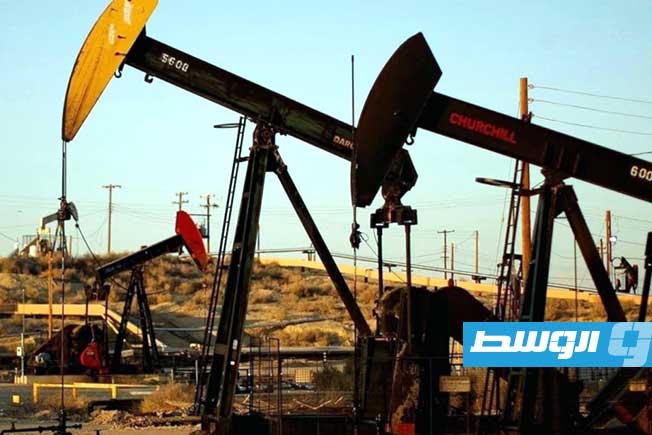
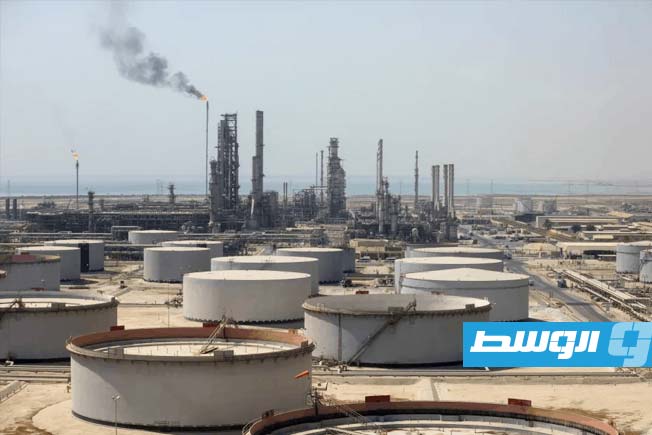
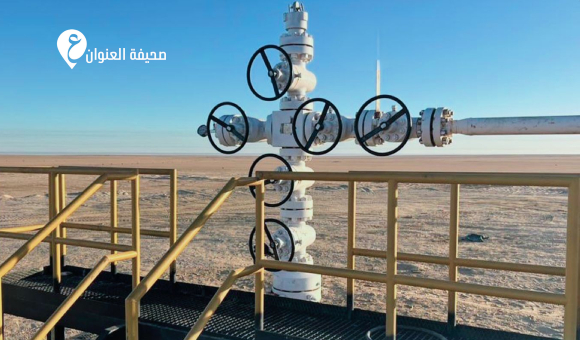
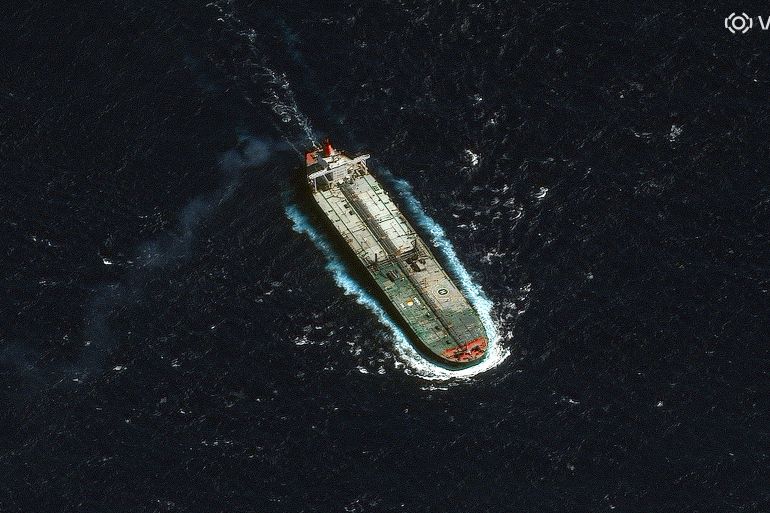
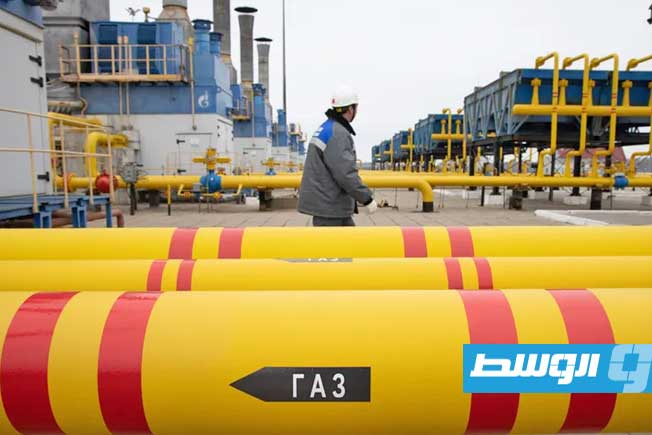
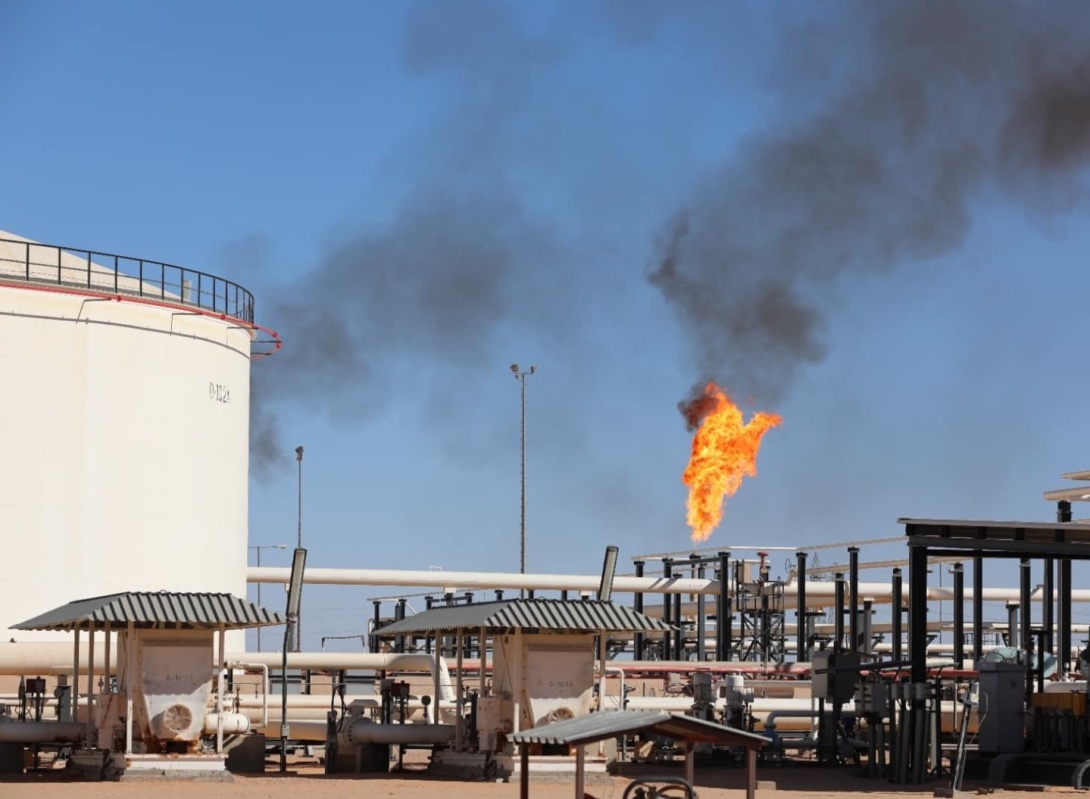
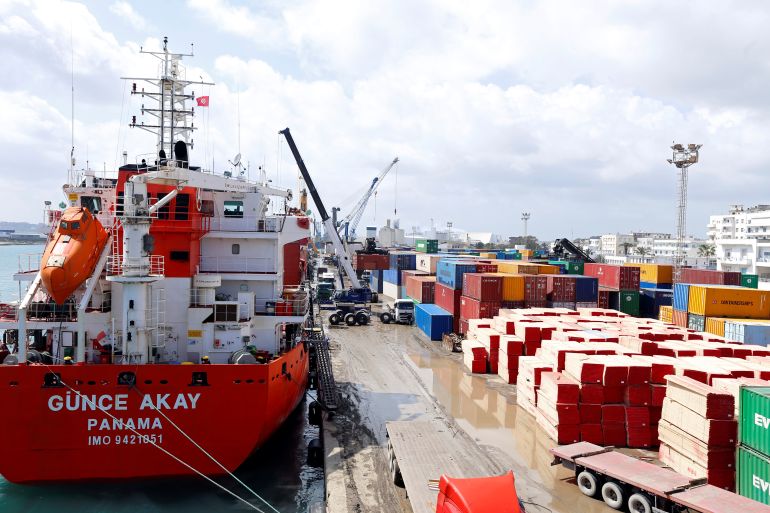
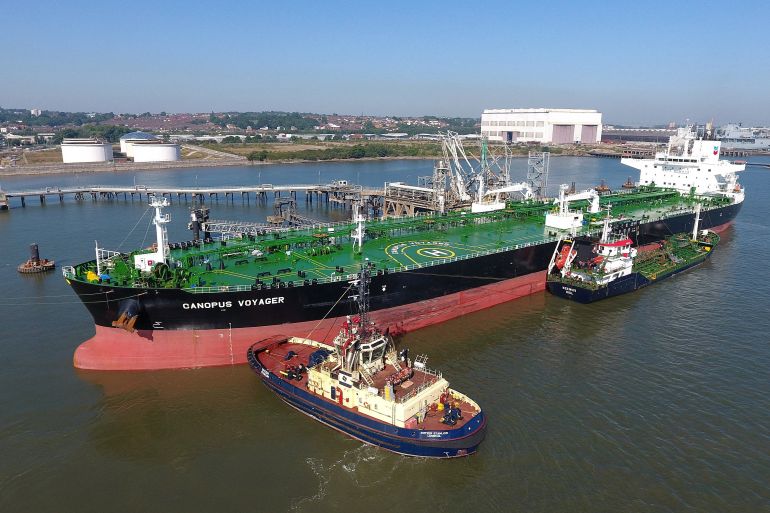
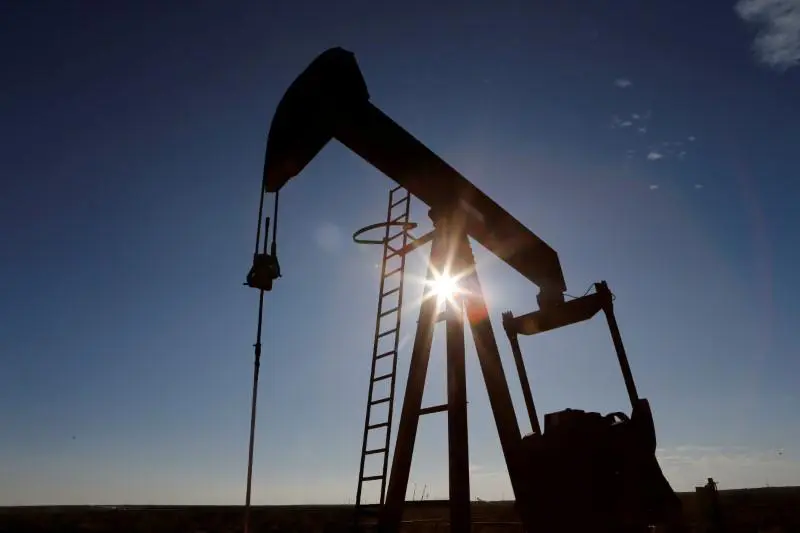
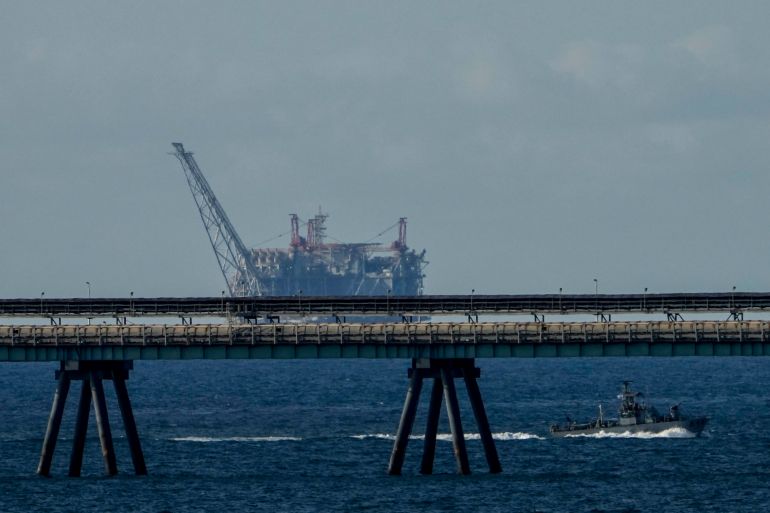
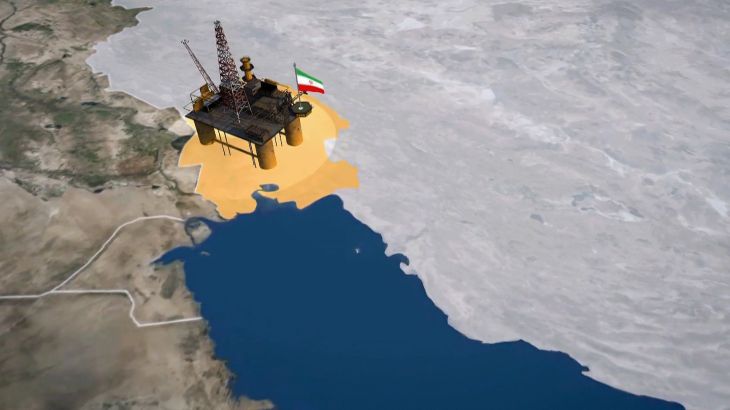
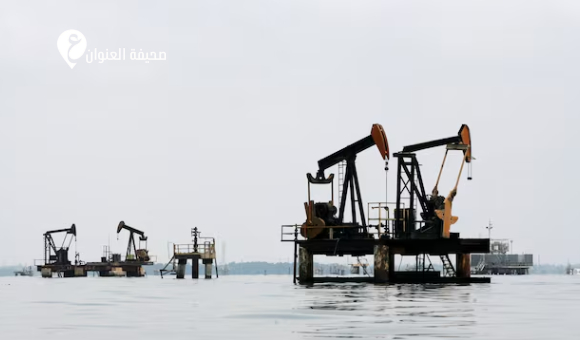
Reports speak of undeveloped oil and gas reserves believed to be among the largest in the Arctic, estimated to be the third largest reserve there. At a time when accelerated ice melting due to climate change not only opens a window for mining, but also creates shorter shipping routes between North America, Europe, and Asia, putting pressure on transport and insurance costs and reshaping maritime trade calculations.

A Trillion-Dollar Deal or a Financial Burden?
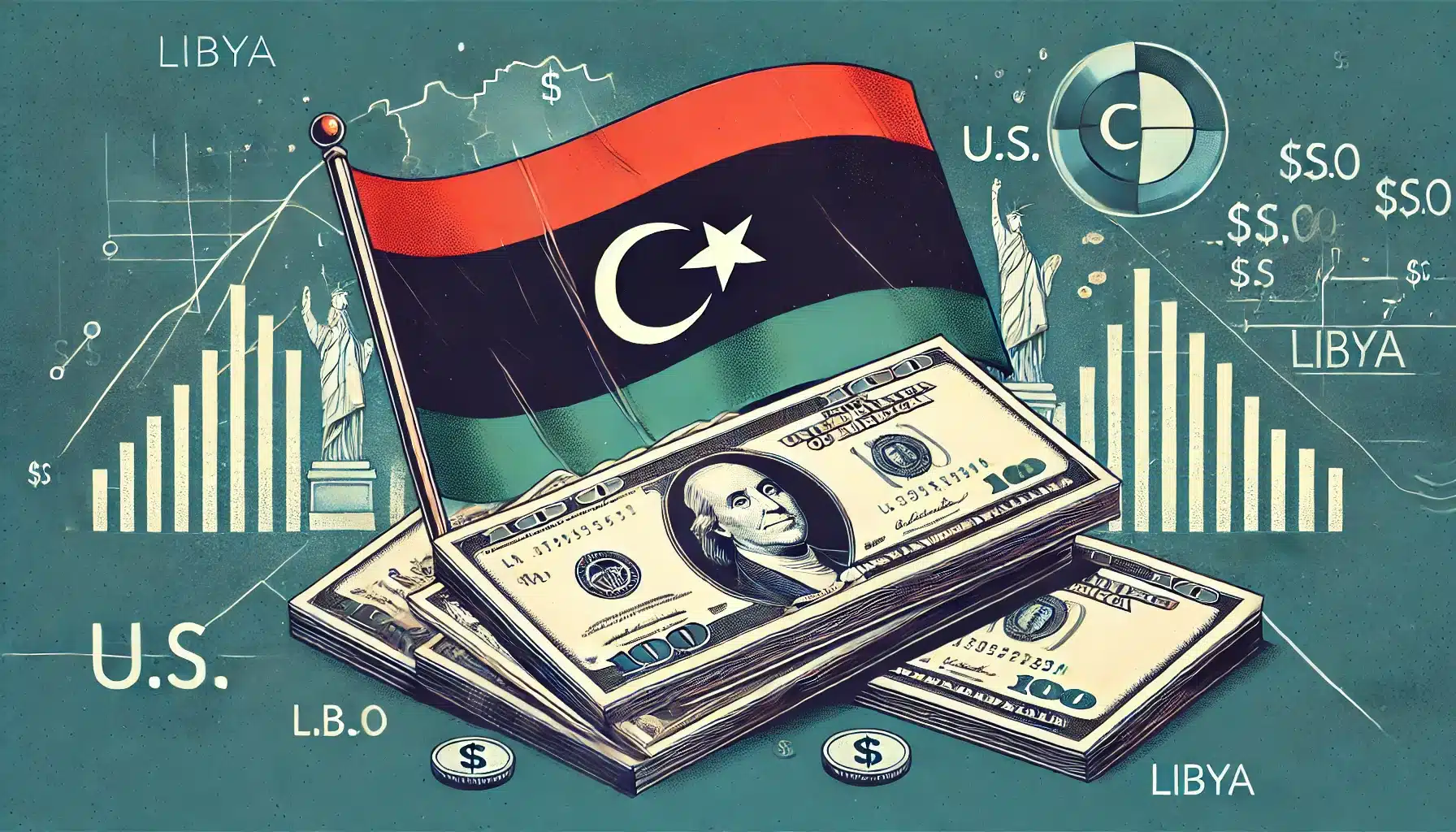
From a direct economic angle, it is warned that any potential American acquisition would come at a high and politically and financially complex cost. An estimate in 2019 valued Greenland at up to $1.7 trillion, assuming it was a salable asset—an estimate often cited in public debate as a reference for the size of the expected “check.”
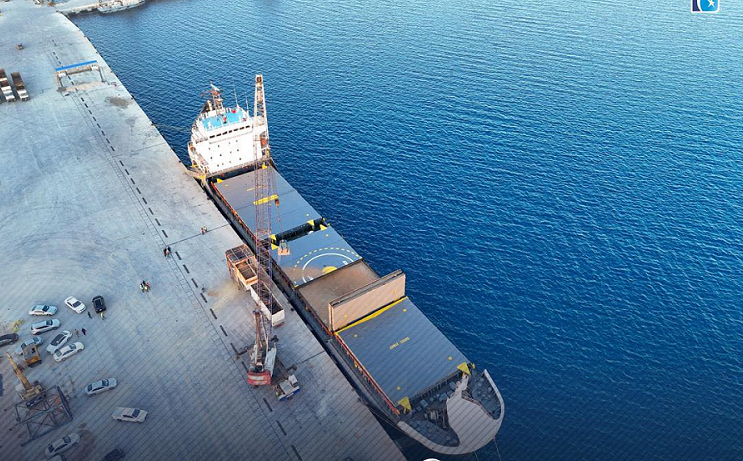
It is argued that the issue does not stop at the purchase price, but extends to the burdens of supporting a region with the lowest per capita income in the Arctic, meaning any annexation would be accompanied by a long-term operational bill for infrastructure, housing, services, airports, ports, and communications in a harsh environment.
Conversely, experts point out that reducing dependence on minerals from one country may provide a “geopolitical-economic return” that is difficult to measure in immediate numbers, because it relates to the security of supply chains and the resilience of the defense and technology industry.
Between the “real estate deal” model and the “strategic investment” model, Greenland appears to be a case where profit and loss calculations are mixed with calculations of control and deterrence.
National Security as an Economic Cover
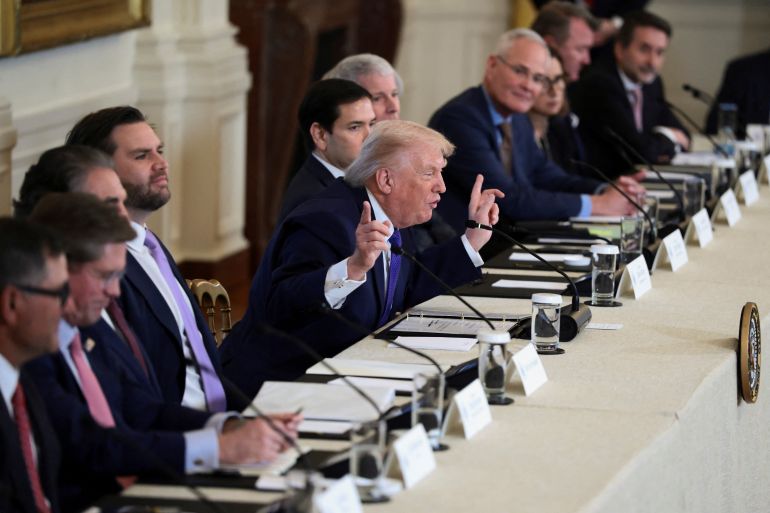
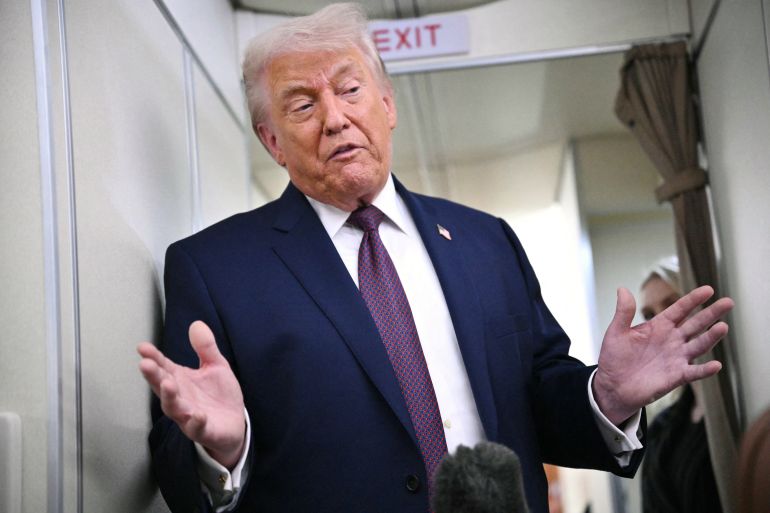
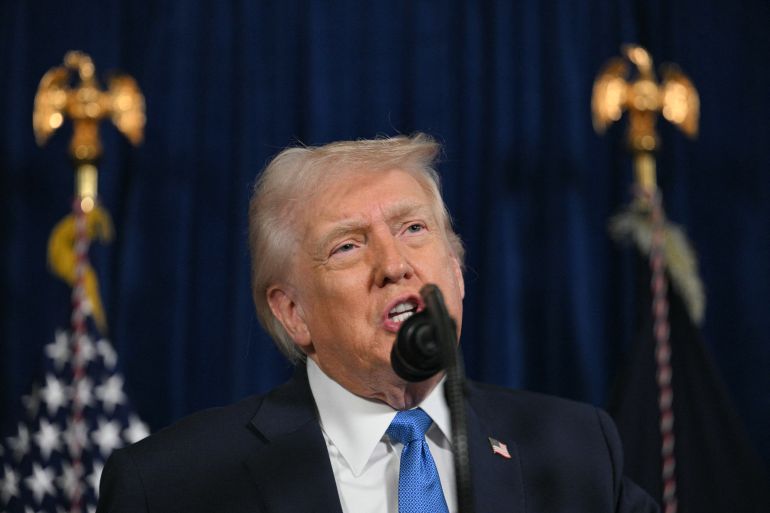
It is reported that Trump repeats that “the United States needs Greenland for national security, not for minerals,” in a formulation that attempts to separate defense policy from economic temptations. However, the same reports highlight the close overlap between security and economy. The island of Greenland provides an advanced position for monitoring the Arctic, which is expected to turn into an arena for competition over trade routes and resources.
It includes the Thule Air Base, the northernmost U.S. base, which houses early warning radar systems and space surveillance, giving it a strategic value difficult to replace with nearby alternatives.
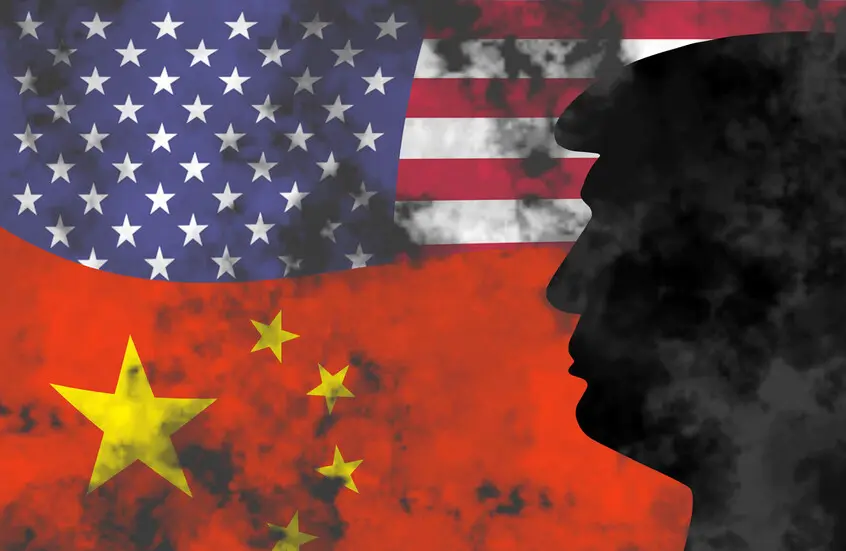
It is indicated that control or broader influence over Greenland could provide Washington with “new opportunities to expand its air and maritime presence” and enhance monitoring of Russian and Chinese