Tripoli, January 8, 2026 – The Central Bank of Libya revealed that the value of oil revenues transferred to the bank from the beginning of January until January 8, 2026, amounted to only 155 million dollars, while total foreign currency sales during the same period exceeded one billion dollars.
The bank explained in a statement on Thursday that, within the framework of its responsibilities, it is providing foreign currencies to meet the needs of the Libyan market, aiming to achieve financial stability for the state and ensure the availability of essential goods in the markets before the arrival of the holy month of Ramadan. This contributes to meeting the needs of citizens and supporting the stability of economic activity.
Tripoli
Tripoli is the capital and largest city of Libya, with a history dating back to the 7th century BC when it was founded by the Phoenicians. It later became a significant Roman city and a major port under various rulers, including the Ottomans and Italians, which is reflected in its historic medina and diverse architecture.
Central Bank of Libya
The Central Bank of Libya is the primary monetary authority of Libya, established in 1956 to issue currency and manage the country’s financial reserves. Its history has been deeply affected by the nation’s political conflicts, with rival administrations since 2014 both claiming control over the institution and its critical assets.
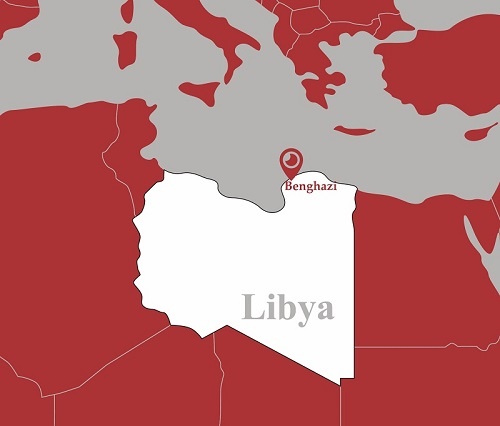
Libya
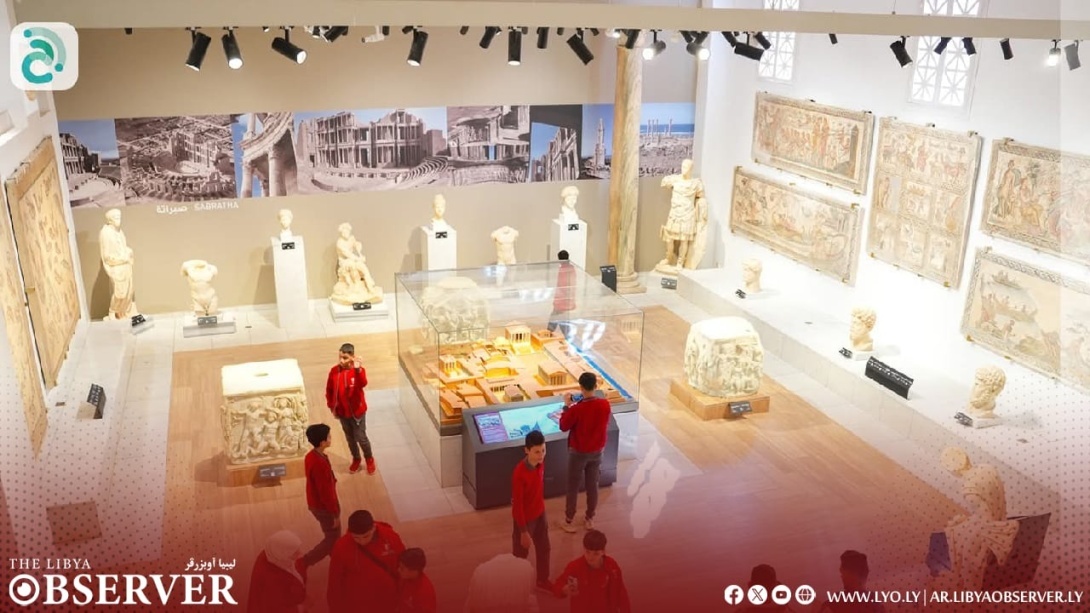
Libya is a North African country with a rich history rooted in ancient civilizations like the Phoenicians and Romans, followed by centuries of Arab and Ottoman influence. In the modern era, it was an Italian colony before gaining independence in 1951, later becoming known for Muammar Gaddafi’s lengthy rule from 1969 until the 2011 revolution. The country is home to UNESCO World Heritage sites, such as the ruins of Leptis Magna, which testify to its significant historical legacy.
Ramadan
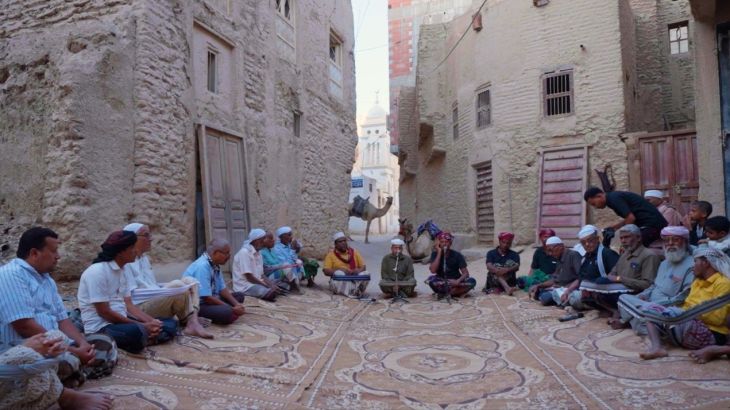
Ramadan is the ninth month of the Islamic lunar calendar, observed by Muslims worldwide as a month of fasting, prayer, reflection, and community. Its history is rooted in the Islamic tradition that it was during this month that the Quran was first revealed to the Prophet Muhammad. The fast from dawn to sunset commemorates this revelation and is one of the Five Pillars of Islam.