Climate experts have warned that the billions of barrels of oil lying beneath Venezuela’s soil, which U.S. President Donald Trump wants to get his hands on, are among the most polluting types of oil in the world and could worsen the climate crisis.
Trump has expressed admiration for Venezuelan oil, stating that the country, whose president and his wife have been apprehended, will hand over up to 50 million barrels of oil to him, affirming that he will manage the proceeds.
The country possesses the world’s largest oil reserves, estimated at over 300 billion barrels. Trump has outlined a vision where U.S. oil companies would spend billions of dollars to extract this “black gold,” according to an American news network.
However, climate experts have sounded the alarm, confirming that Venezuelan oil is among the most polluting types globally.
It was stated: “Venezuelan oil is dirty, not for ideological reasons but due to physics and infrastructure.”
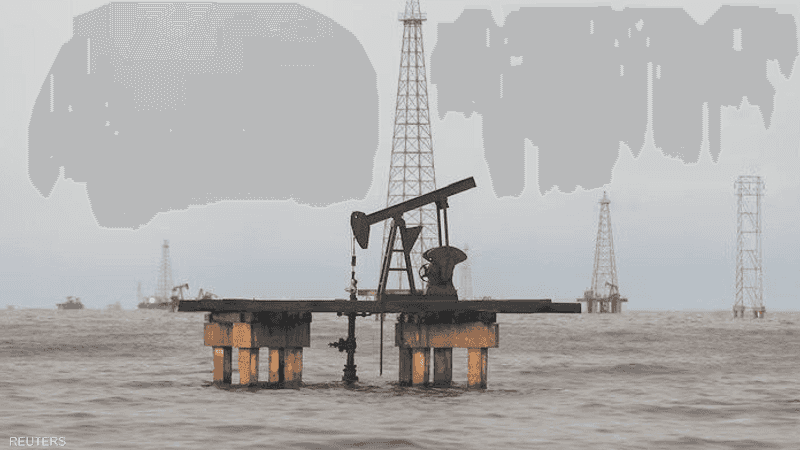
The oil found in Venezuela is called heavy sour crude. It resembles Canadian oil sands, is characterized by its great thickness and viscous consistency, and contains a higher concentration of greenhouse gas-causing carbon compared to other types. It is also more difficult to extract and requires more energy.
It was explained that this oil does not flow from the well as a liquid; it typically must be heated by pumping steam into the wells.
Extracting this oil requires a significant amount of energy and greenhouse gas-causing natural gas. The impacts do not stop at extraction; the high sulfur content in this oil makes it more difficult and costly to refine into useful products like gasoline and diesel. It also requires specialized equipment and a more energy-intensive process, increasing climate pollution.
Furthermore, Venezuela’s infrastructure is old and poorly maintained, raising the risks of methane gas leaks.
Data from the International Energy Agency indicates that methane emissions from oil and drilling operations in Venezuela are six times the global average.
An emissions expert stated that the emissions resulting from each barrel of oil produced in Venezuela exceed more than double the global average.
It is possible to reduce the climate impact if major companies intervene to lower the emission intensity of some of their operations worldwide.
It was added: “There are limits to what can be reduced,” confirming that Venezuelan oil will require large amounts of extraction energy.
According to experts, Venezuelan oil also poses a risk to the surrounding environment because the pipelines are old and dilapidated, increasing the likelihood of oil spills.
Data from a Venezuelan observatory for environmental and human rights in a 2022 report indicates that 199 oil spills occurred between 2016 and 2021.
It was affirmed: “Whether in Canada or Venezuela, this type of oil should not be extracted.”
The report pointed out that extracting this oil may not yield any economic benefit, as Venezuelan oil production has declined sharply since 2016, after reaching two million barrels per day. The country now produces less than one million barrels every day, due to U.S. sanctions and declining investments.
According to data published by a company on Monday, merely maintaining the current production level would require investments exceeding $53 billion over the next fifteen years.
Raising production to its previous peak of over 3 million barrels per day would require massive investments estimated at $183 billion.
This is a prohibitive cost in a world already suffering from an oil glut, low prices, and the approaching peak of global demand, according to the network.