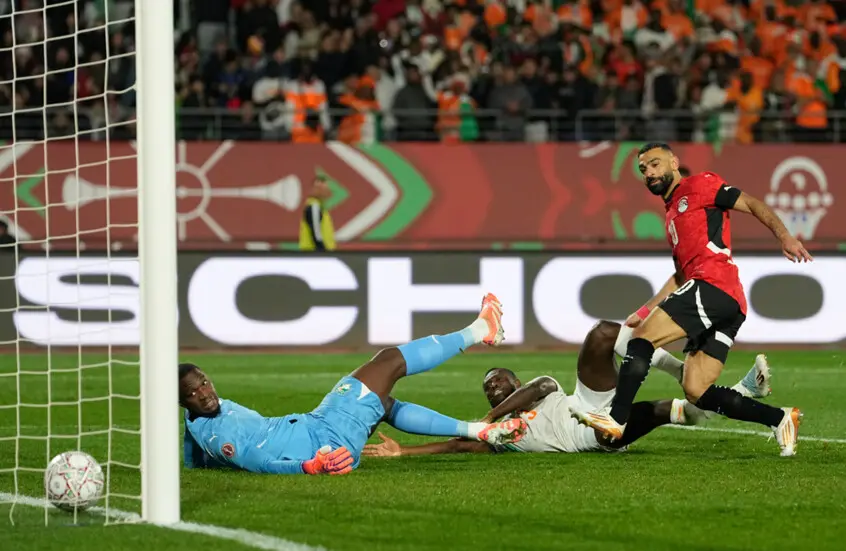
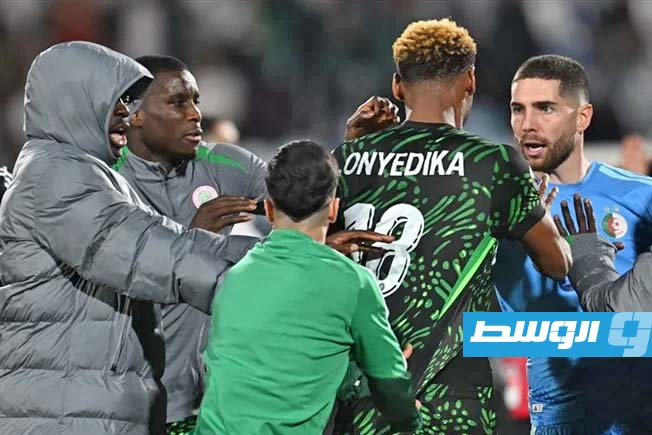
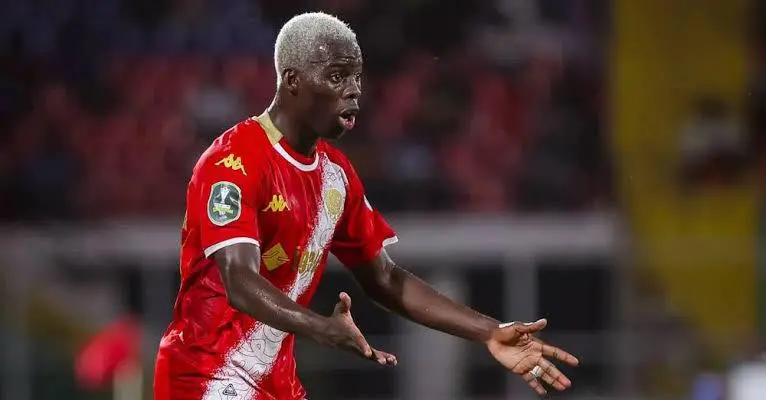
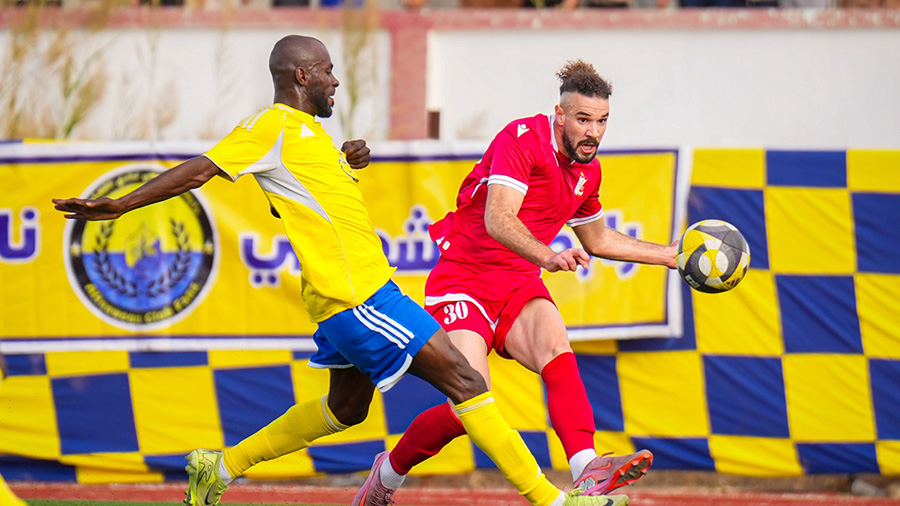
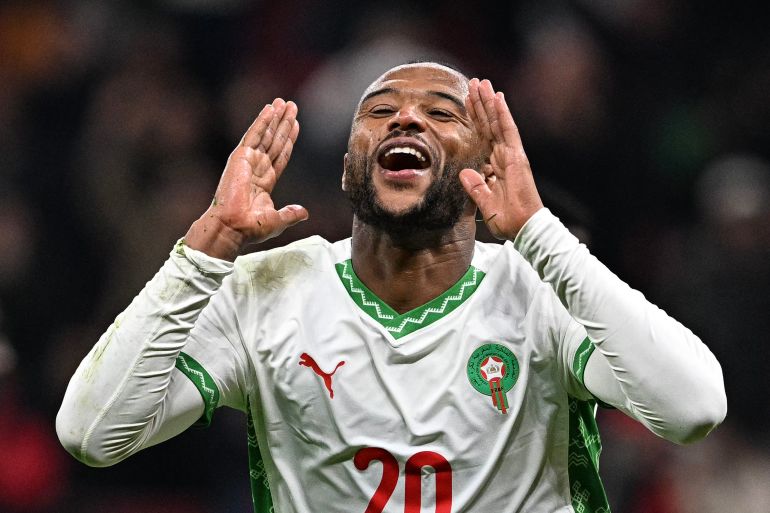
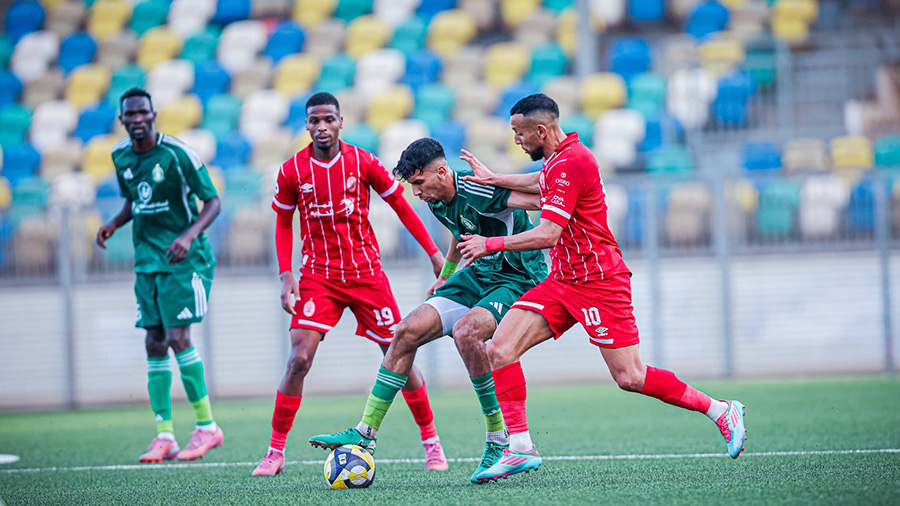
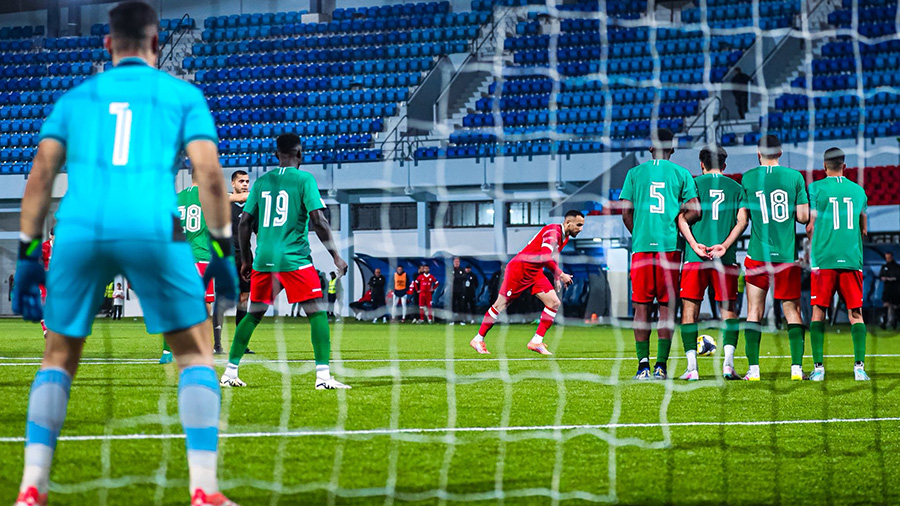
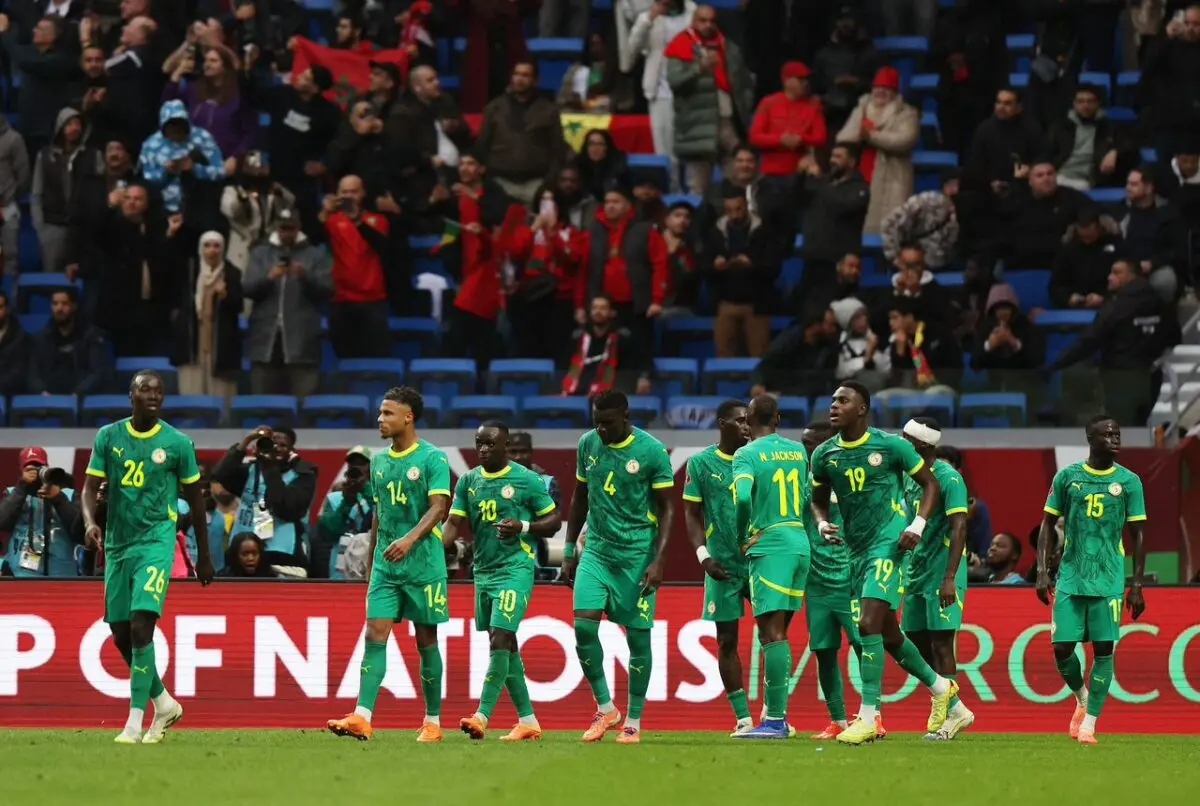
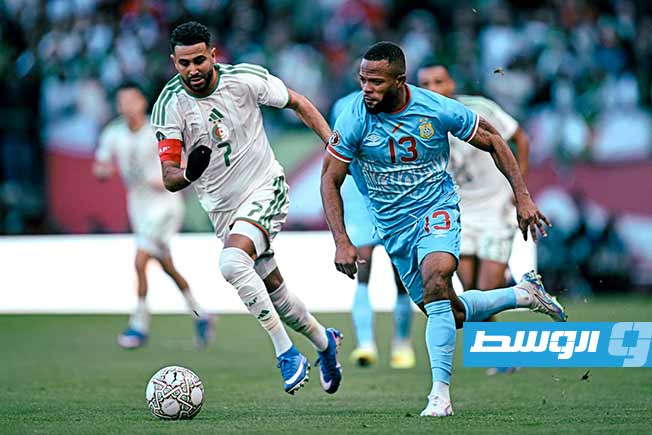
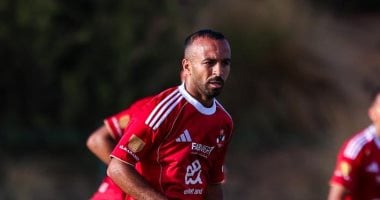
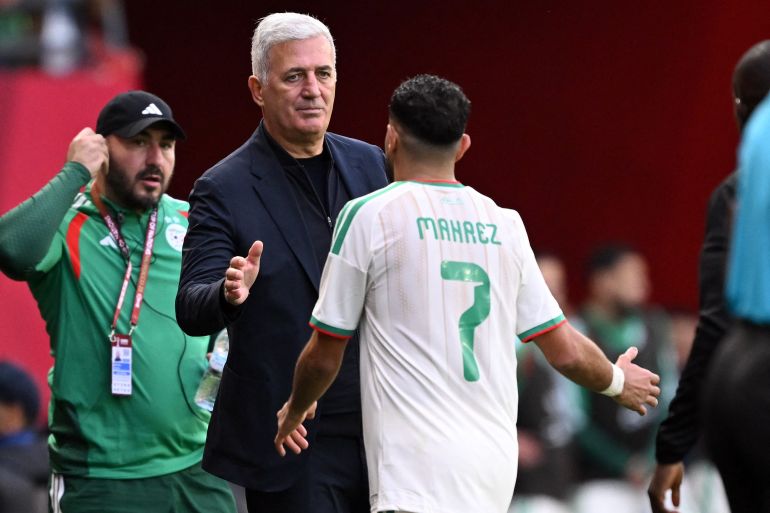
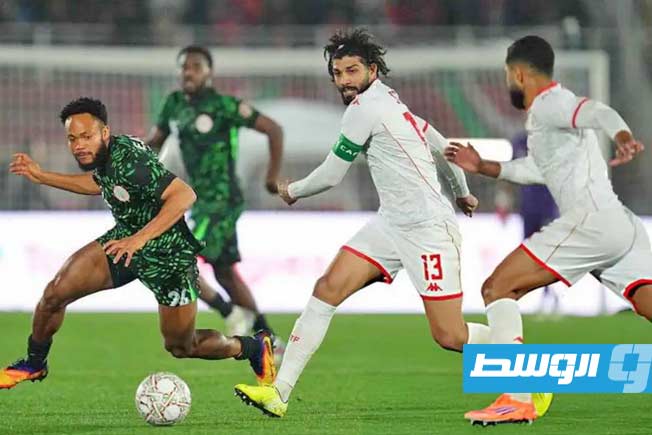
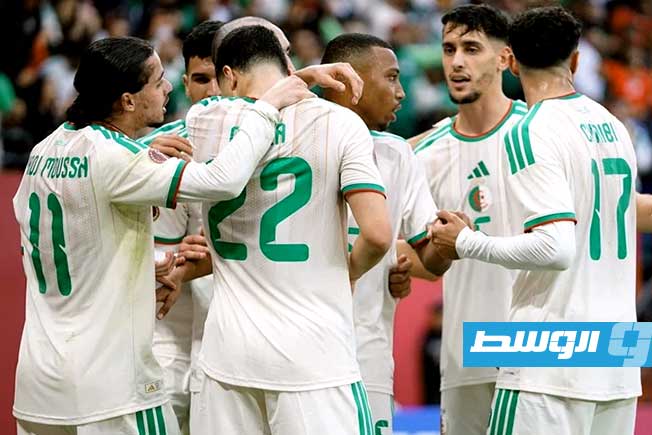
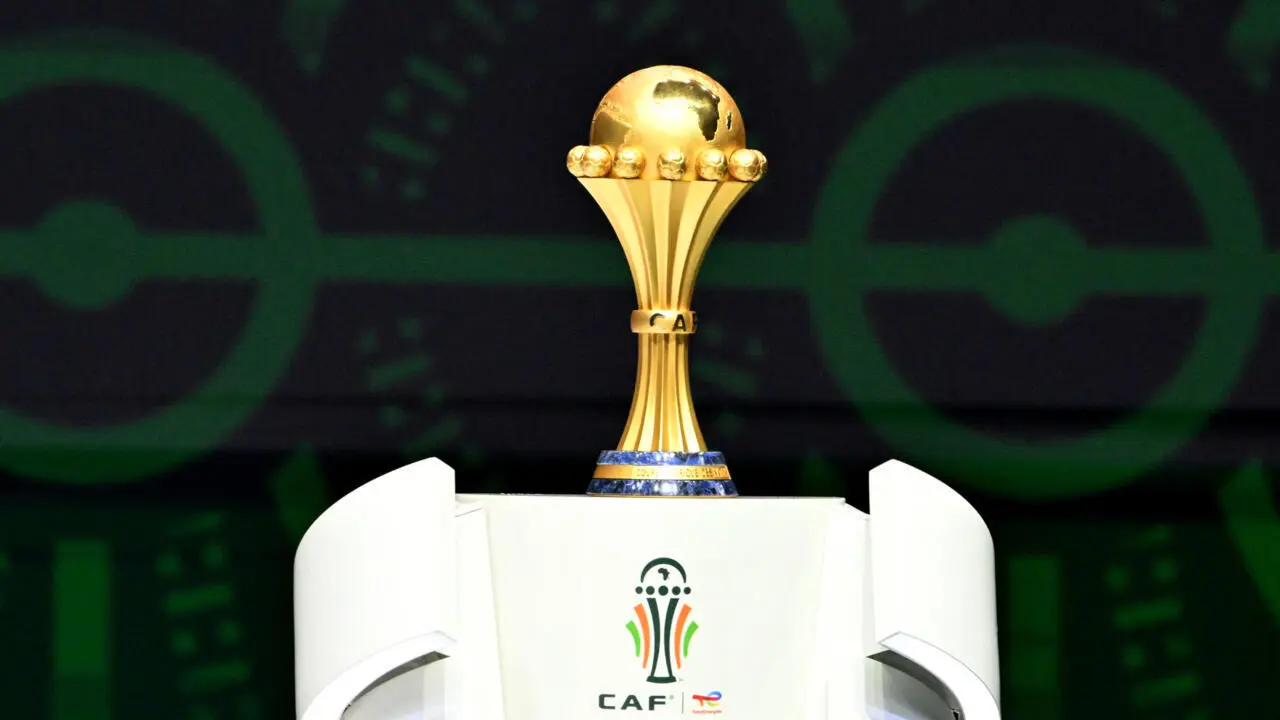
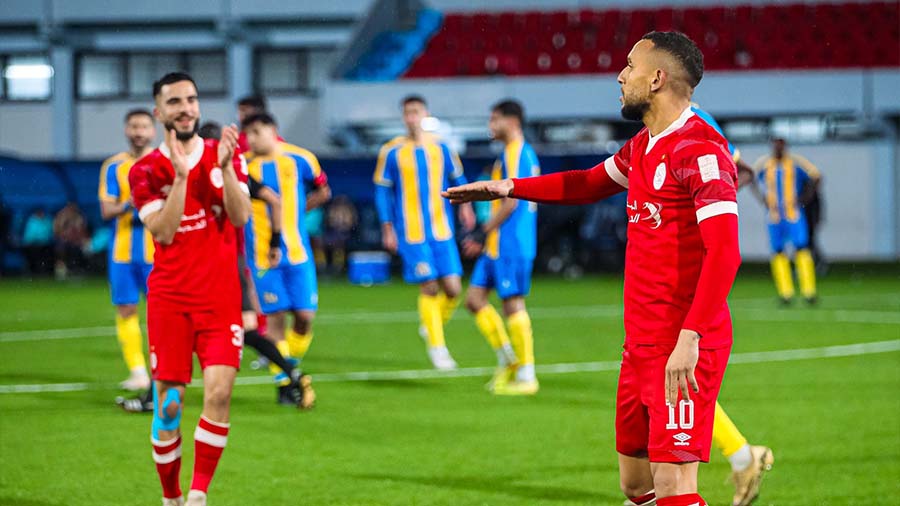
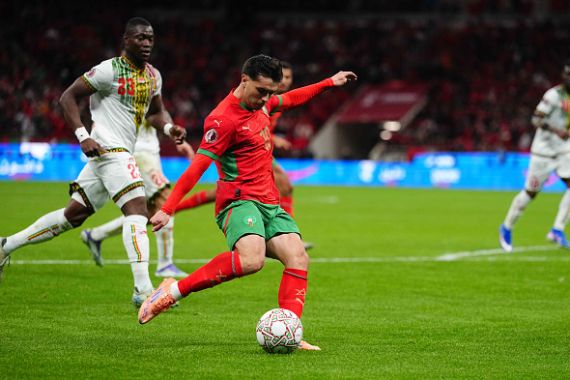
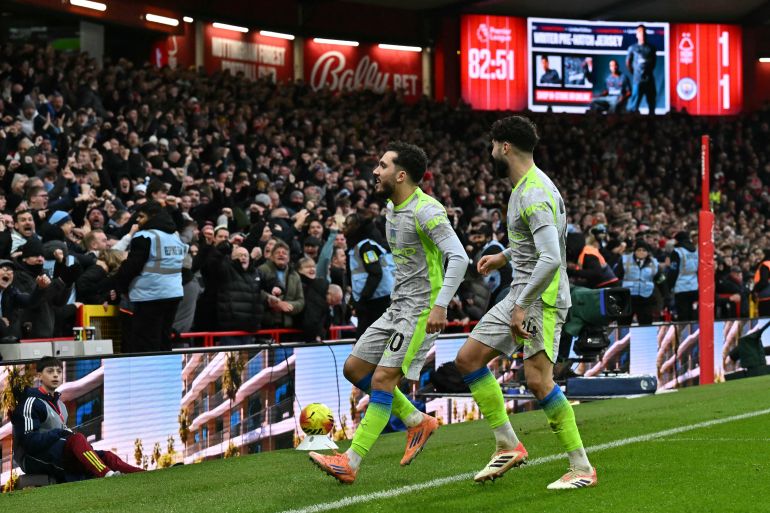
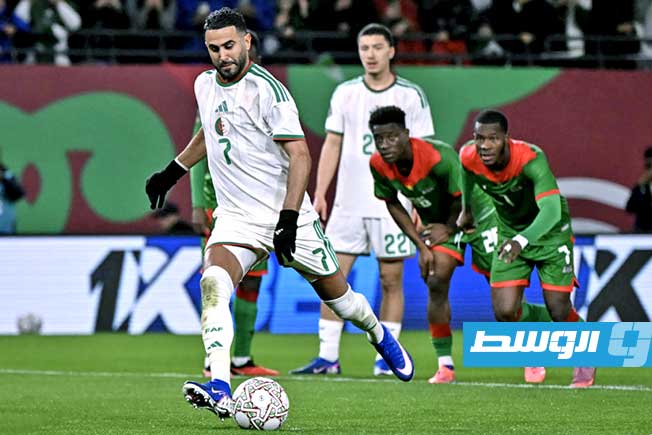
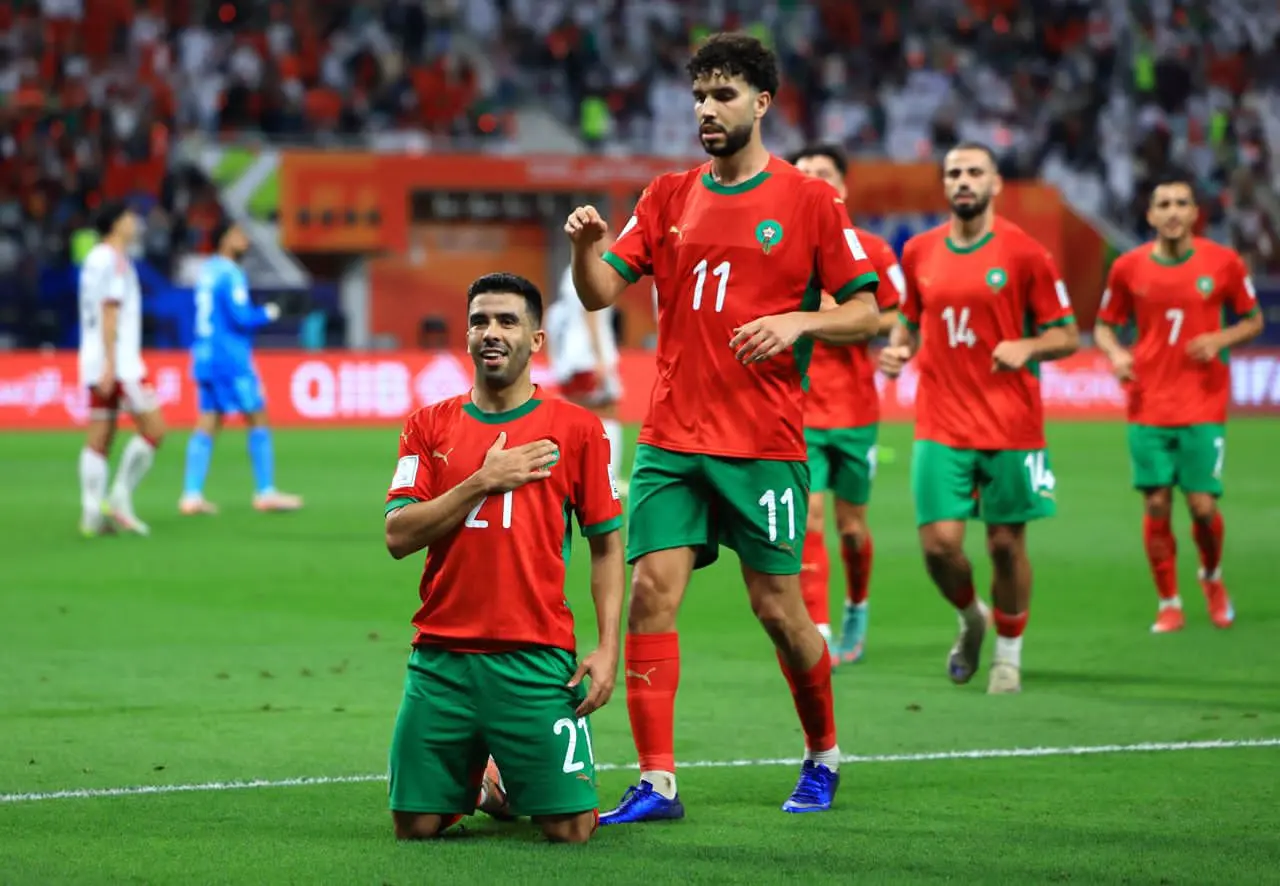
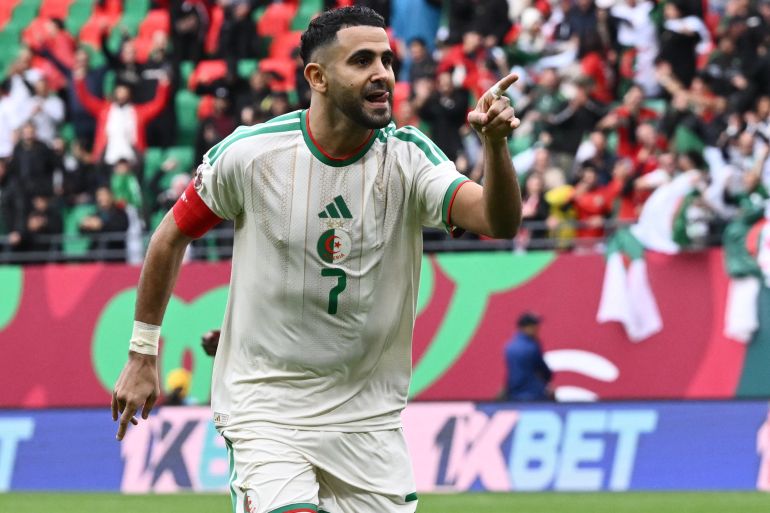
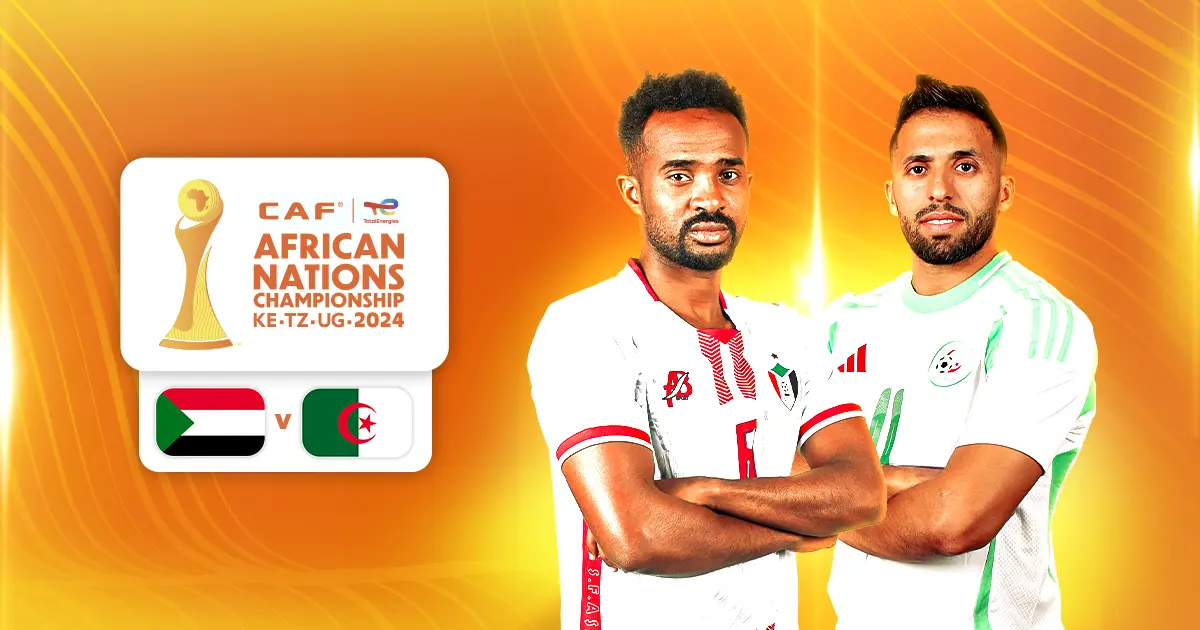
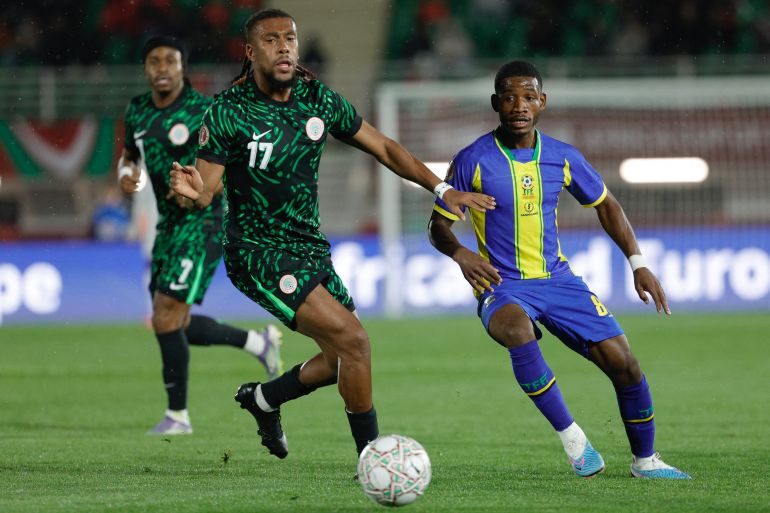
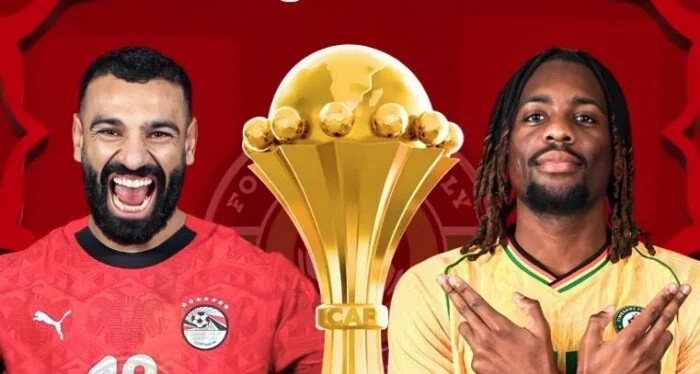
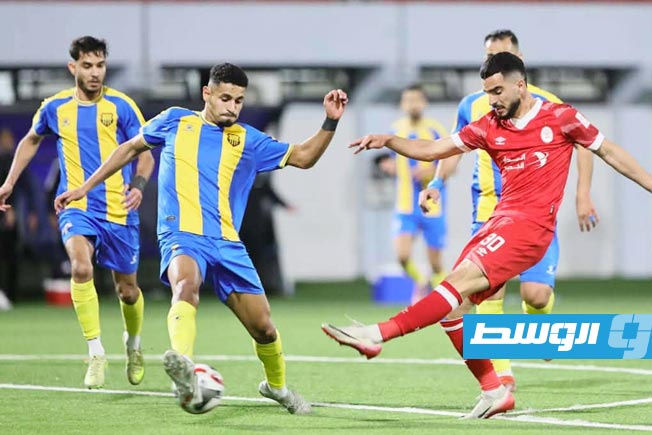
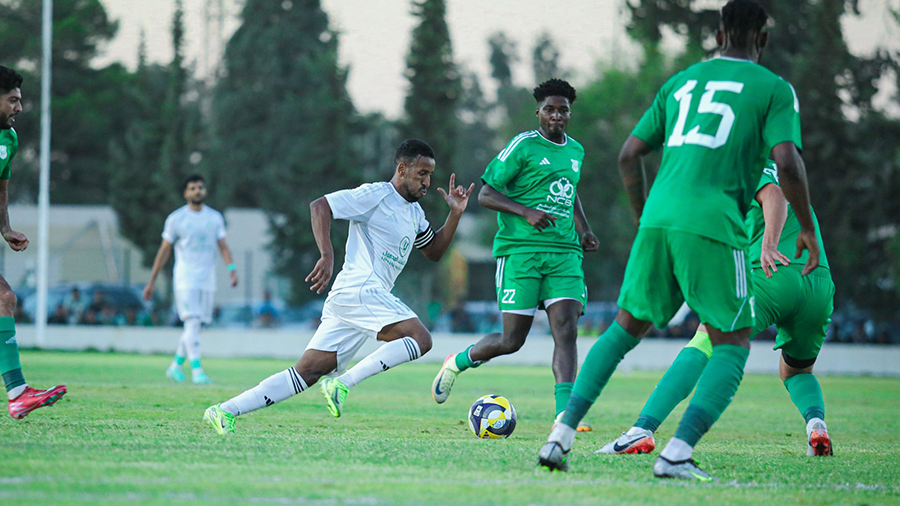
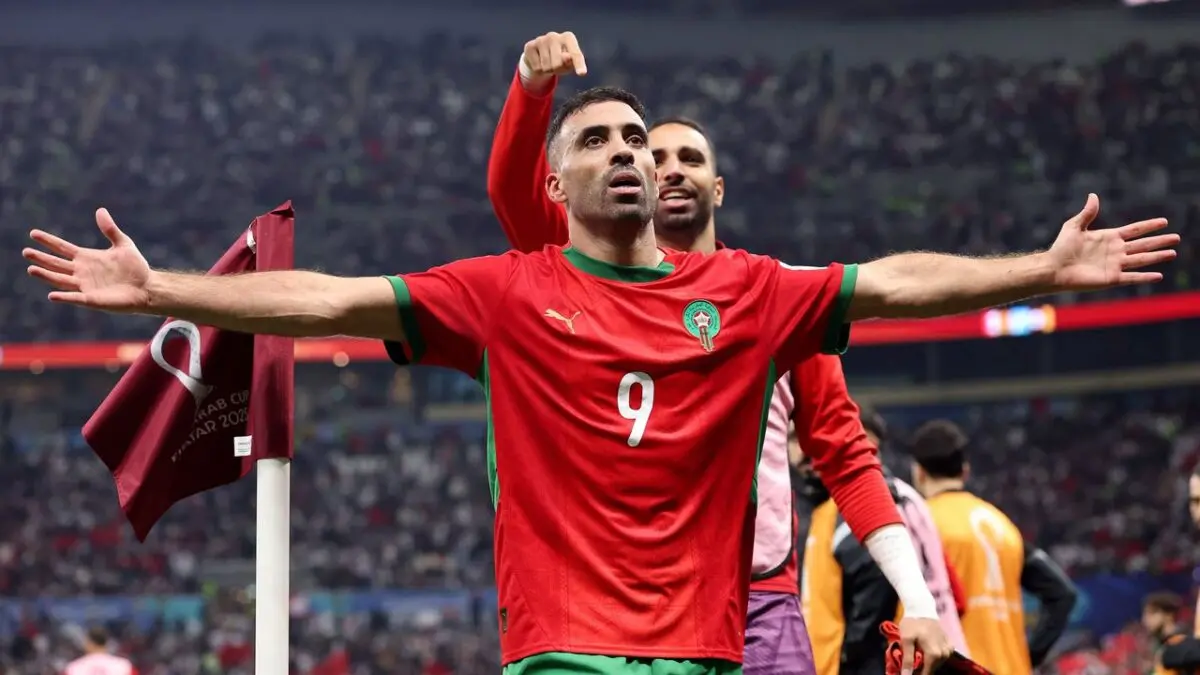
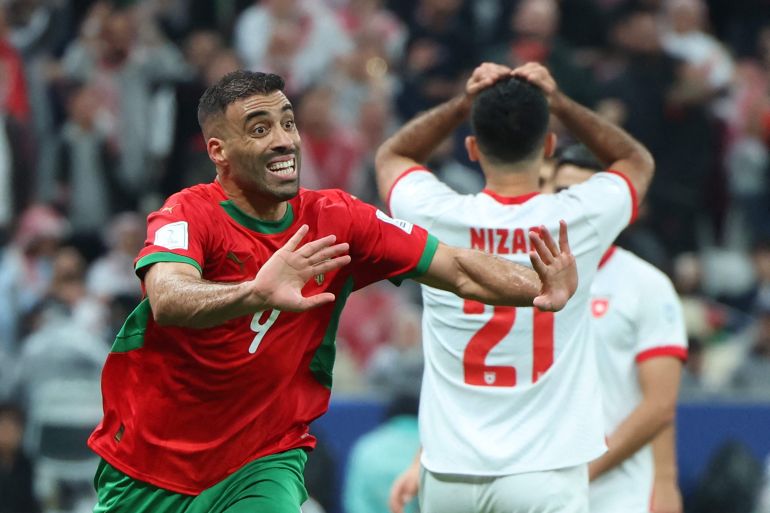
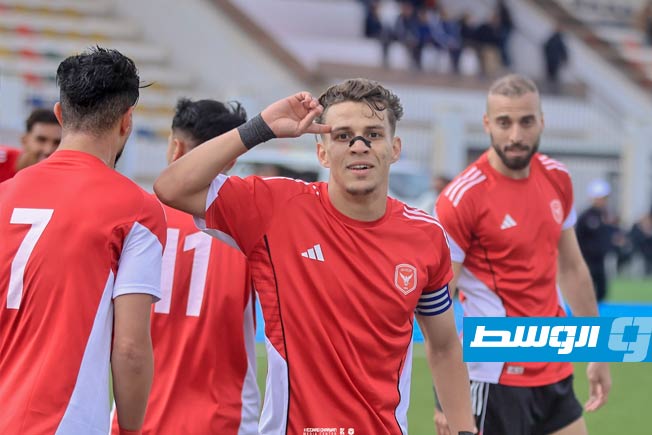
On Wednesday, Algerian striker Mohamed Amine Amoura apologized for his actions following his national team’s match against the Democratic Republic of the Congo on Tuesday in the Africa Cup of Nations Round of 16.
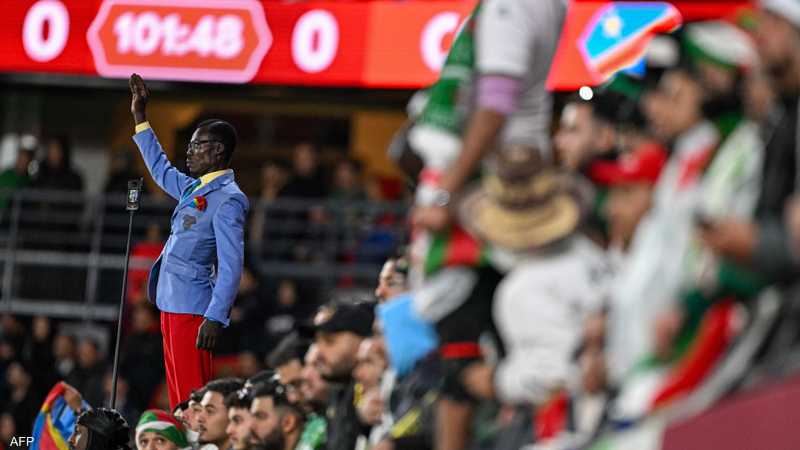
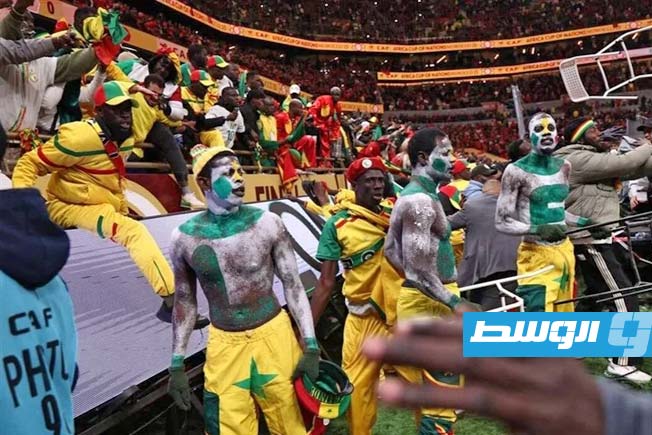
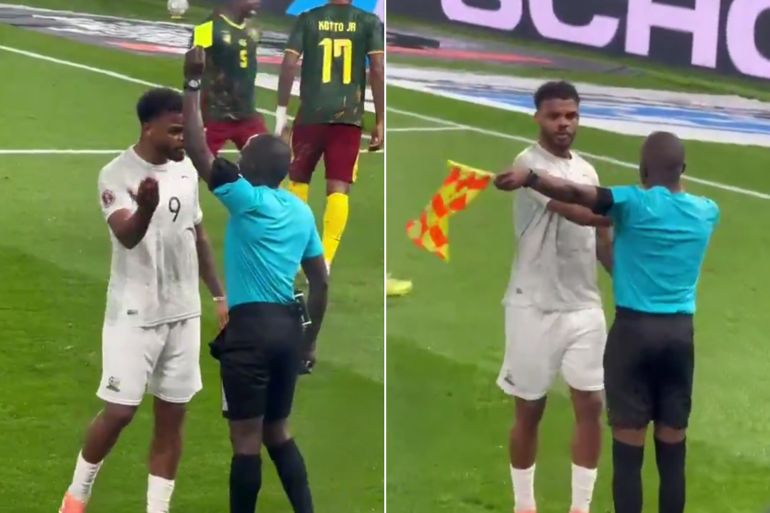
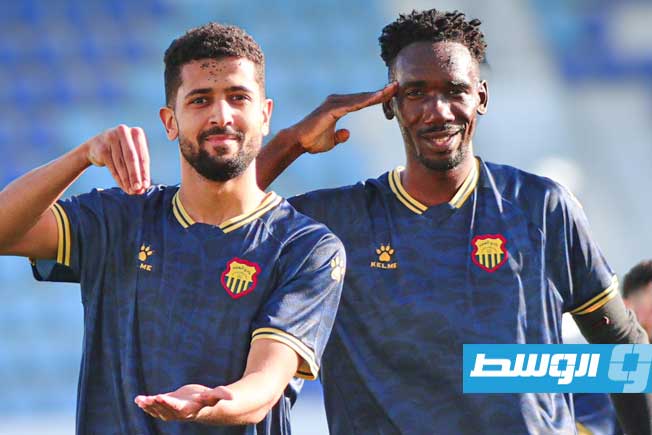
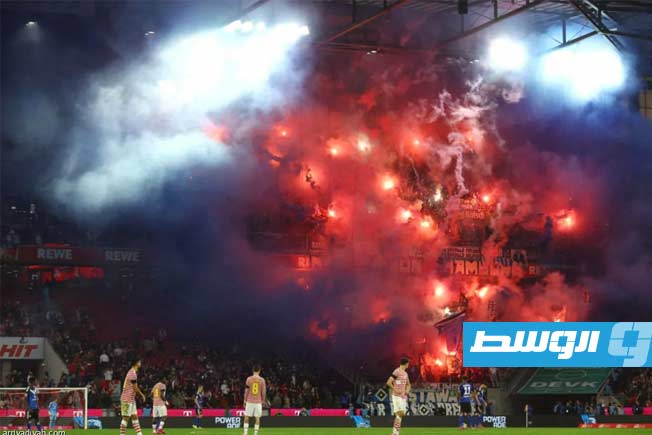
After the “Desert Warriors” secured a hard-fought 1-0 victory, he was seen imitating a fan who was standing with his hand raised in the manner of a former Prime Minister of the Democratic Republic of the Congo.
The gesture was considered a mockery of a national symbol of the DRC and an icon of liberation and anti-colonial resistance in Africa.
The German Bundesliga player wrote on Instagram on Wednesday: “The match against Congo was very big and intense, with a lot of tension and emotion on the pitch.”
He continued: “I want to clarify something: in that moment, I was not aware of who the person or symbol in the stands represented. I only meant to joke, in good spirit, without any bad intention or desire to provoke anyone.”
Amoura (25 years old) expressed his “respect for Congo and their team. Honestly, I wish them the best and hope they qualify for the World Cup.”
He added: “If my behavior was misinterpreted, I sincerely apologize, as that was not my intention at all. I remain focused on the pitch and on representing my country with pride. Long live Africa.”
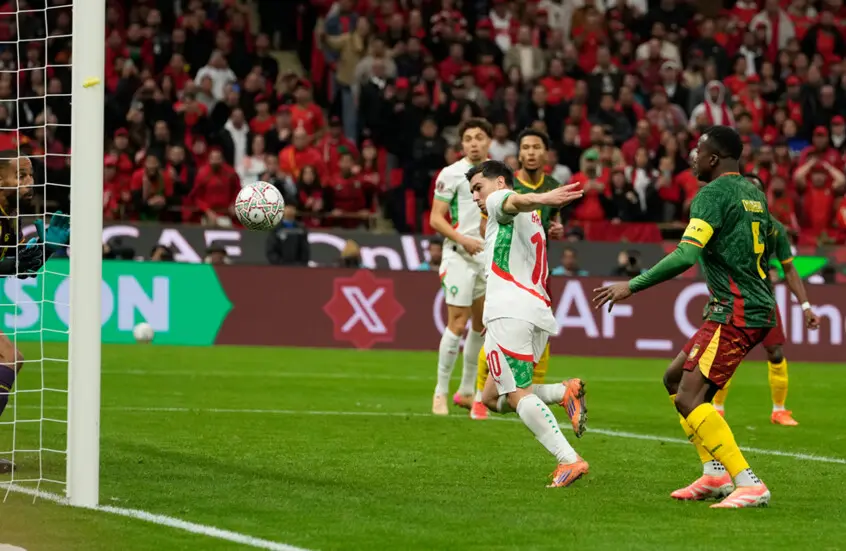
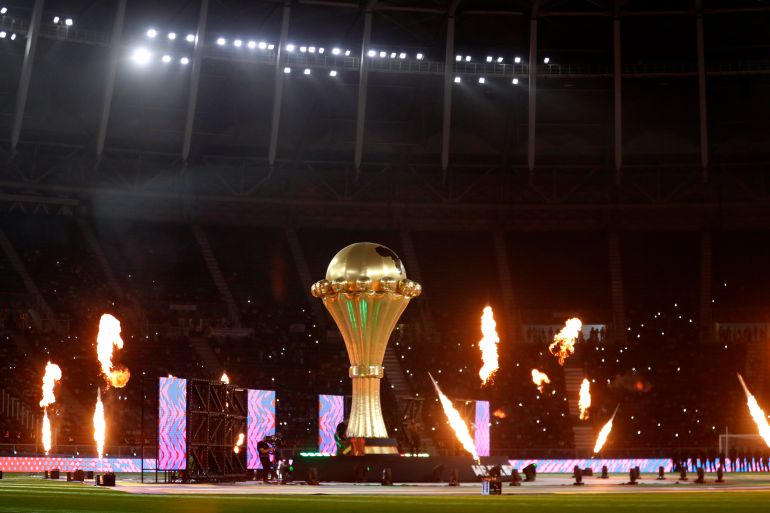
Algeria advanced to face Mauritania on Saturday in the quarter-finals. The winner of that match will face the victor of the clash between host nation Ivory Coast and Cameroon in the semi-final.
Algeria
Algeria is a North African nation with a rich history shaped by indigenous Berber cultures, successive empires, and a pivotal modern struggle for independence from France, achieved in 1962. It is home to diverse cultural sites, including the ancient Roman ruins of Timgad and Djemila, and the historic Casbah of Algiers, a UNESCO World Heritage site.
Democratic Republic of the Congo
The Democratic Republic of the Congo (DRC) is a vast Central African nation with a complex history, first established as the personal colony of Belgium’s King Leopold II in the late 19th century before gaining independence in 1960. Its post-colonial period has been marked by prolonged conflict and political instability, despite the country being rich in natural resources. Culturally, the DRC is renowned as a major center for African music, particularly soukous, and is home to significant biodiversity, including the Congo Rainforest.
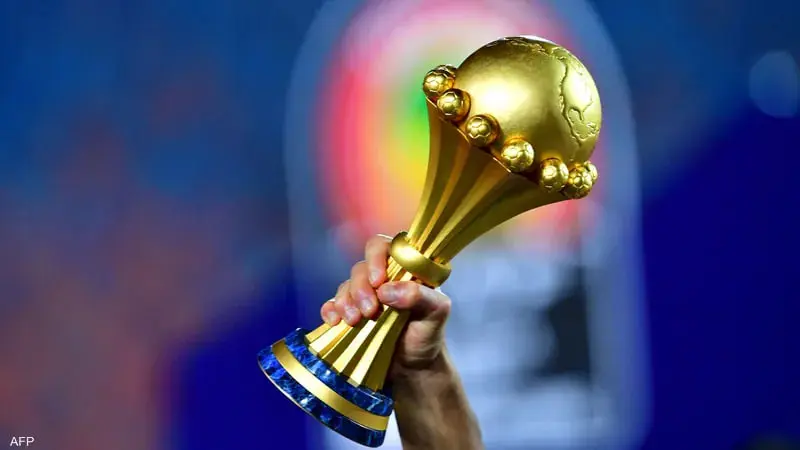
Africa Cup of Nations
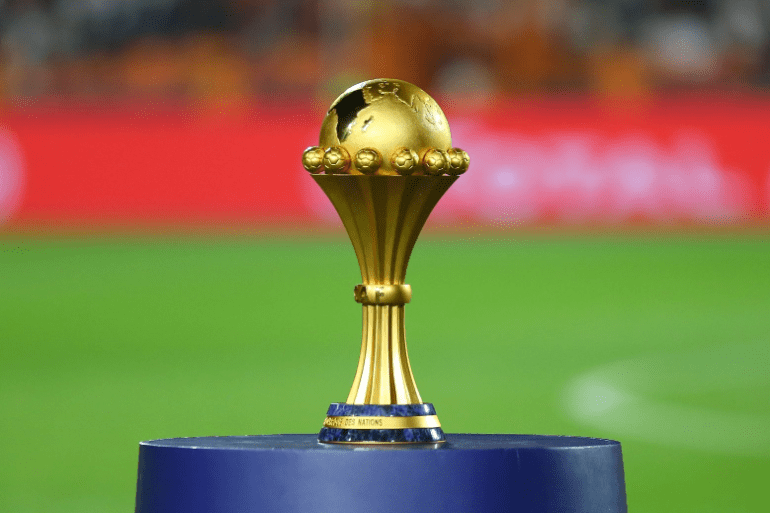
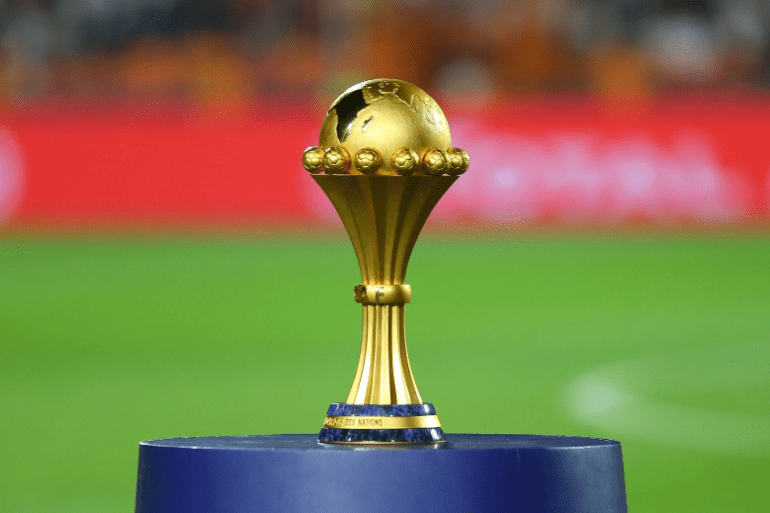
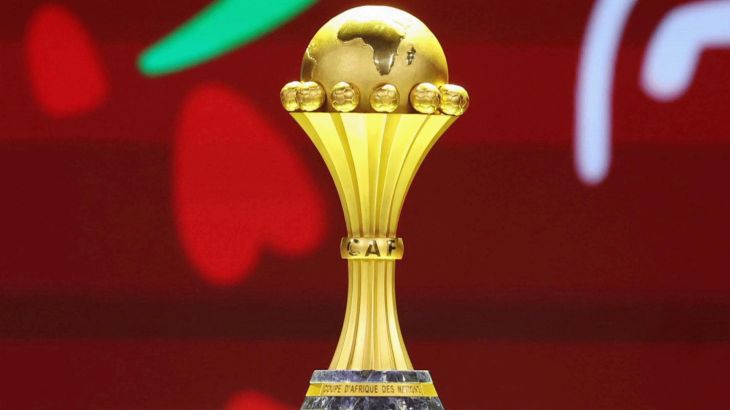
The Africa Cup of Nations is the premier international men’s football competition in Africa, first held in 1957. It was founded to unite African nations emerging from colonialism and is organized by the Confederation of African Football (CAF).
German Bundesliga
The German Bundesliga is the top professional football league in Germany, founded in 1963 to create a unified national competition. It is renowned for its high attendance, competitive clubs like Bayern Munich and Borussia Dortmund, and its fan-centric culture.
Instagram
Instagram is a social media platform founded in 2010, initially focused on sharing photos and videos with artistic filters. It has since evolved into a major cultural site for visual communication, influencer marketing, and global trends, significantly impacting digital culture and social interaction.
Mauritania
Mauritania, officially the Islamic Republic of Mauritania, is a country in Northwest Africa with a history shaped by ancient Berber kingdoms, trans-Saharan trade routes, and later French colonial rule. Its cultural landscape features significant sites like the ancient trading center of Chinguetti, a UNESCO World Heritage Site renowned for its historic desert libraries and architecture.
Ivory Coast
The Ivory Coast, officially known as Côte d’Ivoire, is a West African nation whose history includes powerful pre-colonial kingdoms, French colonization from the late 19th century, and independence in 1960. A major cultural site is the historic town of Grand-Bassam, a UNESCO World Heritage site that was the first French colonial capital and features distinctive colonial architecture alongside traditional Nzema villages.
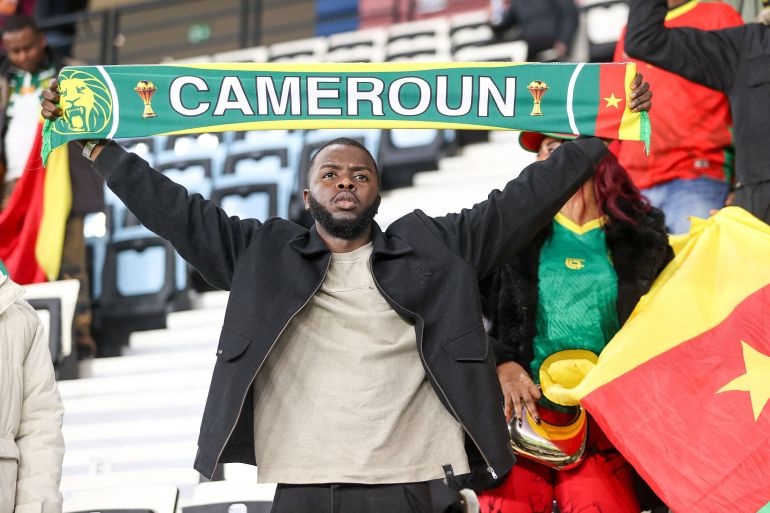
Cameroon
Cameroon is a Central African country known for its diverse geography, ranging from beaches and rainforests to savannas and mountains. Historically, it was a German protectorate before being divided into French and British administrative zones after World War I, achieving full independence in 1960. This colonial legacy contributes to its bilingual French and English official languages and its rich cultural blend of over 200 ethnic groups.