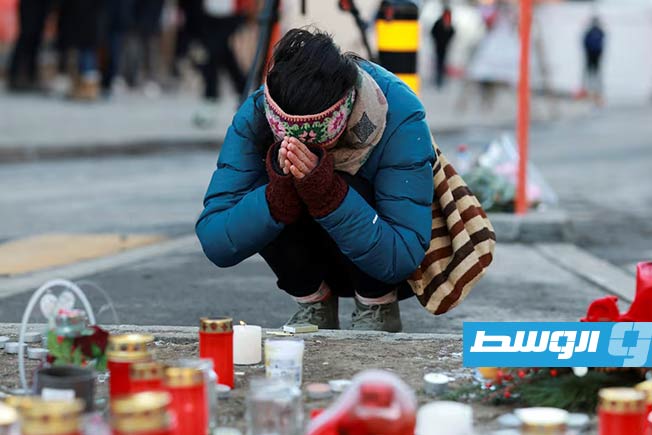
A report released on Tuesday stated that sexual violence against children in the Democratic Republic of Congo has reached “alarming levels,” describing it as a pervasive and deeply destabilizing crisis.
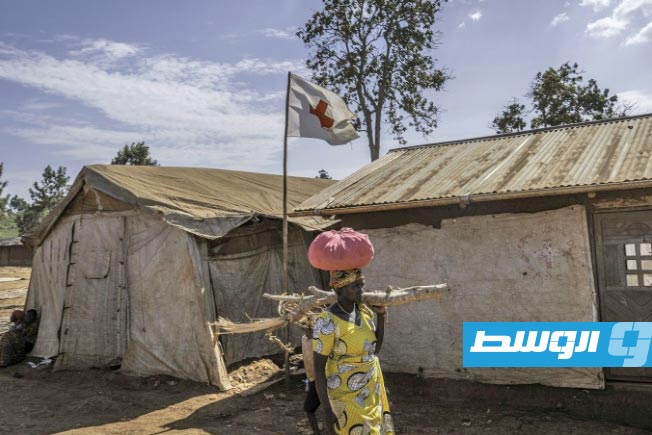
The report cited examples of this violence, including Sabine, a fifteen-year-old who was raped by a stranger on the outskirts of a displacement camp in the east of the country. A year later, Sabine (a pseudonym) is now caring for a baby girl born from that assault, trying to raise her despite the scornful and ostracizing looks from some members of her community.
The report explained that the three-decade-long conflict in eastern Democratic Republic of Congo is a major factor exacerbating the violence, especially with the anti-government M23 movement controlling large areas.
– Hundreds of Mexican Women March to Denounce Violence Against Women
– UN: A Woman is Killed by Someone Close to Her Every 10 Minutes, with Africa Leading at 22,000 Crimes
– Balkan Women Break the Wall of Silence Regarding Sexual Assaults
Despite this, the report also documented widespread violations outside conflict zones, revealing significant gaps in protection mechanisms and legal accountability, even in relatively stable provinces.
Shame and Displacement
Sabine lives in the ‘Rho’ displacement camp in Ituri province, an area witnessing a bloody conflict between the Hema and Lendu communities. For the Hema community, venturing away from the camp guarded by peacekeeping forces means risking being killed or raped by armed members of the CODECO group.
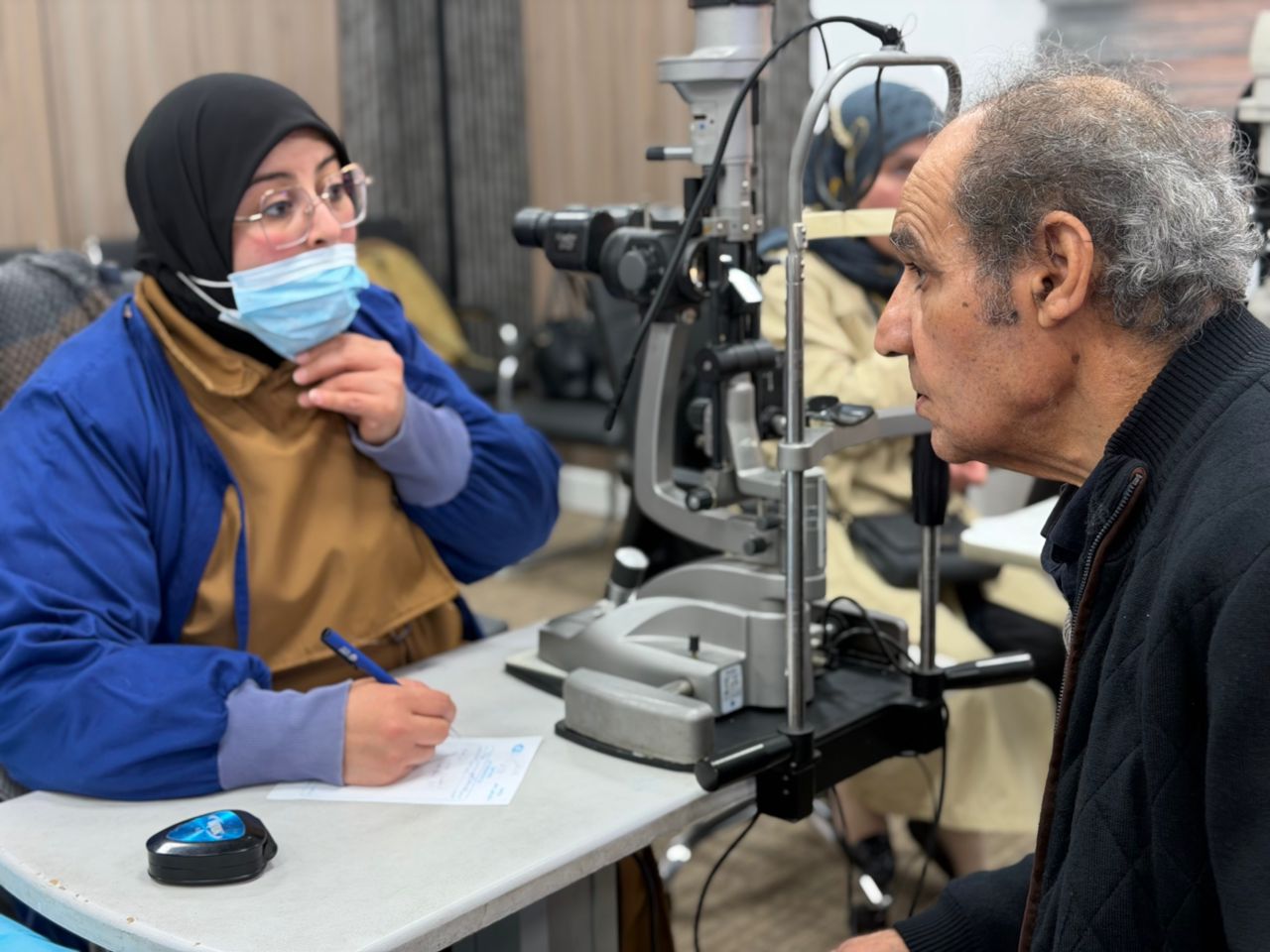
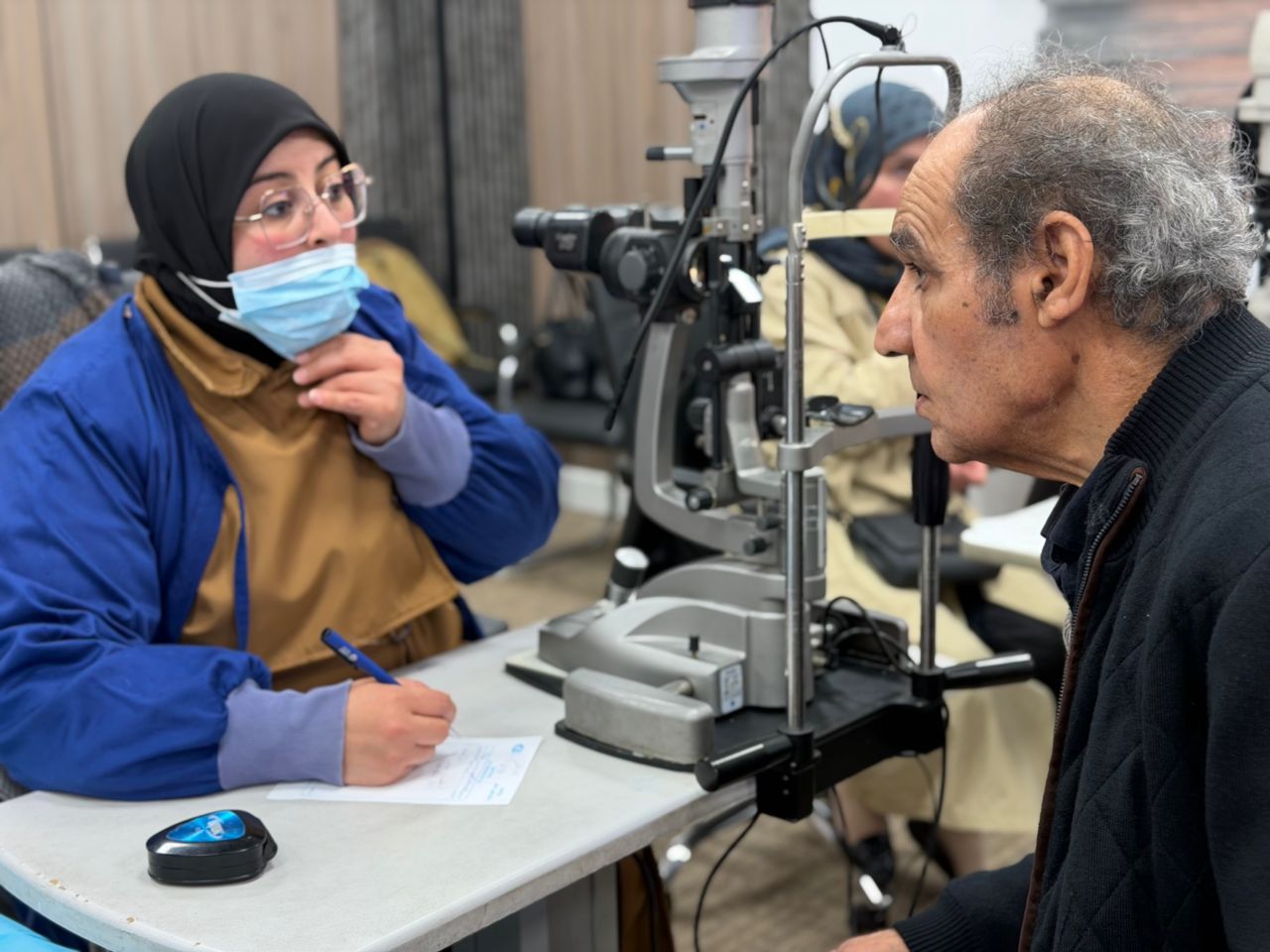
Despite the dangers, girls are forced to go out in search of food for their families. A specialized health worker stated: “Many minors take on the responsibility of households and caring for the elderly, which puts them in direct confrontation with the risk of assault.”
The health worker added that victims often hide what happened for fear of “scandal,” and the matter only comes to light with signs of pregnancy, exposing them to the risk of family ostracism. In this context, another victim, Antoinette (13 years old), said: “I felt ashamed and covered myself with a piece of cloth to hide what happened.”
Informal Settlements
The country’s legal system suffers from slowness and corruption, which drives families to resort to “informal settlements” with the perpetrators. These include compensation, where perpetrators often agree to pay small sums as alimony instead of facing trial, or forced marriage, where some families arrange a marriage between the victim and the rapist to avoid “scandal,” with no regard for the dignity of the child.
A lawyer confirmed that these practices, which are legally prohibited, create a “vicious cycle” that encourages impunity.
It was noted that extreme poverty drives some girls to engage in practices out of need; cases have been recorded of girls engaging in sex for less than one dollar (2000 Congolese francs), placing them in an “extremely vulnerable position” in one of the world’s poorest countries.
Democratic Republic of Congo
The Democratic Republic of Congo, located in Central Africa, is a country with a complex history marked by the pre-colonial Kingdom of Kongo, its brutal exploitation as the personal property of King Leopold II of Belgium in the late 19th century, and its subsequent struggle for independence achieved in 1960. It is a nation of immense natural resources and biodiversity, but has faced significant political instability and conflict in the post-colonial era.
Mexico
Mexico is a country with a rich pre-Columbian history, including advanced civilizations like the Maya and Aztec, which was later colonized by Spain in the 16th century. It gained independence in 1821 and is now known for its vibrant cultural heritage, which blends indigenous and Spanish influences, as well as for its diverse landscapes and historic sites.
Africa
Africa is the world’s second-largest continent, known as the cradle of humankind due to archaeological evidence showing the origins of human evolution. It is home to immense cultural and historical diversity, with ancient civilizations like Egypt, Mali, and Great Zimbabwe, and was profoundly shaped by centuries of trade, colonialism, and the struggle for independence.
Balkan
The Balkan Peninsula, often referred to simply as the Balkans, is a geographic and cultural region in Southeast Europe with a complex history of shifting empires, including the Roman, Byzantine, and Ottoman. It is known for its significant ethnic and religious diversity, which has been both a source of rich cultural heritage and historical political conflict. The term “Balkanization” originates from the region’s 20th-century history of fragmentation into often contentious nation-states.
Ituri province
Ituri is a province in the northeastern Democratic Republic of the Congo, known for its rich biodiversity including the Okapi Wildlife Reserve, a UNESCO World Heritage site. The region has a complex history of ethnic diversity and has been severely affected by conflict since the late 1990s, particularly during the Second Congo War.
Rho displacement camp
The Rho displacement camp was a temporary refugee camp established in 1945 near the Italian town of Rho, northwest of Milan. It was primarily used to house Jewish survivors of the Holocaust and other displaced persons after World War II, operating under the administration of the Allied forces and the United Nations Relief and Rehabilitation Administration.
Hema community
The Hema community is an ethnic group primarily located in the eastern Democratic Republic of the Congo and western Uganda, historically organized as a kingdom with a pastoralist and agricultural economy. Their history is marked by longstanding and complex tensions with neighboring groups, particularly the Lendu, over land, resources, and political power, which have fueled significant conflict in the Ituri region.
Lendu community
The Lendu community is an ethnic group primarily located in the Ituri Province of the Democratic Republic of the Congo, with a history rooted in agriculture and a distinct cultural identity. Their history has been significantly marked by prolonged and violent land conflicts, particularly with the neighboring Hema group, which escalated into a major part of the Ituri conflict during the Second Congo War.
CODECO group
The CODECO group is a militia primarily active in the Ituri Province of the Democratic Republic of the Congo, historically formed to protect the interests of the Lendu ethnic community. Its origins are often traced to conflicts over land and resources with the Hema community, escalating into severe violence during the Ituri conflict (1999-2007). The group remains a significant security concern, involved in recurrent attacks and contributing to the ongoing humanitarian crisis in the region.