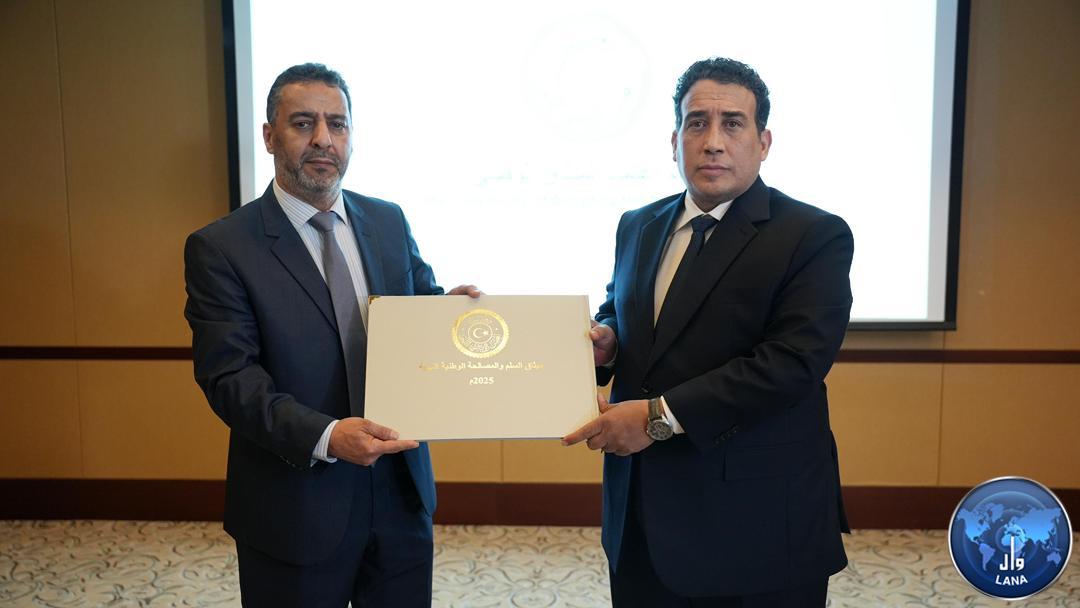
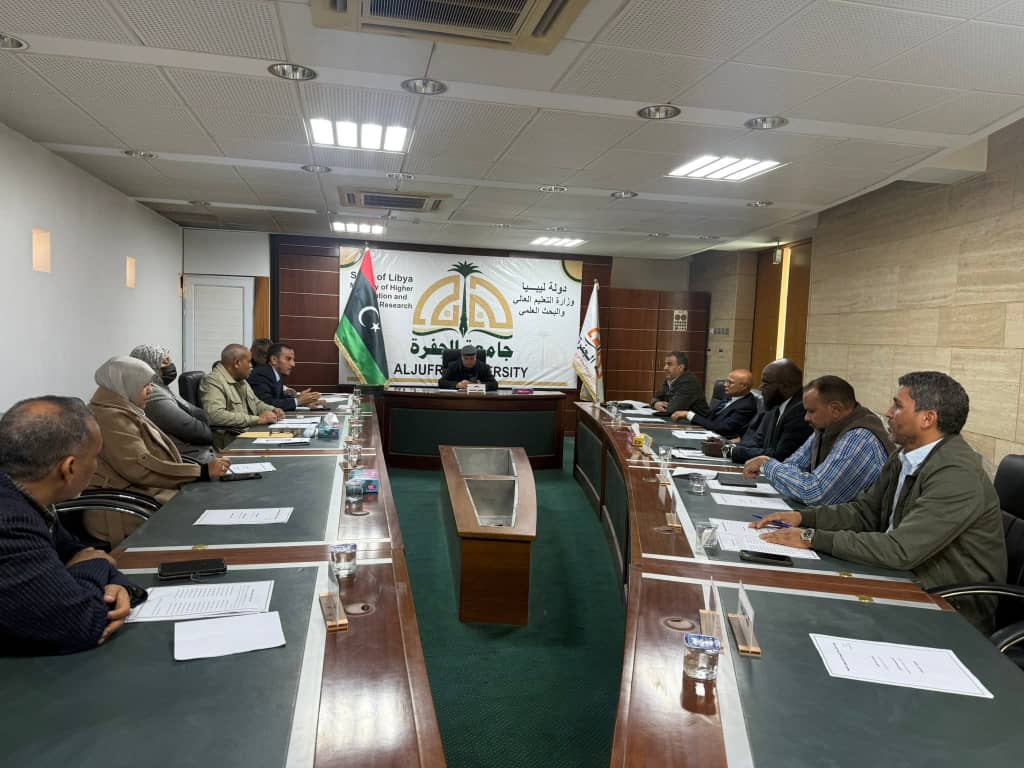
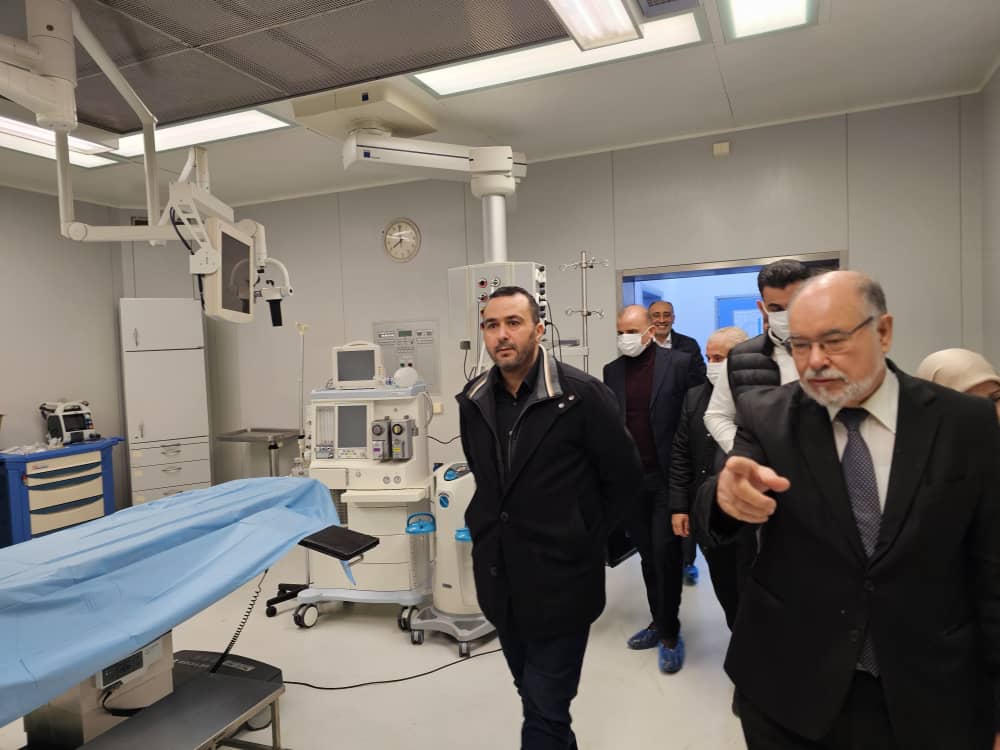
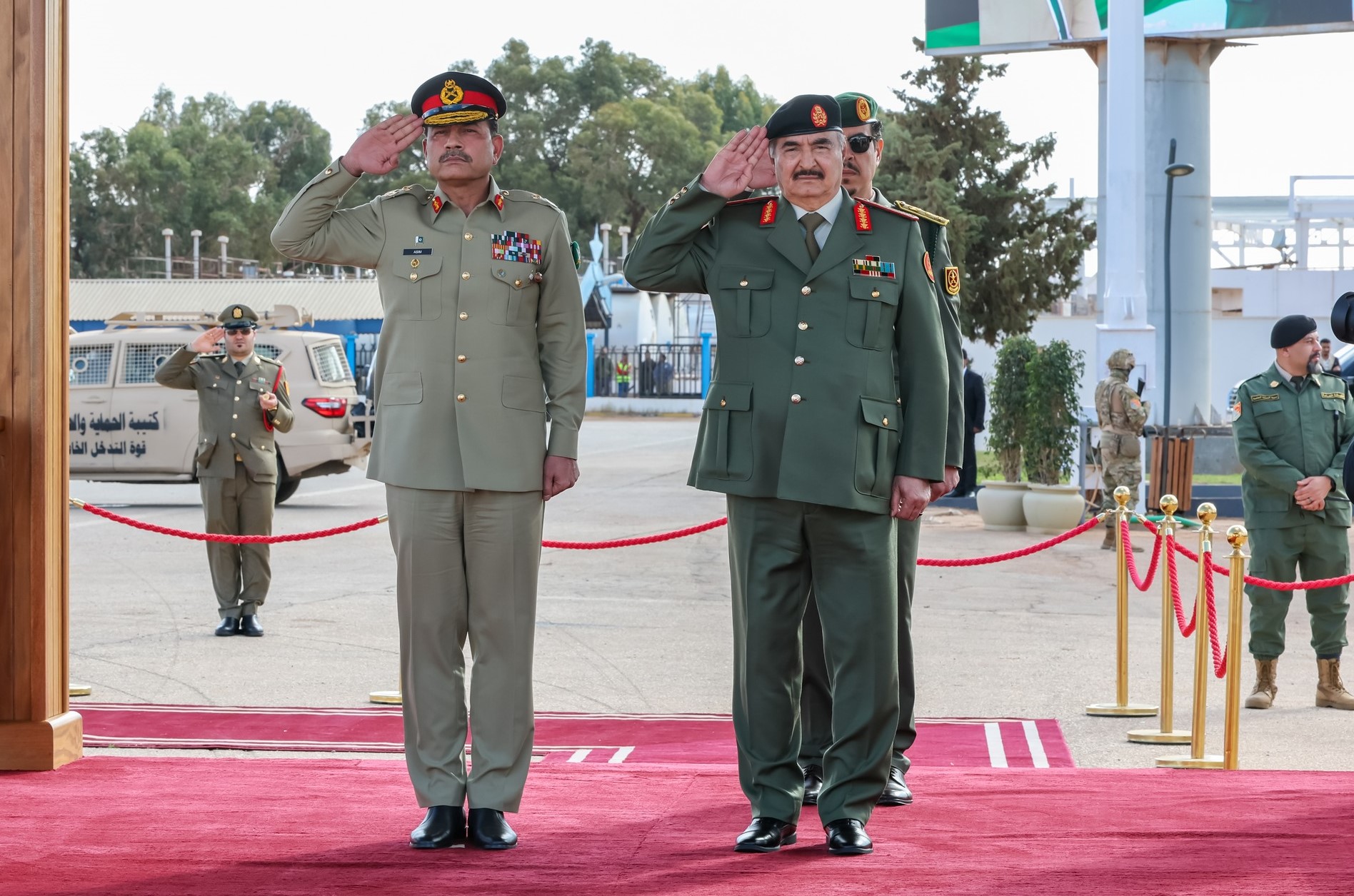
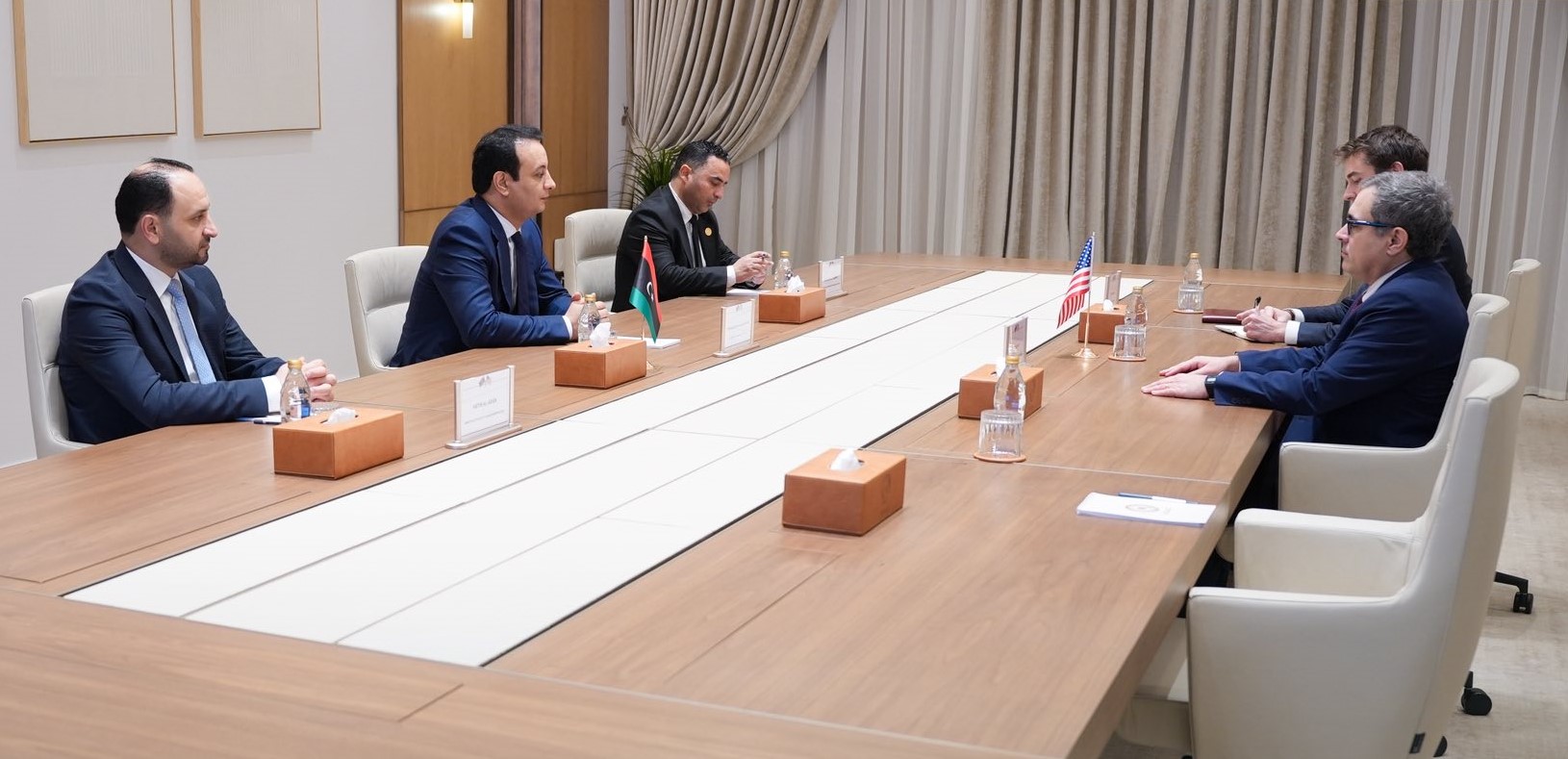
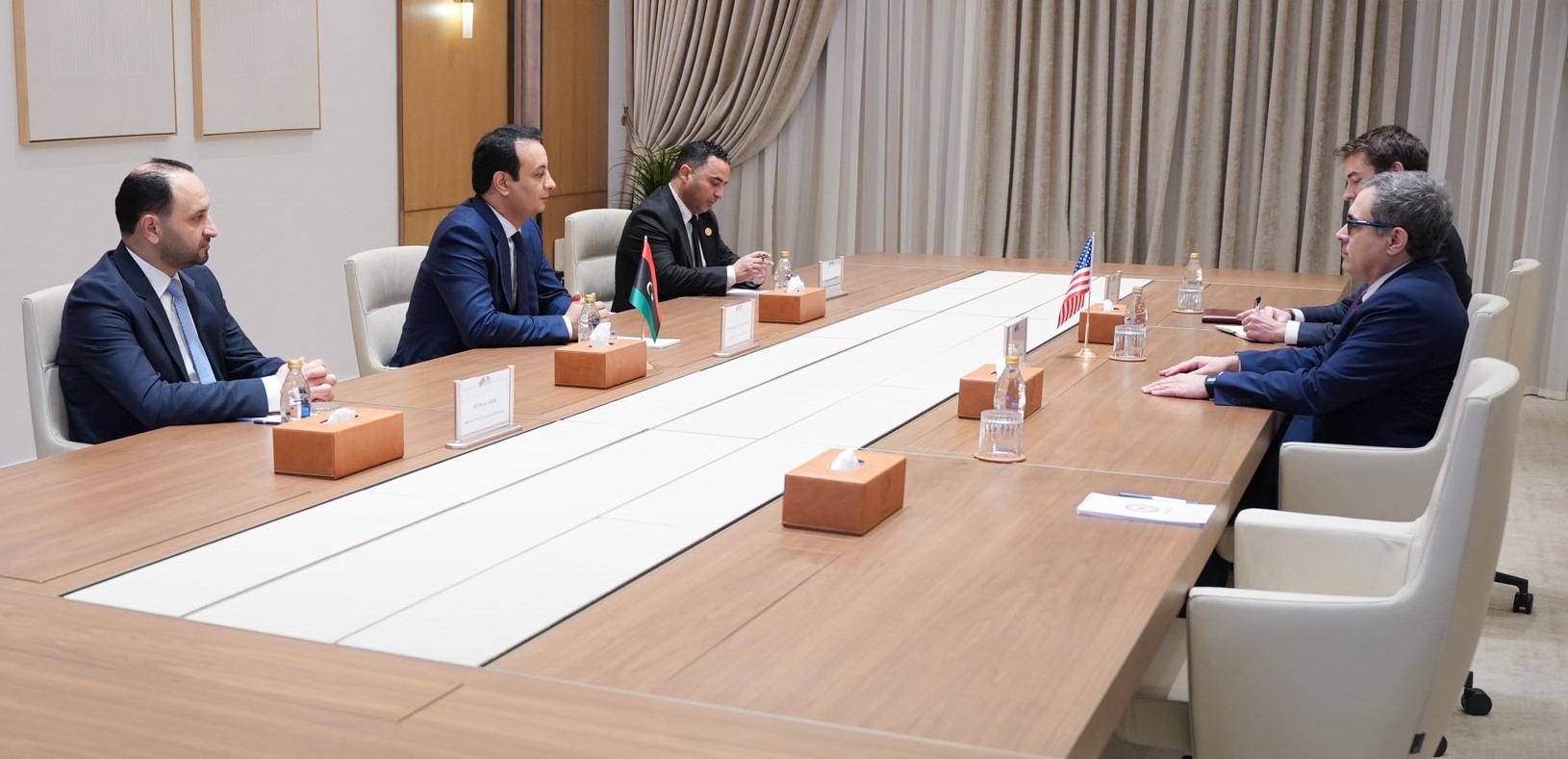
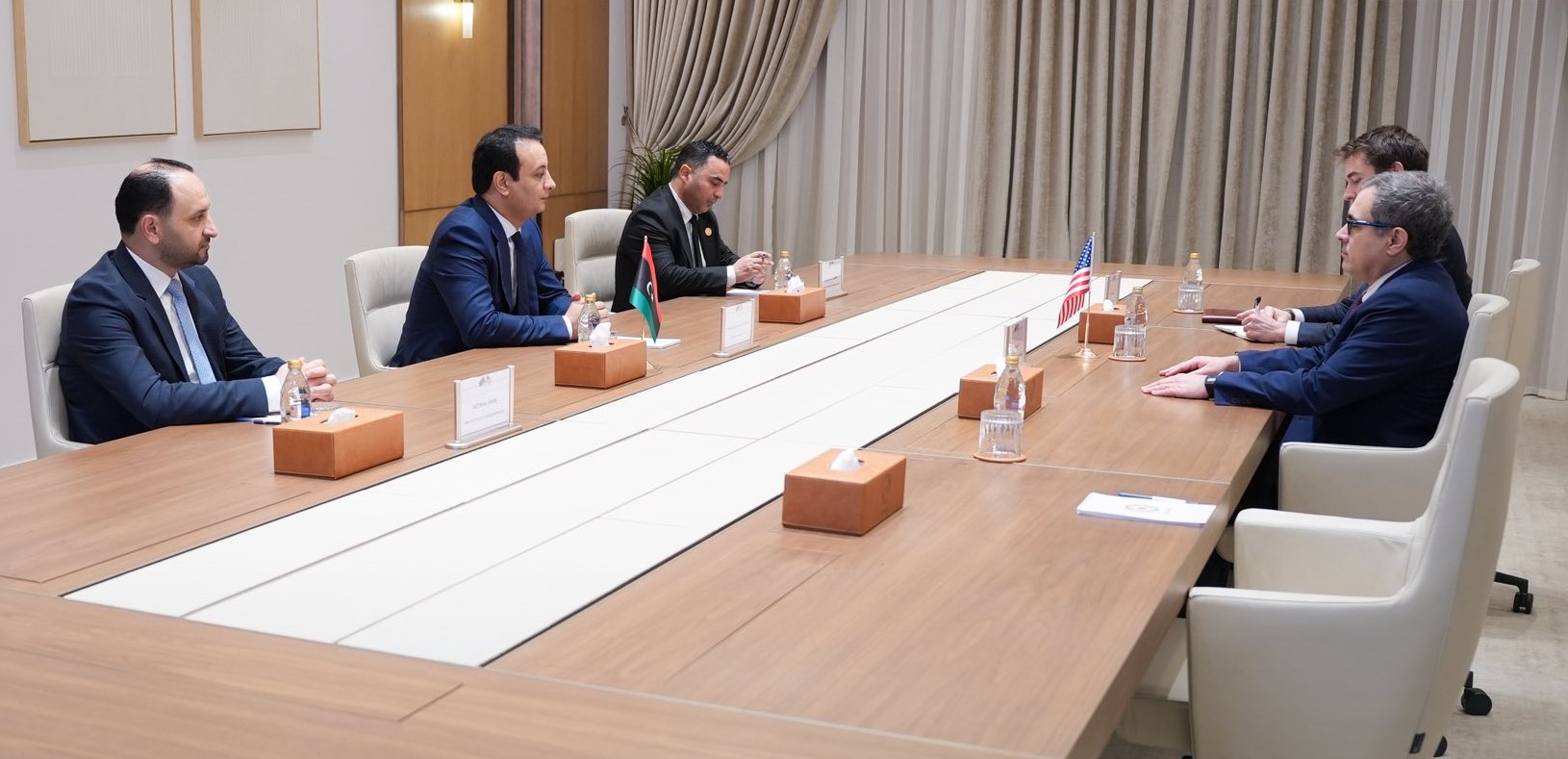
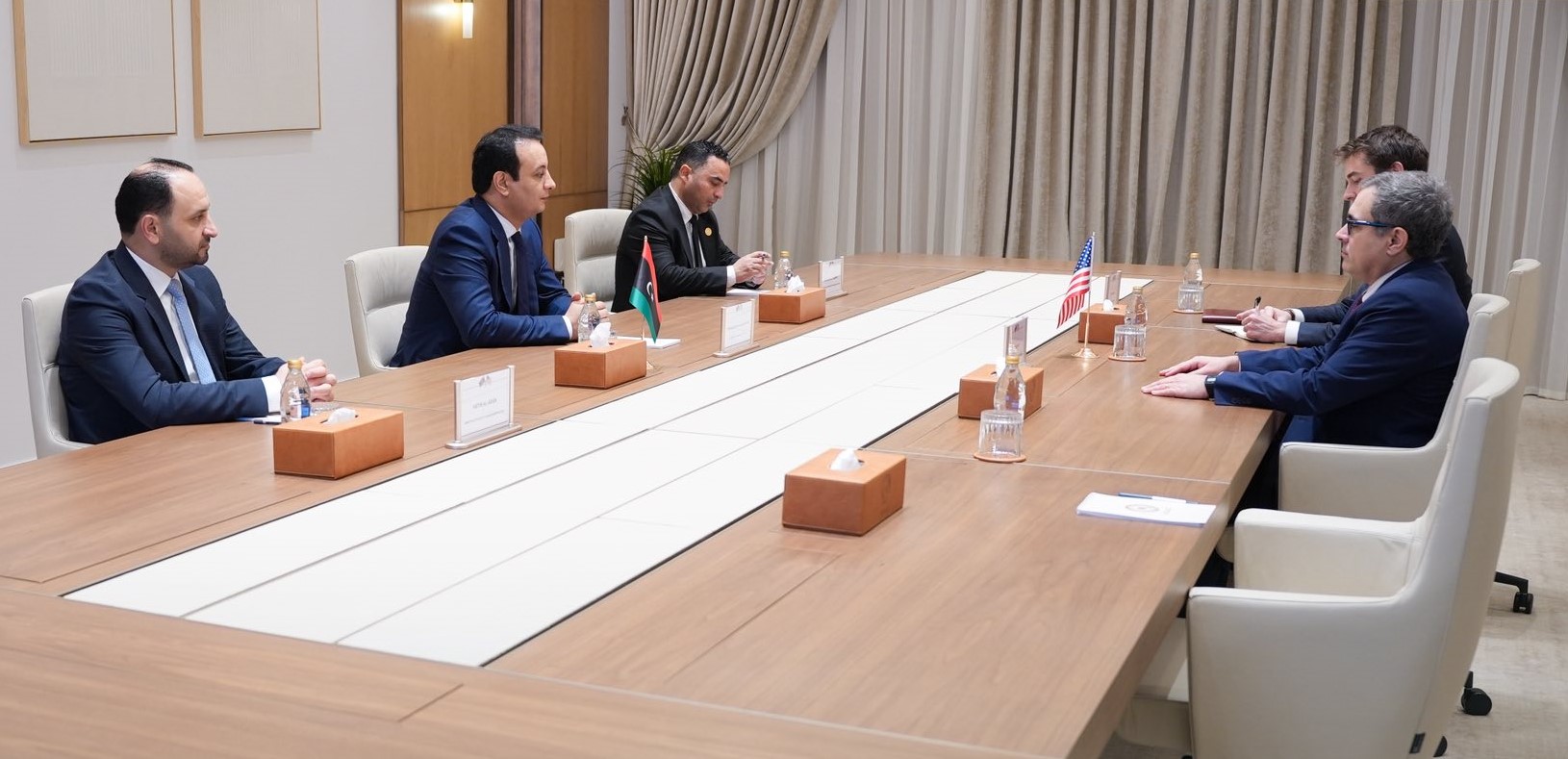
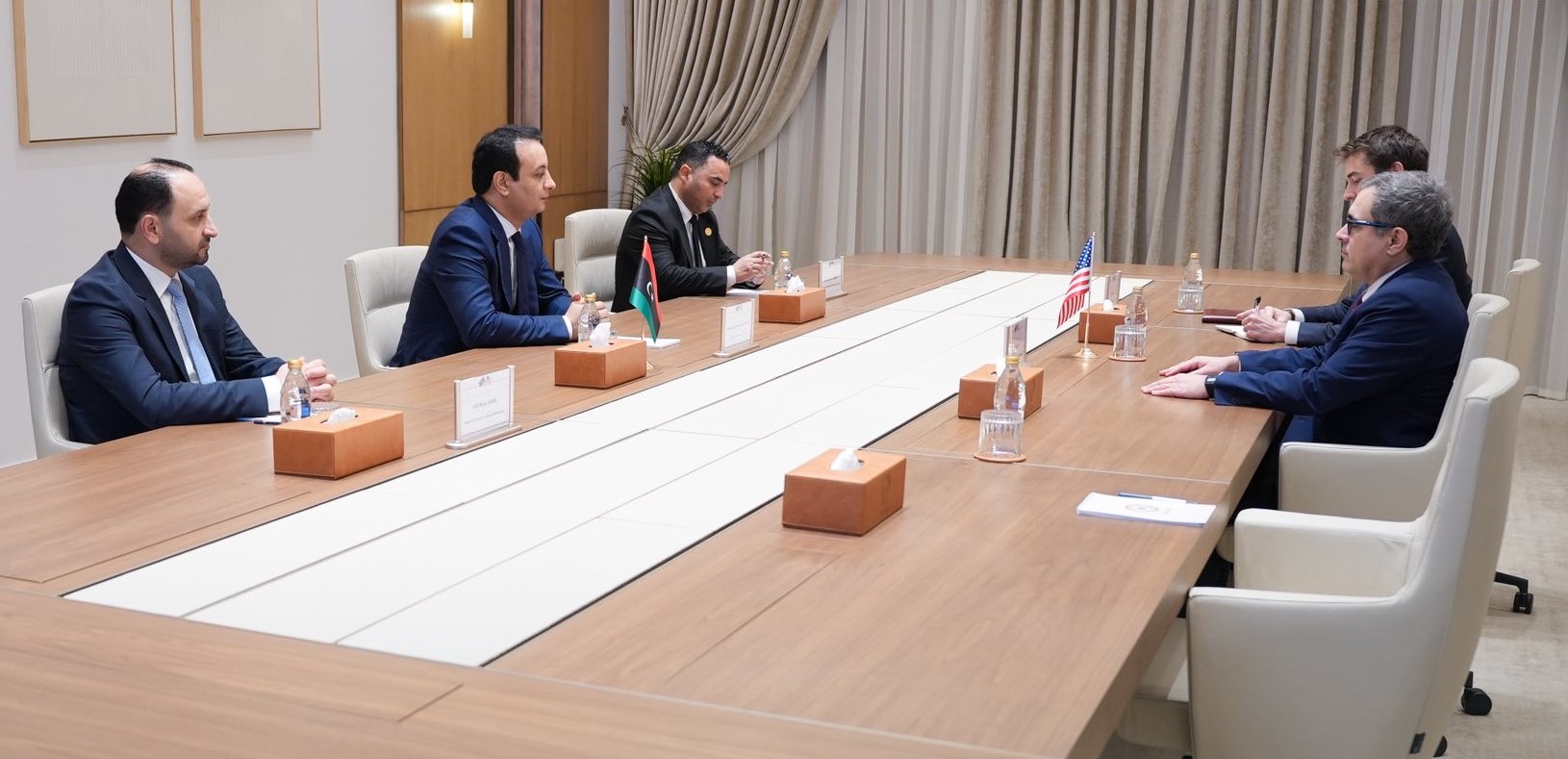
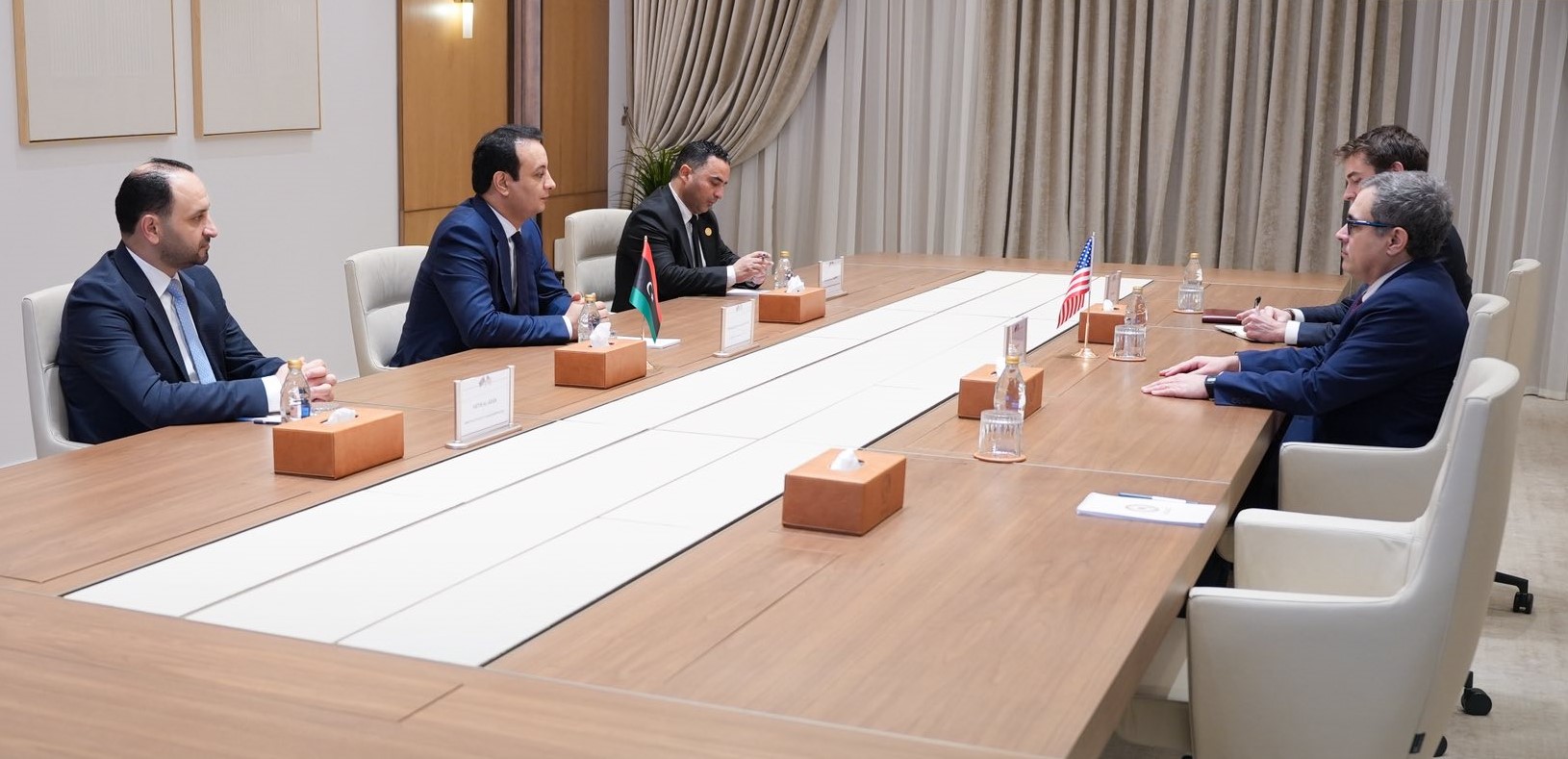
Tripoli, January 7, 2026 – The President of the Presidential Council adopted the National Charter for National Reconciliation in the capital, Tripoli, on Wednesday. The adoption ceremony was attended by members of the Supreme Council for Peace and National Reconciliation and representatives of diplomatic missions accredited to Libya.
During his opening speech, he stated that this charter represents the fruit of sincere national effort and a collective will that believed Libya cannot achieve stability or progress except through reconciliation, dialogue, tolerance, and prioritizing the nation’s interest above all else. He clarified that signing this charter does not represent the end of this path, but rather the beginning of a new stage, requiring all to continue serious and responsible work to implement the charter and transform its principles and texts into a practical reality felt by citizens in their daily lives.
According to the council’s media office, he affirmed his support for the Supreme Council for National Reconciliation, established in accordance with the provisions of the Peace and Reconciliation Charter, emphasizing its pivotal role in following up and supervising the implementation of its provisions and accompanying the national reconciliation process to ensure its continuity. This aims to achieve the goals of social peace, justice, redress, and enhancing trust among the people of the one nation.
The office explained that during the session, he announced the adoption of the Supreme Council for Peace and National Reconciliation’s decision to consider January 7 of each year a National Day for Peace and Reconciliation.
Tripoli
Tripoli is the capital and largest city of Libya, located on the country’s Mediterranean coast. Historically, it was founded by the Phoenicians in the 7th century BC and has since been ruled by the Romans, Arabs, Ottomans, and Italians, which is reflected in its diverse architecture, such as the ancient Medina and the Red Castle (Assai al-Hamra).
Libya
Libya is a North African country with a rich history rooted in ancient civilizations like the Phoenicians and Romans, followed by centuries of Arab and Ottoman influence. In the modern era, it was an Italian colony before gaining independence in 1951, later becoming known for Muammar Gaddafi’s lengthy rule from 1969 until the 2011 revolution. Its cultural sites include the well-preserved Roman ruins of Leptis Magna, a UNESCO World Heritage site.
National Charter for National Reconciliation
The National Charter for National Reconciliation is an Algerian political document adopted in 2005, which aimed to promote peace and national unity following the country’s civil war in the 1990s. It provided a framework for amnesty and reconciliation, seeking to close a chapter of internal conflict by addressing issues of violence and political strife.
Presidential Council
The Presidential Council is a governing body often established in transitional or post-conflict states to share executive power among different factions. Its history is typically tied to peace agreements or constitutional reforms aimed at preventing unilateral control and fostering national unity, such as in Libya following the 2015 Skhirat Agreement or in Sudan after the 2019 political transition.
Supreme Council for Peace and National Reconciliation
The Supreme Council for Peace and National Reconciliation is a political body in Algeria, established in 2019 by presidential decree to facilitate dialogue and mediate between the government and various political and social factions. Its primary historical context is the 2019–2021 Algerian protests (Hirak Movement), as it was formed to address the political crisis and chart a path toward national consensus and constitutional reform.
Peace and Reconciliation Charter
The Peace and Reconciliation Charter is a foundational document for the Basque Country in Spain, formally adopted in 2010. It represents a societal pact to overcome the decades-long conflict involving the armed group ETA, promoting dialogue, coexistence, and the rejection of violence as a means to achieve political goals.
National Day for Peace and Reconciliation
The National Day for Peace and Reconciliation is a public holiday in Rwanda observed on July 4th. It marks the official end of the 1994 genocide against the Tutsi and is dedicated to remembering victims and promoting national unity. The day involves official ceremonies, community service, and reflections on the country’s journey toward healing.