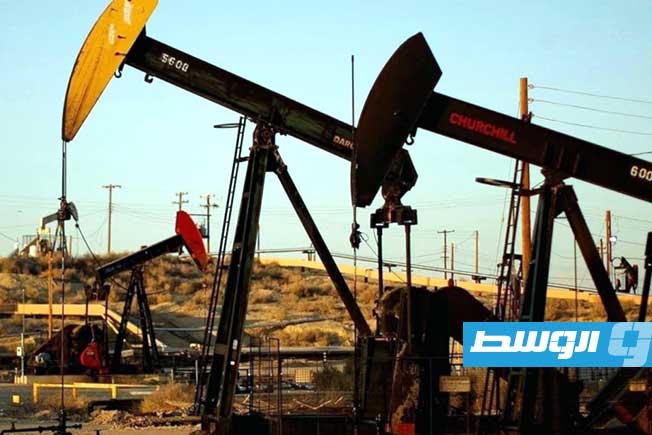
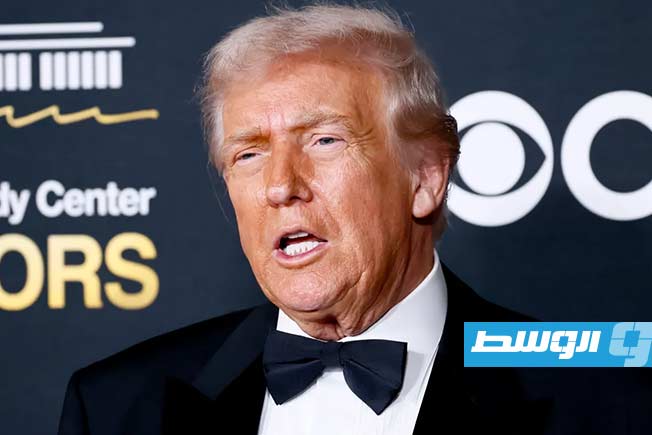
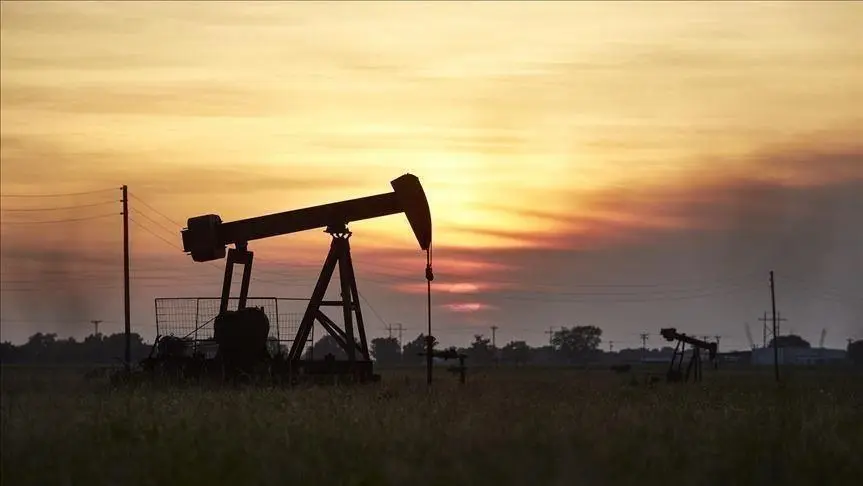
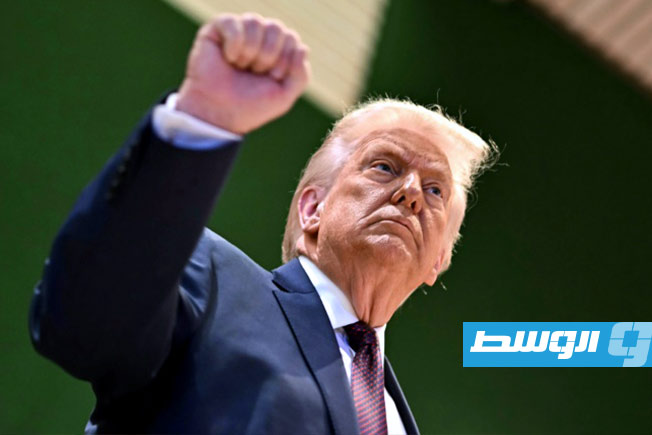
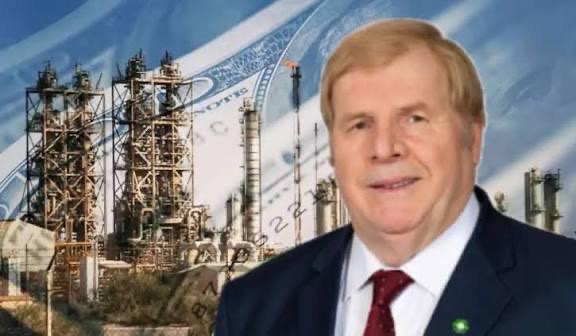
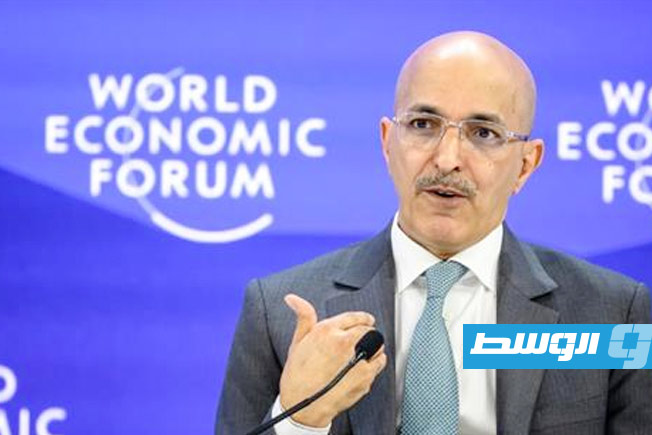
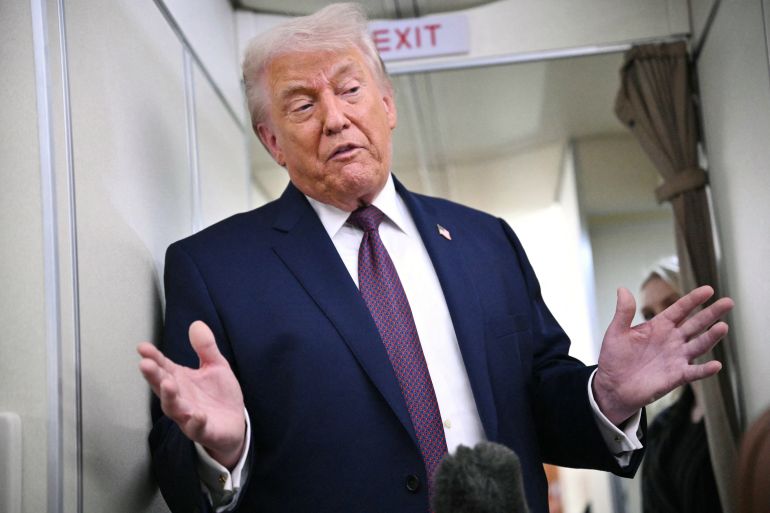
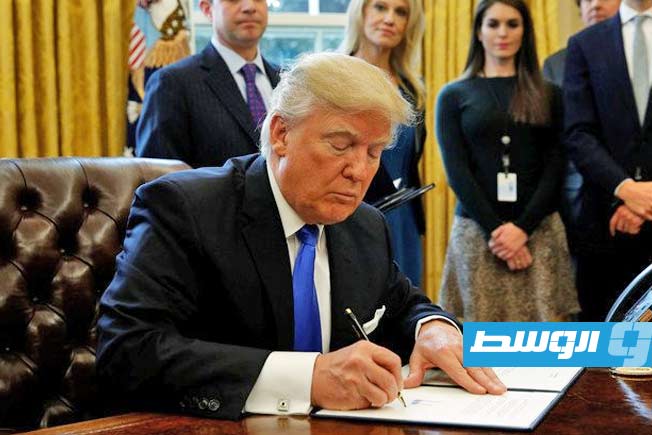
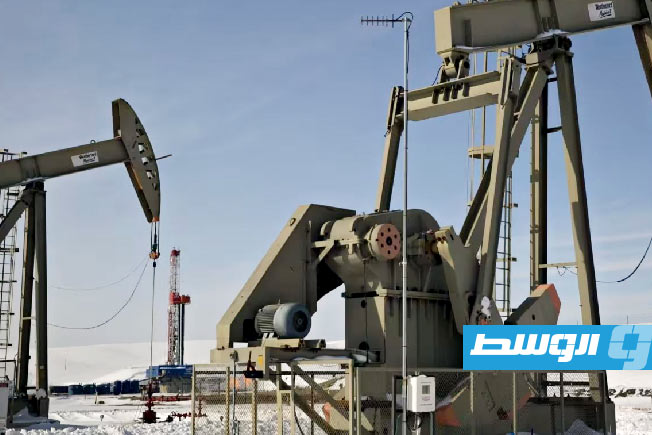
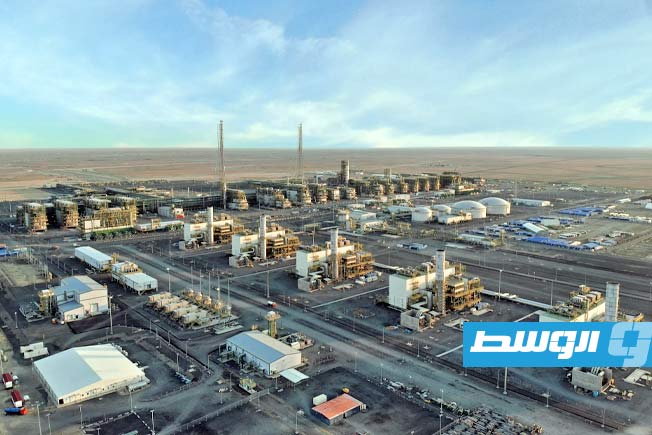
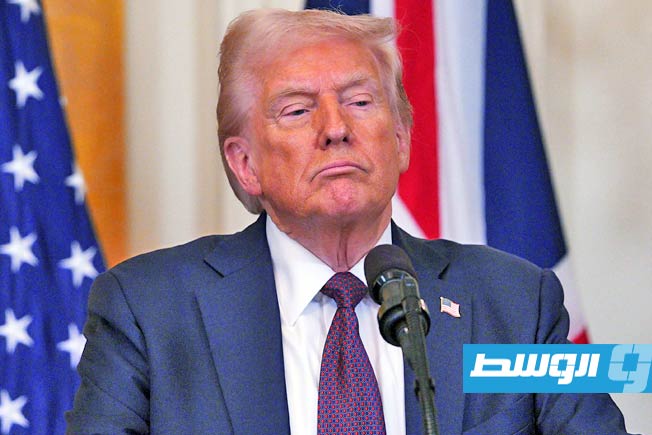
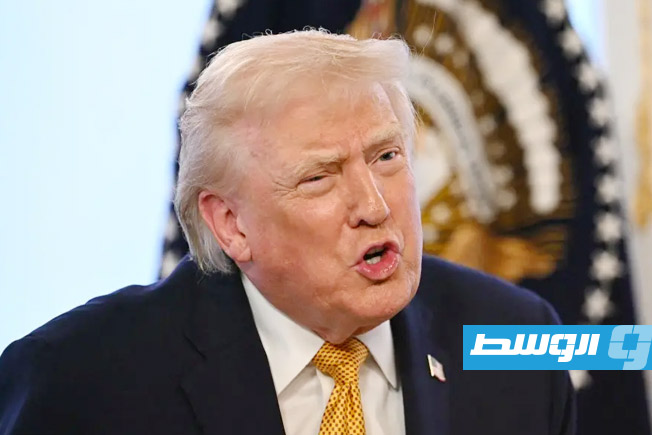
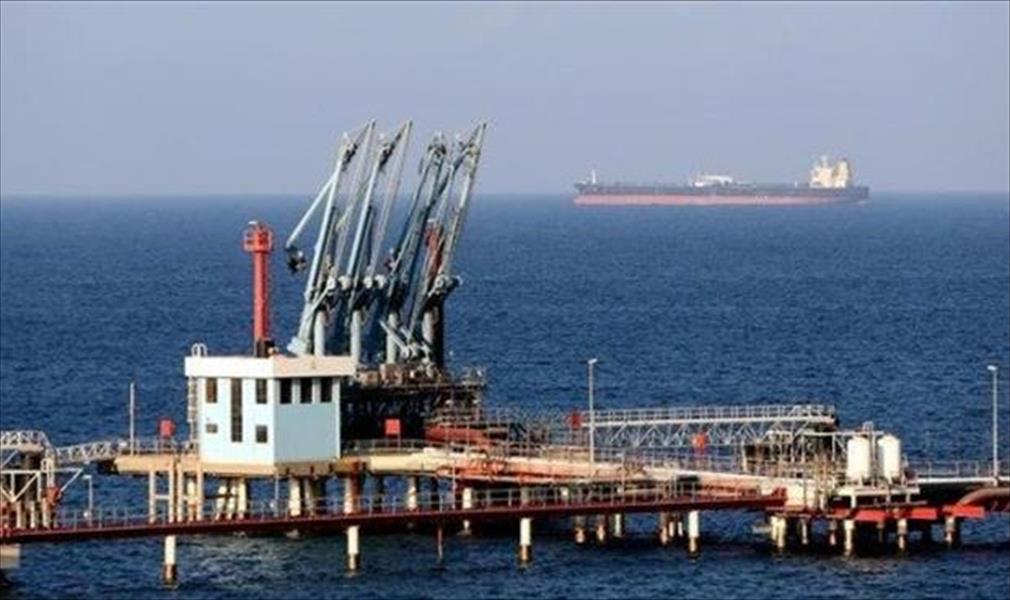
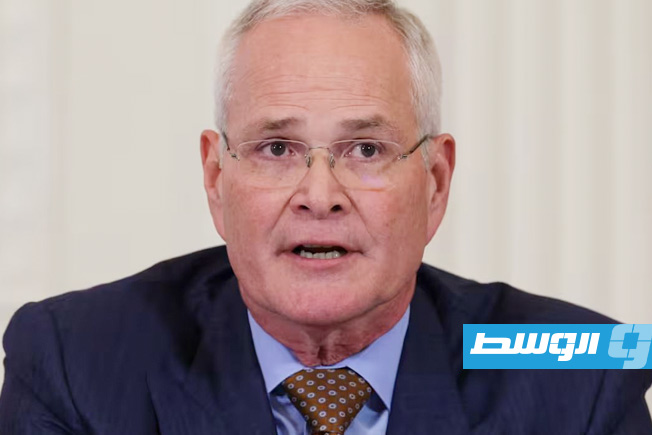
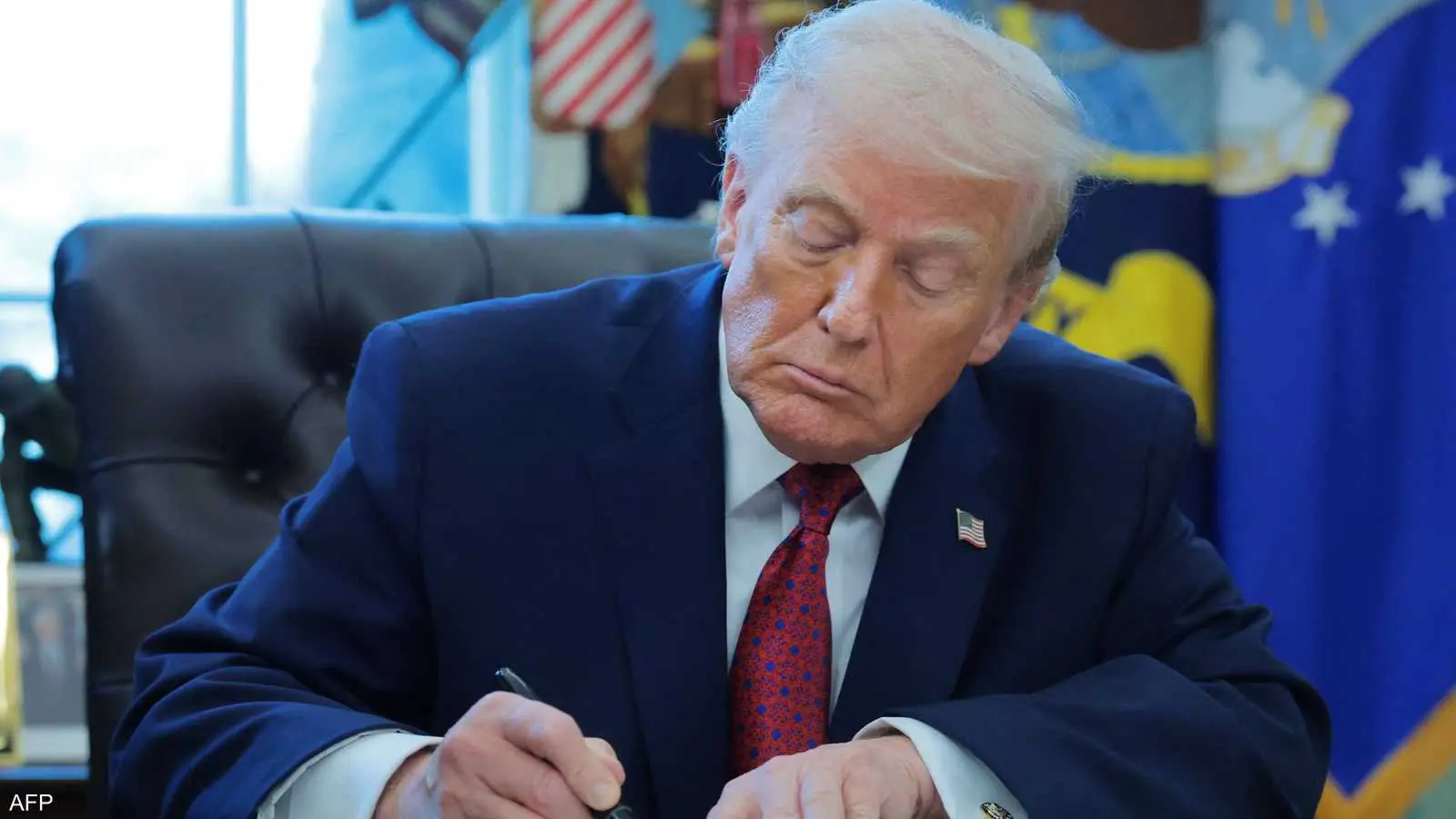
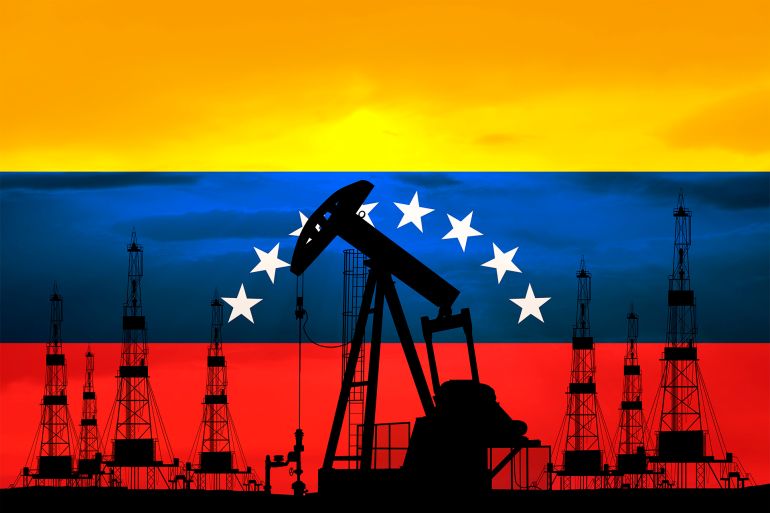
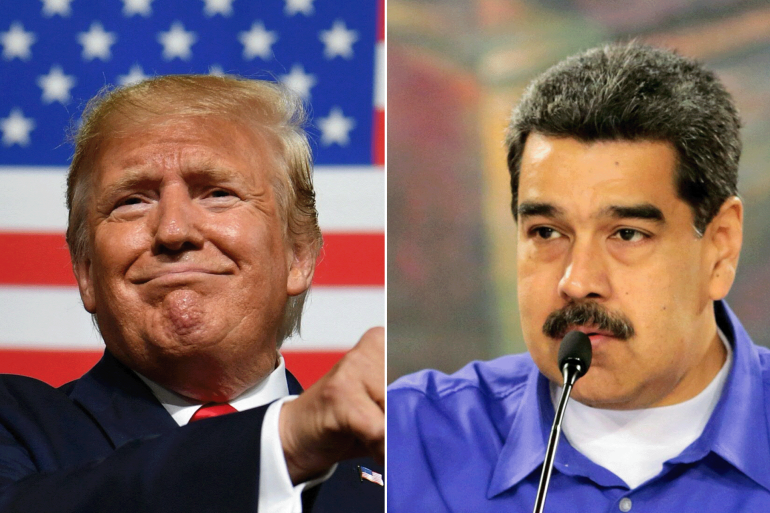
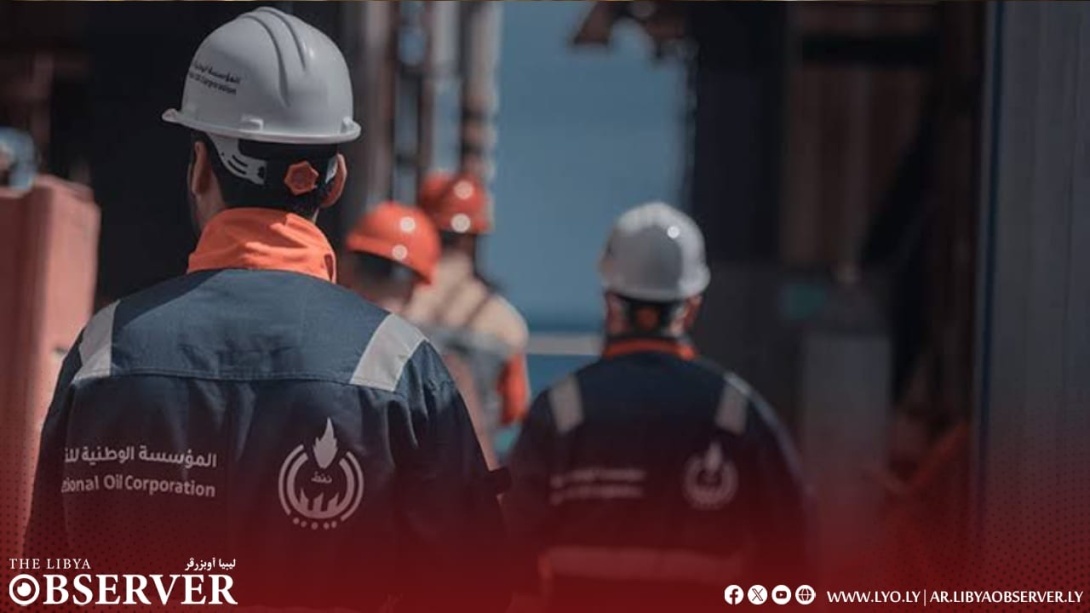
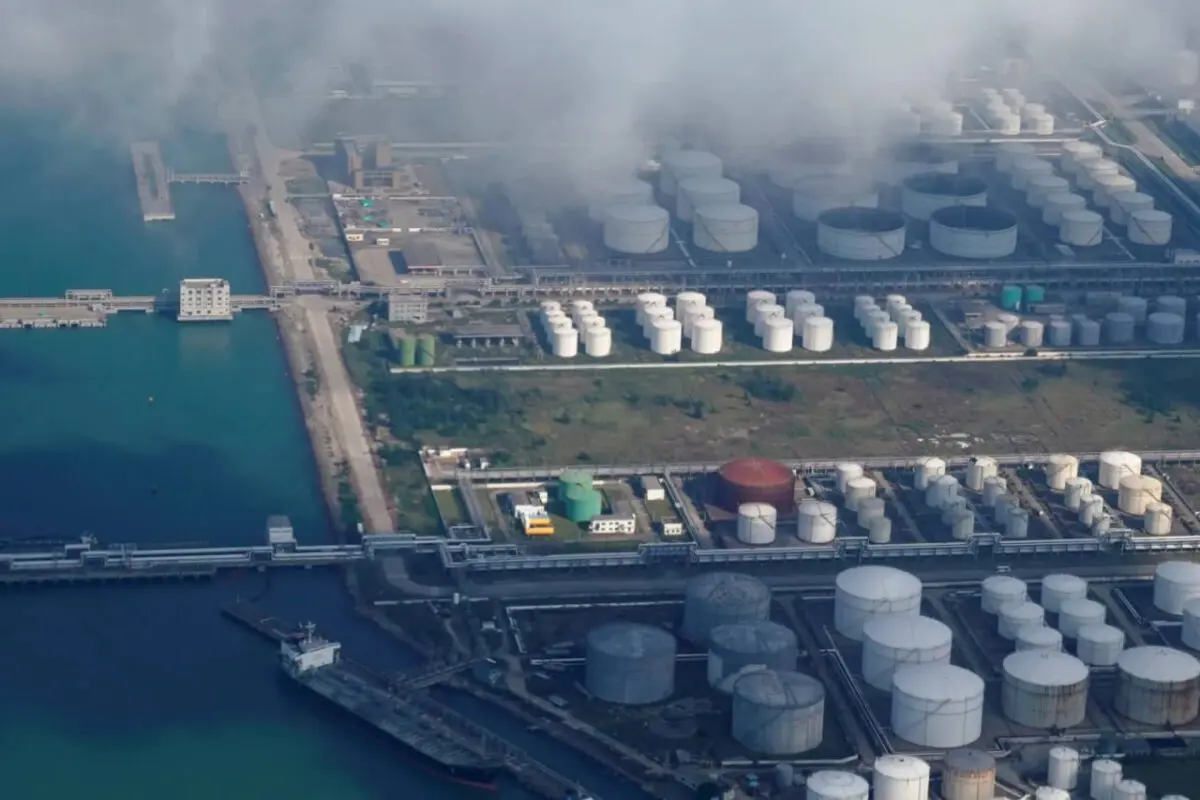
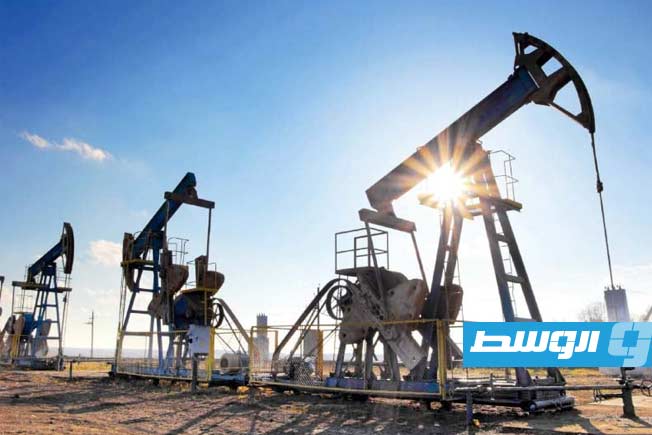
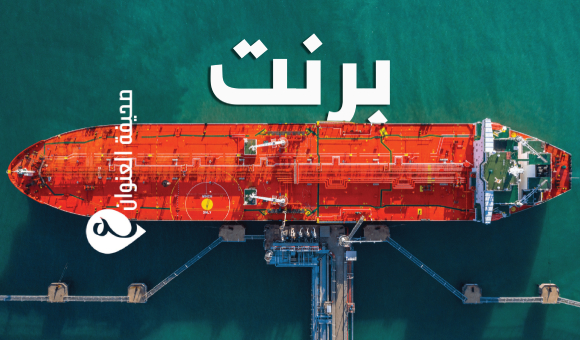
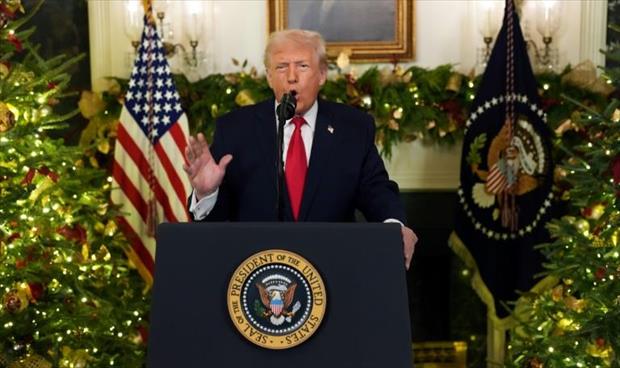
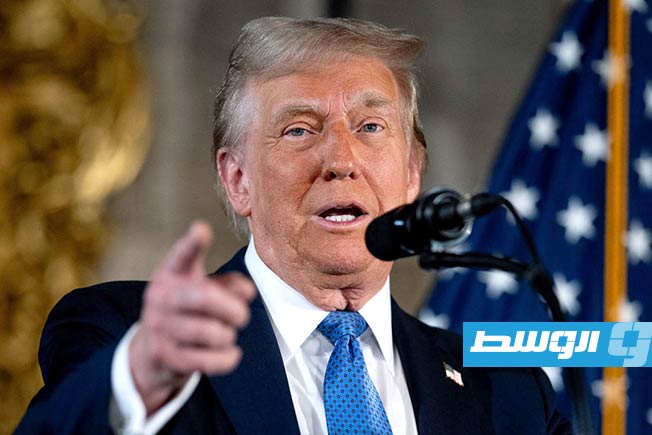
On Wednesday, the US Energy Secretary stated that Washington will manage Venezuelan oil sales for an “indefinite period.” This announcement came a day after President Donald Trump declared that officials in Venezuela had agreed to hand over between 30 and 50 million barrels of oil to the United States.
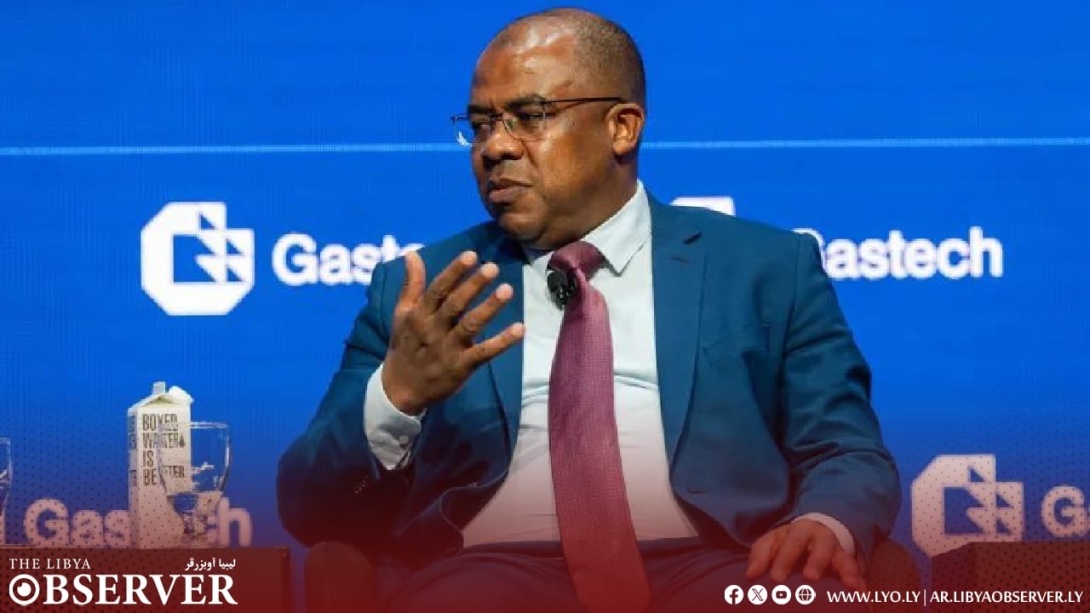
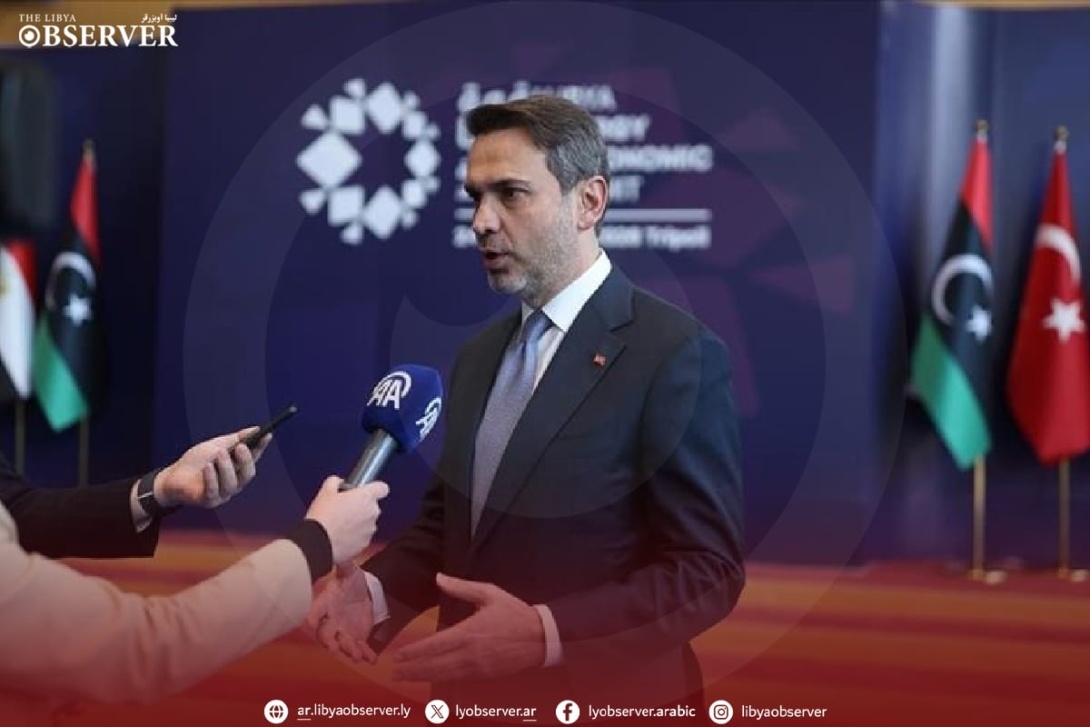
Speaking at an energy event in Miami, the Secretary said, “We will market the crude oil produced in Venezuela, first this accumulated stored oil, then for an indefinite period we will sell Venezuela’s production on the market.”
He added enthusiastically that “the resources are enormous,” predicting “obtaining hundreds of thousands of barrels per day of additional production in the short and medium term, if conditions are favorable.”
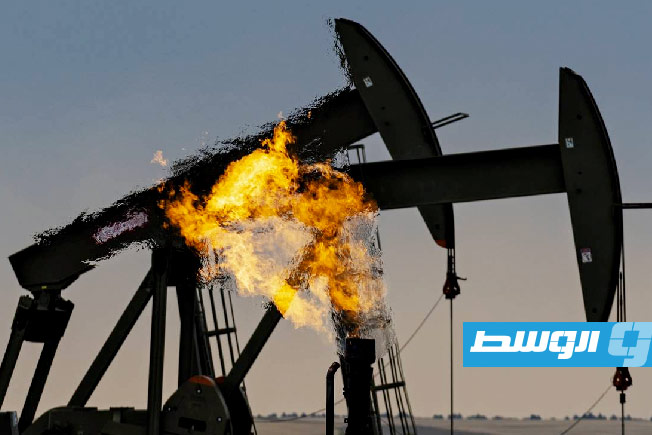
Oil reserves exceeding 303 billion barrels
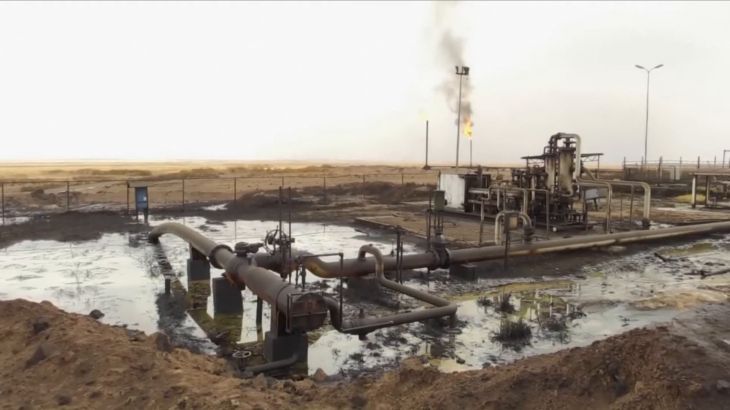
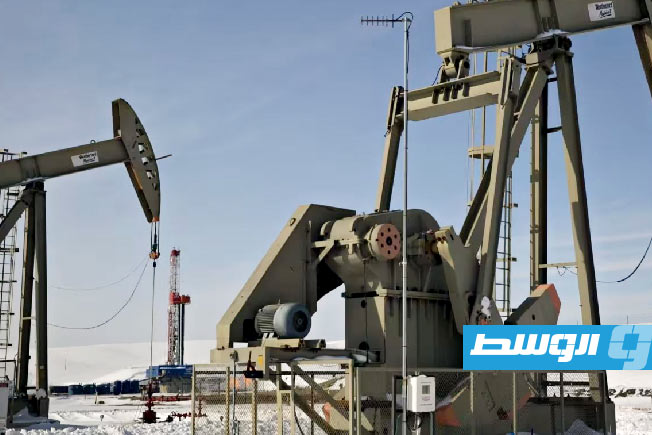
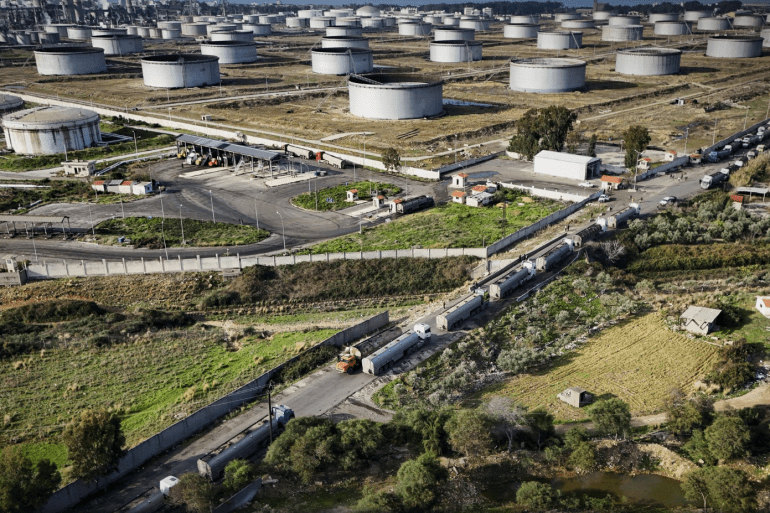
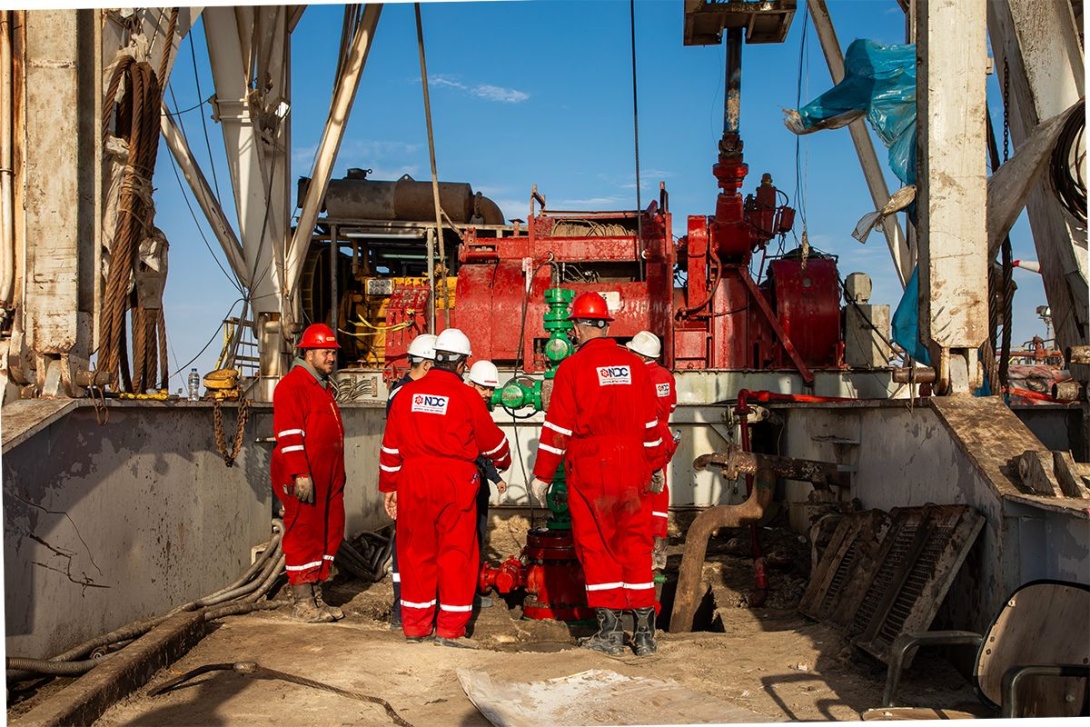
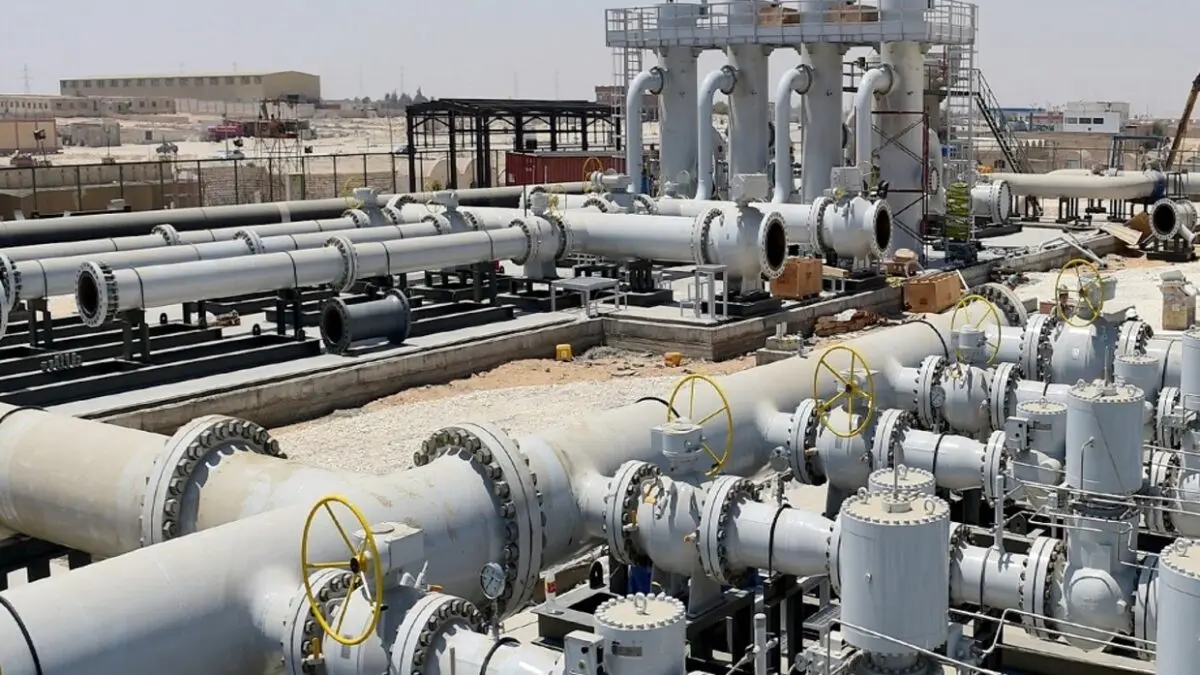
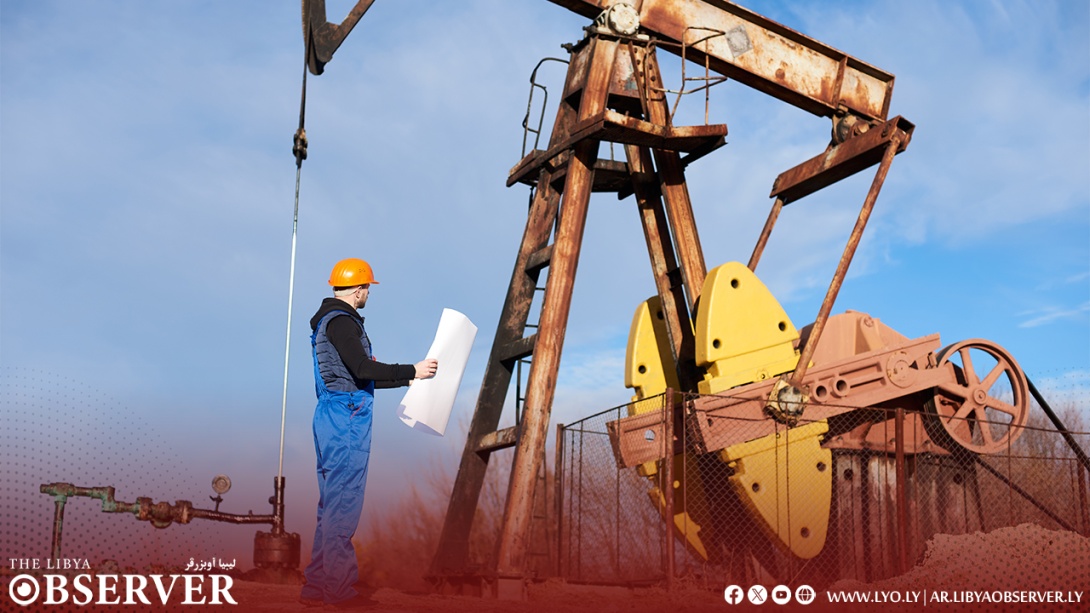
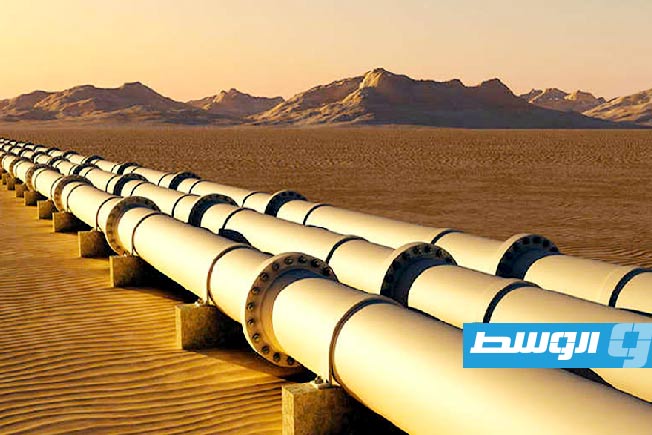
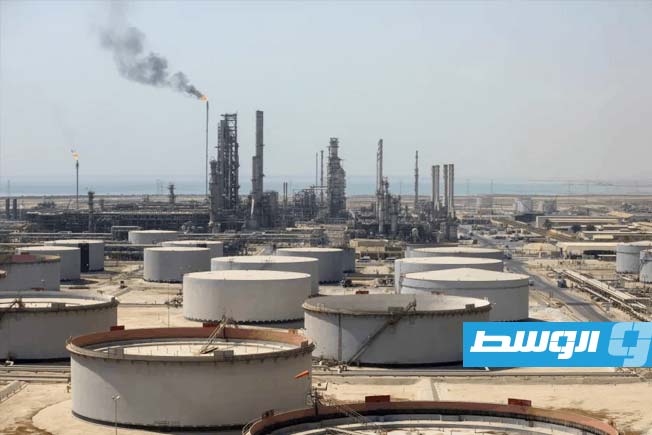
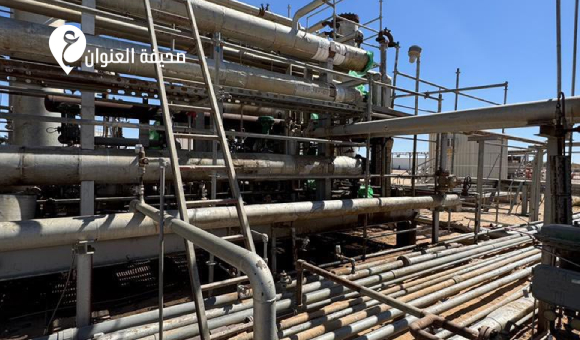
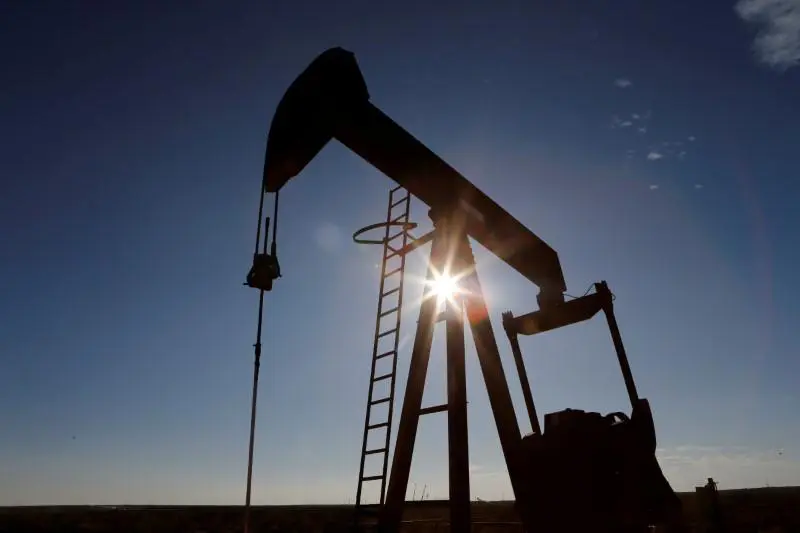
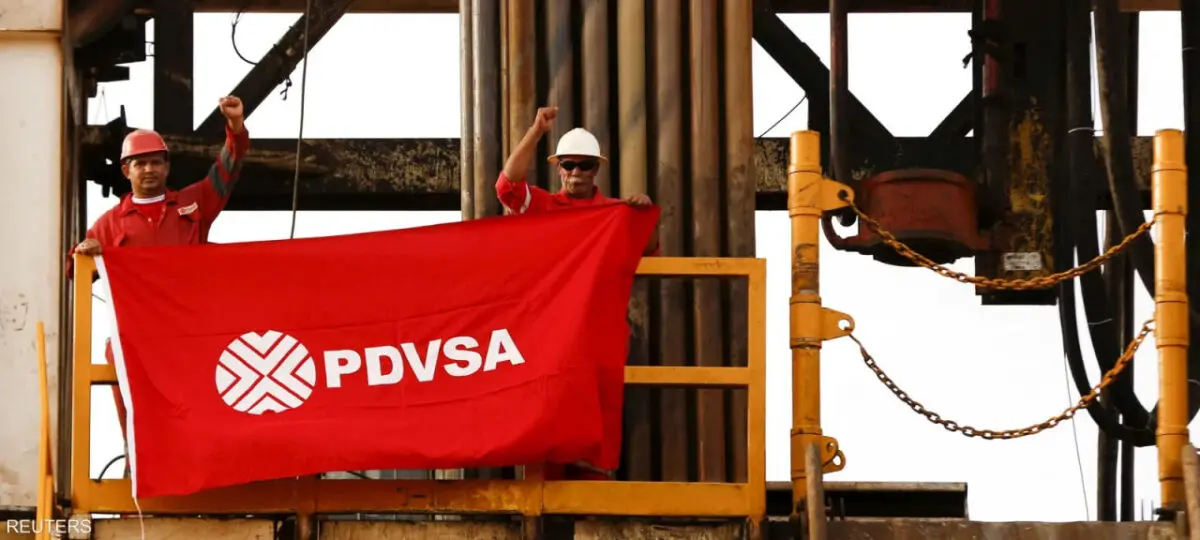
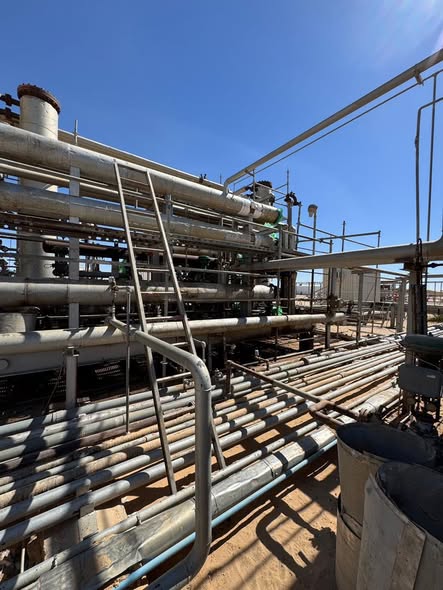
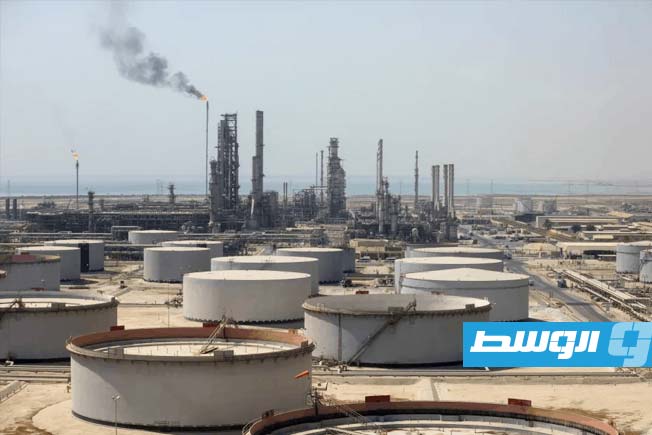
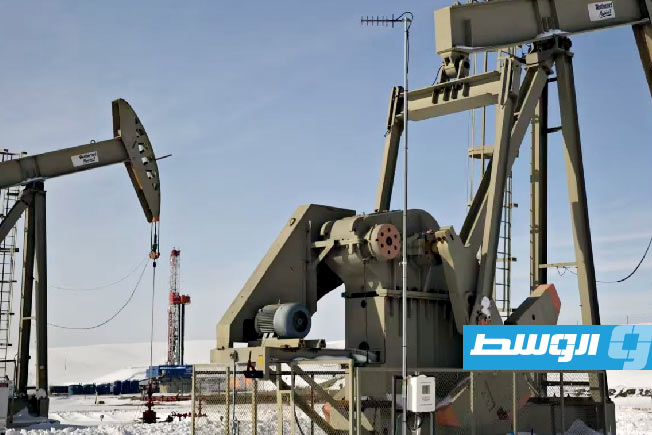
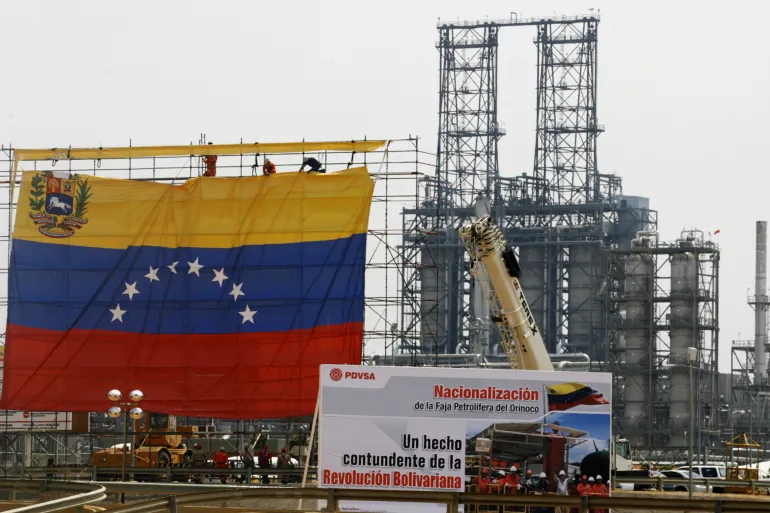
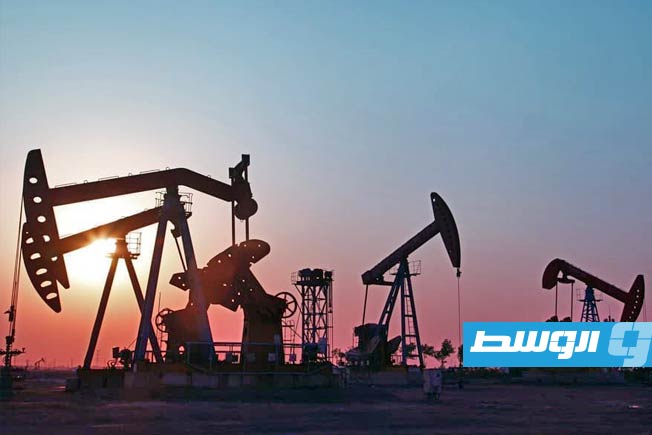
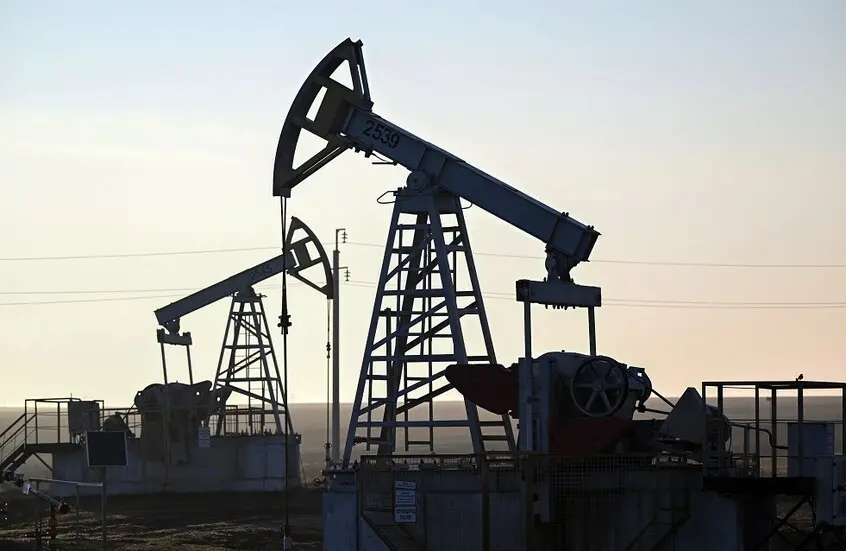
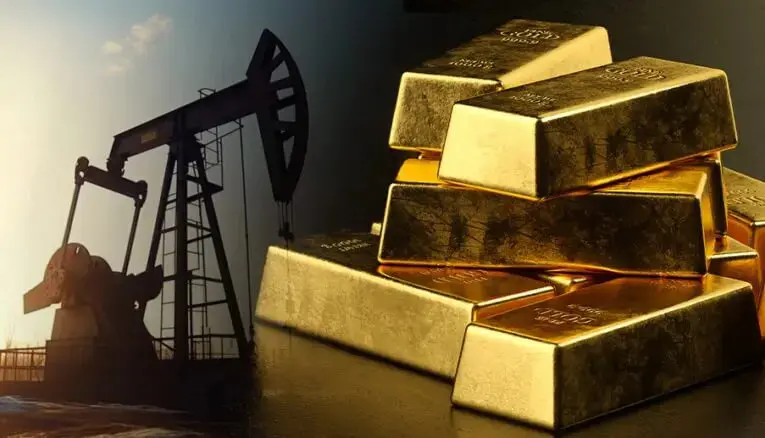
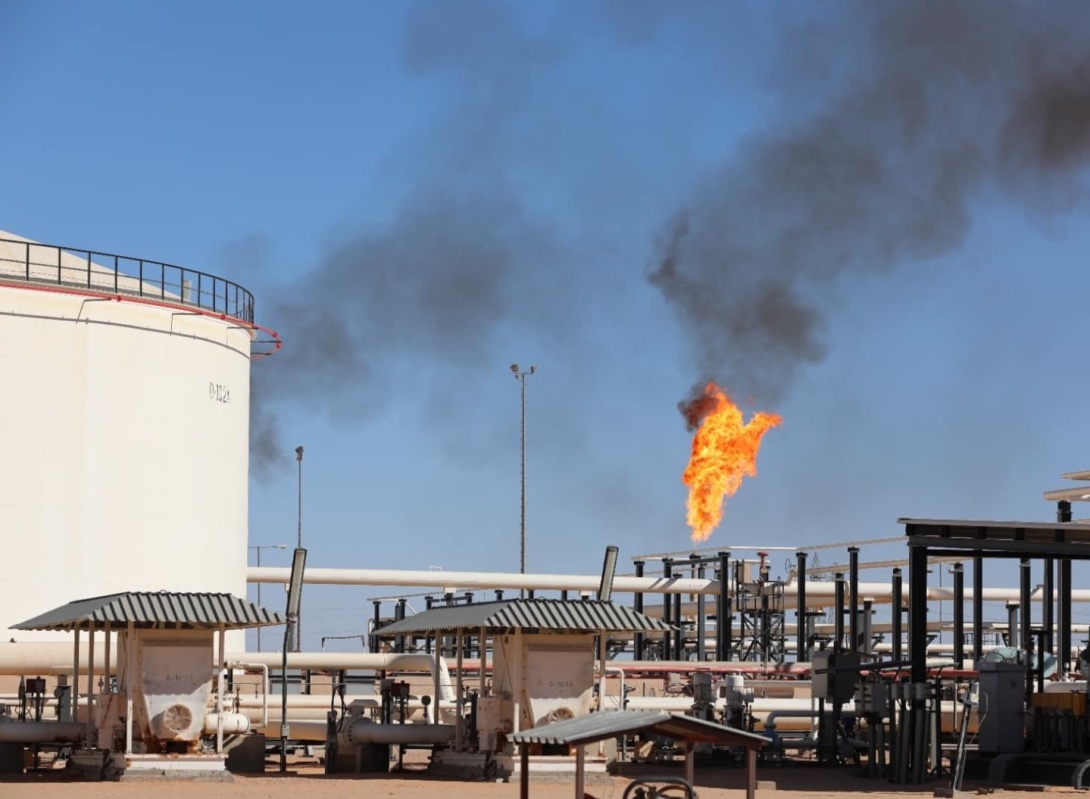
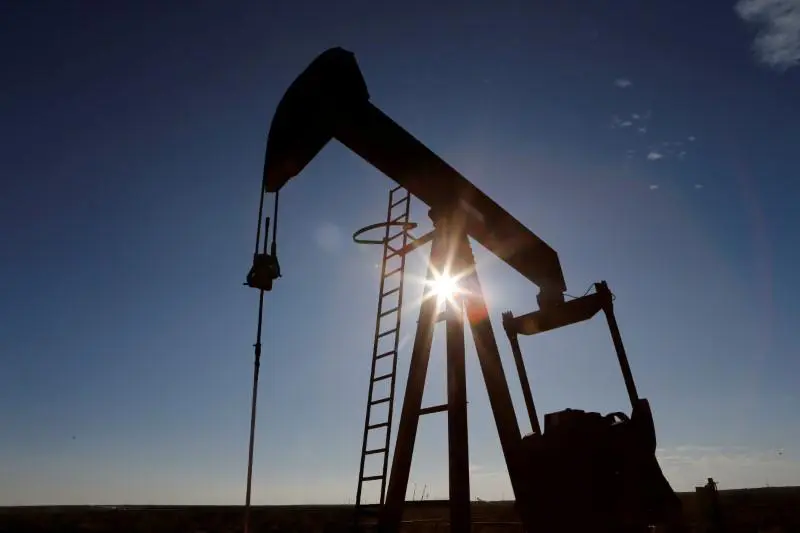
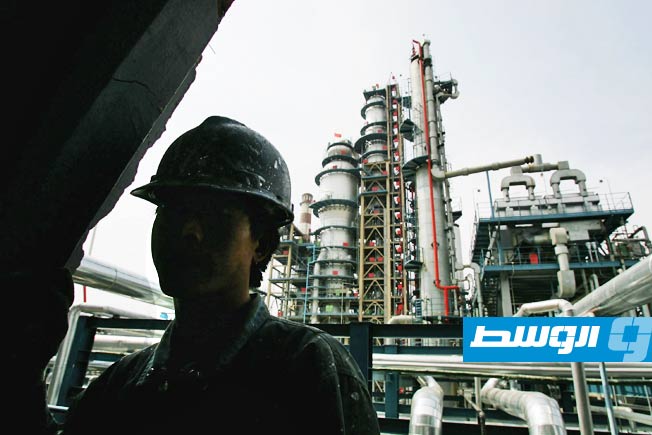
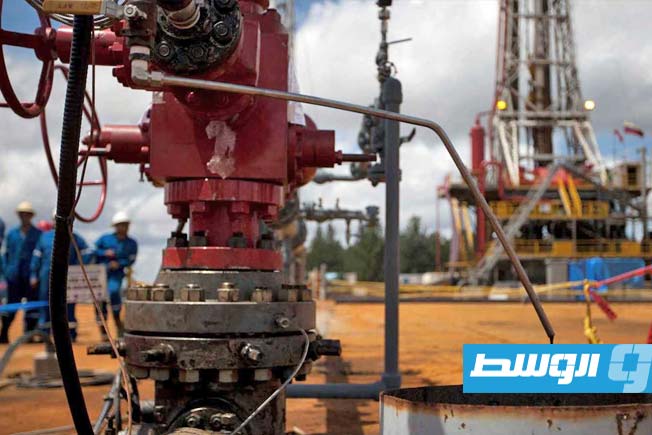
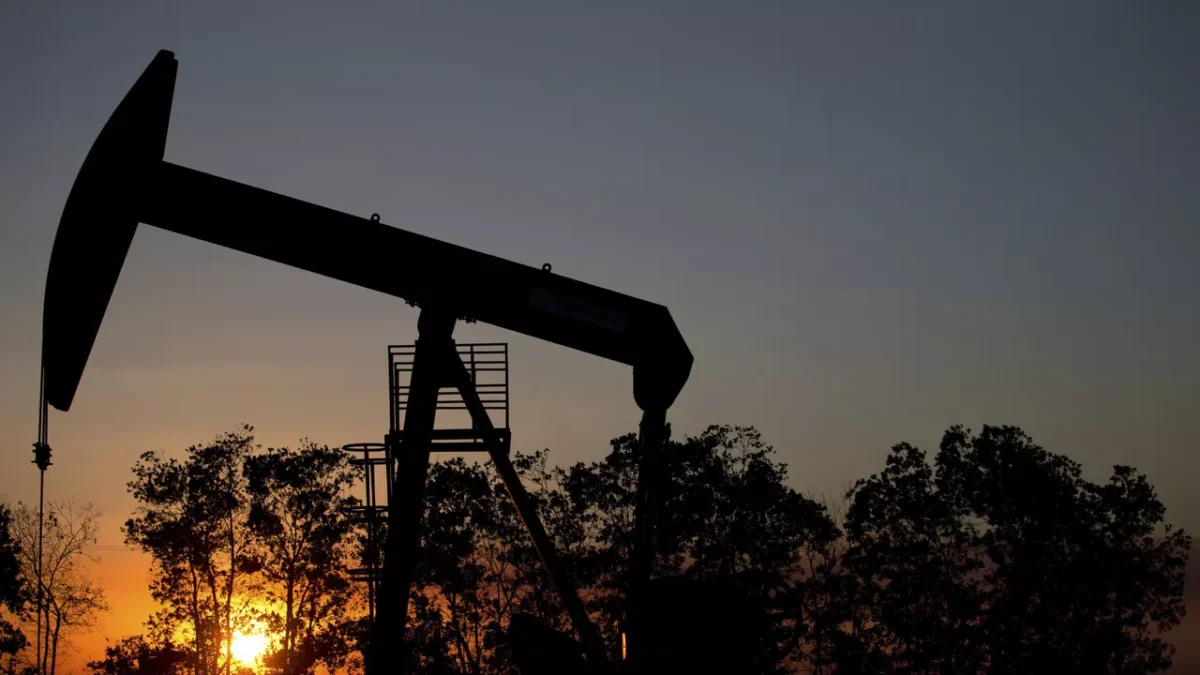
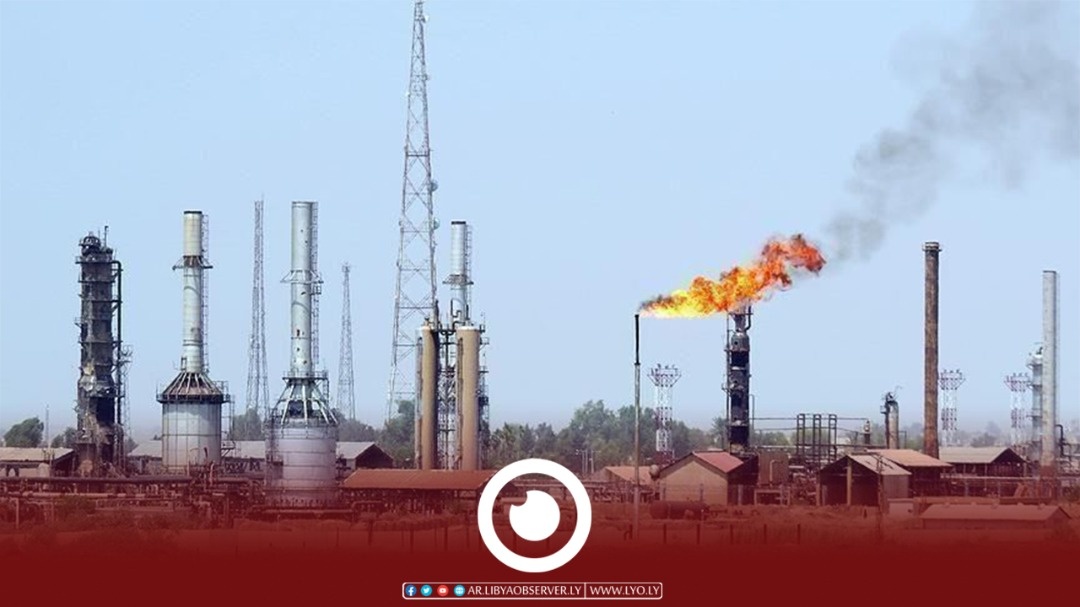
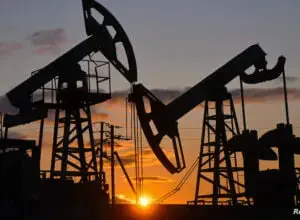
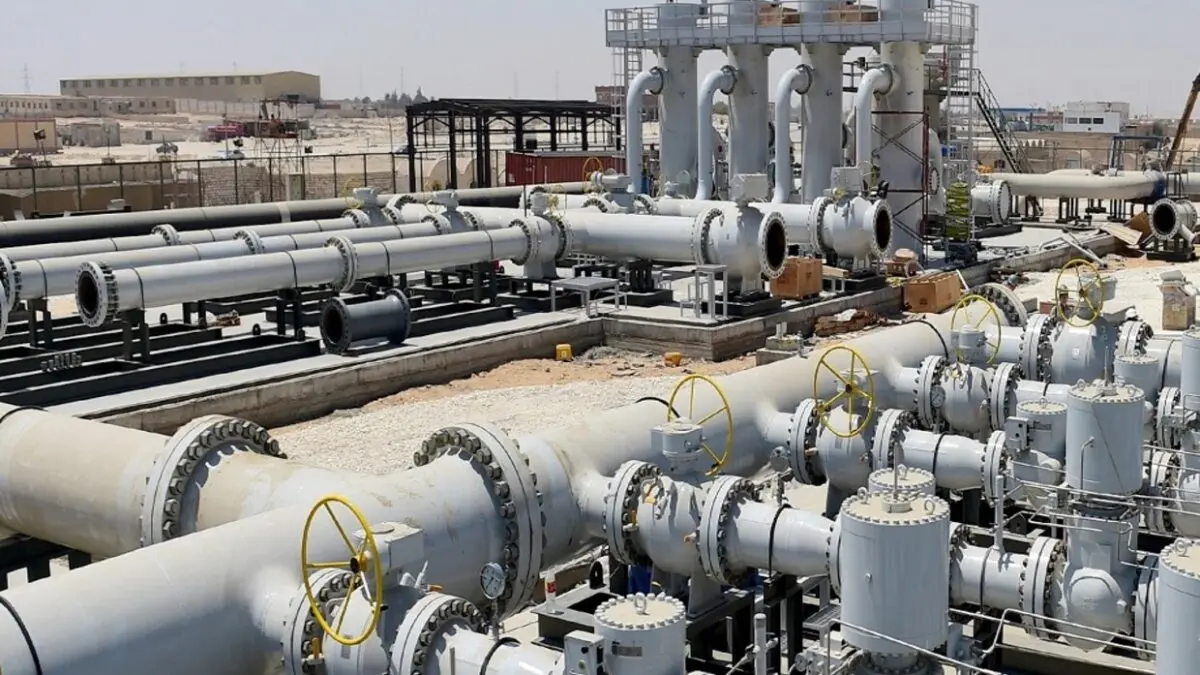
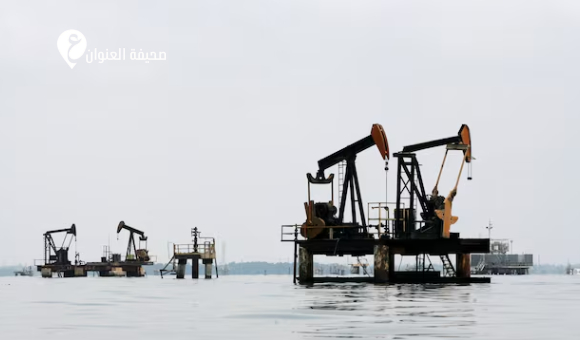
Caracas possesses the world’s largest proven oil reserves, exceeding 303 billion barrels, ahead of Saudi Arabia and Iran. However, its production remains low at about one million barrels per day due to decades of underinvestment in infrastructure and US sanctions, according to experts.
During Donald Trump’s first term, Washington imposed an oil embargo aimed at crippling Venezuela’s economy, which depends on its crude exports.
<a>- Trump: US oil companies will go to Venezuela to repair dilapidated infrastructure and start making money
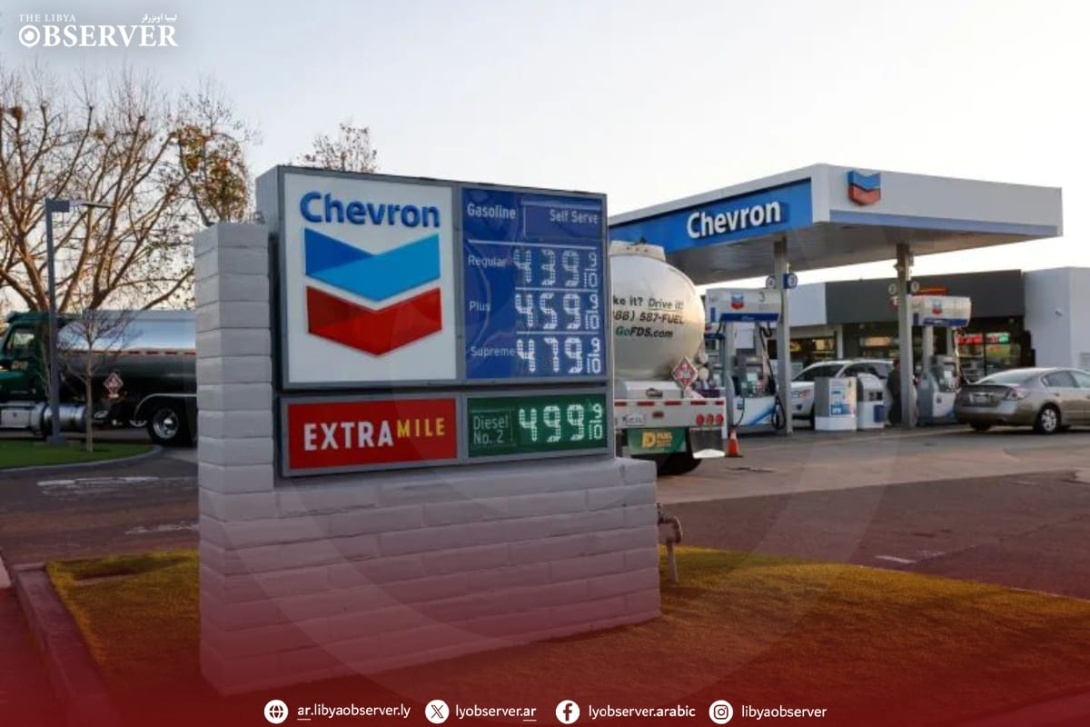
Upon his return to the White House in 2025, Trump ended most exemptions that allowed multinational oil and gas companies to operate in Venezuela, with the exception of an exemption for the American company Chevron.
On Wednesday, the Energy Secretary affirmed that “in the long term, we will provide the appropriate conditions for large American companies that were previously present, or that were not present, but wish to establish a presence, so they can set up their operations there.”
Tens of billions of dollars and a long time
The US Energy Secretary added: “But to return to historical production figures, that will require tens of billions of dollars and a long time.”
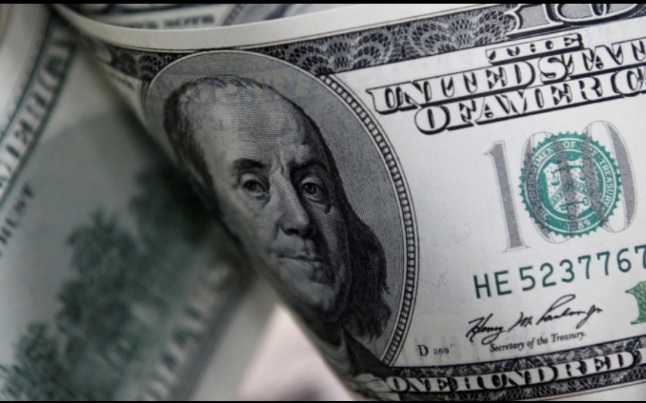
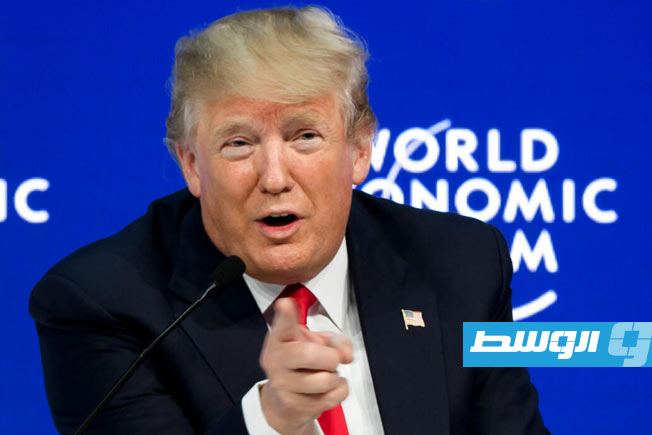
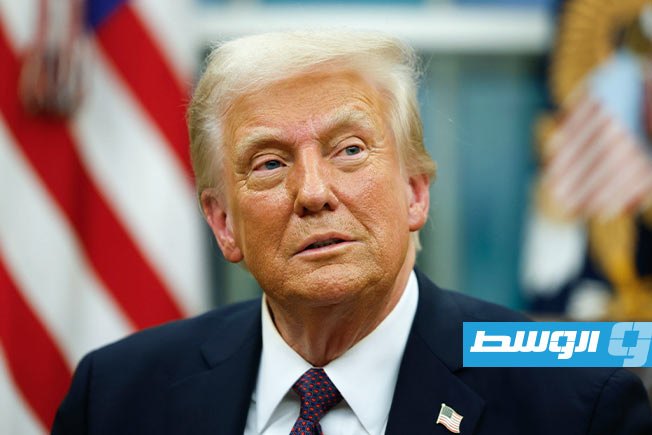
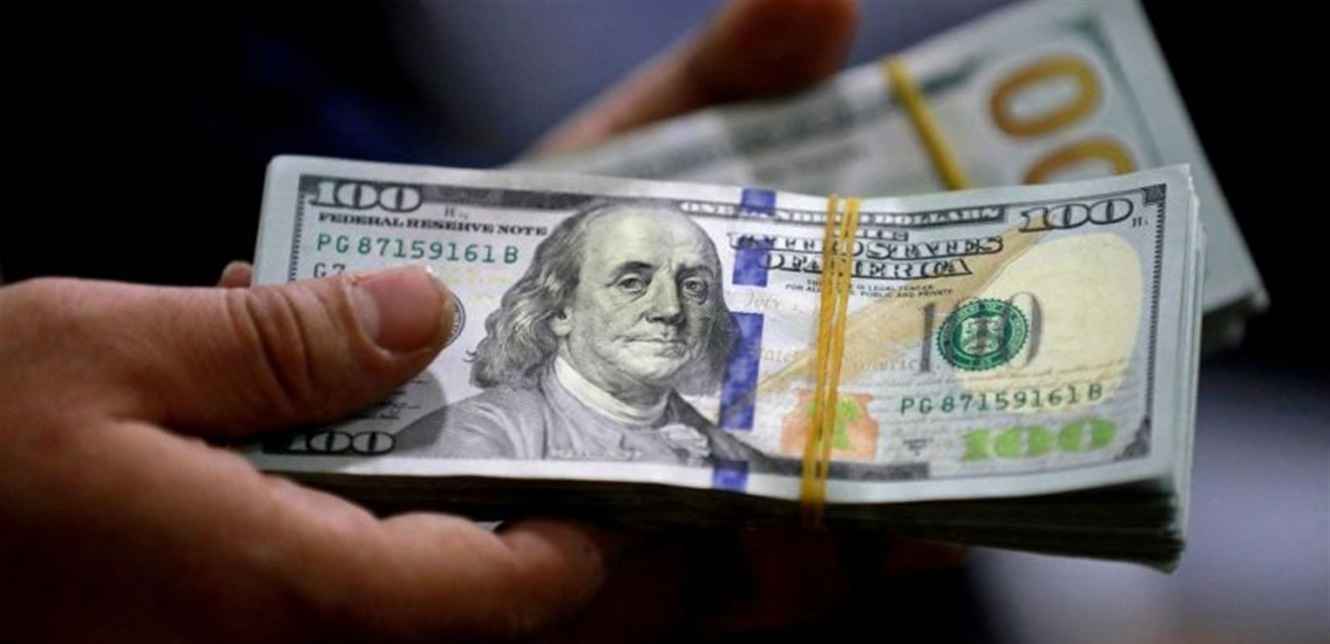
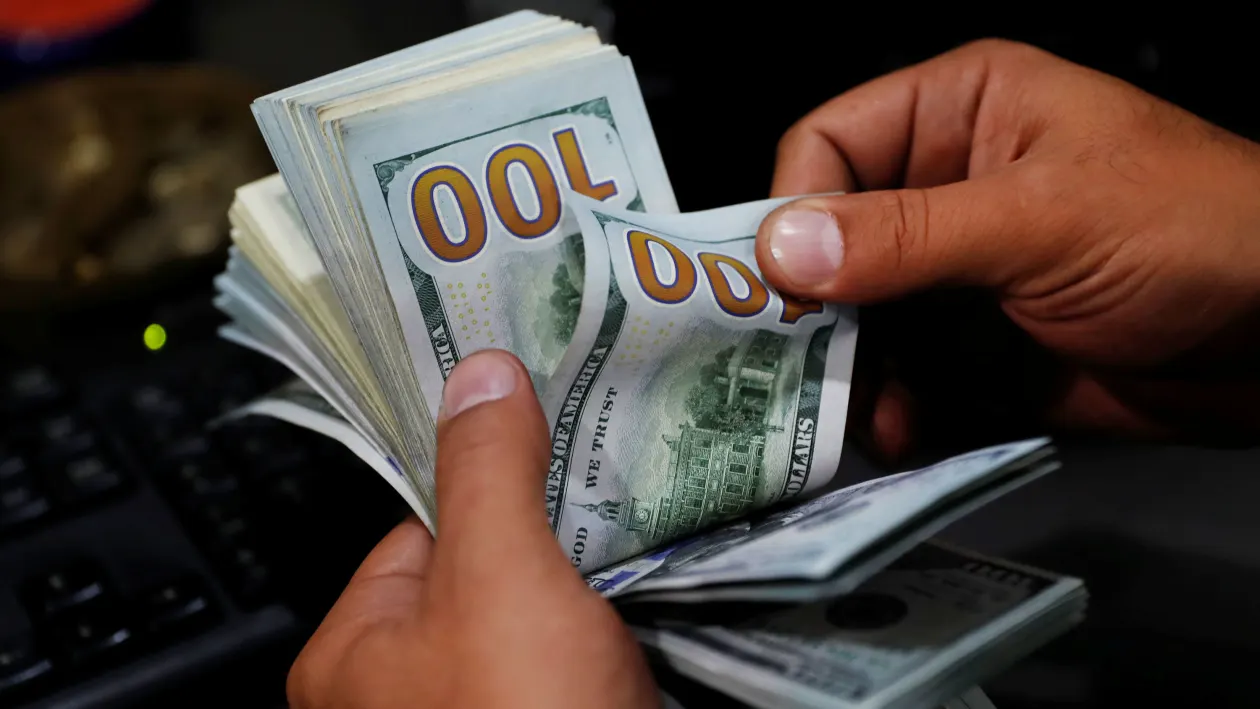
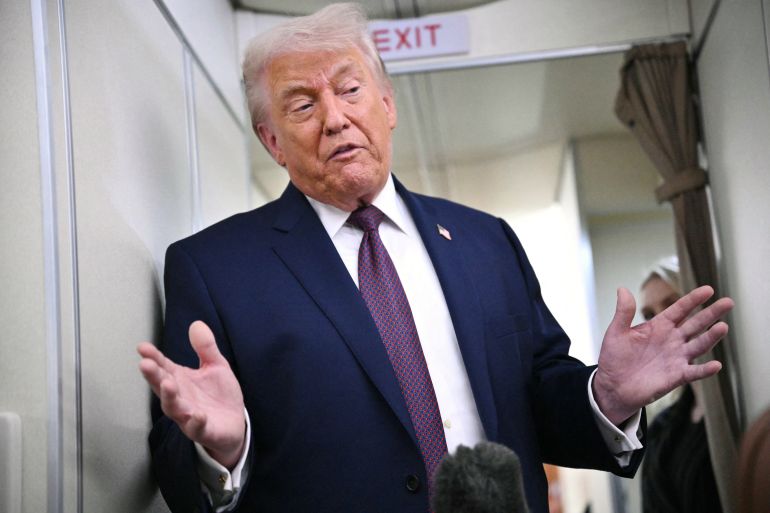
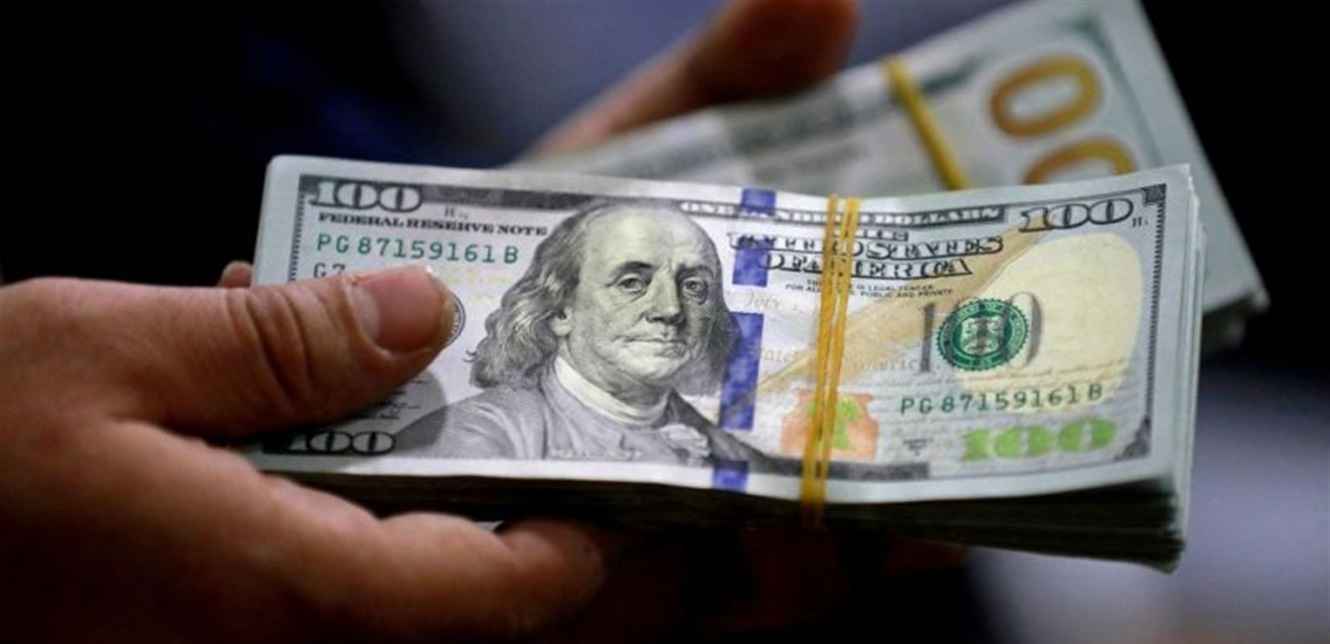
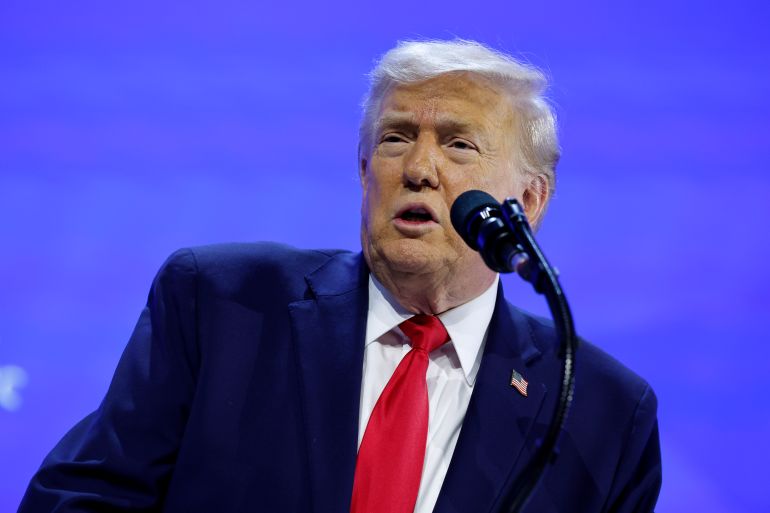
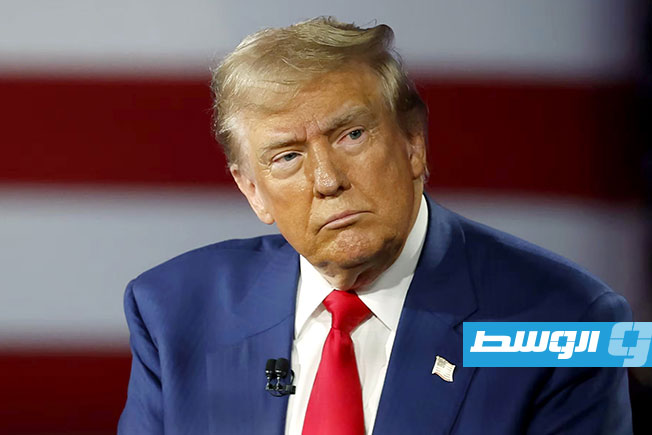
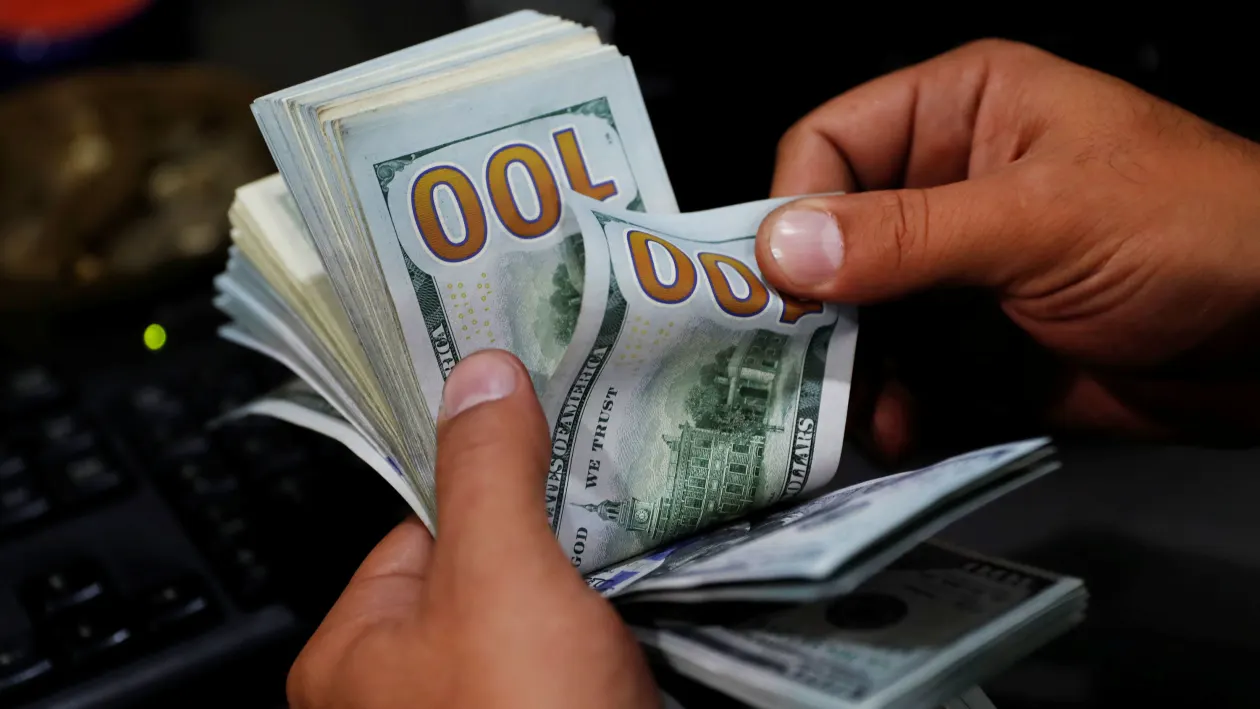
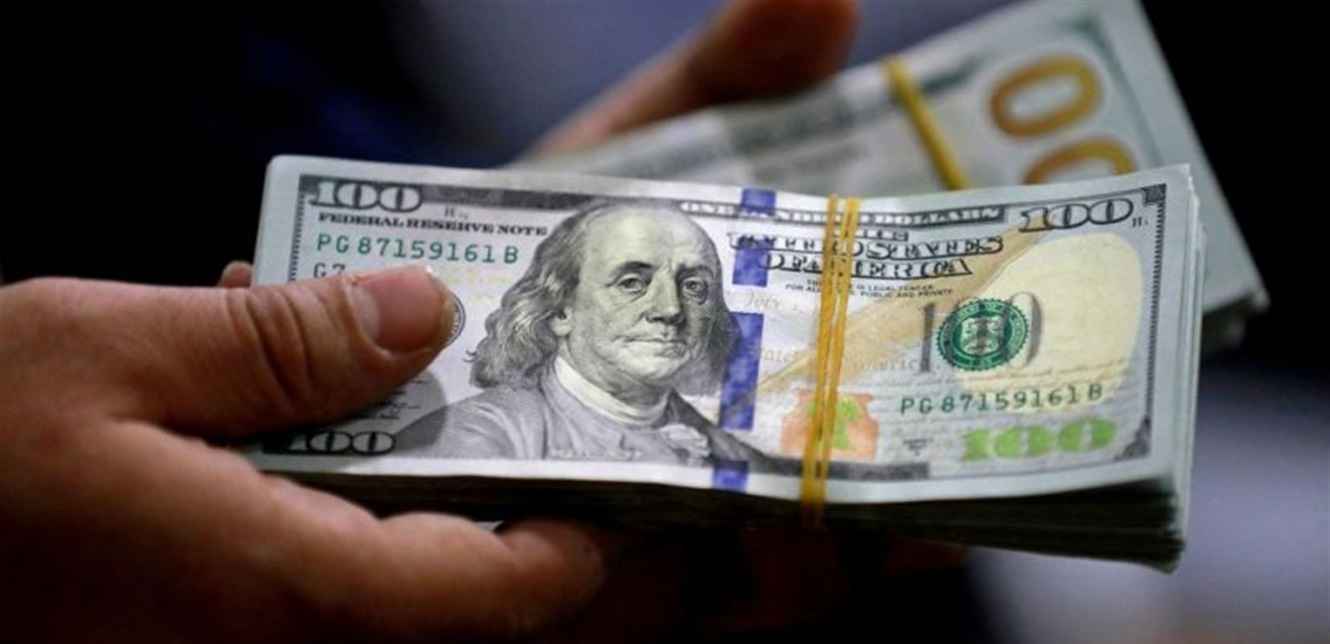
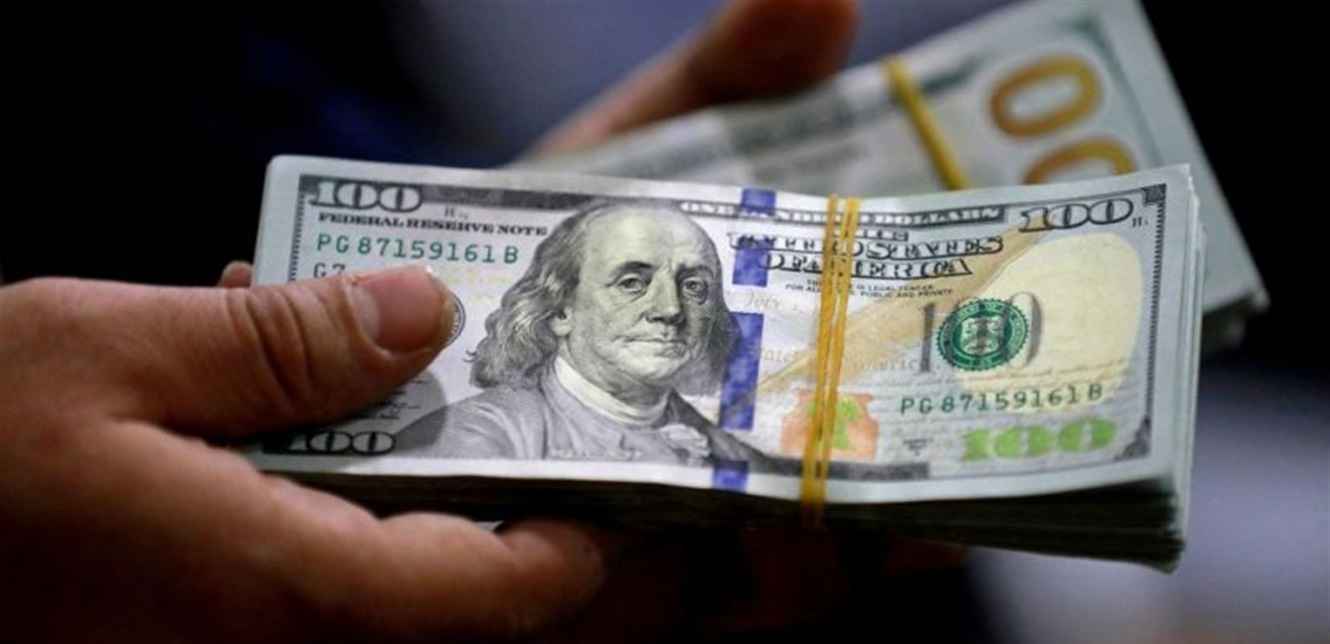
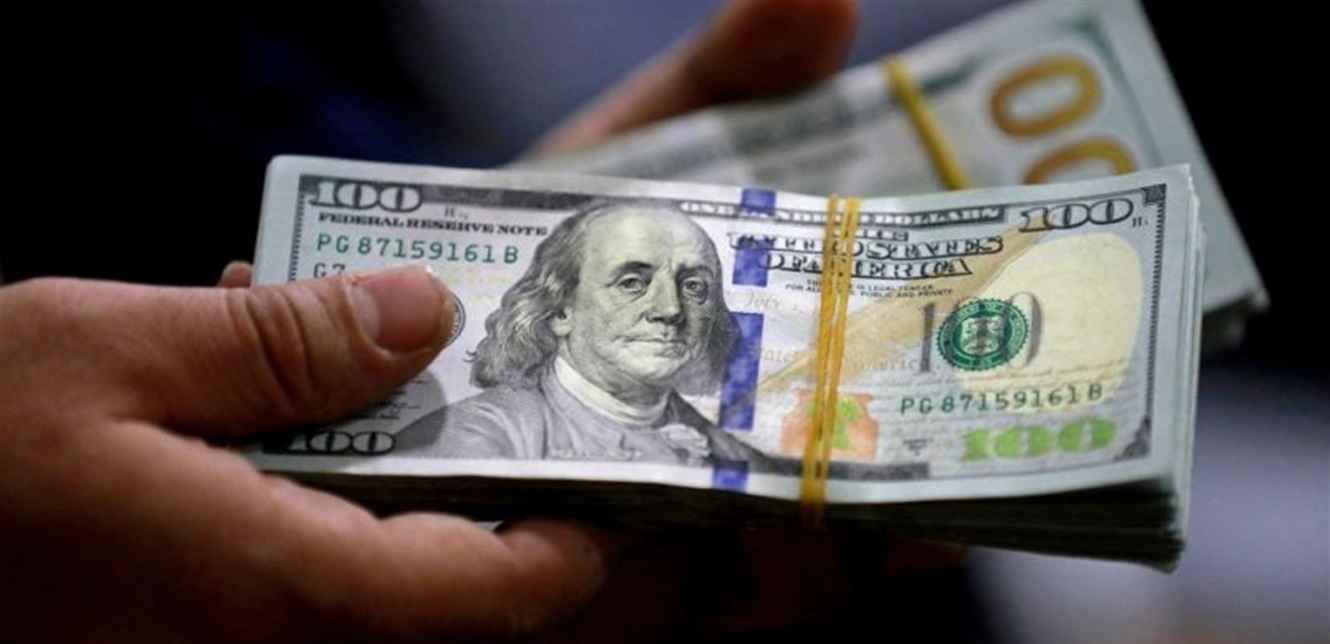
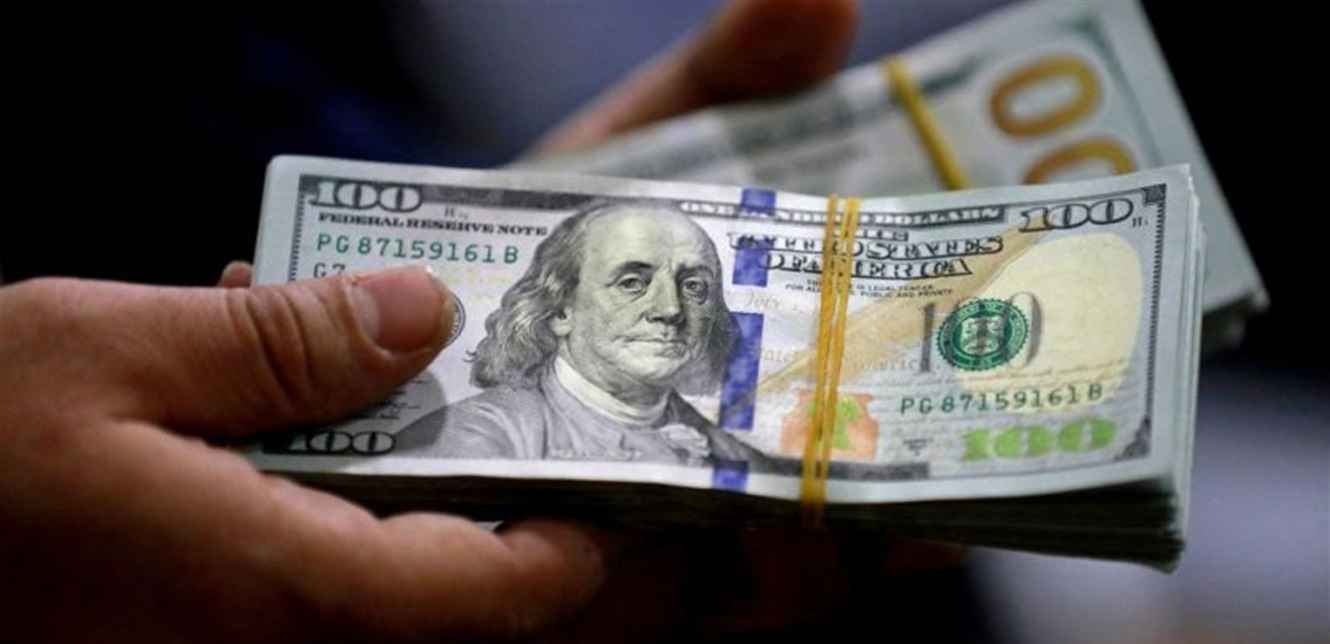
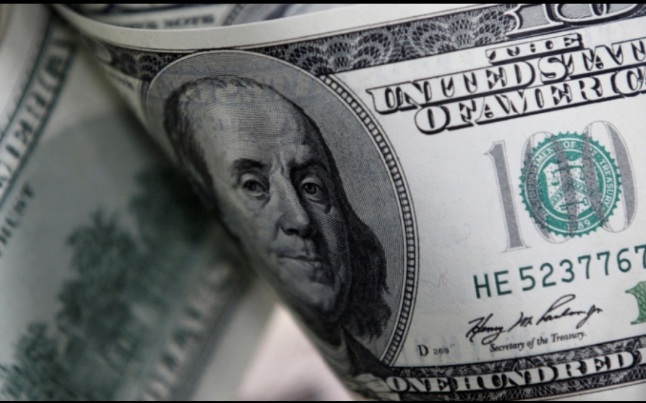
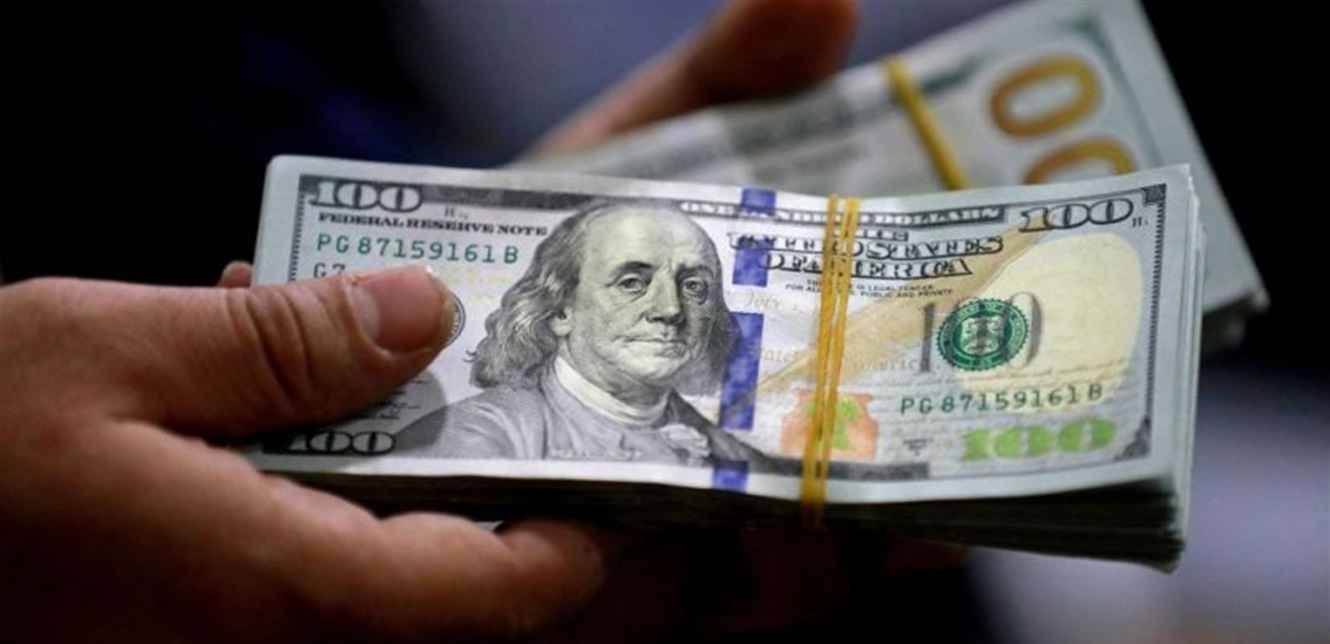
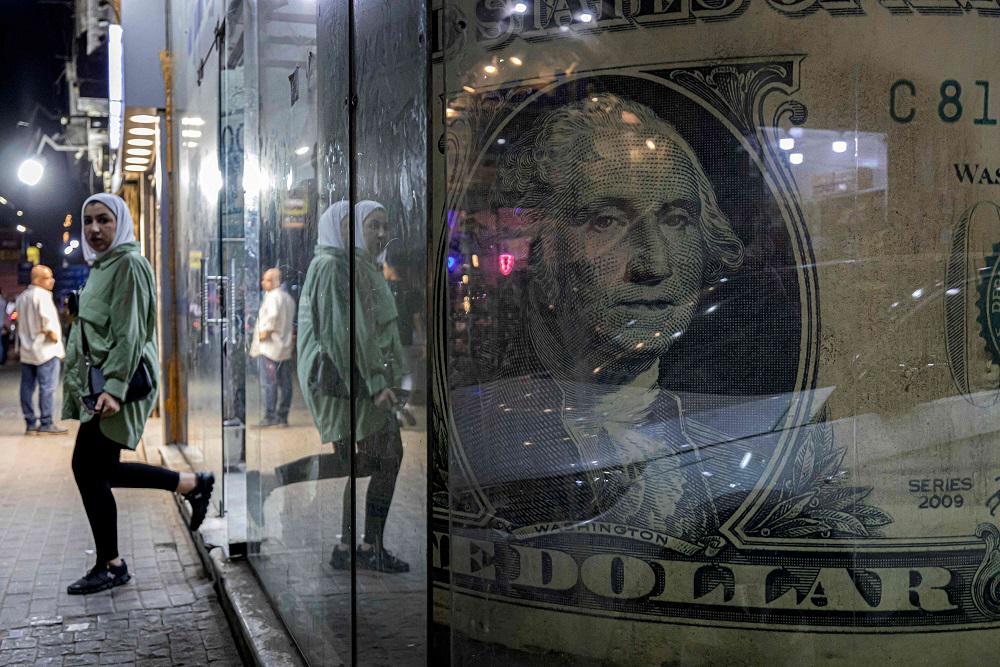
On Tuesday, Donald Trump said that Venezuela will deliver to the United States “between 30 and 50 million barrels of sanctioned oil,” which “will be sold at market price,” representing a value of over two billion dollars at current prices.
He added: “I, as President of the United States of America, will manage those funds to ensure they are used for the benefit of the peoples of Venezuela and the United States.”
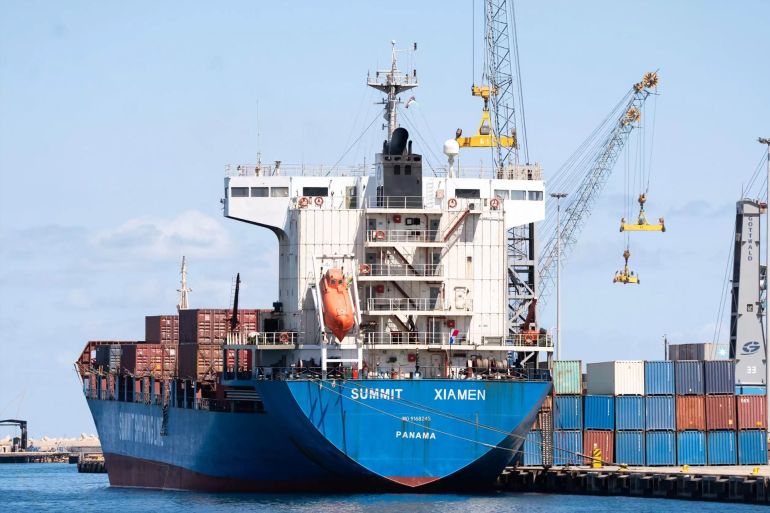
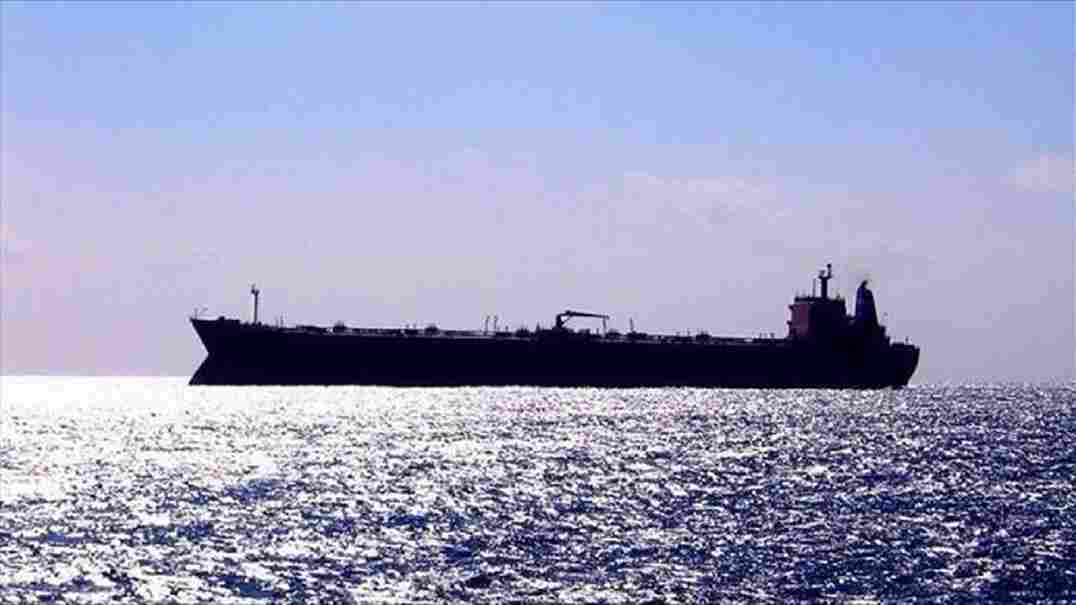
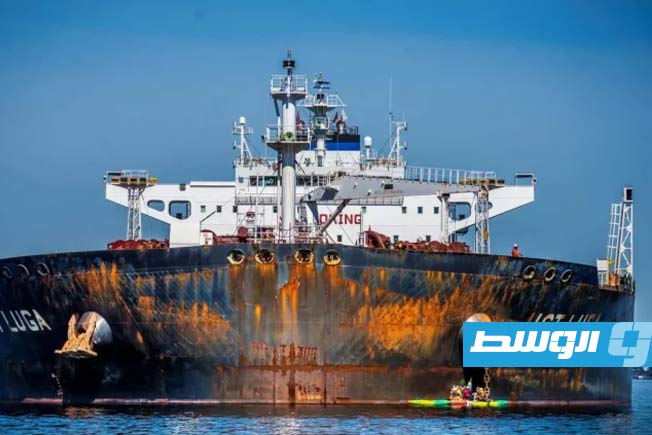
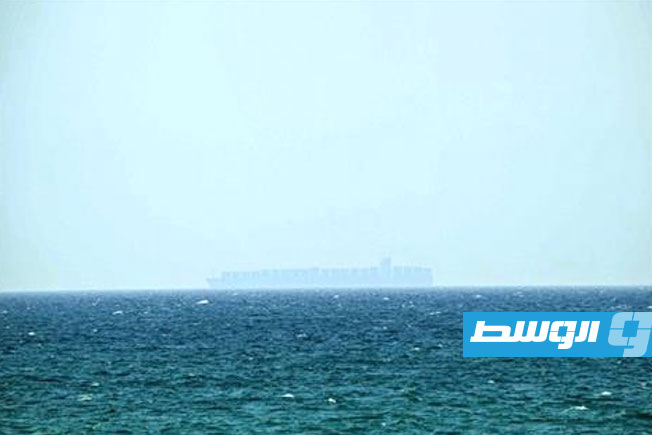
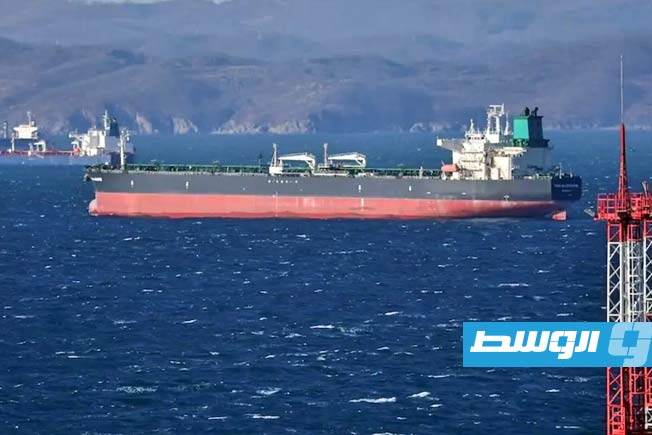
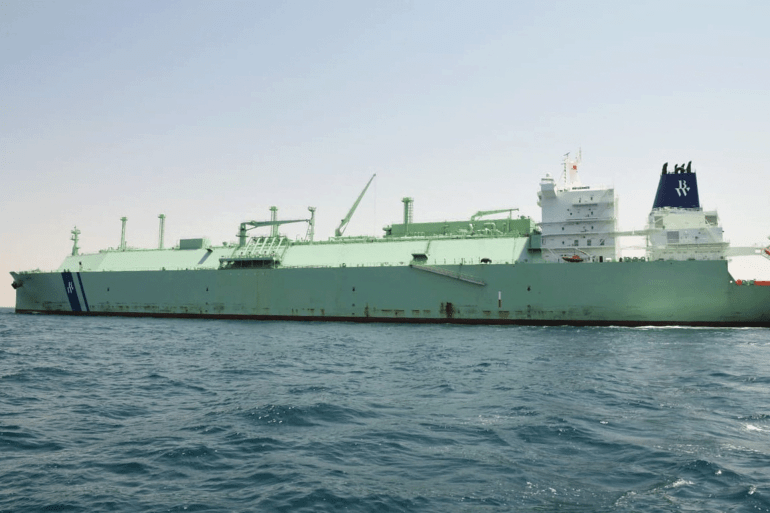
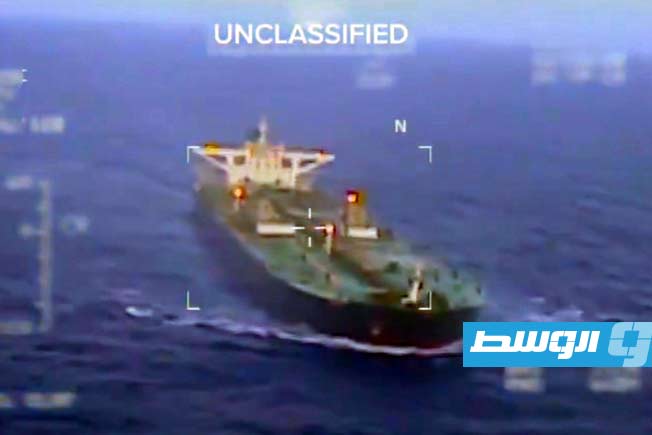
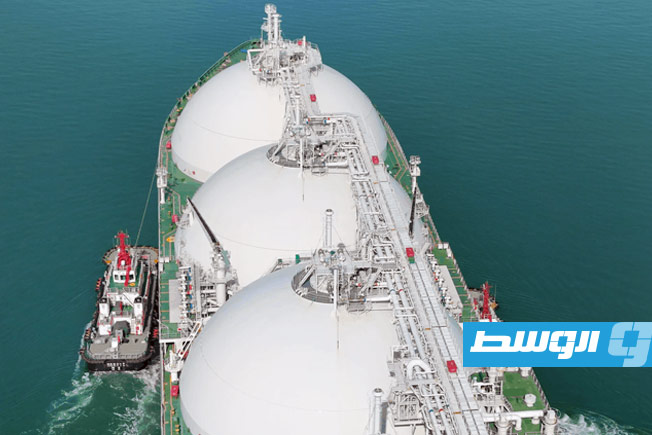
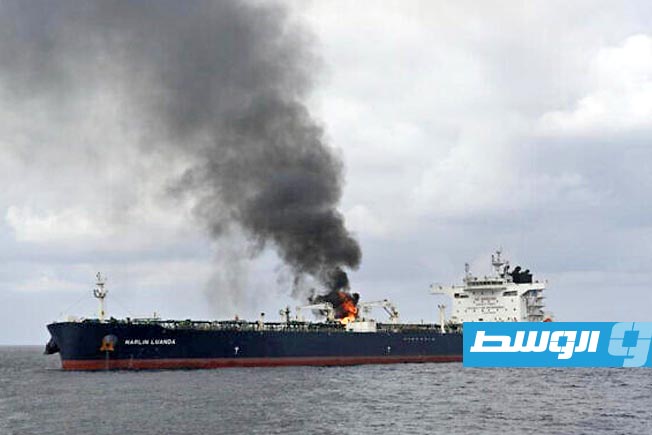
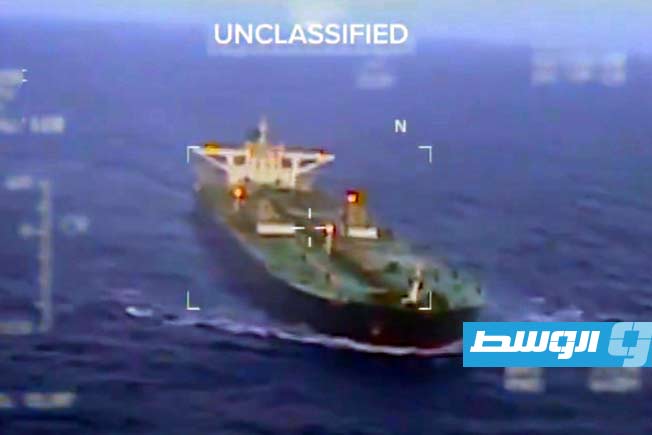
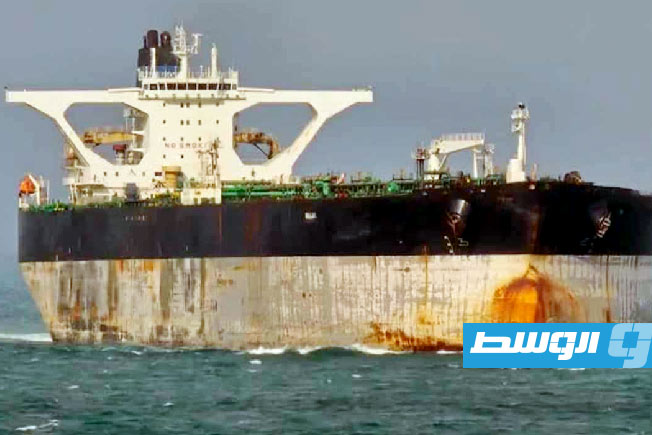
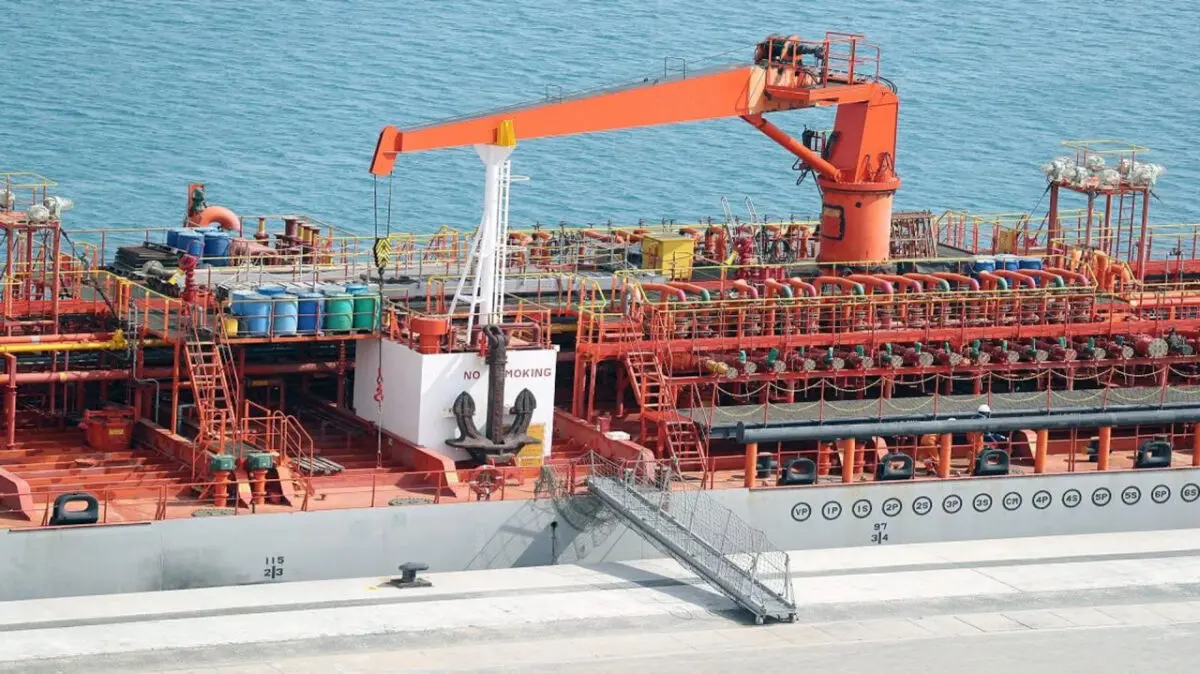
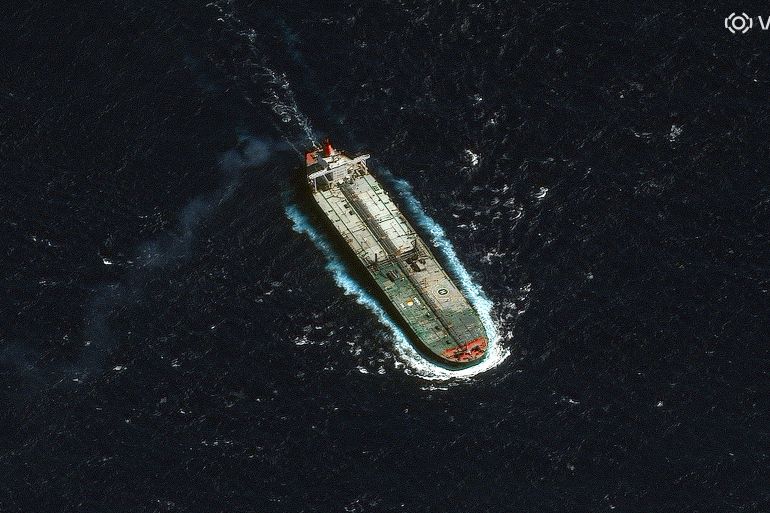
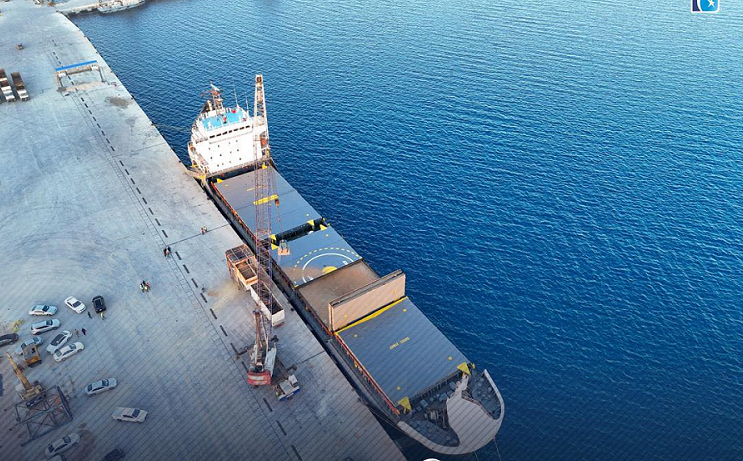
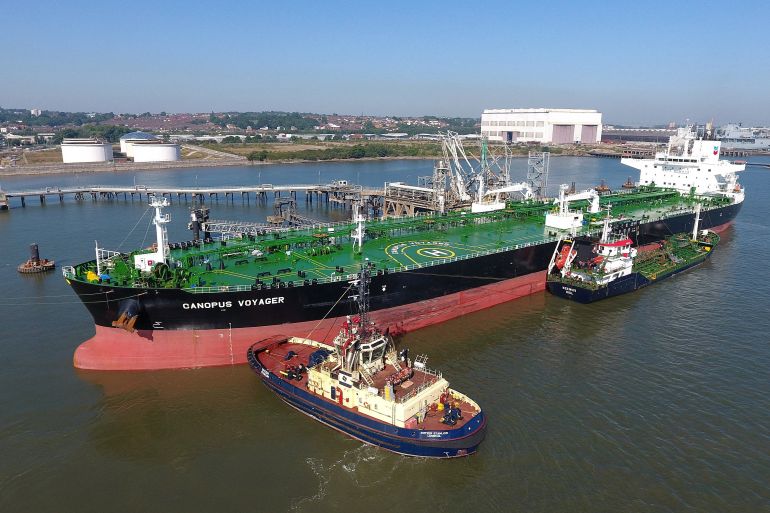
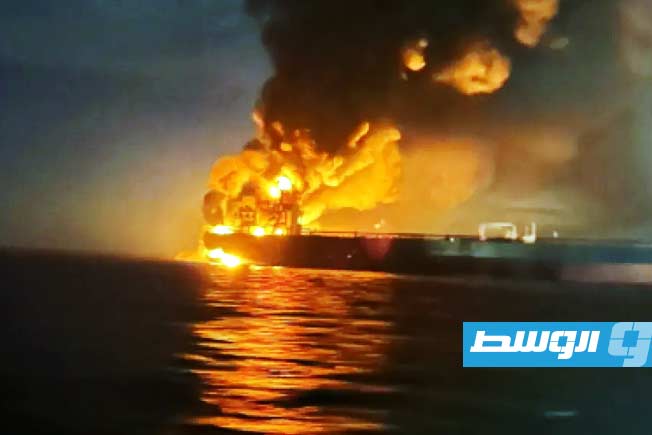
Meanwhile, on Wednesday, the US Secretary of Defense confirmed that the American embargo on Venezuelan oil is in effect “everywhere in the world,” while his country has seized two additional oil tankers, one in the Caribbean region and the other in the North Atlantic.
Washington
Washington, D.C., is the capital city of the United States, founded in 1790 following the ratification of the U.S. Constitution. It was established as a federal district to serve as the seat of the national government, distinct from any state, and was named after the first U.S. president, George Washington. The city is home to iconic landmarks like the White House, the U.S. Capitol, and the Washington Monument, which reflect its central role in American political history.
Venezuela
Venezuela is a South American country known for its diverse natural landscapes, including the Andes Mountains, the Amazon rainforest, and Angel Falls, the world’s tallest waterfall. Historically, it was a Spanish colony until achieving independence in the early 19th century under leaders like Simón Bolívar, and its modern economy has been heavily shaped by its vast petroleum reserves.
United States
The United States is a federal republic founded in 1776 following a war for independence from Great Britain, established upon principles of representative democracy and individual rights enshrined in its Constitution. Its history encompasses westward expansion, a civil war over slavery, significant industrial growth, and its emergence as a global superpower in the 20th century.
Miami
Miami is a major coastal city in southeastern Florida, founded in 1896 and known for its vibrant art deco architecture in South Beach. Its modern identity is heavily shaped by 20th-century immigration, particularly from Cuba and other Latin American countries, making it a hub of diverse cultural and economic activity.
Caracas
Caracas is the capital and largest city of Venezuela, founded in 1567 by Spanish conquistador Diego de Losada. It grew as a colonial administrative center and later became a pivotal site for the South American independence movement, being the birthplace of Simón Bolívar. Today, it is a major metropolitan and cultural hub situated within a valley of the Venezuelan coastal mountain range.
Saudi Arabia
Saudi Arabia is a Middle Eastern nation founded in 1932 by King Abdulaziz Al Saud, unifying the regions of Najd and Hejaz. It is the birthplace of Islam, home to the religion’s two holiest cities, Mecca and Medina, which are central to the annual Hajj pilgrimage. The country’s modern history and economy have been profoundly shaped by the discovery of vast oil reserves in the 1930s.
Iran
Iran, historically known as Persia, is home to one of the world’s oldest continuous civilizations, with a recorded history spanning over 2,500 years. It is renowned for its profound cultural and scientific contributions, as well as significant historical sites such as Persepolis, the ancient ceremonial capital of the Achaemenid Empire. Today, it is an Islamic republic with a rich cultural heritage that deeply influences its national identity.
White House
The White House is the official residence and workplace of the President of the United States, located in Washington, D.C. It was designed by James Hoban and its construction was completed in 1800, with President John Adams being the first to reside there. The building has been expanded and renovated over the centuries, including after being burned by British forces in 1814.
Chevron
Chevron is an American multinational energy corporation, historically one of the world’s largest oil companies, formed by the 1984 merger of Standard Oil of California and Gulf Oil. Its origins trace back to the Pacific Coast Oil Company founded in 1879, which later became part of the Standard Oil trust.
Caribbean
The Caribbean is a region of the Americas consisting of the Caribbean Sea, its islands, and surrounding coasts, historically inhabited by indigenous peoples like the Taíno before European colonization began in the 15th century. Its complex history is marked by the transatlantic slave trade, plantation economies, and a colonial past under various European powers, leading to a profoundly diverse cultural heritage today.
North Atlantic
The North Atlantic is a vast region of the Atlantic Ocean north of the equator, historically significant as a major corridor for exploration, trade, and migration between Europe and the Americas. Its history is deeply tied to transatlantic voyages, naval conflicts, and the development of fishing and shipping industries that shaped the economies of bordering nations.