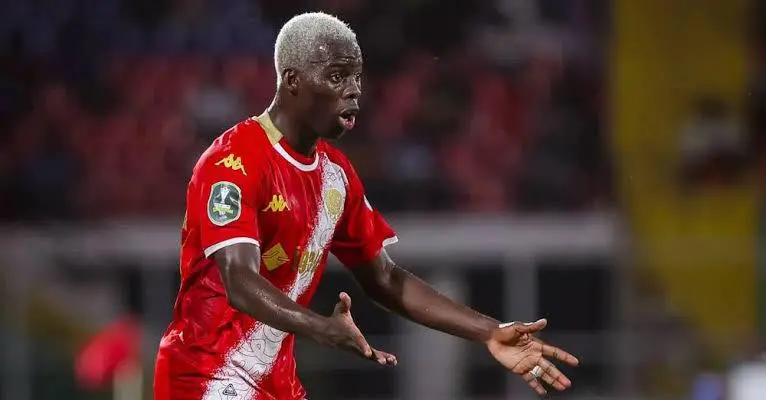
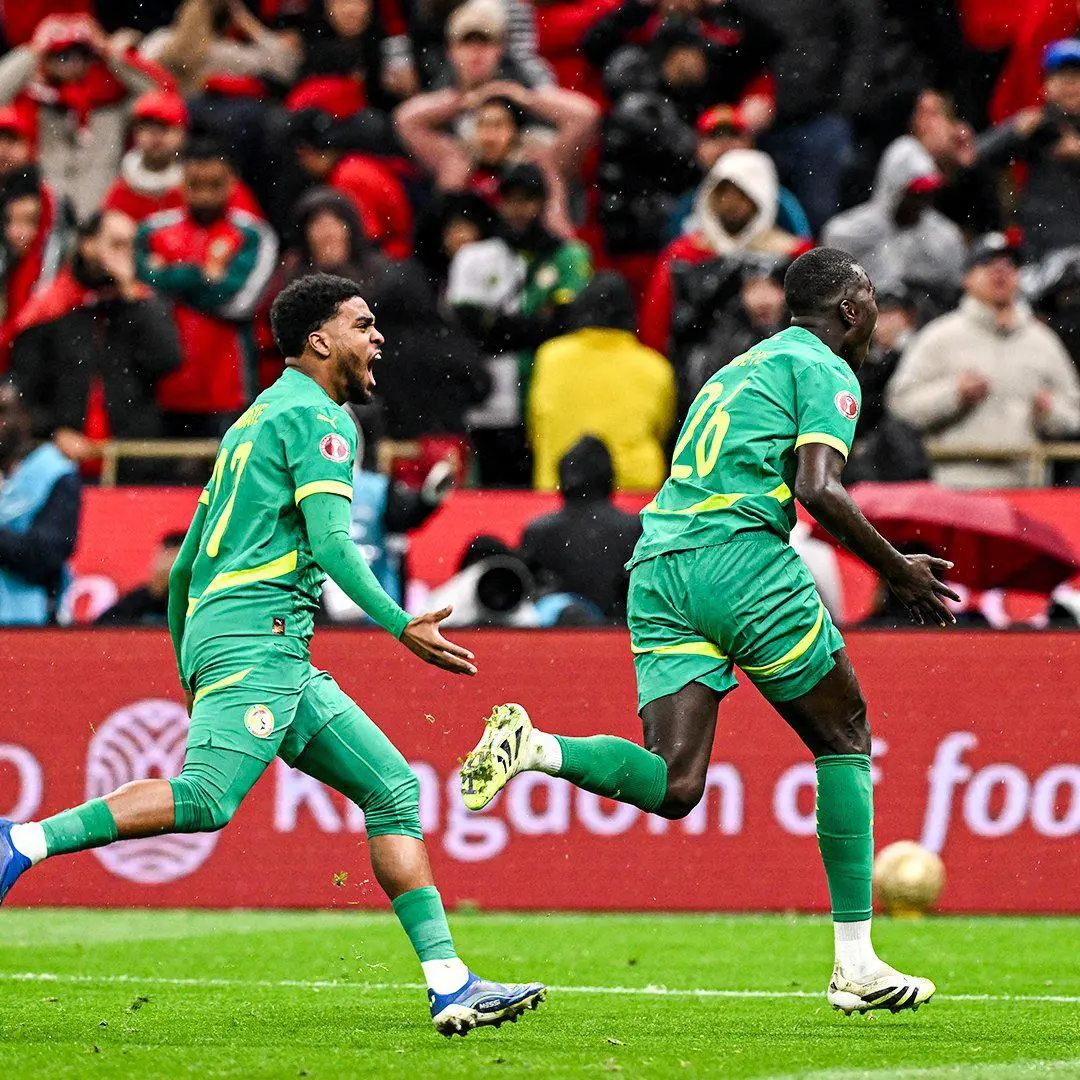
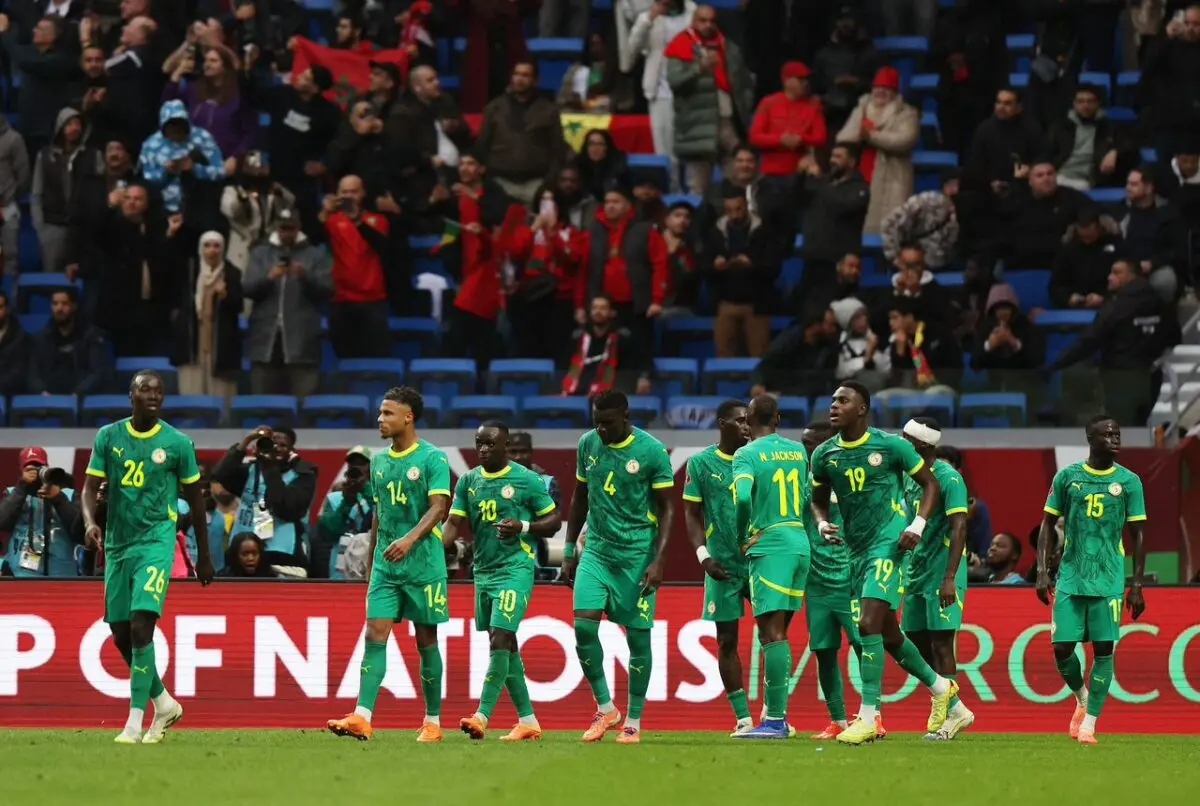
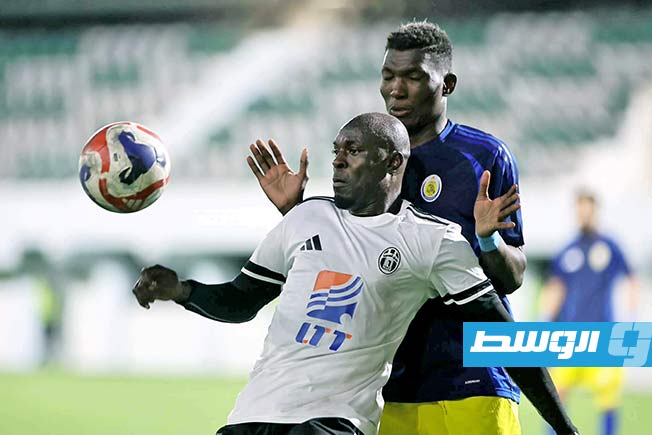
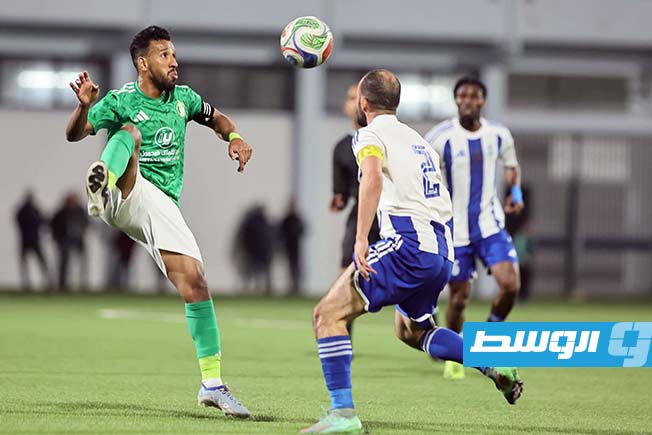
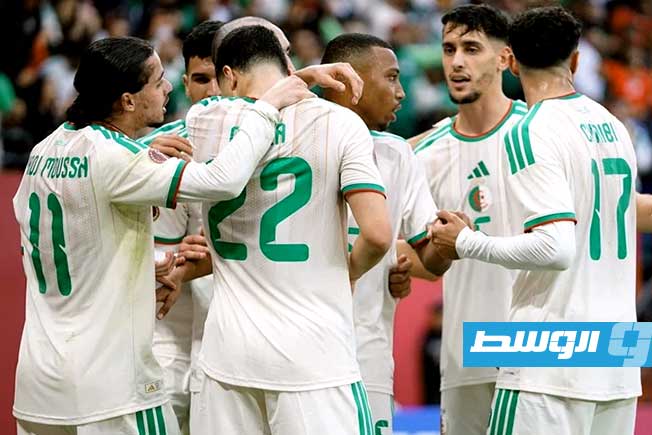
With a killer goal in the 119th minute, Algeria sets a date with Nigeria at the expense of the Democratic Republic of the Congo.
libyawire.org > News > Sport > With a killer goal in the 119th minute, Algeria sets a date with Nigeria at the expense of the Democratic Republic of the Congo.
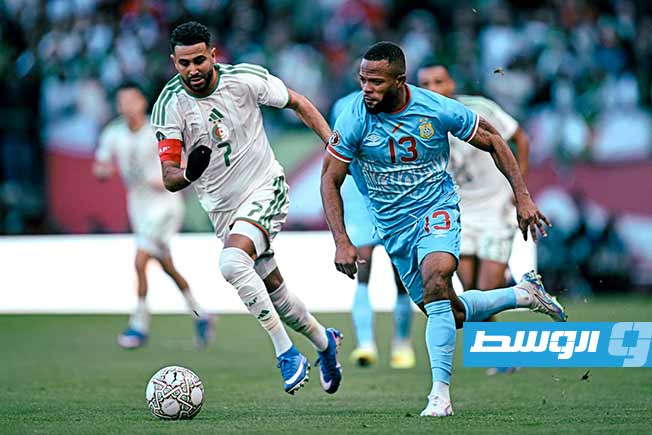
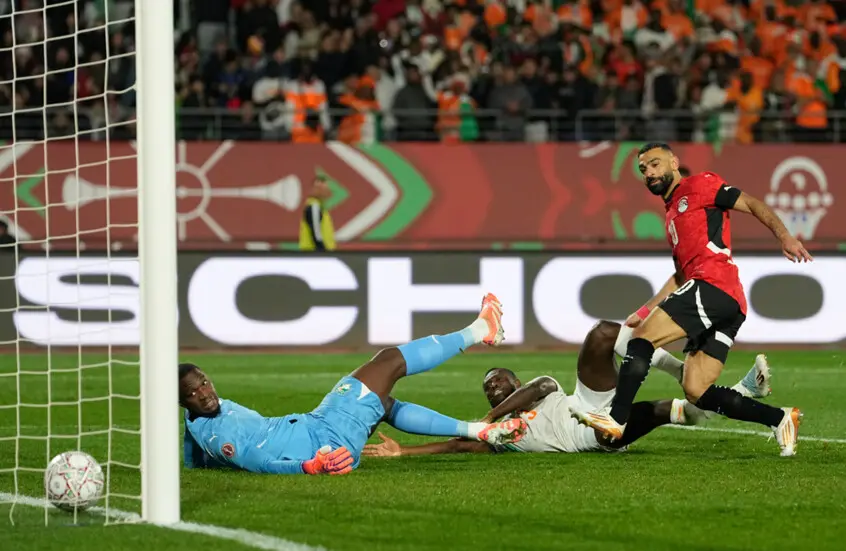
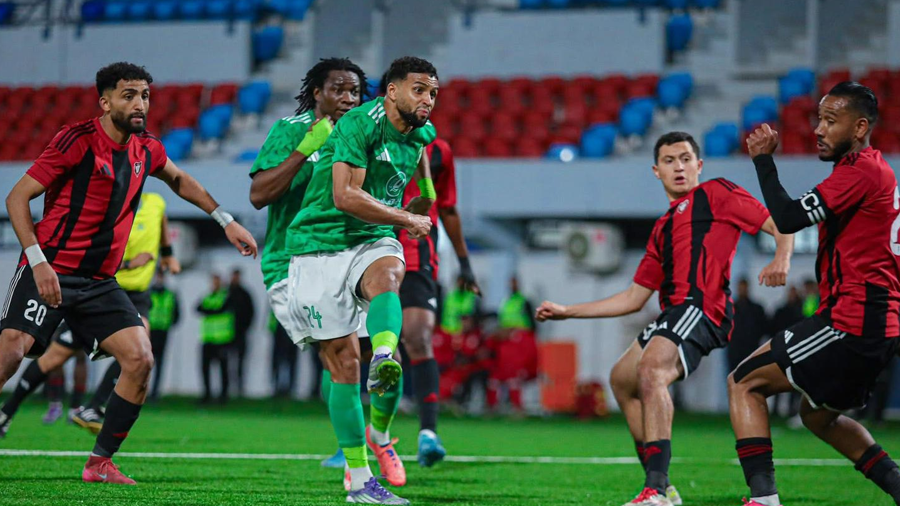
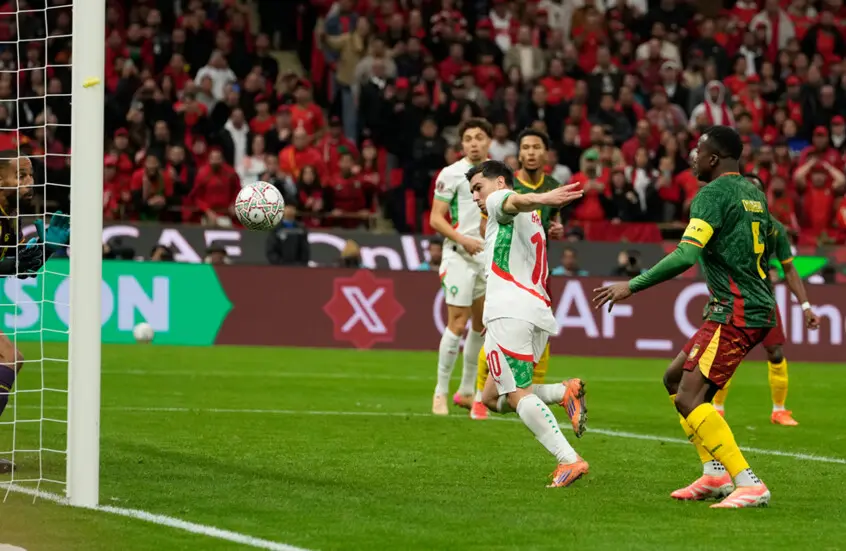
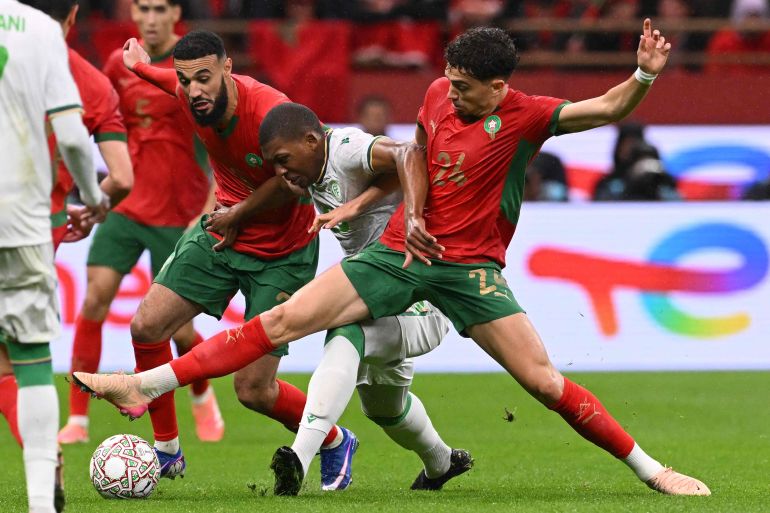
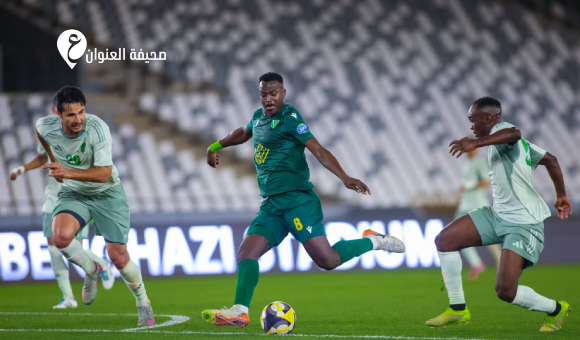
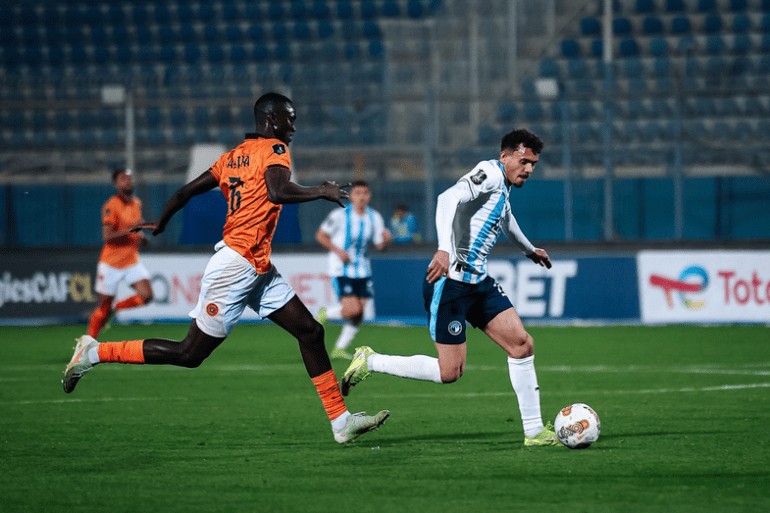
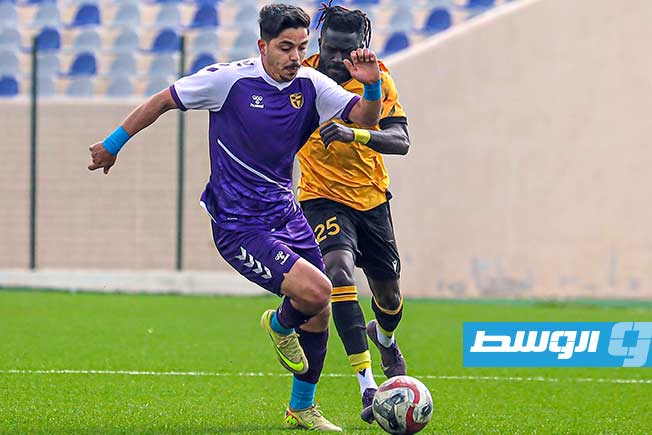
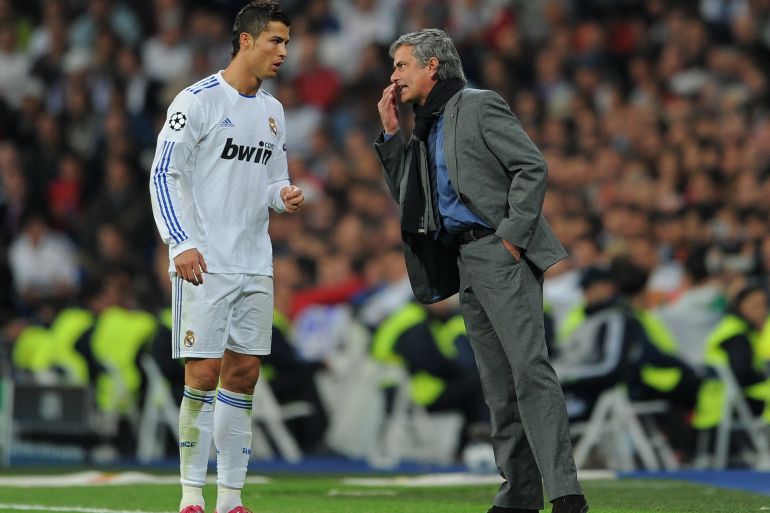
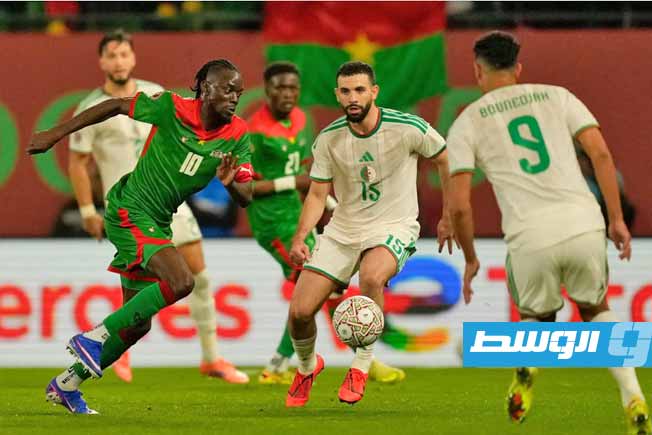
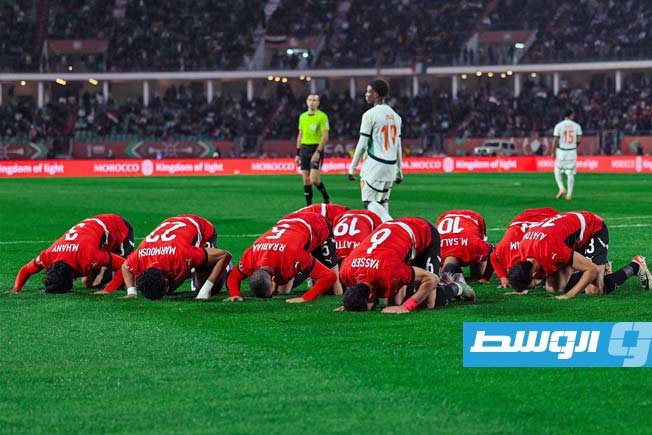
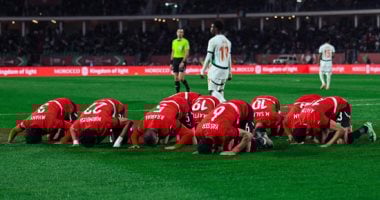
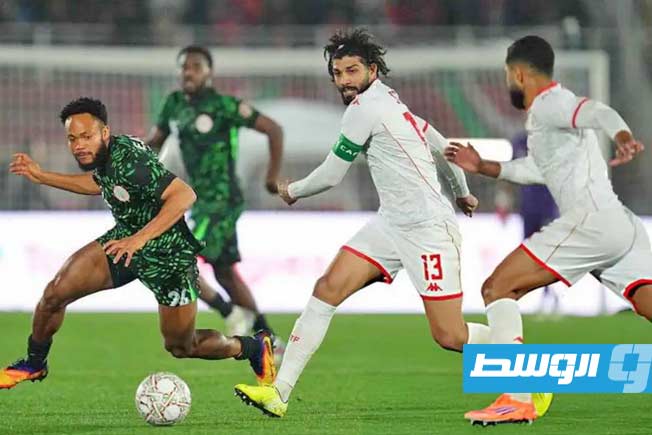
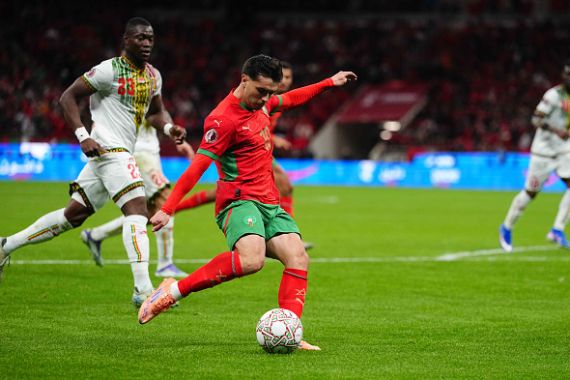
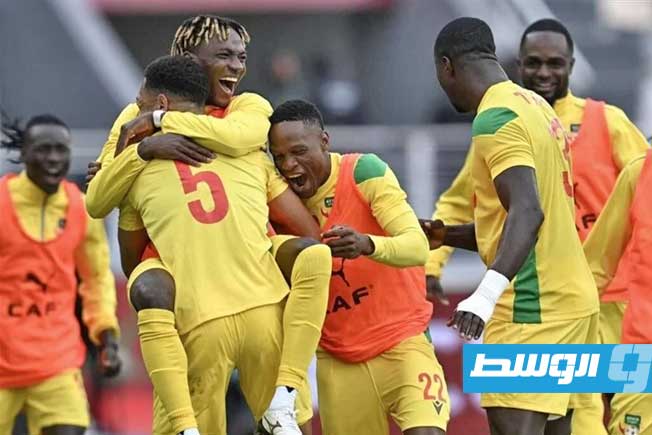
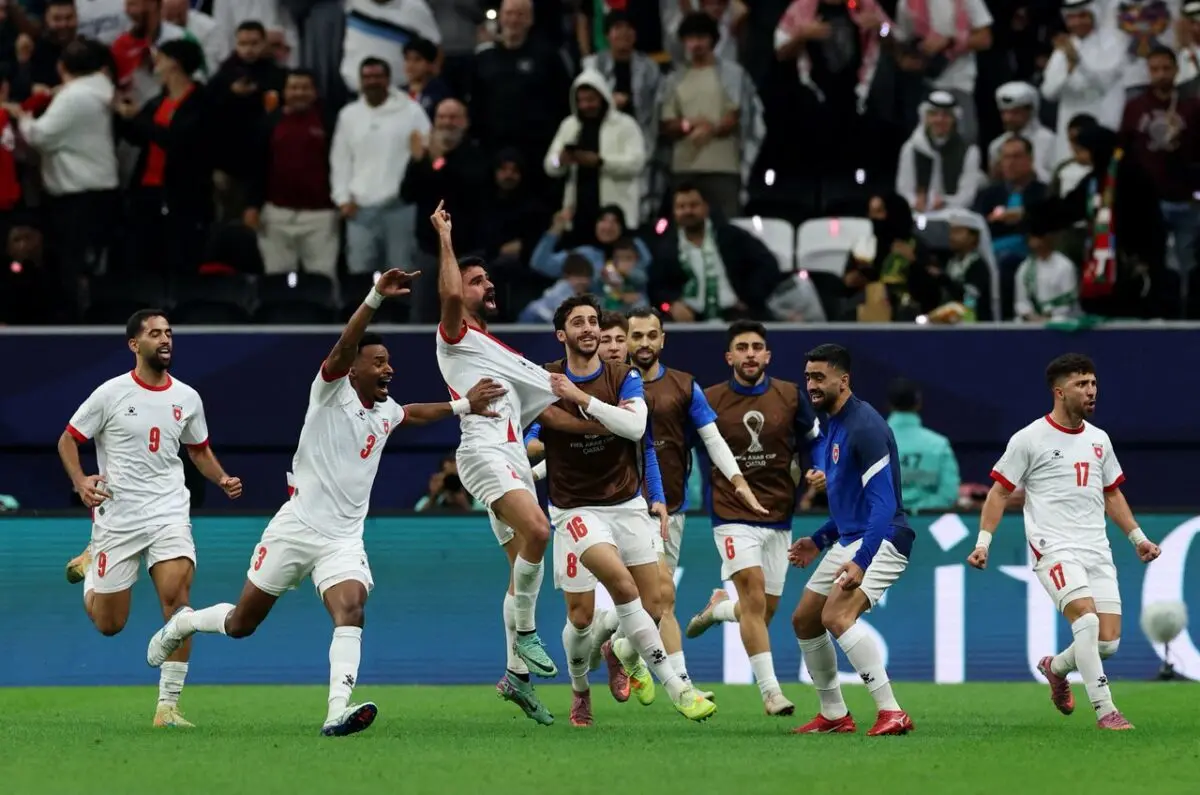
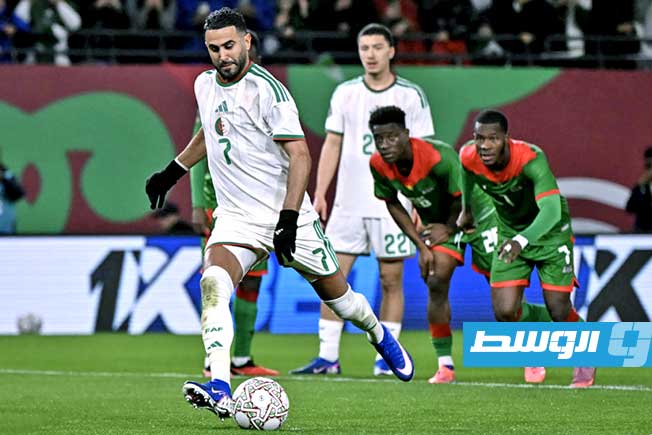
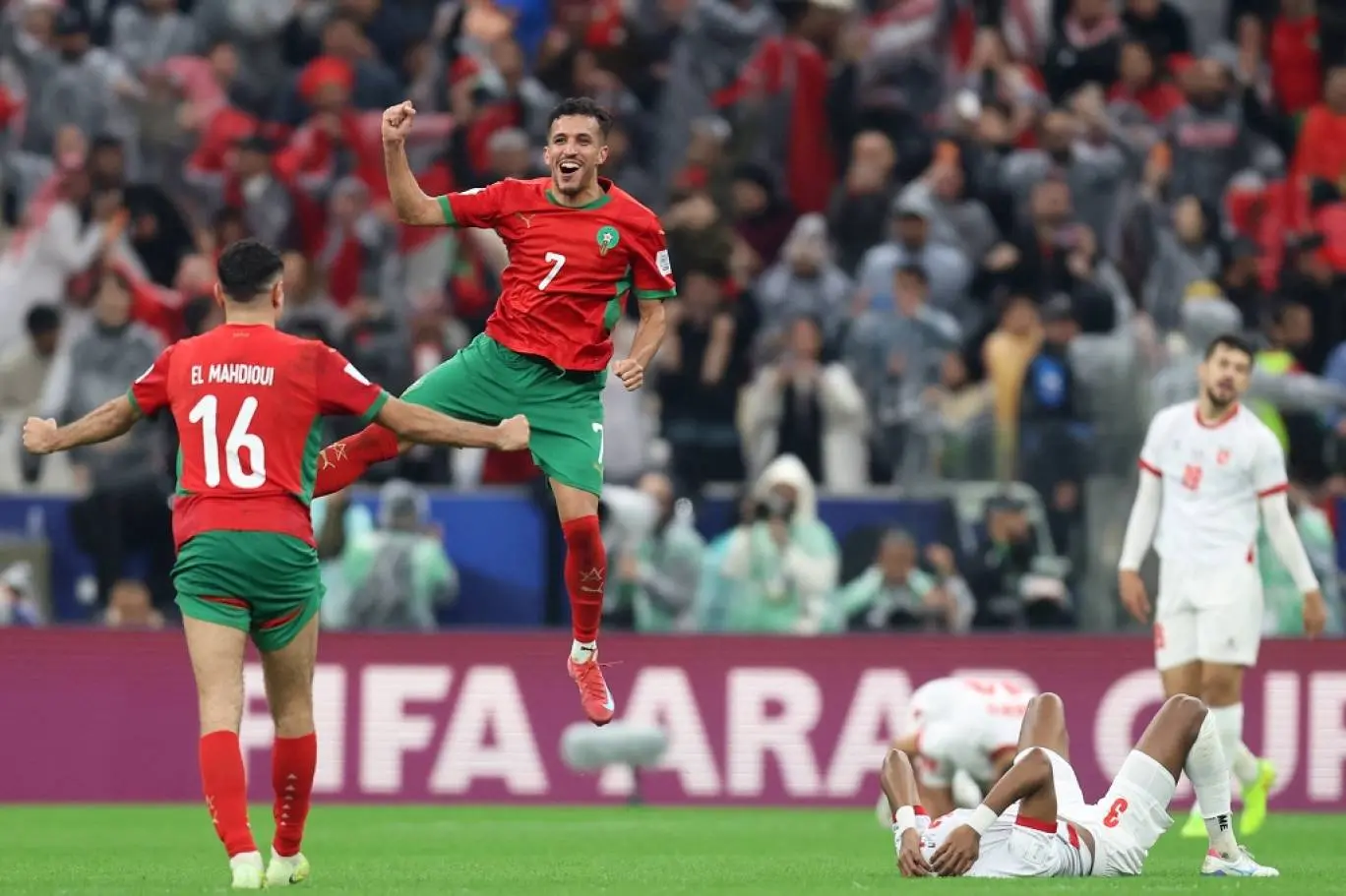
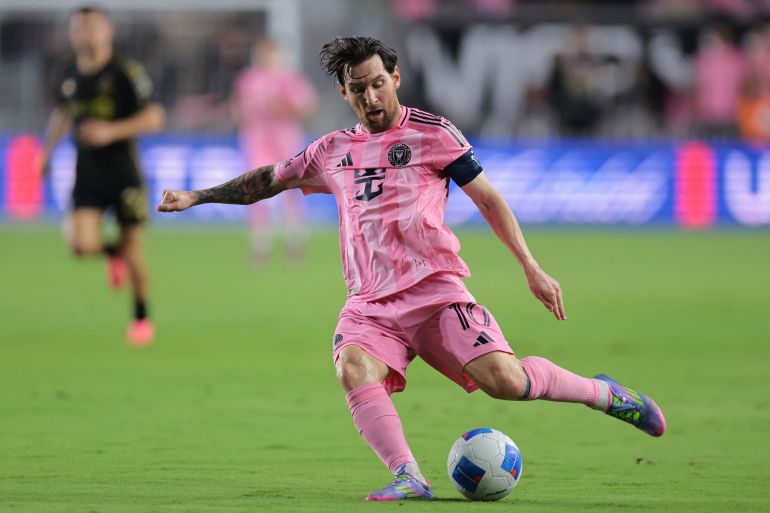
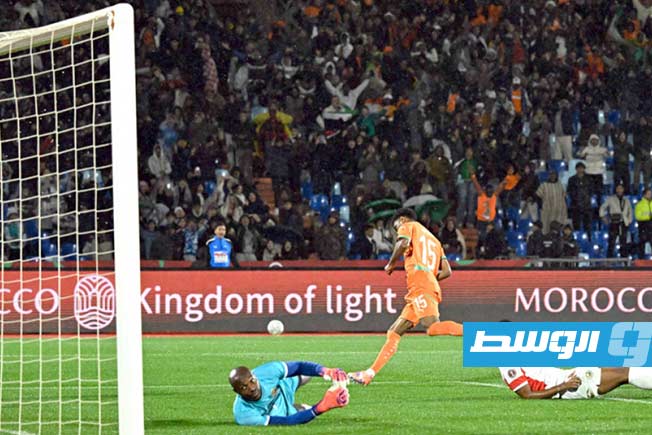
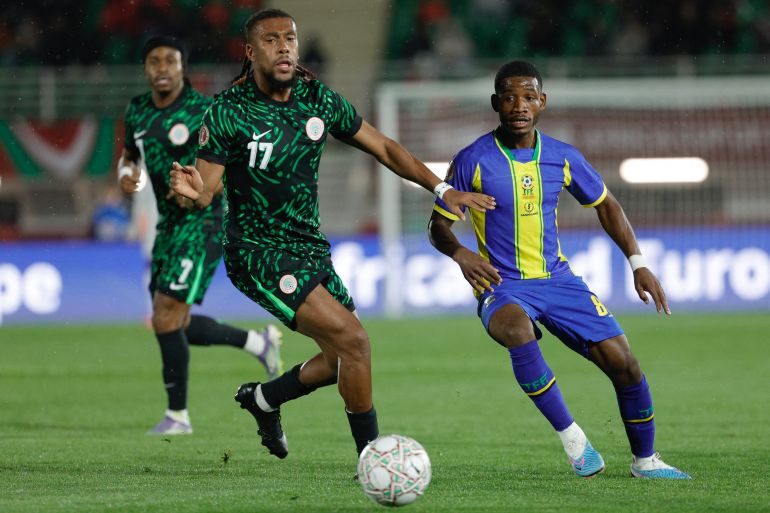
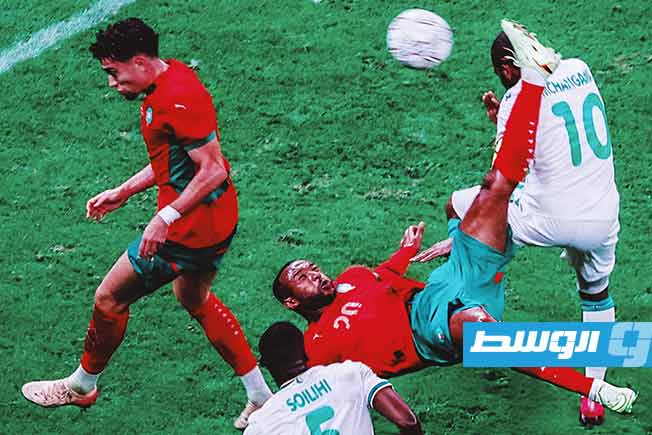
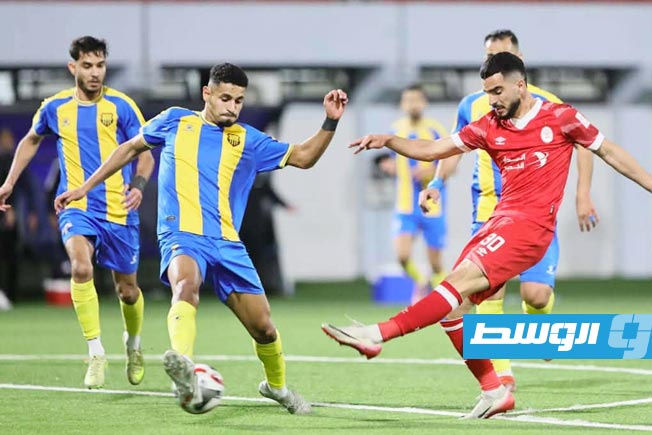
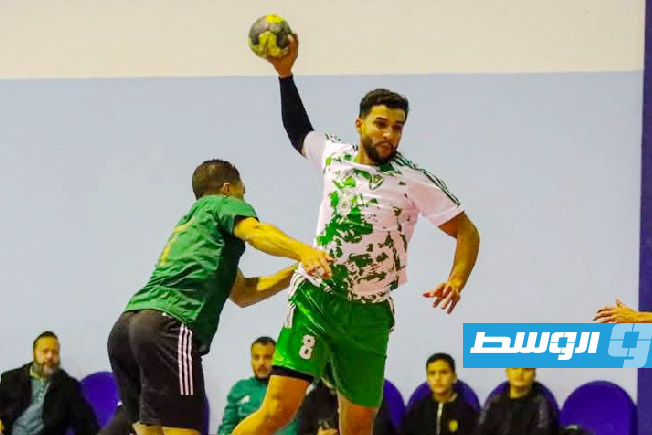
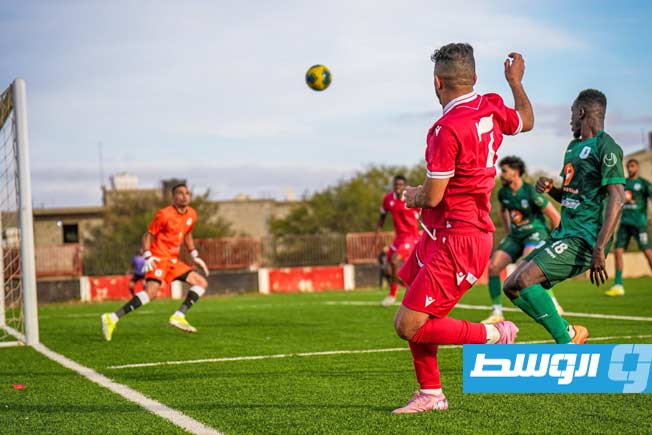
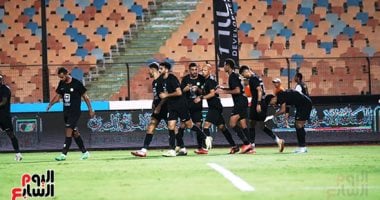
Match of the Algerian national team against DR Congo in the Round of 16 of the Africa Cup of Nations, Tuesday, January 6, 2026. (Internet)
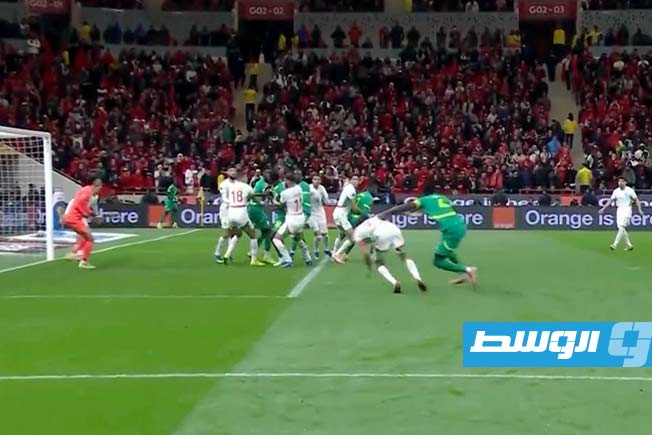
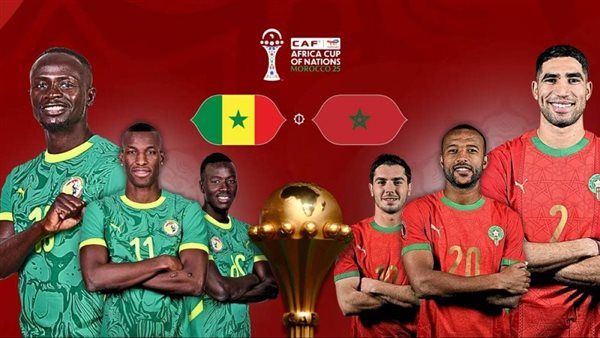
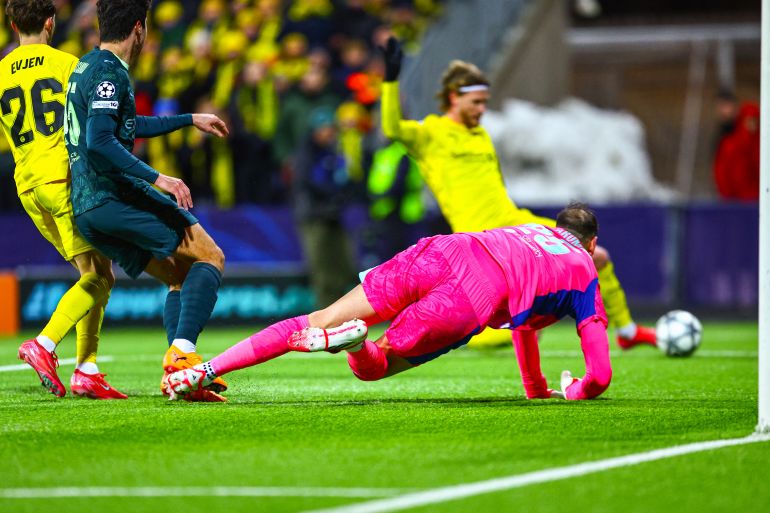
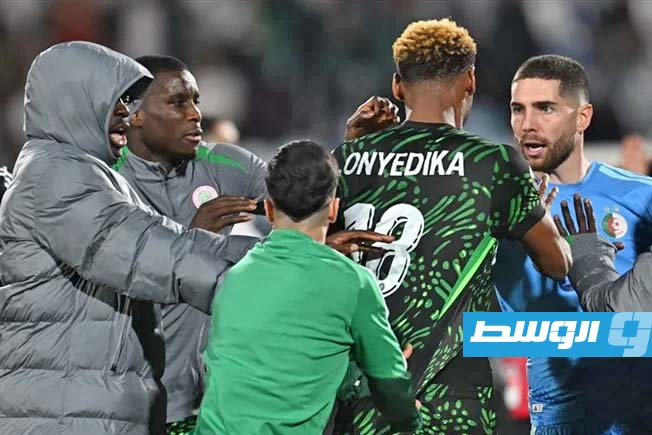
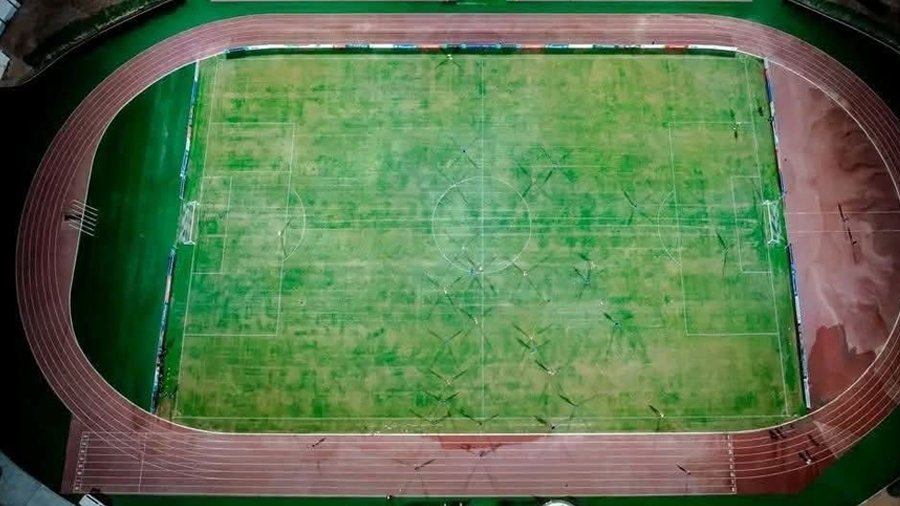
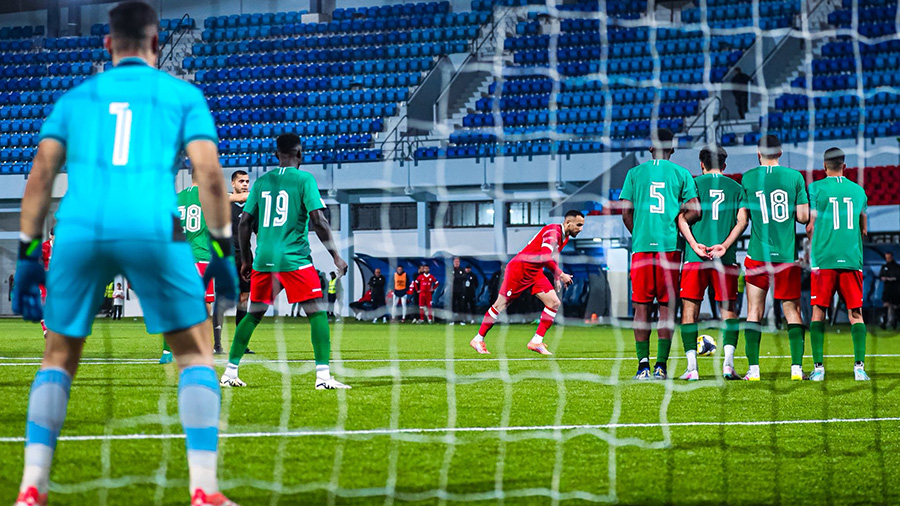
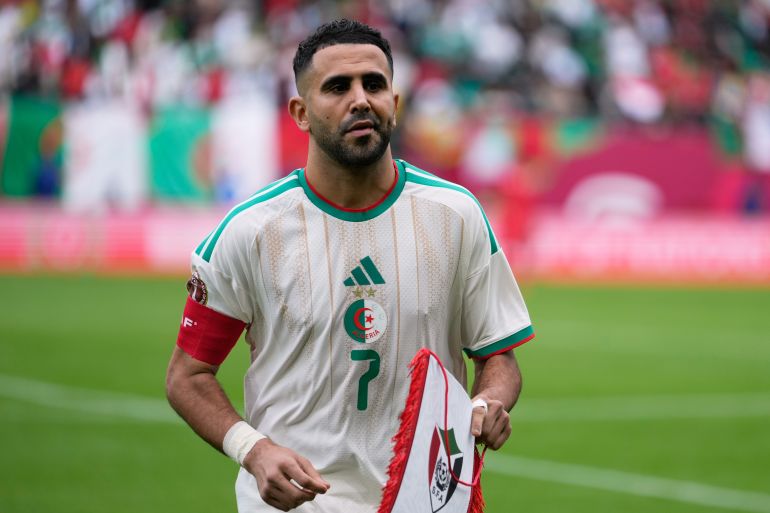
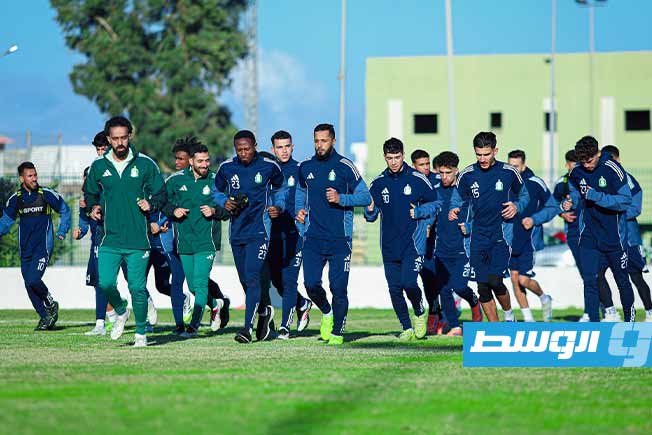
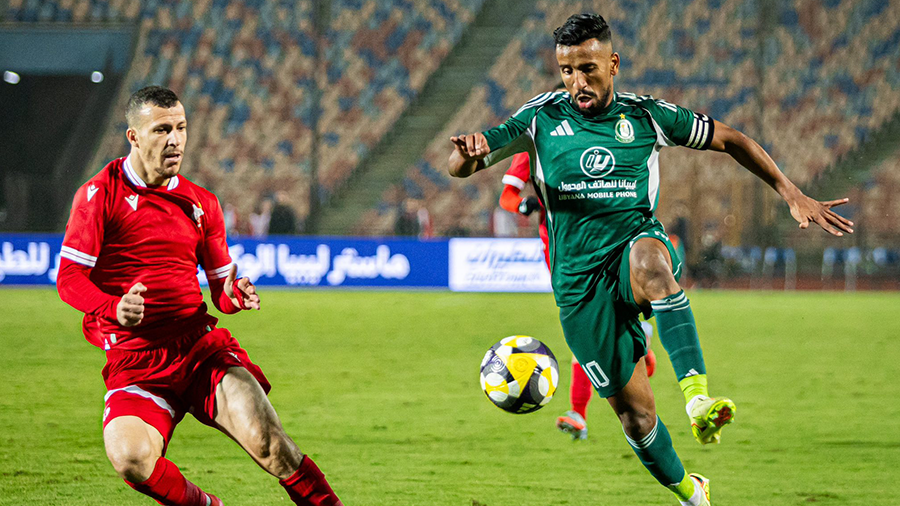
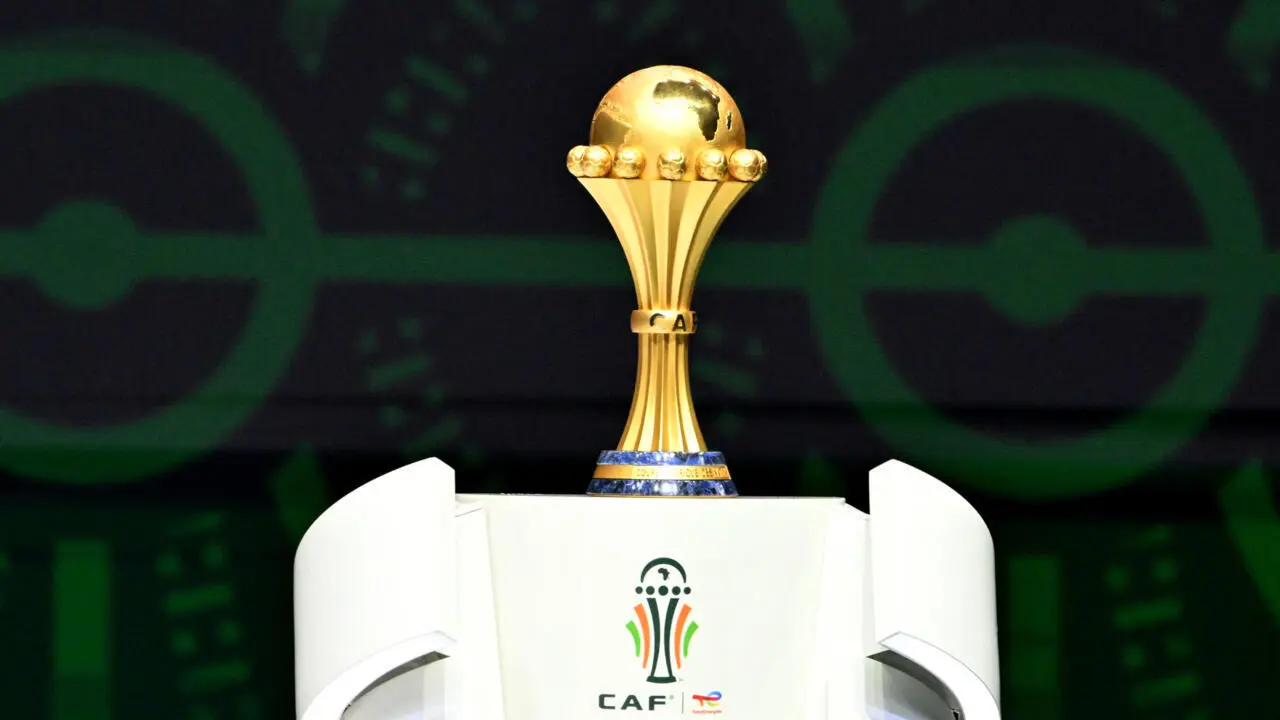
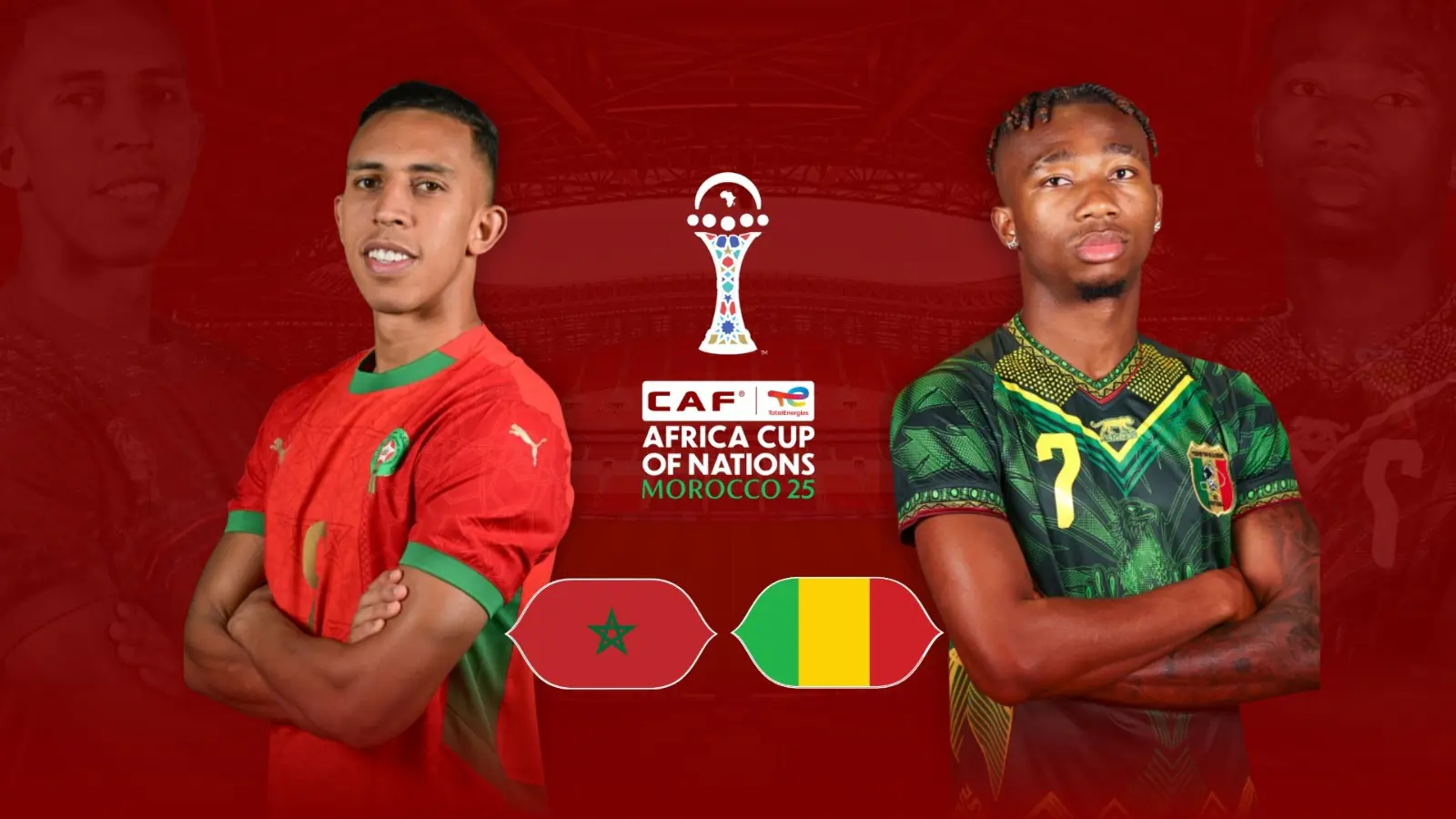
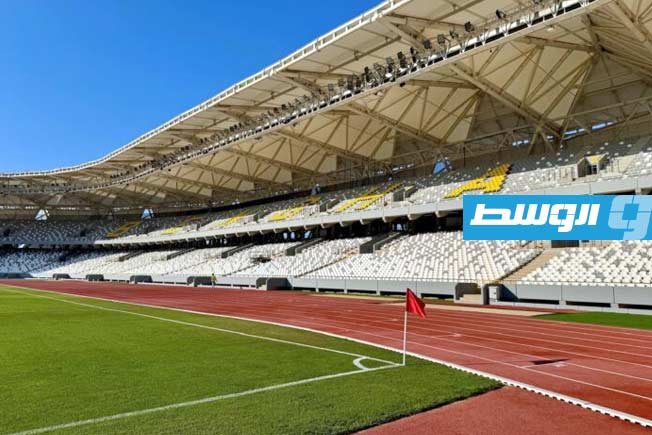
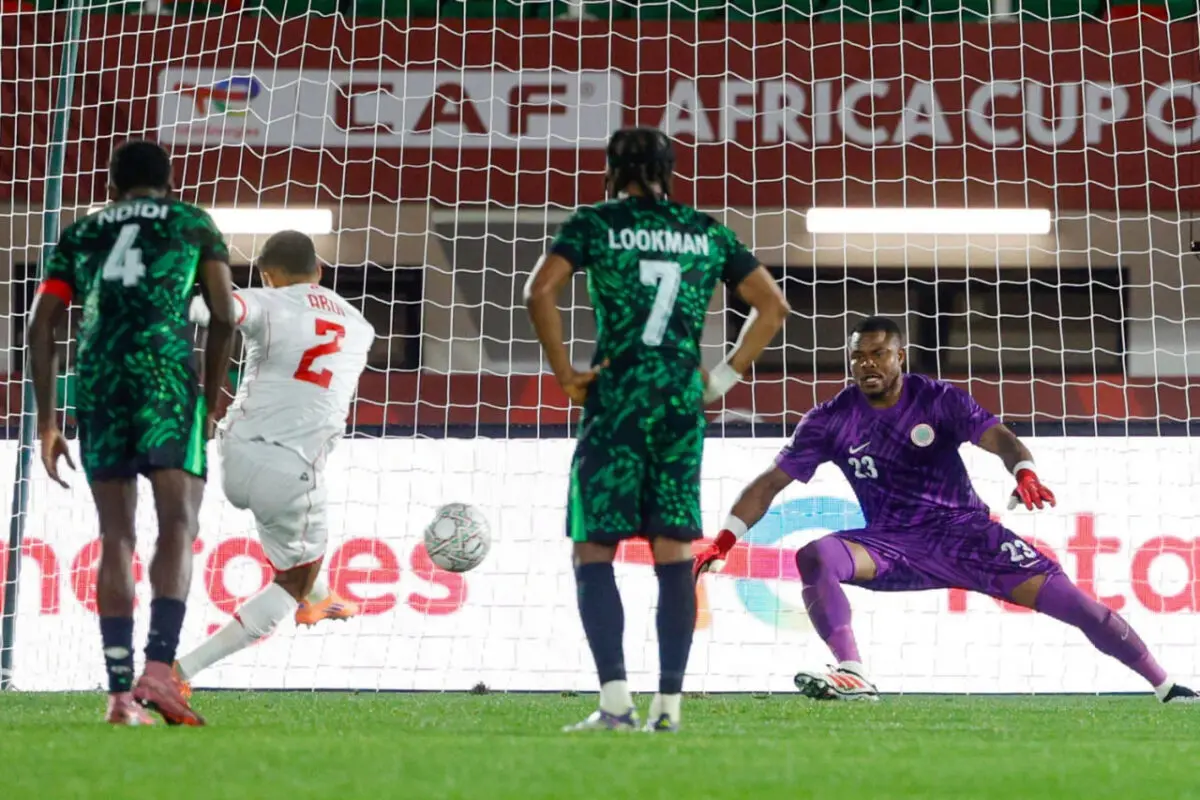
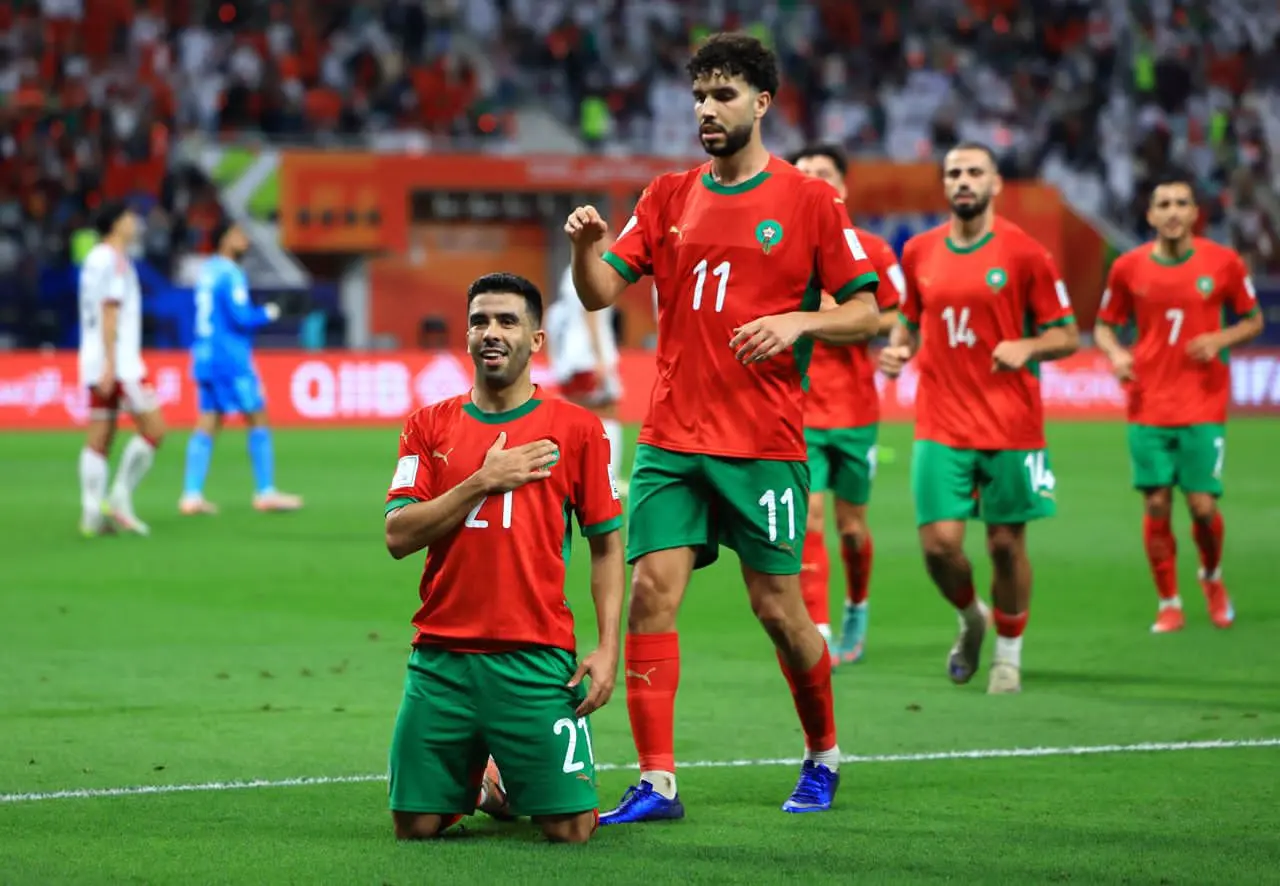
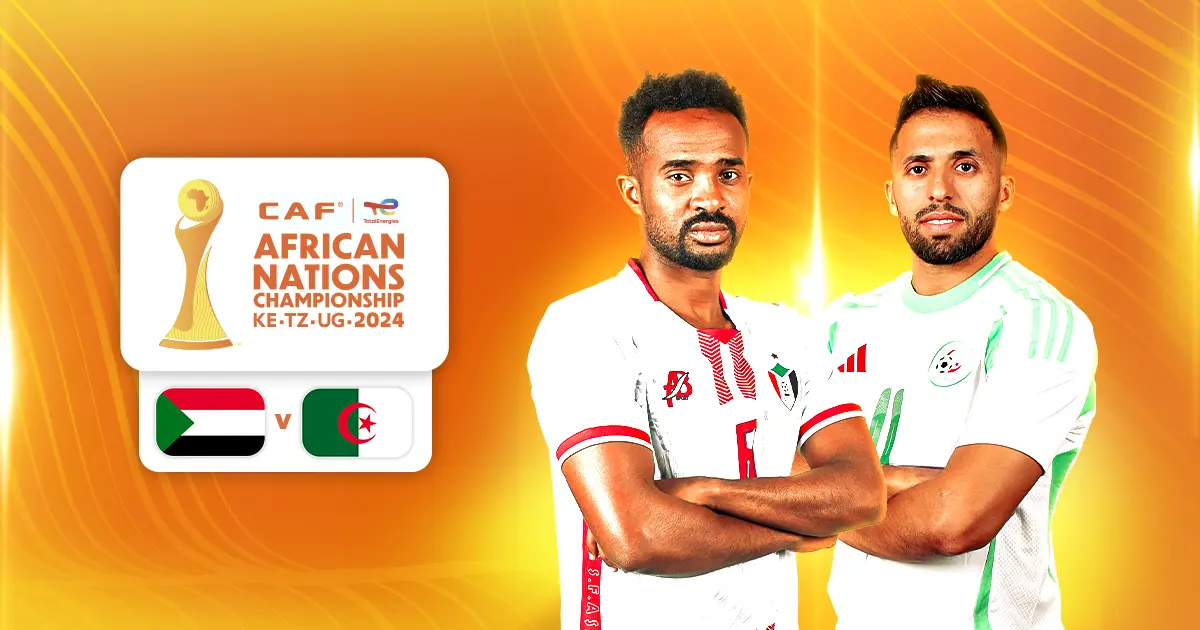
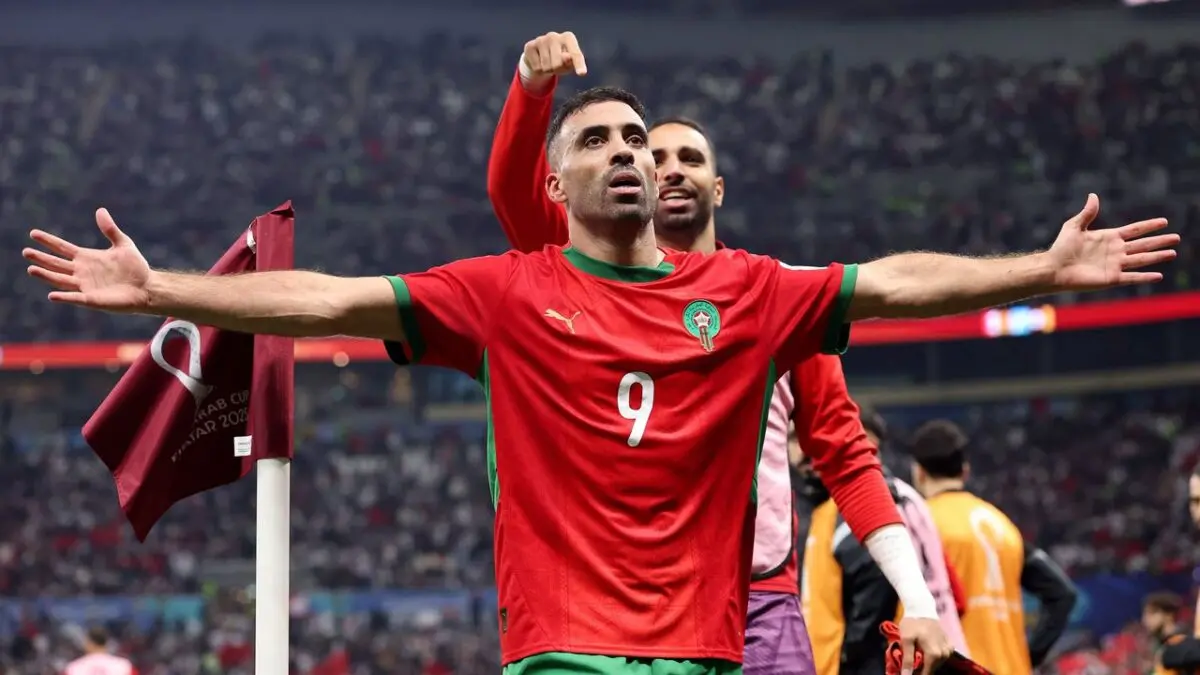
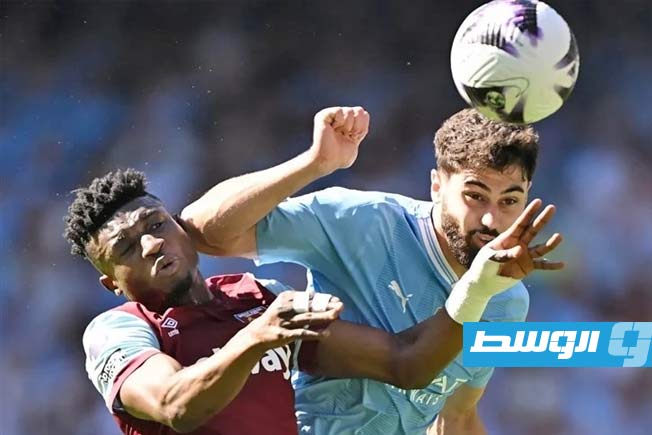
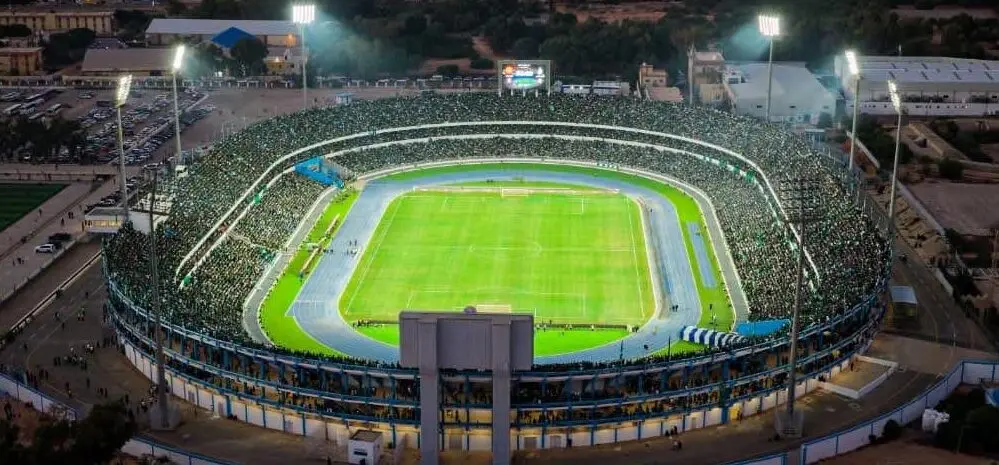
The Algerian national team continued its steady march towards winning the 2025 Africa Cup of Nations title, after achieving a precious and hard-fought victory over its counterpart, the DR Congo national team, with a score of 1-0. The match between the two teams took place today, Tuesday, at the Prince Moulay Hassan Stadium in the Moroccan capital, Rabat, as part of the tournament’s Round of 16.
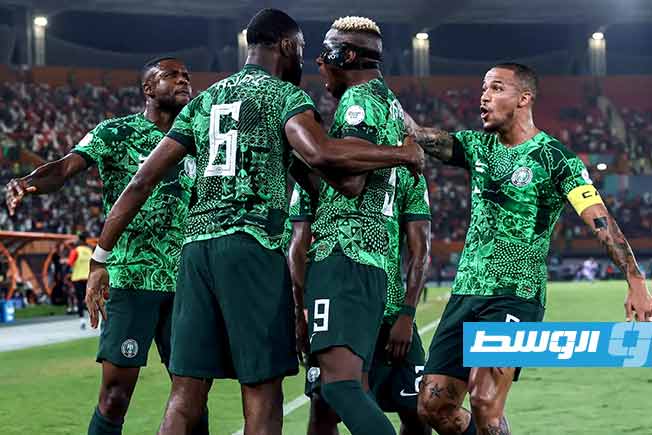
The winning, killer goal came in the 119th minute of extra time by player Boulbina, leading the “Desert Warriors” to the quarter-finals. The Algerian national team will now have a fiery encounter with the Nigerian national team next Sunday in the city of Marrakesh, in one of the tournament’s most prominent matches.
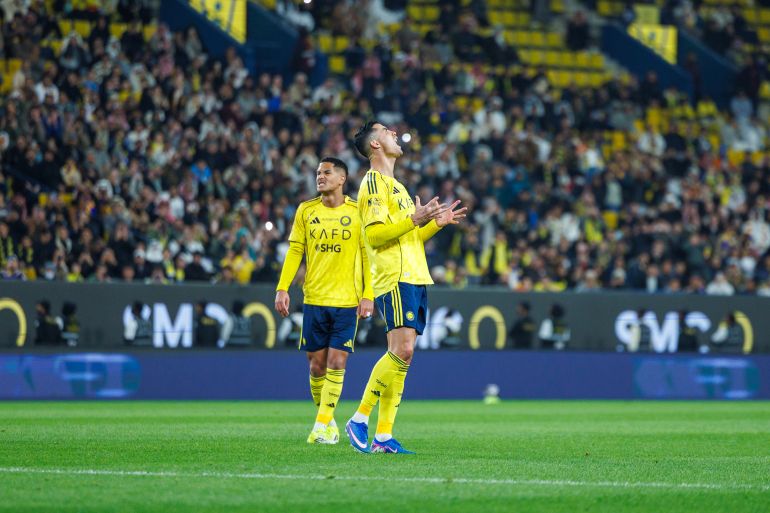
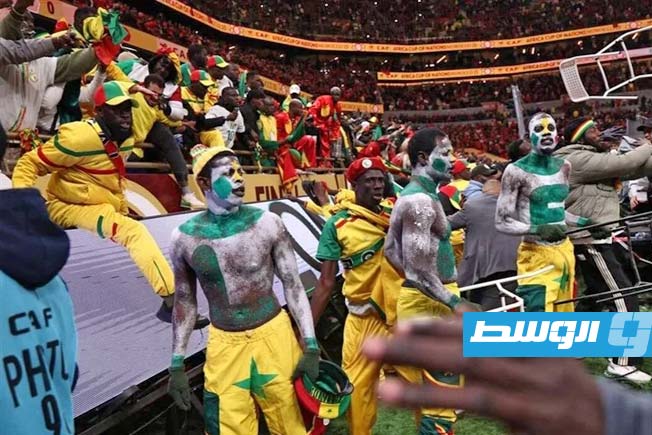
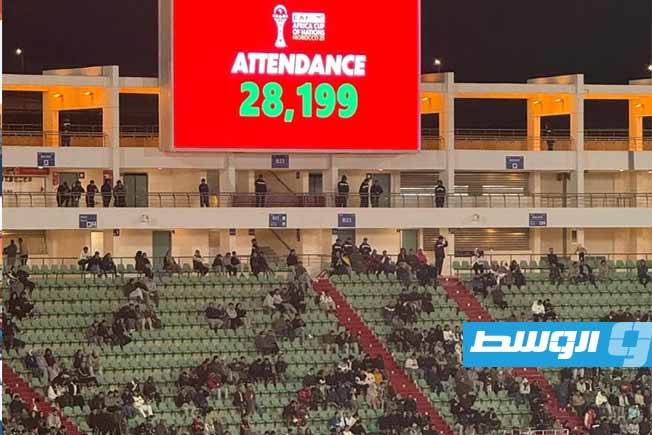
The match witnessed a large crowd estimated at around 19,000 spectators, who created a fantastic and enthusiastic atmosphere, with Algerian fans making up the majority. The match was praised by followers for its competitiveness and excitement that lasted until the final moments.
Starting Lineup and Early Algerian Pressure
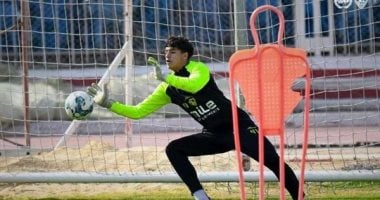
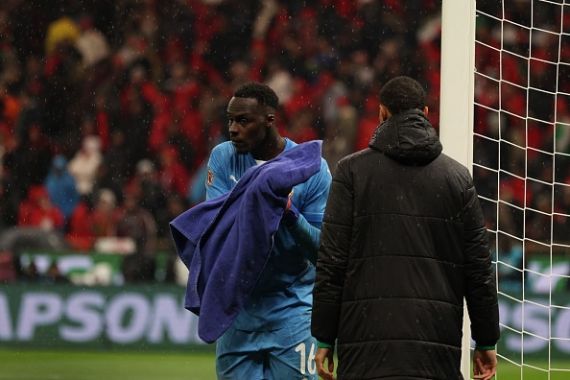
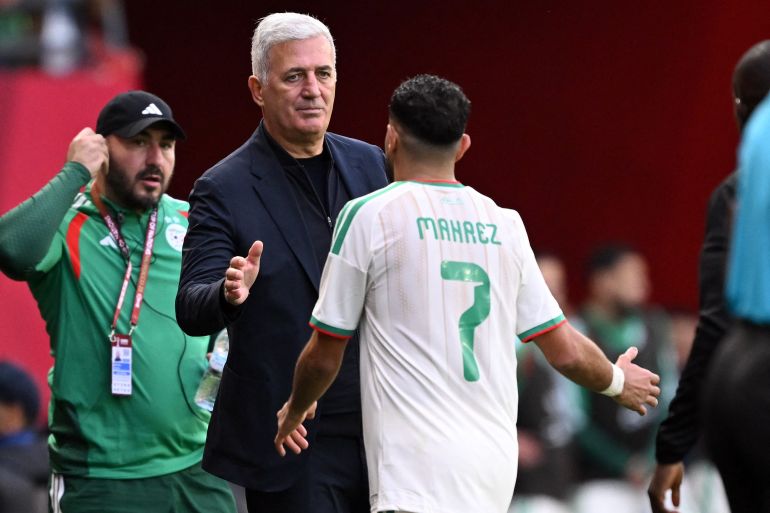
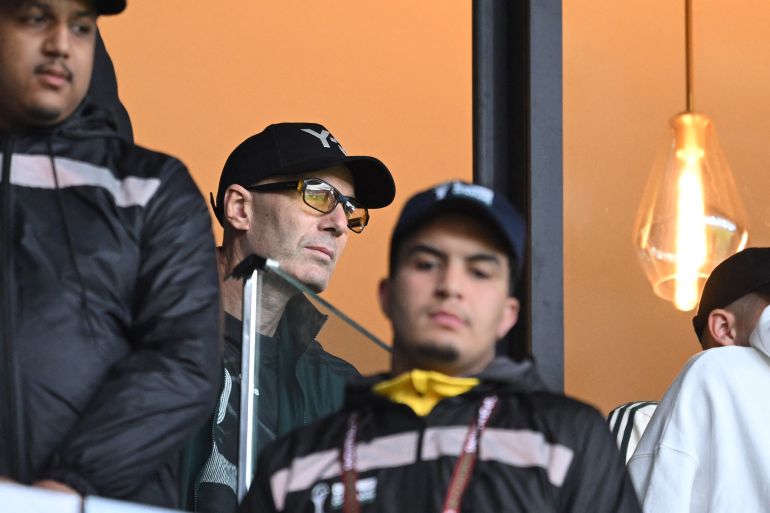
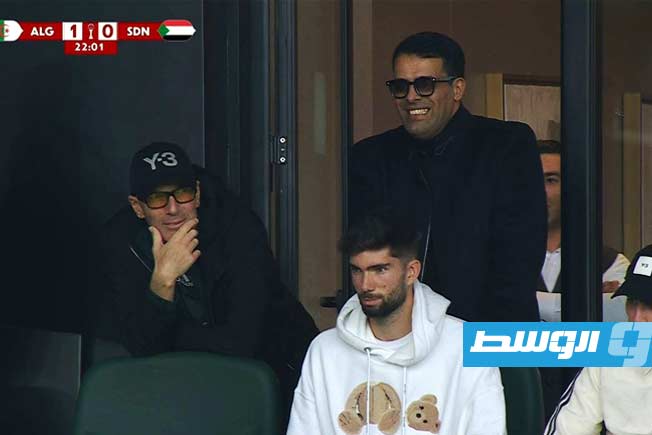
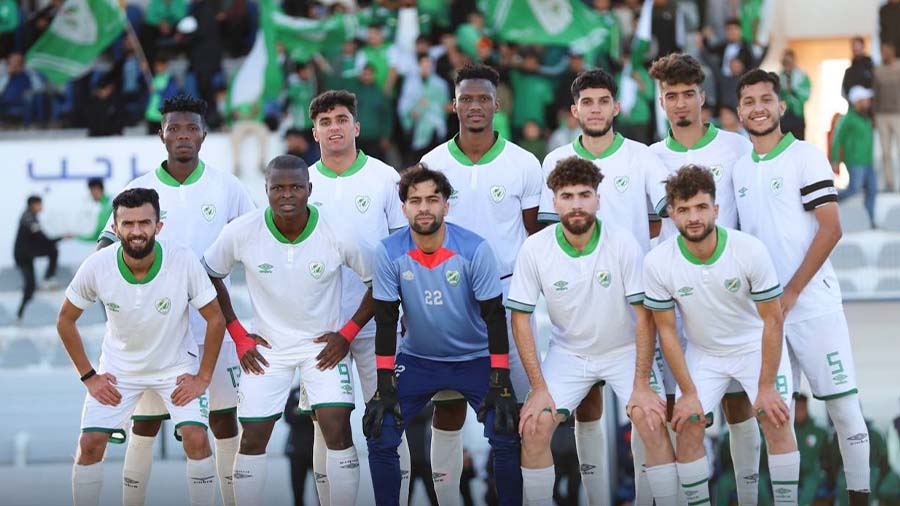
The Algerian national team returned to relying on its usual starting lineup, after fielding a reserve team in its last group stage match against Equatorial Guinea. The lineup included goalkeeper Zidane, under the watchful eye of his father, the legend Zinedine Zidane, alongside Ben Sebaïni and Nadi in central defense, Bennacer and Boudaoui in midfield, while the attack was led by Mahrez and Amoura, with the young player Ibrahim Maza included in the attacking midfield by the decision of the Bosnian-Swiss coach Vladimir Petković.
The match began with clear Algerian pressure, as “Les Verts” imposed their control on the ball and launched organized attacks involving midfielders and forwards, while DR Congo relied on falling back and trying to exploit counter-attacks.
–
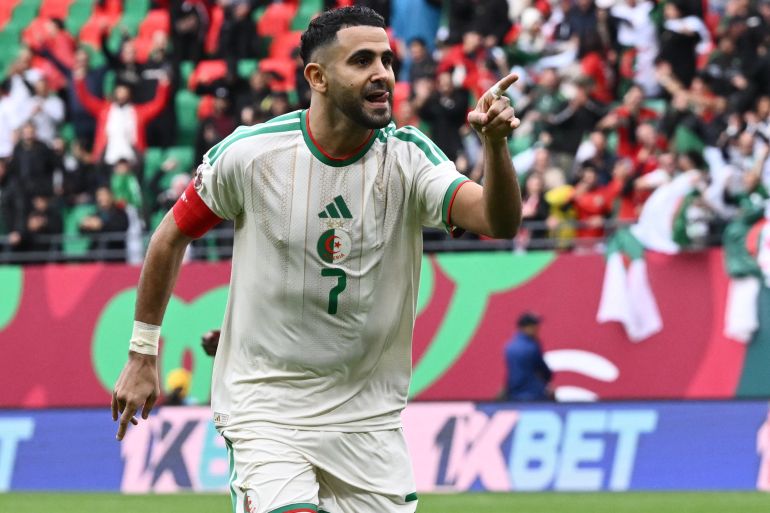
The first dangerous chance for Algeria came in the 6th minute through captain Riyad Mahrez, followed by consecutive attempts from Chaïbi, Aït-Nouri, and Maza, who almost opened the scoring before the end of the first half with a powerful shot from outside the box.
Congolese Response and Tactical Caution
In contrast, the DR Congo national team gradually got back into the rhythm of the match, relying on high balls and attempts to surprise goalkeeper Zidane, with two dangerous chances for striker Bakambu in the 25th and 40th minutes. However, the first half ended in a goalless draw, a result that reflected the balanced defensive performance of both teams.
With the start of the second half, Petković was forced to make an emergency substitution with the injured Bennacer leaving and Hammad Abdelli coming on. Meanwhile, the Congolese coach Sébastien Desabre adjusted his team’s playing style, allowing them to advance relatively up the pitch and limit the Algerian momentum.
The two teams exchanged chances in the second half, with a shot from Mahrez in the 69th minute nearly shaking the net, while Congo responded with dangerous attempts through substitutes, before the play balanced out and extra time was imposed on the encounter.
Boulbina Decides It at the Last Moment
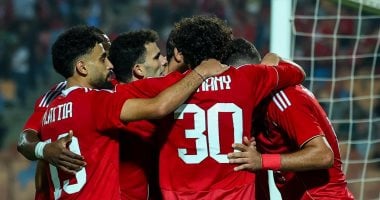
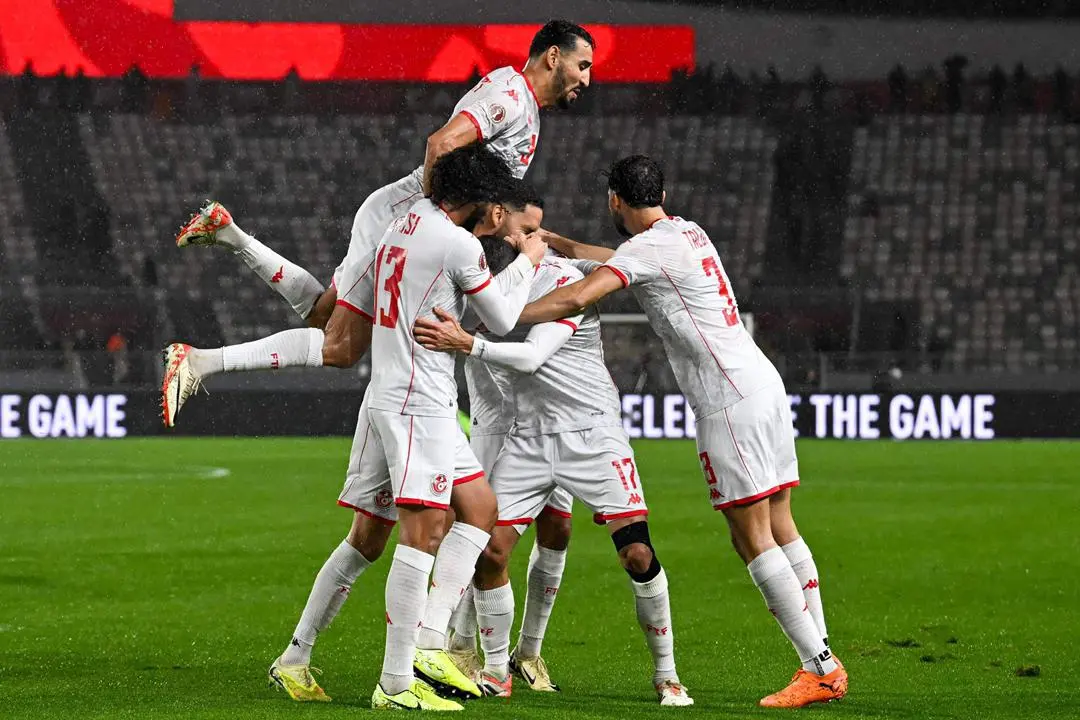
Just as the match was heading towards penalty kicks, Boulbina succeeded in snatching the killer winning goal in the 119th minute, following a decisive pass from Zerrouki, amidst overwhelming joy from the Algerian fans, who celebrated a deserved qualification to the quarter-finals.
With this victory, the Algerian national team confirms its readiness to continue its continental journey and compete strongly for the title, awaiting a tough test against the Nigerian national team in a highly anticipated match promising plenty of excitement and competitiveness.
Algeria
Algeria is a North African country with a rich history shaped by ancient Berber kingdoms, Roman rule, and centuries as a core province of the Ottoman Empire. It was later colonized by France in the 19th century before gaining independence in 1962 after a protracted war of liberation. The nation’s cultural heritage is a diverse blend of these influences, evident in its historic sites like the Roman ruins at Timgad and the Casbah of Algiers, a UNESCO World Heritage site.
Nigeria
Nigeria is a West African country with a rich history shaped by ancient kingdoms like the Nri and Benin, followed by colonization by the British Empire until it gained independence in 1960. It is Africa’s most populous nation and a cultural powerhouse, notably known for its influential film industry, Nollywood, and diverse artistic traditions across its many ethnic groups.
DR Congo
The Democratic Republic of the Congo (DRC) is a vast Central African nation with a complex history, first established as the personal colony of Belgium’s King Leopold II in the late 19th century before gaining independence in 1960. It is renowned for its immense natural resources and biodiversity, including the Congo River Basin rainforest, but has been marked by prolonged conflict and political instability since independence. Culturally, it is a diverse nation of hundreds of ethnic groups and is globally influential, particularly through its vibrant musical genres like soukous and rumba congolaise.
Africa Cup of Nations
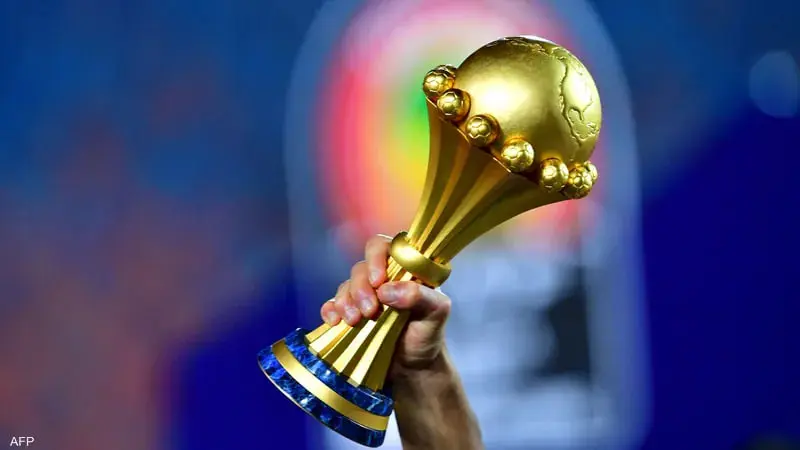
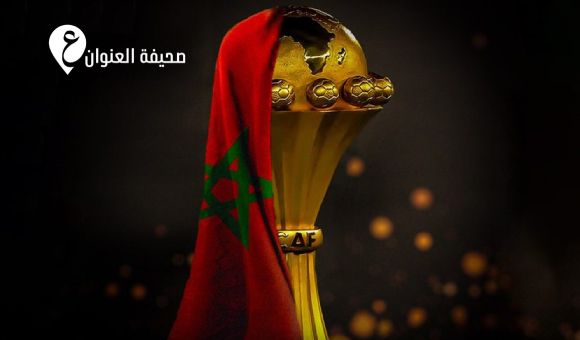
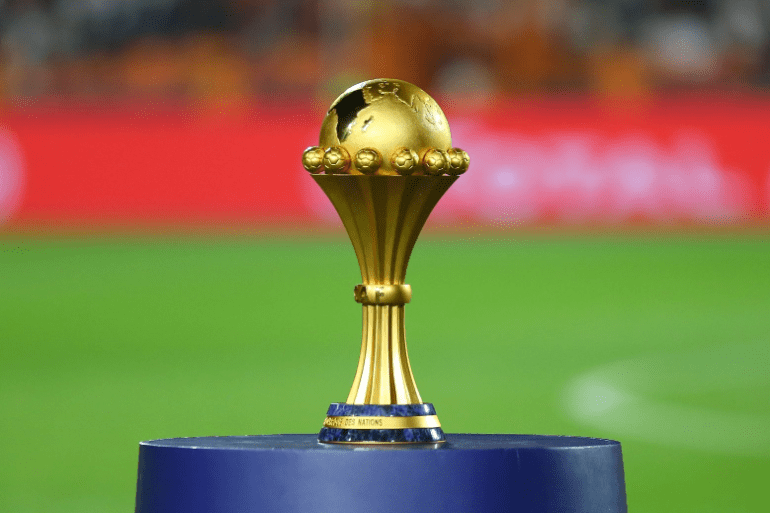
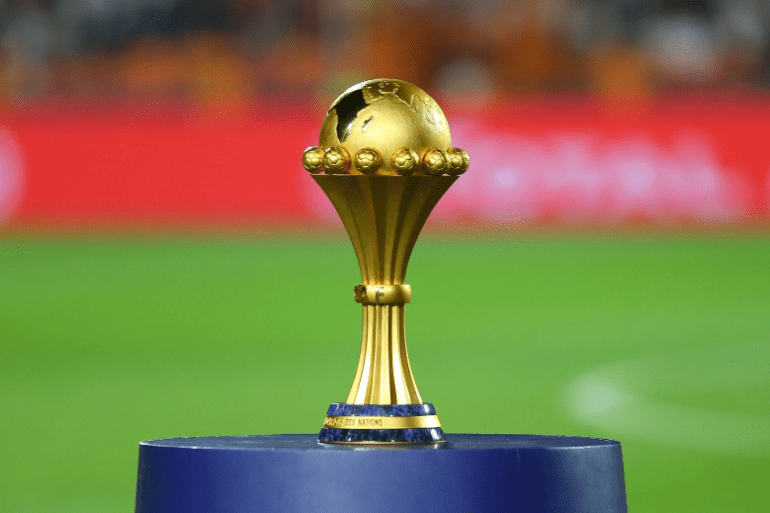
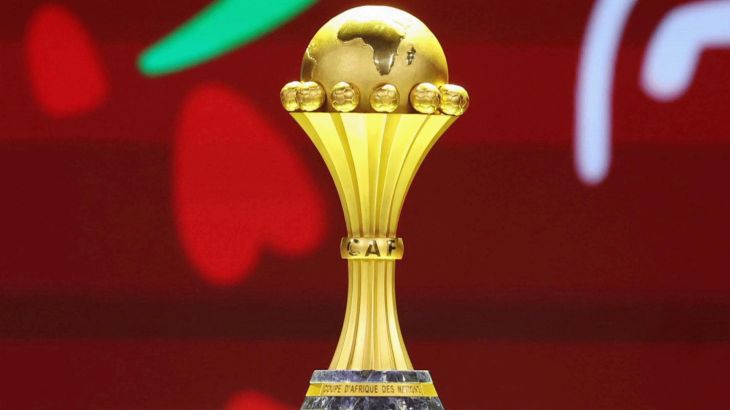
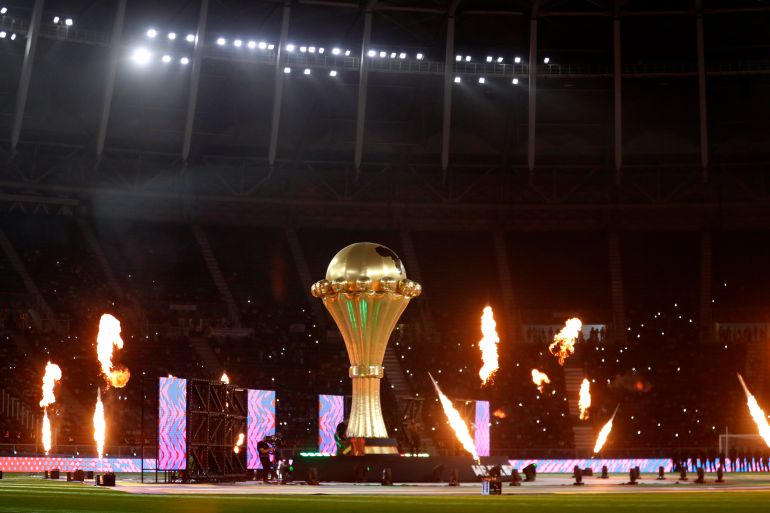
The Africa Cup of Nations is the premier international men’s football competition in Africa, first contested in 1957. It is organized by the Confederation of African Football (CAF) and has grown from three founding nations to include dozens of teams, serving as a major sporting and cultural event across the continent.
Prince Moulay Hassan Stadium
Prince Moulay Hassan Stadium is a multi-purpose stadium in Rabat, Morocco, named after the late Crown Prince Moulay Hassan. It was originally constructed in 1983 and has since served as a key venue for football matches and athletics events, most notably hosting games during the 1988 African Cup of Nations.
Moroccan
Morocco is a North African country with a rich cultural history shaped by indigenous Amazigh (Berber) peoples, Arab influence from the 7th century, and later European colonial interactions. Its notable cultural sites include the ancient city of Fez, founded in the 9th century and home to one of the world’s oldest universities, and the historic ksar (fortified village) of Ait Benhaddou, a UNESCO World Heritage site showcasing traditional earthen clay architecture.
Rabat
Rabat is the capital city of Morocco, founded in the 12th century by the Almohad Caliphate as a ribat (fortified monastery). It is now a modern political and administrative center, recognized as a UNESCO World Heritage Site for its blend of historic and contemporary elements, including the Hassan Tower and the well-preserved Kasbah of the Udayas.
Marrakesh
Marrakesh is a major city in western Morocco, founded in 1062 by the Almoravid dynasty and serving as a historical capital. It is renowned for its vibrant medina, a UNESCO World Heritage site, and iconic landmarks like the Koutoubia Mosque and the bustling Jemaa el-Fnaa square.
Equatorial Guinea
Equatorial Guinea is a small Central African nation consisting of a mainland region and several islands, including Bioko where the capital, Malabo, is located. It gained independence from Spain in 1968 and has since been characterized by its significant oil reserves, which transformed its economy in the late 20th century, and by the long, authoritarian rule of President Teodoro Obiang Nguema Mbasogo.
Bosnian-Swiss
The term “Bosnian-Swiss” does not refer to a specific place or cultural site, but rather to the diaspora community of Bosnians living in Switzerland. This community formed significantly during and after the Bosnian War of the 1990s, when many people sought refuge and established new lives in Switzerland.