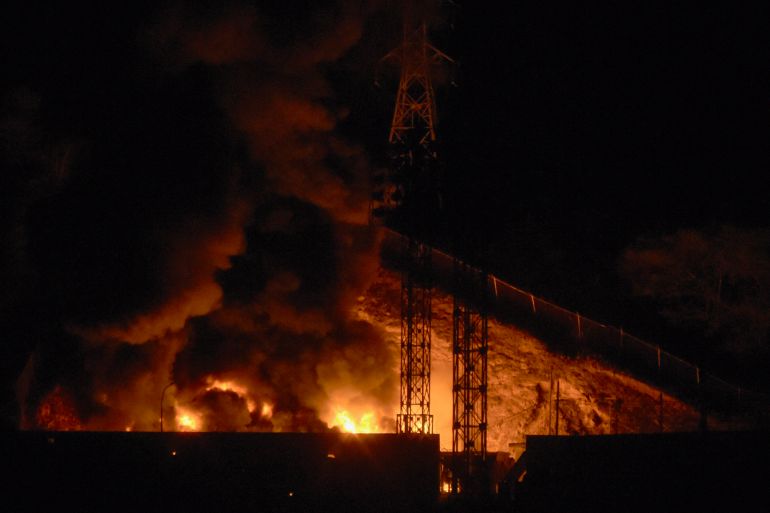
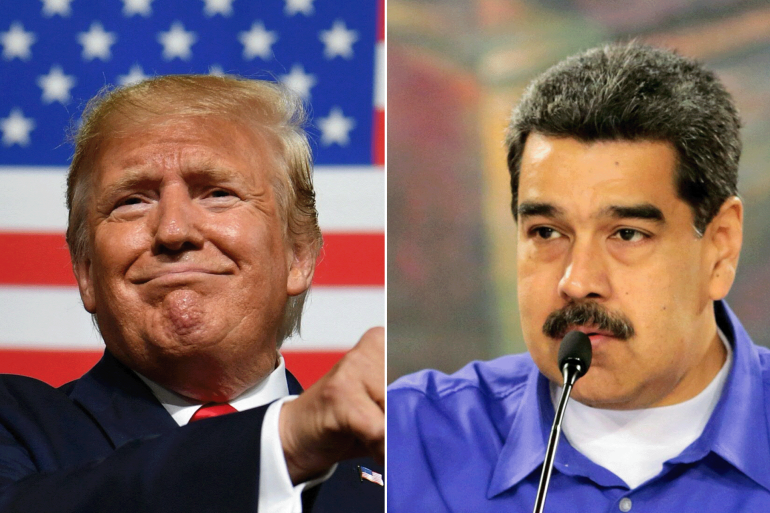
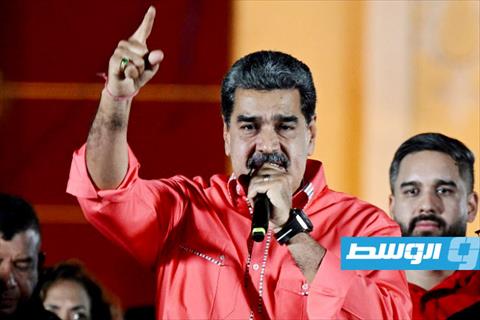
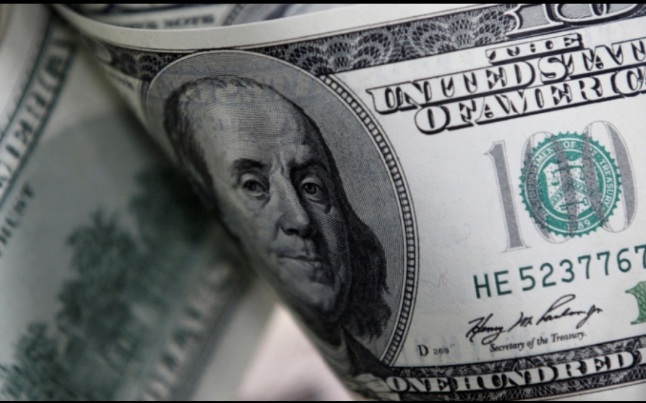
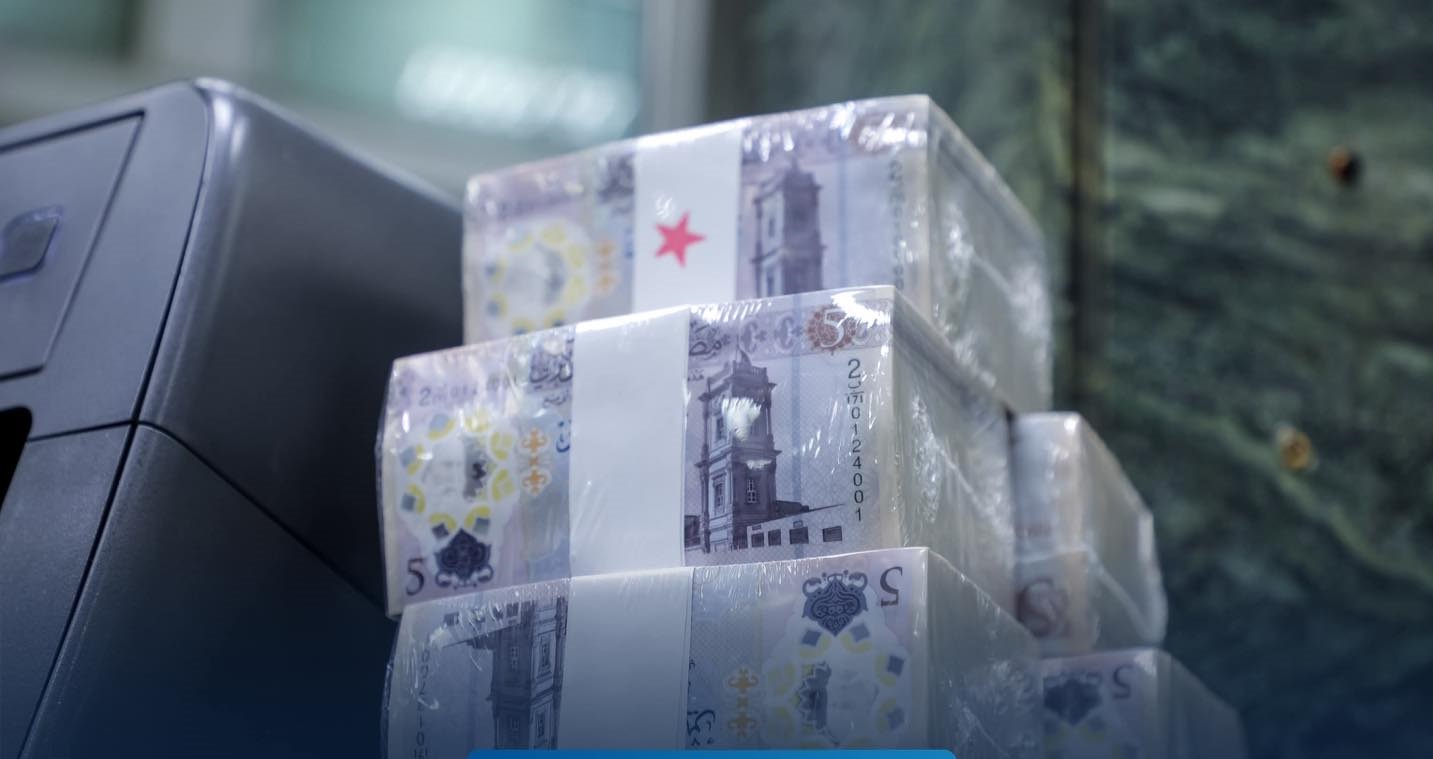
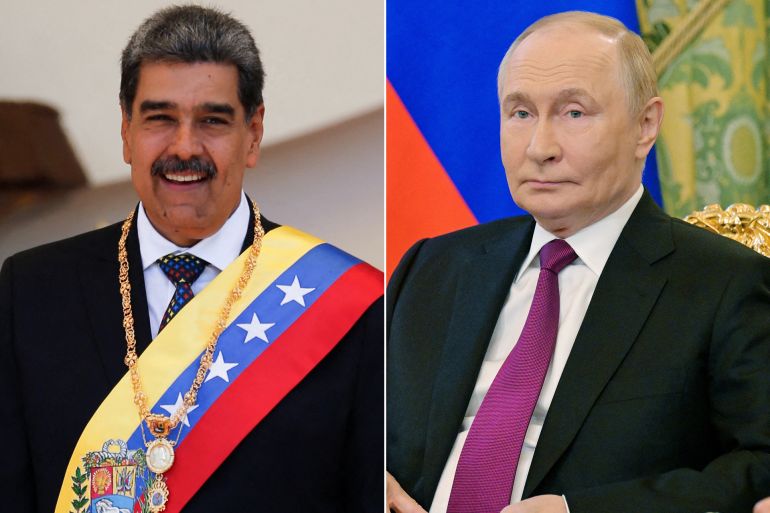
The western part of the world witnessed a shocking change in the geopolitical landscape yesterday, Saturday, following the announcement of a US military attack on Caracas, the capital of Venezuela, and the kidnapping of President Nicolas Maduro and his wife, who were transported to the United States. This portends sudden fluctuations in oil markets that could affect supplies and prices.
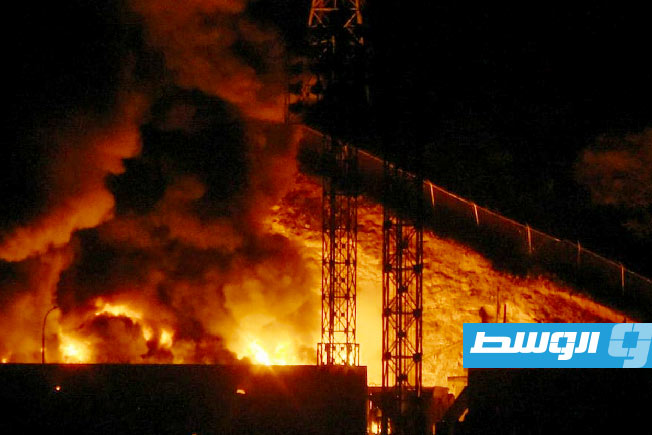
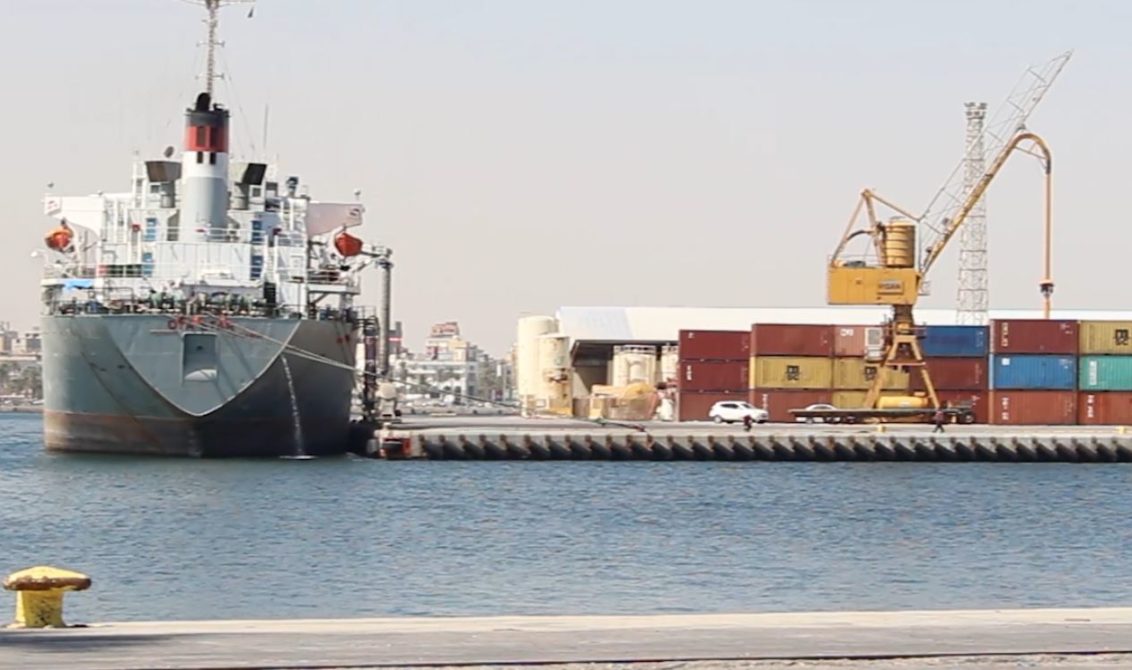
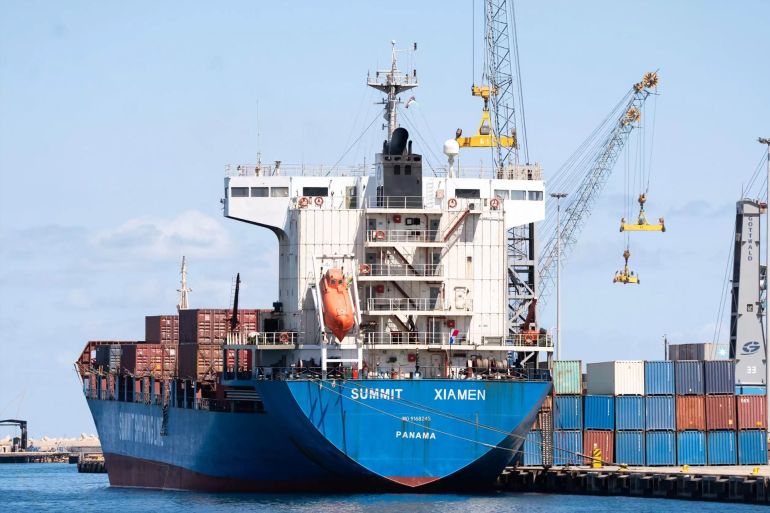
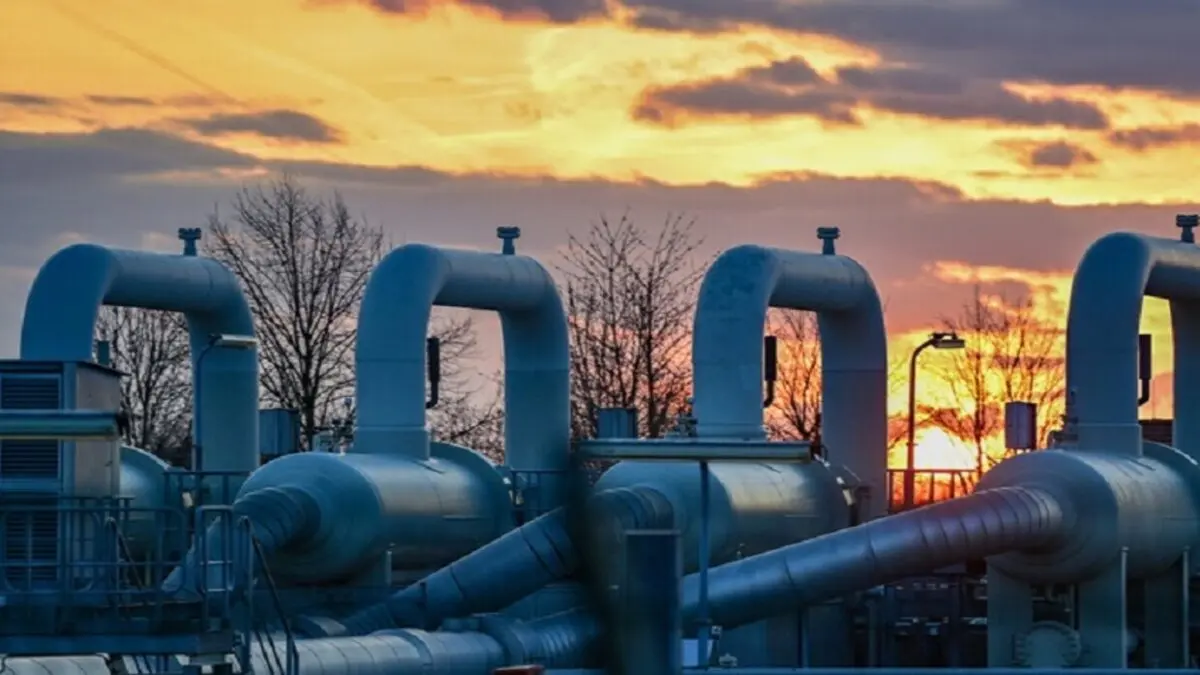
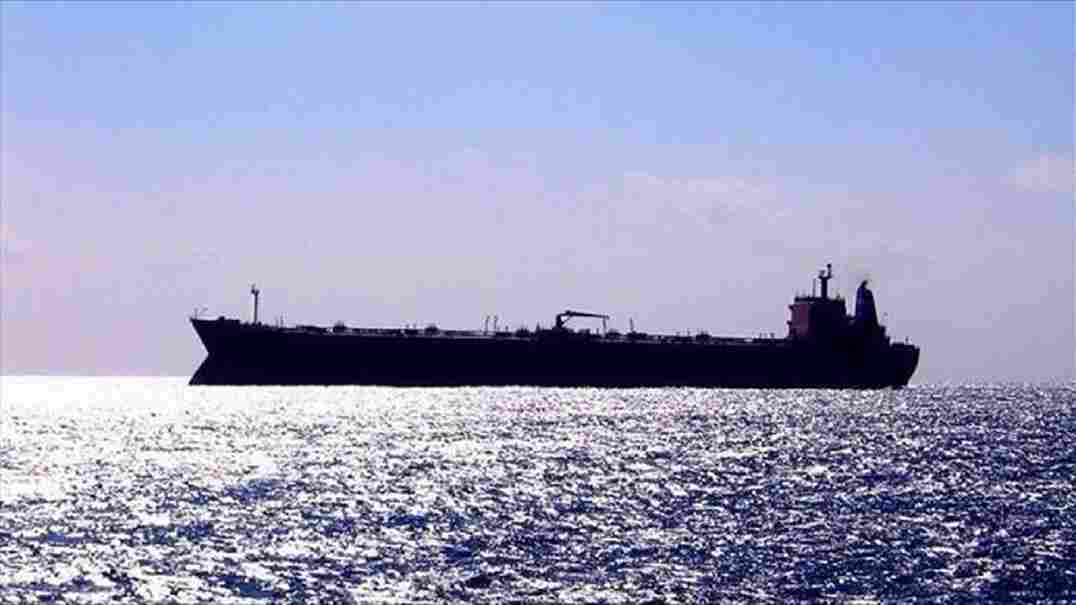
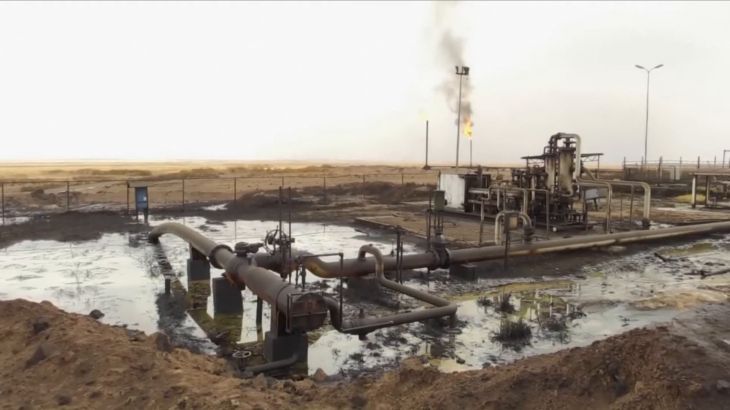
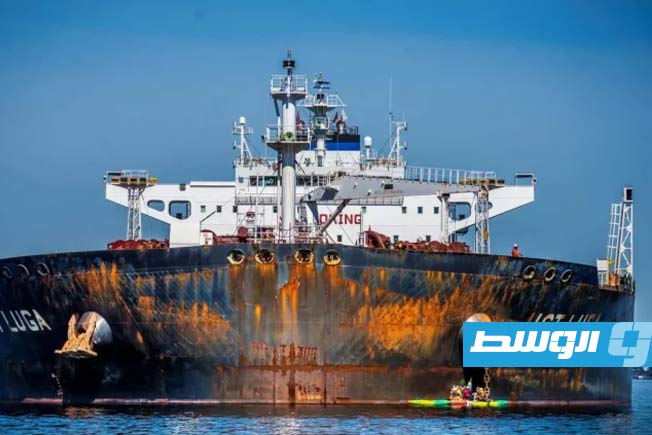
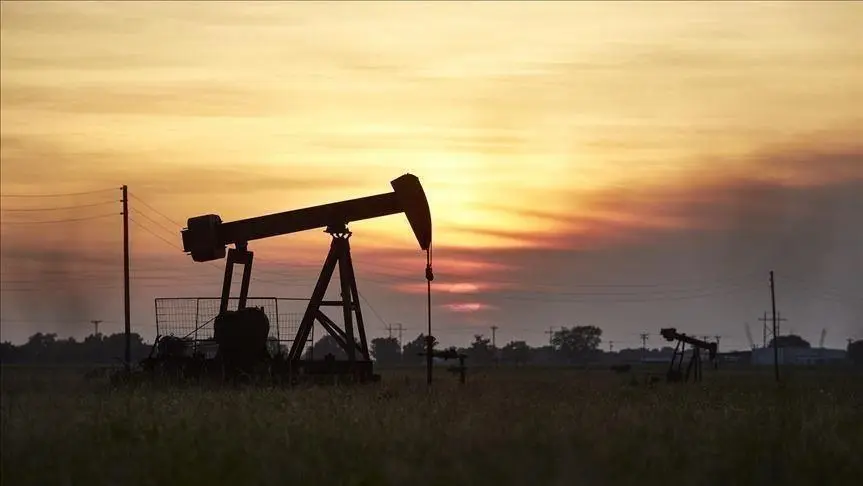
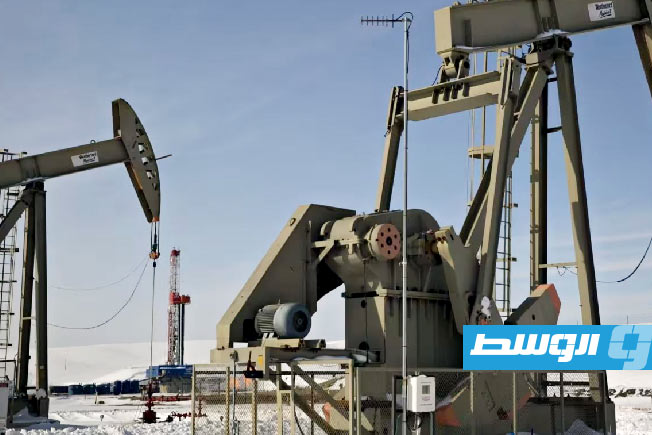
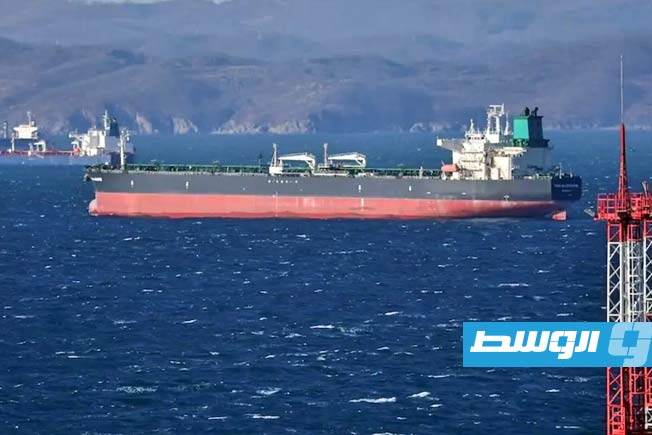
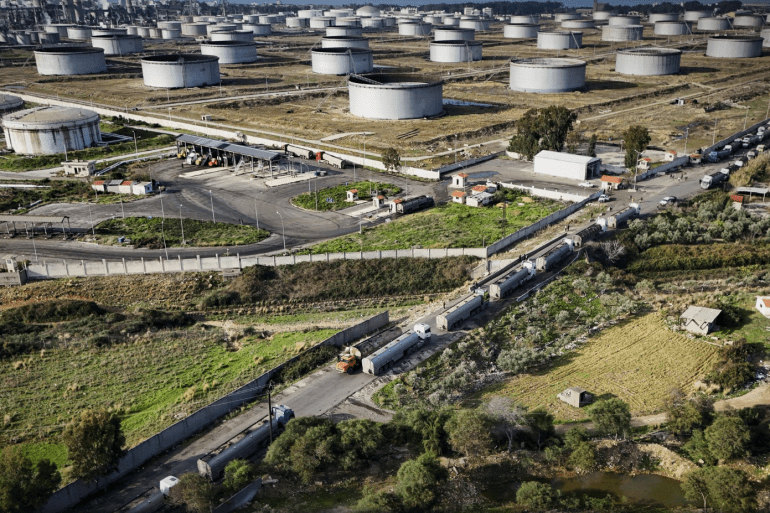
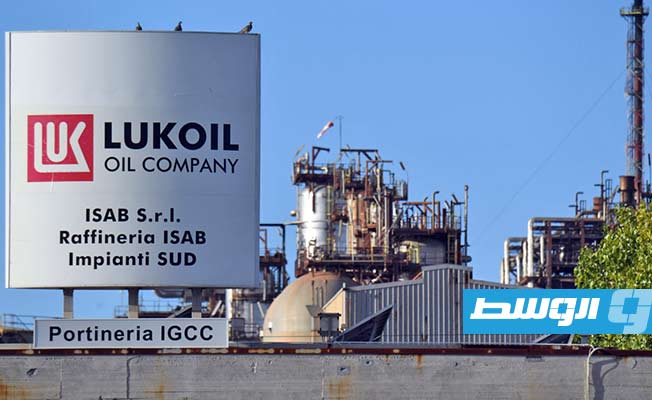
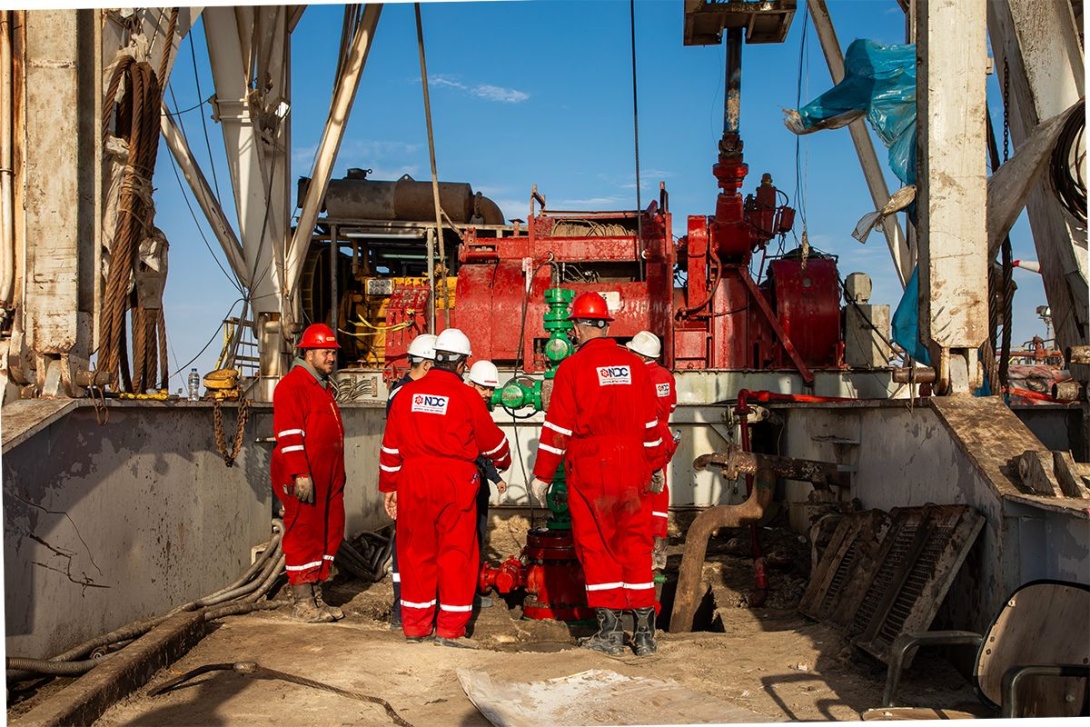
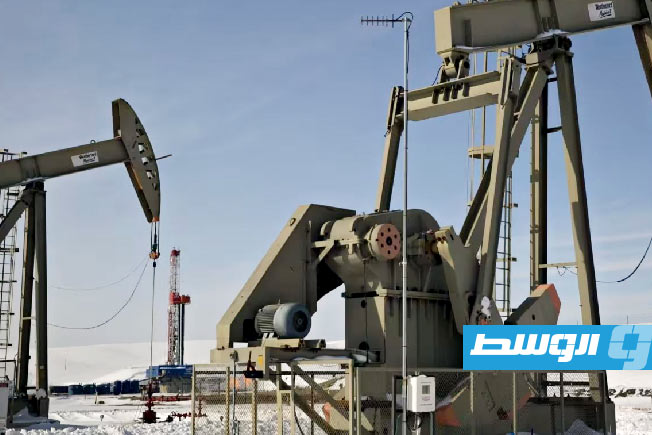
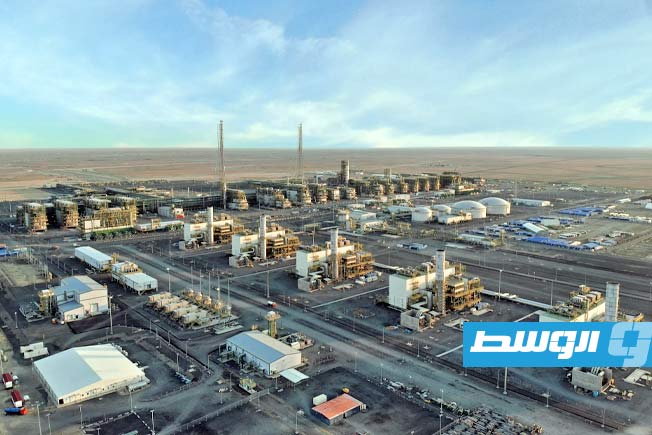
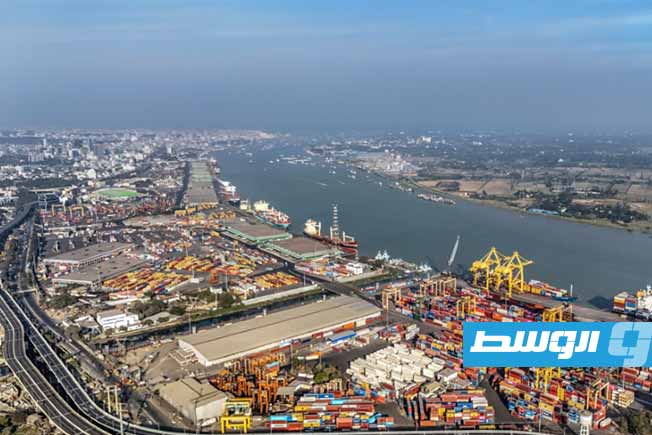
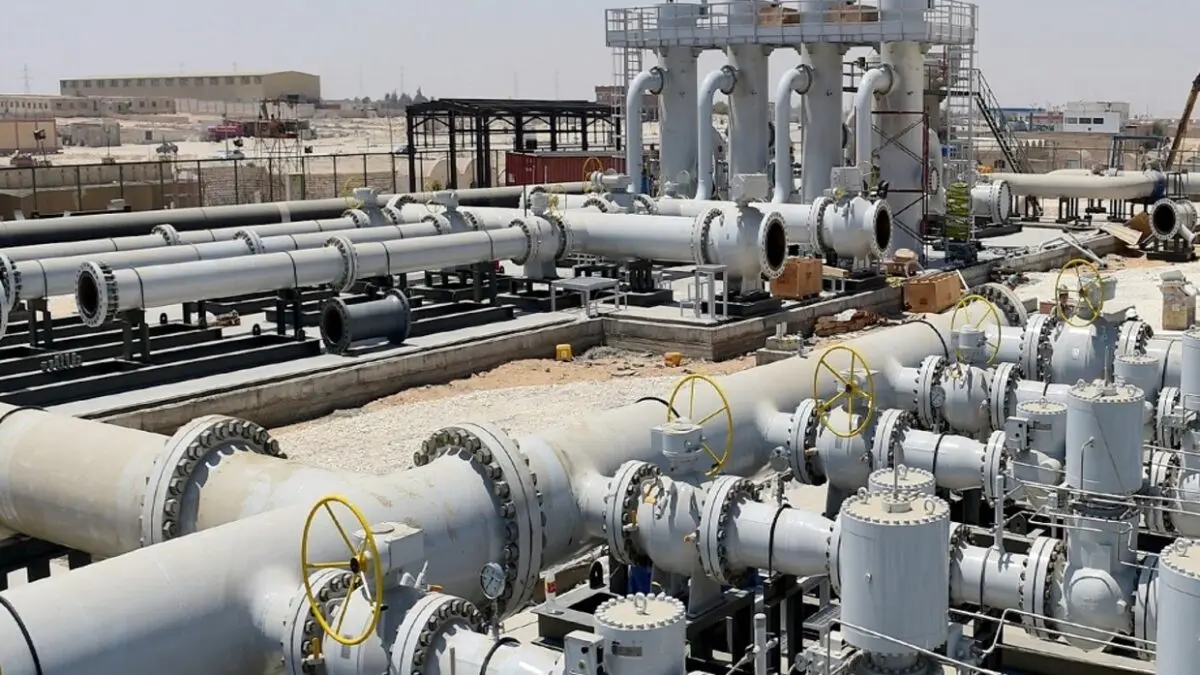
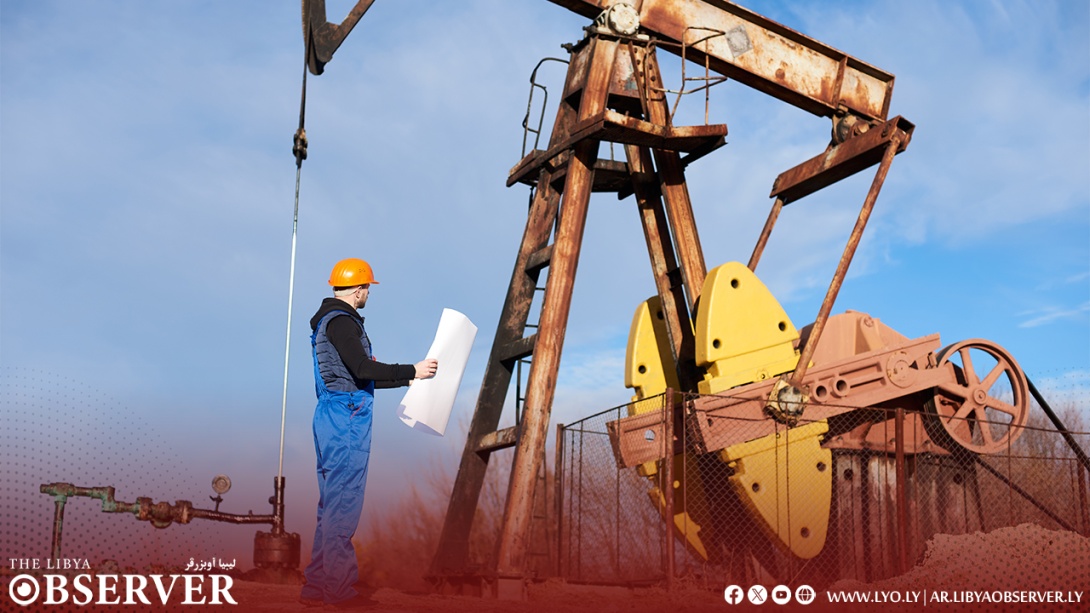
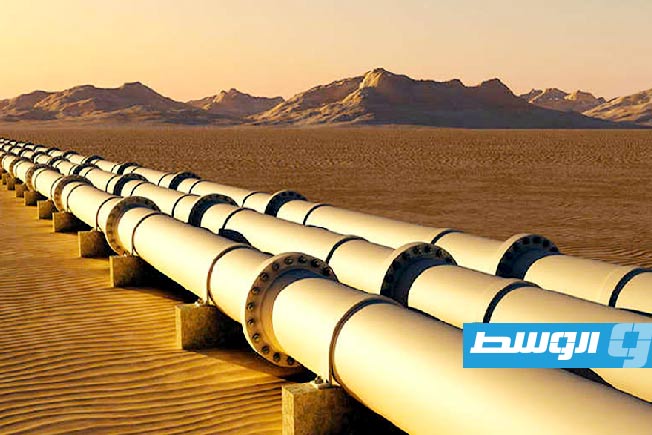
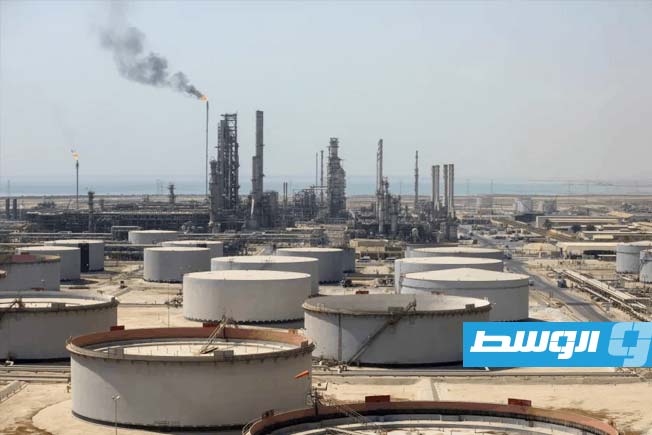
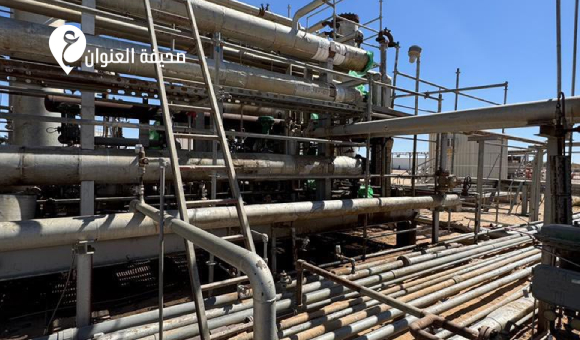
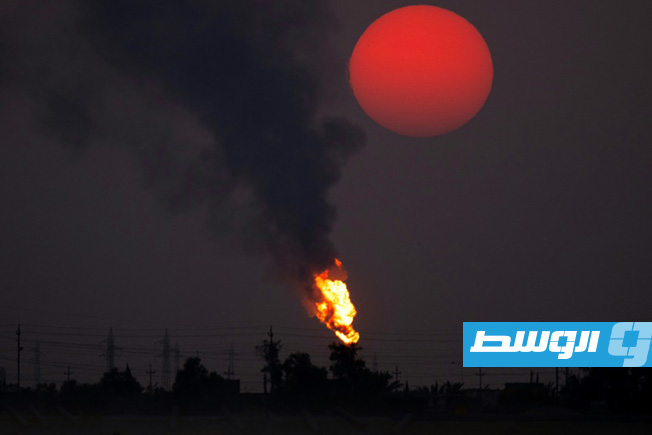
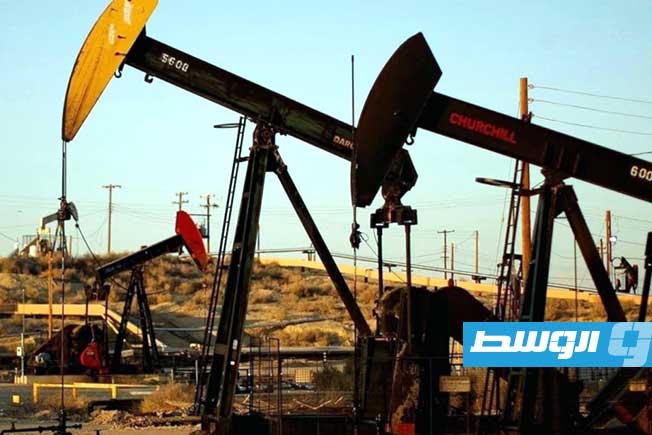
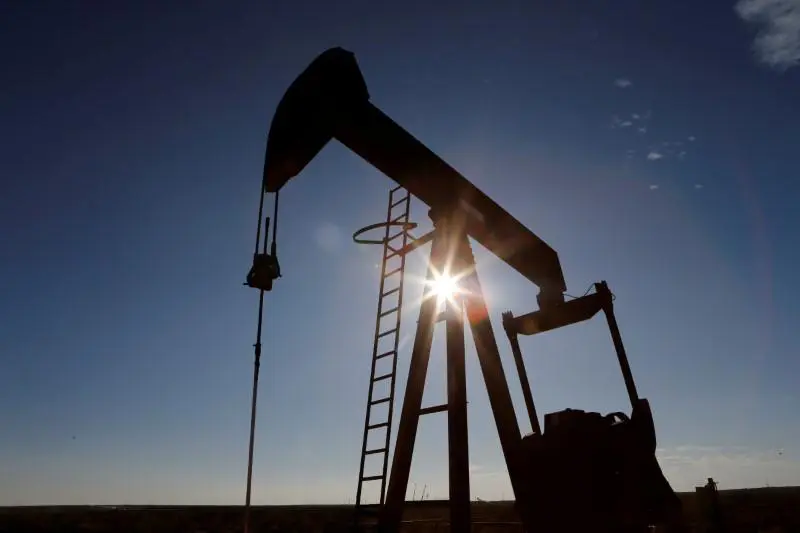
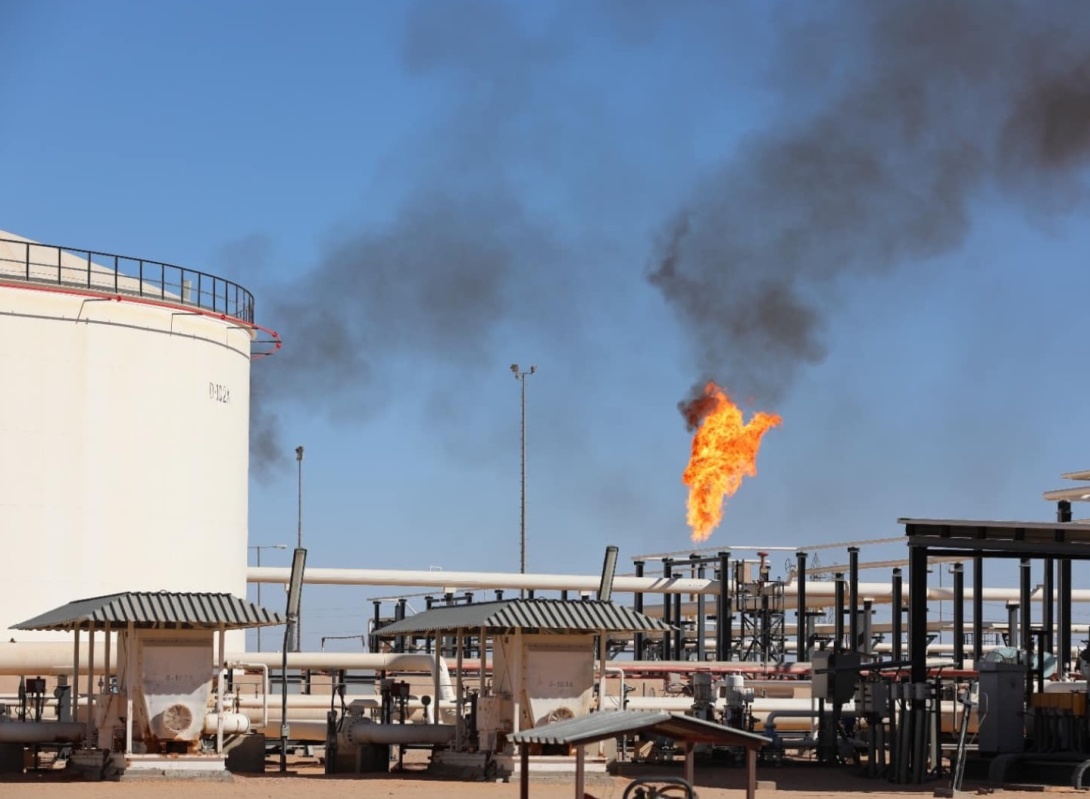
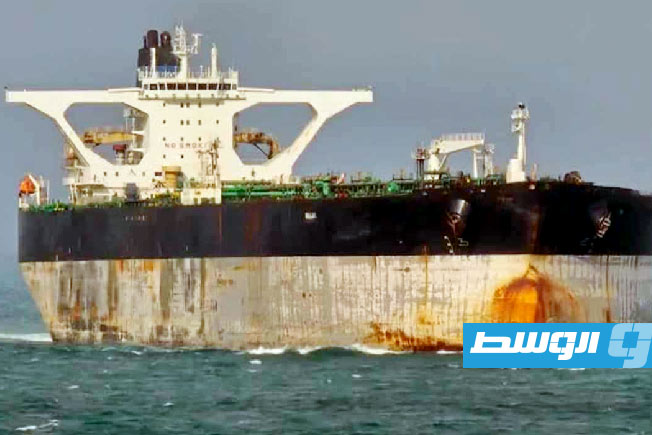
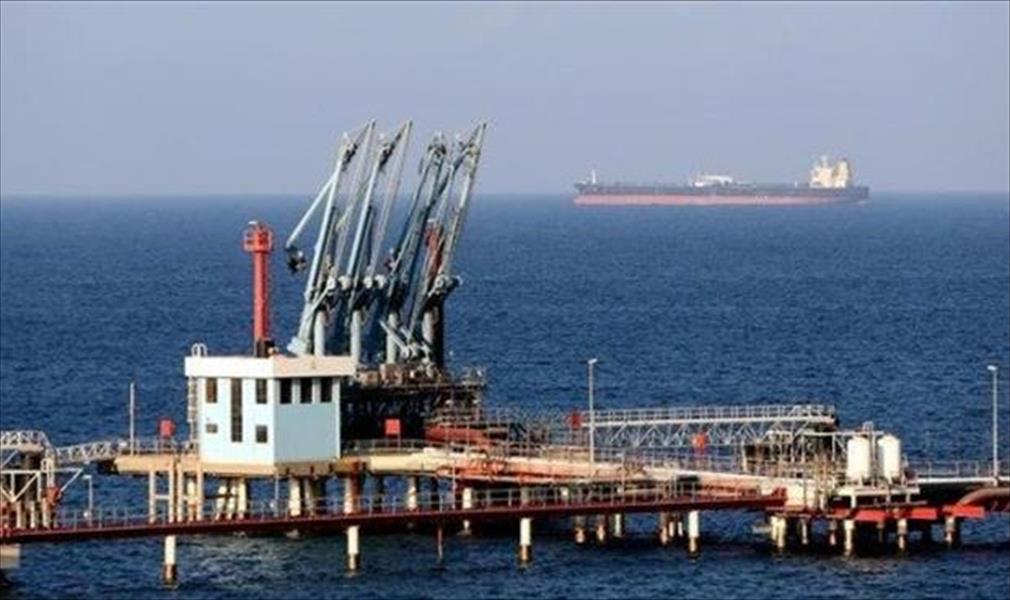
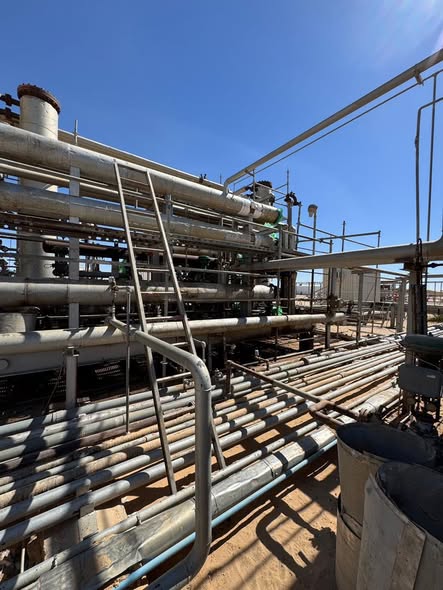
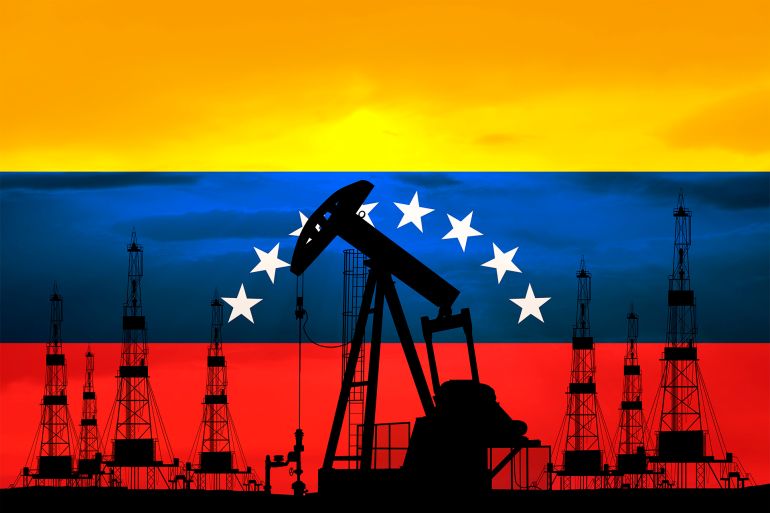
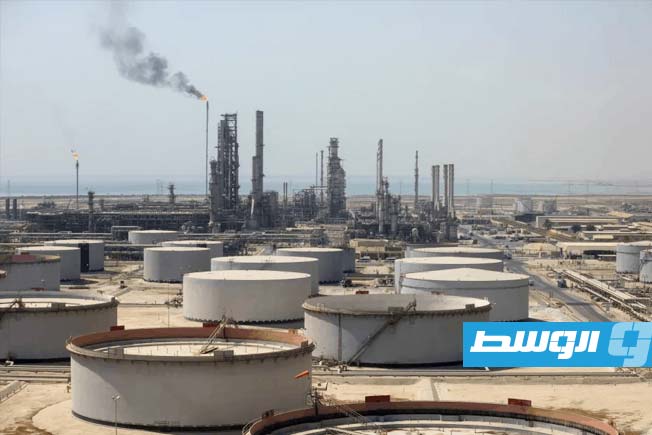
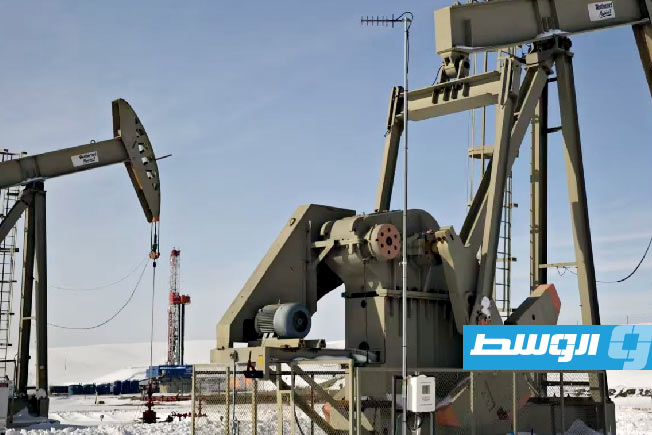
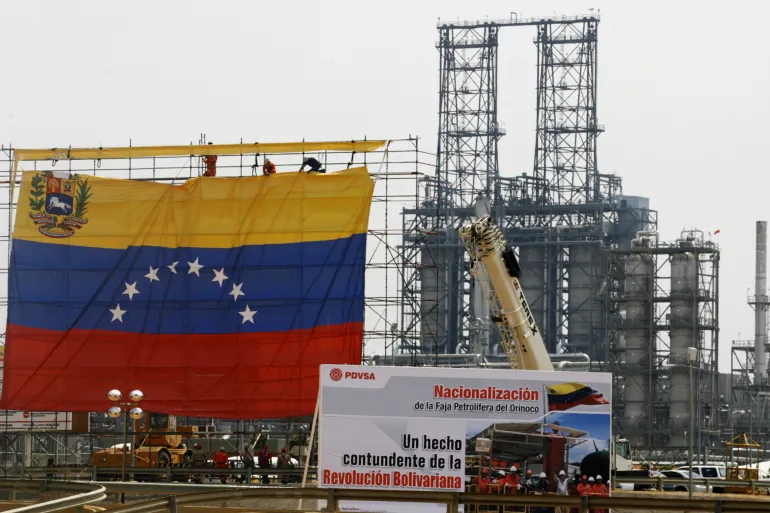
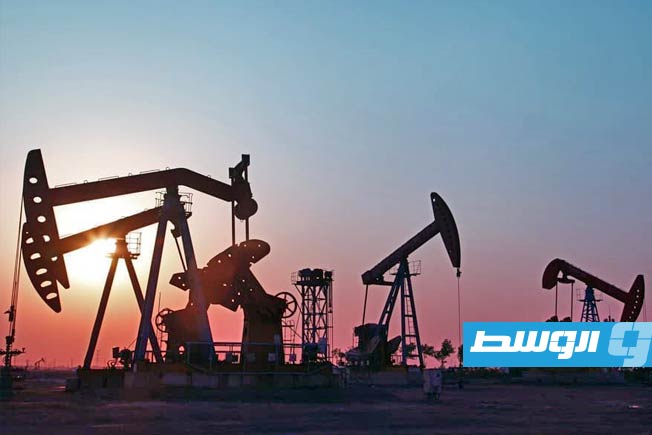
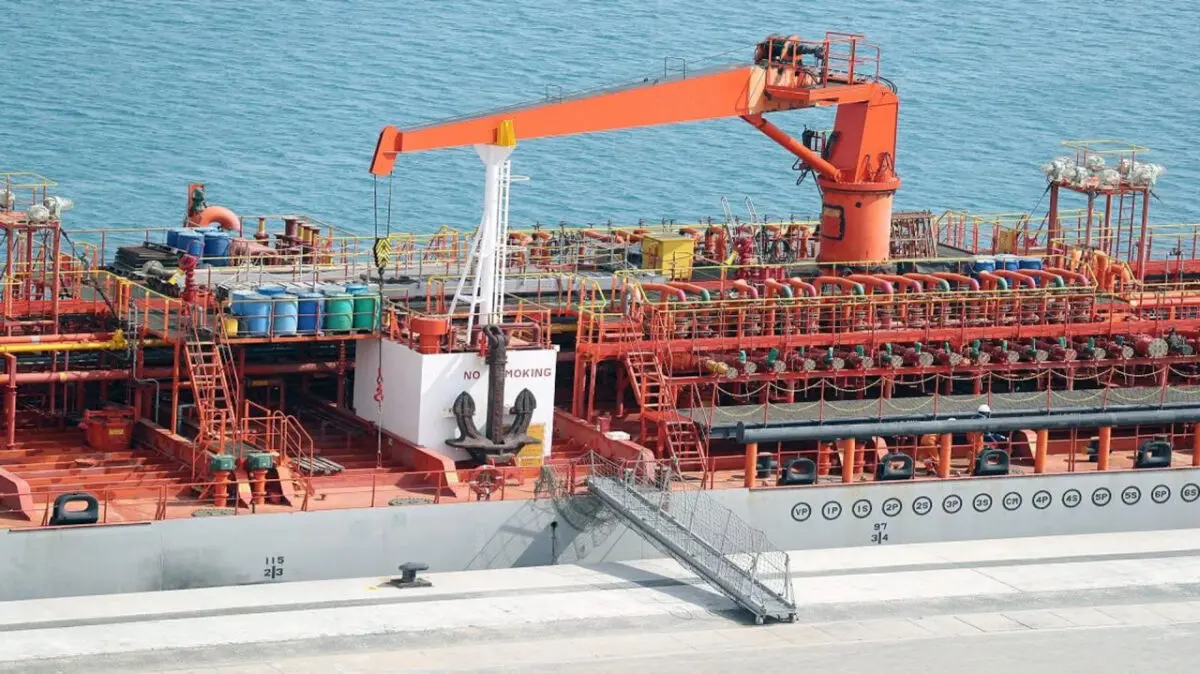
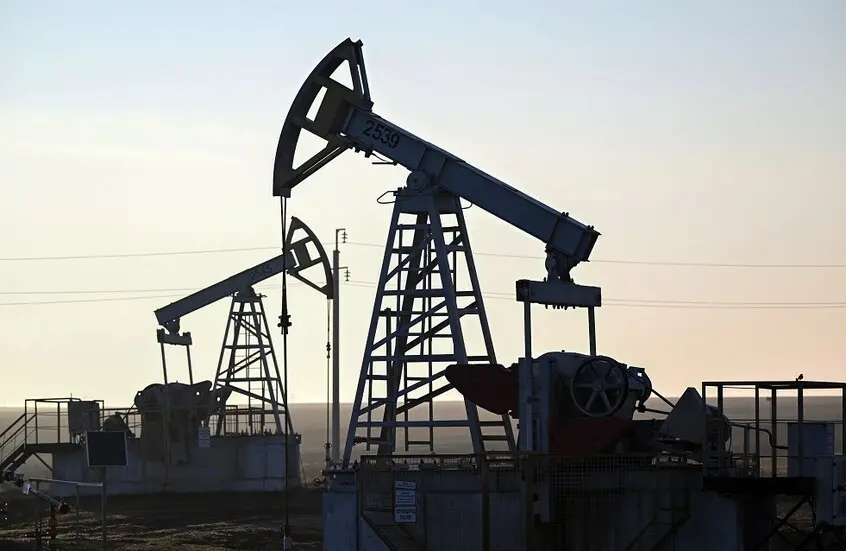
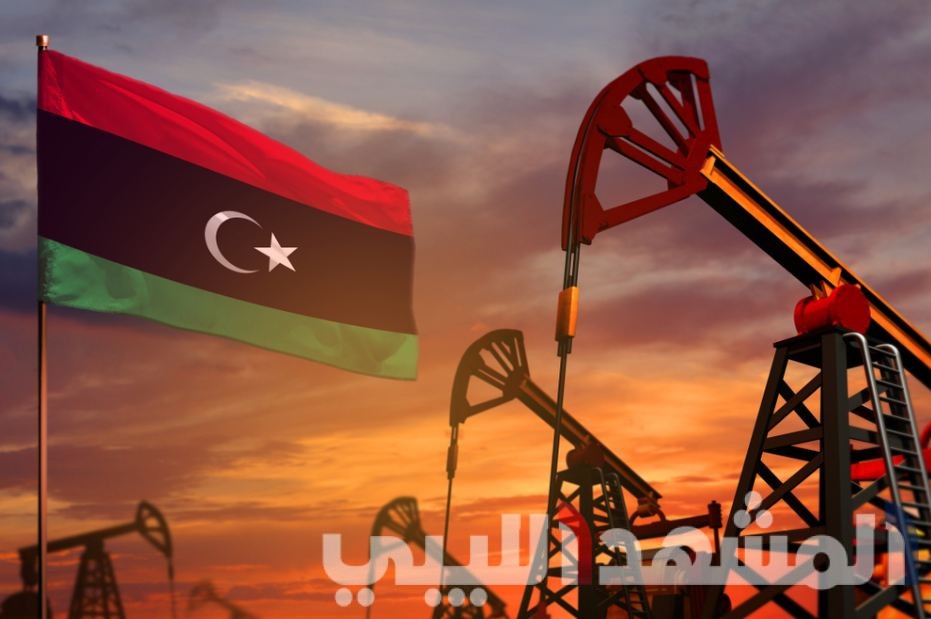
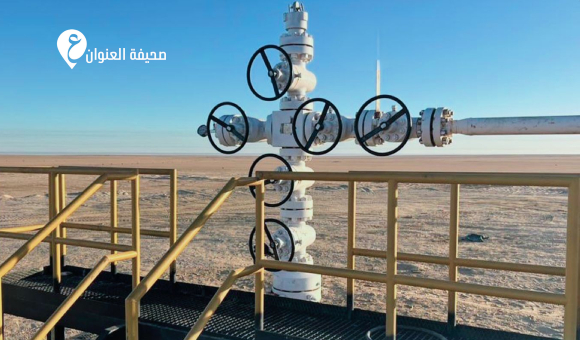
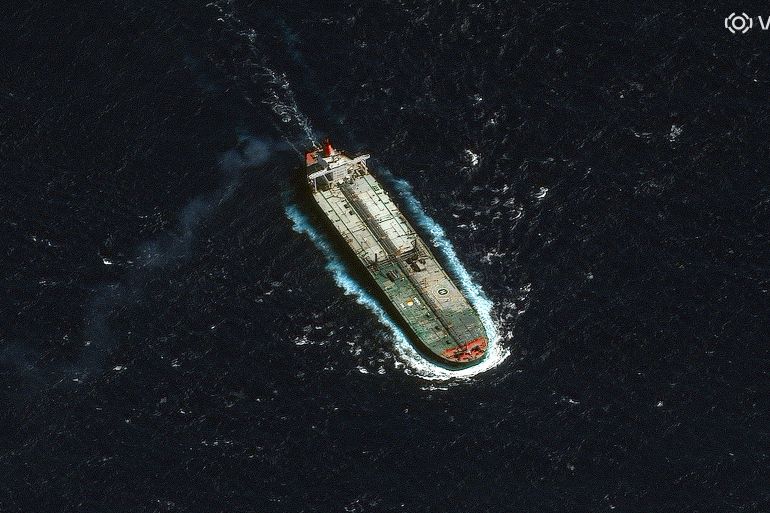
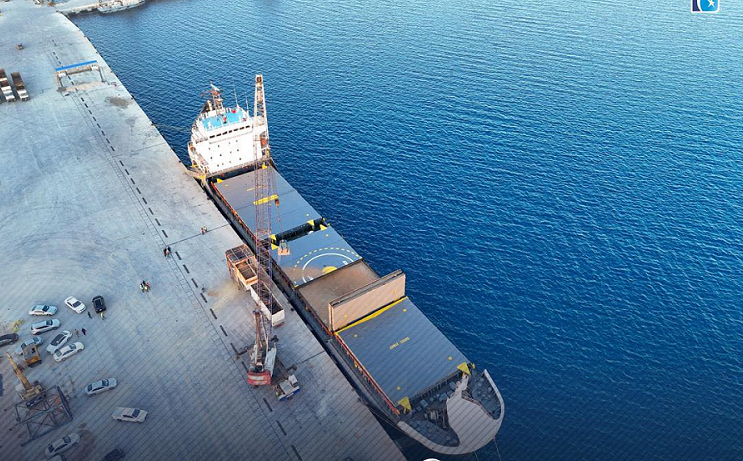
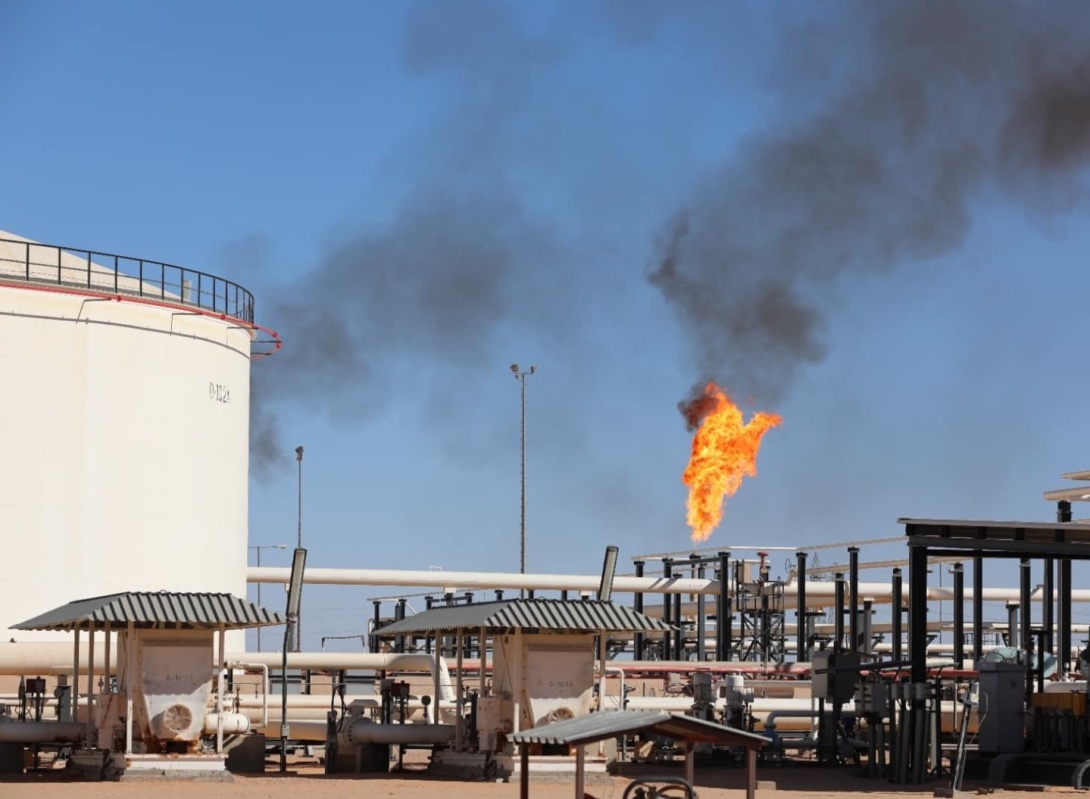
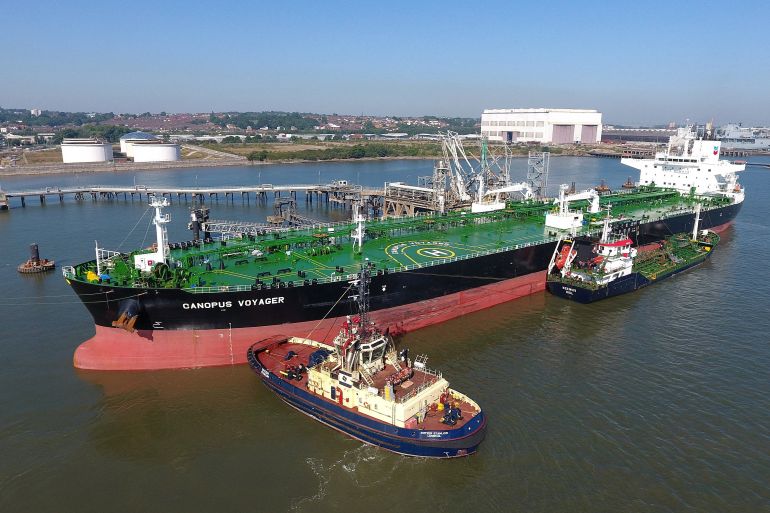
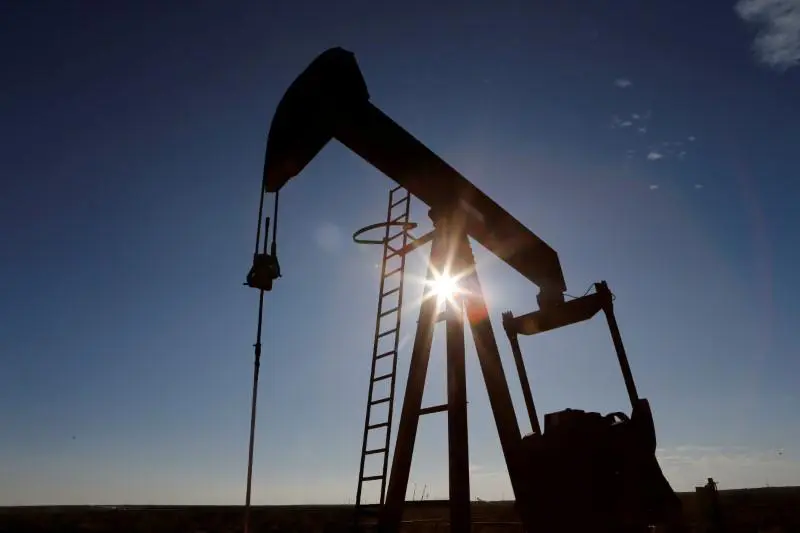
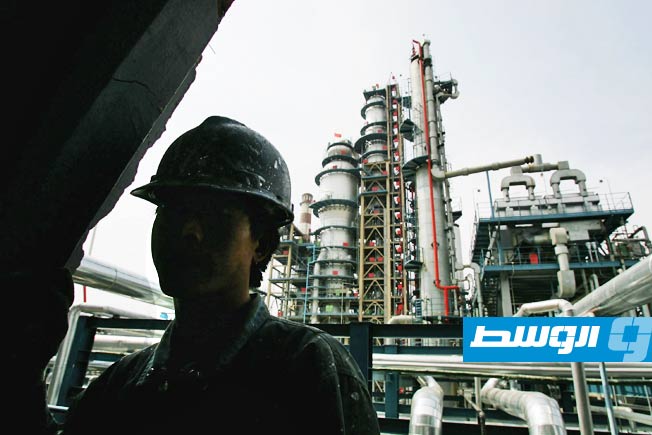
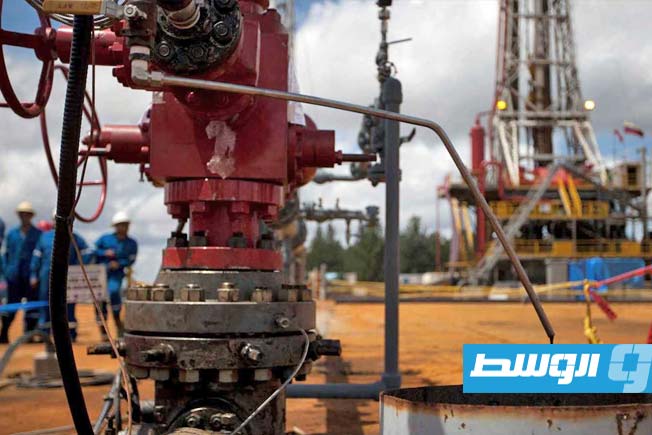
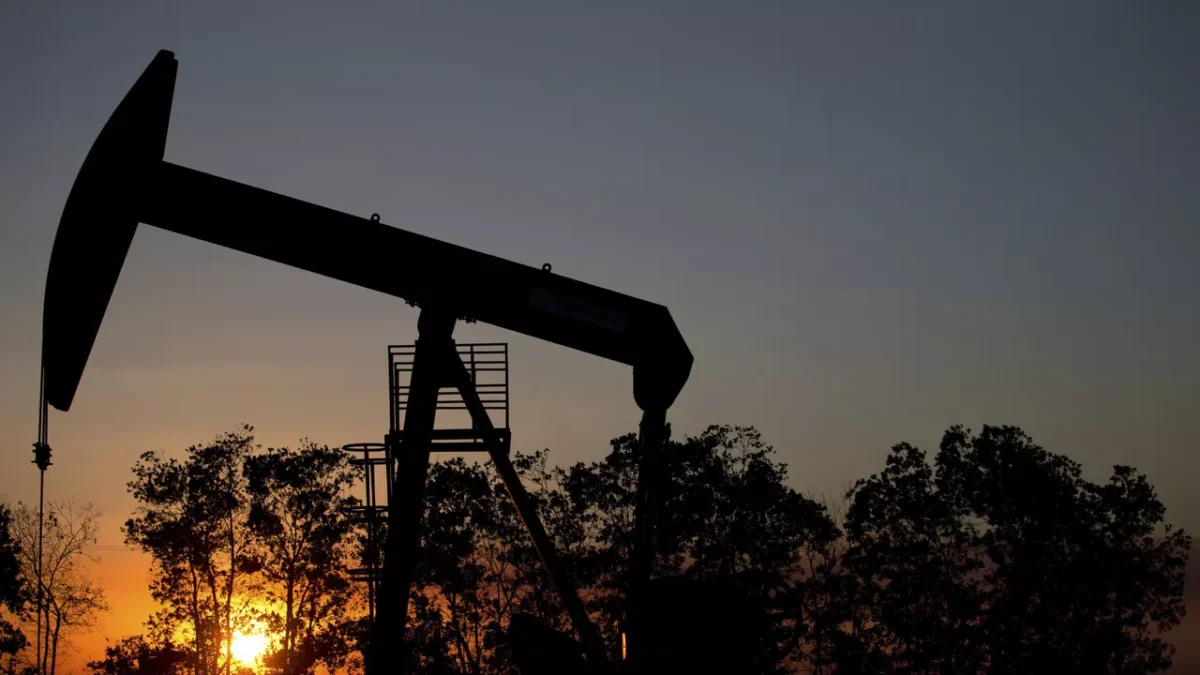
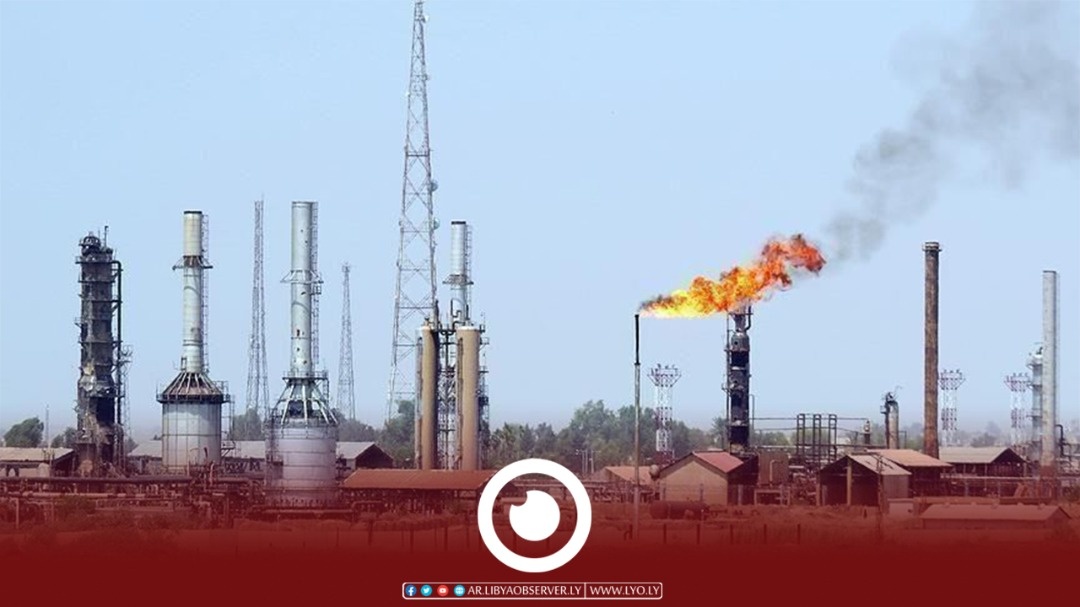
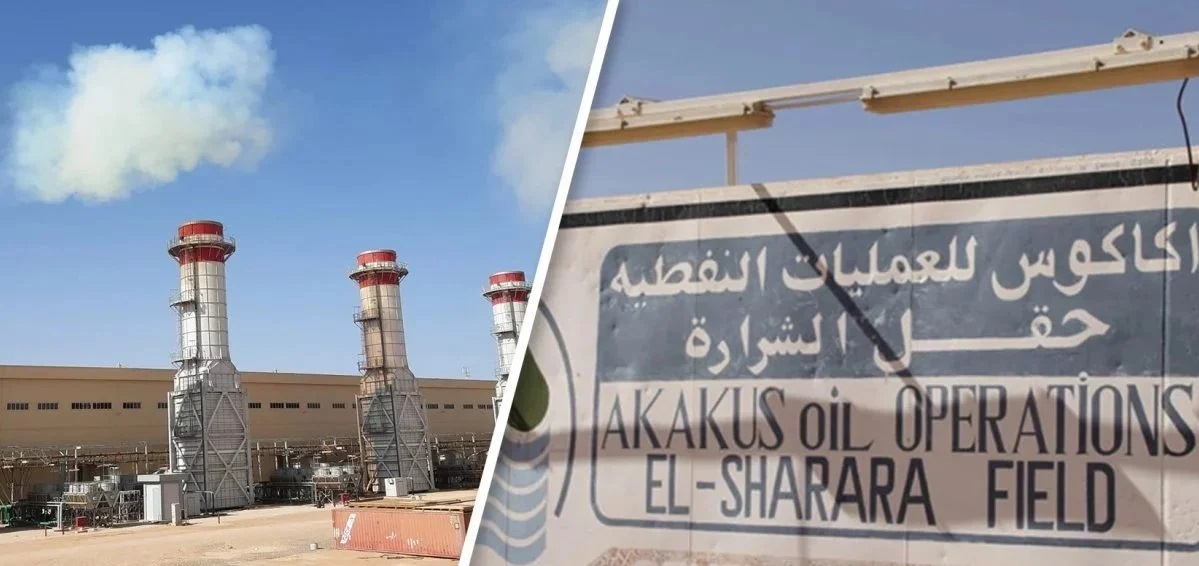
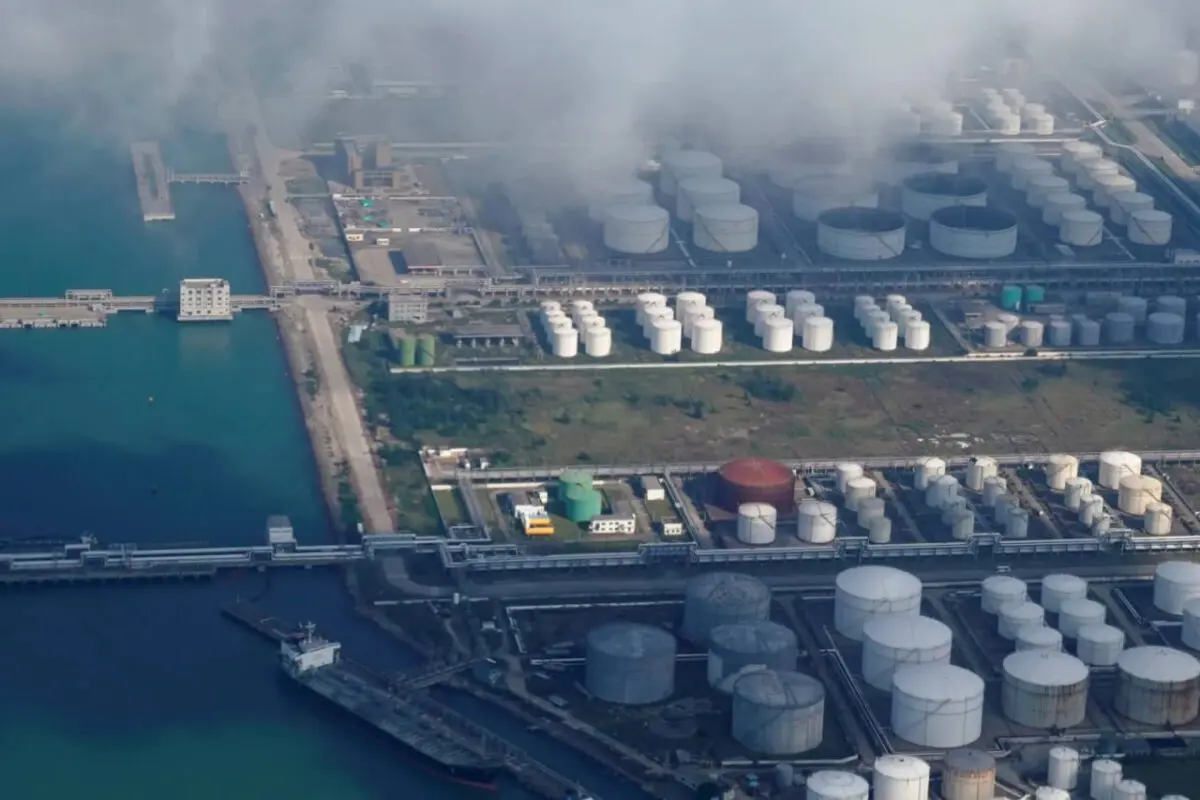
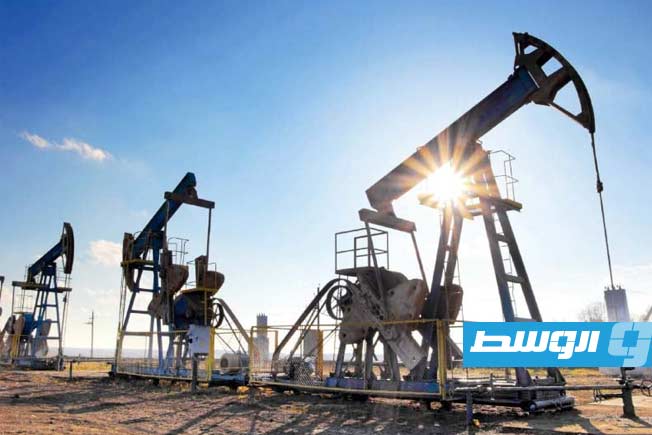
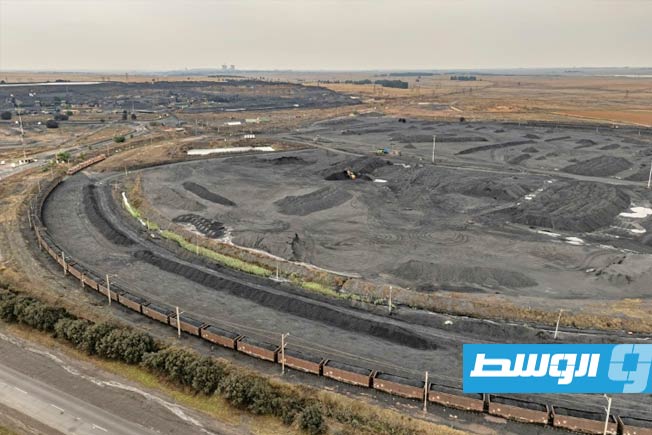
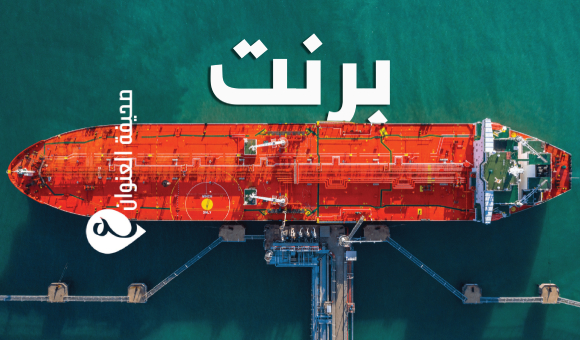
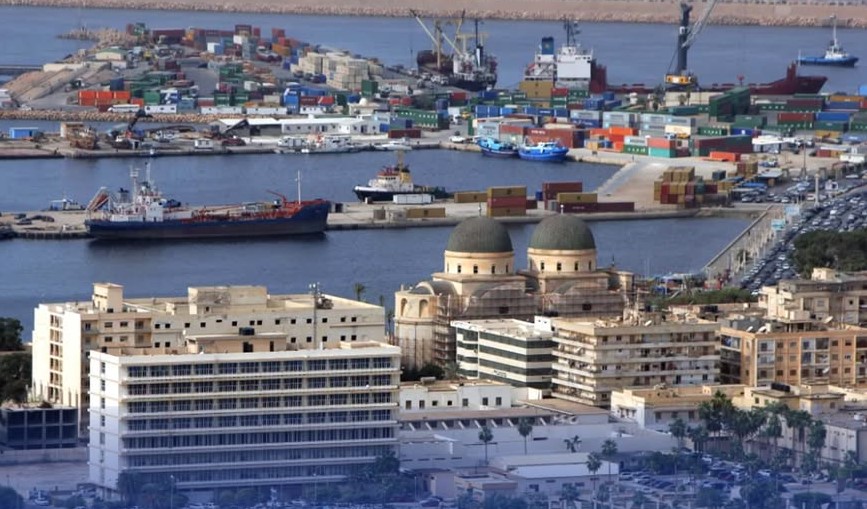
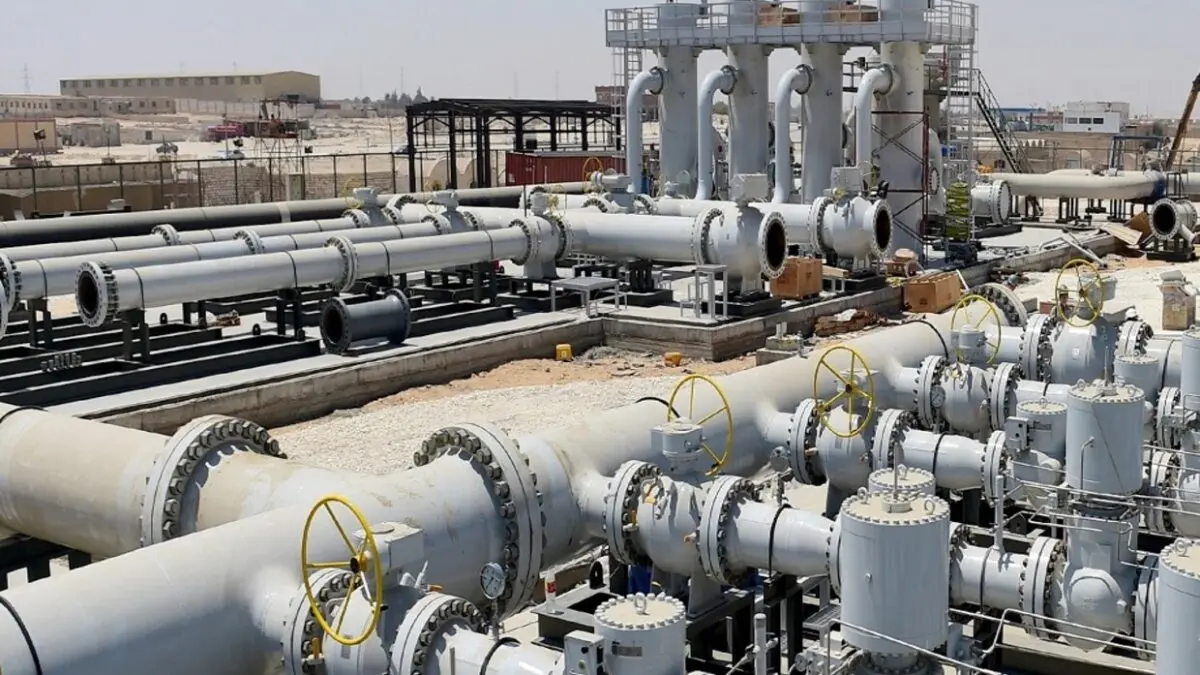
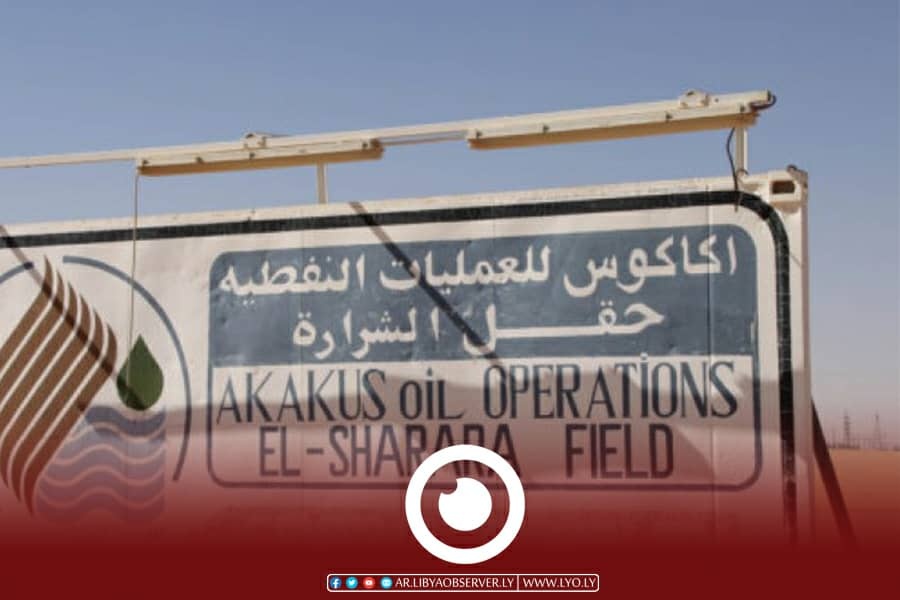
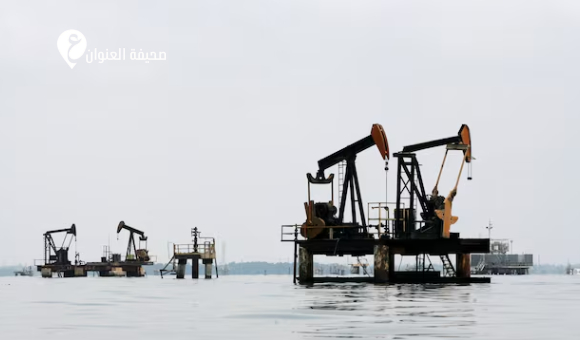
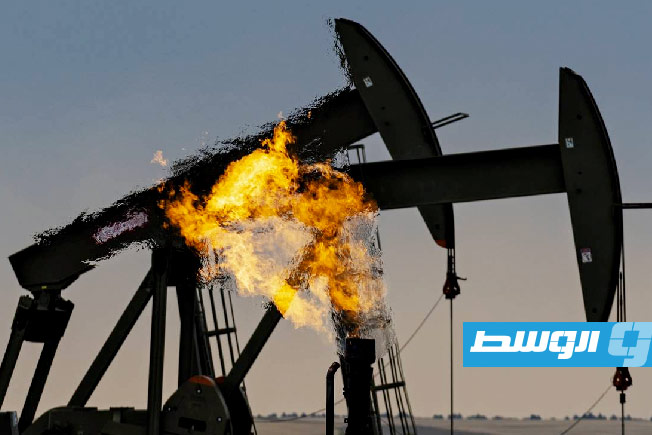
For oil markets, these events could mean a halt in crude supplies from Venezuela, which range between 800,000 and 900,000 barrels per day. An initial assessment indicated that production and refining facilities remain intact, despite the port of La Guaira sustaining significant damage from the US bombardment.
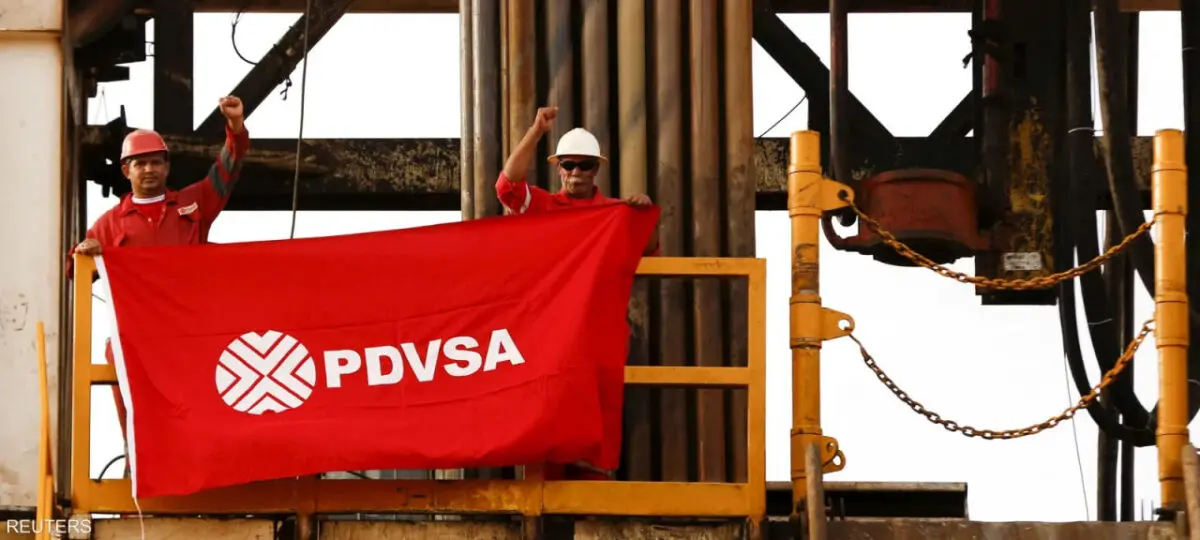
Venezuela possesses confirmed oil reserves amounting to 300 billion barrels, which require billions in Western capital for extraction and to maintain the country’s deteriorating infrastructure.
A Vital Artery for China
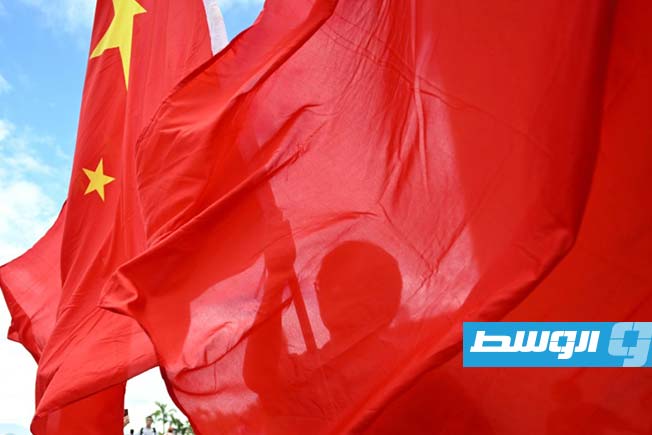
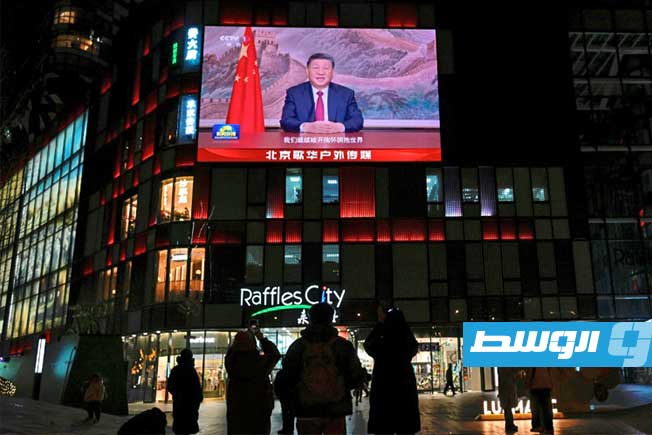
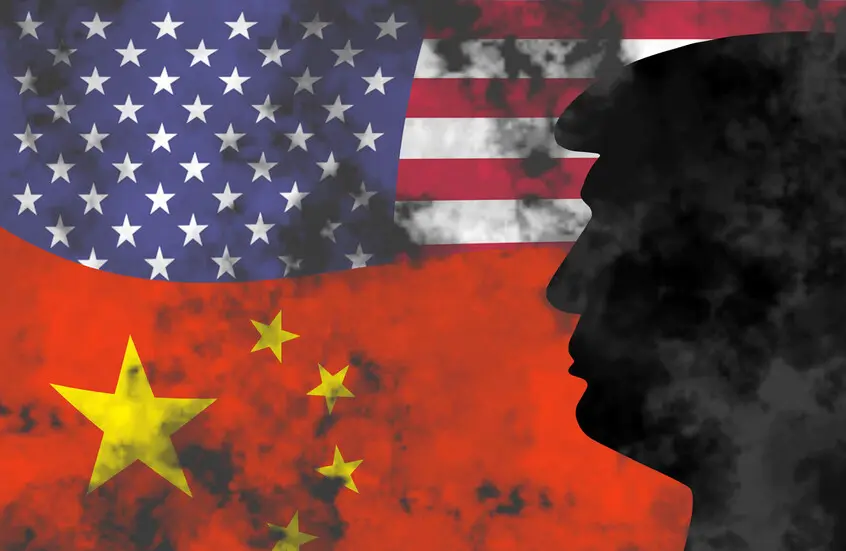
The removal of Maduro from power in Venezuela enables Washington to cut what is described as a “vital artery” for China in Latin America, affecting Beijing’s purchases, as it is the primary buyer of Venezuelan crude in exchange for debt repayment.
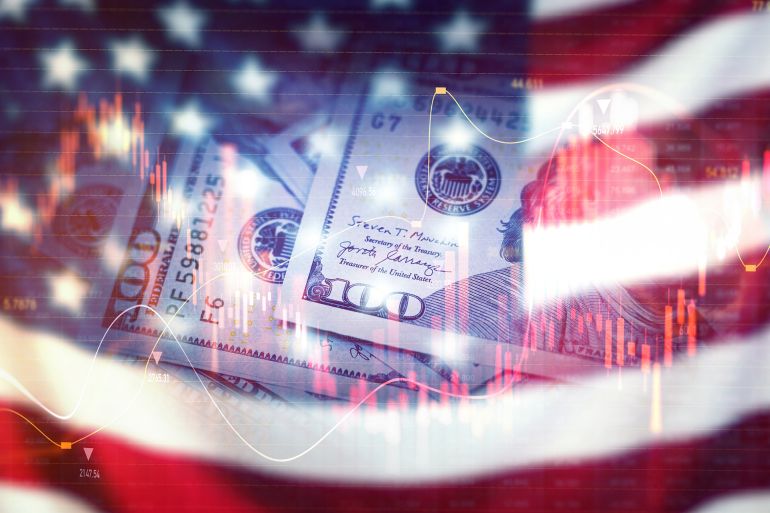
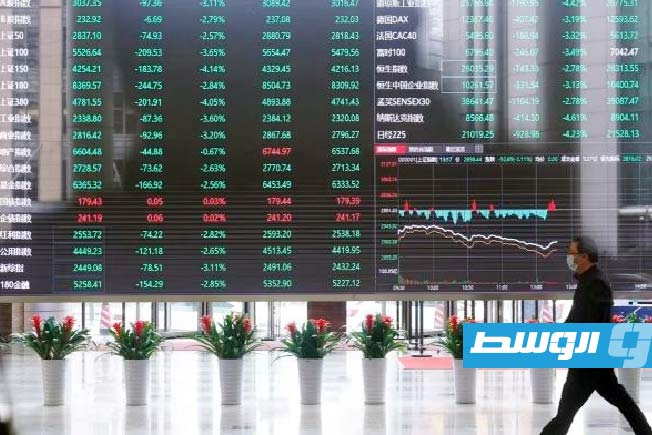
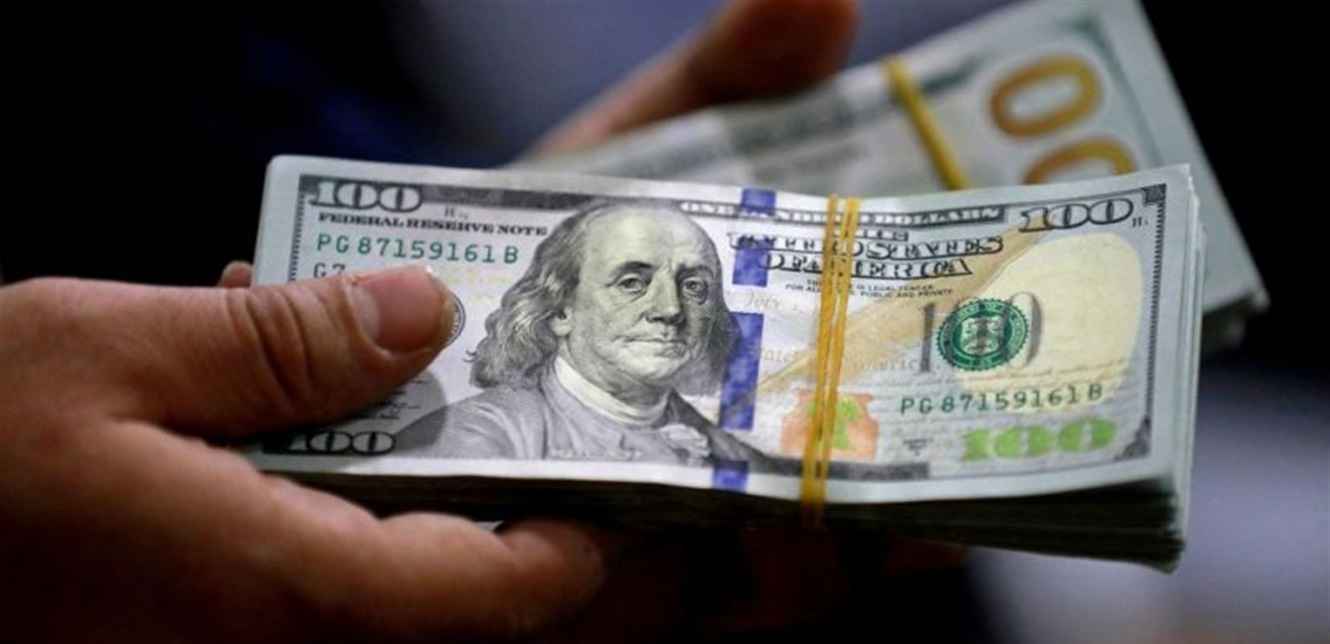
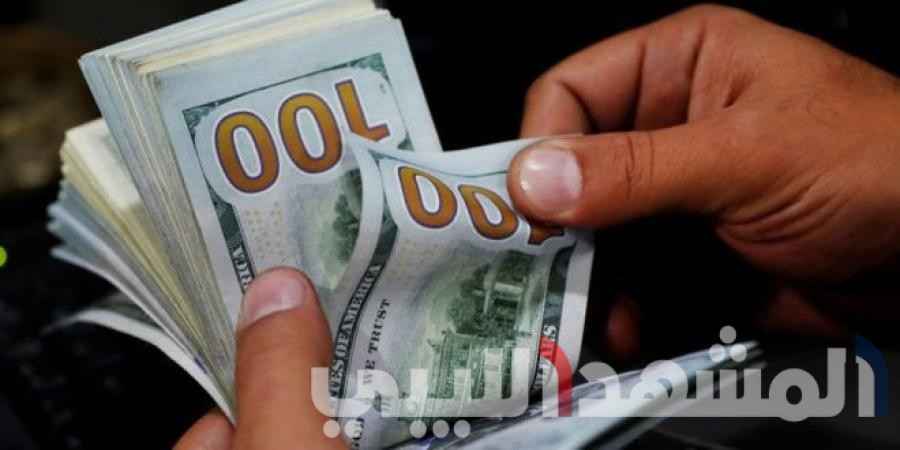
Oil markets can expect a massive surge in prices, as traders and investors weigh the risks of a civil war erupting in Venezuela, which has long been considered the “wild card” in global crude supplies.
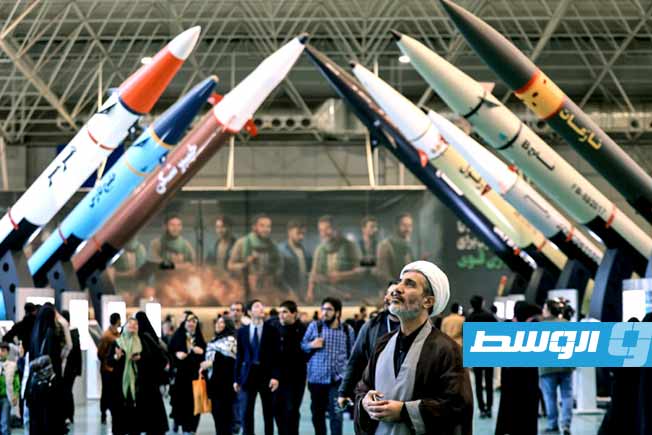
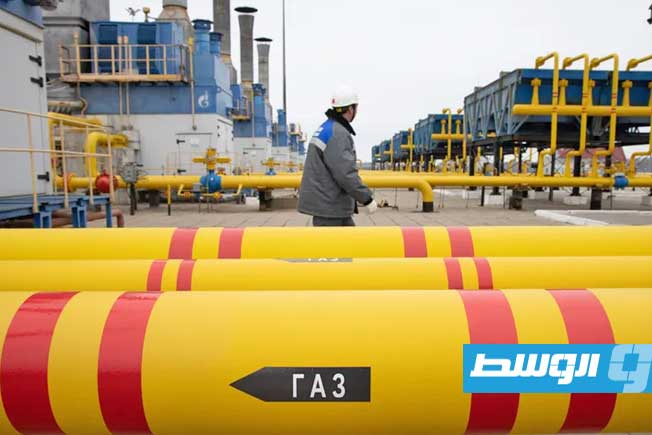
Expectations for oil supplies during 2026 were already pessimistic, even before the US military attack and the kidnapping of President Maduro, due to sanctions on Russian and Venezuelan exports.
A Bleak Reality
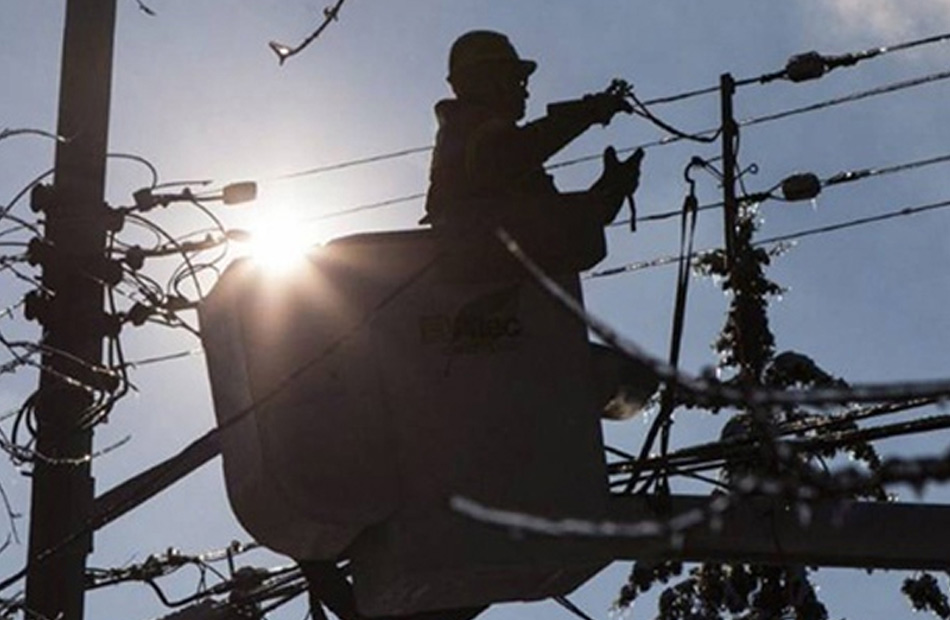
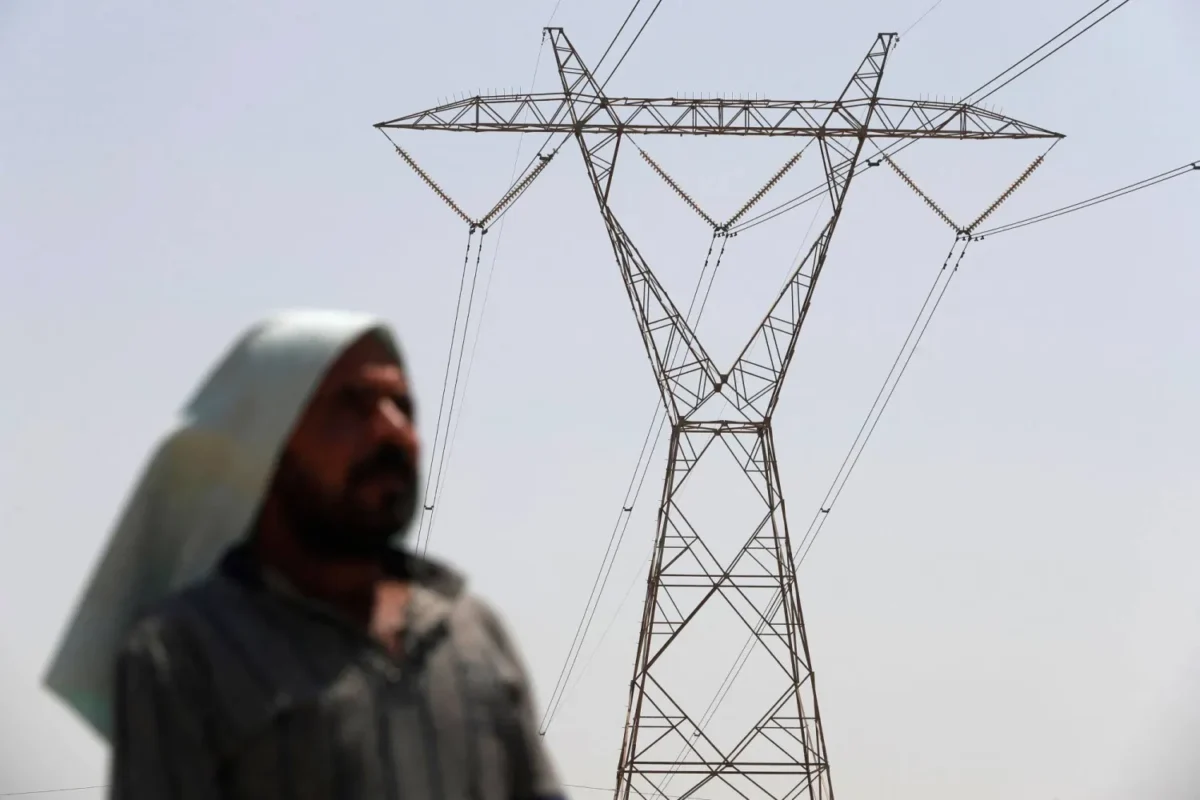
If a transitional government loyal to Washington takes power in Venezuela, this could mean the return of Venezuela’s lost barrels, assuming Caracas’s electricity grid does not collapse completely due to the intense US bombardment.
However, the situation is seen as more bleak, and it remains unclear how things will proceed in Venezuela, and whether this is merely a surgical strike or the beginning of a prolonged regional conflict affecting Venezuela’s immense reserves for many years to come!
Venezuela
Venezuela is a South American country with a history of indigenous inhabitation before Spanish colonization in the 16th century. It gained independence in the early 19th century and is known for its significant oil reserves and diverse natural landscapes, including Angel Falls, the world’s tallest waterfall.
Caracas
Caracas is the capital and largest city of Venezuela, founded in 1567 by Spanish conquistador Diego de Losada. It grew as a colonial administrative center and later became the birthplace of Simón Bolívar, a key figure in South America’s independence movements. Today, it is a major metropolitan and cultural hub situated in a valley of the Venezuelan coastal mountain range.
United States
The United States is a federal republic founded in 1776 after declaring independence from Great Britain, with its modern government established by the Constitution in 1789. Its history is marked by westward expansion, industrialization, and its emergence as a global superpower in the 20th century. The nation is defined by its diverse cultural heritage, shaped by immigration and the complex legacy of its founding principles.
La Guaira
La Guaira is the main port city of Venezuela, located just north of Caracas along the Caribbean coast. Founded in 1589, it served as a critical harbor for the Spanish Empire, facilitating trade and transport, though it was often a target for pirates. Today, it remains a major maritime gateway and is known for its historic colonial architecture and vibrant coastal culture.
China
China is one of the world’s oldest continuous civilizations, with a recorded history spanning over four millennia. It is home to numerous UNESCO World Heritage sites, such as the Great Wall and the Forbidden City, which reflect its long imperial past and profound cultural achievements.
Latin America
Latin America is a diverse region encompassing countries in the Americas where Romance languages like Spanish and Portuguese are primarily spoken, sharing a history shaped by indigenous civilizations, European colonization, and subsequent struggles for independence. Its cultural sites range from ancient pre-Columbian ruins, such as Machu Picchu and Teotihuacán, to colonial cities and vibrant modern metropolises.
Beijing
Beijing is the capital of China, with a history spanning over 3,000 years. It served as the imperial capital for several dynasties, most notably the Ming and Qing, and is home to UNESCO World Heritage Sites like the Forbidden City and the Great Wall. Today, it is a major global metropolis and the political, cultural, and educational center of the country.
Washington
Washington, D.C., is the capital city of the United States, founded in 1790 and named after the nation’s first president, George Washington. It is distinguished as a planned city and serves as the seat of the federal government, featuring iconic landmarks such as the White House, the U.S. Capitol, and the Washington Monument.