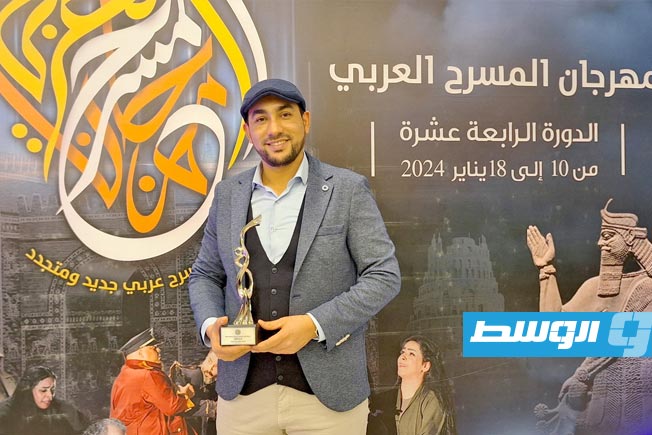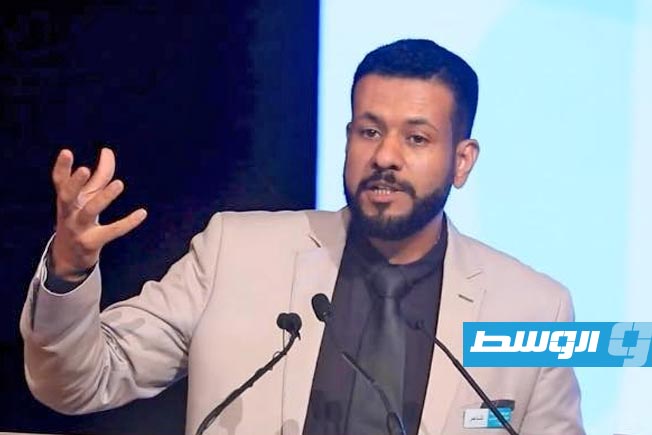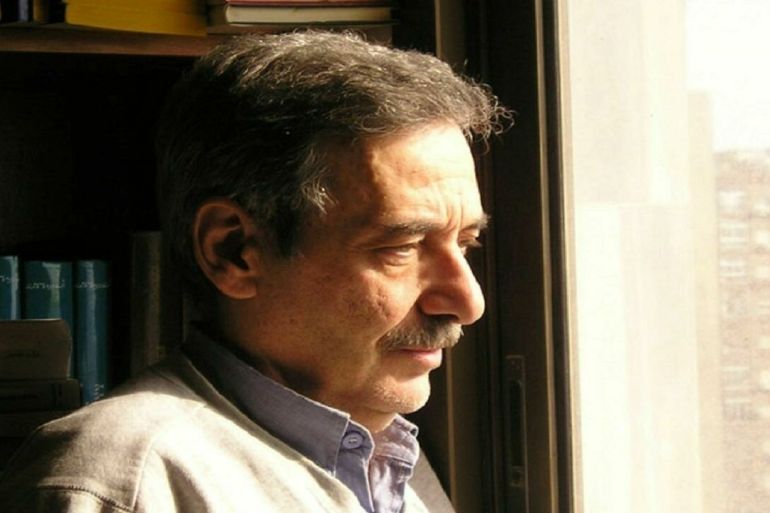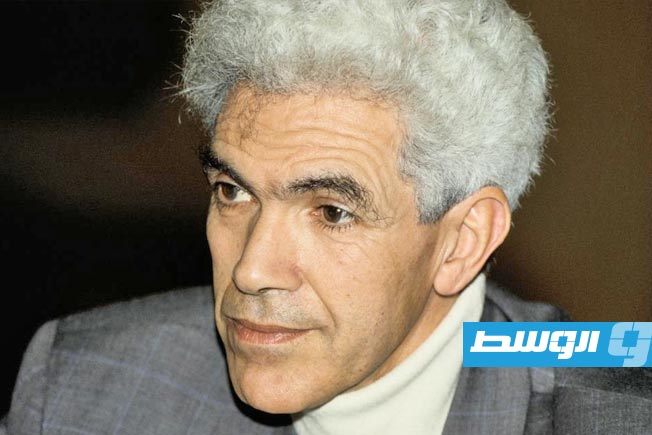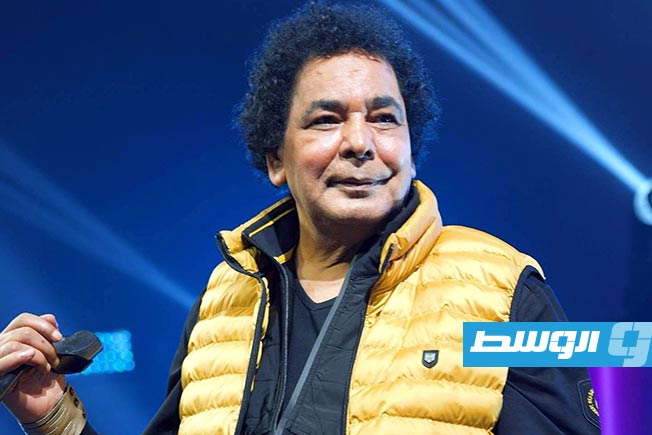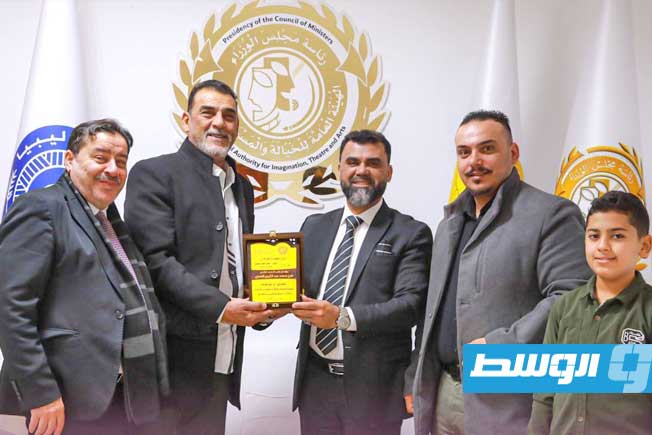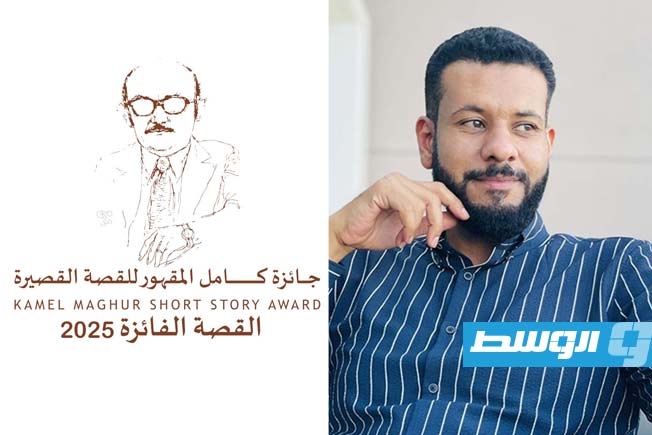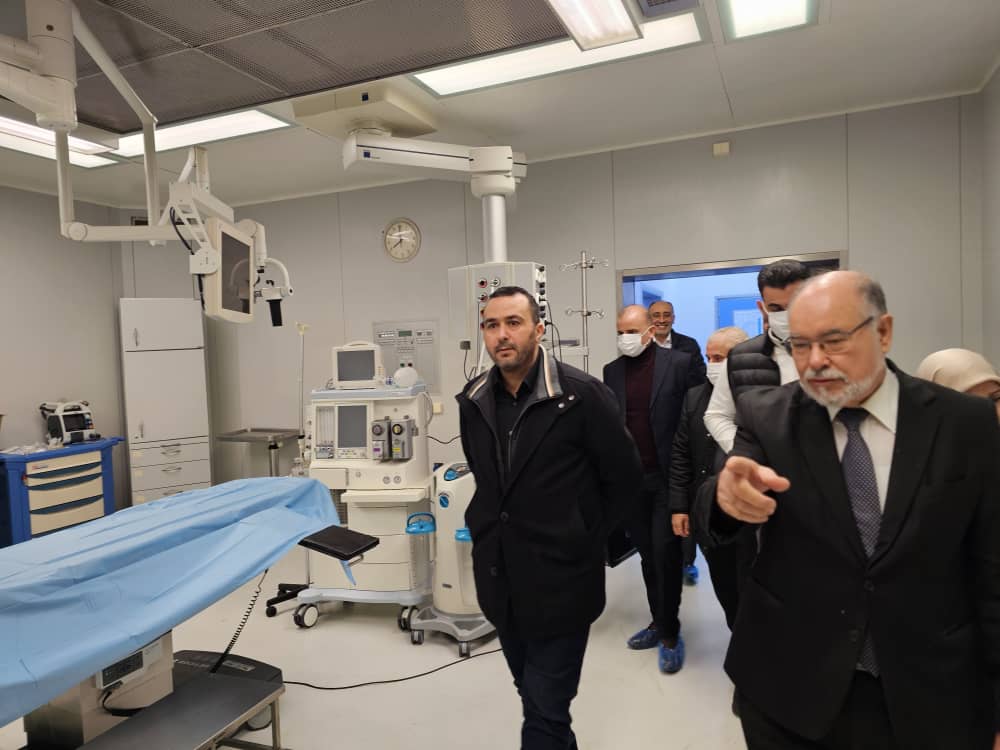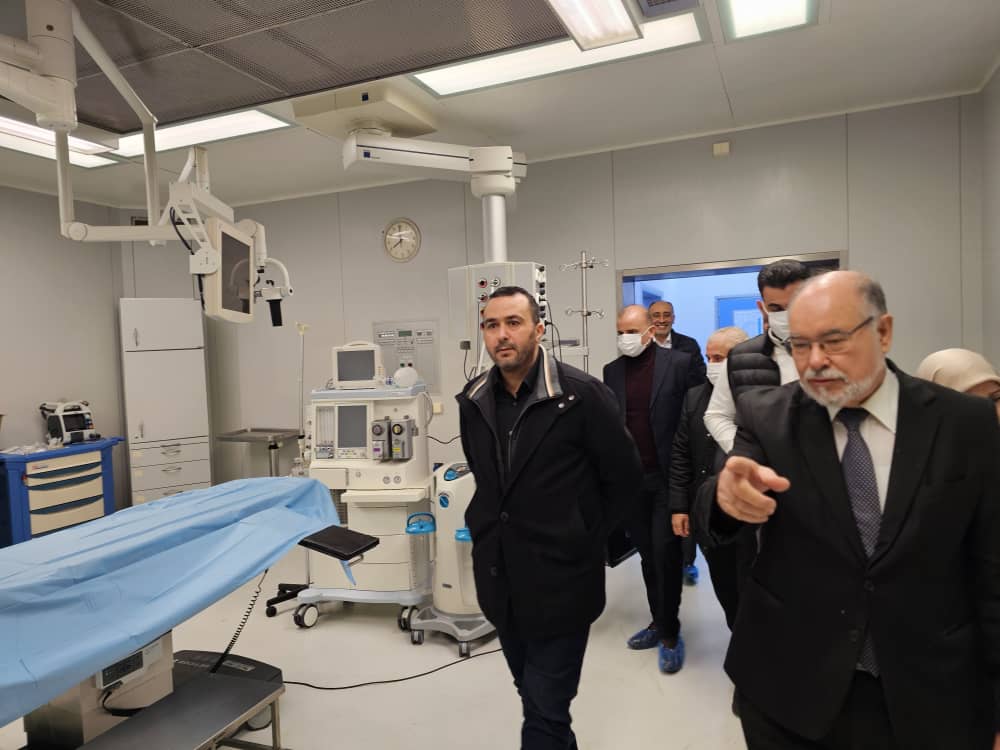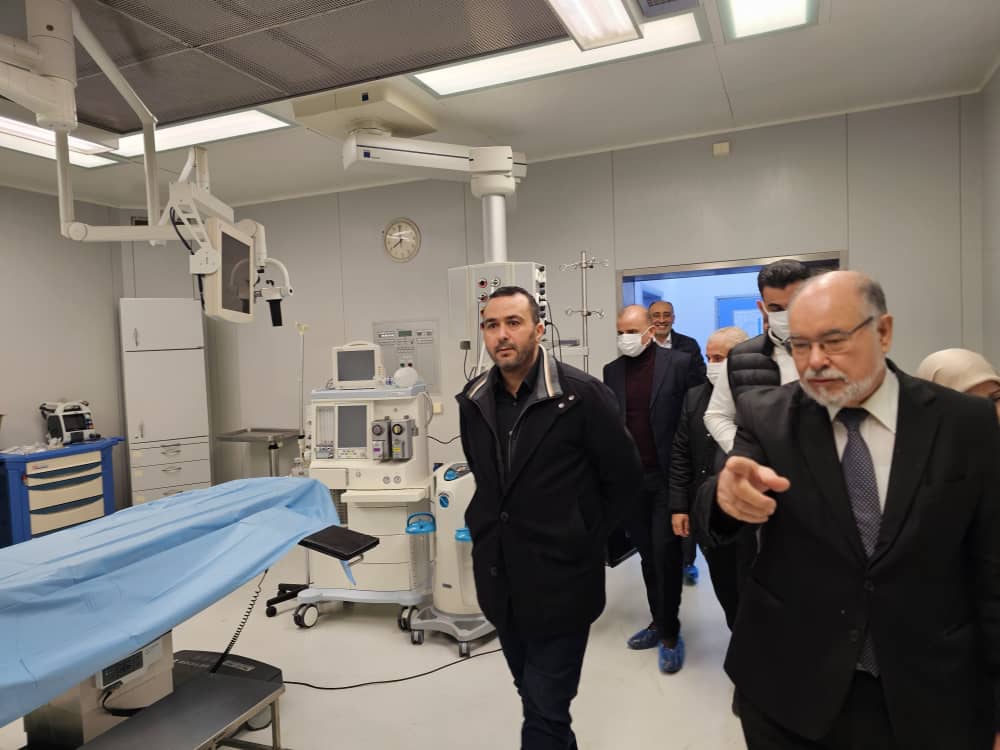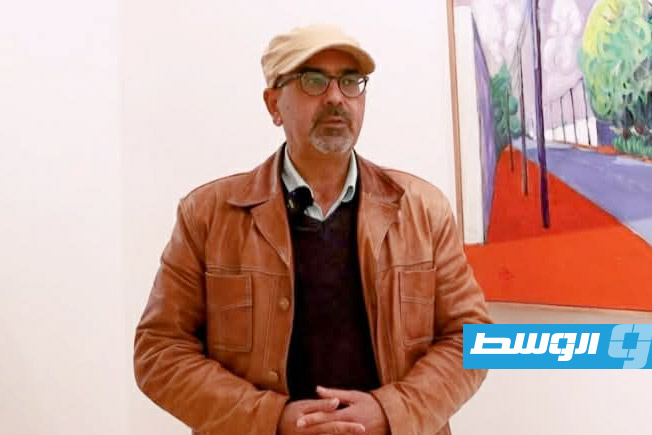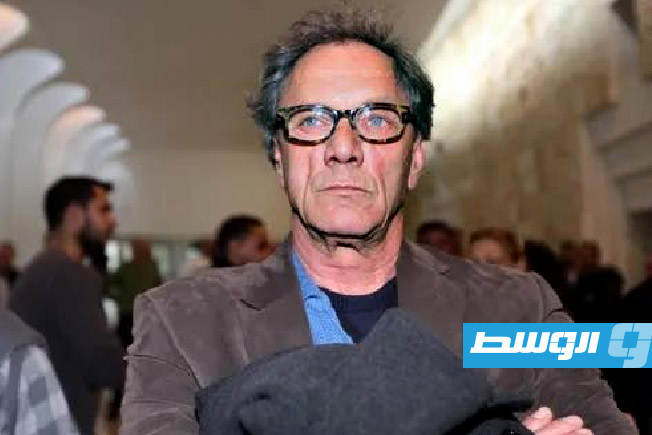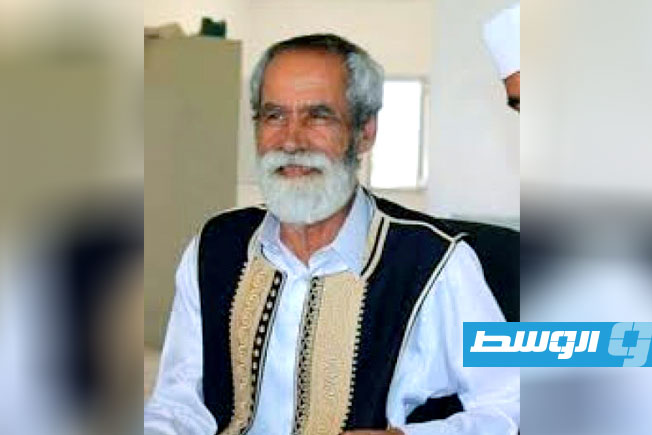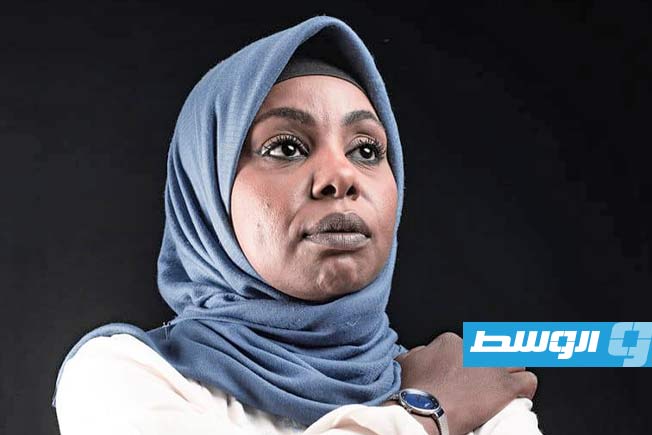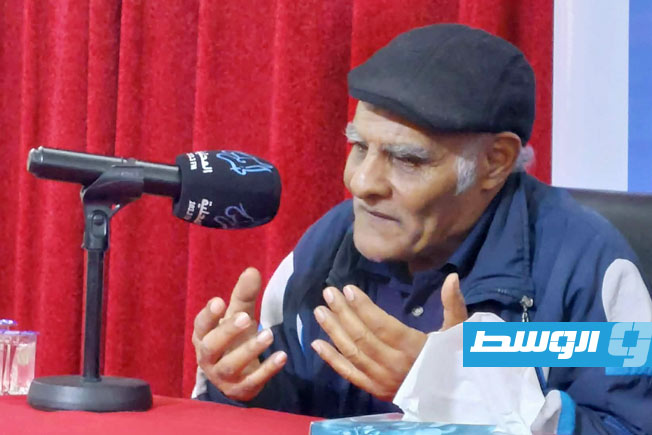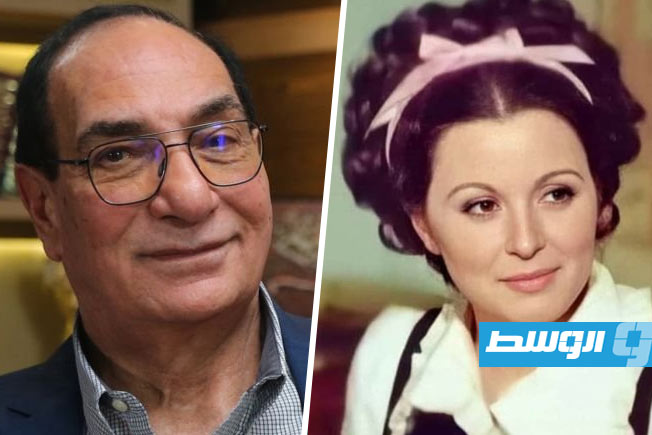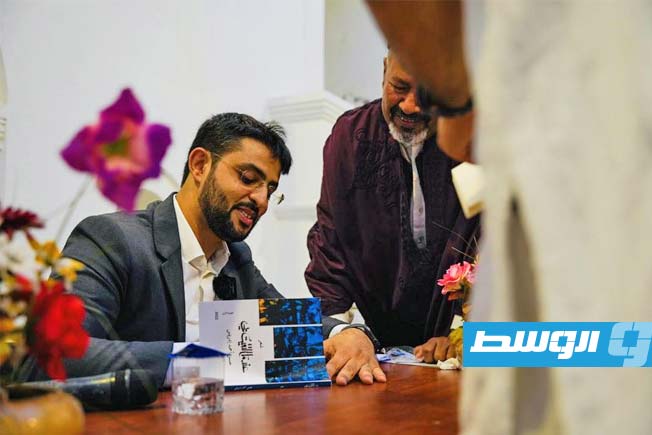
The Libyan poet Hassan Ahmed Idris is considered one of the Libyan poetic voices who has worked on the poem as a space for human contemplation and engagement with existential questions and daily concerns. His texts intersect with themes of “humanity,” “memory,” “the city,” and the “social transformations” that Libyan society has experienced in recent decades.
Idris’s experience belongs to a poetic generation that sought to renew poetic language, moving away from direct discourse, while leaning towards building a dense poetic image. This relies on suggestion and linguistic economy, balancing aesthetic sense and semantic depth. His poems show a clear care for small details, treating them as an entry point for reading the broader reality.
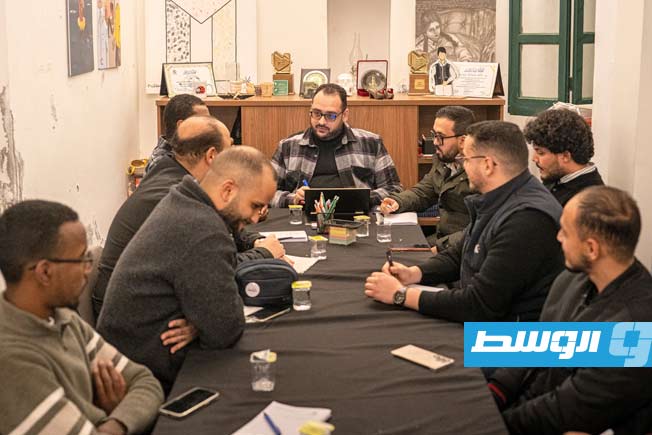
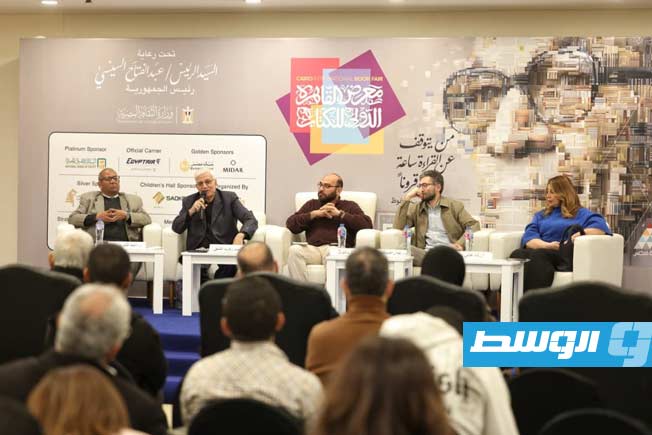
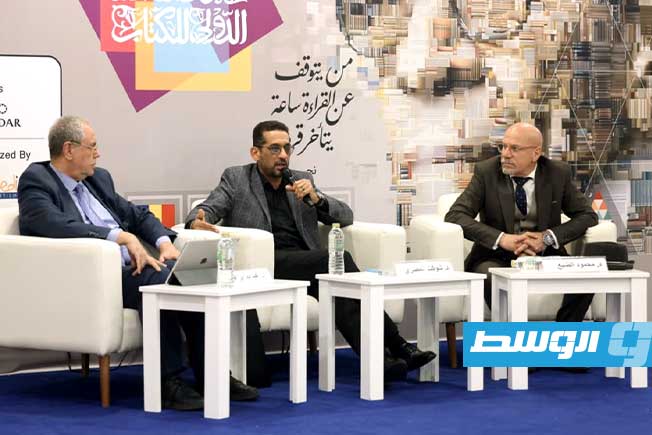
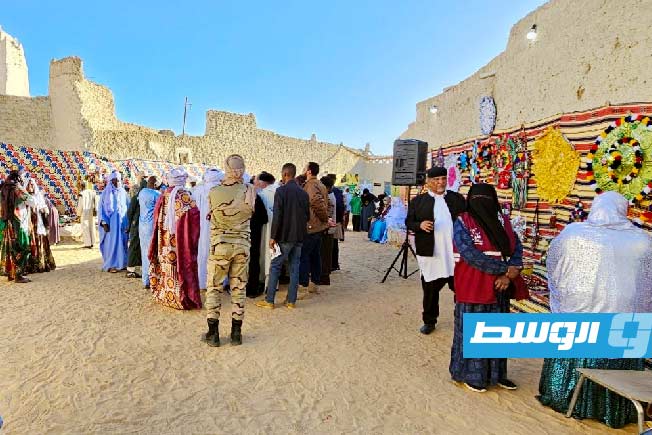
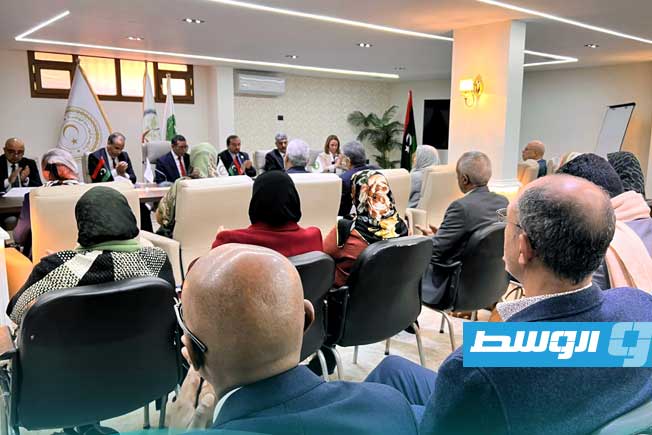
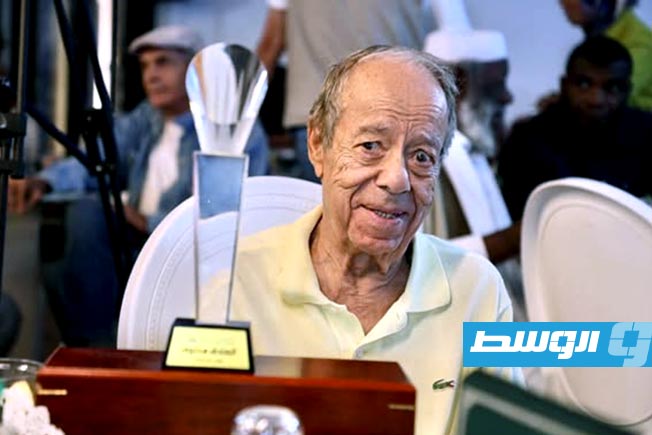
The poet participated in a number of “poetry evenings” and “cultural forums” inside and outside Libya. His presence at these events helped solidify his name within the contemporary Libyan poetic scene, alongside critical engagement with his work in cultural journalism and literary platforms.
Idris’s writings are characterized by a seemingly calm tone, but they contain an internal tension and open questions about “identity,” “belonging,” and “the meaning of living in turbulent times.” This makes his poem closer to a poetic testimony of transformations, not merely an isolated personal expression.
The poet continues his cultural presence as part of a Libyan poetic movement that seeks to reintroduce the Arabic poem from a local perspective, without closing in on specificity, while simultaneously being open to broader human experiences.