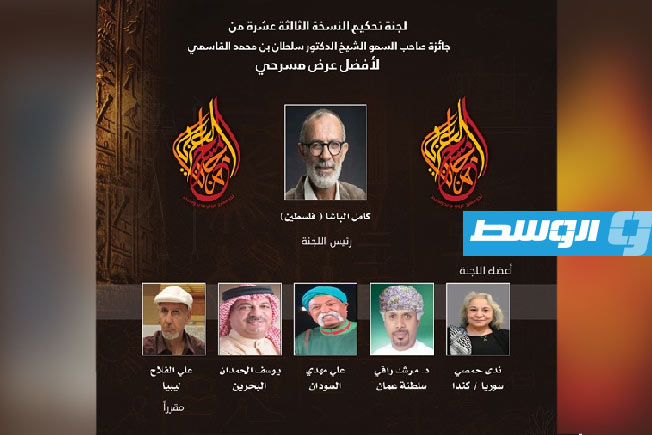
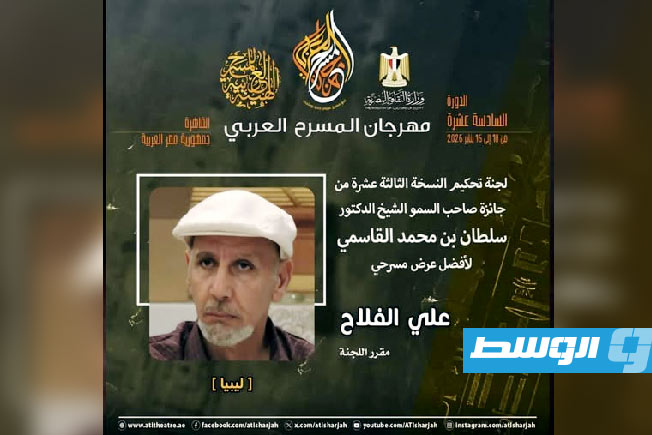
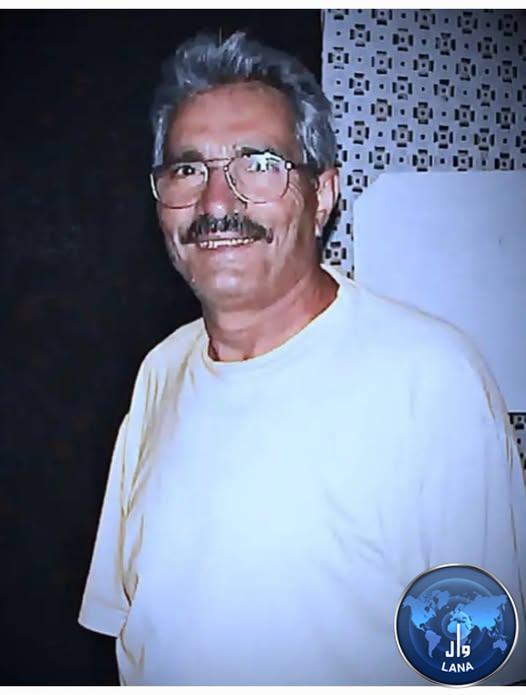
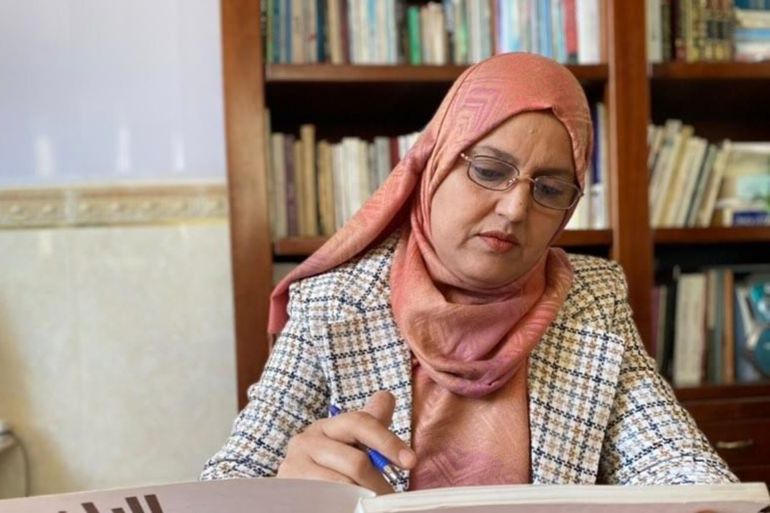
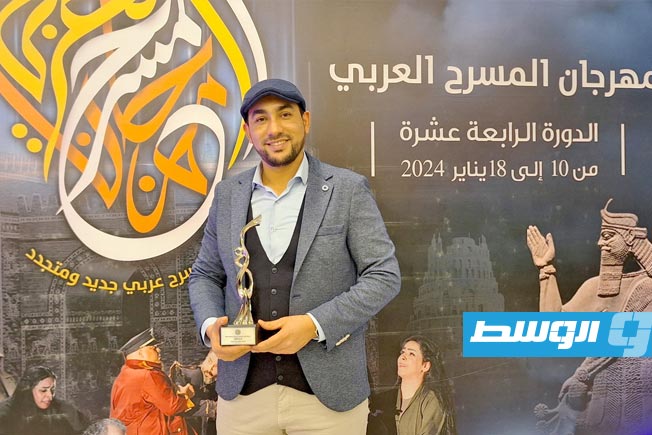
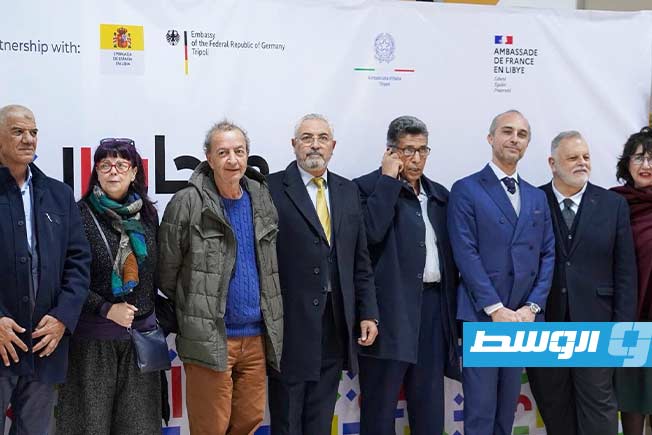
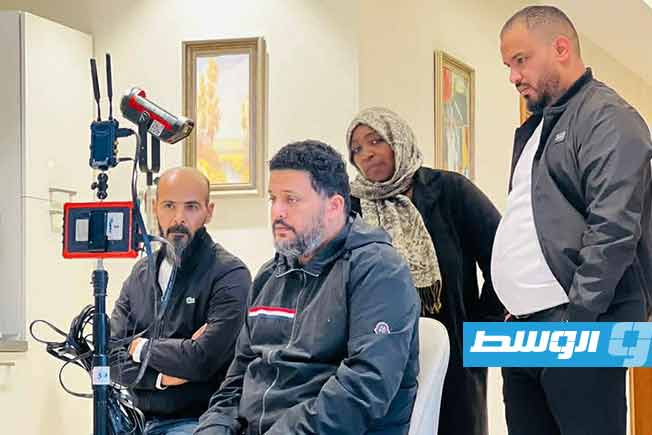
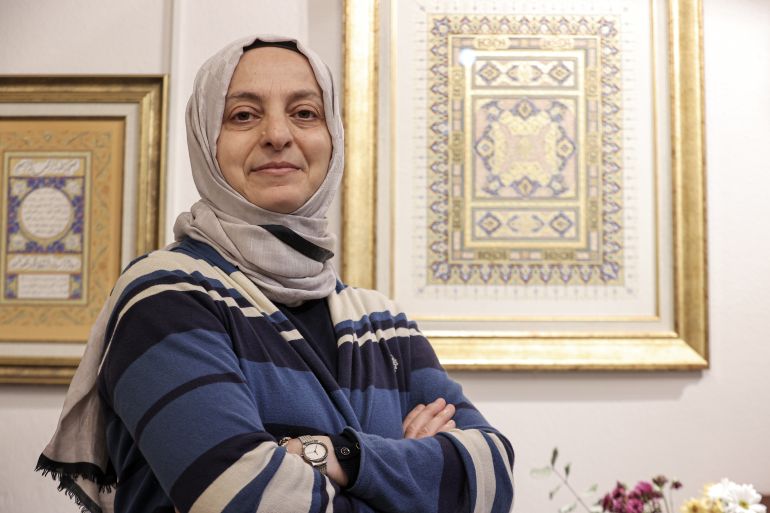
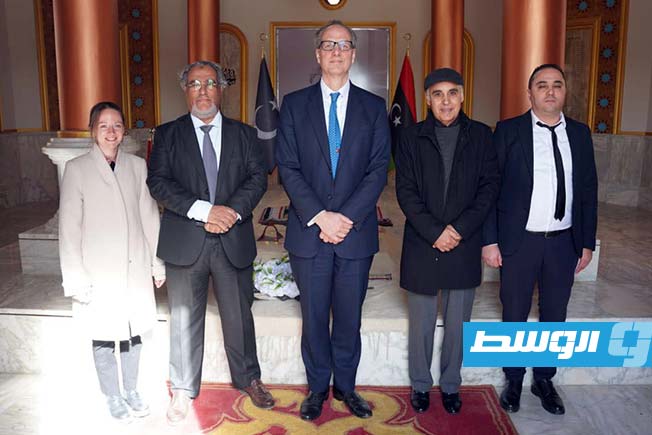
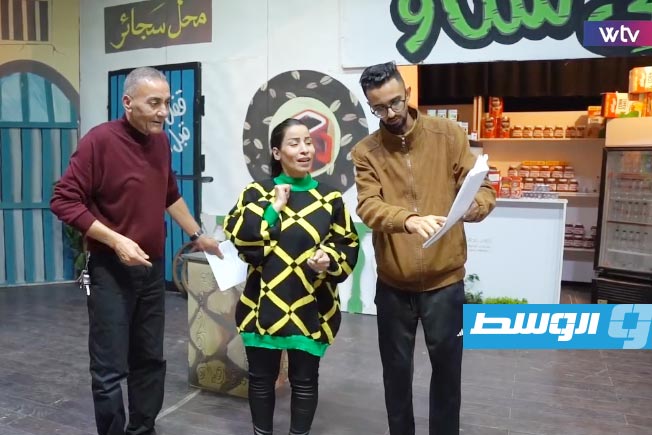
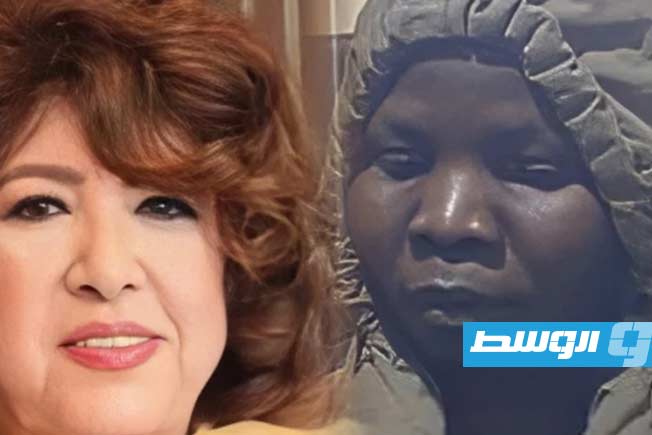
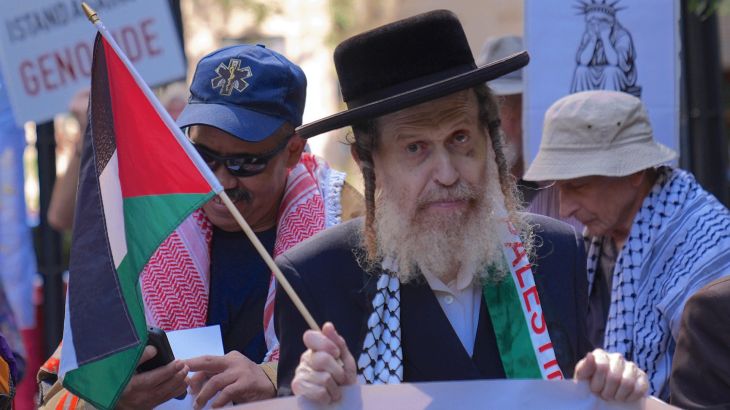
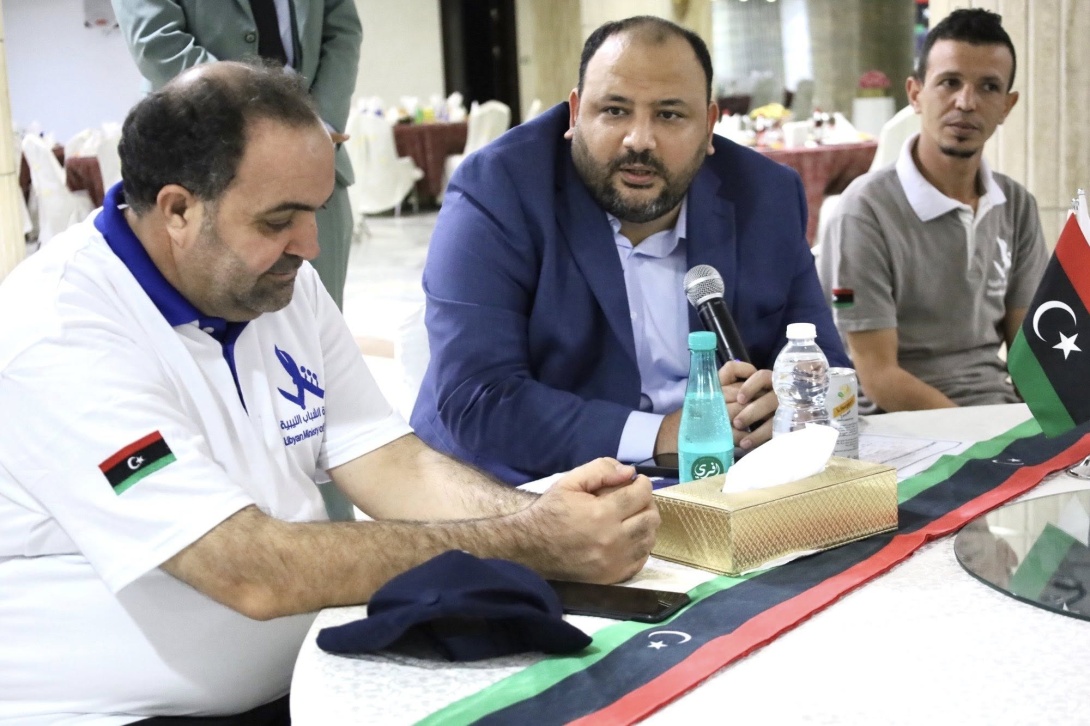
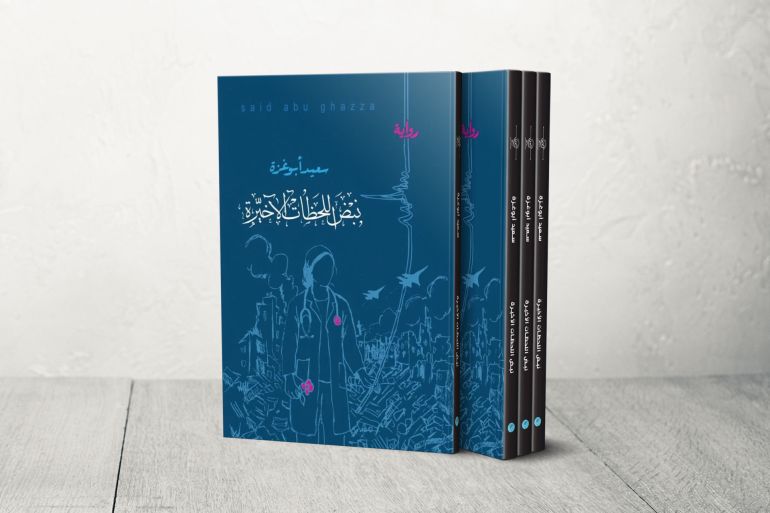
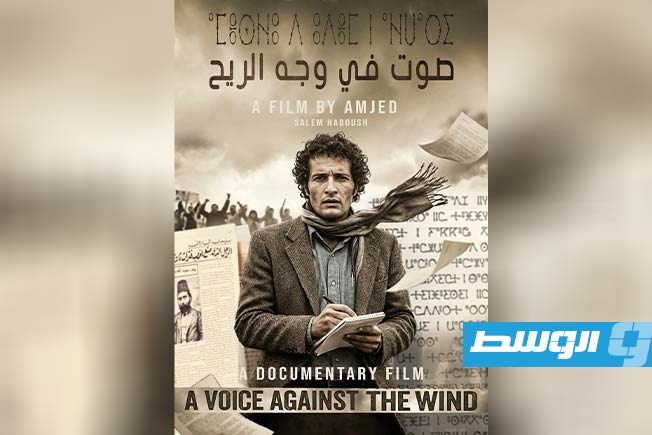
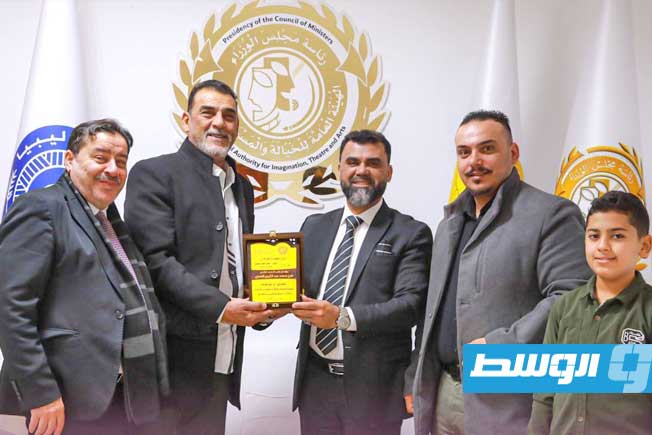
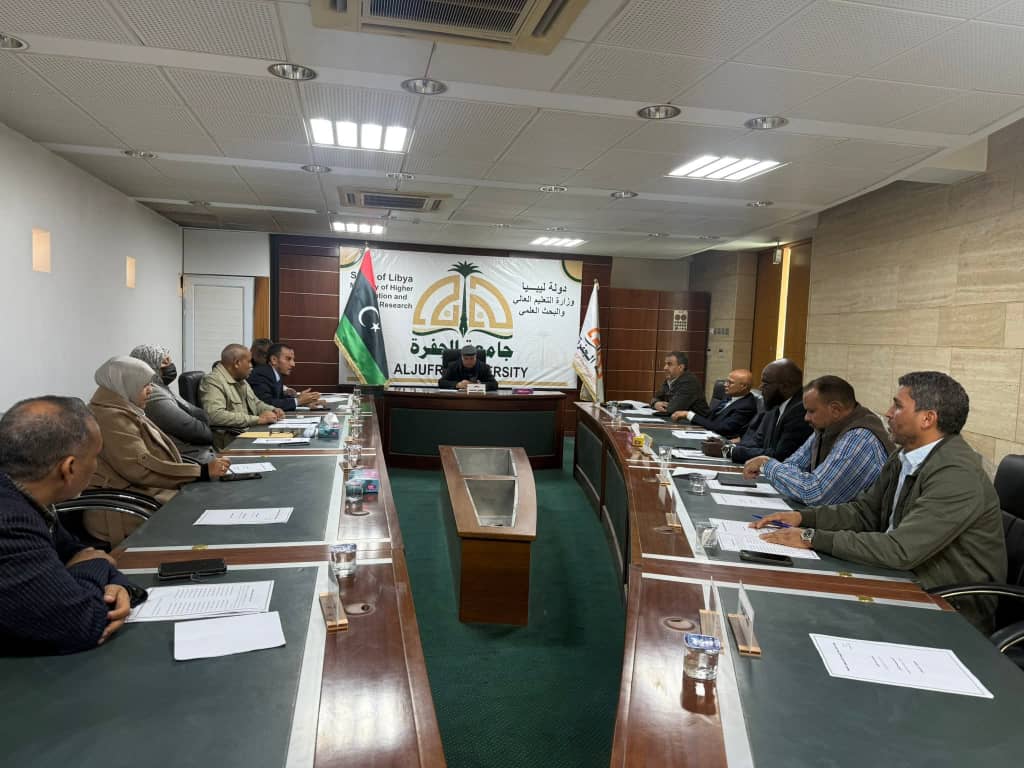
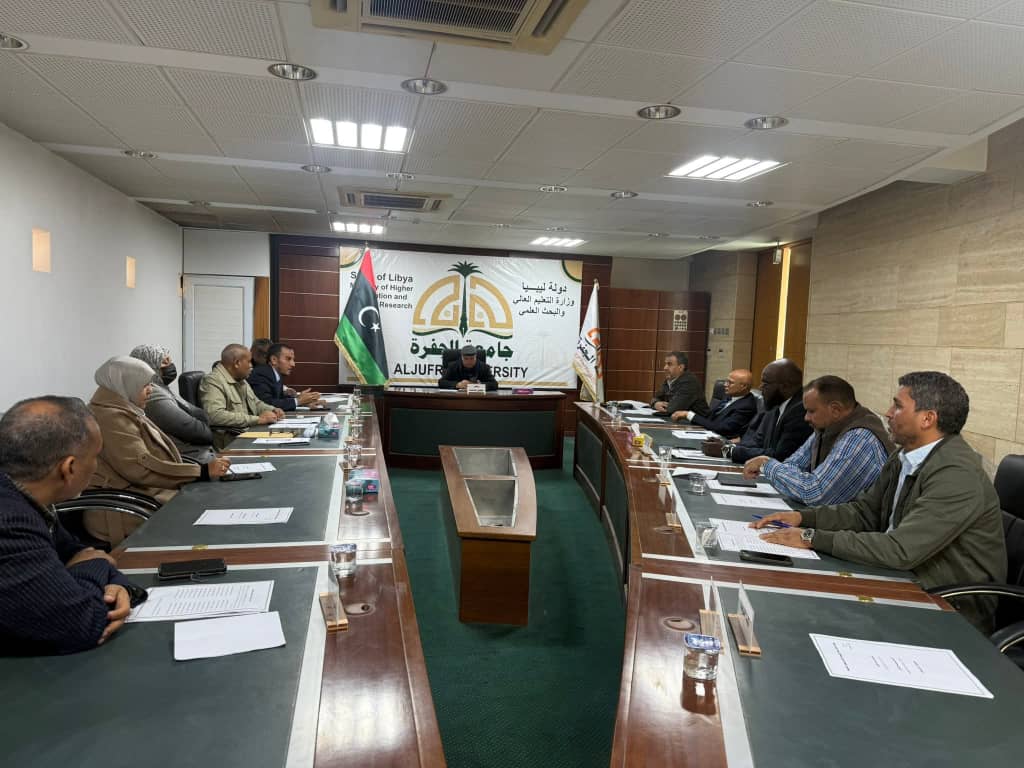
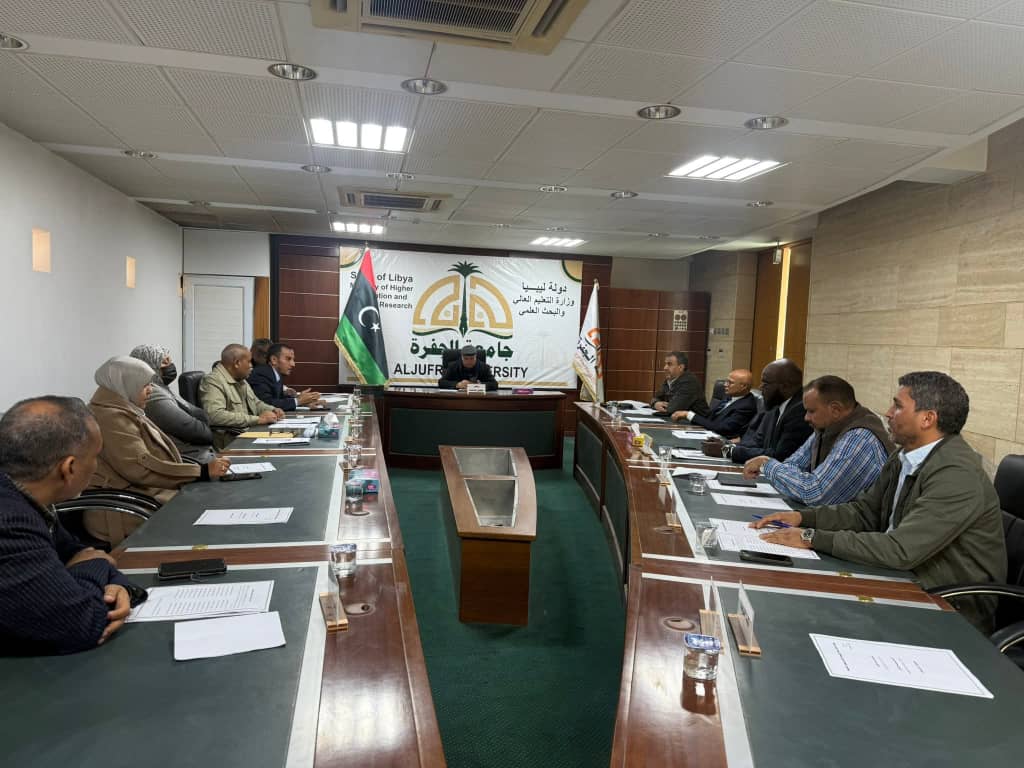
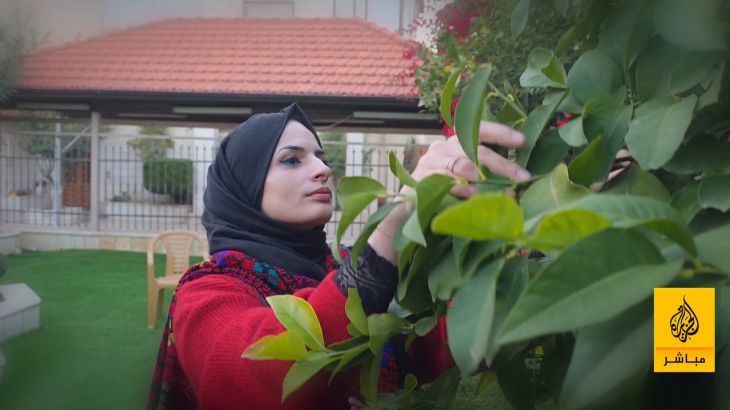
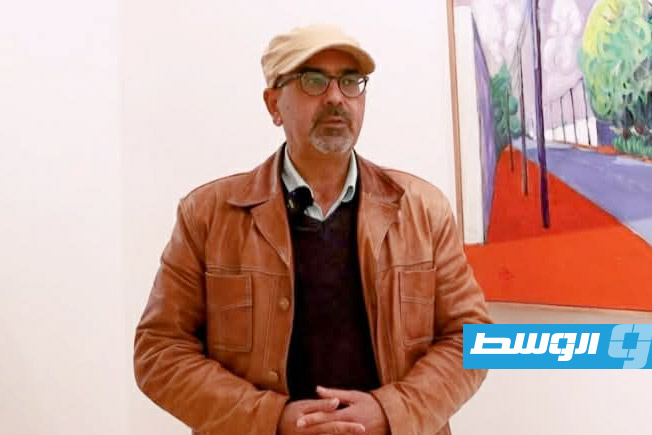
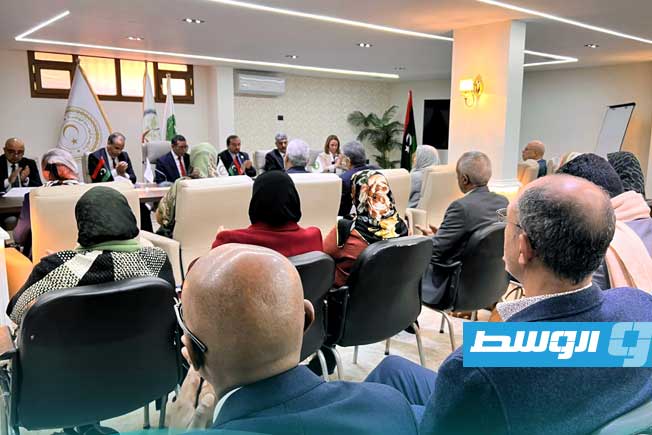
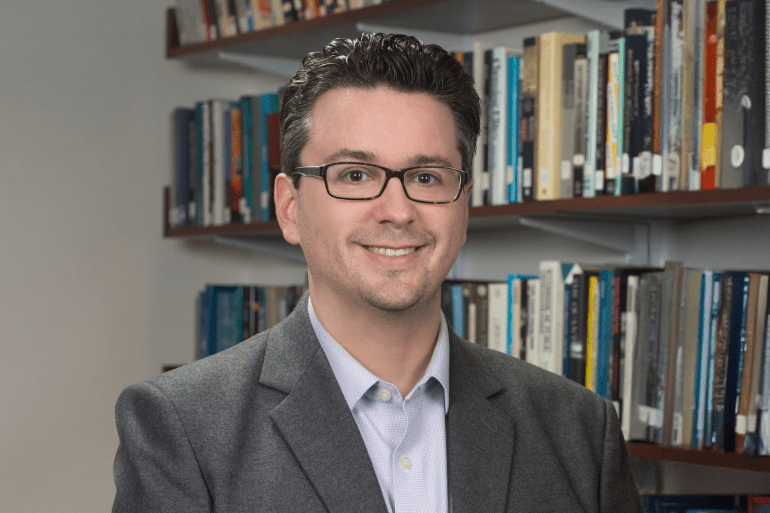
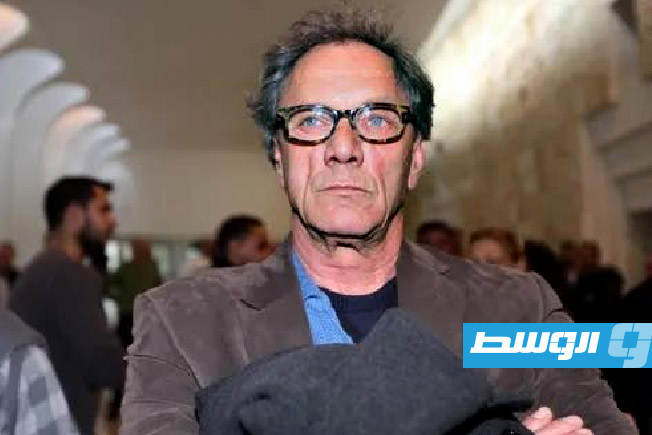
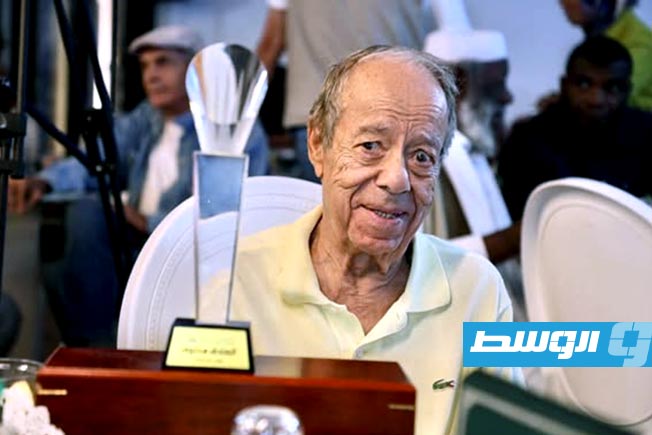
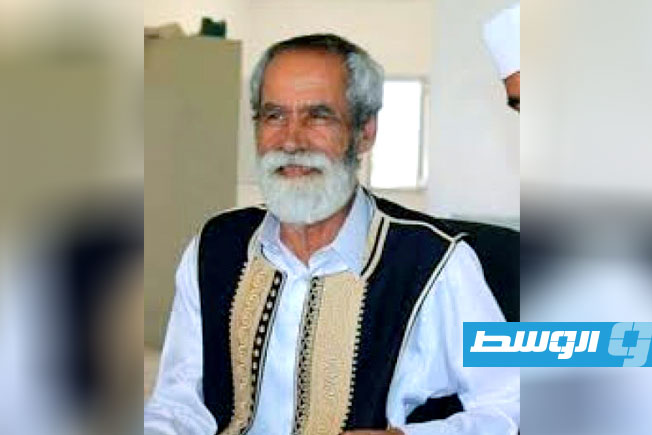
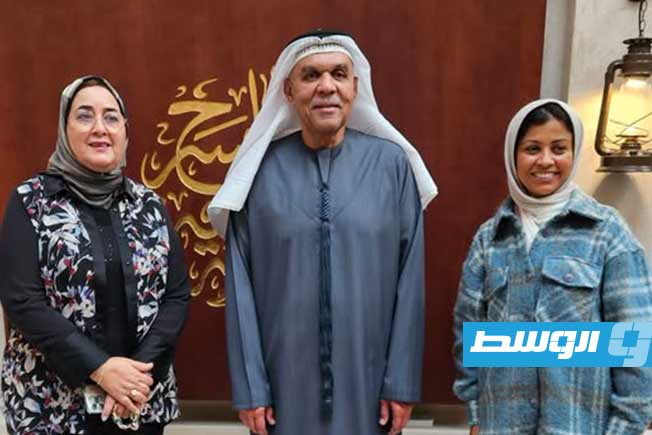
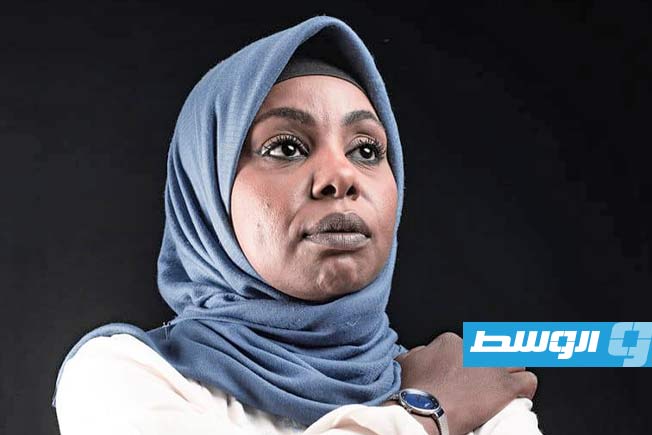
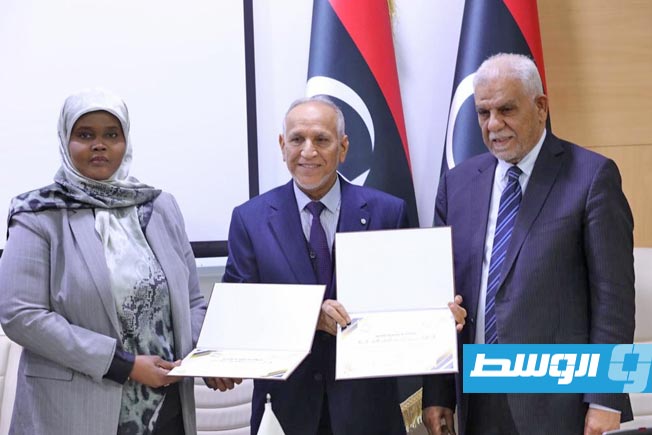
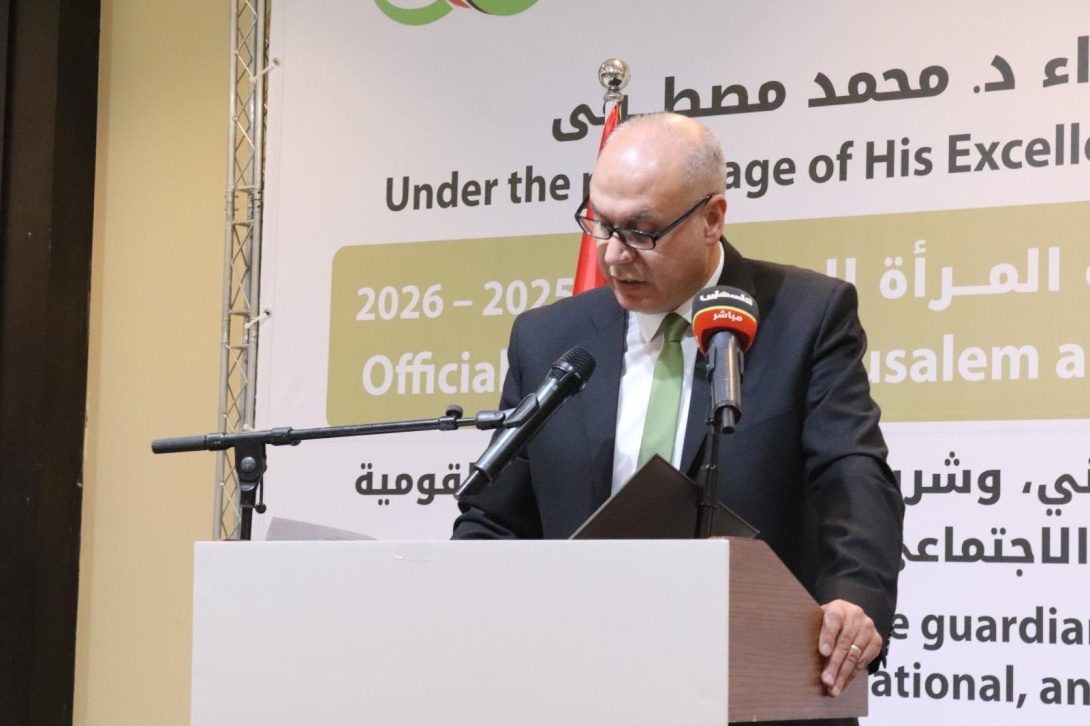
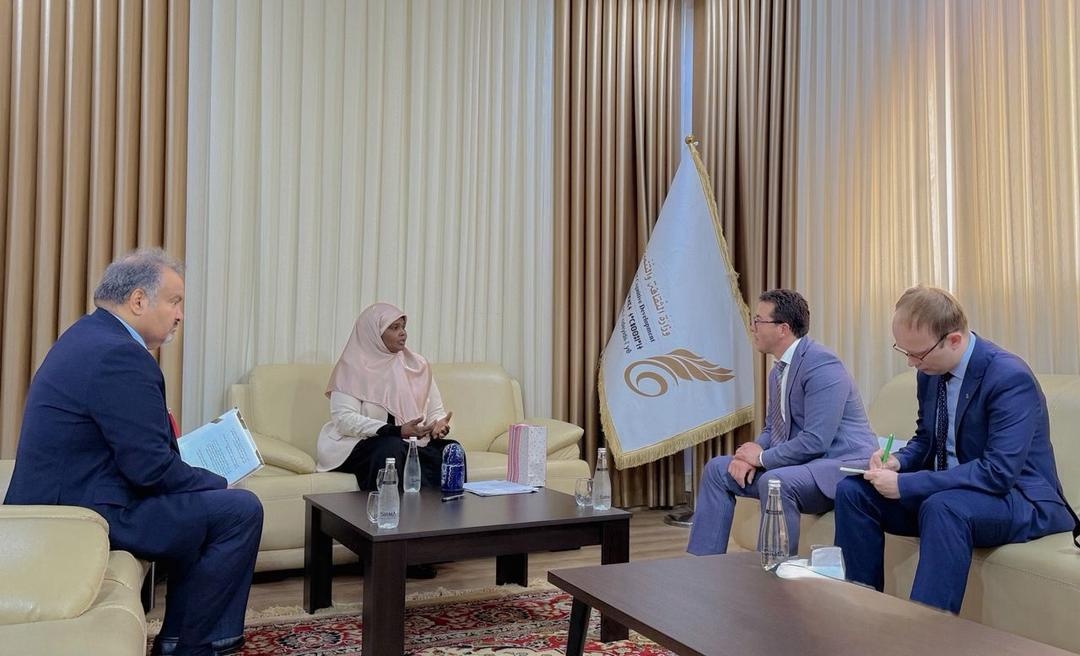
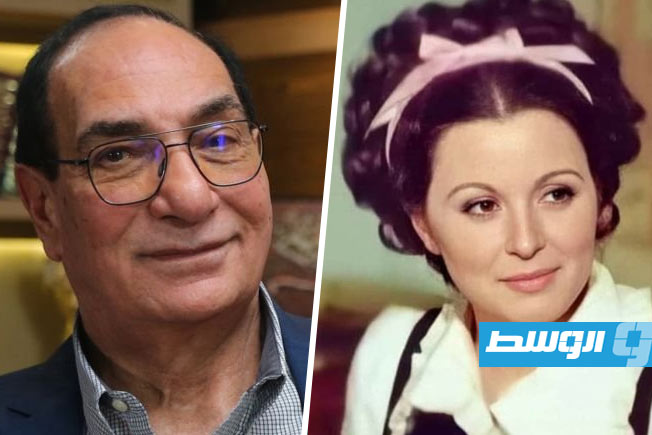
The Arab Theatre Authority announced, during a press conference held at the Supreme Council for Culture, the formation of the judging committee for the Sheikh Sultan bin Muhammad Al Qasimi Award for Best Theatrical Performance. The committee is chaired by a Palestinian artist, with members including an artist from Sudan, a doctor from Oman, an actress from Syria, a critic from Bahrain, and a writer from Libya serving as the committee’s rapporteur.
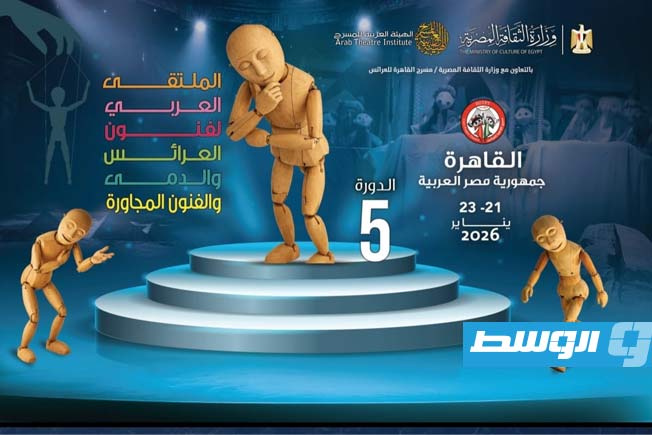
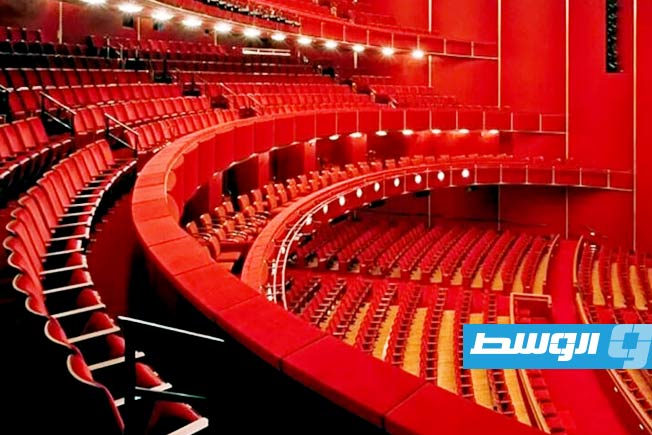
The opening ceremony for the sixteenth edition, hosted by Cairo from January 10th to 16th, is scheduled to take place at the Grand Theatre of the Egyptian Opera House. This edition is organized by the Arab Theatre Authority in cooperation with the Egyptian Ministry of Culture, and will be attended by the Egyptian Minister of Culture, the Head of the Sharjah Department of Culture, and the Secretary-General of the Authority. The message for the Arab Theatre Day this year will be delivered by an Egyptian professor.
Details of Performances and Participations
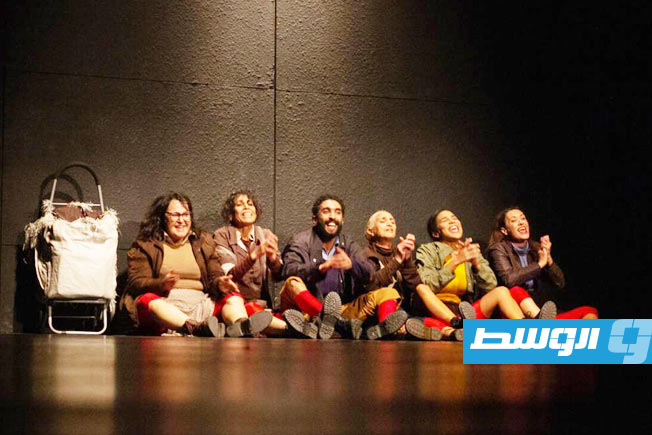
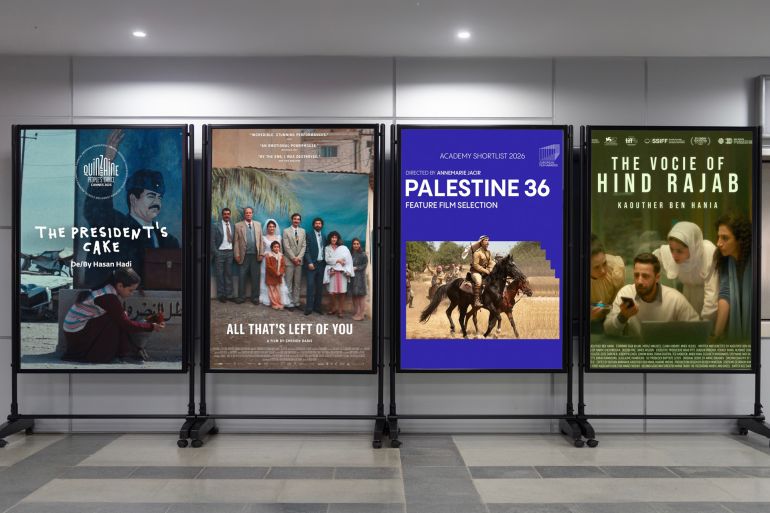
This edition witnessed unprecedented interest, with 150 performances applying to participate. Viewing committees selected 15 performances to compete for the grand prize from 10 Arab countries. From Morocco: “Windows 5” and “Economic Citizen”; from Tunisia: “The Runaways”, “Jacaranda”, and “Kima Today”; from Iraq: “Holy Divorce” and “The Funeral of the Respected Father”; from Egypt: “Carmen” and “Sent To”.
In addition, the performance “Crime and Punishment” is in the second track, along with performances from other countries: “The Ninth Hour” (Qatar), “Baba” (UAE), “Picnic on the Front Lines” (Lebanon), “From Another Angle” (Kuwait), and “Frigidaire” (Jordan).
– <a>Appointment of a new director for the ‘Jamal al-Din’ Institute of Music and Theatre
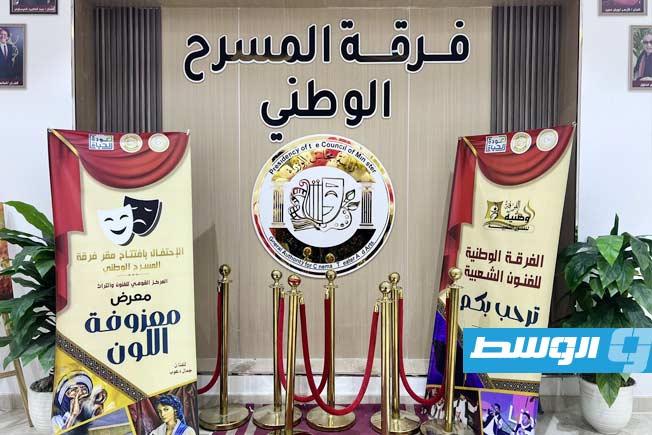
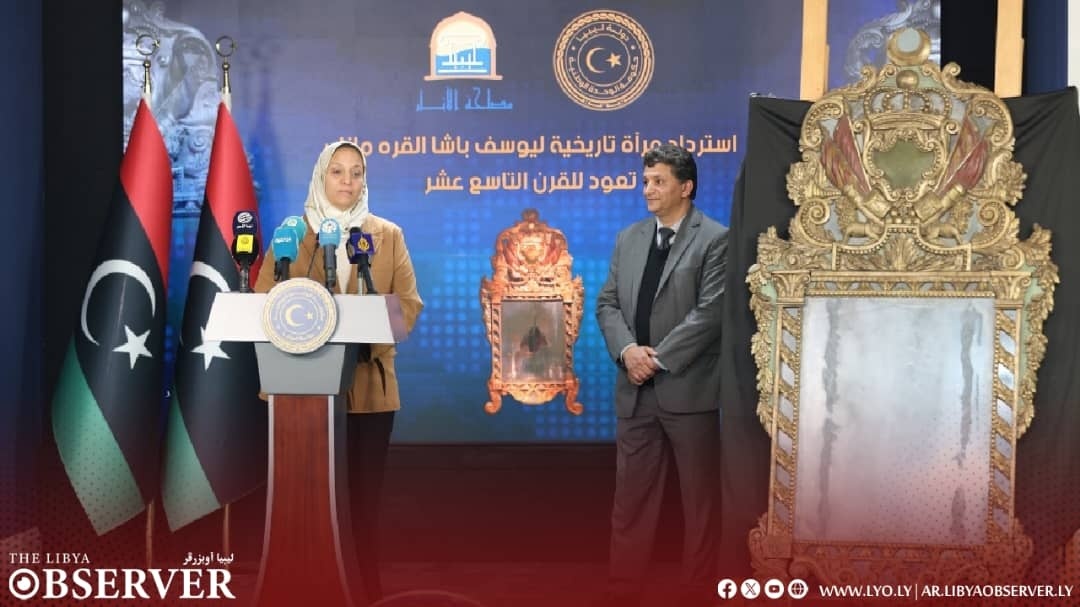
– <a>The National Theatre in Tripoli celebrates the opening of its new headquarters and announces the revival of the ‘Father of Arts’
– <a>The seventh edition of the ‘Derna Blossom Theatre Festival’ postponed indefinitely
According to Egyptian media, it was confirmed that the festival is not limited to performances. It also includes an intellectual symposium titled “Towards a Scientific Foundation for the Project of Arab Theatre Criticism” with the participation of more than 20 researchers, alongside the release of 12 new books on Egyptian theatre. Furthermore, six training workshops will be held across the governorates of Aswan, Alexandria, and Ismailia to enhance the skills of young theatre professionals.
Arab Theatre Authority
The Arab Theatre Authority is a cultural institution established in 2015 under the Arab League Educational, Cultural and Scientific Organization (ALECSO). Its primary mission is to support and develop theatrical arts across the Arab world by fostering cooperation, organizing festivals, and preserving the region’s rich theatrical heritage.
Supreme Council for Culture
The Supreme Council for Culture is Egypt’s primary state body responsible for cultural policy, artistic development, and intellectual life. It was established in 1980 to succeed the Ministry of Culture’s Higher Council for Arts, Literature, and Social Sciences, with a mandate to organize cultural activities, support creators, and preserve national heritage.
Sheikh Sultan bin Muhammad Al Qasimi Award for Best Theatrical Performance
The Sheikh Sultan bin Muhammad Al Qasimi Award for Best Theatrical Performance is a prestigious annual award established in 2008 in the Emirate of Sharjah, UAE. It was founded by the Emirate’s ruler, Sheikh Sultan bin Muhammad Al Qasimi, to honor and encourage excellence in Arabic theatre, recognizing outstanding productions and artists across the Arab world.
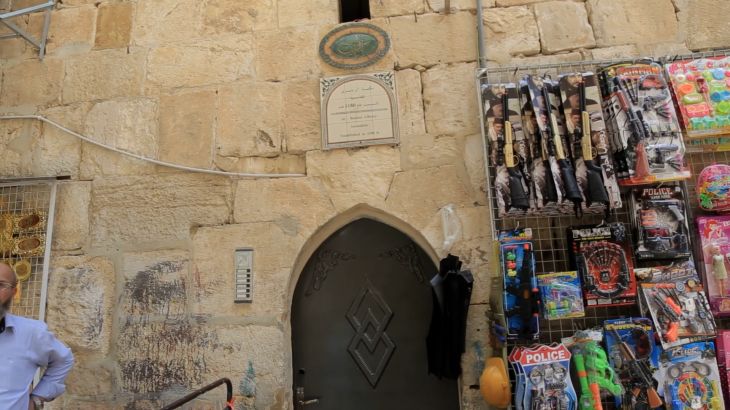
Palestinian
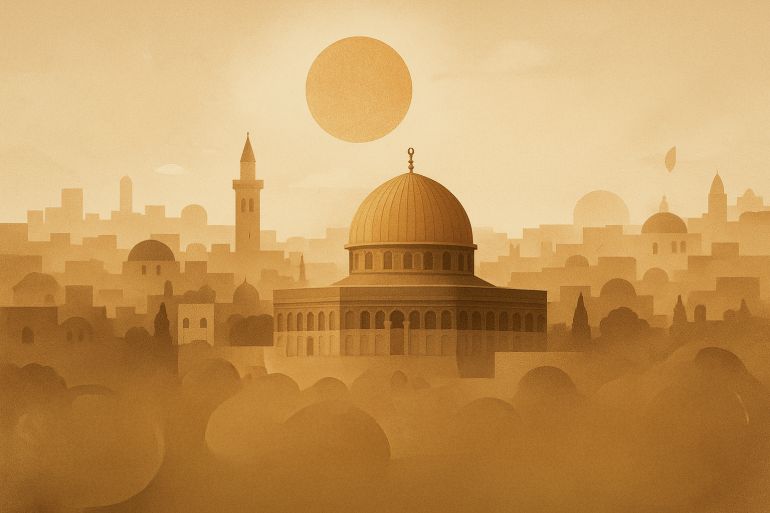
Palestinian culture and heritage are deeply rooted in the historic region of Palestine, which encompasses modern-day Israel and the Palestinian territories. Key cultural sites include the ancient city of Jerusalem, sacred to multiple faiths, and historic cities like Bethlehem and Hebron, which reflect millennia of layered history and ongoing significance to Palestinian identity.
Sudan
Sudan is a country in Northeast Africa with a rich history as the location of the ancient Kingdom of Kush, which was a major power and rival to ancient Egypt. It is home to numerous archaeological sites, including the pyramids of Meroë, which are a UNESCO World Heritage Site. In modern history, Sudan gained independence from Anglo-Egyptian rule in 1956 and has since experienced significant political changes, including the secession of South Sudan in 2011.
Oman
Oman is a country on the southeastern coast of the Arabian Peninsula with a rich maritime history as a powerful trading empire. Its cultural identity is deeply tied to Ibadism, a distinct form of Islam, and its historical influence extended along the East African coast. Key heritage sites include numerous well-preserved forts, such as those in Nizwa and Bahla, which reflect its historical role as a center of commerce and regional power.
Syria
Syria is a country in the Middle East with a rich history as a cradle of civilization, home to ancient cities like Damascus, one of the world’s oldest continuously inhabited cities. Its historical landscape includes significant archaeological sites from various empires, such as the ruins of Palmyra and the Crusader castle Krak des Chevaliers. In recent history, the country has been profoundly affected by a complex and ongoing civil war that began in 2011.
Bahrain
Bahrain is an island nation in the Persian Gulf, historically known as ancient Dilmun, a major trading civilization dating back over 4,000 years. It is home to the UNESCO-listed Bahrain Fort (Qal’at al-Bahrain) and the ancient burial mounds, testaments to its long history. Today, it is a modern constitutional monarchy and a major financial hub in the Middle East.
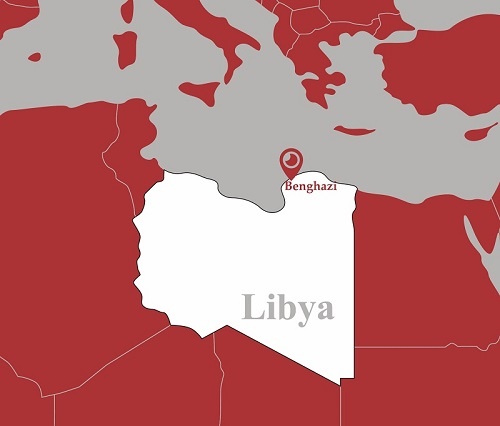
Libya
Libya is a North African country with a rich history rooted in ancient civilizations like the Phoenicians and Romans, followed by centuries of Arab and Ottoman influence. In the modern era, it was an Italian colony before gaining independence in 1951, later becoming known for Muammar Gaddafi’s lengthy rule from 1969 until the 2011 revolution. Its cultural sites include the well-preserved Roman ruins of Leptis Magna, a UNESCO World Heritage site.
Cairo
Cairo is the sprawling capital of Egypt, founded in 969 CE by the Fatimid dynasty. It is famously home to historic Islamic districts, the Egyptian Museum, and the nearby Giza pyramid complex, which dates back to the 26th century BCE.
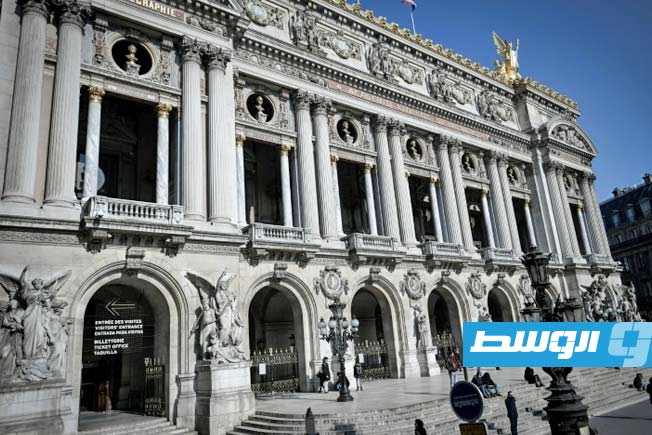
Grand Theatre of the Egyptian Opera House
The Grand Theatre of the Egyptian Opera House, located in Cairo’s Zamalek district, is the main hall of the Cairo Opera House complex, which opened in 1988. It was built with Japanese support as a replacement for the original Khedivial Opera House that burned down in 1971, continuing Egypt’s long-standing tradition as a cultural hub for opera and classical music in the region.
Egyptian Ministry of Culture
The Egyptian Ministry of Culture is a government body established in 1958, responsible for preserving and promoting Egypt’s vast cultural heritage and contemporary arts. Its history is closely tied to post-revolutionary efforts to define a modern national identity, and it oversees major institutions like the Egyptian Opera House and the Supreme Council of Antiquities.
Egyptian Minister of Culture
The Egyptian Minister of Culture is a government official responsible for overseeing Egypt’s cultural policy, heritage sites, and artistic institutions. The position has historically played a key role in managing and promoting iconic sites like the Giza Pyramids and the Egyptian Museum, as well as in efforts to repatriate antiquities.
Sharjah Department of Culture
The Sharjah Department of Culture is a government body in the Emirate of Sharjah, UAE, established to preserve and promote the emirate’s rich cultural heritage. It oversees numerous museums, festivals, and educational programs, reflecting Sharjah’s long-standing commitment to being a cultural capital of the Arab world as recognized by UNESCO in 1998.
Arab Theatre Day
Arab Theatre Day, observed annually on January 10, is a cultural celebration dedicated to honoring the rich history and contemporary vitality of theatre across the Arab world. It commemorates the opening of the first modern Arab theatre, established by Marun Al-Naqqash in Beirut in 1847, marking a pivotal moment in the region’s performing arts heritage. The day promotes theatrical production and recognizes the contributions of Arab playwrights, actors, and artists to global culture.
Morocco
Morocco is a North African country with a rich history shaped by indigenous Amazigh (Berber) cultures, Arab influence from the 7th century, and successive dynasties like the Almoravids and Almohads. Its cultural sites, such as the ancient city of Fez and the Koutoubia Mosque in Marrakech, reflect this blend of Arab, Islamic, and Amazigh heritage. The country’s historic medinas, kasbahs, and varied landscapes from the Sahara Desert to the Atlas Mountains are central to its identity.
Tunisia
Tunisia is a North African country with a rich history shaped by ancient civilizations, including the Phoenicians who founded Carthage, followed by Roman, Arab, and Ottoman rule. It later became a French protectorate before gaining independence in 1956. Today, it is known for its archaeological sites, Mediterranean coastline, and as the birthplace of the Arab Spring pro-democracy movement in 2011.
Iraq
Iraq, historically known as Mesopotamia, is often called the “Cradle of Civilization” for its ancient cities like Babylon and Ur, which were home to early developments in writing, law, and urban life. In the modern era, it became an independent kingdom in 1932 and later a republic, experiencing significant turmoil including the Iraq War beginning in 2003. Today, it is a federal parliamentary republic containing key religious sites for Shia Islam and numerous archaeological treasures from successive empires like the Sumerian, Akkadian, Babylonian, and Abbasid.
Egypt
Egypt is home to one of the world’s oldest civilizations, with a recorded history spanning over 5,000 years that includes the era of the pharaohs and iconic monuments like the Pyramids of Giza. Its rich cultural heritage, from ancient temples along the Nile to Islamic architecture in Cairo, continues to draw global interest and study.
Qatar
Qatar is a sovereign country located on the northeastern coast of the Arabian Peninsula. Historically a pearling and fishing center, it transformed into a modern state following the discovery of vast oil and natural gas reserves in the mid-20th century, which now form the basis of its economy and global influence. Its capital, Doha, is home to numerous modern cultural sites like the Museum of Islamic Art and the National Museum of Qatar, which explore the nation’s heritage and rapid development.
UAE
The United Arab Emirates (UAE) is a federation of seven emirates on the Arabian Peninsula, formed in 1971 following the end of the British protectorate treaties. Historically a region of pearl diving and trade, it has rapidly transformed into a global hub known for its modern architecture, such as the Burj Khalifa, and its significant cultural sites like the historic Al Fahidi district in Dubai.
Lebanon
Lebanon is a country in the Middle East with a rich history as a crossroads of civilizations, including the ancient Phoenicians, Romans, and Ottomans. It is known for its diverse cultural and religious heritage, as well as historical sites such as the Roman ruins at Baalbek and the coastal city of Byblos, one of the oldest continuously inhabited cities in the world.
Kuwait
Kuwait is a sovereign Arab state located at the head of the Persian Gulf, historically established as a sheikhdom in the 18th century by clans from the Arabian interior. Its modern history was transformed by the discovery of oil in the 1930s, leading to rapid economic development, though it was profoundly impacted by the Iraqi invasion and subsequent Gulf War in 1990–1991.
Jordan
Jordan is a Middle Eastern country with a rich historical legacy, most famously home to the ancient city of Petra, a Nabatean capital carved into rose-red sandstone cliffs over 2,000 years ago. The region has been a crossroads of civilizations, from the Roman Empire—evidenced by sites like Jerash—to the Islamic Caliphates and the Crusader period. Modern Jordan gained independence from British administration in 1946 and is known as the Hashemite Kingdom of Jordan.
Jamal al-Din Institute of Music and Theatre
The Jamal al-Din Institute of Music and Theatre is a prominent cultural institution in Afghanistan, named after the 19th-century Afghan ruler and reformer Amir Abdul Rahman Khan, whose nickname was “Jamal al-Din.” It was established to promote and preserve Afghan performing arts, providing education in music, theater, and traditional arts for decades.
National Theatre in Tripoli
The National Theatre in Tripoli is a prominent cultural venue in Libya, originally inaugurated in 1968. It was built during the era of King Idris I and has since hosted numerous theatrical performances, concerts, and national events, serving as a key center for the arts in the country.
Derna Blossom Theatre Festival
The Derna Blossom Theatre Festival is an annual cultural event held in the city of Derna, Libya, traditionally celebrating the region’s spring almond blossom harvest through theatrical performances. Historically, it served as a significant platform for Arab playwrights and actors, fostering artistic expression in the country. The festival has faced significant disruptions due to the conflict and instability in Libya over the past decade.
Aswan
Aswan is a city in southern Egypt, historically known as Swenett, which served as a crucial frontier town and trade gateway to ancient Nubia. It is famed for its archaeological sites, including the Philae temple complex and the Aswan High Dam, a monumental 20th-century engineering project that created Lake Nasser.
Alexandria
Alexandria is a major port city on Egypt’s Mediterranean coast, founded by Alexander the Great in 331 BCE. It was renowned in antiquity for its Great Library and the Lighthouse of Pharos, one of the Seven Wonders of the Ancient World. The city remains a significant cultural and economic center, blending its ancient Greek, Roman, and Egyptian heritage with modern influences.
Ismailia
Ismailia is a city in northeastern Egypt, founded in 1863 during the construction of the Suez Canal and named after Khedive Ismail Pasha. It served as the headquarters for the Suez Canal Company and played a pivotal strategic role in the canal’s operation and subsequent conflicts, including the Suez Crisis and Arab-Israeli wars. Today, it is a major port and a city known for its well-planned, leafy streets and colonial-era architecture.