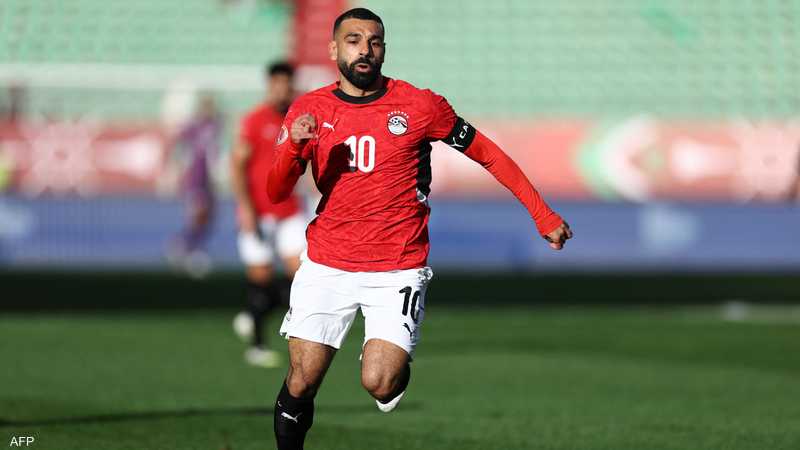
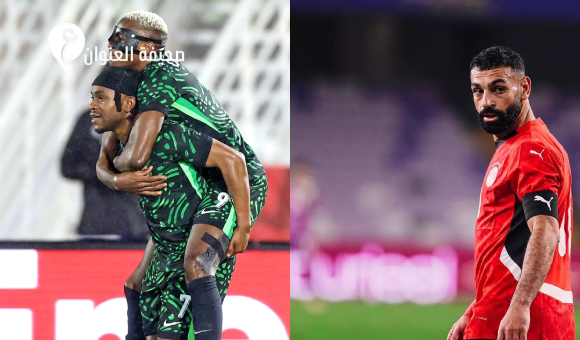
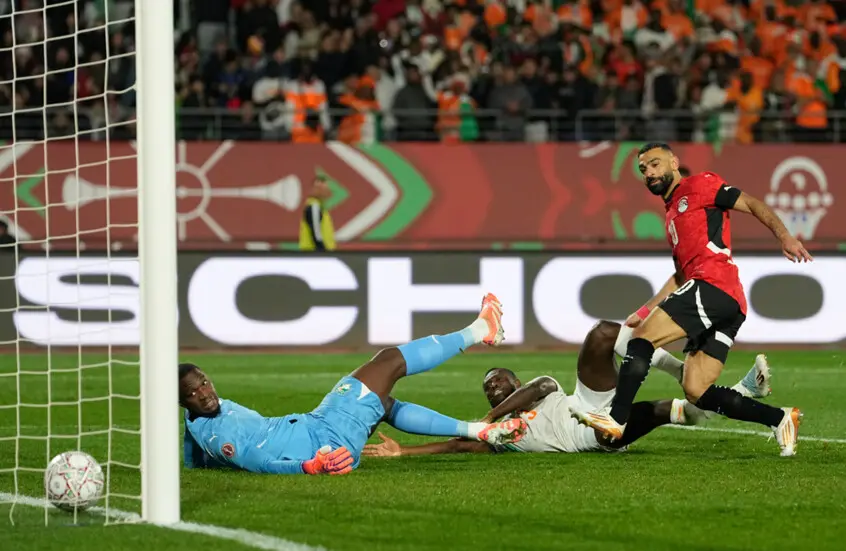
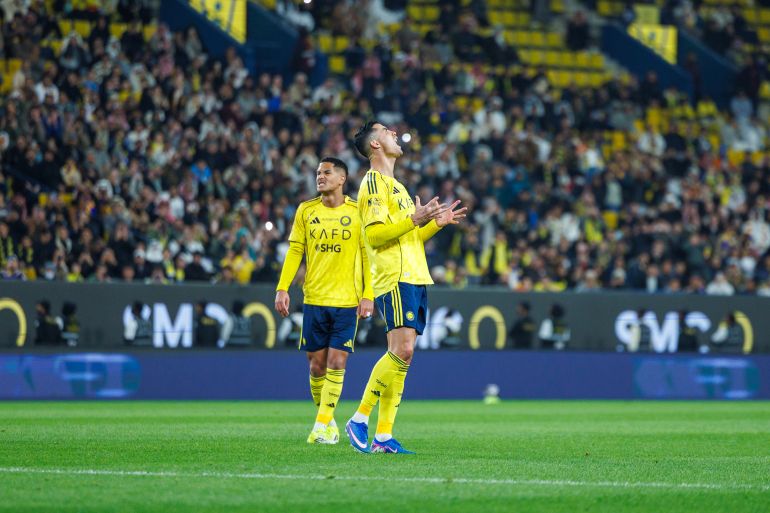
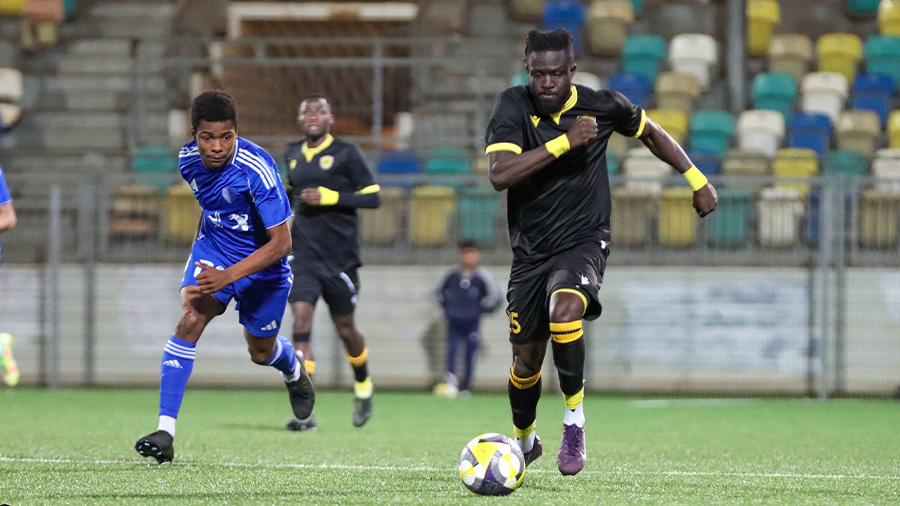
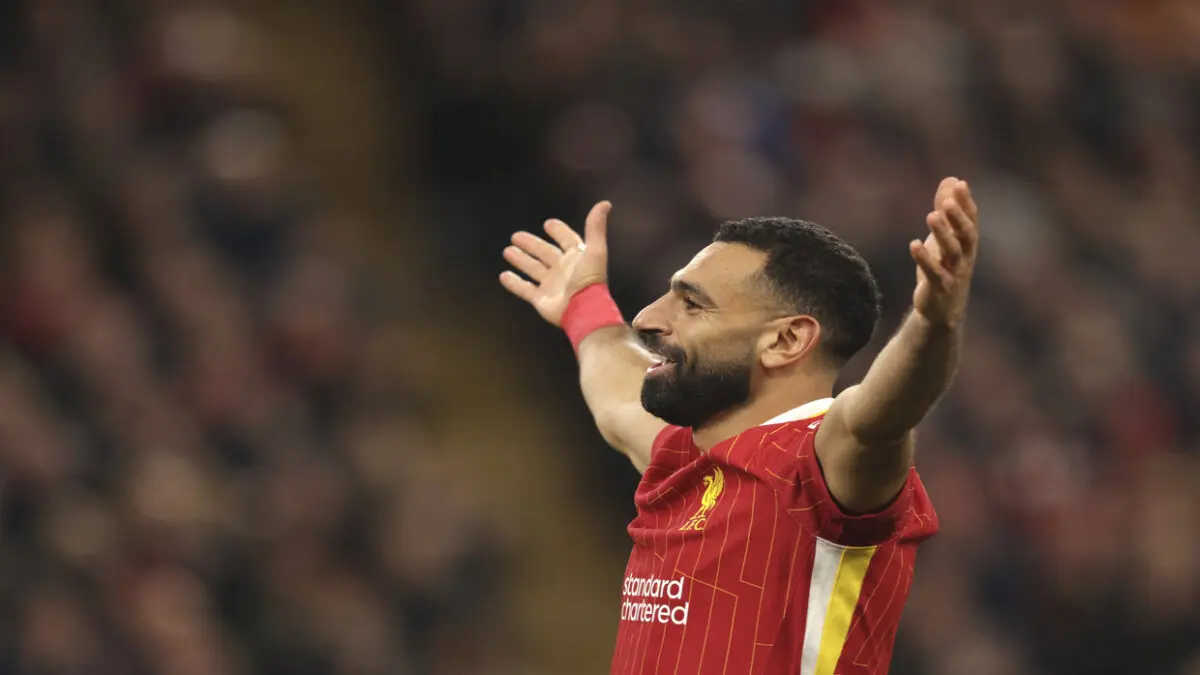
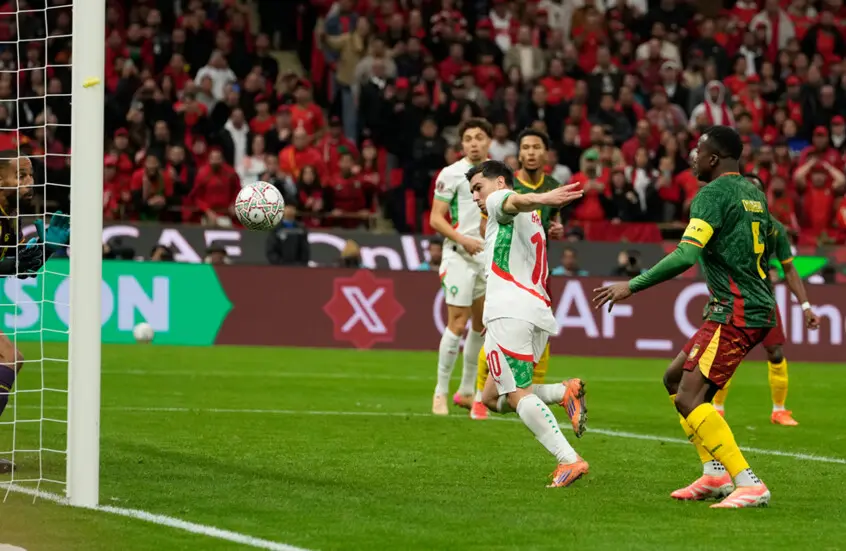
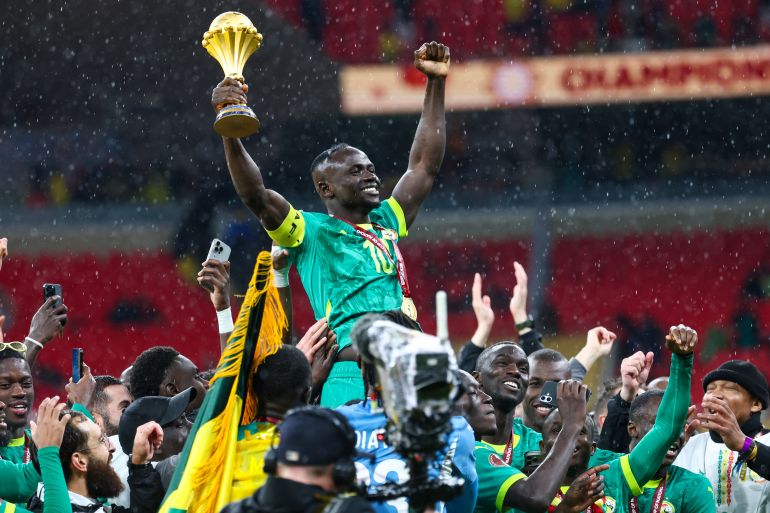
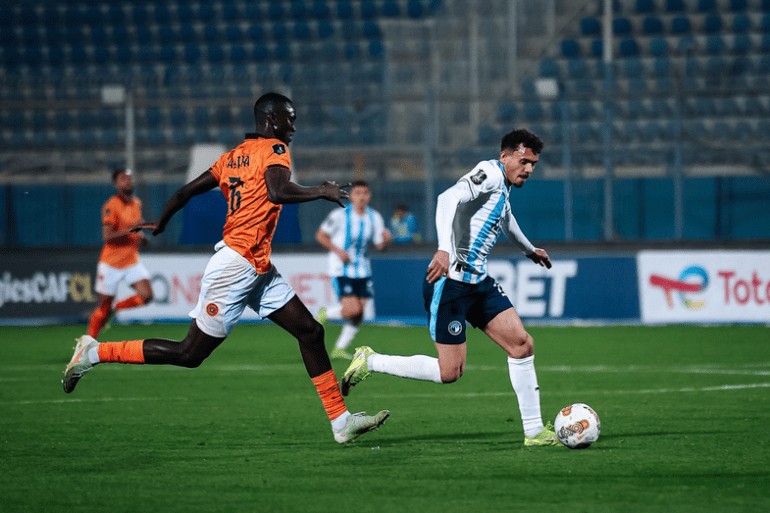
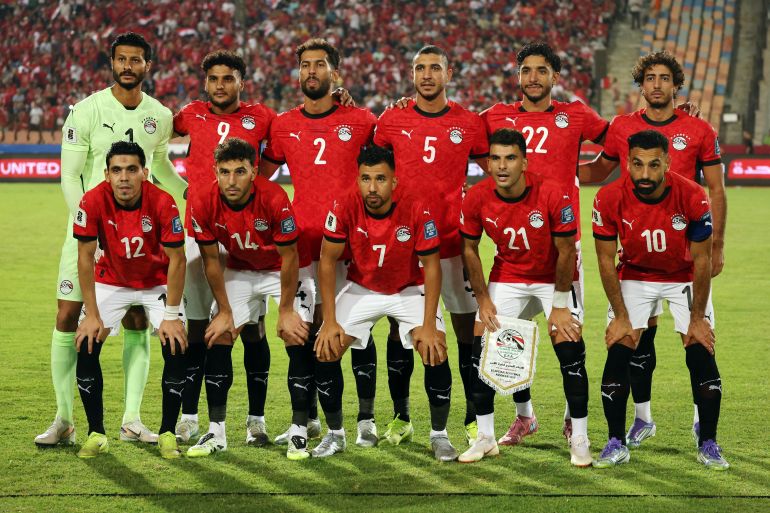
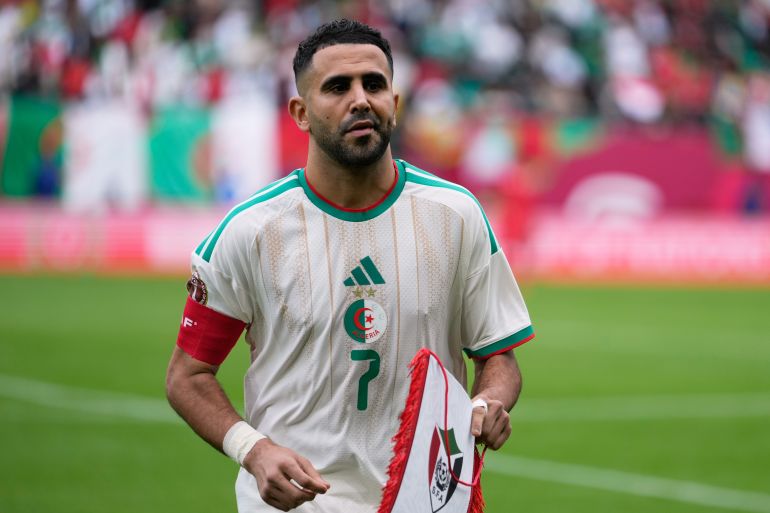
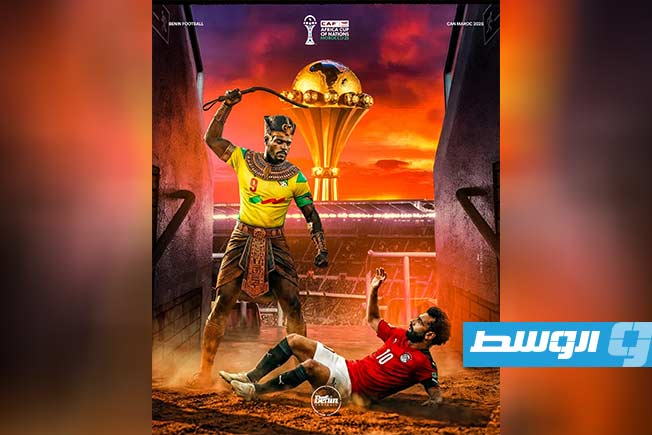
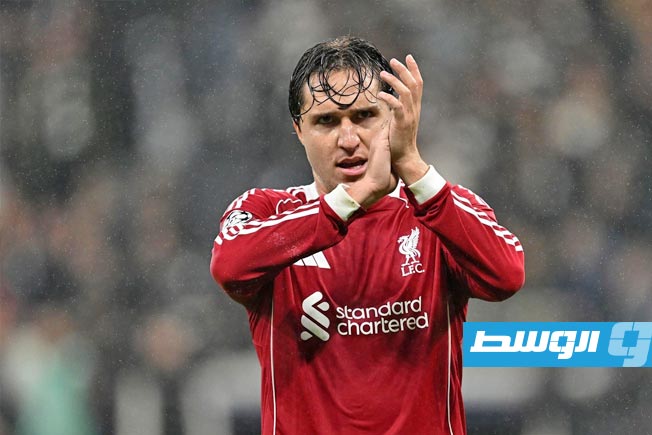
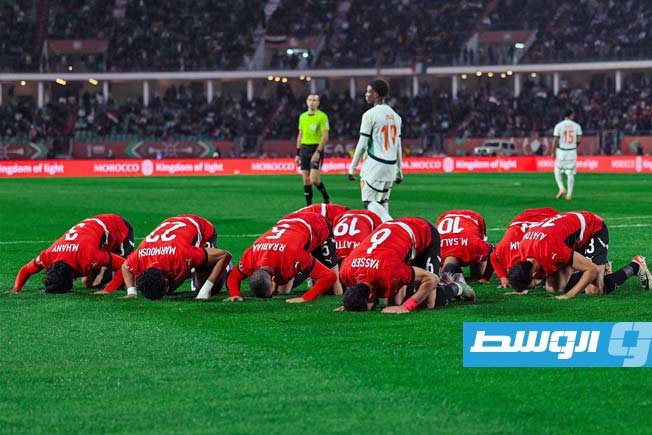
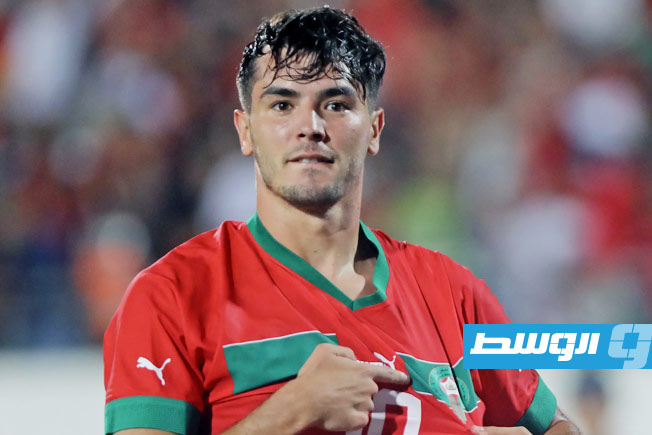
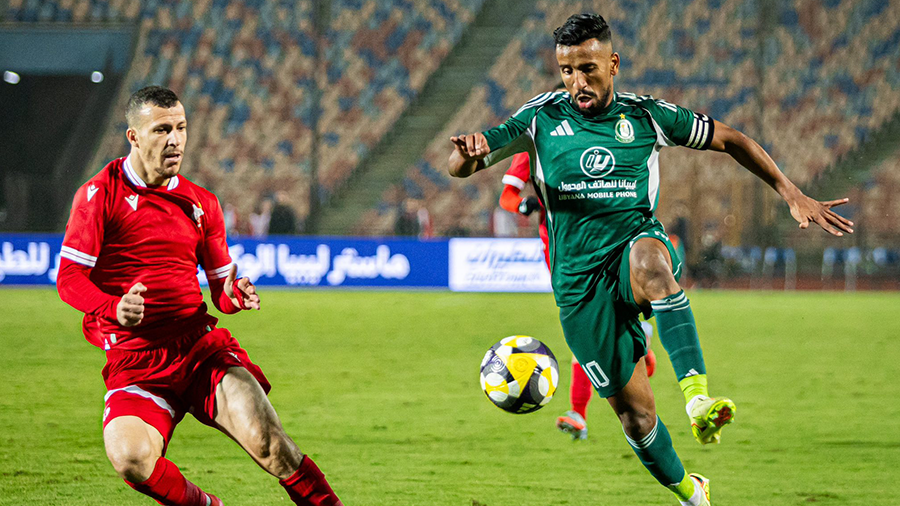
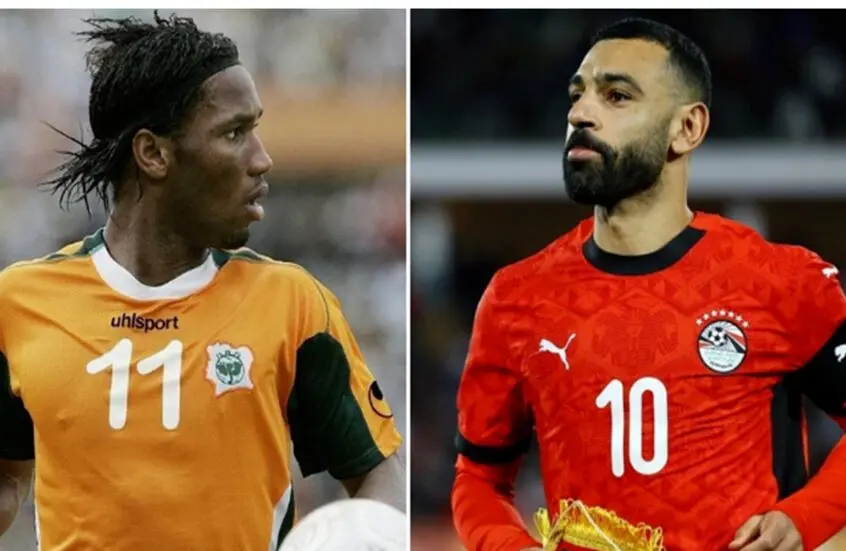
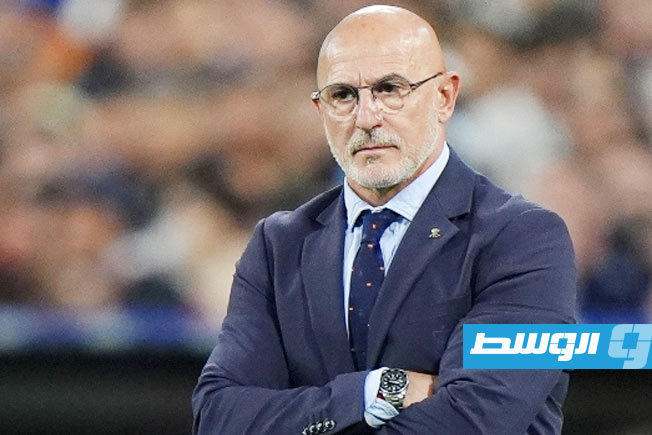
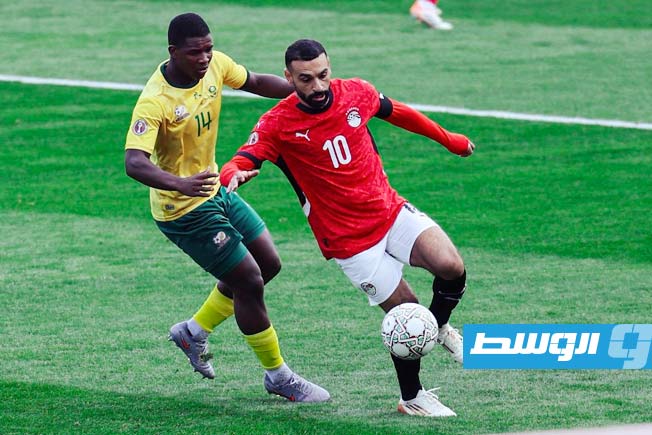
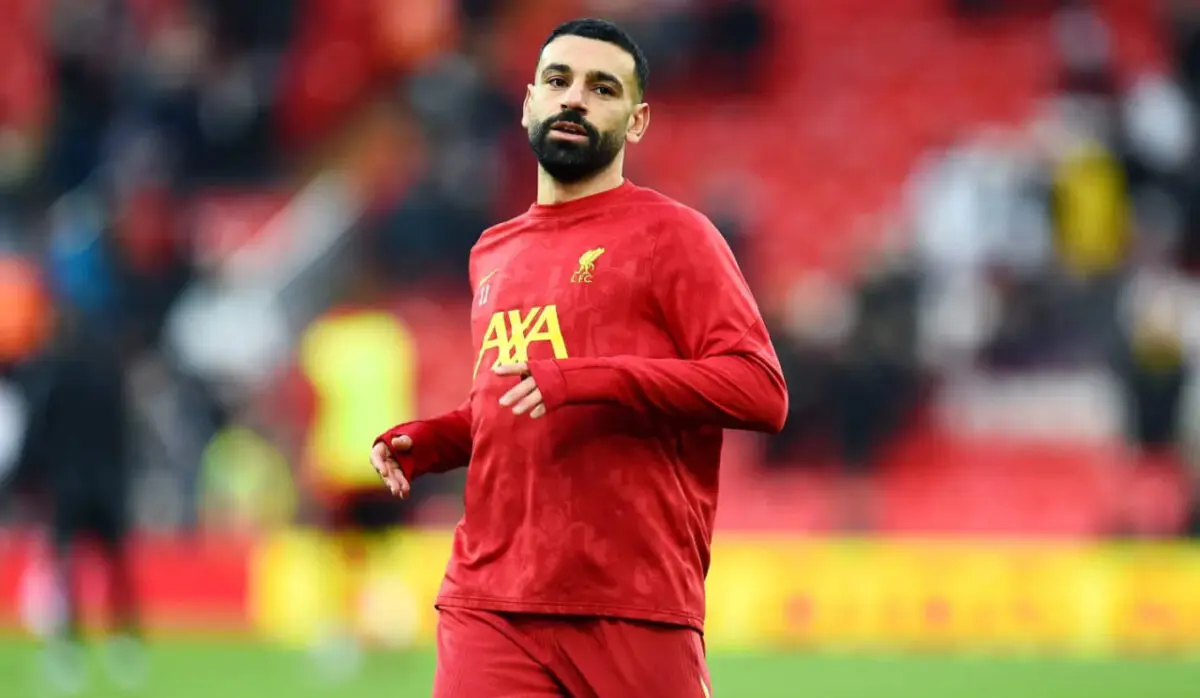
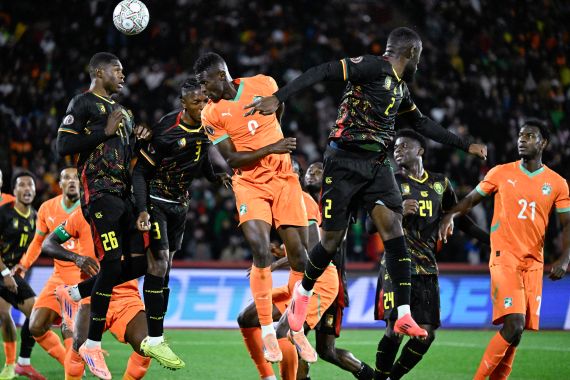
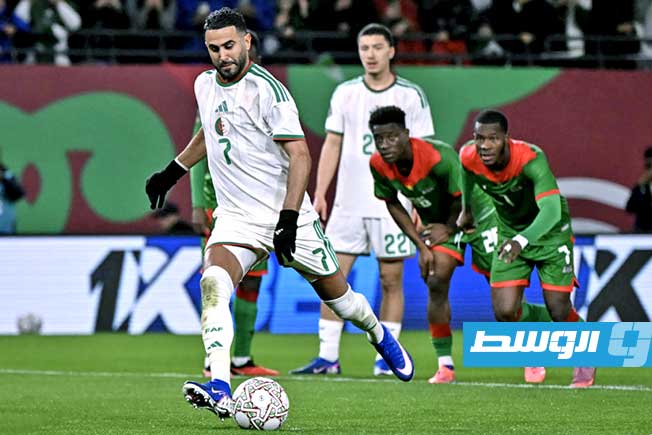
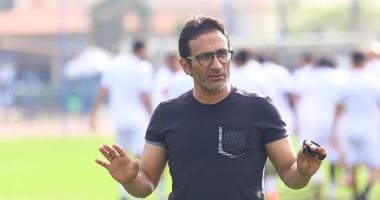
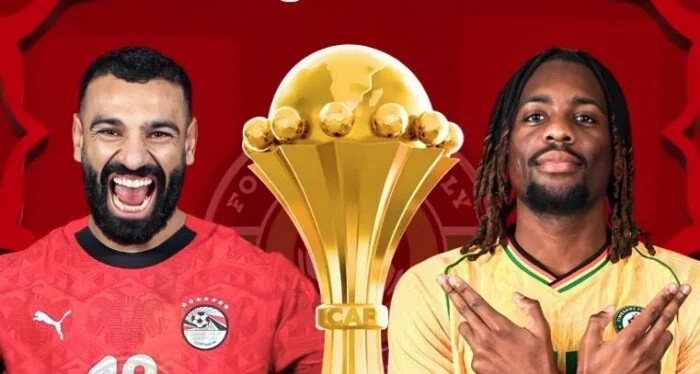
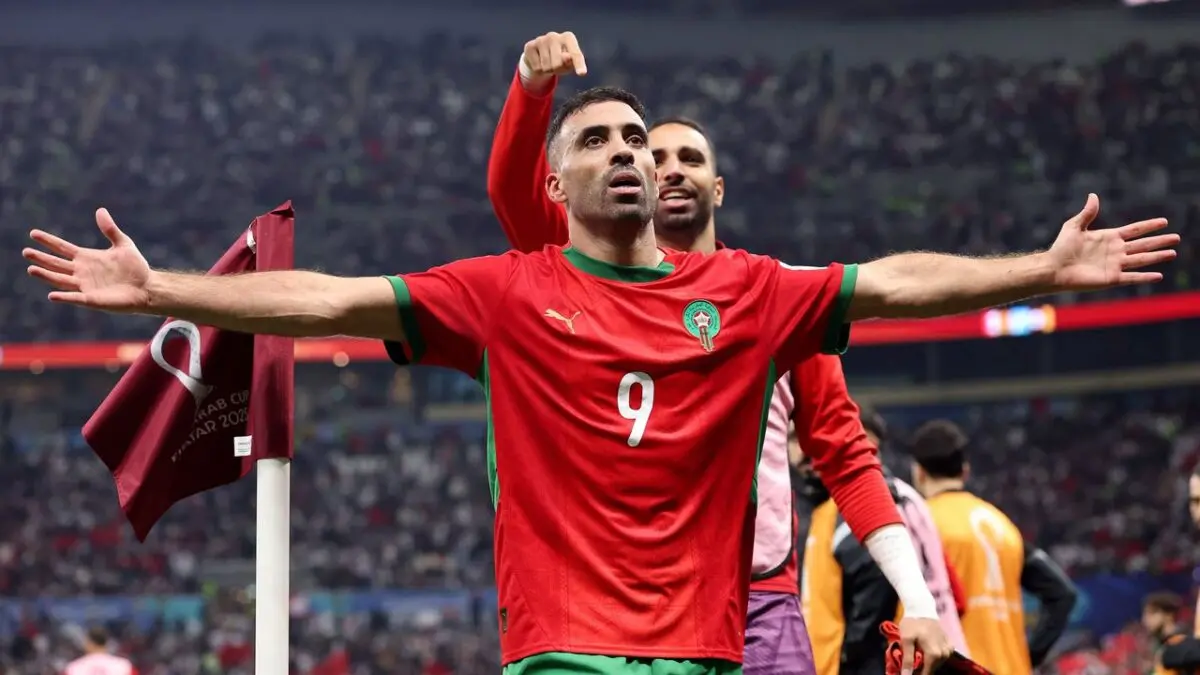
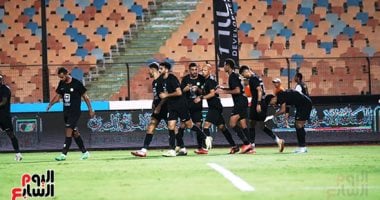
Mohamed Salah, captain of the Egyptian national team, played his 22nd match in the Africa Cup of Nations finals during the round of 16 clash against Benin on Monday, surpassing the tally of the current national team coach, who played 21 matches in the tournament.
The 33-year-old Salah has 109 international caps and has scored 63 goals, and he remains a key element in the quest for an eighth continental title.
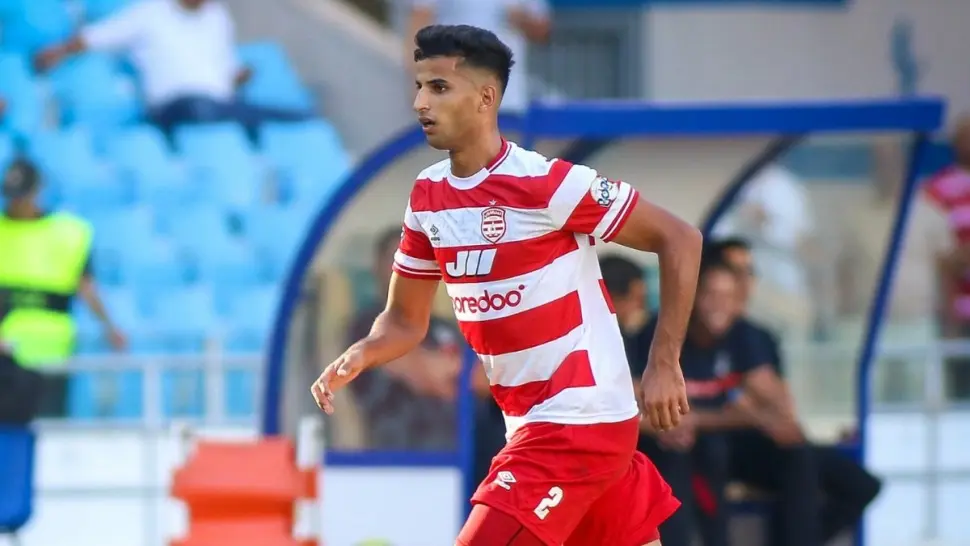
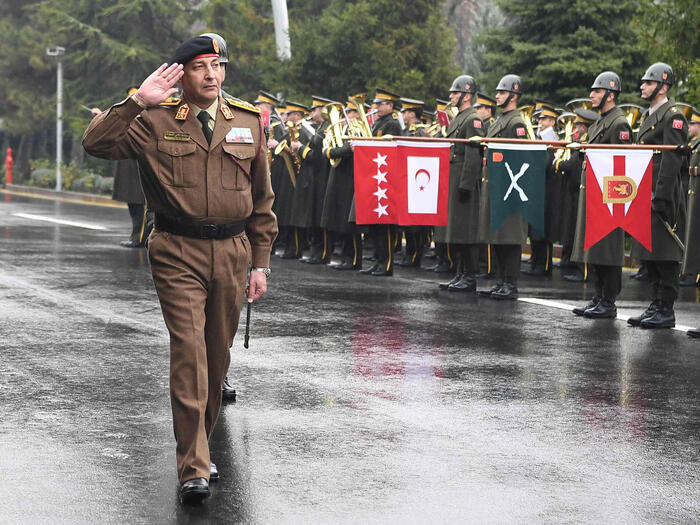
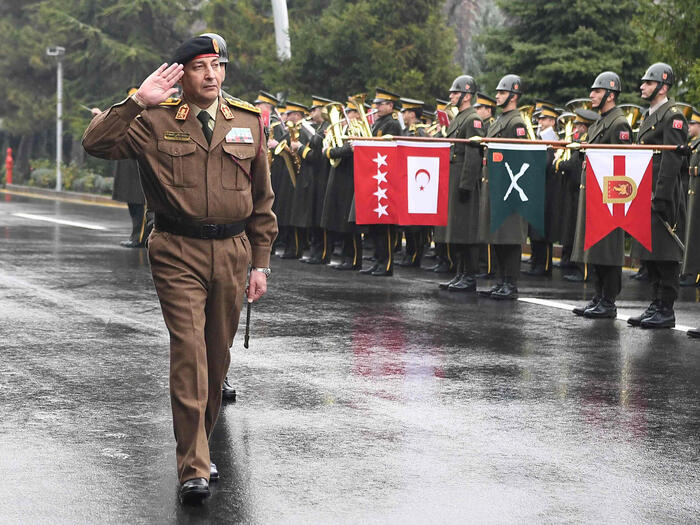
His total of 22 matches in the Africa Cup of Nations places him third domestically, alongside his former teammates, behind the record holder (32 matches) and the former goalkeeper (28 matches).
The record holder stands out not only domestically but also in the tournament’s history, holding second place on the all-time appearances list with 32 matches, behind the Cameroonian and the Ghanaian, who each have 36 matches.
Salah continues his strong presence in five consecutive editions since 2017, cementing his status as one of the fundamental pillars of Egypt’s continental campaign.
Egypt
Egypt is a country in North Africa, home to one of the world’s oldest civilizations, with its history spanning over 5,000 years from the ancient pharaonic kingdoms to Greco-Roman, Islamic, and modern eras. It is globally renowned for iconic cultural sites like the Pyramids of Giza, the Sphinx, and the temples of Luxor, which reflect its profound historical legacy.
Benin
Benin, historically the site of the powerful Kingdom of Benin (not to be confused with the modern Republic of Benin), was a major West African state from the 13th to 19th centuries, renowned for its sophisticated bronze and ivory artworks. Its capital, Edo (now Benin City in Nigeria), was a center of commerce and culture until the kingdom’s annexation by the British Empire in 1897.
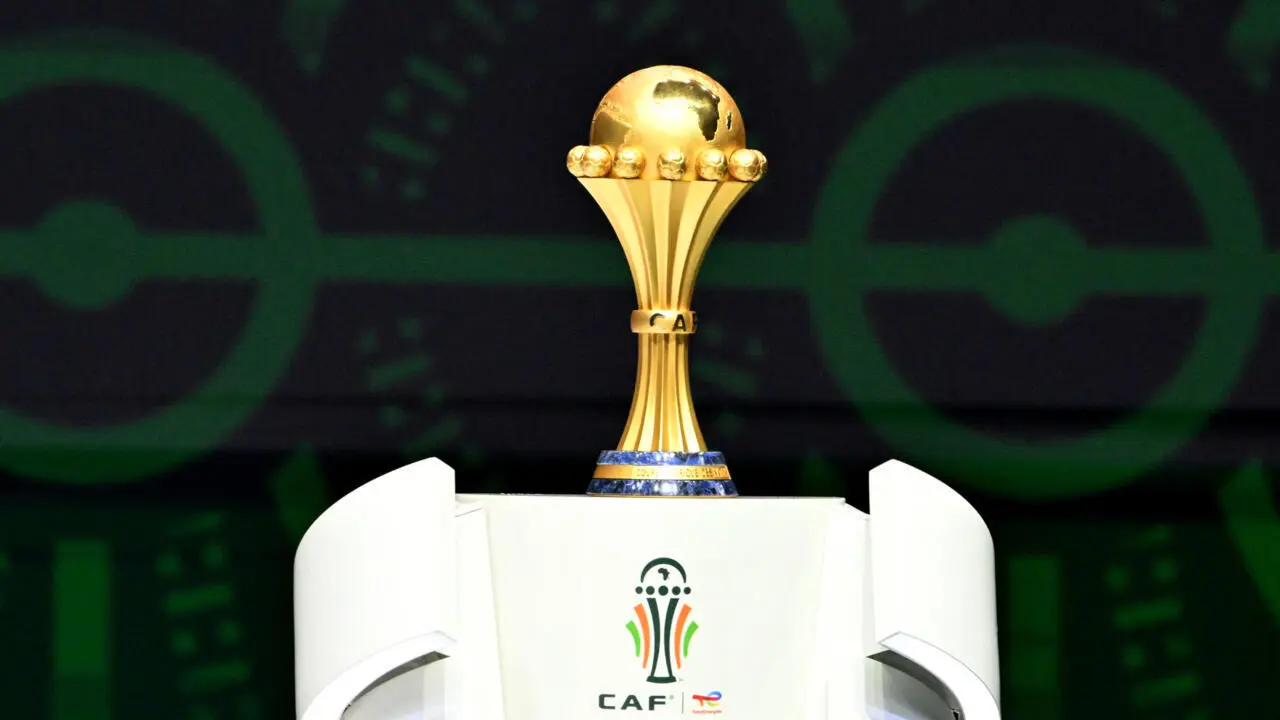
Africa Cup of Nations
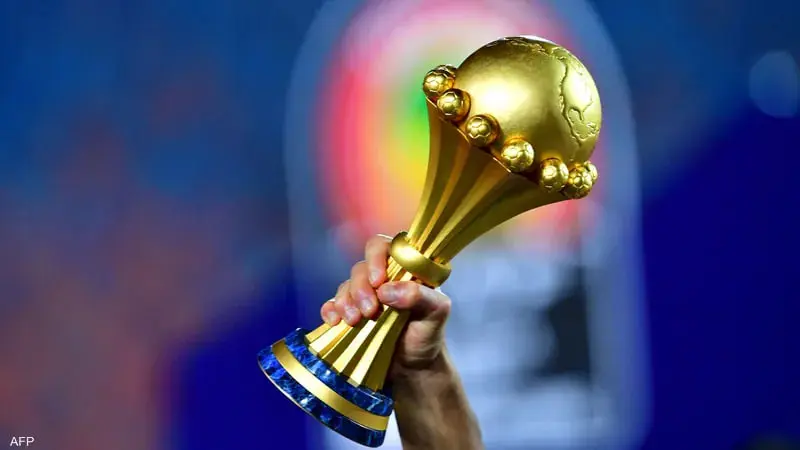
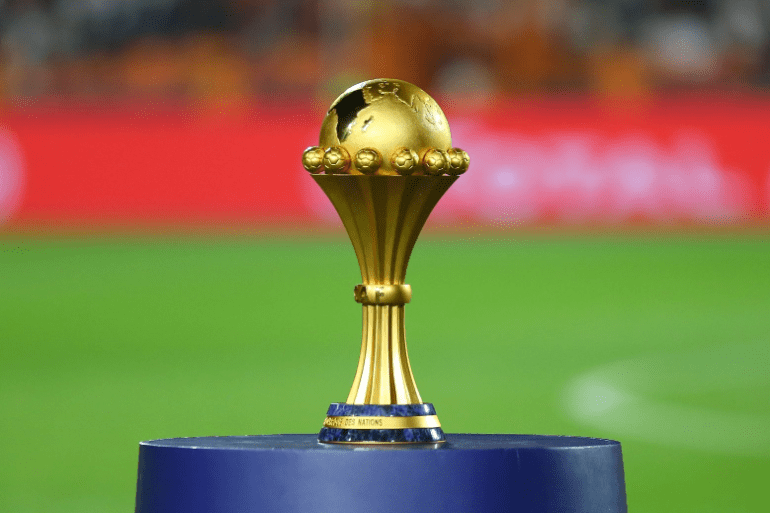
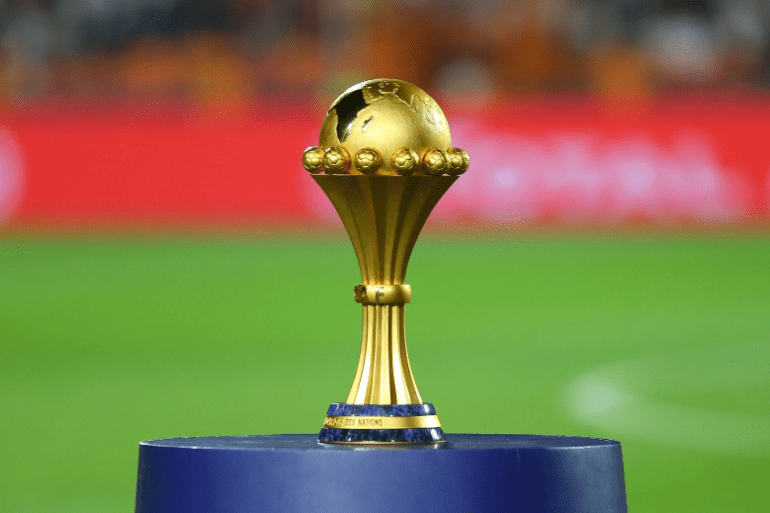
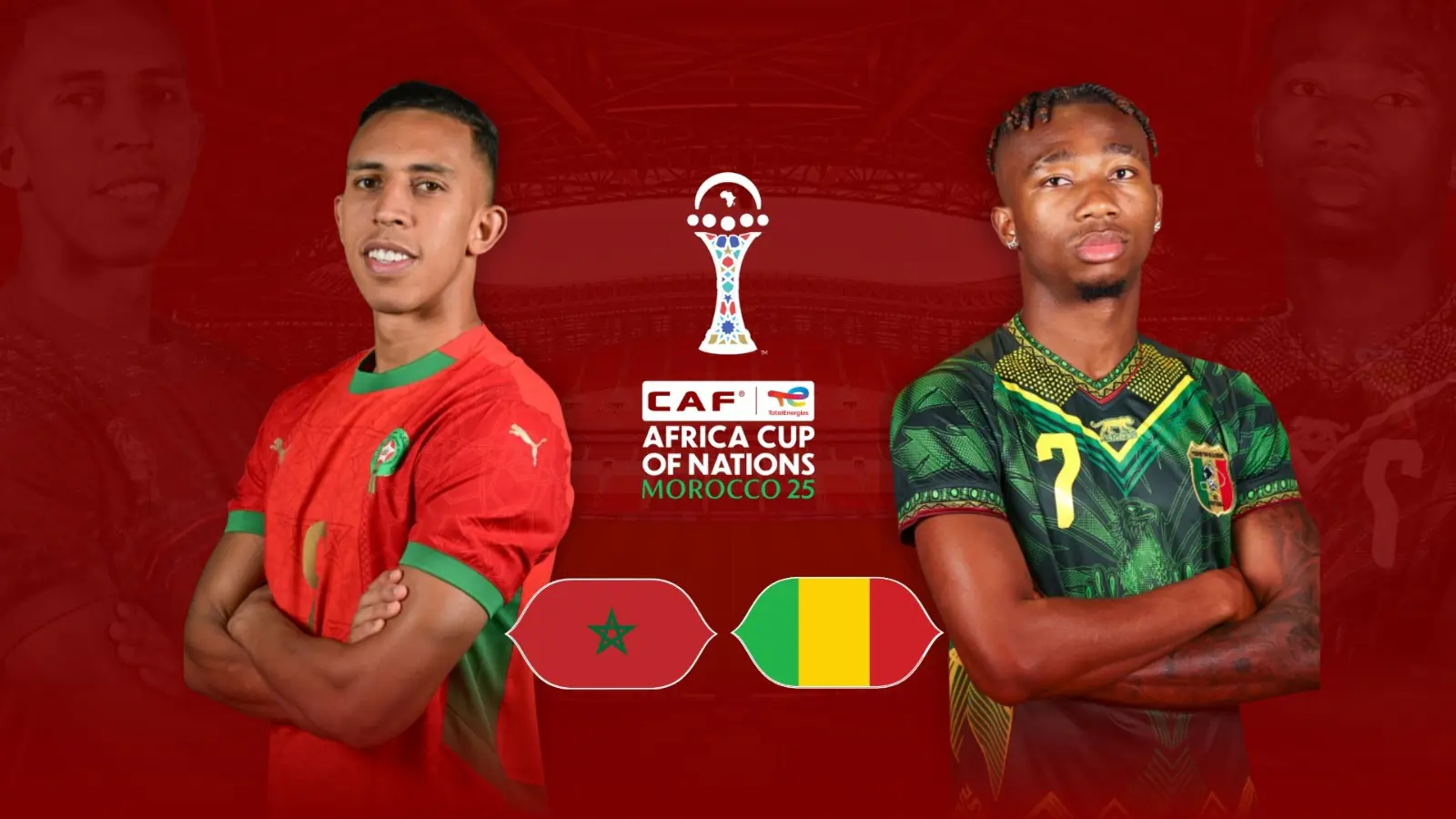
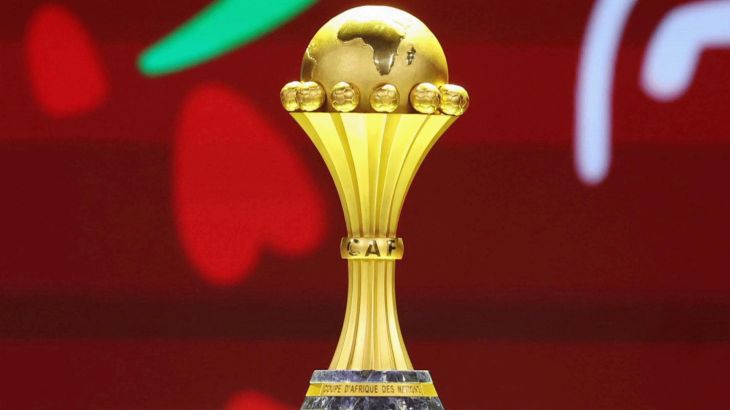
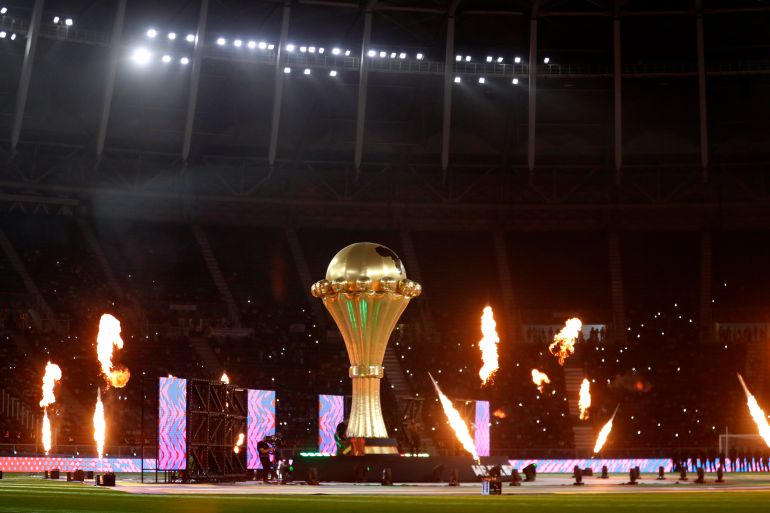
The Africa Cup of Nations (AFCON) is the premier international men’s football competition in Africa, first contested in 1957. It was founded to unite African nations through sport and has grown from three initial participants to a major tournament featuring 24 national teams.
Cameroonian
Cameroon is a culturally diverse Central African nation known for its blend of over 200 ethnic groups and linguistic traditions, including influences from French and English colonial history. Its cultural sites range from the royal palaces of the Bamoun and Bamileke kingdoms to the natural heritage of sites like Mount Cameroon.
Ghanaian
Ghanaian culture is deeply rooted in the diverse traditions of its many ethnic groups, such as the Akan, Ga, and Ewe, with a history shaped by ancient kingdoms like the Ashanti Empire. This heritage is expressed through vibrant festivals, music like highlife, kente cloth weaving, and a rich oral storytelling tradition. The modern nation of Ghana, the first sub-Saharan African country to gain independence from colonial rule in 1957, draws upon this cultural legacy as a source of national identity and pride.