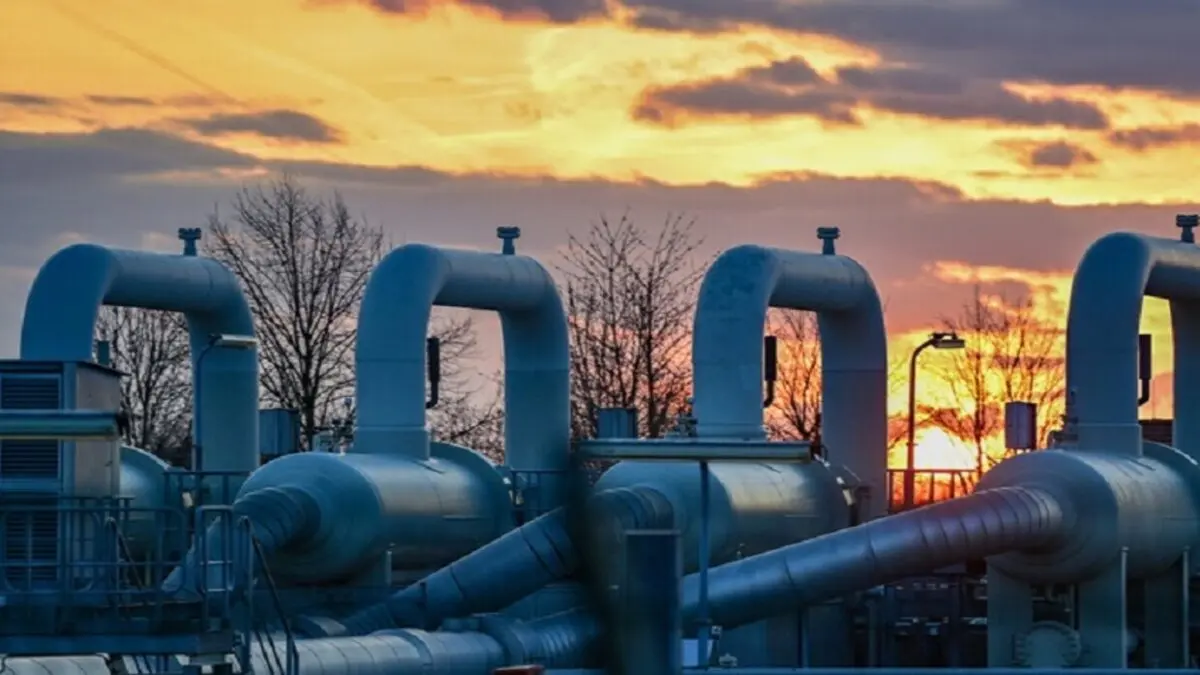
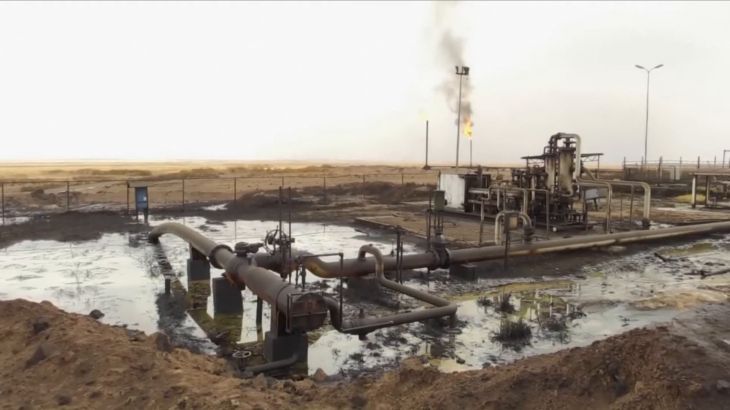
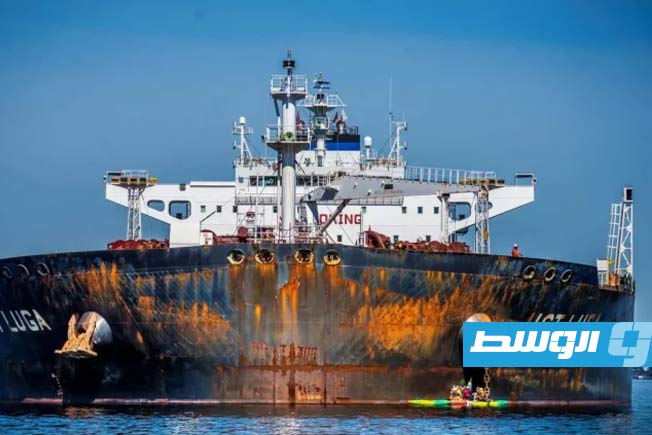
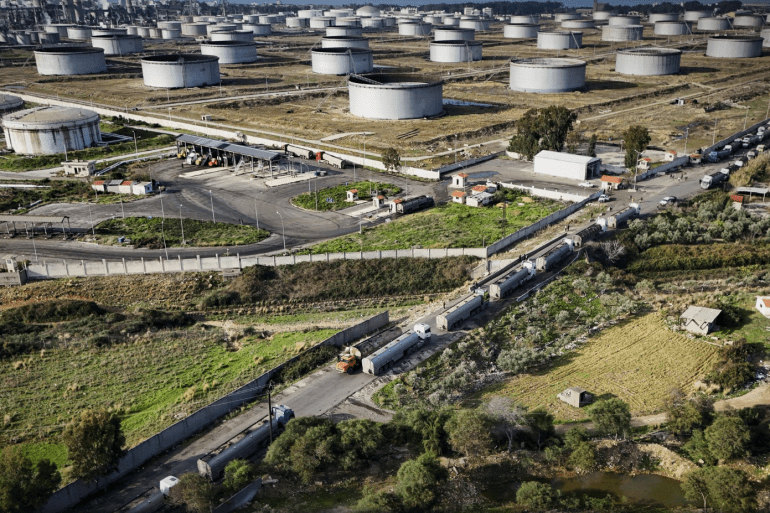
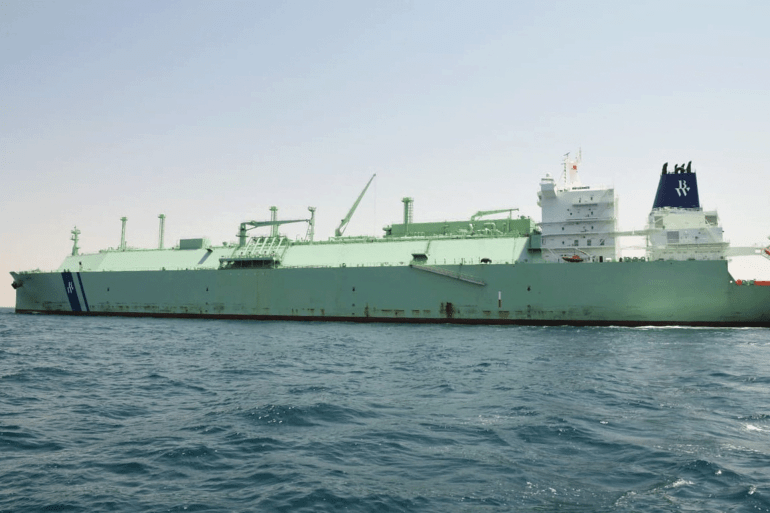
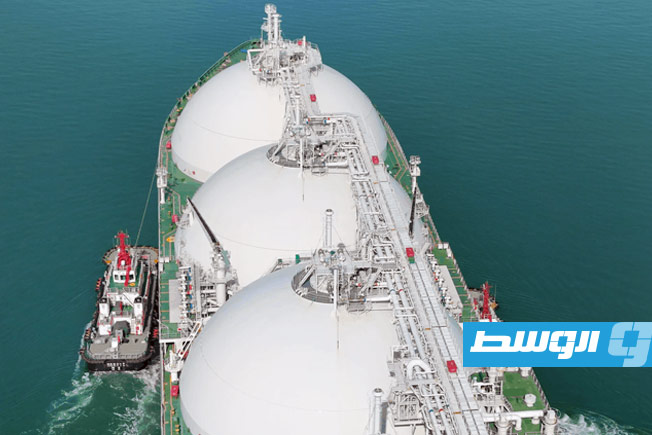
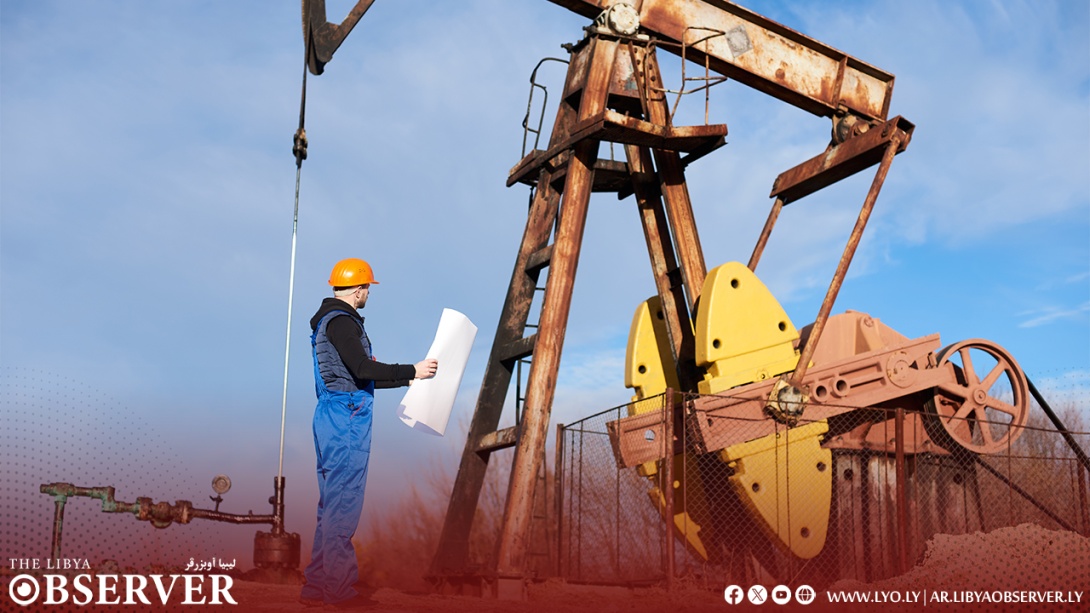
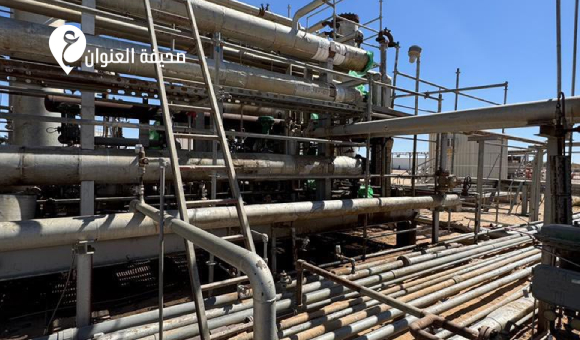
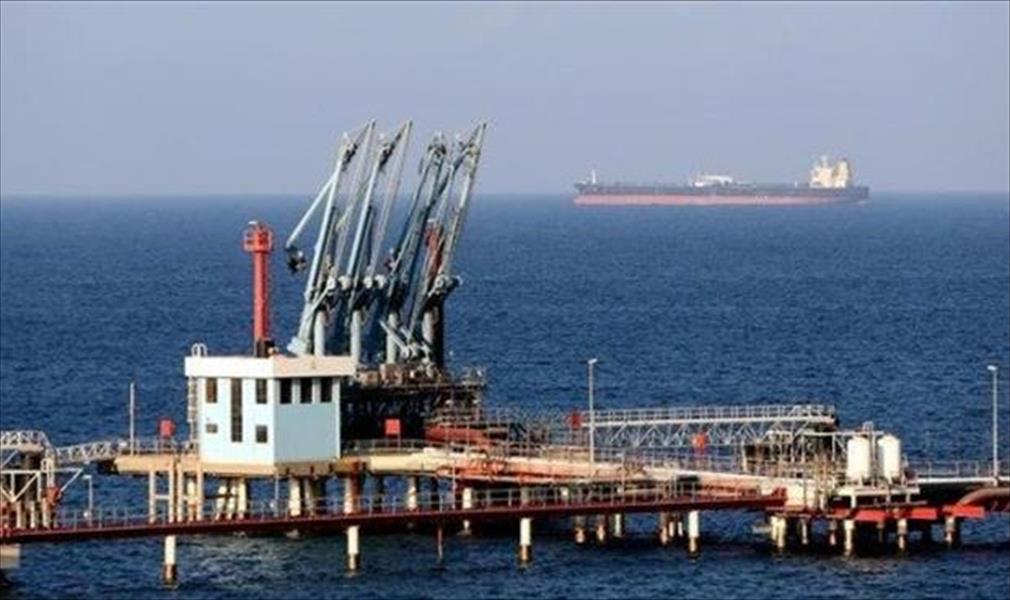
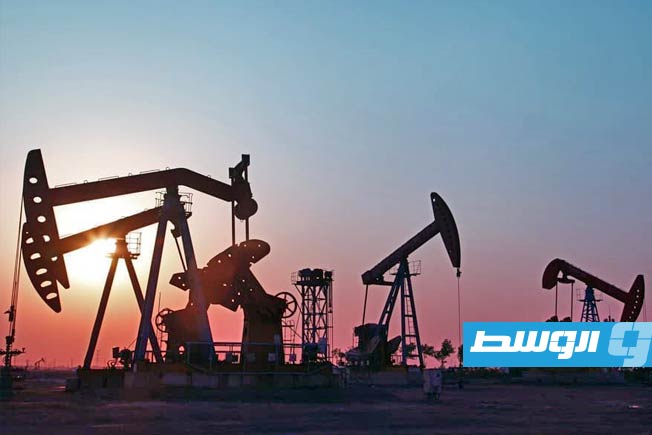
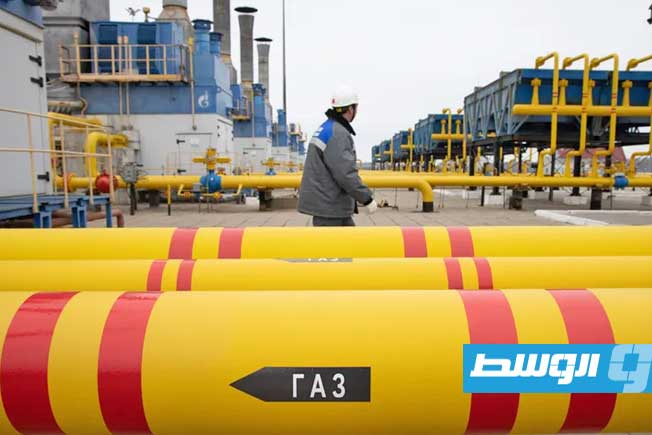
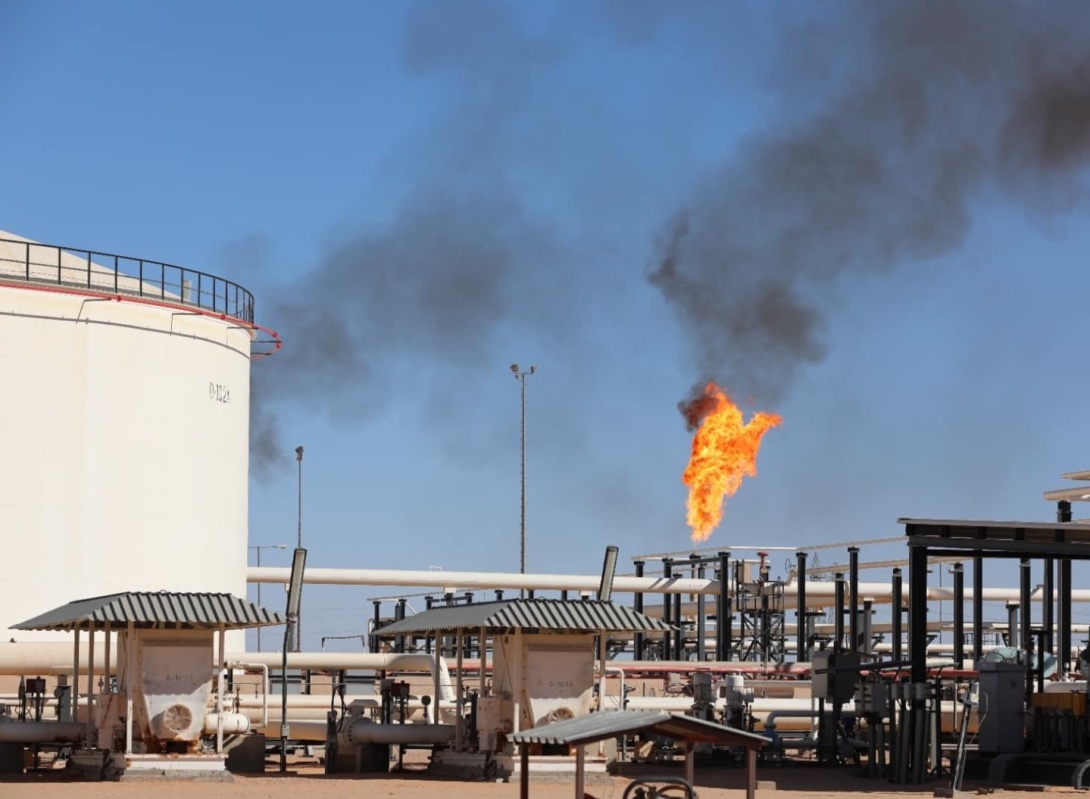
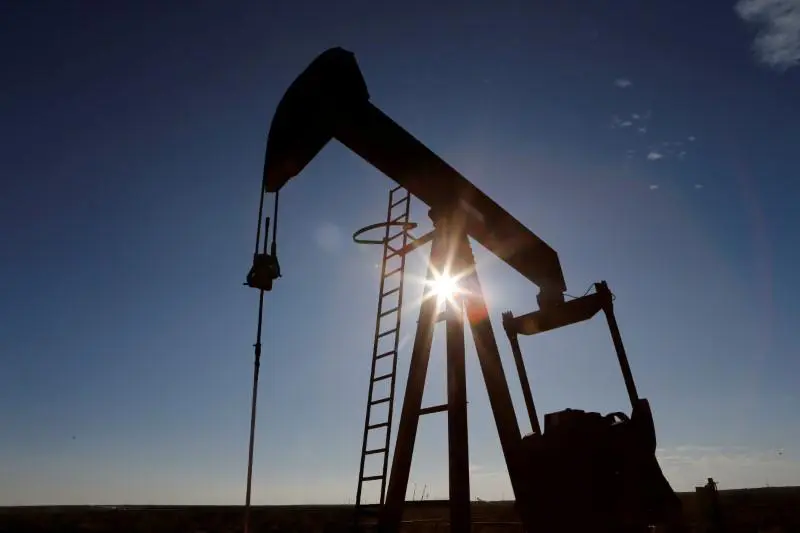
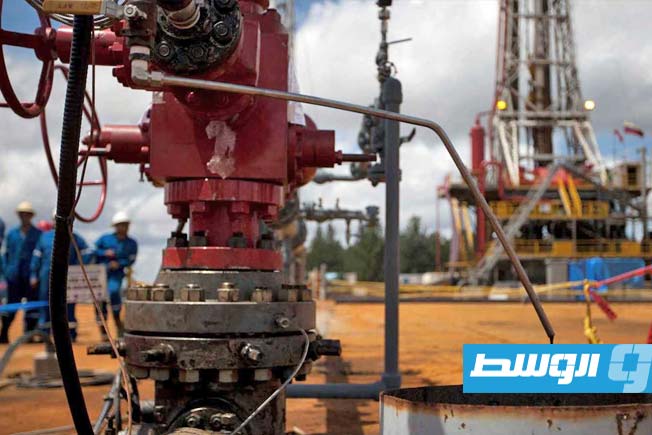
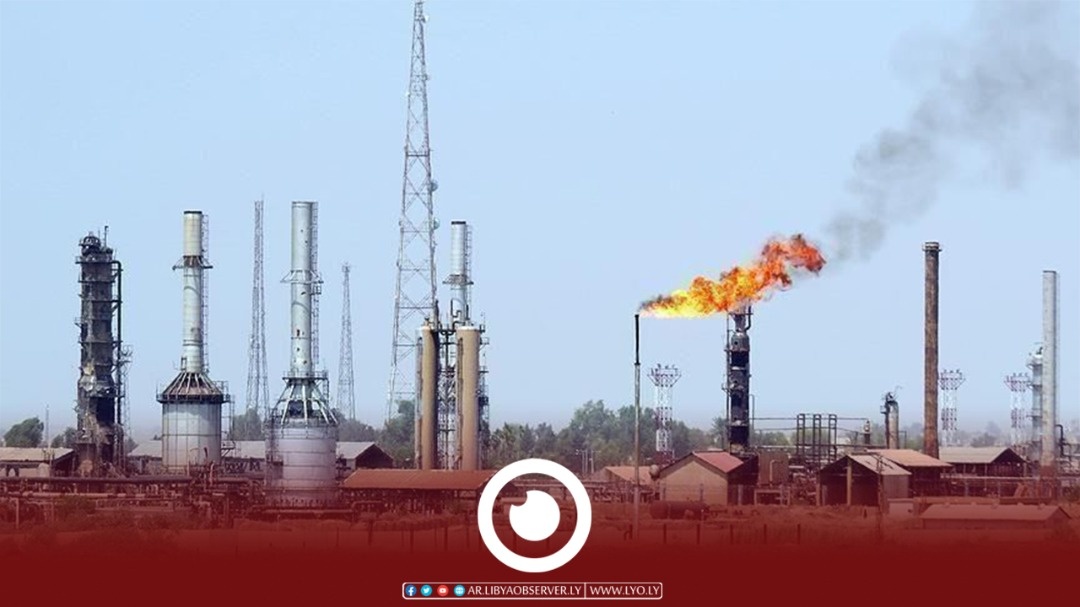
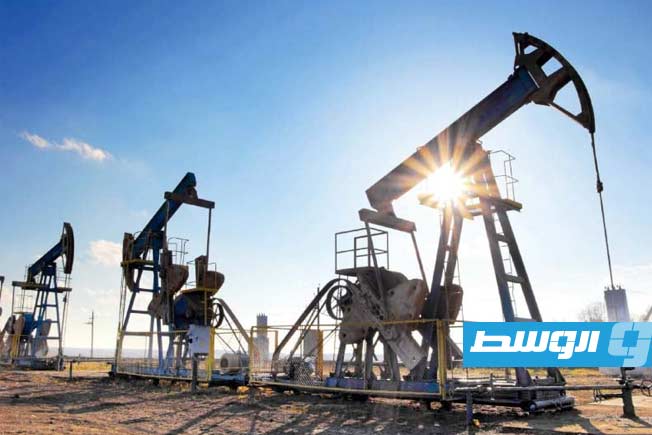
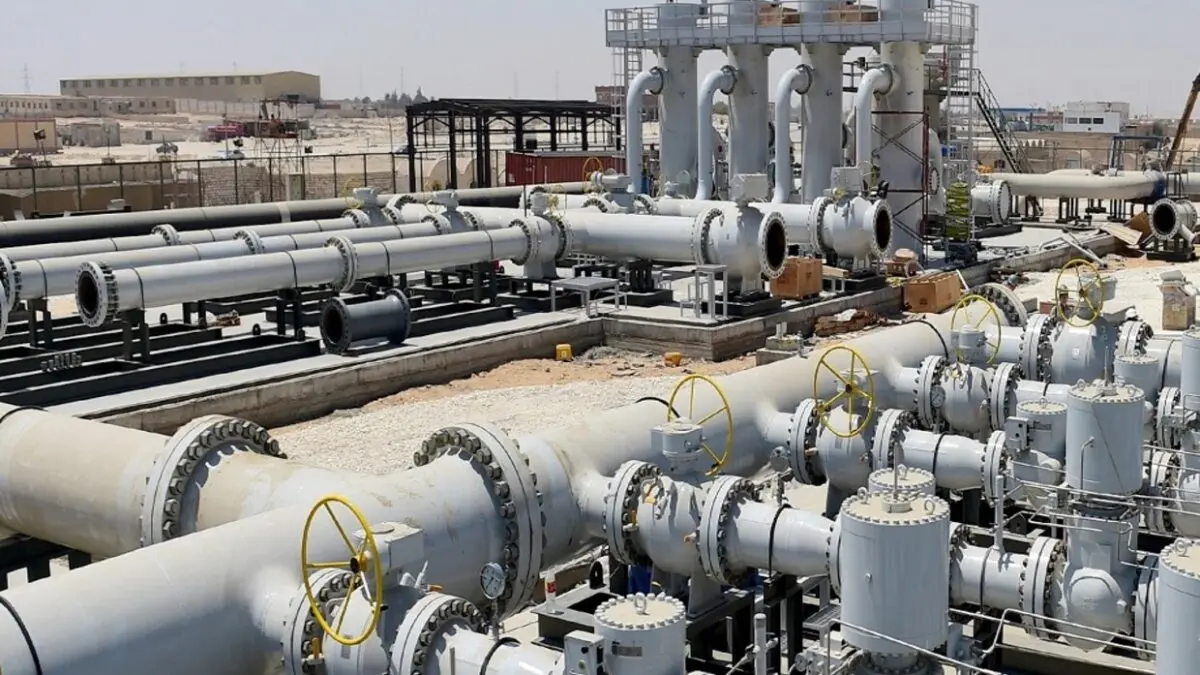
A report predicts that a surge in liquefied natural gas (LNG) production will drive growth in Africa’s energy sector, with sub-Saharan Africa expected to provide the bulk of the expansion in LNG output over the next decade.
The report, published on Saturday, indicated that LNG exports from sub-Saharan Africa are projected to jump by approximately 175% by 2034, thanks to a number of major projects in countries like Nigeria, which secured approval for an $8 billion gas production project, and Mozambique and Tanzania, which are nearing final decisions to allow foreign investments.
Observers and analysts believe that LNG will be the only fossil fuel to see significant growth in its share of the global energy mix in the coming few years, due to its role as a “transition fuel,” given its lower associated carbon emissions compared to oil and gas, and its flexibility in stabilizing the grid.
Reshaping Africa’s Future
The report also sees LNG as having the potential to reshape the future of the African continent, providing transformative alternative pathways for countries to generate export revenues and achieve local industrial advancement.
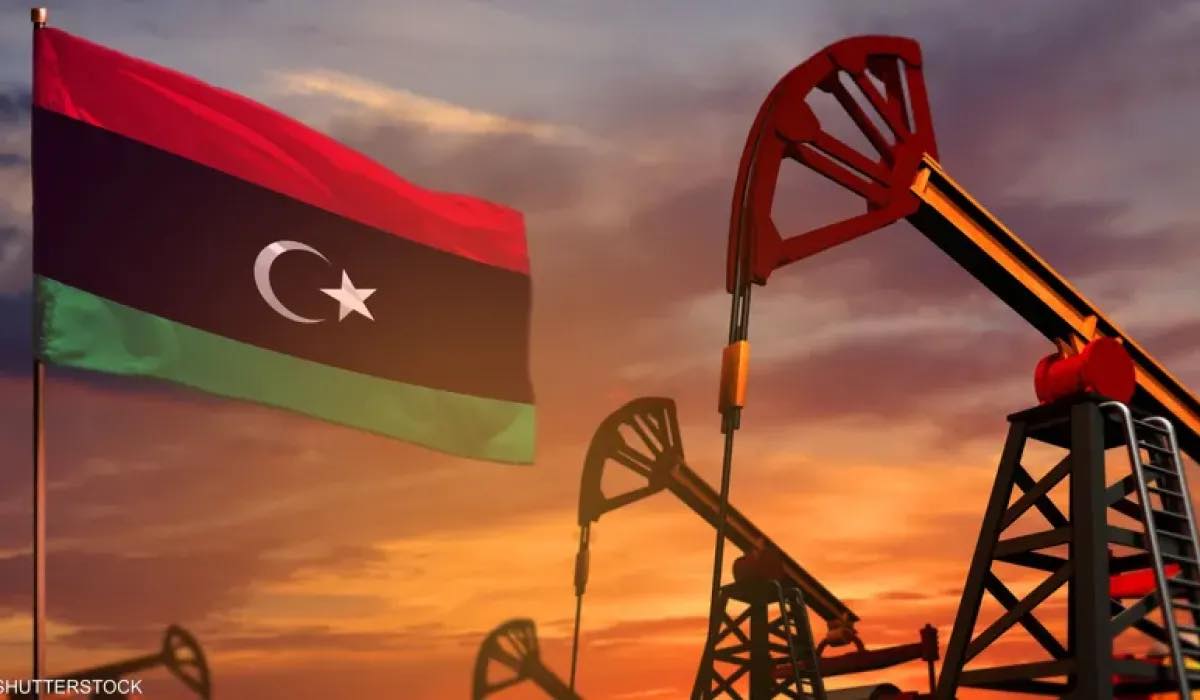
However, the report anticipated that traditional LNG production centers on the African continent, most notably Libya, Egypt, and Algeria, will decline in prominence relative to emerging forces in sub-Saharan Africa, which holds over 70% of extractable reserves.
It further forecast that LNG exports from sub-Saharan African nations will surge by about 175% to 98 billion cubic meters per year by 2034, up from 35.7 billion cubic meters per year recorded in 2024.
Nigeria is likely to lead LNG production on the African continent within the next decade, alongside production hubs in the cross-border area between Senegal and Mauritania. Mozambique is also working on developing floating LNG units.
The ‘Decade of Gas in Nigeria’ Initiative
The ‘Decade of Gas in Nigeria’ initiative was launched in 2021. It is a national initiative aimed at leveraging the country’s vast natural gas reserves, which exceed 200 trillion cubic feet, to transform the economy, boost industrialization, reduce energy poverty, and increase exports by 2030.
This initiative has led to crucial reforms, most notably the enactment of the historic Petroleum Industry Act in 2021, which aims to modernize the sector, attract investment, and provide a clearer regulatory framework.
The Nigerian government recently announced the launch of over $8 billion in final investment decisions for gas projects over the past 18 months, signaling growing investor confidence following recent executive orders and reforms.
Joint Projects Between Senegal and Mauritania
Similarly, Nigeria’s neighboring countries are developing their own gas resources. Senegal and Mauritania are cooperating to develop the large ‘Tortue Ahmeyim’ gas field, in collaboration with several companies, to produce LNG.
The field holds significant gas reserves, estimated at over 15 trillion cubic feet of recoverable gas, with some estimates suggesting the total resource potential of the basin is even higher.
Gas production was announced to have begun in January 2025, followed by the first LNG production and export shipment in April 2025, making Mauritania and Senegal LNG-exporting nations.
Meanwhile, Mozambique is steadily progressing towards becoming one of Africa’s natural gas and LNG giants, with its total recoverable reserves estimated at over 150 trillion cubic feet, enough to make it a global energy hub.
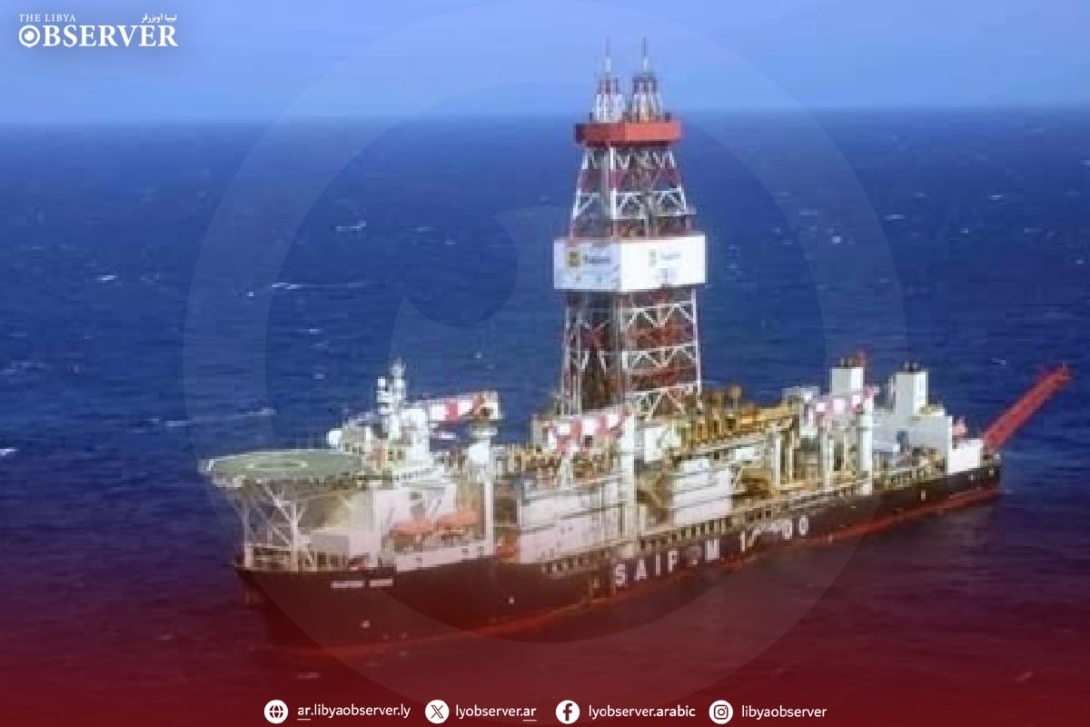
A French oil and gas giant is also preparing to resume work on its massive LNG project in Mozambique. The ‘Rovuma’ LNG project, developed in partnership with other companies, is a major onshore infrastructure development project aimed at liquefying gas from the offshore Rovuma Basin for global export.
Africa
Africa is the world’s second-largest continent, known as the cradle of humankind due to archaeological evidence showing the origins of human evolution. It is home to an immense diversity of cultures, languages, and historic civilizations, including ancient Egypt, the Mali Empire, and Great Zimbabwe. The continent’s more recent history has been profoundly shaped by colonialism, the transatlantic slave trade, and the subsequent movements for independence and nation-building.
sub-Saharan Africa
Sub-Saharan Africa refers to the vast region of the African continent located south of the Sahara Desert, encompassing diverse countries, cultures, and ecosystems. Historically, it was home to powerful pre-colonial kingdoms and empires, such as Mali and Great Zimbabwe, before experiencing European colonization and the subsequent era of independence movements.
Nigeria
Nigeria is a country in West Africa with a rich history shaped by ancient kingdoms like the Nri, Benin, and Oyo, as well as the Sokoto Caliphate. It gained independence from British colonial rule in 1960 and is now Africa’s most populous nation, known for its vibrant cultural diversity, significant oil reserves, and influential music and film industries.
Mozambique
Mozambique is a country in Southeast Africa with a rich history shaped by Bantu-speaking peoples, Arab trade, and Portuguese colonization, which lasted nearly five centuries until independence in 1975. Its cultural heritage is reflected in historic sites like the Island of Mozambique, a UNESCO World Heritage site that served as a major trading post. Today, the nation is known for its diverse cultures, vibrant music, and lengthy Indian Ocean coastline.
Tanzania
Tanzania is a country in East Africa known for its rich cultural heritage and significant historical sites, including the ancient trading port of Kilwa Kisoani and the rock art of Kondoa. It is also home to natural wonders like Mount Kilimanjaro and the Serengeti, with a history shaped by indigenous groups, Arab trade, German and British colonial rule, and independence achieved in 1961.
Libya
Libya is a North African country with a rich history rooted in ancient civilizations like the Phoenicians and Romans, followed by centuries of Arab and Ottoman influence. In the modern era, it was an Italian colony before gaining independence in 1951, later becoming known for Muammar Gaddafi’s lengthy rule from 1969 until the 2011 revolution. The country is home to UNESCO World Heritage sites, such as the ruins of Leptis Magna, which showcase its classical past.
Egypt
Egypt, home to one of the world’s oldest civilizations, is famed for the ancient pyramids of Giza and the Great Sphinx, which date back over 4,500 years. Its rich history includes the Pharaonic kingdoms along the Nile River, followed by periods of Greek, Roman, Arab, and Ottoman rule. Today, it remains a major cultural and historical destination, centered on landmarks like the Valley of the Kings and Islamic Cairo.
Algeria
Algeria is a North African nation with a rich history shaped by ancient Berber kingdoms, Roman rule, and centuries of Ottoman influence. It gained independence from France in 1962 after a protracted war, and its cultural heritage includes numerous UNESCO World Heritage sites, such as the Roman ruins of Timgad and the Casbah of Algiers.
Senegal
Senegal is a West African nation known for its rich cultural heritage and historical significance, particularly as a center of the transatlantic slave trade and later as a key part of French West Africa. Its cultural sites include the Island of Gorée, a UNESCO World Heritage site that memorializes the slave trade, and the Saint-Louis colonial capital, reflecting its complex colonial history.
Mauritania
Mauritania is a country in Northwest Africa known for its vast Saharan desert landscapes and rich Islamic scholarship traditions, particularly in historic cities like Chinguetti. Its history includes ancient Berber kingdoms, its role in the trans-Saharan trade, and it became an independent nation from France in 1960. The country’s cultural heritage is also reflected in its distinctive Moorish architecture and ancient manuscript libraries.
Tortue Ahmeyim
Tortue Ahmeyim is a sacred and culturally significant rock formation located in the West African country of Togo. It is venerated by the local Guin people as a protective deity and is central to traditional rituals and ceremonies. According to oral history, the large turtle-shaped stone is believed to be a petrified mythical turtle that guided and protected the ancestors of the community.
Rovuma
The Rovuma River is a major waterway in southeastern Africa, forming much of the border between Tanzania and Mozambique. Historically, it served as a route for Swahili-Arab trade caravans and later became a focal point during the European “Scramble for Africa,” with its northern bank becoming part of German East Africa. Today, it is known for its biodiverse river basin and the natural gas discoveries in its offshore region.
Rovuma Basin
The Rovuma Basin is a geological formation and prospective hydrocarbon region located primarily offshore along the border between Tanzania and Mozambique. Its history as a significant energy site began in the early 21st century with the discovery of massive natural gas reserves, which have since driven major international investment and development projects in both countries.